Hotels in Melaka
Discover your perfect stay in Melaka.
Melaka(Malaysia) Travel 2026: Cheap Flights, Hotels & Top Attractions
Popular Landmarks in Melaka
Discover the most iconic attractions in Melaka
Recommended Hotels in Melaka
Find the perfect place to stay in Melaka
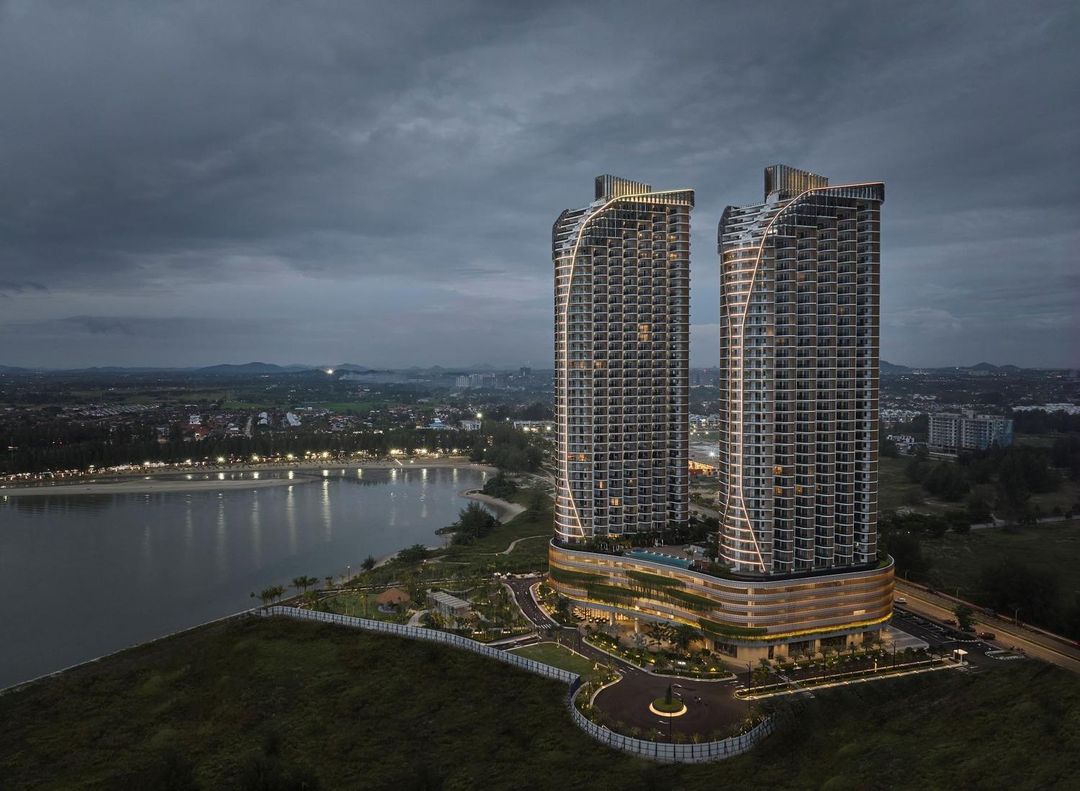
Birkin International Hotel
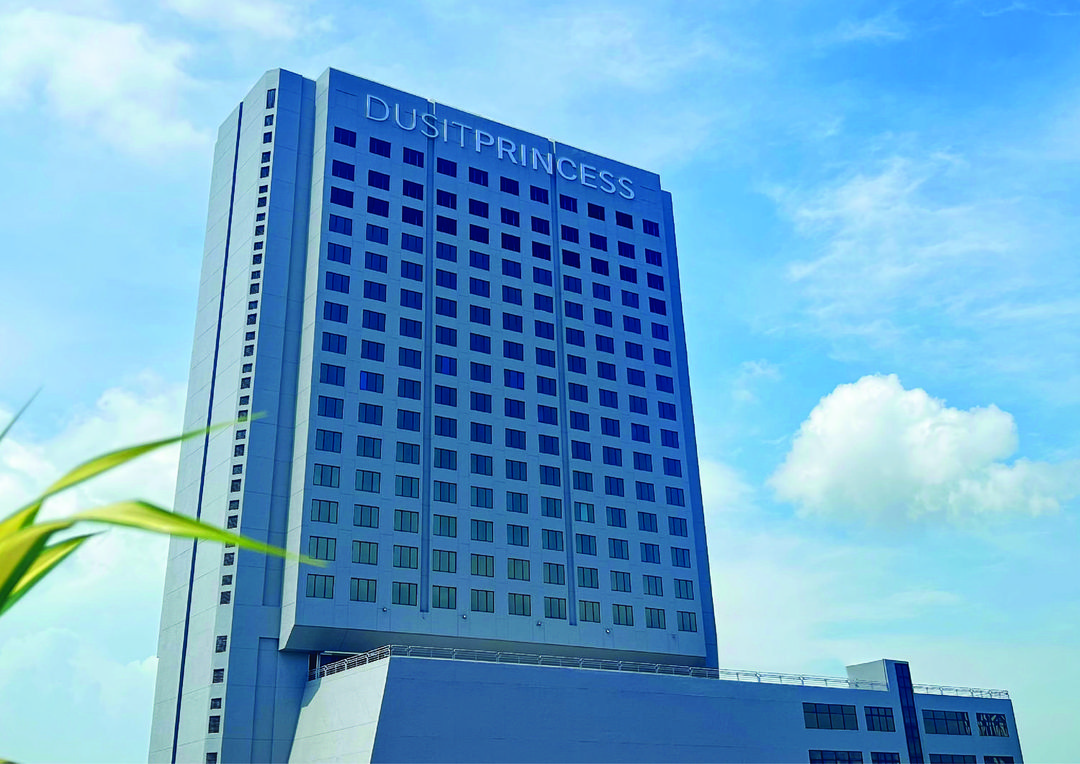
Dusit Princess Melaka
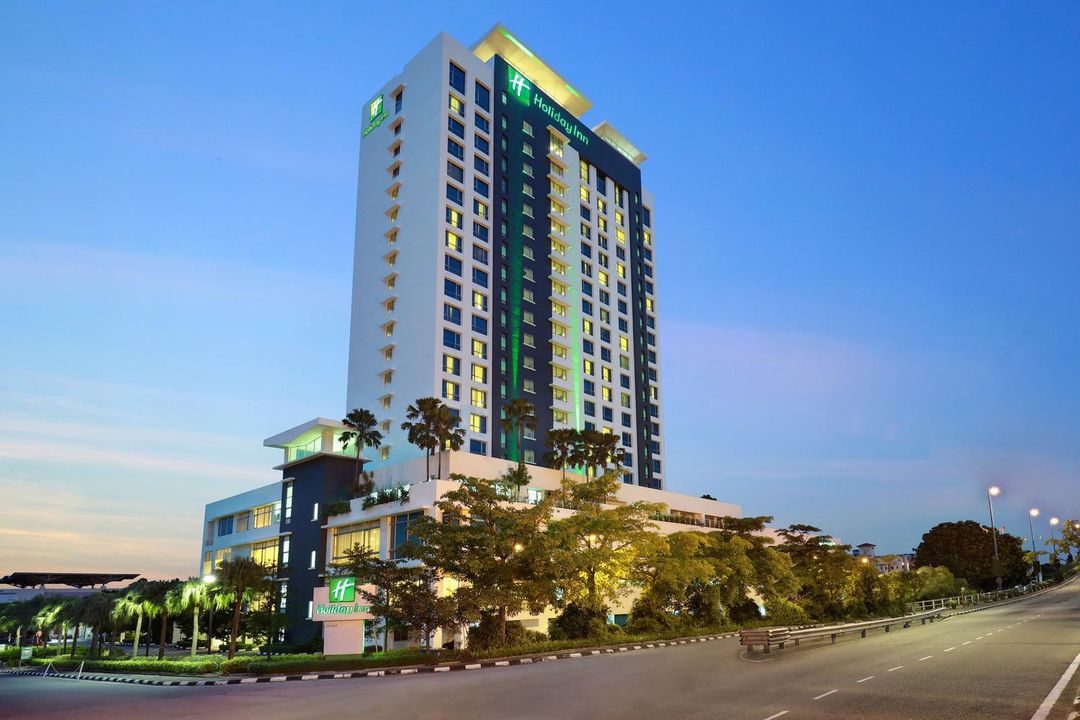
Holiday Inn Melaka
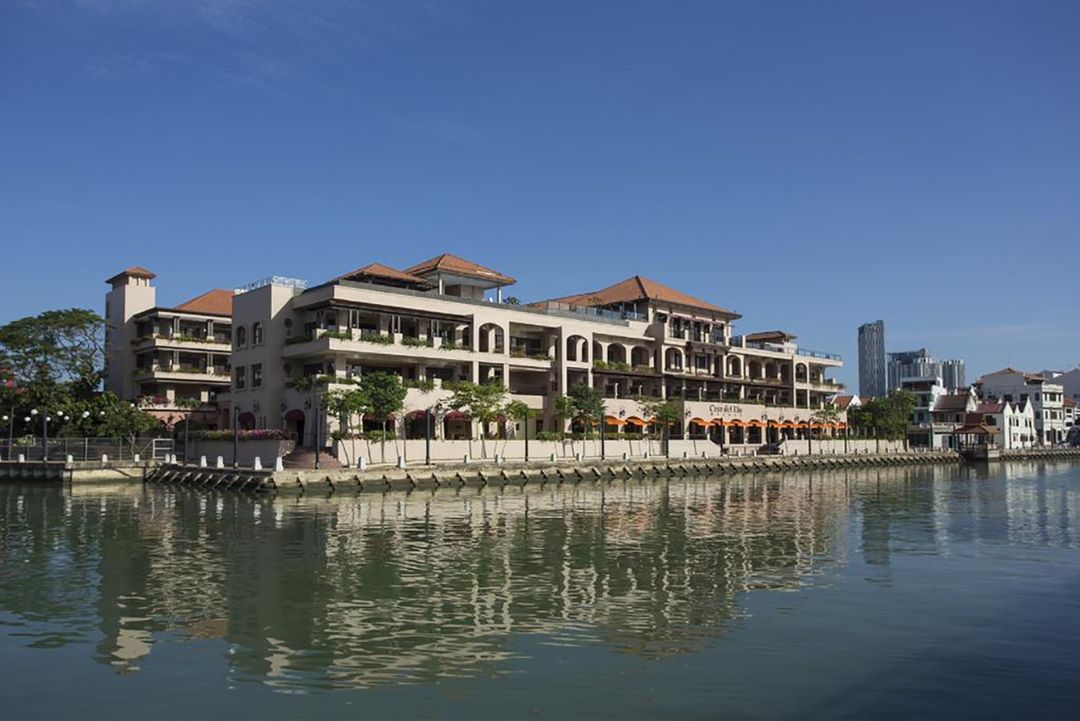
Casa del Rio Melaka
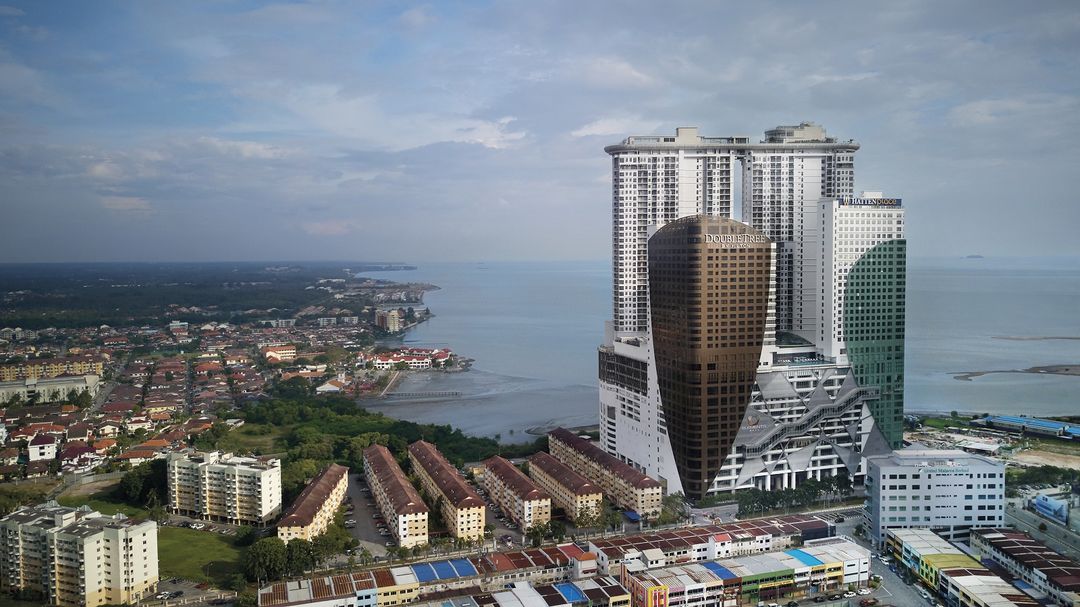
DoubleTree by Hilton Melaka
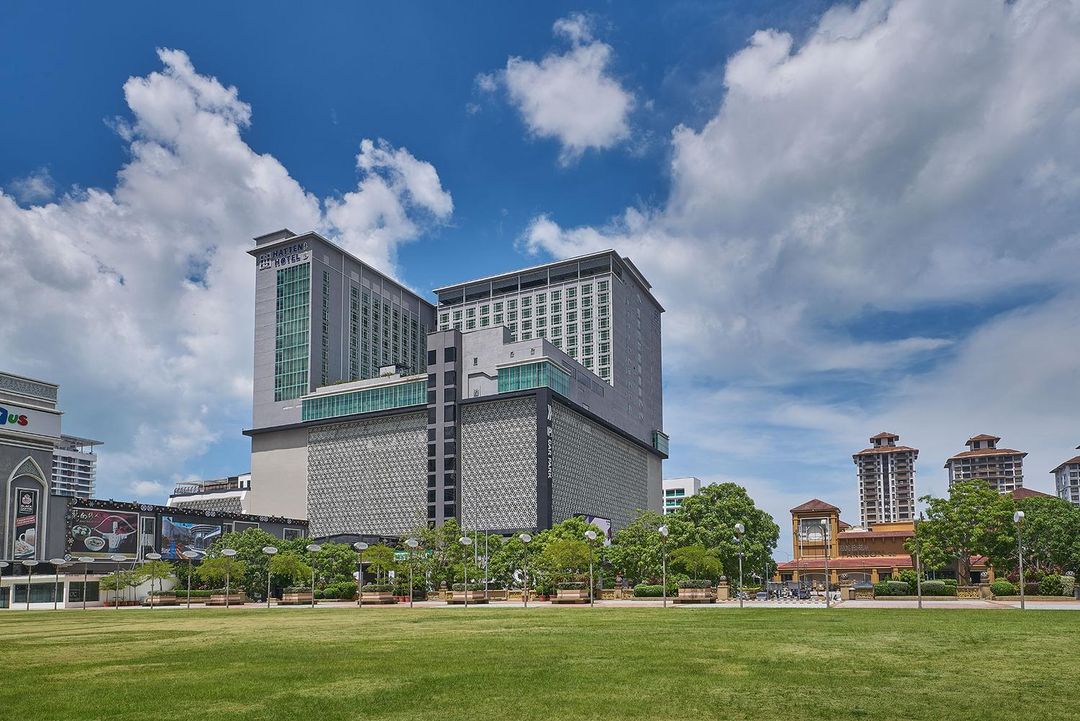
Hatten Hotel Melaka
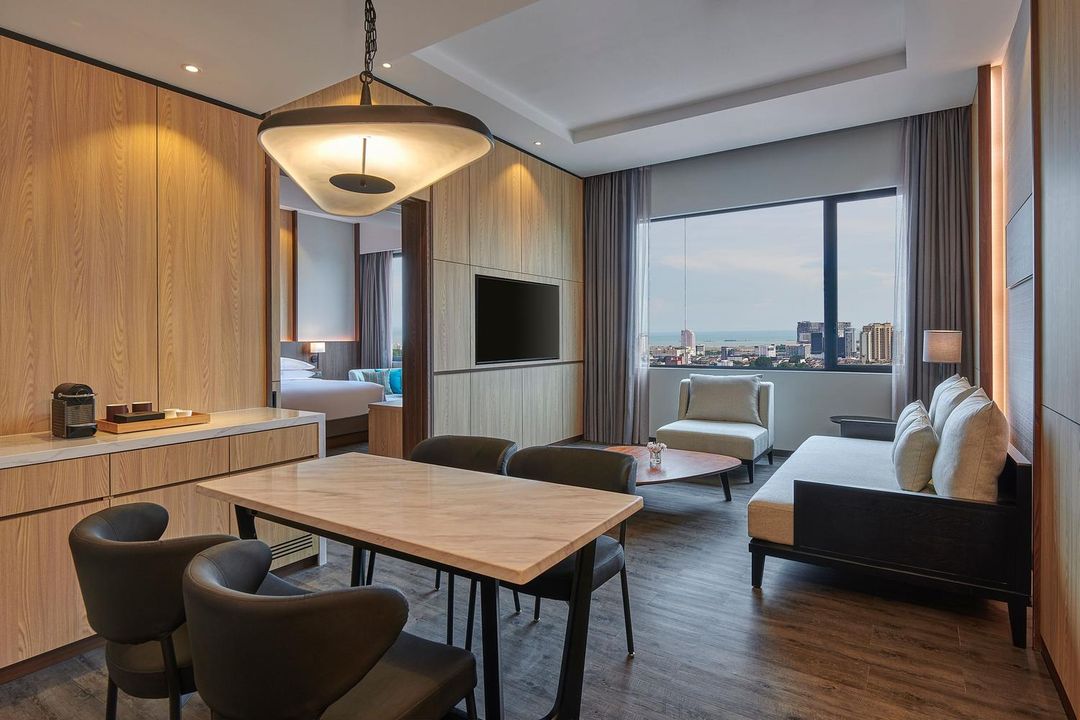
Courtyard by Marriott Melaka
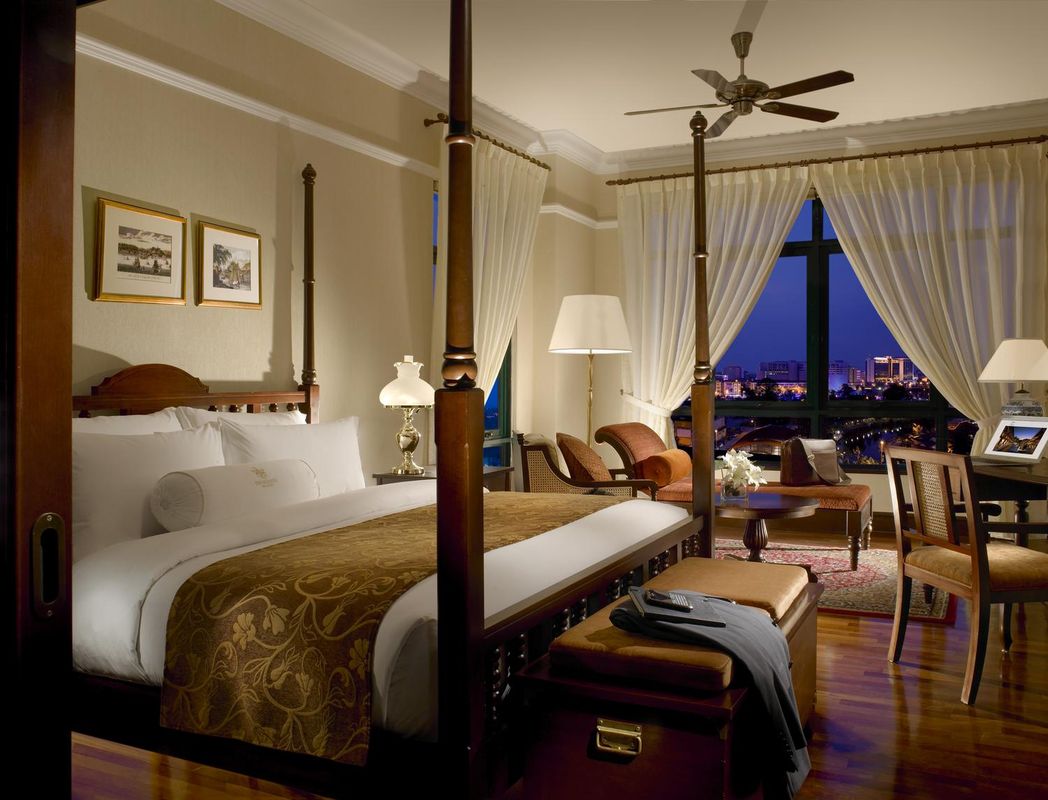
The Majestic Malacca Hotel - Small Luxury Hotels of the World
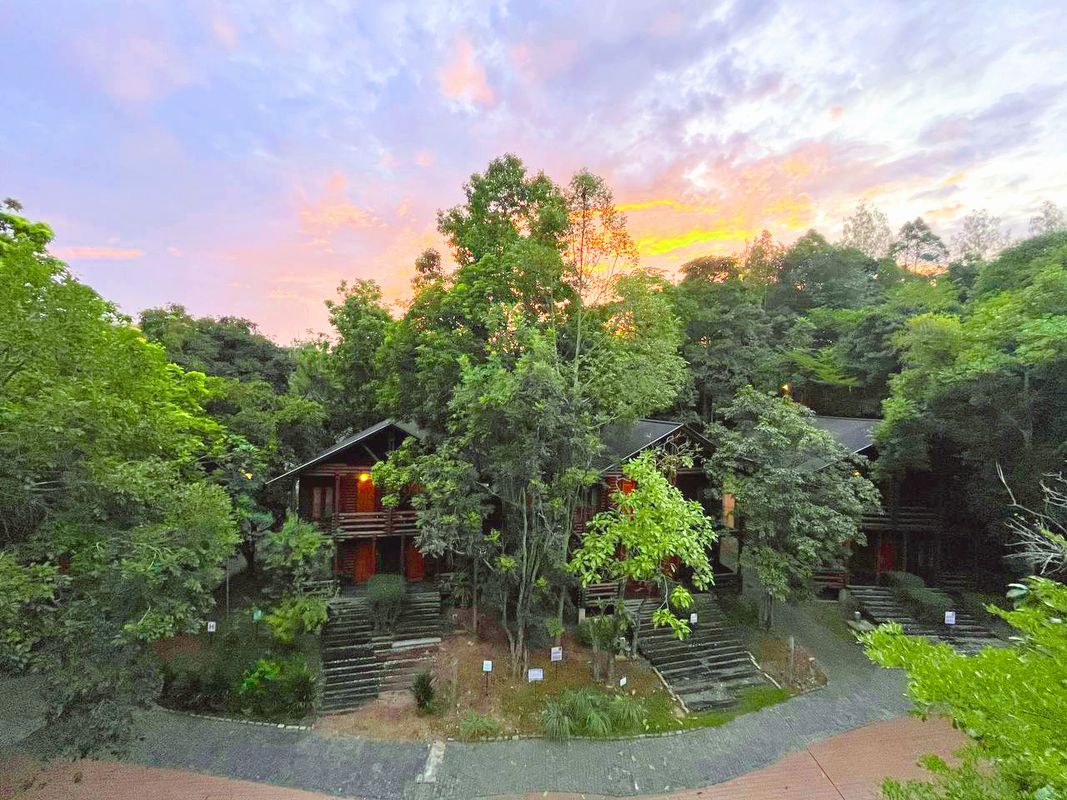
Philea Resort & Spa
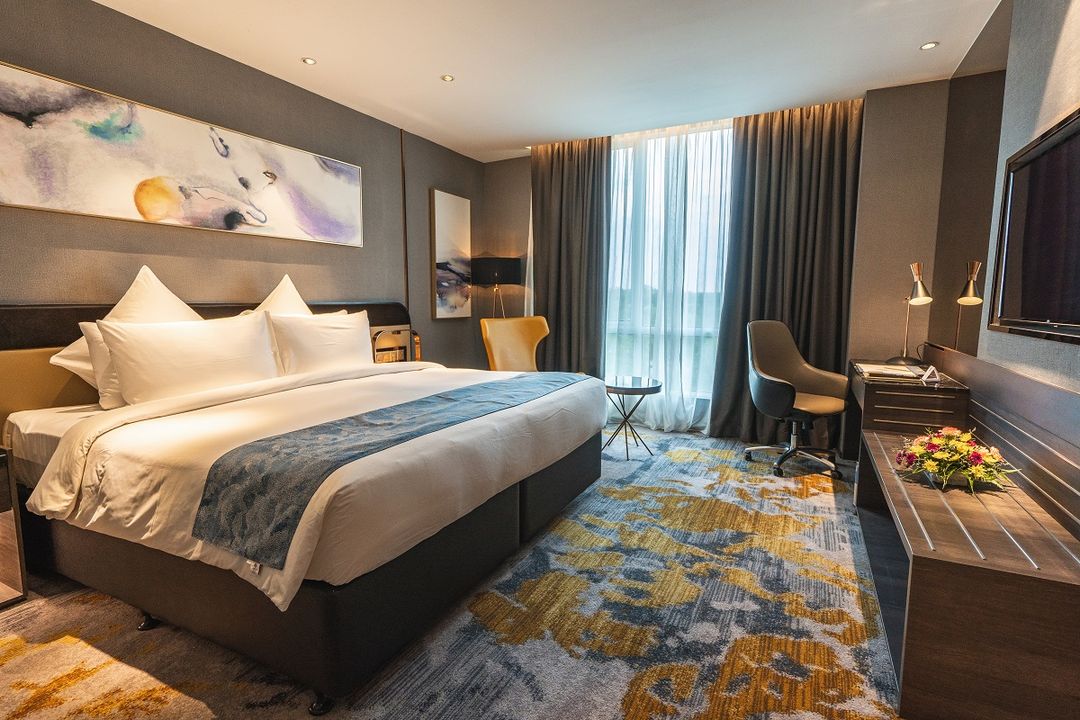
Ames Hotel
Frequently Asked Questions about Traveling to Melaka
Questions You Might Need to Know About Traveling to Melaka
Top heritage hotels in Malacca offering immersive cultural experiences include The Fortress Hotel, housed in a 17th-century Dutch fortress, and Malacca Riverfront Hotel, blending Portuguese and Baba-Nonya architecture. Both offer traditional Baba-Nonya cooking classes, batik workshops, and guided tours of A Famosa Fortress and St. Paul Hill.
These properties allow guests to live within Malacca’s UNESCO World Heritage Site, experiencing centuries-old colonial history, multicultural fusion, and authentic local rituals—perfect for travelers seeking deep cultural immersion in Southeast Asia’s historic trading hub.
The Malacca Historic City Centre is the ideal district for hotel stays, located just steps away from major landmarks like Christ Church (Red Square), St. Paul’s Hill, and Jonker Street Night Market.
This vibrant zone features boutique hotels such as Malacca Riverfront Hotel and The Fortress Hotel, all within walking distance of museums, heritage buildings, and street food stalls. With excellent access to public transport and free bike rentals, it offers unmatched convenience for exploring Malacca’s rich history and lively local culture at your own pace.
Yes, Malacca Riverfront Hotel stands out as a top family-friendly option. It features a dedicated kids’ playroom, family pool, and complimentary bicycle rentals for exploring nearby attractions.
The hotel regularly hosts interactive programs like traditional dance performances, handmade batik workshops, and Malay storytelling sessions tailored for children. Located near Jonker Street Night Market and Malacca Water Park, it ensures fun, safe, and educational experiences for families seeking a memorable, culturally rich vacation in Malaysia’s historic capital.
The Fortress Hotel is Malacca’s most iconic historical hotel, originally built as a 17th-century Dutch military fort during colonial rule. The structure now serves as a luxury boutique hotel, preserving original stone walls, archways, and cannons while blending Dutch colonial design with Malay decorative elements.
Guests can explore the fortress ruins, enjoy panoramic views of the Malacca River, and participate in heritage tours. Its unique location within the A Famosa complex makes it a must-stay for history lovers and travelers interested in Malacca’s role as a key maritime trade port in Southeast Asia.
In Malacca, visitors can enjoy unique cultural experiences such as:
- Participating in a Baba-Nonya wedding ceremony reenactment, showcasing Chinese-Malay fusion traditions.
- Joining a traditional Malay kampung (village) cooking class to prepare dishes like Laksa and Ayam Pansuh.
- Taking a perahu boat ride along the Malacca River, passing by historic waterfront mansions and ancient temples.
Additionally, during the annual Malacca International Arts Festival, expect open-air performances, lion dances, and street art installations—all highlighting Malacca’s legacy as a crossroads of civilizations.
Malacca Riverfront Hotel is the closest hotel to Jonker Street Night Market, just a 5-minute walk away. This bustling market, held every weekend, features over 200 stalls selling local street food like char kway teow, satay, and durian ice cream.
The hotel provides exclusive night market guides, free drink vouchers, and even organized group tours to help guests discover hidden gems. Its riverside location also allows for scenic evening strolls, making it the perfect base for enjoying Malacca’s vibrant nightlife and culinary culture.
Yes, Malacca Riverfront Hotel and The Fortress Hotel are among the most photogenic options. With colorful Portuguese tiles, ornate Baba-Nonya windows, and views of the Malacca River, these hotels offer stunning backdrops for photos.
Capture golden-hour shots at Red Square or the ruins of St. Paul’s Hill from the hotel’s rooftop terrace. Both properties also provide free photography equipment rental and guided photo walks, helping travelers document Malacca’s UNESCO-listed charm with professional quality and cultural context.
Malacca Riverfront Hotel blends nature and culture seamlessly. Surrounded by lush mangroves and lotus-filled ponds, the hotel features a riverfront walking trail and an on-site rice paddy garden where guests can join planting and harvesting activities.
Cultural programs include bamboo weaving workshops, traditional herbal tea ceremonies, and eco-tours led by local farmers. These experiences connect visitors with Malacca’s agricultural roots and sustainable lifestyle, making it an ideal choice for eco-conscious travelers seeking authentic, nature-based cultural immersion.
Yes, many Malacca hotels—including Malacca Riverfront Hotel and The Fortress Hotel—provide full Chinese language services. Staff are trained in Mandarin, with menus, signage, and guest information available in Chinese.
Additionally, hotels offer Chinese-speaking tour guides, multilingual mobile apps, and audio guide devices for attractions like A Famosa Fortress and Christ Church. This ensures seamless communication and deeper understanding of Malacca’s multicultural heritage for Chinese-speaking travelers.
Driving in Malacca’s city center is not recommended due to narrow, one-way streets and heavy foot traffic, especially around Jonker Street and Red Square.
However, hotels like Malacca Riverfront Hotel offer free parking and electric bike rentals—ideal for exploring the historic district safely and efficiently. For longer trips to Kuala Lumpur or Johor Bahru, highways are accessible within 1 hour. Opting for bikes or walking enhances the experience, allowing closer engagement with Malacca’s charming streetscapes and local life.
Melaka Overview
City Summary
Malacca is one of Malaysia's oldest cities, boasting a rich cultural heritage and diverse architectural styles. As a key trading port, it blends Malay, Chinese, Indian, and Portuguese influences, creating a unique urban landscape. The Stadthuys and St. Paul's Church are historic landmarks that reflect its glorious past, while the vibrant Jonker Street Night Market showcases local energy and enthusiasm.
Must-See Attractions
Must-visit attractions in Malacca include The Stadthuys, a Dutch colonial building now serving as a museum; the ruins of St. Paul's Church, offering stunning city views; and the Malacca Sultanate Palace, which showcases the history of the Malay kingdom. The lively Jonker Street Night Market features handicrafts and local snacks. Don't miss the breathtaking sunset at the Malacca Straits Mosque.
Food Guide
Malacca's culinary scene is diverse. Chicken rice balls, where rice is shaped into small balls served with tender chicken, is a local specialty. Satay Celup is a skewered dish dipped in rich peanut sauce. Nyonya cuisine, a blend of Chinese and Malay flavors, includes must-tries like curry fish head and laksa. Street snacks such as cendol (shaved ice dessert) and rojak (fruit salad) are also delightful.
Transportation Guide
Public transport in Malacca primarily relies on buses, with Bus No. 17 being a common route connecting major attractions. Walking is convenient in the compact historic district. Taxis are affordable, and ride-hailing apps like Grab are recommended. From Kuala Lumpur, take a long-distance bus (about 2 hours). Drivers should note limited parking in the city center—use outskirts parking and walk or take a shuttle.
Best Time to Visit
The best time to visit is June to August during the dry season, ideal for outdoor activities. Avoid the rainy season (November to March). Festivals like Chinese New Year and Hari Raya attract crowds but offer rich cultural experiences.
Travel Tips
- Dress modestly: Cover shoulders and knees when visiting religious sites.
- Sun protection: Malacca's sun is intense—bring sunscreen and a hat.
- Currency exchange: Better rates are found in town than at the airport.
- Night market bargaining: Polite haggling is acceptable at Jonker Street.
- Drinking water: Opt for bottled water over tap water.
- Local customs: Remove shoes before entering mosques.
Useful Information
Malay is the official language, but English and Chinese are widely spoken. Credit cards are accepted at most businesses, but cash (MYR) is needed for small vendors. Free Wi-Fi hotspots are available, but a local SIM card ensures stable connectivity. Medical facilities like Malacca Hospital provide emergency care. Emergency numbers: Police (999), Ambulance (999). Power outlets use UK-style 3-pin plugs (Type G), 220V.
Other Cities You Might Like
Explore more amazing destinations