Hotels in Midori
Discover your perfect stay in Midori.
Midori(Japan) Travel 2026: Cheap Flights, Hotels & Top Attractions
Popular Landmarks in Midori
Discover the most iconic attractions in Midori
Recommended Hotels in Midori
Find the perfect place to stay in Midori
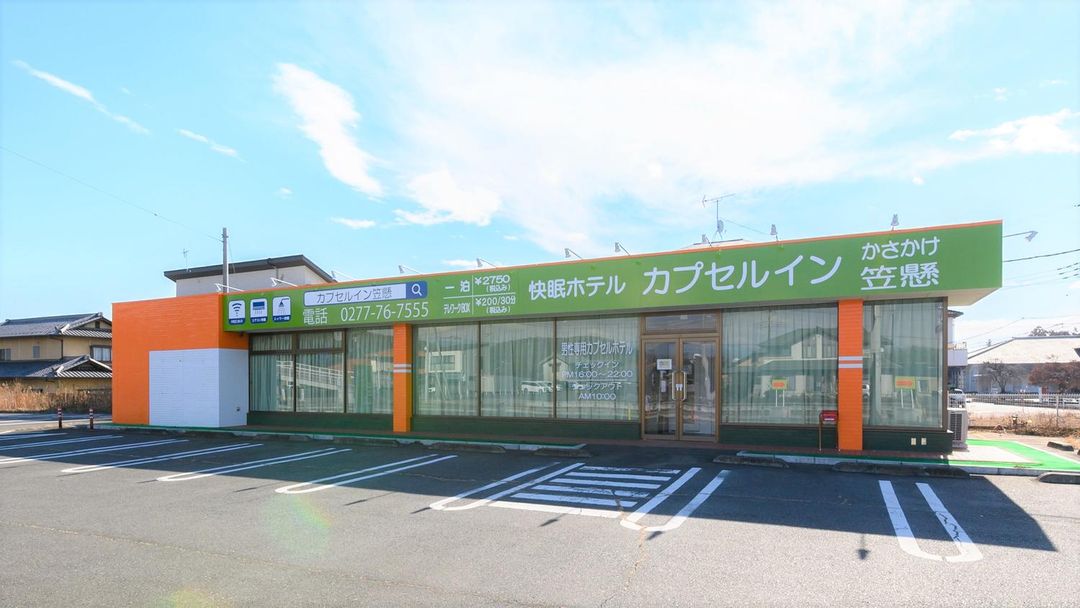
Tabist Capsule Inn Kasakake
Best Hotels in Midori
Discover curated hotel collections in Midori
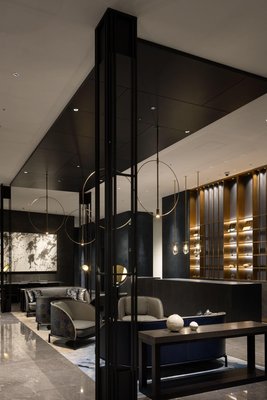
Bellustar Tokyo, A Pan Pacific Hotel
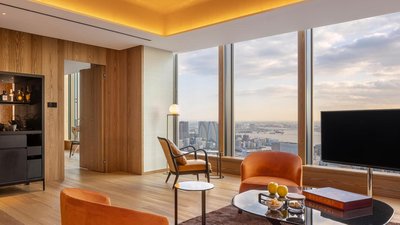
Bvlgari Hotel Tokyo
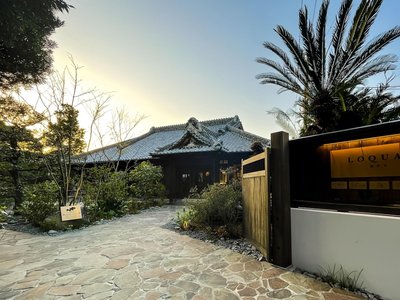
Loquat Nishiizu
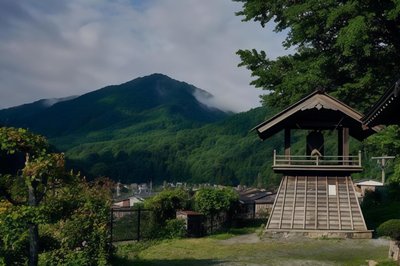
Byaku Narai
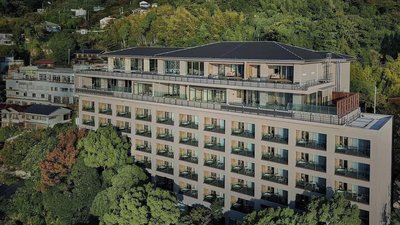
Atami Izusan Karaku
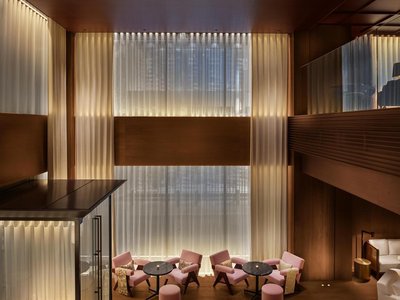
The Tokyo Edition, Ginza
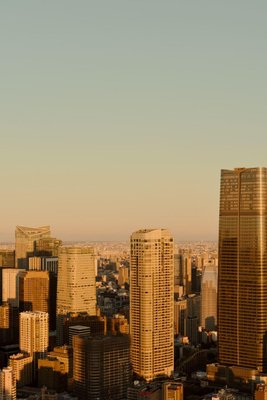
Janu Tokyo
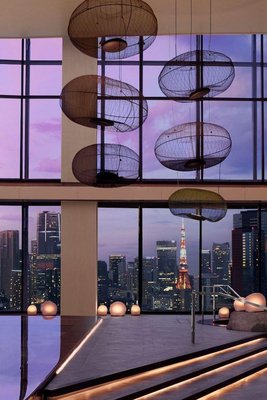
JW Marriott Hotel Tokyo
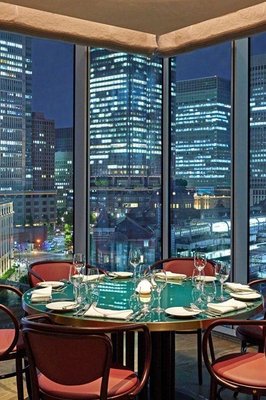
Four Seasons Hotel Tokyo at Marunouchi

Mandarin Oriental, Tokyo
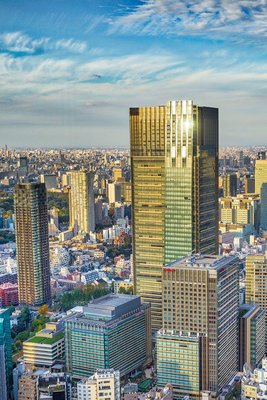
The Ritz-Carlton, Tokyo
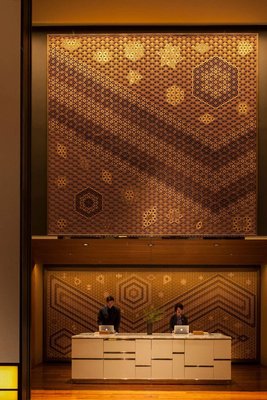
Andaz Tokyo Toranomon Hills- A Concept by Hyatt
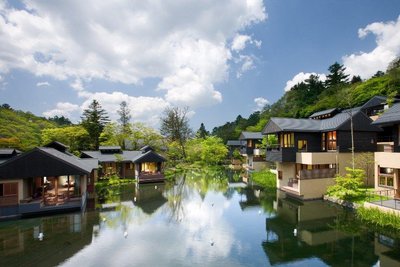
Hoshinoya Karuizawa
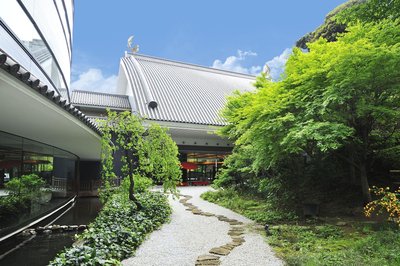
Hotel Gajoen Tokyo
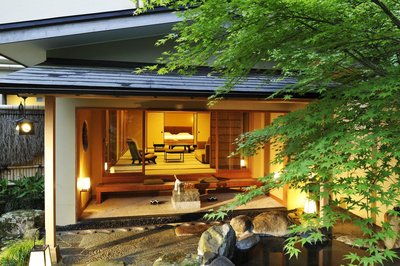
Gora Kadan
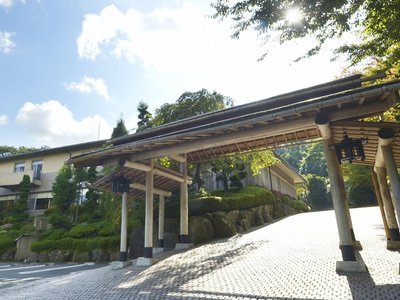
Gora Hanaougi
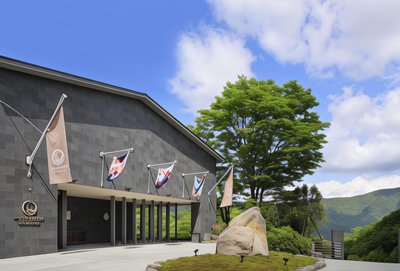
The Hiramatsu Hotels & Resorts Sengokuhara Hakone
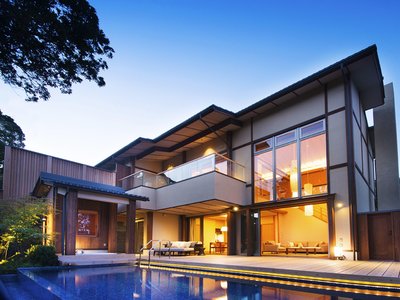
Abba Resorts Izu - Zagyosoh
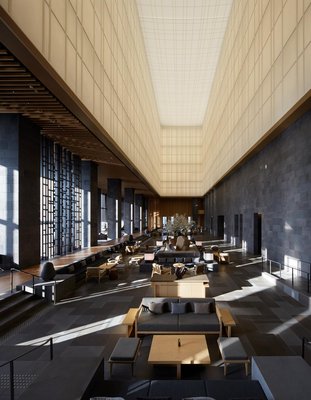
Aman Tokyo
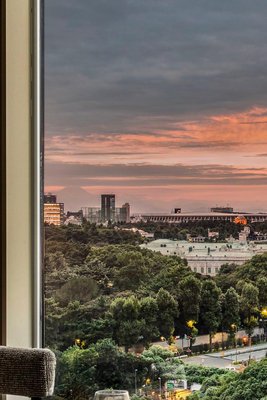
Hotel New Otani Tokyo, Executive House Zen
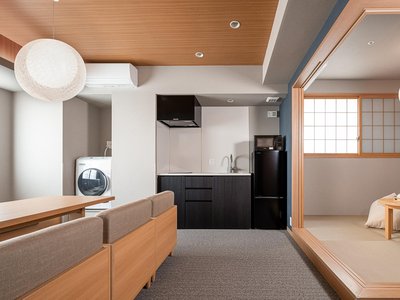
MIMARU SUITES Tokyo Asakusa
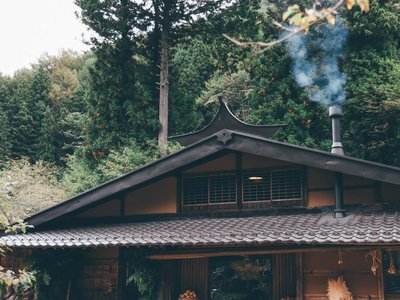
La Terra Resort
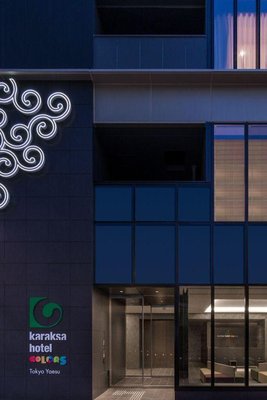
karaksa hotel colors Tokyo Yaesu
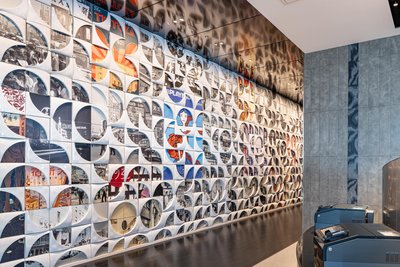
HOTEL GROOVE SHINJUKU, A PARKROYAL Hotel

EN Resort Grandeco Hotel
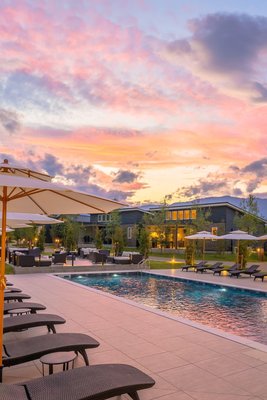
Awaumi Fujikawaguchiko Resort
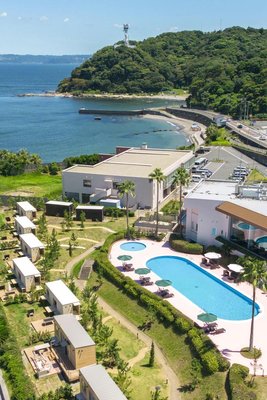
La vista Yokosuka Kannonzaki Terrace
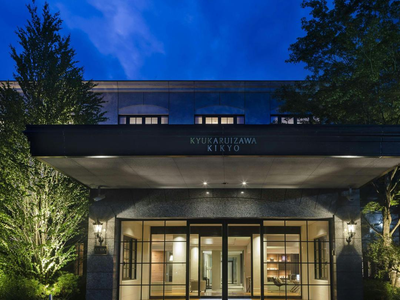
Fufu Karuizawa Wind of Sunshine
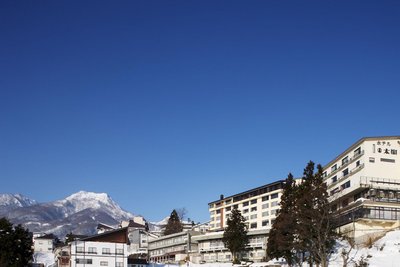
Hotel Taiko, Akakura Onsen
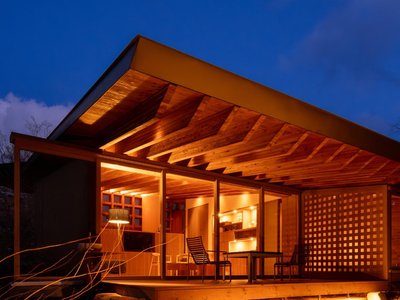
Nasu Mukunone
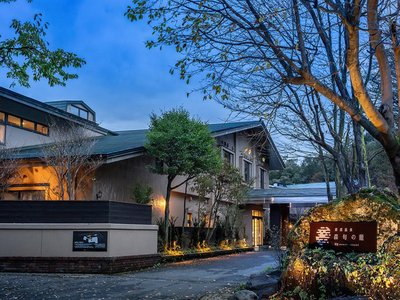
Nasu Onsen Shinshun no Kago Hewitt Resort

Scapes the Suite
Hotel Metropolitan Tokyo Marunouchi
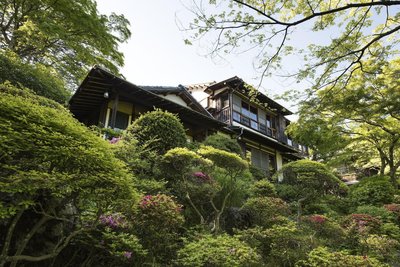
Gora Kansuiro
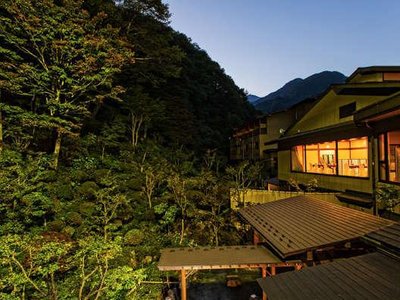
Futari Shizuka
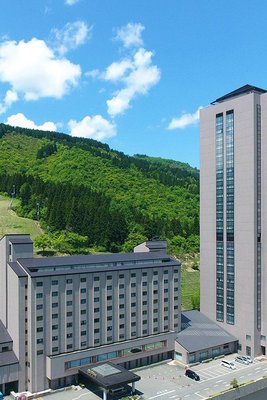
Naspa New Otani
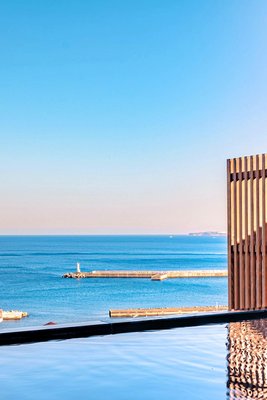
HOTEL KANICHI
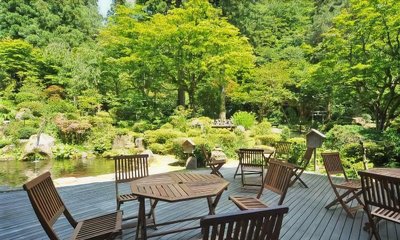
Choseikan
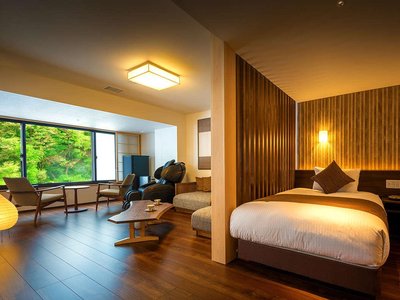
Harataki
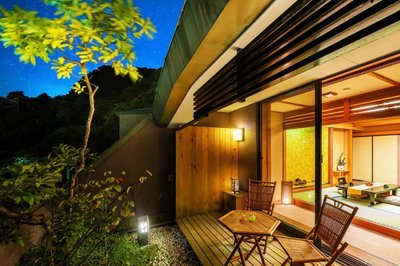
Konjakutei
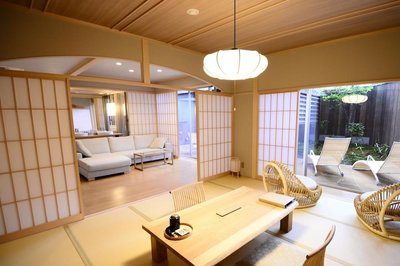
Hakone Gora Byakudan
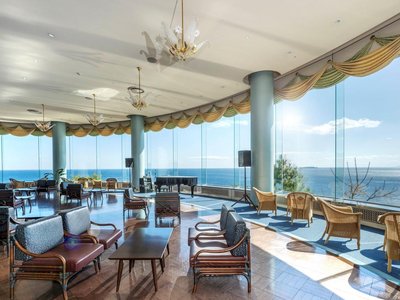
Hotel New Akao
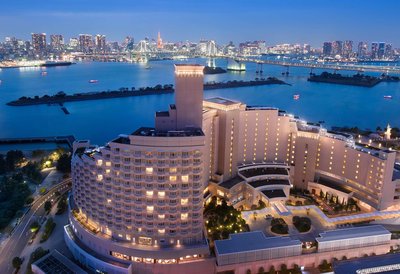
Hilton Tokyo Odaiba
JW Marriott Hotel Tokyo
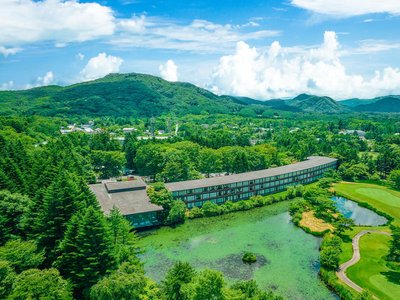
The Prince Karuizawa

The Kukuna
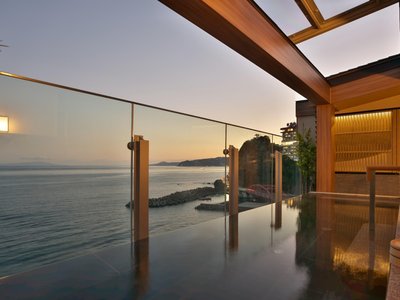
Hotel New Sagamiya
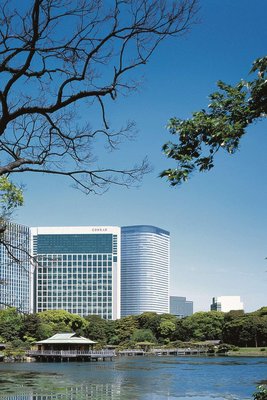
Conrad Tokyo
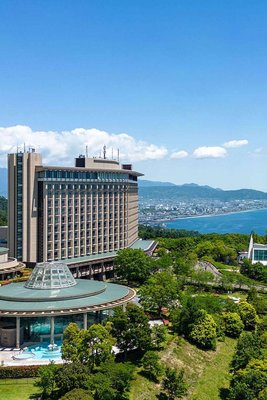
Hilton Odawara Resort & Spa
Hoshinoya Karuizawa
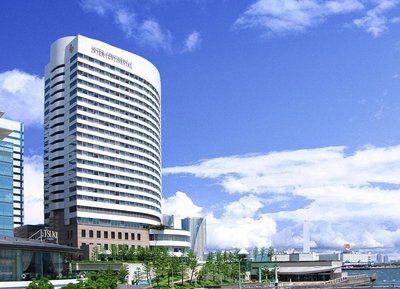
InterContinental Tokyo Bay
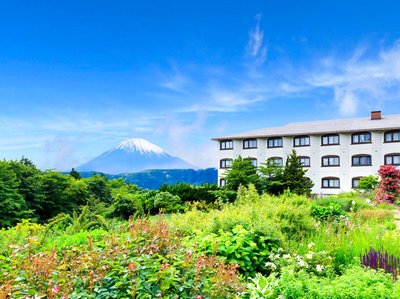
Hotel Green Plaza Hakone
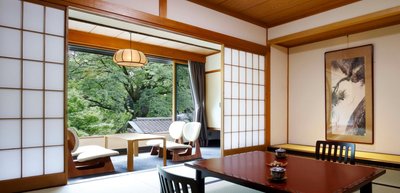
Yoshiike Ryokan
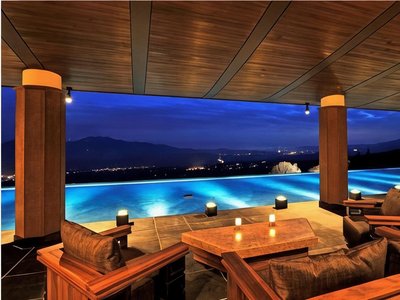
Akakura Kanko Hotel
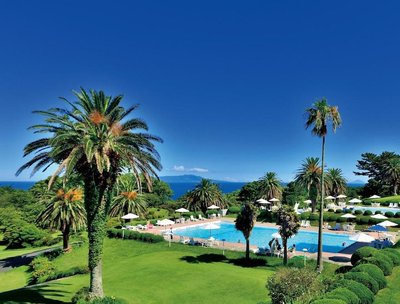
Kawana Hotel
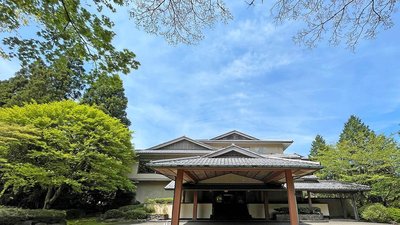
Ryuguden
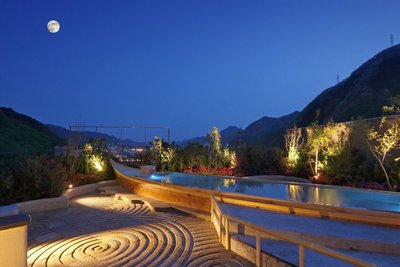
Asaya
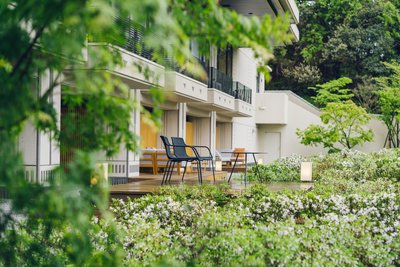
Hoshino Resorts Kai Enshu
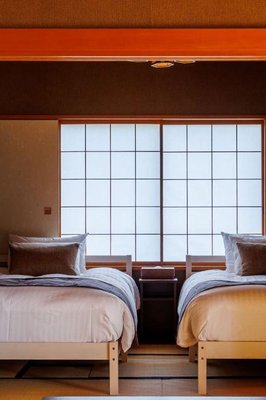
Sado Resort Hotel Azuma
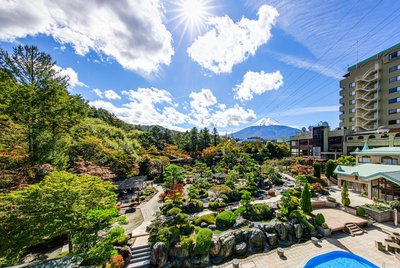
Kaneyamaen
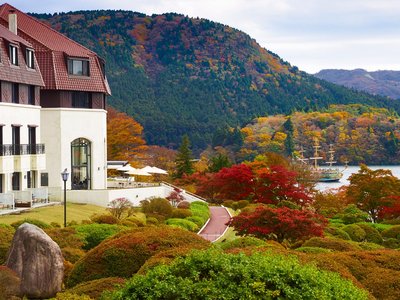
Hotakajyo
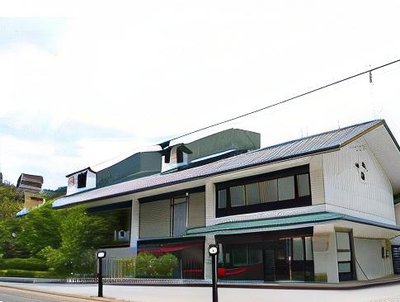
Auberge Suzukane

Onyado Nono Asakusa Bettei Hot Spring
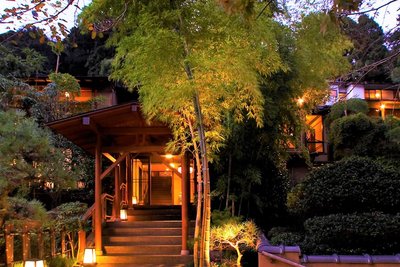
Shiki wo Ajiwau Yado Yamano Chaya
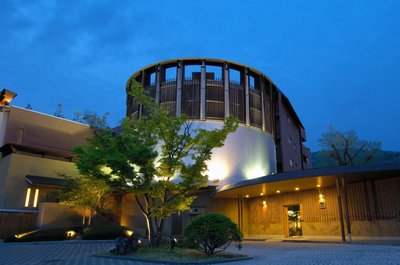
Hoshino Resorts Kai Matsumoto
Konjakutei
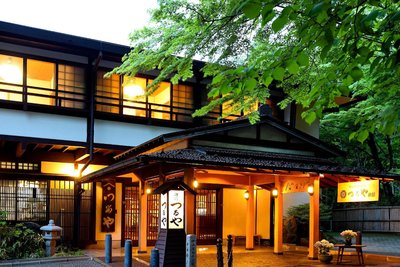
Tsuruya Ryokan
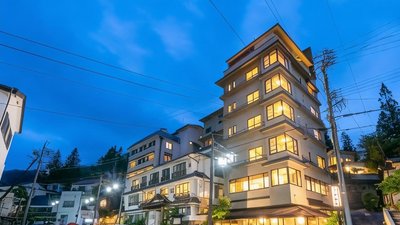
Nakamatsuya Ryokan
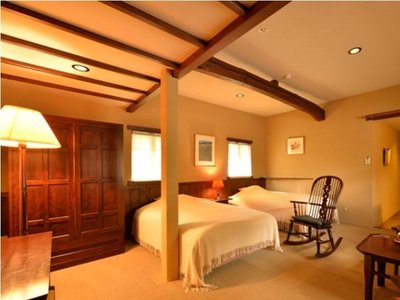
Ryokan Sugimoto
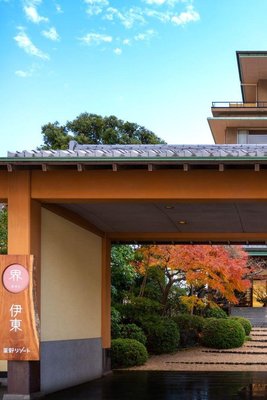
Hoshino Resorts Kai Ito
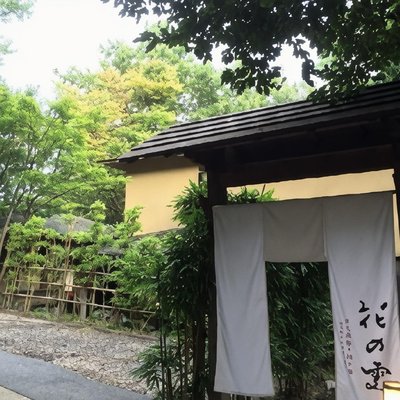
Hana No Kumo
Yoshiike Ryokan
Hotel Gajoen Tokyo
Gora Hanaougi
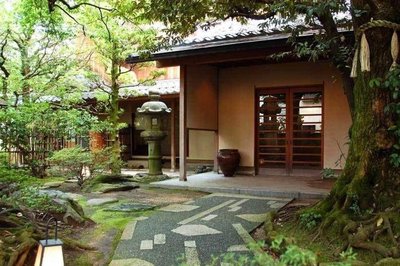
Kocho
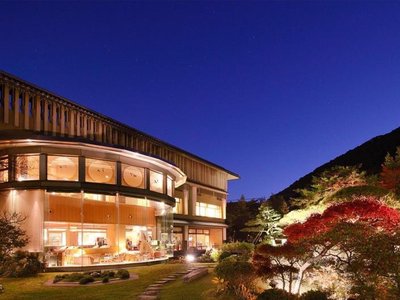
Shikisai Ichiriki
Sado Resort Hotel Azuma
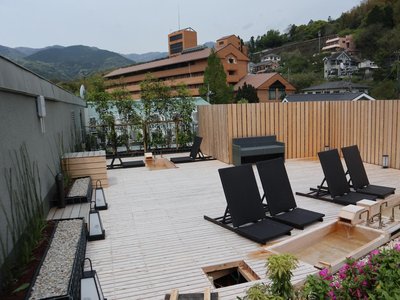
Fukiya Ryokan
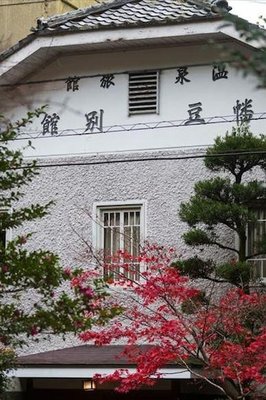
Oku-Mikawa・Yuya Onsen HAZU Bekkan
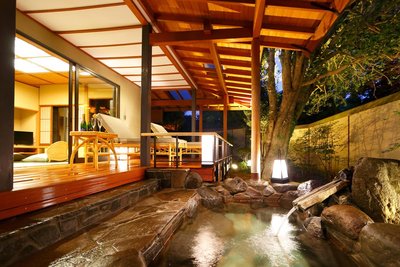
Yoshiharu Ryokan – Izu Nagaoka Onsen
Bellustar Tokyo, A Pan Pacific Hotel
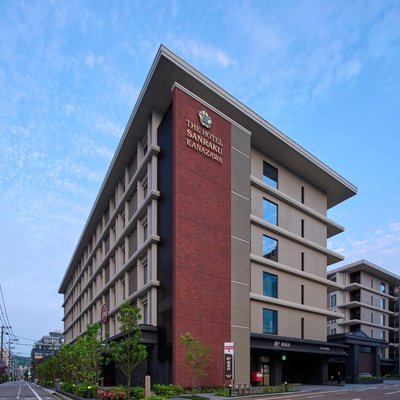
The Hotel Sanraku Kanazawa 21th December 2022 Open
JW Marriott Hotel Tokyo
Andaz Tokyo Toranomon Hills- A Concept by Hyatt
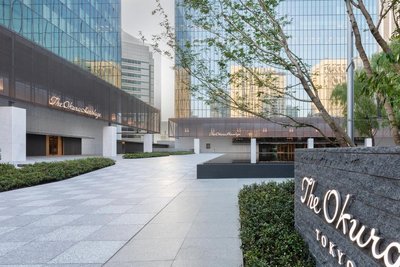
The Okura Tokyo
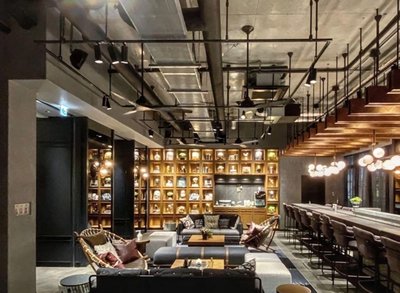
The Lively Azabujuban Tokyo
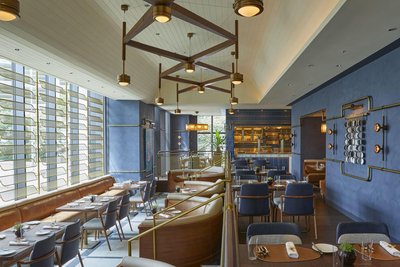
Kimpton Shinjuku Tokyo

HOTEL K5
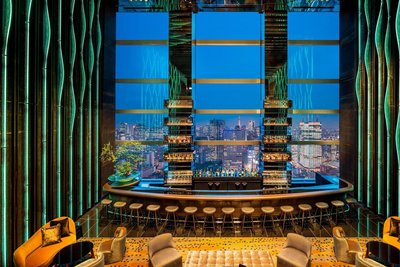
The Prince Gallery Tokyo Kioicho, a Luxury Collection Hotel
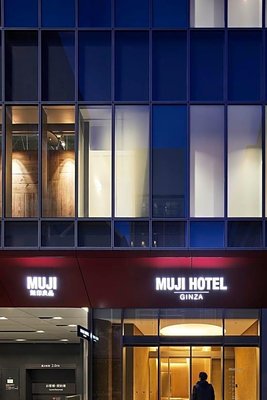
Muji Hotel Ginza
Hakone Gora Byakudan
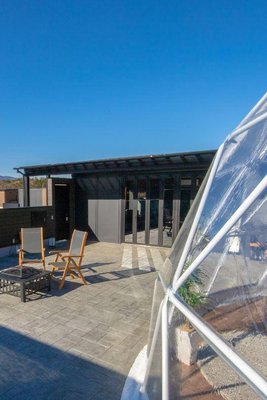
Panoramic Mt. Fuji Views from All Rooms – Vision Glamping Resort & Spa Yamanakako
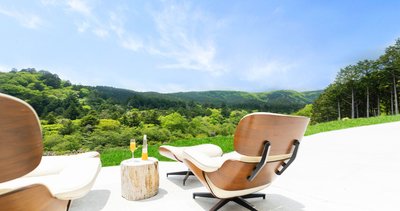
Shelter Garden Nikko
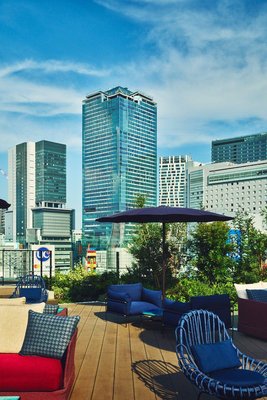
Hotel Indigo Tokyo Shibuya
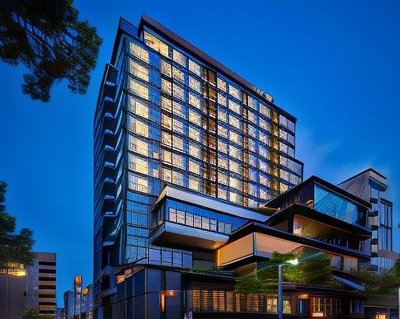
TIAD, AUTOGRAPH COLLECTION
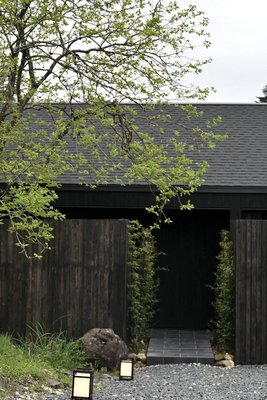
THE LAKOTAN
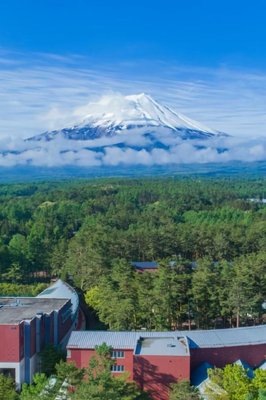
Forest Village (Fuji Premium Resort)
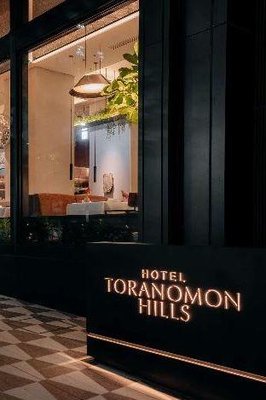
Hotel Toranomon Hills
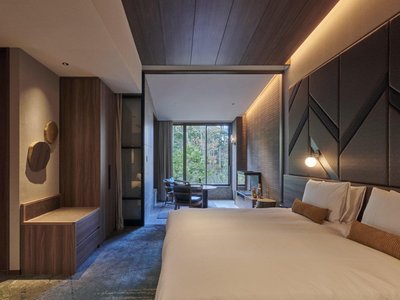
Fufu Kyu-Karuizawa Restful Forest
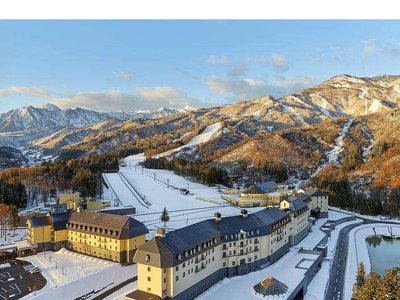
Lotte Arai Resort
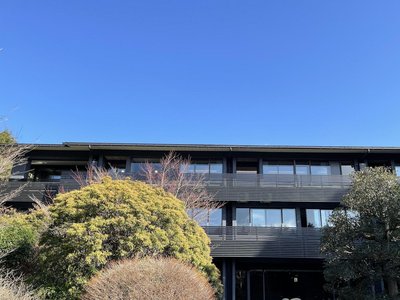
Sengokubara Cocon
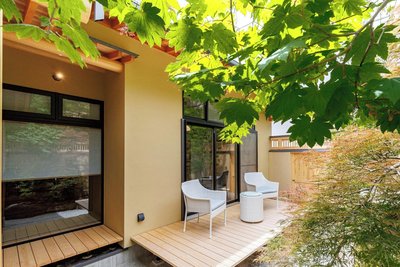
Shoraiso
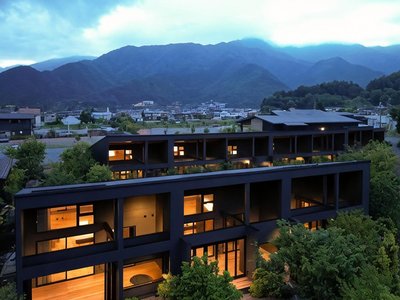
7C Villa and Winery
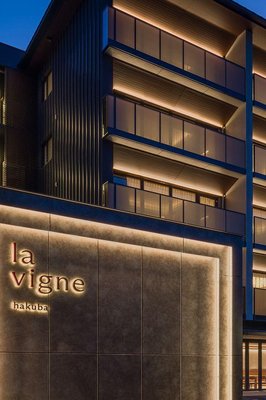
Hotel la Vigne Hakuba by Onko Chishin
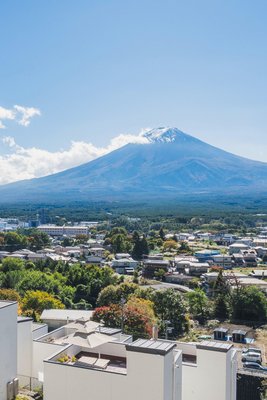
THE TOKI FujiKawaguchiko
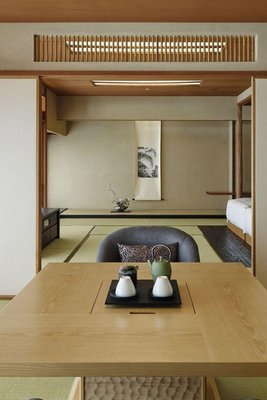
Takanawa Hanakohro (in Grand Prince Hotel Takanawa)
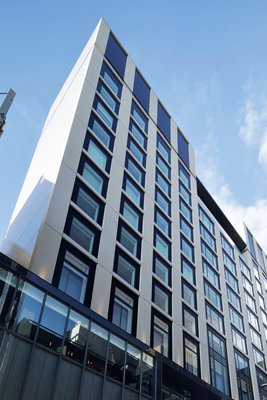
Hyatt Centric Ginza Tokyo
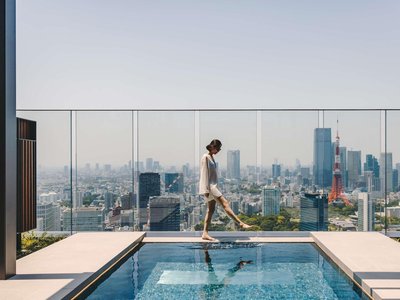
Fairmont Tokyo
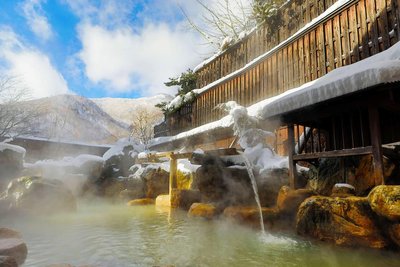
Miyamaouanbekkan yumegurinoyado hirayukan
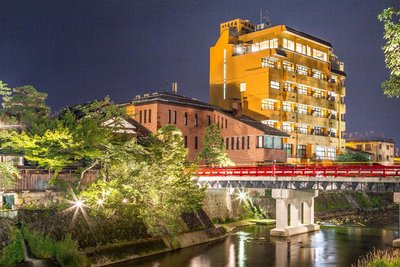
HONJIN HIRANOYA BEKKAN
Bvlgari Hotel Tokyo
Four Seasons Hotel Tokyo at Marunouchi
Mandarin Oriental, Tokyo
The Ritz-Carlton, Tokyo
Andaz Tokyo Toranomon Hills- A Concept by Hyatt
Gora Kadan

Hotel New Otani Tokyo the Main
Aman Tokyo
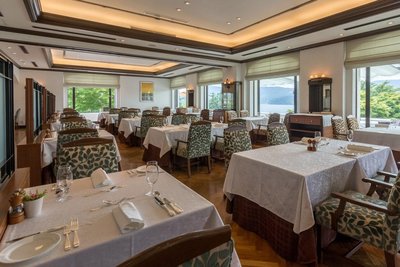
Odakyu Hotel de Yama
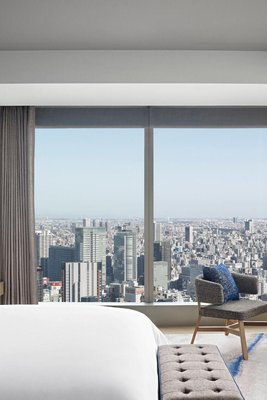
Four Seasons Hotel Tokyo at Otemachi
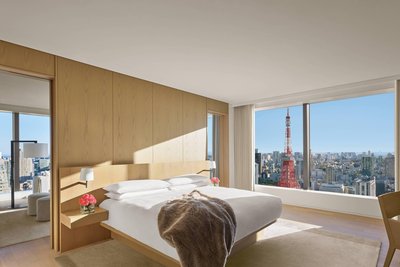
The Tokyo Edition, Toranomon
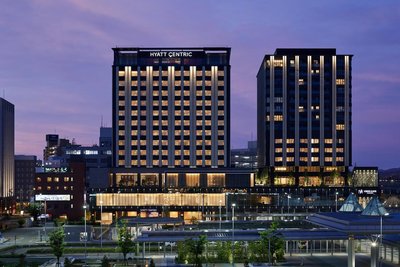
Hyatt Centric Kanazawa
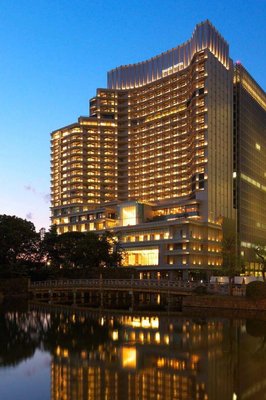
Palace Hotel Tokyo
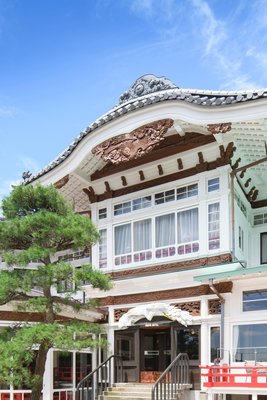
Fujiya Hotel
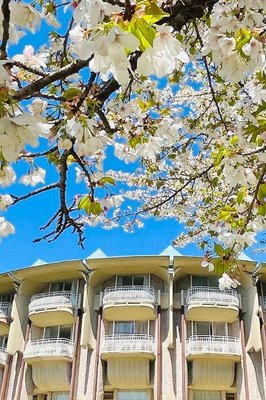
The Prince Hakone Lake Ashinoko
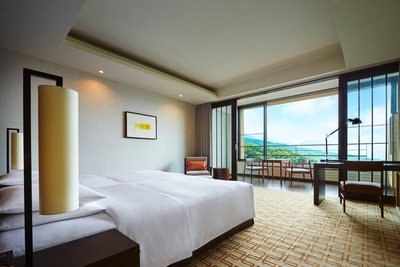
Hyatt Regency Hakone Resort and Spa
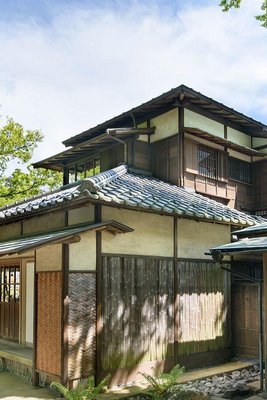
Hakone Suishoen
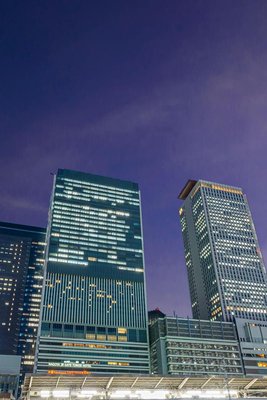
Nagoya JR Gate Tower Hotel (JR-Central Hotels)
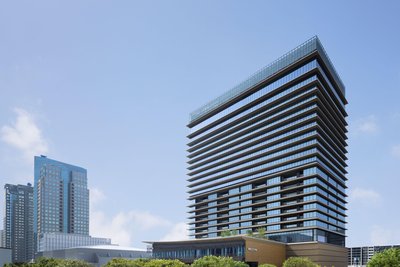
The Westin Yokohama
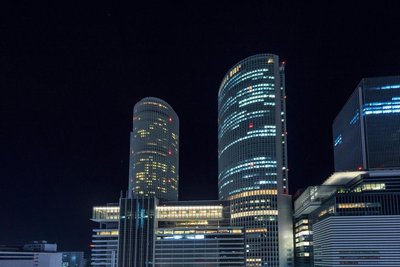
Nagoya Marriott Associa Hotel
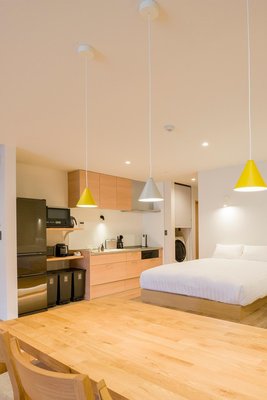
Rakuten STAY VILLA Nasu
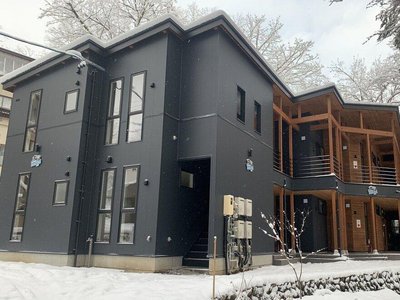
Hakuba Gondola Apartments
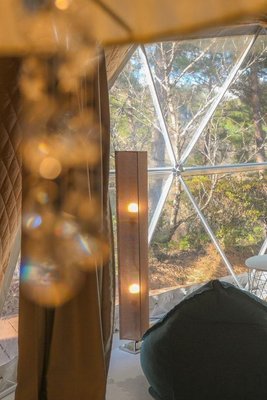
glampark Gekkabijin Nagano
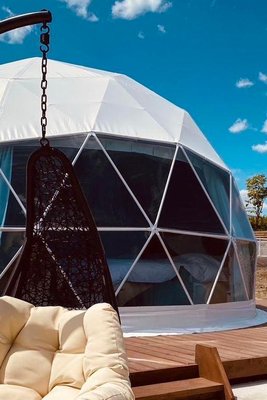
chillout glamping zao
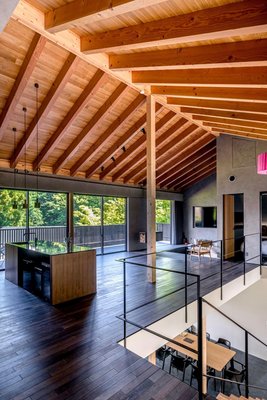
MONS GORA

Phoenix Chalets by Hhg
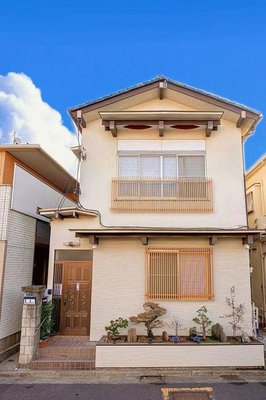
Tokyo Star House-Shinkoiwa
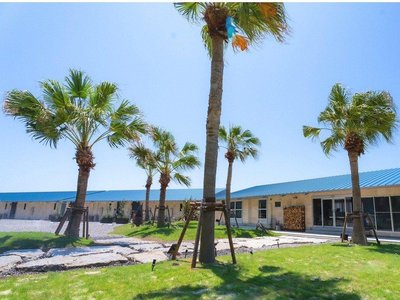
Glamping&Resort Wood Design Park Noma
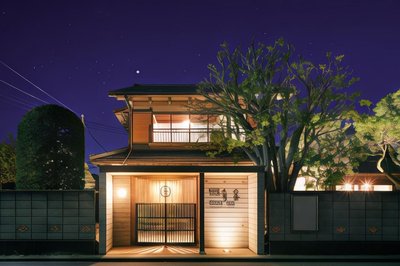
Machi-Jyu
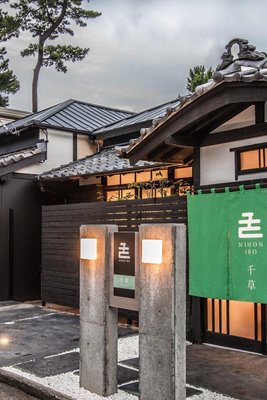
Nihon Iro
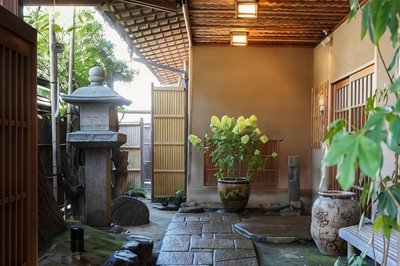
Ryokan Asadaya
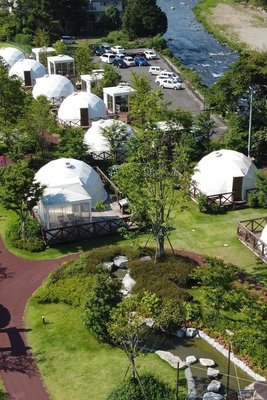
Ufufu Village
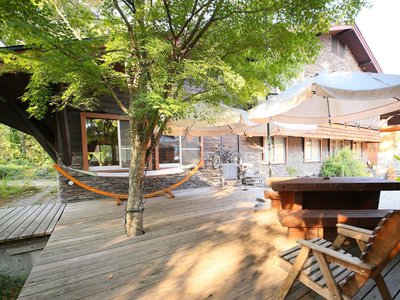
Kunugi Relaxation with 4 Modern Rooms
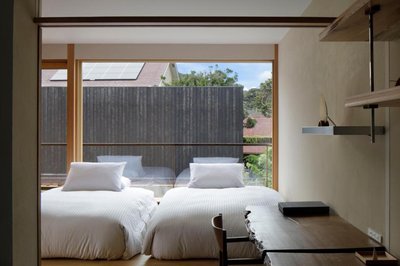
Modern Ryokan Kishi-ke
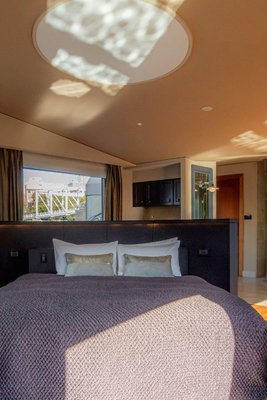
Petals Tokyo - Floating Hotel
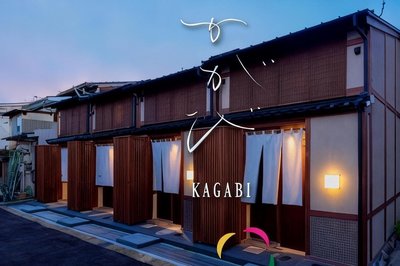
Kagabi Machiya House
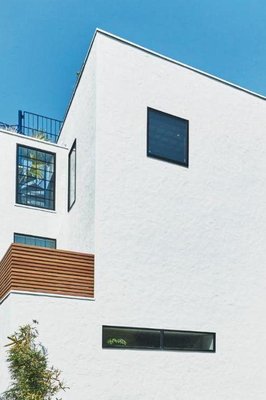
The Flow Kamakura
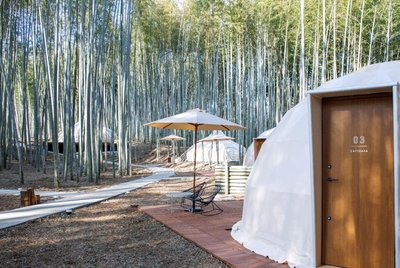
THE BAMBOO FOREST
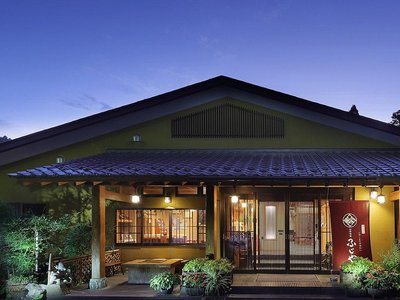
Shikimitei Fujiya
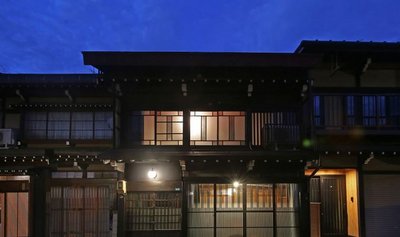
Iori Stay Hida

Hotel Barrière Fouquet's New York
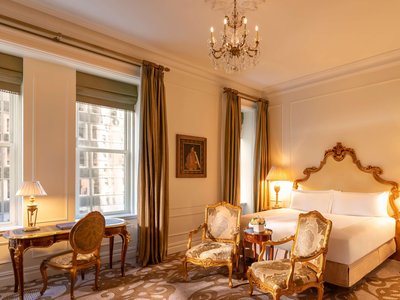
The Plaza - A Fairmont Managed Hotel
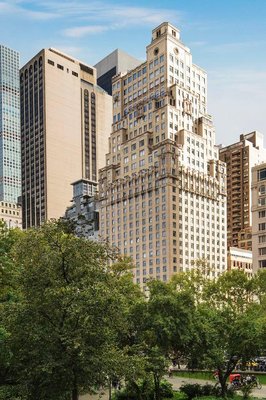
The Ritz-Carlton New York, Central Park
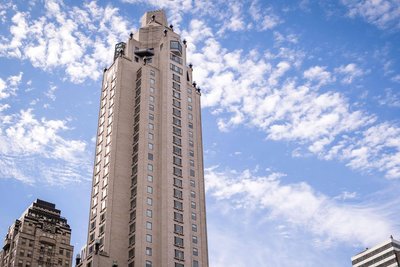
Four Seasons Hotel New York
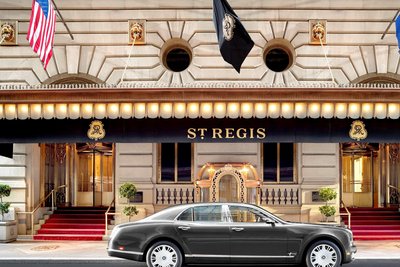
The St. Regis New York
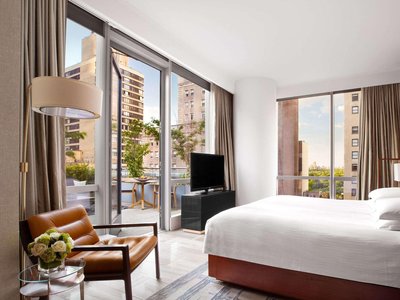
Park Hyatt New York
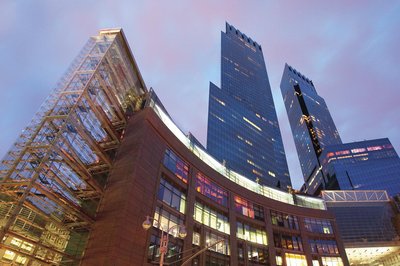
Mandarin Oriental New York
Times Square Edition New York

Loews Regency New York Hotel
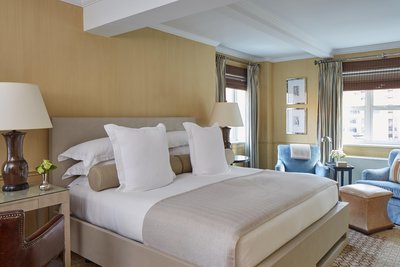
Lowell Hotel
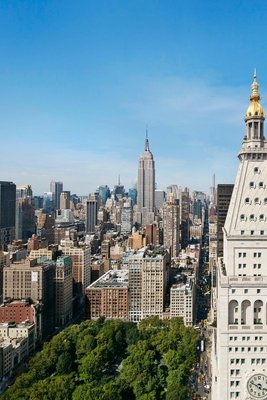
New York Edition
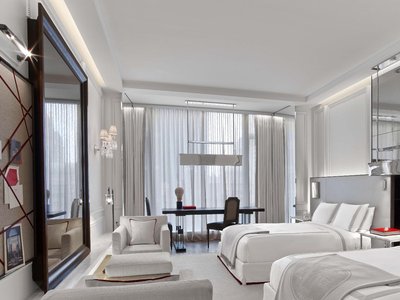
Baccarat Hotel New York
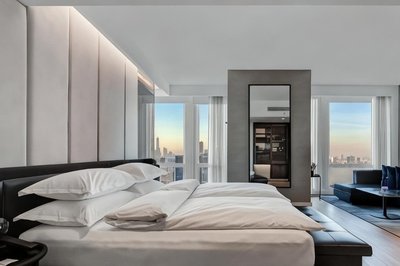
Equinox Hotel New York

Four Seasons Hotel New York Downtown
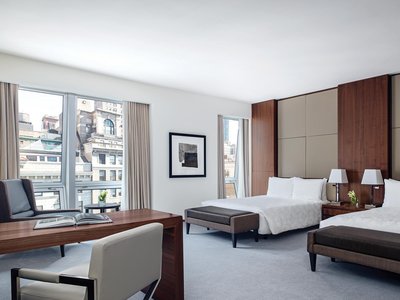
The Langham, New York, Fifth Avenue

The Carlyle, A Rosewood Hotel

The Chatwal, in the Unbound Collection by Hyatt
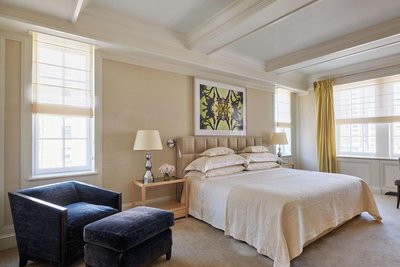
The Mark New York
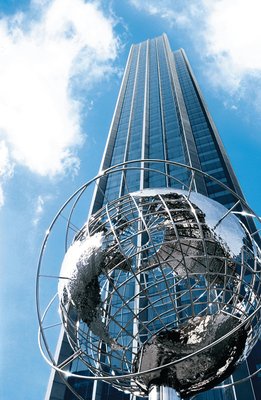
Trump International Hotel & Tower® New York
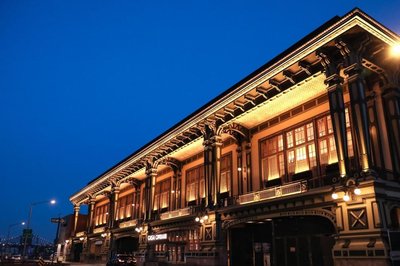
Casa Cipriani New York
Frequently Asked Questions about Traveling to Midori
Questions You Might Need to Know About Traveling to Midori
In Green City, recommend staying at Sei Shōen Onsen Hotel, a century-old ryokan offering private onsen baths and child-friendly amenities. Located just a 5-minute walk from Kusatsu Onsen Town, it features traditional Japanese gardens, modern comfort, and regional dishes like "Gunma vegetables" and "Wagyu beef." Nearby Kusatsu River Path is perfect for family strolls. This is an ideal choice for experiencing authentic rural Japanese onsen culture with ease and warmth.
The city center and Kusatsu Onsen District are the top choices for accommodations. The former offers convenient access to Green City Station and Gunma Prefectural Museum, while the latter boasts numerous luxury inns and renovated machiya-style guesthouses. For scenic views, stay near the Kusatsu River, where you can enjoy morning mist over the water and evening walks along illuminated streets. These areas combine cultural charm with natural beauty, making them ideal for both relaxation and exploration.
Stay at Iriyashiki Bessō, a boutique ryokan housed in a restored old Japanese house. They offer guided tea ceremony workshops in their tranquil garden tea room, where guests learn matcha preparation and etiquette with local tea masters. The experience includes seasonal wagashi sweets made from regional ingredients. Nearby attractions like Kusatsu Shrine and Old Kusatsu Post Town enhance your understanding of local history and spiritual traditions, creating a holistic cultural journey.
Kusatsu Onsen, one of Japan’s "Three Great Hot Springs," features strong acidic sulfate water known for its exceptional skin healing and joint pain relief properties. Ideal for treating eczema and psoriasis, the water temperature averages 48°C. Many hotels offer the "Three-Stage Bathing Method"—alternating hot and cold immersion with massage—to maximize wellness effects. Public bathhouses like the Onsen no Yu are free and open to visitors, providing a genuine local experience.
Explore the Northern Forest Trail and the Red Maple Bridge along the Kusatsu River. The former offers serene autumn foliage with morning mist, perfect for capturing ethereal forest light; the latter is a wooden arch bridge framed by clear waters and cherry blossoms in spring. Also visit Old Kusatsu Post Town, where stone-paved alleys and centuries-old eaves provide timeless street photography scenes. Visit early morning or dusk for soft lighting and minimal crowds, ideal for dreamlike images of nature and tradition.
Stroll through Kusatsu Onsen Street during the Lantern Festival, where handcrafted paper lanterns illuminate the cobblestone paths, creating a scene straight out of ukiyo-e art. Some inns, like Kōgōya, offer night-time starlit onsen experiences in open-air baths under unpolluted skies—perfect for spotting shooting stars. Every Friday evening, join the Kusatsu Night Market, featuring local artisans selling handmade pottery, bamboo crafts, and Gunma specialty: red onion grilled skewers—a must-try for food lovers seeking authentic local flavor.
Visit Kusatsu Market Street and Yae-kakuriya, a century-old eatery renowned for its traditional Gunma dishes. Must-try items include Gunma pork shabu-shabu, red onion grilled skewers (Aka-neji Yakitori), and Kusatsu tofu. Yae-kakuriya uses farm-fresh ingredients and serves a signature red onion sauce that elevates every dish. Pair meals with locally brewed sake from Kusatsu Sake Brewery—a true taste of regional craftsmanship and culinary heritage.
Discover Kusatsu Bunko – Literary House and Green City Handmade Workshop. The former is a cozy independent bookstore nestled in a historic machiya, housing rare Japanese literature and local archives, hosting poetry readings and small book clubs. The latter, run by three young ceramic artists, showcases handmade pottery and tea ware, with hands-on wheel-throwing sessions available. Both locations lie beside the Kusatsu River, offering peaceful settings ideal for quiet reflection, sketching, or creative inspiration—perfect for the soulful traveler.
Green City Station is a key hub for Tobu Railway and Jōetsu Electric Railway, with direct trains to Tokyo (~1.5 hours), Karuizawa (~1 hour), and Maebashi. Free shuttle buses connect major tourist spots like Kusatsu Onsen and North Mountain Trail. Renting bicycles or e-bikes is also popular for scenic rides along the Kusatsu River to O-numa Ecological Park. While not bustling, the transport network supports deep exploration, making it ideal for weekend getaways or multi-day trips.
The annual Kusatsu Summer Festival in September is a highlight, featuring traditional lion dances, taiko drum performances, and a spectacular nighttime fireworks display over the Kusatsu River. At dusk, thousands of paper lanterns float downstream, symbolizing prayers for safety. Local inns offer special festival meal sets with seasonal seafood and handmade wagashi. Visitors can wear yukata and join the parade, sampling grilled mochi and rice wine—immersive and unforgettable, this event captures the heart of Japanese folk tradition.
Midori Overview
City Summary
Midori City, located in Gunma Prefecture, Japan, is renowned for its hot springs and natural landscapes. The city is home to the famous Kusatsu Onsen, one of Japan's three most celebrated hot springs. Midori City blends traditional hot spring culture with modern leisure facilities, attracting countless visitors seeking relaxation. Additionally, the surrounding natural attractions, such as Mount Shirane and Kusatsu Kokusai Ski Resort, offer excellent opportunities for outdoor enthusiasts.
Must-See Attractions
Key attractions in Midori City include Kusatsu Onsen, Mount Shirane, and Kusatsu Kokusai Ski Resort. Kusatsu Onsen is famous for its high-quality hot spring water, where visitors can enjoy traditional baths and modern facilities. Mount Shirane is an active volcano with a stunning crater lake and surrounding scenery. In winter, the Kusatsu Kokusai Ski Resort is a paradise for skiers, offering slopes for all levels. The local hot spring streets also provide a glimpse into the rich onsen culture.
Food Guide
Midori City's culinary scene features hot spring cuisine and local specialties. Must-try dishes include onsen tamago (hot spring eggs), onsen manju (steamed buns), and Joshu beef, a premium local beef known for its tenderness. Onsen tamago are eggs cooked in hot spring water, offering a unique texture. Onsen manju are sweet buns with a soft exterior and sweet filling. Joshu beef is a must for meat lovers. Other local delights include soba noodles and miso-based dishes.
Transportation Guide
Transportation in Midori City primarily relies on buses and taxis. From Tokyo, take the Shinkansen to Takasaki Station, then transfer to a bus to Midori City, which takes about 3 hours. The city has a comprehensive bus network connecting major attractions and hot spring areas. Taxis are convenient, especially for groups. Self-driving is an option, but be cautious of icy roads in winter. Check schedules in advance to avoid delays.
Best Time to Visit
The best times to visit Midori City are autumn and winter. Autumn (October-November) offers cool weather, ideal for hiking and autumn foliage. Winter (December-February) is perfect for skiing and hot springs, with excellent snow at Kusatsu Kokusai Ski Resort. Summer (June-August) is warm but great for outdoor activities. Spring (March-May) brings cherry blossoms.
Travel Tips
- Shower before entering hot springs to keep the water clean.
- Keep noise levels low in onsen areas to respect others.
- Drive carefully in winter due to icy mountain roads.
- Some onsen facilities require advance reservations.
- Many local restaurants only accept cash.
- Respect local customs, such as no smoking in public.
- Wear proper gear when skiing for safety.
- Some attractions require tickets; buy in advance.
Useful Information
The official language is Japanese, but some tourist spots and hotels offer English services. The city has good internet coverage; visitors can buy local SIM cards or use Wi-Fi. Cash is the primary payment method, though some places accept credit cards. For emergencies, dial 110 (police) or 119 (ambulance). Medical facilities are well-equipped, but travel insurance is recommended. Tourist centers provide multilingual assistance, including maps and info.









