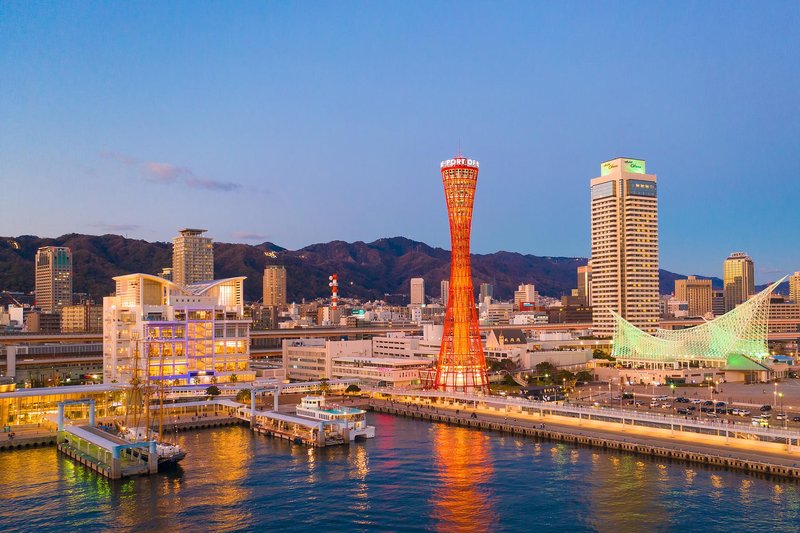
Hotels in Mihama
Discover your perfect stay in Mihama.
Mihama(Japan) Travel 2026: Cheap Flights, Hotels & Top Attractions
Popular Landmarks in Mihama
Discover the most iconic attractions in Mihama
Recommended Hotels in Mihama
Find the perfect place to stay in Mihama
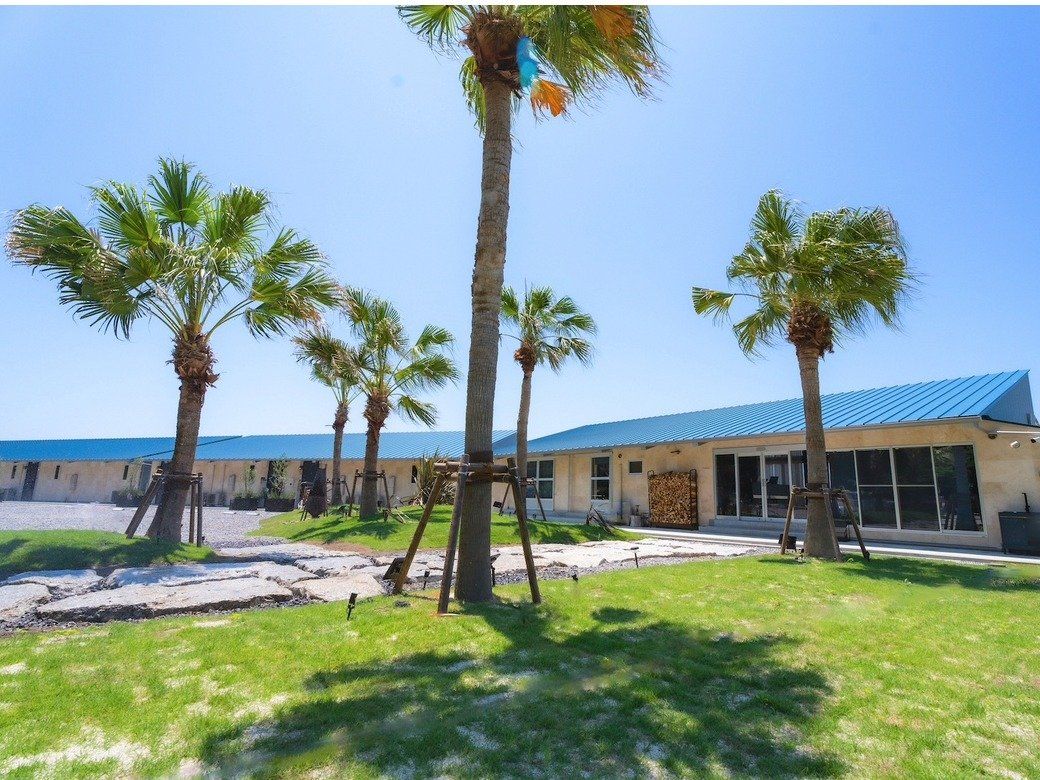
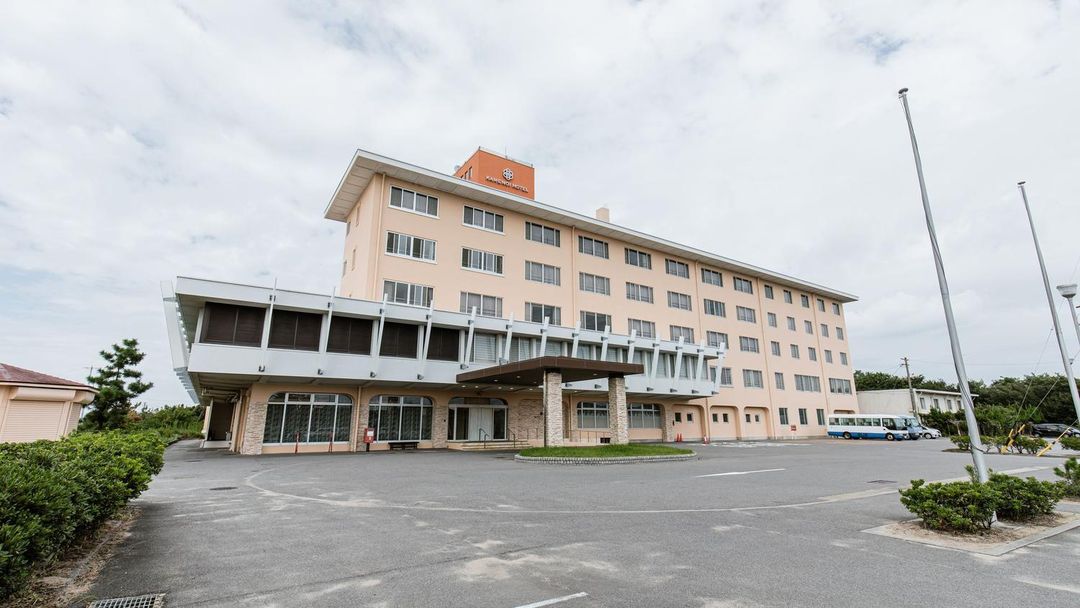
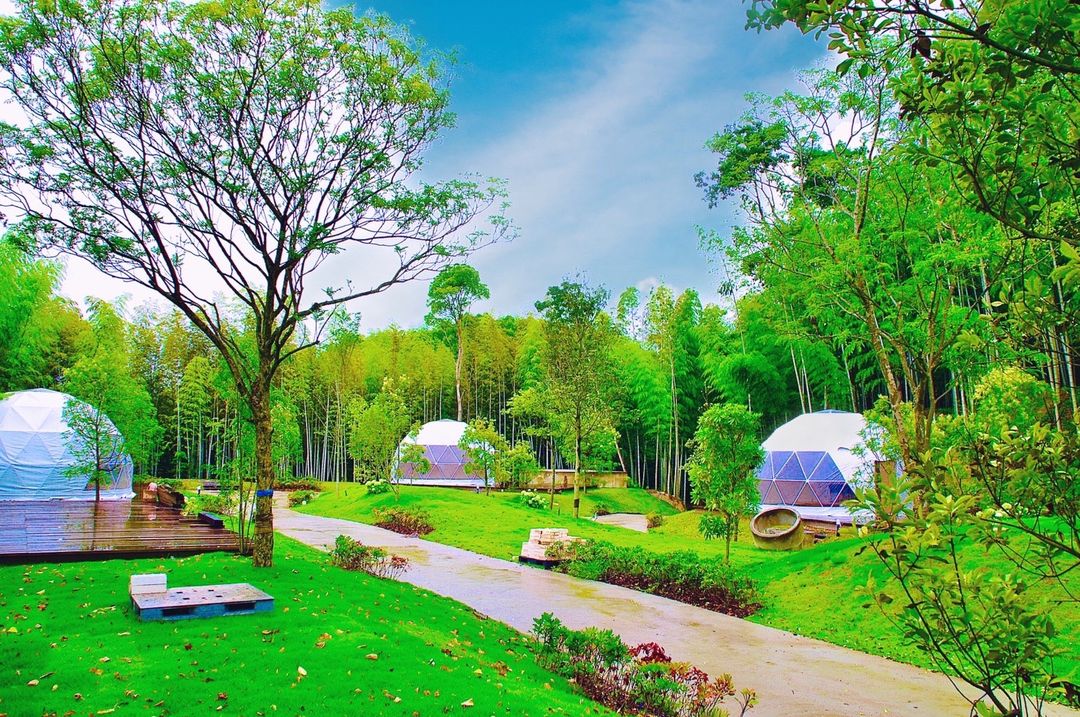
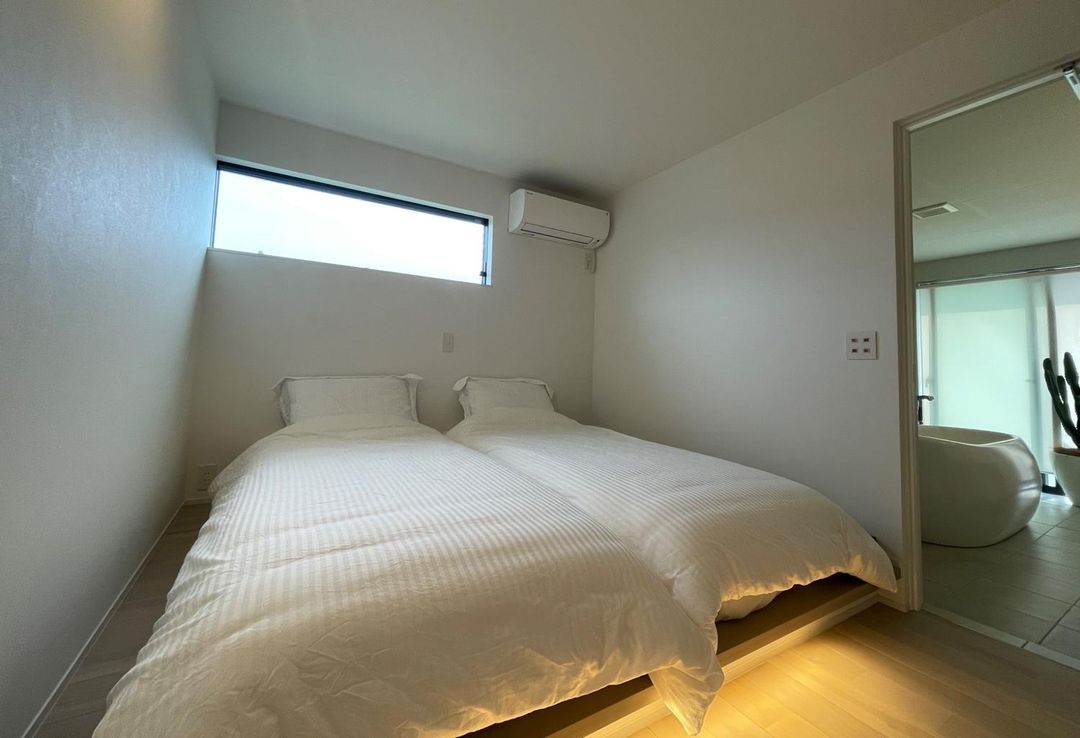
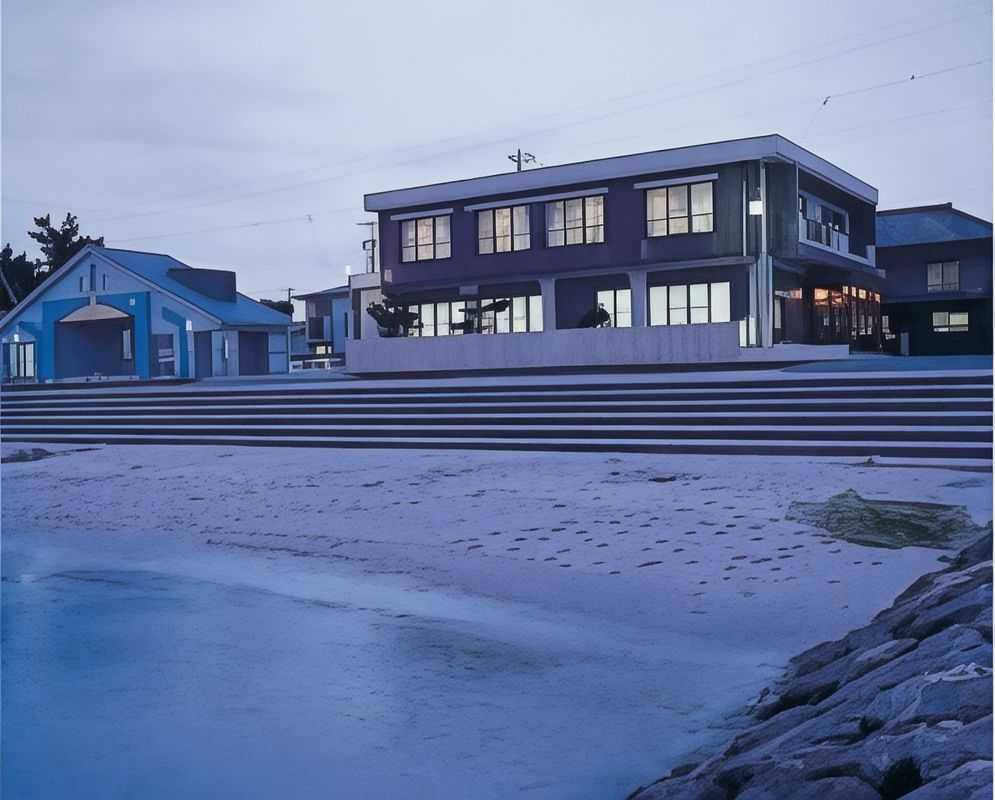
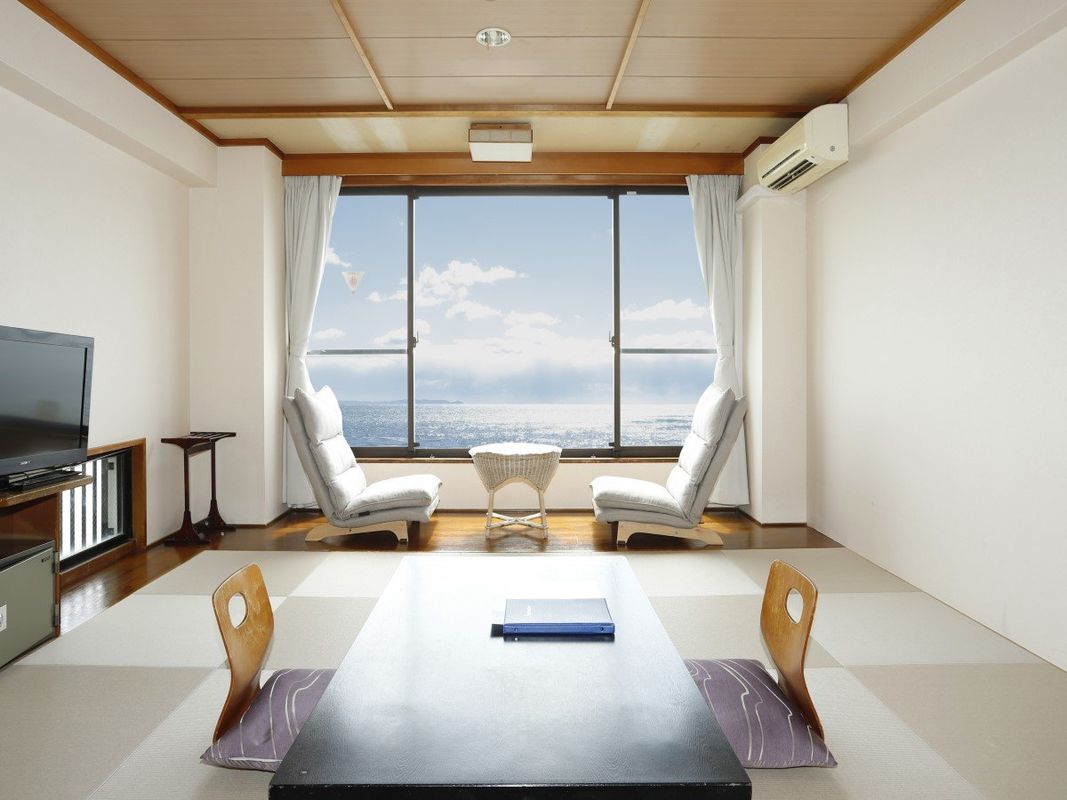
Best Hotels in Mihama
Discover curated hotel collections in Mihama


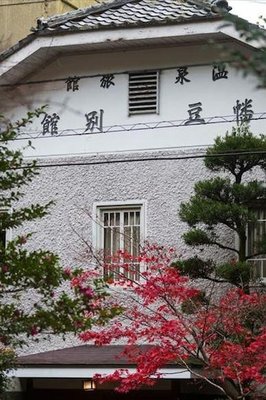
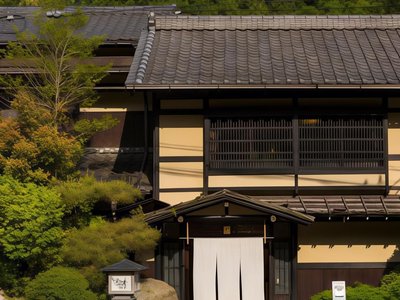
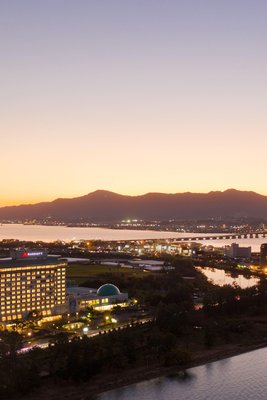
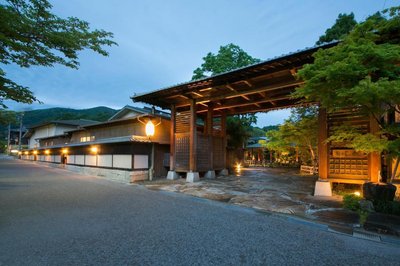
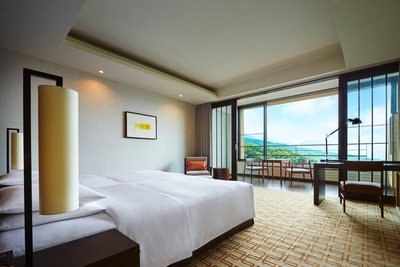
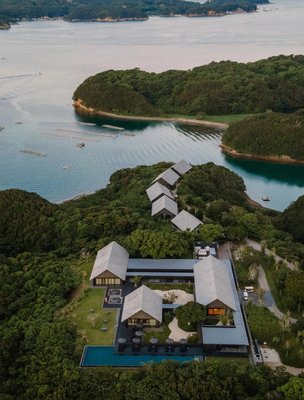
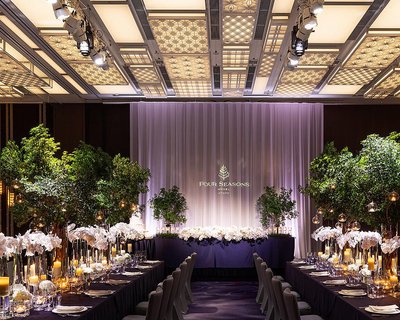
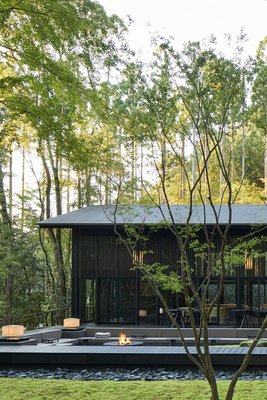




Frequently Asked Questions about Traveling to Mihama
Questions You Might Need to Know About Traveling to Mihama
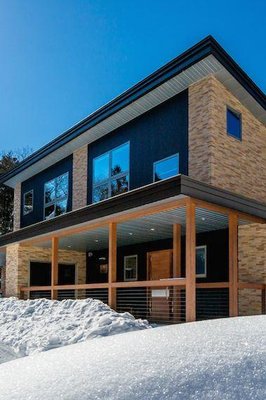
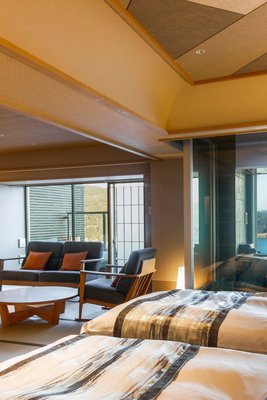
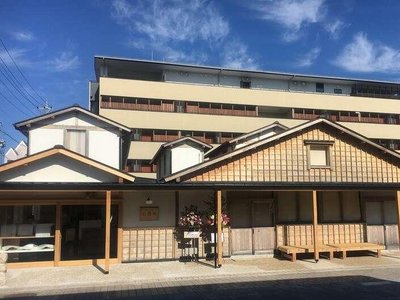
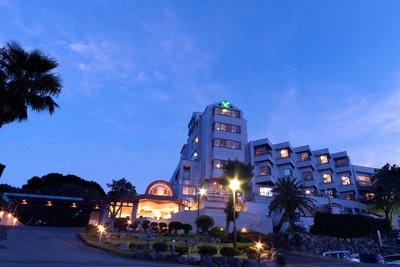
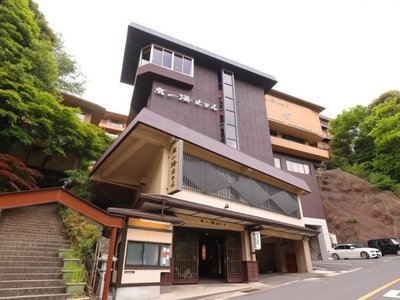
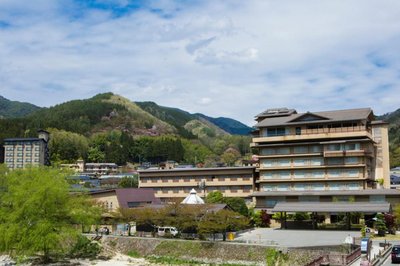
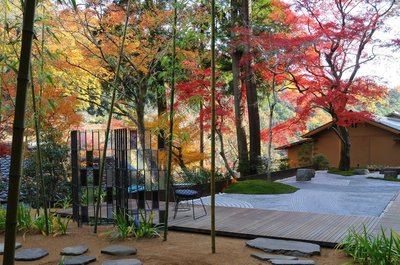
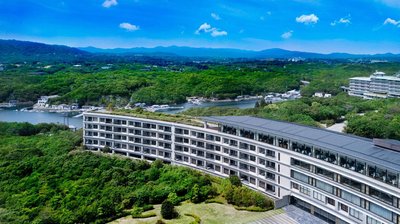
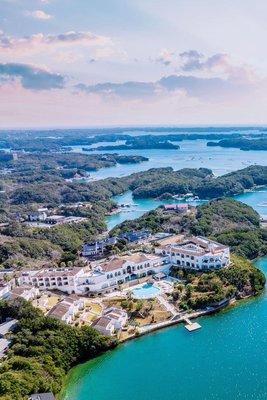
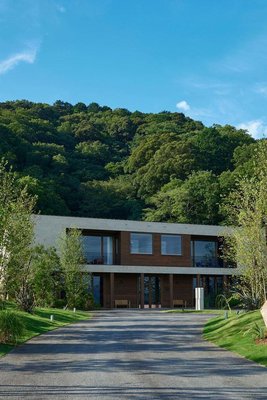
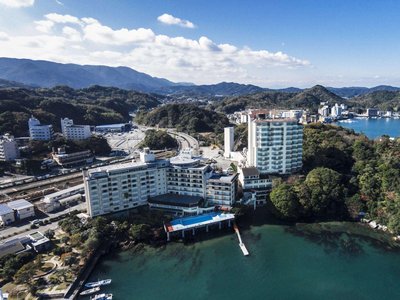
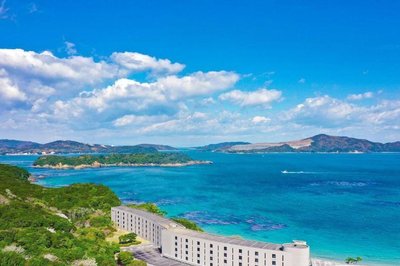
In Miho Town, the top family-friendly option is Miho Resort Hotel, featuring a private beach, children’s pool, and direct access to Miho Coast. The hotel blends modern amenities with traditional Japanese design, offering sea-view rooms and kid-oriented activities like beachcombing and seafood cooking classes. Nearby attractions include Miho Park and the Miho Lighthouse, perfect for outdoor exploration. With on-site dining serving fresh local catches like yellowtail sashimi and Ise Bay crab, it delivers a full coastal experience ideal for families seeking comfort and connection with nature.
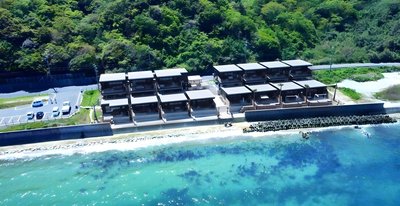
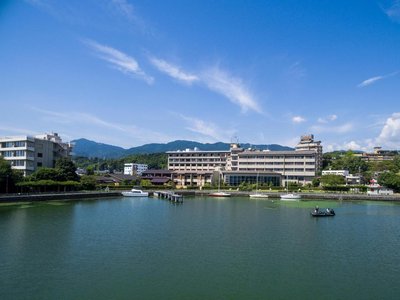
The best area for seaside stays in Miho Town is the Miho Coast corridor, where hotels and guesthouses line the shoreline with panoramic views of Ise Bay. This stretch hosts premium options like Umibōzu Inn and Seaview Villa, all within walking distance of Miho Port, Miho Shrine, and the scenic Coastal Walkway. The area offers peaceful evenings with gentle ocean breezes and stunning sunsets. Easily accessible from Nagoya Station via train in under 40 minutes, it combines convenience with tranquility—perfect for travelers seeking a serene, nature-immersed stay.
Visitors to Miho Town can participate in the Mikawa Bay Traditional Fishing Festival, held annually in summer, where guests don traditional fishing attire, learn bamboo trap techniques, and craft handmade seaweed rolls as souvenirs. At the Miho Town Museum, exhibits detail local fishing heritage and pottery craftsmanship, while hands-on workshops let you shape your own ceramic piece under guidance from local artisans. These immersive experiences offer deep insight into Miho’s identity as a fishing community deeply rooted in maritime culture.
Key landmarks in Miho Town include the Miho Lighthouse, a white octagonal structure built in 1930 and designated a National Tangible Cultural Property. Climbing the tower rewards visitors with sweeping views of Ise Bay and the distant Chita Peninsula. Another highlight is Miho Shrine, dedicated to the sea deity, hosting the annual Sea Festival in spring. The Miho Coastal Walkway, stretching 2 km along rocky shores, is ideal for eco-tours and photography, revealing coral reefs and seaweed forests. Visit early morning or dusk for soft lighting and unforgettable scenery.
Must-try dishes in Miho Town include Mikawa Bay Yellowtail Sashimi, known for its sweet, tender flesh, often served at local izakayas. Another local favorite is Miho Crab Croquettes, a crispy fried snack made with fresh crab meat, best enjoyed with lemon juice. Don’t miss seaweed rice balls and boiled abalone, commonly available at Miho Market. Many hotels offer breakfast sets featuring daily catch and handmade tofu, allowing guests to savor authentic coastal flavors from the first bite.
Begin your day with a sunrise walk along Miho Coast, watching seabirds glide over the waves. Head to Miho Market for a fresh seafood breakfast. In the afternoon, join a sea fishing tour or rent a pedal boat to explore Ise Bay’s hidden coves and marine life. Return to your hotel for a rooftop dinner with sunset views. In the evening, stroll to the Miho Lighthouse, where the night lights reflect on the calm water—a magical end to a day rich in nature, culture, and flavor.
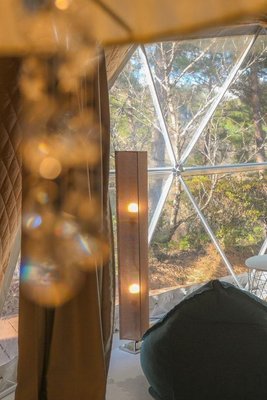
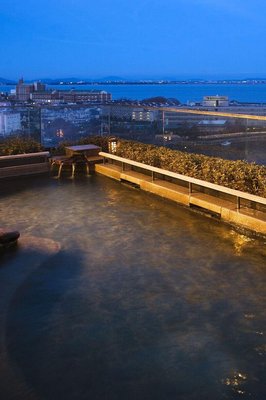
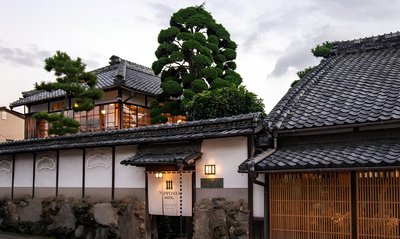
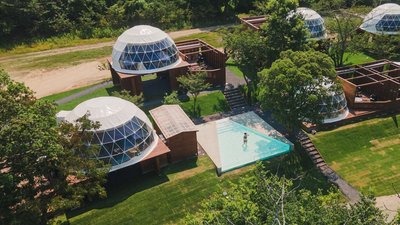
For couples, Hikari Villa is a standout choice—an intimate boutique villa with only six rooms, each featuring private hot spring baths and floor-to-ceiling windows facing Ise Bay. Rooms come with candles, wine sets, and a personalized welcome kit including handmade sea salt chocolate and a star projector. The villa also offers private candlelit dinners by the pier, complete with live acoustic music—ideal for creating lasting memories. Its secluded setting and attentive service make it a dream retreat for romantic getaways.
Yes, Miho Town is highly suitable for self-drive travel. While public transit connects from Nagoya Station (~45 minutes), driving offers greater flexibility to explore hidden bays and local cafés along the Chita Peninsula. Major attractions like the Miho Lighthouse, Miho Coast, and Miho Shrine have ample free parking. The town roads are well-maintained with clear signage, though narrow alleys suggest using a compact car. Renting a small vehicle enhances your ability to discover off-the-beaten-path spots and enjoy a relaxed, spontaneous journey.
Miho Town hosts vibrant seasonal events: Cherry Blossom Coast Festival in spring features blooming cherry trees at Miho Park with tea ceremonies and craft markets; Mikawa Bay Lantern Festival in summer illuminates the coast with floating lanterns, symbolizing fishermen’s prayers; Harvest Festival in autumn celebrates local seafood with stalls offering grilled octopus and crab sushi; and the Lighthouse Night Vigil in winter brings together visitors to light up the Miho Lighthouse in celebration of the new year. These events deeply reflect the town’s maritime traditions and community spirit.
Yes, many hotels in Miho Town provide comprehensive accessibility features. Miho Resort Hotel includes ramps, elevators, and barrier-free rooms equipped with grab bars and non-slip flooring. Umibōzu Inn offers wheelchair rentals to assist guests visiting Miho Coast and Miho Shrine. Public restrooms across the town feature accessible facilities, and some guided tours—including eco-walks—provide audio assistance and sign language interpretation. Guests are encouraged to contact hotels in advance for specific needs; staff are consistently responsive and committed to ensuring inclusive, comfortable stays.
Mihama Overview
City Summary
Mihama-cho in Aichi Prefecture is a coastal town renowned for its fishing industry and onsen hot springs, located at the southern tip of Chita Peninsula. The town features natural landscapes of Mikawa Bay Quasi-National Park, with landmarks like Noma Lighthouse and Himaka Island showcasing rich maritime culture. Its fresh seafood and traditional fishing village charm make it ideal for travelers seeking tranquility and authentic experiences.
Must-See Attractions
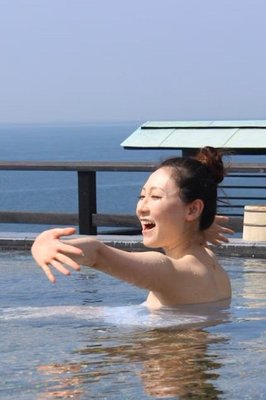
Must-visit sites include Noma Lighthouse (one of Japan's oldest stone lighthouses), Himaka Island (famous for pufferfish cuisine), and Mihama Onsen (mineral-rich deep-sea water hot springs). Don't miss the morning fish market for fresh catches or joining local fishing tours.
Food Guide
Try fugu tempura (pufferfish) and miso-braised sea bream. Street stalls serve takoyaki made with local octopus. Kaisendon (seafood rice bowls) highlight daily catches - visit fishery cooperative restaurants for freshest ingredients.
Transportation Guide
From Nagoya Station, take the Meitetsu Kowa Line to Kowa Station (70 mins), then transfer to a 15-min bus to town center. Local loop buses (500 yen/day pass) and rental bicycles (300 yen/hour) are main options. Taxis require phone HopeGoo (+81-569-82-1111) with 700 yen starting fare.
Best Time to Visit
May-June offers mild weather with fewer tourists for beach activities; September-November has crisp autumn air and seasonal seafood. Avoid July-August typhoon season and Golden Week (late April-early May) crowds.
Travel Tips
- Follow no-clothing rule in onsens; tattooed visitors should book private baths.
- Stay clear of narrow port roads during fishing operations.
- Check tide-dependent ferry schedules to Himaka Island in advance.
- Carry cash (under 10,000 yen) as most shops don't accept cards.
- Bargaining at fish markets is considered impolite.
- Strict trash separation required; convenience stores provide multilingual guides.
Useful Information
Language: Japanese dominant; basic English at tourist centers. Internet: Portable Wi-Fi available at convenience stores (500 yen/day); stable 4G coverage. Payment: Credit cards only accepted at major hotels; cash preferred. Medical: Mihama Clinic (+81-569-82-0020) handles basic care; serious cases transferred to Handa City Hospital. Emergency: Police (#110), Coast Guard (+81-569-82-0110). Voltage: 100V, Type A plugs (flat two-pin).