Hotels in Mihara
Discover your perfect stay in Mihara.
Mihara(Japan) Travel 2026: Cheap Flights, Hotels & Top Attractions
Popular Landmarks in Mihara
Discover the most iconic attractions in Mihara
Recommended Hotels in Mihara
Find the perfect place to stay in Mihara
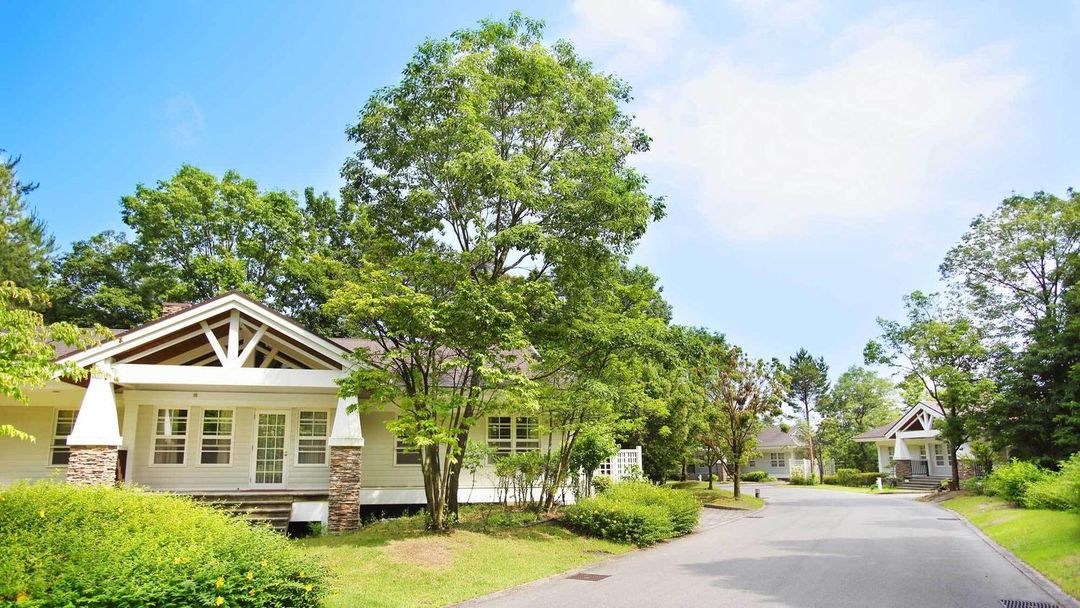
Forest Hills Garden
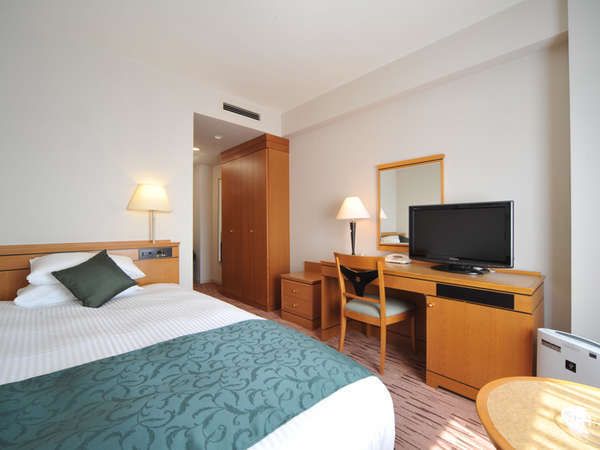
Hiroshima Airport Hotel
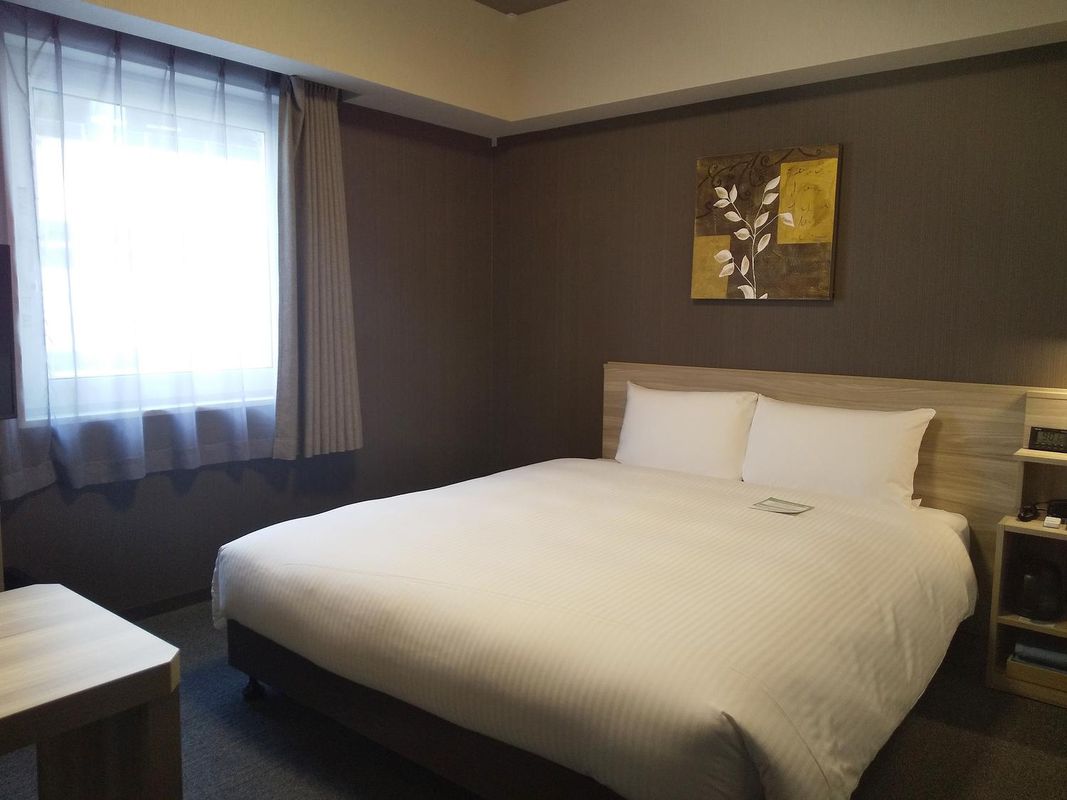
Hotel Route-Inn Mihara Ekimae
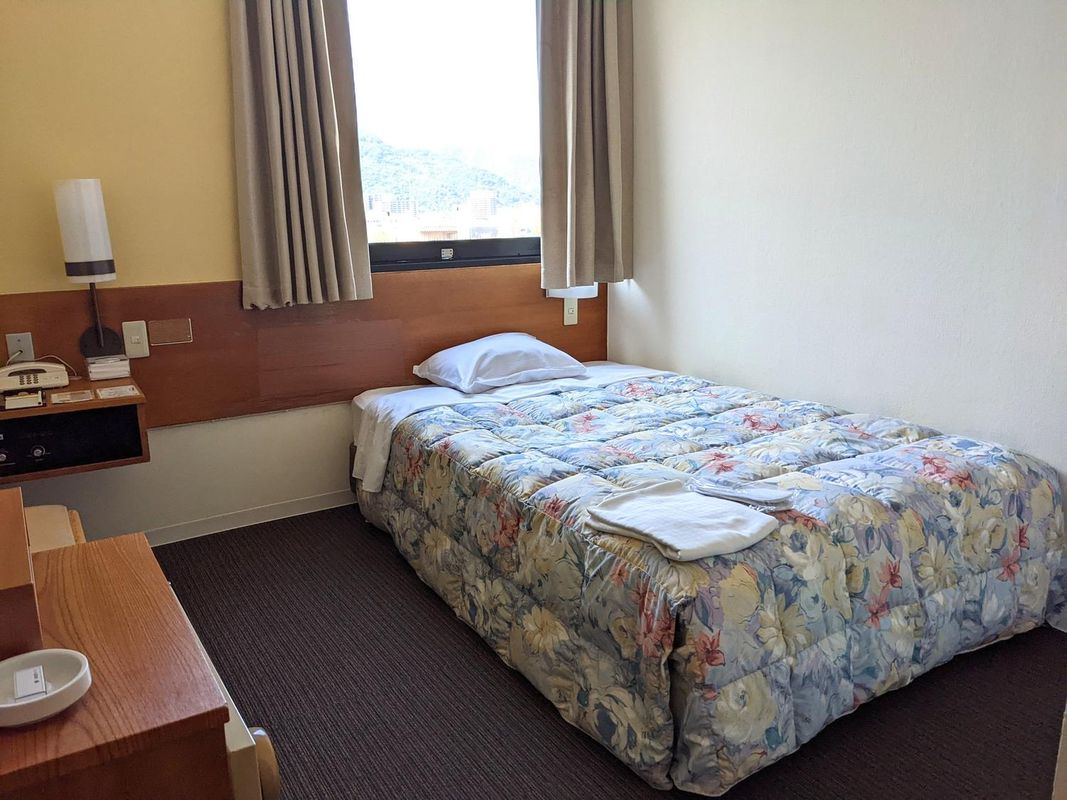
Mihara Kokusai Hotel
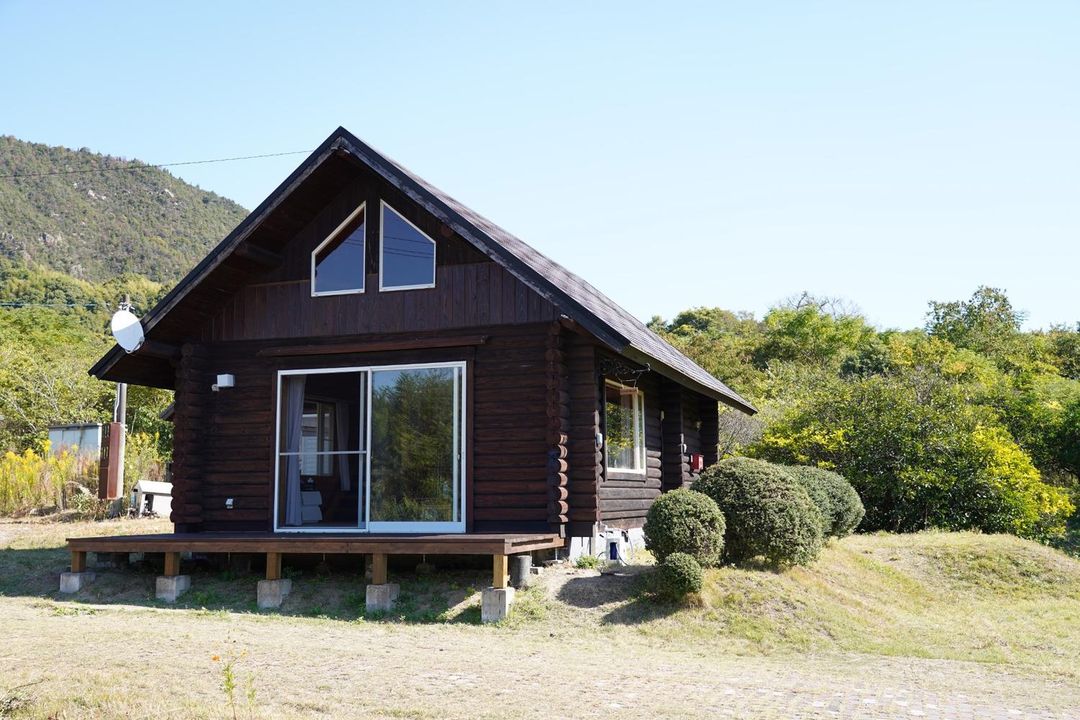
Shimanami Inn Sagi
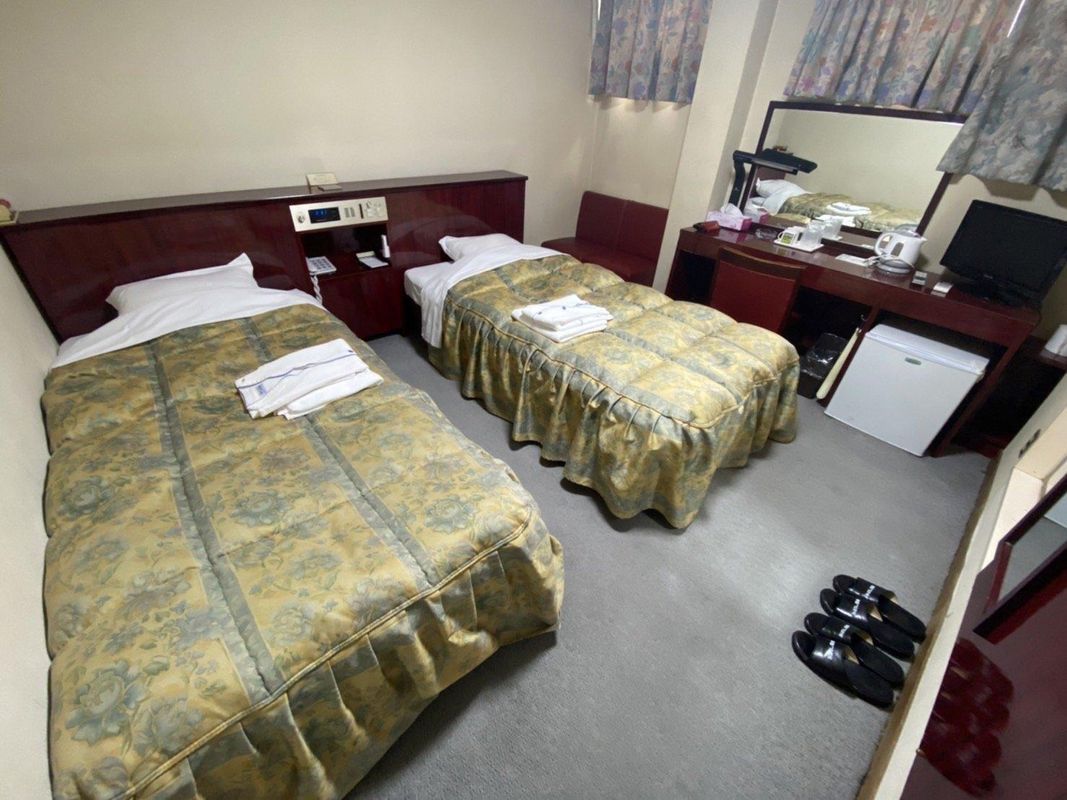
Nice Inn Mihara
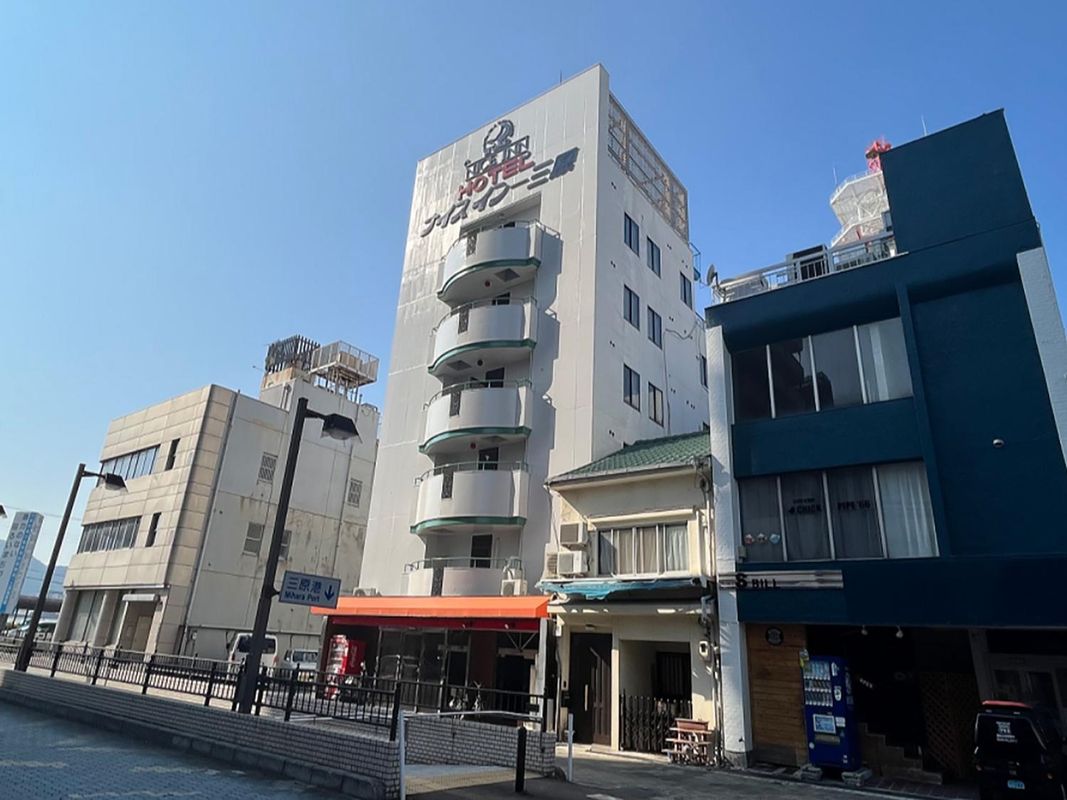
A 3Minute Walk from Jr Mihara Station Nice Inn M
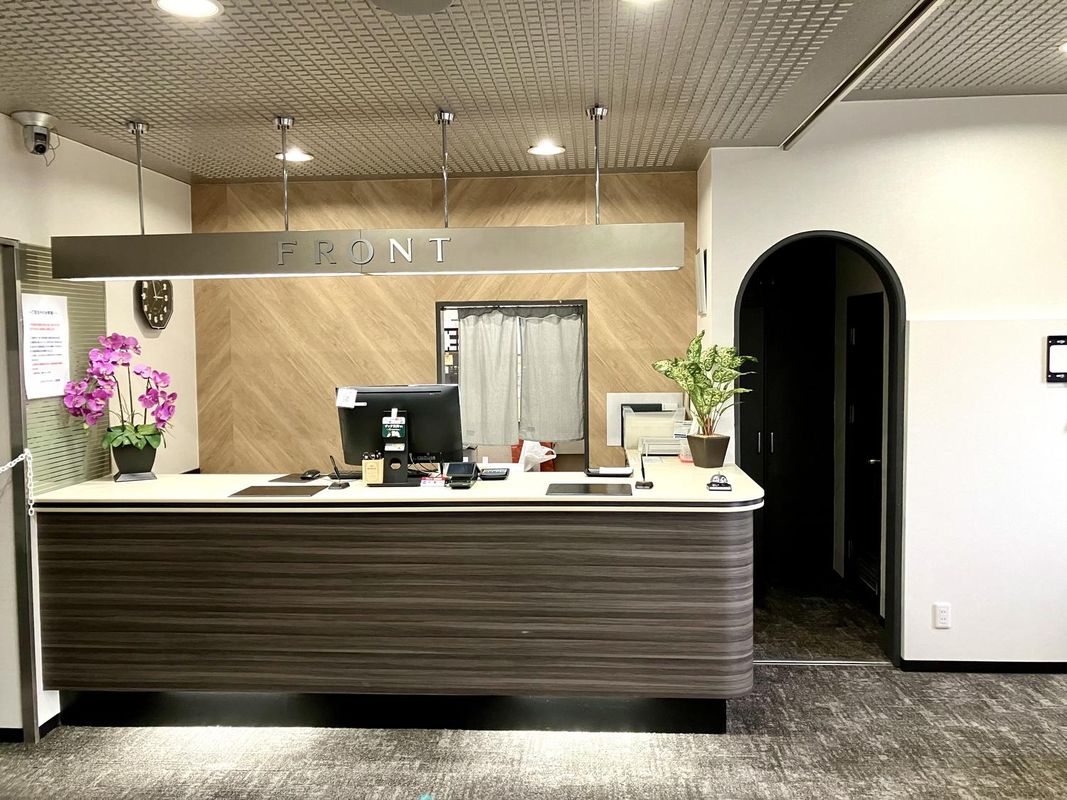
HOTEL LiVEMAX BUDGET Mihara Ekimae
Best Hotels in Mihara
Discover curated hotel collections in Mihara
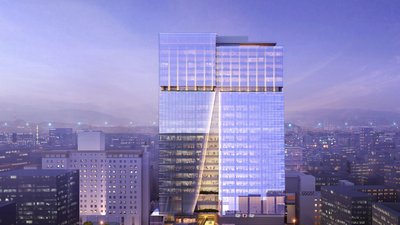
The Ritz-Carlton, Fukuoka
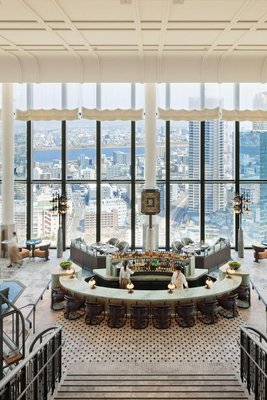
Waldorf Astoria Osaka
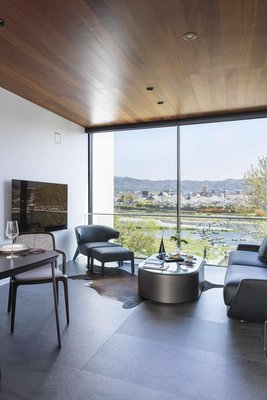
Kamo Residences by Reflections
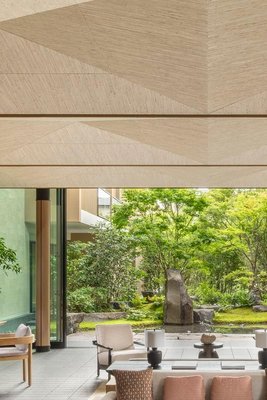
Six Senses Kyoto
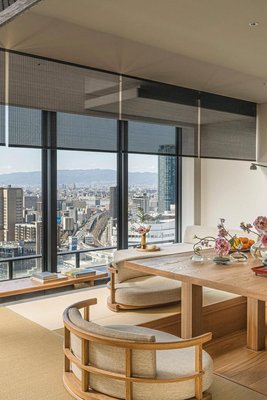
Four Seasons Hotel Osaka
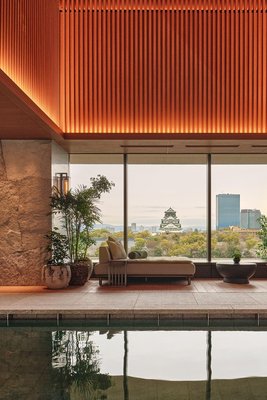
Patina Osaka
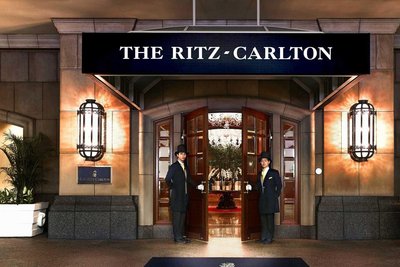
The Ritz-Carlton, Osaka
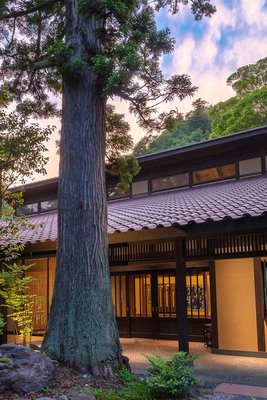
Arimasansoh Goshobessho
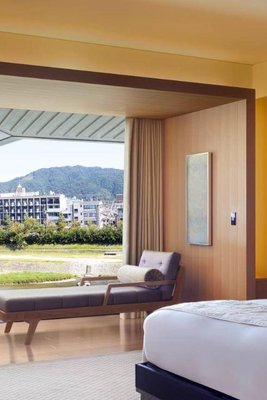
The Ritz-Carlton, Kyoto
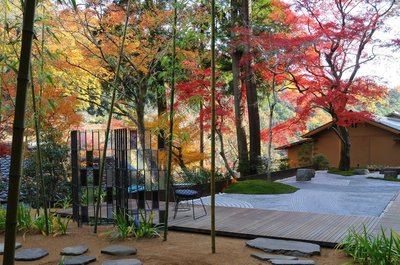
HOSHINOYA Kyoto
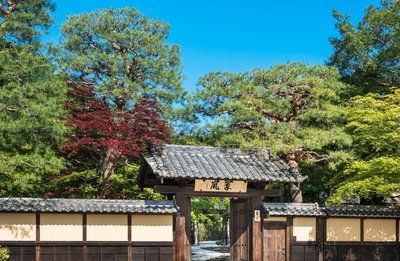
Suiran, a Luxury Collection Hotel, Kyoto
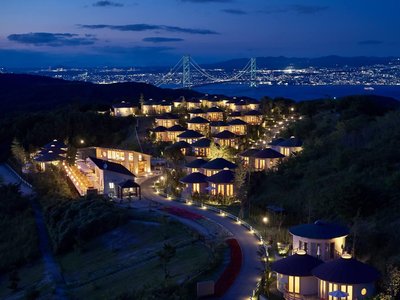
Grand Chariot Hokutoshichisei 135°
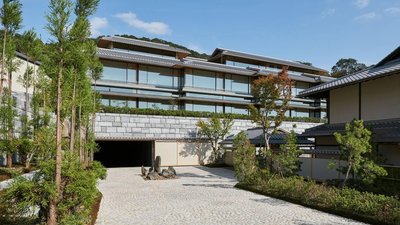
Park Hyatt Kyoto
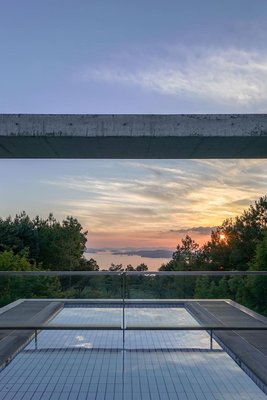
SETOUCHI RETREAT by Onko Chishin
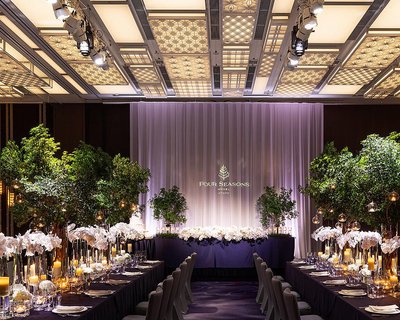
Four Seasons Hotel Kyoto
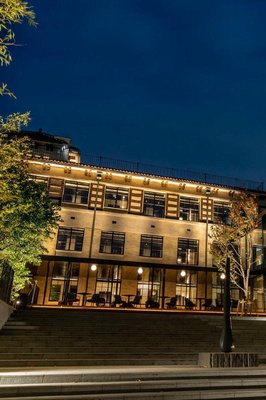
The Hotel Seiryu Kyoto Kiyomizu - a Member of the Leading Hotels of the World-
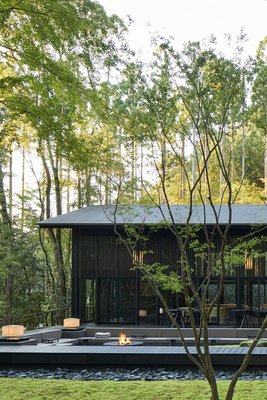
Aman Kyoto
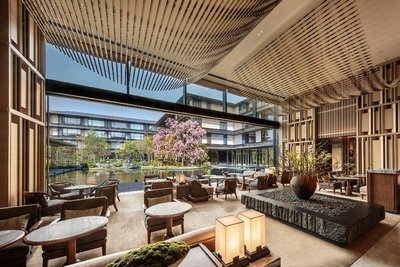
Hotel the Mitsui Kyoto, a Luxury Collection Hotel & Spa
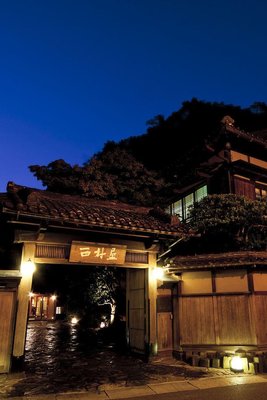
Nishimuraya Honkan
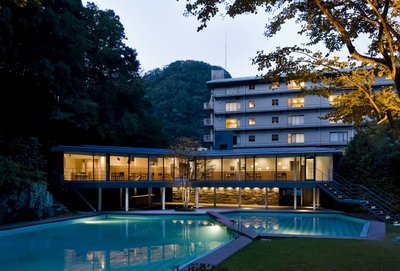
Kinosaki Onsen Nishimuraya Hotel Shogetsutei
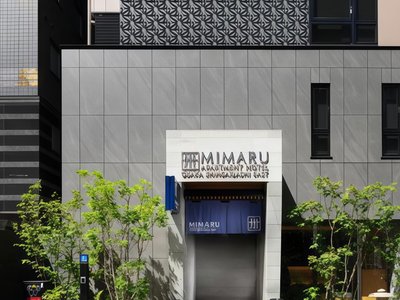
MIMARU Osaka Shinsaibashi East
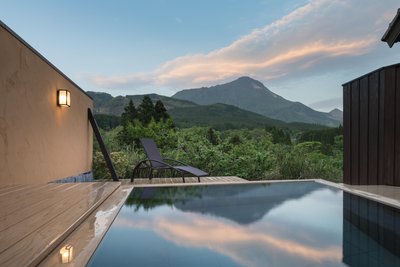
Ikkoten
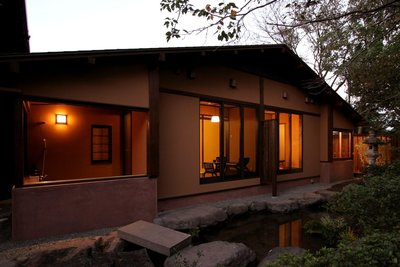
SEKIYA RESORT Bettei Haruki
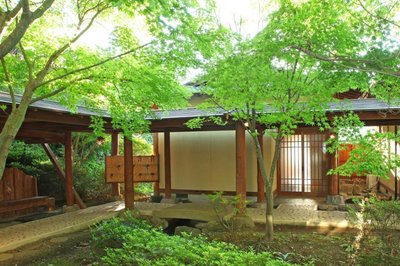
Chikurakutei
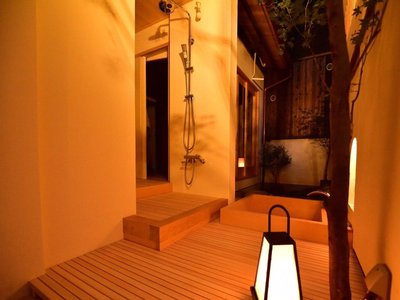
Yado Kiramachi
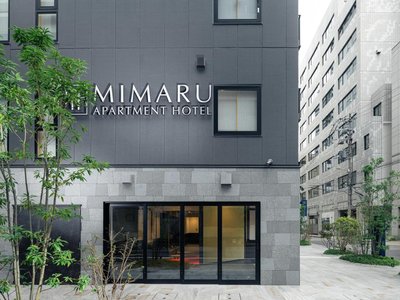
MIMARU Osaka Shinsaibashi North
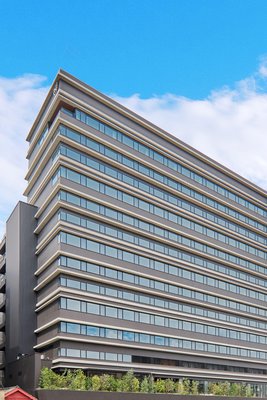
The Royal Park Canvas Fukuoka Nakasu
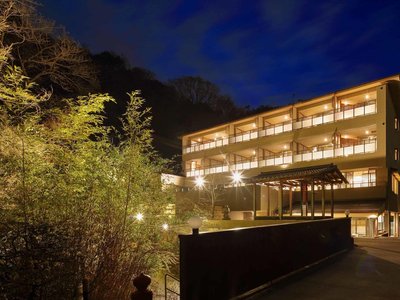
Okuno Hosomichi
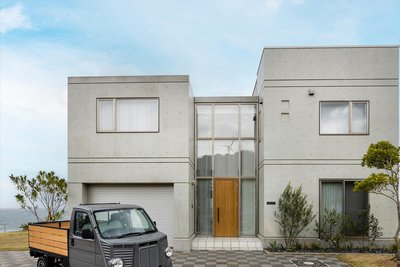
Izumo Hotel the Cliff
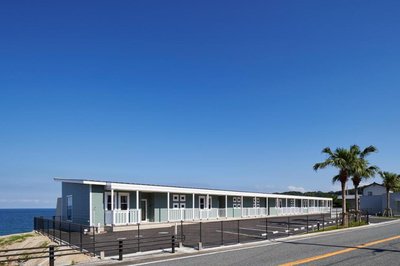
Alfacio Resort Stay Itoshima
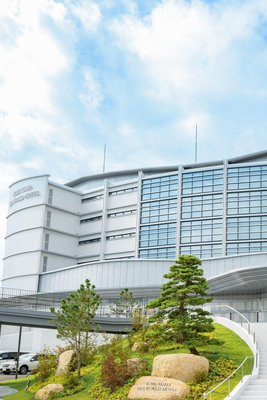
Kobe Suma Sea World Hotel
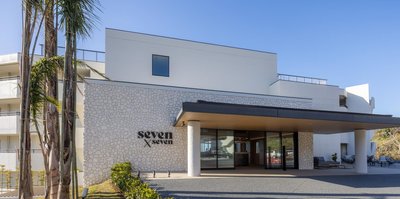
seven x seven itoshima
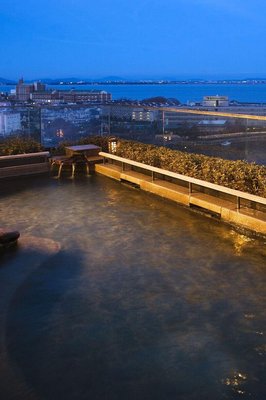
Yumotokan
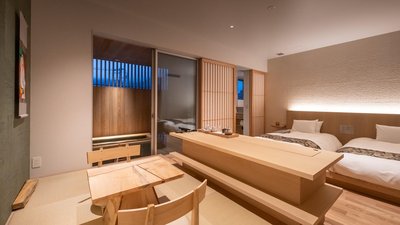
Japanese Auberge Kararako
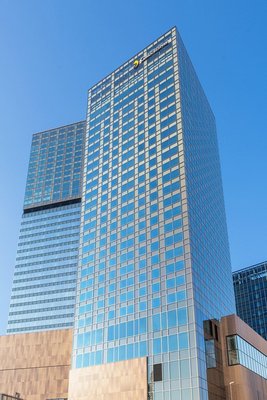
Hotel Hankyu GRAN RESPIRE OSAKA
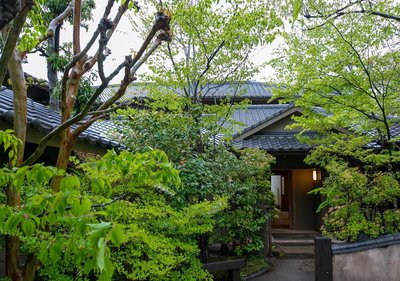
Yufuin Onsen Hinoharu Ryokan
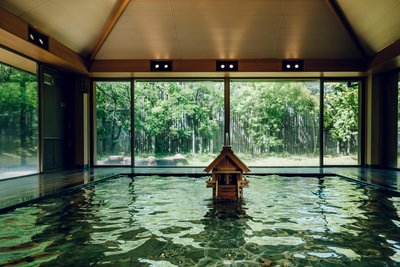
Hoshino Resorts KAI Tamatsukuri
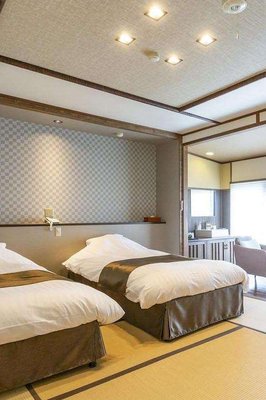
Sozankyo

Taikyourou
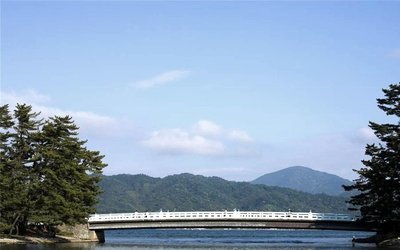
Monjusou Shourotei
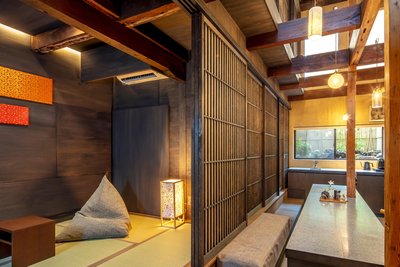
Kyo No Oozora Kihana
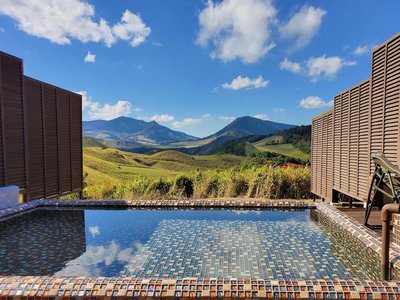
Grand Verde Resort
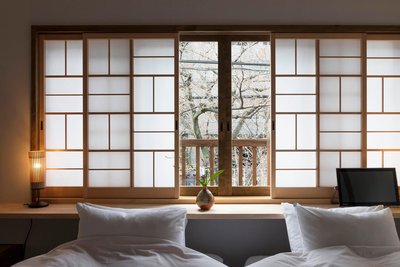
Hanagoromo Machiya House
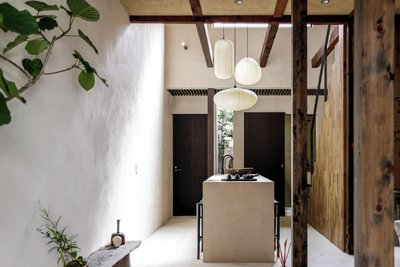
Maana Kiyomizu
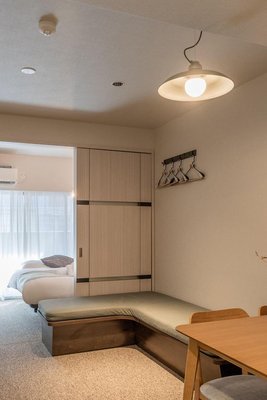
Apartment Hotel 11 Shinsaibashi
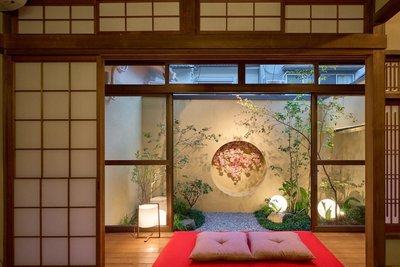
KONJAKUSO Osaka Tengachaya "NIHONCHA" Tea & Relax
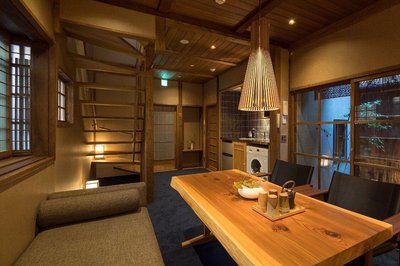
Bonbori an Machiya House
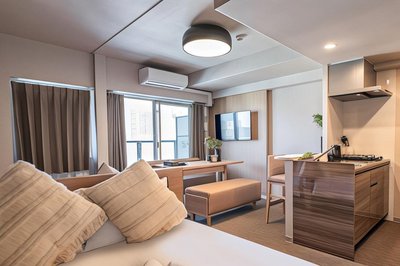
Apartment Hotel 11 Shinsaibashi III
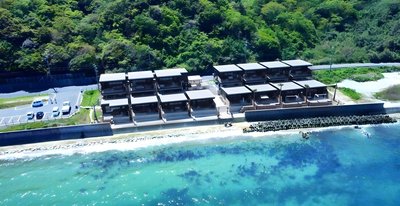
Solavilla Umi Terrace Minamiawaji
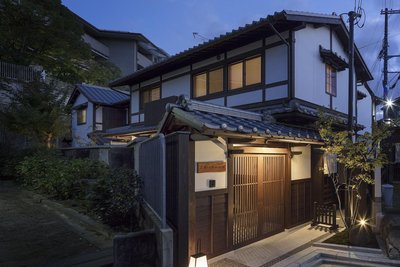
The Machiya Villa Sanjo Shirakawa Koji
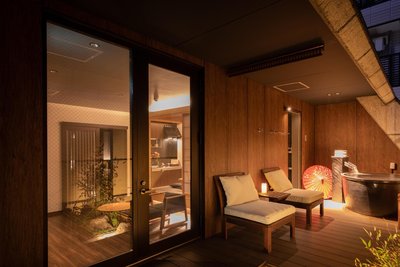
Konjaku-So Dotonbori
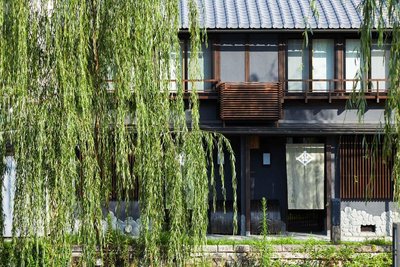
Gion Shirakawa No Yado

Kitashirakawa Natural Radium Onsen
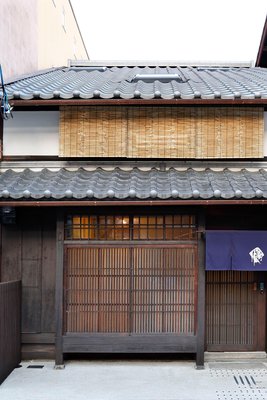
Kyo No Ondokoro Kamanza Nijo #2
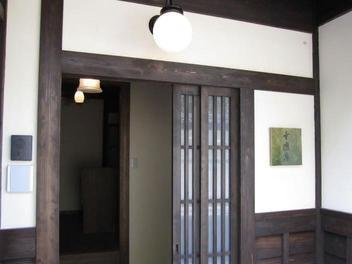
Gion Koyu an Machiya House
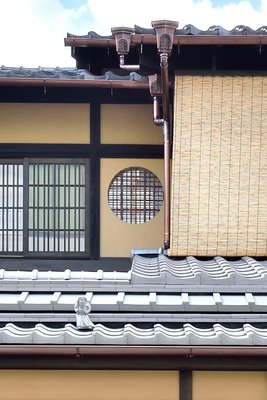
Kyo No Ondokoro Gokomachi Ebisugawa #3

Sana Mane - Glamp Domes
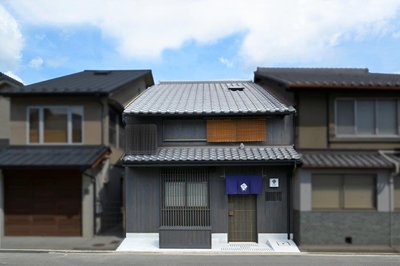
Kyo No Ondokoro Goshonishi #6
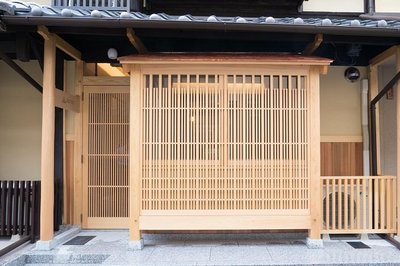
Kyomachiya Suite Rikyu
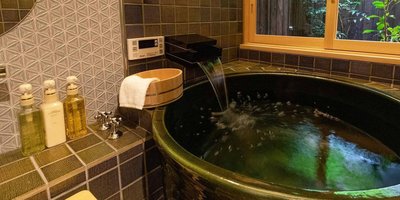
Kyoisuke
Frequently Asked Questions about Traveling to Mihara
Questions You Might Need to Know About Traveling to Mihara
In Mihara City, the most budget-friendly option is Mihara Station Front Hotel, located just a 3-minute walk from Mihara Station. This no-frills yet clean and well-maintained hotel offers compact but comfortable rooms with free Wi-Fi, air conditioning, and a shared lounge. It’s ideal for travelers seeking convenience without overspending.
Another excellent choice is Mihara Green Oasis Hotel, situated along the Otabuchi River, offering affordable twin rooms with private balconies overlooking nature. The hotel provides free bicycle rentals and is near local eateries serving authentic Hiroshima-style okonomiyaki and fresh oysters. With its peaceful surroundings and proximity to key attractions like Mihara Castle Ruins and Hiroshima Prefectural Art Museum, it delivers great value for money while maintaining a relaxed, family-friendly atmosphere.
The best area for first-time visitors to Mihara City is the central district around Mihara Station. This vibrant hub offers easy access to major attractions such as Mihara Castle Ruins Park, Otabuchi River Walkway, and the historic Mihara Old Town. Most hotels, restaurants, and convenience stores are clustered here, making navigation simple.
Public transportation is efficient, with frequent buses connecting to nearby destinations like Itsukushima Shrine and Hatsukaichi. Visitors can enjoy local street food at the Mihara Night Market, shop for souvenirs at traditional boutiques, and explore cultural exhibits at the Hiroshima Prefectural Art Museum. The central location ensures a seamless blend of history, culture, and modern amenities—perfect for those wanting to experience the heart of Mihara City in one convenient zone.
In Mihara City, visitors can participate in several unique cultural experiences. One standout is the Mihara Castle Ruins Spring Festival, held annually in March–April, where locals reenact historical samurai parades, traditional music performances, and tea ceremonies within the ancient castle grounds.
Another must-try is the Hiroshima Paper Umbrella Workshop, where you can learn to craft delicate hand-painted umbrellas using traditional techniques passed down for over a century. For food lovers, join a hands-on Hiroshima-style Okonomiyaki cooking class at a local kitchen in Mihara Old Town, where you’ll prepare the iconic savory pancake layer by layer.
Additionally, the city hosts the Mihara Fireworks Festival in autumn, featuring a spectacular display over the Otabuchi River, accompanied by live music and lantern-lit river cruises. These events offer deep immersion into Mihara’s heritage, craftsmanship, and community spirit.
Yes, Mihara Seien Ryokan is an excellent choice for solo travelers seeking peace and privacy. Nestled in a quiet residential area near Otabuchi River, this boutique ryokan features minimalist Japanese-style rooms with tatami mats, sliding shoji doors, and private verandas overlooking a tranquil garden.
Guests enjoy complimentary access to a shared onsen (hot spring bath), a quiet reading lounge, and a small library with English books. The staff provides personalized service, including evening tea rituals and guided nature walks along the riverbank. Meals are served in-room or in a private dining space, featuring locally sourced ingredients like fresh oysters and seasonal vegetables.
Another option is Mihara Green Oasis Hotel, which offers single-occupancy rooms with soundproofing and rooftop sky-view terraces—ideal for stargazing. Both properties emphasize tranquility, safety, and thoughtful design, making them perfect for introspective or reflective solo travel.
In Mihara City, be sure to try Hiroshima-style Okonomiyaki, a layered savory pancake made with cabbage, meat, seafood, and a special sauce, grilled tableside and topped with seaweed and bonito flakes. Visit Maru Go Ya, a long-standing restaurant in Mihara Old Town, known for its authentic recipe and warm hospitality.
Fresh Hiroshima oysters are another highlight—best enjoyed grilled or raw at Mihara Port Seafood Market, where vendors sell daily catch directly to visitors. Don’t miss takoyaki (octopus balls) from street carts, often served with tangy sauce and mayonnaise.
For dessert, sample Hiroshima red bean rice cakes (daifuku) at a local confectionery shop. These treats reflect the region’s sweet tradition and pair beautifully with green tea. Each dish tells a story of coastal life, culinary innovation, and local pride.
For couples seeking romance, Mihara Lakeview Love Hotel is a top recommendation. Located beside Otabuchi River, this intimate retreat features glass-walled rooms with private hot tubs overlooking the water and night skyline. Rooms include rose petal décor, champagne service, and soft lighting for a dreamy ambiance.
Another exceptional option is Mihara Castle Garden Ryokan, a traditional inn designed around a serene garden with koi ponds, stone lanterns, and wooden bridges. Couples can wear matching yukata robes, enjoy a private tea ceremony in a tatami room, and soak in a shared onsen under the stars.
Both hotels offer couple-specific packages: dinner in-room with local delicacies like grilled oysters and sake pairing, plus morning breakfast with fresh fruit and handmade sweets. Their focus on privacy, elegance, and emotional connection makes them ideal for honeymoons or anniversary getaways.
The best time to visit Mihara City is during spring (March to May) and autumn (October to November). Spring brings blooming cherry blossoms at Mihara Castle Ruins Park, creating a breathtaking backdrop for photography and leisurely walks. The weather is mild, averaging 15–20°C, perfect for outdoor activities.
Autumn offers crisp air, vibrant foliage along the Otabuchi River, and the famous Mihara Fireworks Festival, held in late October. The skies light up with colorful displays over the water, accompanied by music and illuminated boat cruises. Additionally, this season marks peak oyster harvest, ensuring the freshest seafood.
Avoid summer (July–August) due to high humidity and occasional typhoons. Spring and autumn deliver optimal conditions for sightseeing, cultural events, and enjoying Mihara’s natural beauty at its finest.
Some of the most photogenic spots in Mihara City include Mihara Castle Ruins Park, especially at sunrise when mist floats above the ancient stone walls and moat, creating a cinematic effect. The park’s arched bridge and cherry blossom trees make it ideal for portrait and landscape shots.
The Otabuchi River Walkway is another favorite—lined with willow trees, wooden benches, and glowing lanterns at dusk. Capture reflections of city lights on the calm water for stunning long-exposure photos.
Mihara Old Town’s narrow alleys filled with red-tiled rooftops and vintage signage offer a nostalgic, postcard-worthy aesthetic. The Hiroshima Prefectural Art Museum’s glass façade also creates striking geometric patterns when lit at night.
Don’t miss the Mihara Port Dock at sunset, where fishing boats rest against golden skies and silhouettes of workers add human drama to your frame. These locations combine natural beauty, architectural charm, and cultural depth—perfect for both professional photographers and Instagram enthusiasts.
Start your day with breakfast at Mihara Station Front Café, savoring Hiroshima-style okonomiyaki and fresh oysters. Head to Mihara Castle Ruins Park for a morning walk through scenic gardens and historical ruins, then visit the Hiroshima Prefectural Art Museum to admire regional exhibitions.
Lunchtime: Dine at Maru Go Ya in Mihara Old Town, a beloved local eatery known for its rich okonomiyaki. Afterward, stroll along the Otabuchi River Walkway, stopping at riverside cafes and photo spots.
In the afternoon, explore the Hiroshima Paper Umbrella Workshop for a hands-on craft session, or take a short bus ride to Mihara Port for fresh seafood sampling and harbor views.
Wrap up your day at Mihara Night Market, where you can enjoy street food, live music, and local crafts. End with a quiet moment at the Mihara Station View Deck, watching the city lights twinkle after dark. This balanced itinerary blends culture, cuisine, nature, and relaxation—perfect for a memorable one-day visit.
Yes, Mihara City is highly suitable for families with children. The city boasts numerous child-friendly attractions, including Mihara Castle Ruins Park, which features a large playground, interactive history trails, and seasonal festivals with kid-focused activities.
The Otabuchi River Walkway is safe and accessible, with shaded paths, picnic areas, and water-play zones during warmer months. Families can rent bicycles together and enjoy a scenic ride along the river.
Local restaurants like Maru Go Ya offer children’s portions and high chairs, while many hotels—including Mihara Royal Hotel and Mihara Green Oasis Hotel—provide family suites, kids’ menus, and game rooms.
Additionally, the Mihara Children’s Science Museum features interactive experiments and robot demonstrations that engage young minds. With clean streets, friendly locals, and ample green spaces, Mihara City offers a safe, enriching, and fun environment for all ages.
Mihara Overview
City Summary
Mihara City in Hiroshima Prefecture, Japan, blends historical heritage with coastal landscapes. Known for Mihara Castle ruins and Seto Inland Sea islands, it offers a unique mix of Edo-period charm and modern fishing port vitality.
Must-See Attractions
Top attractions include Mihara Castle Ruins (famous for "floating castle" design and cherry blossom illuminations) and Buttsu-ji Temple's Zen gardens. The Seto Inland Sea National Park offers island-hopping, while August's Mihara Night Koi Festival ranks among Japan's top 3 lantern festivals.
Food Guide
Savor Seto seafood like sea bream chazuke and oyster dishes (winter specialty). Street food highlights are Mihara-yaki (local takoyaki variant) and Hiroshima-style okonomiyaki. Historic restaurant "Uomasa" serves donburi with daily fresh catch.
Transportation Guide
JR Sanyo Line's Mihara Station (30min to Hiroshima) is the hub. Use "Mihara Beat" loop bus (¥100/ride) or taxis locally. Biking ideal for castle town exploration. Ferries from Mihara Port reach islands in 20-50 minutes.
Best Time to Visit
Best seasons are late March-April (cherry blossoms) and October-November (autumn foliage). Avoid humid summers. Book early for August festivals.
Travel Tips
- Etiquette: Maintain silence at temples, ask before photography
- Cash: Carry yen as small shops don't accept cards
- Ferries: Check limited island ferry schedules in advance
- Safety: Monitor tide tables for coastal activities
- Language: Prepare translation apps, low English proficiency
- Eco: Practice strict waste separation
Useful Information
Essentials:
- Language: Japanese dominant, basic English at stations
- Internet: Free Wi-Fi at stations, pocket WiFi recommended
- Payment: Credit cards accepted at major venues, cash preferred
- Emergency: Mihara City Hospital (+81-848-62-1111) has 24/7 ER
- Voltage: 100V, Type A plugs
- Tax Refund: Present passport for 8% VAT refund on ¥5000+ purchases









