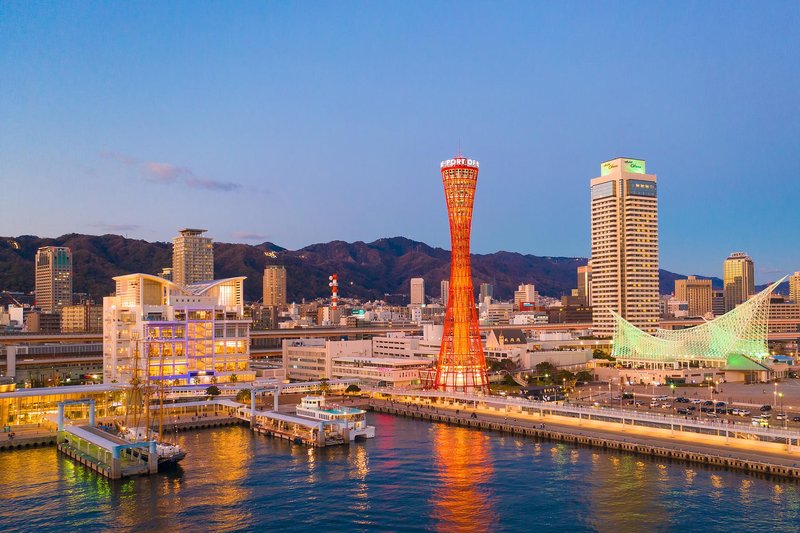
Hotels in Miharu
Discover your perfect stay in Miharu.
Miharu(Japan) Travel 2026: Cheap Flights, Hotels & Top Attractions
Popular Landmarks in Miharu
Discover the most iconic attractions in Miharu
Recommended Hotels in Miharu
Find the perfect place to stay in Miharu
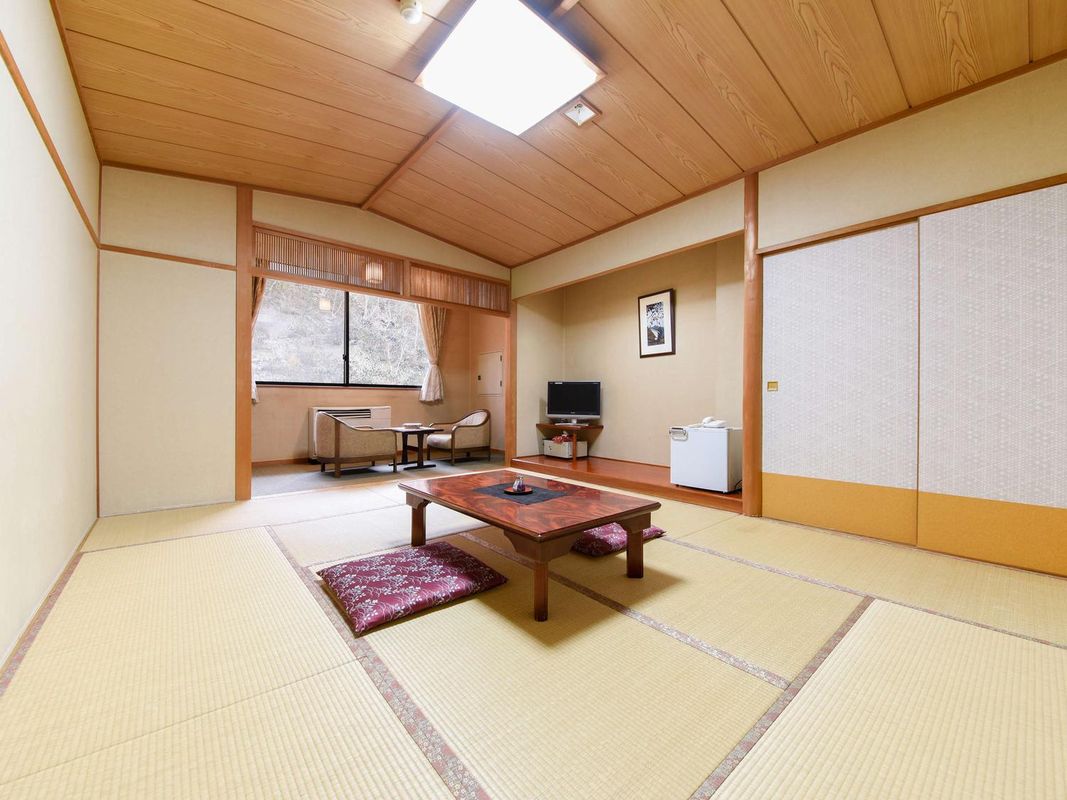
Mitsuyoshiya Ryokan
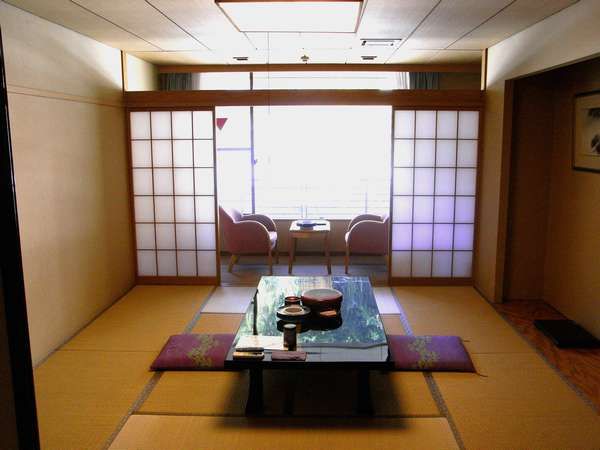
Wakamatsuya Ryokan
Best Hotels in Miharu
Discover curated hotel collections in Miharu
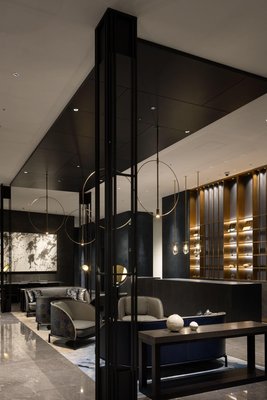
Bellustar Tokyo, A Pan Pacific Hotel
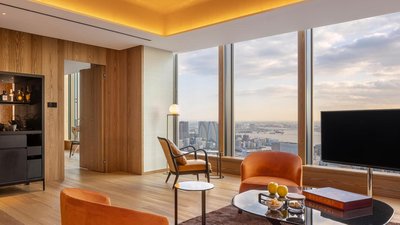
Bvlgari Hotel Tokyo
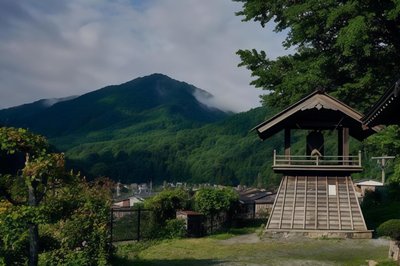
Byaku Narai
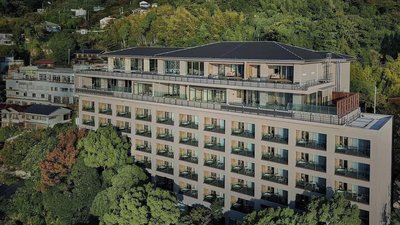
Atami Izusan Karaku
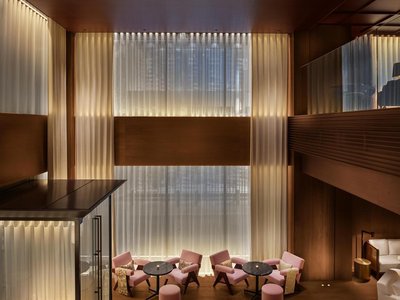
The Tokyo Edition, Ginza
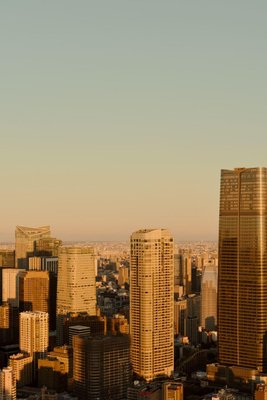
Janu Tokyo
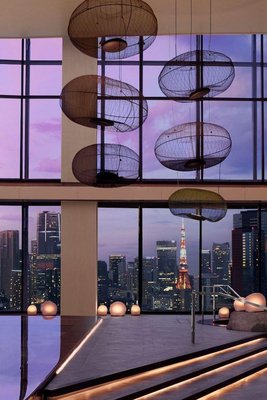
JW Marriott Hotel Tokyo
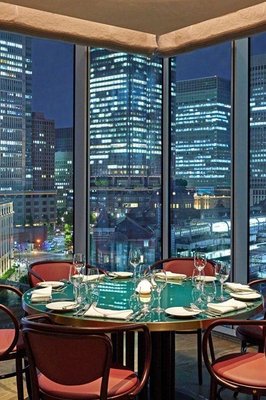
Four Seasons Hotel Tokyo at Marunouchi

Mandarin Oriental, Tokyo
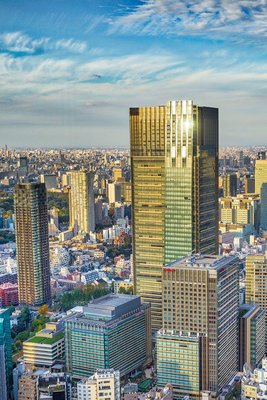
The Ritz-Carlton, Tokyo
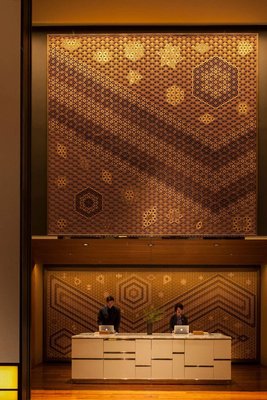
Andaz Tokyo Toranomon Hills- A Concept by Hyatt
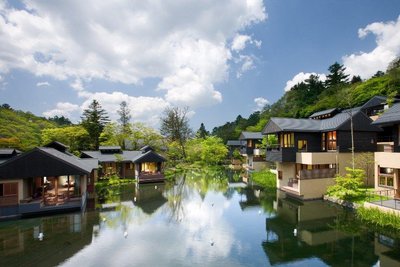
Hoshinoya Karuizawa
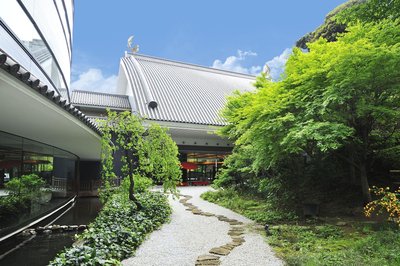
Hotel Gajoen Tokyo
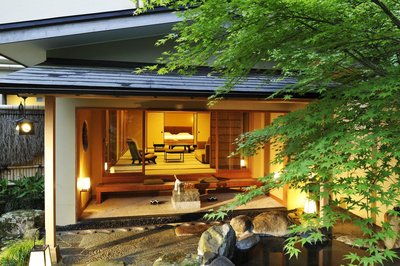
Gora Kadan
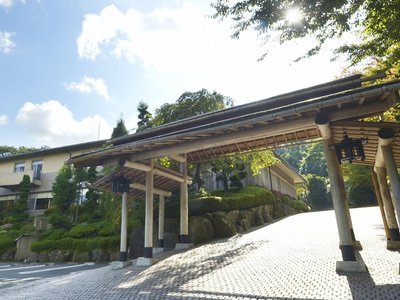
Gora Hanaougi
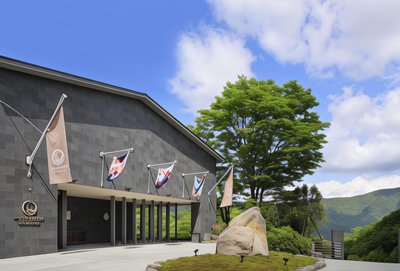
The Hiramatsu Hotels & Resorts Sengokuhara Hakone
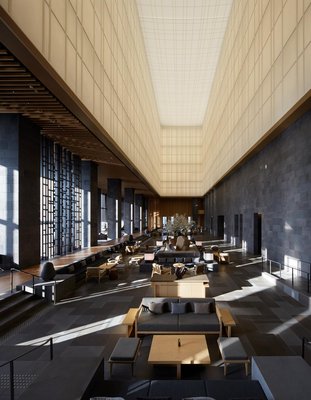
Aman Tokyo
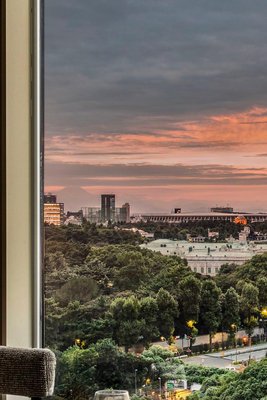
Hotel New Otani Tokyo, Executive House Zen
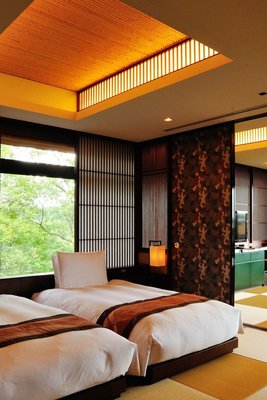
Chikusenso Onsen
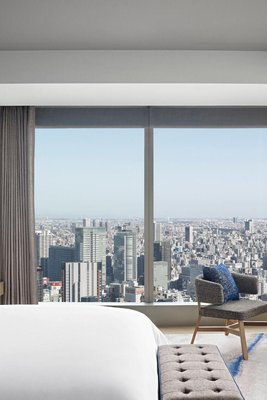
Four Seasons Hotel Tokyo at Otemachi
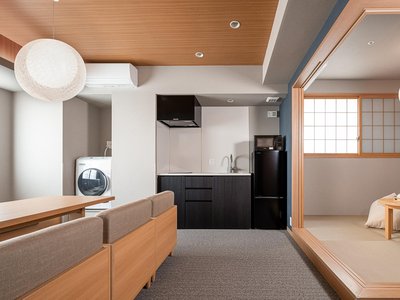
MIMARU SUITES Tokyo Asakusa
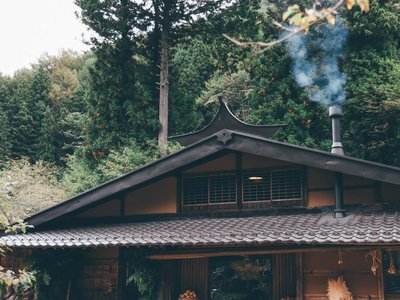
La Terra Resort
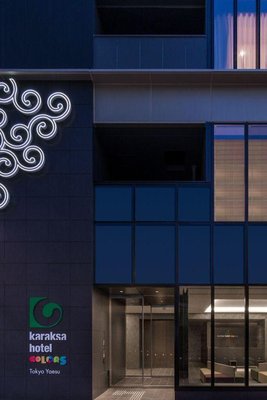
karaksa hotel colors Tokyo Yaesu
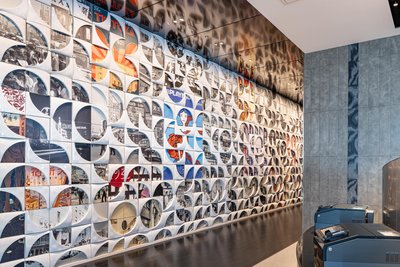
HOTEL GROOVE SHINJUKU, A PARKROYAL Hotel

EN Resort Grandeco Hotel
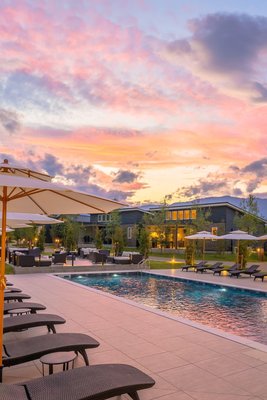
Awaumi Fujikawaguchiko Resort
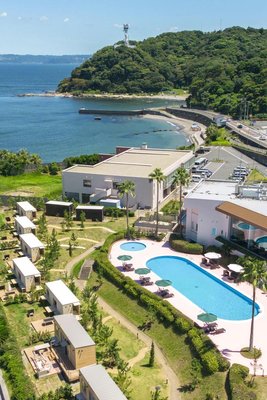
La vista Yokosuka Kannonzaki Terrace
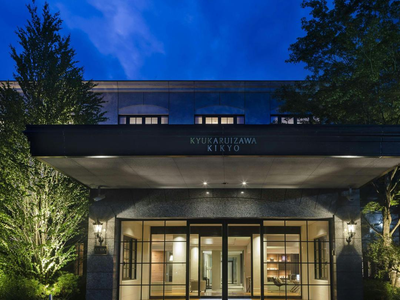
Fufu Karuizawa Wind of Sunshine
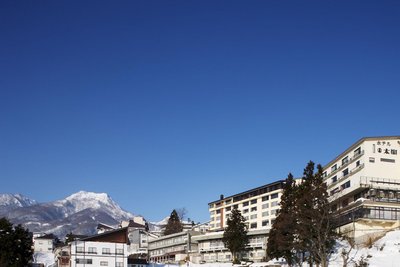
Hotel Taiko, Akakura Onsen
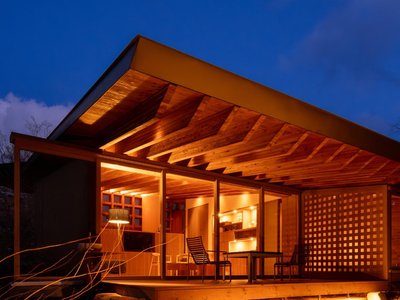
Nasu Mukunone
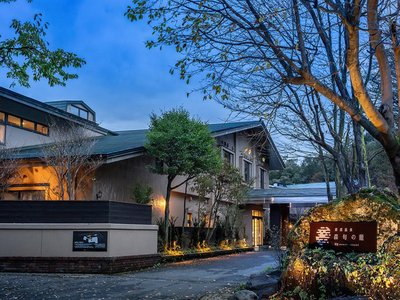
Nasu Onsen Shinshun no Kago Hewitt Resort

Scapes the Suite
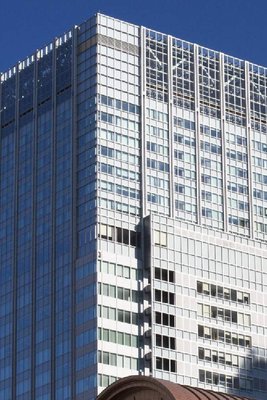
Hotel Metropolitan Tokyo Marunouchi
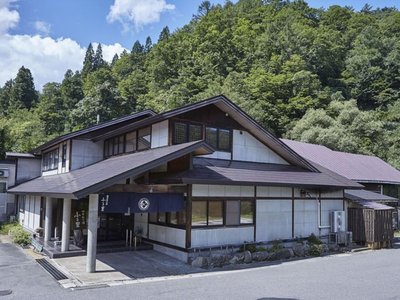
Fulsato
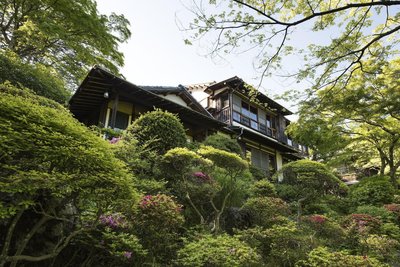
Gora Kansuiro
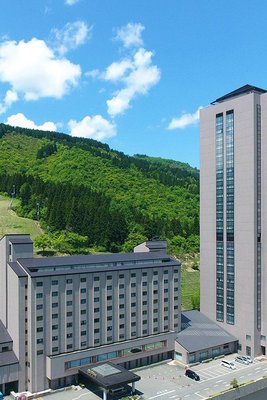
Naspa New Otani
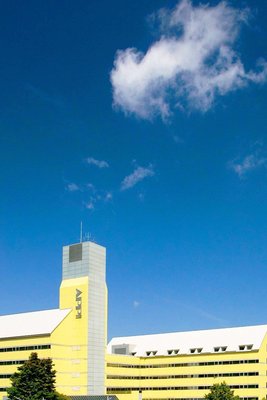
Crowne Plaza - ANA RESORT APPI KOGEN
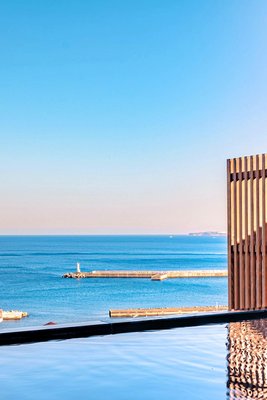
HOTEL KANICHI
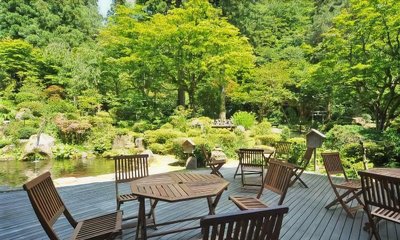
Choseikan
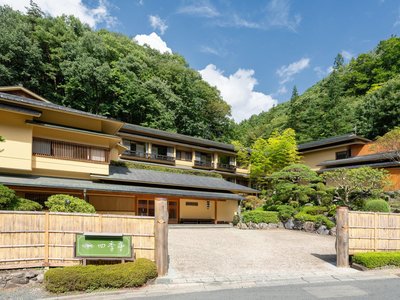
Shikitei Morioka TsunagiOnsen
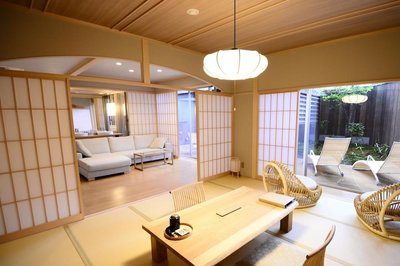
Hakone Gora Byakudan
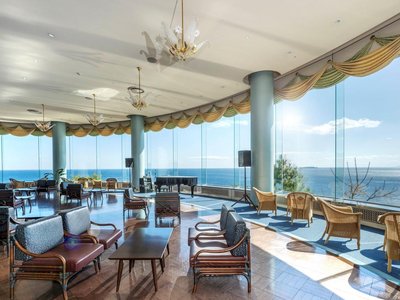
Hotel New Akao
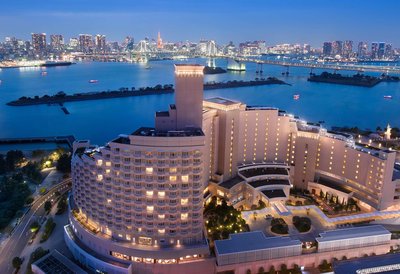
Hilton Tokyo Odaiba
JW Marriott Hotel Tokyo
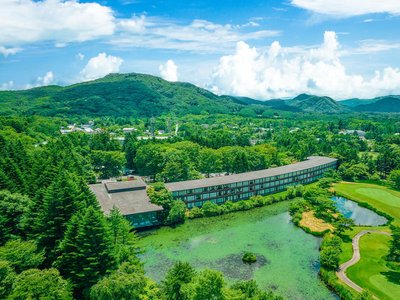
The Prince Karuizawa
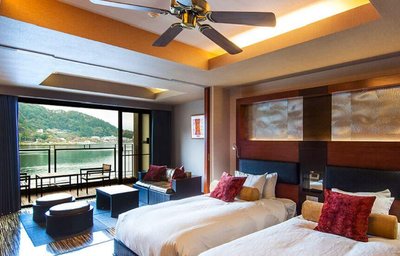
The Kukuna
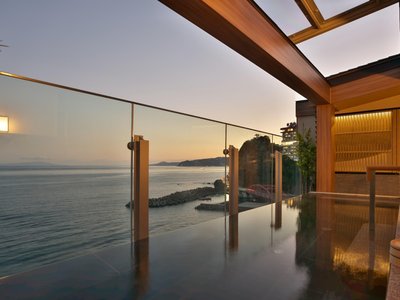
Hotel New Sagamiya
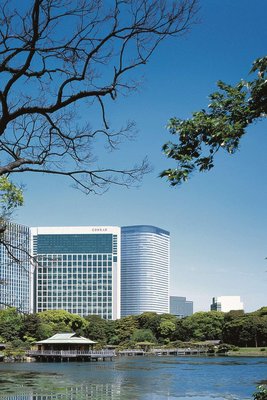
Conrad Tokyo
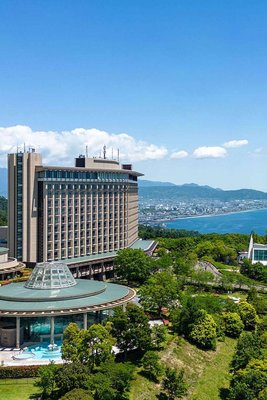
Hilton Odawara Resort & Spa
Hoshinoya Karuizawa
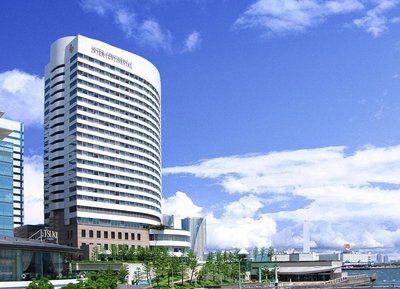
InterContinental Tokyo Bay
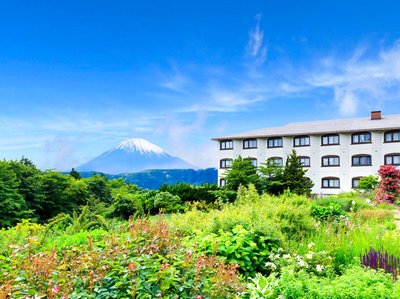
Hotel Green Plaza Hakone
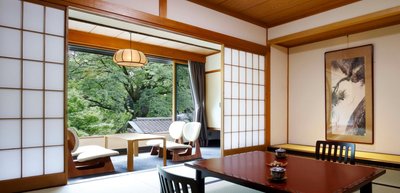
Yoshiike Ryokan
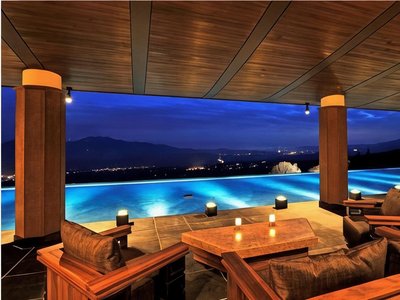
Akakura Kanko Hotel
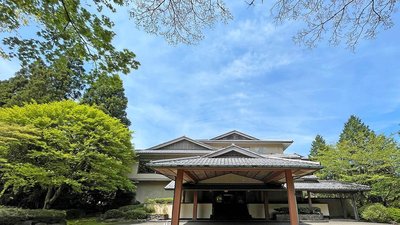
Ryuguden
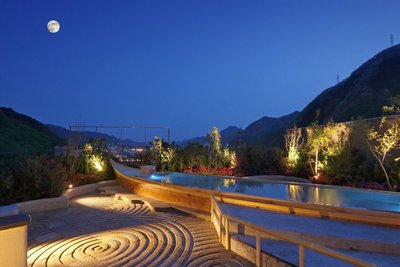
Asaya
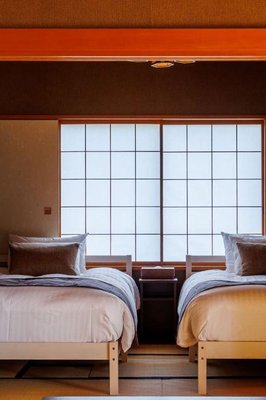
Sado Resort Hotel Azuma
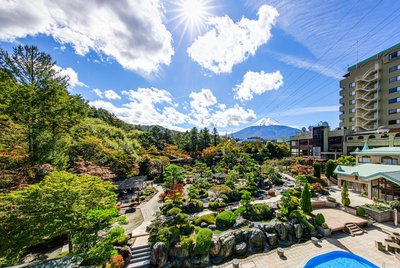
Kaneyamaen
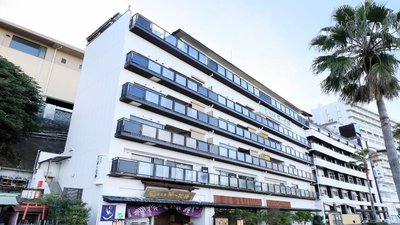
Syukaen Yunohanazen
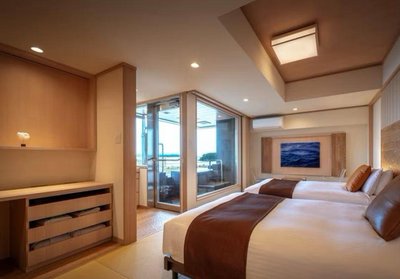
Komatsu-Kan Kofu-Tei
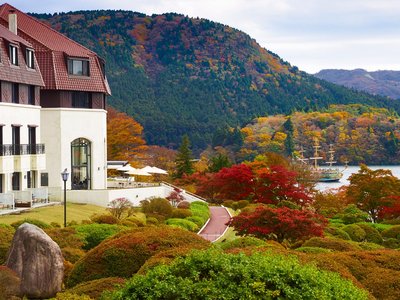
Hotakajyo
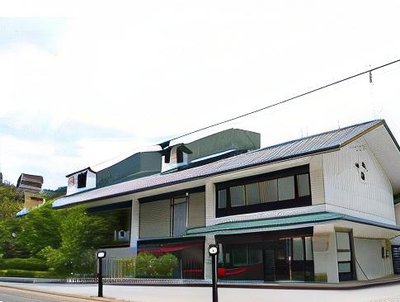
Auberge Suzukane

Onyado Nono Asakusa Bettei Hot Spring
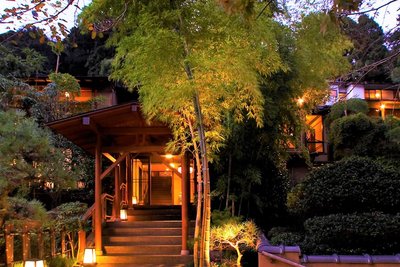
Shiki wo Ajiwau Yado Yamano Chaya
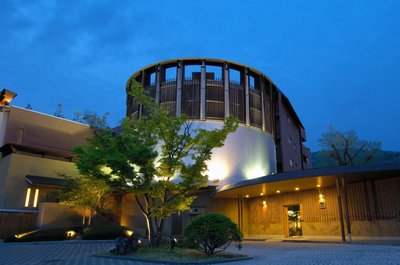
Hoshino Resorts Kai Matsumoto
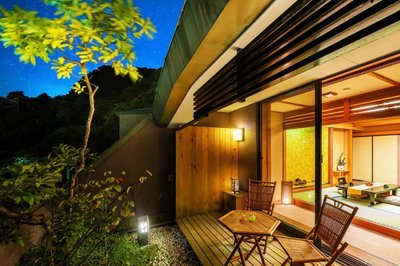
Konjakutei
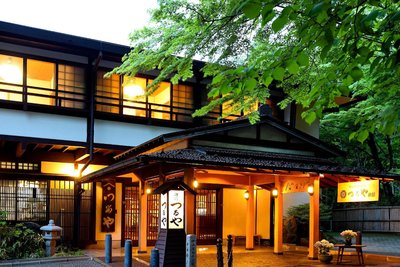
Tsuruya Ryokan
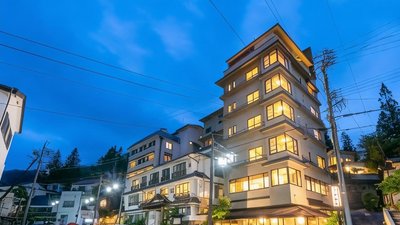
Nakamatsuya Ryokan
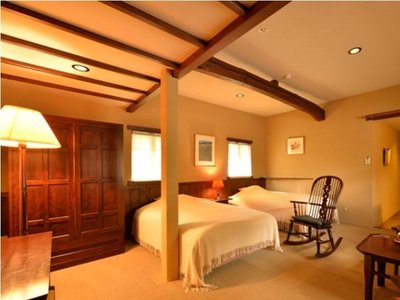
Ryokan Sugimoto
Yoshiike Ryokan
Hotel Gajoen Tokyo
Gora Hanaougi
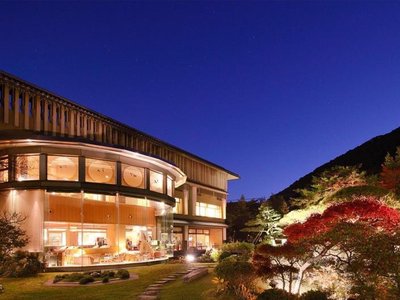
Shikisai Ichiriki
Sado Resort Hotel Azuma
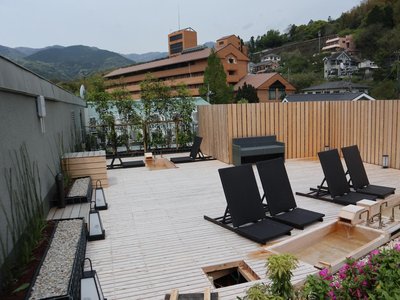
Fukiya Ryokan
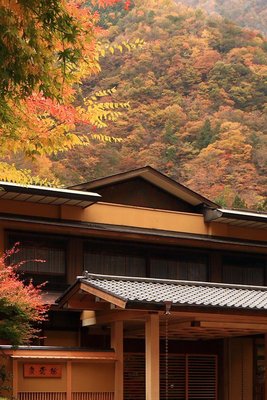
Nishiyama Onsen Keiunkan
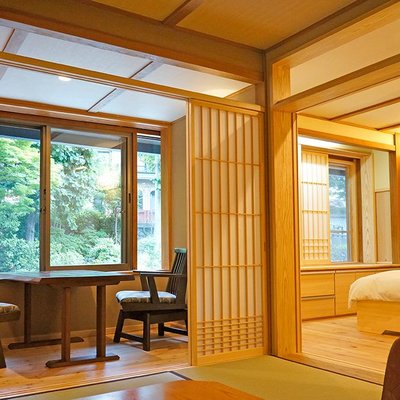
Sumiyosiya Ryokan
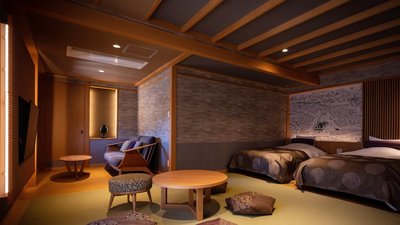
Naraya
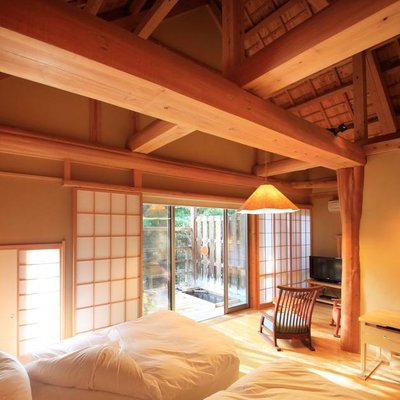
Daikon-No-Hana
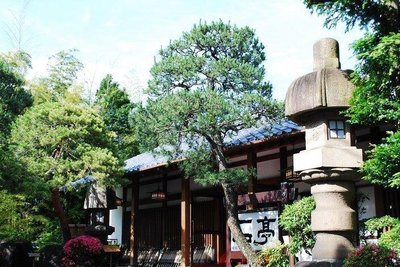
Atami Sekitei
Bellustar Tokyo, A Pan Pacific Hotel
JW Marriott Hotel Tokyo
Andaz Tokyo Toranomon Hills- A Concept by Hyatt
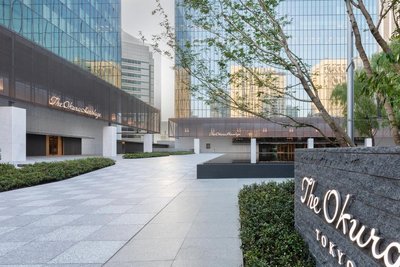
The Okura Tokyo
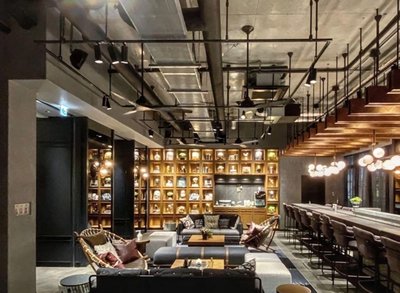
The Lively Azabujuban Tokyo
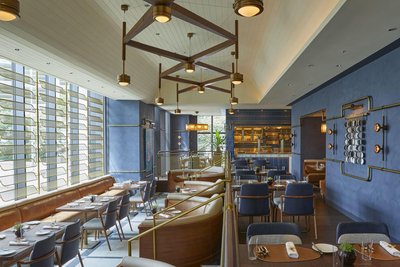
Kimpton Shinjuku Tokyo
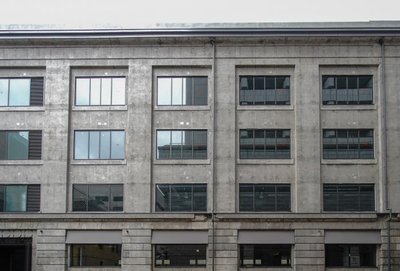
HOTEL K5
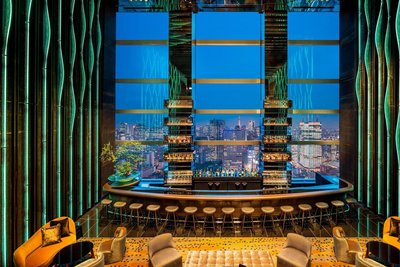
The Prince Gallery Tokyo Kioicho, a Luxury Collection Hotel
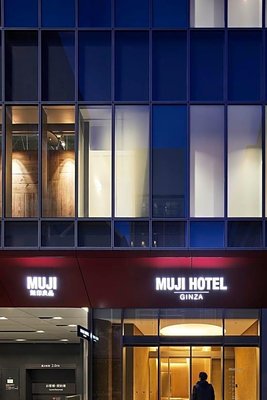
Muji Hotel Ginza
Hakone Gora Byakudan
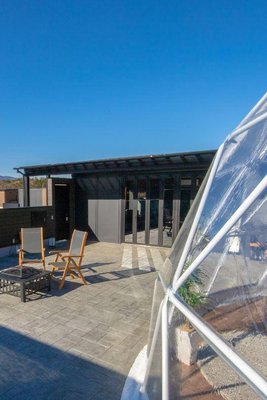
Panoramic Mt. Fuji Views from All Rooms – Vision Glamping Resort & Spa Yamanakako
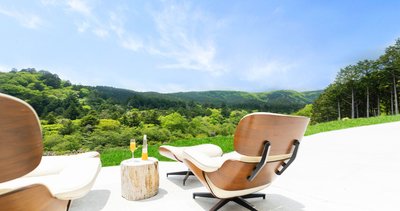
Shelter Garden Nikko
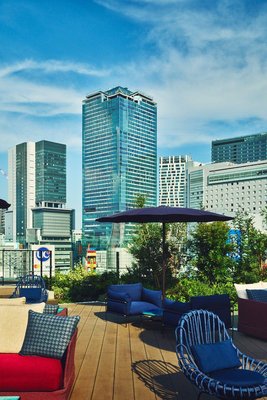
Hotel Indigo Tokyo Shibuya
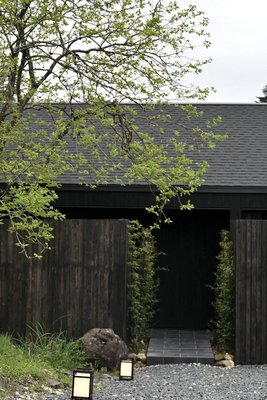
THE LAKOTAN
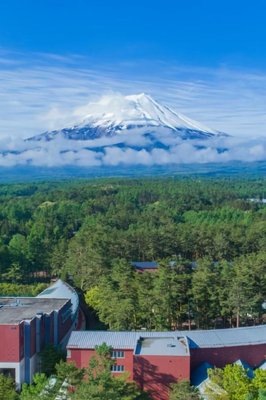
Forest Village (Fuji Premium Resort)
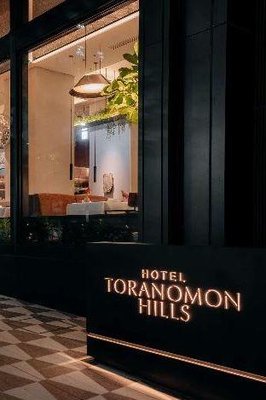
Hotel Toranomon Hills
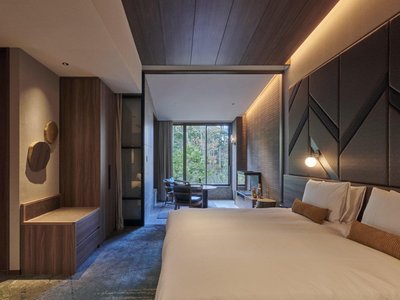
Fufu Kyu-Karuizawa Restful Forest
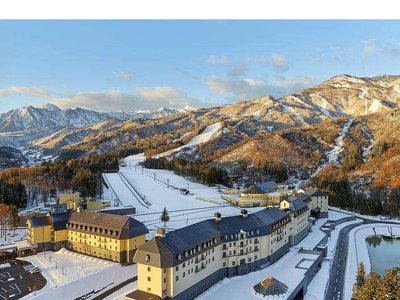
Lotte Arai Resort
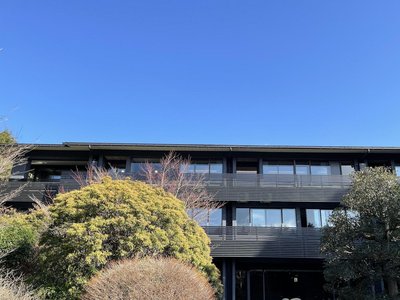
Sengokubara Cocon
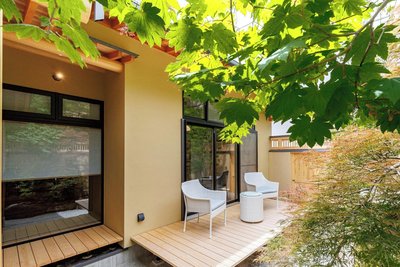
Shoraiso
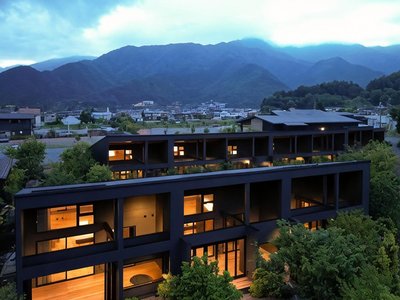
7C Villa and Winery
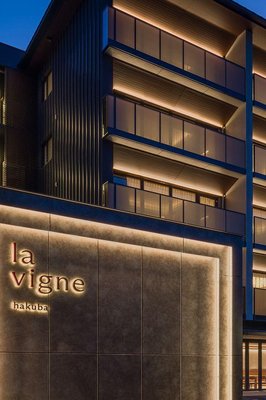
Hotel la Vigne Hakuba by Onko Chishin
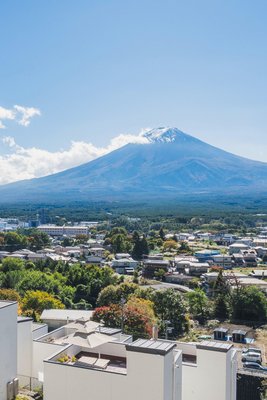
THE TOKI FujiKawaguchiko
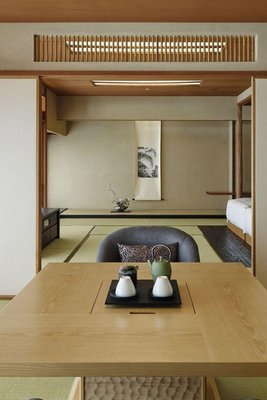
Takanawa Hanakohro (in Grand Prince Hotel Takanawa)
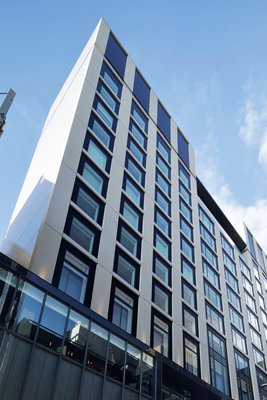
Hyatt Centric Ginza Tokyo
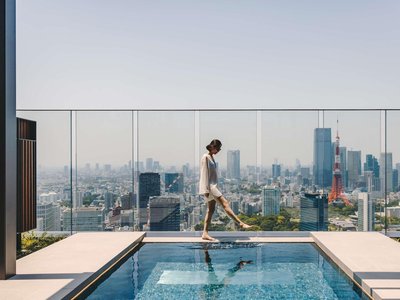
Fairmont Tokyo
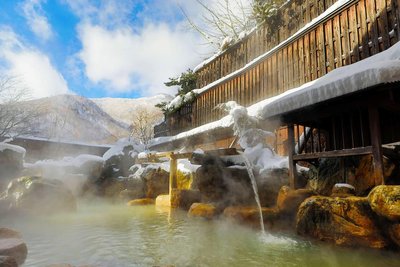
Miyamaouanbekkan yumegurinoyado hirayukan
The Prince Karuizawa
Conrad Tokyo
Bvlgari Hotel Tokyo
Four Seasons Hotel Tokyo at Marunouchi
Mandarin Oriental, Tokyo
The Ritz-Carlton, Tokyo
Andaz Tokyo Toranomon Hills- A Concept by Hyatt
Gora Kadan
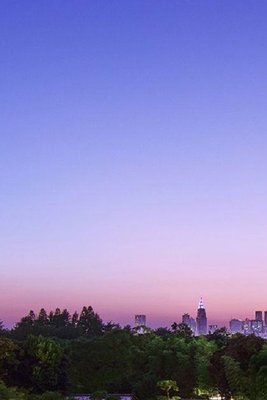
Hotel New Otani Tokyo the Main
Aman Tokyo
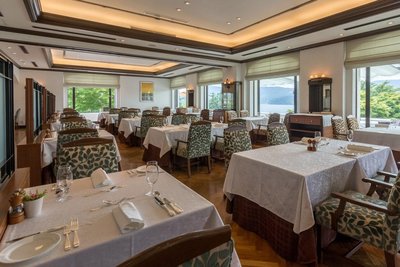
Odakyu Hotel de Yama
Four Seasons Hotel Tokyo at Otemachi
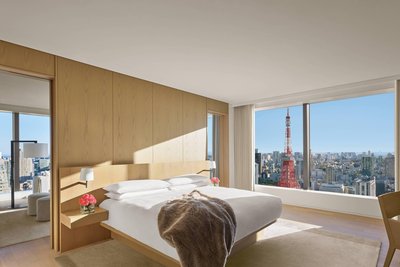
The Tokyo Edition, Toranomon
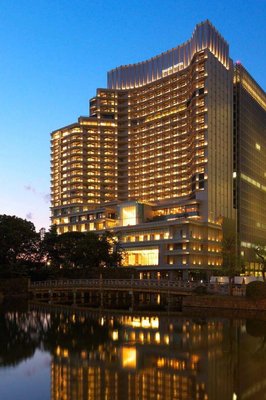
Palace Hotel Tokyo
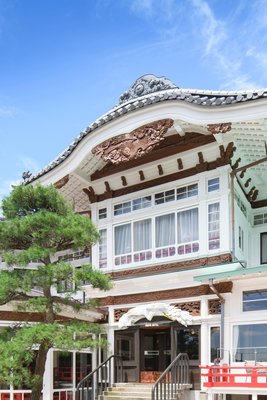
Fujiya Hotel
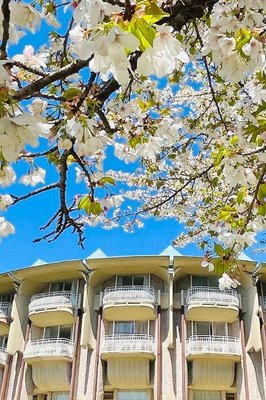
The Prince Hakone Lake Ashinoko
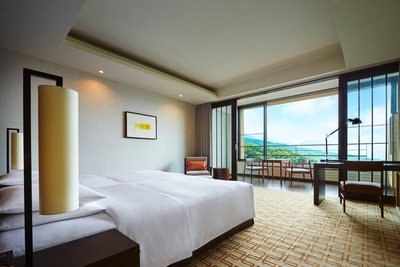
Hyatt Regency Hakone Resort and Spa
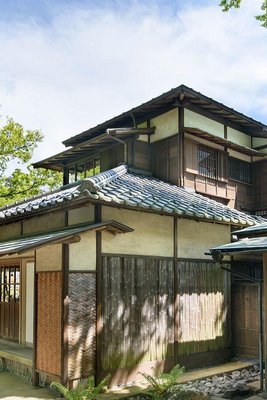
Hakone Suishoen
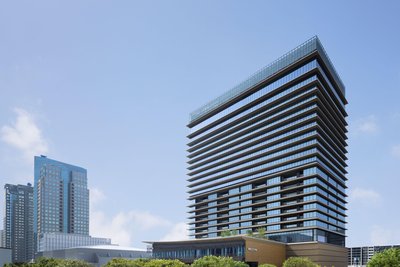
The Westin Yokohama
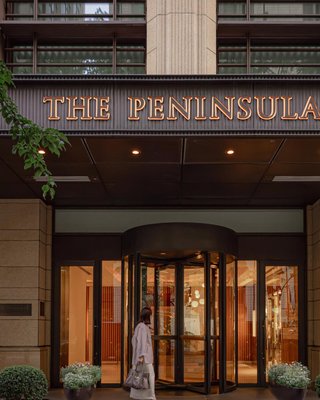
The Peninsula Tokyo

Imperial Hotel, Tokyo
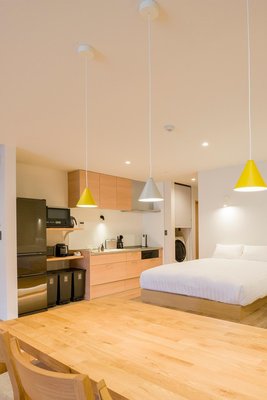
Rakuten STAY VILLA Nasu
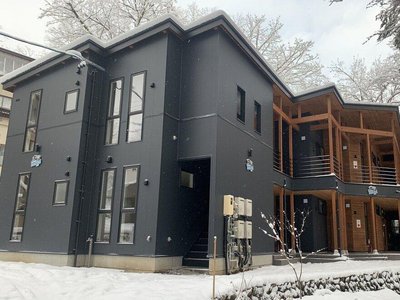
Hakuba Gondola Apartments
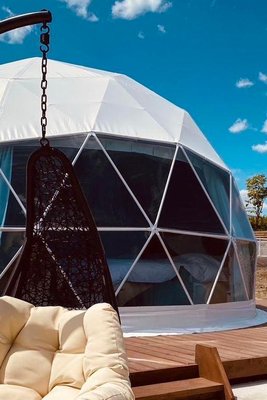
chillout glamping zao
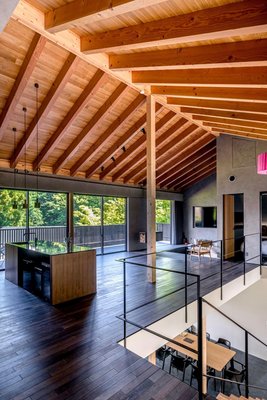
MONS GORA
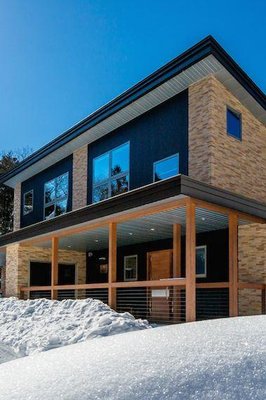
Phoenix Chalets by Hhg
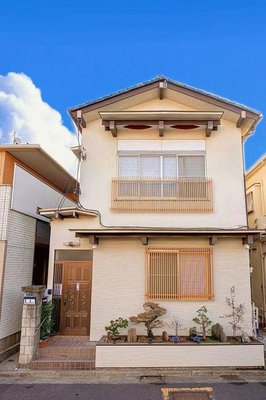
Tokyo Star House-Shinkoiwa
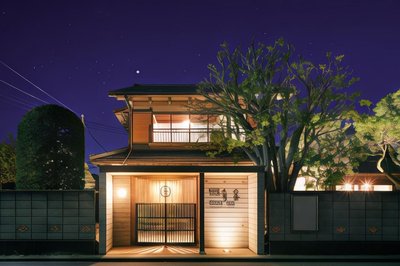
Machi-Jyu
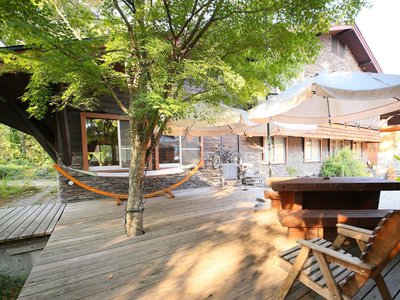
Kunugi Relaxation with 4 Modern Rooms
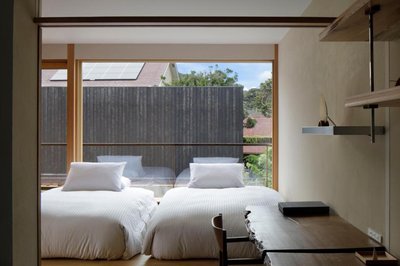
Modern Ryokan Kishi-ke
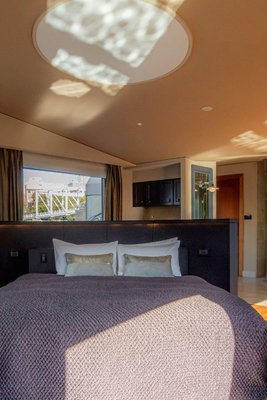
Petals Tokyo - Floating Hotel
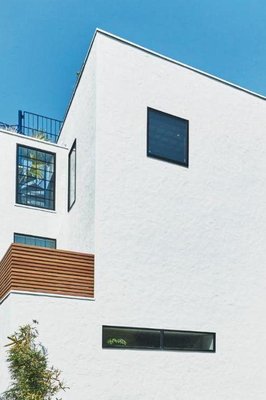
The Flow Kamakura
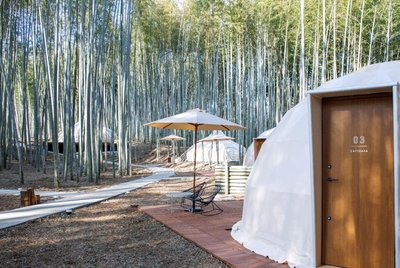
THE BAMBOO FOREST
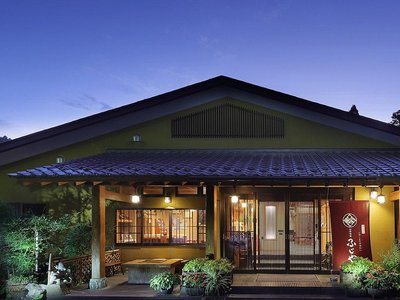
Shikimitei Fujiya
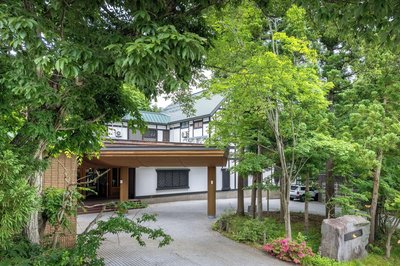
Forest Resort Yamanote Hotel
Bellustar Tokyo, A Pan Pacific Hotel
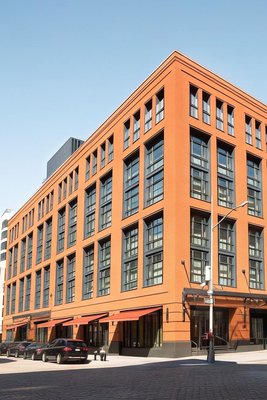
Hotel Barrière Fouquet's New York
Bvlgari Hotel Tokyo
Byaku Narai
Atami Izusan Karaku
The Tokyo Edition, Ginza
Janu Tokyo
JW Marriott Hotel Tokyo
Four Seasons Hotel Tokyo at Marunouchi
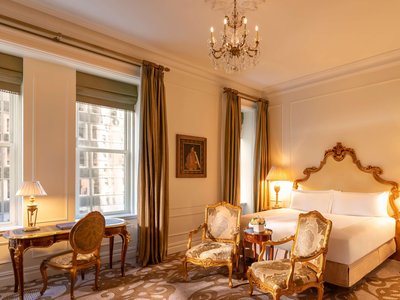
The Plaza - A Fairmont Managed Hotel
Mandarin Oriental, Tokyo
The Ritz-Carlton, Tokyo
Andaz Tokyo Toranomon Hills- A Concept by Hyatt
Hoshinoya Karuizawa
Hotel Gajoen Tokyo
Gora Kadan
Gora Hanaougi
The Hiramatsu Hotels & Resorts Sengokuhara Hakone
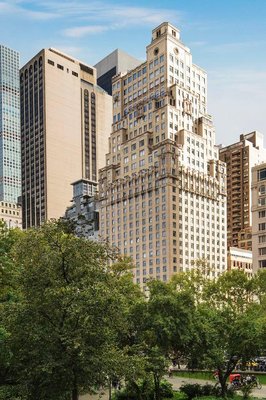
The Ritz-Carlton New York, Central Park
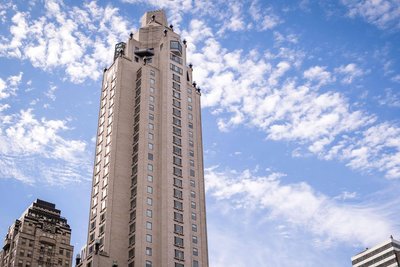
Four Seasons Hotel New York
Frequently Asked Questions about Traveling to Miharu
Questions You Might Need to Know About Traveling to Miharu
In Mikawashima, the top choice is Mikage Onsen Ryokan, a traditional Japanese inn nestled beside the Mikage Falls. It features private outdoor baths with panoramic views of the waterfall and surrounding mountains, especially stunning in winter snowscapes. The inn serves authentic local cuisine, including Mikawashima beef tongue and Koshihikari rice, and offers tea ceremony experiences to immerse guests in regional culture. Early HopeGoo is recommended due to high demand from nature and cultural enthusiasts.
The ideal time to visit Mikawashima for cherry blossoms is late March to early April, when the sakura trees along the Mikage Falls trail bloom in soft pink hues, creating a breathtaking contrast against the cascading water. This period also coincides with the Mikawashima Spring Festival, featuring traditional dances, craft markets, and local food stalls. For those seeking cooler weather and fewer crowds, late spring or early summer (May–June) offers lush greenery and pleasant hiking conditions around the mountain trails.
The primary landmark in Mikawashima is the Mikage Falls, one of Japan’s "Three Great Waterfalls," with a dramatic 28-meter drop into a crystal-clear pool. Nearby, Mikage Shrine—dating back to the Edo period—boasts elegant wooden architecture and serene grounds. The scenic Ogawara Bridge offers the perfect vantage point for photographing the falls. Don’t miss the Mikawashima Municipal Museum, which houses exhibits on local pottery, farming tools, and historical documents, providing deep insight into the region’s heritage.
Guests in Mikawashima can participate in hands-on lacquerware workshops, guided by local artisans who teach traditional techniques using designs inspired by Mikage Falls. You’ll create personalized items like fans or tea boxes. Additionally, Fukushima-style cooking classes let you prepare Mikawashima beef tongue sushi and Koshihikari rice dumplings, paired with local sake. The annual Mountain Festival in October features processions in historic costumes, folk dances, and community rituals that highlight the town’s enduring traditions.
Yes, Mikawashima is an excellent destination for families. The Mikawashima Nature Education Center offers child-friendly ecological tours, where kids can explore stream life and native plants. The Mikage Falls walking path is safe and well-maintained, perfect for stroller-friendly hikes, with rest stops and educational signs along the way. Many inns provide children’s yukata, storybooks, and play areas. Some lodges even feature small farms where kids can feed goats and rabbits, making it a peaceful, enriching escape from city life.
While Mikawashima lies in a rural part of Fukushima Prefecture, access is convenient via public transit. Take a bus from Aizuwakamatsu Station—about 40 minutes—to reach the town center, with several daily departures. For travelers with a car, the Tōhoku Expressway leads directly to the Mikawashima Interchange, approximately 90 minutes from central Fukushima. Local tourist shuttle buses connect major attractions and accommodations, offering flexibility. Consider using the JR East Rail Pass or Fukushima Prefecture Tourist Card for cost-effective travel.
Mikawashima’s hot springs are renowned for their natural mineral-rich waters, with temperatures around 42°C and high levels of sodium bicarbonate and sulfur. The Mikage Onsen Ryokan uses these waters in private open-air baths, many of which offer views of the Mikage Falls and forested slopes. Facilities often include herbal steam rooms and forest meditation spaces, blending wellness and nature immersion. The therapeutic properties are especially beneficial for skin health and relaxation after a day of exploring.
The standout nighttime attraction in Mikawashima is the Mikage Falls Night Illumination, held during spring and autumn. The waterfall is lit with warm yellow lights, reflecting beautifully on the water surface, creating a magical ‘Starfall’ effect. Walking the illuminated paths at dusk offers a tranquil atmosphere with sounds of flowing water and crickets. Some ryokans offer 'Stargazing Dinner' packages, where guests dine on the veranda under clear mountain skies, enjoying local dishes and sake while gazing at constellations.
Must-try dishes in Mikawashima include Mikawashima beef tongue, grilled over charcoal to perfection and served with a signature sauce—rich, tender, and deeply flavorful. Try Koshihikari rice onigiri (rice balls), known for their chewy texture, often paired with umeboshi or nori. Kaki no Tane (a sweet rice cracker) is a popular souvenir. At the Mikawashima Market, sample fresh tofu pudding and mountain vegetable tempura, best enjoyed with locally brewed sake for a true taste of Fukushima’s countryside.
Visit the Mikawashima Craft Market, open every weekend, where local artisans sell handmade goods such as Mikage pattern lacquerware, washi paper lanterns, and bamboo baskets. The Municipal Museum Gift Shop offers exclusive regional items like notebooks and postcards featuring Mikage Falls imagery. For food lovers, Fukushima Specialty Stores stock vacuum-sealed packs of Mikawashima beef tongue and premium Koshihikari rice gift sets, ideal for bringing home a piece of this serene mountain town.
Miharu Overview
City Summary
Miharu Town in Fukushima Prefecture is famed as "The Flower Town", renowned for its tulip fields and sakura, especially the 1,000-year-old Miharu Takizakura weeping cherry tree (one of Japan's Top 3 Cherry Trees). Its Edo-period streets and crafts preserve traditional charm, drawing over 300,000 visitors during cherry blossom season.
Must-See Attractions
The iconic Miharu Takizakura blossoms like a pink waterfall in April. Visit Miharu History Museum or stroll through Maekishi-juku old street. Autumn offers mushroom picking at "Miharu Kinoko Village". Don't miss the 18m-tall Tulip Tower observation deck during spring.
Food Guide
Try Miharu Ramen with thick handmade noodles in soy broth. Local sweets include sakura mochi made from Takizakura petals. Look for Miharu Wagyu beef and frozen tofu hot pots at farmers' markets. Convenience stores sell tulip-flavored softserve in spring.
Transportation Guide
From Tokyo: Take Shinkansen to Koriyama Station (70mins), transfer to JR Banetsu East Line to Miharu Station (20mins). Rent bicycles (¥500/day) for town exploration. Taxis (¥700 starting fare) access remote onsens. Free shuttle buses operate during peak seasons.
Best Time to Visit
Prime season is early-mid April for cherry blossoms (book lodgings 6+ months ahead). May tulip festival sees fewer crowds. Pleasant autumn foliage in October-November. Avoid Obon week in August.
Travel Tips
- Visit Takizakura at sunrise for photos
- Most ryokan require reservations & ban shoes indoors
- Separate trash into burnable/non-burnable/recyclables
- Carry cash - some shops don't accept cards
- No eating in temple grounds
- Many museums closed Wednesdays
Useful Information
Japanese main language; train stations have basic English signs. Rent pocket WiFi at convenience stores (¥500/day). Currency exchange at 7-11/LAWSON ATMs. Emergency: Dial 110 (police) or 119 (ambulance). "Miharu Pharmacy" stocks OTC medicines. Clinics use translation apps for English assistance.