Hotels in Mikawa
Discover your perfect stay in Mikawa.
Mikawa(Japan) Travel 2026: Cheap Flights, Hotels & Top Attractions
Popular Landmarks in Mikawa
Discover the most iconic attractions in Mikawa
Recommended Hotels in Mikawa
Find the perfect place to stay in Mikawa
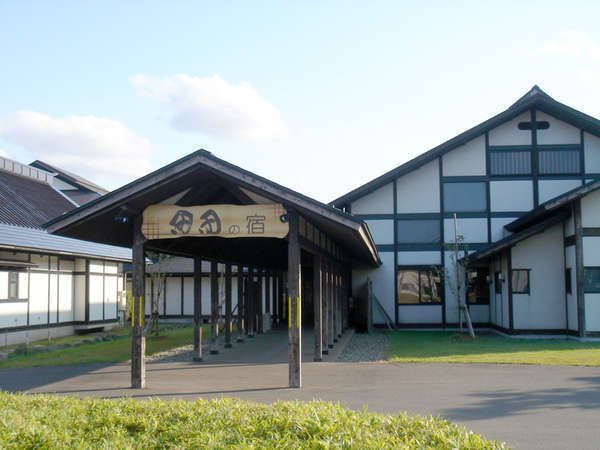
Nanohana Onsen Denden No Yado
Best Hotels in Mikawa
Discover curated hotel collections in Mikawa
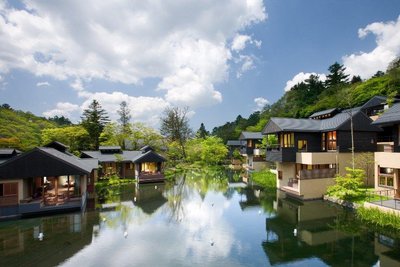
Hoshinoya Karuizawa
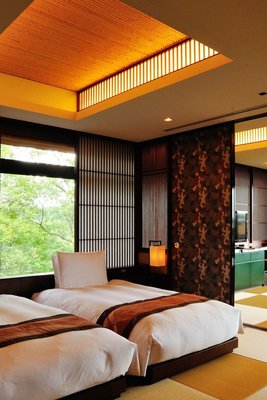
Chikusenso Onsen
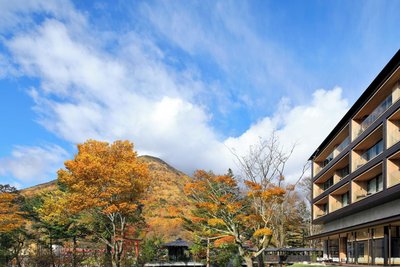
The Ritz-Carlton, Nikko
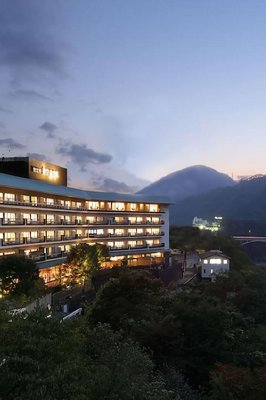
Kanaya Hotel Kinugawa
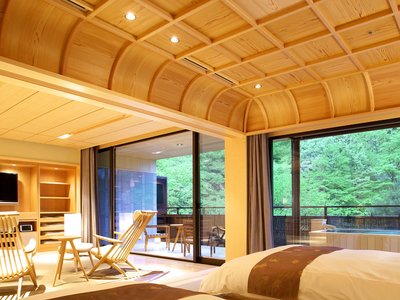
Ryotei Kaichoro
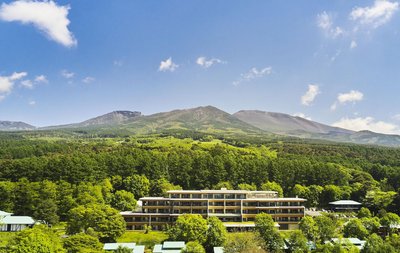
The Hiramatsu Karuizawa Miyota

EN Resort Grandeco Hotel
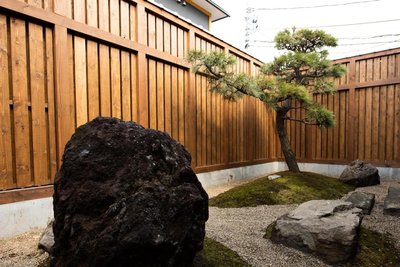
Hotel Zen-Adult Only
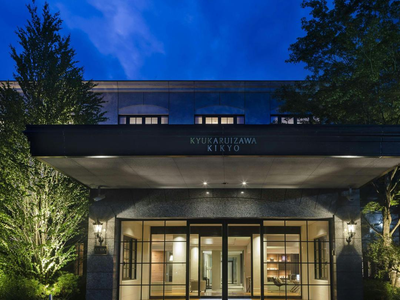
Fufu Karuizawa Wind of Sunshine
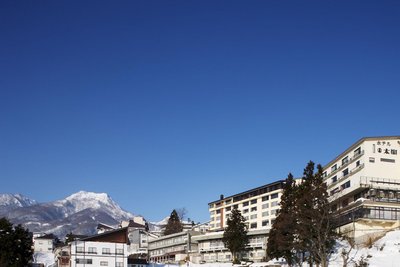
Hotel Taiko, Akakura Onsen
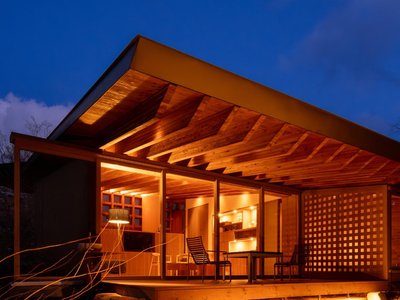
Nasu Mukunone
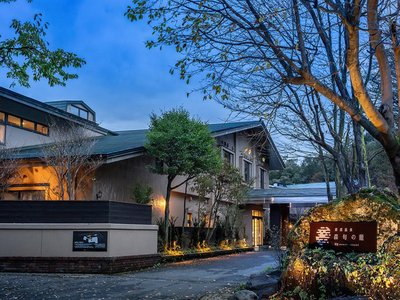
Nasu Onsen Shinshun no Kago Hewitt Resort
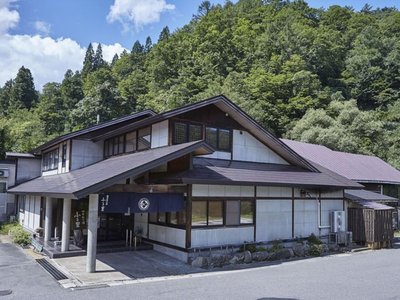
Fulsato
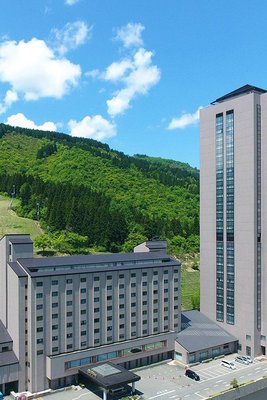
Naspa New Otani
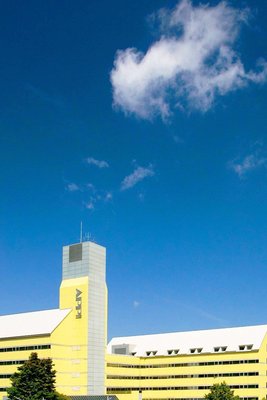
Crowne Plaza - ANA RESORT APPI KOGEN
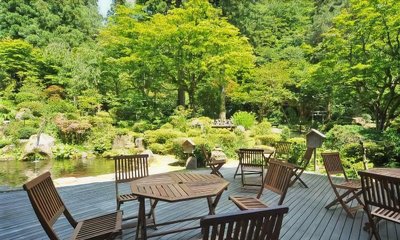
Choseikan
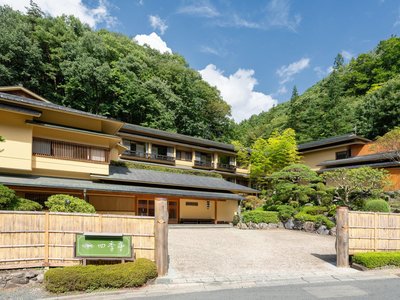
Shikitei Morioka TsunagiOnsen
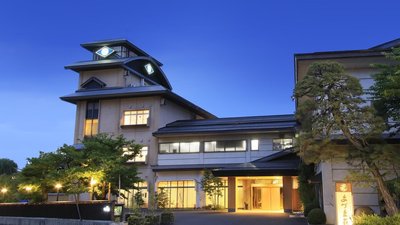
Shouhakutei Azumaso
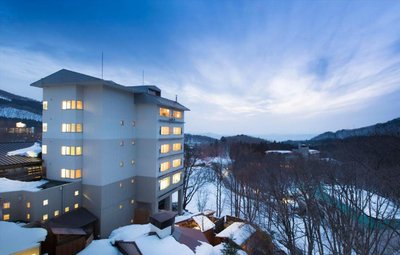
Takamiya Hotel Lucent
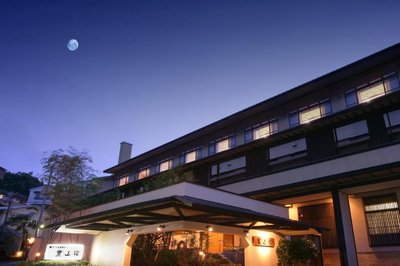
Hayamakan
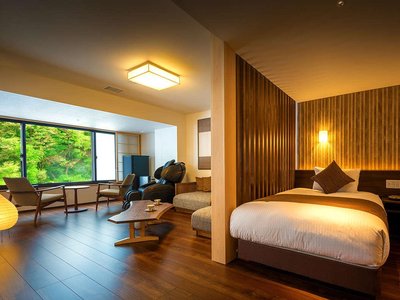
Harataki
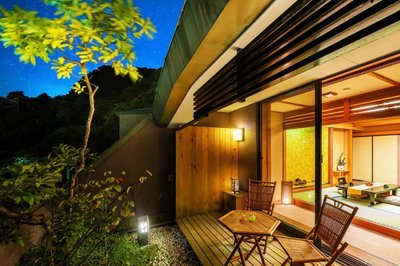
Konjakutei
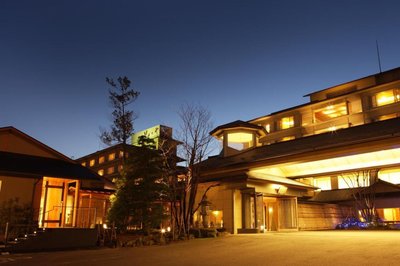
Yumotoya
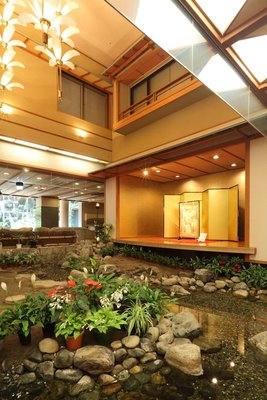
Hotel Futaba
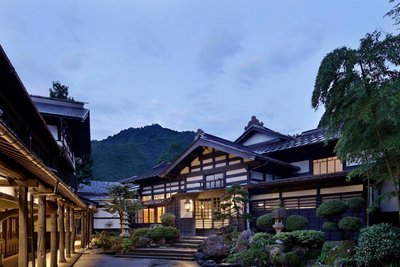
Ryugon
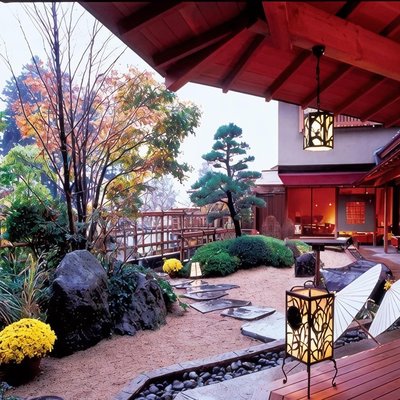
Oyado Tamaki
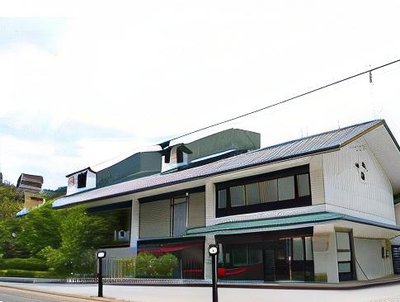
Auberge Suzukane
Konjakutei
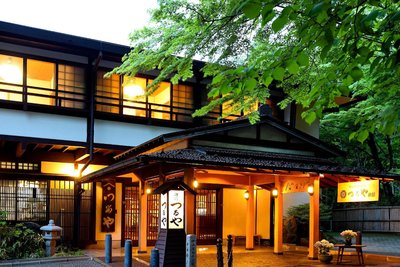
Tsuruya Ryokan
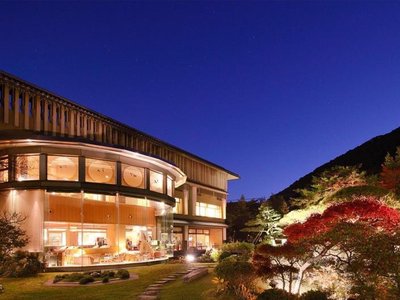
Shikisai Ichiriki
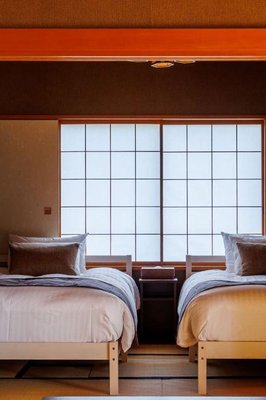
Sado Resort Hotel Azuma
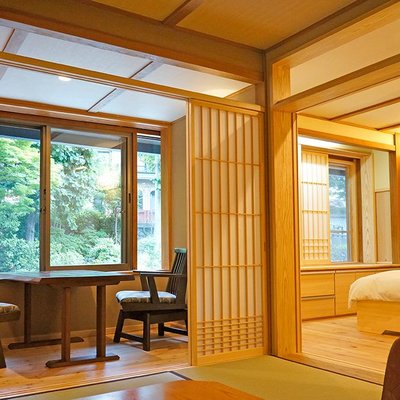
Sumiyosiya Ryokan
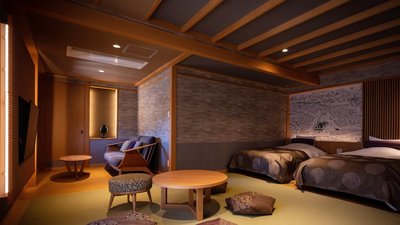
Naraya
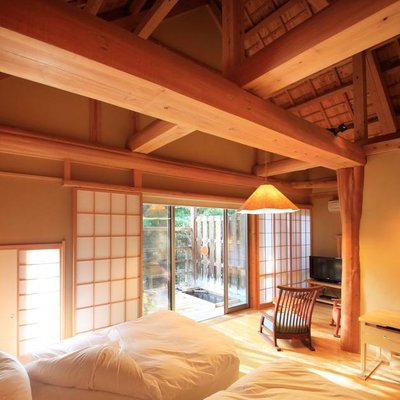
Daikon-No-Hana
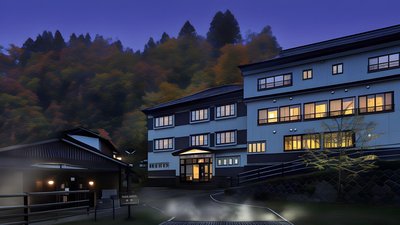
Zao Onsen Omiya Ryokan
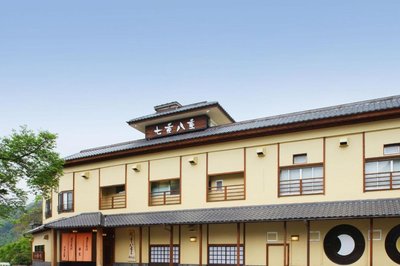
Nanaeyae
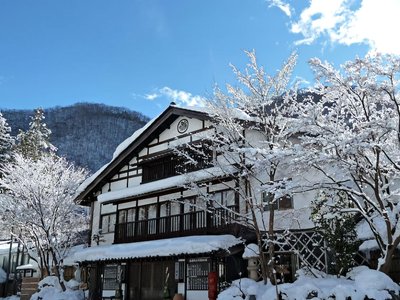
Yunishigawa Onsen Honke Bankyu
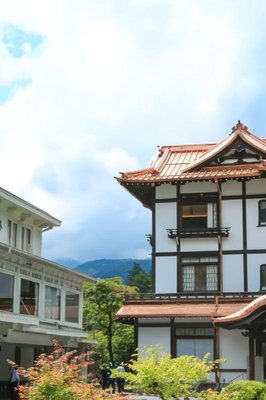
Nikko Kanaya Hotel
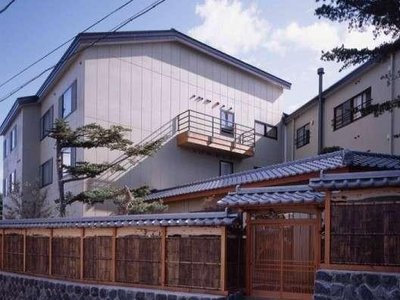
Kanemidori
Ryotei Kaichoro
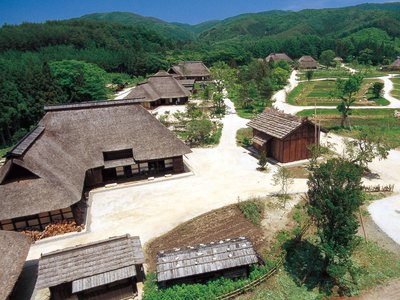
Jodogahama Park Hotel
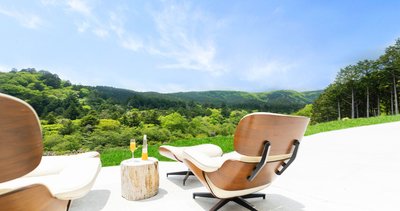
Shelter Garden Nikko
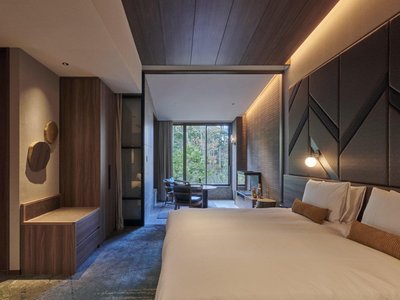
Fufu Kyu-Karuizawa Restful Forest
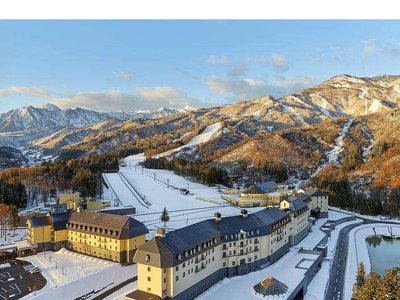
Lotte Arai Resort
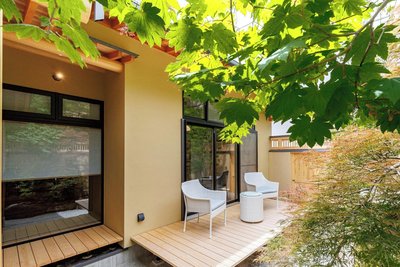
Shoraiso
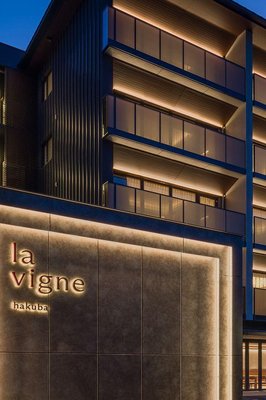
Hotel la Vigne Hakuba by Onko Chishin
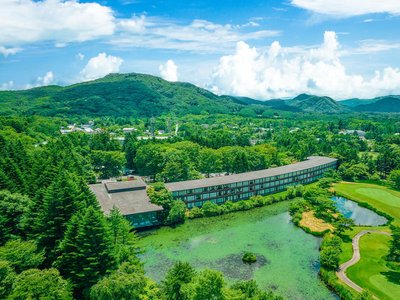
The Prince Karuizawa
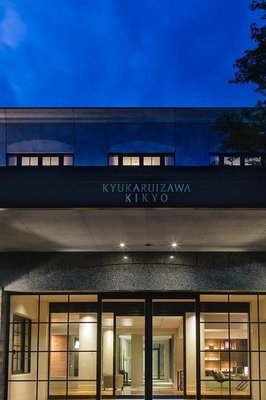
Kyukaruizawa Kikyo, Curio Collection by Hilton
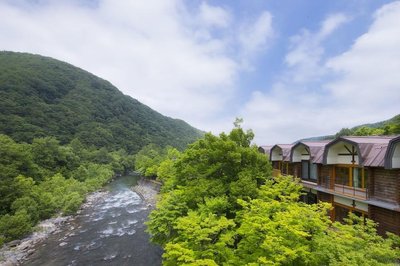
Hoshino Resorts Oirase Keiryu Hotel
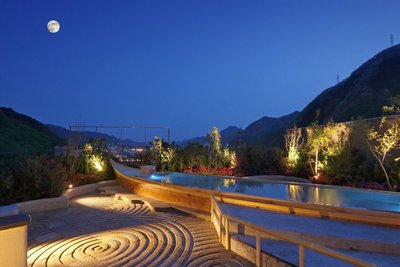
Asaya
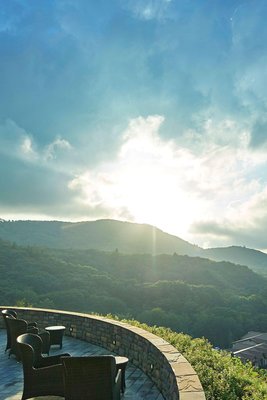
Le Grand Karuizawa Hotel & Resort
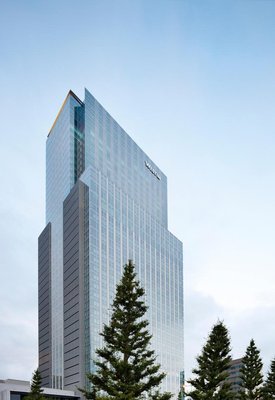
The Westin Sendai Hotel
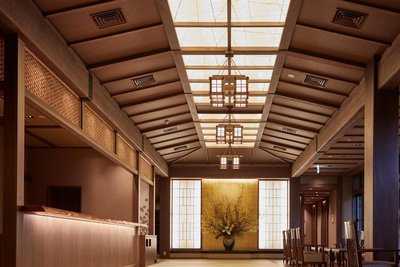
Yukinohana
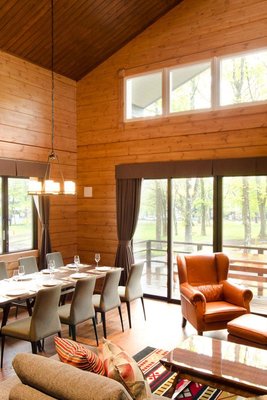
The Prince Villa Karuizawa

Yukemuri No Yado Inazumi Onsen
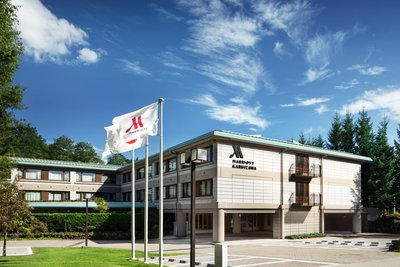
Karuizawa Marriott Hotel
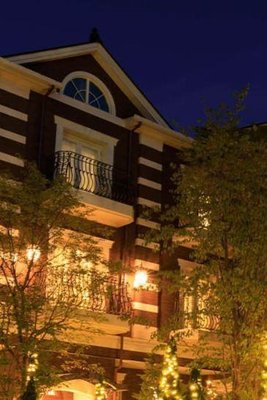
Le Grand Kyu Karuizawa
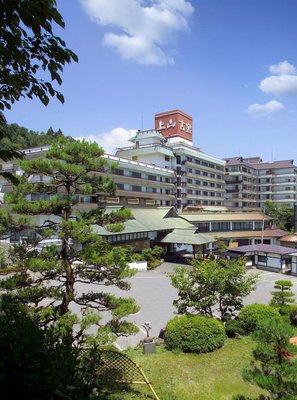
Hotel Koyo
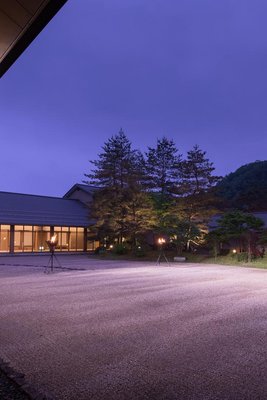
Kashoen
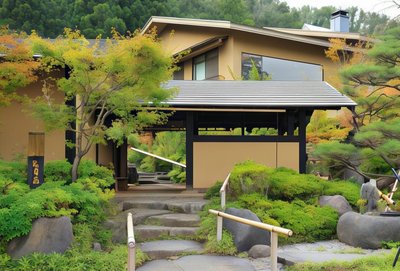
Meigetsuso
Nikko Kanaya Hotel
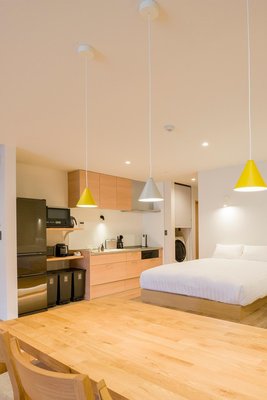
Rakuten STAY VILLA Nasu
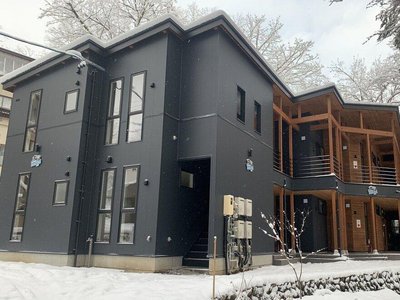
Hakuba Gondola Apartments
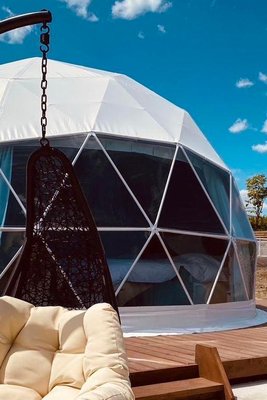
chillout glamping zao
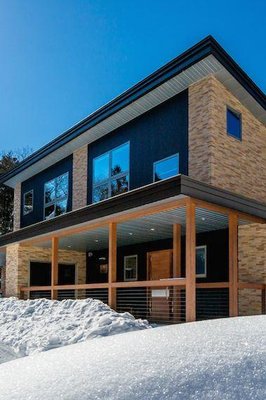
Phoenix Chalets by Hhg
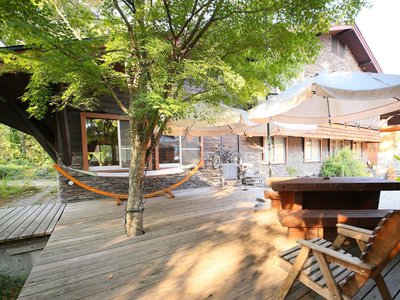
Kunugi Relaxation with 4 Modern Rooms
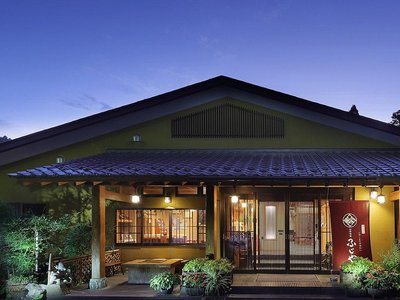
Shikimitei Fujiya
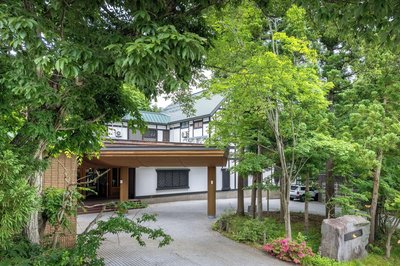
Forest Resort Yamanote Hotel

Hotel Barrière Fouquet's New York
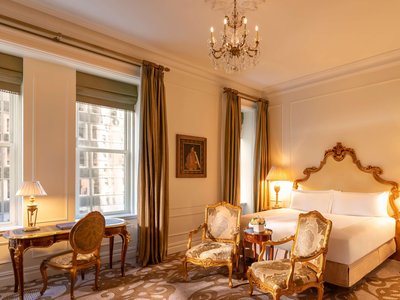
The Plaza - A Fairmont Managed Hotel
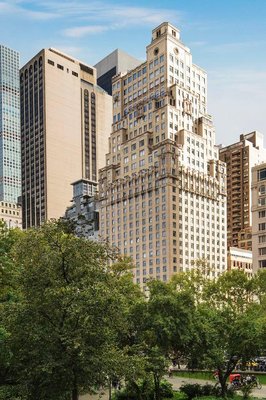
The Ritz-Carlton New York, Central Park
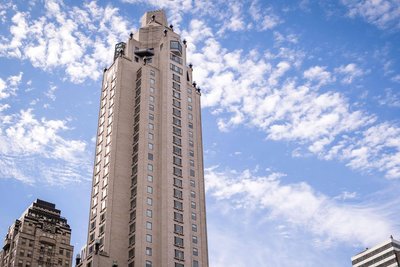
Four Seasons Hotel New York
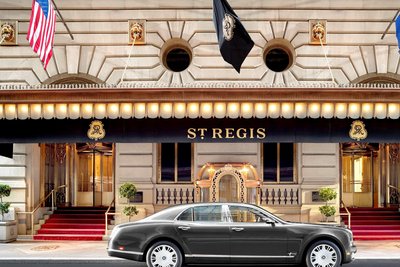
The St. Regis New York
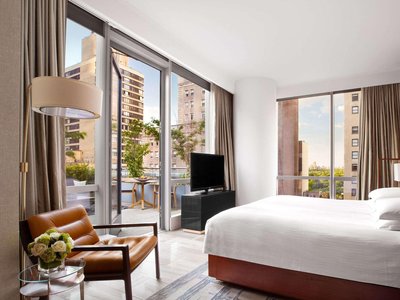
Park Hyatt New York
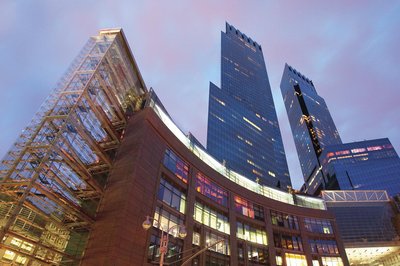
Mandarin Oriental New York
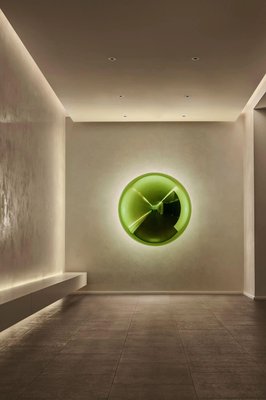
Times Square Edition New York

Loews Regency New York Hotel

Lowell Hotel
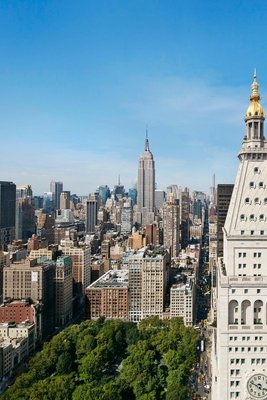
New York Edition
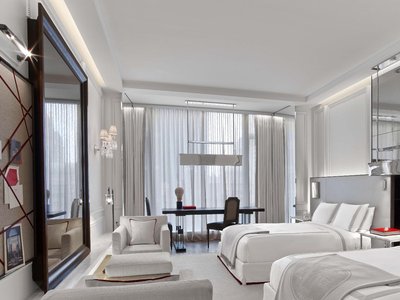
Baccarat Hotel New York

Equinox Hotel New York

Four Seasons Hotel New York Downtown
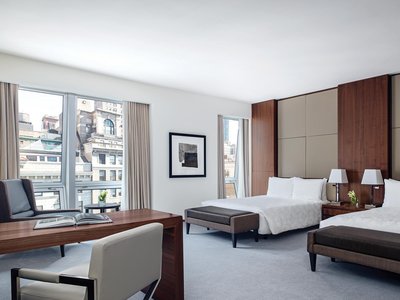
The Langham, New York, Fifth Avenue

The Carlyle, A Rosewood Hotel

The Chatwal, in the Unbound Collection by Hyatt
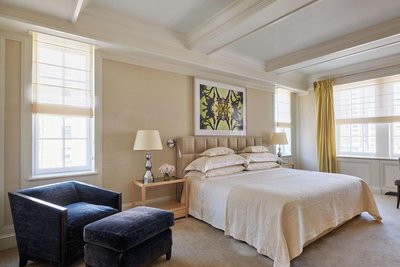
The Mark New York
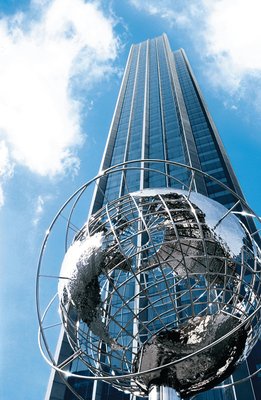
Trump International Hotel & Tower® New York
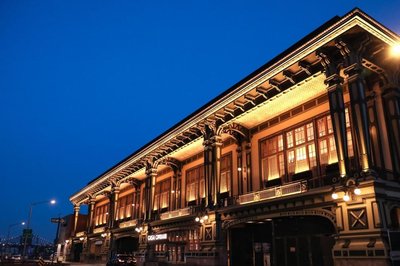
Casa Cipriani New York
Frequently Asked Questions about Traveling to Mikawa
Questions You Might Need to Know About Traveling to Mikawa
In Mikawa Town, the top choice is Mikawa Onsen Ryokan, a centuries-old inn nestled beside the Oono River. It offers authentic kaiseki cuisine using locally sourced ingredients like Yamagata beef and fresh river fish, served in a serene tatami room with views of seasonal gardens. The private onsen baths feature natural hot spring water rich in minerals, known for skin rejuvenation. Guests can also participate in cultural activities such as tea ceremony workshops or indigo dyeing sessions led by local artisans. The staff’s warm hospitality and deep connection to nature make it ideal for travelers seeking immersive Japanese tradition.
Access: Just 20 minutes by bus from Shinjo Station, perfect for a peaceful retreat in rural Yamagata Prefecture.
The central district of Mikawa Town is the most convenient and scenic area for lodging. Located near Mikawa Shrine and the Oono River Trail, this zone hosts several cozy minshuku (guesthouses) and boutique ryokans with easy access to local markets, craft fairs, and hiking paths. Staying along the riverside offers tranquil mornings with bird songs and evening views of golden sunsets over rice paddies. The area is quiet, safe, and family-friendly, making it ideal for those who value authenticity and slow travel. Nearby attractions include the Yamagata Prefectural Natural Museum and Mikawa Farm Experience Park, both reachable within 10 minutes by car.
Perfect for nature lovers and culture seekers alike.
Visitors to Mikawa Town should not miss the Inaho Festival, held annually in autumn, where locals perform traditional field dances (taiko-mai) to celebrate harvest. Another highlight is the handloom weaving workshop, where guests learn to create Yamagata indigo-dyed fabric using ancient wooden looms. You can also tour a century-old sake brewery to taste Mikawa Lu, a delicate sake brewed with pure mountain spring water and cold fermentation techniques. These experiences, guided by lifelong residents, reflect the town’s reverence for nature, heritage, and craftsmanship—a rare glimpse into rural Japan’s living traditions.
Highly recommended for cultural immersion.
Mikawa Onsen Ryokan stands out for its naturally heated baths drawn from deep underground springs at 800 meters below ground, rich in healing minerals. The hotel features open-air rotenburo baths surrounded by forest and mountain views, offering an unparalleled sense of serenity. Each evening includes a kaiseki dinner crafted from local produce—such as Yamagata beef, wild mushrooms, and river trout—served in intimate rooms with sliding paper screens. Some rooms even have private outdoor baths. Additionally, the inn hosts evening bonfire gatherings, where guests listen to folk tales told by elders under a starlit sky, creating a deeply personal and memorable experience.
A true sanctuary of wellness and culture.
For families, Mikawa Kids Nature House is a standout eco-lodge designed with children in mind. It features a spacious garden with pet animals (rabbits, goats), a small farm, and a vegetable patch where kids can plant and harvest their own food. Rooms are child-safe with reading corners and educational toys. Daily programs include nature walks, paper umbrella painting, and bamboo basket weaving. Located just a 5-minute walk from Mikawa Children’s Forest Park, it’s perfect for active families. The owners are welcoming and often invite guests to join them for homemade meals, fostering a genuine connection with local life. Ideal for meaningful, low-impact travel.
Family-oriented and enriching.
Try Yamagata beef sushi, made with premium locally raised wagyu beef and vinegared rice. Savor Echigo soba noodles, handcrafted with cold mountain spring water, known for their chewy texture. Don’t miss grilled mackerel, smoked over charcoal and brushed with soy and plum sauce—a regional favorite. At the Mikawa Market, sample fresh Red Fuji apples, wild mountain mushrooms, and pickled vegetables. Some ryokans offer cooking classes where you’ll prepare dishes like potato and tofu stew (dengaku) using farm-fresh ingredients. These flavors reflect the town’s deep bond with its land and seasons—simple, honest, and unforgettable.
A culinary journey through rural Japan.
The best times to visit Mikawa Town are spring (March–May) and autumn (September–November). In spring, cherry blossoms and azaleas bloom along the Oono River, creating a dreamlike pink-and-purple corridor. Autumn brings stunning foliage, especially at Mikawa Forest Park, where maple trees turn fiery red and gold. The weather is mild, crowds are light, and festivals abound—spring planting rituals and autumn harvest celebrations offer authentic cultural insight. Winter is snowy and quiet, perfect for peaceful onsen stays, but summer can be humid. For photography, scenery, and cultural engagement, spring and fall are unbeatable.
Ideal for nature lovers and photographers.
Capture the magic of Mikawa Town at these iconic locations: the Oono River Suspension Bridge, framed by willows and autumn leaves; the vermilion torii gate of Mikawa Shrine, glowing against morning mist; and the terraced rice fields view point, offering panoramic shots of layered paddies in different stages of growth. At night, visit the rooftop terrace of a ryokan for starry skies and distant village lights. The traditional kiln outside a pottery studio is also a photogenic spot, with smoke trails and raw clay creations. Bring a wide-angle lens and tripod for long exposures—these scenes blend natural beauty, human artistry, and timeless stillness. Perfect for storytelling through images.
A visual feast for creatives.
Yes, Mikawa Town is highly suitable for self-drivers. While public transport connects from Shinjo Station via local buses (20 min), renting a car offers flexibility to explore remote villages, hiking trails, and scenic viewpoints like Mount Tsurugi Lookout. Roads are well-maintained with clear signage, and free parking is available at most lodges and attractions. Many guesthouses provide bike rentals, ideal for riding the Oono Greenway Trail. With limited train frequency, driving allows deeper access to farm experiences, natural museums, and off-the-beaten-path gems. A compact car is recommended for narrow rural roads.
Freedom to explore at your own pace.
Mikawa Town offers a peaceful, authentic nighttime experience. Enjoy a quiet tea ceremony at a ryokan’s candlelit tea room, followed by live shamisen music. During summer, the night market opens every Friday, featuring handmade crafts, grilled sweet potatoes, and local sake. For a deeper connection, book a family dinner night at a farmhouse, where guests share stories around a hearth. The town is dark and quiet after 9 PM, with minimal streetlights—perfect for stargazing. Some inns host bonfire storytelling sessions under the stars, where elders recount legends of the mountains and rivers. This is not about entertainment—it’s about presence, silence, and soulful connection.
A rare chance to slow down and reconnect.
Mikawa Overview
City Summary
Mikawa Town is a charming rural town located in Yamagata Prefecture, Japan, known for its picturesque landscapes and traditional culture. Surrounded by majestic mountains and clear rivers, it offers a peaceful escape from urban life. The town is primarily agricultural, famous for its rice and fruits, especially cherries. Additionally, its hot springs are a popular attraction for relaxation.
Must-See Attractions
Must-see spots include Mikawa's cherry orchards, where visitors can enjoy fruit-picking experiences; local hot spring facilities like "Mikawa Onsen" for a relaxing soak; and traditional temples and shrines such as "Mikawa Shrine," showcasing rich cultural heritage. The town's nature trails are also perfect for hiking and photography enthusiasts.
Food Guide
Food highlights revolve around fresh local produce, particularly cherries and rice-based dishes. Must-tries include cherry jam, cherry wine, and traditional Japanese dishes like "Yonezawa beef" and "cold ramen" made with local rice. For street food, don't miss "grilled rice sticks," a charcoal-grilled snack made from rice.
Transportation Guide
Transportation mainly relies on buses and self-driving. Mikawa has no subway, but a well-connected bus network links major attractions. Buses from Yamagata City take about 30-40 minutes. Self-driving is convenient via National Route 13. Check bus schedules in advance, as some spots have limited services.
Best Time to Visit
Best time to visit is spring (April-May) and summer (June-July) when cherries ripen and the weather is pleasant. Autumn (September-October) offers stunning fall foliage. Winters are cold but great for hot spring experiences.
Travel Tips
- Respect local customs: Follow shrine etiquette, such as purifying hands and mouth.
- Carry cash: Some small shops and rural areas may not accept cards.
- Dress comfortably: Wear light shoes if planning hikes.
- Onsen manners: Wash before entering hot springs.
- Seasonal activities: Check schedules for cherry-picking events.
- Language: Basic Japanese greetings can help with communication.
Useful Information
Practical info: Japanese is the main language; English is limited, so a translation app is helpful. WiFi is widely available in accommodations and public spaces. Cash is preferred, though some places accept cards. Emergency services can be reached at 119, but medical facilities are limited. Travel insurance is recommended.









