Hotels in Miki
Discover your perfect stay in Miki.
Miki(Japan) Travel 2026: Cheap Flights, Hotels & Top Attractions
Popular Landmarks in Miki
Discover the most iconic attractions in Miki
Recommended Hotels in Miki
Find the perfect place to stay in Miki
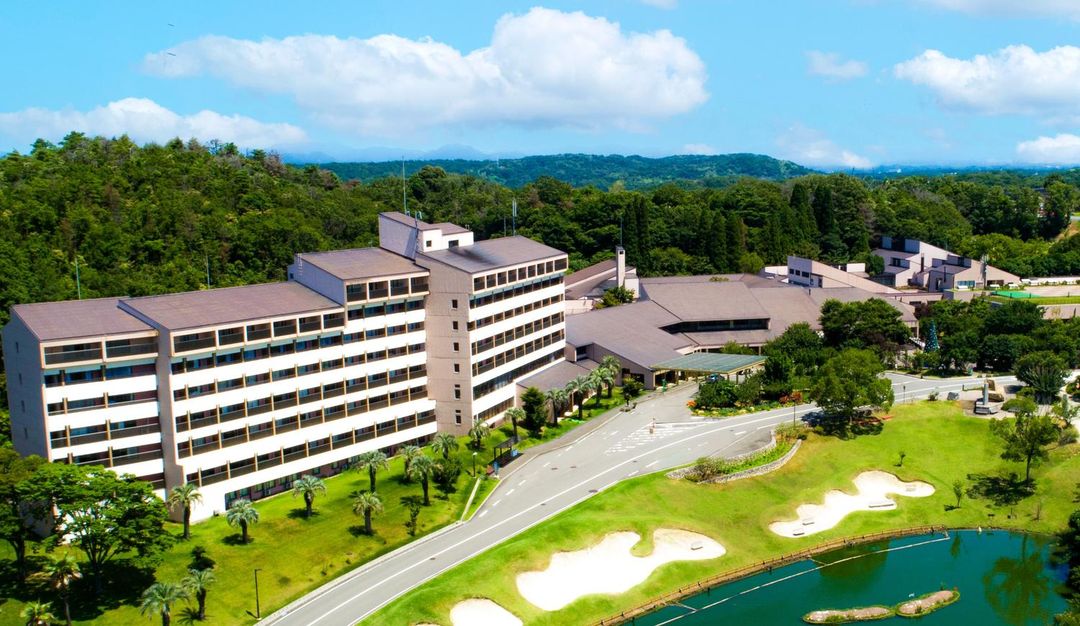

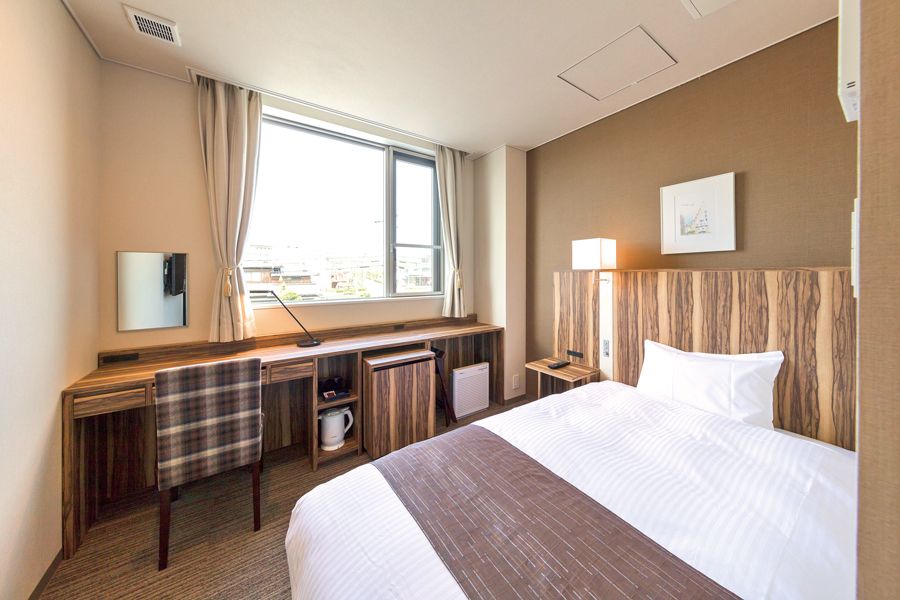
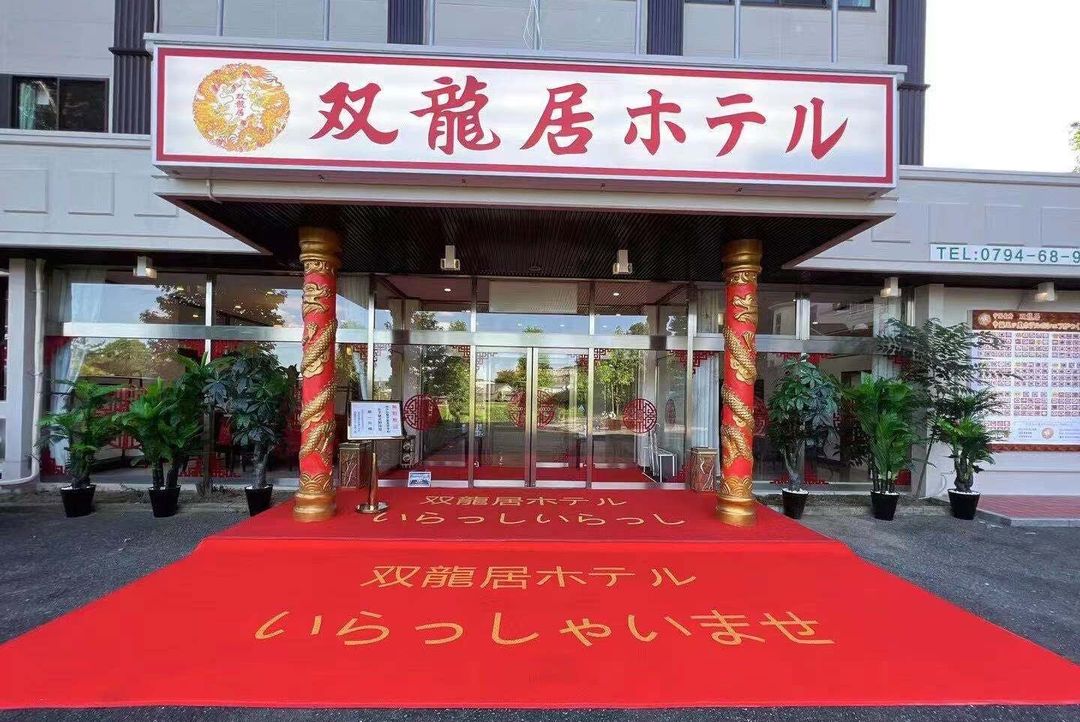
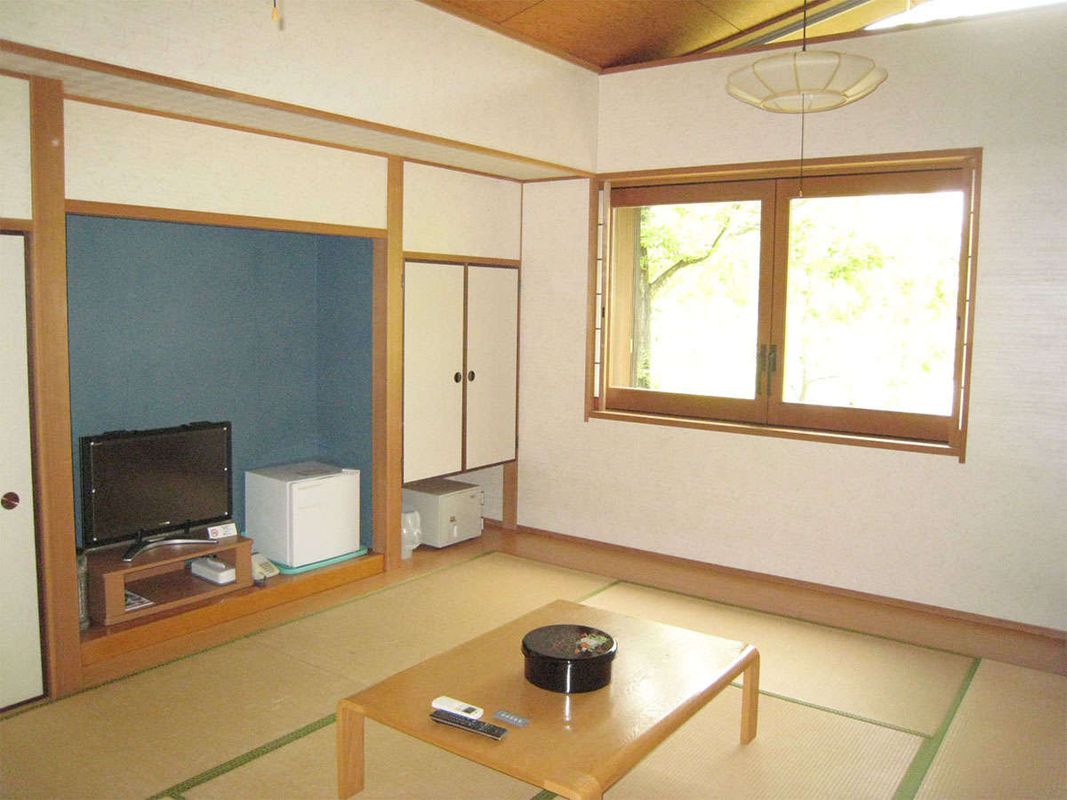
Best Hotels in Miki
Discover curated hotel collections in Miki









Frequently Asked Questions about Traveling to Miki
Questions You Might Need to Know About Traveling to Miki
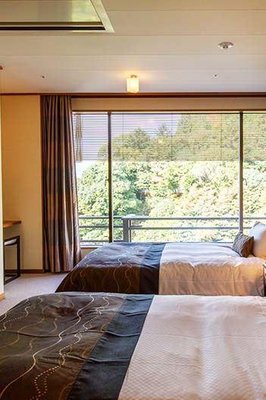
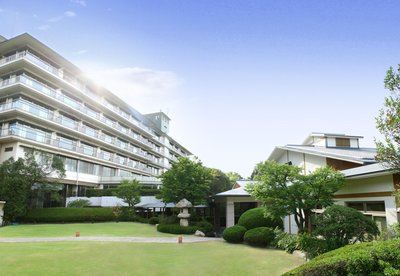
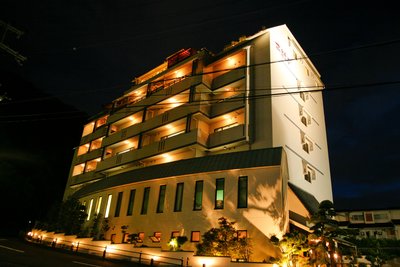
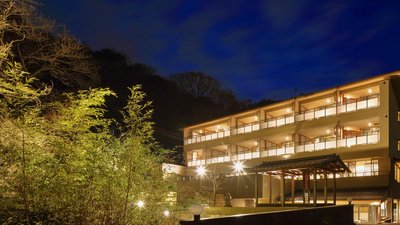
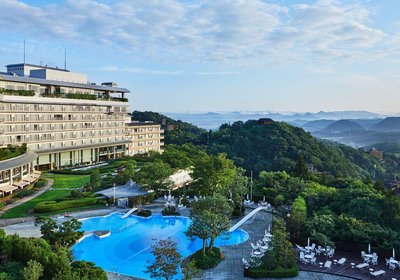
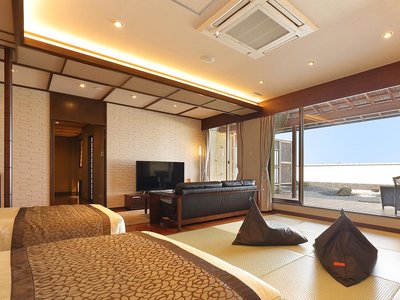
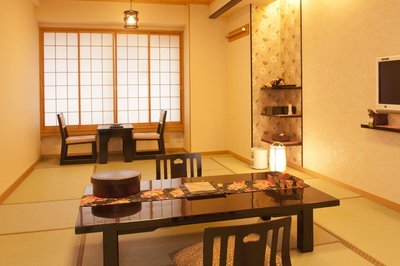
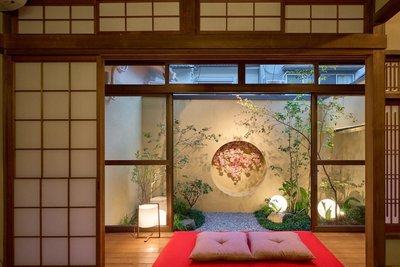
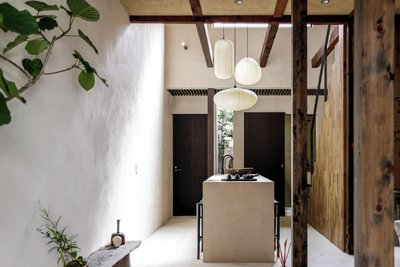
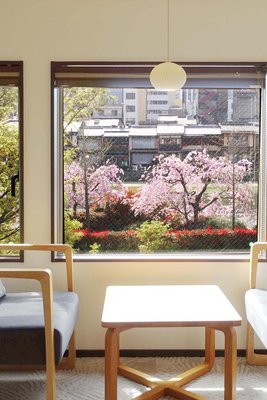
For a tranquil, nature-centered stay in Miki City, consider Miki Grand Hotel, located near Miki Park and surrounded by greenery. The hotel offers serene Japanese-style rooms with tatami mats and garden views, ideal for relaxation. Guests can enjoy morning walks along the park’s cherry blossom-lined paths or visit the nearby Miki Castle Ruins, where ancient stone walls blend harmoniously with forested hills. The hotel also provides access to local hiking trails leading into the Rokko Mountains, perfect for nature lovers seeking peaceful escapes. With minimal urban noise and strong seasonal charm, it's a top choice for mindful travelers.
The best area for first-time visitors to Miki City is the central district around Miki Station, offering excellent accessibility to key attractions. This vibrant neighborhood features Miki Central Shopping Street, lined with traditional shops, cafes, and local eateries serving specialties like Miki soba noodles and Hyōgo beef sushi. It’s also close to Miki City Hall, Miki Museum of Art, and Miki Park, making it easy to explore on foot. With well-maintained streets, reliable public transport, and a welcoming atmosphere, this area ensures convenience, safety, and authentic local flavor—perfect for an immersive experience.
Tourists in Miki City can participate in hands-on Miki pottery workshops, learning traditional Miki-yaki ceramics techniques passed down through generations. These clay creations, known for their soft glazes and earthy tones, reflect the city’s deep artisan heritage. Another highlight is the annual Miki Cherry Blossom Festival at Miki Park, featuring tea ceremonies, taiko drumming, and hanami picnics under blooming sakura trees. For history enthusiasts, visiting the Miki Castle Ruins offers insight into the region’s feudal past, while local festivals throughout the year showcase traditional dances and crafts, providing genuine cultural immersion.
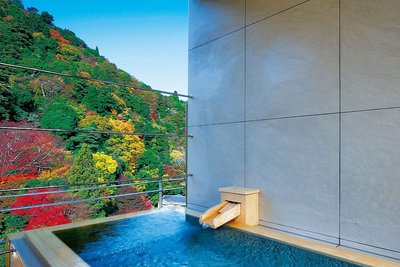
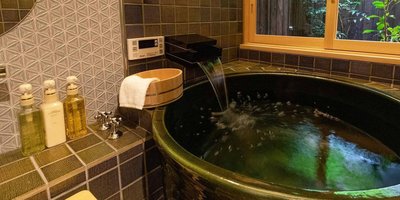
While Miki City itself lacks natural hot springs, nearby Himeji and Awaji Island offer world-class onsen destinations. Stay at Himeijin Onsen Hotel or Awaji Yumeguri Onsen Resort, both accessible within a 45-minute drive. These luxury retreats feature open-air baths overlooking gardens or sea views, complemented by kaiseki meals and traditional hospitality. After soaking, return to Miki City to enjoy its calm parks and local cuisine. Some central hotels in Miki even provide private bath facilities, allowing guests to enjoy a spa-like experience without leaving town.
A perfect one-day itinerary begins at Miki Station, then head to the Miki Museum of Art for a morning cultural fix. Lunch at Miki Central Shopping Street, sampling local favorites like Miki soba noodles and Hyōgo beef sushi. In the afternoon, explore the Miki Castle Ruins, admiring the historic stone walls and panoramic views. End the day at Miki Park, walking the cherry blossom trail or relaxing at the lakeside. Optional: enjoy sunset at Miki Otemachi Plaza. With all major sites within walking distance or short bus rides, this balanced schedule offers culture, nature, and local flavor in a seamless flow.
Key landmarks in Miki City include Miki City Hall, a modern architectural gem with glass façades and public art installations, symbolizing civic pride. The Miki Castle Ruins stand as a historical anchor, offering scenic views and insights into the region’s Edo-period past. Miki Central Shopping Street features century-old storefronts and nostalgic streetlights, evoking old Japan. For panoramic cityscapes, visit Miki Otemachi Plaza, which hosts a rooftop observation deck overlooking the Rokko Mountains. Each site blends history, architecture, and local identity, making them essential stops for every visitor.
Must-try dishes in Miki City include Miki soba noodles, served cold with a light broth and fresh toppings like tempura or grated daikon. Hyōgo beef sushi is another highlight—premium wagyu served over sushi rice, melting in your mouth. Don’t miss Miki-yaki ceramic snacks, such as grilled fish or pickled vegetables baked in handmade pottery. At Mikiya Honke, a family-run shop, sample traditional wagashi (Japanese sweets) paired with matcha. For a hearty meal, try Miki House Restaurant, known for home-style cooking using regional ingredients—authentic, flavorful, and full of heart.
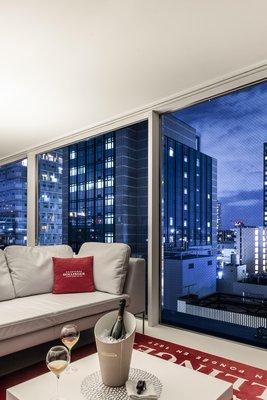
Couples visiting Miki City will love strolling hand-in-hand along the cherry blossom path at Miki Park, especially during spring bloom season. Enjoy a quiet dinner at Miki Otemachi Plaza, savoring Hyōgo beef sushi and sake under soft evening lights. For intimacy, book a special evening viewing at the Miki Museum of Art, where exhibitions are sometimes extended after hours. Alternatively, stay at Miki Grand Hotel’s premium room with a view of the city skyline—complete with champagne and candlelight. These moments create lasting memories amidst nature and culture.
Top photogenic spots in Miki City include the Miki City Hall plaza, with its striking glass architecture and reflective pools—ideal for artistic shots. Miki Central Shopping Street features vintage signage and colorful lanterns, capturing nostalgic charm. Miki Park’s cherry blossom avenue is breathtaking in spring, with pink petals drifting over walkways. The Miki Castle Ruins offer dramatic silhouettes against the sky, perfect for golden hour photography. Lastly, Miki Otemachi Plaza’s rooftop observatory delivers sweeping views of the Rokko Mountains and city lights—ideal for wide-angle and night photography.
Yes, public transportation in Miki City is highly convenient. The JR Kobe Line connects Miki Station directly to Kobe (25 minutes) and Osaka (45 minutes). Local buses cover major attractions like Miki Park, Miki Castle Ruins, and Miki City Hall. Taxis are readily available at the station and shopping areas. Visitors can save costs by purchasing the Kansai Rail Pass, which allows unlimited travel across the region. With clear signage, frequent service, and multilingual support, navigating Miki City is smooth and stress-free—even for international travelers.
Miki Overview
City Summary
Miki City in Hyogo Prefecture blends history and nature, renowned for its 400-year-old "Miki Uchihamono" blade craftsmanship. Key attractions include the Miki Hardware Museum showcasing traditional forging techniques, and the lavender fields of Ono Highland that paint the landscape purple in summer. The preserved Edo-period streets add timeless charm.
Must-See Attractions
Must-visit spots: Miki Hardware Museum for live blade-forging demonstrations, Mikiyama Forest Park for seasonal hiking trails, and the ancient cedar at Ohkamisugi Shrine. Cultural experiences include blade-making workshops or visiting the Lavender Festival at Ono Highland during summer.
Food Guide
Try the marbled Miki Beef, a rare Wagyu variety, and blade-shaped wagashi sweets reflecting local craft. Don't miss "Hamono-ni" stew (prepared with traditional blades) paired with Hyogo sake. Izakaya clusters are found along Honmachi Street.
Transportation Guide
Take the Kobe Electric Railway Ao Line from Sannomiya Station (30 mins, ¥600) to Miki Station. Use Miki Green Buses (¥200/ride) or rent bicycles (¥1,000/day). Taxis start at ¥650 – book in advance for rural destinations. Note: Ao Line trains run infrequently; check schedules beforehand.
Best Time to Visit
Best in May-Jun for lavender blooms and Oct-Nov for autumn foliage, with mild crowds. Avoid mid-August (Obon festival) due to hotel shortages.
Travel Tips
- Forged blades require checked luggage for flights
- Perform "temizu" purification at shrines
- Carry ¥20,000 cash - many shops don't accept cards
- Multilingual maps at Miki Station's tourist center
- Tattoos may ban entry to onsens
- Night taxis require phone HopeGoo (078-XXX-XXXX)
Useful Information
Language: Basic English signage at stations. Menus often have photos. Internet: Limited free WiFi; rent pocket WiFi at Kobe Airport. Payments: 30% card acceptance - carry cash. Emergencies: Miki Municipal Hospital (078-XXX-XXXX) has 24/7 ER. Pharmacies like "Miki Yakky" open till 21:00. Voltage: 100V (Type A plugs).









