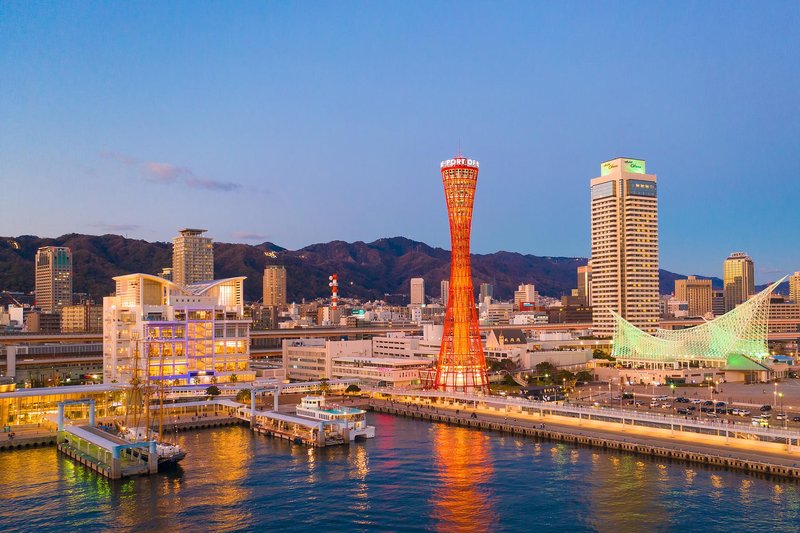
Hotels in Mima
Discover your perfect stay in Mima.
Mima(Japan) Travel 2026: Cheap Flights, Hotels & Top Attractions
Popular Landmarks in Mima
Discover the most iconic attractions in Mima
Recommended Hotels in Mima
Find the perfect place to stay in Mima
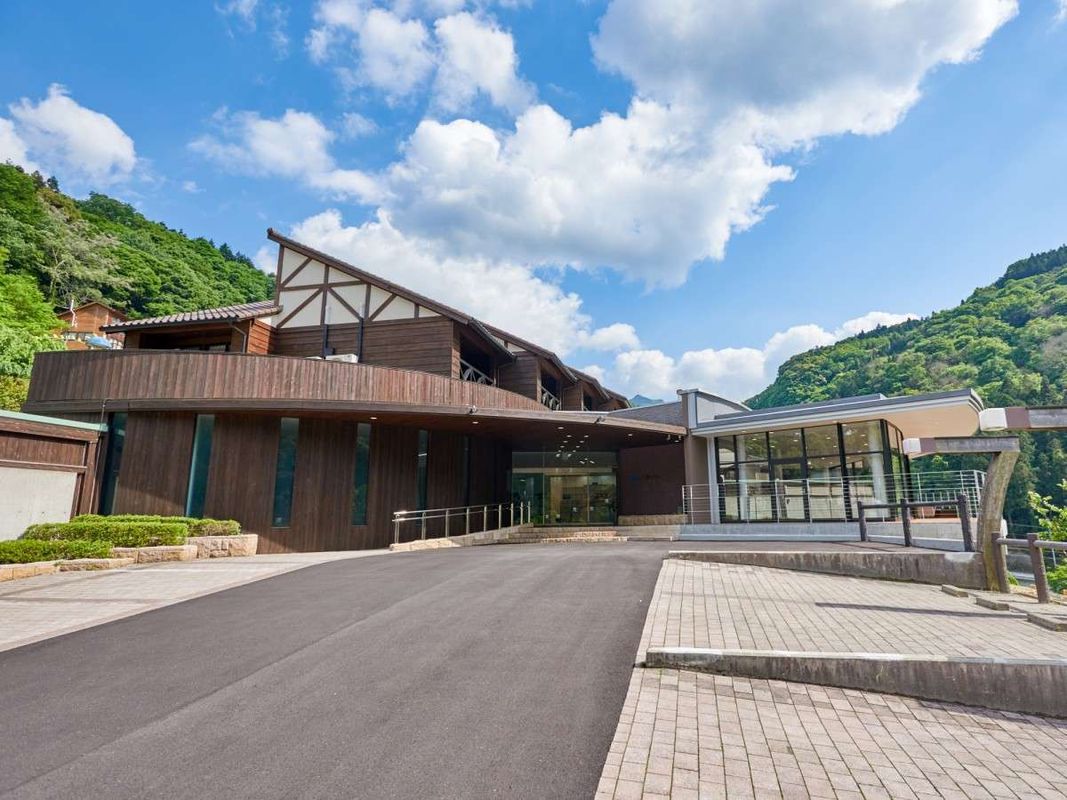
Blue Villa Anabuki
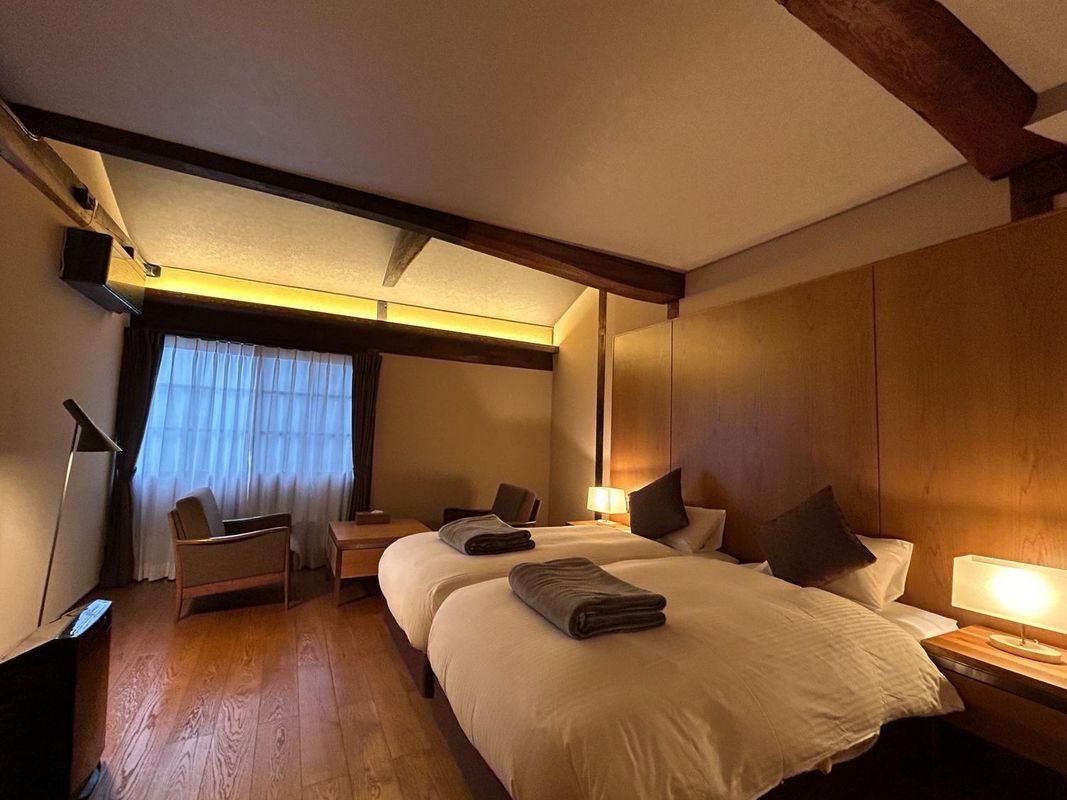
Paysage Moriguchi
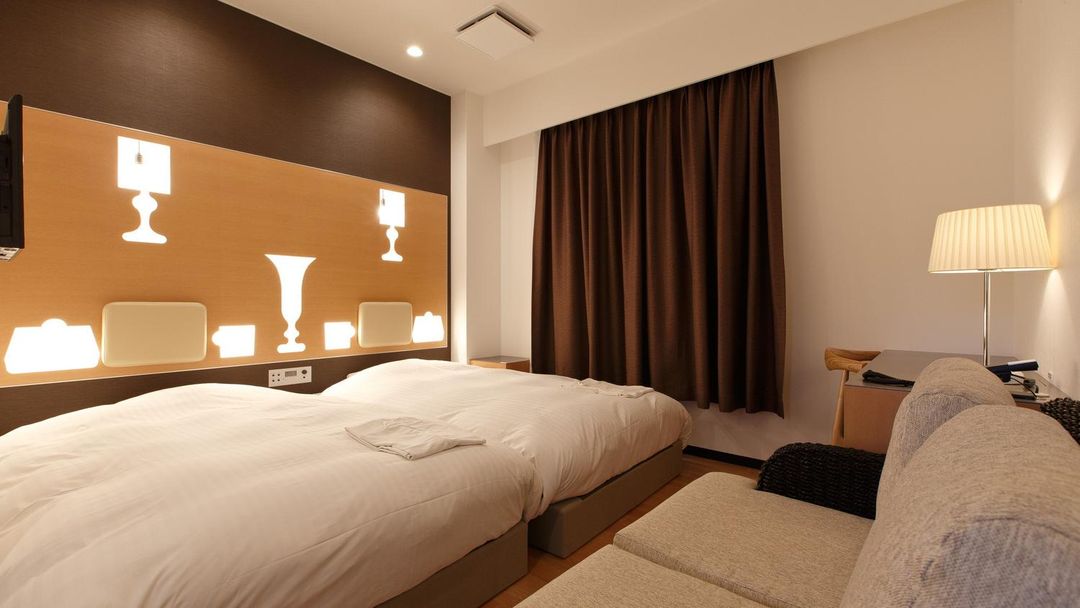
Business Hotel Matsuka
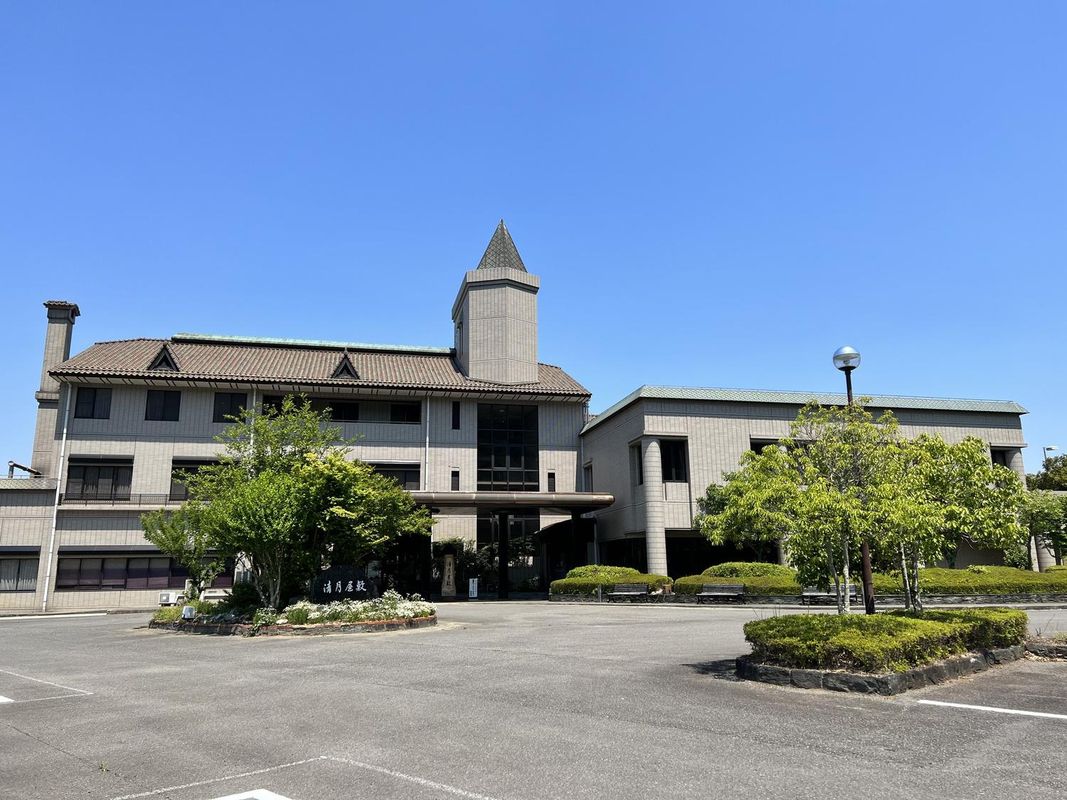
Seigetsuyashiki
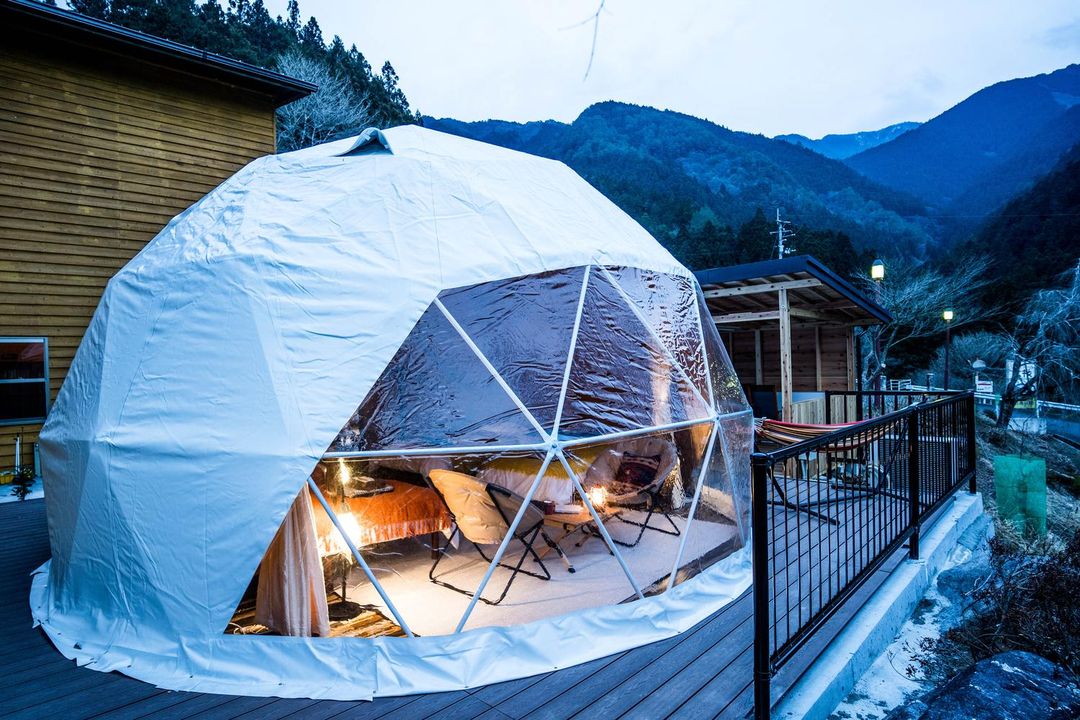
glampark Tsurugi no Yu
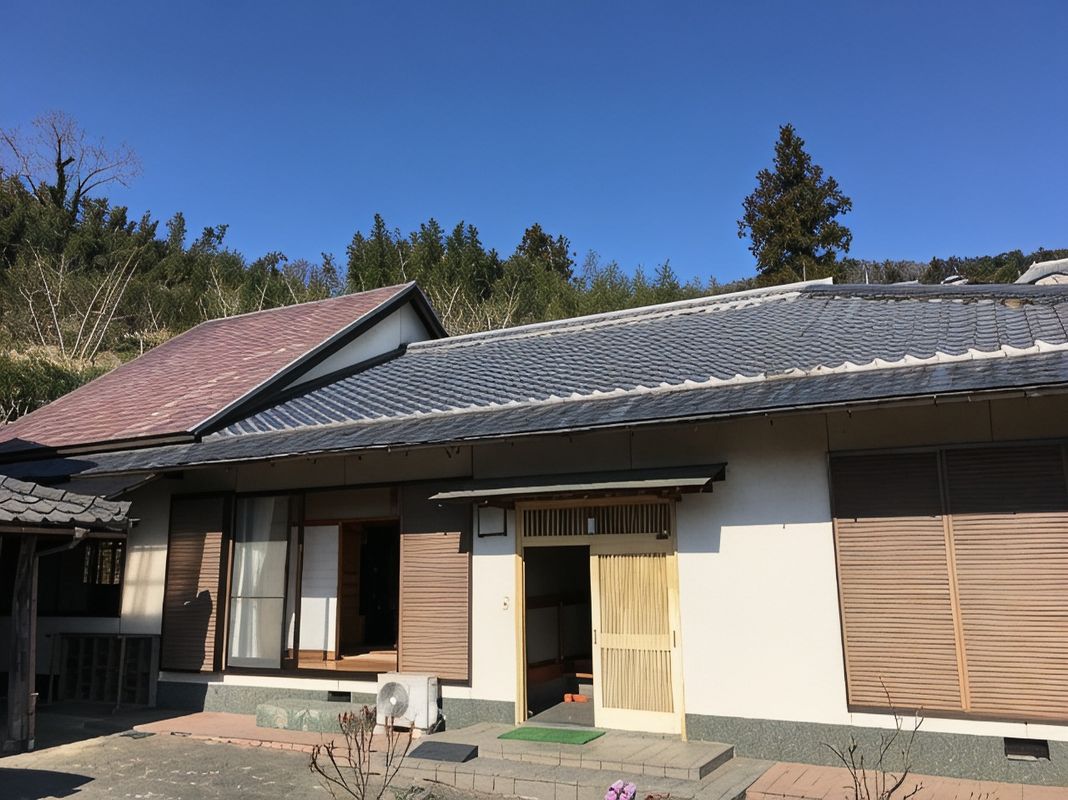
Farmhouse Yuzu No Sato Izumi
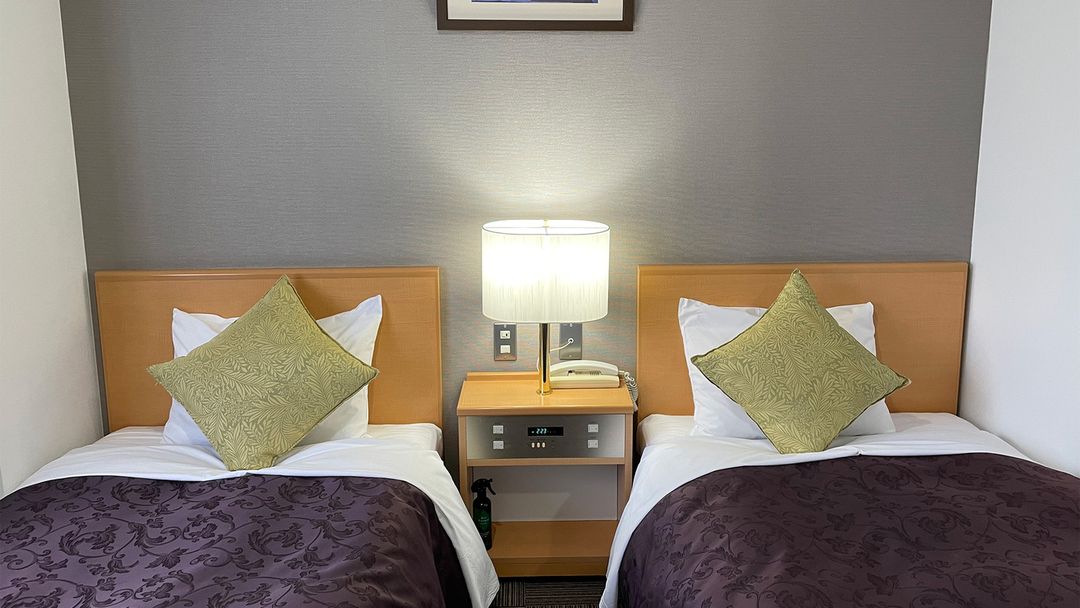
Business Hotel Inadaen
Best Hotels in Mima
Discover curated hotel collections in Mima
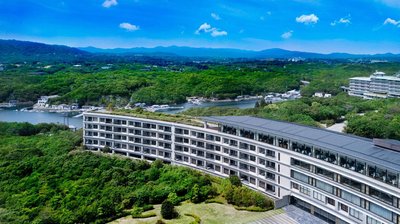
Shima Kanko Hotel the Bay Suites
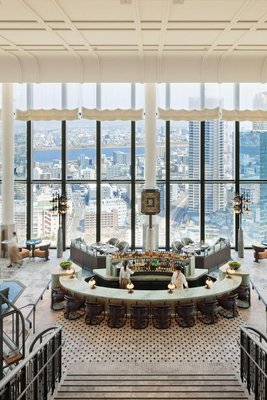
Waldorf Astoria Osaka
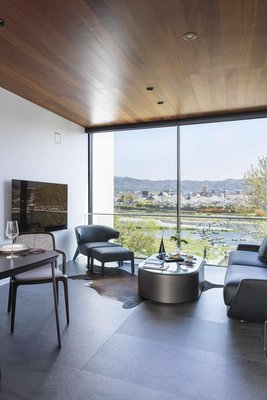
Kamo Residences by Reflections
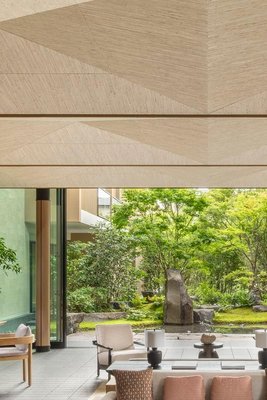
Six Senses Kyoto
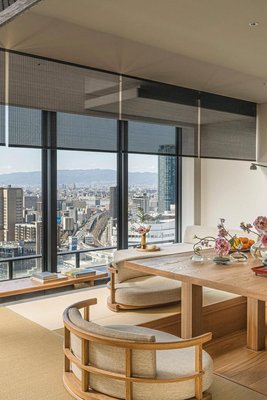
Four Seasons Hotel Osaka
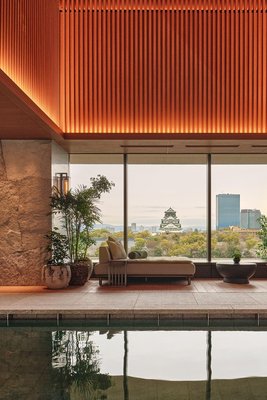
Patina Osaka
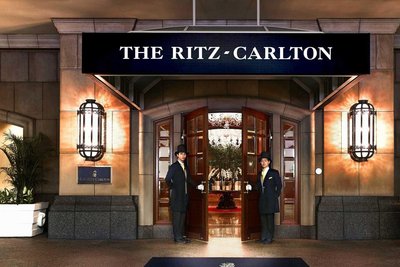
The Ritz-Carlton, Osaka
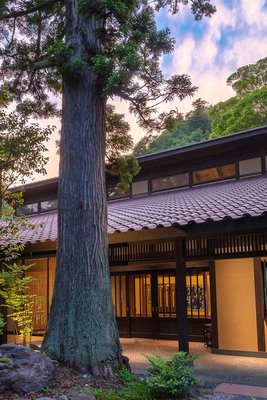
Arimasansoh Goshobessho
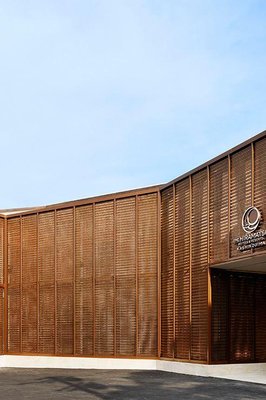
The Hiramatsu Hotels & Resorts Kashikojima
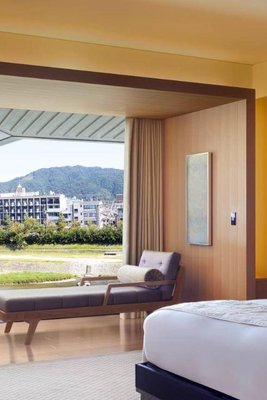
The Ritz-Carlton, Kyoto
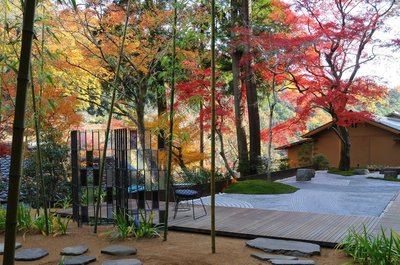
HOSHINOYA Kyoto
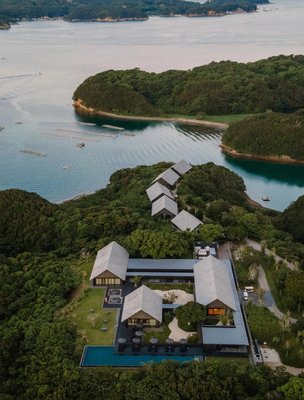
Amanemu
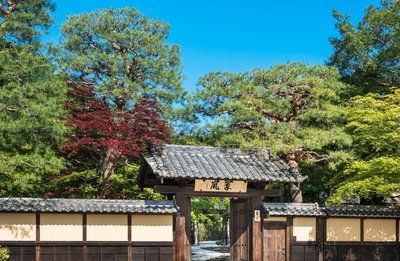
Suiran, a Luxury Collection Hotel, Kyoto
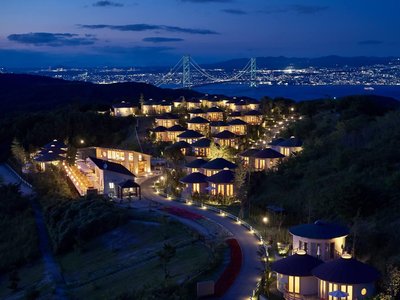
Grand Chariot Hokutoshichisei 135°
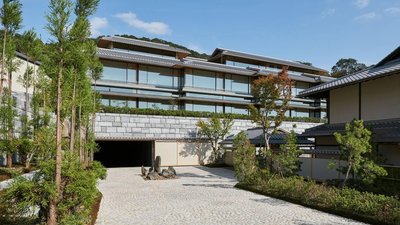
Park Hyatt Kyoto
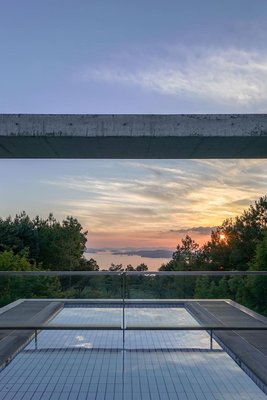
SETOUCHI RETREAT by Onko Chishin
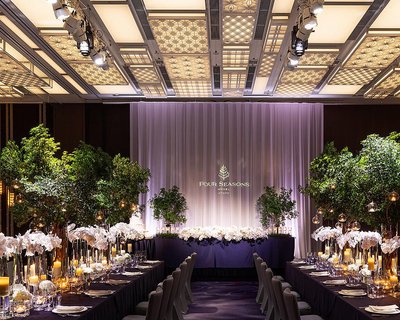
Four Seasons Hotel Kyoto
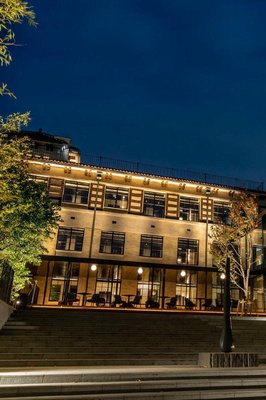
The Hotel Seiryu Kyoto Kiyomizu - a Member of the Leading Hotels of the World-
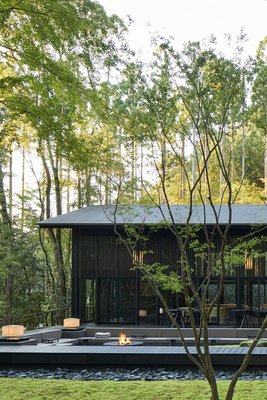
Aman Kyoto
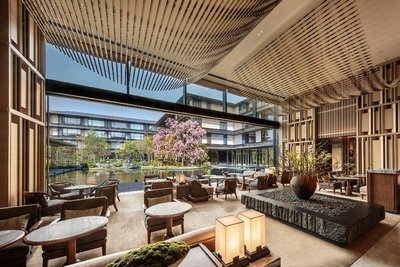
Hotel the Mitsui Kyoto, a Luxury Collection Hotel & Spa
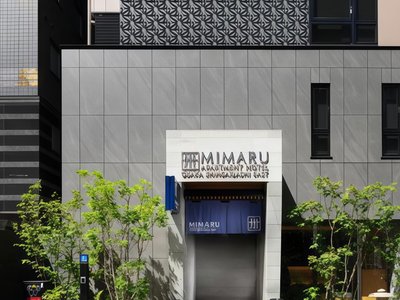
MIMARU Osaka Shinsaibashi East
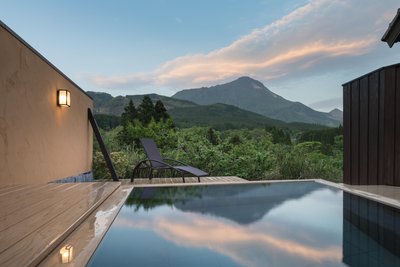
Ikkoten

Toba International Hotel Shiojitei
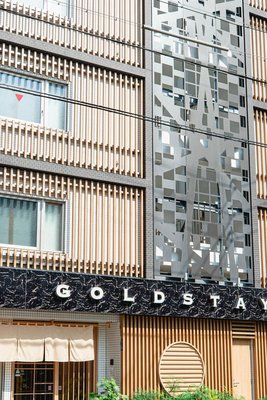
Gold Stay Nagoya OSU
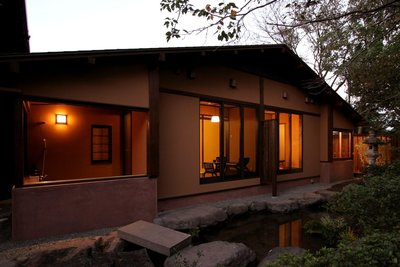
SEKIYA RESORT Bettei Haruki
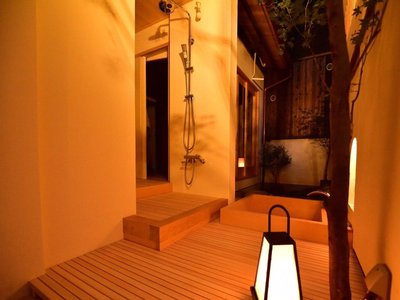
Yado Kiramachi
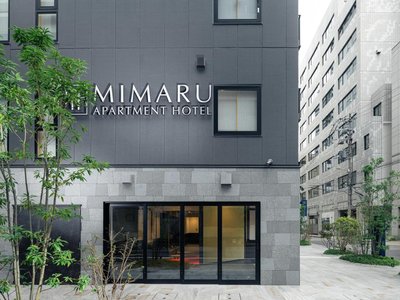
MIMARU Osaka Shinsaibashi North
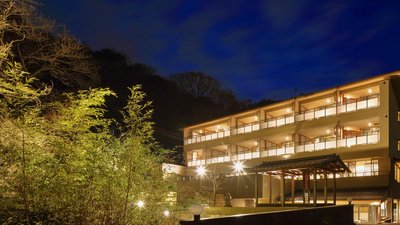
Okuno Hosomichi
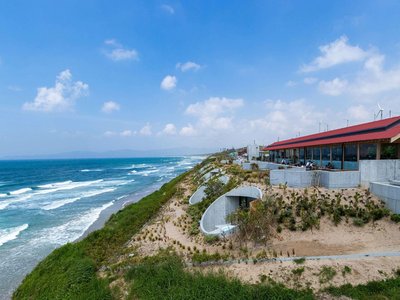
Izumo Hotel the Cliff
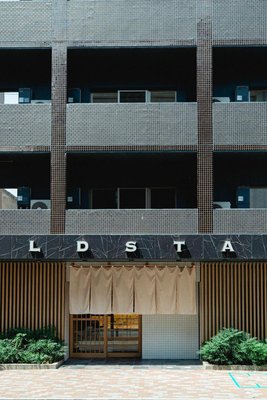
GOLD STAY Nagoya Sakae
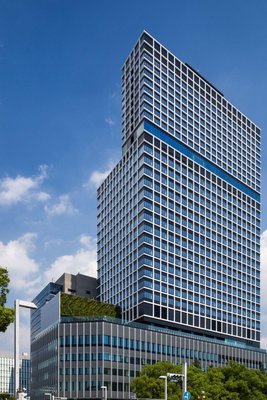
The Royal Park Hotel Iconic Nagoya
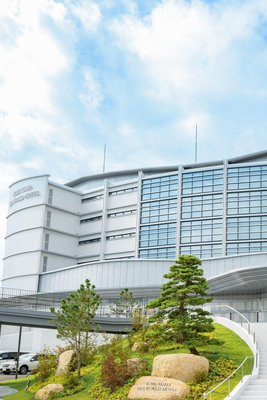
Kobe Suma Sea World Hotel
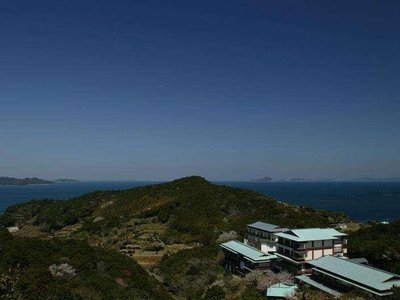
Hanashinsui
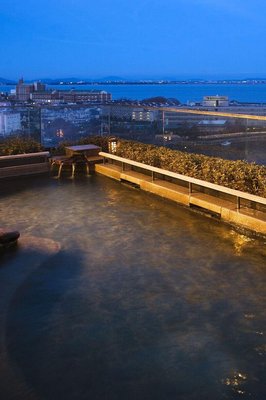
Yumotokan
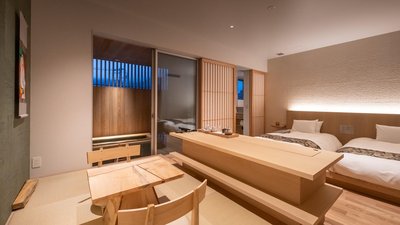
Japanese Auberge Kararako
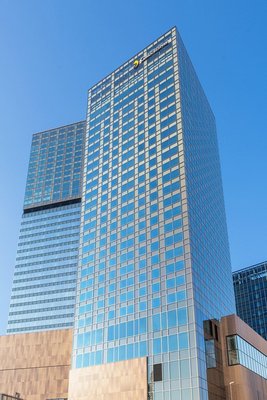
Hotel Hankyu GRAN RESPIRE OSAKA
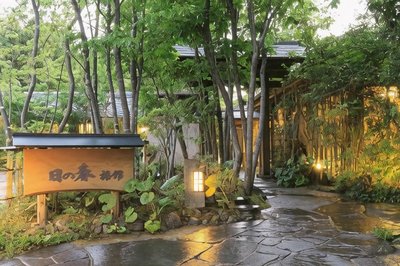
Yufuin Onsen Hinoharu Ryokan
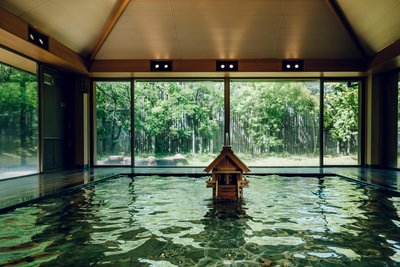
Hoshino Resorts KAI Tamatsukuri

Taikyourou
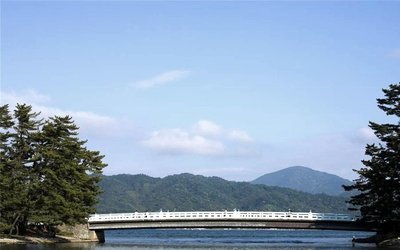
Monjusou Shourotei
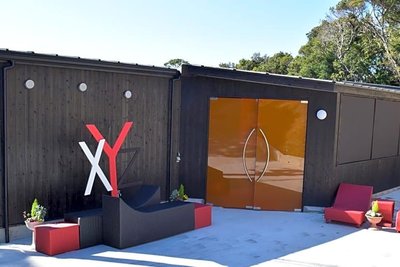
XYZ Private Spa and Seaside Resort
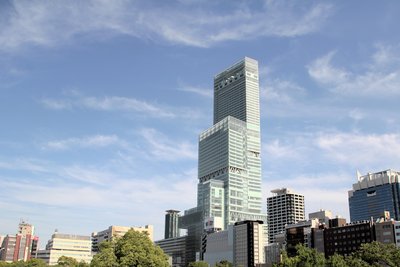
Osaka Marriott Miyako Hotel
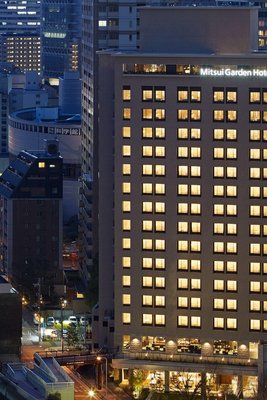
Mitsui Garden Hotel Osaka Premier
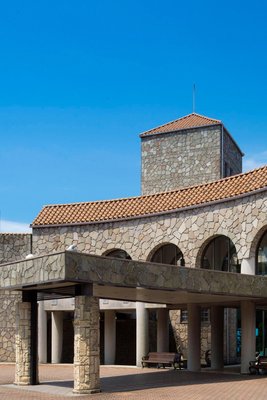
Izumigo Hotel Altia Toba
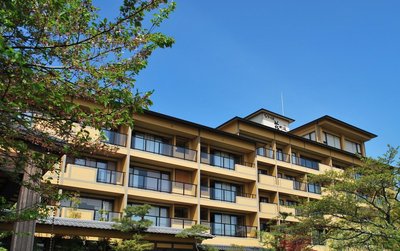
BIWAKO HANAKAIDO
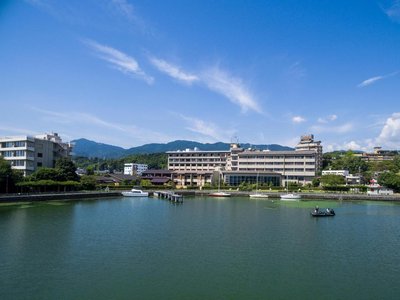
Biwako Ryokusuitei
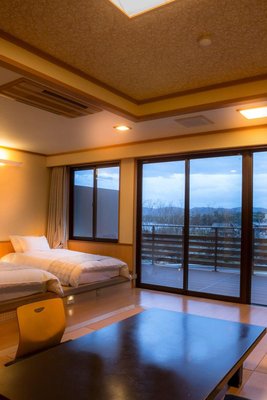
Hotel Kitanoya
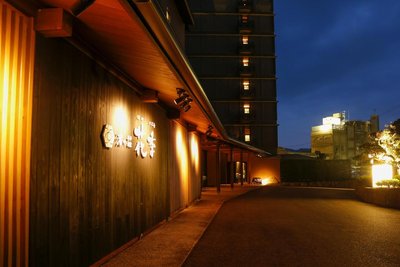
Hanagoyomi
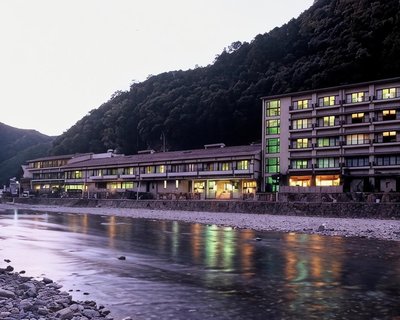
Kawayu Onsen Fujiya
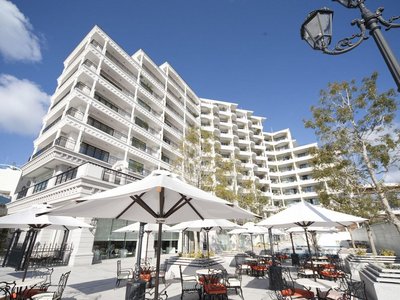
Hotel La Suite Kobe Harborland

AoAwo Naruto Resort
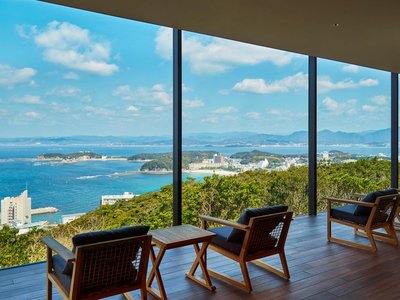
Infinito Hotel and Spa
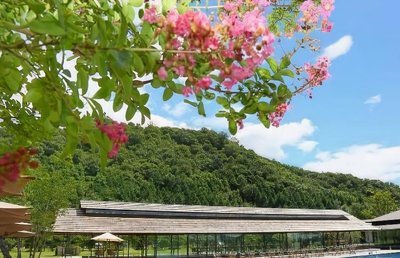
Bella Vista Spa and Marina Onomichi
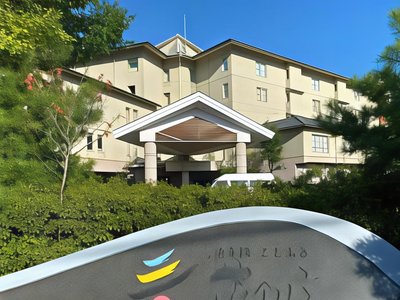
Yufuin Kotobuki Hananosho
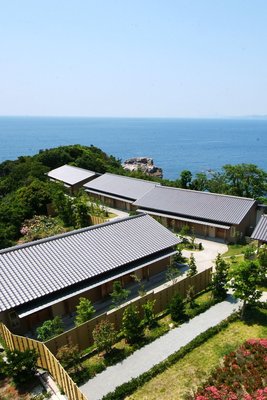
Hamachidorinoyu Kaisyu
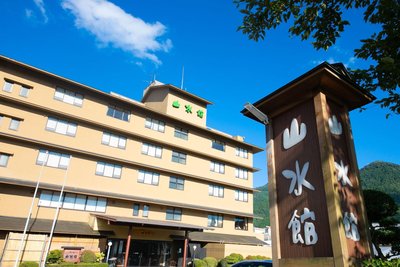
Yufuin Sansuikan
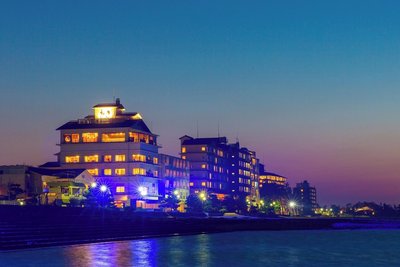
Kaike Shogetsu
The Ritz-Carlton, Kyoto
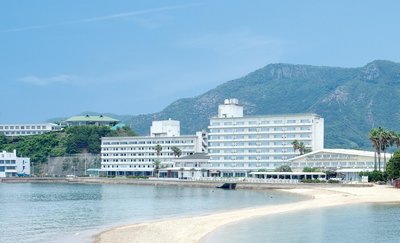
Shodoshima International Hotel
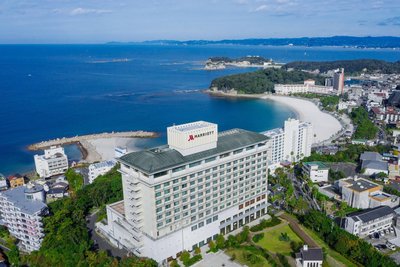
Nanki-Shirahama Marriott Hotel
Yado Kiramachi
Arimasansoh Goshobessho
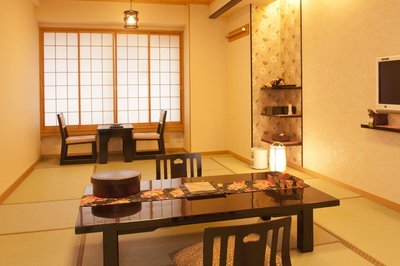
Matsui-Bekkan Hanakanzashi
Hoshino Resorts KAI Tamatsukuri
Taikyourou
Monjusou Shourotei
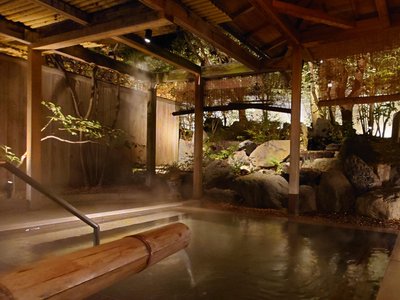
Kasuga Hotel
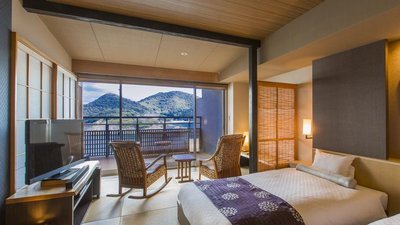
Migiwatei Ochi Kochi
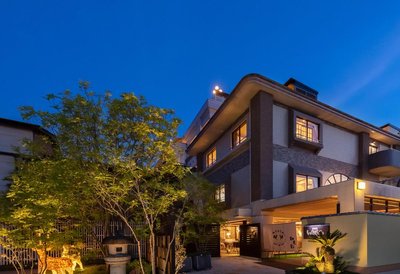
Hotel New Wakasa
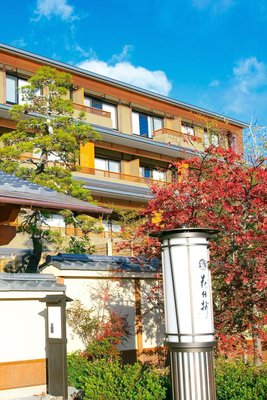
Kyoto Arashiyama Onsen Kadensho (Kyoritsu Resort)
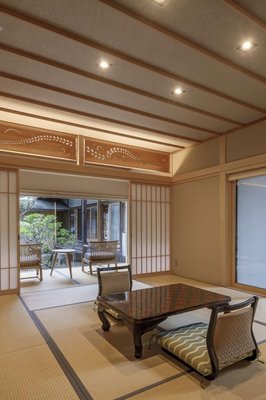
Ichijoin
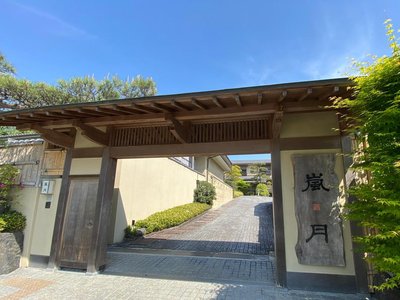
Rangetsu
The Ritz-Carlton, Kyoto
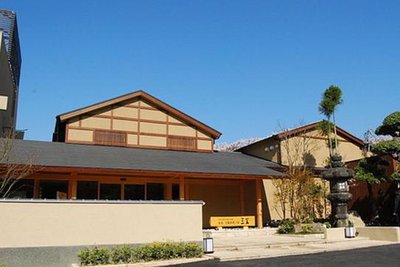
Mikasa
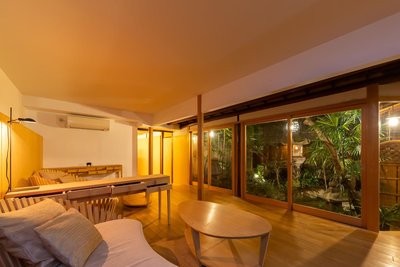
Izuyasu Traditional Kyoto Inn Serving Kyoto Cuisine
HOSHINOYA Kyoto
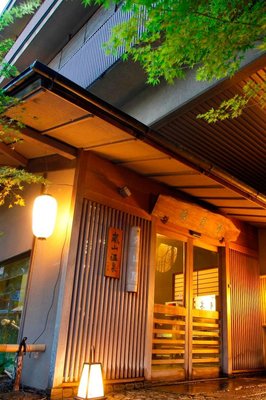
Togetsutei
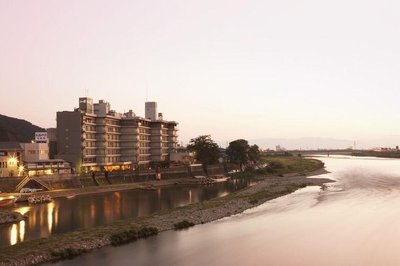
Juhachiro
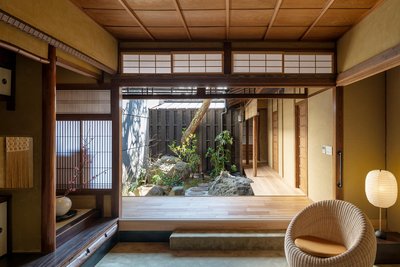
Nazuna Kyoto Gosho
Amanemu
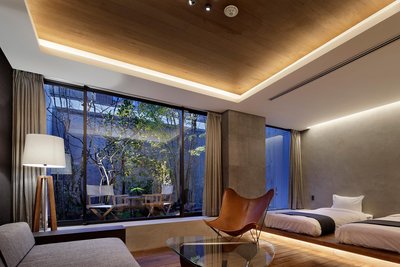
22 PIECES
The Ritz-Carlton, Osaka
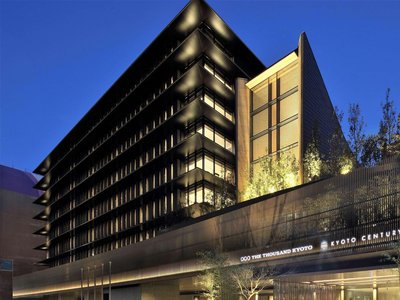
The Thousand Kyoto
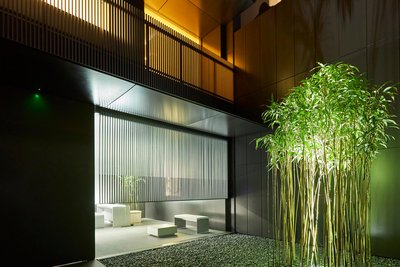
Mogana
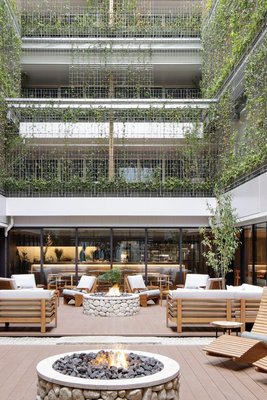
GOOD NATURE HOTEL KYOTO
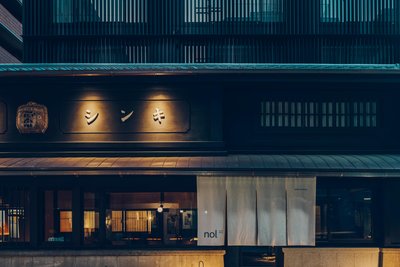
Nol Kyoto Sanjo
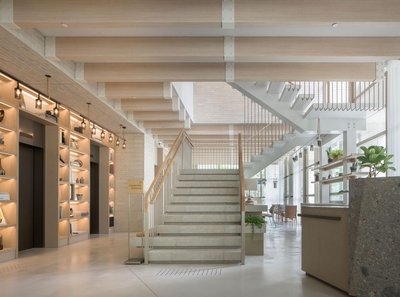
Zentis Osaka
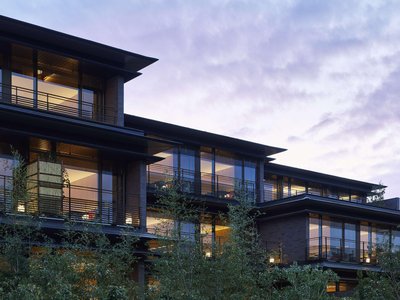
Garrya Nijo Castle Kyoto
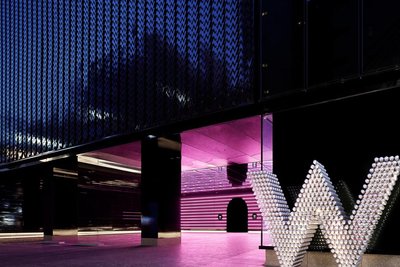
W Osaka
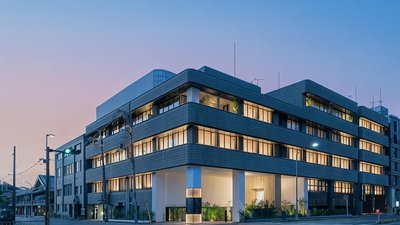
Hotel Kanra Kyoto
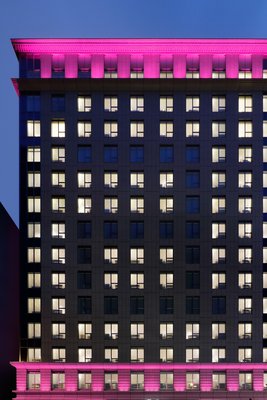
Aloft Osaka Dojima
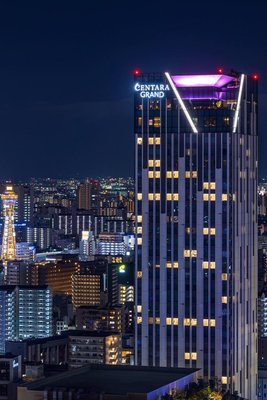
Centara Grand Hotel Osaka
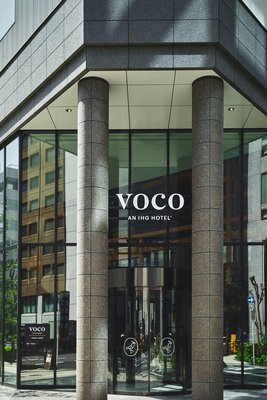
voco Osaka Central
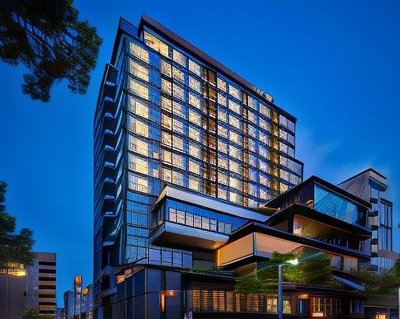
TIAD, AUTOGRAPH COLLECTION
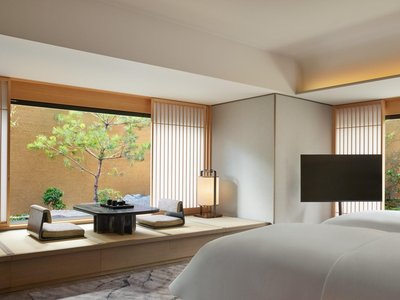
Dusit Thani Kyoto
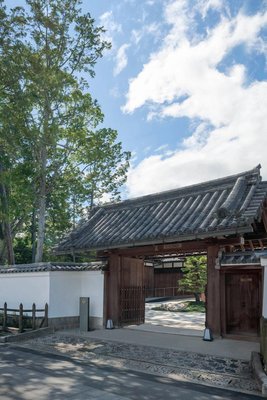
Shisui, a Luxury Collection Hotel, Nara
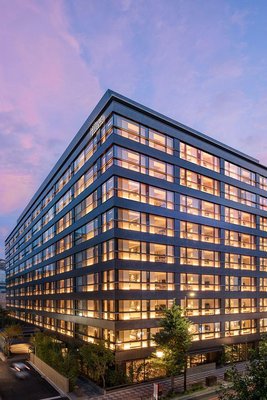
Hilton Kyoto
Osaka Marriott Miyako Hotel
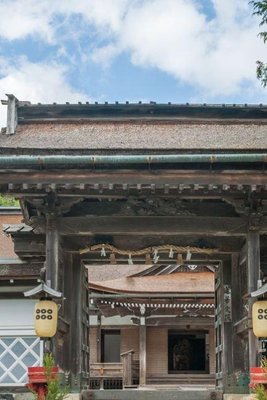
Koyasan Rengejoin
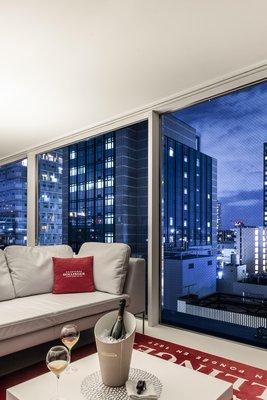
CUVÉE J2 HOTEL OSAKA by Onko Chishin
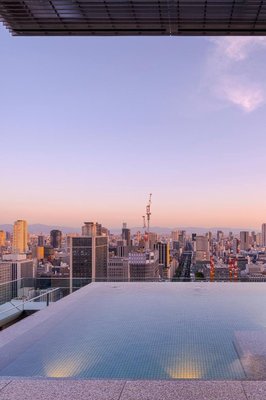
Candeo Hotels Osaka The Tower
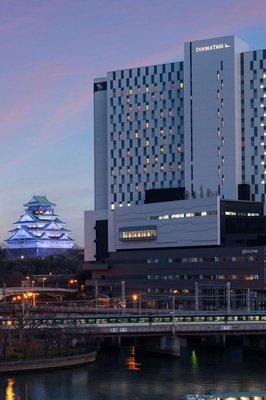
DoubleTree by Hilton Osaka Castle
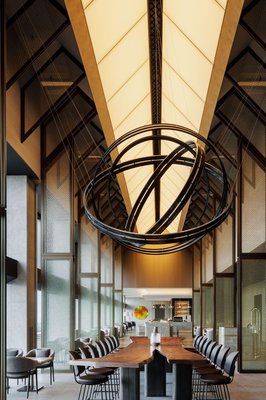
The Osaka Station Hotel, Autograph Collection
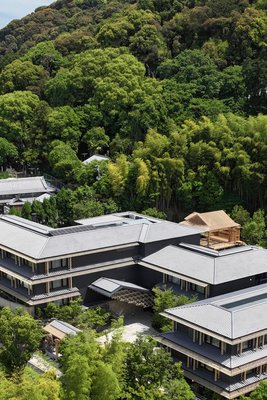
Banyan Tree Higashiyama Kyoto
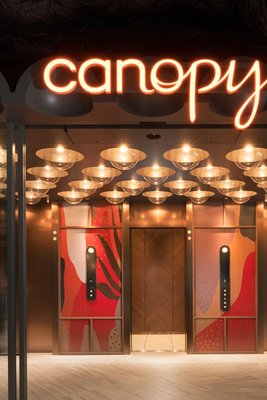
Canopy by Hilton Osaka Umeda
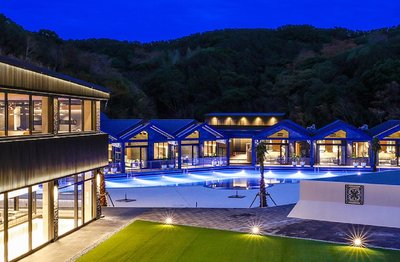
FIVE SPRING RESORT THE SHIRAHAMA
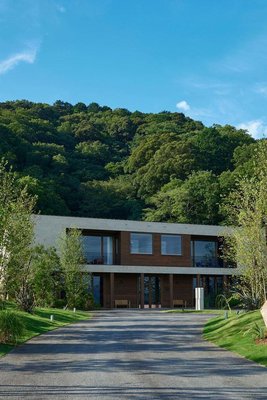
HACIENDA VISON
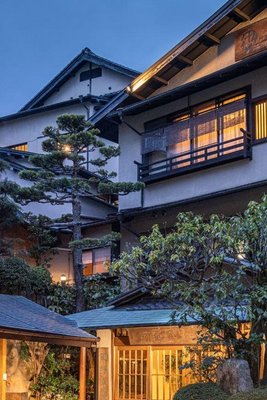
Arima Onsen Tocen Goshobo
Hotel La Suite Kobe Harborland
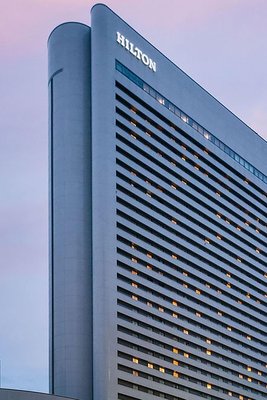
Hilton Osaka Hotel
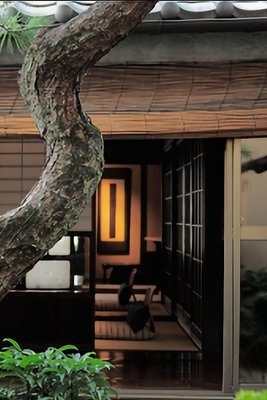
Shimayado Mari
Osaka Marriott Miyako Hotel
The Ritz-Carlton, Osaka
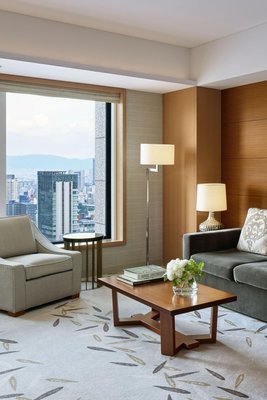
InterContinental Hotel Osaka
The Ritz-Carlton, Kyoto
Suiran, a Luxury Collection Hotel, Kyoto
GOOD NATURE HOTEL KYOTO
Park Hyatt Kyoto
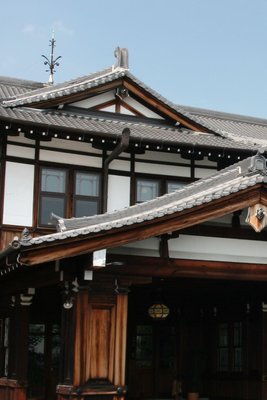
Nara Hotel
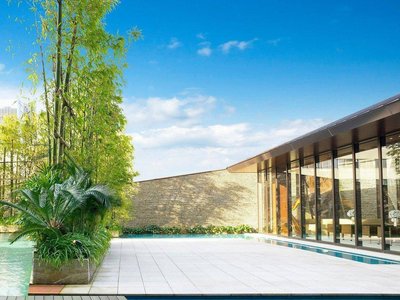
ORIENTAL HOTEL
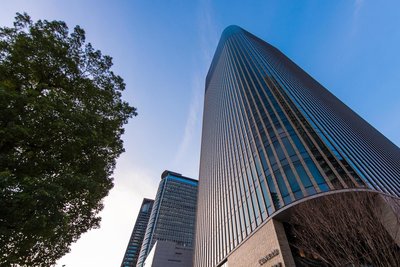
Conrad Osaka
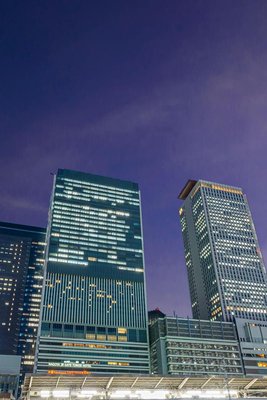
Nagoya JR Gate Tower Hotel (JR-Central Hotels)
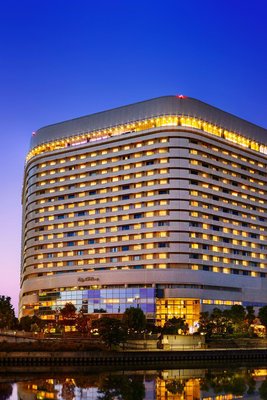
Hotel New Otani Osaka
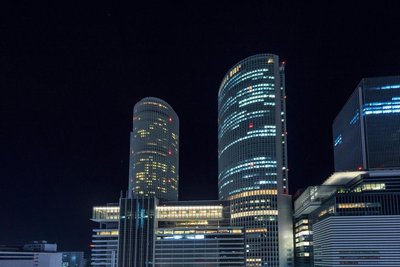
Nagoya Marriott Associa Hotel
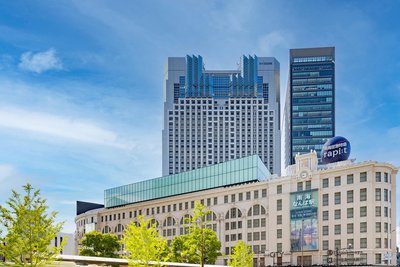
Swissotel Nankai Osaka
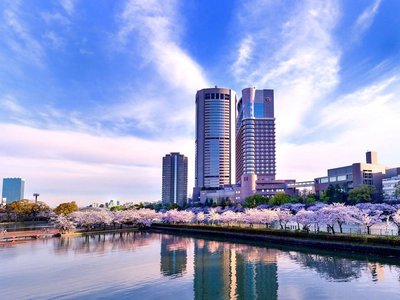
Imperial Hotel Osaka
The St. Regis Osaka
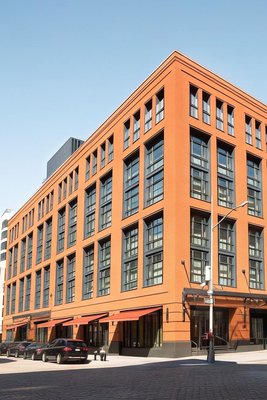
Hotel Barrière Fouquet's New York
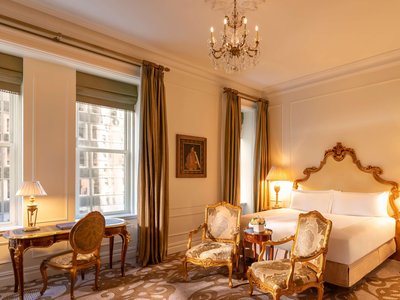
The Plaza - A Fairmont Managed Hotel
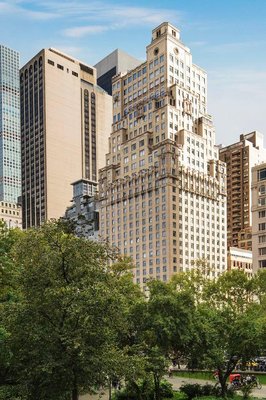
The Ritz-Carlton New York, Central Park
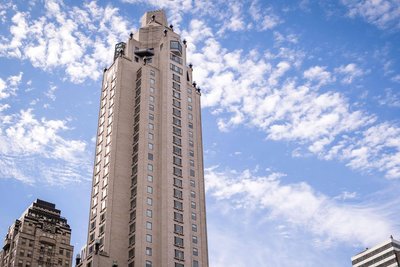
Four Seasons Hotel New York
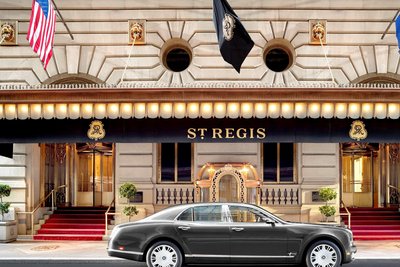
The St. Regis New York
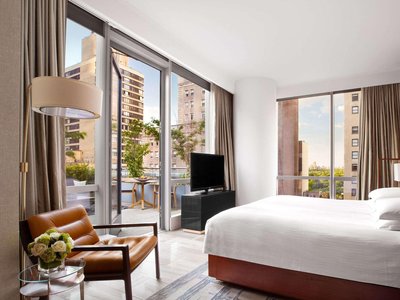
Park Hyatt New York
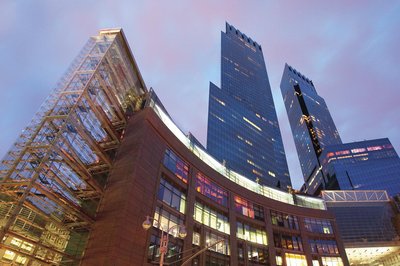
Mandarin Oriental New York
Times Square Edition New York
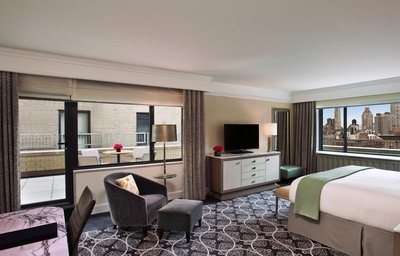
Loews Regency New York Hotel
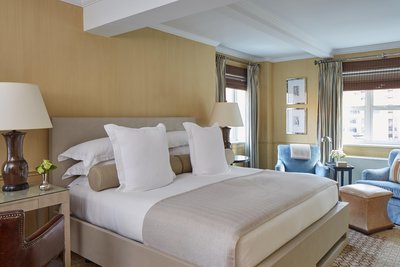
Lowell Hotel
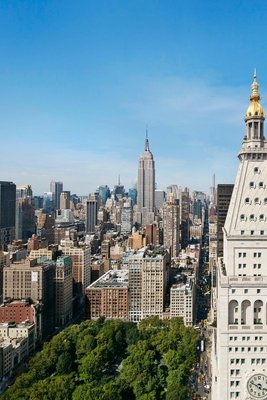
New York Edition
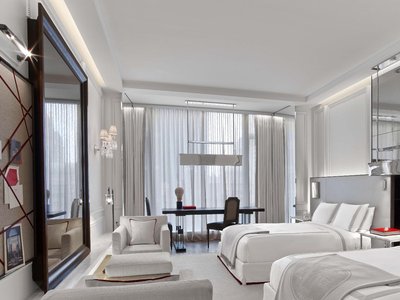
Baccarat Hotel New York
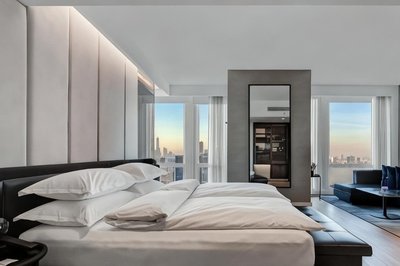
Equinox Hotel New York
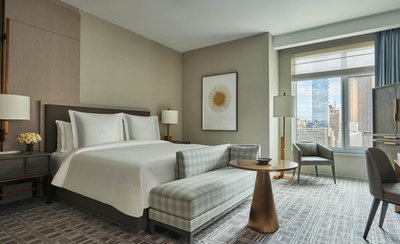
Four Seasons Hotel New York Downtown
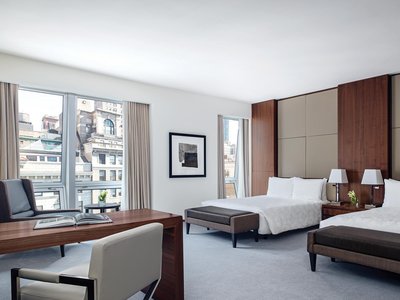
The Langham, New York, Fifth Avenue
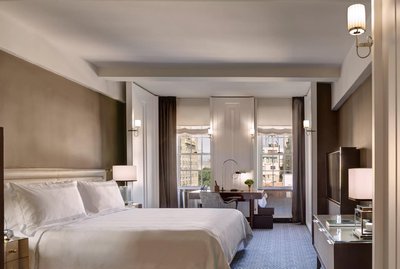
The Carlyle, A Rosewood Hotel

The Chatwal, in the Unbound Collection by Hyatt
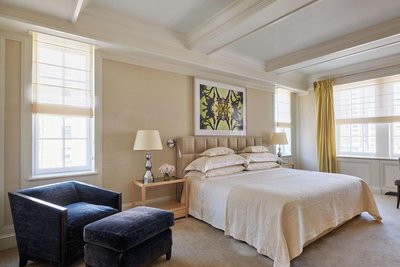
The Mark New York
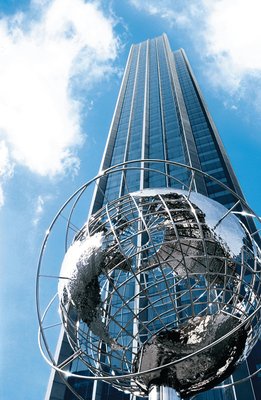
Trump International Hotel & Tower® New York
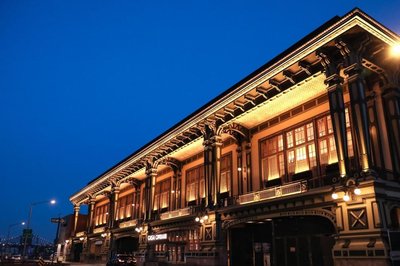
Casa Cipriani New York
Frequently Asked Questions about Traveling to Mima
Questions You Might Need to Know About Traveling to Mima
In Mima City, the top choice for authentic Japanese charm is Sōshōkaku Ryokan, a century-old onsen inn nestled in the Kotoura Valley. This traditional guesthouse features tatami rooms, private outdoor baths overlooking the river, and seasonal kaiseki meals made from local ingredients. Guests can experience tea ceremonies, forest walks, and cultural performances. Its serene setting amid mountains and forests makes it ideal for those seeking peace and immersion in Shikoku's heritage.
The Kotoura Valley region offers the most breathtaking scenery and peaceful atmosphere in Mima City. Surrounded by lush forests and cascading streams, this area is home to Sōshōkaku Ryokan and several secluded cabins. Visitors enjoy panoramic views of the valley at sunrise, hiking trails through ancient woodlands, and quiet evenings under starlit skies. The low population density ensures minimal noise and maximum connection with nature—perfect for relaxation and reconnection with the outdoors.
Visitors to Mima City can participate in the annual Kotoura Festival, featuring traditional taiko drumming, lantern processions, and folk dances. Exploring the Kotoura Village reveals centuries-old wooden houses built using native timber techniques. Hands-on workshops include making Kotoura Washi Paper from mulberry bark and learning Shikoku-style bamboo weaving. These immersive activities provide deep insight into the region’s living traditions and sustainable craftsmanship.
Yes, Sōshōkaku Ryokan stands out as the premier luxury onsen resort in Mima City. With its elegant architecture, private open-air baths overlooking the valley, and personalized service, it delivers a refined Shikoku experience. Guests enjoy gourmet kaiseki dinners, access to natural hot springs, and wellness treatments using local herbs. The hotel also hosts exclusive cultural events like tea ceremonies and calligraphy lessons, offering a truly elevated retreat in a remote mountain setting.
Key attractions in Mima City include the Kotoura Gorge, a national natural monument famed for its dramatic cliffs and the historic Vine Bridge—a rope suspension bridge strung across the canyon. Nearby, the Furukawa Shrine showcases unique Shinto-Buddhist fusion architecture. The Mima City Museum displays artifacts from Jomon-era settlements, including pottery and tools, offering a window into ancient life in Shikoku. Each site reflects the region’s deep cultural and geological significance.
Tourists in Mima City must sample Kotoura Tofu, made from pure mountain spring water, known for its silky texture. Try Shikoku buckwheat noodles served with local soy-based broth. Don’t miss Tosa citrus sweets and fruit wines crafted from regional mandarins. Many ryokans offer "local ingredient banquets" featuring fresh fish from Tosa Bay and wild vegetables foraged from the hills—each dish tells a story of the land and its people.
Absolutely, Mima City is highly suitable for families. The Kotoura Valley Trail has child-friendly paths with safe viewpoints and interactive nature stations. Several ryokans provide family rooms, kids’ bath areas, and storytelling sessions. The Mima City Museum includes hands-on exhibits where children can handle replicas of ancient tools. With clean air, gentle terrain, and low tourist density, it’s an ideal destination for a peaceful, educational family getaway.
While Mima City is somewhat remote, it’s reachable via bus from Tokushima Station—about 1 hour away. From the Mima Station, community buses connect to major sites like Kotoura Valley. However, renting a car or HopeGoo a private transfer is recommended for flexibility and access to hidden trails and rural villages. The journey itself through green landscapes adds to the adventure, making it worth the extra effort for true explorers.
The best time to visit Mima City is October to November, when the Kotoura Gorge transforms into a vibrant tapestry of red and gold autumn foliage. The weather is mild, perfect for hiking and soaking in onsen baths. Spring (March–April) brings cherry blossoms and clear streams ideal for canoeing. Summer is humid and rainy; winter is cold but peaceful. For stunning visuals and comfortable travel, autumn remains the peak season.
Mima City is renowned for Kotoura Washi Paper, crafted from mulberry bark using traditional methods passed down for generations. Another highlight is Shikoku bamboo weaving, used to create functional art like baskets and lamps. Local artisans also carve intricate figures from aged forest wood, reflecting spiritual beliefs. These crafts are available at the Kotoura Craft Market and the Mima City Museum Shop, serving as meaningful souvenirs that support local heritage.
Mima Overview
City Summary
Mima City in Tokushima Prefecture, Shikoku, is renowned for the spectacular natural landscapes along the Yoshino River. As the gateway to Iya Valley (one of Japan's Three Hidden Valleys), this mountain town combines traditional village culture with outdoor adventures, featuring iconic attractions like the vine bridges and onsen hot springs.
Must-See Attractions
Top attraction is the nationally designated "Iya Kazurabashi Vine Bridge", a thrilling suspension bridge woven from mountain vines. Ride the Iya Onsen Cable Car to riverside hot springs, or visit Biwa Falls and the iconic "Peeing Boy Statue". Don't miss the thatched-roof houses of Ochiai Village, a designated Important Preservation District.
Food Guide
Try Iya soba - buckwheat noodles with mountain spring water, served with scallions and soy sauce. Awaodori chicken dishes are superb, especially charcoal-grilled oyakodon. In winter, savor kanten nabe hotpot with Yoshino River agar and local vegetables.
Transportation Guide
From Tokushima City, take JR Dosan Line to Awa-Ikeda Station (1hr), then transfer to Shikoku Kotsu Buses (Iya Line, 50min). Renting a car (international license required) is recommended for flexibility. Taxis need advance HopeGoo, and rural areas lack evening transport.
Best Time to Visit
April-May for cherry blossoms and fresh greenery, November for autumn foliage. Avoid July-August rainy season (possible road closures). Winter (Dec-Feb) offers snowscape onsen packages.
Travel Tips
- Remove shoes when crossing vine bridges (may close after rain)
- Mountain areas have sharp temperature drops, pack layers
- Drone photography prohibited in Ochiai Village
- Carry cash as many eateries don't accept cards
- Rinse thoroughly before entering onsen
- Check bus schedules carefully due to limited frequency
Useful Information
Japanese is primary language; tourist centers offer basic English. Free "Mima City Wi-Fi" available downtown (weak signal in mountains). Cash preferred, though IC cards work near Awa-Ikeda Station. Dial #7119 for emergency medical assistance; nearest full-service hospital is in Miyoshi City (30km away). Post office adjacent to City Hall handles international mail.