Hotels in Mimata
Discover your perfect stay in Mimata.
Mimata(Japan) Travel 2026: Cheap Flights, Hotels & Top Attractions
Popular Landmarks in Mimata
Discover the most iconic attractions in Mimata
Recommended Hotels in Mimata
Find the perfect place to stay in Mimata
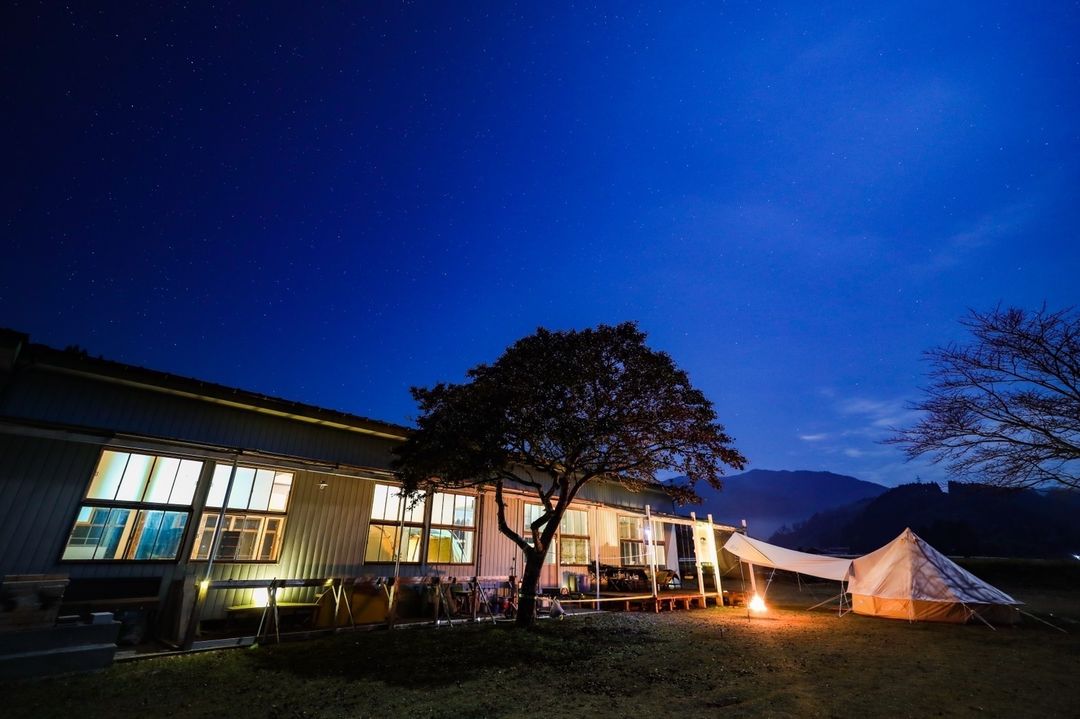
Nagatanchi
Best Hotels in Mimata
Discover curated hotel collections in Mimata
Ikkoten
SEKIYA RESORT Bettei Haruki
Chikurakutei
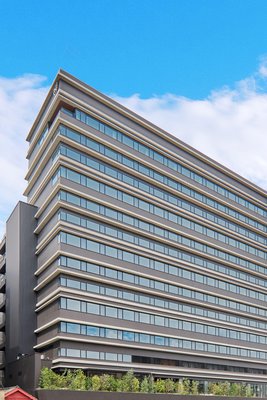
The Royal Park Canvas Fukuoka Nakasu
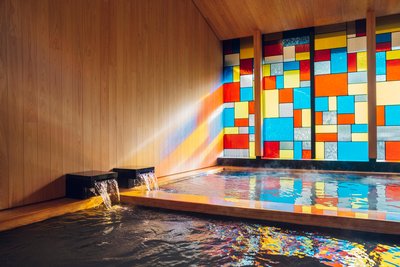
Hoshino Resorts Kai Unzen
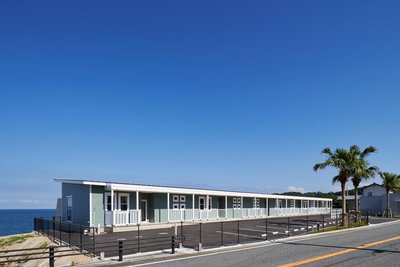
Alfacio Resort Stay Itoshima
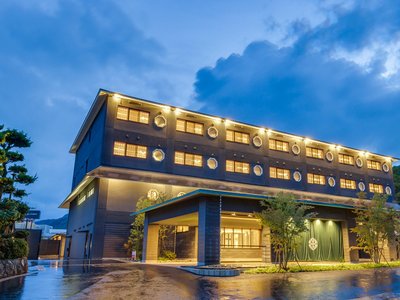
Ureshino Yadoya
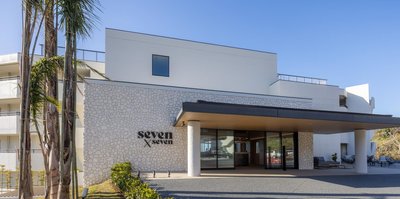
seven x seven itoshima
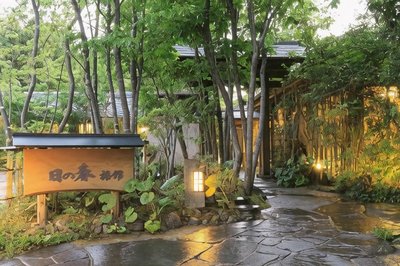
Yufuin Onsen Hinoharu Ryokan
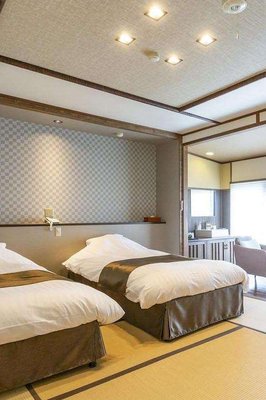
Sozankyo
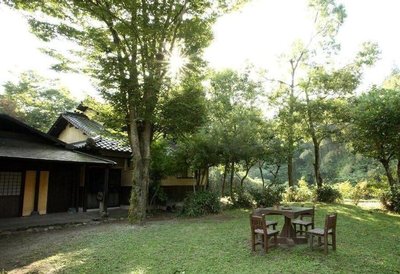
Yamashinobu
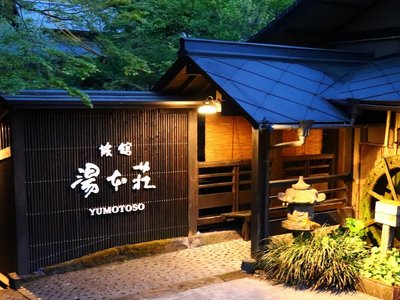
Ryokan Yumotosou
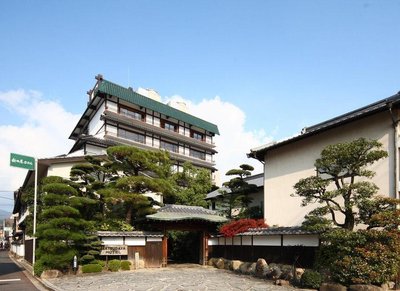
Matsudaya Hotel
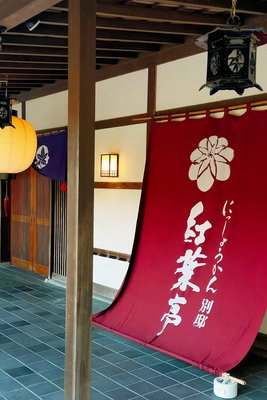
Nisshokan Bettei Koyotei
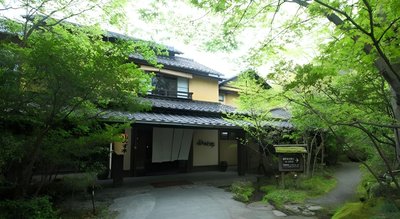
Kurokawaonsen Yamamizuki
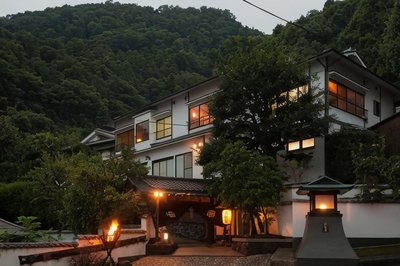
Beppu Showaen
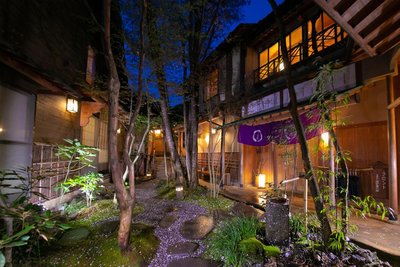
Oyado Ichizen
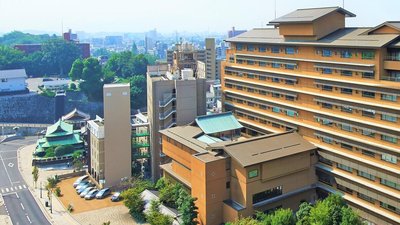
Yamatoya Honten
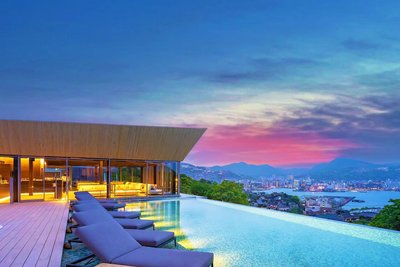
Garden Terrace Nagasaki Hotel & Resort
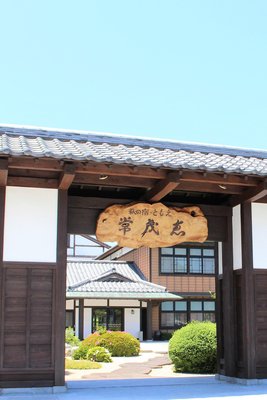
Hagi No Yado Tomoe
Garden Terrace Nagasaki Hotel & Resort
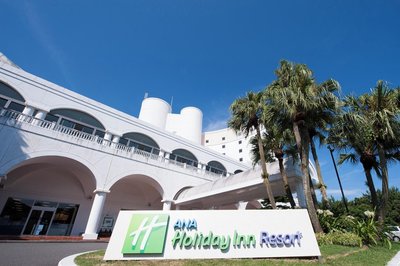
Holiday Inn Resort Miyazaki
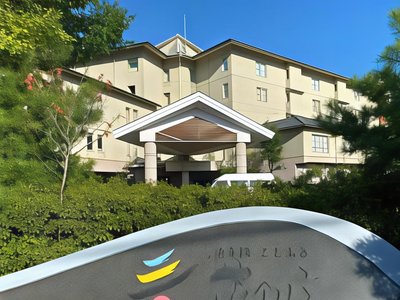
Yufuin Kotobuki Hananosho
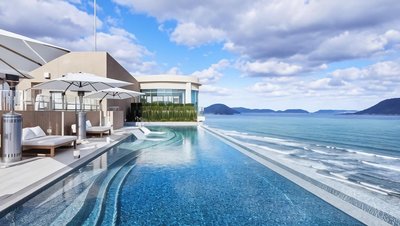
Karatsu Seaside Hotel
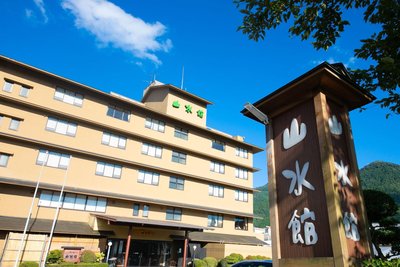
Yufuin Sansuikan
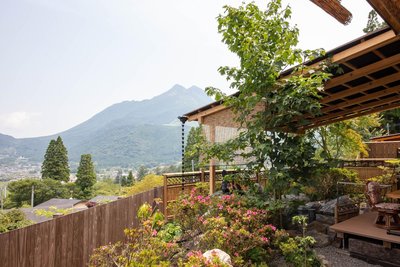
Yufuin-Sanso Waremokou
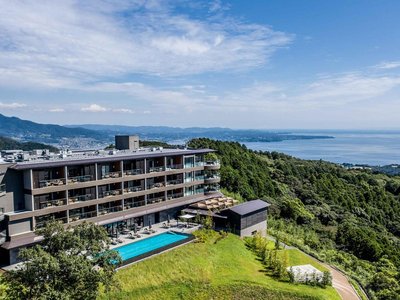
Ana InterContinental Beppu Resort & Spa
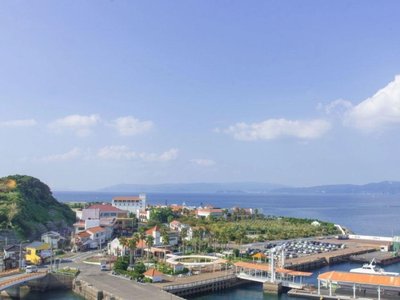
I+Land Nagasaki
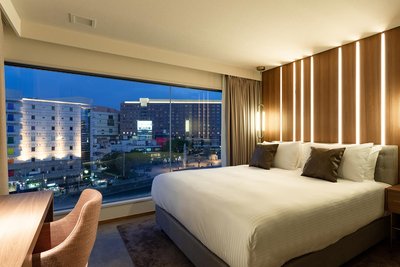
The OneFive Villa Fukuoka
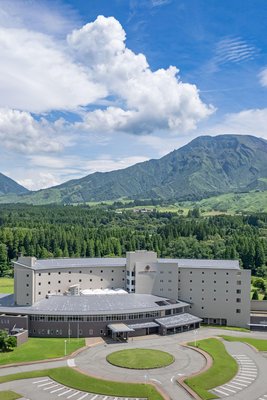
KAMENOI HOTEL ASO
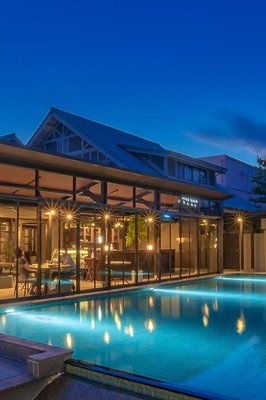
Amane Resort Gahama

SEKIYA RESORT GALLERIA MIDOBARU
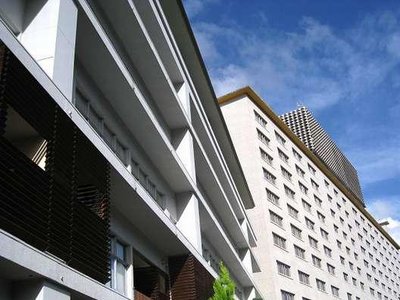
Beppu Suginoi Hotel

Phoenix Seagaia Ocean Tower
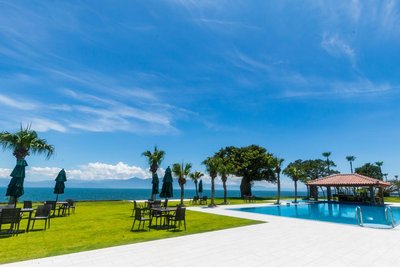
Kagoshima Sunamushi Onsen Ibusuki Hakusuikan
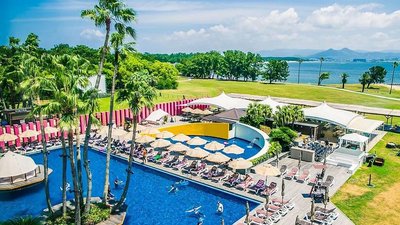
The Luigans Spa and Resort
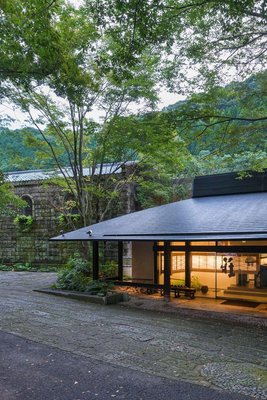
Myoken Ishiharaso

SHIROYAMA HOTEL kagoshima
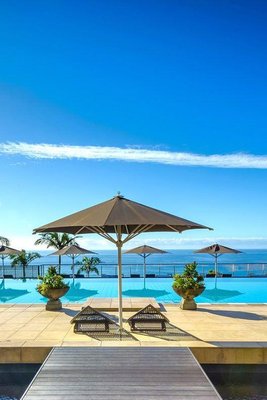
Sankara Hotel & Spa Yakushima
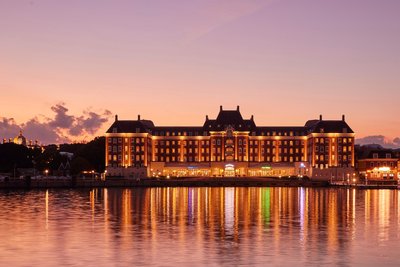
Hotel Denhaag Huis Ten Bosch
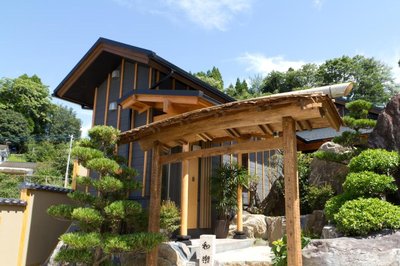
Ryokan Shinsen
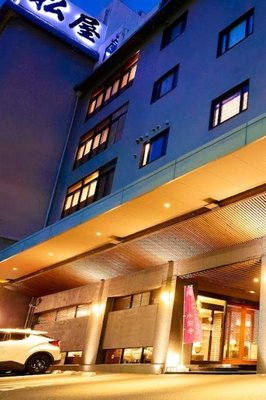
Ryotei Matsuya Honkan Suizenji
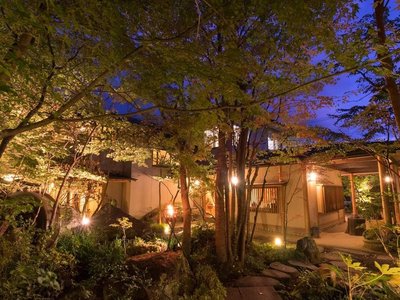
Ryoso Yufuin Yamadaya
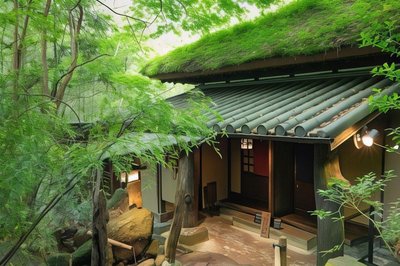
Sanso Tensui
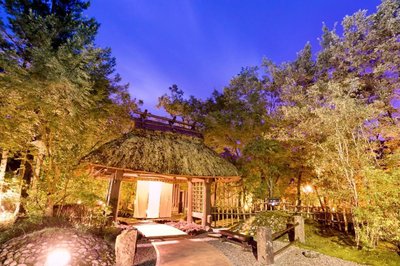
Satonoyu Waraku
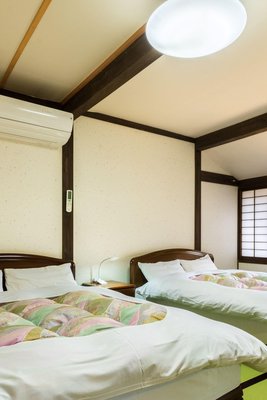
Tobise Onsen Tenga Sanso
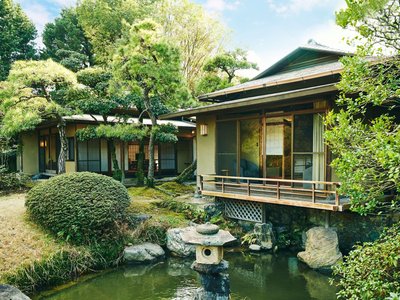
Suisui Garden Ryokan (in the Art Hotel Kokura New Tagawa)
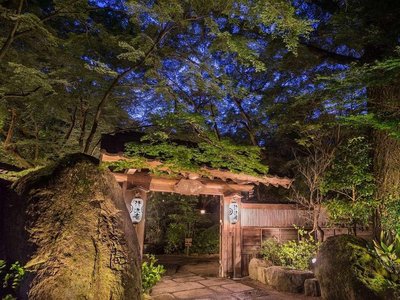
Akizuki Spa Ryokan Seiryuan
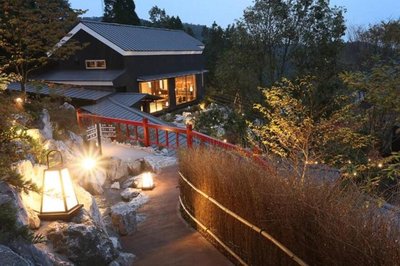
Gekkoju Kurokawa
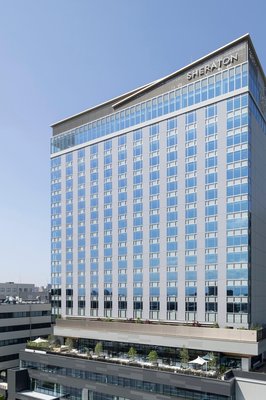
Sheraton Kagoshima
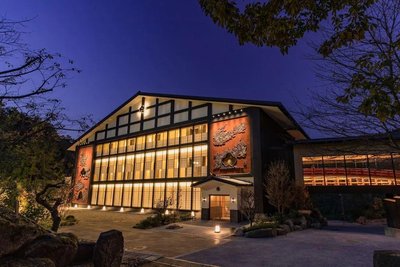
Okuhita Onsen Umehibiki
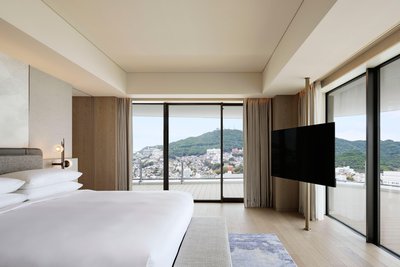
Nagasaki Marriott Hotel
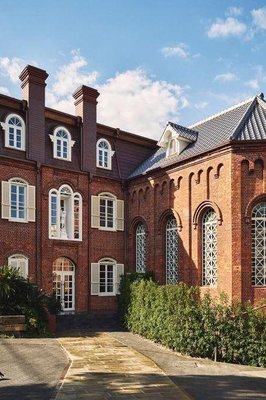
Hotel Indigo Nagasaki Glover Street by IHG
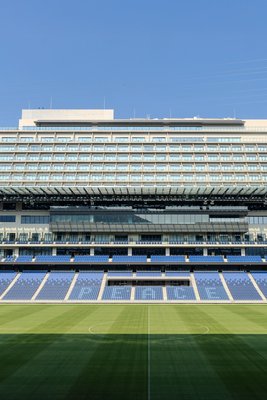
Stadium City Hotel Nagasaki
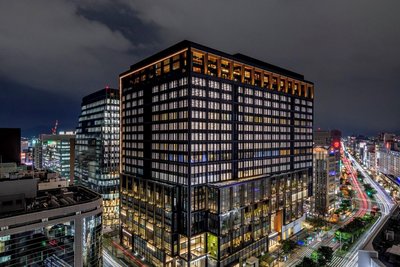
ONE FUKUOKA HOTEL
Ryokan Shinsen

Yamatoya Besso
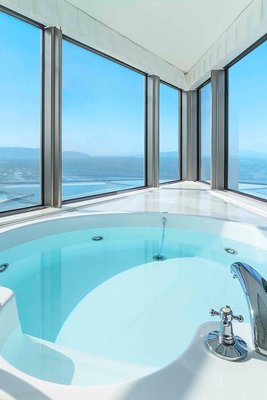
Hilton Fukuoka Sea Hawk

Olive Bay Hotel
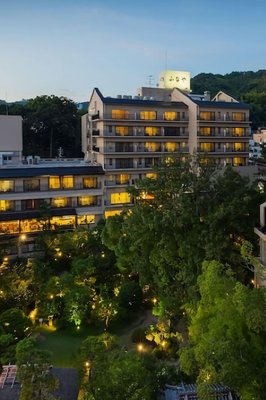
Funaya
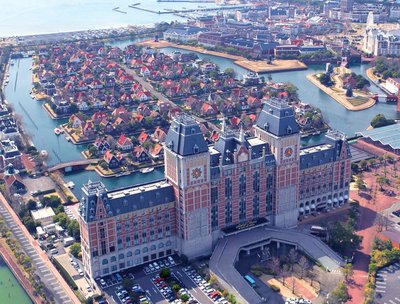
Hotel Okura Jr Huis Ten Bosch

Bettei Oborozukiyo
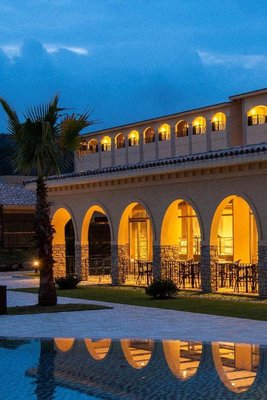
La Vista Kirishima Hills
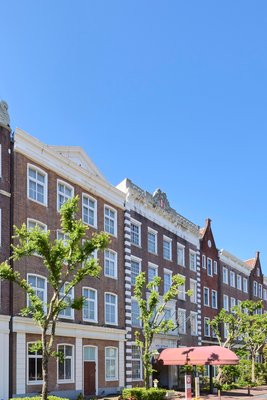
Hotel Amsterdam Huis Ten Bosch

Yumotoankiyohime
Ana InterContinental Beppu Resort & Spa
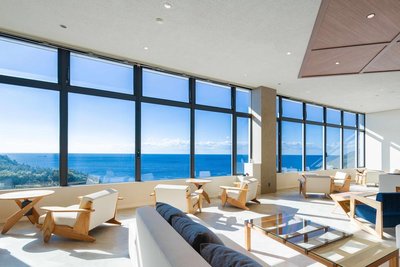
TheMana Village
Amane Resort Gahama
Phoenix Seagaia Ocean Tower

Hotel Barrière Fouquet's New York

The Plaza - A Fairmont Managed Hotel

The Ritz-Carlton New York, Central Park

Four Seasons Hotel New York

The St. Regis New York

Park Hyatt New York

Mandarin Oriental New York

Times Square Edition New York

Loews Regency New York Hotel

Lowell Hotel

New York Edition

Baccarat Hotel New York

Equinox Hotel New York

Four Seasons Hotel New York Downtown
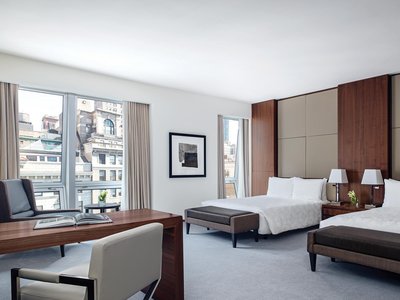
The Langham, New York, Fifth Avenue

The Carlyle, A Rosewood Hotel

The Chatwal, in the Unbound Collection by Hyatt

The Mark New York
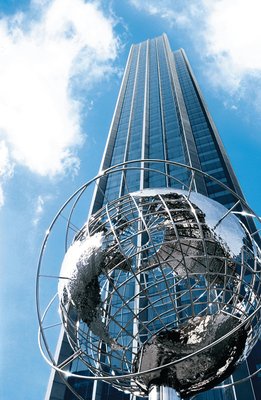
Trump International Hotel & Tower® New York
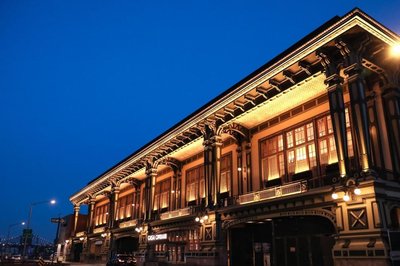
Casa Cipriani New York
Frequently Asked Questions about Traveling to Mimata
Questions You Might Need to Know About Traveling to Mimata
In Sanku Town, the most affordable and authentic option is Sanku Guesthouse Riverside, a family-run homestay near the Hiyakawa River. It offers simple yet cozy rooms with tatami flooring, private bathrooms, and a shared kitchen. Guests enjoy free access to a small garden and a communal dining area where hosts serve homemade breakfast using local ingredients.
Another great choice is Kuroiwa Mountain Cabin, a rustic wooden cabin tucked into the forest just 15 minutes from town center. It’s ideal for nature lovers seeking quiet, with solar-powered lighting and a wood-fired heater. Both properties offer bike rentals and are within walking distance of the Sanku Shrine and weekly farmers’ market. Prices start at ¥3,500 per night, making them perfect for budget-conscious travelers exploring rural Miyazaki.
The best area to stay in Sanku Town is the Riverfront District, located along the Hiyakawa River. This zone offers easy access to major attractions like the Sanku Shrine, Sanku Museum, and the scenic Kuroiwa Mountain Overlook. Most guesthouses and small inns here feature traditional Japanese architecture with modern amenities.
Staying here allows guests to enjoy morning walks by the river, evening strolls under cherry blossoms (in spring), and convenient transfers to nearby hiking trails and organic farms. Many accommodations also provide free shuttle services to the weekly Sanku Market and seasonal festivals. With minimal traffic and peaceful surroundings, this district strikes the perfect balance between convenience and tranquility.
Visitors to Sanku Town must attend the Spring Festival at Sanku Shrine, held annually in April, where locals perform traditional dances and wear historical costumes, preserving centuries-old rituals. Another must-try is the Washi Paper Making Workshop, where you’ll learn to craft handmade paper from native Himawari kozo bark, a sustainable practice passed down through generations.
For an immersive experience, participate in rice planting activities during May–June, guided by local farmers—perfect for families or solo travelers seeking hands-on cultural engagement. During autumn, join the Harvest Festival, tasting freshly cooked rice balls and sake made from local crops. These events foster deep connections with community life and highlight Sanku Town’s reverence for nature and tradition.
Near Sanku Town, the Hiyakawa River Trail is a top destination—a 5-kilometer path lined with willows and wildflowers, ideal for morning walks or cycling. Along the way, you can spot white egrets and hear birdsong echoing through the valley.
A short drive away, Kuroiwa Mountain Overlook offers panoramic views of the entire Sanku Basin and distant Kirishima Mountains. Perfect for sunrise photography or stargazing on clear nights. For summer visitors, Hagawa Grassland is famous for its bioluminescent fireflies—best viewed during nightly guided tours in July and August.
Additionally, the Sanku Eco Garden features native ferns, butterfly gardens, and interactive signage explaining local ecosystems. Many guesthouses rent bicycles, enabling effortless exploration of these serene landscapes.
In Sanku Town, must-try dishes include Miyazaki Dry Beef (Karami-niku)—a savory, lightly smoked beef jerky made from grass-fed local cattle, available at specialty shops. Another standout is persimmon dried fruit, sun-dried from regional varieties, offering a sweet-tart flavor that pairs perfectly with green tea.
Visit Sanku Town Dining House for Claypot Rice (Donburi) cooked over charcoal, served with fresh vegetables and chicken. For seafood lovers, river-side fish restaurants offer grilled sea bream and yellowtail, caught daily from the Hiyakawa River. During festivals, sample Omusubi with homebrewed sake—an authentic taste of local harvest traditions. These flavors reflect the region’s agricultural roots and seasonal awareness.
While Sanku Town lacks direct train service, it is accessible via JR Kyushu Railway to Nishi-Nanjo Station, followed by a 25-minute bus ride to the town center. Buses run twice daily on weekdays and more frequently on weekends. However, due to limited frequency, renting a car or scooter is highly recommended for flexibility.
Many guesthouses offer free pickup services from the bus stop, especially during peak seasons. The roads are well-maintained, with clear signage, and parking is available at most attractions. For travelers without a car, combining the bus with bike rental from local inns provides a practical and eco-friendly alternative. Overall, while public transit exists, self-driving enhances the full experience of exploring rural Miyazaki.
Sanku Town’s guesthouses stand out for their commitment to authentic rural living. Many are converted from old farmhouses, preserving original timber beams and tatami floors while integrating modern comforts like air conditioning and high-speed Wi-Fi.
Some, like Kawabata Inn, offer homestay experiences where guests cook meals with hosts using seasonal ingredients. Others, such as Forest View Cabin, feature private hot springs and rooftop observatories for stargazing. A few even host community events, including poetry readings, tea ceremonies, and local storytelling nights.
These stays emphasize sustainability—using solar power, composting toilets, and zero-waste practices—making them ideal for eco-conscious travelers. The personal touch, warmth, and connection to nature set them apart from standard hotels.
Sanku Town celebrates vibrant seasonal events year-round. In spring (March–April), the Cherry Blossom Festival lights up the Hiyakawa Riverbanks with lanterns and hosts tea ceremonies in traditional gardens.
During summer (July–August), the Firefly Night Tour at Hagawa Grassland draws visitors with guided walks and ambient music under glowing insects. Autumn (October–November) brings the Harvest Festival, featuring rice-harvesting contests, folk dances, and tastings of new-season rice and sake.
In winter (December–February), the Snow Lantern Festival transforms the town square into a magical scene with handcrafted paper lanterns. These events are often hosted at guesthouses or community halls, offering intimate cultural immersion and unforgettable memories.
In Sanku Town, the top shopping destinations are the Local Craft Market and Sanku Eco Garden Store. The market features handmade washi paper goods, bamboo baskets, ceramics, and indigo-dyed textiles, all created by local artisans. Popular souvenirs include persimmon dry fruit gift boxes and Miyazaki Dry Beef packs, which are perfect for food lovers.
The Eco Garden Store sells organic produce like pesticide-free vegetables, homemade honey, and locally grown rice. During festival days, you can also find limited-edition hand-painted postcards and local history books. Some guesthouses have mini boutiques showcasing regional art and music, supporting the town’s creative economy. These shops offer meaningful, sustainable keepsakes that reflect the spirit of rural Miyazaki.
Mimata Overview
City Summary
Mimata Town, located in the central part of Miyazaki Prefecture, Japan, is a small town known for its picturesque rural scenery and rich agricultural heritage. Famous for its citrus fruit cultivation, the town offers a tranquil atmosphere and warm hospitality, making it an ideal escape from urban hustle.
Must-See Attractions
Key attractions in Mimata include the Mimata Town History and Folklore Museum, showcasing local history; citrus orchards where visitors can pick fresh fruits; and scenic hiking trails around the countryside. Traditional festivals also provide a glimpse into local culture.
Food Guide
Mimata is renowned for its fresh produce, especially Miyazaki oranges. Local restaurants serve hearty rural cuisine, with highlights like "Jidori chicken dishes" and "citrus-flavored desserts". Street food favorites include roasted sweet potatoes and mochi rice cakes.
Transportation Guide
Getting around Mimata relies mainly on buses and rental cars. Buses from Miyazaki City take about 1 hour. Attractions are spread out, so renting a car or using taxis is recommended. Public transport schedules are limited; check timetables in advance.
Best Time to Visit
The best times to visit are spring (March-May) and autumn (September-November), with mild weather ideal for outdoor activities. Summers are hot, and winters can be chilly. Avoid the rainy season (June-July) for a smoother trip.
Travel Tips
- Respect local customs, especially at shrines.
- Carry cash, as some small shops don’t accept cards.
- Wear comfortable shoes for walking.
- Learn basic Japanese greetings for friendlier interactions.
- Use sunscreen during summer outdoor activities.
- Check bus schedules beforehand to minimize waiting.
Useful Information
Japanese is the primary language; English is limited, so a translation app is helpful. Network coverage is good but may weaken in rural areas. Cash is preferred, though some larger stores accept cards. Medical facilities are concentrated in the town center; bring basic medications. Post offices and ATMs are available on main streets.









