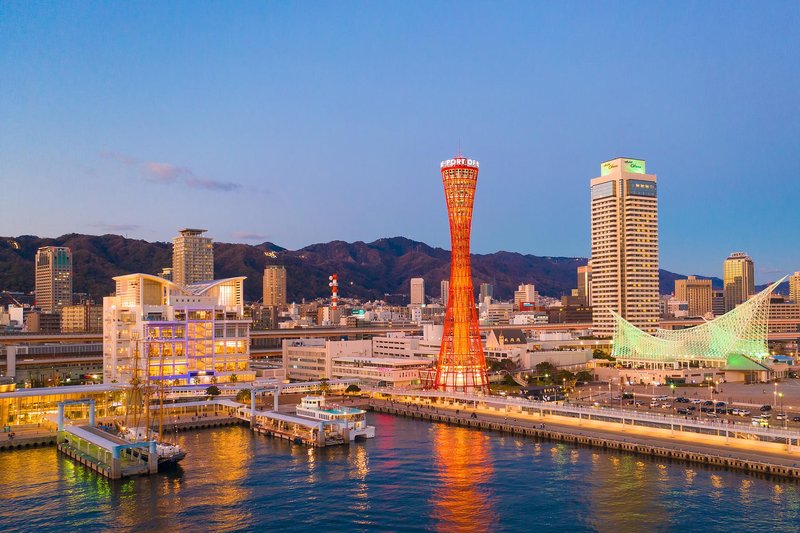
Hotels in Minakami
Discover your perfect stay in Minakami.
Minakami(Japan) Travel 2026: Cheap Flights, Hotels & Top Attractions
Popular Landmarks in Minakami
Discover the most iconic attractions in Minakami
Recommended Hotels in Minakami
Find the perfect place to stay in Minakami
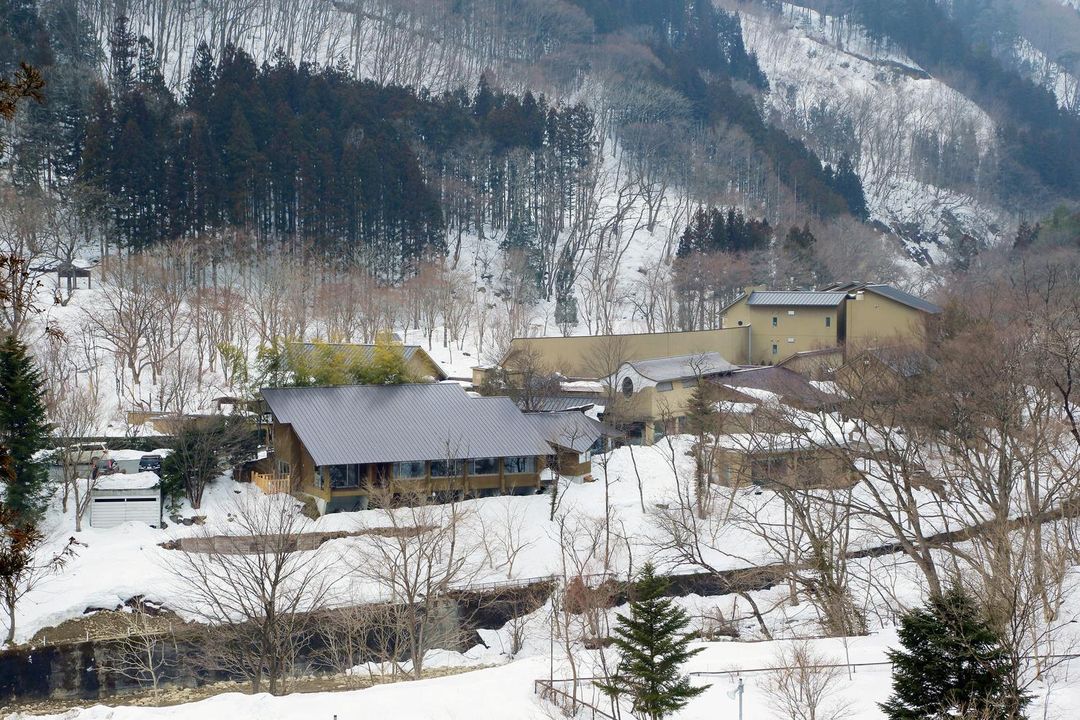
Bettei Senjyuan
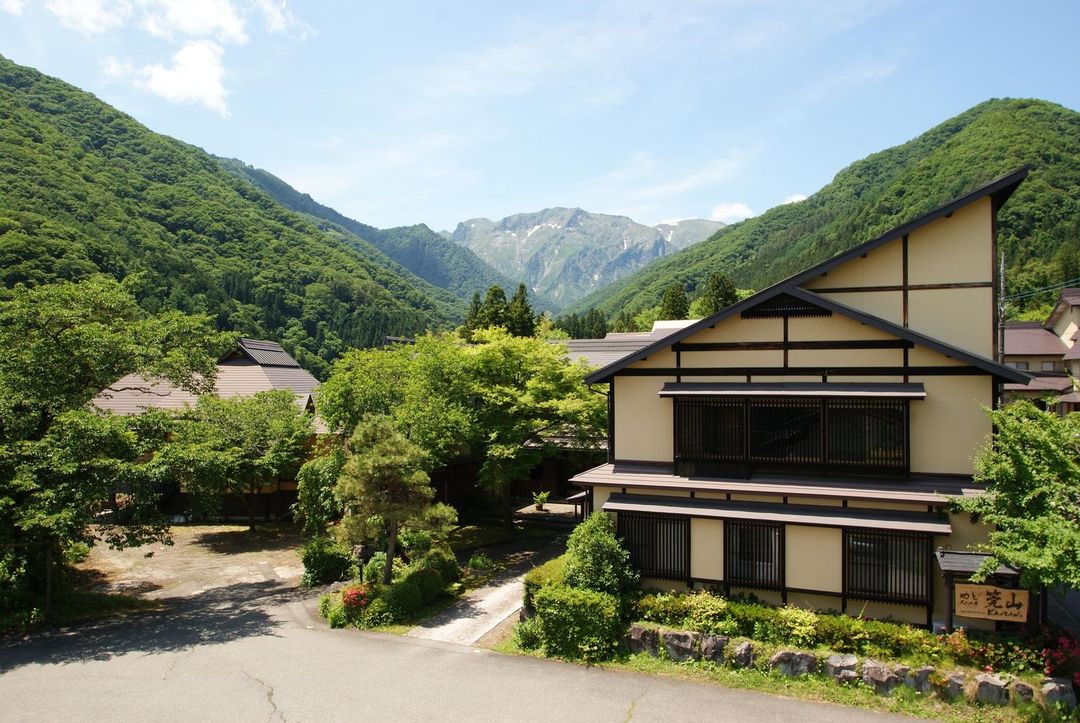
Kanzan
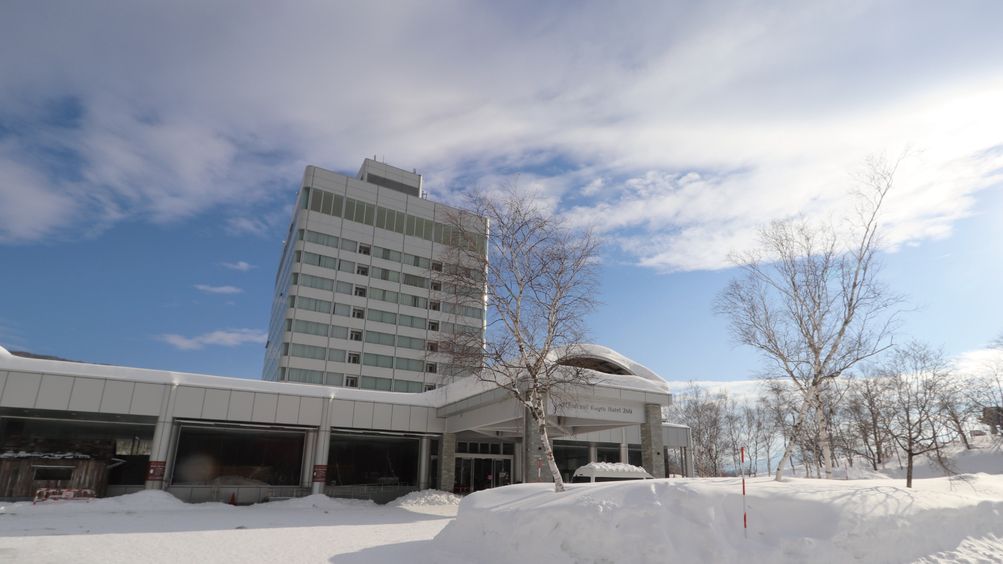
Minakami Kogen Hotel 200
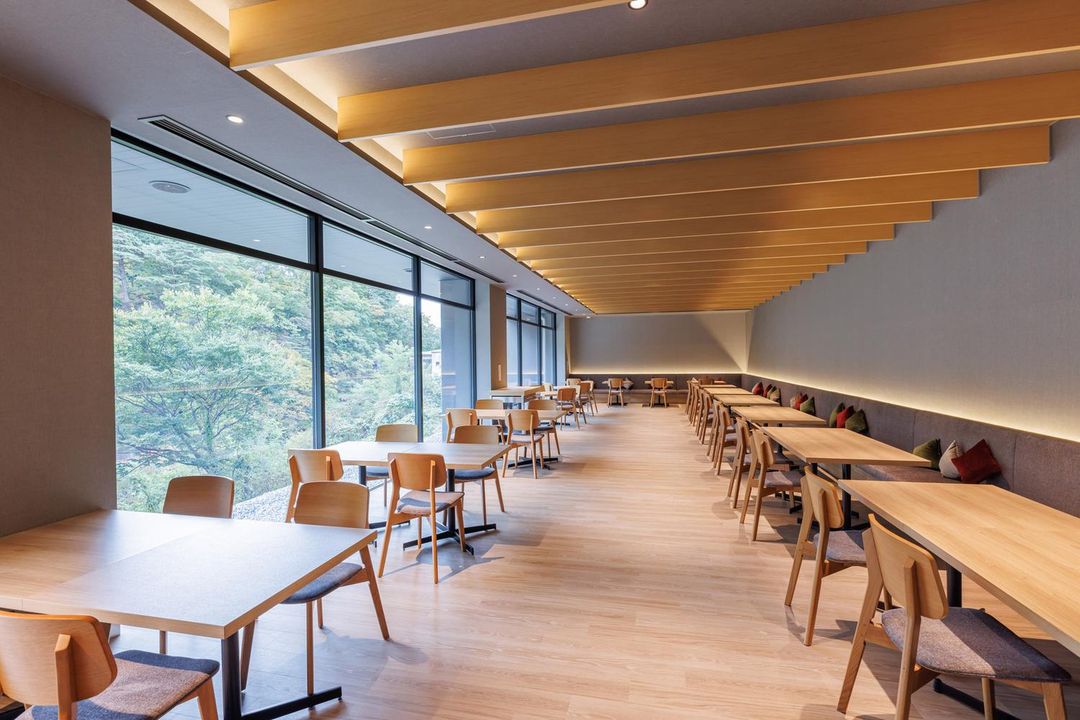
Minakami Onsen Aratashi Minakami
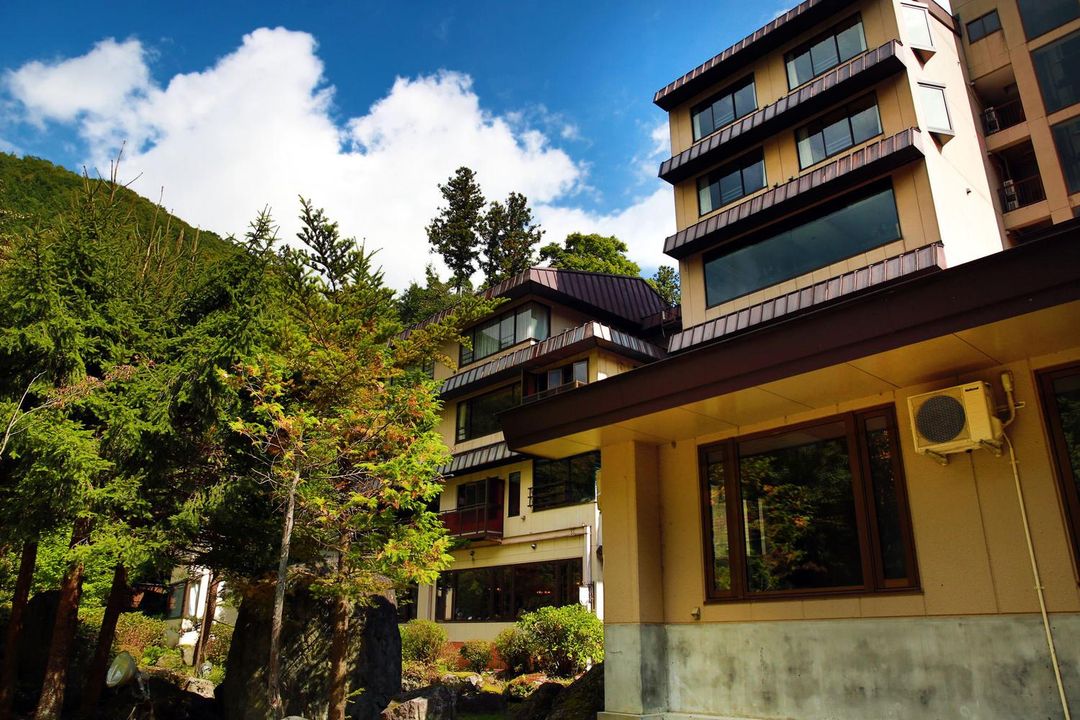
Minakamisansou
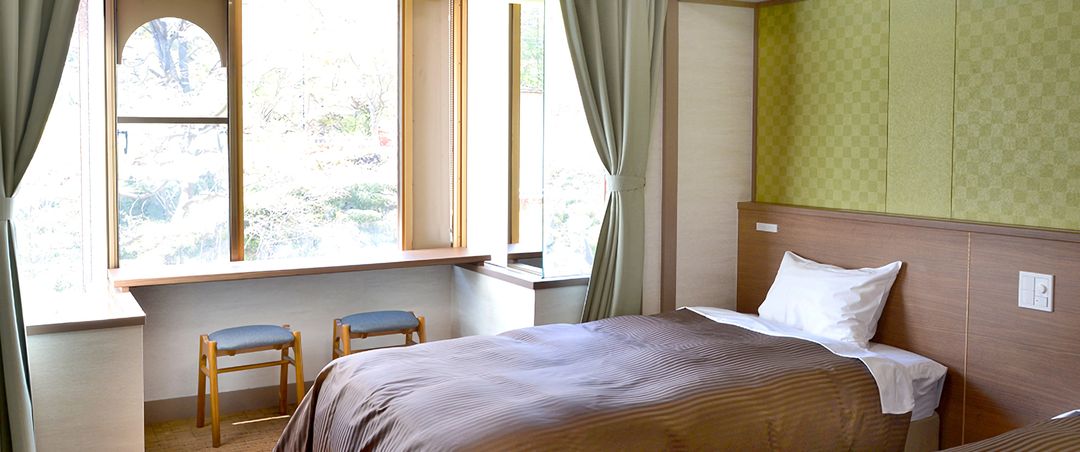
Matsunoi
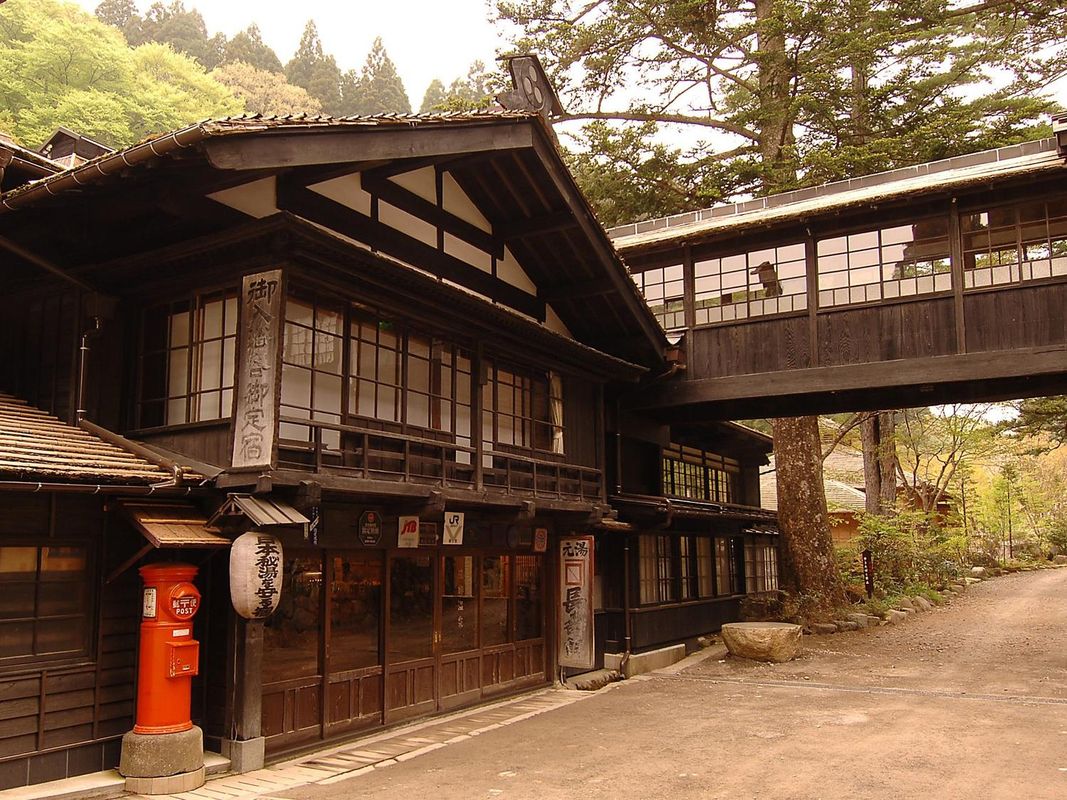
Houshi Onsen Chojukan
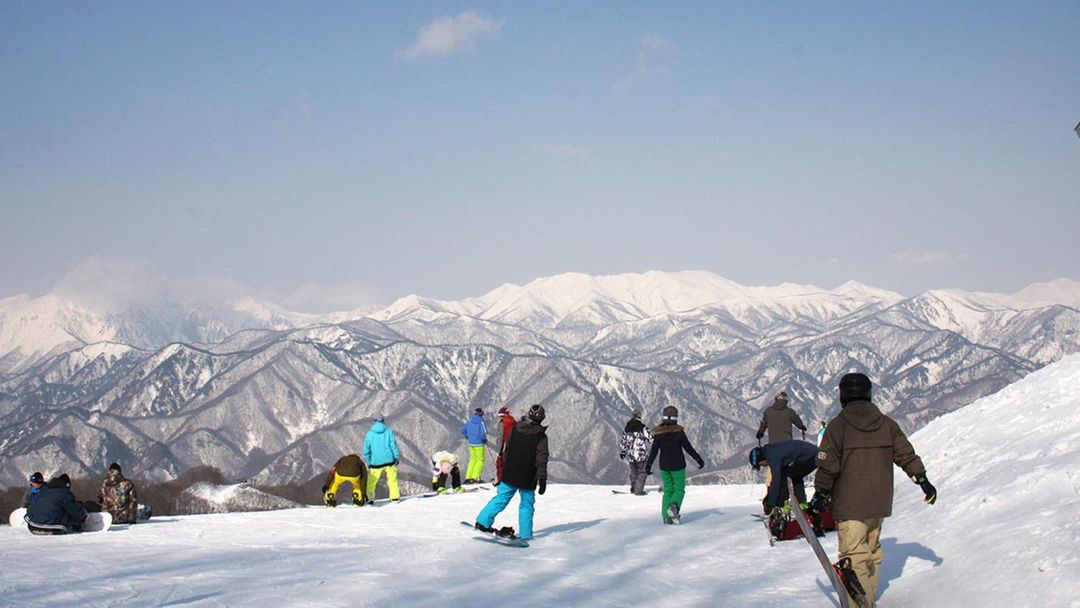
Kinseikan Seseragi
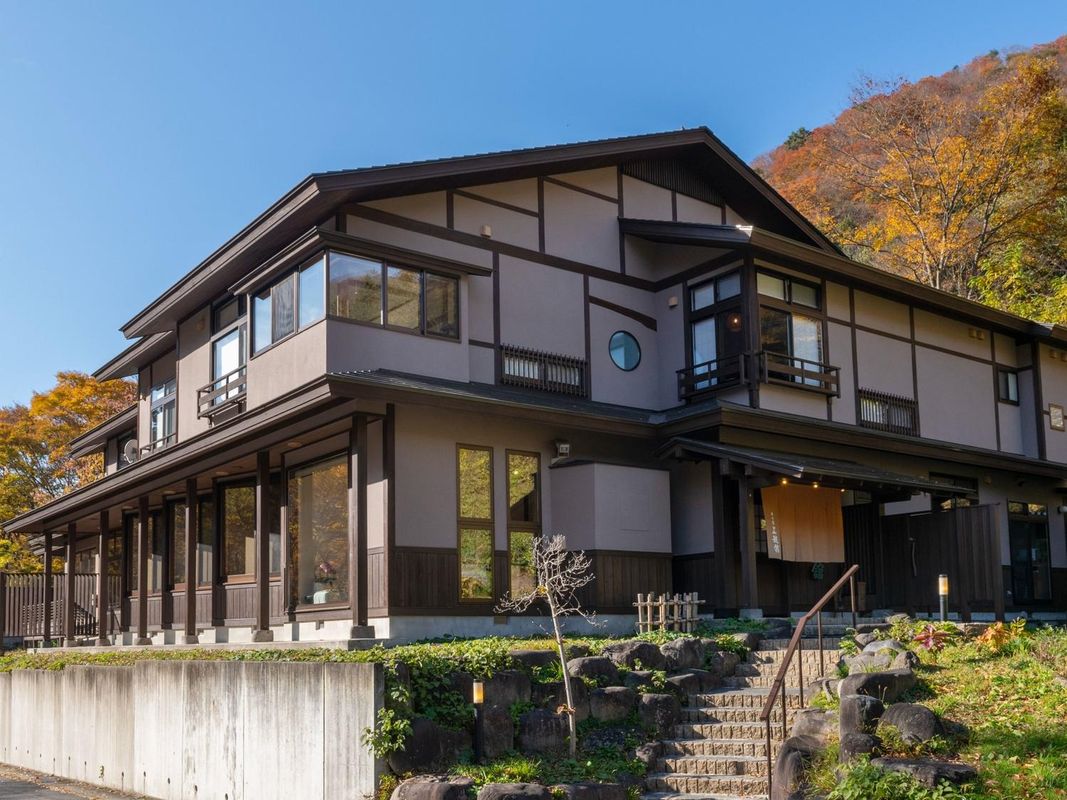
Joetsukan
Best Hotels in Minakami
Discover curated hotel collections in Minakami
Fufu Karuizawa Wind of Sunshine
Hotel Taiko, Akakura Onsen
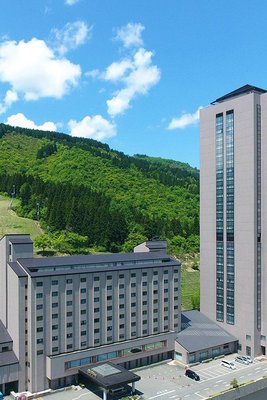
Naspa New Otani
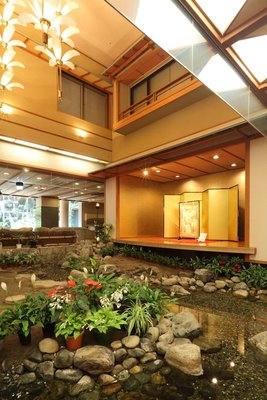
Hotel Futaba
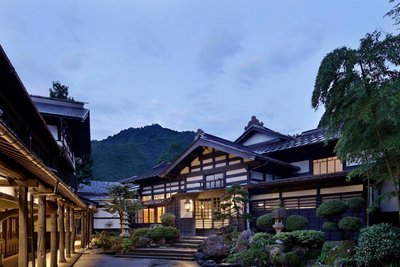
Ryugon
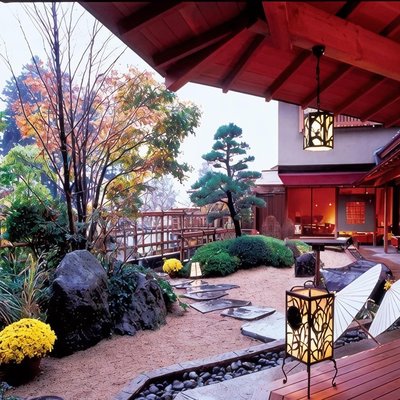
Oyado Tamaki

Tokinoniwa
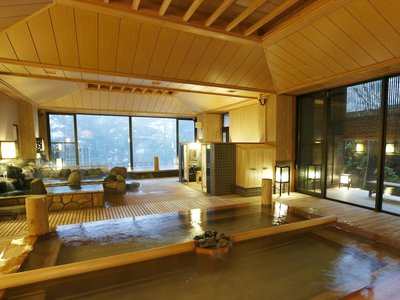
Konoha
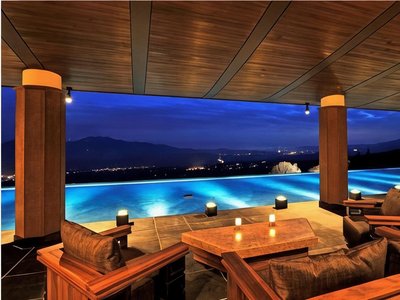
Akakura Kanko Hotel
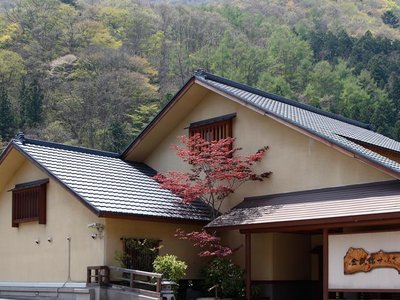
Kinseikan Seseragi
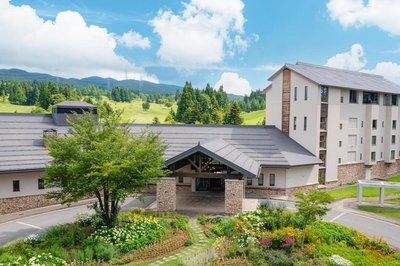
Atema Kogen Resort Belnatio
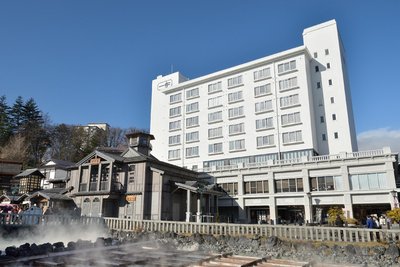
Kusatsu Onsen Hotel Ichii
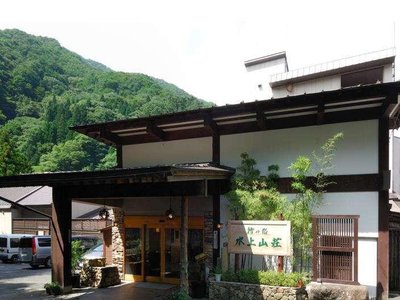
Minakamisansou
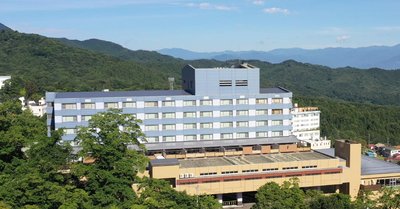
Hotel Kogure
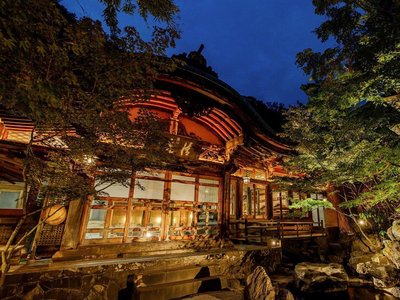
Yorozuya
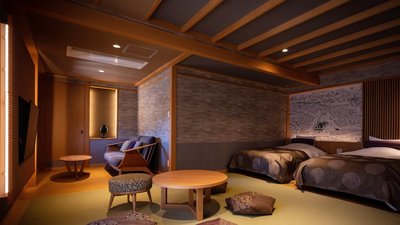
Naraya
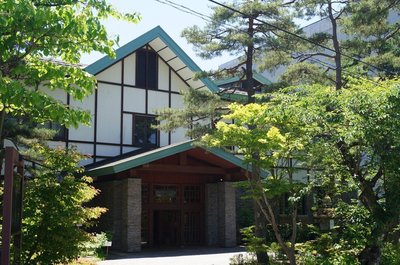
Senjukaku
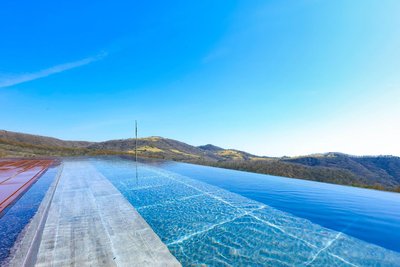
TAOYA Nikko Kirifuri
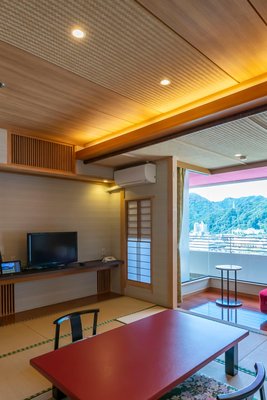
Kinugawa Grand Hotel Yume No Toki

Houshi Onsen Chojukan
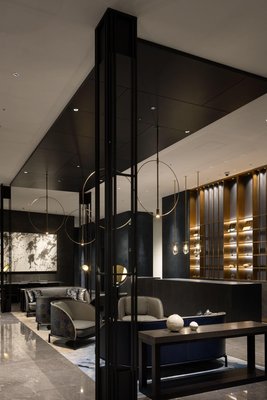
Bellustar Tokyo, A Pan Pacific Hotel
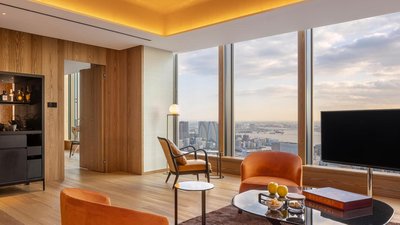
Bvlgari Hotel Tokyo
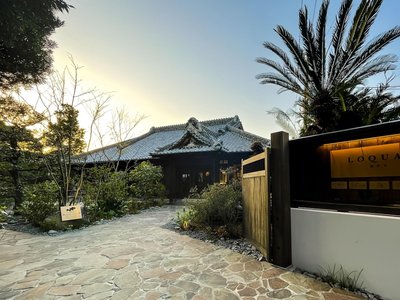
Loquat Nishiizu
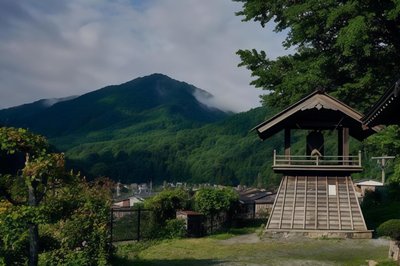
Byaku Narai
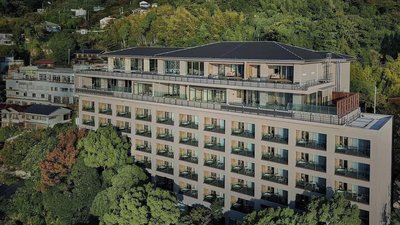
Atami Izusan Karaku
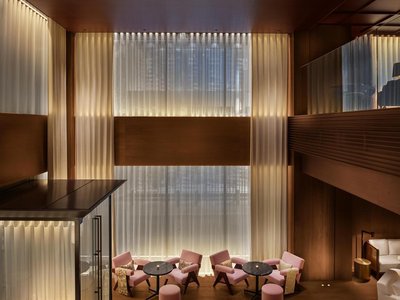
The Tokyo Edition, Ginza
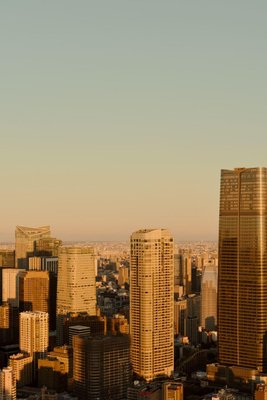
Janu Tokyo
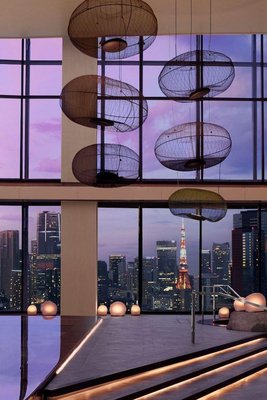
JW Marriott Hotel Tokyo
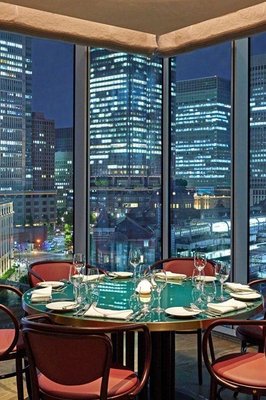
Four Seasons Hotel Tokyo at Marunouchi

Mandarin Oriental, Tokyo
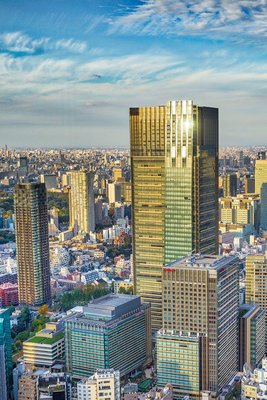
The Ritz-Carlton, Tokyo
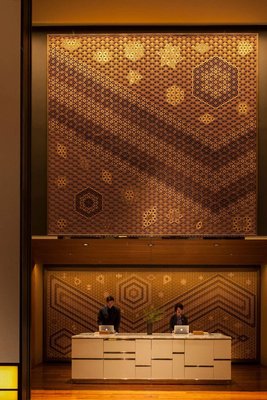
Andaz Tokyo Toranomon Hills- A Concept by Hyatt
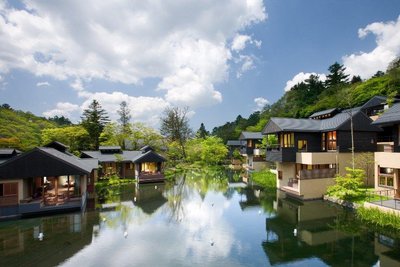
Hoshinoya Karuizawa
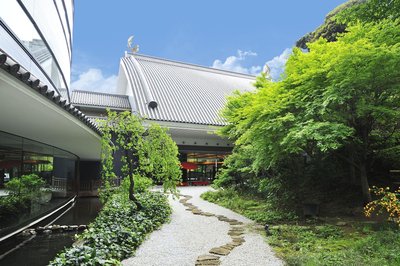
Hotel Gajoen Tokyo
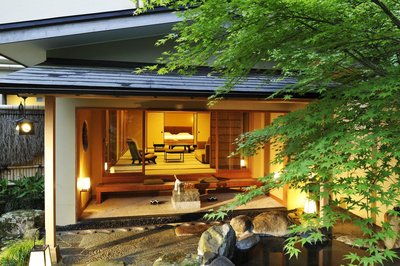
Gora Kadan
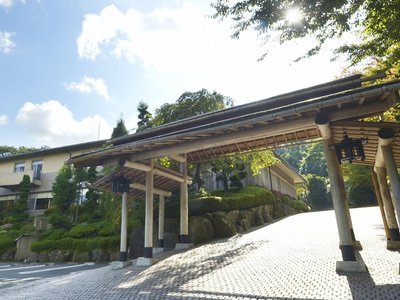
Gora Hanaougi
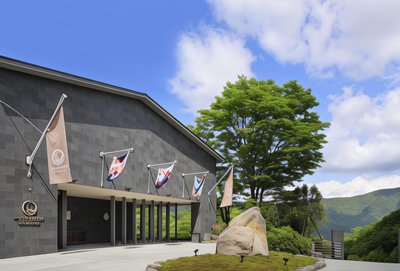
The Hiramatsu Hotels & Resorts Sengokuhara Hakone
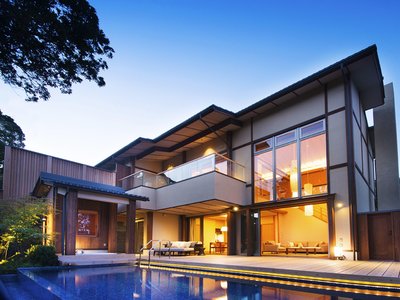
Abba Resorts Izu - Zagyosoh
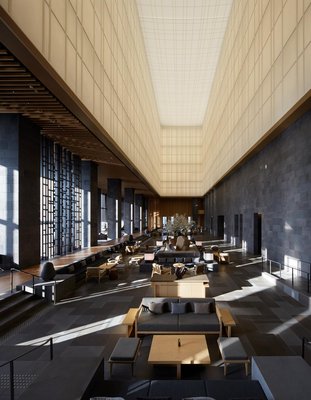
Aman Tokyo
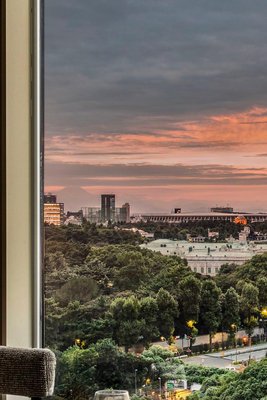
Hotel New Otani Tokyo, Executive House Zen
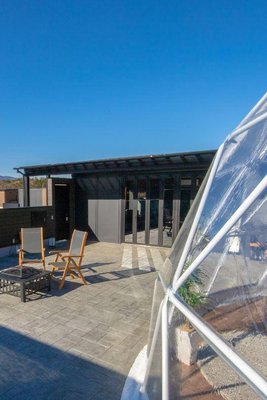
Panoramic Mt. Fuji Views from All Rooms – Vision Glamping Resort & Spa Yamanakako
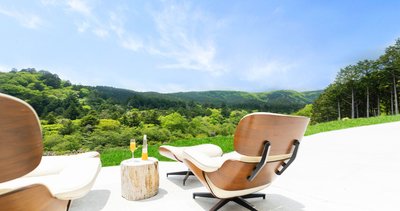
Shelter Garden Nikko
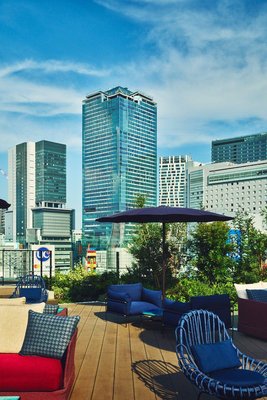
Hotel Indigo Tokyo Shibuya
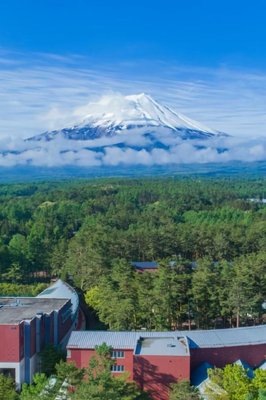
Forest Village (Fuji Premium Resort)
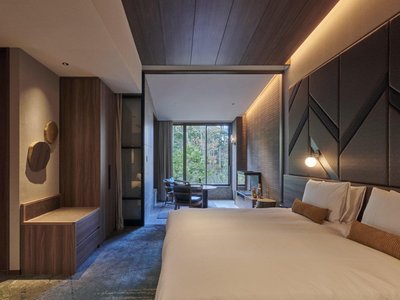
Fufu Kyu-Karuizawa Restful Forest
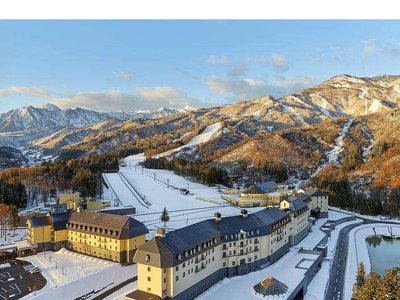
Lotte Arai Resort
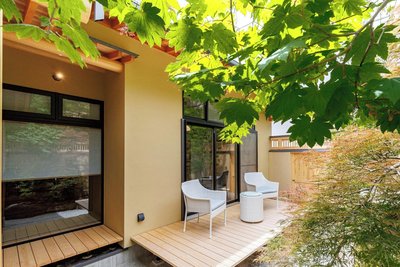
Shoraiso
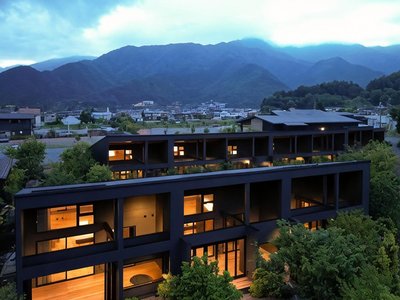
7C Villa and Winery
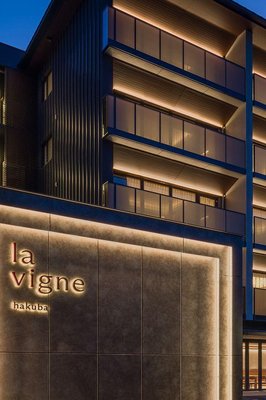
Hotel la Vigne Hakuba by Onko Chishin
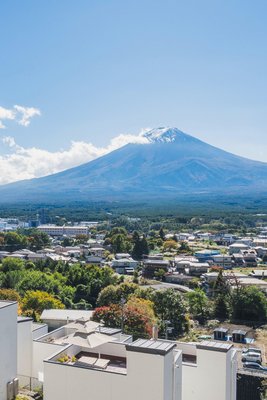
THE TOKI FujiKawaguchiko
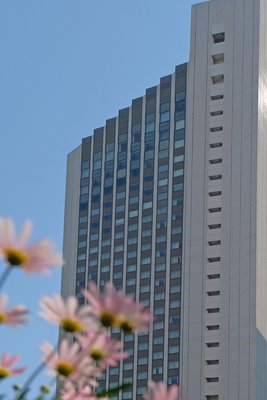
ANA InterContinental Tokyo
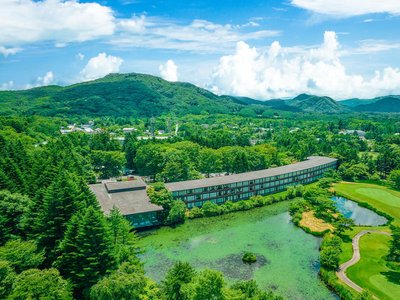
The Prince Karuizawa
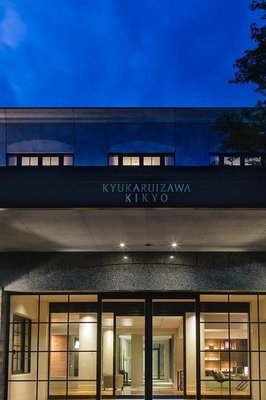
Kyukaruizawa Kikyo, Curio Collection by Hilton
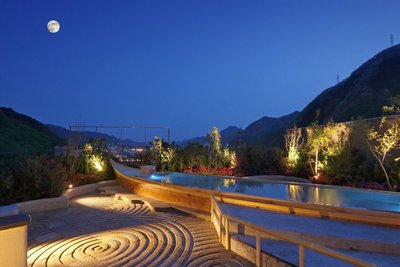
Asaya
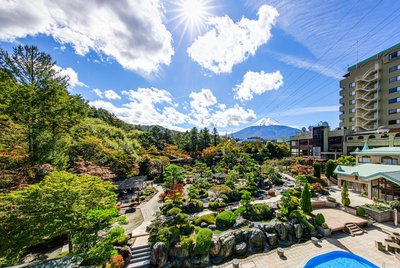
Kaneyamaen
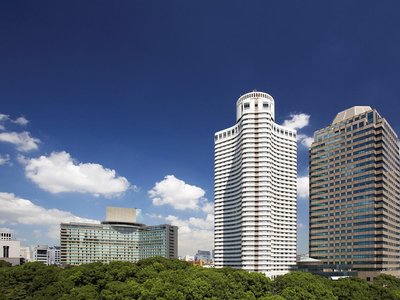
Hotel New Otani Tokyo Garden Tower
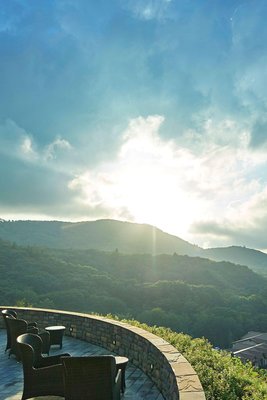
Le Grand Karuizawa Hotel & Resort
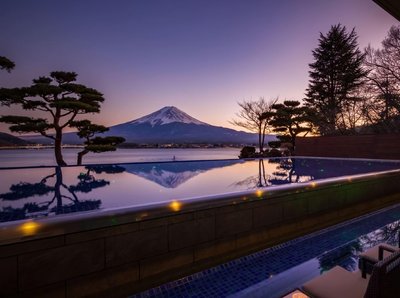
Shuhokaku Kogetsu
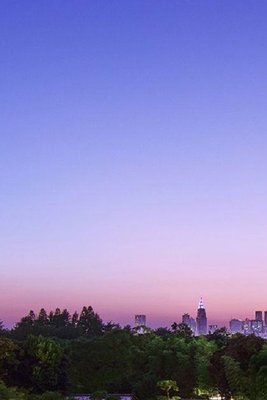
Hotel New Otani Tokyo the Main
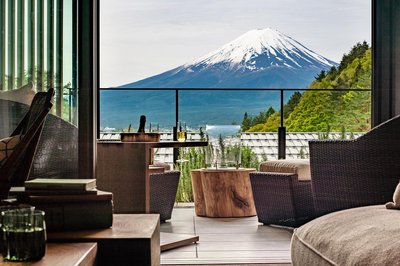
FUFU Kawaguchiko
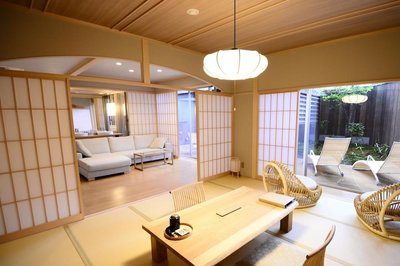
Hakone Gora Byakudan
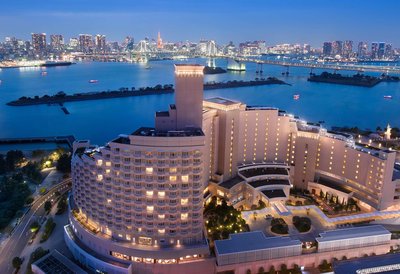
Hilton Tokyo Odaiba
JW Marriott Hotel Tokyo
The Prince Karuizawa
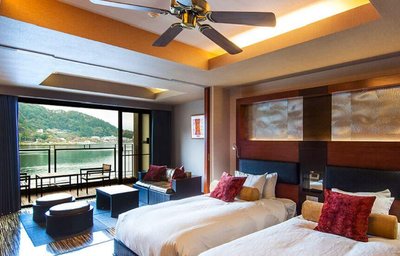
The Kukuna
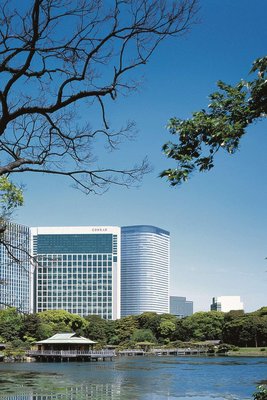
Conrad Tokyo
Hoshinoya Karuizawa
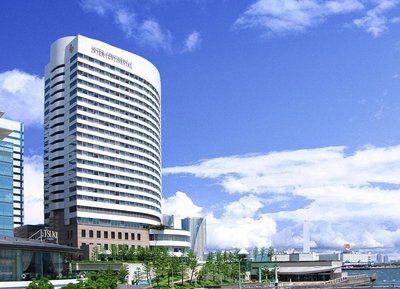
InterContinental Tokyo Bay
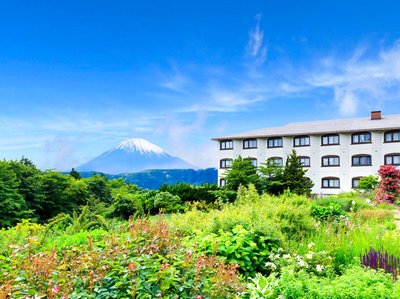
Hotel Green Plaza Hakone
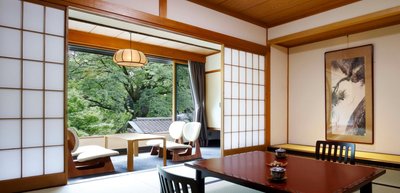
Yoshiike Ryokan
Akakura Kanko Hotel
Asaya
Kaneyamaen
Shuhokaku Kogetsu
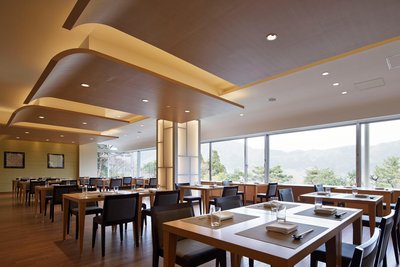
Laforet Hakone Gora Yunosumika
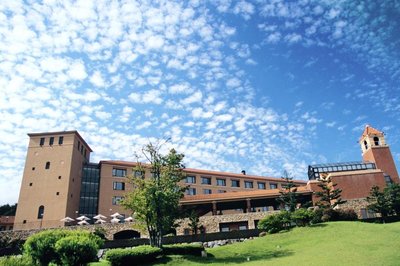
Fruit Park Fujiya Hotel

Hotel Indigo Hakone Gora
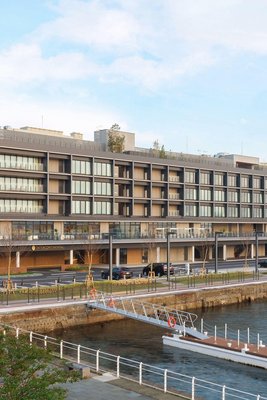
InterContinental Yokohama Pier 8
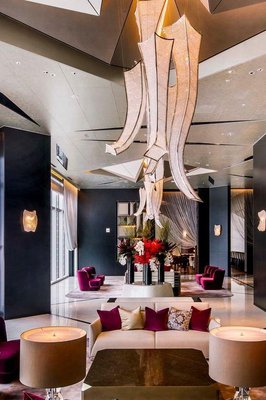
The Kahala Hotel & Resort Yokohama
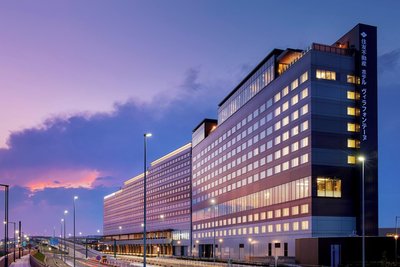
Villa Fontaine Premier Haneda Airport
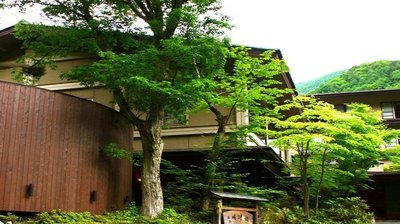
Myojinkan

The Address Akakura
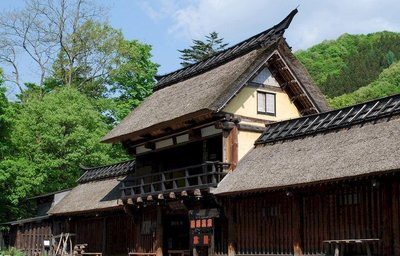
Kayabukinosato Yakushionsen Hatago
Hotel Futaba
Ryugon
Tokinoniwa
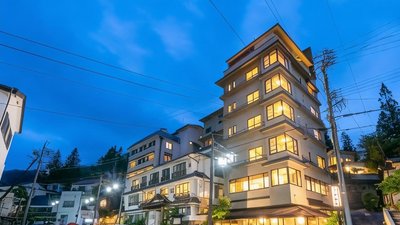
Nakamatsuya Ryokan
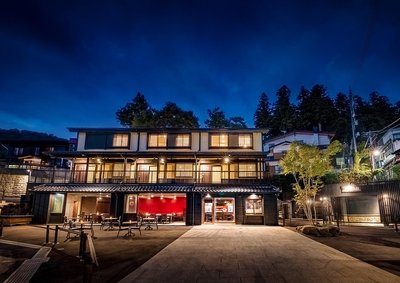
Ryokan Sakaya
Akakura Kanko Hotel
Asaya
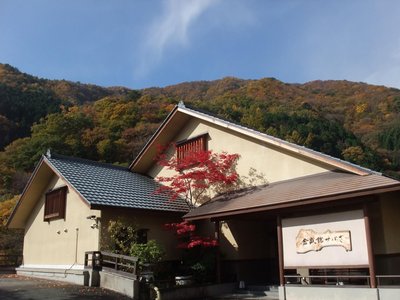
Kinseikan Seseragi
Kusatsu Onsen Hotel Ichii
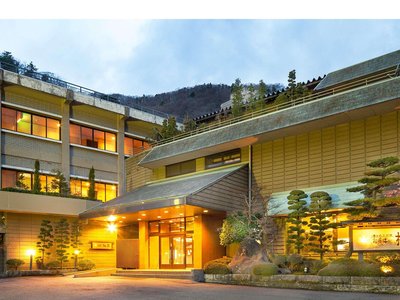
Shofuro Matsuya
Yorozuya
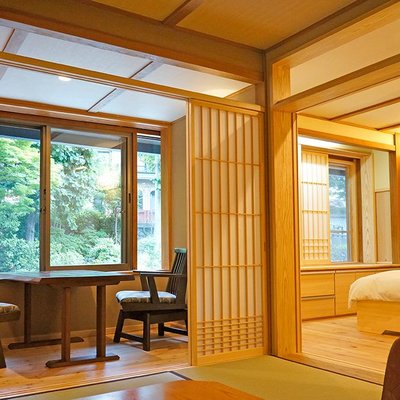
Sumiyosiya Ryokan
Naraya
Senjukaku
Kinugawa Grand Hotel Yume No Toki
Houshi Onsen Chojukan
Fruit Park Fujiya Hotel
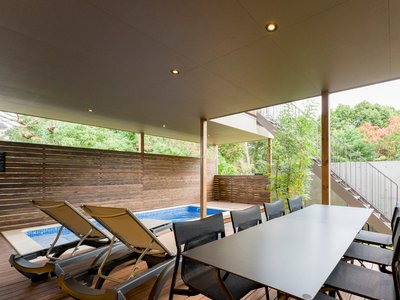
Rakuten STAY VILLA Kamogawa
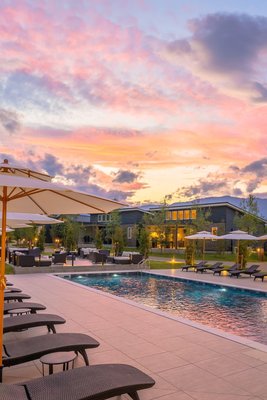
Awaumi Fujikawaguchiko Resort
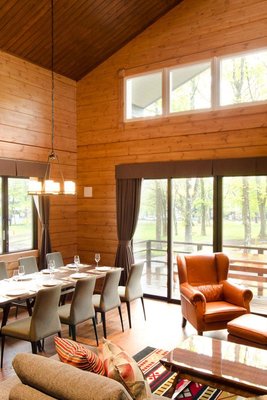
The Prince Villa Karuizawa
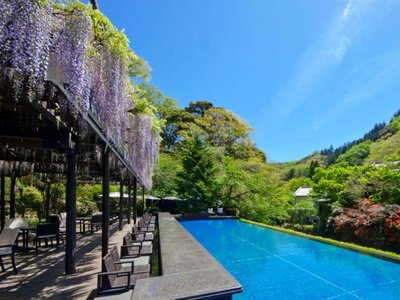
Tofuya Resort & Spa Izu
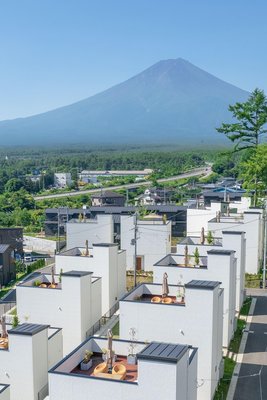
Fuji Granvilla -TOKI-
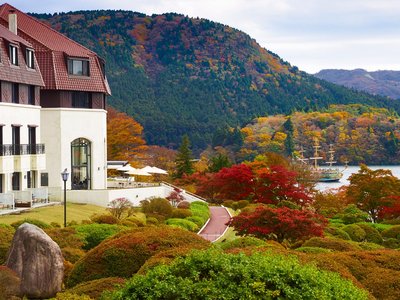
Hotakajyo
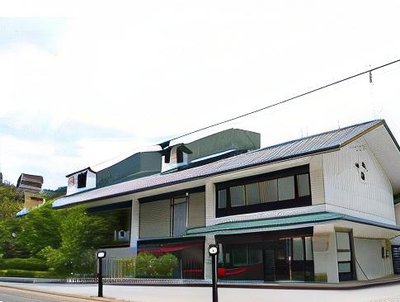
Auberge Suzukane

Onyado Nono Asakusa Bettei Hot Spring
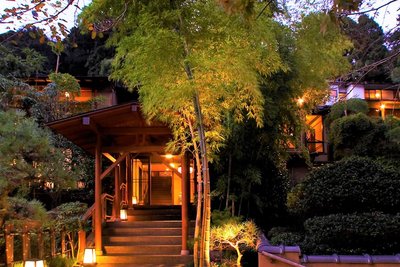
Shiki wo Ajiwau Yado Yamano Chaya
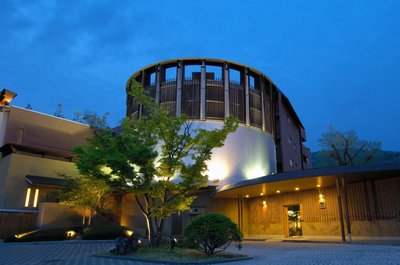
Hoshino Resorts Kai Matsumoto
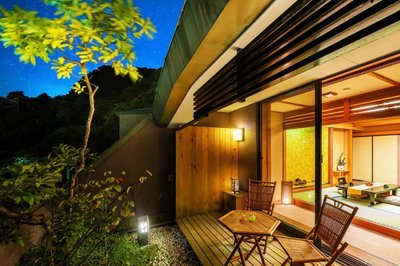
Konjakutei
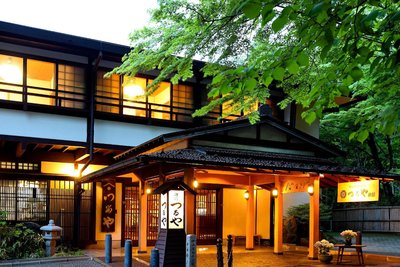
Tsuruya Ryokan
Nakamatsuya Ryokan
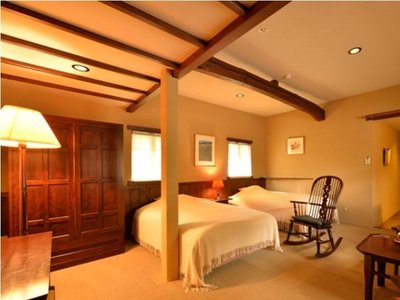
Ryokan Sugimoto
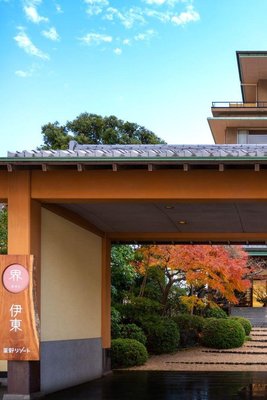
Hoshino Resorts Kai Ito
Yoshiike Ryokan
Hotel Gajoen Tokyo
Gora Hanaougi
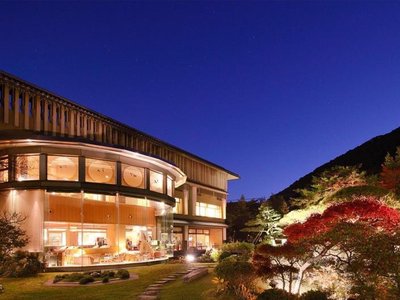
Shikisai Ichiriki
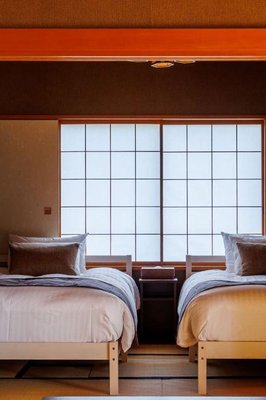
Sado Resort Hotel Azuma
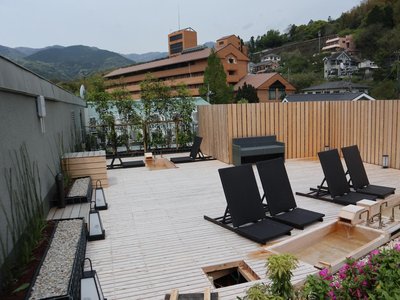
Fukiya Ryokan
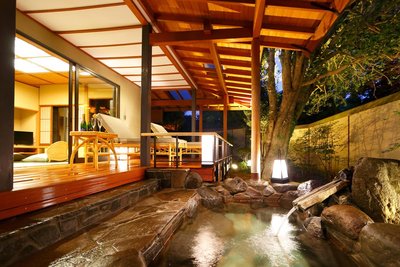
Yoshiharu Ryokan – Izu Nagaoka Onsen
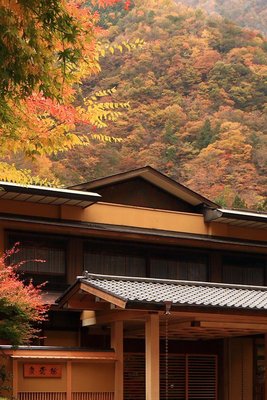
Nishiyama Onsen Keiunkan
Sumiyosiya Ryokan
Naraya
The Address Akakura
Naspa New Otani
The Prince Karuizawa
Hotel Futaba
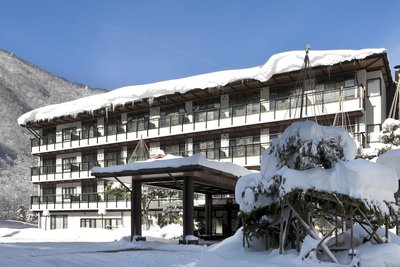
Okada Ryokan Warakutei
Ryokan Sakaya
Kyukaruizawa Kikyo, Curio Collection by Hilton
Akakura Kanko Hotel
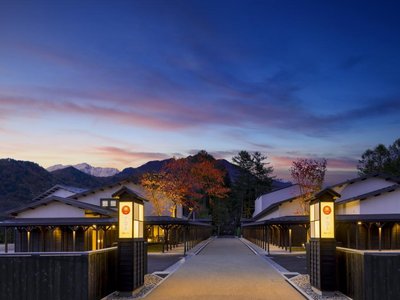
Hoshino Resorts KAI Alps
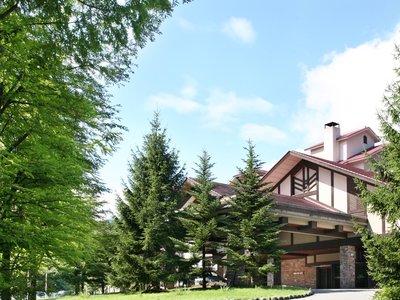
Hakuba Tokyu Hotel
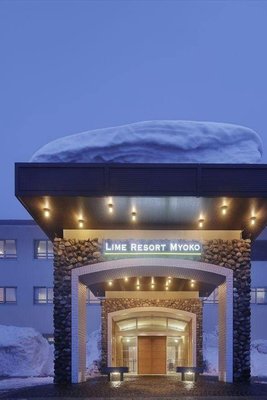
Lime Resort Myoko
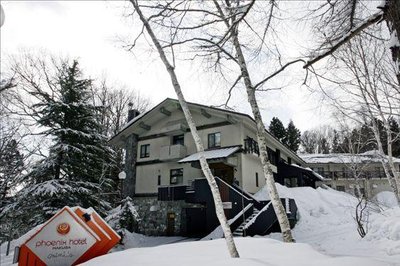
Phoenix Hotel by Hhg
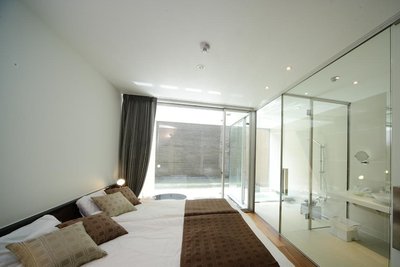
Four Seasons Yuzawa Quattro
Courtyard by Marriott Hakuba
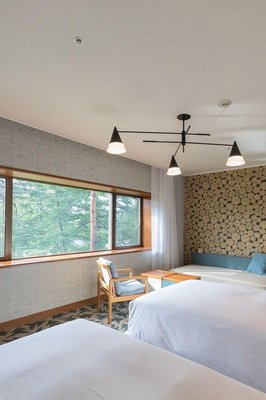
Karuizawa Prince Hotel East
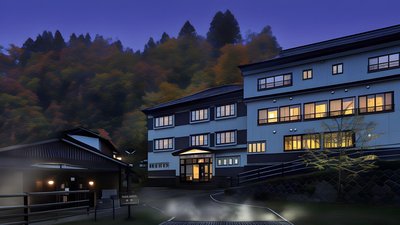
Zao Onsen Omiya Ryokan
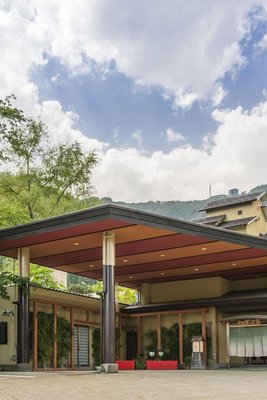
Shosenkaku Kagetsu
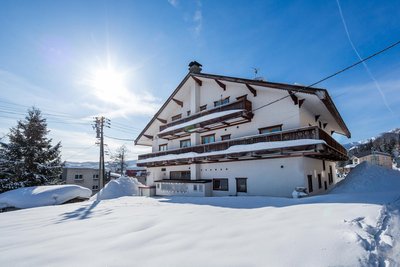
Marillen Hotel by Hhg
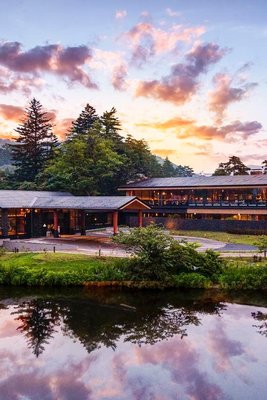
Karuizawa Prince Hotel West
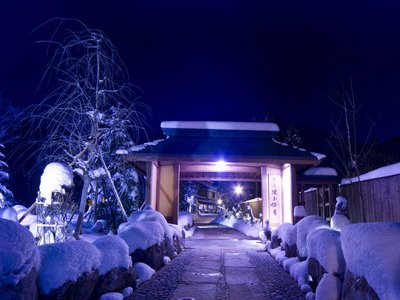
Miyama Ouan
Bvlgari Hotel Tokyo
Four Seasons Hotel Tokyo at Marunouchi
Mandarin Oriental, Tokyo
The Ritz-Carlton, Tokyo
Andaz Tokyo Toranomon Hills- A Concept by Hyatt
Gora Kadan
Hotel New Otani Tokyo the Main
Aman Tokyo
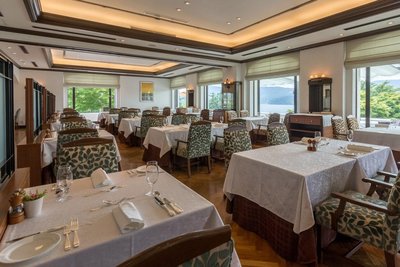
Odakyu Hotel de Yama
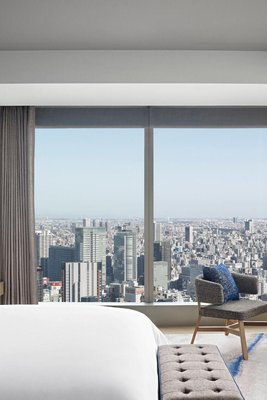
Four Seasons Hotel Tokyo at Otemachi
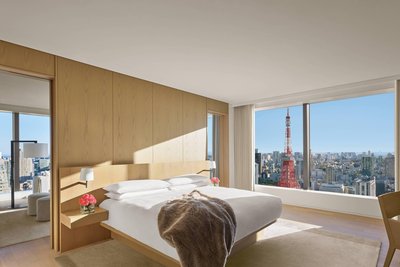
The Tokyo Edition, Toranomon

Hyatt Centric Kanazawa
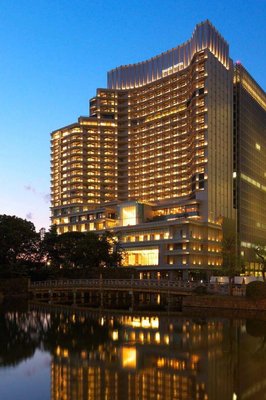
Palace Hotel Tokyo
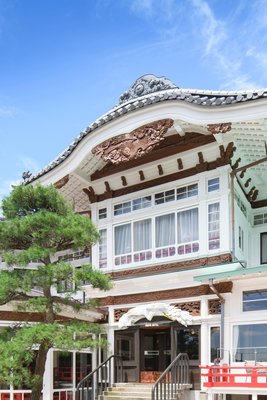
Fujiya Hotel
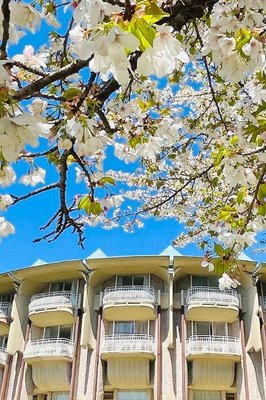
The Prince Hakone Lake Ashinoko
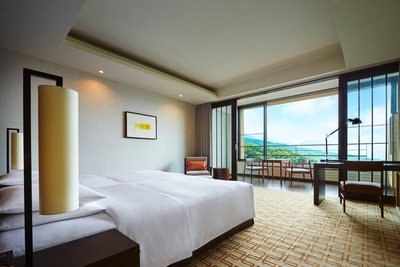
Hyatt Regency Hakone Resort and Spa
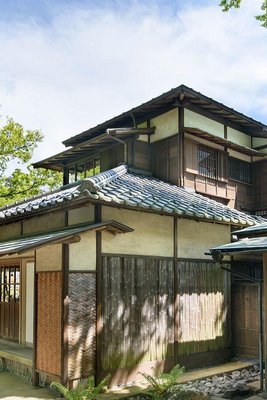
Hakone Suishoen
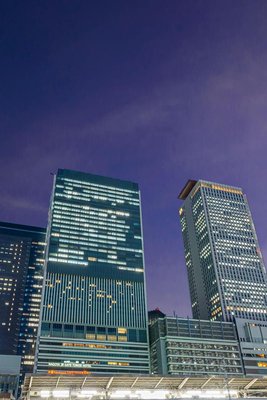
Nagoya JR Gate Tower Hotel (JR-Central Hotels)
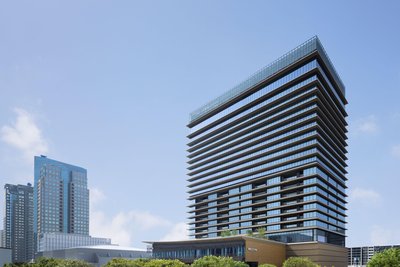
The Westin Yokohama
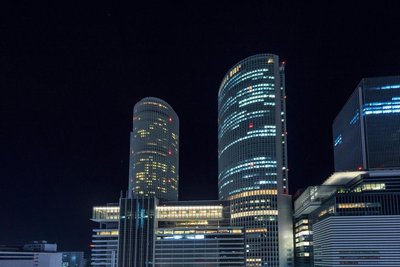
Nagoya Marriott Associa Hotel
Bellustar Tokyo, A Pan Pacific Hotel
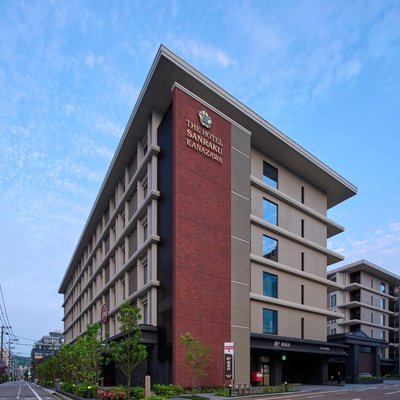
The Hotel Sanraku Kanazawa 21th December 2022 Open
JW Marriott Hotel Tokyo
Andaz Tokyo Toranomon Hills- A Concept by Hyatt
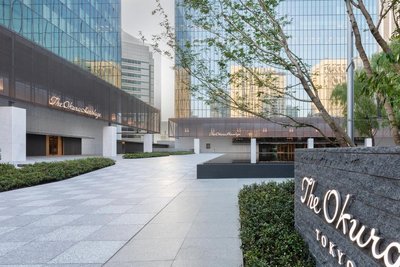
The Okura Tokyo
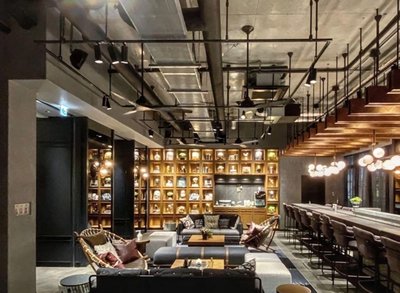
The Lively Azabujuban Tokyo
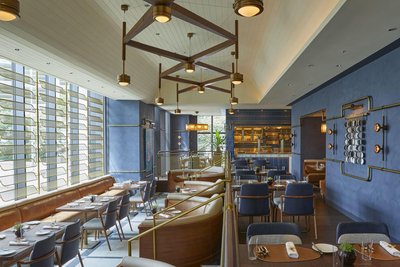
Kimpton Shinjuku Tokyo

HOTEL K5
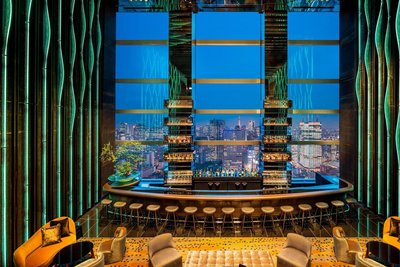
The Prince Gallery Tokyo Kioicho, a Luxury Collection Hotel
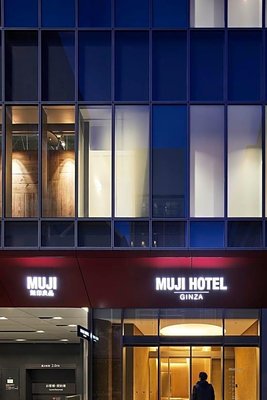
Muji Hotel Ginza
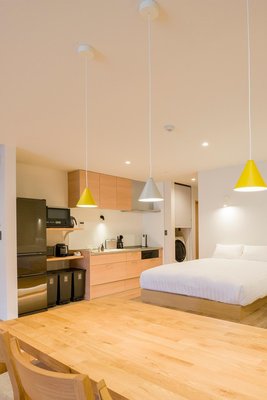
Rakuten STAY VILLA Nasu
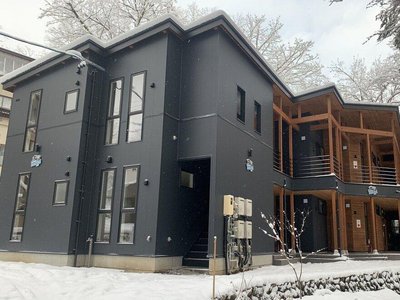
Hakuba Gondola Apartments
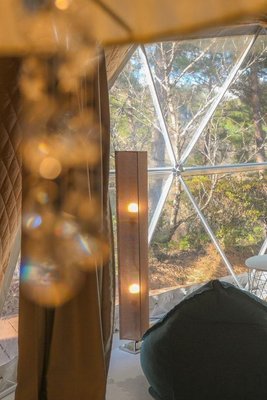
glampark Gekkabijin Nagano
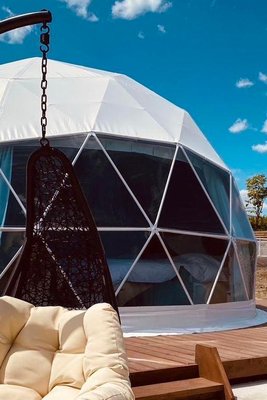
chillout glamping zao
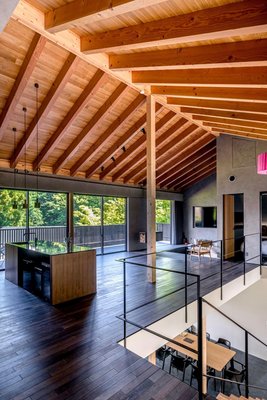
MONS GORA
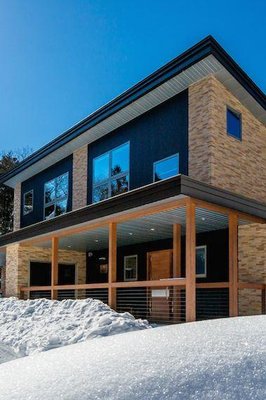
Phoenix Chalets by Hhg
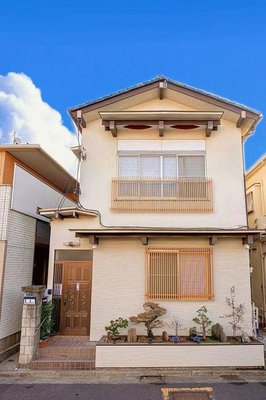
Tokyo Star House-Shinkoiwa
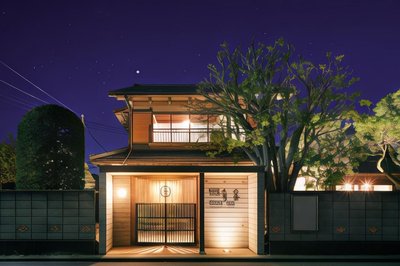
Machi-Jyu
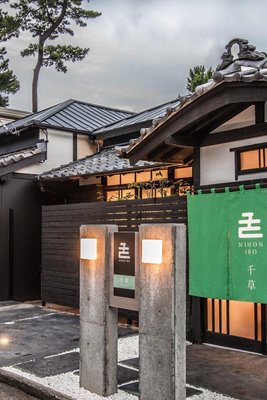
Nihon Iro
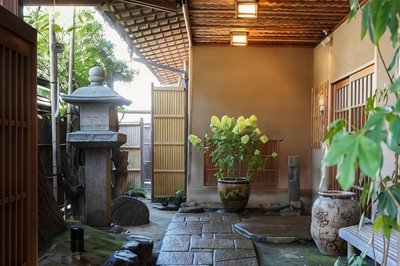
Ryokan Asadaya
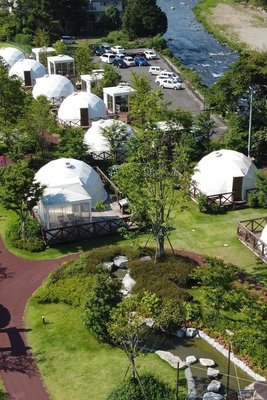
Ufufu Village
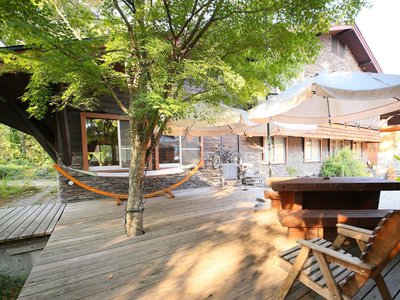
Kunugi Relaxation with 4 Modern Rooms
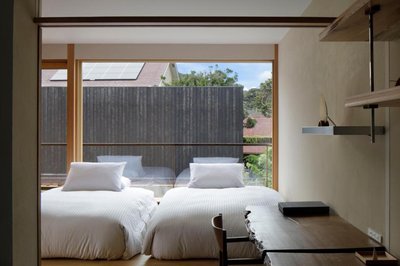
Modern Ryokan Kishi-ke
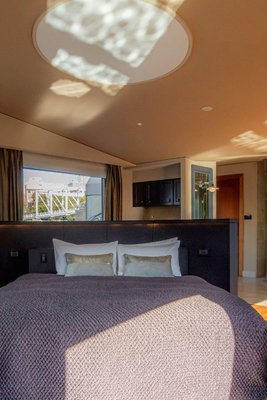
Petals Tokyo - Floating Hotel
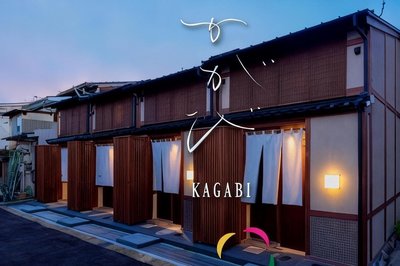
Kagabi Machiya House
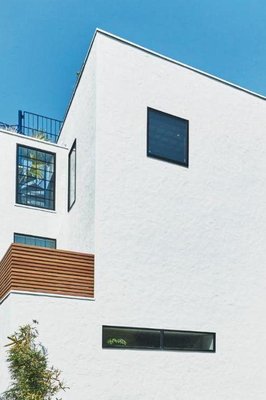
The Flow Kamakura
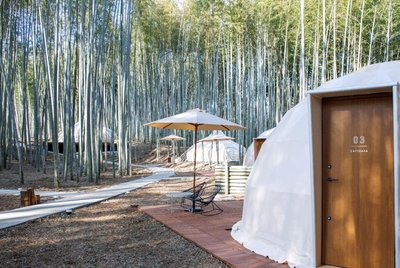
THE BAMBOO FOREST
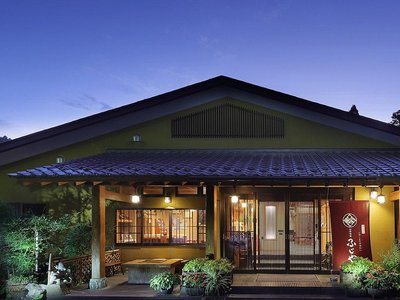
Shikimitei Fujiya
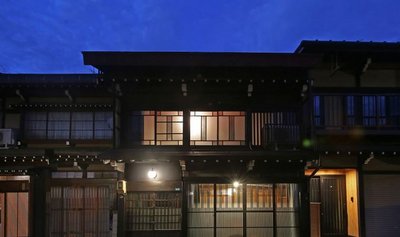
Iori Stay Hida
Frequently Asked Questions about Traveling to Minakami
Questions You Might Need to Know About Traveling to Minakami
In Mizukawa Town, the top ski-in/ski-out option is Mizukawa Onsen Hotel, located directly adjacent to the Mizukawa Ski Resort. This traditional Japanese-style lodge offers rooms with panoramic mountain views, heated floors, and private balconies overlooking snow-covered slopes. Guests can access the ski lifts via a covered walkway, making it ideal for winter sports enthusiasts.
Another excellent choice is Gunma Prefectural Natural Park Resort, nestled near Kusatsu Onsen. It features spacious cabins with indoor hot springs and direct trails into forested slopes. The resort also provides free ski equipment rental, guided tours, and après-ski wellness sessions—perfect for families and adventure seekers looking for convenience and comfort.
The best areas for accommodations in Mizukawa Town are the Mizukawa Station vicinity and the Kusatsu Onsen district. The former offers easy access to shopping, dining, and the Mizukawa Ski Resort, making it ideal for travelers seeking convenience and activity hubs.
The latter, centered around Kusatsu Onsen, is renowned for its natural hot springs—the famed Kusatsu Hot Spring is one of Japan’s three great hot springs, with mineral-rich waters known for healing properties. Stay at a ryokan near the main bathhouse for easy access to public baths and evening strolls along lantern-lit streets. For a quieter retreat, consider eco-friendly cottages near Ootaki River Gorge, surrounded by forests and streams.
Visitors to Mizukawa Town should experience the Kusatsu Fire Festival (Yoiyama Festival) held annually in August—a vibrant summer event featuring illuminated floats, taiko drumming, and processions through historic streets. It ranks among Japan’s three major summer festivals.
Also recommended is the Aizome Indigo Dyeing Workshop at the Mizukawa Traditional Craft Center, where guests learn to hand-dye fabric using natural indigo from local plants. Another unique opportunity is the Mountain Herbal Walk, led by elder locals through the Akagi Mountain foothills, teaching about medicinal plants like ginseng and angelica used in Edo-era folk medicine. These immersive experiences offer deep insight into regional heritage and sustainable living.
The most renowned ryokan in Mizukawa Town is Tengu-ya Ryokan, located in Kusatsu Onsen, with over a century of tradition. Its natural hot spring water, drawn from 300 meters underground, is rich in sulfur and celebrated for relieving joint pain and fatigue.
The inn preserves Edo-period architecture, with an open-air bath overlooking the riverbank. Guests can also enjoy nightly kaiseki dinners made with seasonal ingredients. Another standout is Mizukawa Onsen Bettei Sora-no-Mori, which emphasizes "forest healing"—using locally sourced wood in its design and offering morning meditation sessions in the bathhouse. Both provide private onsen baths and exceptional hospitality.
For families visiting Mizukawa Town, Mizukawa Children's Nature House is a top pick—a purpose-built eco-lodge with child-sized cabins, a farmyard where kids can feed goats, and hands-on workshops like pottery and berry picking.
Another excellent option is Gunma Prefectural Nature Education Center Resort, located within the Mizukawa Forest Reserve. It offers camping tents, guided nature walks, and nighttime firefly viewing. All rooms include safety rails and baby cots, and the center runs a "Family Kitchen" program where parents and children cook traditional treats like rice cakes and mochi together. Seasonal events such as the "Forest Fairy Festival" feature live storytelling and character performances, making it a favorite among young travelers.
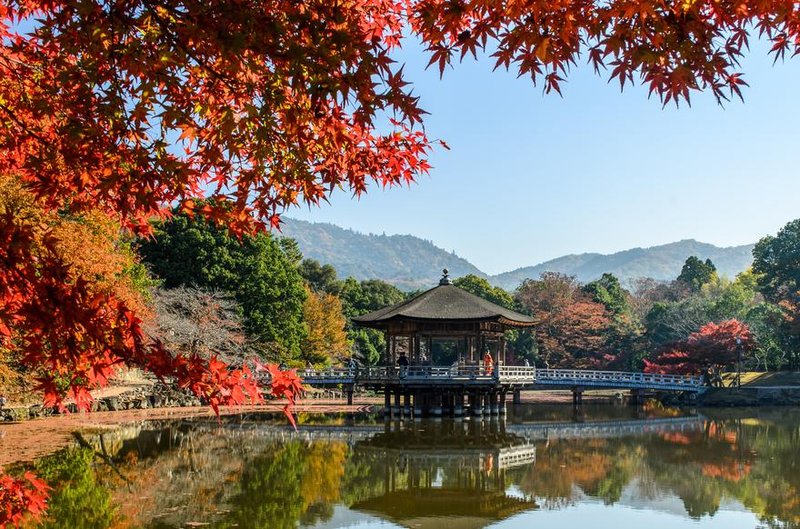
The best spot for autumn foliage in Mizukawa Town is Okusanagahara Valley at the foot of Akagi Mountain, where maple and ginkgo trees blaze in gold and crimson from late October to early November. The hiking trail along Akagi Mountain Path leads to Jinmai Pond, whose still surface reflects the fiery canopy like a mirror.
Another must-visit is the Mizukawa Nature Park Scenic Overlook, offering sweeping views across the valley. The park features picnic zones and tea houses where you can sip matcha while watching the sunset paint the hills in orange hues. Some hotels even host "Foliage Night Illumination Events," with lanterns lining paths for a magical evening stroll.
Mizukawa Town’s cherry blossom season comes alive during the Mizukawa Cherry Blossom Festival (early April), when thousands of sakura trees bloom along Mizukawa Park and Ootaki Riverbanks, lit up in soft pink lights at night to create a "Sakura Tunnel."
At Kusatsu Onsen, guests can join the Hanami Tea Ceremony, held in a tranquil garden setting with traditional tea served alongside wagashi sweets and live koto music. Many ryokans offer "Cherry Blossom Special Kaiseki Meals" featuring seasonal ingredients like cherry blossoms, wild greens, and fresh seafood. Families can also enjoy "Sakura Handprint Art Workshops" and kite-flying contests—ideal for creating lasting memories.
Must-try dishes in Mizukawa Town include Akagi Matsutake Hot Pot, made with wild matsutake mushrooms harvested from the mountains and simmered in local beef broth—rich, aromatic, and deeply satisfying.
Another highlight is Kusatsu Pickled Vegetable Set Meal, featuring homemade pickles like cucumber, eggplant, and radish, served with fresh rice and miso soup—perfectly balanced and full of umami. Don’t miss local honey plum wine, crafted by regional beekeepers with a delicate floral finish.
For a true taste of the region, participate in the Farm-to-Table Experience, where you dine at a local farmhouse with meals prepared from ingredients grown just steps away—including grilled rice, tempura vegetables, and home-brewed sake—offering an authentic taste of rural life.
Photographers will love Shinonome Pond at the foot of Akagi Mountain, especially at dawn when mist curls above the still water, reflecting the fiery red and gold maple leaves—an ideal scene for mirror photography.
The Ootaki River Gorge Trail offers dramatic perspectives: lush moss-covered cliffs, crystal-clear streams, and sunlight filtering through dense canopy—perfect for macro shots of dewdrops and ferns. The lantern-lined alleys of Kusatsu Onsen Street provide classic Japanese street photography, especially during twilight.
For astrophotography, visit the Mizukawa Observatory, which opens on clear nights to capture the Milky Way arching over the mountains. Some lodges even offer guided "photography tour packages" with expert local photographers to help find the perfect shot.
The easiest way to reach Mizukawa Town is by taking the JR East Takasaki Line to Mizukawa Station, then transferring to city buses or taxis. For those driving, exit at the Mizukawa Interchange on the Kosoku Expressway, offering scenic drives through mountain passes.
Within the town, the Mizukawa Town Tourist Bus runs loop routes connecting key attractions like Kusatsu Onsen, Akagi Mountain, and Mizukawa Park, with affordable fares and frequent departures. Outdoor adventurers can rent electric bikes or roller carts at the Tourism Center to explore forest trails and riverside paths. Many hotels offer complimentary shuttle services—book in advance to maximize convenience and time efficiency.
Minakami Overview
City Summary
Minakami is a mountainous town in northern Gunma Prefecture, Japan, renowned for its natural beauty and hot springs. Surrounded by majestic mountains and clear rivers, it offers stunning seasonal landscapes that attract nature lovers. Known for its abundant hot spring resources and unique rural culture, Minakami is an ideal getaway from city life.
Food Guide
In Minakami, you can enjoy authentic mountain cuisine and hot spring delicacies. Beyond ramen and soba, we recommend trying "Miso Pork Hot Pot" and "Mountain Vegetable Tempura". Don't miss the hot spring manju (steamed buns) and red bean soup for dessert.
Transportation Guide
Minakami primarily relies on buses and taxis for transportation. From Tokyo, take the Shinkansen to Takasaki Station, then transfer to a bus to Minakami. Attractions within town are close together, making walking or bicycle rentals good options. Note that winter travel may be affected by snow.
Best Time to Visit
The best times to visit are spring (April-May) and autumn (September-October) when the weather is pleasant and scenery at its best. Winter (December-February) is ideal for hot spring enthusiasts, but be mindful of potential snow-related travel disruptions.
Travel Tips
- Always shower before entering hot springs
- Pack warm clothes for variable mountain temperatures
- Respect local customs - maintain silence in temples
- Cash remains the primary payment method in rural areas
- Some restaurants require reservations
- Winter driving requires snow tires
Useful Information
Japanese is the main language, with some tourist spots offering basic English assistance. WiFi coverage is limited - consider getting a local SIM card. Medical facilities are concentrated in Minakami town; dial 119 for emergencies. Most shops accept credit cards, but small vendors are cash-only. Tap water is safe to drink, but hot spring water is strictly not for consumption.