Minamata(Japan) Travel 2026: Cheap Flights, Hotels & Top Attractions
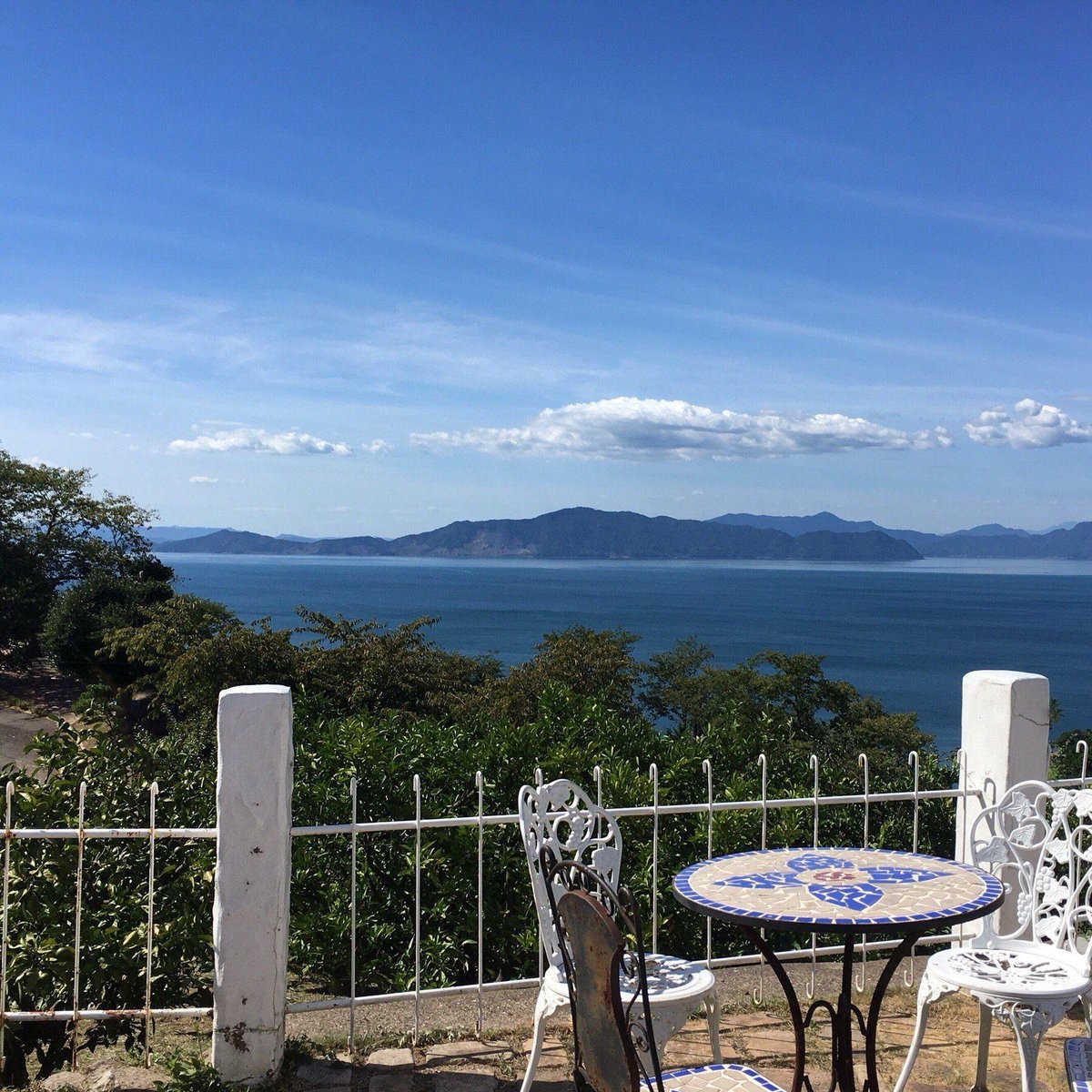
Popular Landmarks in Minamata

Discover the most iconic attractions in Minamata

Yunoko Onsen information7 hotelsSuito Elementary School7 hotelsSōshisha12 hotelsNakamura Hot Spring7 hotelsエコパーク水俣 スポーツの森A7 hotelsMinamata City Hospital and Medical Center12 hotelsShiraumeyurara7 hotelsYude Shrine8 hotelsIchikawa Clinic12 hotelsKozaki Park12 hotelsCape Ōsakibana Park.7 hotelsCape Wada Park.7 hotelsTsuru no Onsen Kikunoyu8 hotelsShin-Minamata Station12 hotelsGenkoji12 hotelsKumamotochuoshinyokinko Minamata Shiten12 hotelsMinamata Soho Memorial12 hotelsKuzuwatari Elementary School12 hotelsMinamata Cherry Line7 hotelsWakatake Nursery12 hotelsOkabe Hospital12 hotelsSaihoji Nintei Nursery School12 hotelsKoibitonoseichi Water Park7 hotelsエコパーク水俣 花の回廊7 hotelsEco Park Minamata Arboretum.7 hotelsYohorenkeigataninteikodomoen Sawarabi Nursery School12 hotelsEco Park Minamata7 hotelsMinamata Kyoritsu Hospital12 hotelsRyuzan12 hotelsEco Park Minamata Softball Field7 hotelsTsukiurafureai Park7 hotelsMinamata Tourism Bureau Association Information Center12 hotelsFuchigami Clinics7 hotelsMinamata Daiichi Elementary School7 hotelsMinamata Daiichi Junior High School12 hotelsSea Plaza7 hotelsNakaoyama Park12 hotelsCherry Blossom Trees along Yunoko Beach Road7 hotelsエコパーク水俣 香りの丘7 hotelsMinamata Disease Municipal Museum7 hotels汤出七滝大滝8 hotelsChidori Nursery7 hotelsMarushima park7 hotelsMarushima 3-chome Park12 hotelsエコパーク水俣 スポーツの森C7 hotelsKoiji Island7 hotelsMarushima Shrine7 hotelsHonda Ladies Clinic7 hotels

Recommended Hotels in Minamata

Find the perfect place to stay in Minamata
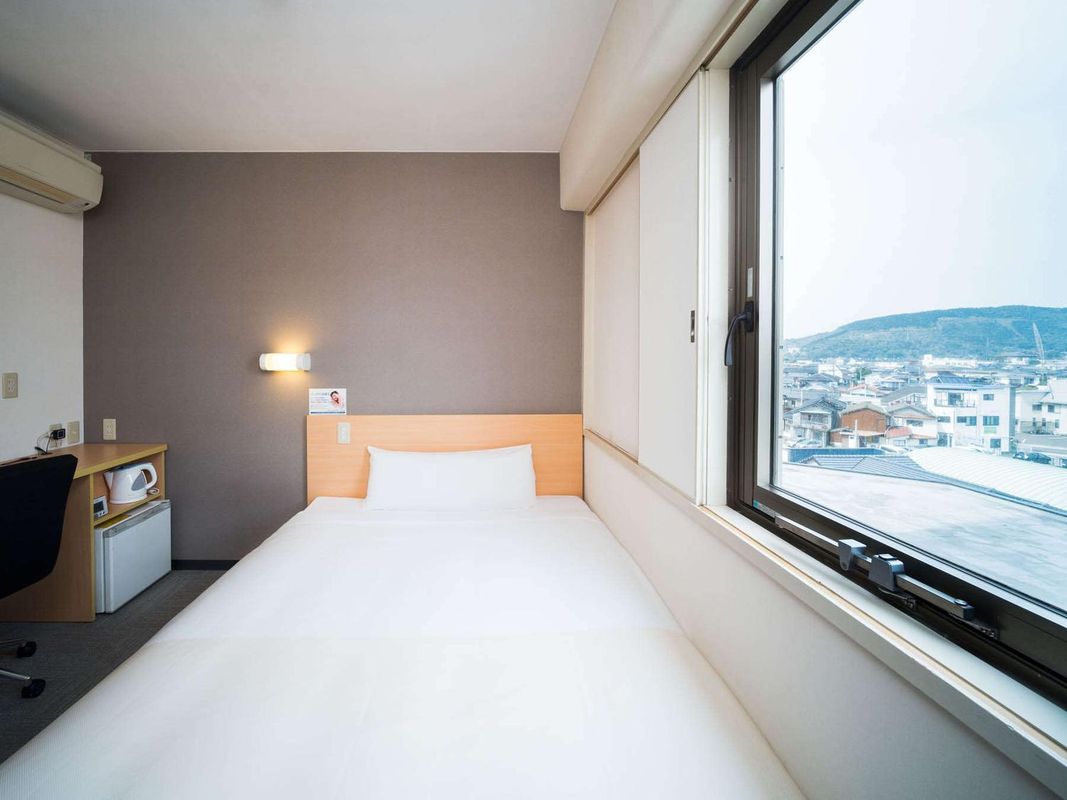
Best Hotels in Minamata

Discover curated hotel collections in Minamata
Frequently Asked Questions about Traveling to Minamata

Questions You Might Need to Know About Traveling to Minamata

In Minamata City, the top eco-friendly hotel is Green Dream Inn, a pioneering sustainable retreat built from an old industrial warehouse. The property runs entirely on solar energy and features a rainwater harvesting system, while its living walls reduce urban heat and improve air quality.

Guests can participate in daily workshops on waste sorting, composting, and community gardening. The inn uses zero single-use plastics—guests receive reusable toiletry bags and bamboo toothbrushes. A real-time carbon footprint display tracks energy use and environmental impact, encouraging mindful travel.

The restaurant practices 'zero waste' cooking: all food scraps become compost for organic gardens, and monthly 'Leftover Creative Dinners' turn surplus ingredients into gourmet dishes. This isn’t just a stay—it’s a hands-on experience in sustainability, making it ideal for environmentally conscious travelers seeking meaningful connection with place and purpose.

The Shin River District near Minamata Station offers the most convenient access to cultural landmarks. This area hosts key sites such as the Minamata Disease Memorial Hall, Minamata City Art Museum, and the Shin River Boat Pier—all within a 10-minute walk or short bus ride.

Staying here puts you close to the city’s heart of historical memory and artistic expression. The Shin River District also features local artisan shops, street food stalls serving fresh Minamata Bay seafood, and guided walking tours that explore the city’s journey from industrial pollution to ecological renewal.

Hotels like APA Hotel Minamata and Shin River Eco Inn offer modern amenities and multilingual staff, ensuring seamless access to exhibitions, events, and public transport. It’s the ideal base for visitors aiming to immerse themselves in both history and culture without long commutes.

Visitors to Minamata City can engage in several unique cultural experiences rooted in resilience and environmental awareness. The Minamata Disease Memorial Hall offers immersive multimedia exhibits detailing the 20th-century mercury poisoning crisis and the city’s transformation into a global model for environmental justice.

Take a night boat tour on the Shin River, where illuminated bridges and traditional homes reflect on the water, creating a poetic contrast between past suffering and present healing. During spring, join the Minamata Cherry Blossom Festival at Minamata Park, featuring local crafts, traditional music, and cherry-viewing parties with kaiseki meals made from regional ingredients.

Participate in community-led eco-workshops where locals teach sustainable practices—like upcycling industrial materials into art—showcasing how Minamata turns trauma into creativity. These experiences offer not just sightseeing, but profound insight into a city rebuilding its soul through memory and action.

Yes, Minamata City offers several family-friendly hotels with engaging child-centered activities. Children's Home Ryokan is a standout—a former schoolhouse converted into a warm, spacious lodging with large family rooms, a children’s playroom, and a backyard garden.

Daily programs include eco-art workshops where kids craft animals from recycled materials, and interactive nature walks along the Shin River Wetlands, where families can spot egrets, herons, and migratory birds. The hotel also provides baby cots, high chairs, and kid-sized tableware.

Nearby, Shin River Family Camping Village offers treehouse-style cabins with private decks overlooking the wetland, perfect for stargazing and birdwatching. The Minamata City Art Museum even has a dedicated Kids’ Interactive Zone, featuring tactile exhibits on environmental science and local history. These options ensure memorable, educational, and joyful stays for families.

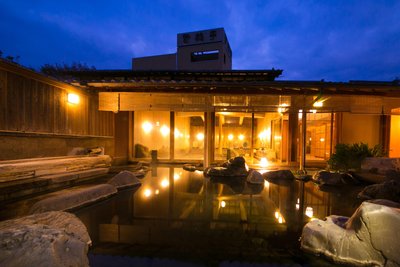
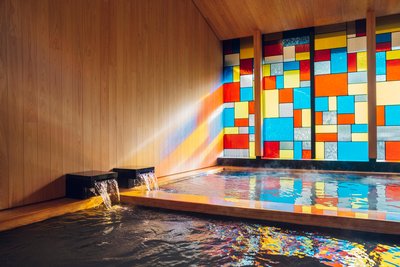
Minamata City’s hot spring hotels stand out due to their fusion of natural wellness and historical reflection. At Minato Onsen Grand Hotel, the mineral-rich waters—drawn from depths of 300 meters—contain sulfur compounds known for skin rejuvenation. The open-air baths face the Shin River, offering panoramic views of flowing water and distant mountains, especially magical during winter mist.

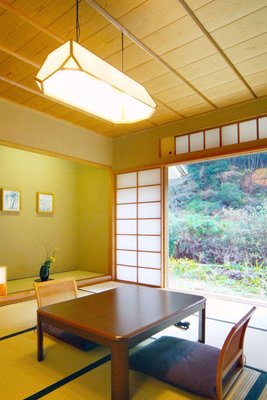
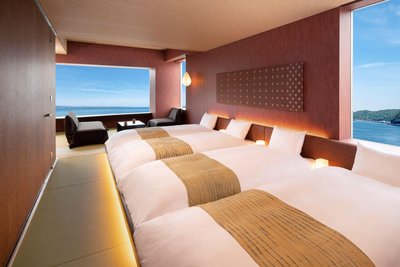
What truly sets it apart is the Onsen & Memory Gallery, a quiet space displaying archival photos and stories from the Minamata disease era, reminding guests of the city’s healing journey. Some rooms feature tatami floors with direct river views, allowing guests to relax while listening to nature.

Breakfast includes locally sourced delicacies: fresh Minamata Bay fish, Kumamoto black pork, and homemade miso. This blend of therapeutic warmth and emotional depth makes these hot springs more than a luxury—they’re a pilgrimage of recovery and remembrance.

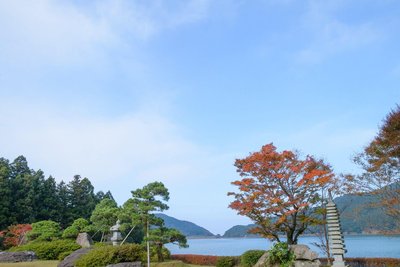
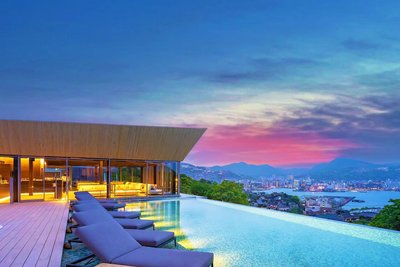
For breathtaking views of Minamata Bay and the Shin River, the best choice is Hikari no Yado (Light House Inn), a boutique guesthouse perched on a hillside overlooking the coastline. Its floor-to-ceiling glass windows and rooftop observation deck provide unobstructed vistas of sunrise over the bay, fishing boats gliding at dawn, and the iconic Minamata Bridge glowing at dusk.

Each room is designed around the landscape, with private verandas ideal for morning tea or evening photography. The inn hosts seasonal **

At Shin River Gourmet Inn, guests enjoy authentic local cuisine crafted from hyper-local ingredients. The inn operates a kitchen garden where residents grow heirloom vegetables, herbs, and edible flowers used in daily meals.

Each night, a resident chef leads a hands-on cooking class teaching traditional dishes like Shin River Steamed Fish, Kumamoto Beef Sukiyaki, and Wetland Vegetable Hot Pot. Guests also get to visit Minamata Fish Market early in the morning to select fresh catches for their own dinner preparations.

The restaurant emphasizes zero-waste dining: leftovers are turned into compost or fermented sauces. Monthly themed dinners—such as the **

Hotels in Minamata City actively support conservation through partnerships with local organizations. Green Dream Inn collaborates with the Shin River Wetlands Conservation Group, funding habitat restoration projects and hosting citizen science days where guests help monitor bird populations.
Shin River Eco Inn employs local guides for nature walks and ensures 80% of its supplies come from nearby farms and fisheries. All waste is sorted and processed on-site; plastic packaging is banned, and guests receive refillable containers.

Some hotels donate a portion of their revenue to the Minamata Environmental Education Center, supporting school programs about pollution prevention and sustainability. By embedding conservation into operations—from sourcing to staffing—these hotels don’t just host travelers; they empower them to become stewards of this recovering ecosystem.

Absolutely. Minamata City is a photographer’s dream, offering unique themes centered on memory, nature, and transformation. Stay at Hikari no Yado (Light House Inn), which sits atop a hill with panoramic views of Minamata Bay and the Shin River—perfect for capturing golden hour reflections, foggy mornings, and illuminated bridges at night.

The city’s juxtaposition of industrial ruins and thriving wetlands creates compelling visual contrasts. Capture the haunting beauty of abandoned factories now covered in ivy, or the vibrant colors of the Cherry Blossom Festival held at Minamata Park.

Monthly **

Yes, several hotels in Minamata City offer guided tours blending nature and history. Minato Onsen Grand Hotel provides free daily excursions to the Shin River Wetlands, where trained naturalists explain bird migration patterns and the role of the river in ecological recovery.
Shin River Eco Inn organizes **

Minamata Overview
City Summary

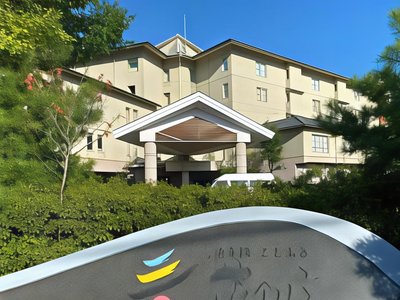
Minamata City in Kumamoto Prefecture, Japan, is a place where breathtaking nature intersects with profound historical lessons. Known for the scenic Minamata Bay and globally recognized as the site of the Minamata Disease incident, the city has transformed into a model of environmental education, offering eco-tourism alongside deep historical reflection.


Must-See Attractions

Visit the Minamata Disease Municipal Museum for insights into industrial pollution impacts; relax in Yunotsuru Onsen's therapeutic sulfur springs; explore Minamata Bay Regeneration Park showcasing ecological recovery with views of Amakusa Islands. Join sustainability workshops to experience local eco-practices.

Other Cities You Might Like

Explore more amazing destinations