Hotels in Minamiashigara City
Discover your perfect stay in Minamiashigara City.
Minamiashigara City(Japan) Travel 2026: Cheap Flights, Hotels & Top Attractions
Popular Landmarks in Minamiashigara City
Discover the most iconic attractions in Minamiashigara City
Recommended Hotels in Minamiashigara City
Find the perfect place to stay in Minamiashigara City
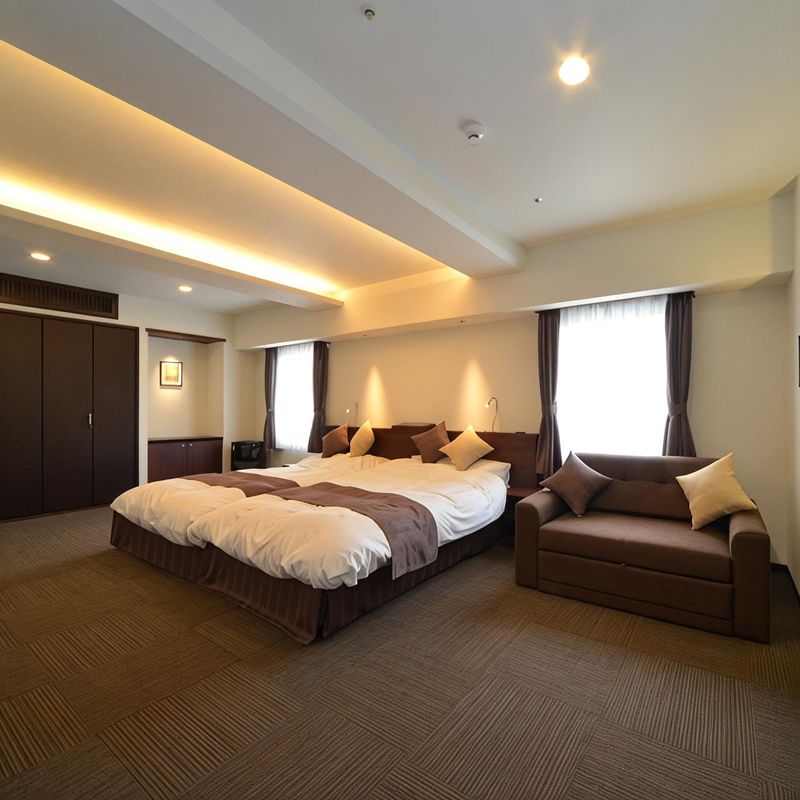
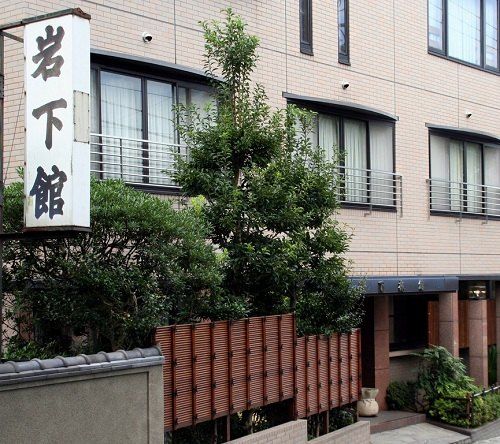
Best Hotels in Minamiashigara City
Discover curated hotel collections in Minamiashigara City
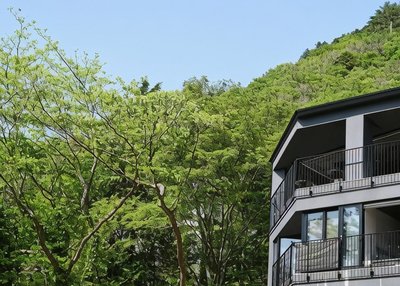
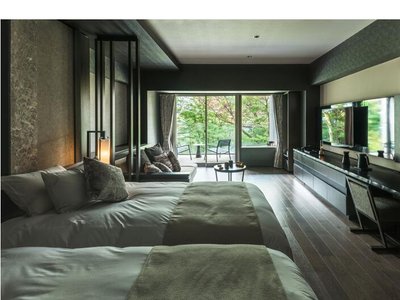
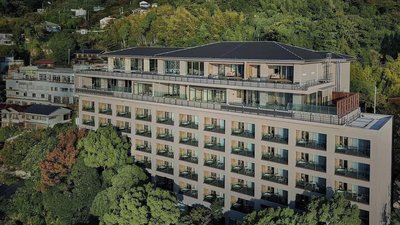
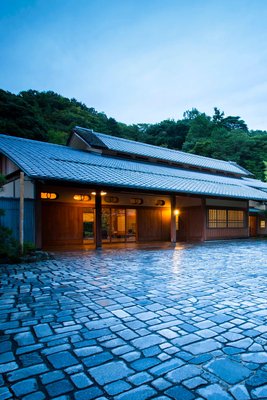
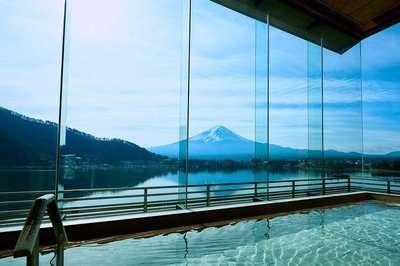
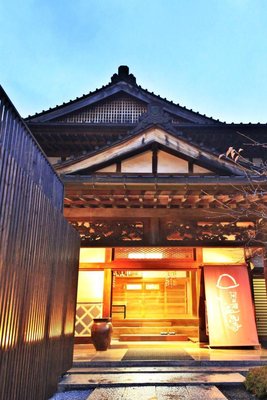
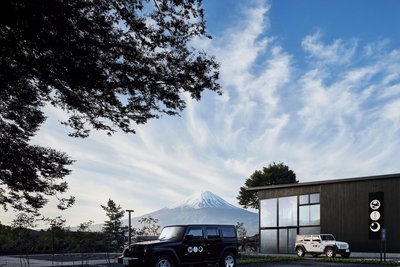
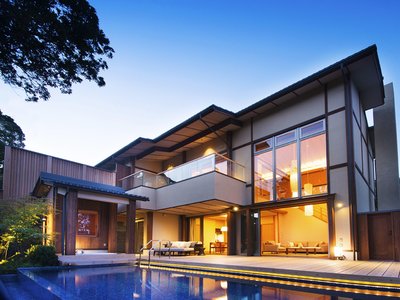
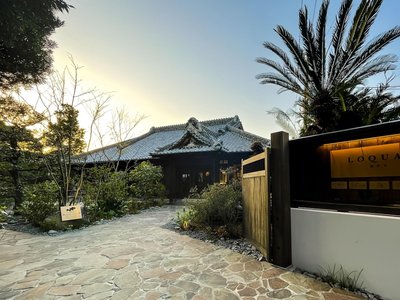
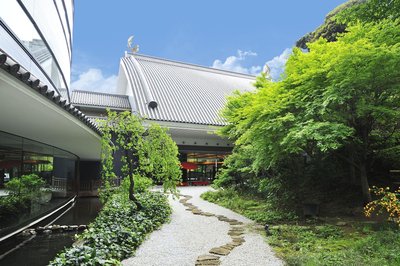


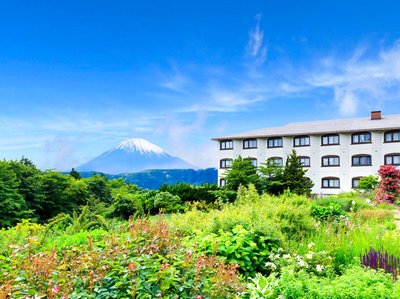
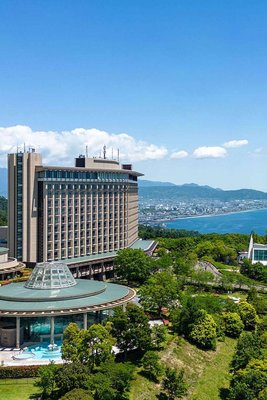
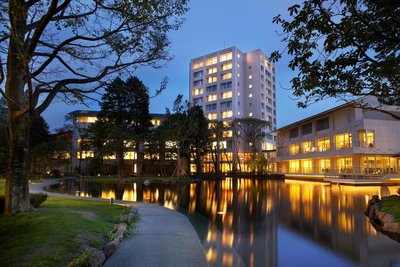
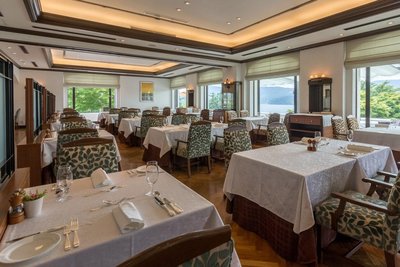





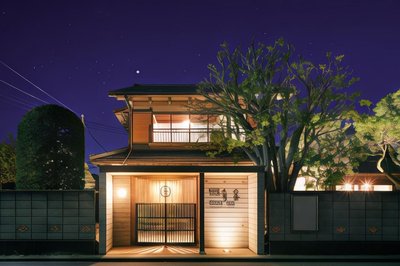
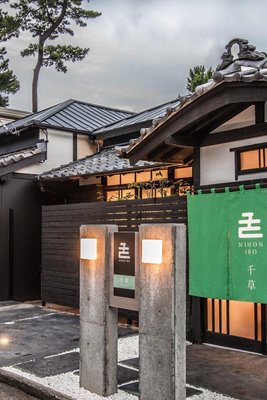
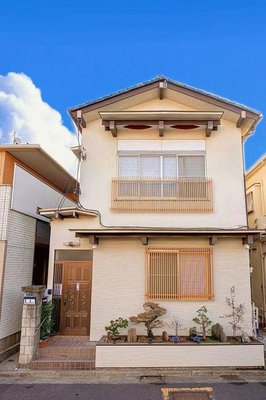
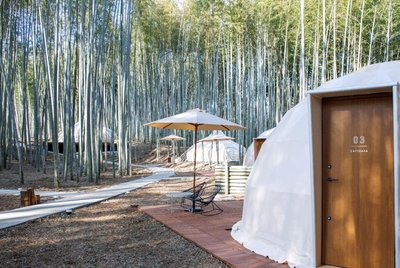
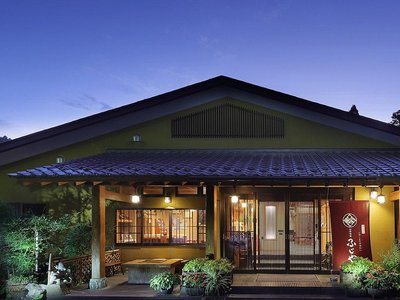
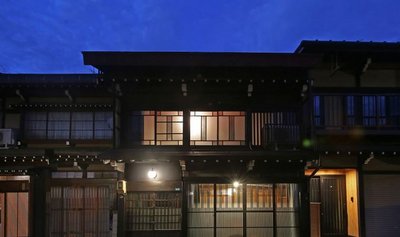
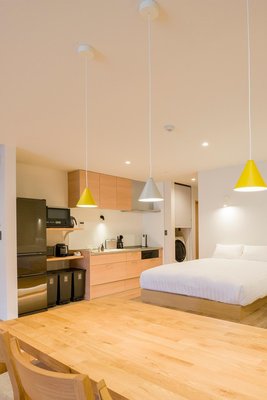
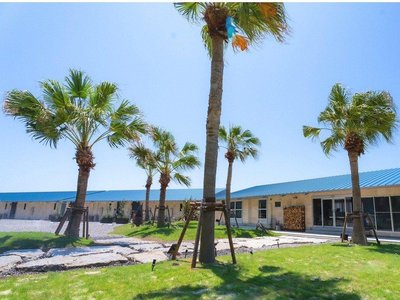
Frequently Asked Questions about Traveling to Minamiashigara City
Questions You Might Need to Know About Traveling to Minamiashigara City
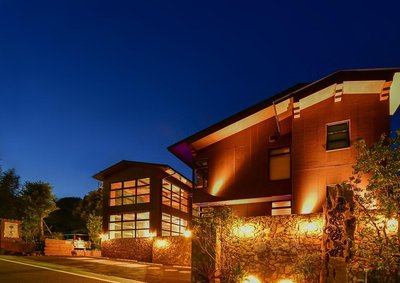
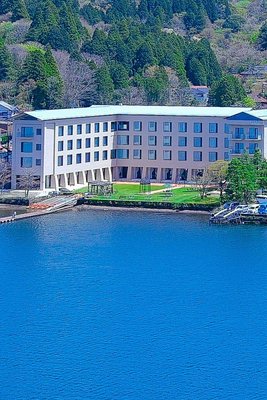
In Nankatsu City, the top family-friendly hotel is Shukoku Mountain Resort Hotel, nestled in a serene valley surrounded by forest. It offers spacious family suites, a dedicated children's play area, and access to natural hot springs. Guests can enjoy scenic views of the Izu Mountains from the balconies. The hotel also hosts seasonal activities like nature scavenger hunts and outdoor storytelling under the stars. Nearby, the Shukoku River Trail provides safe, easy hiking for all ages. Breakfast features locally sourced organic ingredients, highlighting authentic Kanagawa Prefecture flavors. For a more traditional experience, consider Ryokan Midori no Ie, a charming guesthouse blending Japanese garden aesthetics with modern comfort, perfect for cultural immersion.
The best area for accommodation in Nankatsu City is the Shukoku Riverfront Zone, known for its peaceful ambiance and proximity to Shukoku Park and Nankatsu Shrine. This district hosts several boutique inns and ryokans, such as Shukoku River Villa, offering easy access to local markets and craft fairs. It’s just a 15-minute walk from Nankatsu Station on the Odakyu Line, making it convenient for day trips to Kamakura and Gotemba. With quiet streets, lush greenery, and excellent connectivity, this area strikes the perfect balance between tranquility and accessibility—ideal for both leisure and business travelers.
Must-try cultural experiences in Nankatsu City include attending the Shukoku River Festival (held annually in summer), a vibrant celebration featuring traditional dance, lantern processions, and fireworks, reflecting deep-rooted Kanagawa Prefecture heritage. Visitors can also join hands-on washi paper workshops, learning ancient techniques using kozo bark and bamboo frames. Many guesthouses offer tea ceremony classes led by local tea masters, introducing the essence of wabi-sabi. For agricultural enthusiasts, guided tours of local organic tea farms reveal how matcha and genmaicha are cultivated and processed. Don’t miss tasting freshly harvested tea paired with regional sweets at farmers’ markets.
Top photogenic spots in Nankatsu City include the Shukoku River Bridge and Spring Viewpoint. The bridge spans a crystal-clear stream, especially stunning during cherry blossom season when pink petals drift downstream like a living painting. The Spring Viewpoint, perched atop a hill, offers panoramic views of the Izu Hills and distant Mount Fuji, particularly breathtaking at golden hour. The Nankatsu Shrine’s vermilion torii gate framed by ancient trees creates striking contrast against the sky. For a cozy, artsy shot, visit Midori Café, where floor-to-ceiling windows overlook a bamboo courtyard—perfect for capturing warm, intimate moments with a cup of locally roasted Nankatsu special coffee.
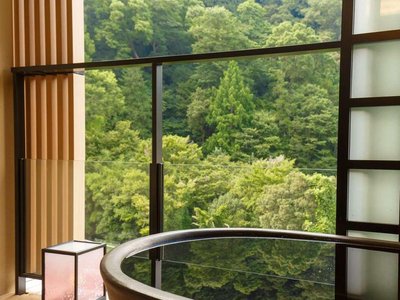
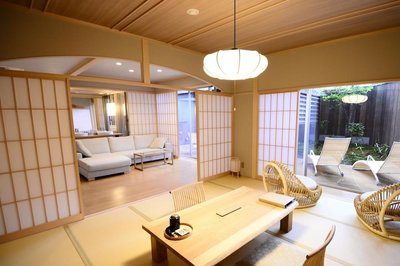
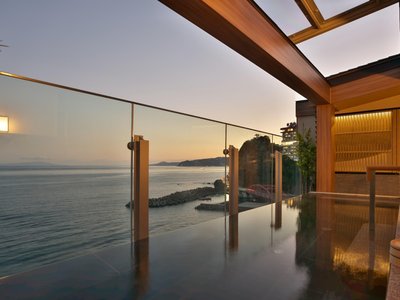
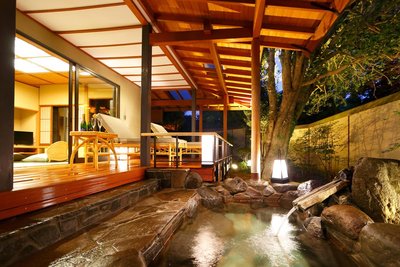
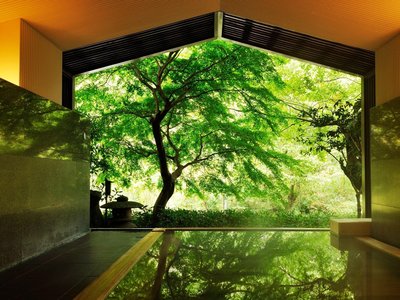
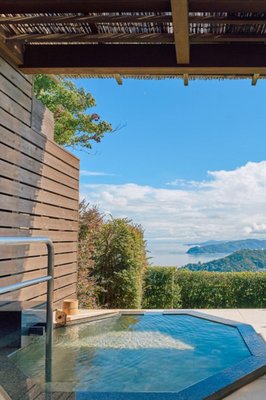
Hot spring hotels in Nankatsu City emphasize forest wellness and tranquil design. Shukoku Onsen Kaku stands out with its natural sodium bicarbonate spring, known for softening skin and easing muscle fatigue. The onsen area blends traditional Japanese architecture with modern luxury: open-air baths, cave-style soaking pools, and a meditation water mirror. Some rooms feature private onsen tubs with tatami flooring and wooden beams, creating a deeply immersive wabi-sabi atmosphere. The hotel also offers onsen dining experiences featuring local mountain delicacies and seafood, paired with Kanagawa-grown sake lees seasoning. Nighttime ‘starlight baths’ let guests soak under an unobstructed Milky Way sky, enhancing the sense of serenity.
Must-try dishes in Nankatsu City include Shukoku River Fish Hot Pot, made with fresh local catches like sweetfish and carp, simmered in a rich, wood-fired broth. Another highlight is matcha soba noodles, crafted with premium local matcha powder—slightly bitter, then refreshingly sweet. Don’t miss seaweed rice balls, wrapped in crisp nori with umeboshi and served warm. At the Nankatsu Farmers Market, sample genmaicha ice cream and wasabi tofu. For a true taste of tradition, dine at Ichitome Restaurant, a century-old establishment famed for its charcoal-grilled yellowtail sushi served with house-made sake. Each dish reflects the region’s harmony with nature and culinary craftsmanship.
Yes, Nankatsu City is an excellent choice for winter travel. While snowfall is light, the city transforms into a dreamlike landscape with misty mornings and delicate frost patterns across bamboo groves and maple trees. Winter highlights include snow-covered hiking trails along the Shukoku River, offering quiet, meditative walks through snowy forests. Many ryokans offer winter-exclusive packages, including hot spring baths, kotatsu tea sessions, and private stargazing terraces. The Lantern Night Walk festival adds magic—hundreds of handmade paper lanterns illuminate the riverbanks and shrines, casting warm glows on icy surfaces. Ideal for photography, relaxation, and experiencing Japan’s quiet winter beauty in a serene setting.
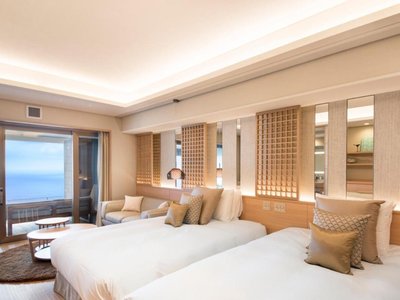
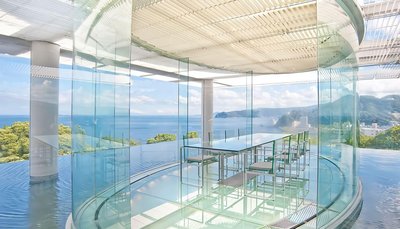
For couples seeking romance, Hoshizora Villa is a standout—a glass-walled villa hidden in the mountains, offering panoramic views of the Izu Hills and starlit skies. Each room features a private outdoor onsen, king-sized bed with soft linens, and a curated welcome kit with local wine and wagashi sweets. The hotel arranges intimate experiences like private onsen therapy sessions and candlelit dinners prepared by a chef using seasonal ingredients from nearby farms. A signature ritual includes writing wishes on washi paper and releasing them into the Shukoku River—a symbolic gesture of shared dreams. With no distractions, only nature and each other, this stay becomes a cherished memory.
Transportation in Nankatsu City is surprisingly convenient despite its rural charm. The main gateway is Nankatsu Station, served by the Odakyu Line from Shinjuku, Tokyo—just 60 minutes away with frequent, reliable service. Free shuttle buses connect major attractions like Shukoku Park, Nankatsu Shrine, and the Farmers Market. For those driving, National Route 246 leads quickly to Kamakura and Gotemba, taking about 30–40 minutes. Bike rentals are widely available, allowing eco-friendly exploration of the Shukoku River Greenway. Travelers can save money and time using the JR Pass or Odakyu One-Day Ticket, which cover trains, shuttles, and even some local tours—making seamless exploration effortless.
Solo travelers and backpackers will appreciate Midori Hostel, located beside the Shukoku River, offering clean, affordable dorm beds with private lockers and shared bathrooms. Its communal kitchen, library corner, and regular events like washi paper workshops and local storytelling nights foster connection. Another great option is Shukoku Mountain Hut, a repurposed farmhouse with shared kitchens, rooftop observatory, and free bike rentals. The Nankatsu Tourism Center provides free maps, itinerary advice, and short-term luggage storage. All accommodations accept credit cards and digital payments, ensuring safety and convenience. Perfect for minimalist, nature-loving explorers who want authenticity without breaking the bank.
Minamiashigara City Overview
City Summary
Located in western Kanagawa Prefecture, Minamiashigara City boasts spectacular views of Mt. Fuji and Hakone mountains, renowned for its hot springs and natural ecosystems. As a historic post-station town preserving Edo-period charm, it's also famous for traditional glassware craftsmanship. The city's core appeal lies in blending onsen therapy, artisanal workshops, and outdoor activities for a cultural immersion.
Must-See Attractions
Top attraction is Fuji-Hakone-Izu National Park offering panoramic views. History enthusiasts should explore "Ashigara Kaido" trail with Edo-era teahouses and stone Buddhas. Families will love "Minamiashigara Glass no Mori" museum with workshops. At night, relax in sulfur-rich hot springs or join summer fireworks festivals.
Food Guide
Local cuisine features mountain delicacies - don't miss Ashigara buckwheat noodles with fresh wasabi and silky Hakone tofu. Try sweet soy sauce dumplings at century-old "Surugaya", or sizzling beef teppanyaki. Farmers' markets sell prized Ashigara mandarins and Hakone vegetables as edible souvenirs.
Transportation Guide
From Tokyo, take Odakyu Railway to Shin-Matsuda Station, then transfer to buses (20min to downtown). The Hakone Tozan Bus network covers major sites - the "Hakone Free Pass" is cost-effective. Taxis start at ¥700; mountain areas require pre-booked transfers. Note some roads close in winter.
Best Time to Visit
Ideal visits are April-May (cherry blossoms) and October-November (autumn foliage), with 15-22°C temperatures. Avoid July-August typhoon season and New Year holidays when onsens get crowded.
Travel Tips
- Thoroughly rinse before entering onsen baths - swimsuits are prohibited
- Maintain silence at ancient trail Buddha statues
- Pack windproof layers for sudden mountain weather changes
- Glass workshops require 3-day advance bookings with adult supervision for kids
- Use "Kanagawa Kotsu" app for sparse bus schedules
- Strict trash separation into burnable/non-burnable/bottles categories
Useful Information
Japanese is primary language; basic English available at transit hubs. 4G coverage citywide, with WiFi routers rentable at convenience stores. Cash remains king - only major ryokans accept cards. Medical facilities cluster near city hall (#7119 for emergencies). Book early during festivals like "Ashigara Mantou Matsuri". Multilingual maps available at tourism centers.