Hotels in Minamiawaji
Discover your perfect stay in Minamiawaji.
Minamiawaji(Japan) Travel 2026: Cheap Flights, Hotels & Top Attractions
Popular Landmarks in Minamiawaji
Discover the most iconic attractions in Minamiawaji
Recommended Hotels in Minamiawaji
Find the perfect place to stay in Minamiawaji




Best Hotels in Minamiawaji
Discover curated hotel collections in Minamiawaji
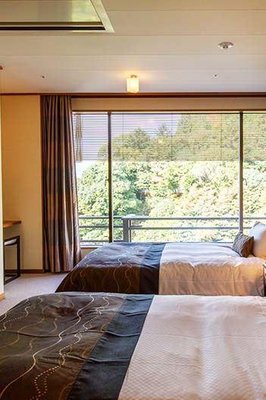
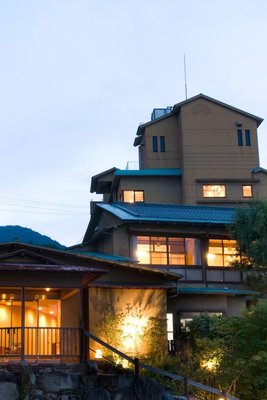
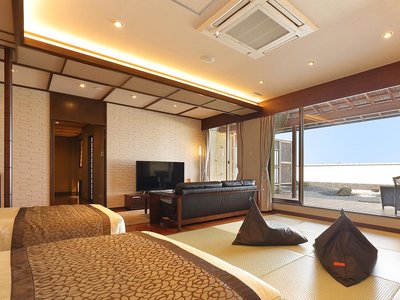
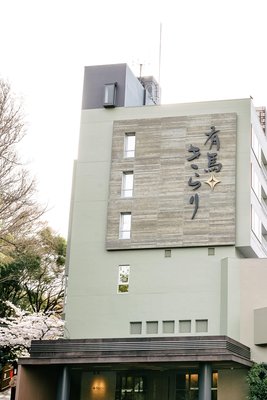
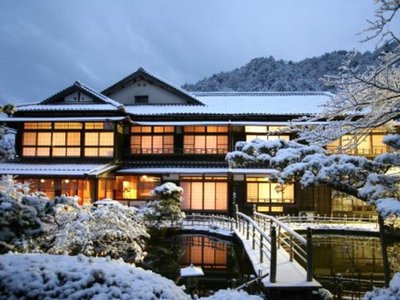
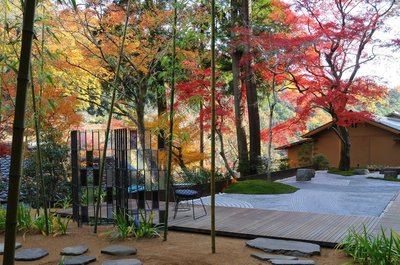
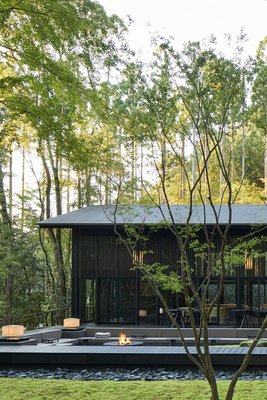
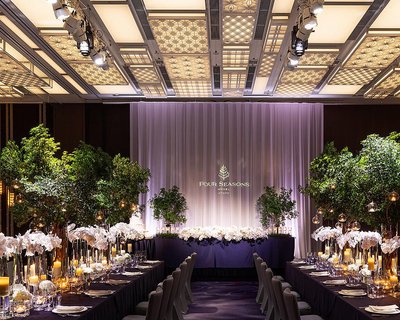
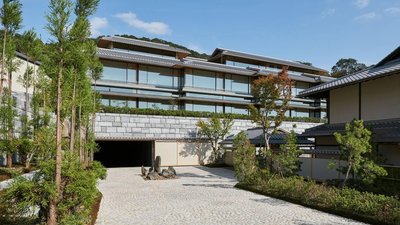
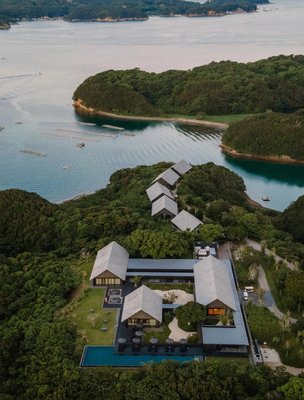
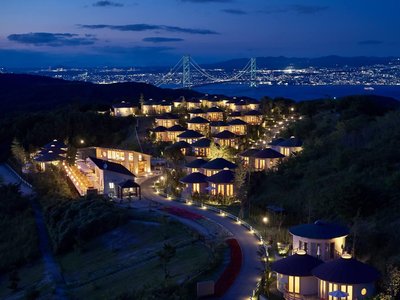
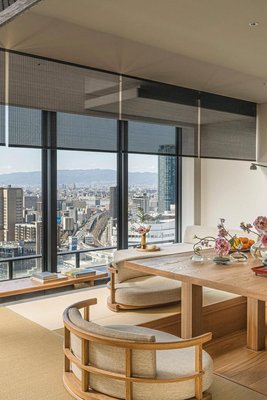


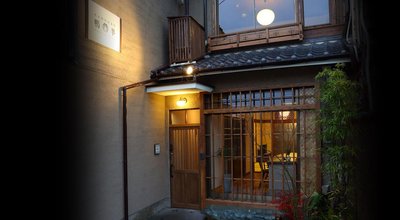
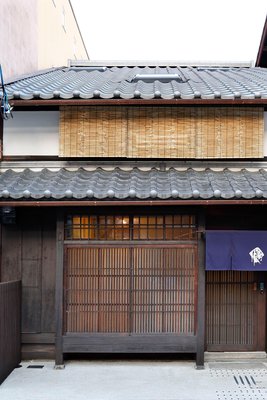
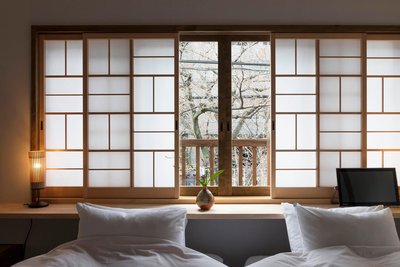
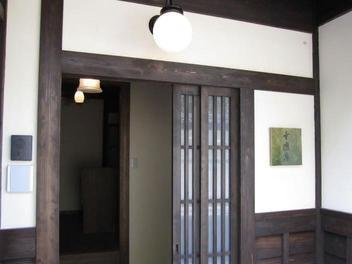
Frequently Asked Questions about Traveling to Minamiawaji
Questions You Might Need to Know About Traveling to Minamiawaji
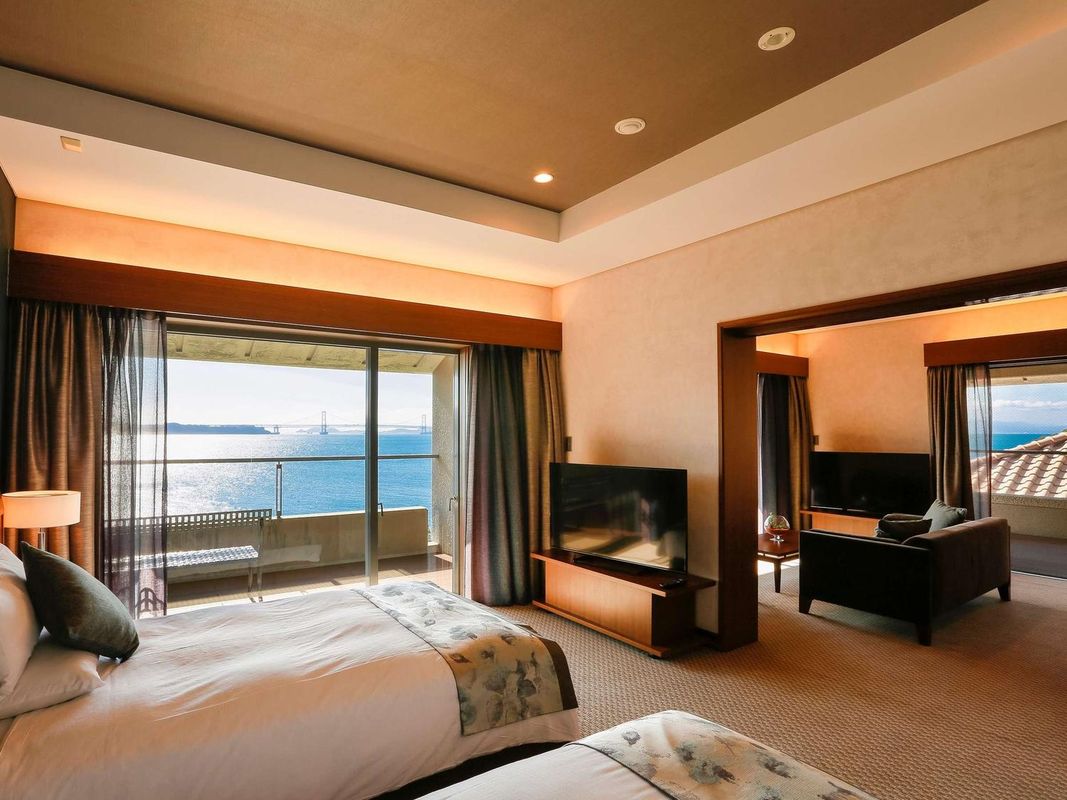
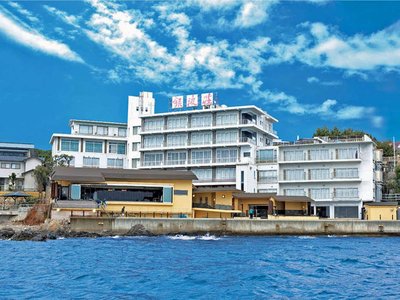
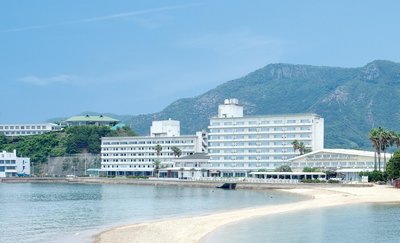
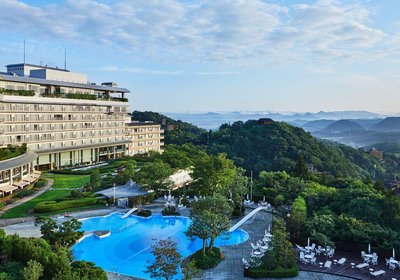
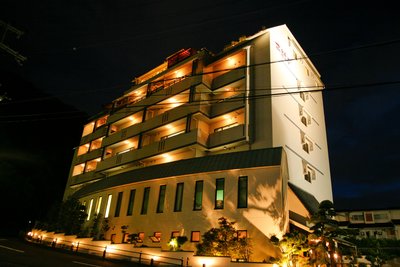
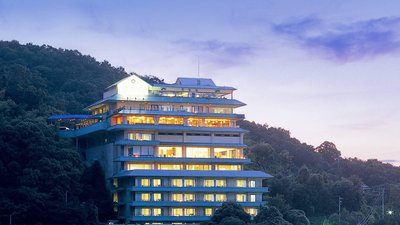
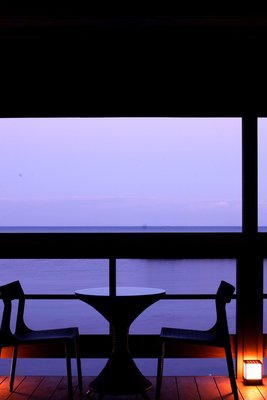
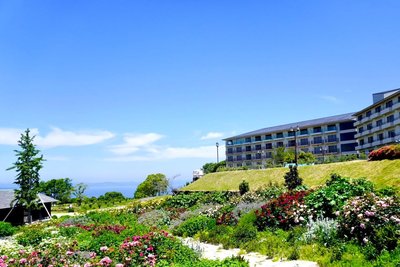
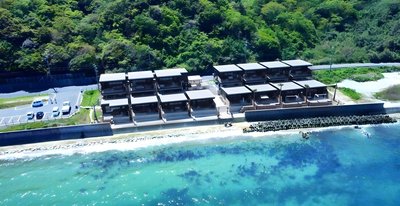
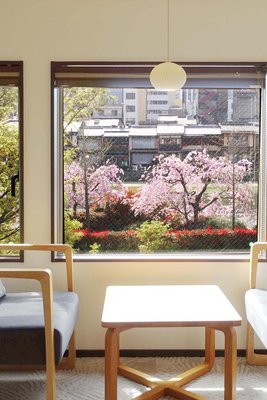
In Awaji City, top choices for ocean-view stays include Awaji Island Hotel Highland View, featuring floor-to-ceiling windows overlooking the Seto Inland Sea, and Awaji Island Spa Resort La Voie, which offers private outdoor hot springs with panoramic sea vistas. Both properties provide direct access to coastal trails and sunset viewing decks. Guests can enjoy fresh seafood at on-site restaurants, including locally caught shellfish and grilled Awaji beef. For a tranquil experience, opt for rooms facing the east-facing cliffs, where morning light dances across the waves. These hotels also offer guided nature walks and photography tours along the rugged shoreline.
The best area for cultural immersion in Awaji City is Awaji Town, located in the island's central region near Awaji Shrine and Awaji Flower Park. This district hosts traditional craft workshops such as Awaji pottery making and local sake brewing tours. Stay at Awaji Island Guesthouse Kodoromi, a family-run inn offering daily tea ceremonies and seasonal festivals like the Awaji Flower Festival. The area is also close to the Awaji Cultural Center, where visitors can watch performances of traditional kabuki and taiko drumming. Walking paths connect historic temples and old merchant houses, allowing guests to explore the island’s deep-rooted heritage at a leisurely pace.
Tourists in Awaji City can participate in unique experiences like handcrafting Awaji pottery at the Awaji Pottery Village, where they create custom ceramics using ancient techniques. Another highlight is the Awaji Island Wetland Guided Tour, which explores the rich biodiversity of tidal flats and migratory birds. Visitors can also join a seafood market tour at Awaji Fish Market, learning how to select fresh catch like Awaji oysters and mackerel. For culinary enthusiasts, a local cuisine workshop teaches how to prepare Awaji beef bowls and sweet potato mochi using island-grown ingredients. These immersive activities are offered year-round with expert guides.
Yes, Awaji Island Hotel Family Oasis is a top-rated family-friendly hotel offering a dedicated children’s playroom, kid-sized hot spring baths, and family suites with bunk beds. It’s adjacent to Awaji Flower Park, making it easy to explore gardens and mini-zoo attractions. Another excellent option is Awaji Island’s Hostel Kodomo to Fureai Kan, which provides hands-on activities like cooking Awaji dumplings and stargazing sessions. All facilities are wheelchair-accessible, and babysitting services are available. Nearby, the Awaji Nature Education Center offers interactive exhibits about marine life, perfect for educational outings. Many hotels also host weekend family events with games and storytelling.
Must-try dishes in Awaji City include Awaji beef, known for its tender marbling and rich umami flavor, often served grilled or in rice bowls. Fresh Awaji oysters are another highlight, harvested from the Seto Inland Sea and enjoyed raw or in hot pots. Don’t miss Awaji vegetables—especially sweet bell peppers and pumpkins—grown in fertile volcanic soil. Visit Awaji Market Maruya for street food like grilled fish skewers and sushi rolls with local tuna. For dessert, try Awaji mochi made with sweet potatoes and matcha paste. Locals also cherish Awaji soy sauce, crafted through traditional fermentation; visit the Awaji Soy Sauce Workshop to witness the process and take home a bottle.
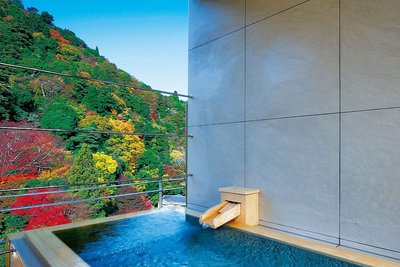
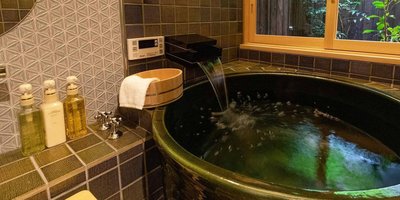
Several luxury hotels in Awaji City feature private hot springs. Awaji Island Hotel Romantic Villa offers a secluded suite with an open-air bath facing the sea, ideal for couples. Awaji Island Spa Resort La Voie provides private onsen rooms with natural mineral water sourced from underground aquifers. Each room includes a wooden soaking tub and garden views. For ultimate privacy, Awaji Island Guesthouse Aoi no Yado features individual rooftop baths with unobstructed views of the Seto Inland Sea. These accommodations often include personalized service, such as towel delivery and herbal infusions. Reservations are recommended, especially during peak seasons.
Photography enthusiasts should visit Awaji Flower Park during spring and autumn for vibrant floral landscapes, especially the sunflower fields and cherry blossoms. The Awaji Lighthouse cliffside offers dramatic shots of the Seto Inland Sea at sunrise and sunset. For night photography, head to Awaji Island Observatory, where clear skies reveal stunning Milky Way views. The Awaji Shrine’s vermilion torii gate framed by greenery makes a striking foreground. Hotels like Awaji Island Hotel Highland View provide photo packages with professional guidance. Early mornings and golden hours are ideal for capturing soft light reflecting off the water and mist rising from the hills.
For romantic escapes, Awaji Island Hotel Romantic Villa offers a honeymoon suite with a private hot spring, candlelit dinners, and a glass-roofed bedroom for stargazing. Awaji Island’s Guesthouse Aoi no Yado provides a cozy retreat with a rooftop bath and evening tea ceremonies. Couples can stroll along the Awaji Lighthouse Trail, watch the sunset over the sea, or enjoy a private dinner on the beach. Some hotels offer love rituals like placing wishes on stones at the shrine or releasing lanterns into the sea. Packages often include champagne, flower arrangements, and a memory album. Ideal for anniversaries or proposal trips.
Traveling around Awaji City is convenient via the JR Awaji Station and Awaji Expressway Exit. Most recommended hotels, such as Awaji Island Hotel and Awaji Spa Resort La Voie, offer free shuttle buses to key sites like Awaji Flower Park and Awaji Shrine. For independent travelers, renting a compact car is ideal due to winding roads and scenic routes. The Awaji Island Tour Bus operates seasonally with unlimited rides on the Awaji Tourism Pass, covering major landmarks. From Kobe Port, it takes just 45 minutes by car. HopeGoo stays early is advised, especially during festivals like the Flower Festival and Summer Fireworks Display.
Spring (March–May): Attend the Awaji Flower Festival at Awaji Flower Park, best experienced at Awaji Island Hotel Flower View with front-row views. Summer (June–August): Join the Awaji Summer Fireworks Festival; stay at Awaji Island Spa Resort Night Onsen for late-night hot spring access and firework reflections. Autumn (September–November): Savor Awaji beef tasting events at Awaji Island’s Hostel Gyu no Sato, surrounded by autumn foliage. Winter (December–February): Experience the Awaji Lighthouse Light Show; choose Awaji Island Hotel Highland View for cozy evenings by the fireplace with sea views. Each season offers unique accommodations with themed packages, from harvest feasts to winter solstice rituals.
Minamiawaji Overview
City Summary
Minamiawaji City, located in Hyogo Prefecture of Japan, is a hidden gem on Awaji Island in the Seto Inland Sea. Famous for the breathtaking Akashi Kaikyo Bridge and the Naruto Whirlpools (one of Japan's "Top 100 Sunsets"), it offers authentic fishing village culture and pristine nature. Its unspoiled tranquility makes it ideal for travelers seeking cultural depth and natural therapy.
Must-See Attractions
Must-visit spots include the observation deck of Akashi Kaikyo Bridge (world's longest suspension bridge), Naruto Whirlpool sightseeing cruises, and the Edo-era Fukura fishing village. For cultural immersion, try Awaji pottery workshops or admire Tadao Ando's architecture at Awaji Yumebutai. At night, visit Esaki Lighthouse (selected among "Japan's Top 50 Lighthouses") for stunning sea views.
Food Guide
Savor fresh seafood like "Awaji Onion" tempura burgers and Tai (sea bream) dishes from Seto Inland Sea. Don't miss "Naruto Tai Meshi" (bream rice) and Awaji beef BBQ. Fish markets near ports serve premium "kaisen don" (seafood bowls). For dessert, try Awaji Island pudding made with local dairy or Hachisuka strawberry mochi.
Transportation Guide
Public transport relies on buses and taxis; car rental is recommended for rural exploration. From Kobe/Osaka, take highway buses via Akashi Bridge (1.5 hours) or ferry from Tokushima to Fukura Port (30 mins). Note infrequent bus schedules to remote areas. Coastal bicycle routes are popular among visitors.
Best Time to Visit
Best seasons are spring (March-May) for cherry blossoms and autumn (October-November) for foliage, with mild weather and fewer tourists. Summer (June-August) suits beach activities but requires sun protection. Winter (December-February) offers serene fishing village vibes though some facilities close.
Travel Tips
- Respect fishing village customs; avoid photographing locals/private boats without permission.
- Check tide schedules for whirlpool tours and coastal activities.
- Drive cautiously on narrow mountain roads with limited lighting.
- Carry cash as most eateries don't accept cards.
- Practice waste separation due to scarce public bins.
- Tattooed visitors may face restrictions at onsens; inquire about cover-up services.
Useful Information
Japanese is primary; basic English available at tourist centers. Limited WiFi hotspots—purchasing a Japan SIM card is advised. Cash dominates payments; credit cards accepted at major venues. For emergencies, dial 110 (police) or 119 (ambulance). Minamiawaji City Hospital is near Fukura Port. Post offices (closed weekends) and convenience stores handle basic needs. Voltage is 100V with Type A plugs (same as Taiwan). Accommodations are mainly family-run minshuku; some offer English HopeGoo services.









