Hotels in Minamiizu
Discover your perfect stay in Minamiizu.
Minamiizu(Japan) Travel 2026: Cheap Flights, Hotels & Top Attractions
Popular Landmarks in Minamiizu
Discover the most iconic attractions in Minamiizu
Recommended Hotels in Minamiizu
Find the perfect place to stay in Minamiizu
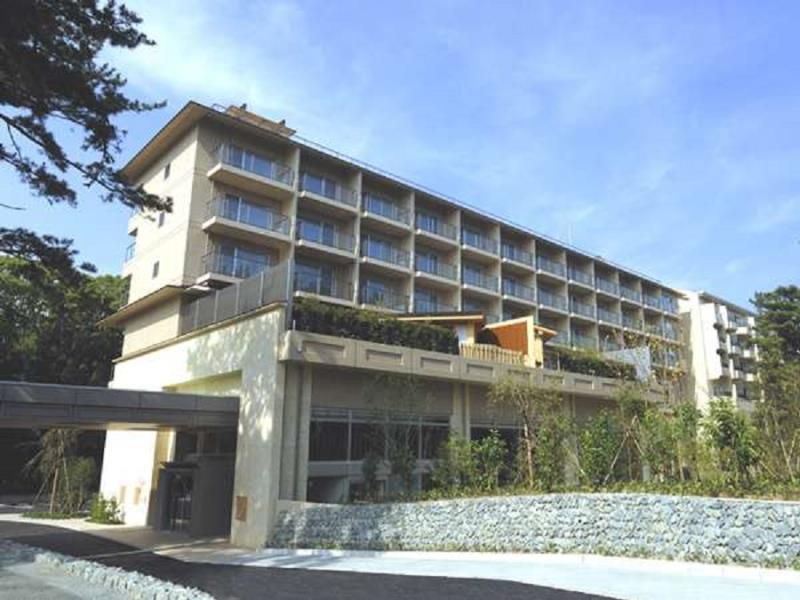
Kyukamura Minami-Izu
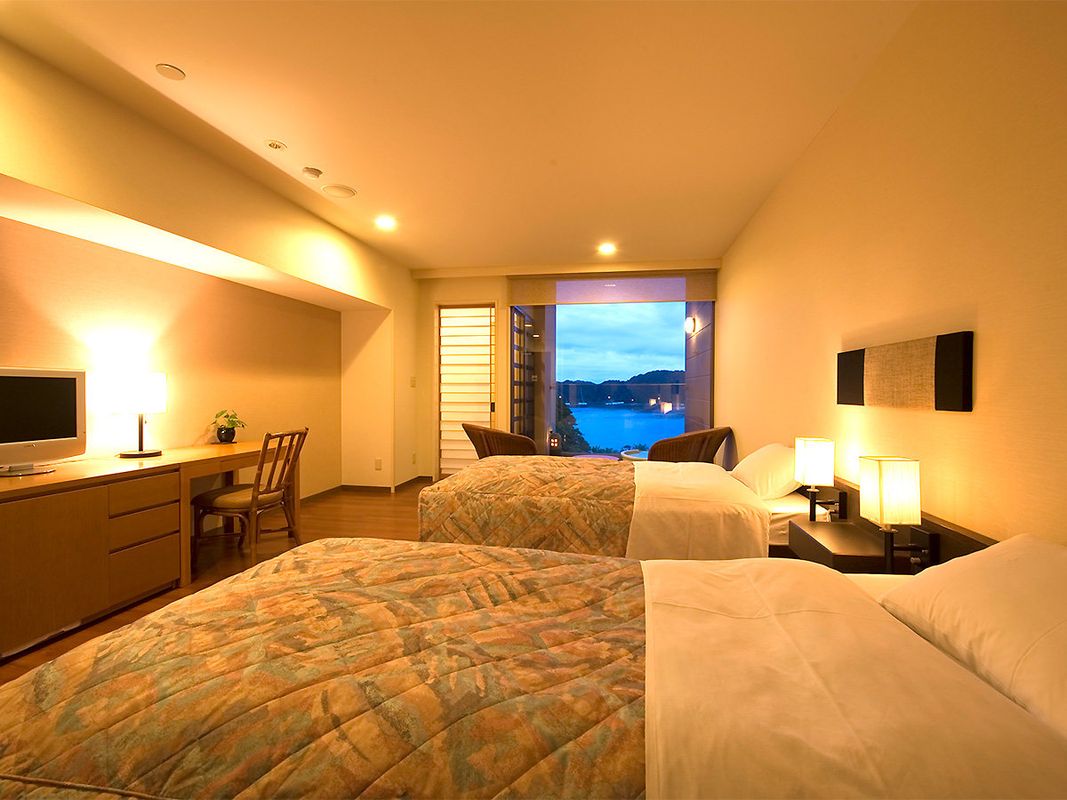
Yado-Marubun
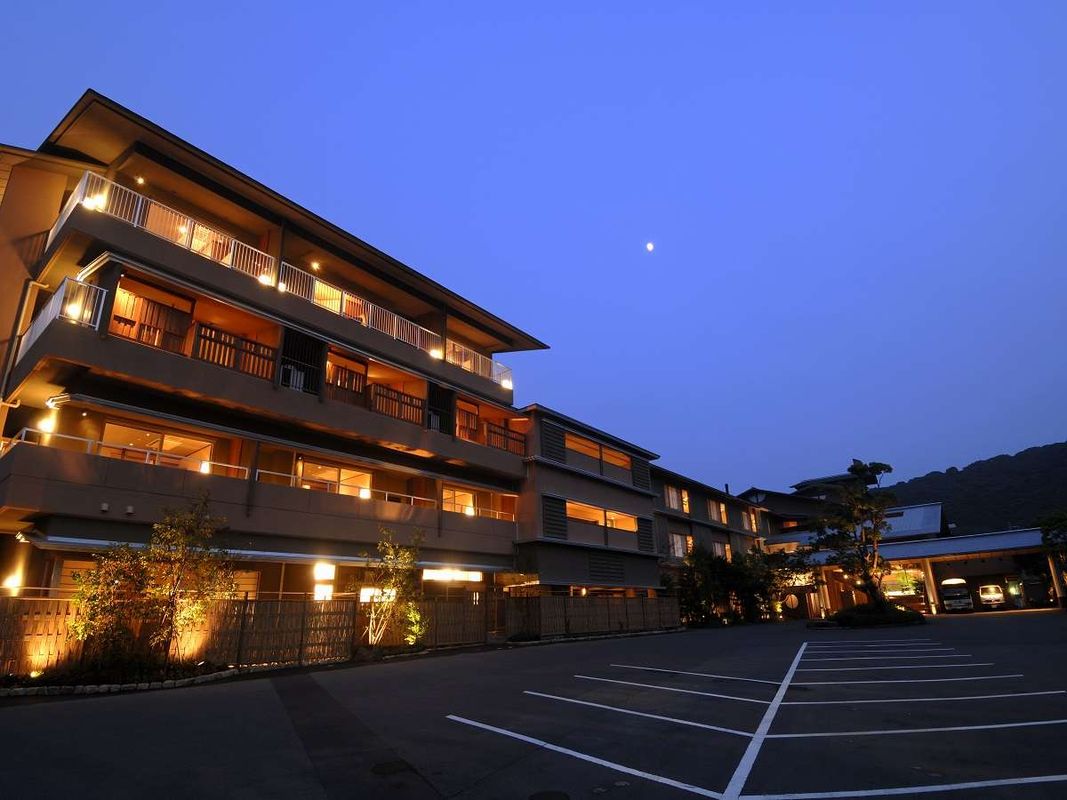
Ryokan Tokiichiyu
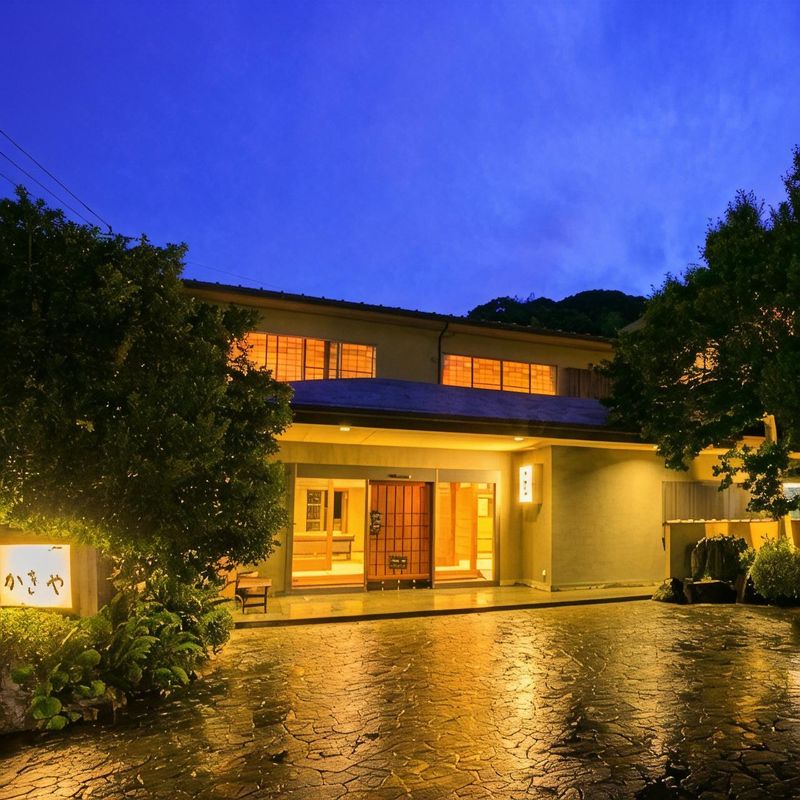
Kagiya
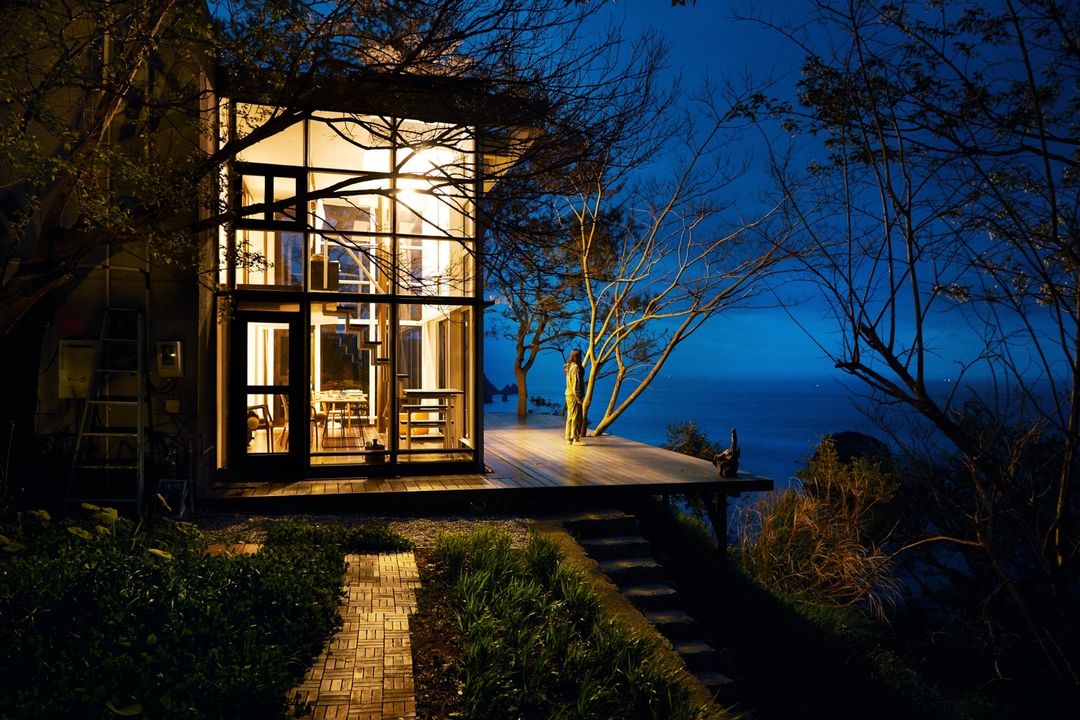
Izu Cliff House
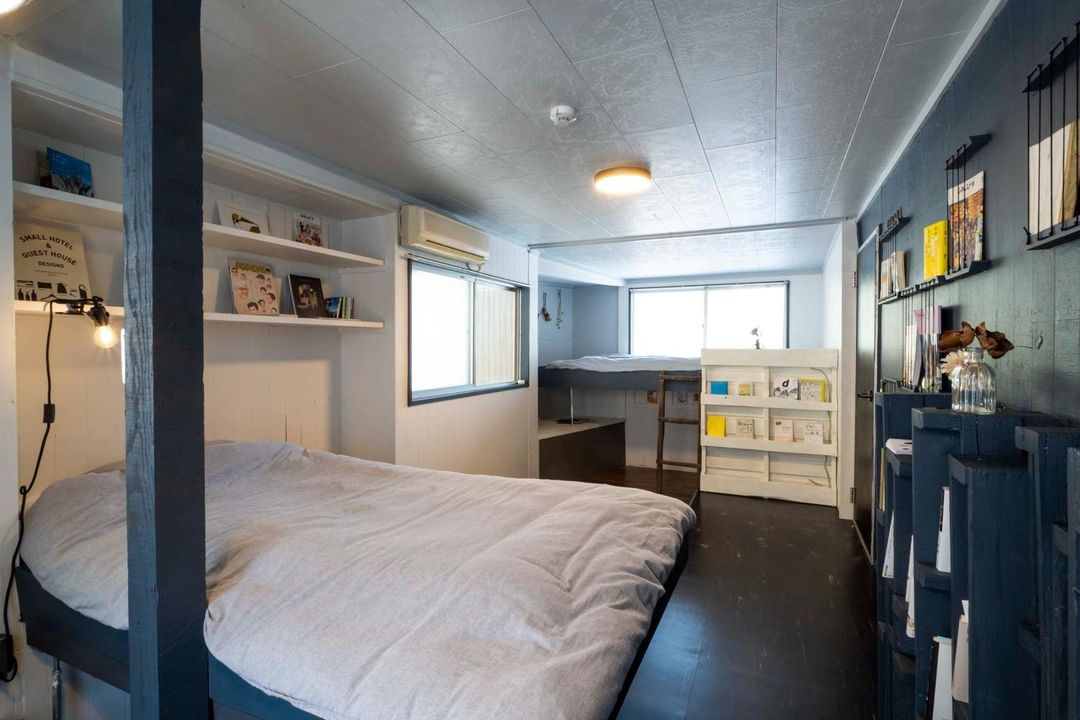
Local Local
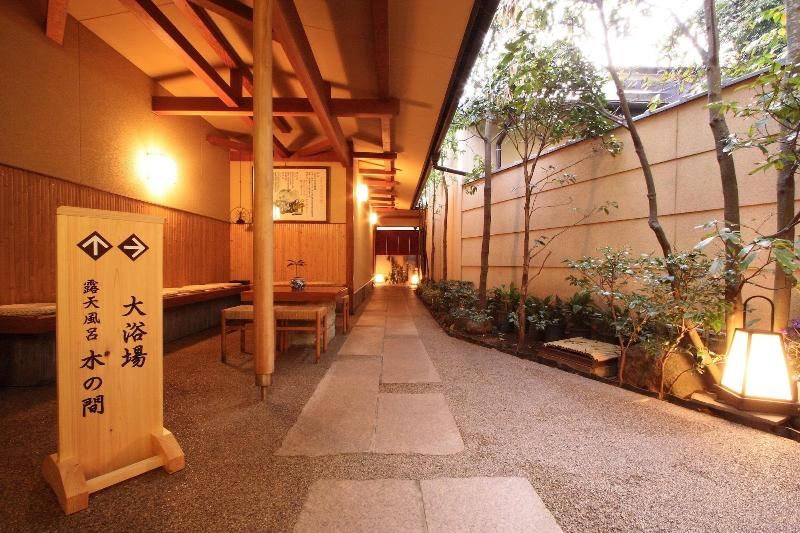
Kagiya the Annex of Senoumi
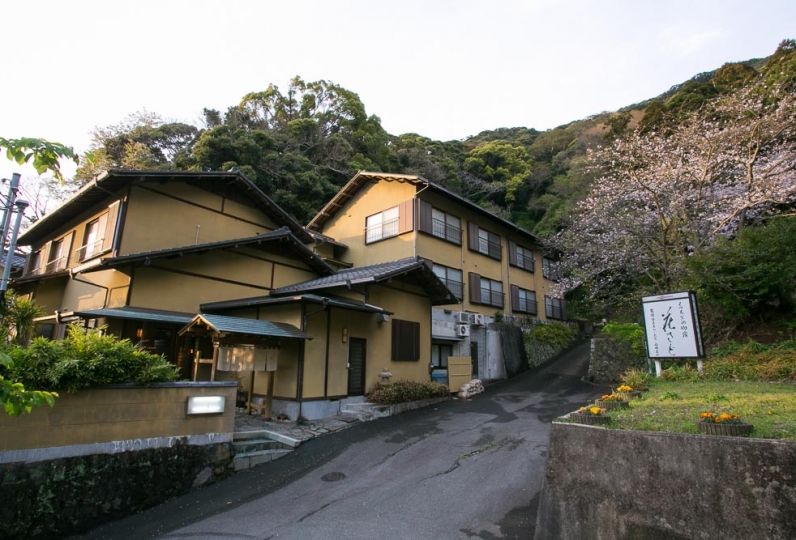
Relaxing Inn Hanasato
Best Hotels in Minamiizu
Discover curated hotel collections in Minamiizu
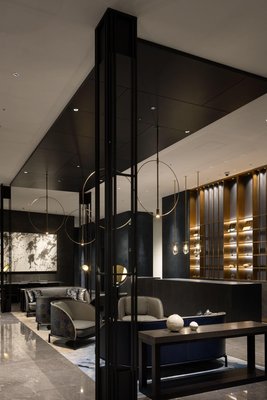
Bellustar Tokyo, A Pan Pacific Hotel
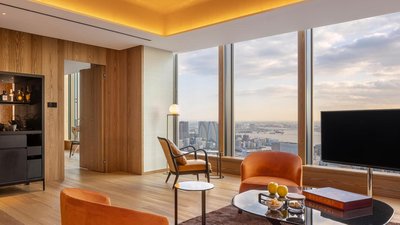
Bvlgari Hotel Tokyo
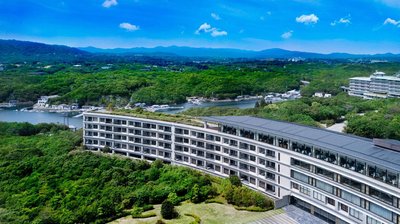
Shima Kanko Hotel the Bay Suites
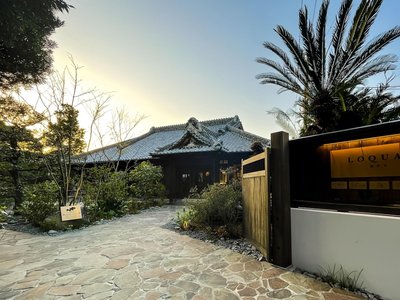
Loquat Nishiizu
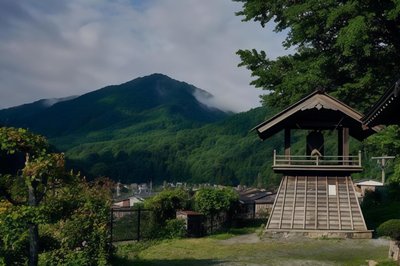
Byaku Narai
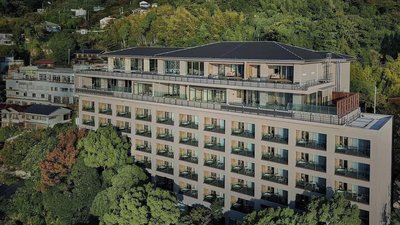
Atami Izusan Karaku
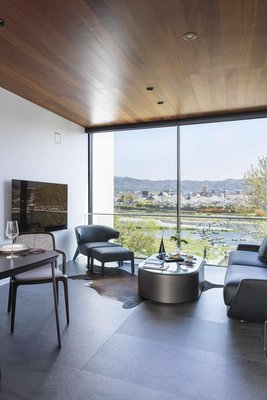
Kamo Residences by Reflections
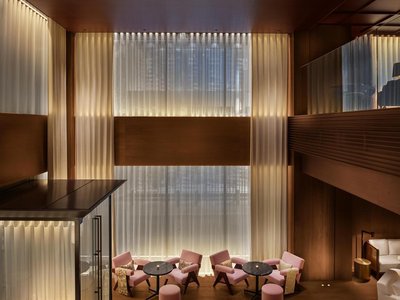
The Tokyo Edition, Ginza
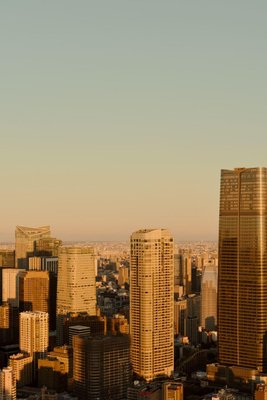
Janu Tokyo
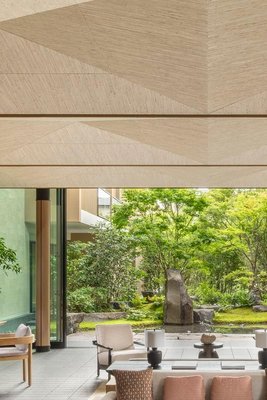
Six Senses Kyoto
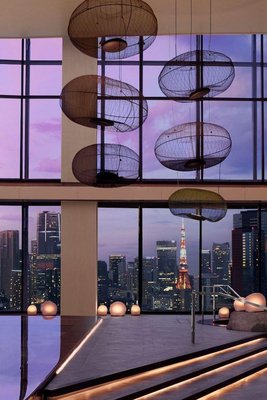
JW Marriott Hotel Tokyo
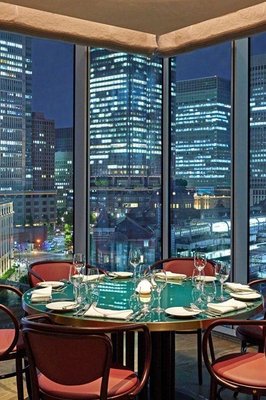
Four Seasons Hotel Tokyo at Marunouchi

Mandarin Oriental, Tokyo
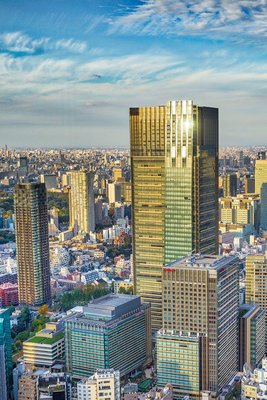
The Ritz-Carlton, Tokyo
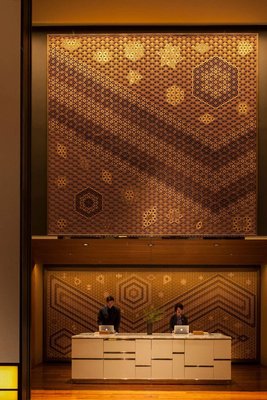
Andaz Tokyo Toranomon Hills- A Concept by Hyatt
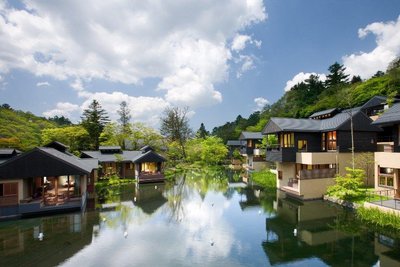
Hoshinoya Karuizawa
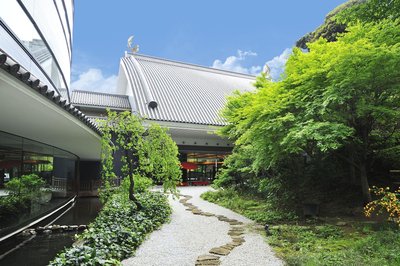
Hotel Gajoen Tokyo
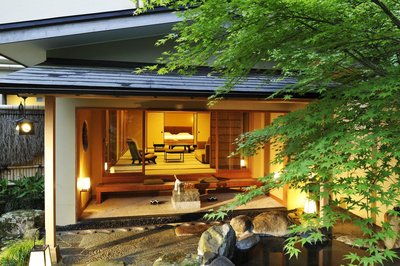
Gora Kadan
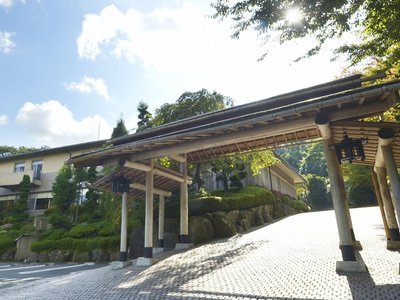
Gora Hanaougi
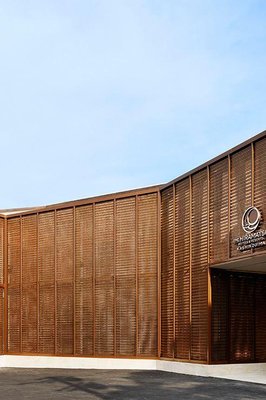
The Hiramatsu Hotels & Resorts Kashikojima
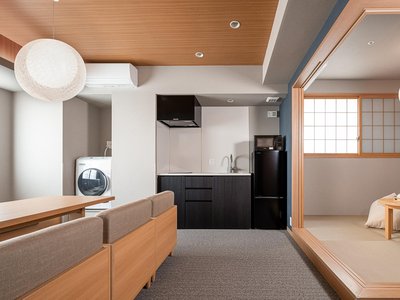
MIMARU SUITES Tokyo Asakusa

Toba International Hotel Shiojitei
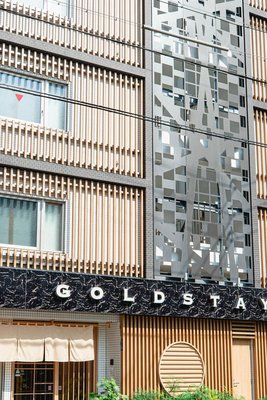
Gold Stay Nagoya OSU
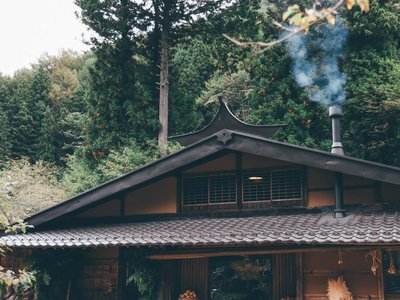
La Terra Resort
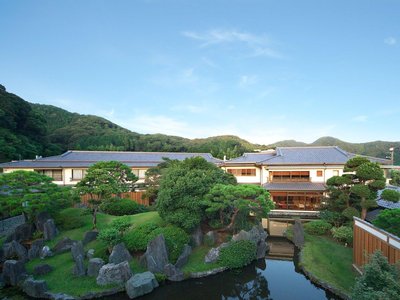
Kagetsutei

karaksa hotel colors Tokyo Yaesu
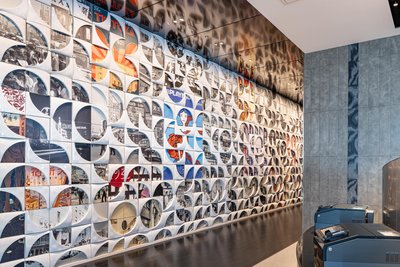
HOTEL GROOVE SHINJUKU, A PARKROYAL Hotel
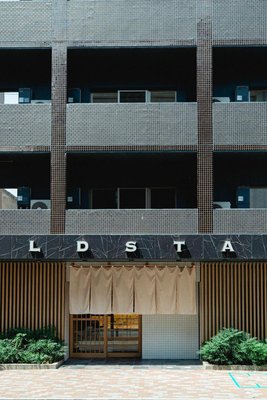
GOLD STAY Nagoya Sakae
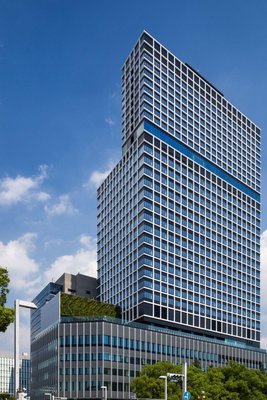
The Royal Park Hotel Iconic Nagoya

Awaumi Fujikawaguchiko Resort
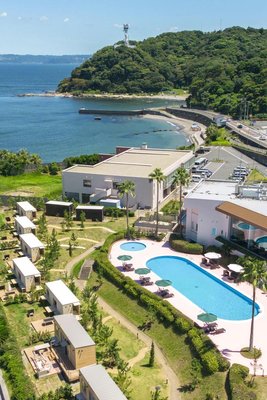
La vista Yokosuka Kannonzaki Terrace
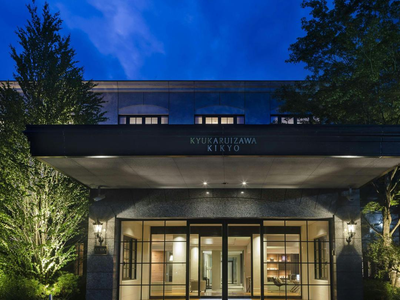
Fufu Karuizawa Wind of Sunshine
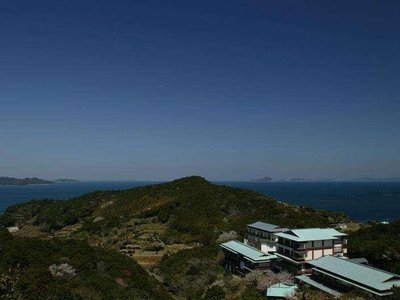
Hanashinsui

Scapes the Suite
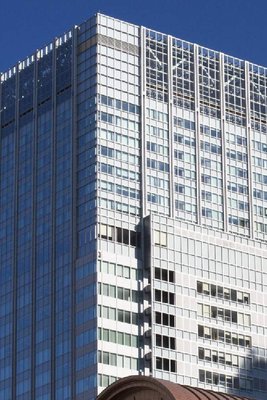
Hotel Metropolitan Tokyo Marunouchi
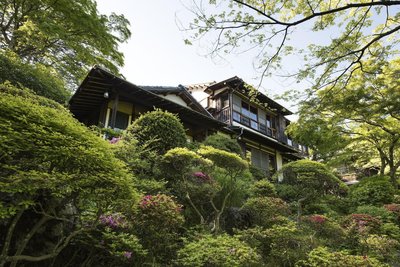
Gora Kansuiro
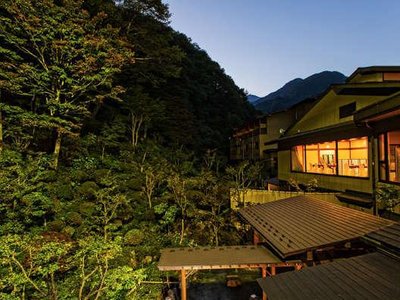
Futari Shizuka
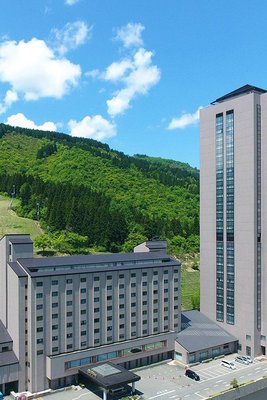
Naspa New Otani
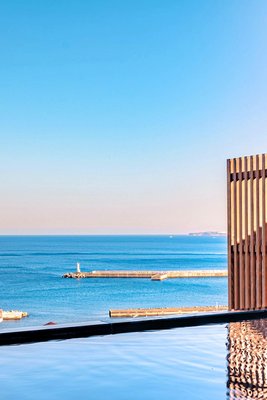
HOTEL KANICHI
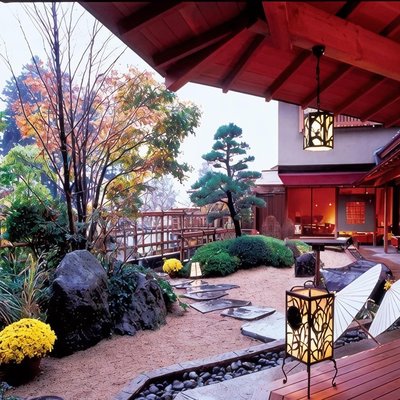
Oyado Tamaki
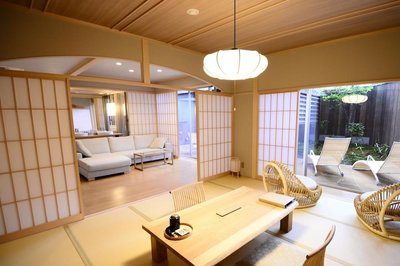
Hakone Gora Byakudan
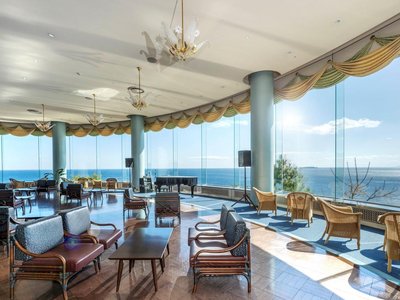
Hotel New Akao
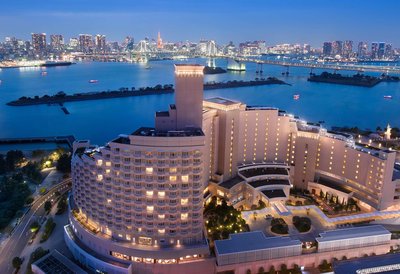
Hilton Tokyo Odaiba
JW Marriott Hotel Tokyo
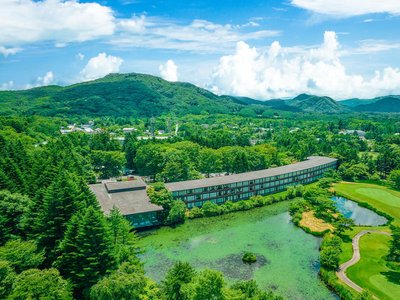
The Prince Karuizawa
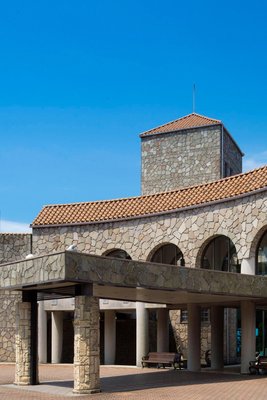
Izumigo Hotel Altia Toba
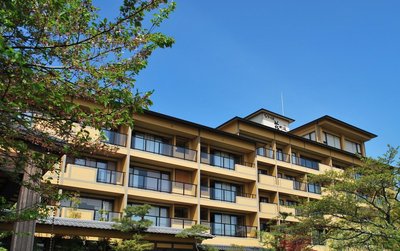
BIWAKO HANAKAIDO
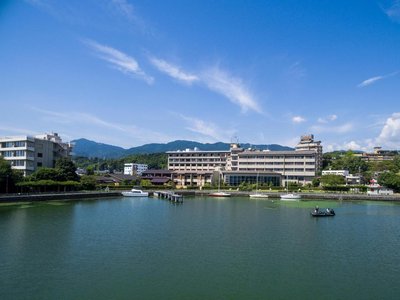
Biwako Ryokusuitei
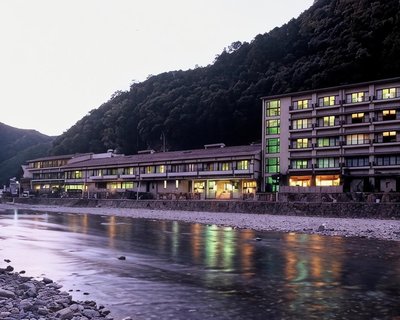
Kawayu Onsen Fujiya
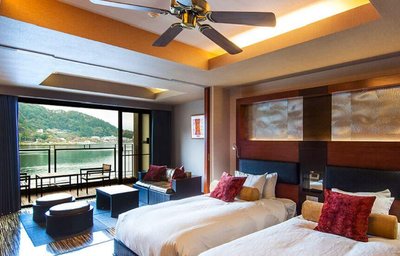
The Kukuna
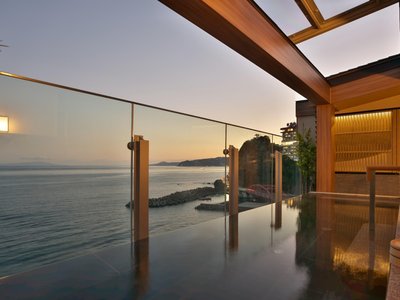
Hotel New Sagamiya
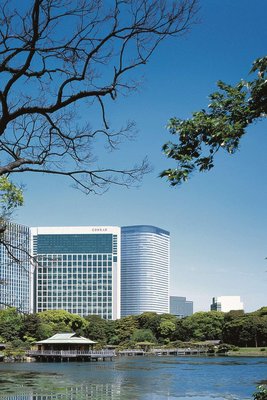
Conrad Tokyo
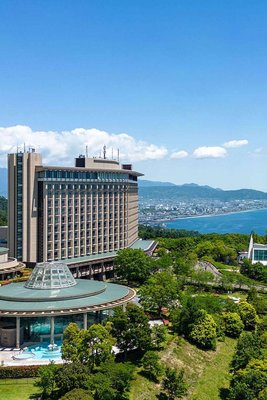
Hilton Odawara Resort & Spa
Hoshinoya Karuizawa
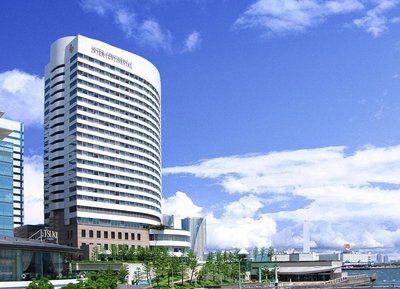
InterContinental Tokyo Bay
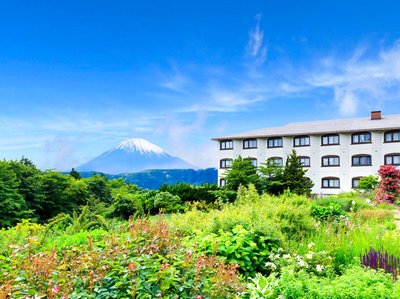
Hotel Green Plaza Hakone
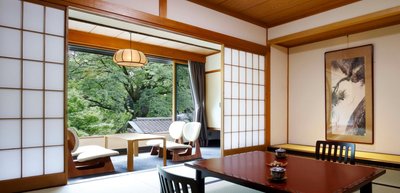
Yoshiike Ryokan
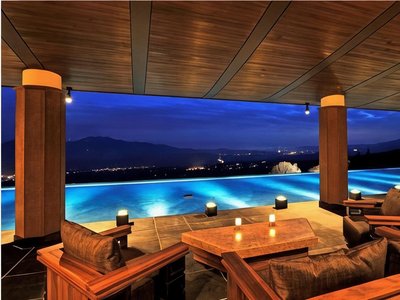
Akakura Kanko Hotel
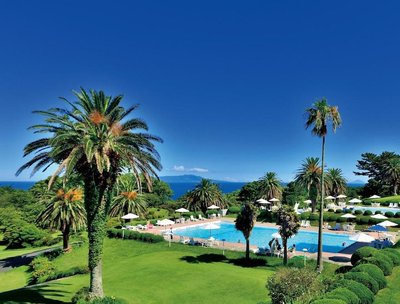
Kawana Hotel
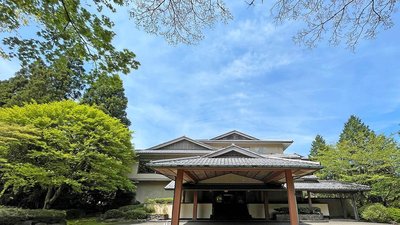
Ryuguden
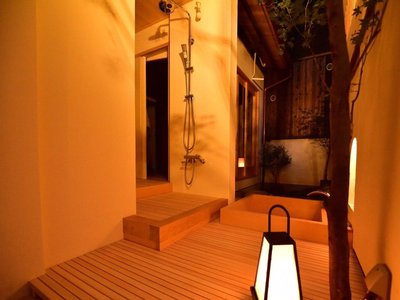
Yado Kiramachi
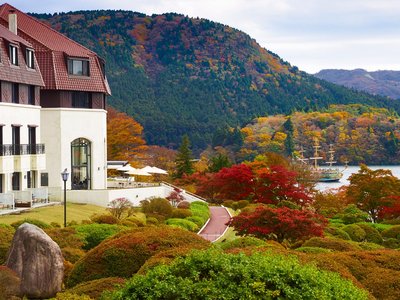
Hotakajyo

Onyado Nono Asakusa Bettei Hot Spring
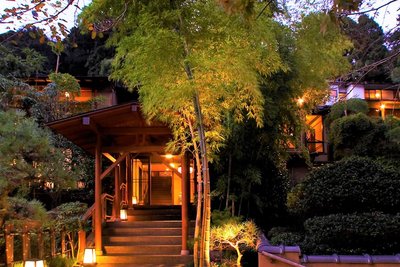
Shiki wo Ajiwau Yado Yamano Chaya
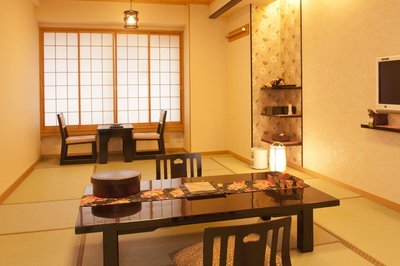
Matsui-Bekkan Hanakanzashi
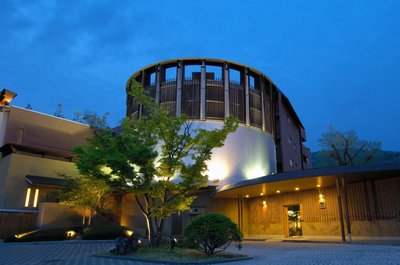
Hoshino Resorts Kai Matsumoto
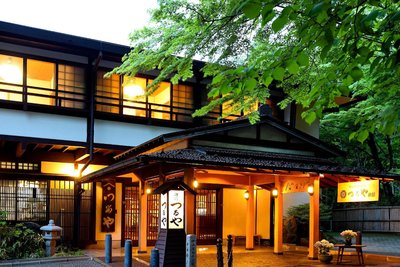
Tsuruya Ryokan
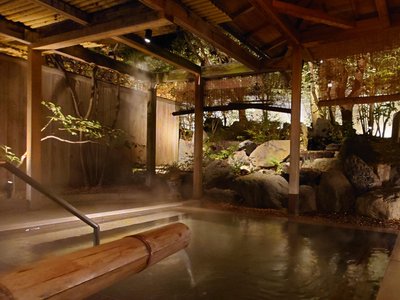
Kasuga Hotel
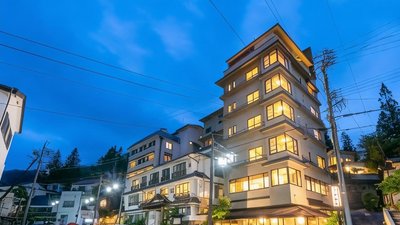
Nakamatsuya Ryokan
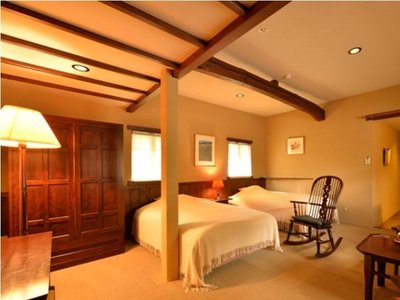
Ryokan Sugimoto
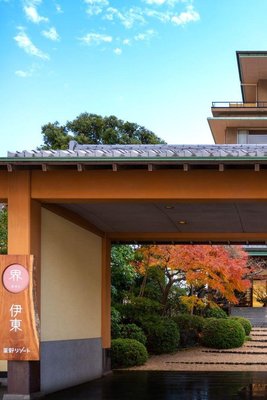
Hoshino Resorts Kai Ito
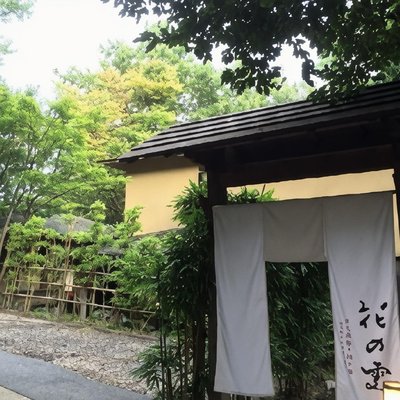
Hana No Kumo
Yoshiike Ryokan
Hotel Gajoen Tokyo
Gora Hanaougi
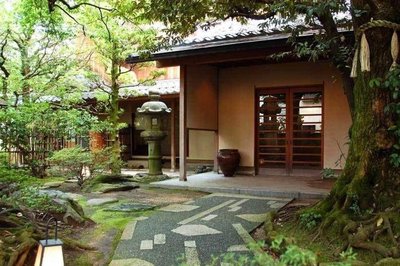
Kocho
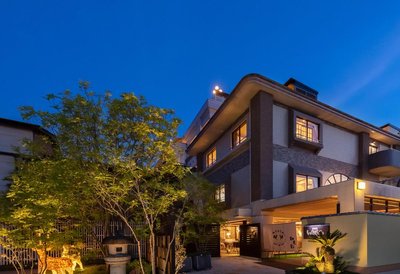
Hotel New Wakasa
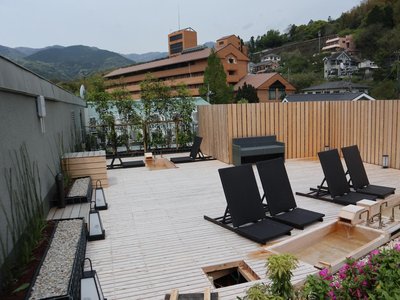
Fukiya Ryokan
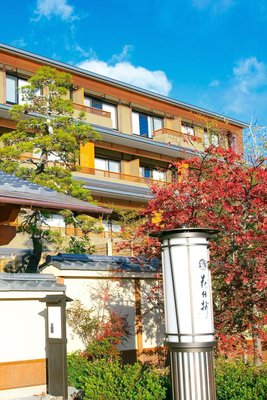
Kyoto Arashiyama Onsen Kadensho (Kyoritsu Resort)
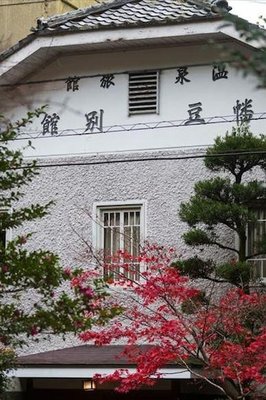
Oku-Mikawa・Yuya Onsen HAZU Bekkan
Bellustar Tokyo, A Pan Pacific Hotel
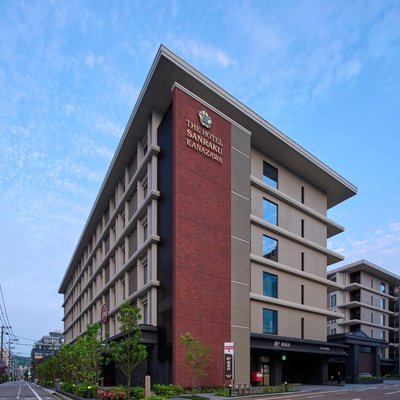
The Hotel Sanraku Kanazawa 21th December 2022 Open

22 PIECES
JW Marriott Hotel Tokyo
Andaz Tokyo Toranomon Hills- A Concept by Hyatt

The Thousand Kyoto
Mogana
GOOD NATURE HOTEL KYOTO
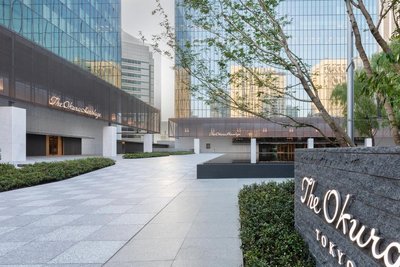
The Okura Tokyo
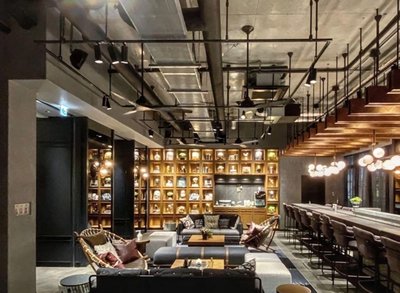
The Lively Azabujuban Tokyo
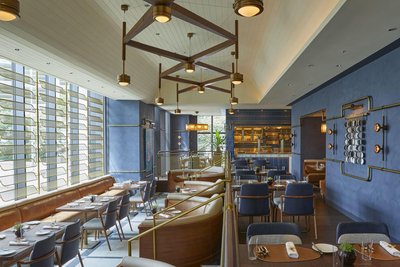
Kimpton Shinjuku Tokyo
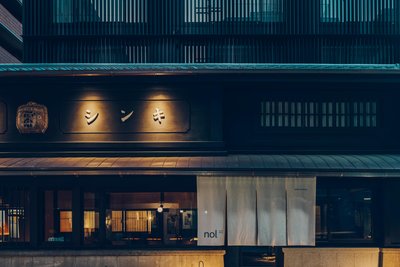
Nol Kyoto Sanjo

HOTEL K5
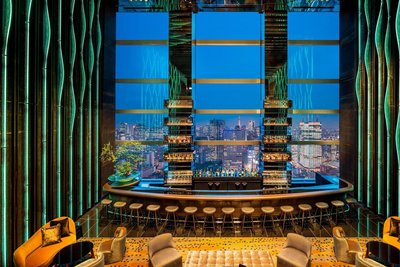
The Prince Gallery Tokyo Kioicho, a Luxury Collection Hotel
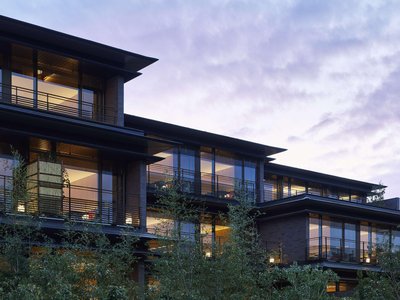
Garrya Nijo Castle Kyoto
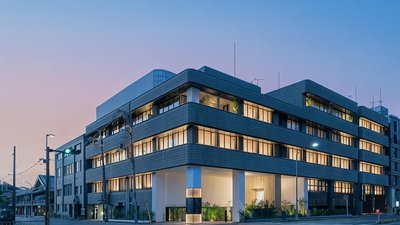
Hotel Kanra Kyoto
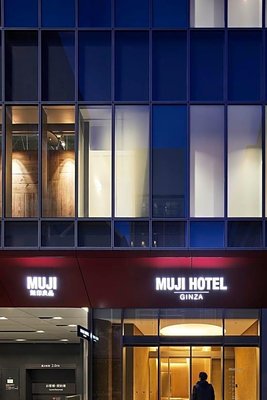
Muji Hotel Ginza
Hakone Gora Byakudan
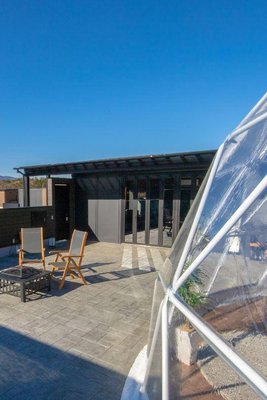
Panoramic Mt. Fuji Views from All Rooms – Vision Glamping Resort & Spa Yamanakako
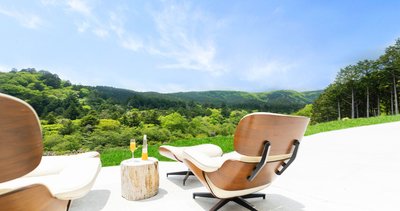
Shelter Garden Nikko
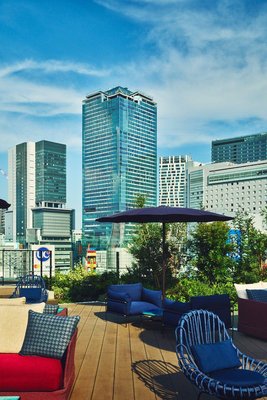
Hotel Indigo Tokyo Shibuya

TIAD, AUTOGRAPH COLLECTION
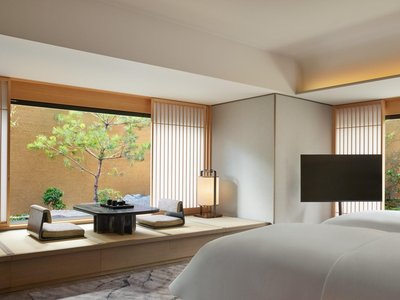
Dusit Thani Kyoto
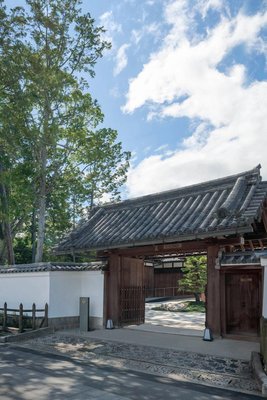
Shisui, a Luxury Collection Hotel, Nara

Hilton Kyoto
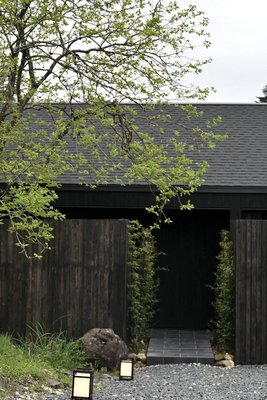
THE LAKOTAN
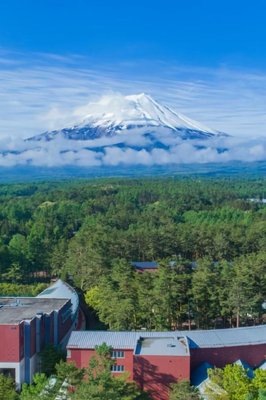
Forest Village (Fuji Premium Resort)

Hotel Toranomon Hills
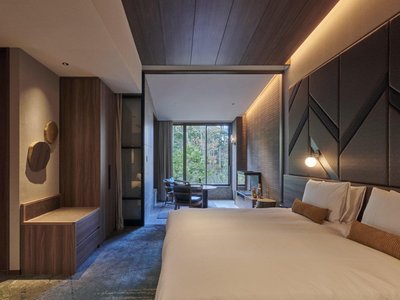
Fufu Kyu-Karuizawa Restful Forest
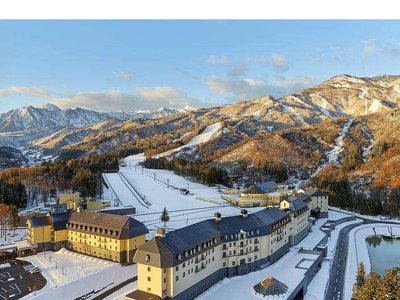
Lotte Arai Resort
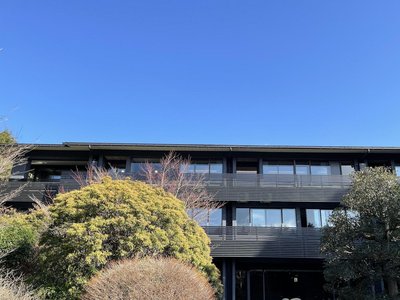
Sengokubara Cocon
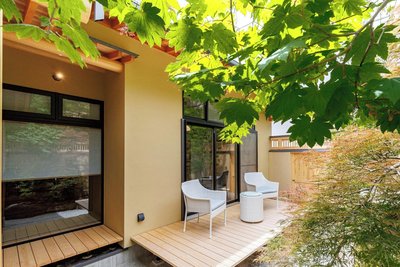
Shoraiso
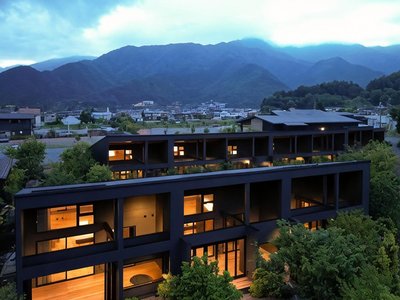
7C Villa and Winery
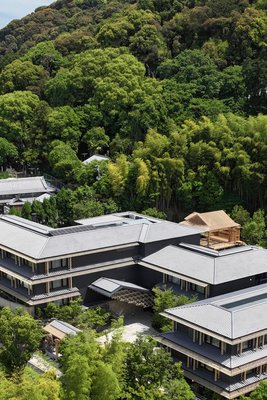
Banyan Tree Higashiyama Kyoto

Hotel la Vigne Hakuba by Onko Chishin
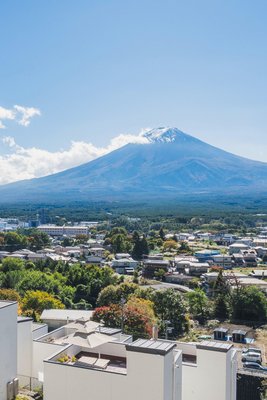
THE TOKI FujiKawaguchiko
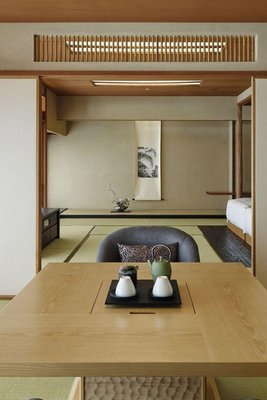
Takanawa Hanakohro (in Grand Prince Hotel Takanawa)
Bvlgari Hotel Tokyo
Four Seasons Hotel Tokyo at Marunouchi
Mandarin Oriental, Tokyo
The Ritz-Carlton, Tokyo
Andaz Tokyo Toranomon Hills- A Concept by Hyatt
Gora Kadan
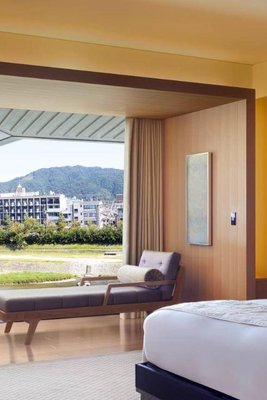
The Ritz-Carlton, Kyoto

Hotel New Otani Tokyo the Main
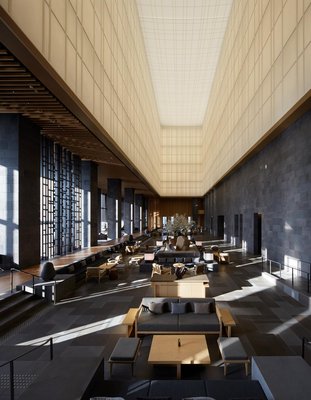
Aman Tokyo
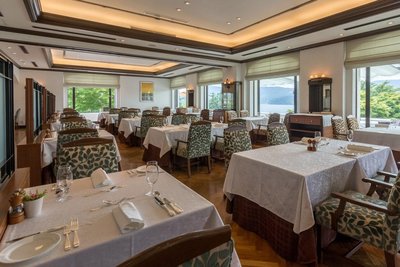
Odakyu Hotel de Yama
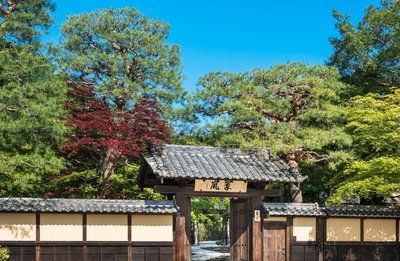
Suiran, a Luxury Collection Hotel, Kyoto
GOOD NATURE HOTEL KYOTO
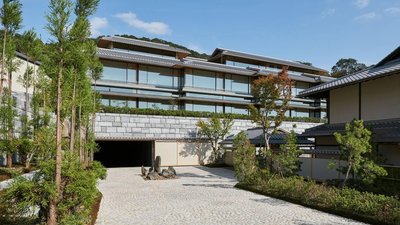
Park Hyatt Kyoto
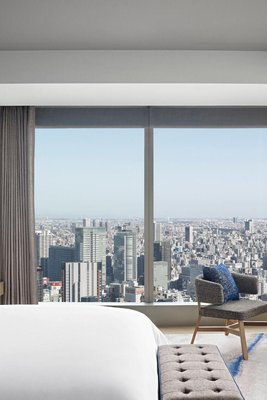
Four Seasons Hotel Tokyo at Otemachi
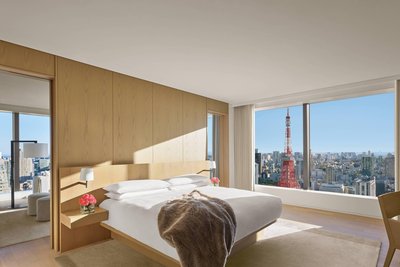
The Tokyo Edition, Toranomon

Hyatt Centric Kanazawa
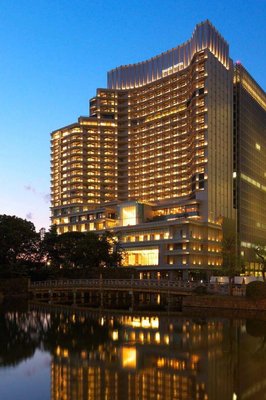
Palace Hotel Tokyo
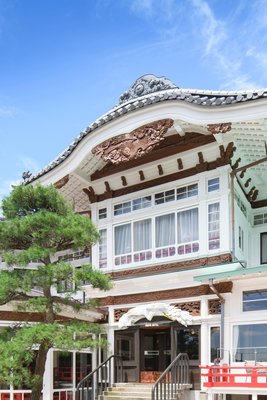
Fujiya Hotel
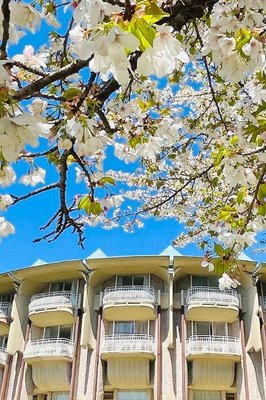
The Prince Hakone Lake Ashinoko
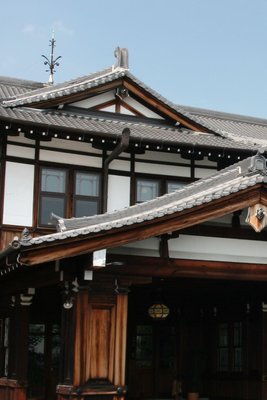
Nara Hotel
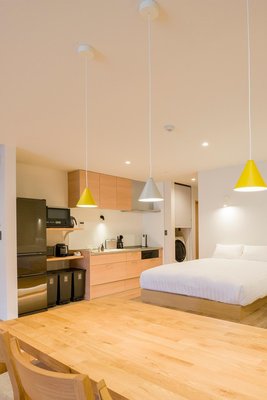
Rakuten STAY VILLA Nasu
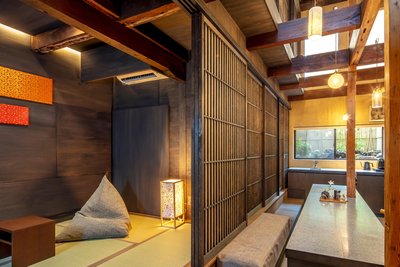
Kyo No Oozora Kihana
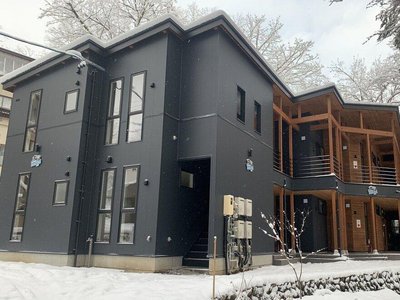
Hakuba Gondola Apartments
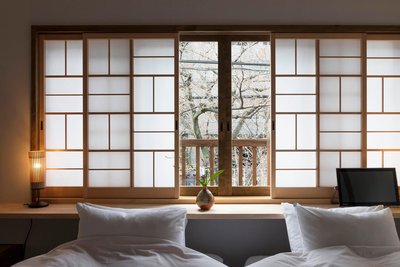
Hanagoromo Machiya House
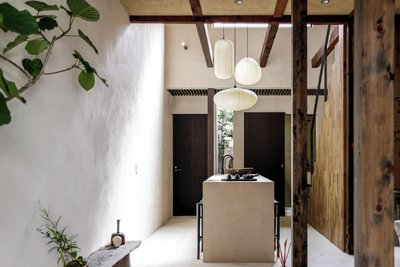
Maana Kiyomizu
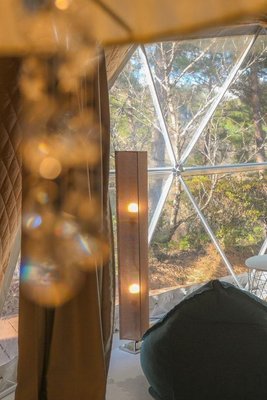
glampark Gekkabijin Nagano
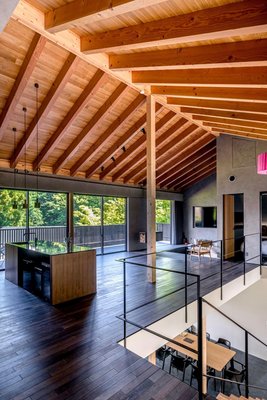
MONS GORA
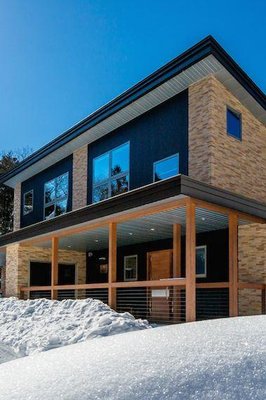
Phoenix Chalets by Hhg
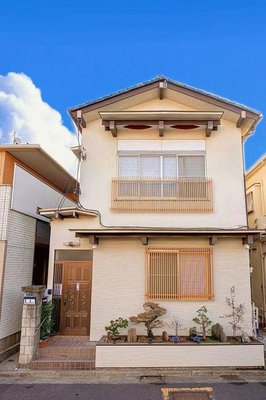
Tokyo Star House-Shinkoiwa
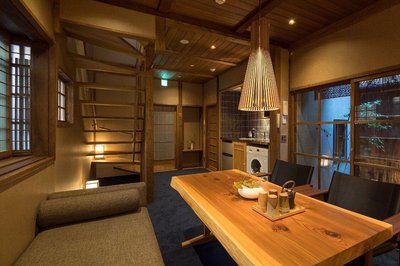
Bonbori an Machiya House
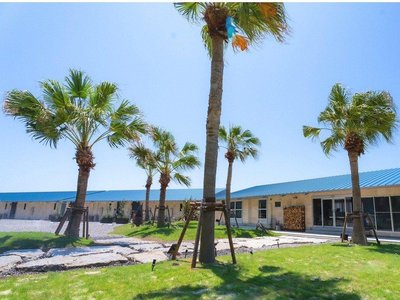
Glamping&Resort Wood Design Park Noma
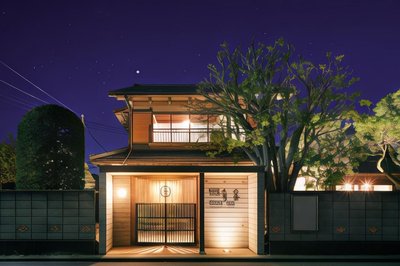
Machi-Jyu
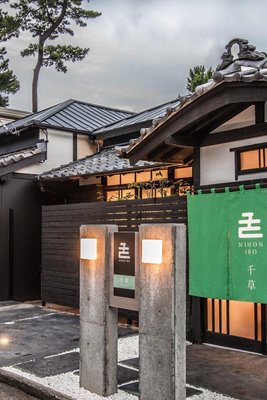
Nihon Iro
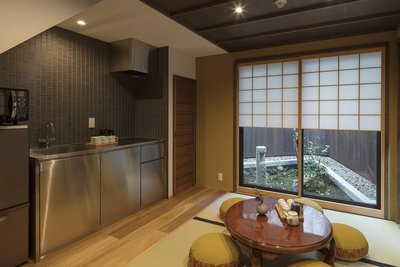
The Machiya Villa Sanjo Shirakawa Koji
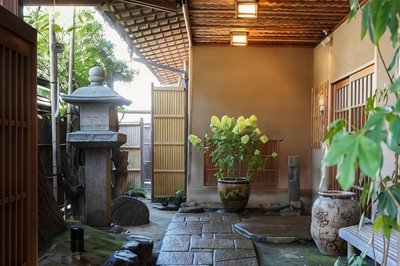
Ryokan Asadaya
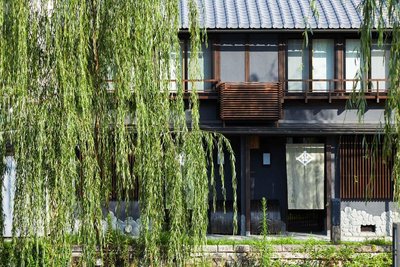
Gion Shirakawa No Yado

Kitashirakawa Natural Radium Onsen
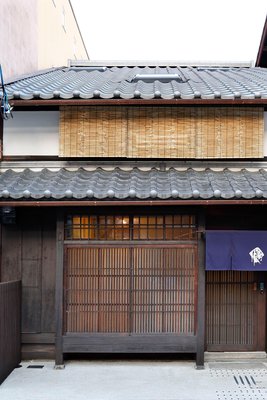
Kyo No Ondokoro Kamanza Nijo #2
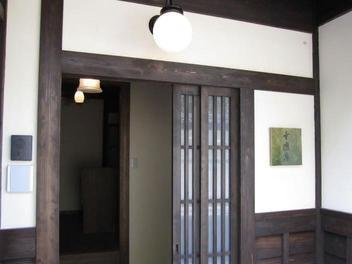
Gion Koyu an Machiya House
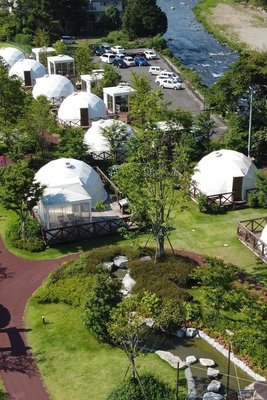
Ufufu Village

Hotel Barrière Fouquet's New York
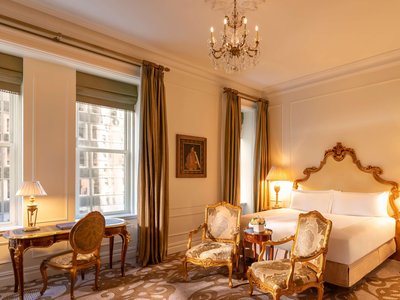
The Plaza - A Fairmont Managed Hotel
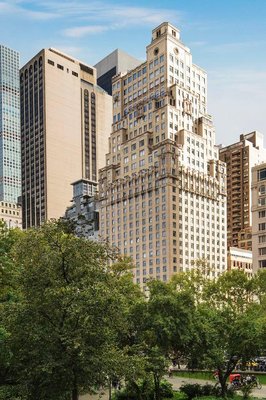
The Ritz-Carlton New York, Central Park
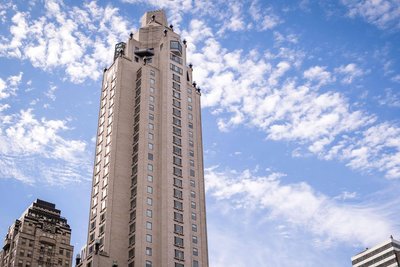
Four Seasons Hotel New York

The St. Regis New York
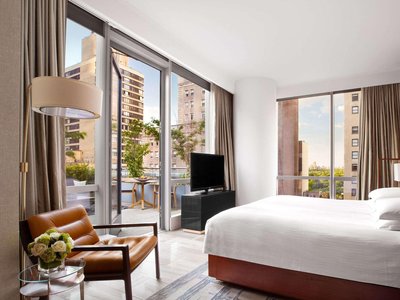
Park Hyatt New York
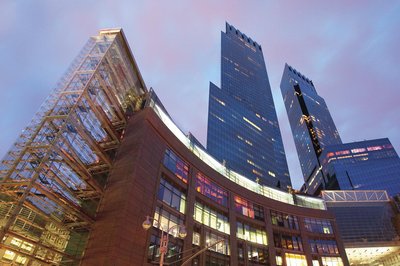
Mandarin Oriental New York
Times Square Edition New York

Loews Regency New York Hotel
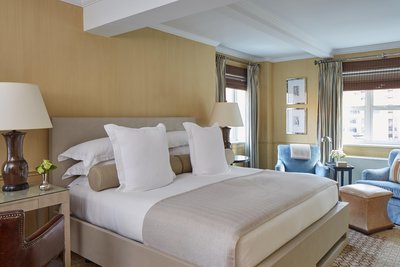
Lowell Hotel
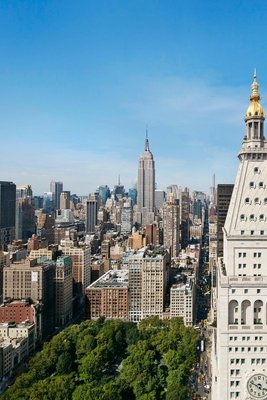
New York Edition
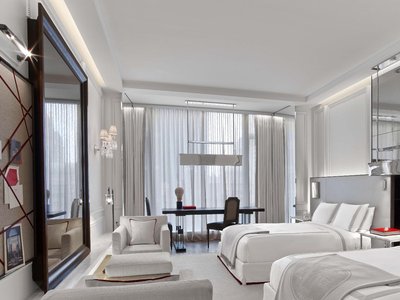
Baccarat Hotel New York

Equinox Hotel New York

Four Seasons Hotel New York Downtown
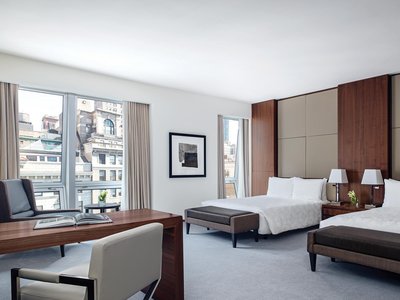
The Langham, New York, Fifth Avenue

The Carlyle, A Rosewood Hotel

The Chatwal, in the Unbound Collection by Hyatt
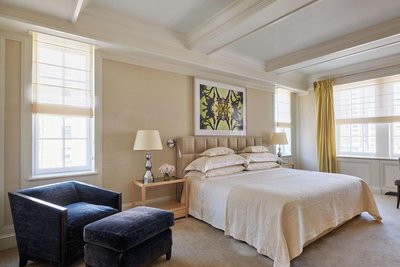
The Mark New York
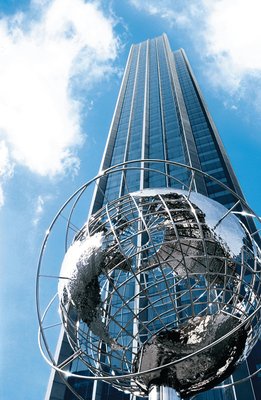
Trump International Hotel & Tower® New York
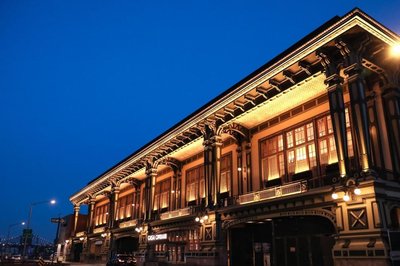
Casa Cipriani New York
Frequently Asked Questions about Traveling to Minamiizu
Questions You Might Need to Know About Traveling to Minamiizu
In Nan-Izu Town, the top choice for families is Nan-Izu Onsen Kōkan, a traditional ryokan nestled beside the Pacific Ocean with private hot spring baths and spacious family rooms. The property offers kid-friendly activities like handmade pottery workshops and guided coastal walks to Ootaki Falls. Each room features tatami mats, futons, and panoramic sea views, while meals include fresh local seafood such as grilled eel and sea urchin. The staff provides multilingual support and free shuttle service from Nan-Izu Station. With its serene atmosphere and thoughtful amenities, this ryokan delivers a perfect blend of comfort, culture, and nature for multi-generational stays.
The ideal location for sunrise viewing in Nan-Izu Town is Tomisaki Cape, a rugged headland jutting into the Pacific Ocean. At dawn, the sky ignites in hues of gold and crimson as the sun rises over the water, casting long shadows across the rocky shore. The site has a simple walking path and an open viewing platform, making it perfect for photographers and couples. Arrive by 4:30 AM to avoid crowds and enjoy the quiet moment before the day begins. Nearby attractions include Nan-Izu Shrine and the Ootaki River Wetlands, allowing for a full morning of nature immersion. Accessible via a 15-minute bus ride or bike ride from Nan-Izu Station, this scenic gem offers one of Japan’s most peaceful sunrise experiences.
Visitors to Nan-Izu Town can participate in authentic local traditions such as the annual fishing village festival held every August, featuring handmade bamboo basket weaving, live demonstrations of ama divers (sea women), and sake tasting from traditional local brews. Another highlight is the Ootaki River Waterway Tour, led by elders who share stories of the region’s history and ecology through canoe rides past ancient cedars and wetlands. Additionally, the Nan-Izu Pottery Workshop allows guests to shape clay using local soil, creating personalized ceramics under expert guidance. These immersive activities offer deep insight into the town’s sustainable lifestyle and community spirit, transforming tourism into meaningful cultural exchange.
The area around Nan-Izu Station is the most convenient base for exploring major sites in Nan-Izu Town. It's just a 10–15 minute walk or bus ride from Ootaki Falls, Tomisaki Cape, and the coastal hiking trail, and it connects directly to regional buses. This district hosts several boutique hotels like Nan-Izu Ekimae Ryokan, offering free shuttles, breakfast with local seafood, and easy access to shops and restaurants. Its central location makes it ideal for travelers arriving from Tokyo or Izu Shima via train. Whether you're seeking tranquility or convenience, staying near the station ensures seamless access to nature, culture, and cuisine without long commutes.
Photographers will love the Ootaki River Wetlands and stone bridge clusters in Nan-Izu Town, especially at dawn when mist hovers above the water, reflecting ancient wooden bridges and swaying reeds—perfect for dreamlike compositions. The secluded path north of the stone bridges leads through dense forest, ideal for capturing dynamic shots of birds in flight and wind-blown grasses. For dramatic silhouettes, visit Tomisaki Cliff during sunset, where the red-purple sky meets crashing waves against black rocks. Bring a tripod and polarizing filter for long-exposure shots. Arrive early on weekdays to avoid crowds. This untouched corner remains off the beaten path, preserving raw natural beauty and offering some of Japan’s most authentic photographic moments.
The hot springs in Nan-Izu Town are renowned for their mild alkaline carbonated mineral water, known for softening skin and easing muscle tension. The standout feature is Nan-Izu Onsen Kōkan’s open-air bath, which overlooks the Pacific Ocean—soaking with waves lapping nearby creates a deeply therapeutic experience. Some resorts even offer night-time private baths with ambient lighting and stargazing views. The springs originate from volcanic underground sources rich in minerals, believed to improve circulation and reduce stress. First-time visitors should start with lower-temperature pools and pair their soak with herbal teas and foot baths offered by the ryokan. These natural thermal waters provide both relaxation and wellness benefits in a pristine coastal setting.
Couples should not miss the sunset walk along Tomisaki Cape followed by a private night soak at Nan-Izu Onsen Kōkan’s glass-roofed outdoor bath, where stars twinkle above and waves whisper below. Afterward, visit the Nan-Izu Shrine together to write wishes on wooden ema plaques. For dinner, reserve a table at a seaside restaurant serving grilled eel bowls and fresh sea urchin sushi, paired with local sake. Many ryokans offer customized romance packages including flower arrangements, candlelit dinners, and complimentary drinks. With no need for long travel times, this intimate escape blends breathtaking scenery, quiet moments, and culinary delights—ideal for creating lasting memories.
The must-try dish in Nan-Izu Town is Nan-Izu Unagi Donburi, a signature eel bowl made with locally raised freshwater eel slowly simmered in a sweet-savory soy-based sauce. Served over freshly cooked rice, it’s topped with a glossy glaze and garnished with pickled ginger and nori. This dish originated in the Edo period and is still prepared by family-run eateries like Unagiri near the Ootaki River Market, which serves fresh catches daily. Pair it with house-made plum tea and try the local sea urchin sashimi and shrimp tempura for a full taste of the coast. Due to limited daily supply, reservations are highly recommended to secure a seat at this beloved regional specialty.
Nan-Izu Town boasts a rare coastal wetland ecosystem, centered around the Ootaki River Basin, which serves as a vital habitat for migratory birds like egrets, kingfishers, and Japanese cranes. In summer, the river blooms with lotus and iris; in winter, flocks of ducks gather to feed. The area also preserves rare native ferns and acid-loving plants like Izu mountain moss. Local conservation efforts, including plastic-free initiatives and eco-guided tours, help maintain ecological balance. Guided nature walks led by resident experts use binoculars and field notebooks to teach about species interactions and seasonal changes. Wear insect repellent and sturdy shoes, and visit early morning or late afternoon for the best wildlife sightings. This pristine environment offers a rare glimpse into Japan’s undisturbed natural heritage.
For efficient travel in Nan-Izu Town, start at Nan-Izu Station, accessible by Izu Express Line from Tokyo in about 2 hours. From there, take the local bus (every hour) to key destinations like Tomisaki Cape, Ootaki Falls, and wetlands. For greater flexibility, rent an electric bicycle—many rental shops offer GPS-enabled routes and charging stations. For deeper exploration, book a local taxi tour with a bilingual guide who shares insights on history and nature. Download the Nan-Izu Town Tourism App for real-time schedules, maps, and audio guides. Despite its rural charm, the town’s transport system is well-organized and visitor-friendly, ensuring smooth access to all highlights without hassle.
Minamiizu Overview
City Summary
Minamiizu Town, located at the southern tip of Shizuoka Prefecture, is renowned for its hot spring resources, coastal scenery, and traditional fishing village culture. It features "Yumigahama," one of Japan's Top 100 Scenic Spots, and mineral-rich "Shimogamo Onsen." The town preserves Edo-period streetscapes, offering a perfect blend of rural tranquility and Pacific Ocean vistas.
Must-See Attractions
Must-visit spots include the white sands of Yumigahama Beach and the retro ambiance of Shimogamo Onsen Street. Irozaki Lighthouse provides breathtaking views of crashing Pacific waves, while the Mera district showcases authentic fishing port life. Join coastal firefly viewing tours at night (May-June).
Food Guide
Don't miss Ise lobster sashimi and kinmedai hot pot featuring locally caught seafood. Street stalls serve unique oden with fish paste, and ryokans offer "jigokumushi" dishes steamed by hot spring vapors.
Transportation Guide
Take buses from Izu-Kyuko Shimoda Station (40min). Local Tokai Buses have limited schedules—check timetables in advance. Bicycle rentals (~¥1,500/day) suit coastal exploration. Taxis require HopeGoo (Minamiizu Taxi: 0558-62-2151).
Best Time to Visit
April-May for cherry blossoms and fireflies, September-November for mild weather with fewer crowds. Beaches get packed in summer (July-August), while some onsens close in winter.
Travel Tips
- Wash thoroughly before entering onsens; tattoos may require cover-up patches
- Narrow roads near ports demand careful driving
- Unpatrolled beaches require tide awareness
- Carry sufficient JPY cash as most small shops don't accept cards
- Always ask permission before photographing locals
- Practice strict trash recycling—public bins are scarce
Useful Information
Japanese is predominant, though tourist offices offer basic English. 4G coverage exists but may weaken in mountains. Cash dominates payments; only ryokans and large restaurants accept cards. Dial 110 (police) or 119 (ambulance) for emergencies—nearest hospital is Shimoda Medical Center (30min drive). Post office near town hall handles international mail.