Hotels in Minamimaki
Discover your perfect stay in Minamimaki.
Minamimaki(Japan) Travel 2026: Cheap Flights, Hotels & Top Attractions
Popular Landmarks in Minamimaki
Discover the most iconic attractions in Minamimaki
Recommended Hotels in Minamimaki
Find the perfect place to stay in Minamimaki
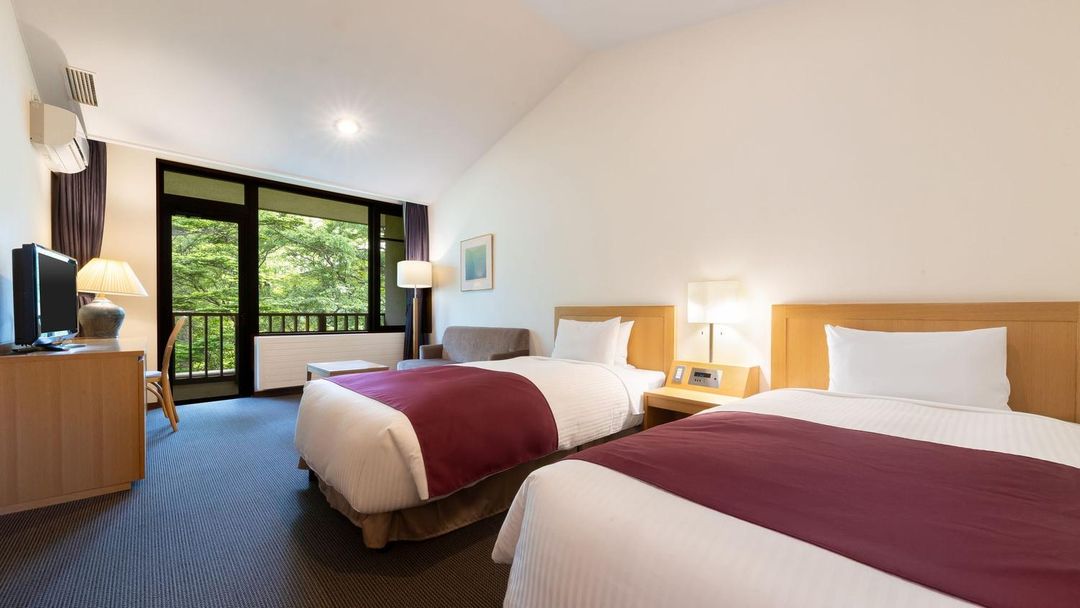
Yatsugatake Kogen Lodge
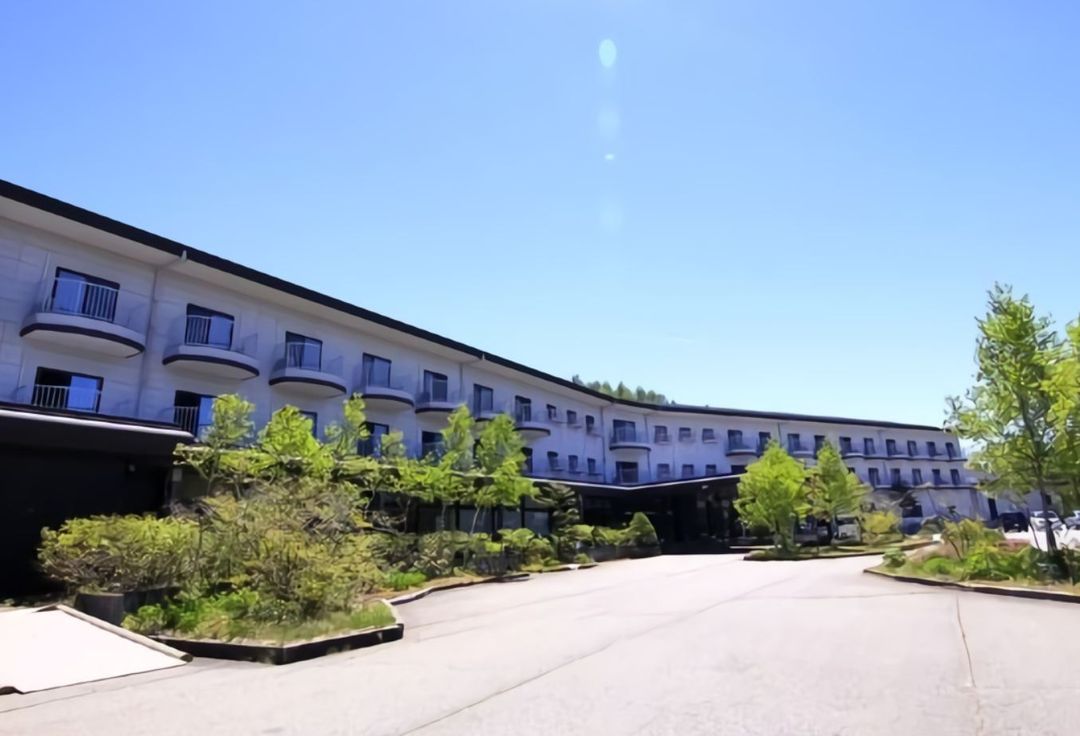
Yatsugatake Grace Hotel
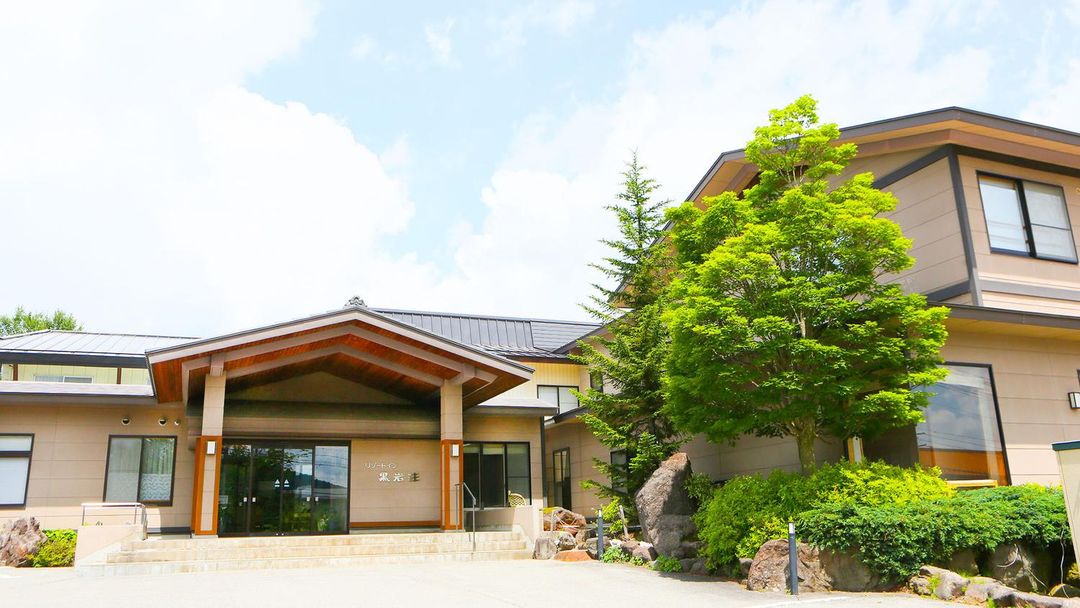
Resort Inn Kuroiwaso
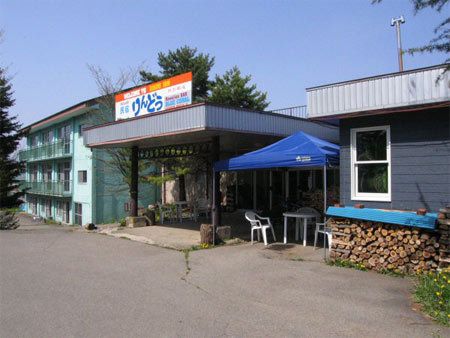
Nobeyamakogen Minshuku Rindo (Nagano)
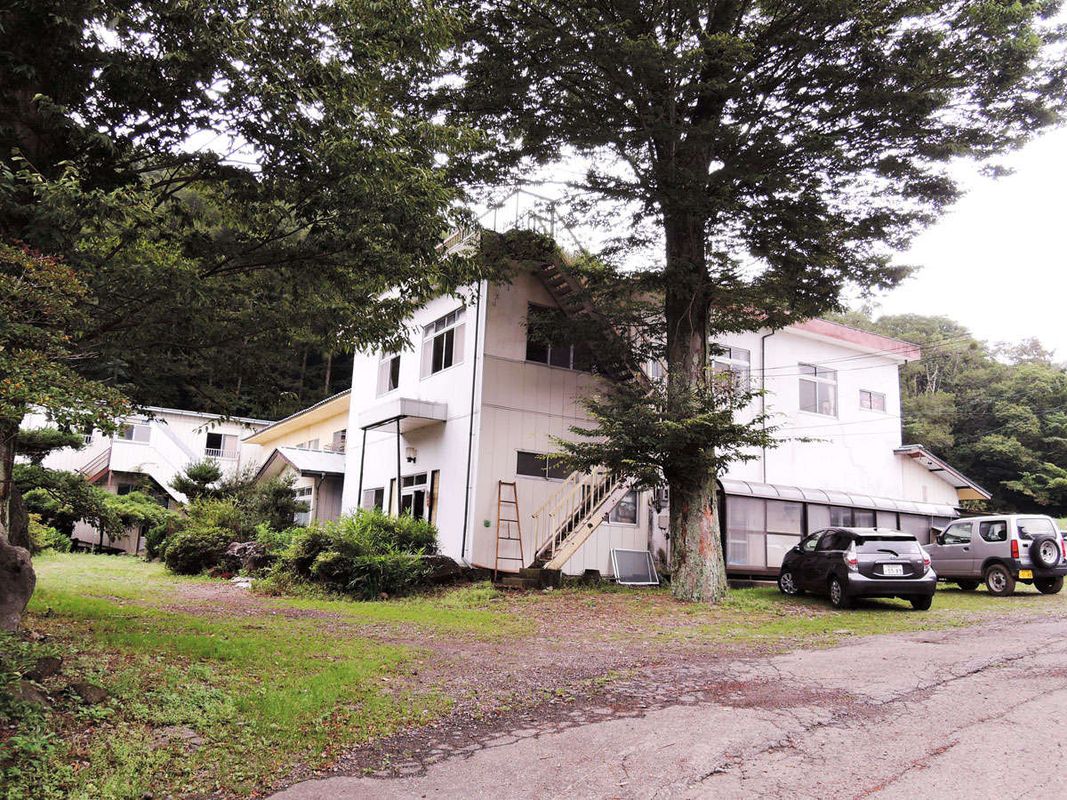
Shintaku Sanso
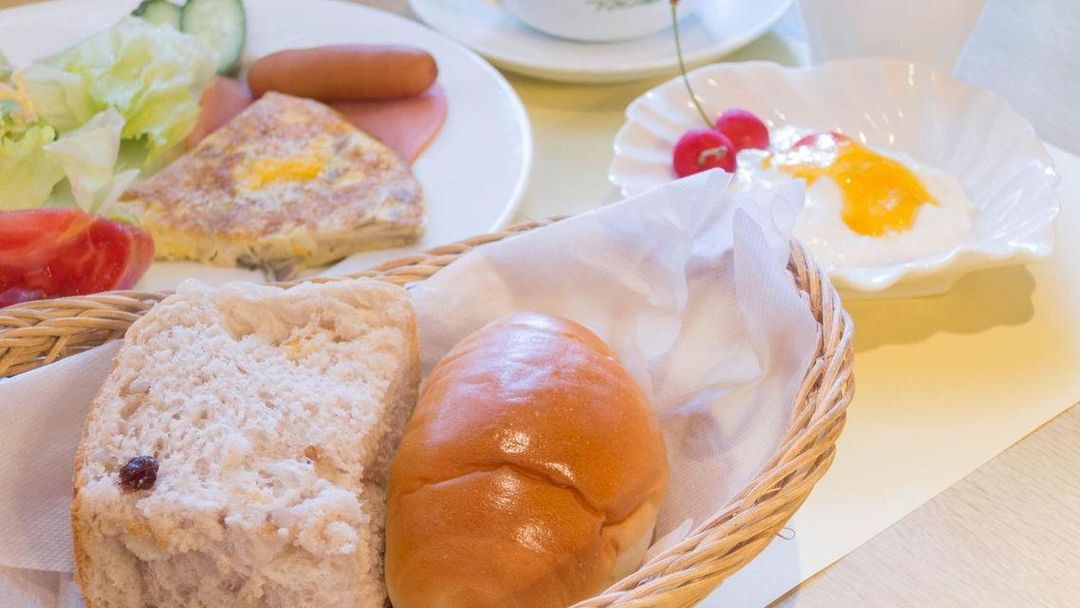
Pension Drive Kibun
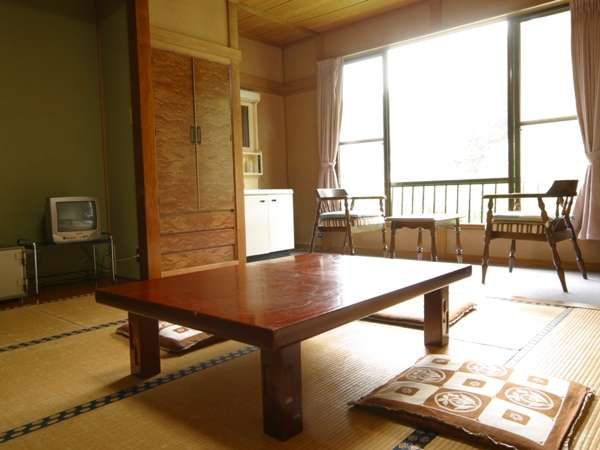
Yumoto Hotel Izumikan
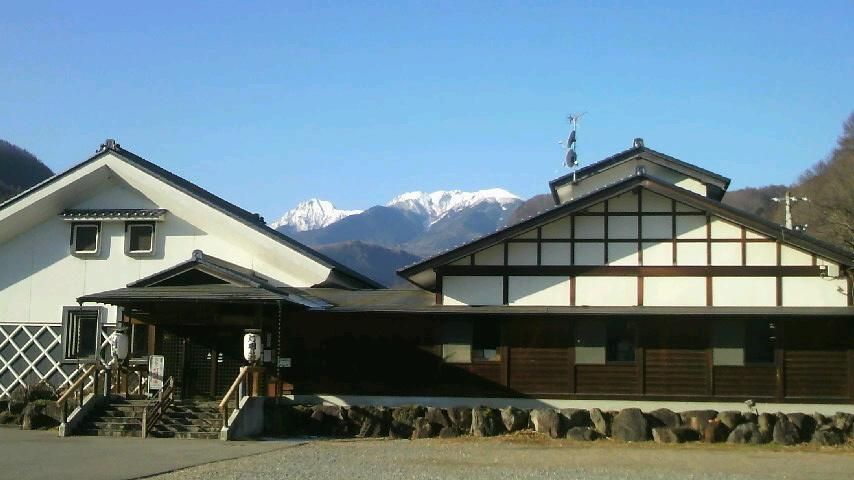
Tomyo No Yu
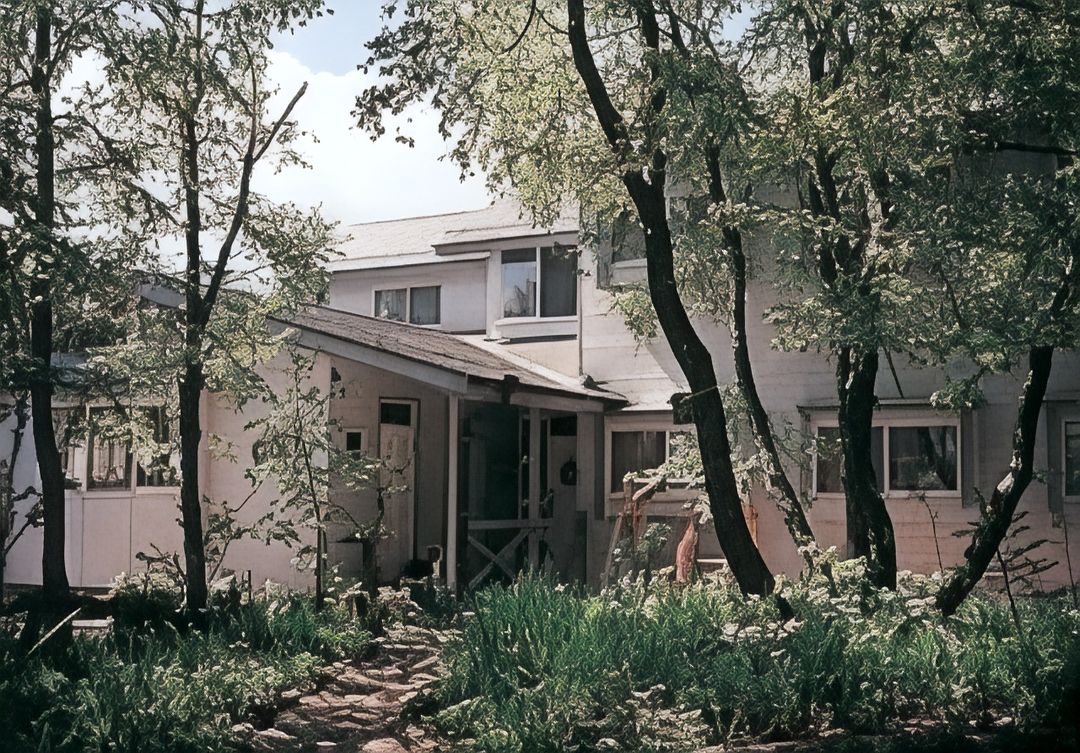
Pension Mori-No Family
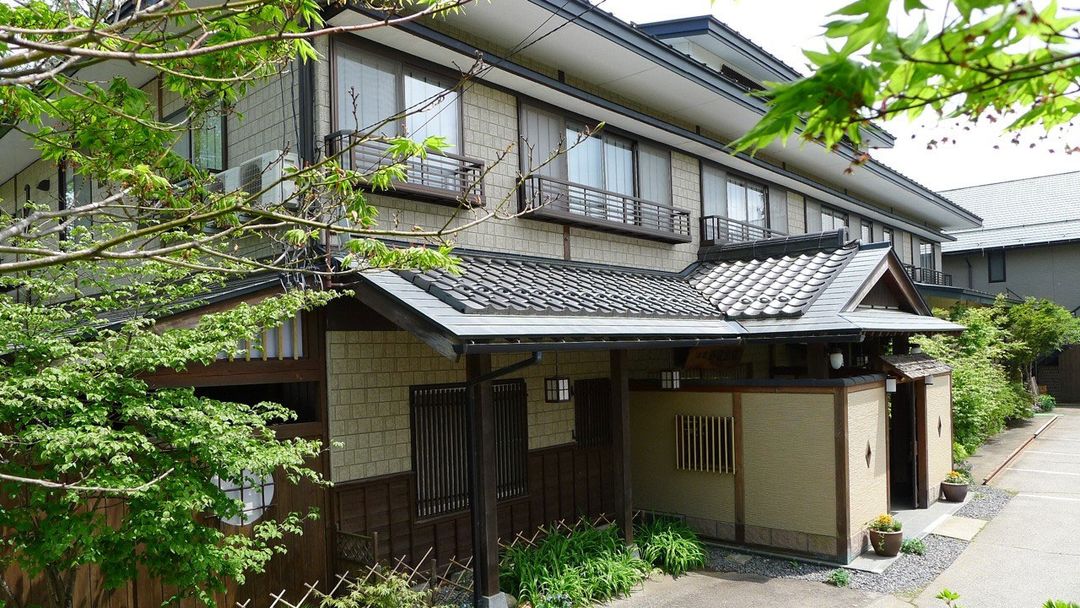
Nobeyamaso Inn
Best Hotels in Minamimaki
Discover curated hotel collections in Minamimaki
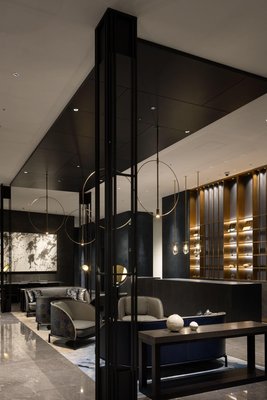
Bellustar Tokyo, A Pan Pacific Hotel
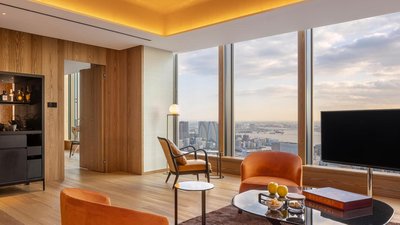
Bvlgari Hotel Tokyo
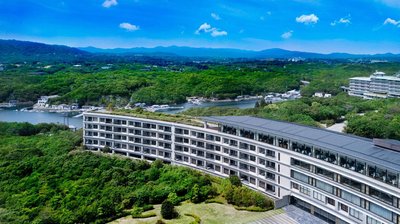
Shima Kanko Hotel the Bay Suites
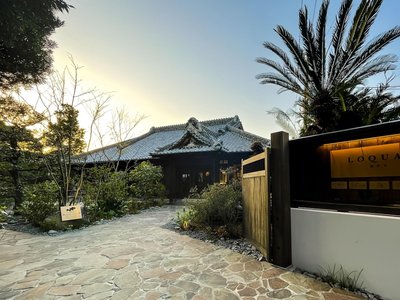
Loquat Nishiizu
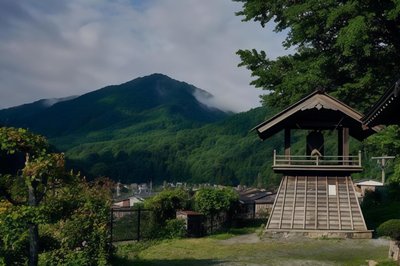
Byaku Narai
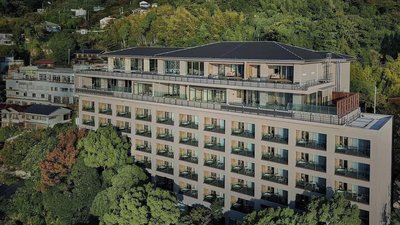
Atami Izusan Karaku
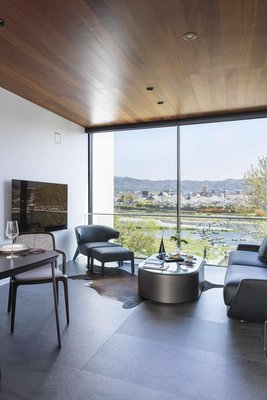
Kamo Residences by Reflections
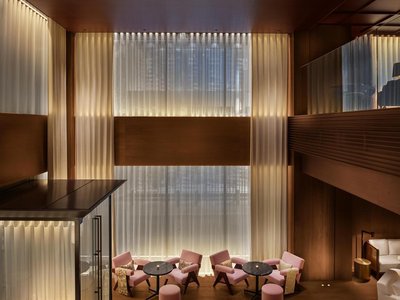
The Tokyo Edition, Ginza
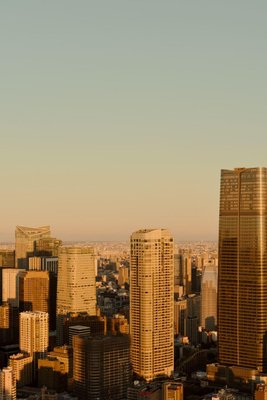
Janu Tokyo
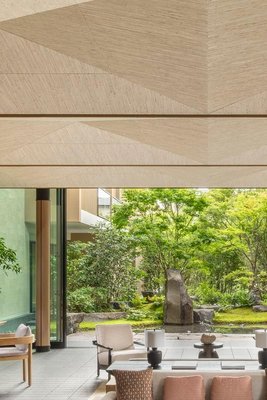
Six Senses Kyoto
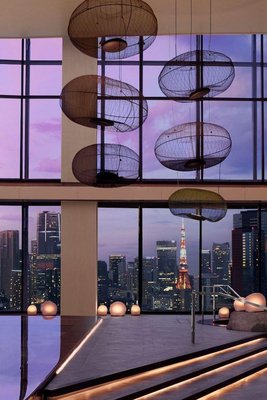
JW Marriott Hotel Tokyo
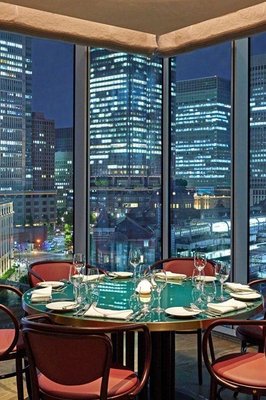
Four Seasons Hotel Tokyo at Marunouchi

Mandarin Oriental, Tokyo
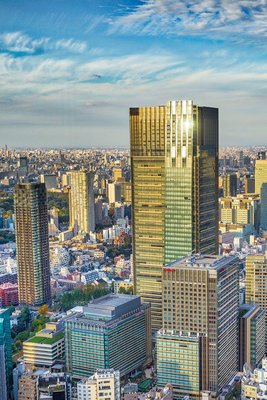
The Ritz-Carlton, Tokyo
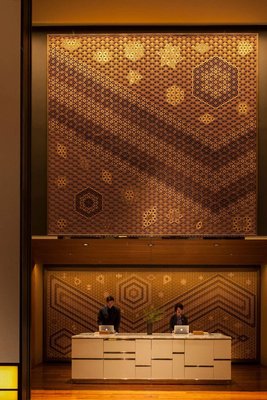
Andaz Tokyo Toranomon Hills- A Concept by Hyatt
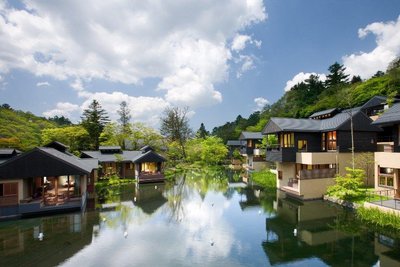
Hoshinoya Karuizawa
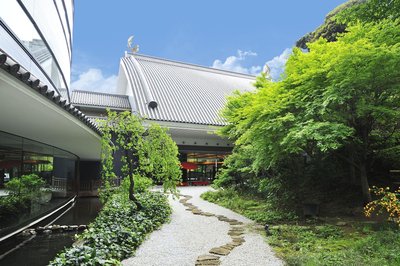
Hotel Gajoen Tokyo
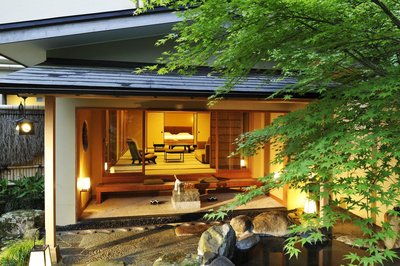
Gora Kadan
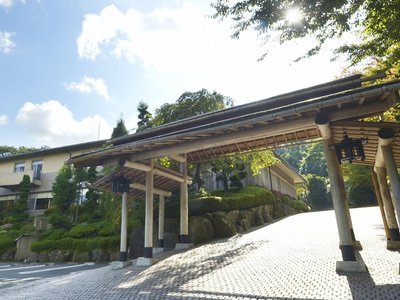
Gora Hanaougi
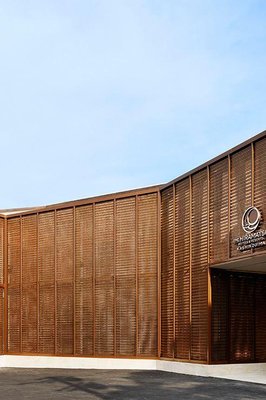
The Hiramatsu Hotels & Resorts Kashikojima
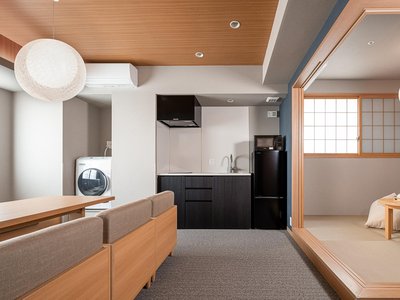
MIMARU SUITES Tokyo Asakusa
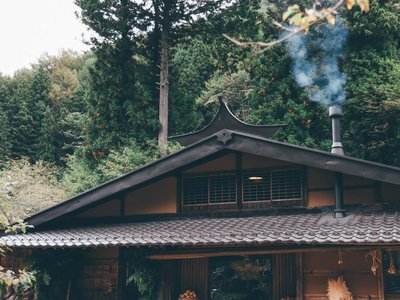
La Terra Resort
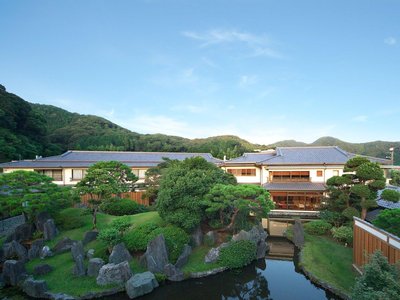
Kagetsutei

karaksa hotel colors Tokyo Yaesu

HOTEL GROOVE SHINJUKU, A PARKROYAL Hotel

GOLD STAY Nagoya Sakae
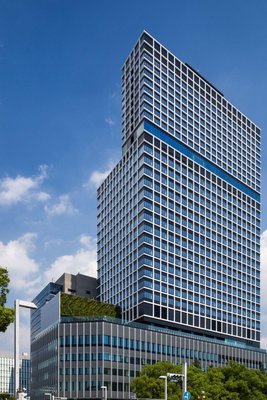
The Royal Park Hotel Iconic Nagoya
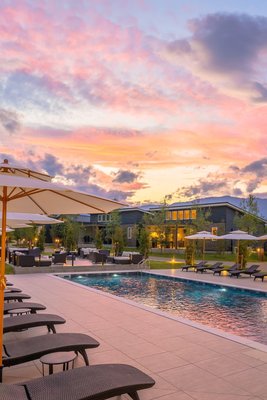
Awaumi Fujikawaguchiko Resort
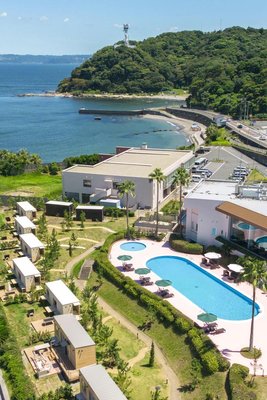
La vista Yokosuka Kannonzaki Terrace
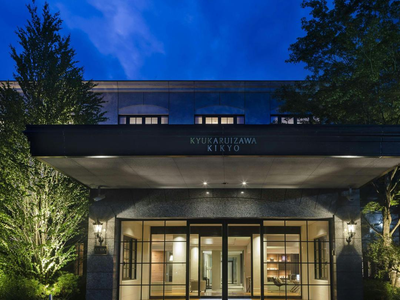
Fufu Karuizawa Wind of Sunshine
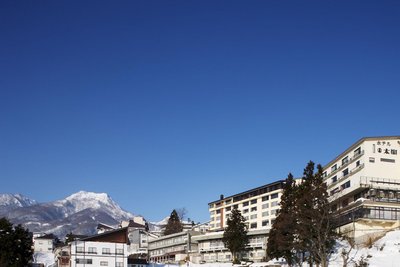
Hotel Taiko, Akakura Onsen

Scapes the Suite
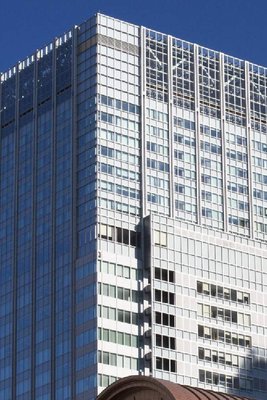
Hotel Metropolitan Tokyo Marunouchi
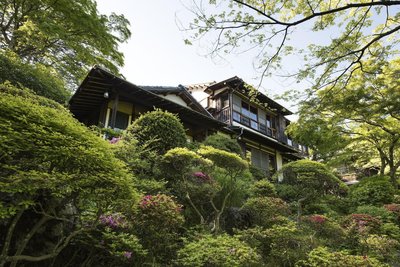
Gora Kansuiro
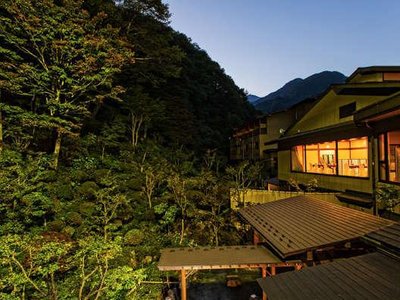
Futari Shizuka
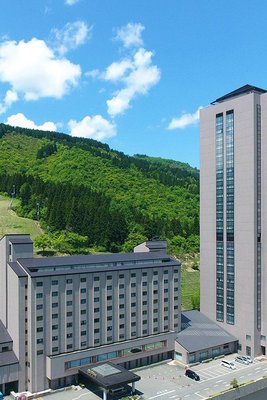
Naspa New Otani
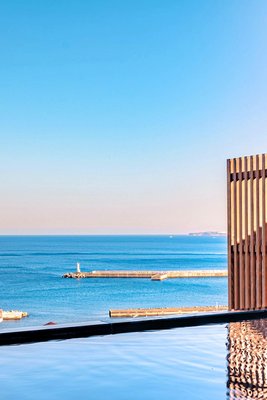
HOTEL KANICHI
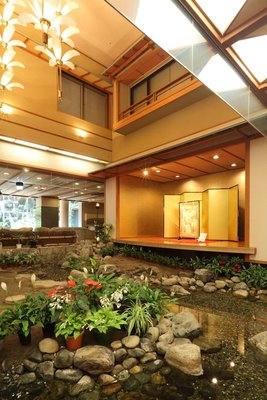
Hotel Futaba
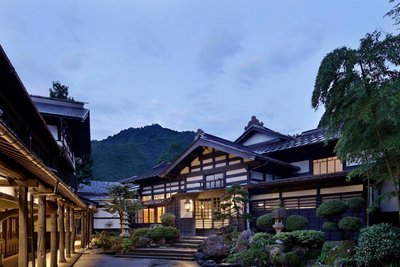
Ryugon
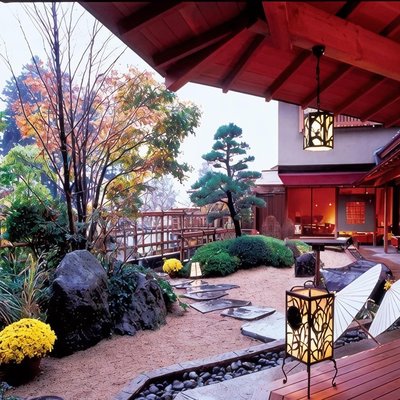
Oyado Tamaki
Bellustar Tokyo, A Pan Pacific Hotel
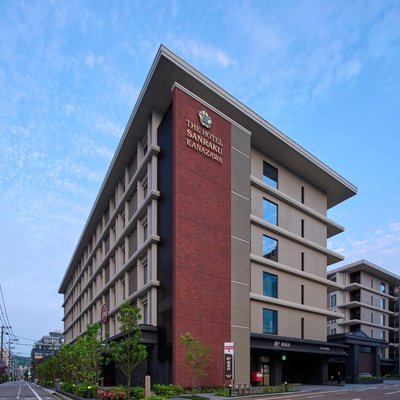
The Hotel Sanraku Kanazawa 21th December 2022 Open
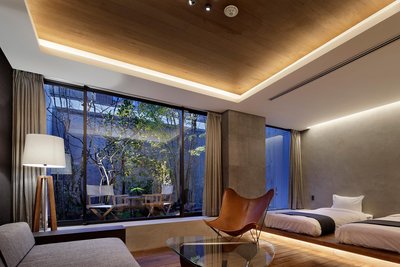
22 PIECES
JW Marriott Hotel Tokyo
Andaz Tokyo Toranomon Hills- A Concept by Hyatt

The Thousand Kyoto
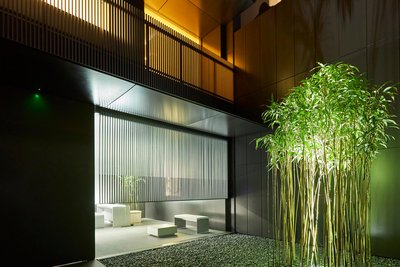
Mogana
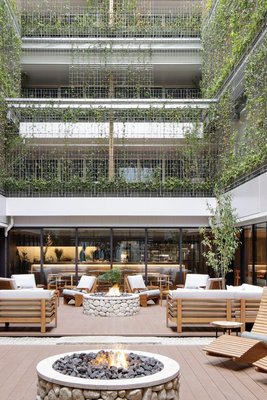
GOOD NATURE HOTEL KYOTO
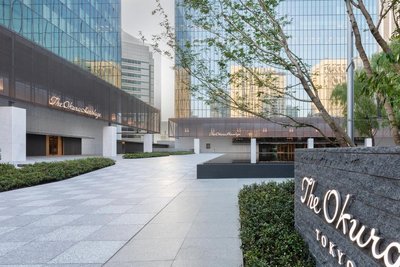
The Okura Tokyo
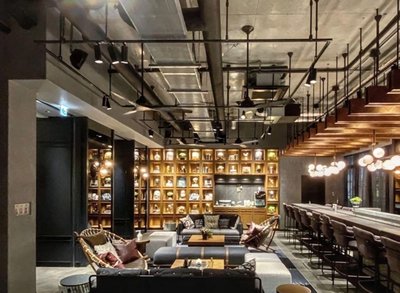
The Lively Azabujuban Tokyo
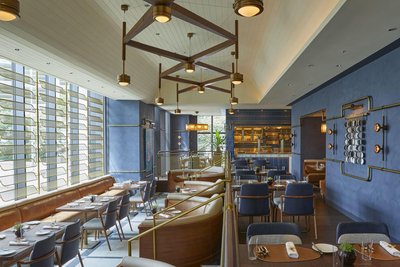
Kimpton Shinjuku Tokyo
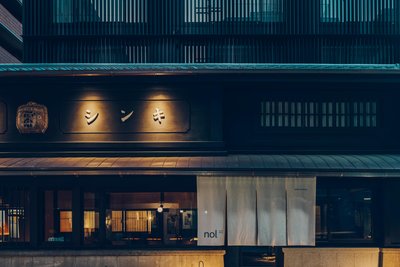
Nol Kyoto Sanjo

HOTEL K5
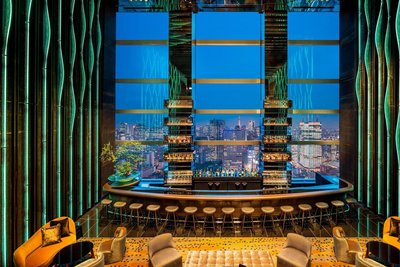
The Prince Gallery Tokyo Kioicho, a Luxury Collection Hotel
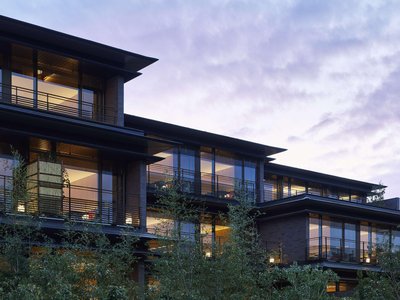
Garrya Nijo Castle Kyoto

Hotel Kanra Kyoto
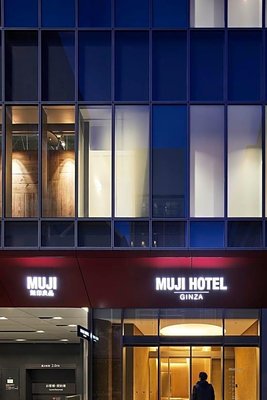
Muji Hotel Ginza
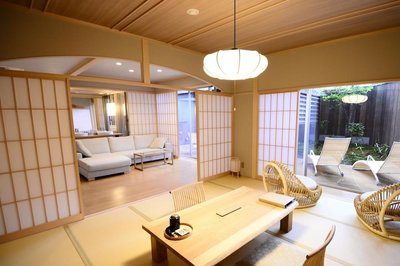
Hakone Gora Byakudan
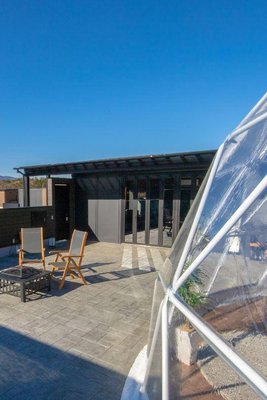
Panoramic Mt. Fuji Views from All Rooms – Vision Glamping Resort & Spa Yamanakako
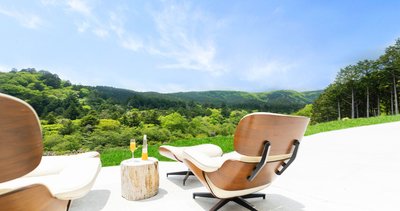
Shelter Garden Nikko
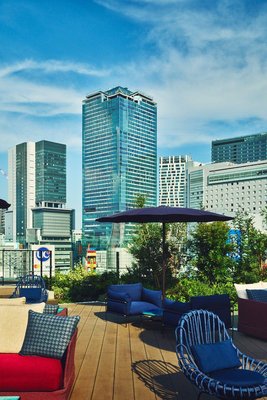
Hotel Indigo Tokyo Shibuya
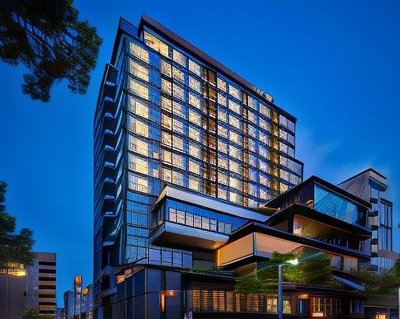
TIAD, AUTOGRAPH COLLECTION
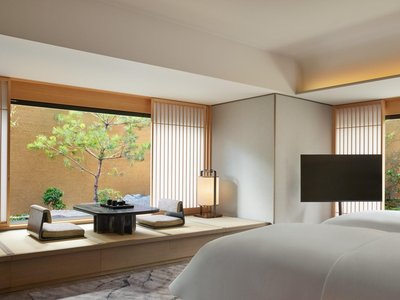
Dusit Thani Kyoto
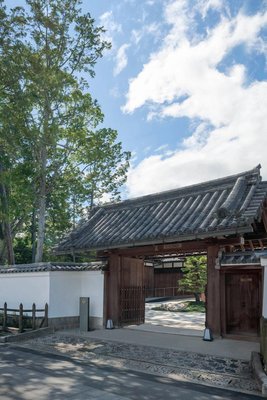
Shisui, a Luxury Collection Hotel, Nara

Hilton Kyoto
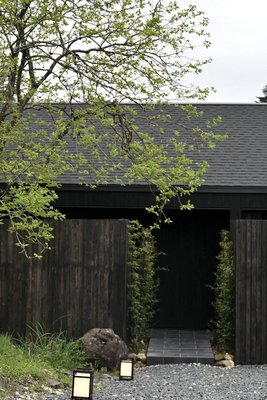
THE LAKOTAN
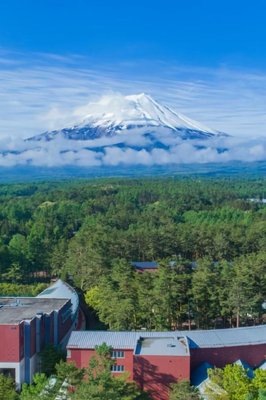
Forest Village (Fuji Premium Resort)
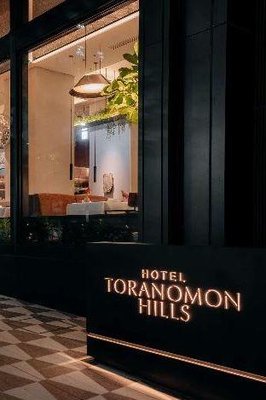
Hotel Toranomon Hills
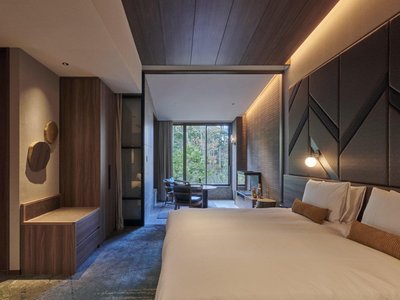
Fufu Kyu-Karuizawa Restful Forest
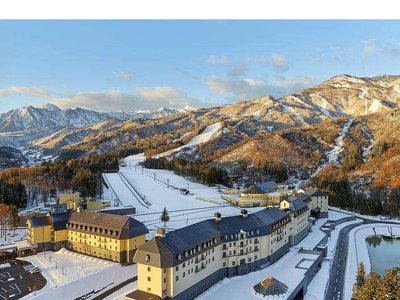
Lotte Arai Resort
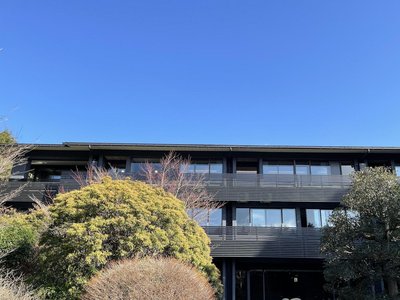
Sengokubara Cocon
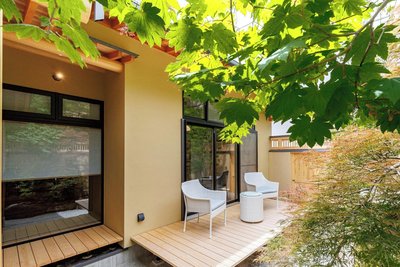
Shoraiso
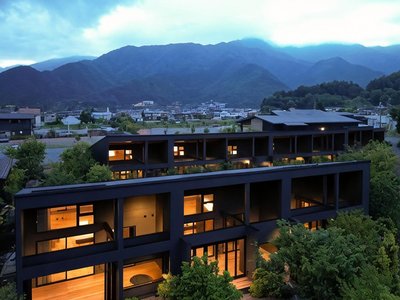
7C Villa and Winery
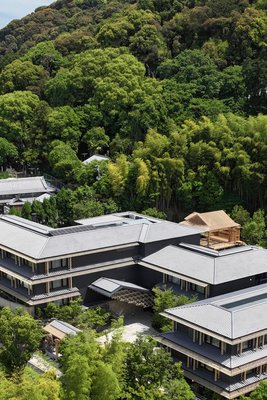
Banyan Tree Higashiyama Kyoto
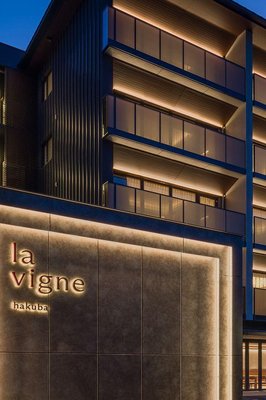
Hotel la Vigne Hakuba by Onko Chishin
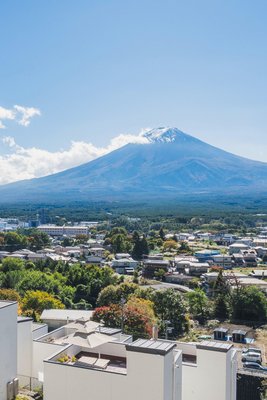
THE TOKI FujiKawaguchiko
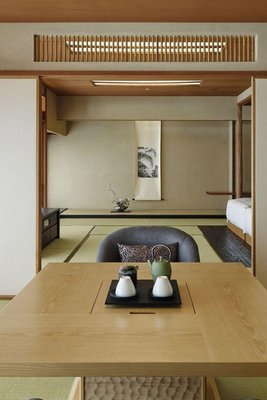
Takanawa Hanakohro (in Grand Prince Hotel Takanawa)
Bvlgari Hotel Tokyo
Four Seasons Hotel Tokyo at Marunouchi
Mandarin Oriental, Tokyo
The Ritz-Carlton, Tokyo
Andaz Tokyo Toranomon Hills- A Concept by Hyatt
Gora Kadan
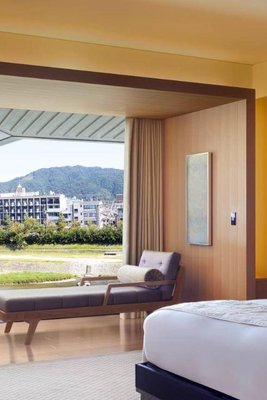
The Ritz-Carlton, Kyoto
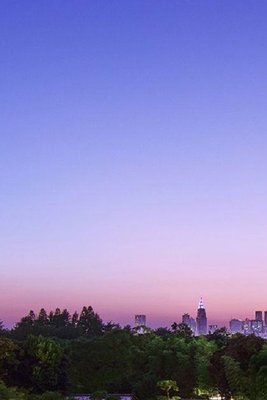
Hotel New Otani Tokyo the Main
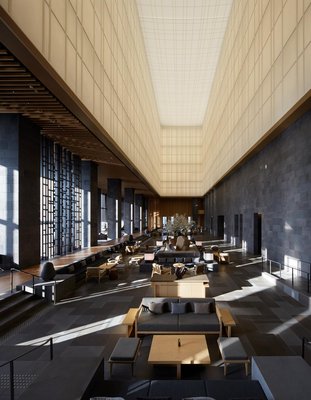
Aman Tokyo
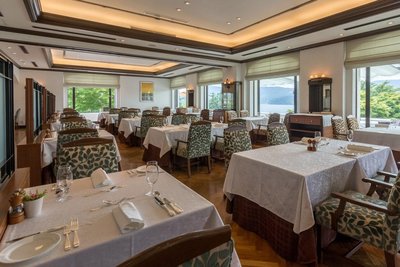
Odakyu Hotel de Yama
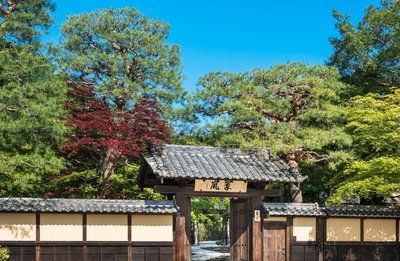
Suiran, a Luxury Collection Hotel, Kyoto
GOOD NATURE HOTEL KYOTO
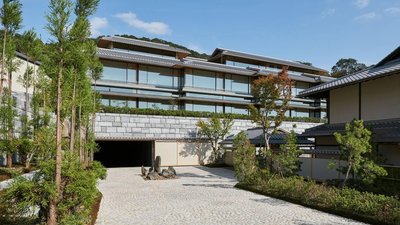
Park Hyatt Kyoto
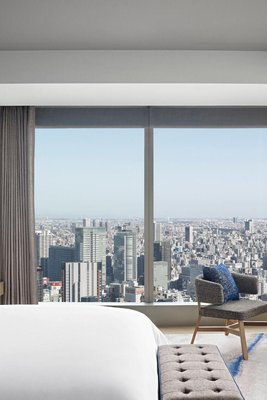
Four Seasons Hotel Tokyo at Otemachi
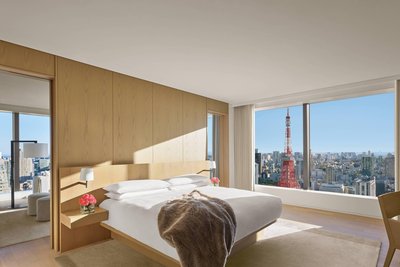
The Tokyo Edition, Toranomon

Hyatt Centric Kanazawa
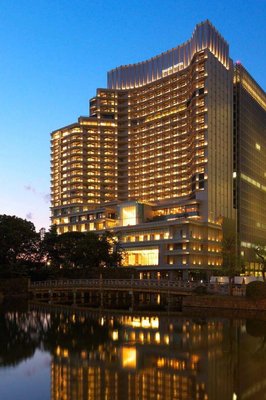
Palace Hotel Tokyo
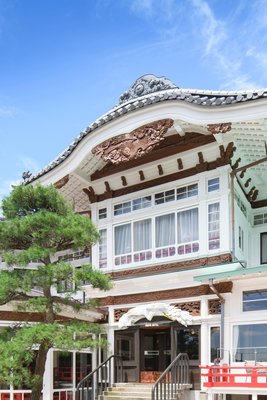
Fujiya Hotel
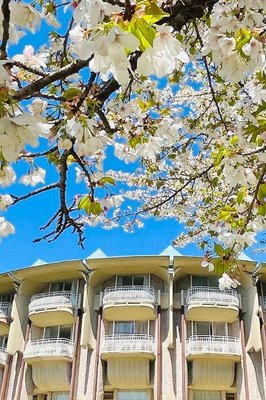
The Prince Hakone Lake Ashinoko
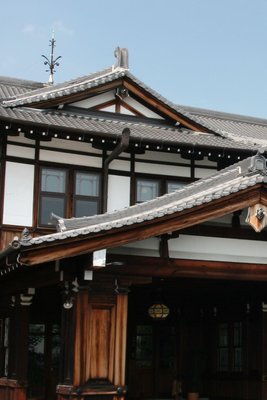
Nara Hotel
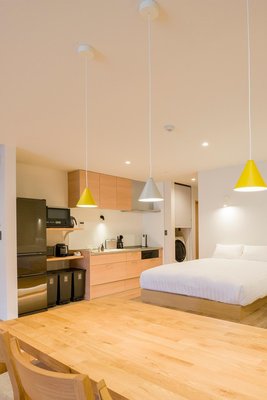
Rakuten STAY VILLA Nasu
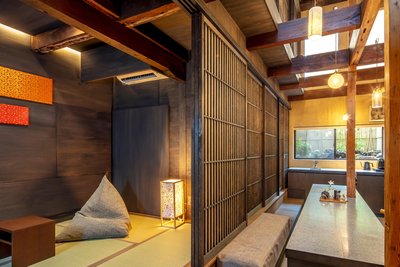
Kyo No Oozora Kihana
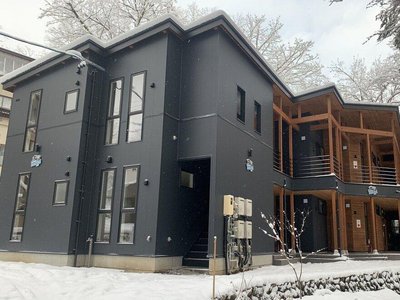
Hakuba Gondola Apartments
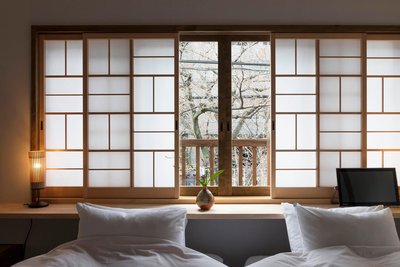
Hanagoromo Machiya House
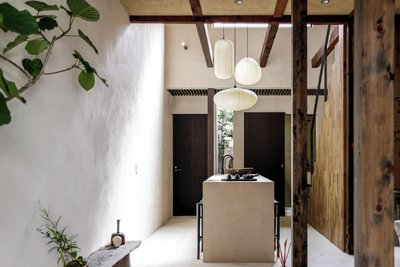
Maana Kiyomizu
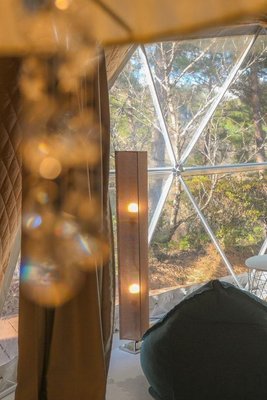
glampark Gekkabijin Nagano
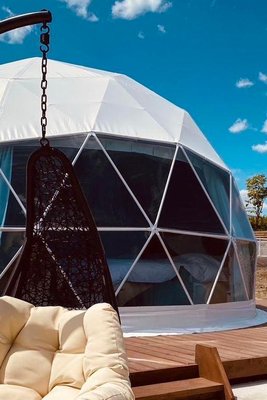
chillout glamping zao
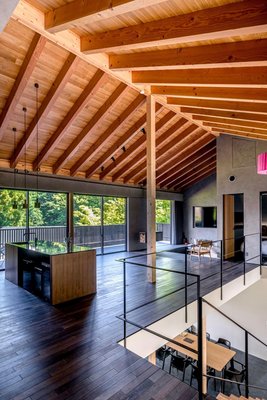
MONS GORA
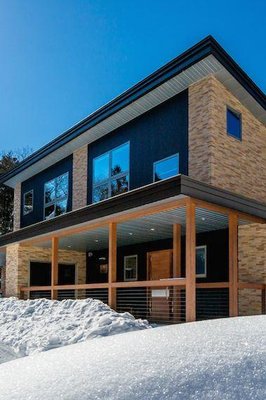
Phoenix Chalets by Hhg
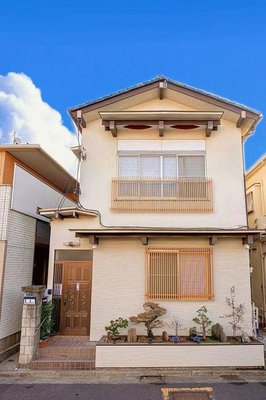
Tokyo Star House-Shinkoiwa
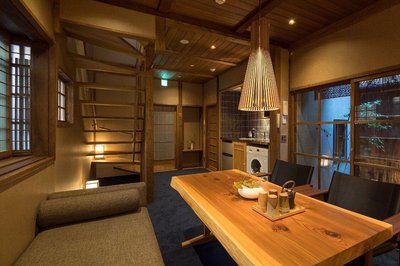
Bonbori an Machiya House
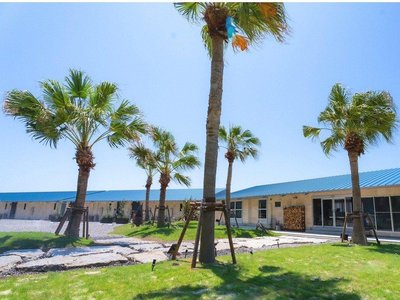
Glamping&Resort Wood Design Park Noma
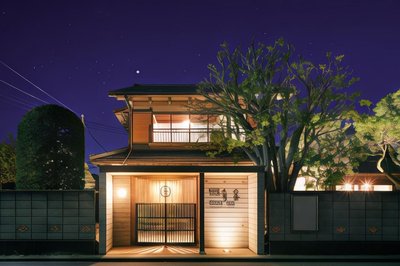
Machi-Jyu
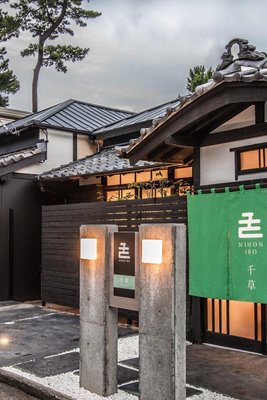
Nihon Iro
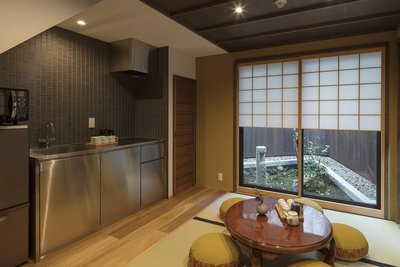
The Machiya Villa Sanjo Shirakawa Koji
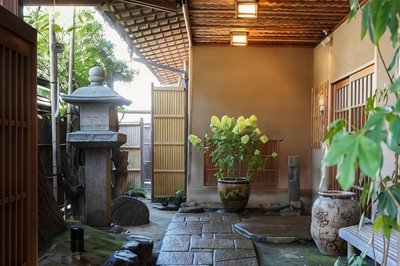
Ryokan Asadaya
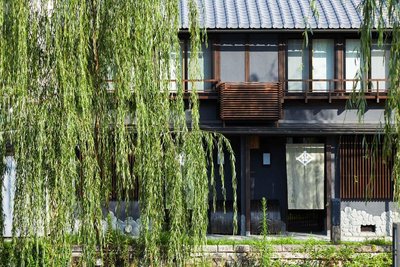
Gion Shirakawa No Yado

Kitashirakawa Natural Radium Onsen
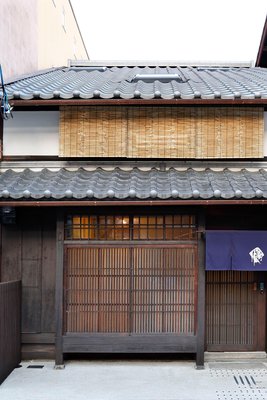
Kyo No Ondokoro Kamanza Nijo #2
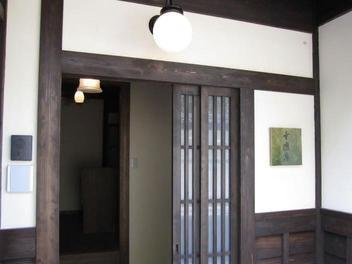
Gion Koyu an Machiya House

Hotel Barrière Fouquet's New York
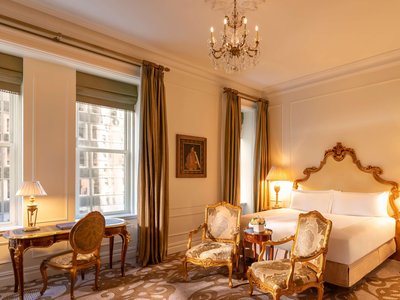
The Plaza - A Fairmont Managed Hotel
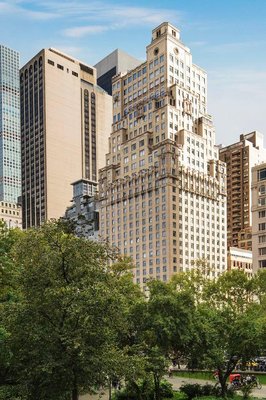
The Ritz-Carlton New York, Central Park
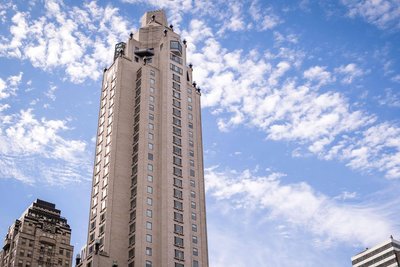
Four Seasons Hotel New York

The St. Regis New York
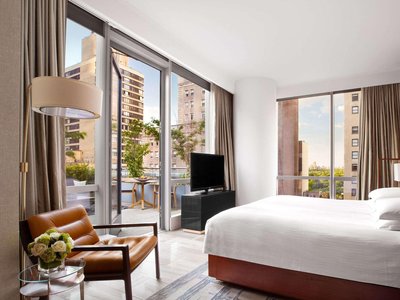
Park Hyatt New York
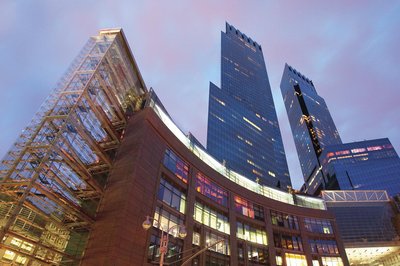
Mandarin Oriental New York
Times Square Edition New York

Loews Regency New York Hotel
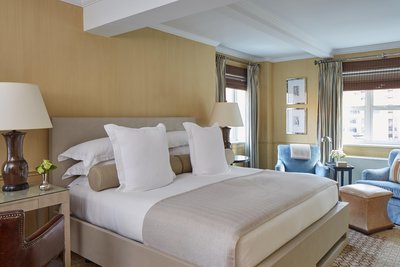
Lowell Hotel
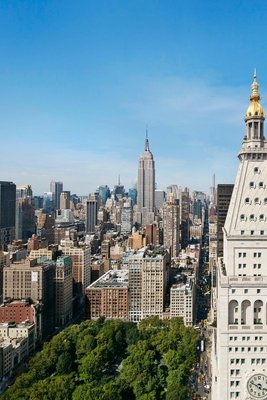
New York Edition
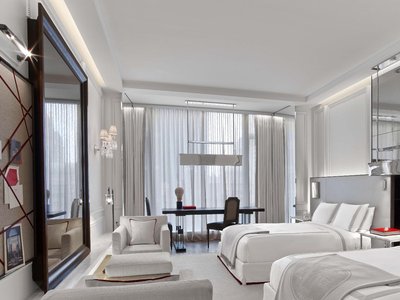
Baccarat Hotel New York
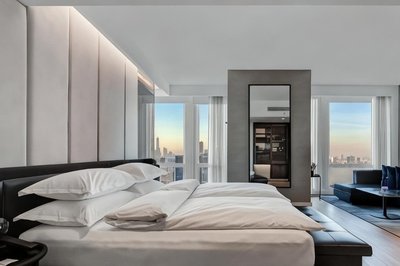
Equinox Hotel New York

Four Seasons Hotel New York Downtown
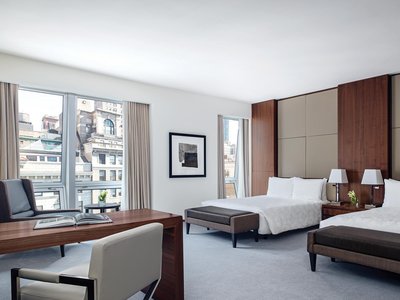
The Langham, New York, Fifth Avenue

The Carlyle, A Rosewood Hotel

The Chatwal, in the Unbound Collection by Hyatt
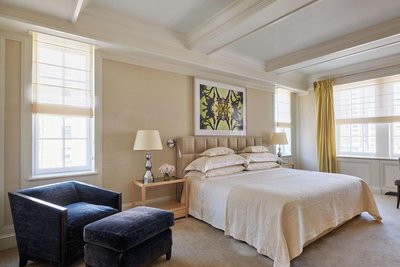
The Mark New York
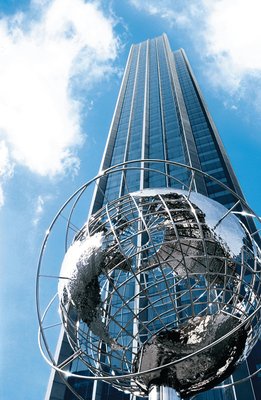
Trump International Hotel & Tower® New York
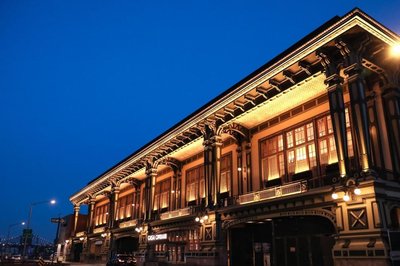
Casa Cipriani New York
Frequently Asked Questions about Traveling to Minamimaki
Questions You Might Need to Know About Traveling to Minamimaki
In Minamimakino Village, the top boutique inn is Makura Mountain House, a serene retreat blending traditional Japanese architecture with modern minimalism. Nestled beside the Shinano River, each cabin offers panoramic views of seasonal landscapes. Guests enjoy hands-on wagashi (Japanese sweets) workshops and private onsen baths infused with natural minerals. Its proximity to the Makino Forest Trail makes it ideal for nature lovers seeking quiet immersion in rural Nagano's untouched beauty.
The Kita-Maki district is the optimal area for lodging in Minamimakino Village, offering tranquil access to protected forests and clean air. This region hosts several eco-friendly ryokan like Kitamaki Linsho, featuring tatami rooms, wood-paneled interiors, and farm-to-table Shinshu cuisine. The area is just a 5-minute walk from the Birch Forest Path, perfect for morning mist walks and wildflower spotting, making it ideal for those seeking peaceful mountain living.
Visitors to Minamimakino Village can participate in authentic handmade paper umbrella workshops, using locally sourced Kozo bark paper and bamboo frames. Each session is led by master artisans preserving centuries-old techniques. Additionally, during the annual Makino Harvest Festival, guests can wear kimono, join rice-harvest dances (Kome Taiko), and taste freshly cooked Koshihikari rice rice balls—offering deep insight into rural agricultural traditions and community spirit.
Yes, Minamimakino Village is highly family-friendly. Stay at Morino House Family Ryokan, which features child-sized tatami rooms, outdoor camping zones, and interactive programs like squirrel observation tours and forest scavenger hunts. Kids can also build small wooden bridges along the stream or help feed goats and rabbits at the on-site mini-farm. Educational activities teach organic farming, ensuring fun and learning in harmony with nature.
Hot spring hotels here feature natural radon-rich waters sourced from depths of 1,200 meters. Makino Onsen Betsuin stands out with its fully wooden design and rock-integrated baths. The resort offers a signature Stargazing Onsen Night Experience, where open-air baths are illuminated under projected night skies, accompanied by live Nagano folk songs, creating a deeply immersive mountain wellness ritual.
Minamimakino Village is remote, best reached by car or local bus from Matsumoto Station. From Tokyo, take a high-speed bus to Matsumoto, then transfer to a regional shuttle (approx. 1 hour). Some inns offer free pickup services, but schedules are limited—HopeGoo in advance is essential. Winter road conditions can be hazardous due to snow; always check weather forecasts before travel to ensure safe arrival.
Must-try dishes include Yukata Gyu, slow-cooked beef from free-range cattle, tender and rich in flavor. Another highlight is wild mountain vegetable tempura, featuring seasonal greens like ferns, dandelions, and mountain parsley. Local restaurants serve homemade rice wine and wild berry jam with Koshihikari rice, emphasizing fresh, unprocessed ingredients. Many lodges offer no-additive dining sets, perfect for health-conscious travelers.
Absolutely. Minamimakino Village is a paradise for photographers. Visit Mirror Lake Wetland at dawn for symmetrical reflections of birch trees and distant peaks. The Autumn Red Leaf Tunnel (800m long) offers golden-hour lighting ideal for landscape shots. In winter, Snow-Covered Forest Path creates fairy-tale scenes. The Starlight Viewing Platform allows astrophotography under pristine skies, enhanced by Nagano’s dark-sky preservation policies.
Minamimakino has a highland monsoon climate: cool summers (avg. 20°C), cold snowy winters (-10°C). Best visiting times are spring (March–May) with blooming flowers and autumn (September–November) when maple leaves turn crimson. Summer is ideal for hiking and camping; winter offers snow festivals and skiing. Avoid rainy season (June–July) and heavy snow periods (December–February). Always check local weather alerts before travel.
Hidden gems include Tengu Rock Waterfall, nestled deep within Kita-Maki Forest, cascading down moss-covered cliffs into a crystal-clear pool. Another secret is the Firefly Valley, where thousands of fireflies glow in June–July along the creek—access requires guided night tours. The Cloud Sea Lookout reveals breathtaking sea-of-cloud vistas every morning, offering sweeping views across the Shinano River valley, perfect for meditation and photography.
Minamimaki Overview
City Summary
Minamimaki Village, located in Nagano Prefecture, Japan, is a serene mountain village renowned for its pristine natural beauty and traditional rural culture. Surrounded by mountains, it offers abundant outdoor activities such as hiking, hot springs, and stargazing, making it an ideal escape from urban life. The village preserves many traditional Japanese buildings and farming traditions, allowing visitors to immerse themselves in rural Japanese life.
Must-See Attractions
Key attractions in Minamimaki include Lake Minamimaki, a perfect spot for hiking and picnics with seasonal scenery. The village's hot springs provide relaxation, especially in winter. Stargazing is a highlight due to minimal light pollution, offering breathtaking night skies. Visitors can also explore traditional workshops to experience local handicrafts.
Food Guide
Minamimaki's cuisine focuses on local produce, with highlights like wild vegetable dishes and fresh dairy products such as Minamimaki milk and cheese. Farmhouse restaurants serve homemade meals using seasonal ingredients. In winter, hot pots and grilled fish are must-try dishes.
Transportation Guide
Minamimaki is accessible by bus from Nagano City (approx. 2 hours). There is no subway; renting a car or using taxis is recommended for flexibility. Some mountain roads may close in winter, so check conditions in advance. Walking is the best way to explore the village.
Best Time to Visit
The best times to visit are spring (April-June) and autumn (September-November) for pleasant weather and scenic views. Winter (December-February) is ideal for snowscapes and hot springs, but pack warm clothing. Summers (July-August) are cool but may have rain.
Travel Tips
- Respect local culture: The village has a slow pace; maintain quiet and respect customs.
- Eco-consciousness: The village prioritizes environmental care; avoid littering.
- Cash payments: Some shops don’t accept cards; carry sufficient cash.
- Onsen etiquette: Bathe before entering hot springs; no swimwear allowed.
- Winter gear: Prepare for cold temperatures and icy paths.
- Language: English is limited; learn basic Japanese or use a translator.
Useful Information
Language: Japanese is primary; English is rare—use translation apps. Network coverage is spotty in remote areas. Payment: Cash is preferred; cards accepted at few establishments. Emergency services are centralized (dial 119). Limited convenience stores operate with short hours; bring essentials. Accommodations include guesthouses and ryokans; book in advance.









