Hotels in Minamiminowa
Discover your perfect stay in Minamiminowa.
Minamiminowa(Japan) Travel 2026: Cheap Flights, Hotels & Top Attractions
Popular Landmarks in Minamiminowa
Discover the most iconic attractions in Minamiminowa
Recommended Hotels in Minamiminowa
Find the perfect place to stay in Minamiminowa
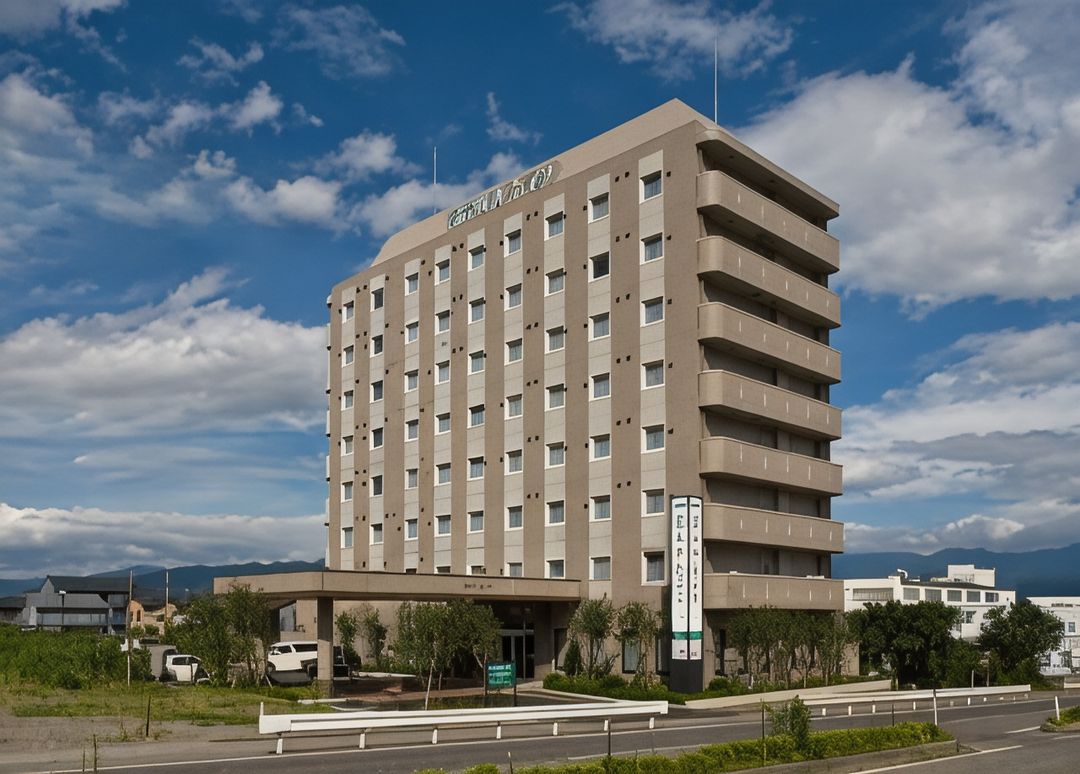
HOTEL ROUTE-INN INA INTER
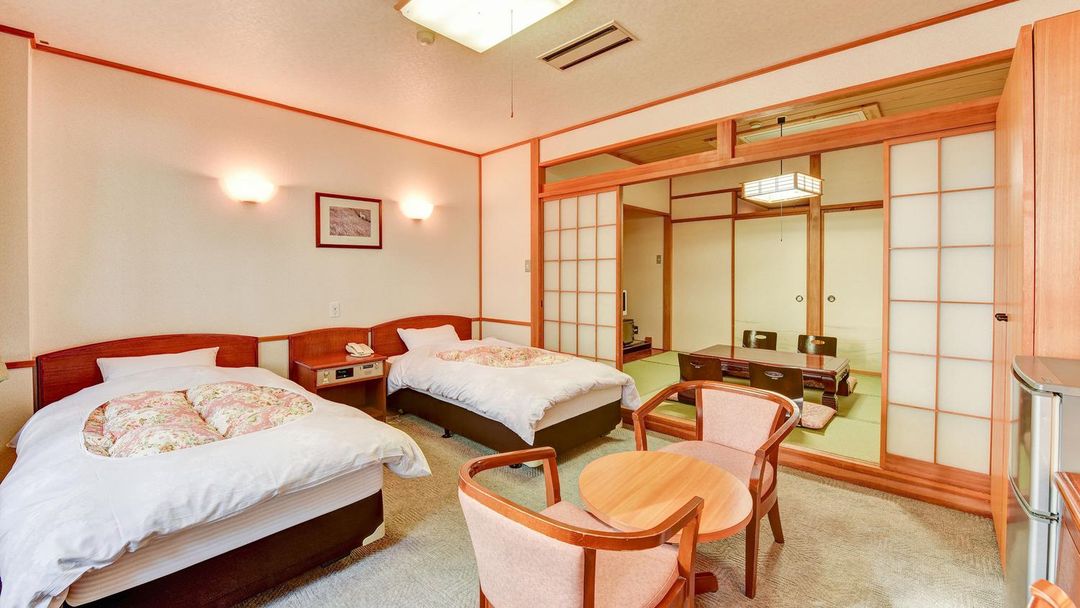
Oshiba Kogen Onsen Oshibaso
Best Hotels in Minamiminowa
Discover curated hotel collections in Minamiminowa
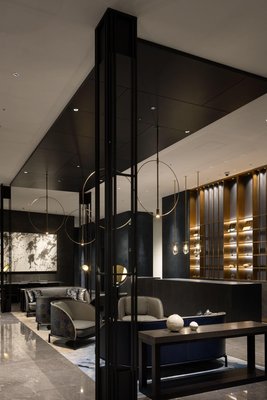
Bellustar Tokyo, A Pan Pacific Hotel
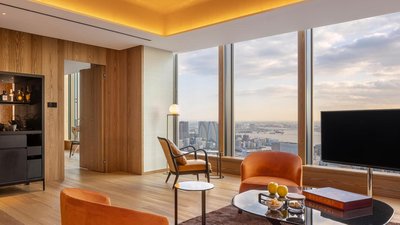
Bvlgari Hotel Tokyo
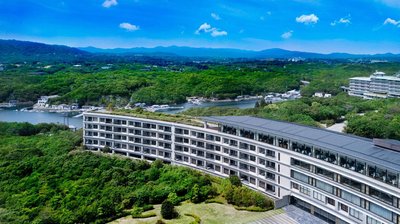
Shima Kanko Hotel the Bay Suites
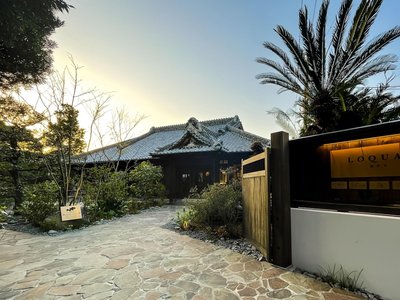
Loquat Nishiizu
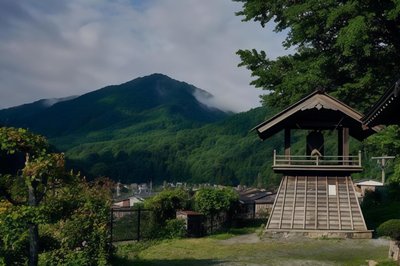
Byaku Narai
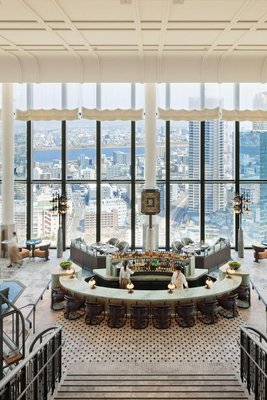
Waldorf Astoria Osaka
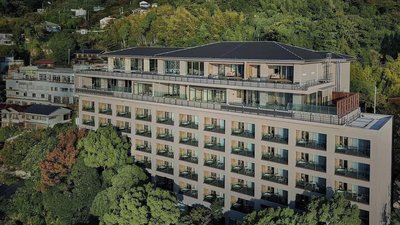
Atami Izusan Karaku
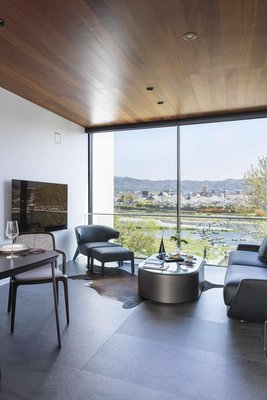
Kamo Residences by Reflections
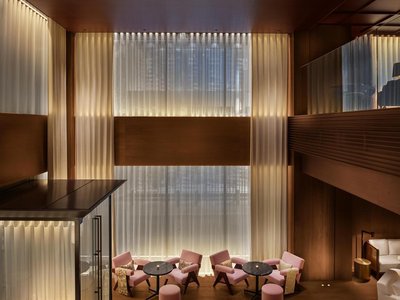
The Tokyo Edition, Ginza
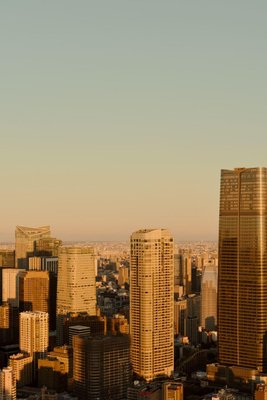
Janu Tokyo
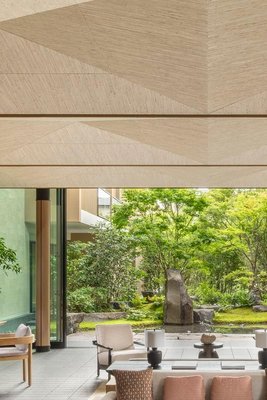
Six Senses Kyoto
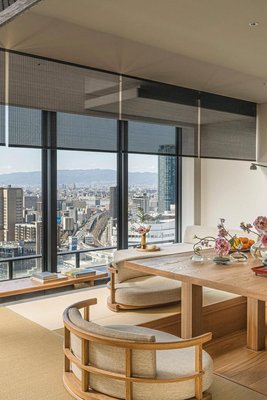
Four Seasons Hotel Osaka
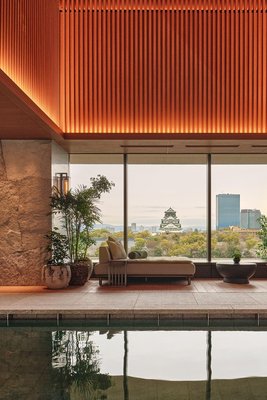
Patina Osaka

The Ritz-Carlton, Osaka
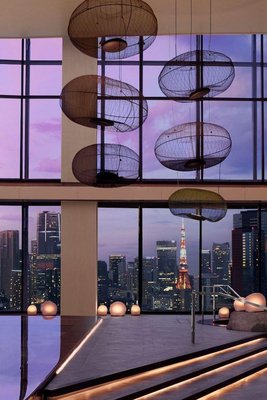
JW Marriott Hotel Tokyo
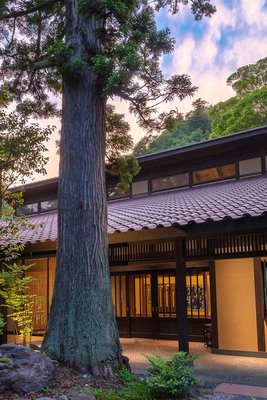
Arimasansoh Goshobessho
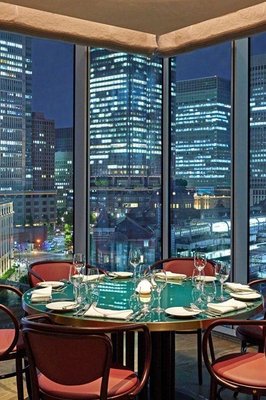
Four Seasons Hotel Tokyo at Marunouchi

Mandarin Oriental, Tokyo
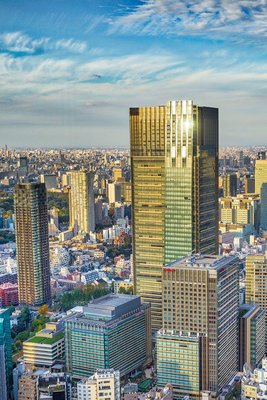
The Ritz-Carlton, Tokyo
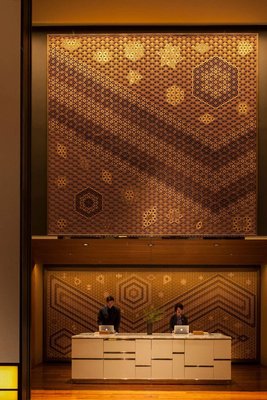
Andaz Tokyo Toranomon Hills- A Concept by Hyatt
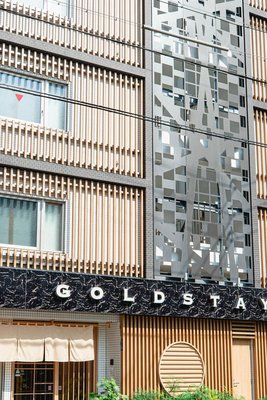
Gold Stay Nagoya OSU
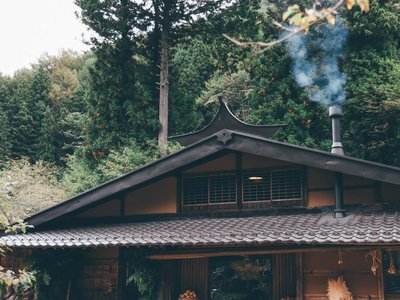
La Terra Resort
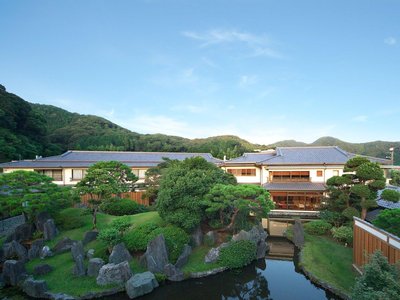
Kagetsutei

karaksa hotel colors Tokyo Yaesu
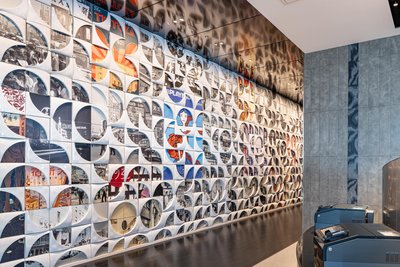
HOTEL GROOVE SHINJUKU, A PARKROYAL Hotel
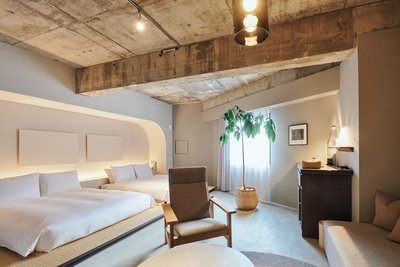
Korinkyo

GOLD STAY Nagoya Sakae
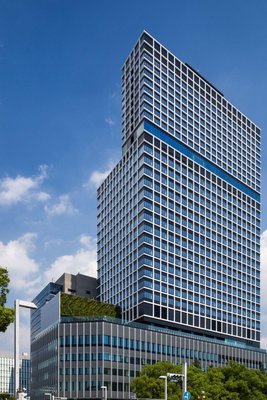
The Royal Park Hotel Iconic Nagoya
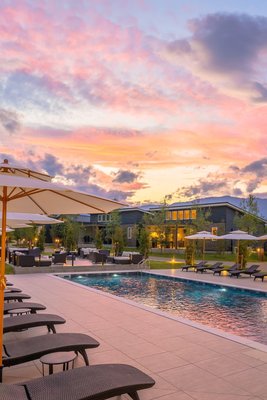
Awaumi Fujikawaguchiko Resort
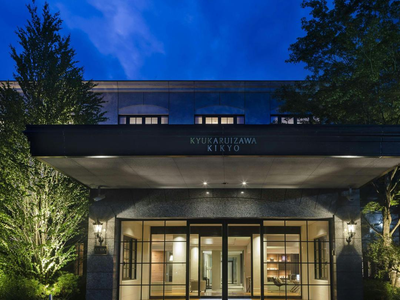
Fufu Karuizawa Wind of Sunshine
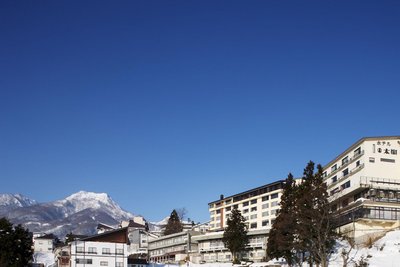
Hotel Taiko, Akakura Onsen

Scapes the Suite
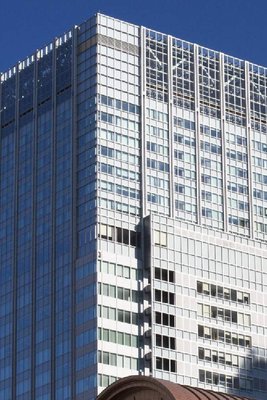
Hotel Metropolitan Tokyo Marunouchi
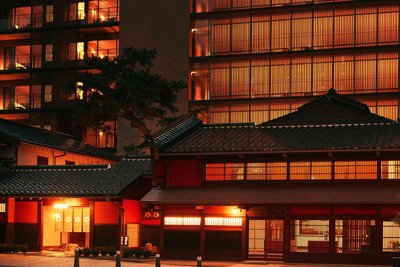
Hoshino Resorts Kai Kaga
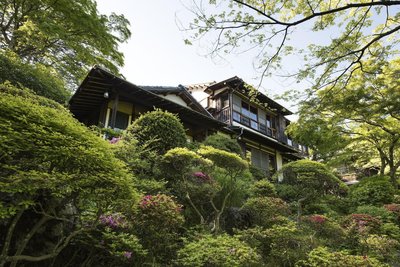
Gora Kansuiro
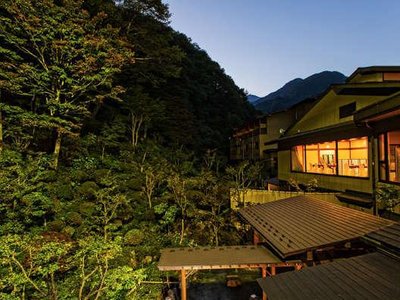
Futari Shizuka
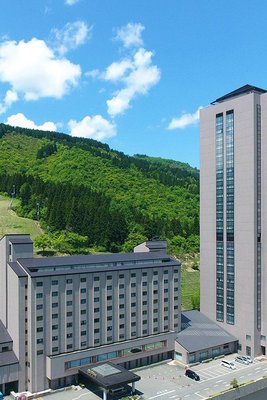
Naspa New Otani
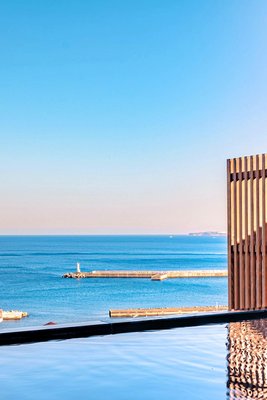
HOTEL KANICHI
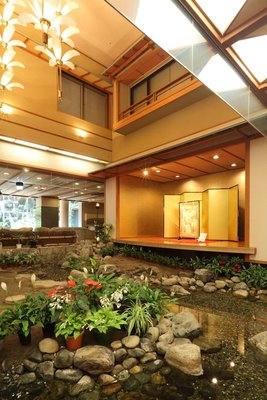
Hotel Futaba
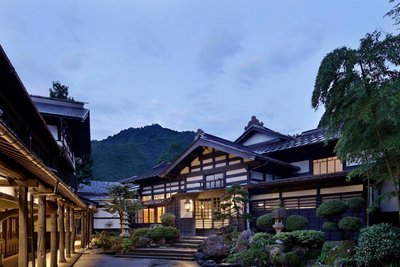
Ryugon
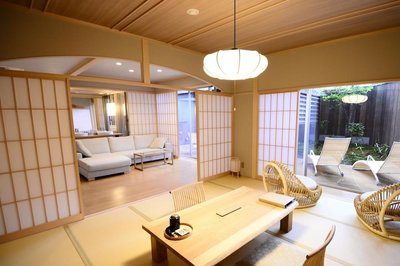
Hakone Gora Byakudan
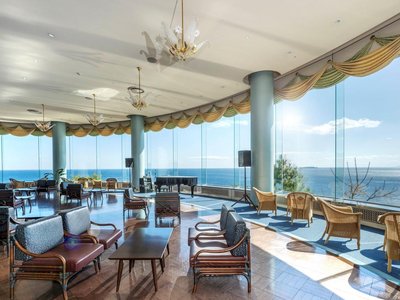
Hotel New Akao
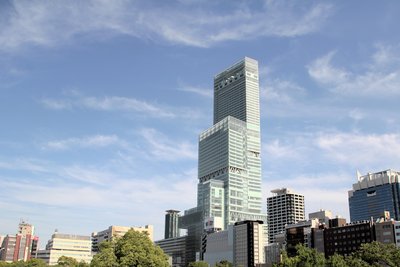
Osaka Marriott Miyako Hotel
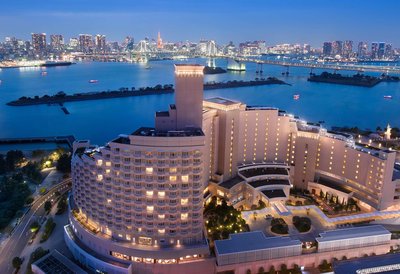
Hilton Tokyo Odaiba
JW Marriott Hotel Tokyo
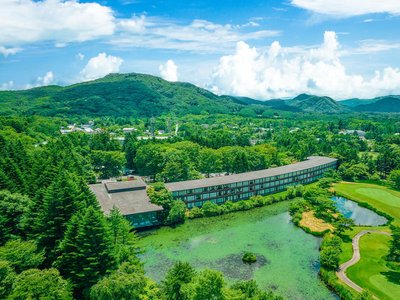
The Prince Karuizawa
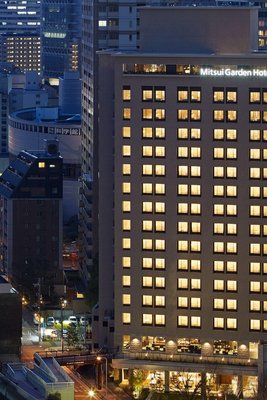
Mitsui Garden Hotel Osaka Premier
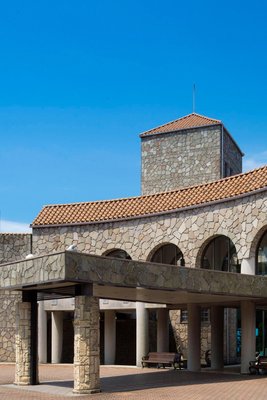
Izumigo Hotel Altia Toba
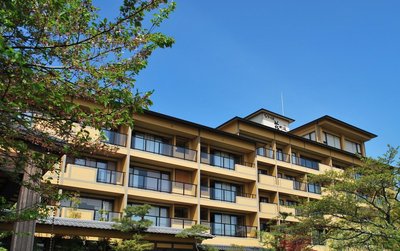
BIWAKO HANAKAIDO
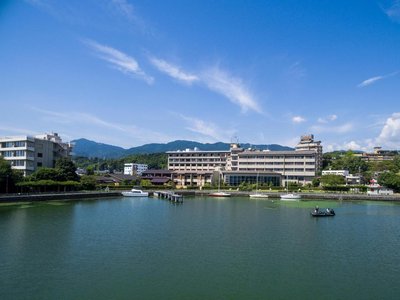
Biwako Ryokusuitei
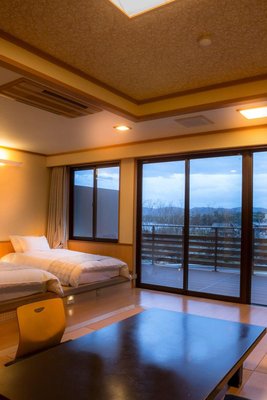
Hotel Kitanoya
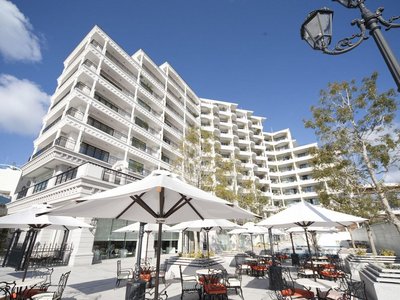
Hotel La Suite Kobe Harborland
The Kukuna
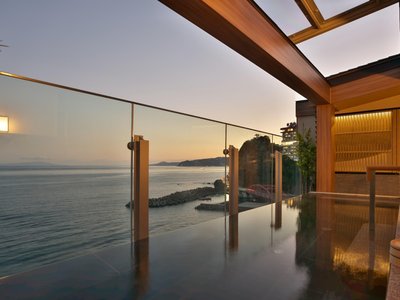
Hotel New Sagamiya
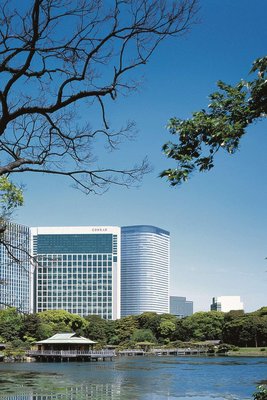
Conrad Tokyo
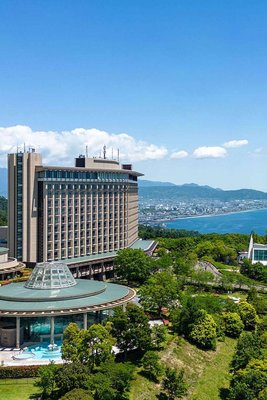
Hilton Odawara Resort & Spa
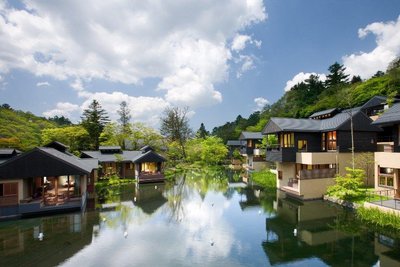
Hoshinoya Karuizawa
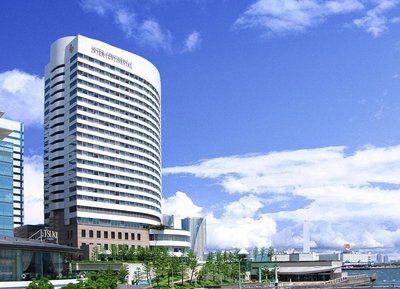
InterContinental Tokyo Bay
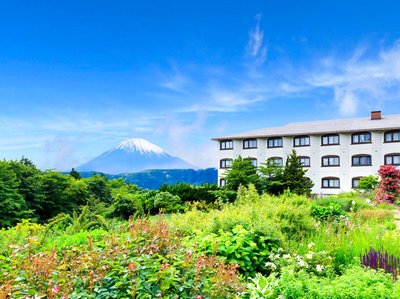
Hotel Green Plaza Hakone
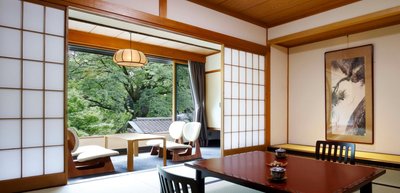
Yoshiike Ryokan
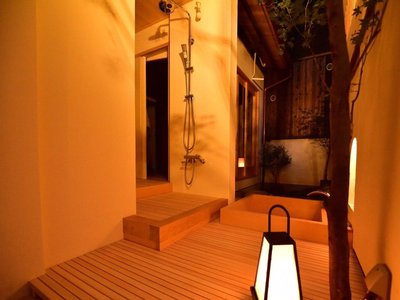
Yado Kiramachi
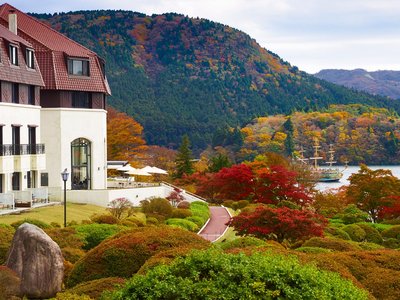
Hotakajyo
Auberge Suzukane

Onyado Nono Asakusa Bettei Hot Spring
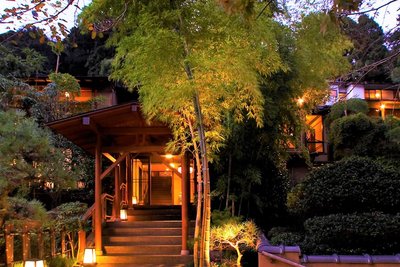
Shiki wo Ajiwau Yado Yamano Chaya
Arimasansoh Goshobessho
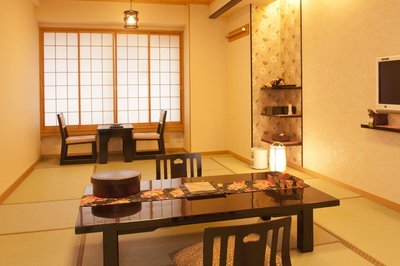
Matsui-Bekkan Hanakanzashi
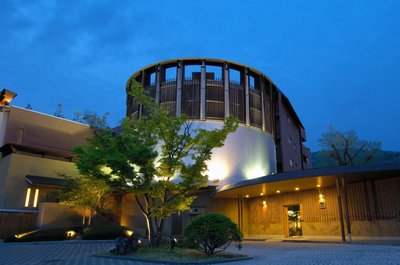
Hoshino Resorts Kai Matsumoto

Taikyourou
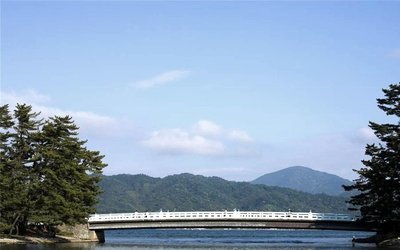
Monjusou Shourotei
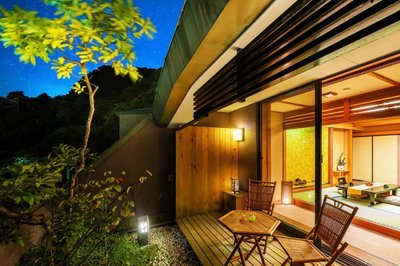
Konjakutei
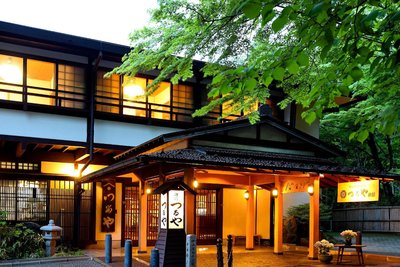
Tsuruya Ryokan
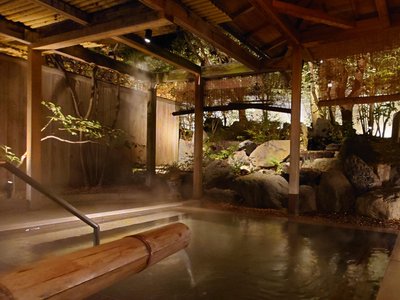
Kasuga Hotel
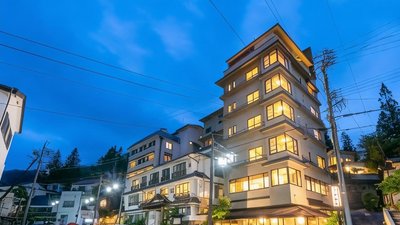
Nakamatsuya Ryokan
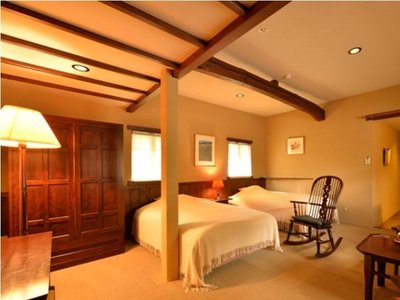
Ryokan Sugimoto
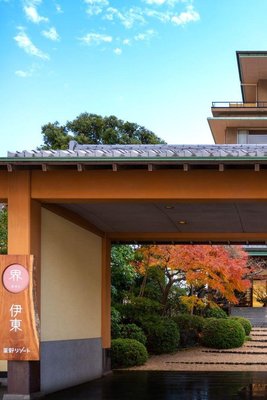
Hoshino Resorts Kai Ito
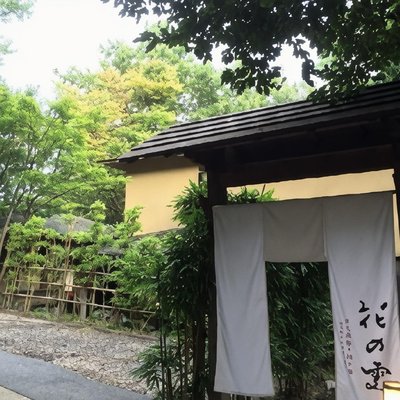
Hana No Kumo
Yoshiike Ryokan
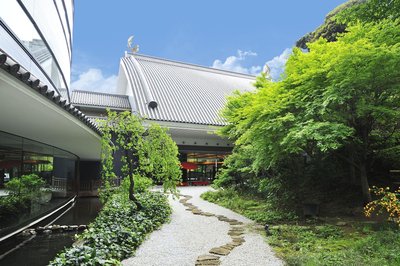
Hotel Gajoen Tokyo
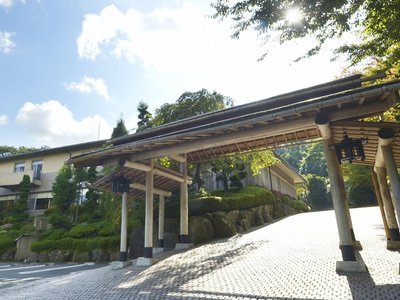
Gora Hanaougi
Bellustar Tokyo, A Pan Pacific Hotel
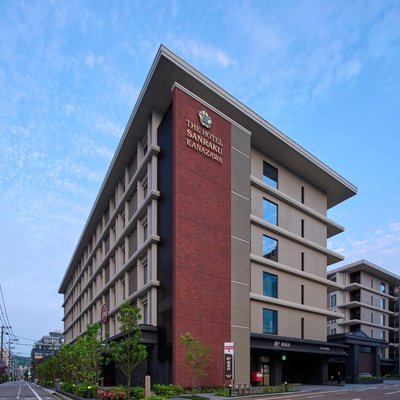
The Hotel Sanraku Kanazawa 21th December 2022 Open
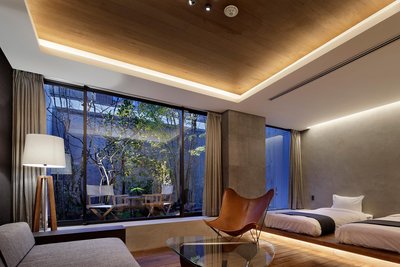
22 PIECES
The Ritz-Carlton, Osaka
JW Marriott Hotel Tokyo
Andaz Tokyo Toranomon Hills- A Concept by Hyatt

The Thousand Kyoto
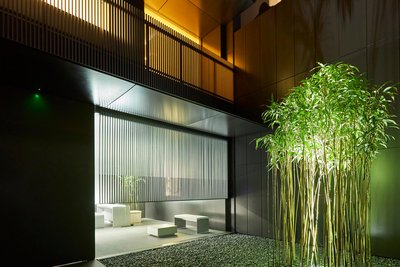
Mogana
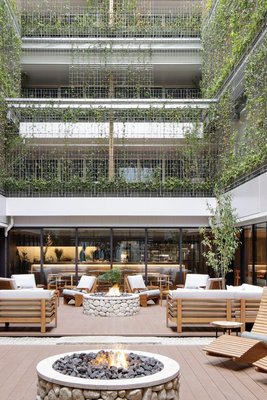
GOOD NATURE HOTEL KYOTO
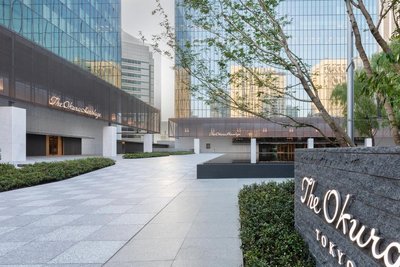
The Okura Tokyo
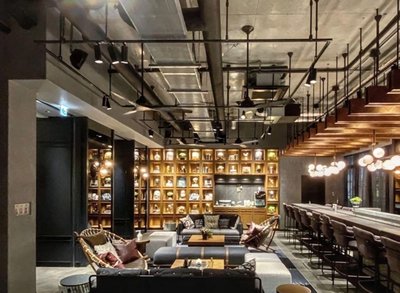
The Lively Azabujuban Tokyo
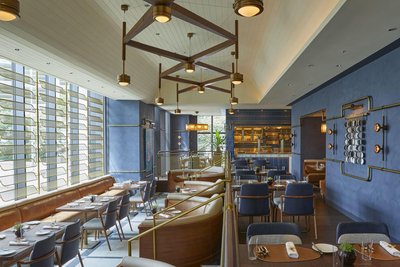
Kimpton Shinjuku Tokyo
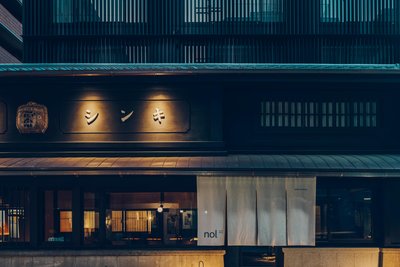
Nol Kyoto Sanjo

HOTEL K5
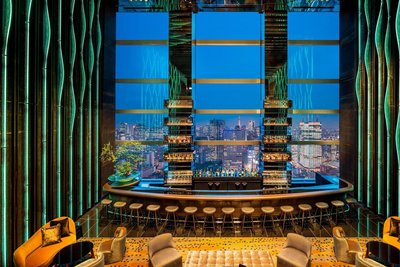
The Prince Gallery Tokyo Kioicho, a Luxury Collection Hotel
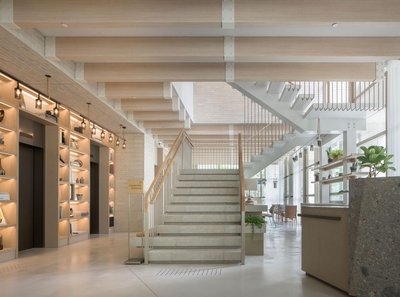
Zentis Osaka
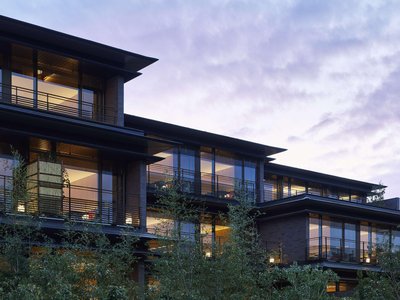
Garrya Nijo Castle Kyoto
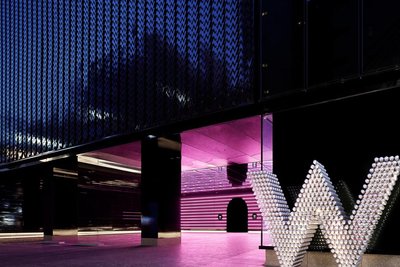
W Osaka
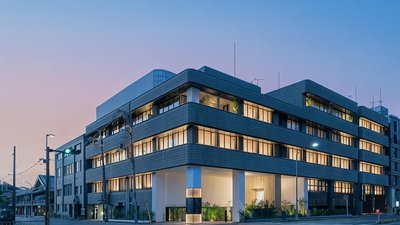
Hotel Kanra Kyoto

Aloft Osaka Dojima
Hakone Gora Byakudan
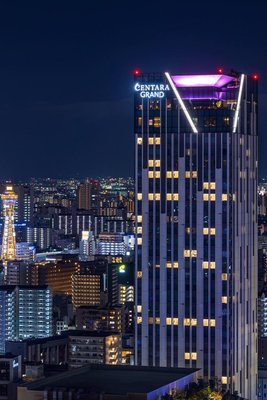
Centara Grand Hotel Osaka
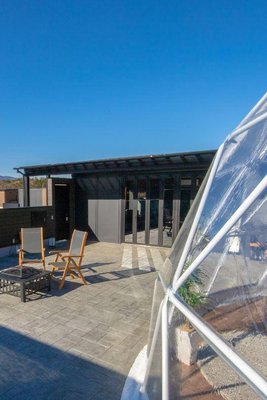
Panoramic Mt. Fuji Views from All Rooms – Vision Glamping Resort & Spa Yamanakako
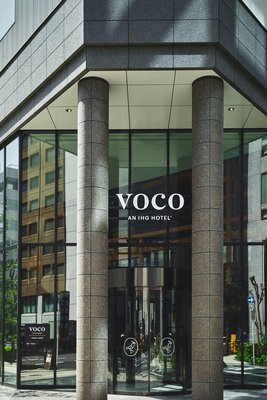
voco Osaka Central
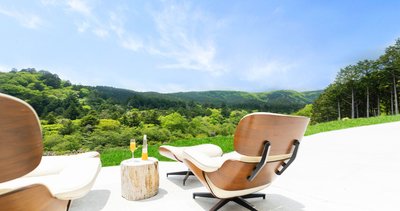
Shelter Garden Nikko
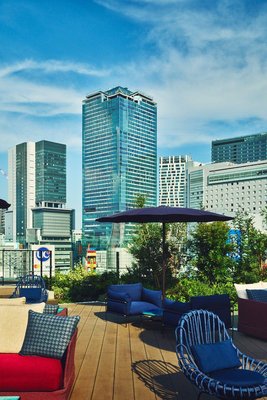
Hotel Indigo Tokyo Shibuya
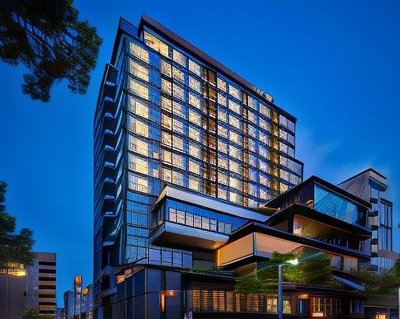
TIAD, AUTOGRAPH COLLECTION
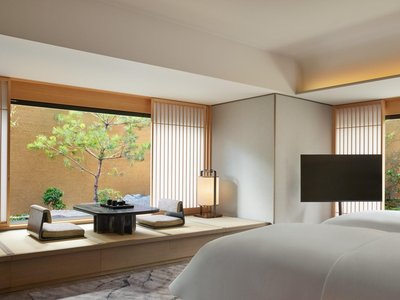
Dusit Thani Kyoto
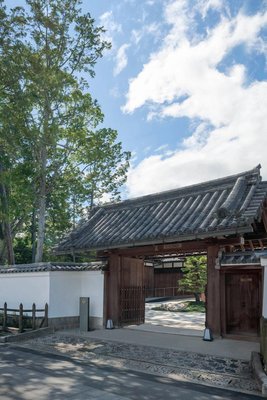
Shisui, a Luxury Collection Hotel, Nara

Hilton Kyoto
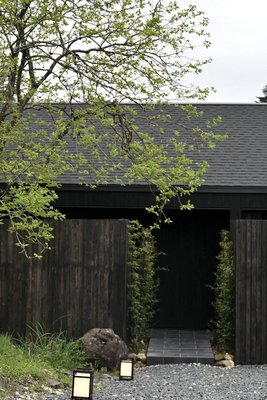
THE LAKOTAN
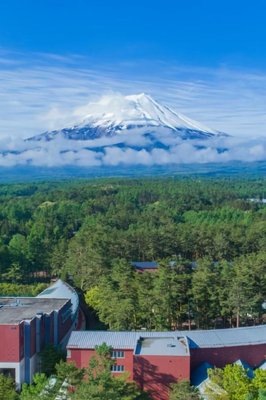
Forest Village (Fuji Premium Resort)
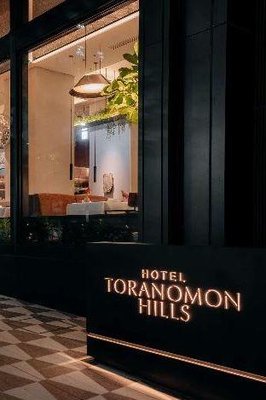
Hotel Toranomon Hills
Osaka Marriott Miyako Hotel
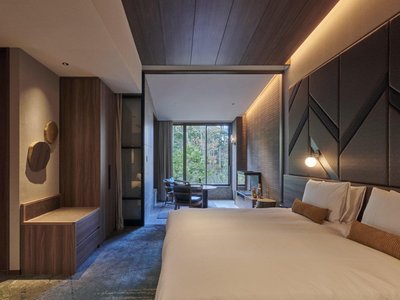
Fufu Kyu-Karuizawa Restful Forest
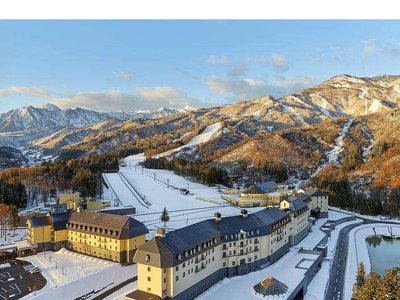
Lotte Arai Resort
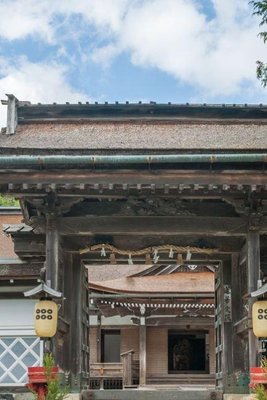
Koyasan Rengejoin
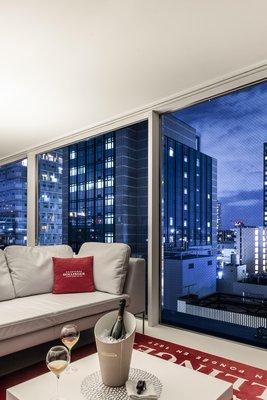
CUVÉE J2 HOTEL OSAKA by Onko Chishin
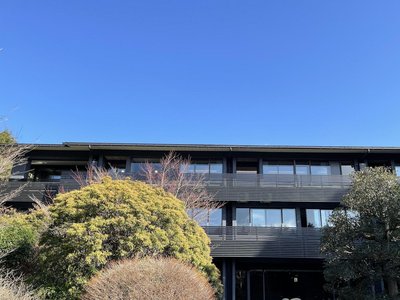
Sengokubara Cocon
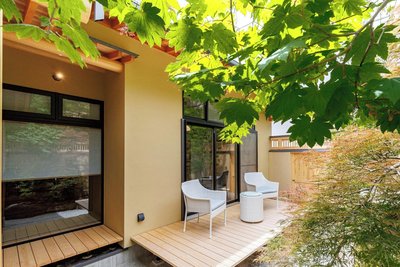
Shoraiso
Bvlgari Hotel Tokyo
Osaka Marriott Miyako Hotel
The Ritz-Carlton, Osaka
Four Seasons Hotel Tokyo at Marunouchi
Mandarin Oriental, Tokyo
The Ritz-Carlton, Tokyo
Andaz Tokyo Toranomon Hills- A Concept by Hyatt
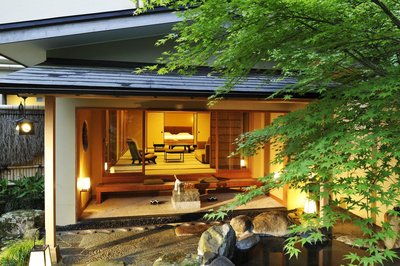
Gora Kadan
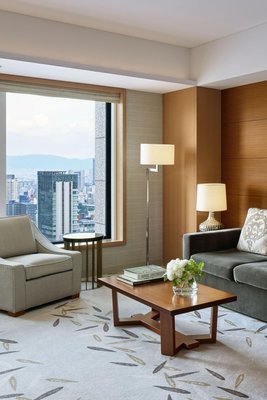
InterContinental Hotel Osaka
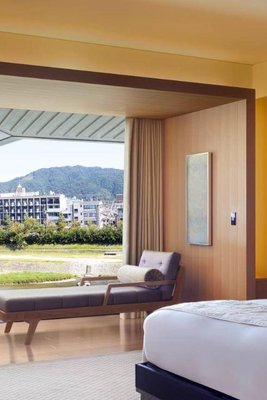
The Ritz-Carlton, Kyoto

Hotel New Otani Tokyo the Main
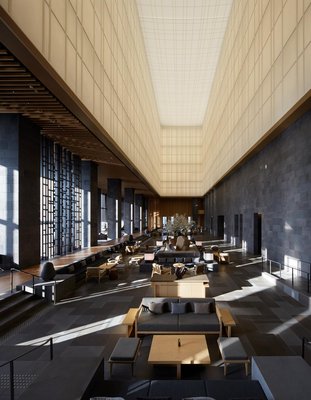
Aman Tokyo
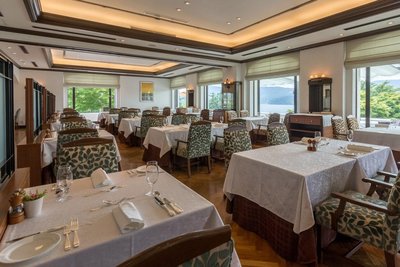
Odakyu Hotel de Yama
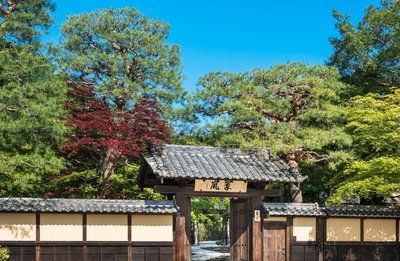
Suiran, a Luxury Collection Hotel, Kyoto
GOOD NATURE HOTEL KYOTO
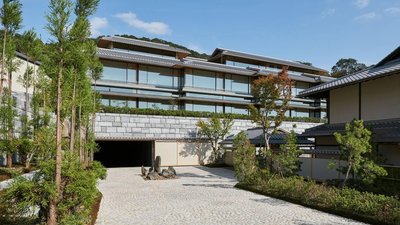
Park Hyatt Kyoto
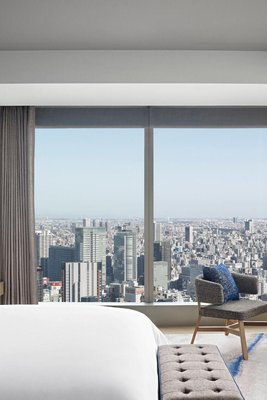
Four Seasons Hotel Tokyo at Otemachi
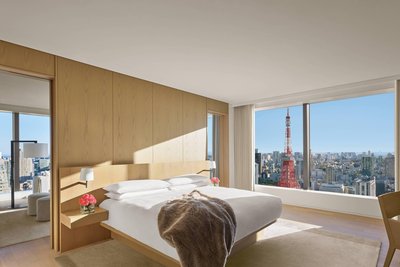
The Tokyo Edition, Toranomon

Hyatt Centric Kanazawa
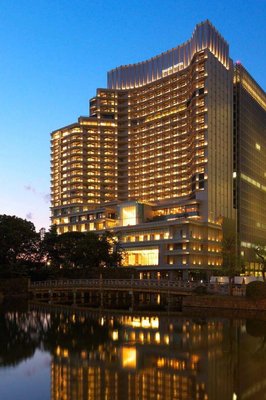
Palace Hotel Tokyo
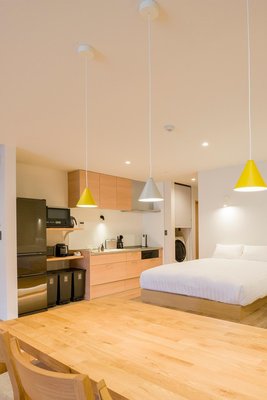
Rakuten STAY VILLA Nasu
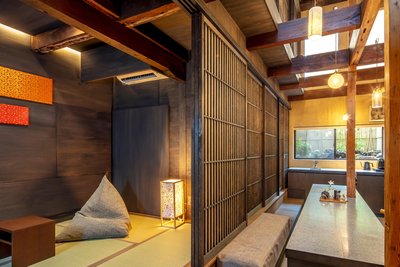
Kyo No Oozora Kihana
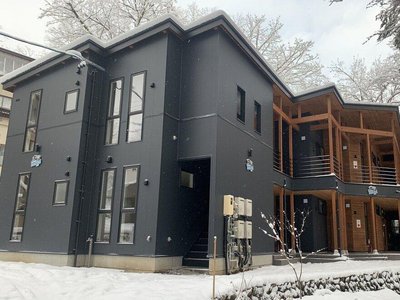
Hakuba Gondola Apartments
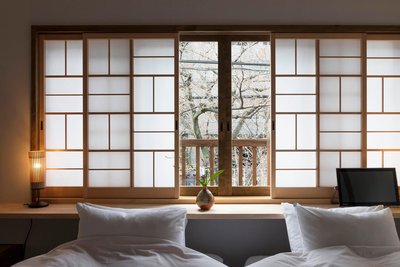
Hanagoromo Machiya House
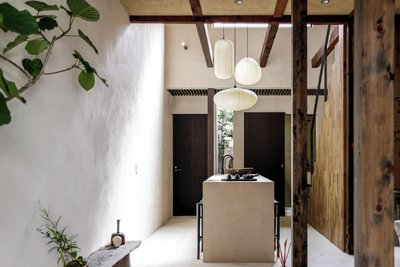
Maana Kiyomizu
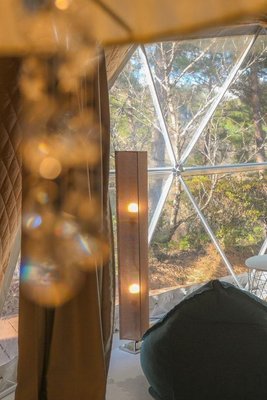
glampark Gekkabijin Nagano
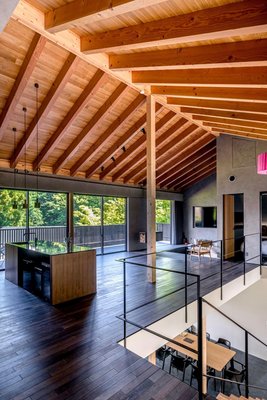
MONS GORA
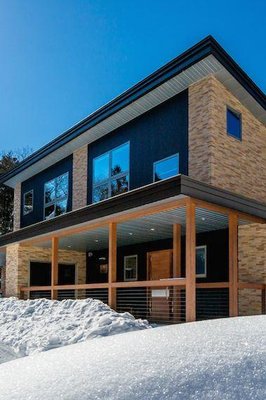
Phoenix Chalets by Hhg
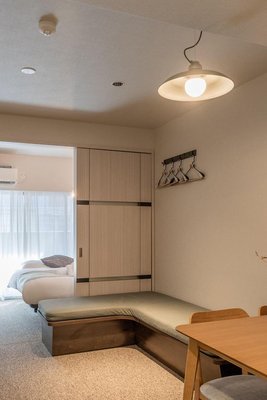
Apartment Hotel 11 Shinsaibashi
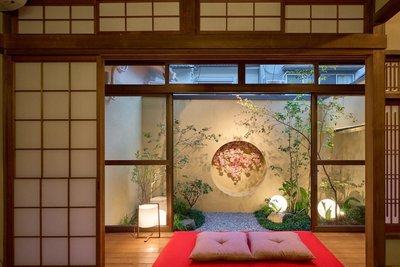
KONJAKUSO Osaka Tengachaya "NIHONCHA" Tea & Relax
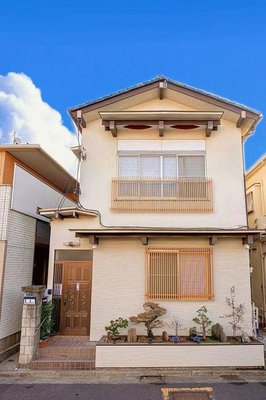
Tokyo Star House-Shinkoiwa
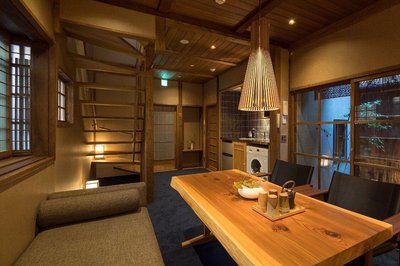
Bonbori an Machiya House
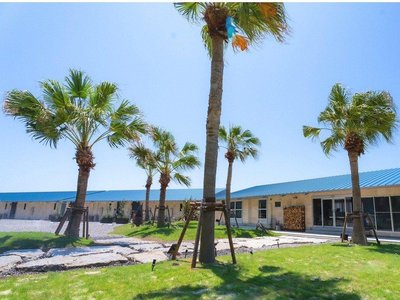
Glamping&Resort Wood Design Park Noma
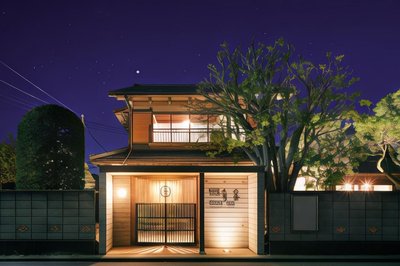
Machi-Jyu
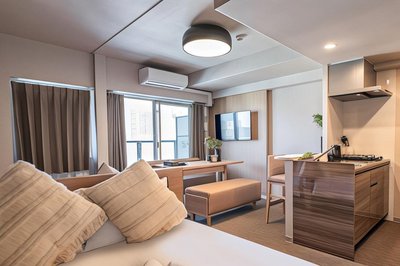
Apartment Hotel 11 Shinsaibashi III
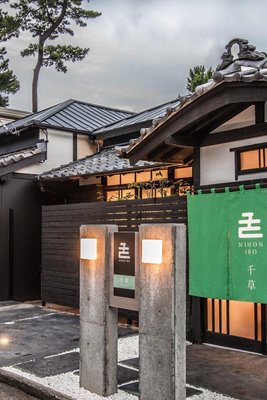
Nihon Iro
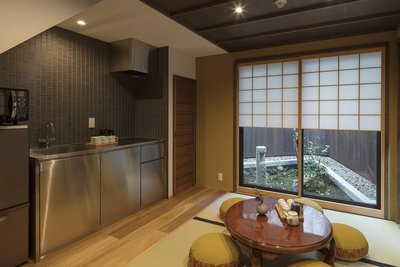
The Machiya Villa Sanjo Shirakawa Koji
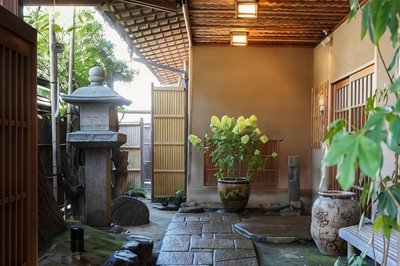
Ryokan Asadaya
Konjaku-So Dotonbori
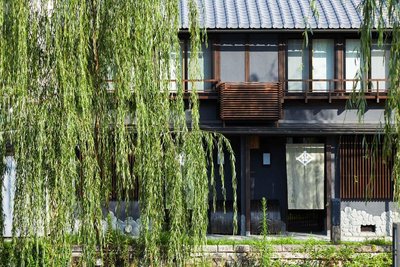
Gion Shirakawa No Yado

Hotel Barrière Fouquet's New York
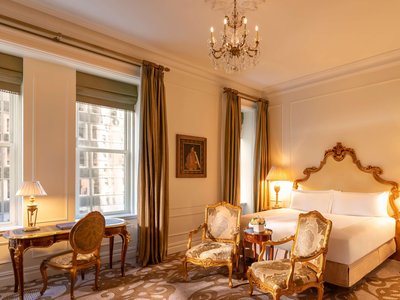
The Plaza - A Fairmont Managed Hotel
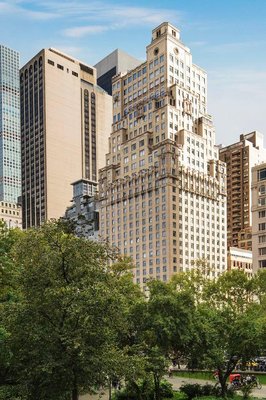
The Ritz-Carlton New York, Central Park
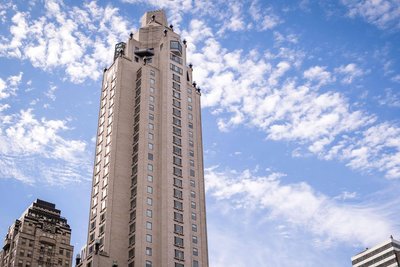
Four Seasons Hotel New York

The St. Regis New York
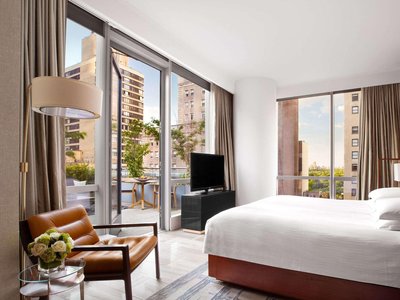
Park Hyatt New York
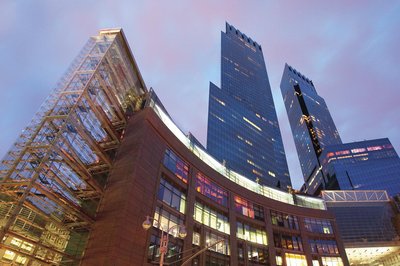
Mandarin Oriental New York
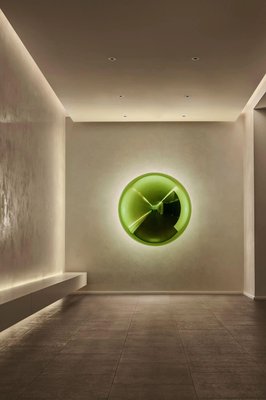
Times Square Edition New York

Loews Regency New York Hotel
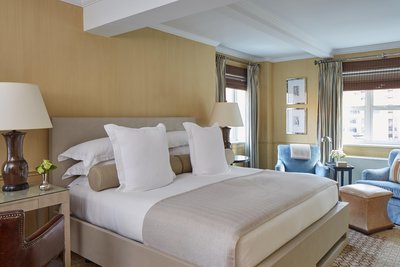
Lowell Hotel
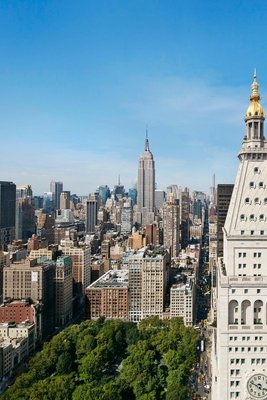
New York Edition
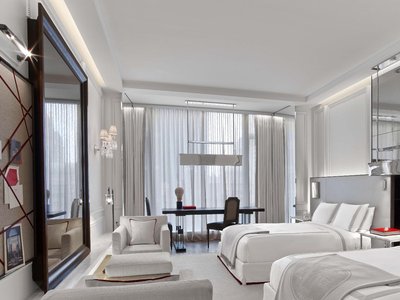
Baccarat Hotel New York

Equinox Hotel New York
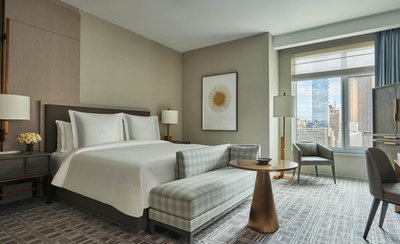
Four Seasons Hotel New York Downtown
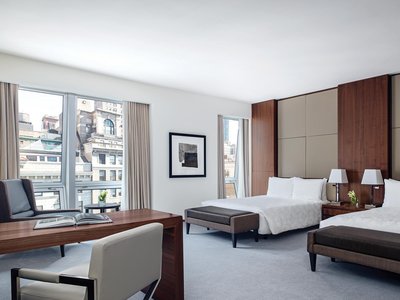
The Langham, New York, Fifth Avenue

The Carlyle, A Rosewood Hotel

The Chatwal, in the Unbound Collection by Hyatt
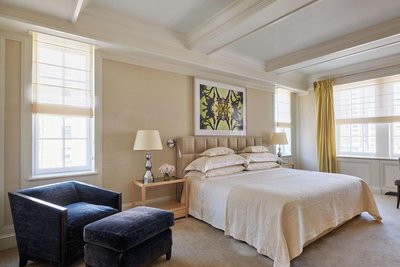
The Mark New York
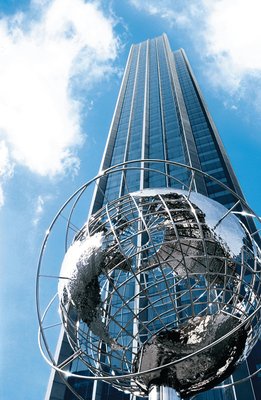
Trump International Hotel & Tower® New York
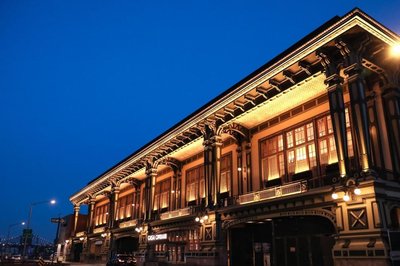
Casa Cipriani New York
Frequently Asked Questions about Traveling to Minamiminowa
Questions You Might Need to Know About Traveling to Minamiminowa
In Minamikizuki Village, stay at Kijin-kan, a beautifully restored traditional Japanese guesthouse nestled among the Northern Alps. This family-run inn features authentic wooden architecture, tatami-mat rooms, and private onsen baths fed by natural hot springs. Guests can enjoy homemade buckwheat noodles and seasonal mountain vegetables prepared with local ingredients.
For an immersive rural experience, visit the Kijunomura Onsen ryokan, where evening baths offer panoramic views of the starlit sky. The village’s quiet alpine setting makes it ideal for hiking, stargazing, and learning about Shinshu's agricultural heritage. These accommodations provide a rare glimpse into authentic Japanese mountain life.
The best time to visit Minamikizuki Village is during autumn (October–November), when the maple leaves turn vibrant red and orange across the Northern Alps. The Oiwake Mountain Overlook offers breathtaking panoramic views of the crimson valley—perfect for photography.
Spring (April–May) brings blooming cherry blossoms along the Kijunogawa River and wild azaleas on the hillsides. Summer is ideal for hiking the Shinano River tributary trails, with cool streams and lush forests. In winter, snow blankets the village, turning it into a serene alpine retreat—ideal for peaceful walks and experiencing rural Japan’s quiet beauty.
Hot spring inns in Minamikizuki Village offer authentic natural onsen bathing with mineral-rich waters sourced from deep underground. At Kijunomura Onsen, private open-air baths overlook snowy mountains or starry skies—ideal for relaxation and scenic views.
Guests can participate in "Mountain Cuisine" workshops: harvesting wild herbs, making Shinshu buckwheat noodles, and grilling fresh fish over charcoal. The nightly "Bonfire Night" features storytelling by locals, accompanied by homemade plum wine and chestnut desserts—offering a true taste of alpine village hospitality.
The best area for accommodation in Minamikizuki Village is the Kijun Town Center, located near Kijun Shrine and the Kijunogawa River. It’s walkable to major attractions, restaurants, and cultural sites, while preserving authentic traditional Japanese streetscapes—wooden eaves, stone paths, and quiet alleys.
For a quieter retreat, consider the Kijun Mountain Slope area, home to secluded ryokan and forest-view guesthouses. Though slightly removed from the main street, it offers panoramic views of the Northern Alps, ideal for nature lovers seeking peace and privacy. The center is perfect for cultural exploration; the slopes suit those craving tranquility and mountain serenity.
Families visiting Minamikizuki Village can enjoy nature and culture through programs like the Kijun Children’s Forest Classroom, where kids learn about local flora and fauna, create leaf specimens, or craft bamboo baskets under expert guidance.
The Kijunogawa Riverside Park features shallow pools and suspension bridges—perfect for safe water play and exploring aquatic life. During summer, the "Mountain Summer Festival" includes treasure hunts, hand-painted umbrella-making, and bonfire storytelling.
For deeper engagement, book a farm immersion day: help harvest rice, feed goats, and enjoy freshly made Shinshu rice balls. These hands-on experiences teach children about food, farming, and nature—creating lasting memories of rural Japanese life.
Must-try dishes in Minamikizuki Village highlight Shinshu regional flavors and mountain ingredients:
-
Shinshu Buckwheat Noodles (Soba): Made from locally grown buckwheat flour, served cold with dipping sauce or warm in broth—firm texture and earthy flavor.
-
Wild Mountain Vegetable Tempura: Freshly foraged greens like ferns and dandelion, lightly battered and fried—crispy with natural aroma.
-
Dohonjiru (Clay Pot Stew): Slow-cooked chicken stew with root vegetables, simmered in a traditional earthen pot—rich and warming.
-
Chestnut Rice: Sweet, soft rice cooked with fresh chestnuts—perfect in autumn.
Many inns serve house-made plum wine and mountain honey as souvenirs—ideal for taking home a taste of alpine authenticity.









