Hotels in Minamioguni
Discover your perfect stay in Minamioguni.
Minamioguni(Japan) Travel 2026: Cheap Flights, Hotels & Top Attractions
Popular Landmarks in Minamioguni
Discover the most iconic attractions in Minamioguni
Recommended Hotels in Minamioguni
Find the perfect place to stay in Minamioguni
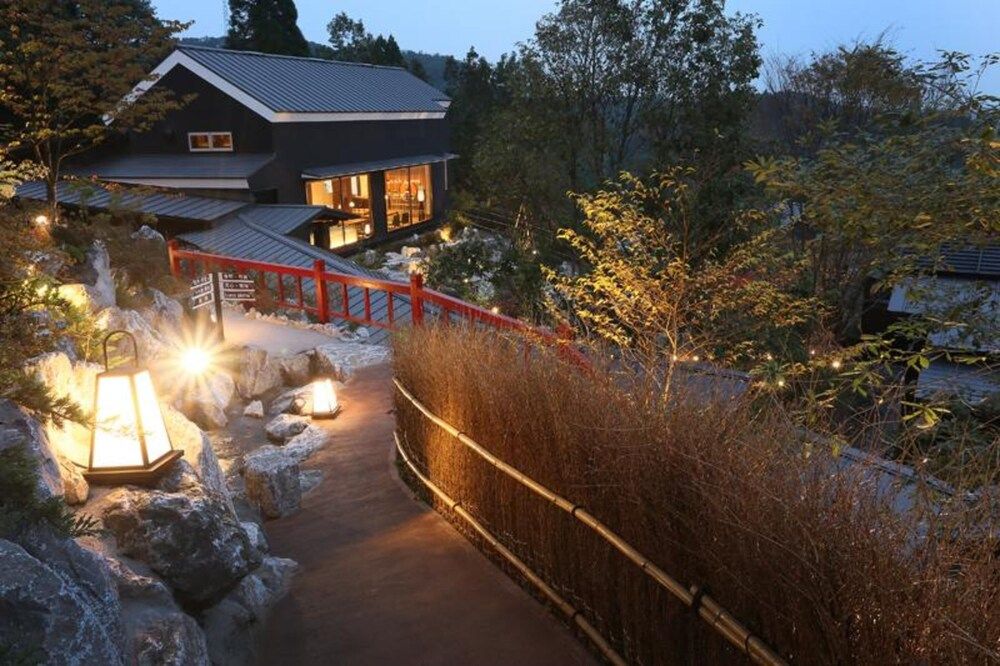
Gekkoju Kurokawa
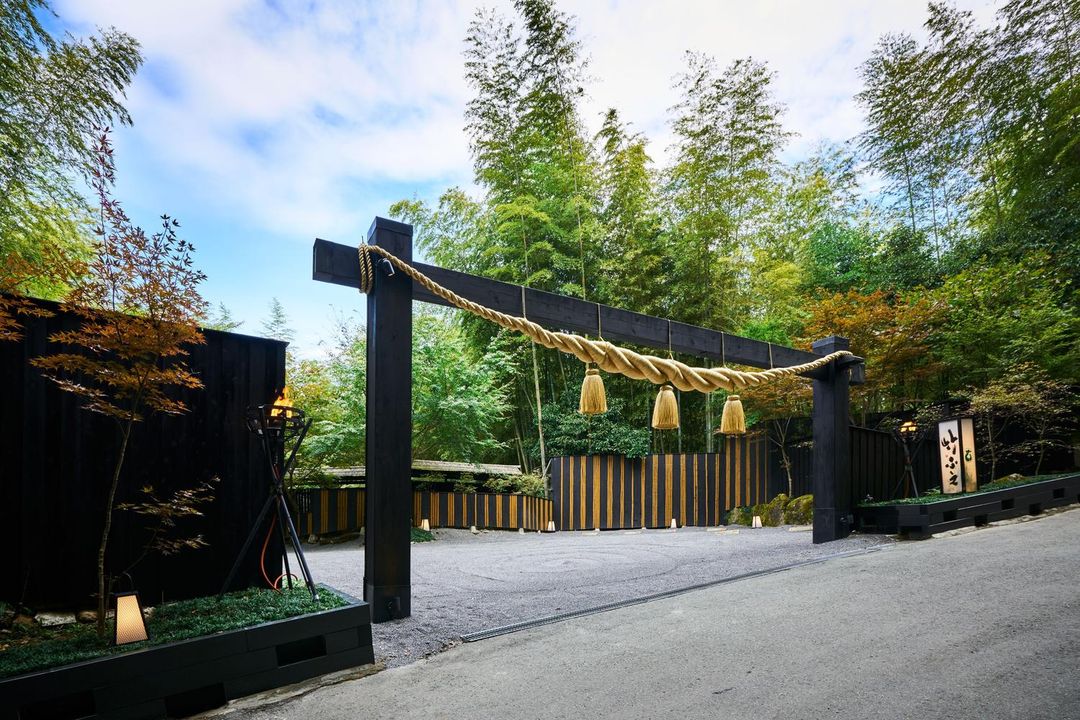
Hikyou Shirakawagensen Sansou Takefue
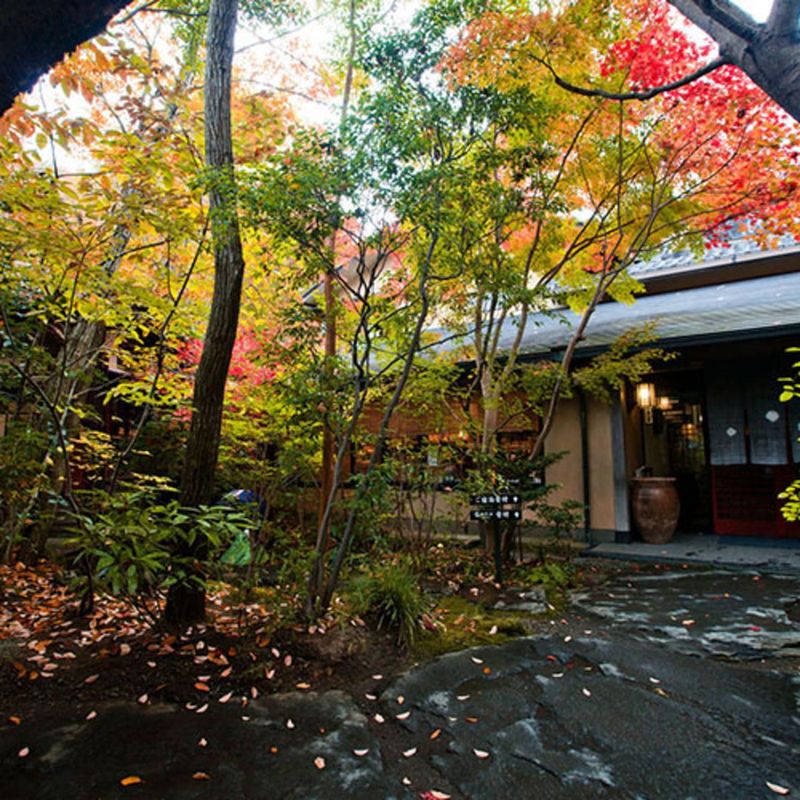
Kurokawa-So
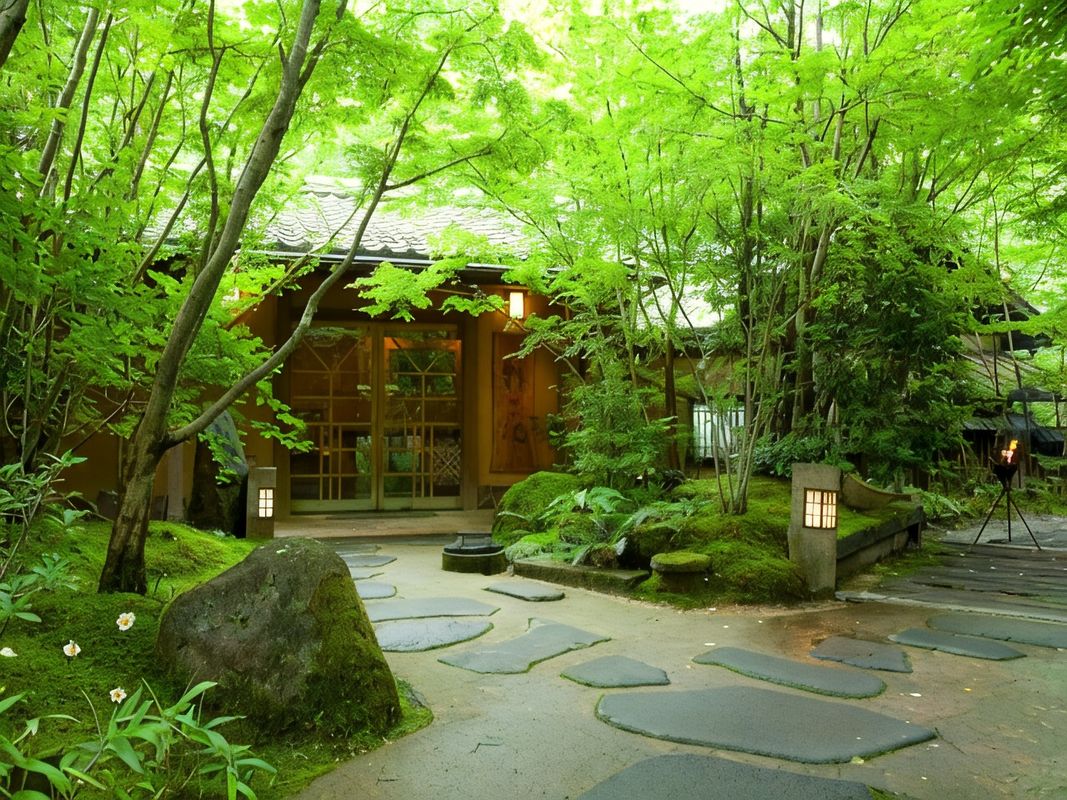
Oyado Nonohana
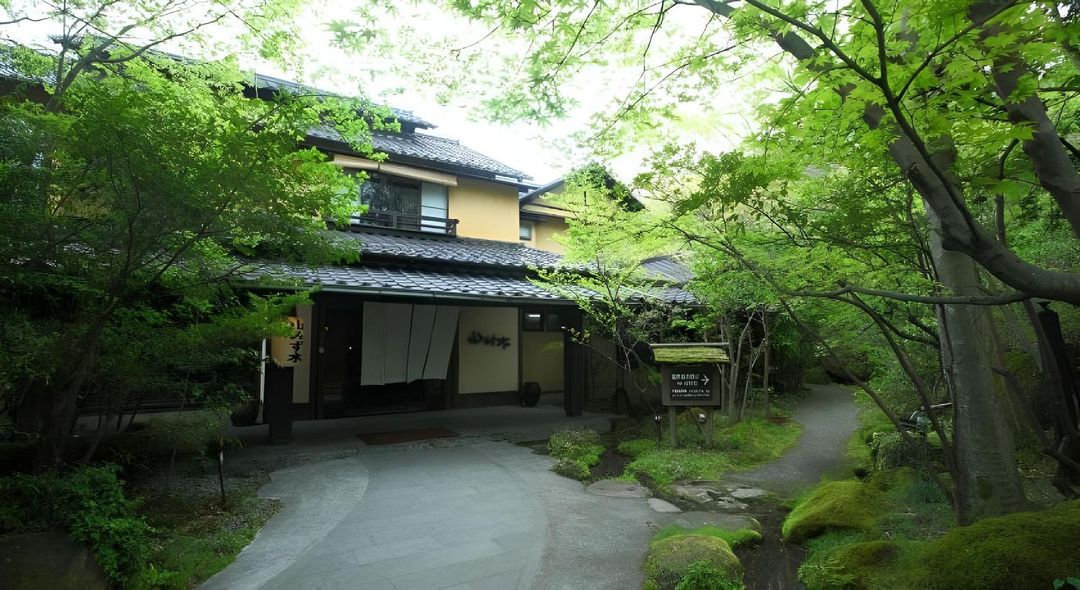
Kurokawaonsen Yamamizuki
Yamashinobu
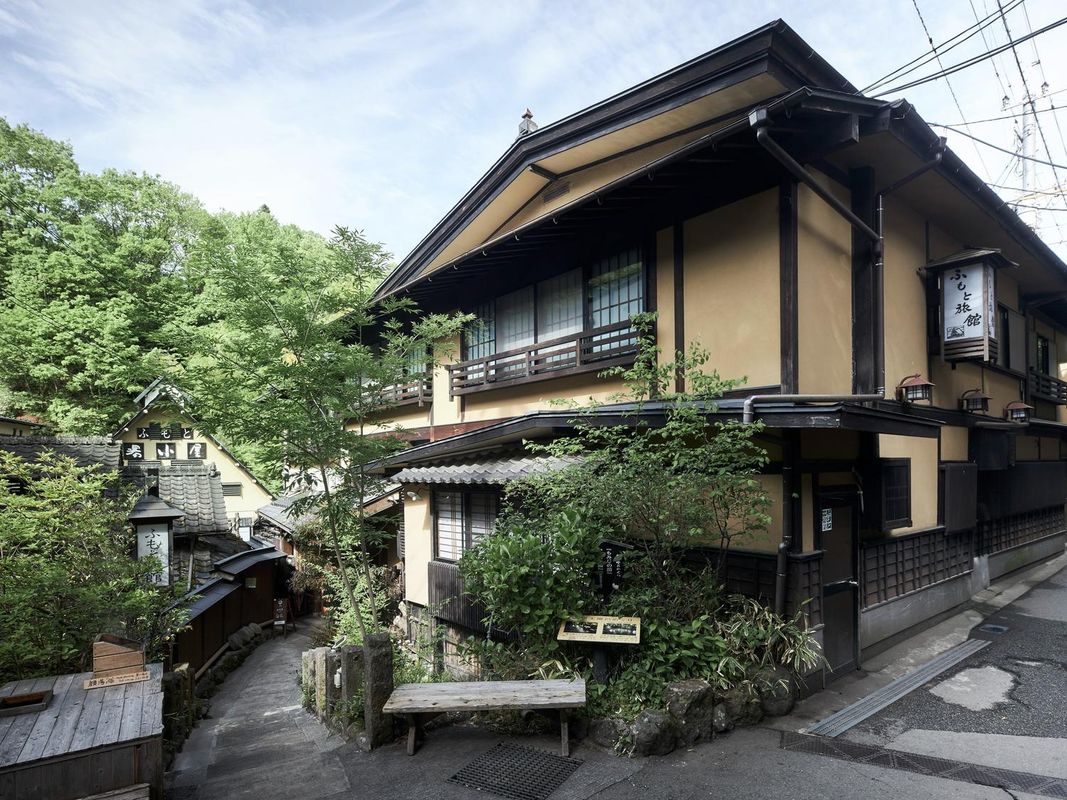
Fumoto Ryokan
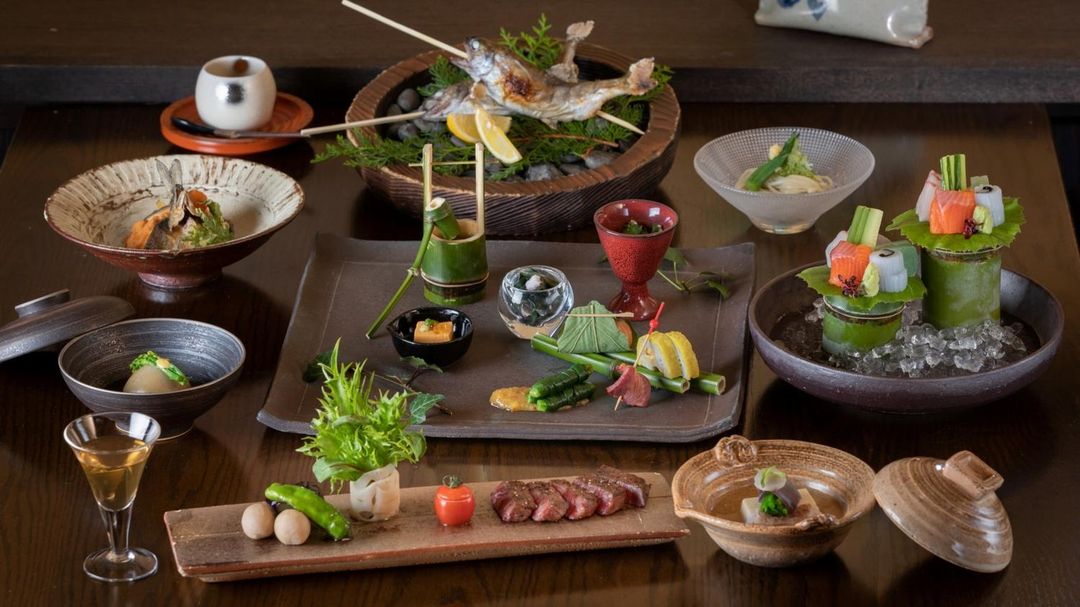
Ryokan Sanga
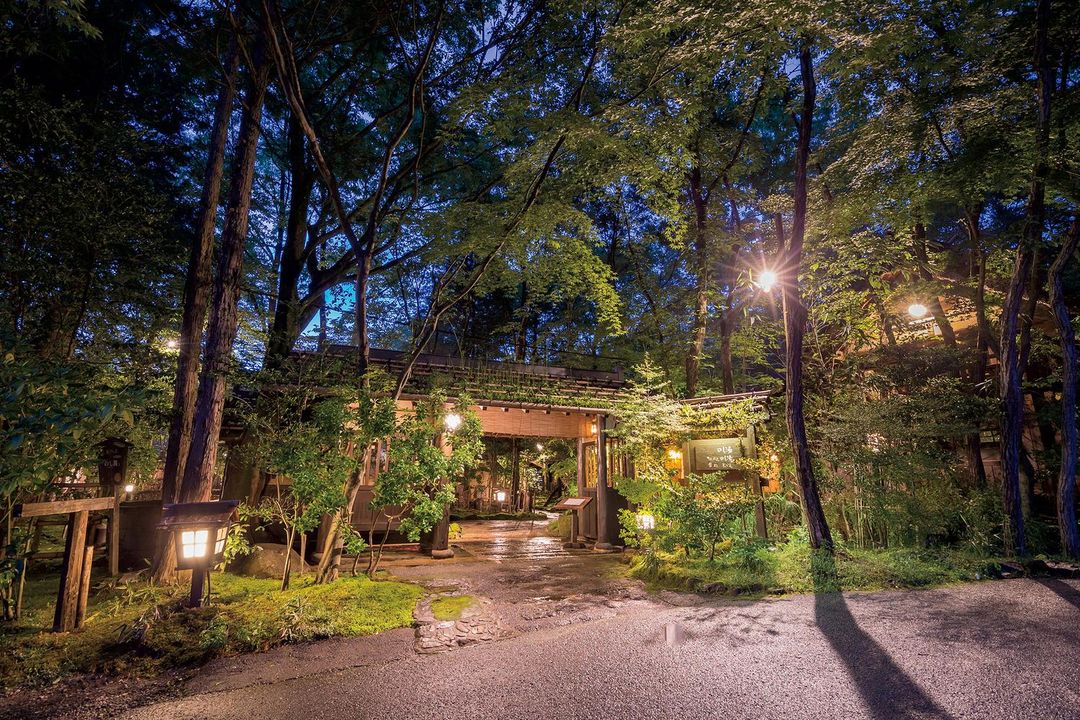
Kurokawa Onsen Oyado Noshiyu
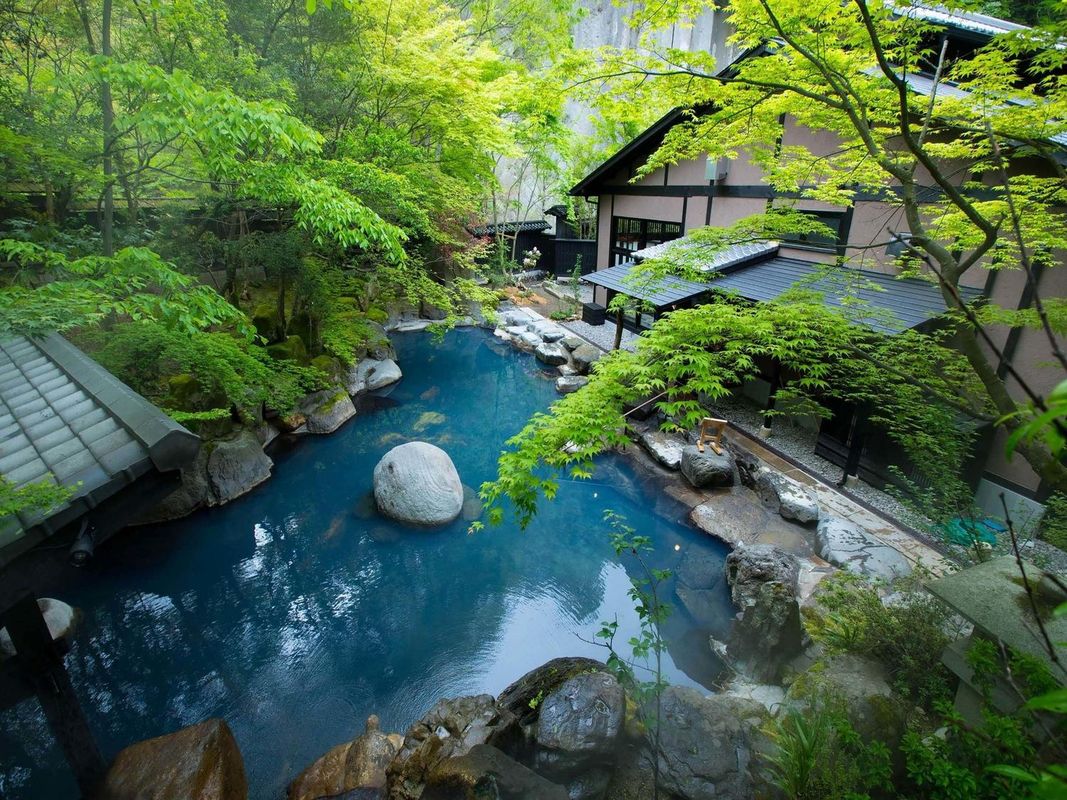
Kurokawaso
Best Hotels in Minamioguni
Discover curated hotel collections in Minamioguni
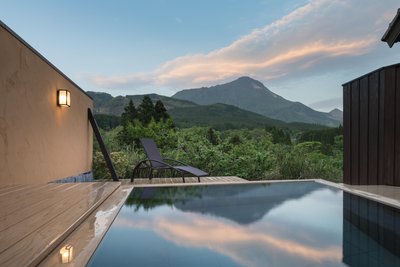
Ikkoten
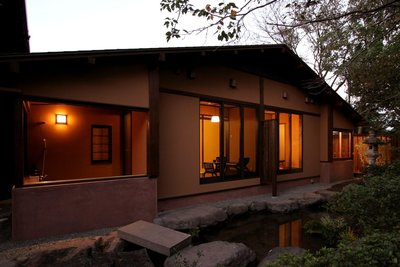
SEKIYA RESORT Bettei Haruki
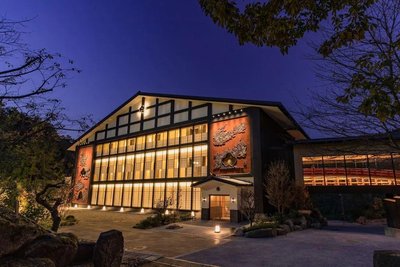
Okuhita Onsen Umehibiki
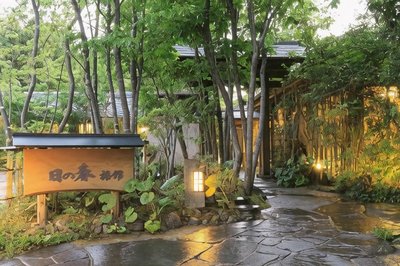
Yufuin Onsen Hinoharu Ryokan
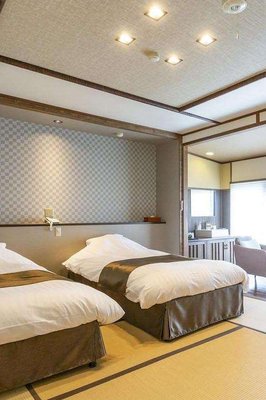
Sozankyo
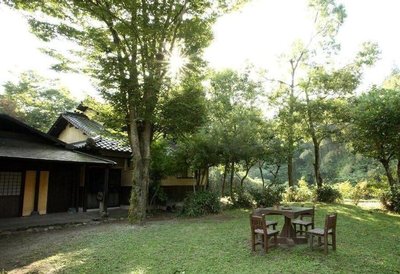
Yamashinobu
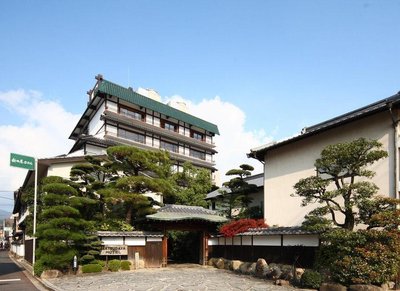
Matsudaya Hotel
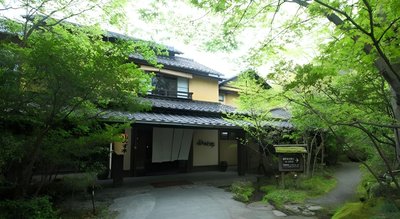
Kurokawaonsen Yamamizuki
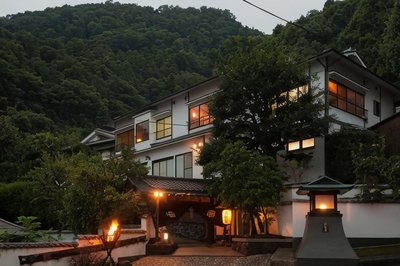
Beppu Showaen
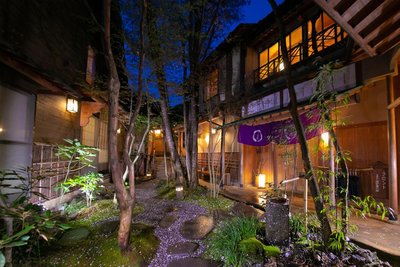
Oyado Ichizen
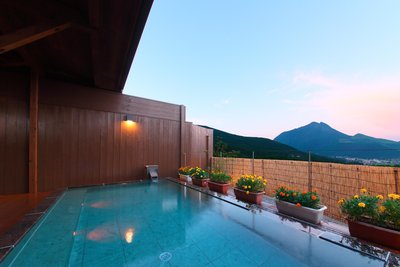
Asagirinomieru Yado Yufuin Hanayoshi
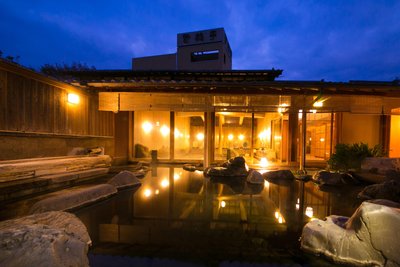
Yakakutei
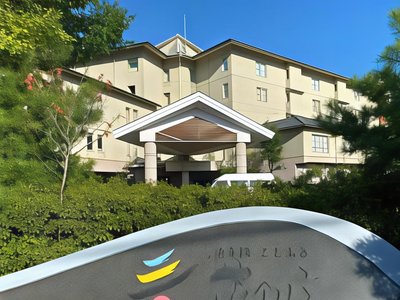
Yufuin Kotobuki Hananosho
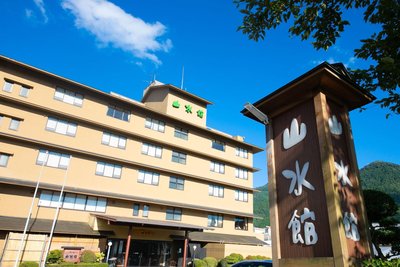
Yufuin Sansuikan
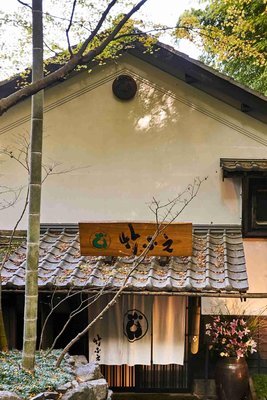
Hikyou Shirakawagensen Sansou Takefue
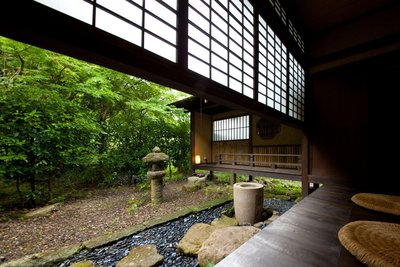
Yufuin Gettouan
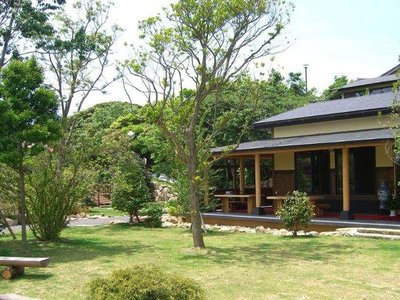
Saigetsuan
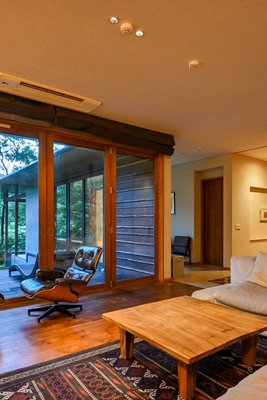
Oita kokonoe Kuoritei
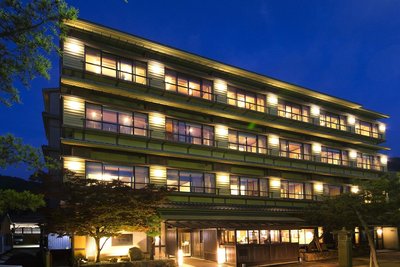
Kinsuikan
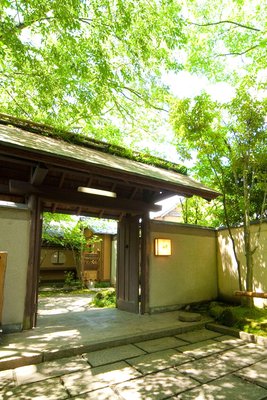
Kutsurogi-No-Yado Nanakawa

Garden Terrace Nagasaki Hotel & Resort

Holiday Inn Resort Miyazaki
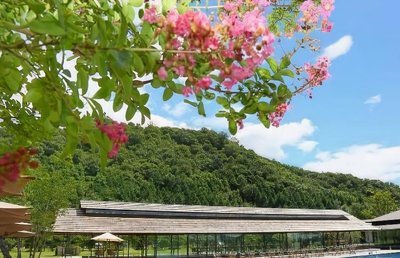
Bella Vista Spa and Marina Onomichi
Yufuin Kotobuki Hananosho
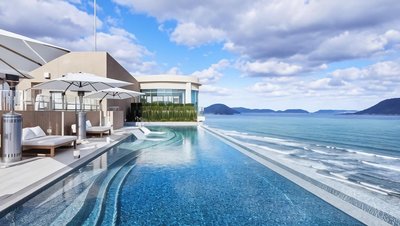
Karatsu Seaside Hotel
Yufuin Sansuikan
Kinsuikan
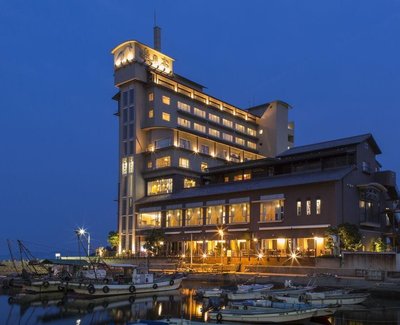
Hotel Ofutei
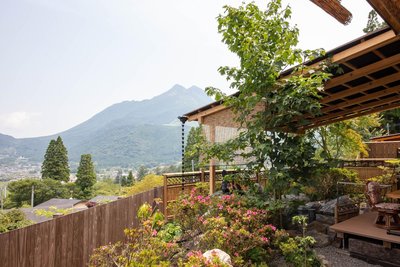
Yufuin-Sanso Waremokou
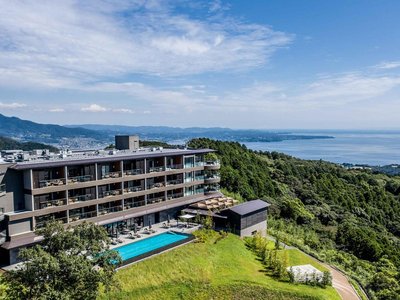
Ana InterContinental Beppu Resort & Spa
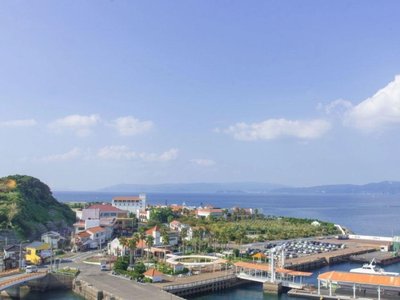
I+Land Nagasaki

The OneFive Villa Fukuoka
LiVEMAX RESORT MIYAHAMA ONSEN OCEAN
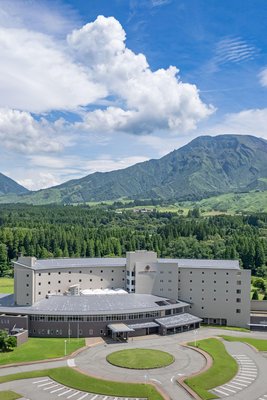
KAMENOI HOTEL ASO
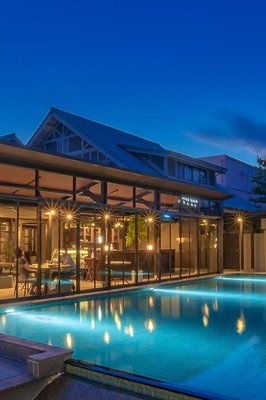
Amane Resort Gahama

SEKIYA RESORT GALLERIA MIDOBARU

Beppu Suginoi Hotel

Phoenix Seagaia Ocean Tower
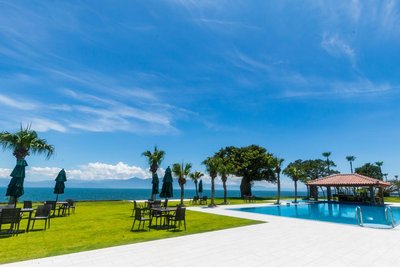
Kagoshima Sunamushi Onsen Ibusuki Hakusuikan
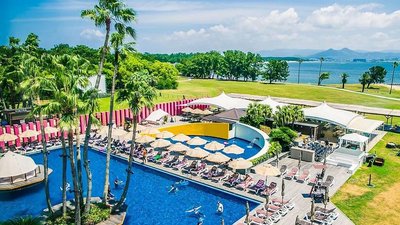
The Luigans Spa and Resort
Frequently Asked Questions about Traveling to Minamioguni
Questions You Might Need to Know About Traveling to Minamioguni
In Nanoko Town, the top boutique option is Nanoko Onsen Ryokan, a family-run traditional inn nestled in the mountains of Kumamoto Prefecture. It features private onsen baths, seasonal kaiseki meals using local Aso beef and wild mountain vegetables, and minimalist Japanese design. The surrounding area offers hiking trails to ancient cedar forests and the serene Nanoko River. Guests enjoy immersive cultural experiences like tea ceremonies and stargazing under pristine night skies, making it ideal for those seeking authentic rural Japan.
The best view-oriented area is along the Nanoko Riverfront, where several eco-lodges and ryokans offer panoramic vistas of the valley and distant Aso Volcano. Staying here grants easy access to walking paths, riverbanks, and seasonal flower fields. Many properties feature large windows, open-air decks, and rooftop hot tubs—perfect for sunrise viewing. Nearby, the Old Railway Trail provides a peaceful route to local shrines and farm markets. This location blends nature immersion with quiet comfort, perfect for photographers and nature lovers.
Visitors can participate in hands-on pottery workshops at Nanoko Ceramics Studio, crafting pieces from locally sourced clay. The annual Paper Lantern Festival combines lighting rituals with storytelling under the stars, offering a spiritual connection to local folklore. Additionally, guided tours reveal oral folk songs and agricultural rites tied to the region’s Shinto traditions. These activities provide deep insight into Kyushu’s rural heritage and the community’s reverence for nature and ancestors.
Yes, Nanoko Forest Home Resort is ideal for families, featuring interconnected rooms, a children’s playroom, outdoor picnic areas, and a family-sized onsen. The resort offers cooking classes using fresh local ingredients, including rice cake-making and farming experiences with chickens and vegetables. Located just 15 minutes from Aso Junior Nature Park, it supports educational outings. With its spacious layout and child-safe facilities, it’s a top choice for family bonding in nature.
Hot spring hotels here are renowned for their natural sulfur-rich waters and tranquil forest settings. Nanoko Yumeyu Inn features open-air baths surrounded by pine trees, with views of Mount Aso at dawn. Each room includes a private onsen or garden terrace. The inn also hosts daily onsen wellness talks, explaining mineral benefits and traditional healing practices. Guests often describe the experience as deeply restorative, blending thermal therapy with mindfulness in a secluded environment.
Head to the Nanoko Central Market for fresh catches of Aso River fish and wild mountain vegetable stew. Try Tanaka Dining House, a century-old eatery famous for handmade soba noodles simmered in black pork broth. For a deeper culinary experience, book a home-cooking class with a local homemaker, learning to prepare Nanoko mochi and sweet rice dumplings. All ingredients are sourced directly from nearby farms, ensuring freshness and supporting local food sustainability.
Stay near the Nanoko River to maximize convenience. Begin your day at Nanoko Shrine and the Ancient Cedar Trail, then enjoy afternoon tea at Chaya Teahouse before heading to Aso Volcano Viewpoint. Return to your inn for an evening soak, followed by a guided nighttime storytelling session about local legends. This seamless blend of cultural exploration and relaxation allows full immersion in the town’s rhythm and spirit.
Winter brings the Snow Viewing Onsen Festival at Nanoko Yumeyu Inn, featuring snow-covered outdoor baths, ice sculptures, and torchlight processions. Visitors can enjoy snowshoeing through quiet forests or warm up with a kamado dinner featuring Aso beef and mountain mushrooms. The season’s crisp air enhances the therapeutic effect of the hot springs. With minimal light pollution, it’s also a prime spot for stargazing, creating a magical, meditative atmosphere.
While remote, Nanoko Town is accessible via bus from Kumamoto Station (approx. 45 minutes). Renting a bicycle or e-bike is highly recommended for exploring trails and riverside paths. Car rental from Nanoko Interchange on the Kumamoto Expressway offers flexibility. Most inns provide free shuttle services to and from the station, ensuring smooth travel. Clear signage and multilingual maps help visitors navigate safely and independently.
Book 3–6 months ahead during peak seasons like cherry blossom and autumn foliage. Use platforms like HopeGoo or contact the Nanoko Town Tourism Association directly for early-bird deals and bundled packages (e.g., onsen + dinner). Some inns offer “stay 2 nights, get 1 free” promotions or discounts when paired with pottery workshops. Off-peak stays can save up to 20%. Travelers with a JR Pass may also qualify for special hotel discounts, enhancing overall value.
Minamioguni Overview
City Summary
Minamioguni Town, located in the northern part of Kumamoto Prefecture, Japan, is a hot spring town surrounded by nature. Famous for Kurokawa Onsen, it offers unique open-air baths and a traditional Japanese atmosphere. The town is nestled among mountains, with stunning seasonal scenery—especially autumn foliage and winter snowscapes. Minamioguni is an ideal destination for those seeking tranquility away from urban crowds.
Must-See Attractions
Kurokawa Onsen is the highlight, featuring over 20 ryokans (traditional inns) with distinctive outdoor baths. Manganji Temple is a serene historic site perfect for meditation. The Nabegataki Waterfall boasts crystal-clear pools for summer relaxation. Nearby, Mount Aso and the Kuju Mountain Range offer excellent hiking opportunities.
Food Guide
Local cuisine reflects the town's hot spring and agricultural heritage. Try onsen manju (steamed buns) for dessert and Kumamoto's specialty horse meat dishes like sashimi or hot pot. Farm-to-table free-range chicken and wild vegetable tempura are also must-tries.
Transportation Guide
Accessible via Kyushu Sanko Bus from Kumamoto City (2 hours). Within town, walking or renting bicycles is recommended. Driving via Route 212 is possible, but note narrow mountain roads and winter snow. Taxis are scarce; book in advance.
Best Time to Visit
Best visited in autumn (October-November) for foliage or winter (December-February) for snow-covered onsens. Summers are mild but rainy, while spring (March-May) sees fewer tourists.
Travel Tips
- Onsen etiquette: Wash thoroughly before bathing; tie up long hair.
- Carry cash: Many shops don't accept cards.
- Pack layers: Mountain temperatures fluctuate.
- Language: English is limited; use translation apps.
- Eco-awareness: Single-use plastics are discouraged in onsen areas.
- Reservations: Book popular ryokans 1-2 months ahead.
Useful Information
Language: Japanese; basic English at some ryokans. Internet: Free Wi-Fi at most lodgings (spotty in mountains). Payment: Cash preferred; some ryokans take Visa/JCB. Healthcare: Minamioguni Clinic handles basics; serious cases go to Kumamoto City. Voltage: 100V, Type A plugs. Emergencies: Police 110; ambulance 119.