Hotels in Minamisanriku
Discover your perfect stay in Minamisanriku.
Minamisanriku(Japan) Travel 2026: Cheap Flights, Hotels & Top Attractions
Popular Landmarks in Minamisanriku
Discover the most iconic attractions in Minamisanriku
Recommended Hotels in Minamisanriku
Find the perfect place to stay in Minamisanriku
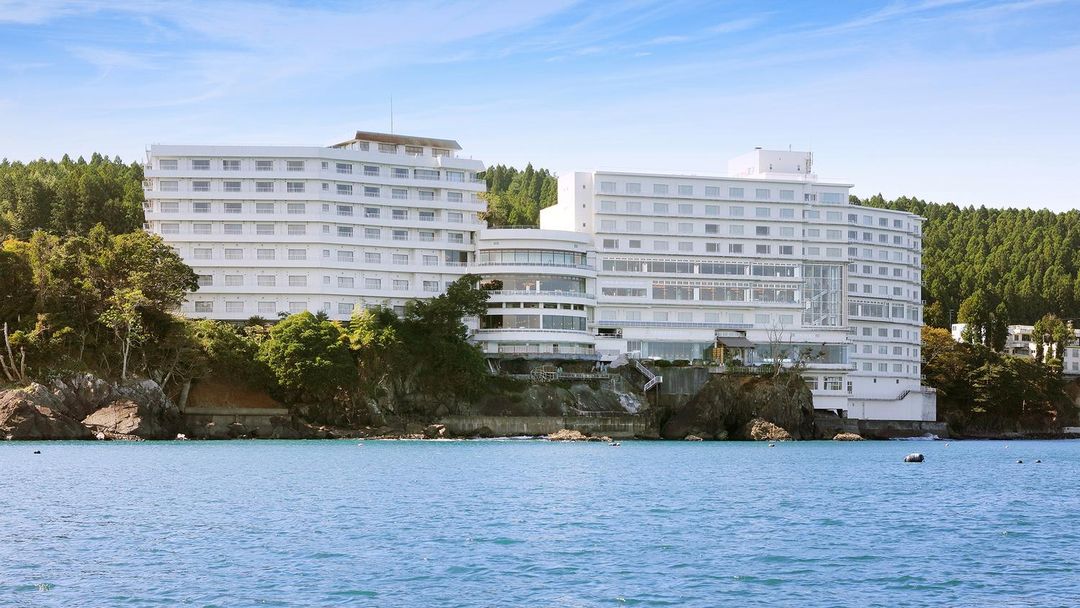
Minami Sanriku Hotel Kanyo
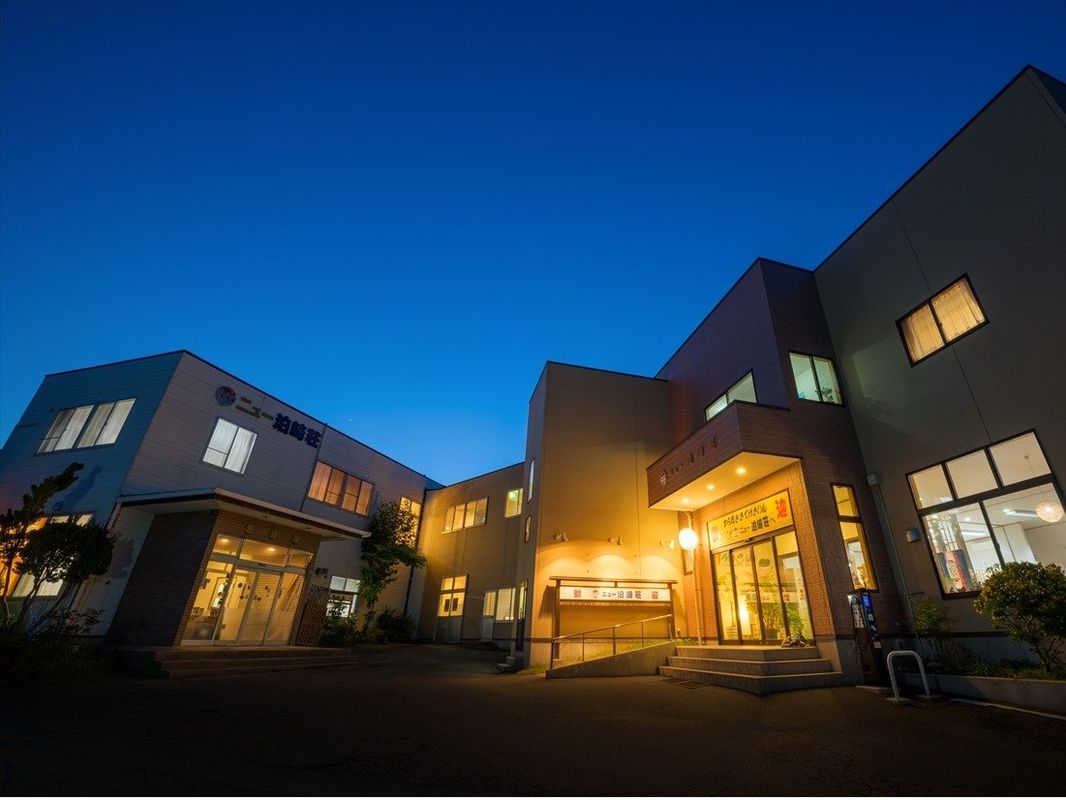
New Tomarizakiso
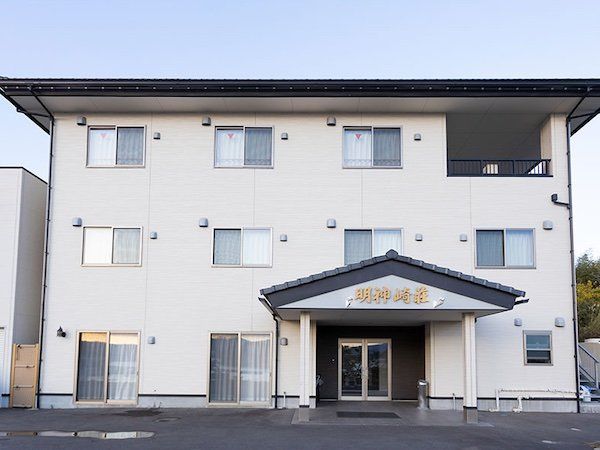
Myojinzakiso
Best Hotels in Minamisanriku
Discover curated hotel collections in Minamisanriku

EN Resort Grandeco Hotel
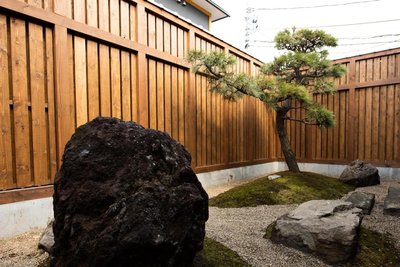
Hotel Zen-Adult Only
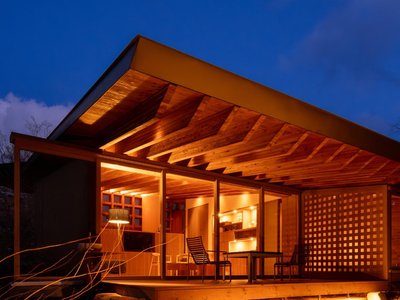
Nasu Mukunone
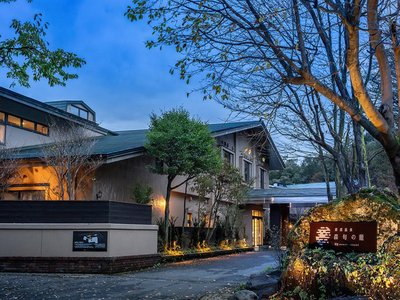
Nasu Onsen Shinshun no Kago Hewitt Resort
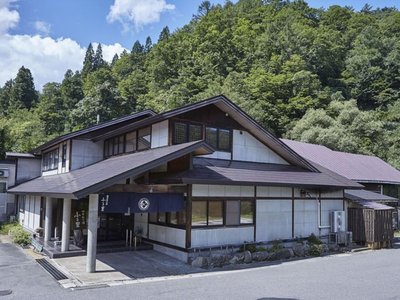
Fulsato
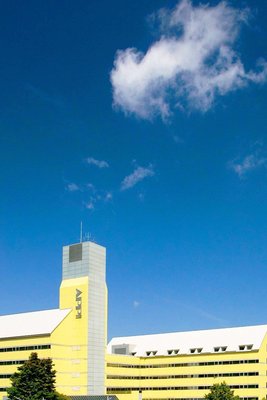
Crowne Plaza - ANA RESORT APPI KOGEN
Choseikan
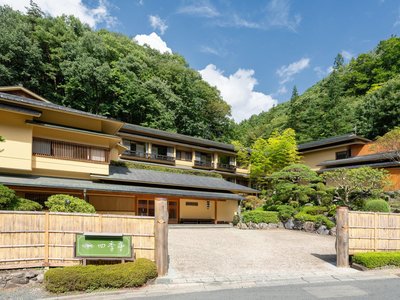
Shikitei Morioka TsunagiOnsen
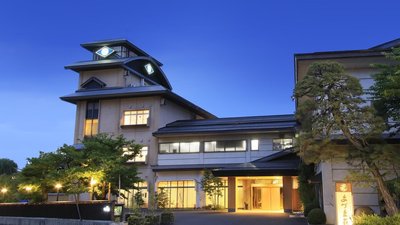
Shouhakutei Azumaso
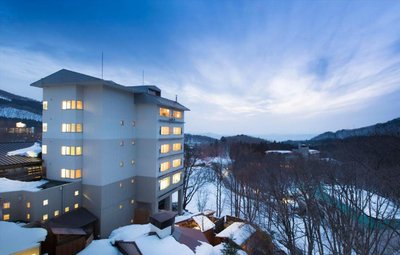
Takamiya Hotel Lucent
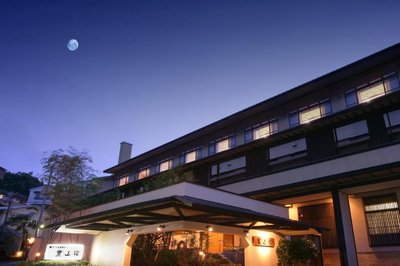
Hayamakan
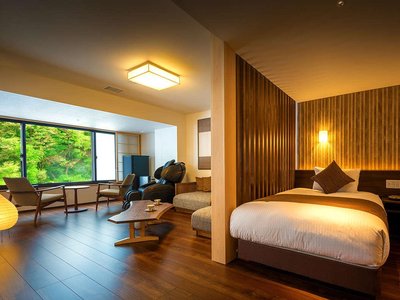
Harataki
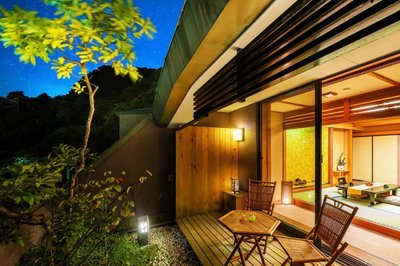
Konjakutei
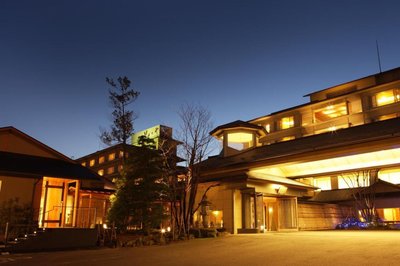
Yumotoya
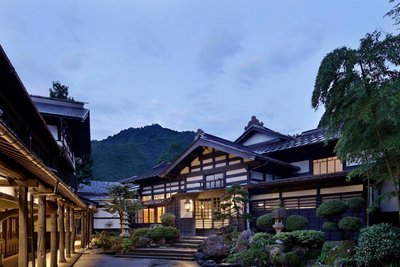
Ryugon
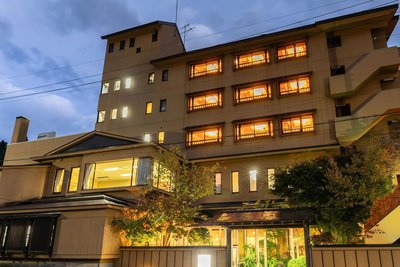
Kashintei Shirahama
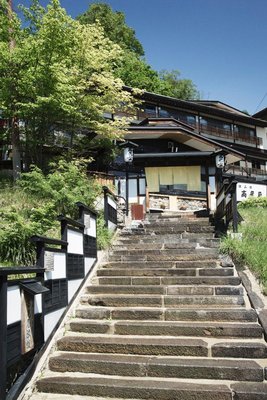
Takamiya Ryokan Miyamaso
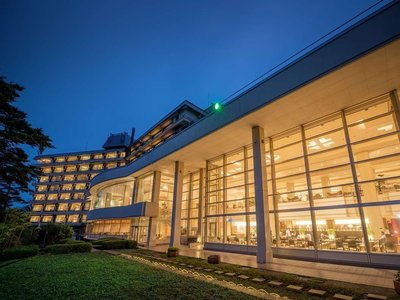
Hotel Matsushima Taikanso
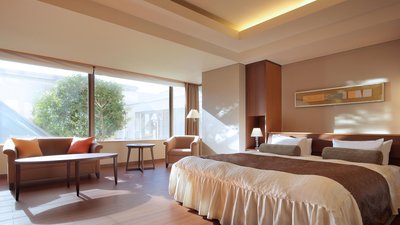
Onyado Toho
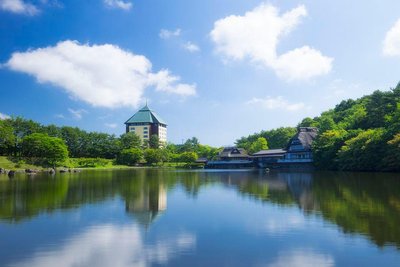
Hoshino Resorts Aomoriya
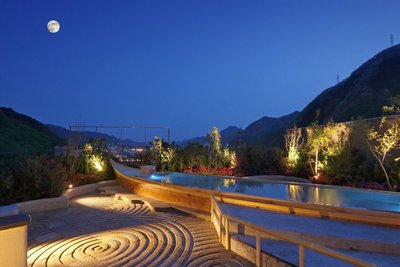
Asaya
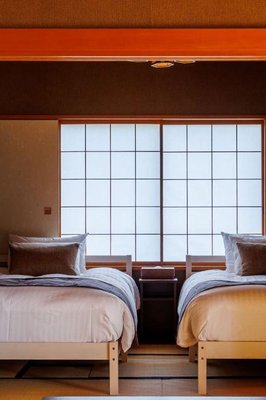
Sado Resort Hotel Azuma
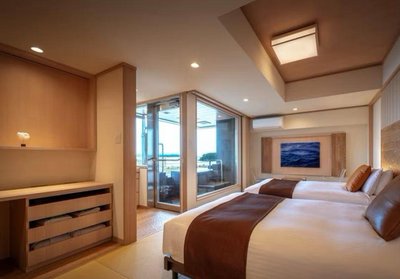
Komatsu-Kan Kofu-Tei
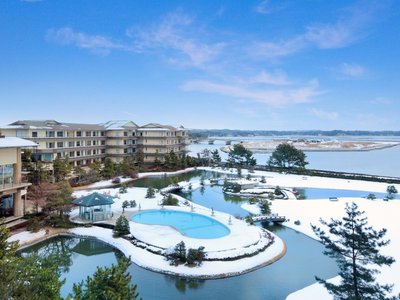
Matsushima Ichinobo
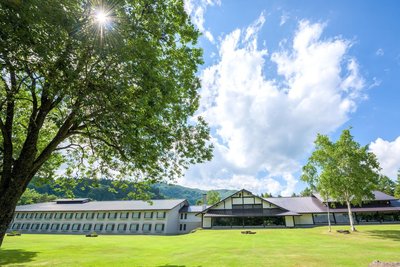
Towada Prince Hotel
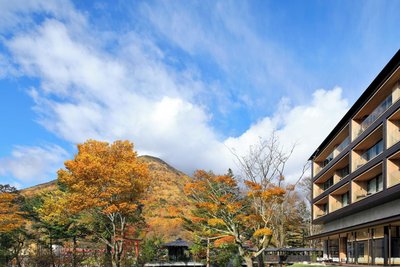
The Ritz-Carlton, Nikko
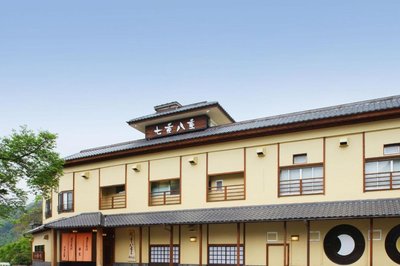
Nanaeyae
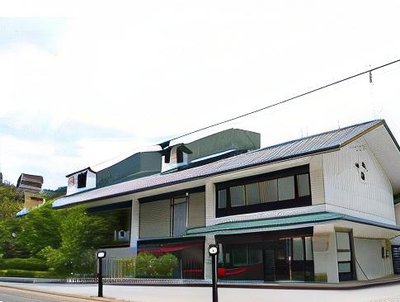
Auberge Suzukane
Konjakutei
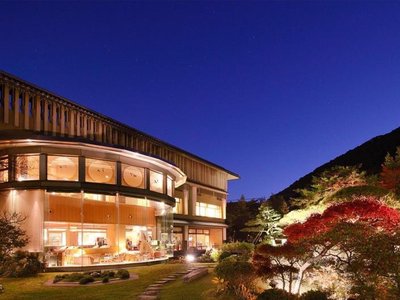
Shikisai Ichiriki
Sado Resort Hotel Azuma
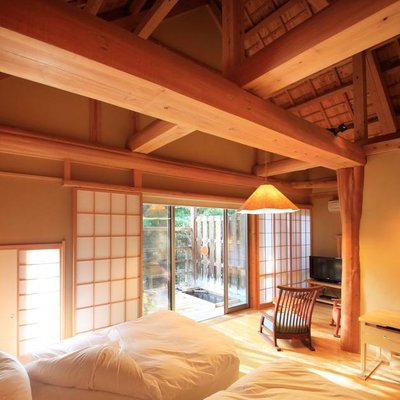
Daikon-No-Hana
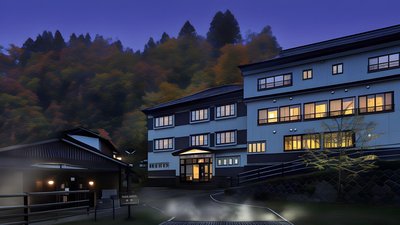
Zao Onsen Omiya Ryokan
Nanaeyae
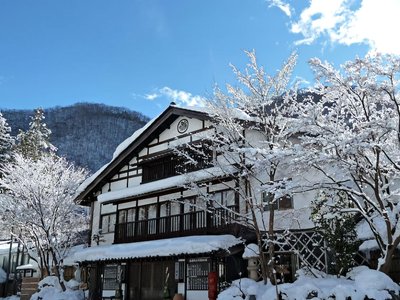
Yunishigawa Onsen Honke Bankyu
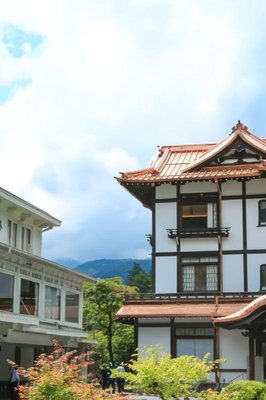
Nikko Kanaya Hotel
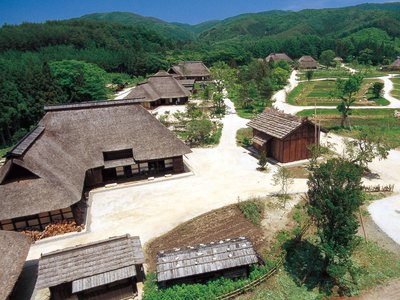
Jodogahama Park Hotel
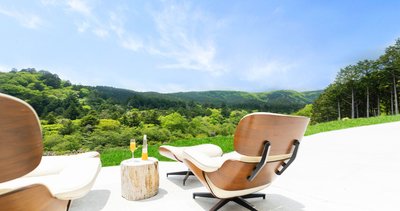
Shelter Garden Nikko
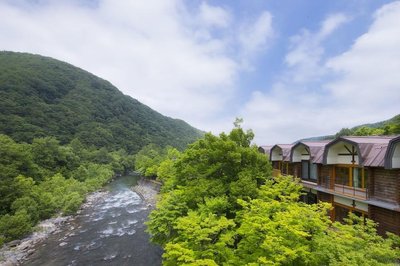
Hoshino Resorts Oirase Keiryu Hotel
Asaya
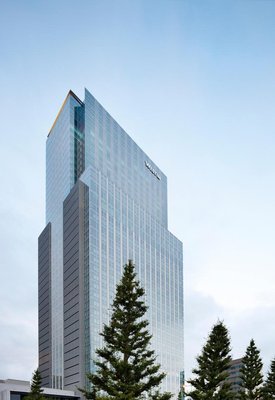
The Westin Sendai Hotel

Yukemuri No Yado Inazumi Onsen
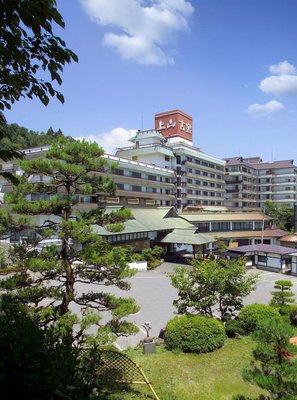
Hotel Koyo
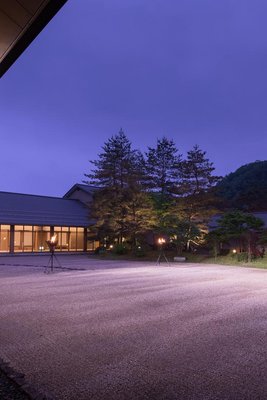
Kashoen
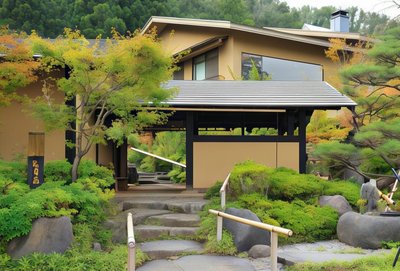
Meigetsuso
Nikko Kanaya Hotel
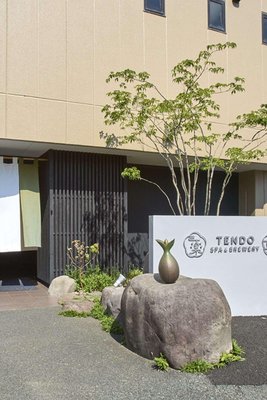
Yubo Ichiraku TENDO SPA&BREWERY
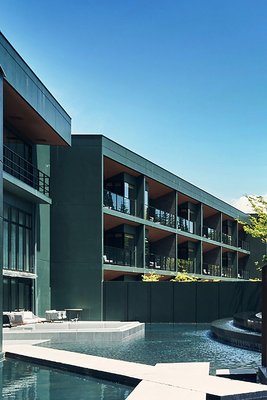
ANA InterContinental Appi Kogen Resort

Hotel Barrière Fouquet's New York
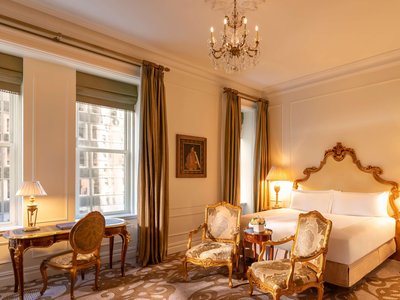
The Plaza - A Fairmont Managed Hotel
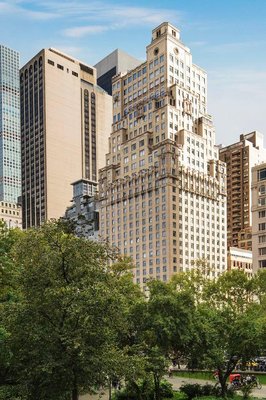
The Ritz-Carlton New York, Central Park
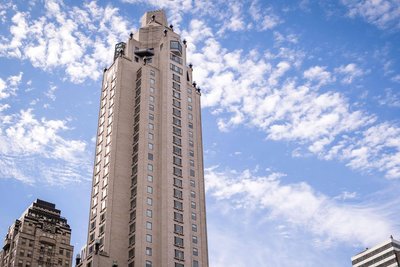
Four Seasons Hotel New York
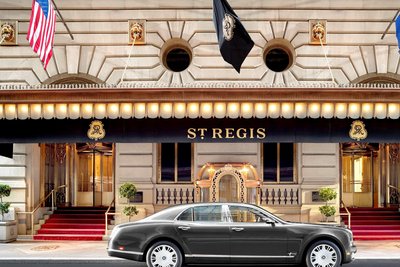
The St. Regis New York
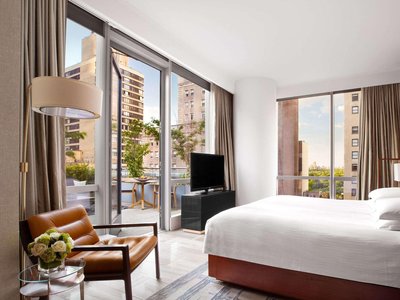
Park Hyatt New York
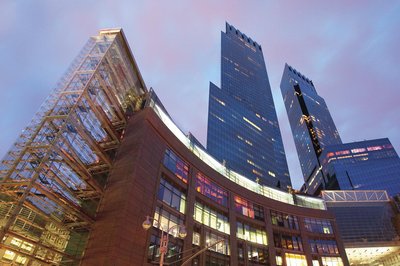
Mandarin Oriental New York
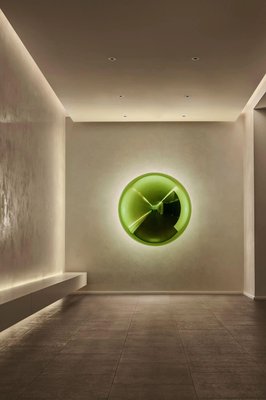
Times Square Edition New York

Loews Regency New York Hotel
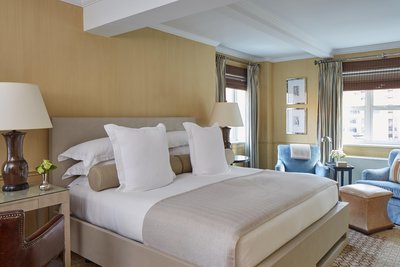
Lowell Hotel
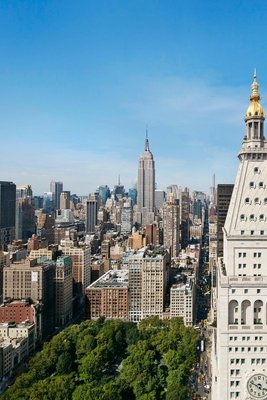
New York Edition
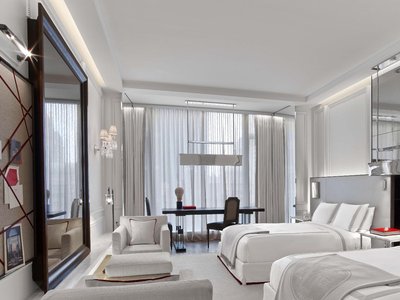
Baccarat Hotel New York

Equinox Hotel New York
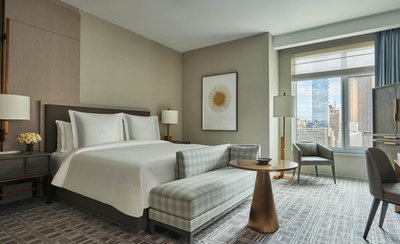
Four Seasons Hotel New York Downtown
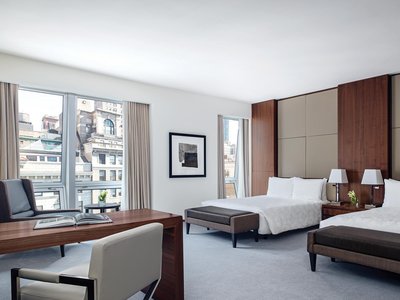
The Langham, New York, Fifth Avenue

The Carlyle, A Rosewood Hotel

The Chatwal, in the Unbound Collection by Hyatt
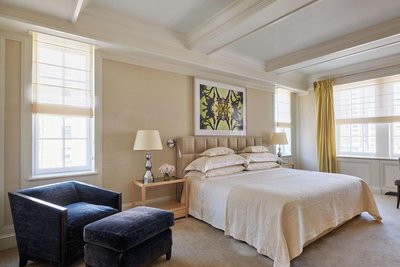
The Mark New York
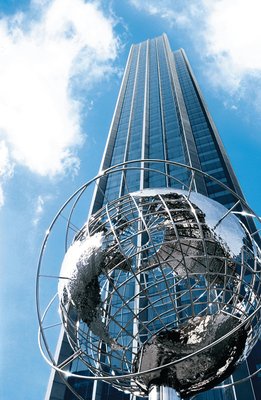
Trump International Hotel & Tower® New York
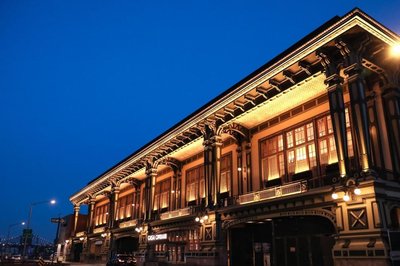
Casa Cipriani New York
Frequently Asked Questions about Traveling to Minamisanriku
Questions You Might Need to Know About Traveling to Minamisanriku
In Minamisanriku, the top family-friendly hotel with ocean views is Nan-sanriku Resort Hotel, located right on Ogawa Beach. It offers private beach access, a kids' pool, and rooms with both Japanese tatami and Western beds. The hotel provides free bicycles for exploring nearby Amami Fishing Village and Sea Woman Huts. Daily meals feature fresh local seafood like oysters and yellowtail, showcasing authentic coastal cuisine. Its proximity to Sanriku Recovery National Park makes it ideal for families seeking nature and culture.
The best area for accommodation in Minamisanriku is Ogawa, nestled along Ogawa Beach. This tranquil zone offers direct access to the Pacific Ocean and is renowned for its sea woman culture. Stay at cozy guesthouses like Umi no Ie Minshuku, which serve traditional Miyagi-style dishes and feature private outdoor onsen. The area is just a 15-minute walk from Minamisanriku Station, making it perfect for slow travel and immersive cultural experiences. Local shops and seafood markets add charm to daily life.
Visitors to Minamisanriku should try the Sea Woman Diving Experience, where you’ll wear traditional diving gear and harvest oysters and purple clamshell under expert guidance. This rare female-led diving tradition reflects Japan’s maritime heritage. Don’t miss the Tsunami Memorial Monument and Reconstruction Museum within Sanriku Recovery National Park, offering deep insights into the 2011 disaster and recovery journey. The annual Minamisanriku Sea Woman Festival features processions of women in traditional attire, celebrating resilience and local identity.
Onsen ryokans in Minamisanriku specialize in natural seawater hot springs and ocean-view baths. Stay at Kaze-no-Tei Onsen Ryokan, whose open-air bath faces the Pacific, perfect for stargazing at night. The mineral-rich sulfur spring water soothes skin and muscles. Each evening includes a kaiseki meal featuring local abalone, seaweed tempura, and Miyagi sake. Some rooms even offer private balconies with sea views—ideal for sunrise watching. These ryokans blend relaxation with regional authenticity.
Must-try dishes in Minamisanriku include oyster donburi, made with fresh Minamisanriku oysters, served with a savory sauce that enhances their sweet flavor. Another highlight is Sea Woman Stew, a rich broth simmered with purple clamshell and sea urchin, using kombu stock. Visit Ogawa Market’s Seafood Restaurant for freshly prepared catches. Also sample Sanriku soba, handmade buckwheat noodles served in a seaweed-based broth—a favorite breakfast among locals. All reflect the region’s philosophy: "Gifts from the Sea."
Recommended hiking trails in Minamisanriku include the Sanriku Recovery National Park Coastal Trail, an 8-km path through cliffs, sea caves, and ancient forests. Interpretive signs explain sea woman culture and post-disaster ecological recovery. Another popular route is the Ogawa Beach to Sea Woman Hut Path, a 3-km trail ideal for families and photographers. Along the way, spot seabird colonies and wild seaweed fields. Bring non-slip shoes and sun protection—this scenic journey blends natural beauty with historical significance.
Minamisanriku offers several child-friendly facilities: the Sea Woman Museum Kids Zone features interactive simulators and games about diving traditions. Ogawa Family Park has sand pits, slides, and shaded play areas near the beach. Kaze-no-Tei Onsen Ryokan provides children’s yukata and story corners, plus guided sea woman tours with shell craft workshops. Many guesthouses offer cribs and kid meals. The town’s welcoming atmosphere makes it perfect for family visits focused on nature, culture, and safety.
Nighttime highlights in Minamisanriku include stargazing events at Ogawa Beach, where minimal light pollution reveals clear views of the Milky Way and shooting stars. Some ryokans lend telescopes. During the Sea Woman Festival, illuminated lantern processions light up the coastline, creating dreamlike reflections on the water. For relaxation, book a late-night soak at Kaze-no-Tei Onsen Ryokan’s private ocean-facing bath. Evening walks along Ogawa Shopping Street also offer warm uni skewers and grilled fish under soft lights. Nightlife is serene but rich in atmosphere.
Transportation in Minamisanriku centers on buses and bicycles. From Sendai Station, take a JR East train to Minamisanriku Station (~1 hour), then transfer to local buses or taxis. Free shuttle buses connect Ogawa and Sea Woman Huts. Due to narrow roads, car rental is discouraged. Instead, rent bikes via the public system covering major sites—perfect for coastal rides. Many guesthouses offer bike rentals at no extra cost, enabling easy exploration of the Pacific shoreline.
Seasonal events in Minamisanriku include the Spring Sea Woman Festival, celebrating traditional diving rituals; the summer Minamisanriku Sea Woman Festival, with parades and seafood markets; the autumn Oyster Festival, featuring tasting contests and fresh harvests; and winter’s Tsunami Memorial Light Display, illuminating the path of recovery. In April, the Sanriku Recovery National Park Cherry Blossom Festival draws crowds with blooming sakura alongside ocean vistas. These events honor memory, resilience, and local pride, blending history with vibrant community spirit.
Minamisanriku Overview
City Summary
Minamisanriku in Miyagi Prefecture is renowned for its dramatic coastline and fishing culture. After the 2011 Great East Japan Earthquake, it became a model for disaster recovery, showcasing community resilience. Key attractions include ecotourism resources and seafood cuisine, serving as the gateway to Sanriku Fukko National Park.
Must-See Attractions
Visit the Disaster Prevention Park in Shizugawa Bay to witness quake memorials. The Minamisanriku Nature Center exhibits local ecosystems, while seafood markets offer fresh scallops and oysters. Try sea kayaking in summer or seagull feeding in winter.
Food Guide
Oysters and scallops are culinary highlights - don't miss grilled seafood or "Kaisendon" rice bowls. Unique experiences include kamaboko fish cake workshops and Sanriku salt ice cream made from revived salt farms.
Transportation Guide
From Sendai Station, take JR Tohoku Line to Furukawa Station (1hr), then transfer to a bus to Minamisanriku (50min). Town circulation buses (flat 100 yen) and bike rentals are main options. Taxis require advance HopeGoo. Note narrow mountain roads for drivers.
Best Time to Visit
May-October offers ideal 25℃ summer temperatures for ocean activities. September-October has fewer crowds. Avoid mid-August Obon festival peak.
Travel Tips
- Heed disaster prevention signs in reconstruction zones
- Carry small cash bills for markets
- Book guided tours 2 days ahead
- Follow safety instructions for marine activities
- Remove shoes in traditional ryokan
- Strict garbage separation is enforced
Useful Information
Basic Japanese phrases help. English signage exists at major facilities. Free WiFi is available at tourist centers. Currency exchange at post offices/7-11. Visa/Mastercard may not work in small shops. Dial #7119 for medical advice; the town hospital offers basic English assistance.









