Hotels in Minamishimabara
Discover your perfect stay in Minamishimabara.
Minamishimabara(Japan) Travel 2026: Cheap Flights, Hotels & Top Attractions
Popular Landmarks in Minamishimabara
Discover the most iconic attractions in Minamishimabara
Recommended Hotels in Minamishimabara
Find the perfect place to stay in Minamishimabara
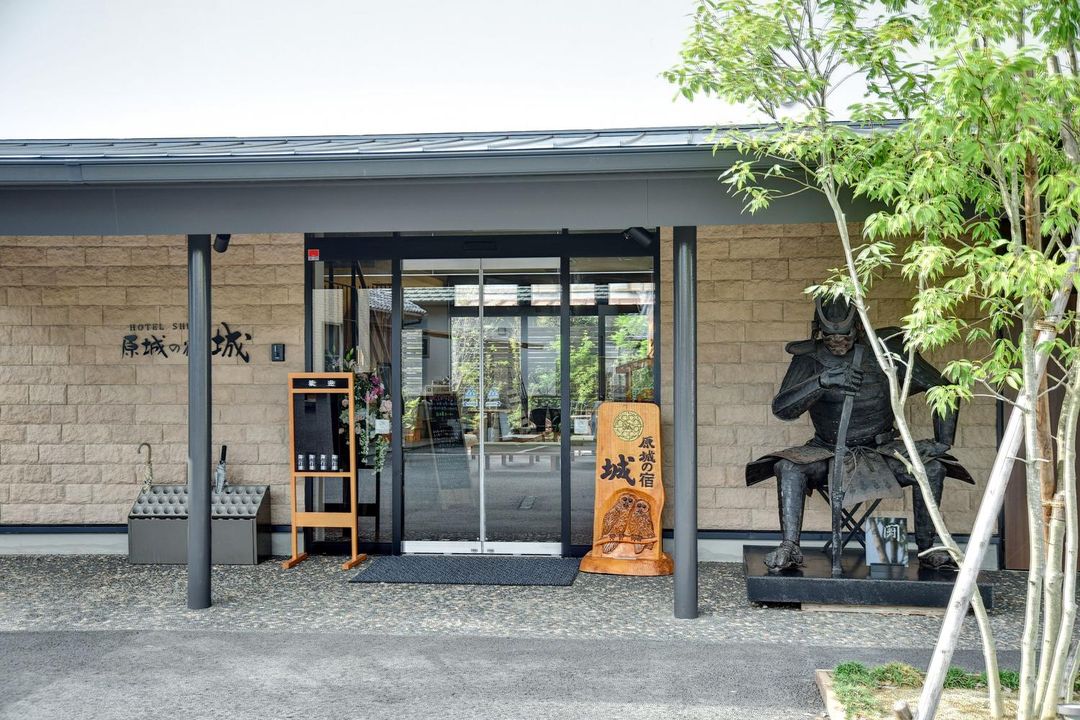
Hotel Harajo Shiro
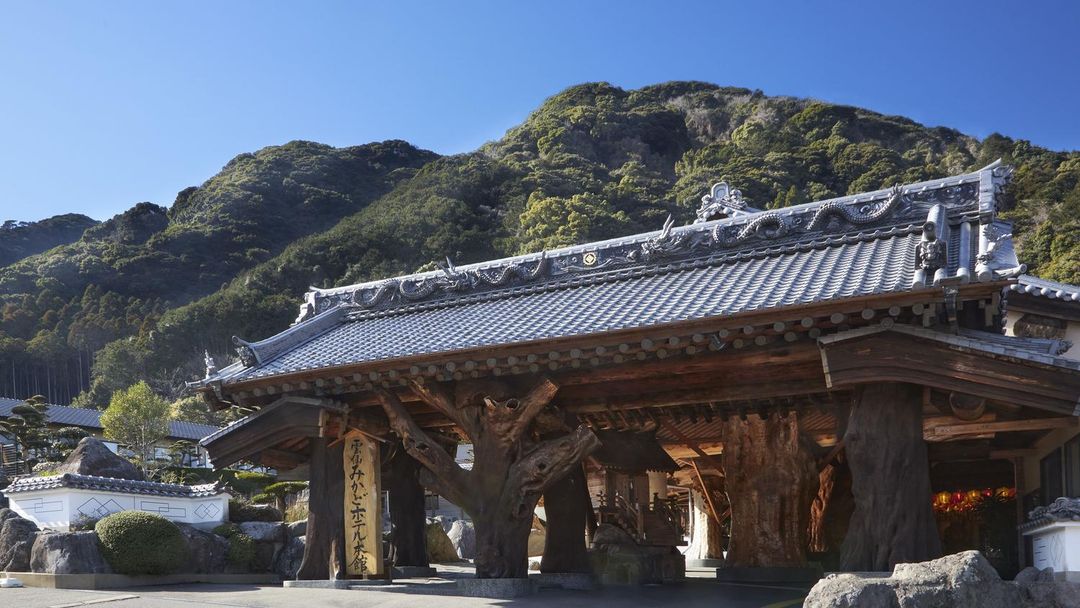
Unzen Mikado Hotel
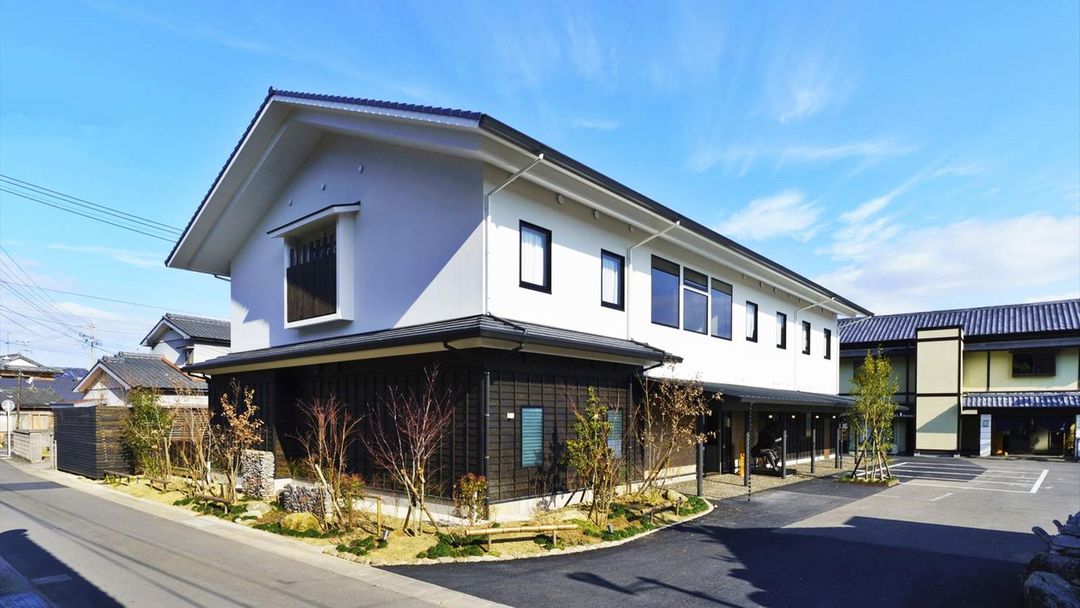
Ryokan Shiro
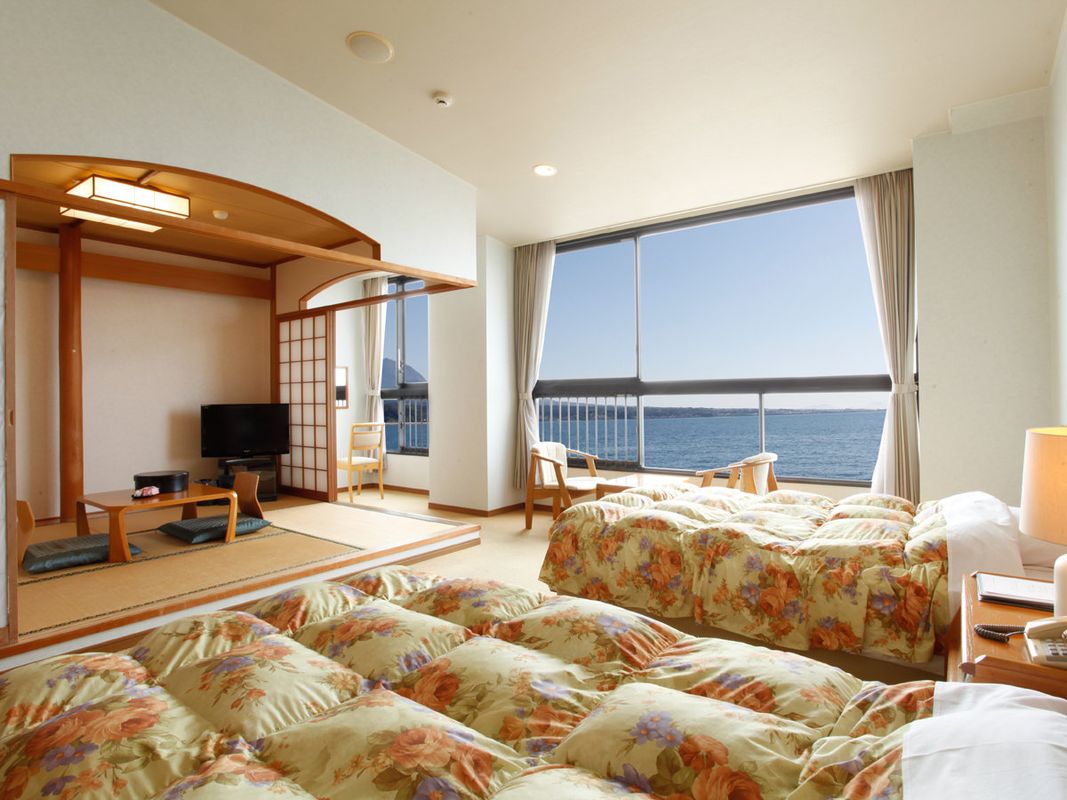
Masago
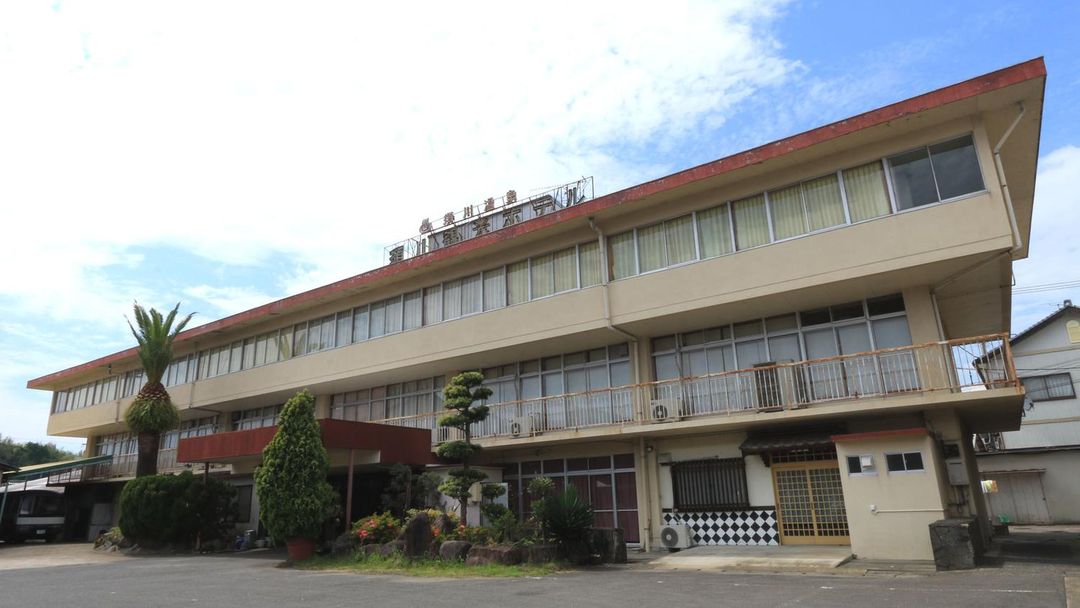
Business Sukawa Kanko Hotel
Best Hotels in Minamishimabara
Discover curated hotel collections in Minamishimabara
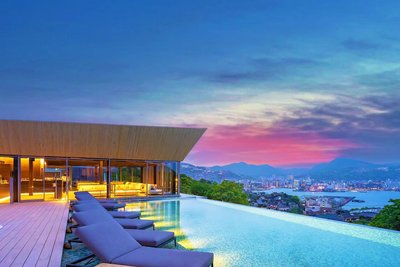
Garden Terrace Nagasaki Hotel & Resort
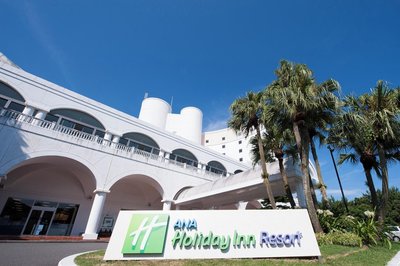
Holiday Inn Resort Miyazaki
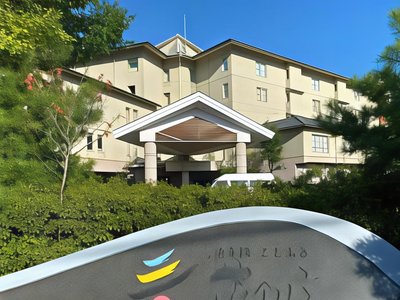
Yufuin Kotobuki Hananosho
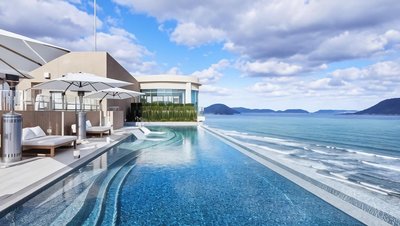
Karatsu Seaside Hotel
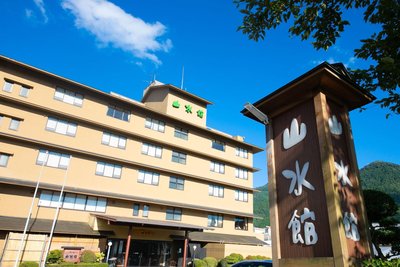
Yufuin Sansuikan
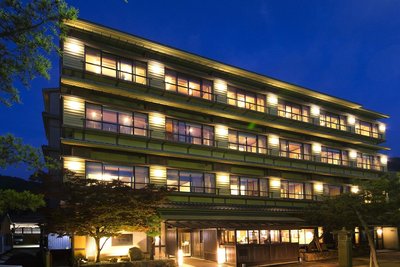
Kinsuikan
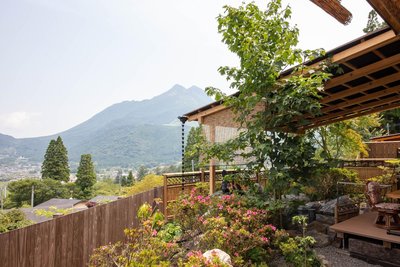
Yufuin-Sanso Waremokou
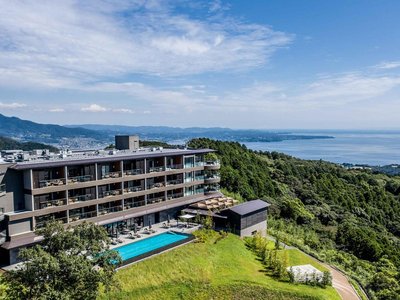
Ana InterContinental Beppu Resort & Spa
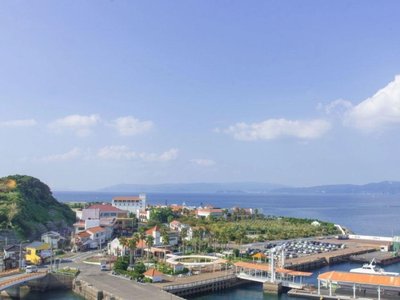
I+Land Nagasaki

The OneFive Villa Fukuoka
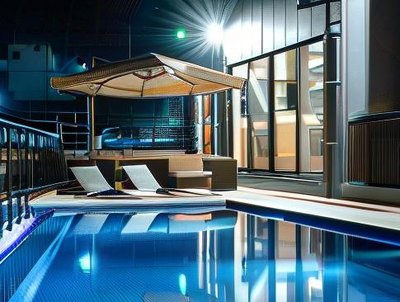
LiVEMAX RESORT MIYAHAMA ONSEN OCEAN
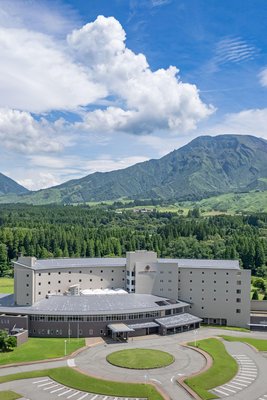
KAMENOI HOTEL ASO
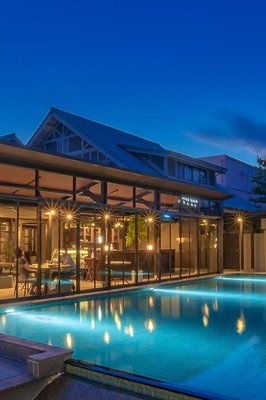
Amane Resort Gahama
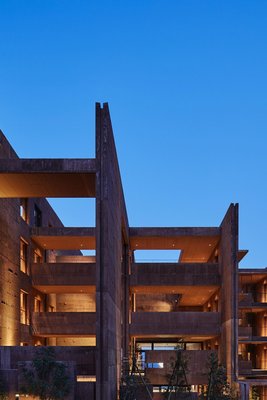
SEKIYA RESORT GALLERIA MIDOBARU
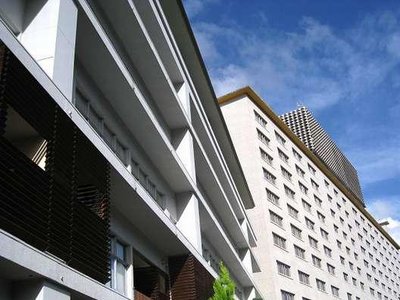
Beppu Suginoi Hotel

Phoenix Seagaia Ocean Tower
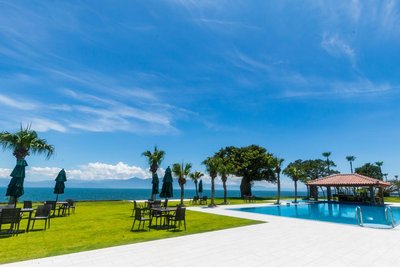
Kagoshima Sunamushi Onsen Ibusuki Hakusuikan
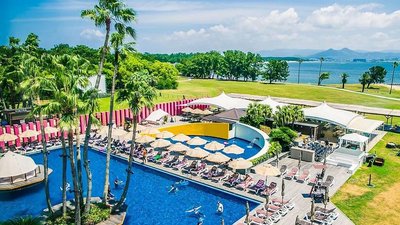
The Luigans Spa and Resort
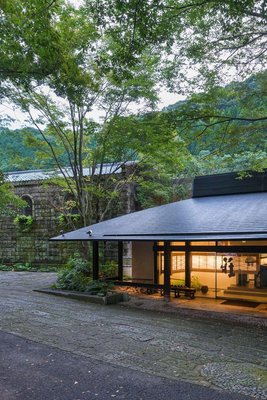
Myoken Ishiharaso

SHIROYAMA HOTEL kagoshima
Frequently Asked Questions about Traveling to Minamishimabara
Questions You Might Need to Know About Traveling to Minamishimabara
In Minamishimabara City, the top choice is Minamishimabara Onsen Hotel, a traditional ryokan nestled near the Shimabara Peninsula and overlooking the Nagasaki Bay. This luxury onsen resort features private outdoor baths, natural volcanic springs rich in sulfur and carbon dioxide, and rooms with panoramic sea views. Guests can enjoy authentic local cuisine, including fresh seafood and premium Shimabara beef, while soaking in therapeutic waters that promote circulation and relaxation. The hotel also offers guided tours to nearby sites like Oura Church and Shimabara Castle, making it an ideal base for cultural and natural exploration in Kyushu.
The best area for first-time visitors is Minamishimabara Port, located along the scenic Nagasaki Bay coastline. This district offers easy access to major attractions such as Oura Church, Shimabara Castle Ruins, and the Shimabara Peninsula Trail. Accommodations here include family-friendly guesthouses and seaside ryokans with direct harbor views. The area is also known for its vibrant fishing culture and daily fresh seafood markets, where travelers can sample sea urchin rice bowls and live octopus sashimi. With convenient public transport links and proximity to both urban and rural experiences, this district provides a perfect introduction to Minamishimabara’s unique blend of history, nature, and coastal charm.
In Minamishimabara City, visitors can experience the legacy of Japan’s hidden Christian communities through guided tours of underground church sites and stone Buddha statues linked to the Shimabara Rebellion. The city was a key center during the 17th-century uprising, and today’s cultural programs include reenactments of secret faith practices and visits to Kakure Kirishitan heritage sites. Additionally, the annual Shimabara Festival features traditional taiko drumming, fireworks, and historical parades that celebrate the region’s samurai roots and resilience. These immersive experiences offer deep insight into the spiritual and historical identity of Nagasaki Prefecture and Kyushu’s distinct cultural fabric.
Yes, Minamishimabara Family Resort is a top-rated family-friendly destination offering spacious cabins, indoor heated pools, and children’s activity zones. Located just steps from Nagasaki Bay and adjacent to West Sea National Park, the resort provides safe, nature-immersed experiences for kids and parents alike. Activities include guided nature walks, hands-on workshops in traditional Japanese crafts like pottery and wagashi-making, and themed dinner events. With multilingual staff, baby amenities, and flexible meal plans, this resort ensures a comfortable, engaging stay for families seeking both adventure and relaxation in a serene coastal setting.
Minamishimabara’s hot springs stand out due to their volcanic origin and high mineral content—particularly sulfur and bicarbonate—which are renowned for skin rejuvenation and muscle relief. The Minamishimabara Onsen Area features natural thermal baths fed by underground geothermal sources, with water temperatures ranging from 42°C to 48°C. Many ryokans, such as Tsukino Yado, offer open-air bathhouses with stunning views of the Shimabara Peninsula and the bay. Some establishments even provide onsen wellness packages with herbal compresses and massage therapy, blending traditional healing practices with modern comfort for a truly restorative experience.
The most photogenic spots in Minamishimabara City include the Minamishimabara Port Lighthouse, the Shimabara Peninsula Coastal Road, and Oura Church. The lighthouse, with its bold red-and-white stripes, stands dramatically against the backdrop of turquoise waves and golden sunsets—ideal for dramatic landscape shots. Along the coastal road, winding cliffs and sea caves create striking compositions, especially at dawn or twilight. Oura Church, Japan’s only surviving Western-style cathedral from the Edo period, boasts Gothic arches and stained-glass windows that glow beautifully under natural light. In spring, cherry blossom tunnels and autumn foliage trails add seasonal beauty, making every visit a visual journey through time and nature.
Must-try dishes in Minamishimabara City include Shimabara beef, one of Japan’s finest wagyu varieties known for its rich marbling and melt-in-the-mouth texture—best enjoyed grilled or in sukiyaki. Another highlight is sea urchin rice bowl (uni gohan), made with fresh, sweet sea urchin harvested daily from local waters. Try live octopus sashimi at the Minamishimabara Fish Market for a bold taste of the coast. For sweets, sample Shimabara mochi, soft rice cakes filled with red bean paste, often sold at roadside stalls. These flavors reflect the city’s maritime heritage and agricultural richness, offering a delicious gateway to regional identity.
Start your day at Oura Church and Shimabara Castle Ruins to explore the city’s historical roots. Head to Minamishimabara Port for lunch featuring sea urchin rice and freshly caught fish. Afterward, drive or take a bus to West Sea National Park for a scenic hike along the rugged coastline and sea caves. Return to the Minamishimabara Onsen Hotel in the late afternoon to soak in a private hot spring bath. Enjoy a sunset dinner with ocean views, then stroll around the port lighthouse area to admire the illuminated night skyline. This well-balanced mix of history, nature, and relaxation offers a complete immersion in Minamishimabara’s unique character.
Absolutely. Minamishimabara City shines in winter with its warm onsen retreats and tranquil coastal scenery. The Winter Light Festival transforms the port area into a magical wonderland of illuminated lanterns and glowing pathways. Visitors can enjoy cozy onsen stays at Tsukino Yado, where steam rises from outdoor baths under starlit skies. Winter is also prime season for birdwatching at West Sea National Park’s wetlands, where migratory species like cranes and ducks gather. With fewer crowds and mild temperatures compared to other parts of Kyushu, winter in Minamishimabara offers a peaceful, romantic escape—perfect for those seeking serenity and sensory renewal.
Minamishimabara City is accessible via local buses operated by Nagasaki Prefecture, connecting major sites like Oura Church, Shimabara Castle, and Minamishimabara Port. For greater flexibility, car rentals are widely available at the city’s main station and airport shuttle points, ideal for exploring remote areas such as the Shimabara Peninsula and West Sea National Park. Trains from Nagasaki Station take about 90 minutes to reach Minamishimabara, while Nagasaki Airport offers shuttle services to the city center. Many hotels also provide free shuttle services to and from transit hubs, ensuring seamless travel for tourists seeking both convenience and independence.
Minamishimabara Overview
City Summary
Minamishimabara City, located in the southern part of Nagasaki Prefecture, Japan, is renowned for its stunning natural landscapes and rich historical culture. It is one of the significant sites of Christian propagation in Japanese history, featuring numerous historical relics and religious monuments. The city's natural beauty includes coastlines, hot springs, and volcanic terrain, making it an ideal destination for travelers seeking cultural depth and scenic views.
Must-See Attractions
Key attractions in Minamishimabara include the famous "Hara Castle Ruins," a site from Japan's civil war, and the "Minamishimabara City Historical & Folklore Museum" showcasing local history. Don’t miss the hot spring experience at "Shimabara Onsen." Coastal areas like "Konozu Bay" are perfect for photography enthusiasts.
Food Guide
Minamishimabara's cuisine focuses on seafood, with recommended dishes like "Shimabara Ramen" and "Sea Bream Tea Rice." Local specialties also include fresh catches and agricultural products such as citrus and tea. Traditional izakayas and street stalls offer authentic Japanese culinary experiences.
Transportation Guide
Public transport in Minamishimabara is primarily bus-based, with several routes connecting major sites and communities. A one-day bus pass is recommended for cost savings. Renting a car is more flexible for exploring surrounding areas. Travel from Nagasaki City to Minamishimabara takes about 1.5 to 2 hours by bus or train.
Best Time to Visit
The best times to visit are spring (March to May) and autumn (September to November) when the weather is mild and ideal for outdoor activities. Summers are hot and humid, while winters are colder with fewer tourists.
Travel Tips
- Respect local culture, especially in religious sites by keeping quiet.
- Carry enough cash as some small shops may not accept cards.
- Learn basic Japanese phrases to aid communication.
- Follow strict local waste sorting regulations.
- Shower before entering hot springs and observe bath etiquette.
- Protect yourself from sunburn and stay hydrated, especially in summer.
Useful Information
The official language in Minamishimabara is Japanese, with limited English in some tourist spots. Free Wi-Fi is available in certain areas; consider purchasing a local SIM card for reliable internet. Cash is the primary payment method, though some hotels and restaurants accept credit cards. In emergencies, dial 110 (police) or 119 (ambulance).









