Hotels in Minamiyamashiro
Discover your perfect stay in Minamiyamashiro.
Minamiyamashiro(Japan) Travel 2026: Cheap Flights, Hotels & Top Attractions
Popular Landmarks in Minamiyamashiro
Discover the most iconic attractions in Minamiyamashiro
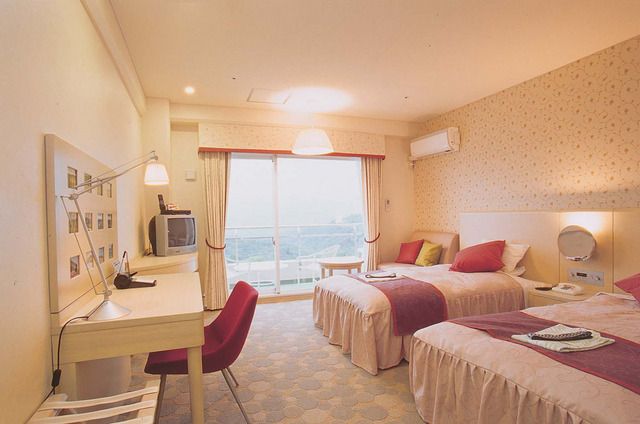
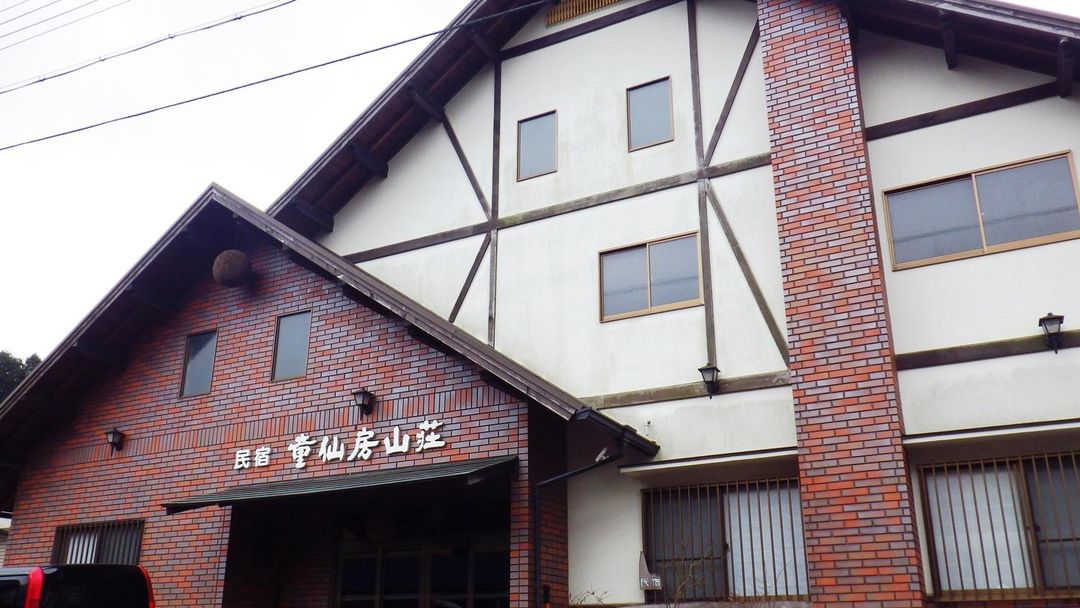
Recommended Hotels in Minamiyamashiro
Find the perfect place to stay in Minamiyamashiro
Frequently Asked Questions about Traveling to Minamiyamashiro
Questions You Might Need to Know About Traveling to Minamiyamashiro
In Nan-zenkyō Village, the top eco-lodges include Mori no Yume House and Hoshizora Guesthouse, both built with locally sourced Kyoto cedar and powered by solar energy. These lodges emphasize zero-waste practices, use organic bedding, and offer on-site composting systems. Guests can enjoy wood-fired baths using filtered water from the Nan-kyō River, while participating in forest stewardship workshops like tree planting and invasive species removal. The villages’ commitment to sustainability is evident in every detail, making it ideal for travelers seeking a low-impact, nature-immersive experience in rural Kyoto.
The heart of Nan-zenkyō Village lies in its central district, nestled along the Nan-kyō River and near the historic Old Nakasendo Trail. This area features traditional wooden houses converted into guesthouses like Ko-kawa Family Inn and Yamato-no-Koe Lodge, where locals still practice age-old crafts such as bamboo weaving and rice paper making. Visitors can stroll through quiet alleys lined with stone lanterns, join evening bonfire tea ceremonies, and witness daily rituals like morning rice pounding. The absence of commercial signage and motor vehicles preserves the village’s timeless mountain charm, offering an immersive glimpse into Kyoto’s northern rural heritage.
Nan-zenkyō Village offers rare cultural experiences rooted in mountain life. Guests can participate in traditional bamboo basket-making workshops led by master artisans, or join a foraging tour to identify edible wild plants like fern shoots, matsutake mushrooms, and Japanese parsley. The annual Daihōzan Opening Festival in spring and Autumn Leaf Festival in October feature local rituals, drum performances, and offerings at Daihō Temple. These events reflect the community’s deep connection to nature and seasonal cycles. Organized by the Nan-zenkyō Tourism Association, these activities promote intergenerational knowledge transfer and sustainable living—perfect for culturally curious travelers.
Yes, Nan-zenkyō Village is highly suitable for families seeking nature-based, educational adventures. Many lodges, including Mori no Yume House, provide kids’ activity corners with hands-on programs like mini forest school lessons and pottery crafting. Nearby, the Nan-kyō River Playground allows safe swimming and river exploration, while weekend events include family scavenger hunts and bamboo pen-making sessions. With minimal traffic, clean air, and peaceful surroundings, the village fosters a calm environment perfect for children to develop respect for nature. It’s an ideal destination for parents who want their kids to experience slow, meaningful travel away from urban noise.
The nighttime scenery in Nan-zenkyō Village is renowned for its unpolluted starry skies and profound silence. Located on the Tanba Plateau, the village has almost zero light pollution, making it one of Japan’s best spots for galaxy viewing and meteor showers. Lodges like Hoshizora Guesthouse offer outdoor stargazing decks equipped with telescopes and guided astronomy talks. Walking the Old Nakasendo Path under moonlight, listening only to crickets and flowing streams, creates a meditative journey. Some hosts also organize moonlit tea ceremonies and silent meditation nights, allowing guests to fully embrace the serene philosophy of mountain life.
Must-visit natural attractions in Nan-zenkyō Village include the Daihōzan Trail, a 5-kilometer hiking path through ancient cypress forests and historic shrine stones; Shirakawa Dam, whose mirror-like lake reflects the surrounding peaks and is perfect for rowing or sketching; and the Nan-kyō Falls, a three-tiered cascade ideal for summer cooling. The hidden Bamboo Grove Sanctuary, a secluded valley filled with wild bamboo, offers photographers and poets a dreamlike setting. All sites are within a 30-minute drive, well-marked, and accessible to all ages—ideal for those wanting to explore untouched mountain ecosystems in Kyoto’s north.
Local cuisine in Nan-zenkyō Village centers on mountain harvests: fresh wild vegetables, matsutake mushrooms, and bamboo shoots. Must-try dishes include wild vegetable tempura, bamboo shoot hot pot with homemade miso sauce, and village-made sake brewed from local rice. Many lodges serve family-style dinners featuring ingredients from nearby organic farms. During the annual Mountain Delicacy Market, visitors can buy dried mushrooms, persimmon cakes, and chestnut pastries. These foods embody the village’s deep-rooted connection to seasonal rhythms and sustainable living—each bite tells a story of resilience and tradition.
From Kyoto Station, take the Kintetsu Nanko Line to Nankō Station, then transfer to the Kyoto Municipal Bus (every 30 minutes) bound for Nan-zenkyō Village. Alternatively, drive via National Route 24, following clear signs to the village. Free shuttle buses connect major lodges and attractions. Parking is available at Village Office Lot or Nan-kyō River Park, but avoid narrow roads during peak hours. Due to winding mountain routes and one-way streets, use GPS navigation and respect local quiet hours. Despite its remote feel, the village is well-connected for travelers who prefer slow, mindful transit.
While Nan-zenkyō Village lacks natural hot springs, several lodges offer exceptional wood-fired bath experiences. Hoshizora Guesthouse features an outdoor bath filled with filtered Nan-kyō River water, infused with local pine needles and mugwort for therapeutic benefits. Mori no Yume House provides steam saunas and dry heat rooms with forest aromatherapy. Some lodges even arrange private mountain bath cabins with guided relaxation sessions. Though not true onsen, these forest bathing baths deliver deep relaxation and a strong sense of harmony with nature, offering a unique alternative to traditional hot springs.
Absolutely. Nan-zenkyō Village is a paradise for photographers seeking serene landscapes, seasonal transitions, and authentic human moments. Ideal spots include the dawn sunrise over Daihōzan, the mirror reflection of Shirakawa Dam, the sun-dappled Old Nakasendo Trail, and candid shots of villagers at work—like weaving baskets or harvesting rice. The village has designated photography platforms and accessible viewpoints. Spring’s cherry blossom tunnel and autumn’s crimson maple trails are especially photogenic. Bring wide-angle and telephoto lenses, and always ask permission before photographing people—this respectful approach ensures you capture the village’s genuine soul.
Minamiyamashiro Overview
City Summary
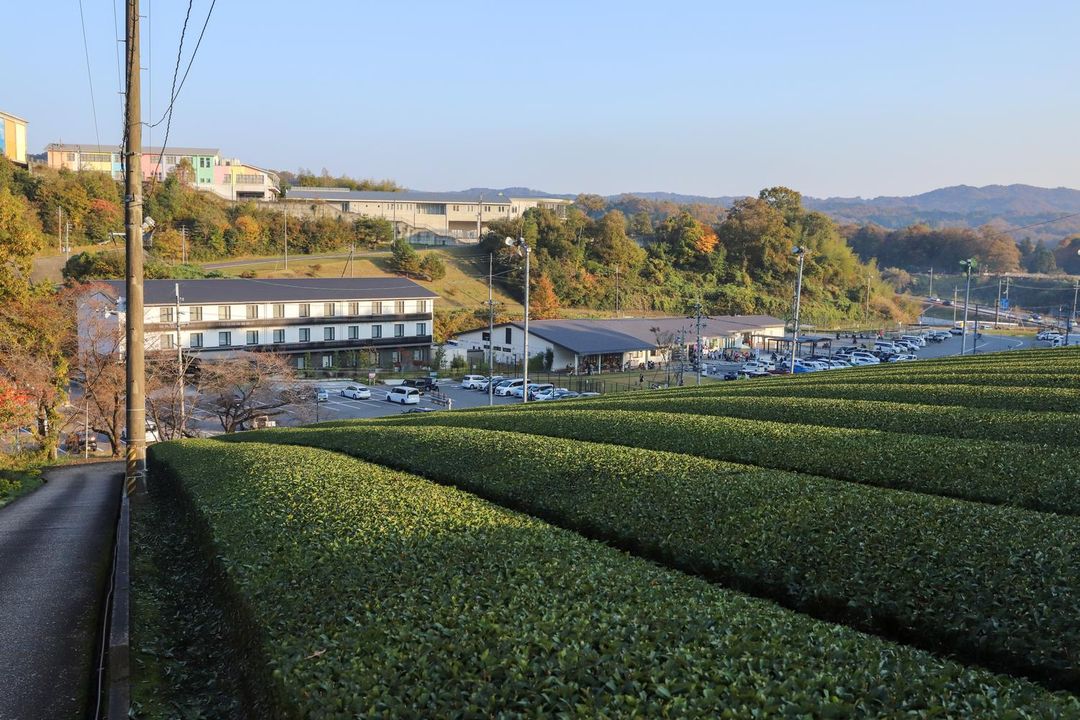
Nanzanjo Village, nestled in the southern mountains of Kyoto Prefecture, is a serene rural escape renowned for its traditional Japanese countryside scenery. The village boasts pristine natural landscapes and historical cultural heritage, featuring ancient tea plantations and temples. It's an ideal destination to experience Japanese tea ceremony culture and Zen-inspired living, offering an unspoiled retreat for travelers seeking deep cultural immersion and nature therapy.
Must-See Attractions
Must-see spots include Wazuka Tea Plantations, famous for Kyoto's premium tea—visitors can join tea-picking and ceremony workshops; Joruriji Temple, a secluded 1,000-year-old temple with exquisite gardens and statues; and Kizu Riverbanks, perfect for autumn foliage viewing. Cultural highlights include tea ceremony experiences and staying at ryokan inns with kaiseki meals.
Food Guide
Food specialties center on matcha desserts like ice cream and wagashi made with local Wazuka tea. Try free-range chicken dishes and mountain vegetable hot pots at village eateries. Don't miss "chagayu" (tea-infused rice porridge), a traditional health food served with pickles.
Transportation Guide
Transport: Accessible via bus from Kyoto Station—take JR Nara Line to Kizu Station (1.5 hours total). No subway; rent bicycles (~¥1,000/day) or walk. Taxis require advance HopeGoo. Critical: Buses are infrequent—check schedules beforehand.
Best Time to Visit
Best seasons: Spring (March-May) for cherry blossoms and autumn (October-November) for fall colors. Summers (June-August) are humid; some sites may close in winter (December-February). Avoid Golden Week (late April-early May) crowds.
Travel Tips
- Etiquette: Remove shoes in temples; ask before photographing rituals.
- Cash: Most small shops accept cash only—carry sufficient yen.
- Attire: Pack layers for mountain temperature swings and sturdy walking shoes.
- Language: English is limited—use translation apps or basic Japanese phrases.
- Onsen Rules: Wash thoroughly before bathing; tattoos may be prohibited.
- Eco-practices: Strict recycling—bring reusable bags as convenience stores are absent.
Useful Information
Essentials:
- Language: Japanese; minimal English signage at tourist sites.
- Internet: Limited Wi-Fi—purchase a local SIM (e.g., docomo).
- Payment: Cash dominates; credit cards accepted only at major hotels.
- Emergencies: Nearest hospital is in Kizu City (30-min drive); village has only a clinic.
- Voltage: 100V (Type A/B plugs)—no adapter needed for Taiwanese devices.
- Emergency numbers: Police 110, ambulance 119; Nanzanjo Village Office: +81-774-86-0101.