Hotels in Minano
Discover your perfect stay in Minano.
Minano(Japan) Travel 2026: Cheap Flights, Hotels & Top Attractions
Popular Landmarks in Minano
Discover the most iconic attractions in Minano
Recommended Hotels in Minano
Find the perfect place to stay in Minano
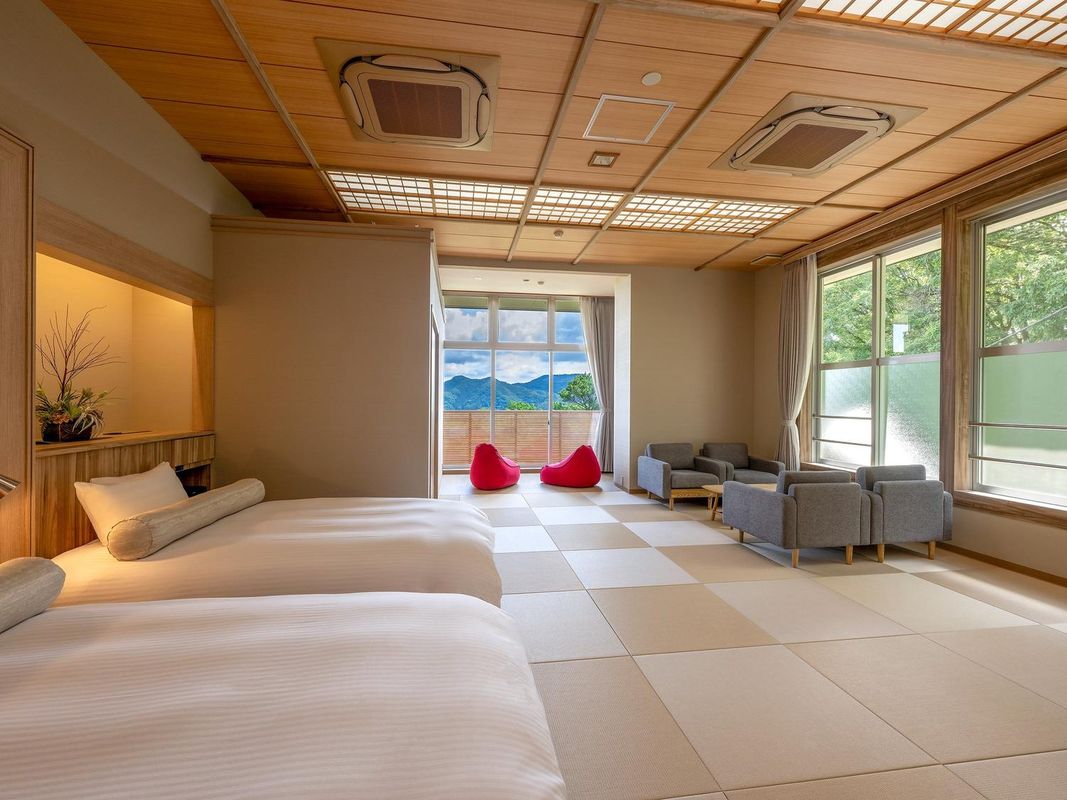
Ikoi No Mura Heritage Minoyama

Mission Hills Hotel and Cottage

Ikoinomura Heritage Minoyama
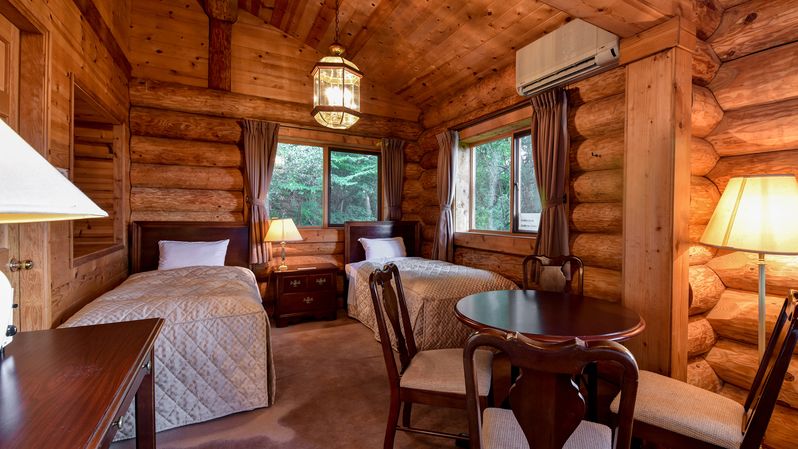
Mission Nagatoro Cottage
Best Hotels in Minano
Discover curated hotel collections in Minano
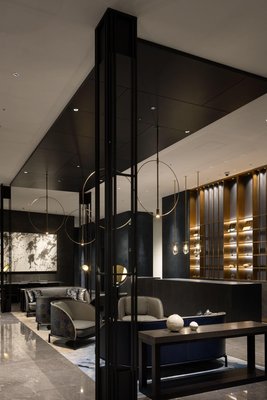
Bellustar Tokyo, A Pan Pacific Hotel

Bvlgari Hotel Tokyo
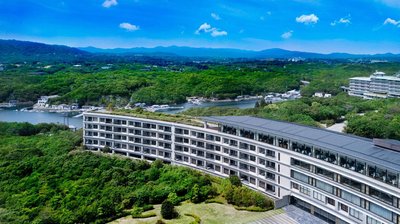
Shima Kanko Hotel the Bay Suites
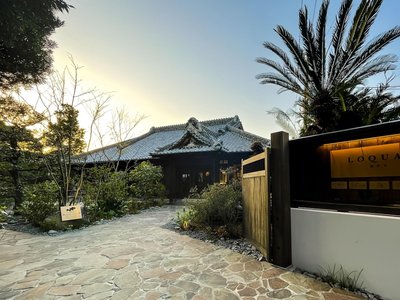
Loquat Nishiizu
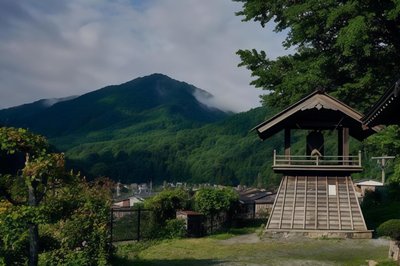
Byaku Narai
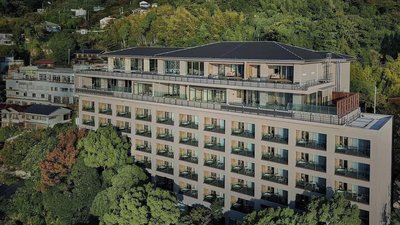
Atami Izusan Karaku
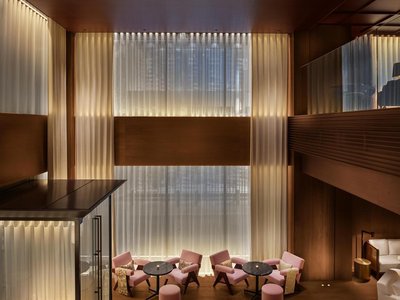
The Tokyo Edition, Ginza

Janu Tokyo
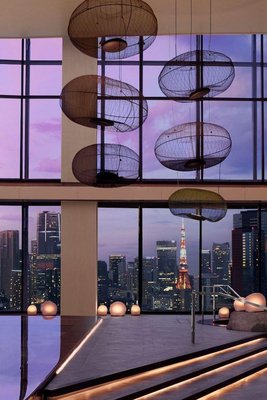
JW Marriott Hotel Tokyo
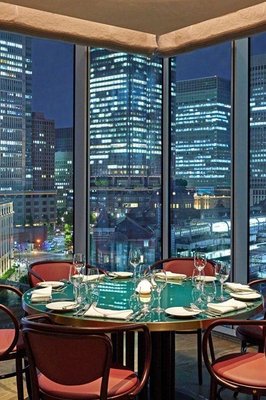
Four Seasons Hotel Tokyo at Marunouchi

Mandarin Oriental, Tokyo
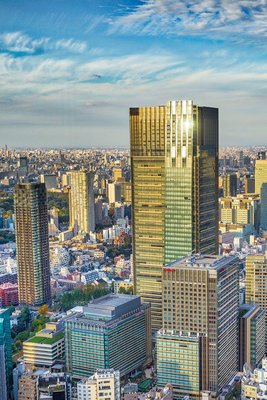
The Ritz-Carlton, Tokyo

Andaz Tokyo Toranomon Hills- A Concept by Hyatt
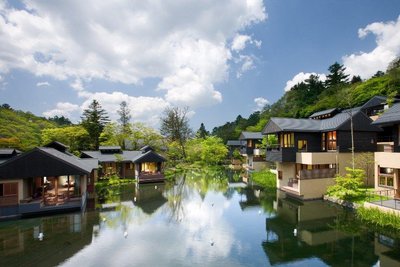
Hoshinoya Karuizawa
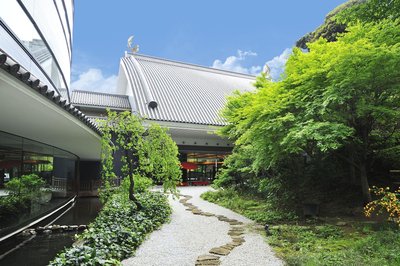
Hotel Gajoen Tokyo
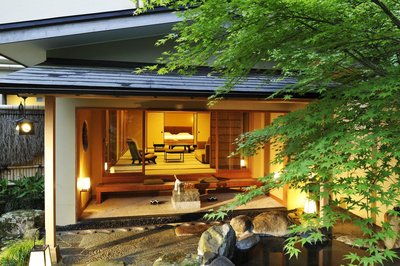
Gora Kadan
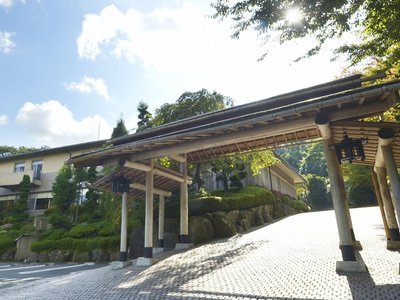
Gora Hanaougi
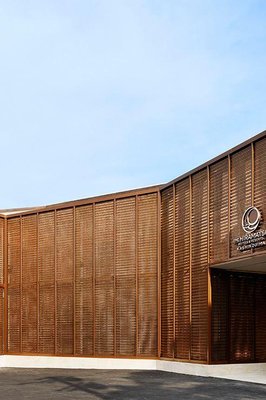
The Hiramatsu Hotels & Resorts Kashikojima
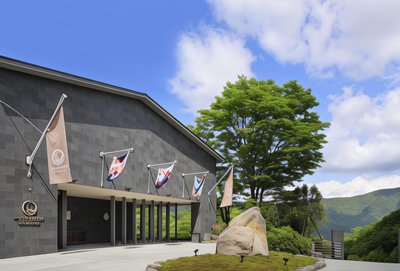
The Hiramatsu Hotels & Resorts Sengokuhara Hakone
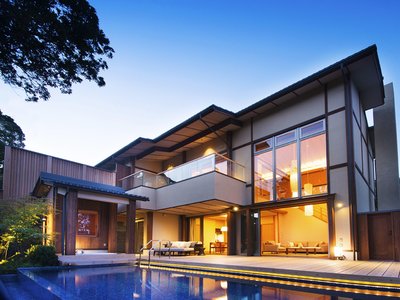
Abba Resorts Izu - Zagyosoh
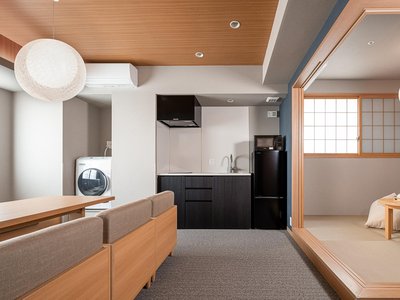
MIMARU SUITES Tokyo Asakusa
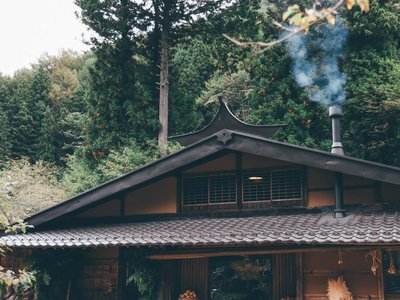
La Terra Resort
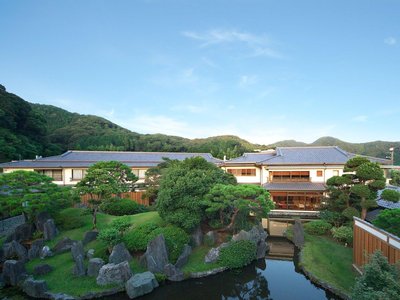
Kagetsutei

karaksa hotel colors Tokyo Yaesu

HOTEL GROOVE SHINJUKU, A PARKROYAL Hotel
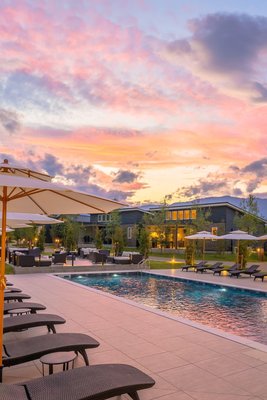
Awaumi Fujikawaguchiko Resort
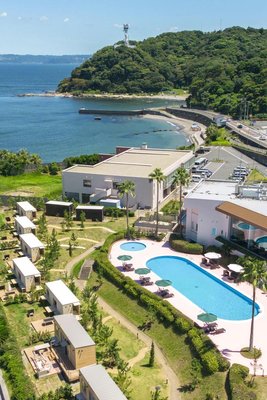
La vista Yokosuka Kannonzaki Terrace
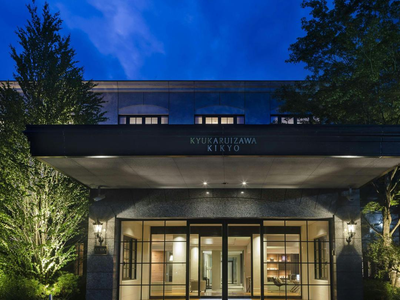
Fufu Karuizawa Wind of Sunshine

Hotel Taiko, Akakura Onsen
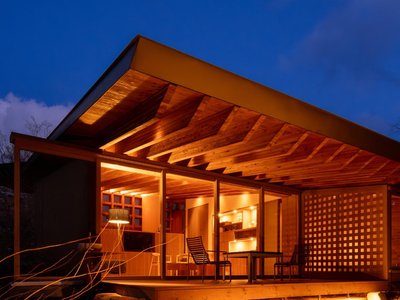
Nasu Mukunone
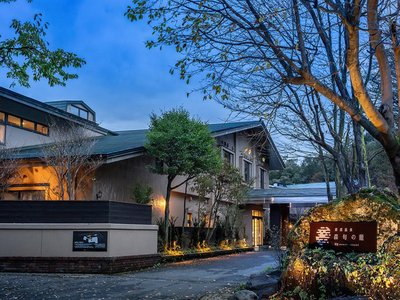
Nasu Onsen Shinshun no Kago Hewitt Resort

Scapes the Suite
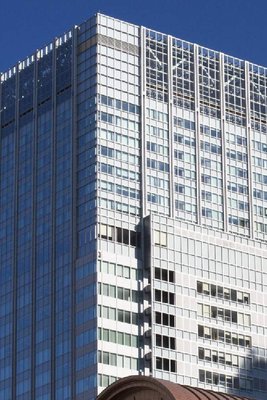
Hotel Metropolitan Tokyo Marunouchi
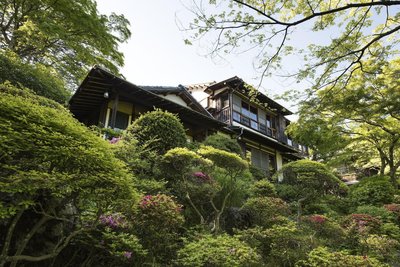
Gora Kansuiro
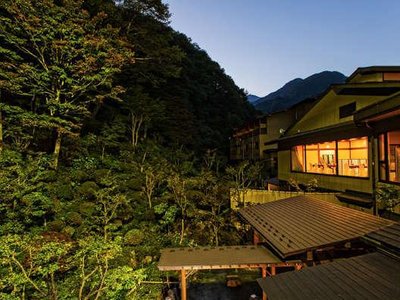
Futari Shizuka
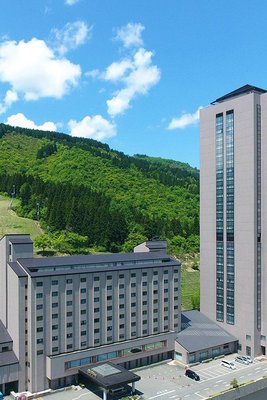
Naspa New Otani
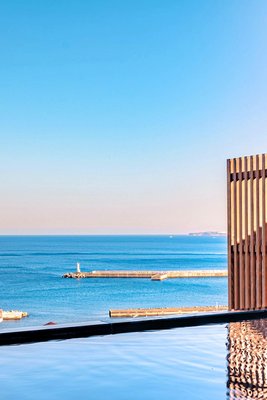
HOTEL KANICHI
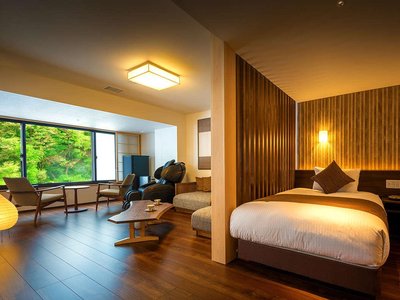
Harataki
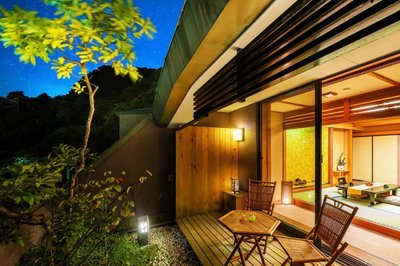
Konjakutei
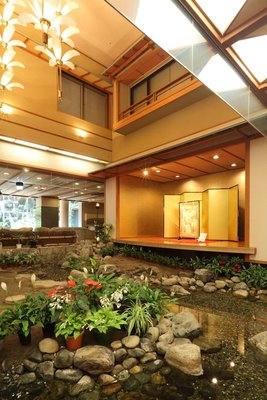
Hotel Futaba
Bellustar Tokyo, A Pan Pacific Hotel
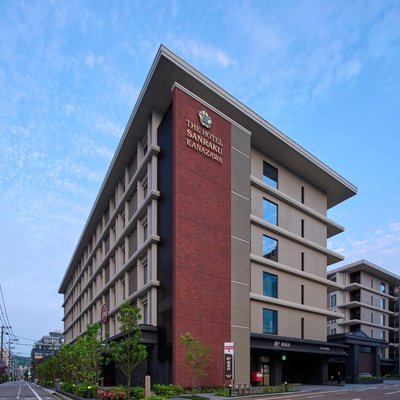
The Hotel Sanraku Kanazawa 21th December 2022 Open
JW Marriott Hotel Tokyo
Andaz Tokyo Toranomon Hills- A Concept by Hyatt
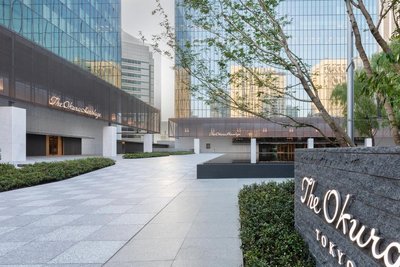
The Okura Tokyo

The Lively Azabujuban Tokyo
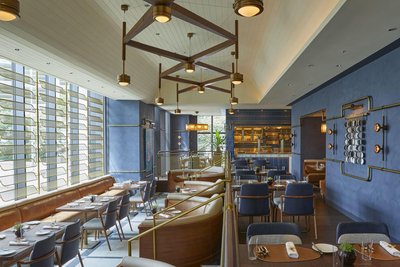
Kimpton Shinjuku Tokyo

HOTEL K5
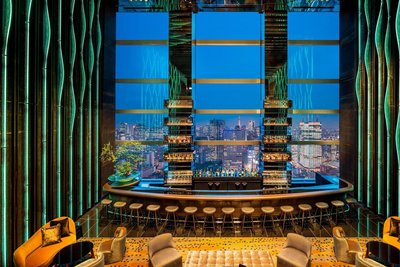
The Prince Gallery Tokyo Kioicho, a Luxury Collection Hotel

Muji Hotel Ginza
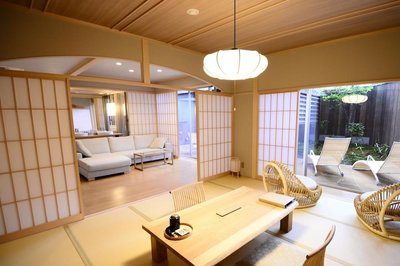
Hakone Gora Byakudan
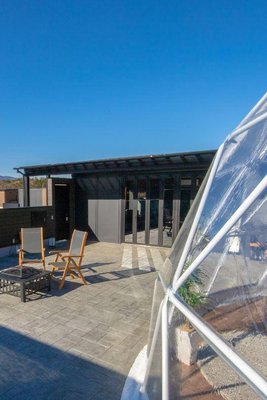
Panoramic Mt. Fuji Views from All Rooms – Vision Glamping Resort & Spa Yamanakako
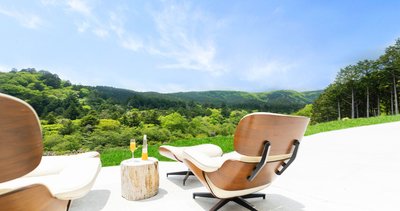
Shelter Garden Nikko
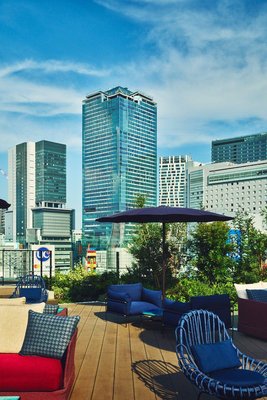
Hotel Indigo Tokyo Shibuya

TIAD, AUTOGRAPH COLLECTION
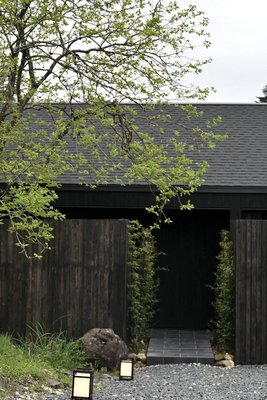
THE LAKOTAN
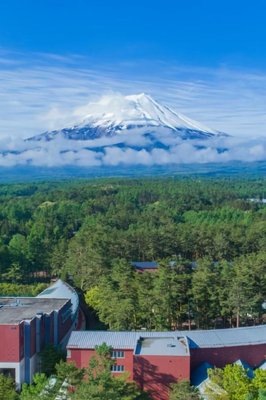
Forest Village (Fuji Premium Resort)

Hotel Toranomon Hills
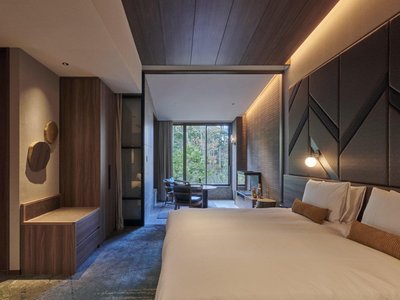
Fufu Kyu-Karuizawa Restful Forest
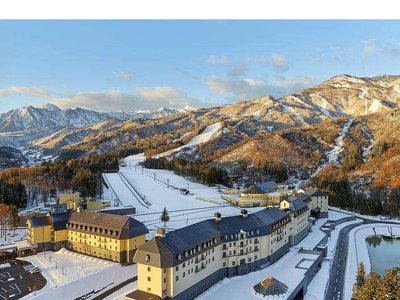
Lotte Arai Resort
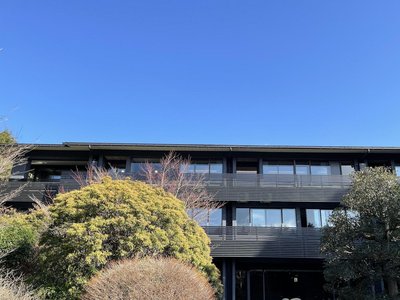
Sengokubara Cocon
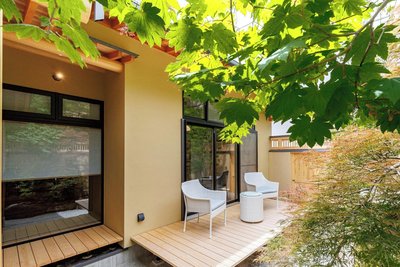
Shoraiso
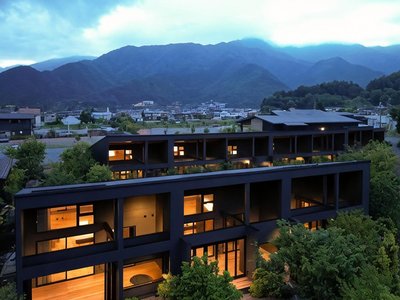
7C Villa and Winery

Hotel la Vigne Hakuba by Onko Chishin
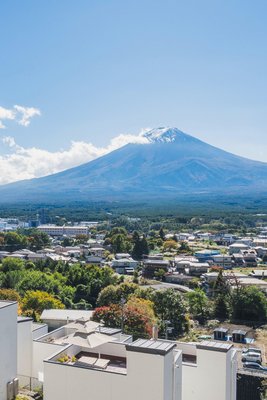
THE TOKI FujiKawaguchiko
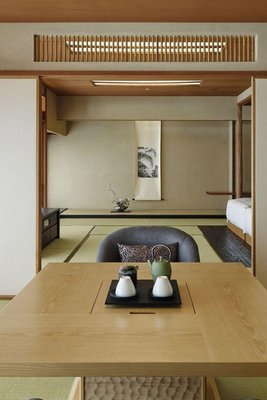
Takanawa Hanakohro (in Grand Prince Hotel Takanawa)
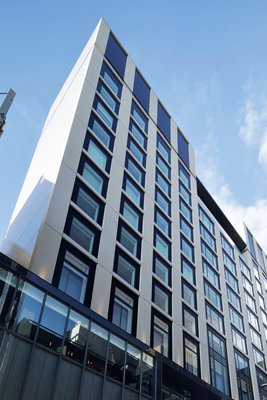
Hyatt Centric Ginza Tokyo
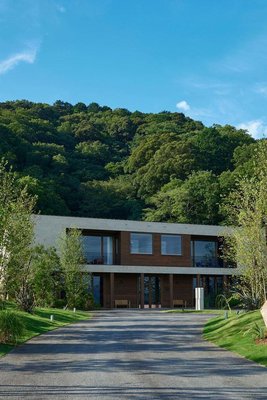
HACIENDA VISON
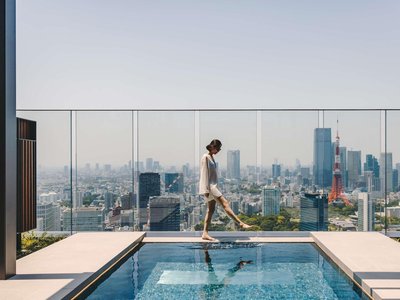
Fairmont Tokyo
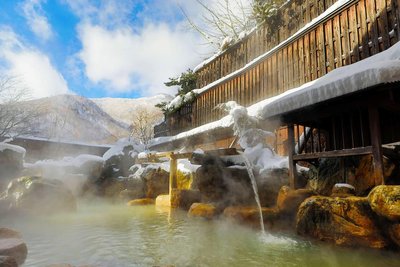
Miyamaouanbekkan yumegurinoyado hirayukan
Bvlgari Hotel Tokyo
Four Seasons Hotel Tokyo at Marunouchi
Mandarin Oriental, Tokyo
The Ritz-Carlton, Tokyo
Andaz Tokyo Toranomon Hills- A Concept by Hyatt
Gora Kadan

Hotel New Otani Tokyo the Main
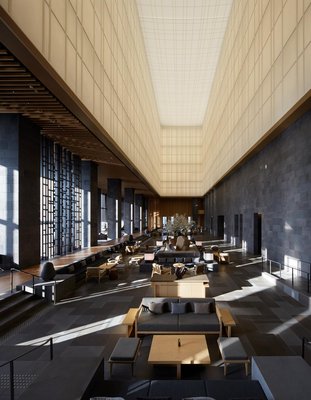
Aman Tokyo
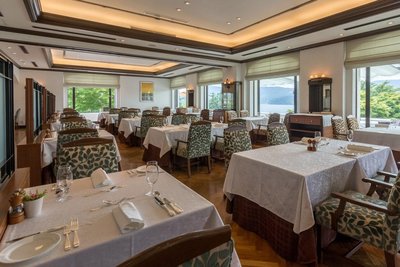
Odakyu Hotel de Yama
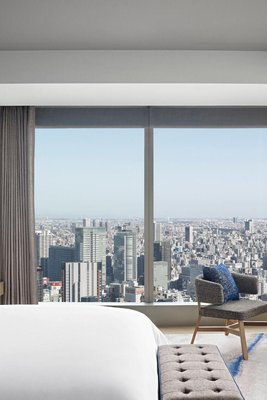
Four Seasons Hotel Tokyo at Otemachi

The Tokyo Edition, Toranomon

Hyatt Centric Kanazawa
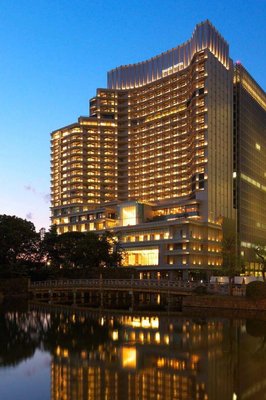
Palace Hotel Tokyo
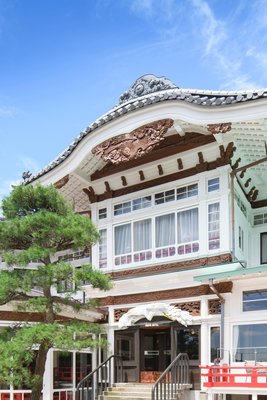
Fujiya Hotel
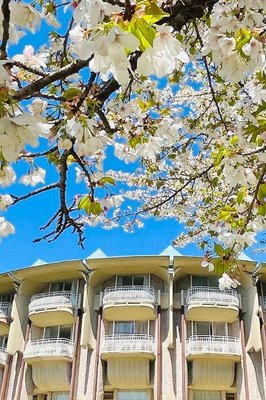
The Prince Hakone Lake Ashinoko
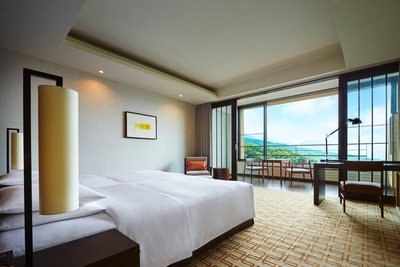
Hyatt Regency Hakone Resort and Spa
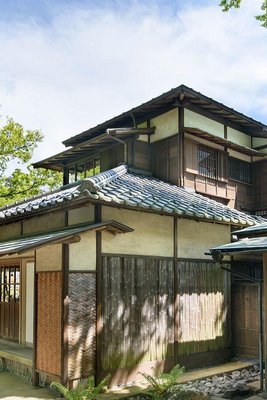
Hakone Suishoen

Nagoya JR Gate Tower Hotel (JR-Central Hotels)
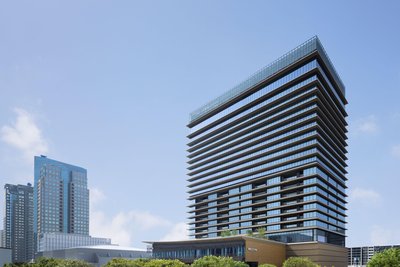
The Westin Yokohama

Nagoya Marriott Associa Hotel
Frequently Asked Questions about Traveling to Minano
Questions You Might Need to Know About Traveling to Minano
In Kayanomachi, the top choice for a nature-immersed stay is Kiso no Mori Lodge, nestled beside the Kayanogawa River and surrounded by ancient cedar forests. This eco-friendly ryokan features open-air baths overlooking moss-covered rocks and seasonal wildflowers. Guests can join guided forest walks or stargazing sessions under the clear skies of Saitama's countryside. The menu highlights locally sourced ingredients like wild mountain vegetables and organic rice, served in a minimalist dining hall with views of the surrounding hills. Perfect for those seeking tranquility and connection with nature.
The most tranquil and authentic area for lodging in Kayanomachi is the riverfront district near Kawanishi Village, where traditional wooden houses line the banks of the Kayanogawa River. This peaceful zone hosts several family-run guesthouses like Yamabuki Minshuku, offering tatami rooms with private verandas and access to a community garden. It’s perfect for travelers wanting to experience daily life in a rural Japanese town—visit the morning market, stroll through rice paddies, or enjoy a silent tea ceremony at a centuries-old temple nearby. The absence of tourist crowds enhances the sense of genuine serenity.
During an overnight stay in Kayanomachi, immerse yourself in the Takemoto Pottery Workshop, where you can craft your own piece using traditional techniques passed down from the Edo period. For a magical evening, attend the Lantern Festival along the riverbank, walking under paper lanterns lit by local artisans. In autumn, participate in the Maple Dyeing Experience, learning how to extract natural pigments from local leaves. If visiting in winter, book a snow-viewing tea ceremony at Shinrin Teahouse, where you sip Saitama green tea while gazing at snow-laden trees—a true embodiment of wabi-sabi beauty.
Yes, Kayanomachi boasts several hot spring lodges with distinctive features. The Kiso Onsen Hotel offers private outdoor baths with panoramic views of the Kiso Mountains, fed by natural bicarbonate-rich springs known for skin rejuvenation. Each room includes a traditional rotenburo (outdoor bath) and a floor-to-ceiling window facing the forest canopy. The hotel also provides a forest bathing guide and nightly mushroom soup tasting, made with foraged fungi from nearby woods. Ideal for wellness seekers looking for deep relaxation in a pristine environment.
For families, Kayanomachi Family Farmstay is a standout option—a cluster of rustic cabins set within a working farm. Each cabin has a fenced yard, a playhouse, and access to organic vegetable gardens where children can help harvest. Activities include rice-planting workshops, feeding goats, and nighttime bug hunts with glow-in-the-dark nets. The on-site kitchen hosts cooking classes using farm-fresh produce, and staff speak English. Located just 5 minutes from Omiya Park, it’s ideal for combining nature immersion with gentle, educational fun for kids.
Seek out Tanbo no Aji, a community-run eatery located in the heart of the old rice fields, where meals are prepared daily using ingredients from local farms. Their signature dish is wild herb stew with heirloom rice, cooked in a clay pot over an open hearth. They also offer farm tour + meal packages, allowing guests to pick vegetables, then cook them together with farmers. The restaurant doubles as a cultural hub, hosting storytelling nights where elders share tales of rice cultivation and seasonal rituals—offering a rare glimpse into sustainable rural life.
Kayanomachi’s seasonal events are ideal for extended stays: in spring, camp overnight during the Cherry Blossom Festival along the Kayanogawa River, enjoying illuminated trees and live folk music. Summer brings the Firefly Viewing Night, where guests sleep in bamboo huts near the forest edge to witness thousands of Japanese fireflies glowing in harmony. Autumn features the Maple Dyeing Workshop & Overnight, where you learn natural dyeing techniques and sleep in a geodesic dome under red foliage. Winter offers Snow Bath Retreats, with private onsen access and warm miso ramen served by candlelight—each event crafted for unforgettable sensory experiences.
Yes, many hotels and guesthouses in Kayanomachi provide free bicycle rentals, including Green Hill Minshuku and Kayanogawa Bike House, which offer mountain bikes, electric-assist models, and child seats. Routes lead through scenic paths like the Ancient Temple Trail, Terraced Rice Fields Loop, and Honey Farm Path, all marked with bilingual signs. Some lodges even deliver luggage to your next stop via cargo bike, enabling seamless day trips. With low traffic and lush landscapes, cycling here feels like a journey through a living postcard.
Kayanomachi’s most photogenic hotel is Takekage Villa, a modern minimalist retreat built with natural bamboo and glass walls that frame the surrounding forest. Its rooftop terrace offers stunning shots of sunrise breaking through misty pines, while the reflection pool creates surreal mirror images at golden hour. Inside, handcrafted paper lanterns cast soft light across tatami floors, ideal for intimate portrait photography. Don’t miss the autumn leaf drop ceremony, where staff scatter maple leaves from above—perfect for capturing dynamic, artistic moments. The hotel also offers photography guides and drone permits upon request.
Yes, several accommodations in Kayanomachi are fully accessible. Kiso Forest Resort features wheelchair-accessible rooms with roll-in showers, tactile signage, and ramps throughout the property. Staff are trained in disability awareness and can assist with mobility planning. Nearby attractions, including Kayanogawa Park and Old Temple Grounds, have been upgraded with smooth pathways and rest areas. The town also provides accessible shuttle buses for tourists. These inclusive efforts ensure that everyone, regardless of mobility, can enjoy the peaceful charm and cultural depth of this hidden gem in Saitama Prefecture.
Minano Overview
City Summary
Kano Town, located in the northwestern part of Saitama Prefecture, Japan, is a tranquil haven surrounded by nature. Renowned for its Chichibu region traditions and the stunning Arakawa River Gorge, it offers an escape from urban chaos. The town's core appeal lies in its distinct four-season landscapes, particularly cherry blossoms in spring and autumn foliage, alongside preserved crafts like washi paper-making and local sake brewing.
Must-See Attractions
Must-see spots include the ancient temples of Chichibu 34 Kannon Pilgrimage and the scenic Chichibu Railway along the gorge. Experience hands-on washi paper crafting at Kano Washi Studio. Don't miss the dazzling Chichibu Night Festival in winter, one of Japan's top three float festivals.
Food Guide
Local specialties feature Chichibu soba noodles and wild boar hotpot, with street stalls serving grilled sweetfish and miso-dengaku. Try regional sake "Bukozan" paired with mountain vegetable tempura. Unique desserts include mochi dumplings wrapped in washi paper, blending tradition with innovation.
Transportation Guide
From Tokyo's Ikebukuro Station, take the Seibu Line to Seibu-Chichibu Station (80min), then transfer to Chichibu Railway to Kano Station. Town exploration relies on limited buses or taxis (~¥2000/hour). Bicycle rentals (available at the station) are ideal. Arakawa Gorge sightseeing boats operate April-November.
Best Time to Visit
Best seasons are April (cherry blossoms) and October-November (autumn leaves) with mild weather. Summer (July-August) offers cooler temperatures but frequent rain. Winter (December-February) has stunning snowscapes though some transport halts.
Travel Tips
- Remove shoes and stay quiet in temples
- Many onsens prohibit tattooed guests
- Mountain roads lack nighttime lighting
- Cash is king - most rural shops don't accept cards
- Strict trash sorting with few public bins
- Always follow safety guides for gorge activities
Useful Information
Language: Basic English at stations only. Internet: Free Wi-Fi at stations; pocket WiFi recommended. Currency: Post office (1-1 Kano Town) exchanges until 15:00. Emergency: Town Hospital (☎0494-62-1212) has 24/7 ER. Key numbers: Police ☎110, Fire ☎119. Voltage: 100V, Type A plugs.