Hotels in Mino
Discover your perfect stay in Mino.
Mino(Japan) Travel 2026: Cheap Flights, Hotels & Top Attractions
Popular Landmarks in Mino
Discover the most iconic attractions in Mino
Recommended Hotels in Mino
Find the perfect place to stay in Mino


Best Hotels in Mino
Discover curated hotel collections in Mino




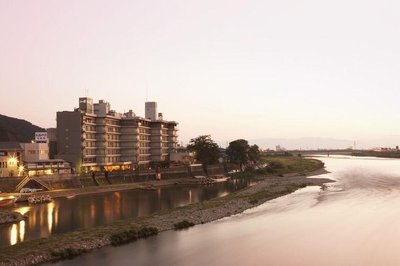
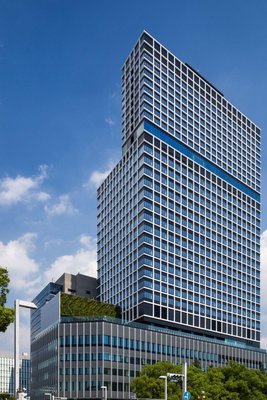

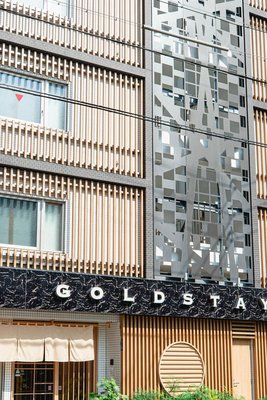


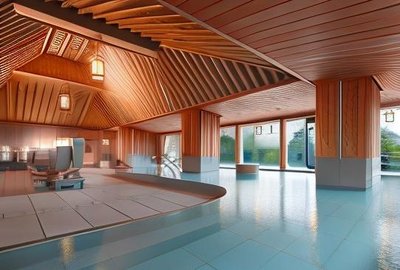





















Frequently Asked Questions about Traveling to Mino
Questions You Might Need to Know About Traveling to Mino
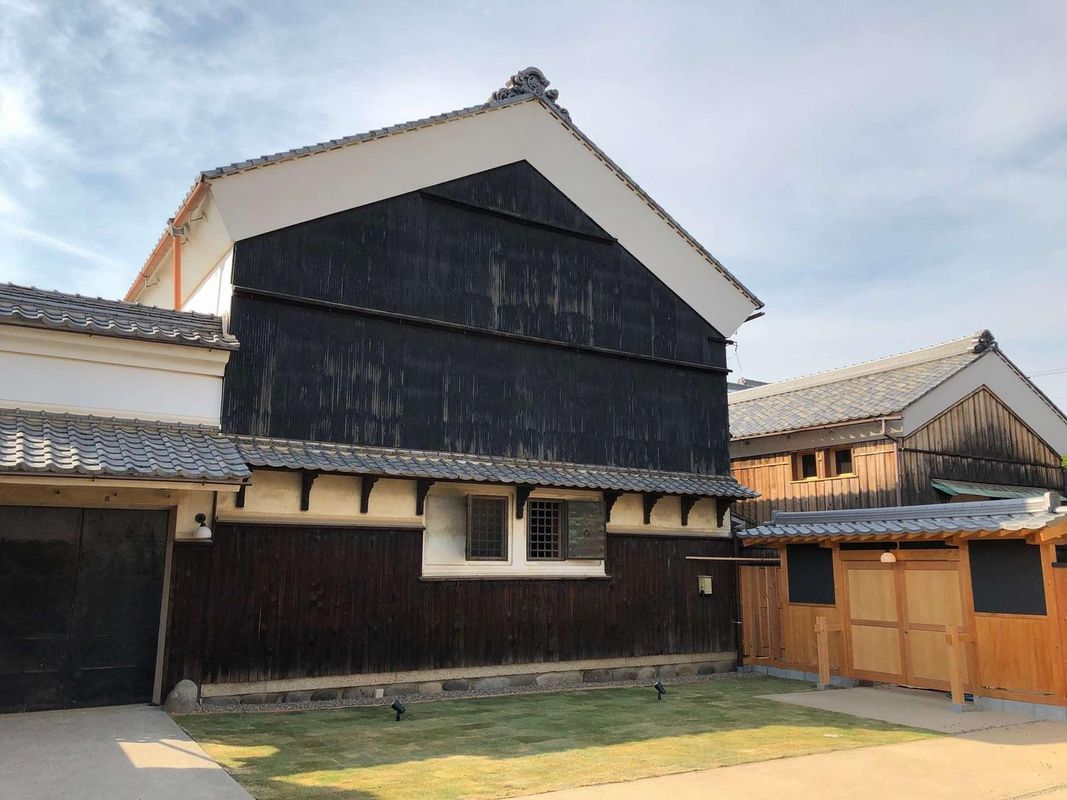
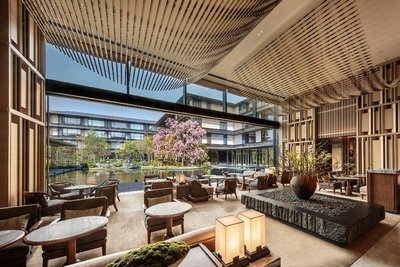
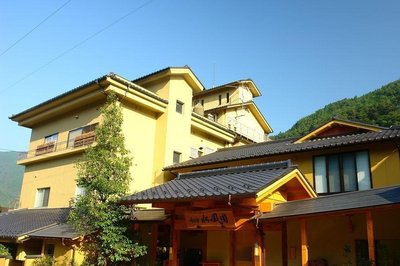
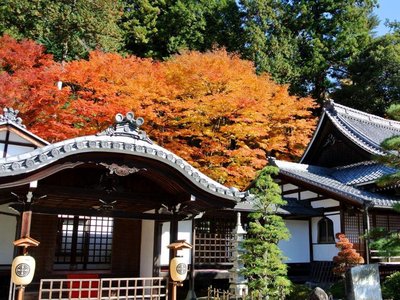
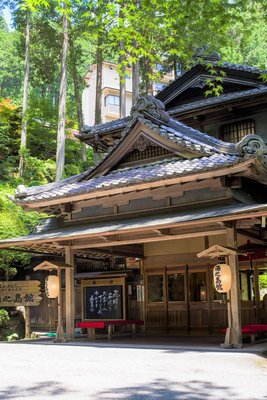
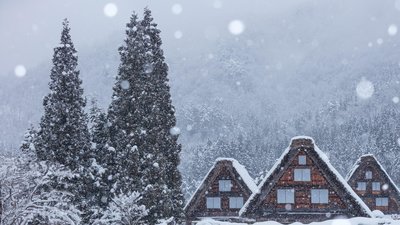
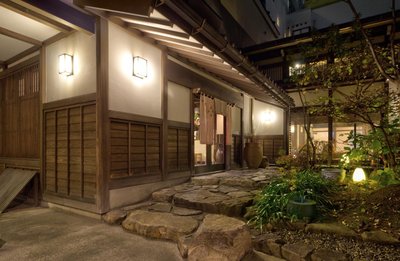
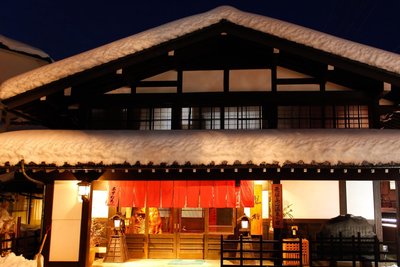
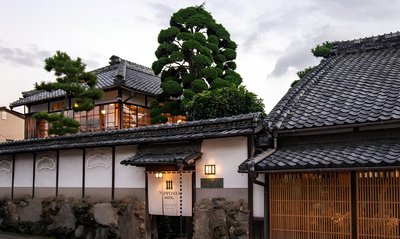
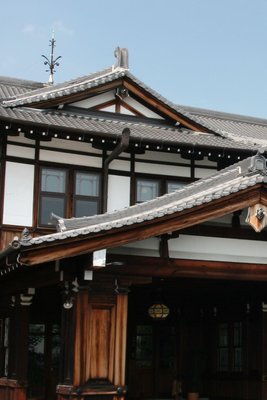
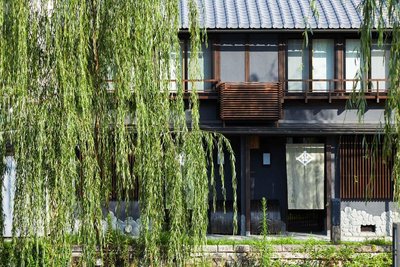
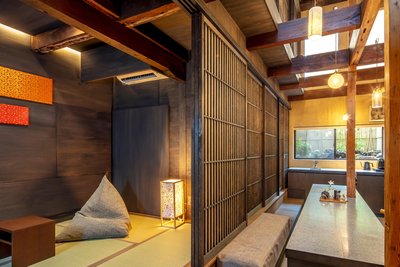
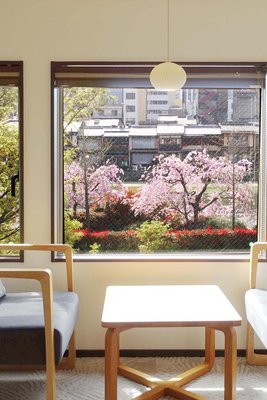
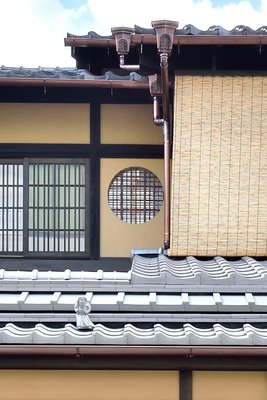
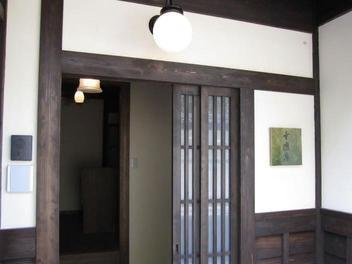
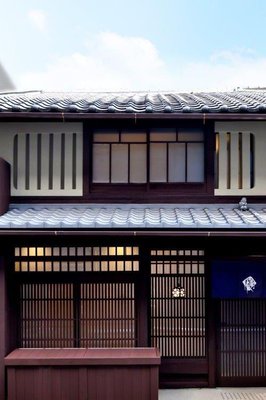
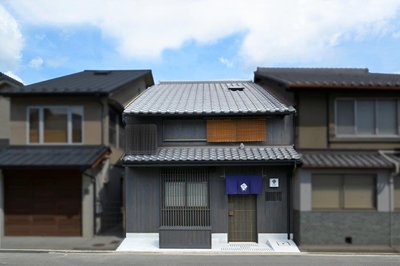
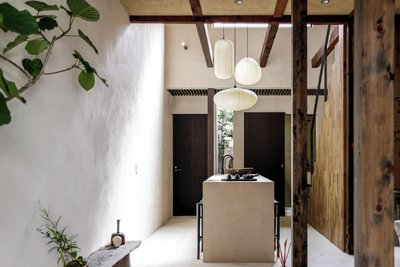
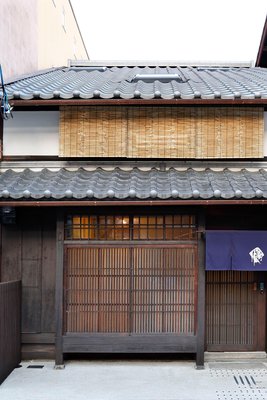
In Mino City, the top cultural hotel is Mino Washi Hotel, a boutique inn housed in a restored Edo-era wooden building, inspired by the region's renowned Mino Washi paper. Each room features handmade washi paper decor and offers hands-on workshops in paper lantern making and calligraphy. Located in Mino-Kamishimo downtown, it’s steps from the historic Omiya Town District and Mino Castle Ruins. Guests can also join traditional Mino weaving sessions nearby. The hotel hosts seasonal events like paper lantern festivals and tea ceremonies, offering immersive access to Japan’s intangible heritage. Perfect for travelers seeking authentic craftsmanship and quiet contemplation.
For an even deeper connection, try the Mino Weaving Workshop at the local artisan studio, where you’ll learn ancient techniques using natural dyes and handlooms—creating a unique souvenir while supporting local artisans.
The best area for accommodation in Mino City is Mino-Kamishimo Downtown, located just minutes from major attractions like the Mino Castle Ruins, Omiya Historical District, and Mino Washi Museum. This vibrant neighborhood blends old-world charm with modern convenience, housing several boutique hotels such as Mino Washi Hotel and Old House Inn, both preserving traditional Japanese architecture. Local restaurants serve authentic Mino tofu dishes and rich miso soup, while weekend markets offer handmade crafts and regional snacks. The area is walkable, safe, and ideal for exploring on foot. For nature lovers, the nearby Sakura River Trail provides scenic views, especially during cherry blossom season. Stay here for a seamless blend of culture, cuisine, and comfort.
In Mino City, you must try two iconic crafts: Mino Washi paper-making and Mino weaving. At the Mino Washi Museum, participate in a full workshop—from bamboo pulp preparation to hand-dipping and drying your own sheets of durable washi paper. Take home a personalized piece as a keepsake. For textiles, visit the Mino Weaving Studio, where you’ll operate a vintage loom to create a small cotton fabric square using traditional patterns. Both crafts are deeply rooted in the region’s history and are taught by master artisans. These experiences connect you directly to Mino’s identity as a center of Japanese craftsmanship. Pair them with a visit to the Omiya Town District, where many homes still display handwoven fabrics and handmade paper lamps.
Don’t miss the annual Mino Paper Festival in spring or the Weaving Fair in autumn—perfect times to witness live demonstrations and purchase limited-edition works.
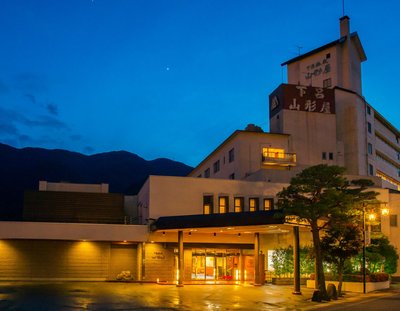
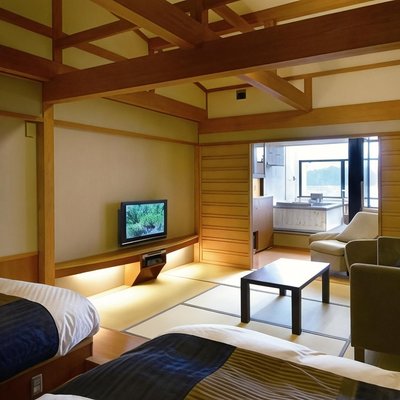
Yes, Mino City offers several family-friendly accommodations. Mino Kamishimo Hot Spring Inn features spacious tatami rooms with private outdoor baths, perfect for kids. They provide child-sized yukata robes, kid-friendly washi paper art kits, and guided tours of the Mino Children’s Museum. The hotel also organizes themed evenings like “Family Story Night,” where locals share folktales over homemade Mino tofu desserts. Nearby, the Sakura River Trail offers safe walking paths and picnic areas. With easy access to Omiya Town District and Mino Castle Ruins, families can explore history and culture together. Breakfast includes fresh, locally sourced ingredients like farm eggs, seasonal vegetables, and rice cakes. A true balance of comfort, fun, and tradition—ideal for multi-generational travel.
During winter, Mino City hosts the Mino Snow Lantern Festival at the Mino Castle Ruins, typically from December to February. Hundreds of delicate washi paper lanterns illuminate ancient stone walls and gardens, creating a magical, ethereal atmosphere. The festival includes lantern-making workshops, traditional tea ceremonies, and evening performances of koto music. Nearby, Mino Kamishimo Hot Spring Inn offers a
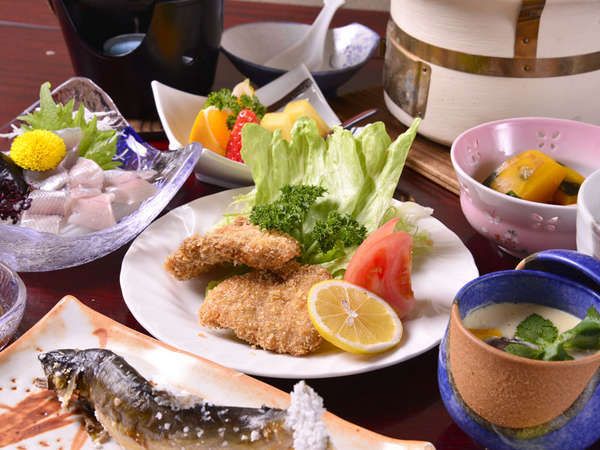
Absolutely. Many hotels in Mino City provide immersive local dining experiences. Mino Washi Hotel serves a daily "Five Flavors Mino Meal" featuring Mino tofu, misoyaki mackerel, seasonal vegetable tempura, and handcrafted sake—all sourced from nearby farms. Some hotels host "Dinner with Locals" events, where guests enjoy meals prepared by elderly residents who share stories behind each dish. The Mino Farm-to-Table Experience lets you harvest vegetables in the morning, then cook them into dinner under a chef’s guidance. Others offer morning tofu-making classes, where you press fresh curds using traditional methods. These culinary journeys deepen your understanding of Mino’s slow-food philosophy and sustainable lifestyle, turning every meal into a cultural discovery.
Yes, Mino City is well-connected via Meitetsu Railway, with direct trains to Nagoya Station in about 40 minutes. From Mino-Kamishimo Station, buses and bike rentals make it easy to reach key sites like the Mino Castle Ruins, Omiya Town District, and Mino Washi Museum. For longer trips, express buses connect to Gifu, Takayama, and the Shirakawa-go Gassho-style Village in around 1.5 hours. Some hotels, like Mino Washi Hotel, offer free shuttle services and provide guests with local maps and bicycle rental vouchers. Travelers can save money using the Central Japan Rail Pass or Kansai Wide-area Pass. With reliable public transit and guest-friendly amenities, exploring Mino and its surrounding regions is seamless and stress-free.
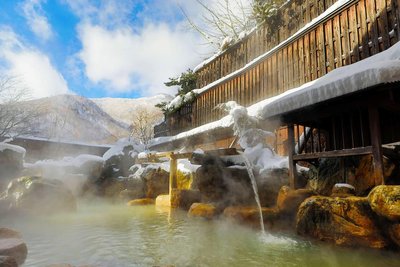
Top photo spots in Mino City include the Mino Castle Ruins’ stone walls and cherry blossom tunnel, especially stunning in spring when pink petals drift across ancient ramparts. The Omiya Town District’s historic wooden alleyways lined with washi paper lanterns offer dreamy, cinematic backdrops. Visit the Mino Washi Museum’s glass courtyard during golden hour—the sunlight filtering through handmade paper creates dramatic shadows and textures. For serene shots, head to the Sakura River Trail’s bamboo grove or the outdoor bath at Mino Kamishimo Hot Spring Inn, where steam rises over mossy stones. Don’t miss the weaving studio entrance with traditional looms and hanging fabrics—perfect for capturing cultural depth. Wear a kimono or yukata from the hotel for added authenticity. These locations deliver unforgettable, Instagram-worthy moments with deep cultural resonance.
Yes, Mino City welcomes solo travelers with thoughtful accommodations and community-focused experiences. Mino Washi Hotel offers cozy single rooms with quiet study spaces and access to a shared lounge with books and coffee. They host monthly Solo Traveler Meetups, where guests gather for dinner and storytelling—great for making friends. Mino Kamishimo Inn has a communal tea corner and offers free bicycle rentals, encouraging independent exploration along the Sakura River Trail. Nearby, the Omiya Night Market and late-night izakayas are welcoming to individuals. For tranquility, choose a mountain-side cottage with a private garden and view of the valley—ideal for journaling or meditation. With low crowds, warm locals, and accessible culture, Mino offers a peaceful retreat for introspection and self-discovery.
Mino City celebrates two major annual festivals: the Mino Washi Festival in spring, held at the Mino Washi Museum, showcasing thousands of handcrafted washi artworks, lantern displays, and live paper-making demonstrations. It’s a highlight for artists and craft lovers. In autumn, the Mino Weaving Fair returns to the Omiya Town District, featuring live loom performances, artisan markets, and traditional textile exhibitions. During summer, the Mino Castle Night Lantern Festival transforms the ruins into a glowing wonderland with hundreds of handmade washi lanterns, accompanied by taiko drumming and kimono parades. These events not only preserve heritage but also foster community pride. Visitors can join workshops, taste festival foods, and take home exclusive crafts—making each celebration a memorable cultural immersion.
Mino Overview
City Summary
Mino City, located in the heart of Gifu Prefecture, Japan, is a historic town renowned for its traditional washi paper craftsmanship, recognized by UNESCO as an Intangible Cultural Heritage. Nestled along the Nagara River and surrounded by scenic mountains, Mino offers a unique blend of rural charm and cultural richness. Its tranquil streets, traditional Japanese architecture, and hands-on craft experiences attract travelers seeking deep cultural and natural beauty.
Must-See Attractions
Key attractions in Mino include the Mino Washi Village, where visitors can try making washi paper and admire exquisite paper art. The historic Mino Old Town, with its well-preserved Edo-period buildings, is another must-visit. The Nagara River offers picturesque views, and traditional cormorant fishing performances are highly recommended. Local shrines and temples, such as Mino Taisha, also provide a glimpse into the area's rich history.
Food Guide
Mino's culinary scene highlights the mountain and river delicacies of Gifu Prefecture. Must-try dishes include ayu (sweetfish) grilled with salt or served as sushi. Mino beef, known for its tenderness, is perfect for grilling or hot pot. Traditional sweets wrapped in washi paper also reflect the town's artisan heritage and aesthetic.
Transportation Guide
Mino is best accessed by bus or car. From Gifu City, take a train to Mino-Ōta Station, then transfer to a local bus. The city's bus network covers major attractions but has limited schedules, so plan ahead. Renting a car allows flexibility to explore surrounding natural sites. Taxis are scarce; advance HopeGoo is advised.
Best Time to Visit
The best times to visit Mino are spring (March-May) and autumn (September-November). Spring offers cherry blossoms, while autumn features vibrant foliage and the Washi Art Festival. Summers can be hot, and winters are chilly, but both seasons attract fewer tourists.
Travel Tips
- Follow instructions carefully when trying washi-making to avoid damaging tools.
- Observe local etiquette at shrines, such as purifying hands before entering.
- Be cautious near the Nagara River, as paths can be slippery.
- Carry ample cash, as many shops and restaurants do not accept cards.
- Drive carefully on narrow rural roads if renting a car.
- Stay hydrated and use sunscreen during summer visits.
Useful Information
Japanese is the primary language in Mino. While some tourist spots offer basic English information, learning simple phrases is helpful. Public Wi-Fi is limited; consider a local SIM or portable Wi-Fi. Cash is widely used; credit cards are accepted only at larger establishments. For emergencies, dial 119. Local hospitals provide basic medical care. International postal services are available at the city's post office.