Hotels in Minobu
Discover your perfect stay in Minobu.
Minobu(Japan) Travel 2026: Cheap Flights, Hotels & Top Attractions
Popular Landmarks in Minobu
Discover the most iconic attractions in Minobu
Recommended Hotels in Minobu
Find the perfect place to stay in Minobu
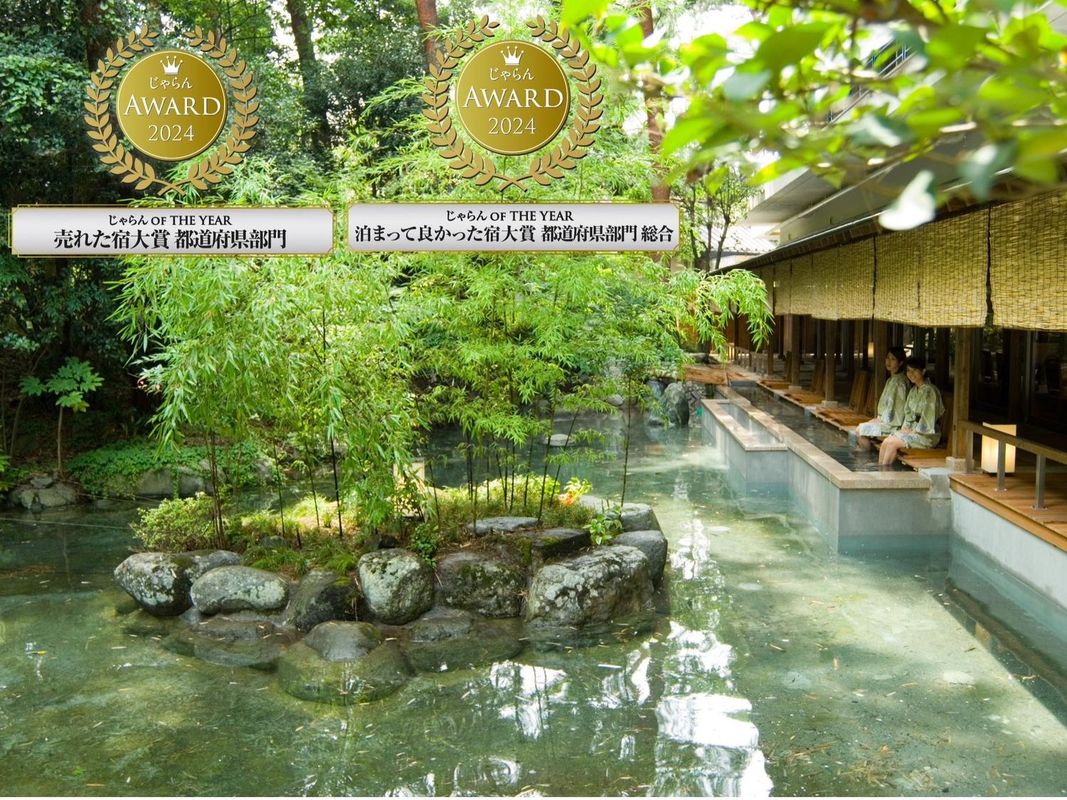
Shimobe Hotel
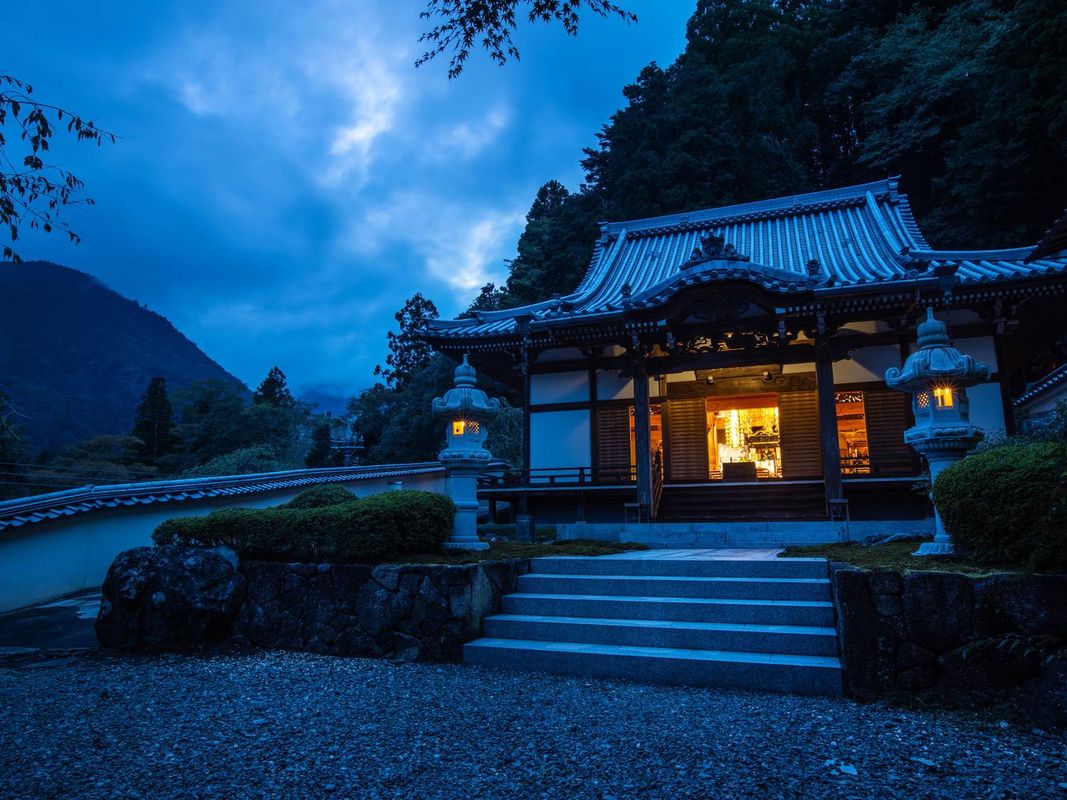
Temple Hotel Habanobo
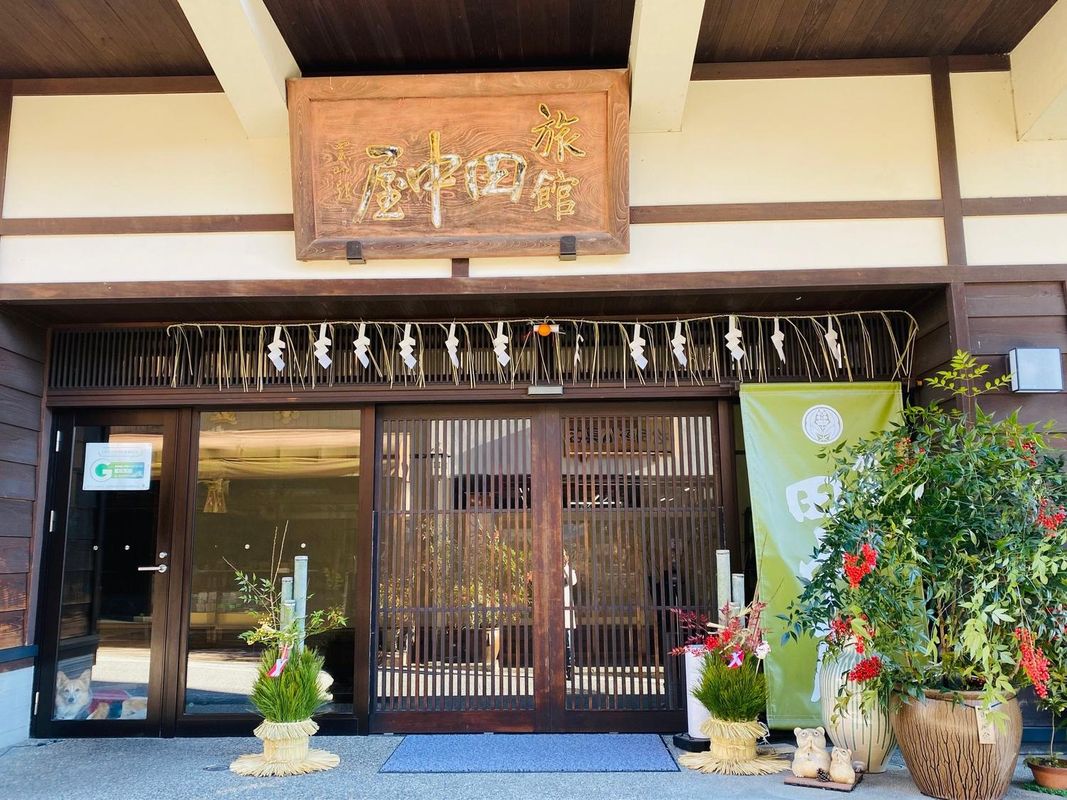
Ryokan Tanakaya
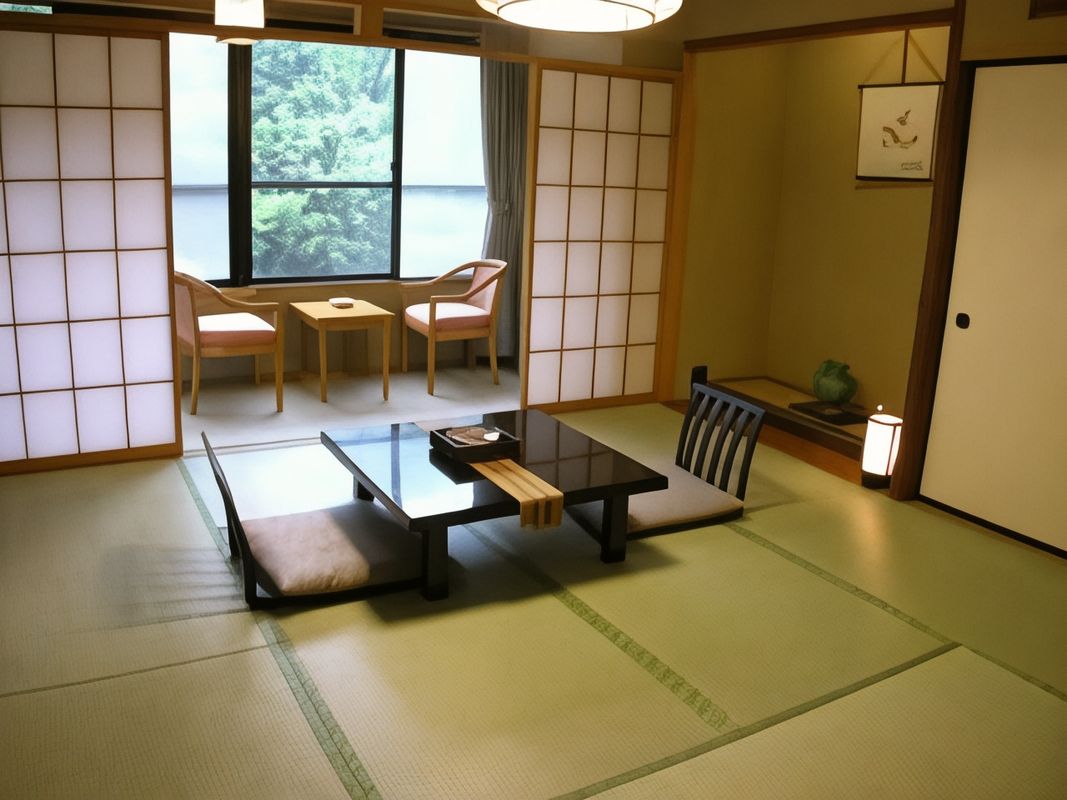
Hotel Morita
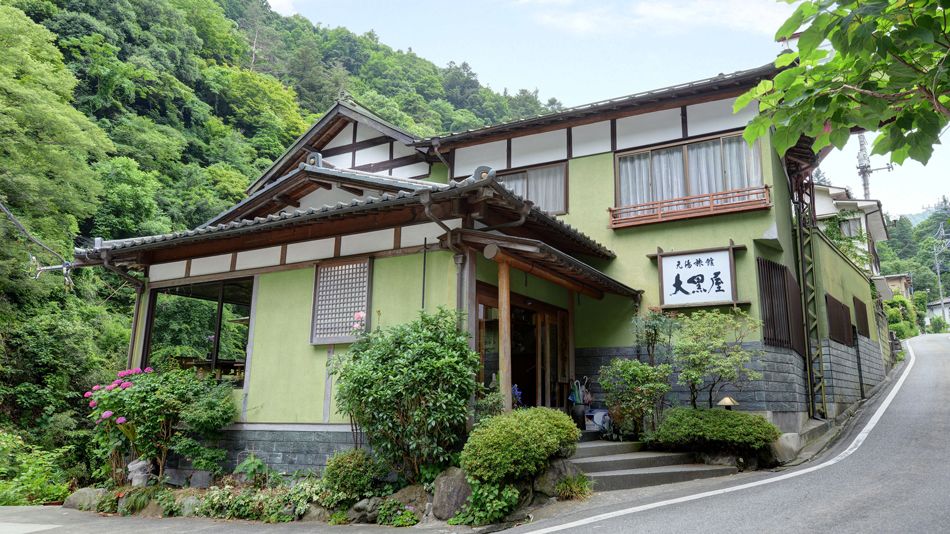
Daikokuya
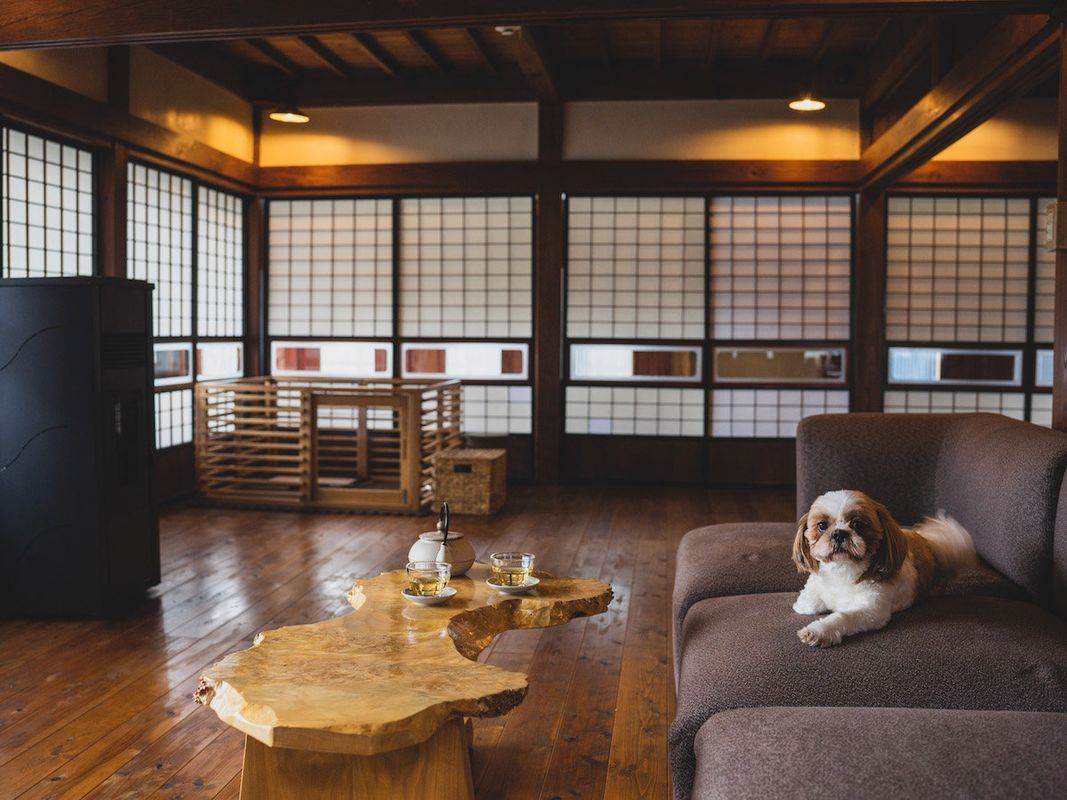
Kominkayado Loof Shonoie
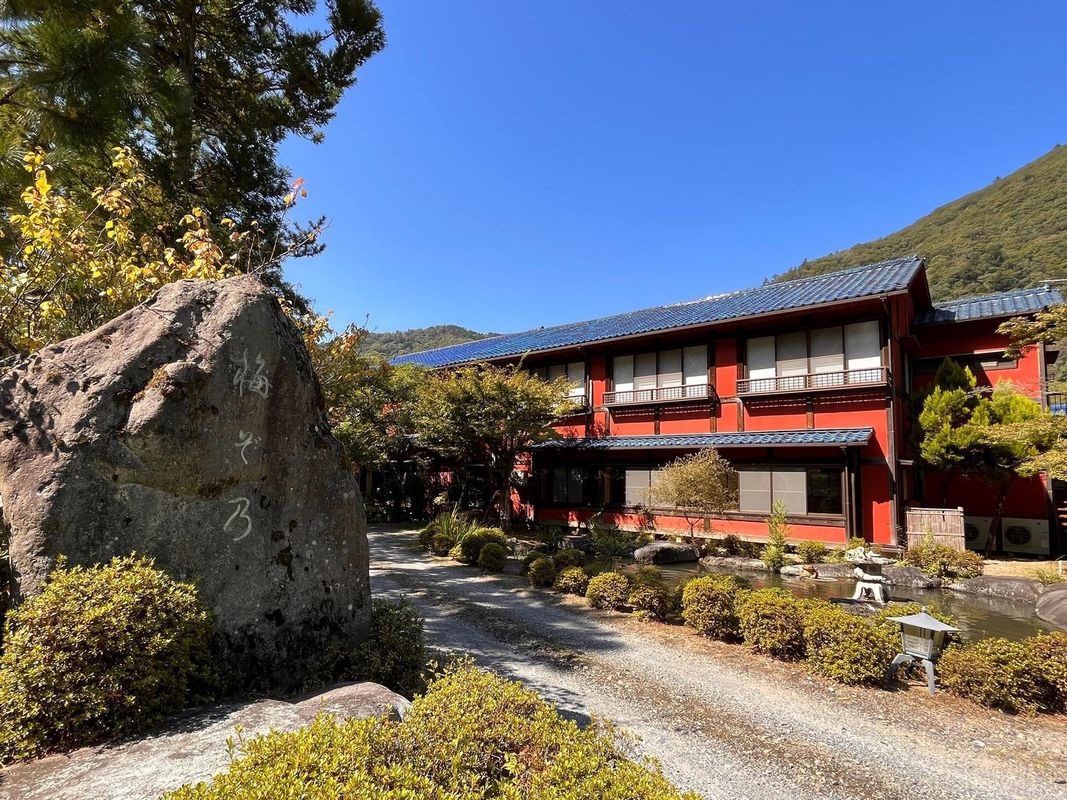
Yuyado Umezono
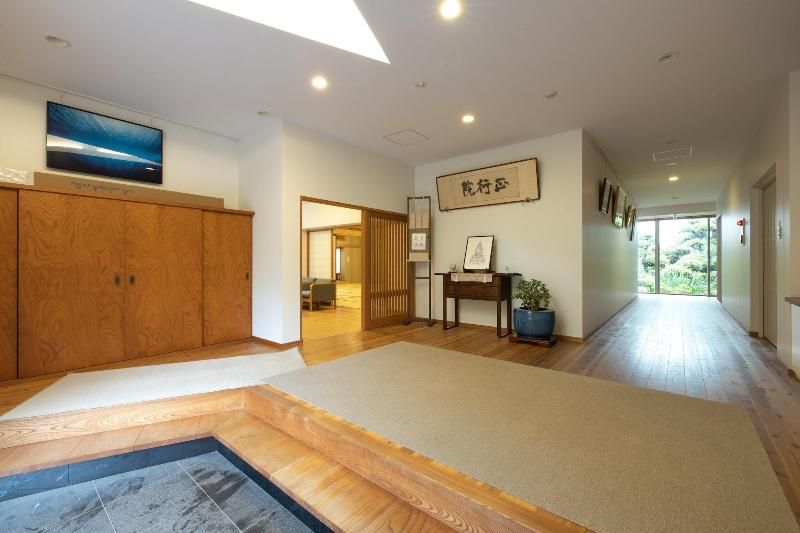
Temple Hotel Takeibo
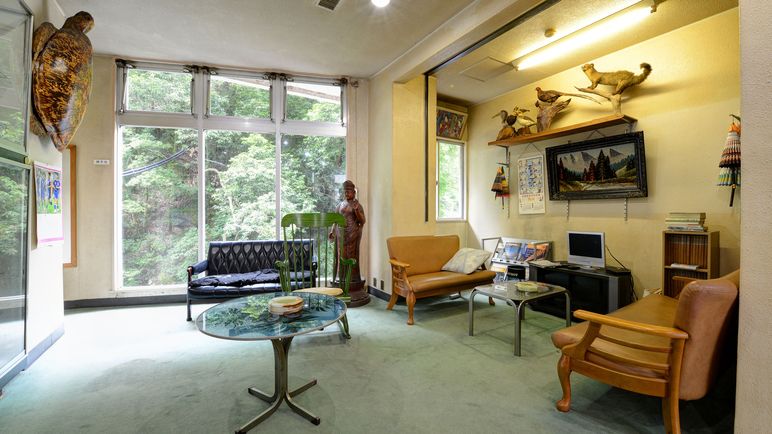
Motoyu Koyokan
Best Hotels in Minobu
Discover curated hotel collections in Minobu
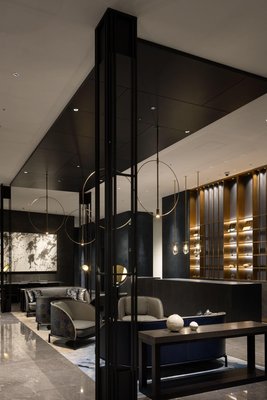
Bellustar Tokyo, A Pan Pacific Hotel
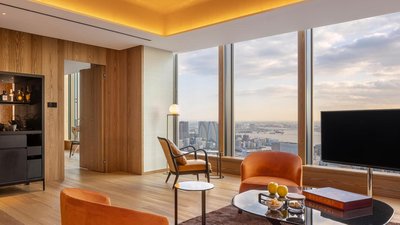
Bvlgari Hotel Tokyo
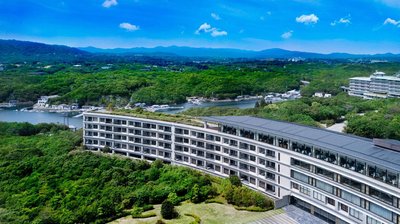
Shima Kanko Hotel the Bay Suites
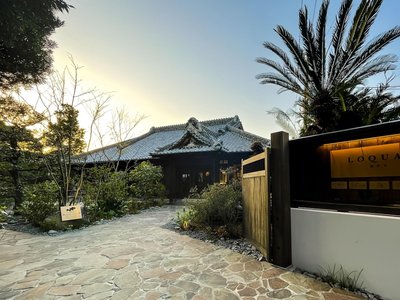
Loquat Nishiizu
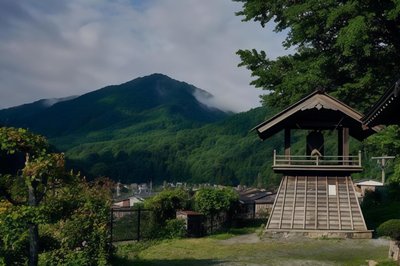
Byaku Narai
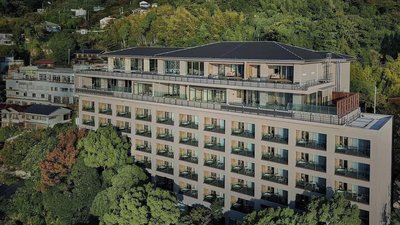
Atami Izusan Karaku
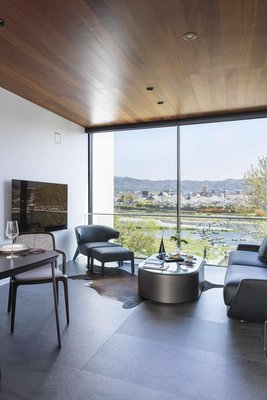
Kamo Residences by Reflections
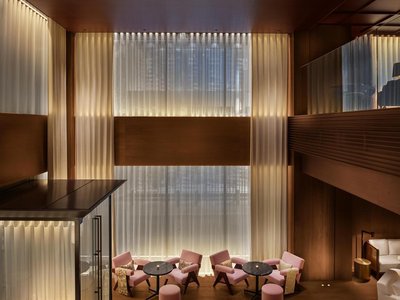
The Tokyo Edition, Ginza
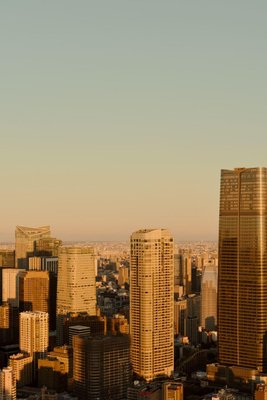
Janu Tokyo
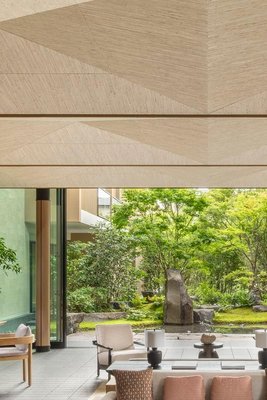
Six Senses Kyoto
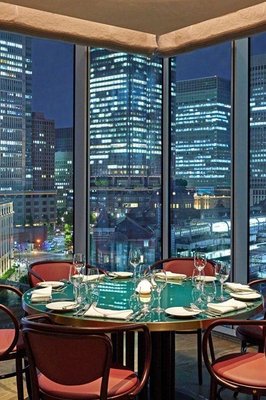
Four Seasons Hotel Tokyo at Marunouchi

Mandarin Oriental, Tokyo
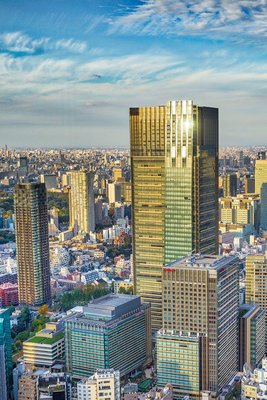
The Ritz-Carlton, Tokyo

Andaz Tokyo Toranomon Hills- A Concept by Hyatt
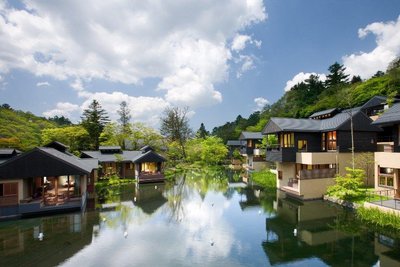
Hoshinoya Karuizawa
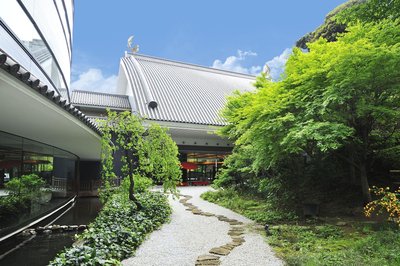
Hotel Gajoen Tokyo
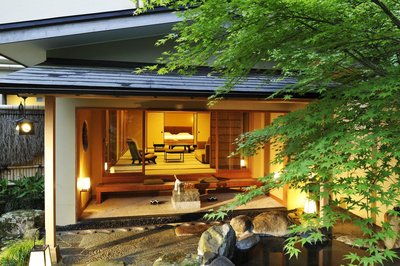
Gora Kadan
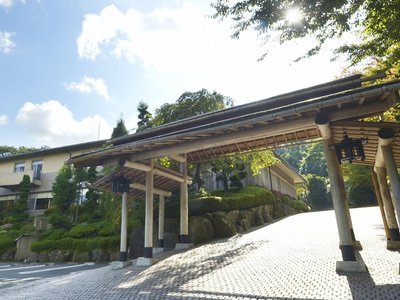
Gora Hanaougi

The Hiramatsu Hotels & Resorts Kashikojima
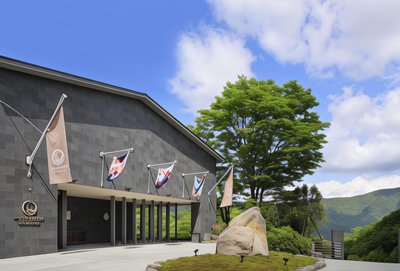
The Hiramatsu Hotels & Resorts Sengokuhara Hakone

Rakuten STAY VILLA Nasu
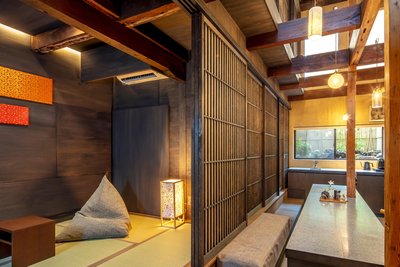
Kyo No Oozora Kihana
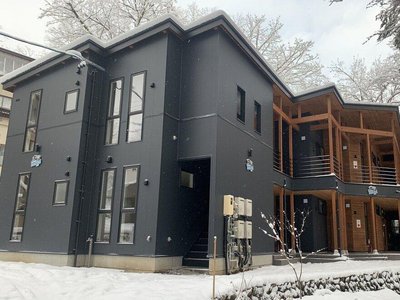
Hakuba Gondola Apartments
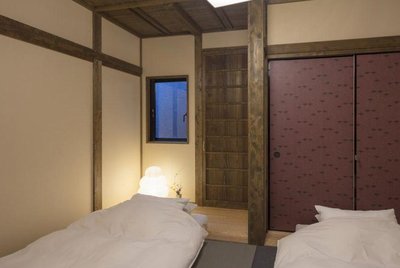
Hanagoromo Machiya House

Maana Kiyomizu
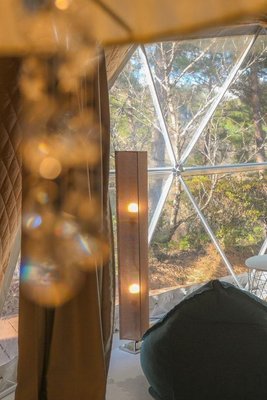
glampark Gekkabijin Nagano

MONS GORA

Phoenix Chalets by Hhg
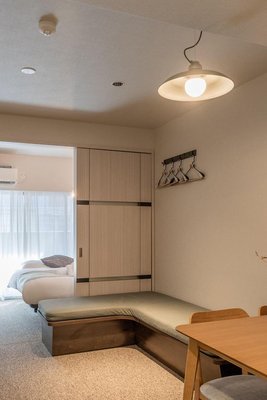
Apartment Hotel 11 Shinsaibashi
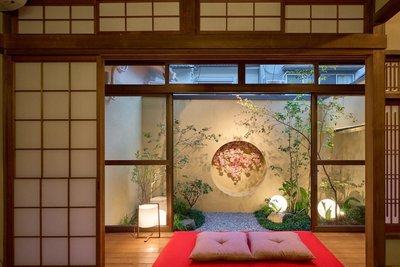
KONJAKUSO Osaka Tengachaya "NIHONCHA" Tea & Relax
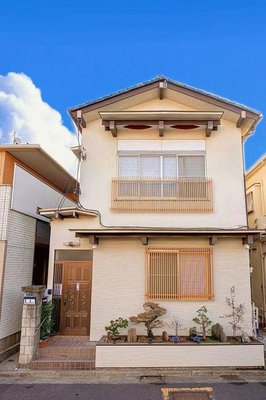
Tokyo Star House-Shinkoiwa
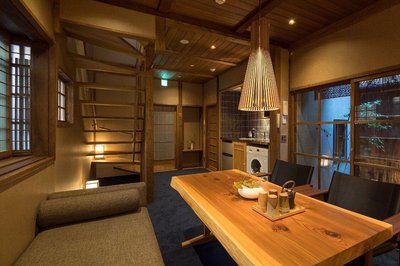
Bonbori an Machiya House
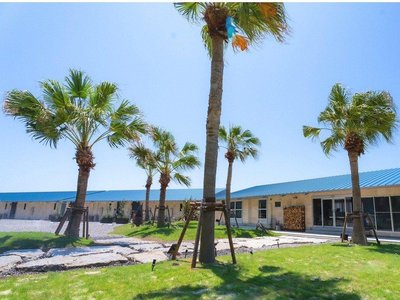
Glamping&Resort Wood Design Park Noma
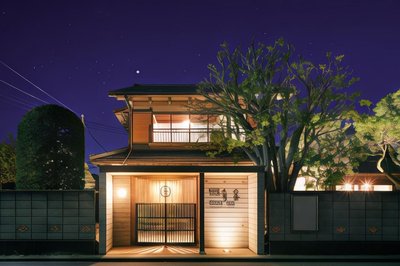
Machi-Jyu
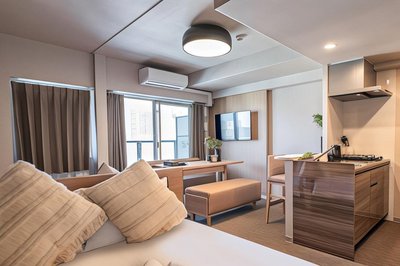
Apartment Hotel 11 Shinsaibashi III
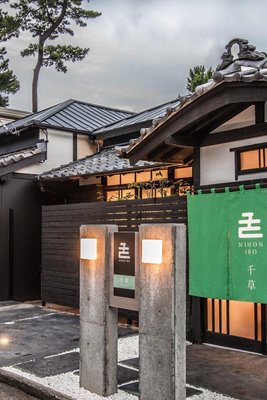
Nihon Iro
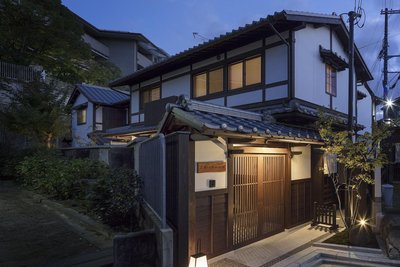
The Machiya Villa Sanjo Shirakawa Koji
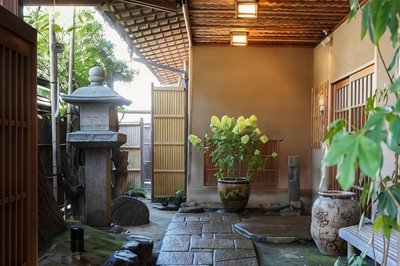
Ryokan Asadaya
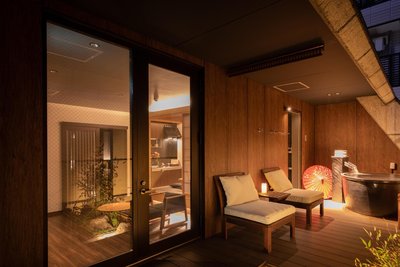
Konjaku-So Dotonbori
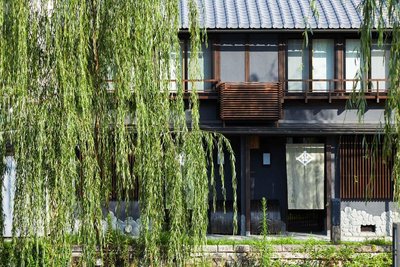
Gion Shirakawa No Yado
Frequently Asked Questions about Traveling to Minobu
Questions You Might Need to Know About Traveling to Minobu
In Shinya Town, stay at Shin'yōzan Onsen Ryokan, a traditional inn nestled at the foot of Mount Shin'yō, offering private outdoor baths and authentic kaiseki dining. The property blends Edo-era architecture with modern comfort, while its proximity to Daihonzan Kōyūji Temple allows guests to experience morning prayers and Zen meditation. For a more intimate stay, try Yamanoie Minshuku, a renovated old farmhouse where hosts share local tea ceremonies and forest stories, providing a genuine taste of Japanese mountain tranquility and spiritual heritage.
The best area for lodging is the Shin'yōsan foothills, near Kōyūji Temple and Shin'yōsan Kinzansō Temple. This serene zone offers easy access to sacred sites, quiet trails, and high-quality ryokans like Yama no Yado Ichi-ri, which features sunrise viewing decks and stargazing experiences. Surrounded by ancient forests and distant views of Mount Fuji, this district embodies Zen simplicity and is ideal for travelers seeking peace, mindfulness, and immersion in nature.
Must-try experiences include the Morning Bell Ceremony at Kōyūji Temple, where visitors join monks in ringing a centuries-old bell at dawn, creating a profound spiritual atmosphere. You can also book a tea ceremony workshop at Shin'yōsan Cha-ya, learning the Nanto school tradition rooted in Kamakura-era practices. At night, participate in the Mountain Lantern Festival, walking through illuminated stone paths lit by hundreds of handmade lanterns—creating a magical journey through light and silence.
Shinya Town’s onsen ryokans feature natural sulfur-rich hot springs drawn from deep beneath Mount Shin'yō, known for their therapeutic benefits on skin and fatigue. Kinzenkaku Onsen Ryokan boasts one of Japan’s oldest open-air baths, with water maintained at a steady 42°C. Each bath is used only once per day ("one guest, one bath"), ensuring purity. Some rooms even offer viewing tatami platforms, allowing guests to soak while gazing at Mount Fuji and seasonal foliage, blending luxury with nature.
Absolutely. Shinya Town offers family-friendly ryokans like Shin'yōsan Kodomo Ie, featuring child-safe baths, hands-on pottery workshops, and guided forest exploration. Children can join Junior Monk Days, learning to chant, wear robes, and craft their own prayer talismans. Evenings include family Zen storytelling sessions under moonlight, sharing tales of mountain spirits and ancient temples—making it both educational and deeply memorable.
Must-try dishes include wild mountain vegetable tempura and forest mushroom stew with tofu, sourced from pesticide-free local hills. At Kōyūji Sōsai Restaurant, sample the Five-Taste Zen Meal, a century-old dish representing the five flavors—bitter, sweet, sour, spicy, and salty—symbolizing life’s balance. Don’t miss Green Moss Mochi from Shin'yōtan Tea House, made with premium local matcha and soft mochi, a perfect souvenir treat with delicate sweetness.
Yes, despite being mountainous, Shinya Town is accessible. Take the JR Shin’yu Line from Tokyo Station to Shinya Station (~1.5 hours), then transfer to town shuttle buses or pre-booked pickups. For drivers, the Chūō Expressway leads directly here, with rest stops offering free parking and tea service. The Yamanashi Prefecture Tourist Bus Pass allows unlimited rides between major sites, saving time and costs.
Shinya Town shines in spring (March–May) and autumn (September–November). Spring brings cherry blossoms and azaleas along the 1,000 Sakura Path, while autumn paints the hills crimson during peak maple season. Summer offers cool forest hikes and reflections of Mount Fuji on still lakes. Winter blankets the area in snow, with steam rising from onsen pools—ideal for tranquil, snowy scenery. The annual Mountain Lantern Festival in November lights up the slopes in an unforgettable display of light and memory.
Key photo locations include the Great Buddha Hall and Vermilion Three-Storied Pagoda at Shin'yōsan Kinzansō Temple, especially at dawn mist. The Lantern Corridor leading to Kōyūji Temple creates dramatic silhouettes along the hillside path. The Torii Gates of Shin'yōsan Shrine, hidden in dense woods, form a mystical tunnel effect. For nature shots, visit the Fuji View Observatory at sunrise to capture golden light spilling over snow-capped peaks and misty valleys.
The ideal time to visit is spring (March–May) and autumn (September–November). Spring brings blooming flowers and crisp air, perfect for hiking and temple visits. Autumn offers stunning foliage and mild weather, ideal for photography and meditation retreats. These seasons avoid summer heat and winter cold, while allowing full access to Zen festivals like the Spring Opening Ceremony and Autumn Lantern Offering—offering deeper cultural immersion and fewer crowds.
Minobu Overview
City Summary
Minobu, located in southern Yamanashi Prefecture, is a serene mountain town centered around Buddhist culture. As the home of Kuonji Temple, the head temple of Nichiren Buddhism with over 700 years of history, it's considered one of Japan's most important religious sites. The town harmoniously blends natural landscapes with sacred architecture, featuring the majestic Fuji River Gorge.
Must-See Attractions
Kuonji Temple is the spiritual heart of Minobu, boasting several national treasure-class structures. The approach lined with cedar trees creates a solemn atmosphere, especially beautiful during cherry blossom and autumn foliage seasons. Nearby Mt. Shichimen offers sacred hiking trails with panoramic views of Fuji River Valley. The Minobu Ropeway provides easy access to mountain vistas overlooking the Southern Alps.
Food Guide
Minobu is renowned for shojin ryori (Buddhist vegetarian cuisine). Local specialties include yuba (tofu skin) dishes made with Yamanashi vegetables and tofu prepared with Mt. Fuji spring water. Don't miss Minobu manju, a 300-year-old red bean pastry. In summer, try ayu (sweetfish) from Fuji River.
Transportation Guide
From Tokyo, take JR Chuo Line to Kofu Station (2.5hrs) then transfer to Minobu Line (30min). Major sites are walkable or accessible by local bus. The ropeway at Kuonji's trailhead is convenient. Rental cars are ideal for exploring mountainous areas, but note narrow roads. Some routes close in winter due to snow.
Best Time to Visit
Best seasons are April-May for cherry blossoms and October-November for autumn colors. Summer offers cool mountain hikes but watch for thunderstorms. Winter brings serene temple snowscapes, though some facilities may close.
Travel Tips
- Maintain quiet in temple areas; photography restrictions apply
- Wear proper footwear and layers for hiking
- Reserve shojin ryori meals in advance
- Carry cash as ATMs are scarce near temples
- Observe all photography restrictions at sacred sites
- Mountain weather changes rapidly; check forecasts
Useful Information
Japanese is primary language; basic English signs exist at major sites. WiFi available at stations and tourist facilities. Cash is essential as credit cards have limited acceptance. Emergency numbers: 110 (police) or 119 (ambulance). Pharmacies cluster near Minobu Station; bring essential medications. English pamphlets available at temple offices; consult tourist information centers for details.









