Hotels in Minowa
Discover your perfect stay in Minowa.
Minowa(Japan) Travel 2026: Cheap Flights, Hotels & Top Attractions
Popular Landmarks in Minowa
Discover the most iconic attractions in Minowa
Best Hotels in Minowa
Discover curated hotel collections in Minowa
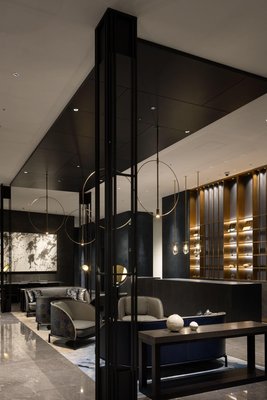
Bellustar Tokyo, A Pan Pacific Hotel

Bvlgari Hotel Tokyo

Shima Kanko Hotel the Bay Suites
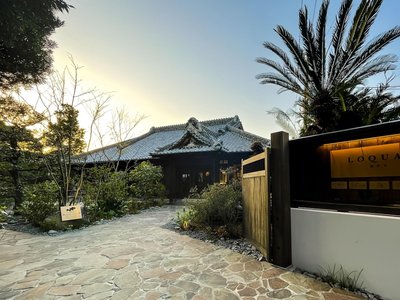
Loquat Nishiizu
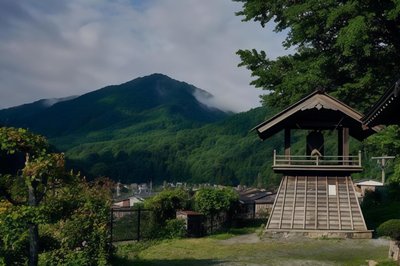
Byaku Narai
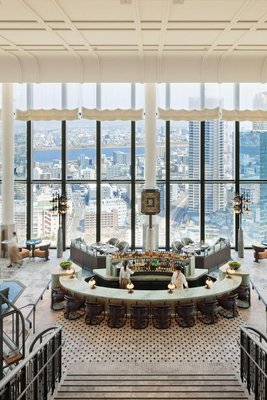
Waldorf Astoria Osaka
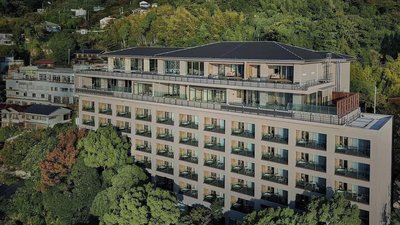
Atami Izusan Karaku
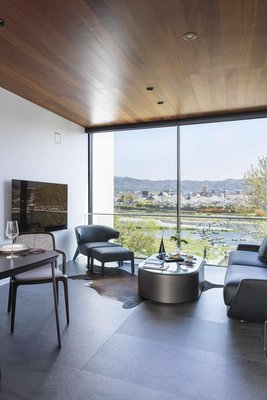
Kamo Residences by Reflections
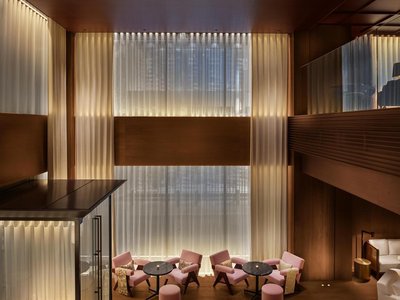
The Tokyo Edition, Ginza

Janu Tokyo
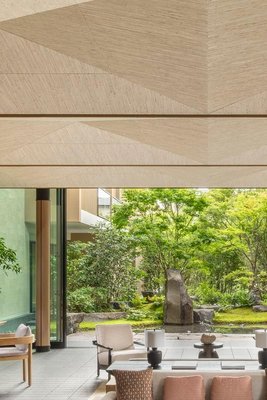
Six Senses Kyoto
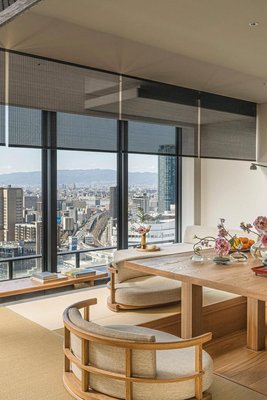
Four Seasons Hotel Osaka

Patina Osaka

The Ritz-Carlton, Osaka
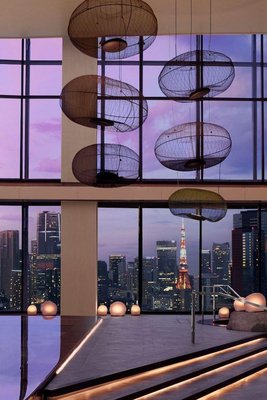
JW Marriott Hotel Tokyo
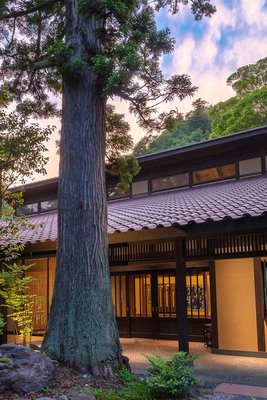
Arimasansoh Goshobessho
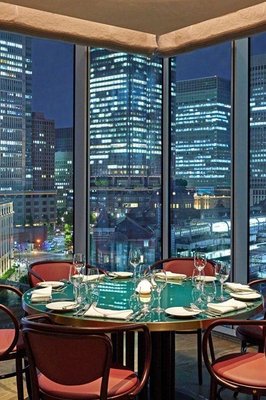
Four Seasons Hotel Tokyo at Marunouchi

Mandarin Oriental, Tokyo
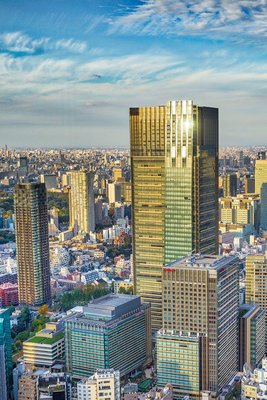
The Ritz-Carlton, Tokyo

Andaz Tokyo Toranomon Hills- A Concept by Hyatt

Gold Stay Nagoya OSU
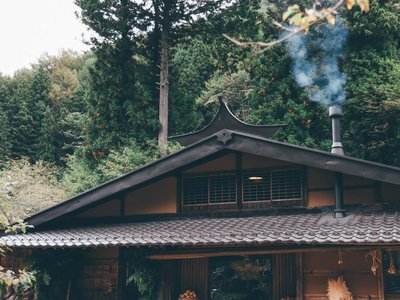
La Terra Resort
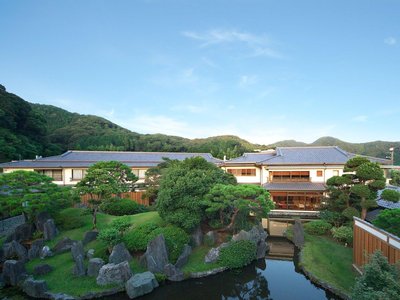
Kagetsutei

karaksa hotel colors Tokyo Yaesu

HOTEL GROOVE SHINJUKU, A PARKROYAL Hotel
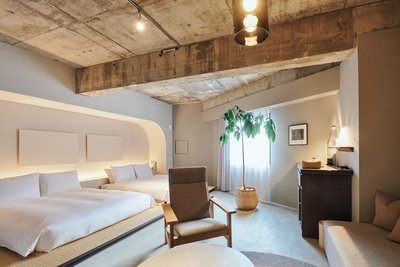
Korinkyo

GOLD STAY Nagoya Sakae
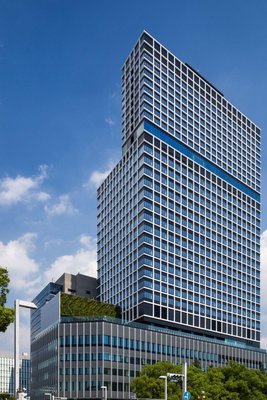
The Royal Park Hotel Iconic Nagoya

Awaumi Fujikawaguchiko Resort
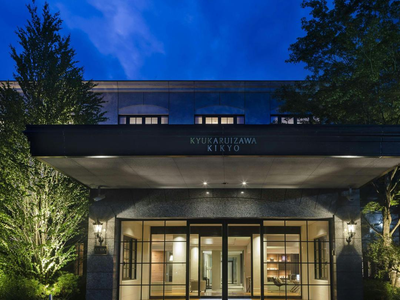
Fufu Karuizawa Wind of Sunshine

Hotel Taiko, Akakura Onsen

Scapes the Suite
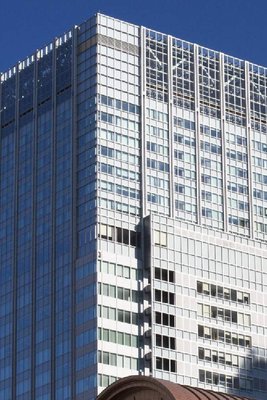
Hotel Metropolitan Tokyo Marunouchi
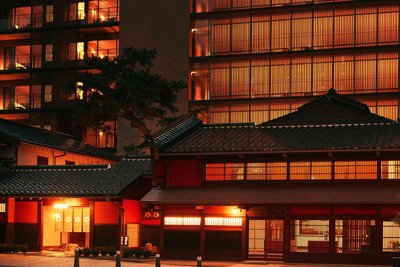
Hoshino Resorts Kai Kaga
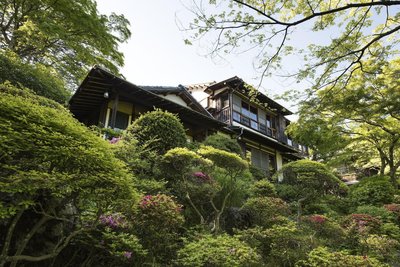
Gora Kansuiro
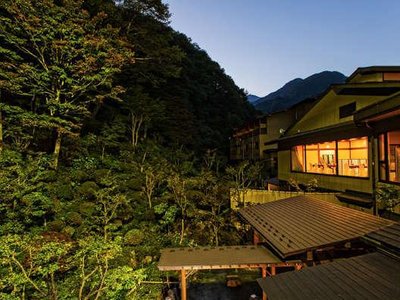
Futari Shizuka
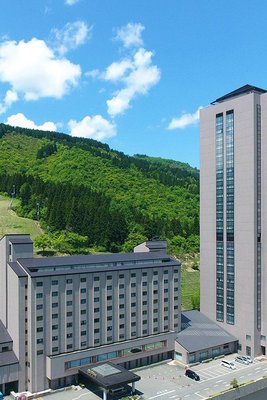
Naspa New Otani

HOTEL KANICHI
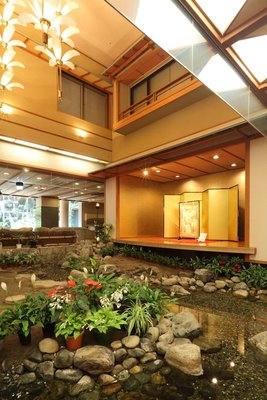
Hotel Futaba
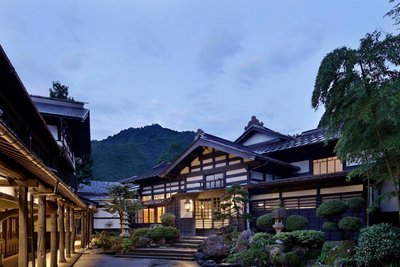
Ryugon
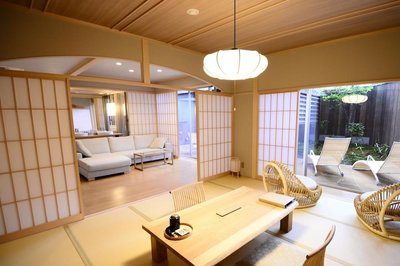
Hakone Gora Byakudan
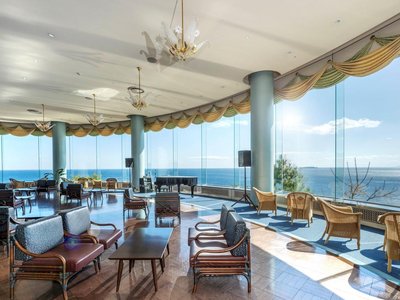
Hotel New Akao
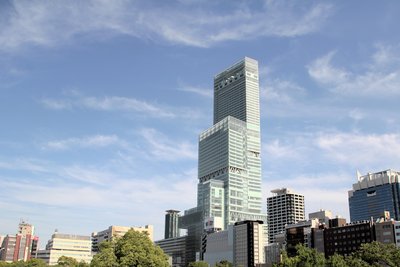
Osaka Marriott Miyako Hotel
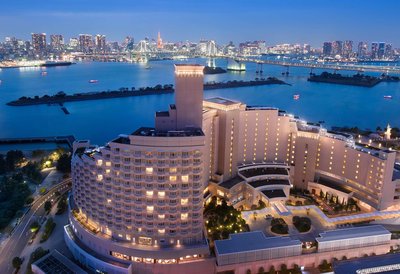
Hilton Tokyo Odaiba
JW Marriott Hotel Tokyo
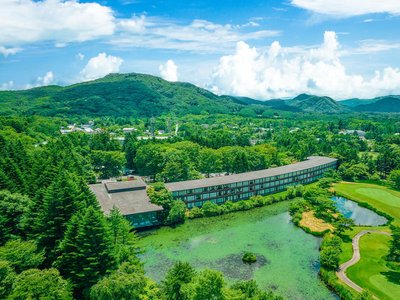
The Prince Karuizawa
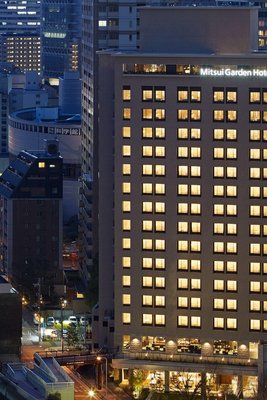
Mitsui Garden Hotel Osaka Premier
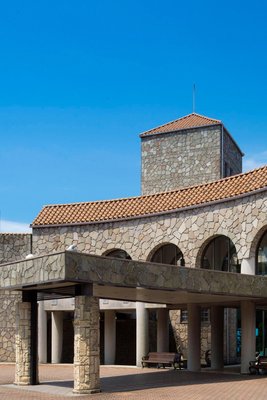
Izumigo Hotel Altia Toba
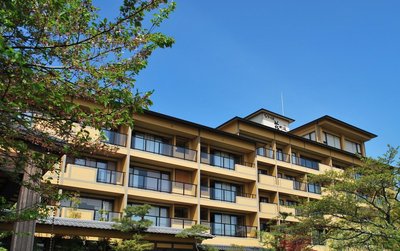
BIWAKO HANAKAIDO
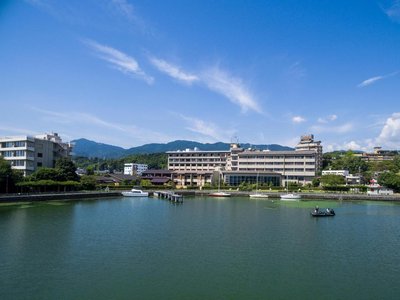
Biwako Ryokusuitei
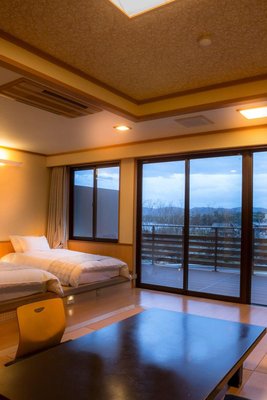
Hotel Kitanoya
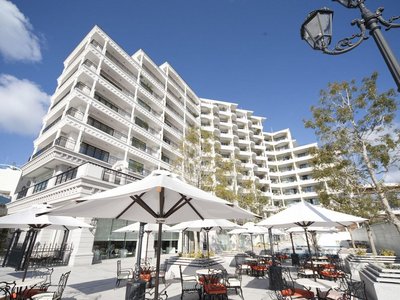
Hotel La Suite Kobe Harborland

The Kukuna
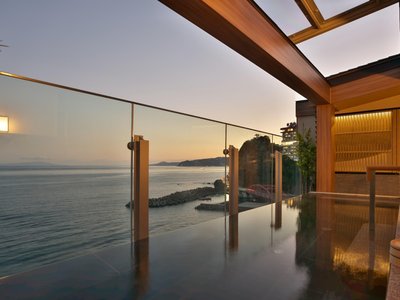
Hotel New Sagamiya
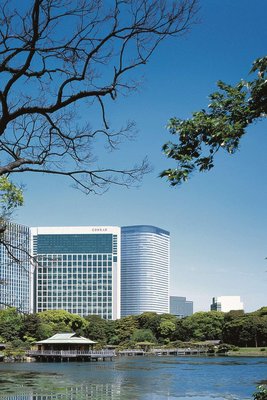
Conrad Tokyo
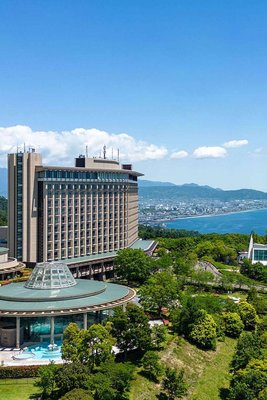
Hilton Odawara Resort & Spa
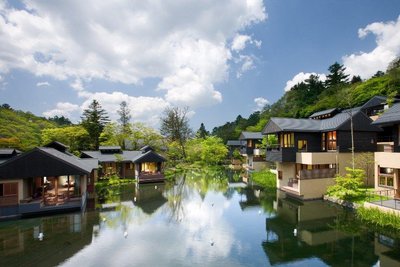
Hoshinoya Karuizawa
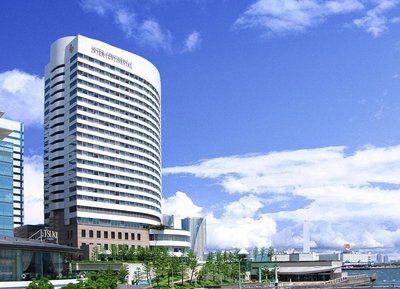
InterContinental Tokyo Bay
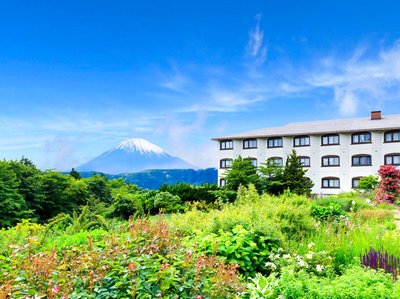
Hotel Green Plaza Hakone
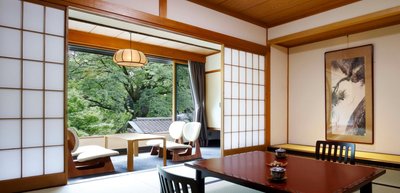
Yoshiike Ryokan
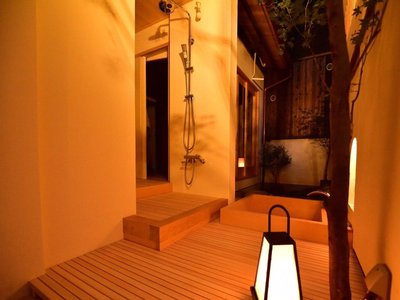
Yado Kiramachi
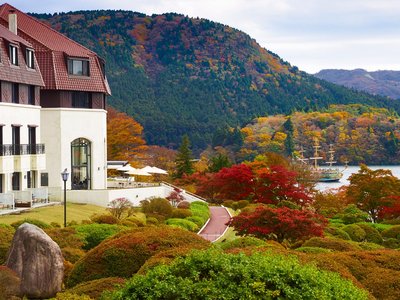
Hotakajyo
Auberge Suzukane

Onyado Nono Asakusa Bettei Hot Spring
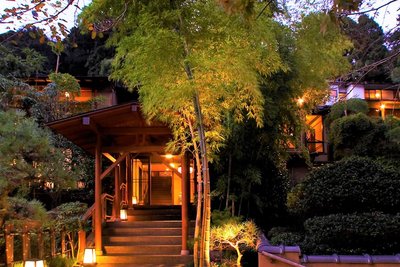
Shiki wo Ajiwau Yado Yamano Chaya
Arimasansoh Goshobessho
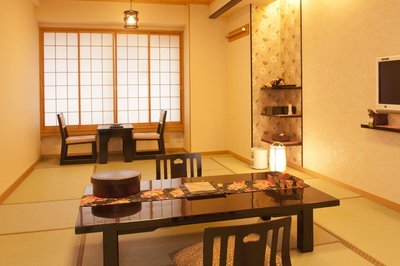
Matsui-Bekkan Hanakanzashi
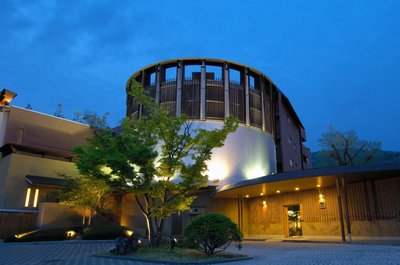
Hoshino Resorts Kai Matsumoto

Taikyourou
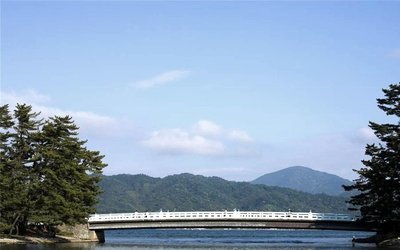
Monjusou Shourotei
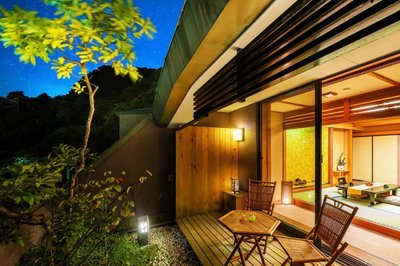
Konjakutei
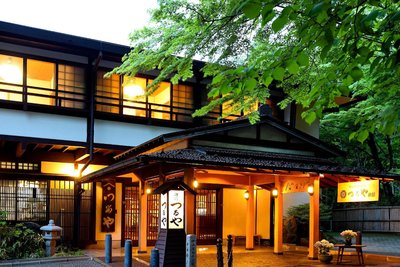
Tsuruya Ryokan
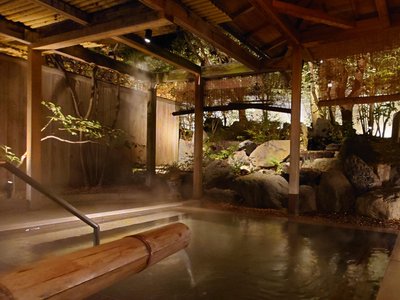
Kasuga Hotel
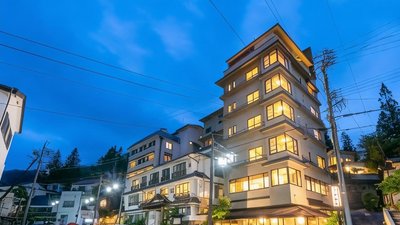
Nakamatsuya Ryokan
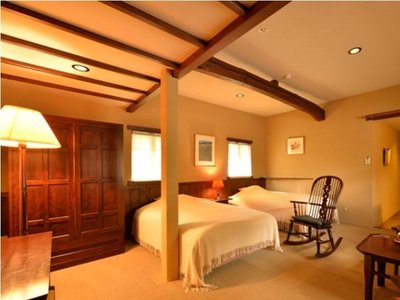
Ryokan Sugimoto
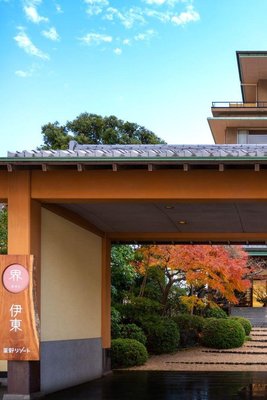
Hoshino Resorts Kai Ito
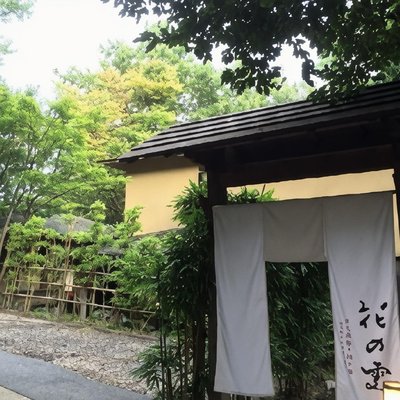
Hana No Kumo
Yoshiike Ryokan
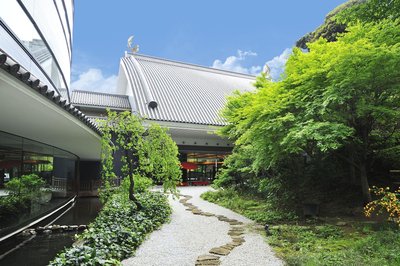
Hotel Gajoen Tokyo
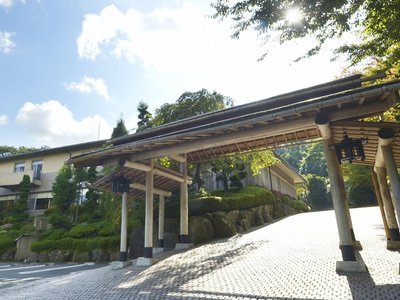
Gora Hanaougi
Bellustar Tokyo, A Pan Pacific Hotel
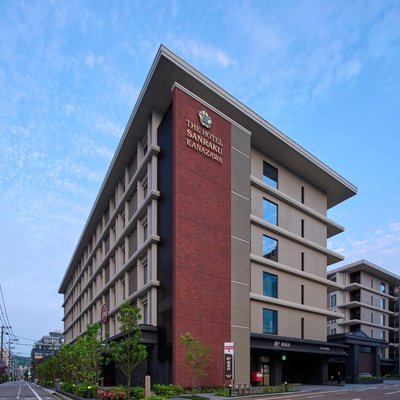
The Hotel Sanraku Kanazawa 21th December 2022 Open

22 PIECES
The Ritz-Carlton, Osaka
JW Marriott Hotel Tokyo
Andaz Tokyo Toranomon Hills- A Concept by Hyatt

The Thousand Kyoto
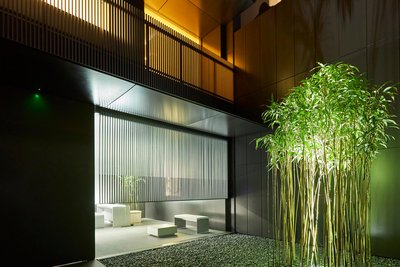
Mogana
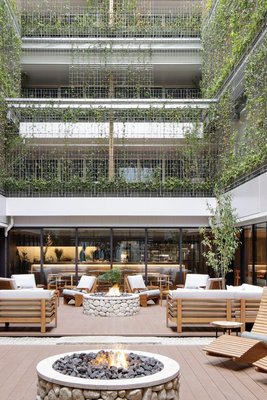
GOOD NATURE HOTEL KYOTO

The Okura Tokyo

The Lively Azabujuban Tokyo
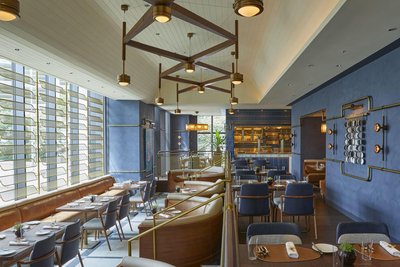
Kimpton Shinjuku Tokyo

Nol Kyoto Sanjo

HOTEL K5
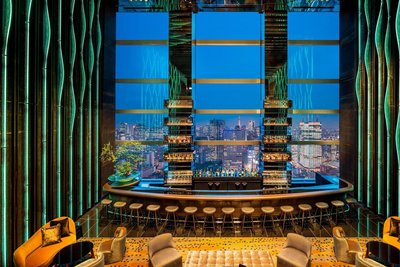
The Prince Gallery Tokyo Kioicho, a Luxury Collection Hotel

Zentis Osaka

Garrya Nijo Castle Kyoto

W Osaka

Hotel Kanra Kyoto

Aloft Osaka Dojima
Hakone Gora Byakudan
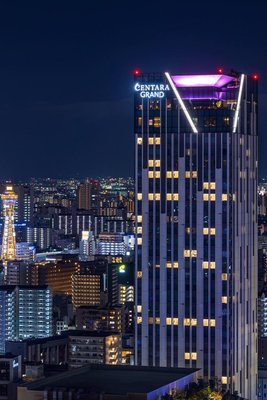
Centara Grand Hotel Osaka
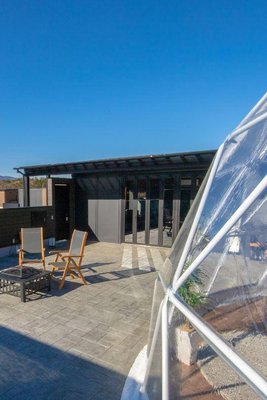
Panoramic Mt. Fuji Views from All Rooms – Vision Glamping Resort & Spa Yamanakako

voco Osaka Central
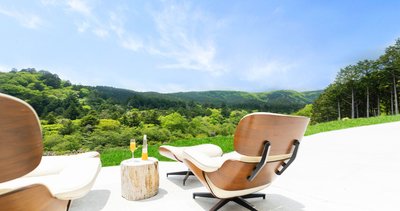
Shelter Garden Nikko
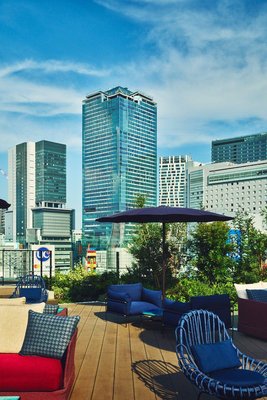
Hotel Indigo Tokyo Shibuya

TIAD, AUTOGRAPH COLLECTION

Dusit Thani Kyoto
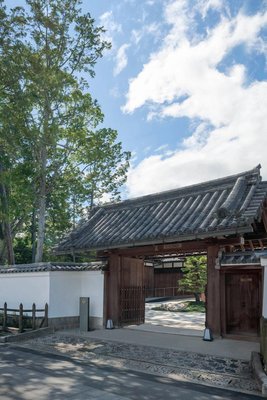
Shisui, a Luxury Collection Hotel, Nara

Hilton Kyoto
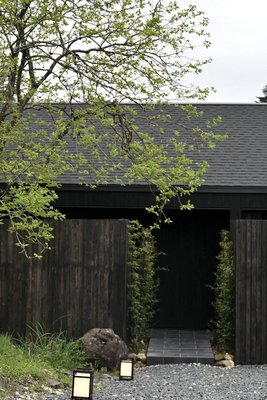
THE LAKOTAN
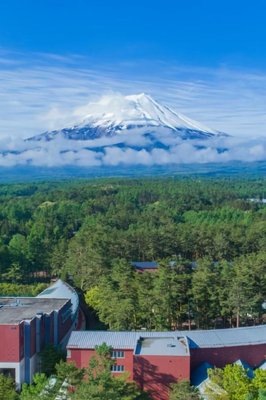
Forest Village (Fuji Premium Resort)

Hotel Toranomon Hills
Osaka Marriott Miyako Hotel

Fufu Kyu-Karuizawa Restful Forest
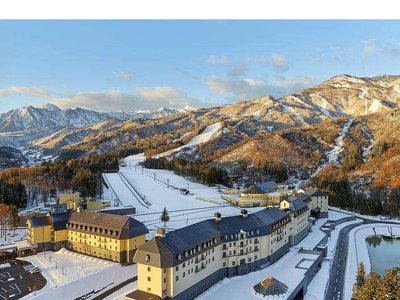
Lotte Arai Resort
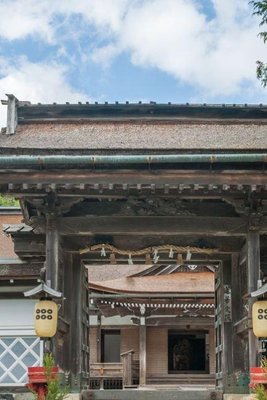
Koyasan Rengejoin
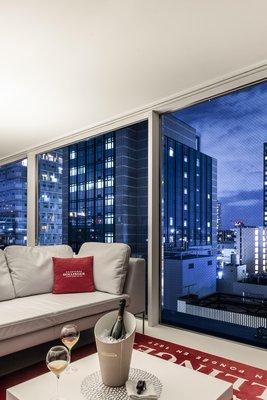
CUVÉE J2 HOTEL OSAKA by Onko Chishin

Sengokubara Cocon
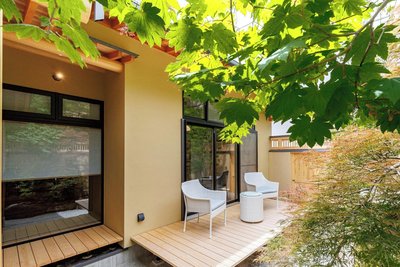
Shoraiso
Bvlgari Hotel Tokyo
Osaka Marriott Miyako Hotel
The Ritz-Carlton, Osaka
Four Seasons Hotel Tokyo at Marunouchi
Mandarin Oriental, Tokyo
The Ritz-Carlton, Tokyo
Andaz Tokyo Toranomon Hills- A Concept by Hyatt
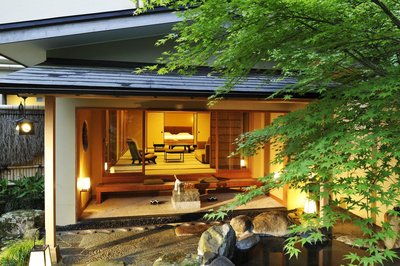
Gora Kadan
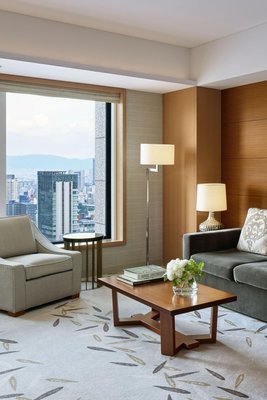
InterContinental Hotel Osaka
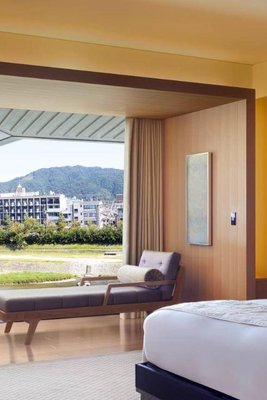
The Ritz-Carlton, Kyoto

Hotel New Otani Tokyo the Main
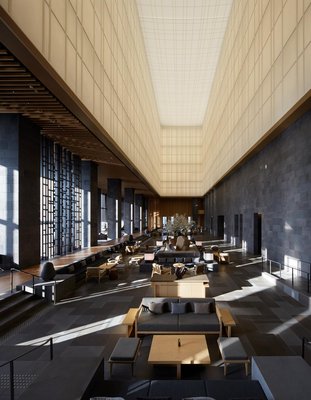
Aman Tokyo
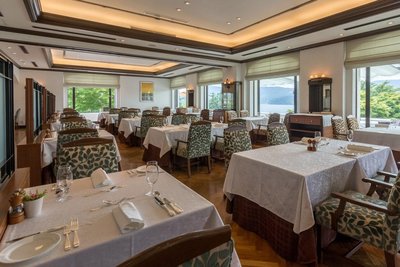
Odakyu Hotel de Yama
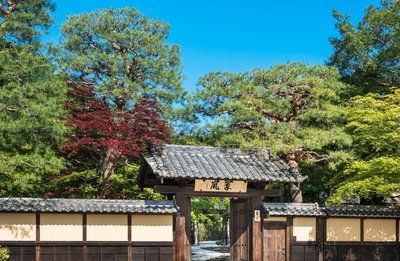
Suiran, a Luxury Collection Hotel, Kyoto
GOOD NATURE HOTEL KYOTO
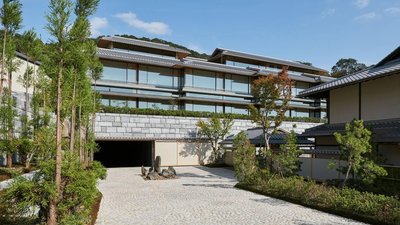
Park Hyatt Kyoto

Four Seasons Hotel Tokyo at Otemachi

The Tokyo Edition, Toranomon

Hyatt Centric Kanazawa
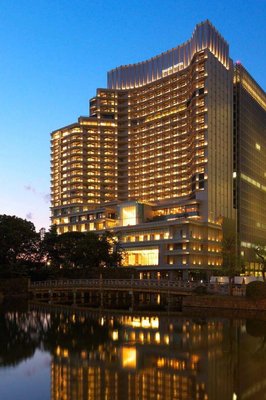
Palace Hotel Tokyo

Rakuten STAY VILLA Nasu
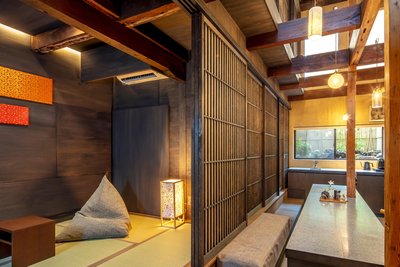
Kyo No Oozora Kihana
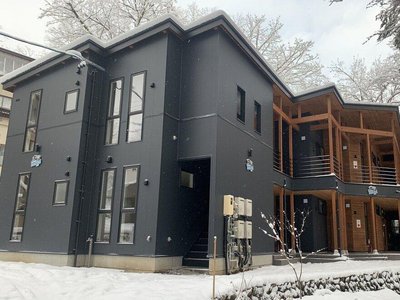
Hakuba Gondola Apartments
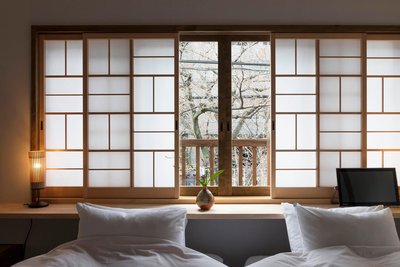
Hanagoromo Machiya House
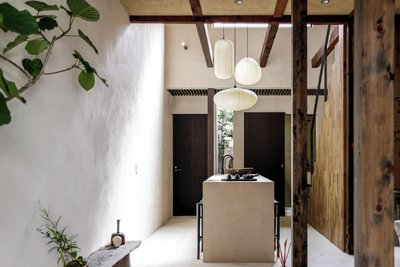
Maana Kiyomizu
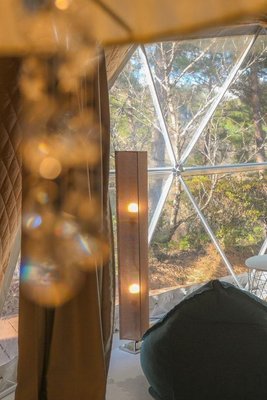
glampark Gekkabijin Nagano
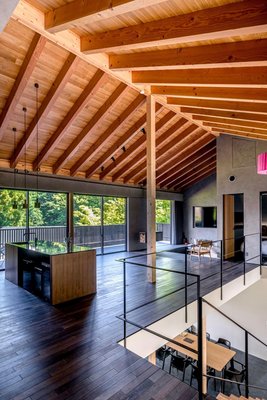
MONS GORA

Phoenix Chalets by Hhg
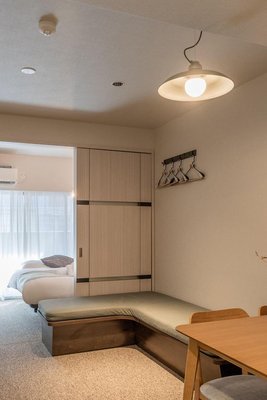
Apartment Hotel 11 Shinsaibashi
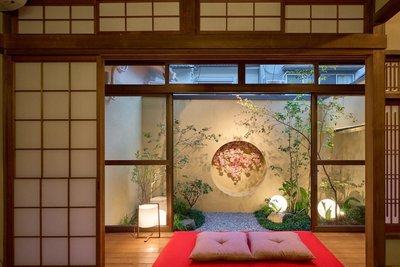
KONJAKUSO Osaka Tengachaya "NIHONCHA" Tea & Relax
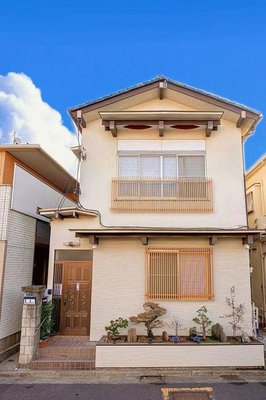
Tokyo Star House-Shinkoiwa
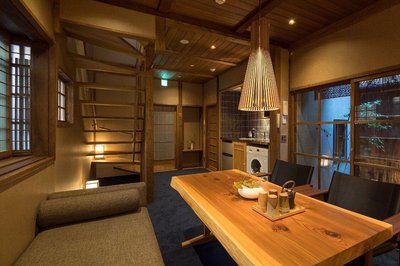
Bonbori an Machiya House
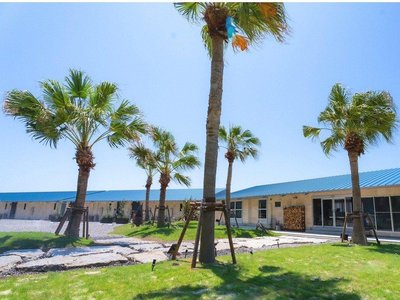
Glamping&Resort Wood Design Park Noma
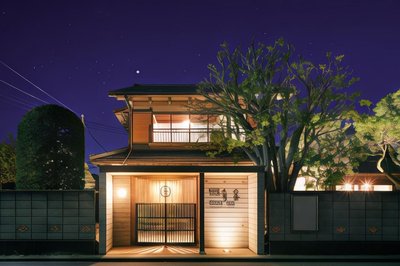
Machi-Jyu
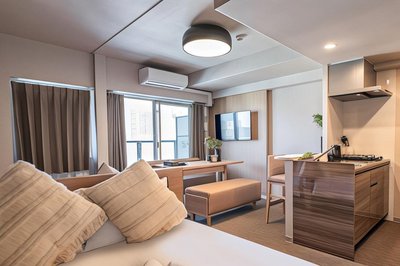
Apartment Hotel 11 Shinsaibashi III
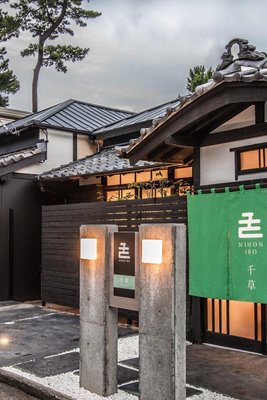
Nihon Iro
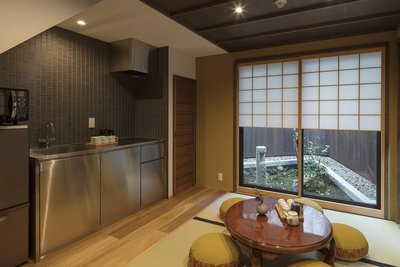
The Machiya Villa Sanjo Shirakawa Koji
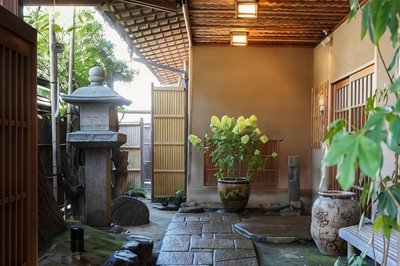
Ryokan Asadaya
Konjaku-So Dotonbori
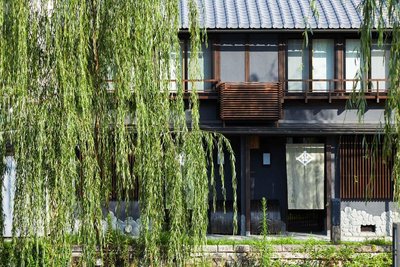
Gion Shirakawa No Yado
Bellustar Tokyo, A Pan Pacific Hotel

Hotel Barrière Fouquet's New York
Bvlgari Hotel Tokyo

Shima Kanko Hotel the Bay Suites
Loquat Nishiizu
Byaku Narai
Waldorf Astoria Osaka
Atami Izusan Karaku
Kamo Residences by Reflections
The Tokyo Edition, Ginza
Janu Tokyo
Six Senses Kyoto
Four Seasons Hotel Osaka
Patina Osaka
The Ritz-Carlton, Osaka
JW Marriott Hotel Tokyo
Arimasansoh Goshobessho
Four Seasons Hotel Tokyo at Marunouchi

The Plaza - A Fairmont Managed Hotel
Mandarin Oriental, Tokyo
Frequently Asked Questions about Traveling to Minowa
Questions You Might Need to Know About Traveling to Minowa
In Kinosaki, stay at Kinosaki Ryokan Tanuki-no-Yado, a centuries-old guesthouse housed in a restored Edo-period farmhouse. The tatami rooms feature exposed wooden beams and sliding shoji screens, offering views of the surrounding rice paddies. Guests can participate in daily rituals like morning tea ceremonies with local elders, learn to make Kinosaki-style rice crackers, and join seasonal harvest festivals. The on-site kitchen serves farm-to-table meals using ingredients from nearby organic farms, including wild mountain vegetables and freshwater fish from the Kinosaki River. This immersive experience offers a genuine connection to Shin'etsu rural life and heritage.
The Oda District in Kinosaki is ideal for family travel, centered around Kinosaki Family Forest Park. This nature-rich zone features a 2-kilometer interactive trail with sensory stations where kids can touch tree bark, listen to bird calls, and identify local insects. The park hosts weekly "Nature Discovery Camps" led by environmental educators, teaching children about forest ecosystems through games and crafts. Nearby, Kinosaki Kids’ Farm lets families plant seeds, feed goats, and collect fresh eggs. With free shuttle buses connecting to family-friendly lodges and a nearby hot spring resort, this area ensures a safe, engaging, and relaxing escape into rural Japanese childhood joy.
Don’t miss the Kinosaki Autumn Festival, held annually in October, one of the region’s most vibrant traditions. The festival features a grand procession of mikoshi portable shrines carried through the village streets, accompanied by taiko drumming and flutes. Visitors can join the "Rice Blessing Ceremony," hanging handmade rice straw dolls at the shrine to pray for prosperity. Local vendors sell Kinosaki persimmon cakes, mountain herb pickles, and handwoven bamboo baskets. Book early to stay at a festival homestay, where you’ll help prepare costumes and lanterns, gaining firsthand insight into Shin’etsu community spirit and ancestral customs.
Stay at Kinosaki Nature Wellness Inn Shizen no Yado, nestled within a primeval cedar forest near the Kinosaki River. The eco-lodges use sustainably sourced timber and open-air balconies facing the river, allowing guests to meditate to the sound of flowing water. Daily guided "Forest Bathing" sessions teach mindful walking techniques and breathing exercises developed by Japanese forest therapy experts. Evening programs include "Stargazing Meditation" under the dark skies of the Shin’etsu region, enhanced by bioluminescent plants. Meals are prepared with organic mountain herbs and local wild mushrooms, served with Kinosaki’s own cold-pressed chestnut oil, promoting holistic well-being through nature-integrated healing practices.
Kinosaki Forest Adventure Trail is the top choice for young explorers. This 1.5-mile interactive path includes "Nature Detective Stations" where children use magnifying glasses to study insects, leaf patterns, and animal tracks. A highlight is the "Tiny Farmer’s Garden," where kids grow their own vegetables with guidance from local farmers. The trail ends at the Kinosaki Wildlife Observation Deck, where families can spot deer and owls. On weekends, the park hosts "Storytime Under the Trees," featuring live puppet shows based on local legends. With picnic areas and safe pathways, it’s a perfect blend of education, adventure, and outdoor fun.
Try Kinosaki Bamboo Weaving Workshops at the Kinosaki Craft Studio, where master artisans teach the art of crafting baskets, lamps, and storage boxes using locally harvested bamboo. The materials come from sustainable groves in the surrounding mountains, preserving ecological balance. Each session includes hands-on practice with traditional tools and techniques passed down for generations. Participants take home their creations as keepsakes. Monthly "Bamboo & Fire Night" events showcase bamboo charcoal making and lacquer painting, blending ancient craftsmanship with modern design. These experiences deepen understanding of Shin’etsu artisanal identity and sustainable living.
Must-try dishes in Kinosaki include Kinosaki Soba Noodles, made from locally grown highland buckwheat flour, served with a savory sesame sauce and mountain vegetable broth. Another highlight is the Shin’etsu Wild Mountain Herb Hot Pot, featuring seasonal greens like fiddlehead ferns and chickweed simmered in chicken stock. In spring, sample Fresh Bamboo Shoot Sushi, crafted with tender wild shoots preserved in salt and paired with vinegared rice. All ingredients are sourced directly from local farms and forests, ensuring freshness and authenticity. Some ryokans offer "Farm-to-Table Dinners," where guests dine with farmers and hear stories behind each dish, celebrating regional food culture and seasonal harmony.
Travel from Tokyo to Kinosaki takes approximately 2.5 to 3 hours via the Hokuriku Shinkansen to Nagano Station, followed by a 40-minute bus ride to Kinosaki. For convenience, private car transfers are available with scenic views along the Shin'etsu Line. Once in Kinosaki, public transportation is limited, but many lodges offer complimentary shuttle services to major attractions. Renting a bicycle or walking is ideal for exploring the compact, car-free village center. Arrive during off-peak seasons for a peaceful journey into the heart of rural Nagano prefecture.
Capture stunning shots at Kinosaki Morning Mist Wetlands, where golden fog drifts over reeds and still waters create surreal reflections—perfect for minimalist landscape photography. The Old Kinosaki Bridge Ruins, partially collapsed and draped in ivy, offer dramatic textures and historical depth. During autumn, the Kinosaki Red Leaf Pathway bursts into crimson and gold, ideal for long-exposure shots of changing foliage. At night, visit Kinosaki Shrine’s Torii Gate illuminated by soft lantern light, especially magical after rain. Bring a tripod and wide-angle lens to capture the serene beauty of Shin’etsu’s untouched countryside.
Guests at Kinosaki Community Stay Homes become part of daily village life. Experience a full day as a local: wake up with farmers to tend rice fields, assist in preparing breakfast using home-grown ingredients, and join evening tea gatherings with elders. Meals are shared family-style, often featuring recipes passed down through generations. Many homes host informal storytelling nights around a hearth, where residents share folktales of the mountains and rivers. These authentic, non-commercial interactions foster deep cultural exchange, transforming your stay into a meaningful journey into the soul of rural Japanese community living.
Minowa Overview
City Summary
Minowa Town, located in the central part of Nagano Prefecture, Japan, is a small town renowned for its stunning natural scenery and traditional culture. Known for its fresh air, majestic mountain views, and hot spring resources, it is an ideal destination for those seeking to escape urban hustle. Minowa is also one of the birthplaces of traditional Japanese crafts, especially woodworking and pottery, attracting many art enthusiasts.
Must-See Attractions
A must-visit historical site in Minowa is the Minowa Castle Ruins, which preserves remnants of a Warring States period castle, surrounded by breathtaking nature. Additionally, Minowa Hot Springs offer various therapeutic baths, perfect for relaxation. Art lovers should explore Minowa Craft Village, where local traditional crafts are displayed, and hands-on workshops are available.
Food Guide
Minowa's cuisine focuses on local agricultural products and traditional Japanese dishes. Don't miss trying Shinshu soba noodles, made from Nagano's signature buckwheat flour, known for its unique flavor. Local mountain vegetable dishes and onsen tamago (hot spring eggs) are also highly recommended.
Transportation Guide
Public transportation in Minowa primarily relies on buses and taxis. Buses from Nagano City or Matsumoto City take about 30-40 minutes to reach Minowa. Within the town, attractions are accessible by walking or renting bicycles; some hot spring inns also provide shuttle services. Checking bus schedules in advance is advised for smooth travel.
Best Time to Visit
The best times to visit Minowa are spring (April-May) and autumn (September-November), when the weather is pleasant and the scenery is stunning. Spring offers cherry blossoms, while autumn showcases vibrant foliage. Summers can be hot, and winters may bring snowfall, but hot spring experiences are uniquely enjoyable during colder months.
Travel Tips
- Respect local customs: Follow etiquette when visiting shrines or temples, such as purifying hands and mouth.
- Onsen manners: Shower before entering the hot spring, and swimsuits are not allowed.
- Waste sorting: Japan has strict waste separation rules, so adhere to guidelines.
- Language: English proficiency is limited; learn basic Japanese or use a translation app.
- Cash: Some small shops may not accept cards, so carry sufficient cash.
- Comfortable attire: Wear appropriate shoes and clothing if planning hikes or walks.
Useful Information
Language: Japanese is primary; English signage is rare. Consider a translation app. Internet: Some accommodations and public spots offer free Wi-Fi, but coverage is limited; a local SIM card may help. Payment: Cash is widely used, though some places accept cards. Medical care: Minowa has small clinics; for emergencies, hospitals in Nagano City are available. Emergency numbers: Police: 110, ambulance: 119. Travel insurance is recommended.









