Hotels in Misato
Discover your perfect stay in Misato.
Misato(Japan) Travel 2026: Cheap Flights, Hotels & Top Attractions
Popular Landmarks in Misato
Discover the most iconic attractions in Misato
Recommended Hotels in Misato
Find the perfect place to stay in Misato

Best Hotels in Misato
Discover curated hotel collections in Misato




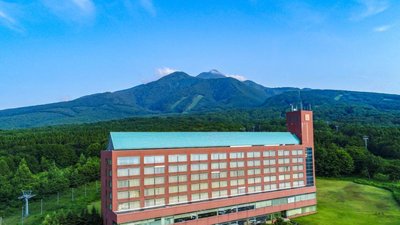
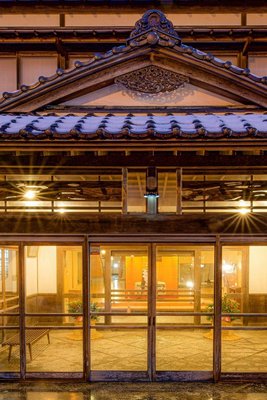
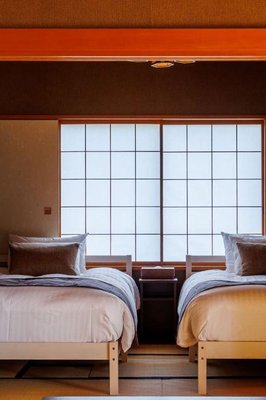

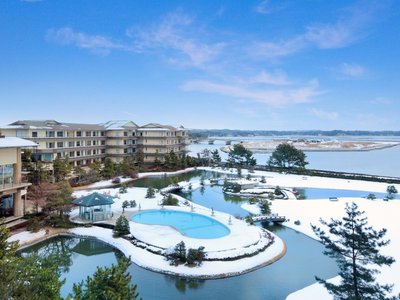





















Frequently Asked Questions about Traveling to Misato
Questions You Might Need to Know About Traveling to Misato
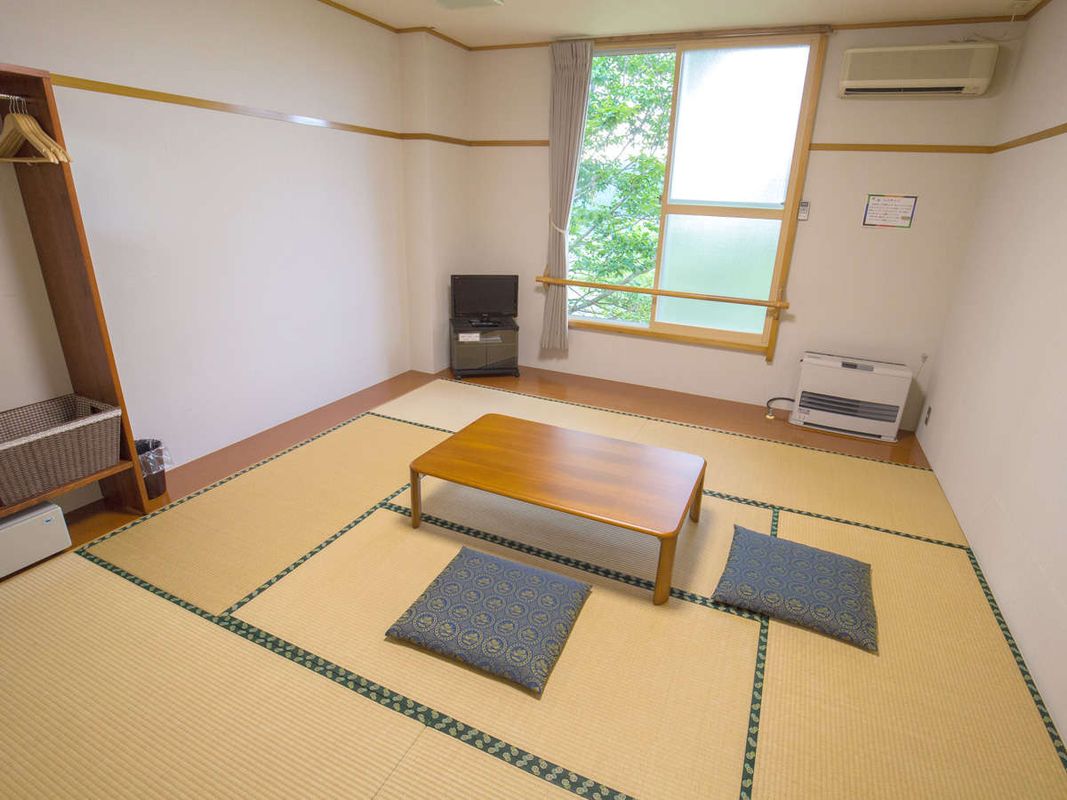
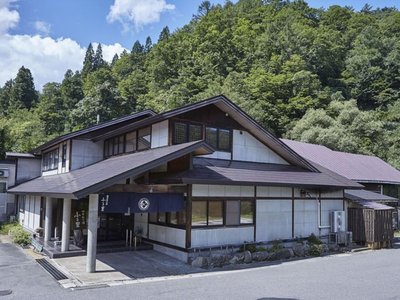
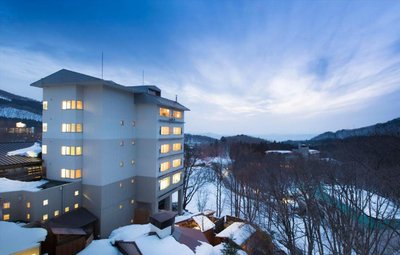
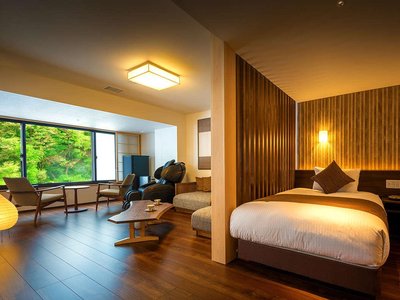
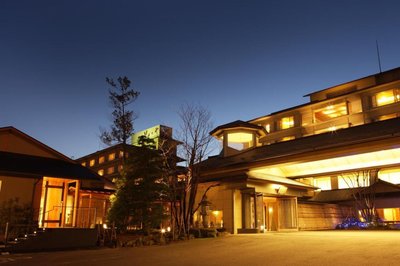
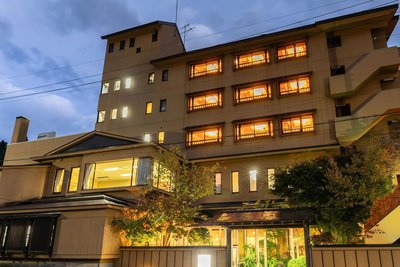
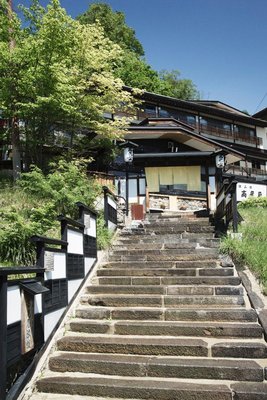
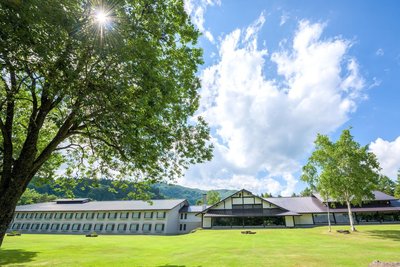
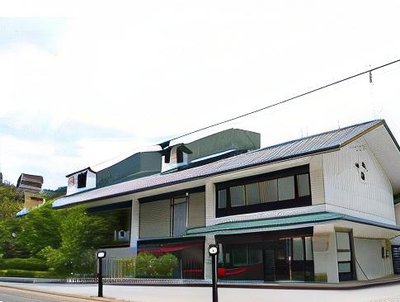
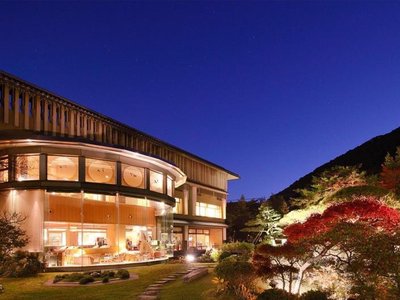
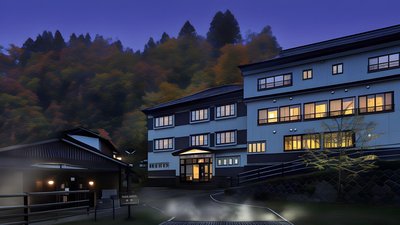
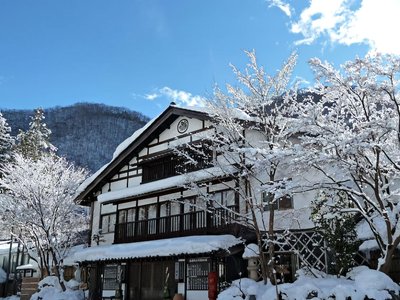
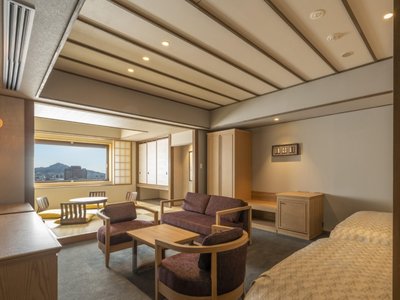
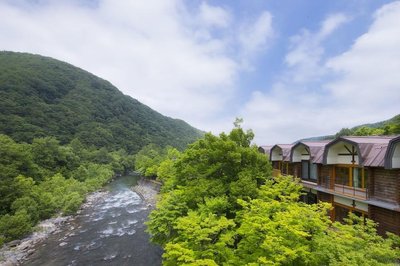
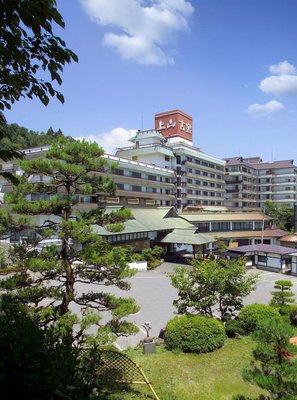
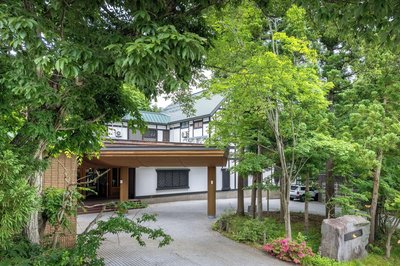
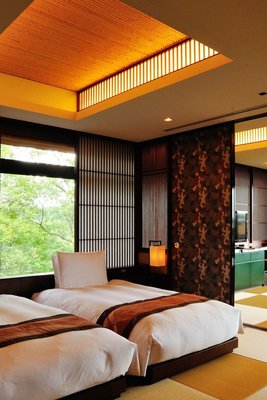
In Yumeyama Town, highly recommended is Yumeyama Onsen Kanko Inn, a charming traditional Japanese ryokan nestled beside clear streams and surrounded by lush forests. This family-oriented inn offers tatami rooms, private onsen baths, and authentic local cuisine featuring Akita rice and deer stew. Guests can easily access nearby attractions like Yumeyama Shrine and the Rice Culture Museum. Its peaceful ambiance makes it ideal for reconnecting with nature and experiencing rural Japan at its most serene.
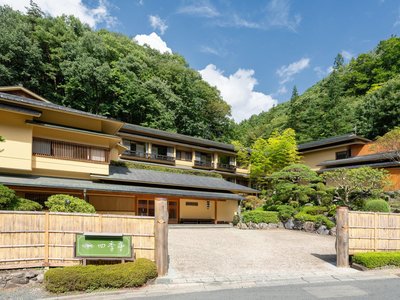
The central district of Yumeyama Town is the optimal choice for lodging, offering proximity to key transportation hubs and top sights. This area hosts several well-rated guesthouses and onsen inns, such as Yumeyama Koyu, making it easy to reach destinations like the Yumeyama River Trail, Akita Dog Protection Park, and Odate Park. The neighborhood remains quiet at night, perfect for stargazing and enjoying the tranquil rhythm of country life, especially during sunrise over golden rice fields.
Visitors should try the traditional rice farming workshop, where you can participate in planting and harvesting rice under local guidance, gaining insight into Akita’s deep-rooted agricultural heritage. Another highlight is visiting the Akita Dog Home, where you can interact with loyal Akita dogs and learn about their history. Don’t miss the annual Yumeyama Festival, which features spiritual rituals, folk music, and vibrant local performances—offering a genuine taste of regional tradition.
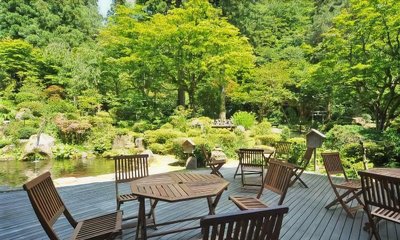
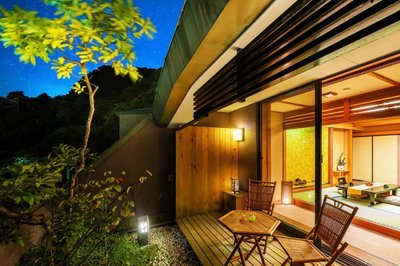
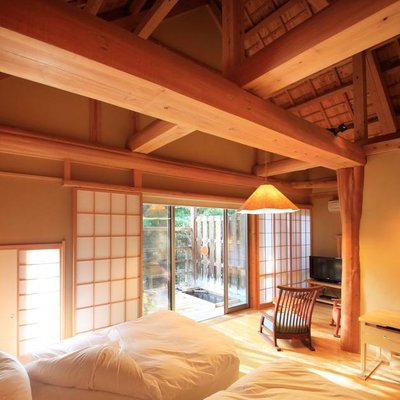
Yes! Yumeyama Onsen Kanko Inn stands out as the premier onsen hotel in town. Its natural hot spring water comes from underground mineral sources rich in calcium and magnesium, known for skin benefits. Both indoor and outdoor baths are set amidst forest scenery, with some rooms featuring private open-air baths overlooking mountains and rivers. Ideal for relaxation, this experience blends comfort, nature, and wellness in one unforgettable stay.
Absolutely. Yumeyama Town offers stunning photo opportunities year-round—especially in spring with emerald rice paddies and autumn with golden harvest fields. Early mornings or late afternoons along the Yumeyama River Trail provide ideal lighting for capturing pastoral landscapes. The red torii gate at Yumeyama Shrine, framed by ancient trees, creates a powerful composition. For candid moments, join farmers during harvest season to photograph authentic rural life in action.
Must-try dishes include Akita-grown Koshihikari rice, known for its sweet, soft texture; paired with locally prepared deer stew, tender and flavorful. Another highlight is handmade soba noodles crafted from regionally milled buckwheat, served with a rich, wood-fired broth. Don’t forget to sample fermented mountain vegetables and persimmon cakes—ideal souvenirs that reflect the town’s culinary soul.
While remote, transportation has improved significantly. Buses from Akita Station take about 1 hour to reach Yumeyama Town Center, with regular departures. Free shuttle services connect major sites like Yumeyama Shrine and Akita Dog Protection Park. For self-drivers, follow Route 28 in Akita Prefecture off the Tohoku Expressway—scenic and smooth. HopeGoo transport in advance is advised, especially during peak seasons.
Accommodations in Yumeyama Town are very affordable. Standard guesthouses start at ¥6,000–¥12,000 JPY per night, including breakfast and onsen access. Premium inns like Yumeyama Onsen Kanko Inn, with dinner and multiple onsen visits, range from ¥15,000 to ¥20,000 JPY. Vacation rentals offer even lower rates, starting around ¥5,000 JPY, making it an excellent value for travelers seeking immersive, low-budget stays.
Extremely! Yumeyama Town is a paradise for children, with safe, open spaces and enriching activities. Kids can join rice planting workshops, interact with friendly Akita dogs, and explore small nature trails. Local events include storytime sessions and pottery classes designed for young visitors. The town also features child-friendly rest areas and libraries, ensuring a fun, educational, and stress-free experience for families.
Nighttime offers magical experiences. Join the starlight tour in the dark-sky zone, where you can view the Milky Way and meteor showers—especially during the summer Yumeyama Star Festival. Many inns host traditional tea ceremonies and taiko drum performances by the hearth. For a quiet moment, sip green tea on a porch while listening to crickets and flowing river sounds—a perfect way to unwind under the stars.
Misato Overview
City Summary
Miyako Town, located in Akita Prefecture, Japan, is a serene rural town renowned for its rice paddies and traditional culture. Known as the "Rice Country," it offers vast fields and fresh air, making it an ideal escape from urban life. The town preserves rich folk traditions, including festivals and handicrafts, allowing visitors to immerse in authentic Japanese countryside charm.
Must-See Attractions
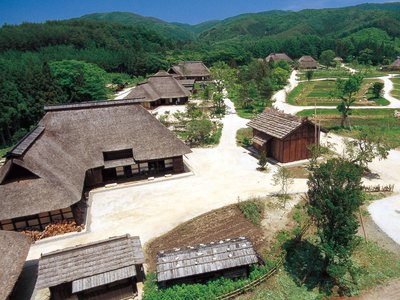
Must-see attractions in Miyako Town include the scenic rice fields, especially during summer greenery and autumn harvest. The Miyako Folk Museum showcases local history and crafts like weaving and woodwork. Visiting during festival seasons, such as the Inari Festival, offers a glimpse into vibrant rural traditions.
Food Guide
Miyako's cuisine centers on locally grown rice. Try rice balls and traditional miso soup made with Akita rice. Farm restaurants serve fresh organic vegetables and specialties like Akita Hinai-jidori chicken. Desserts like rice mochi are also recommended, offering a sweet, delicate flavor.
Transportation Guide
Public transport in Miyako relies mainly on buses from Akita City or Omagari Station (1-2 hours). Renting a bicycle is ideal for exploring the countryside. Driving is another option, with well-marked roads. Since rural buses are infrequent, check schedules in advance.
Best Time to Visit
The best times to visit are summer (June-August) and autumn (September-October), when rice fields are lush or golden. Winters (December-February) offer snowy scenery but limited transport.
Travel Tips
- Respect local customs: Follow guidelines during festivals.
- Eco-conscious: Strict waste sorting is enforced.
- Wear comfortable shoes: Many paths are unpaved.
- Book ahead: Some farm restaurants require reservations.
- Carry cash: Credit cards are less accepted.
- Bug repellent: Summer brings mosquitoes in fields.
Useful Information
Japanese is the primary language; English is limited—consider a translation app. Mobile coverage is decent but spotty in remote areas; download maps offline. Cash is preferred, though some shops accept cards. Emergency facilities are sparse; the nearest hospital is in a neighboring city, so bring basic medications. Locals are friendly, but politeness and patience are key.









