Hotels in Mitake
Discover your perfect stay in Mitake.
Mitake(Japan) Travel 2026: Cheap Flights, Hotels & Top Attractions
Popular Landmarks in Mitake
Discover the most iconic attractions in Mitake
Best Hotels in Mitake
Discover curated hotel collections in Mitake
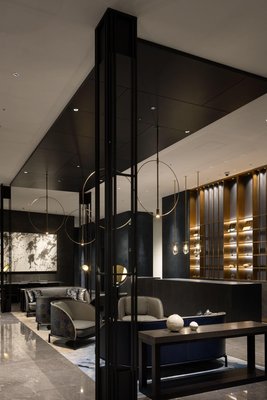
Bellustar Tokyo, A Pan Pacific Hotel
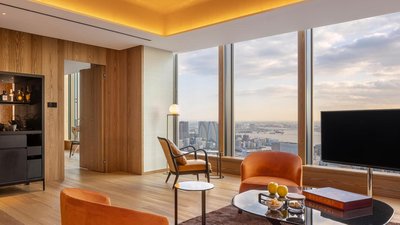
Bvlgari Hotel Tokyo
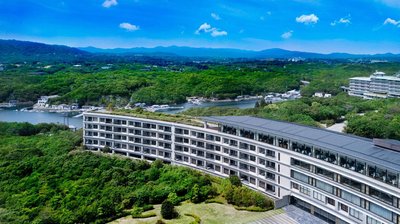
Shima Kanko Hotel the Bay Suites
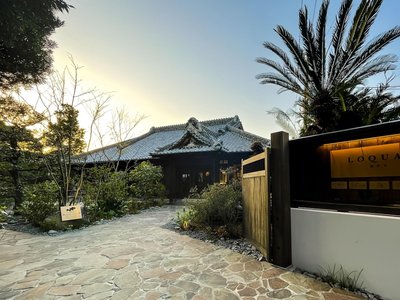
Loquat Nishiizu
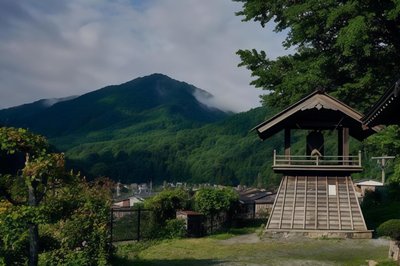
Byaku Narai
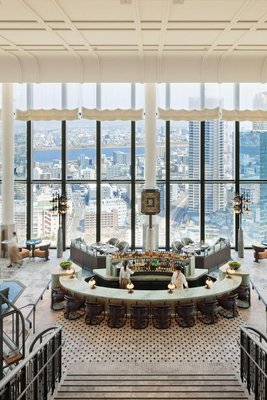
Waldorf Astoria Osaka
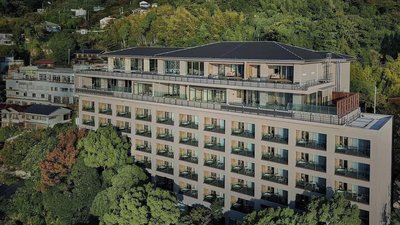
Atami Izusan Karaku
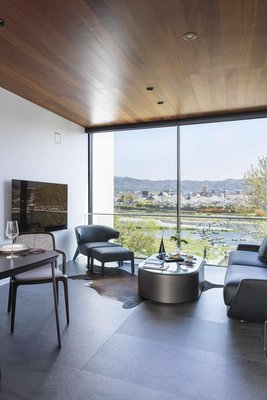
Kamo Residences by Reflections
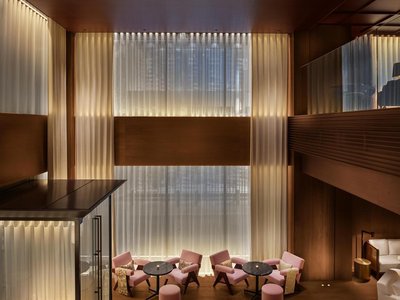
The Tokyo Edition, Ginza
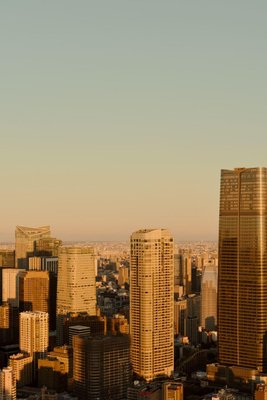
Janu Tokyo
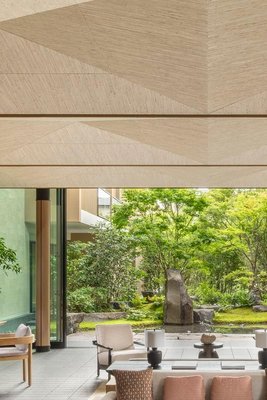
Six Senses Kyoto
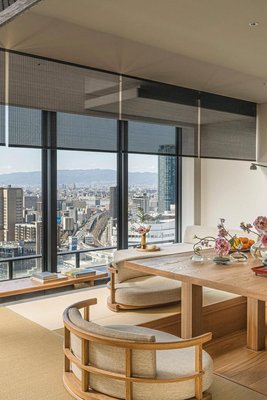
Four Seasons Hotel Osaka
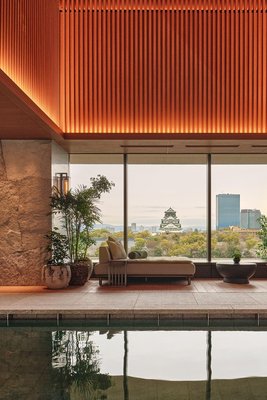
Patina Osaka

The Ritz-Carlton, Osaka
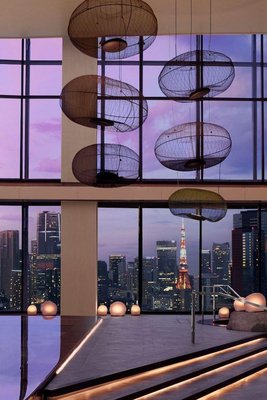
JW Marriott Hotel Tokyo
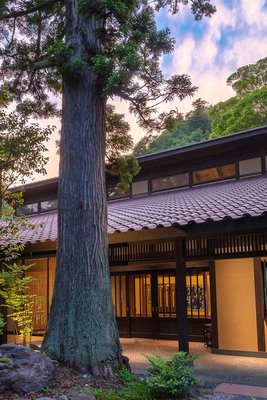
Arimasansoh Goshobessho
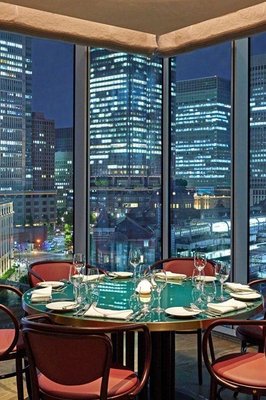
Four Seasons Hotel Tokyo at Marunouchi

Mandarin Oriental, Tokyo
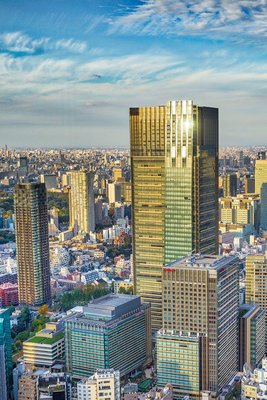
The Ritz-Carlton, Tokyo
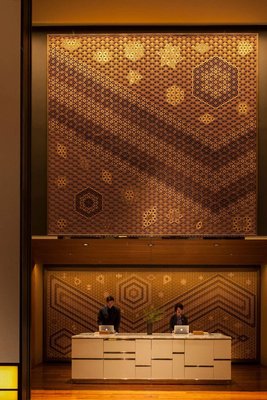
Andaz Tokyo Toranomon Hills- A Concept by Hyatt

Toba International Hotel Shiojitei
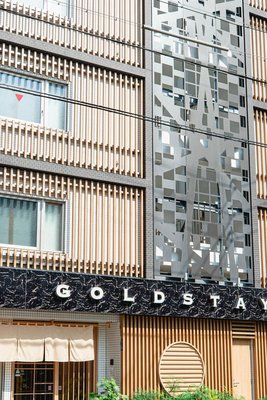
Gold Stay Nagoya OSU
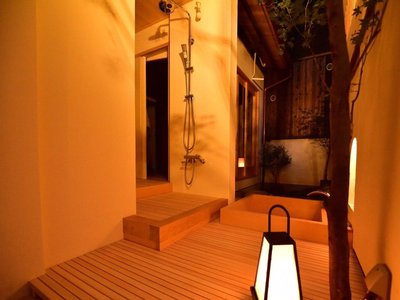
Yado Kiramachi
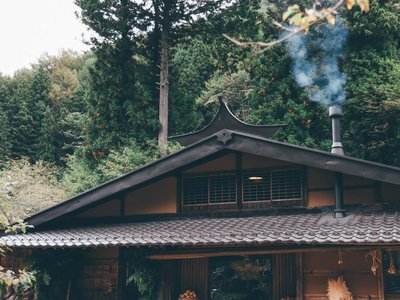
La Terra Resort
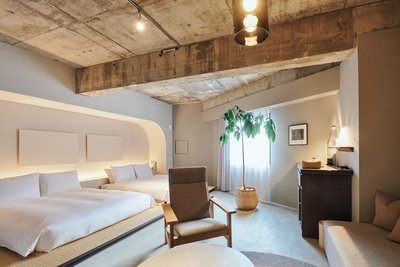
Korinkyo

GOLD STAY Nagoya Sakae
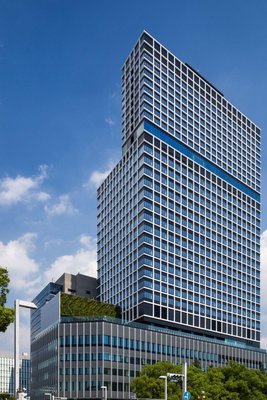
The Royal Park Hotel Iconic Nagoya
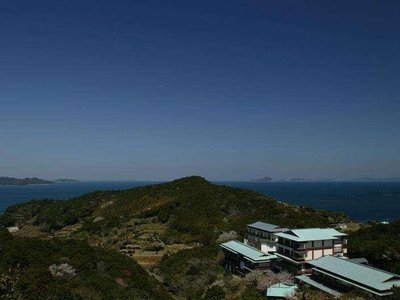
Hanashinsui
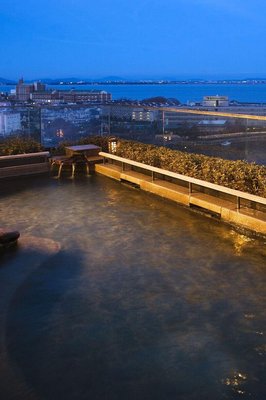
Yumotokan
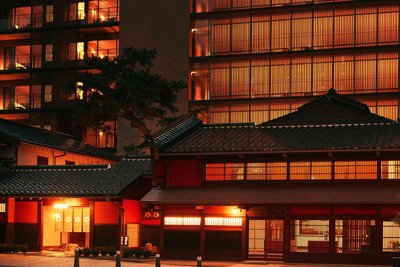
Hoshino Resorts Kai Kaga
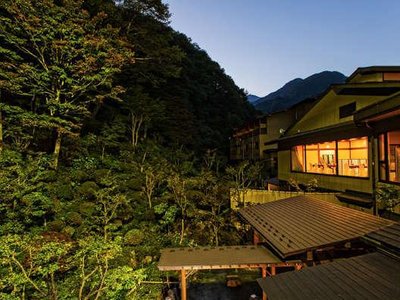
Futari Shizuka
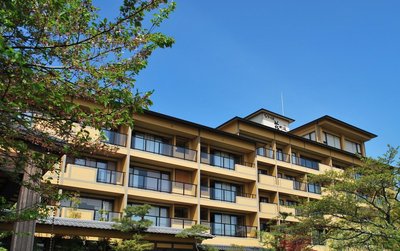
BIWAKO HANAKAIDO
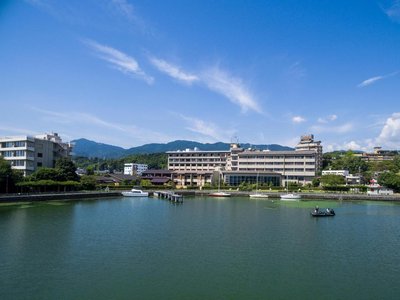
Biwako Ryokusuitei
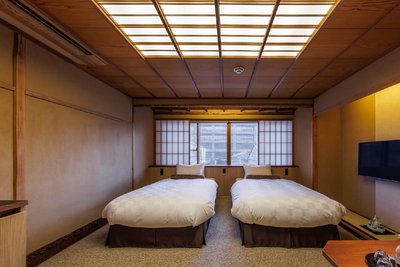
Kyoto Ryokan Sakanoue
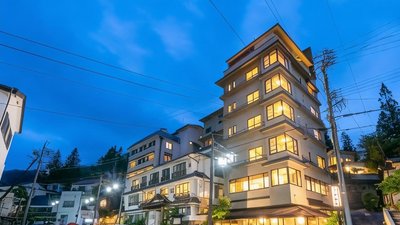
Nakamatsuya Ryokan
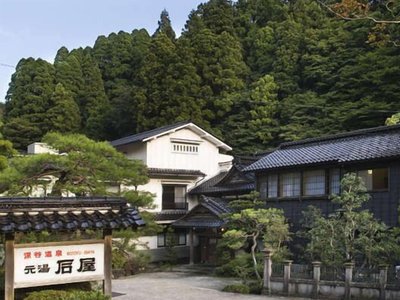
Motoyu Ishiya
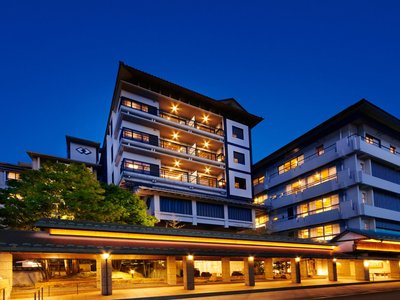
Yunokuni Tensyo
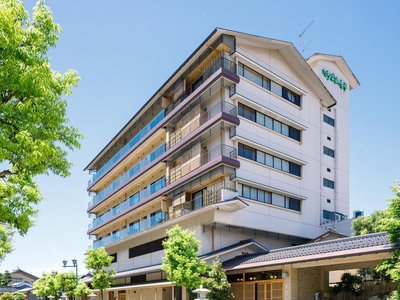
Tachibana Shikitei
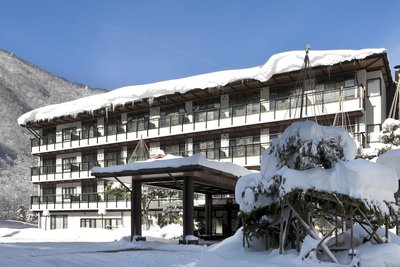
Okada Ryokan Warakutei
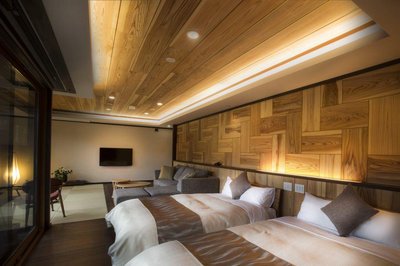
Hidatei Hanaougi
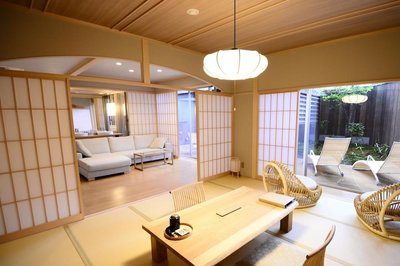
Hakone Gora Byakudan
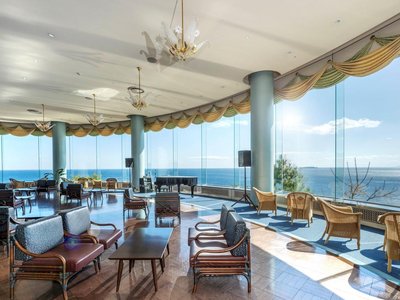
Hotel New Akao
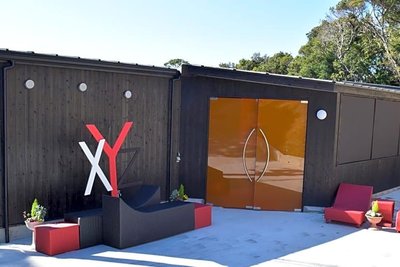
XYZ Private Spa and Seaside Resort
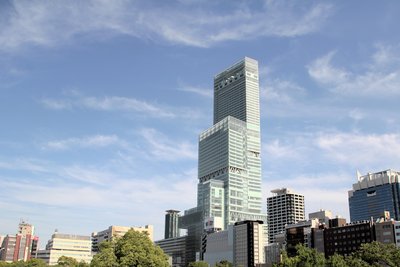
Osaka Marriott Miyako Hotel
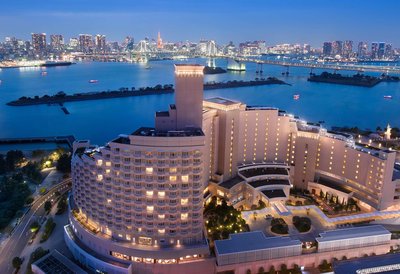
Hilton Tokyo Odaiba
JW Marriott Hotel Tokyo
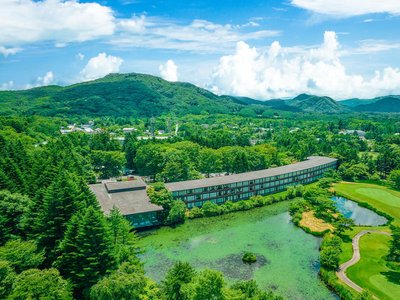
The Prince Karuizawa
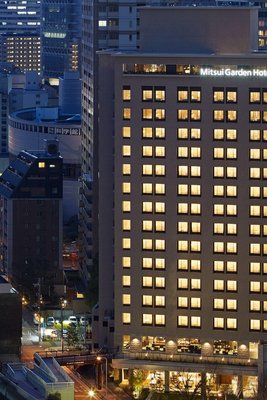
Mitsui Garden Hotel Osaka Premier
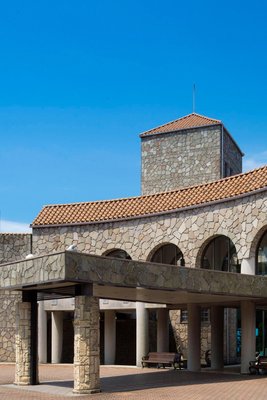
Izumigo Hotel Altia Toba
BIWAKO HANAKAIDO
Biwako Ryokusuitei
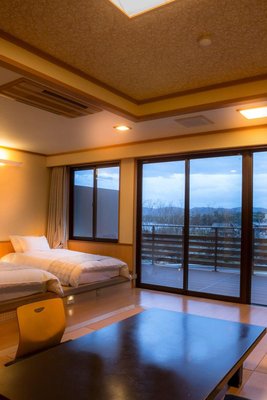
Hotel Kitanoya
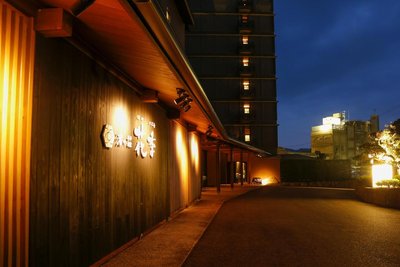
Hanagoyomi
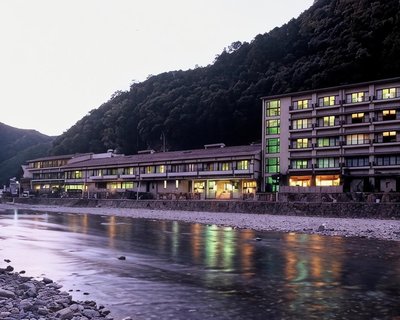
Kawayu Onsen Fujiya
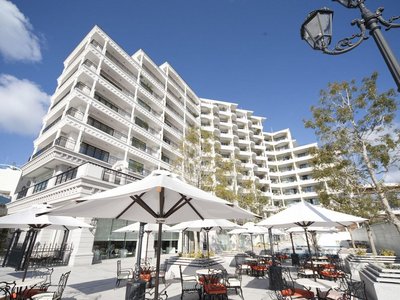
Hotel La Suite Kobe Harborland
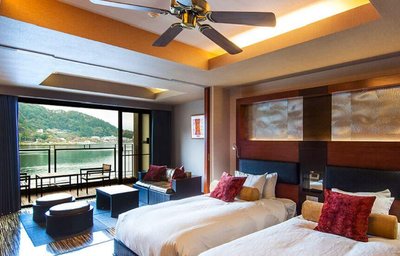
The Kukuna
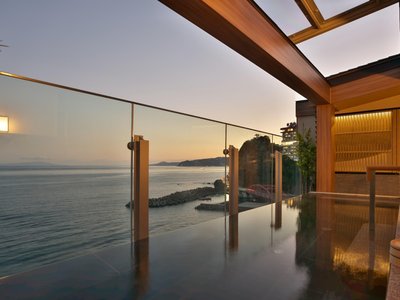
Hotel New Sagamiya
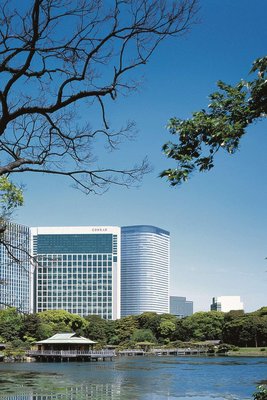
Conrad Tokyo
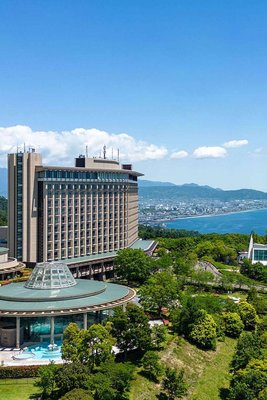
Hilton Odawara Resort & Spa
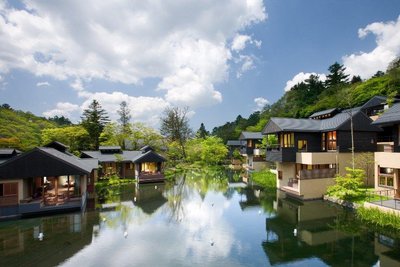
Hoshinoya Karuizawa
Yado Kiramachi
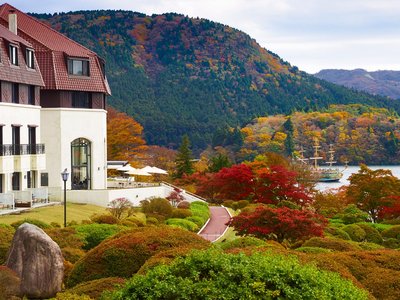
Hotakajyo
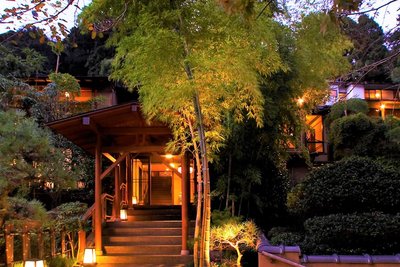
Shiki wo Ajiwau Yado Yamano Chaya
Arimasansoh Goshobessho
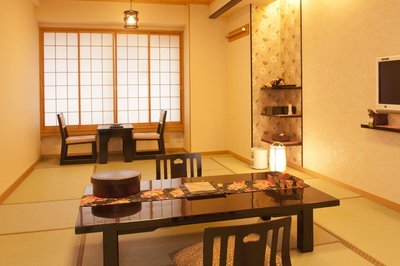
Matsui-Bekkan Hanakanzashi
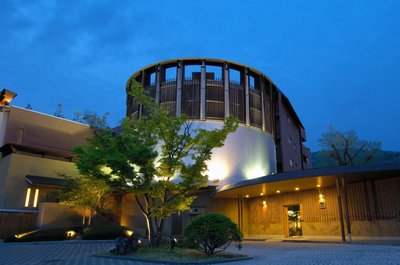
Hoshino Resorts Kai Matsumoto

Taikyourou
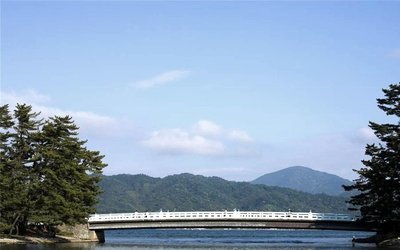
Monjusou Shourotei
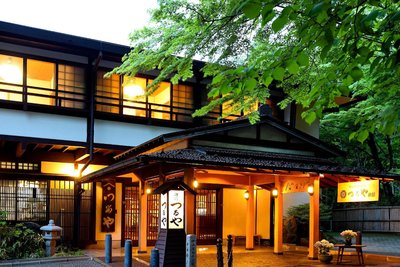
Tsuruya Ryokan
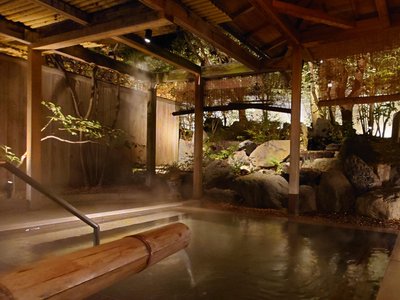
Kasuga Hotel
Nakamatsuya Ryokan
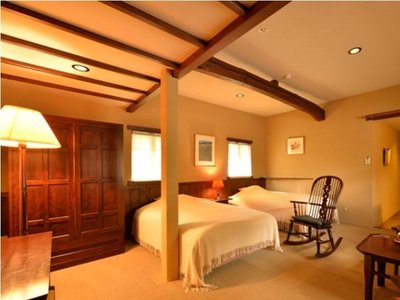
Ryokan Sugimoto
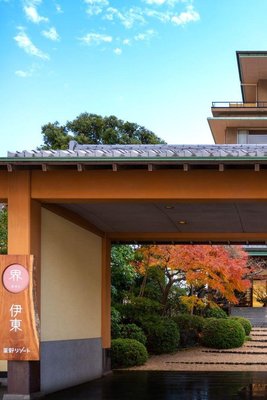
Hoshino Resorts Kai Ito
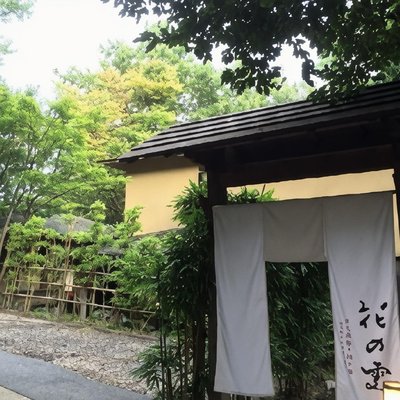
Hana No Kumo
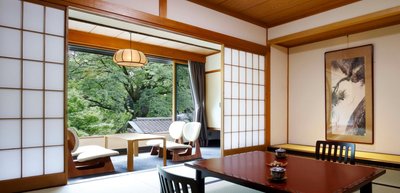
Yoshiike Ryokan
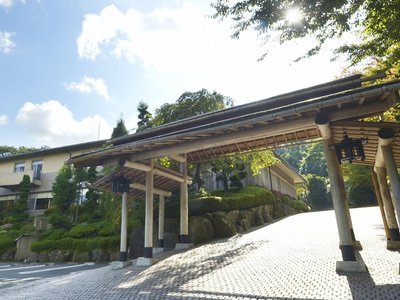
Gora Hanaougi
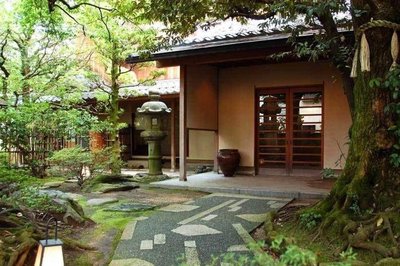
Kocho
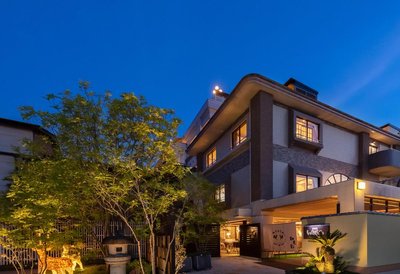
Hotel New Wakasa
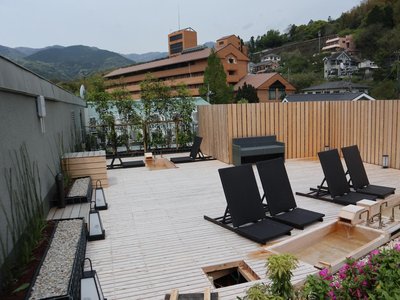
Fukiya Ryokan
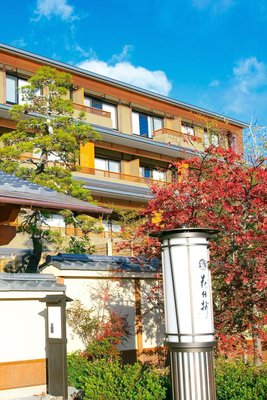
Kyoto Arashiyama Onsen Kadensho (Kyoritsu Resort)
Hakone Gora Byakudan
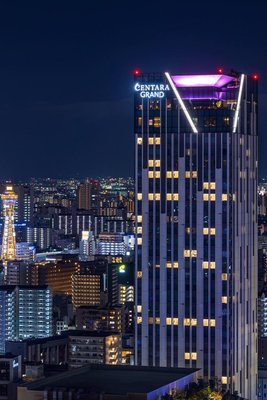
Centara Grand Hotel Osaka
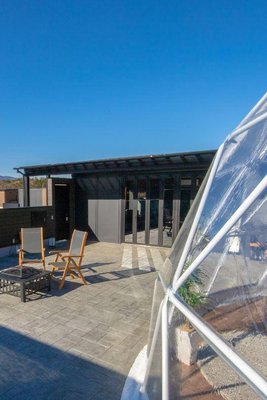
Panoramic Mt. Fuji Views from All Rooms – Vision Glamping Resort & Spa Yamanakako
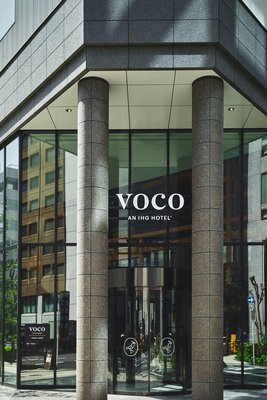
voco Osaka Central
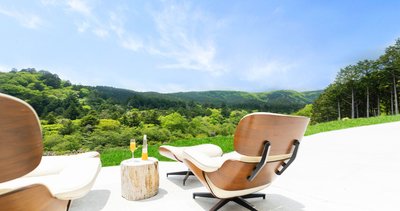
Shelter Garden Nikko
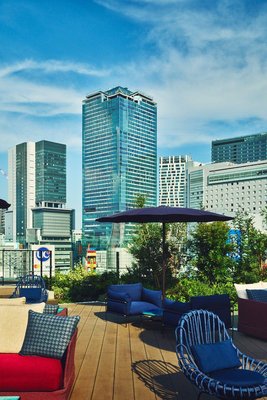
Hotel Indigo Tokyo Shibuya

TIAD, AUTOGRAPH COLLECTION
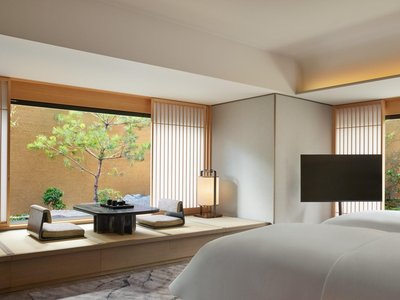
Dusit Thani Kyoto
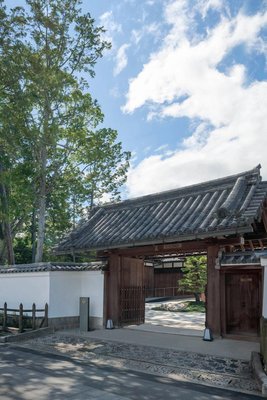
Shisui, a Luxury Collection Hotel, Nara

Hilton Kyoto
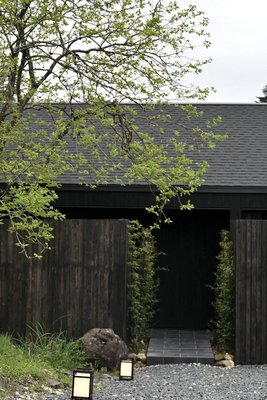
THE LAKOTAN
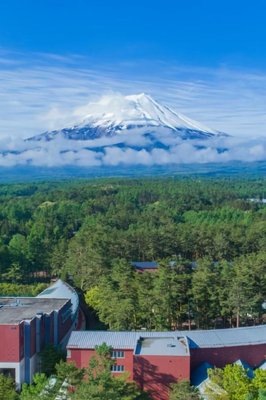
Forest Village (Fuji Premium Resort)
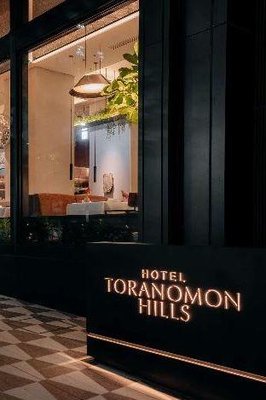
Hotel Toranomon Hills
Osaka Marriott Miyako Hotel
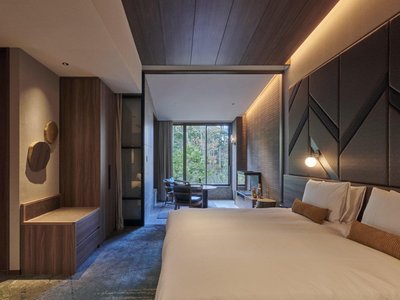
Fufu Kyu-Karuizawa Restful Forest
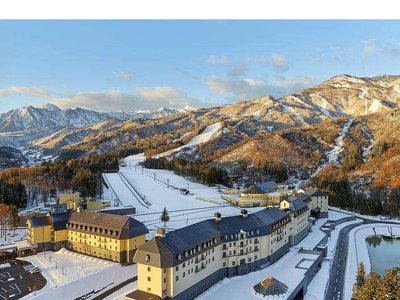
Lotte Arai Resort
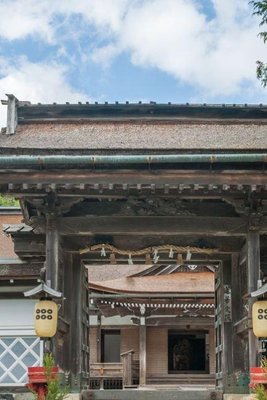
Koyasan Rengejoin
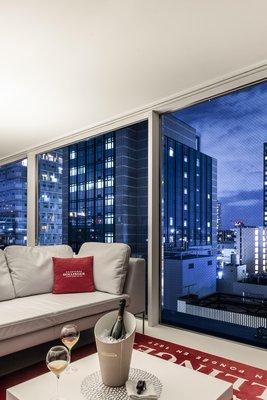
CUVÉE J2 HOTEL OSAKA by Onko Chishin
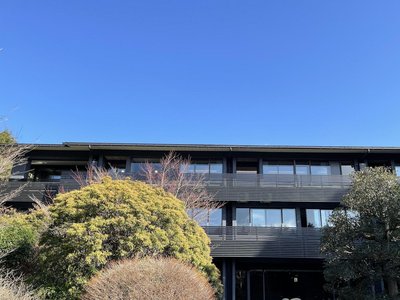
Sengokubara Cocon
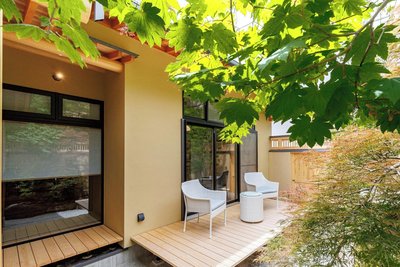
Shoraiso
Bvlgari Hotel Tokyo
Osaka Marriott Miyako Hotel
The Ritz-Carlton, Osaka
Four Seasons Hotel Tokyo at Marunouchi
Mandarin Oriental, Tokyo
The Ritz-Carlton, Tokyo
Andaz Tokyo Toranomon Hills- A Concept by Hyatt
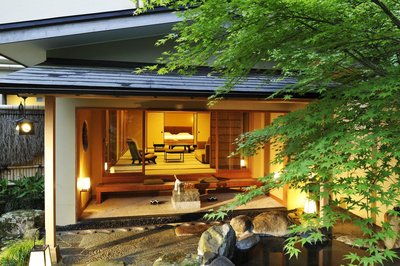
Gora Kadan
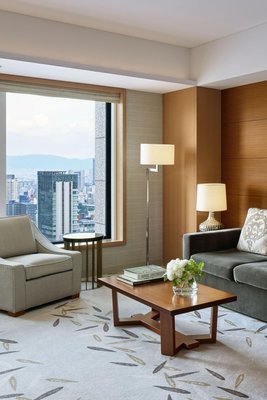
InterContinental Hotel Osaka
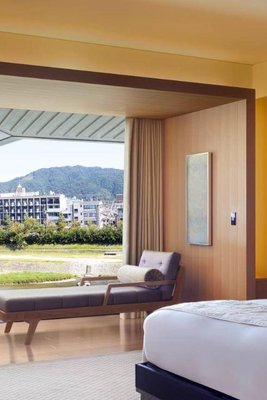
The Ritz-Carlton, Kyoto

Hotel New Otani Tokyo the Main
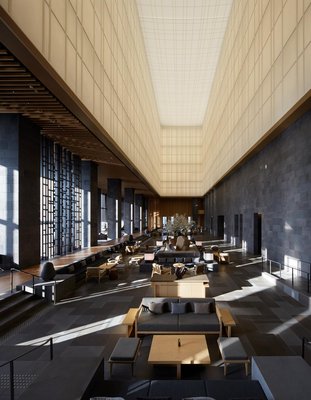
Aman Tokyo
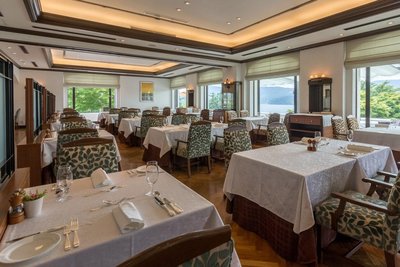
Odakyu Hotel de Yama
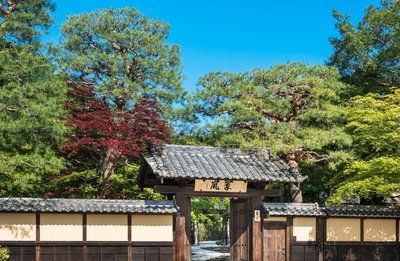
Suiran, a Luxury Collection Hotel, Kyoto
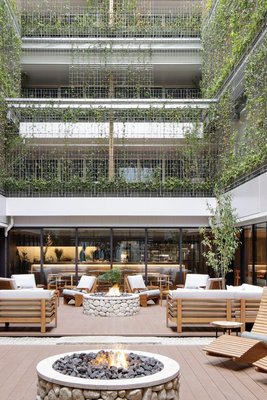
GOOD NATURE HOTEL KYOTO
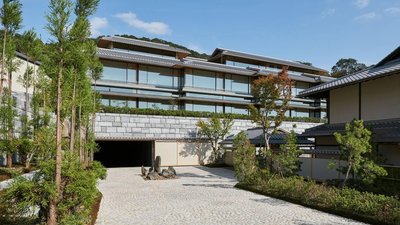
Park Hyatt Kyoto
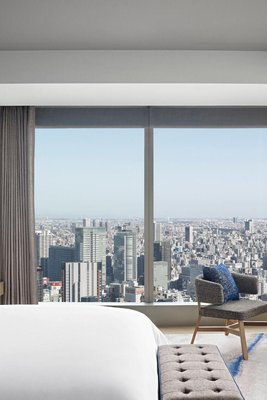
Four Seasons Hotel Tokyo at Otemachi
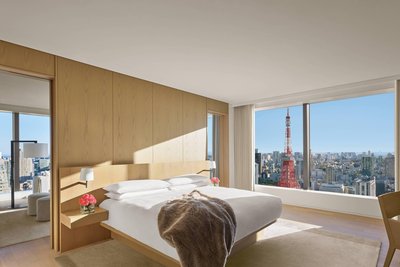
The Tokyo Edition, Toranomon

Hyatt Centric Kanazawa
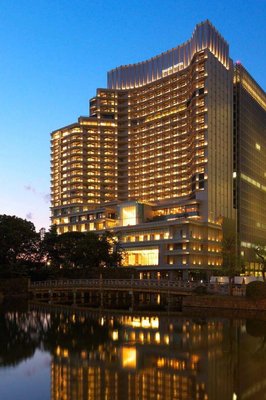
Palace Hotel Tokyo
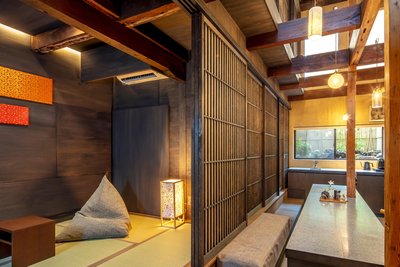
Kyo No Oozora Kihana
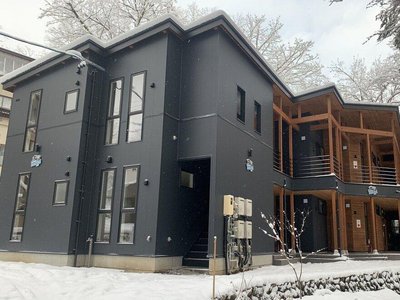
Hakuba Gondola Apartments
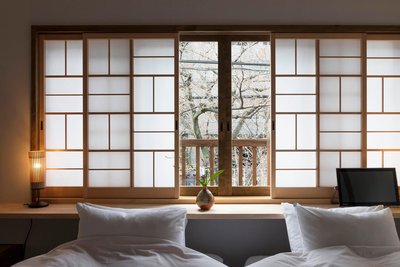
Hanagoromo Machiya House
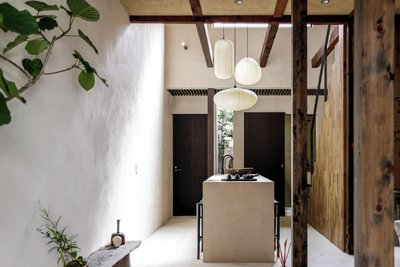
Maana Kiyomizu
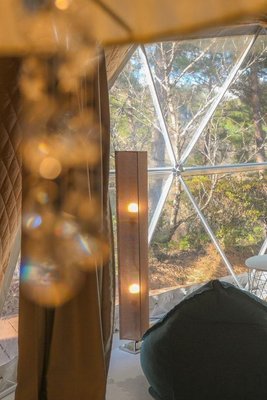
glampark Gekkabijin Nagano
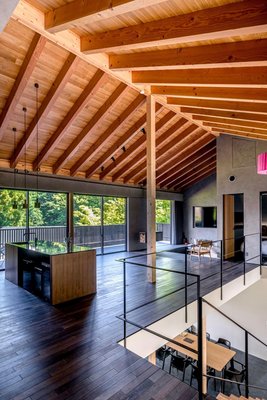
MONS GORA
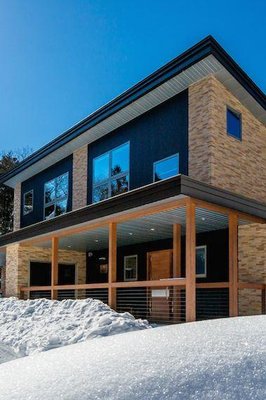
Phoenix Chalets by Hhg
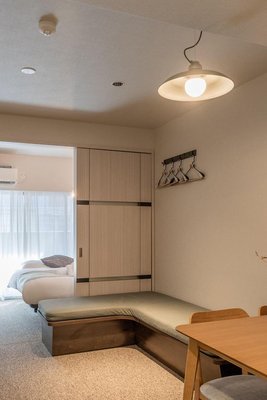
Apartment Hotel 11 Shinsaibashi
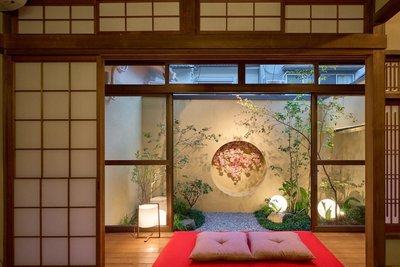
KONJAKUSO Osaka Tengachaya "NIHONCHA" Tea & Relax
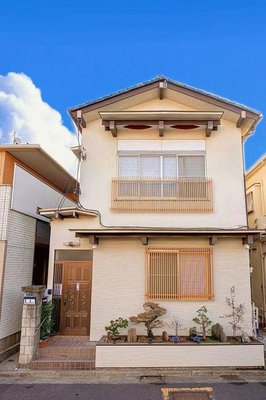
Tokyo Star House-Shinkoiwa
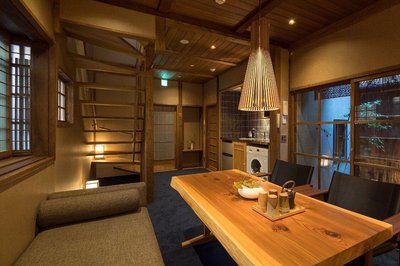
Bonbori an Machiya House
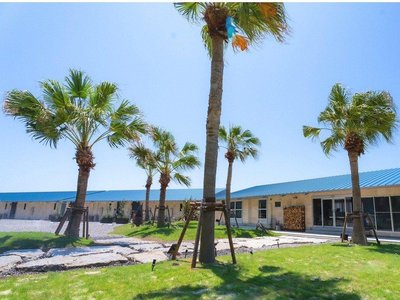
Glamping&Resort Wood Design Park Noma
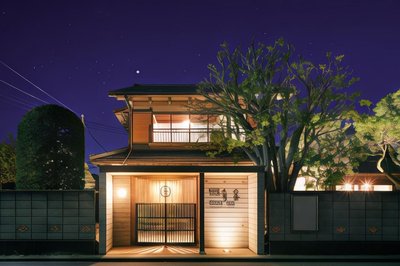
Machi-Jyu
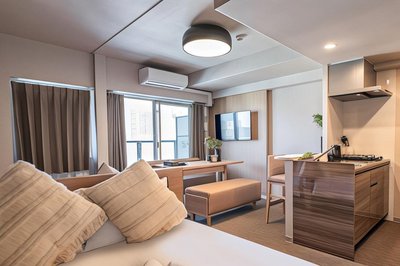
Apartment Hotel 11 Shinsaibashi III
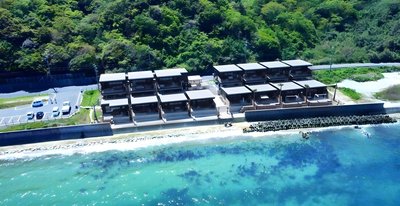
Solavilla Umi Terrace Minamiawaji
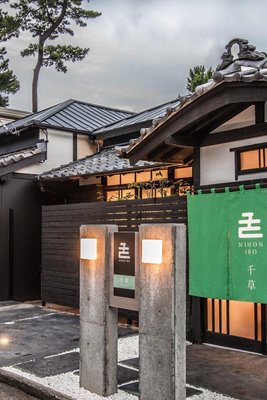
Nihon Iro
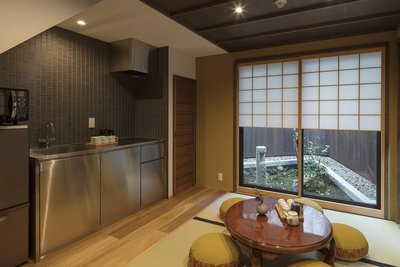
The Machiya Villa Sanjo Shirakawa Koji
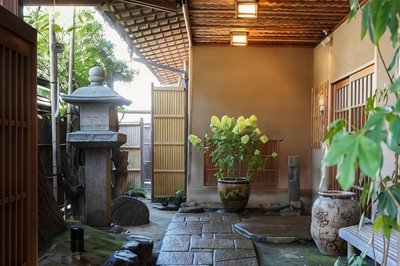
Ryokan Asadaya
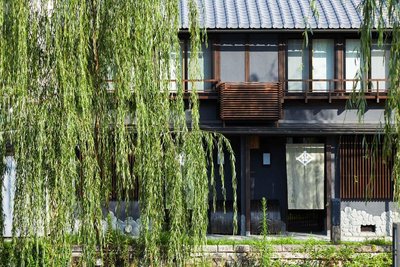
Gion Shirakawa No Yado

Kitashirakawa Natural Radium Onsen

Hotel Barrière Fouquet's New York
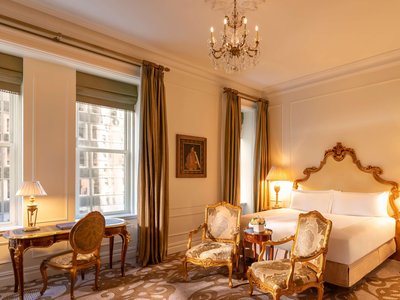
The Plaza - A Fairmont Managed Hotel
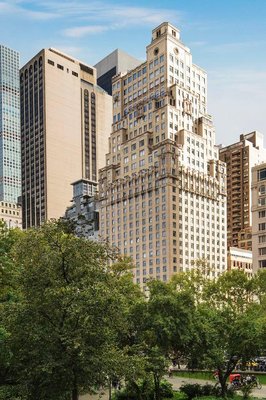
The Ritz-Carlton New York, Central Park
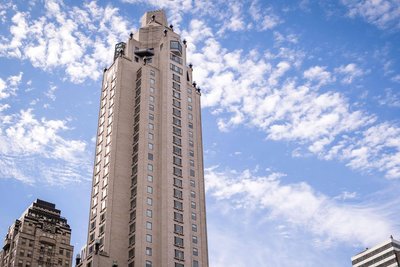
Four Seasons Hotel New York
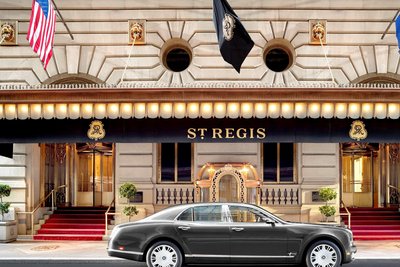
The St. Regis New York
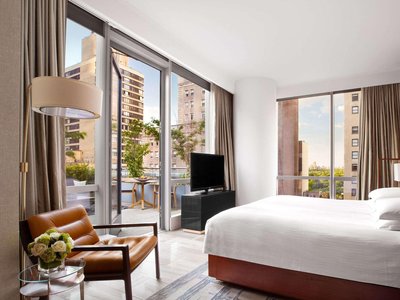
Park Hyatt New York
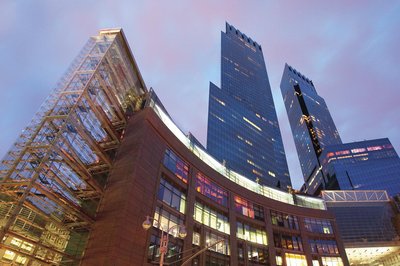
Mandarin Oriental New York
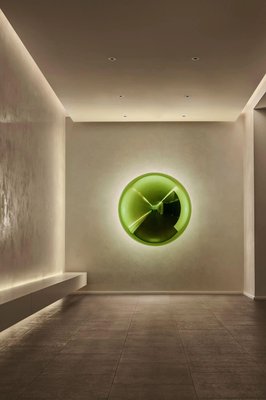
Times Square Edition New York

Loews Regency New York Hotel
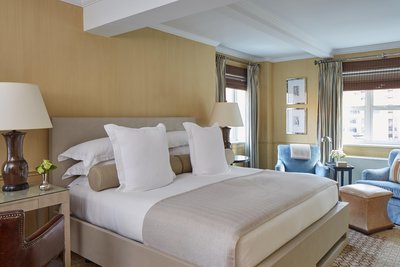
Lowell Hotel
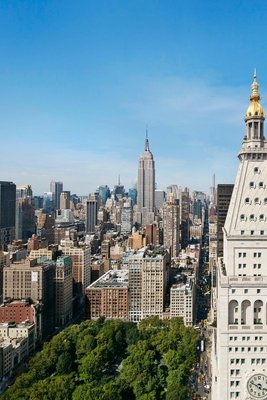
New York Edition
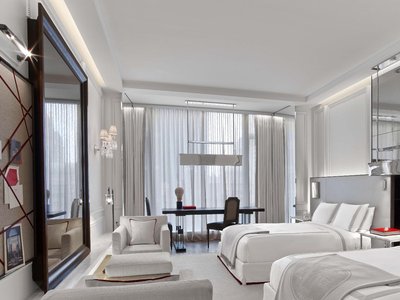
Baccarat Hotel New York
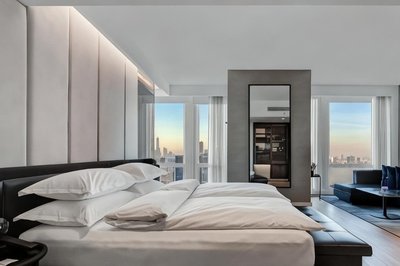
Equinox Hotel New York

Four Seasons Hotel New York Downtown
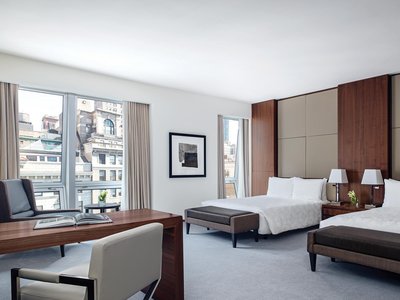
The Langham, New York, Fifth Avenue

The Carlyle, A Rosewood Hotel

The Chatwal, in the Unbound Collection by Hyatt
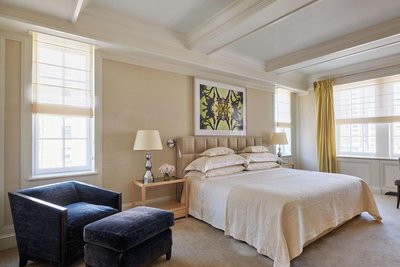
The Mark New York
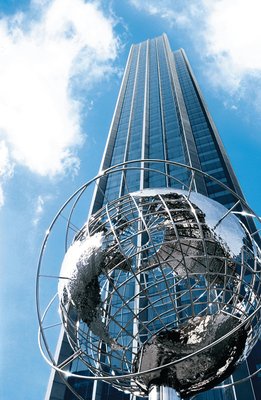
Trump International Hotel & Tower® New York
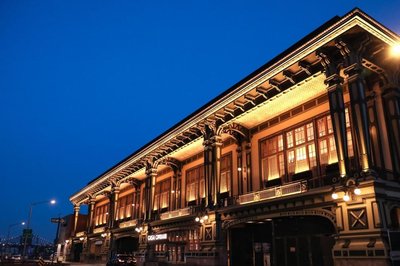
Casa Cipriani New York
Frequently Asked Questions about Traveling to Mitake
Questions You Might Need to Know About Traveling to Mitake
In Mino, the top family-friendly option is Yamato no Sato Minokoshi, a traditional Japanese-style inn with spacious tatami rooms, a kids' play area, and an outdoor garden with a small stream. The inn offers family meal packages featuring local dishes like Hida beef sukiyaki and Hida tofu soup, prepared fresh daily. Parents can enjoy relaxing baths while children explore the nearby Mino River Park, perfect for safe outdoor play. Staff are welcoming and provide bilingual assistance, making it ideal for international families seeking authentic rural Japan experience.
The Nakagawa District in Mino provides the most serene and picturesque setting, nestled along the tranquil Nakagawa River. This area features quiet residential lanes lined with century-old cedar trees and traditional wooden houses. Staying here grants easy access to Shinano Shrine, known for its elegant red torii gates, and the Mino Historical Village, where you can walk through restored Edo-era buildings. The absence of heavy tourism ensures a calm, immersive experience, perfect for those seeking solitude and natural beauty away from city crowds.
Visitors to Mino can participate in a hands-on Hida Woodcraft Workshop, where artisans teach traditional techniques for carving wooden spoons, bowls, and decorative items using locally sourced cypress. Another highlight is attending the Mino Spring Festival, featuring taiko drumming, folk dances, and a lantern procession through historic streets. For food lovers, joining a local cooking class to prepare Hida beef stew or handmade udon noodles offers a deep dive into regional cuisine and hospitality traditions.
Yes, Mino Onsen Ryokan Yuki no Mori is a highly recommended choice offering private and communal onsen baths fed by natural hot springs. The ryokan blends modern comfort with traditional design, featuring futon beds, shoji screens, and floor-to-ceiling windows overlooking a forested valley. Guests can enjoy seasonal kaiseki meals served in-room, including wild mountain vegetables and grilled Hida beef. The onsen waters are rich in minerals, known for soothing skin and relieving fatigue—perfect after a day of exploring the surrounding mountains and villages.
The best time to visit Mino for cherry blossoms is late March to early April, when the Nakagawa Riverbanks bloom with delicate pink sakura trees. During this period, the Sakura Illumination Night transforms the river path into a magical corridor of soft golden lights reflecting on the water. Local vendors sell warm sake and mochi near the viewing spots, and many families gather for picnics under the trees. Early morning visits offer the quietest experience, while evening events provide a romantic, atmospheric contrast to daytime splendor.
For authentic Hida beef, head to Hida Gyudon Mino, a renowned restaurant located just off the main street in central Mino. Their signature dish, Hida Beef Curry Rice, uses premium wagyu beef slow-cooked with local onions and aromatic spices. The beef is exceptionally tender and marbled, sourced directly from nearby farms. Diners also enjoy complimentary pickled vegetables and green tea. The restaurant emphasizes sustainability and transparency, with menu cards showing the farm origin and feeding practices—ideal for food-conscious travelers seeking quality and authenticity.
Absolutely. Mino offers exceptional photo opportunities year-round. Capture the misty mornings over the Nakagawa River, where ripples reflect the silhouettes of ancient willow trees. Visit Shinano Shrine during sunrise to photograph the vermilion torii gate framed by cherry blossoms. In winter, the snow-dusted rooftops and frozen streams create a dreamlike, minimalist landscape. Local photographers often gather at Ogawa Viewpoint to shoot panoramic shots of the valley below. With minimal light pollution, night photography of the stars above the village is also breathtakingly clear.
Mino is well-connected via public transit. From Nagoya Station, take the JR Limited Express train to Mino Station, which takes about 90 minutes. From Tokyo, take the Shinkansen to Nagoya, then transfer to a local train—total journey time around 3 hours. Buses run regularly between Mino Station and the town center, and rental bicycles are available at the station for exploring nearby trails. Many guesthouses offer free shuttle services, ensuring seamless travel even without a car. It's a manageable destination for day trips or weekend getaways.
Mino’s guesthouses stand out due to their deep integration with local community life and commitment to cultural preservation. Unlike generic inns, most are run by long-time residents who share personal stories and seasonal customs—such as helping harvest rice or join in seasonal festivals. Rooms are designed with reclaimed wood and handmade textiles, emphasizing craftsmanship and sustainability. Guests often receive handwritten notes, seasonal snacks, and invitations to participate in activities like tea ceremonies or firelight storytelling, transforming the stay into a meaningful cultural exchange rather than just lodging.
In Mino, must-try seasonal activities include spring bamboo harvesting in April, where visitors learn to cut and process fresh bamboo used in local crafts; summer night kite flying near the Nakagawa River, illuminated by paper lanterns; autumn maple leaf gathering in November, followed by a traditional dyeing workshop; and winter snowshoe hiking through the forested hills. Each event connects guests with nature and heritage, often hosted by local elders who pass down knowledge through hands-on participation—offering unforgettable, immersive experiences beyond typical sightseeing.
Mitake Overview
City Summary
Mitake-cho is a town in Gifu Prefecture, Japan, known for its natural beauty and traditional culture. With clear streams and abundant hot springs, it is an ideal destination for escaping urban life. Visitors can experience authentic Japanese rural charm and the unique blend of history and modernity.
Must-See Attractions
Must-see attractions in Mitake-cho include Mount Ontake, a sacred mountain perfect for hiking and worship. Additionally, Mitake Hot Springs offer a relaxing retreat. Culture enthusiasts can visit local historical temples and museums to delve into traditional crafts and history.
Food Guide
In Mitake-cho, don’t miss the local countryside cuisine, such as traditional dishes made with fresh mountain vegetables and river fish. Try Mitake soba noodles and grilled fish, which highlight the pure flavors of local ingredients.
Transportation Guide
Transportation in Mitake-cho primarily relies on buses, with several routes connecting major attractions. Car rental is recommended for more flexible exploration. From Gifu City, it takes about 1 hour by train or bus to reach Mitake-cho.
Best Time to Visit
The best seasons to visit are spring and autumn, when the weather is mild and perfect for outdoor activities. Spring offers cherry blossoms, while autumn showcases beautiful foliage. Summers can be hot, and winters may bring snow.
Travel Tips
- Respect local customs: Follow etiquette when visiting temples.
- Carry cash: Some small shops may not accept credit cards.
- Dress comfortably: Wear lightweight clothing and sneakers for outdoor activities.
- Book ahead: Hot spring ryokans may require reservations during peak seasons.
- Check weather: Mountain weather can change quickly; bring rain gear.
Useful Information
Language: Japanese is the main language; English is limited. Internet: 4G coverage is available in most areas, but some mountainous regions may have weak signals. Payment: Cash is king; some larger stores may accept credit cards. Emergency: Small clinics are available, but serious cases should go to hospitals in Gifu City.