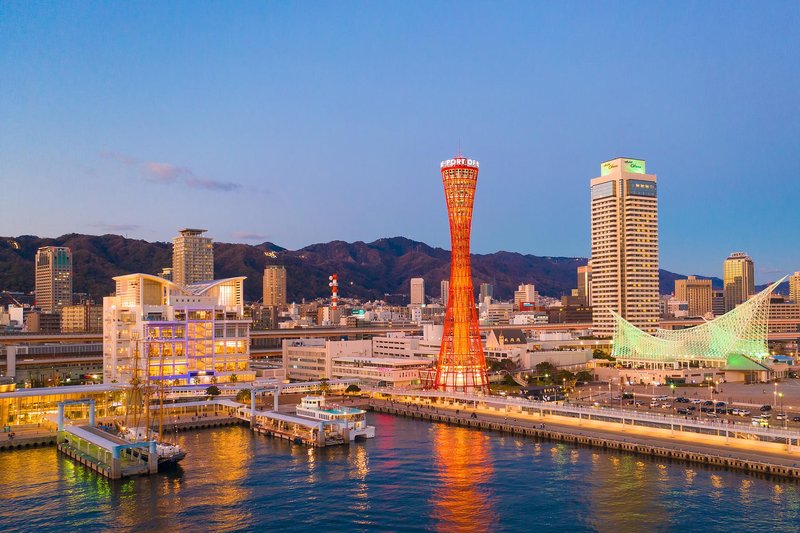
Hotels in Miura City
Discover your perfect stay in Miura City.
Miura City(Japan) Travel 2026: Cheap Flights, Hotels & Top Attractions
Popular Landmarks in Miura City
Discover the most iconic attractions in Miura City
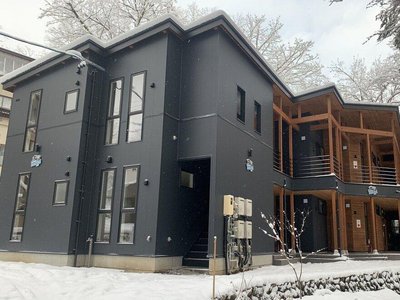
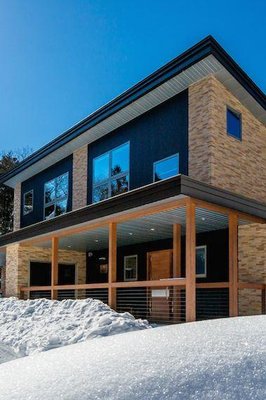
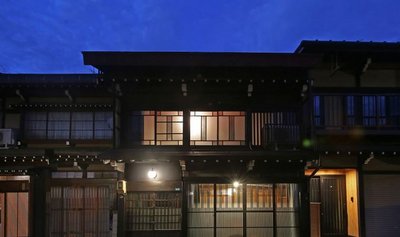
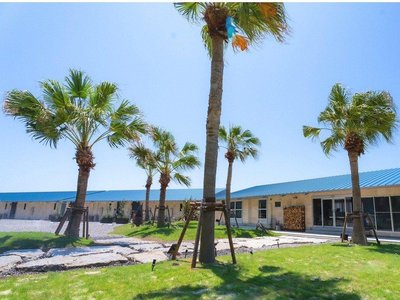
Recommended Hotels in Miura City
Find the perfect place to stay in Miura City
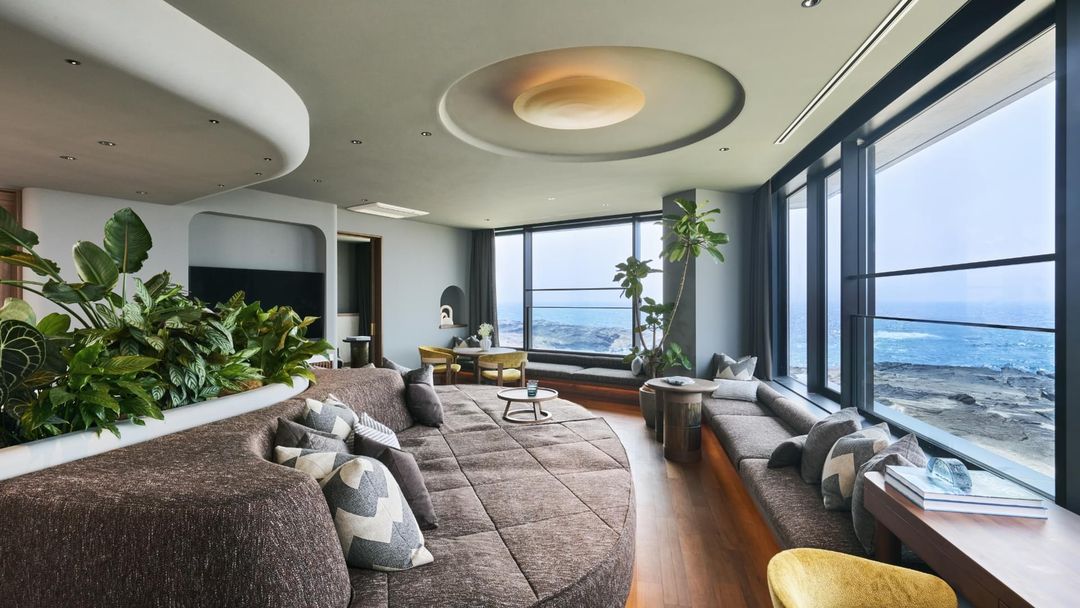

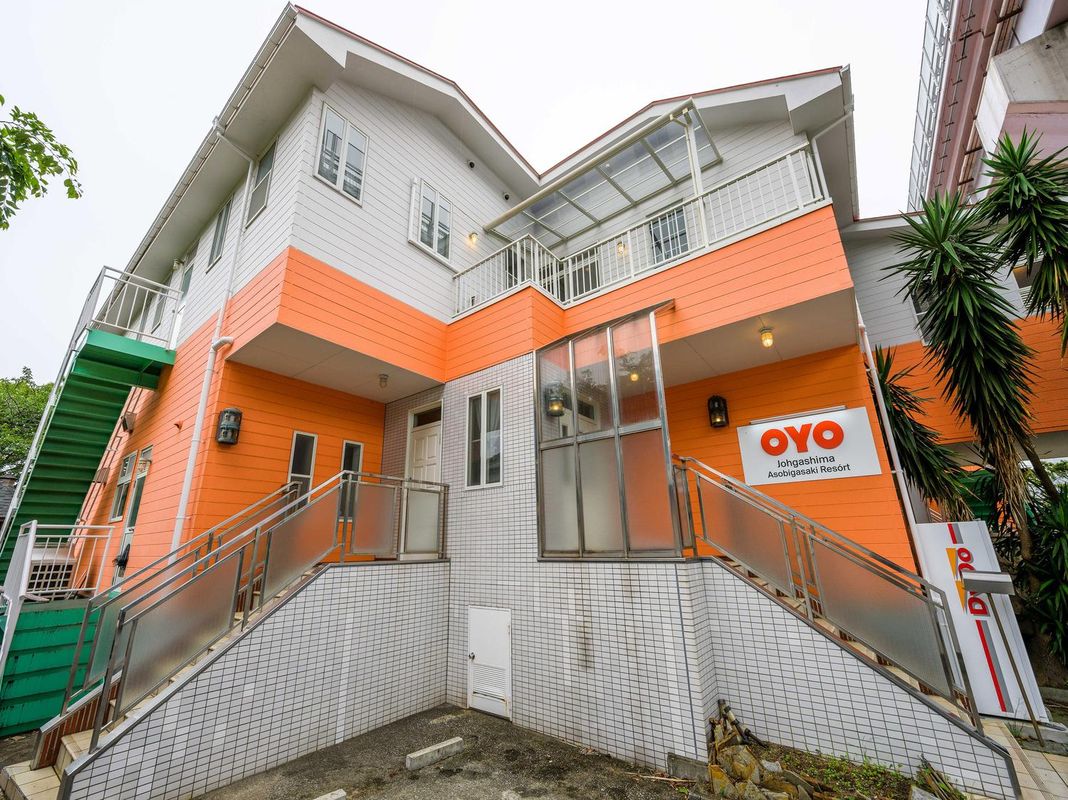
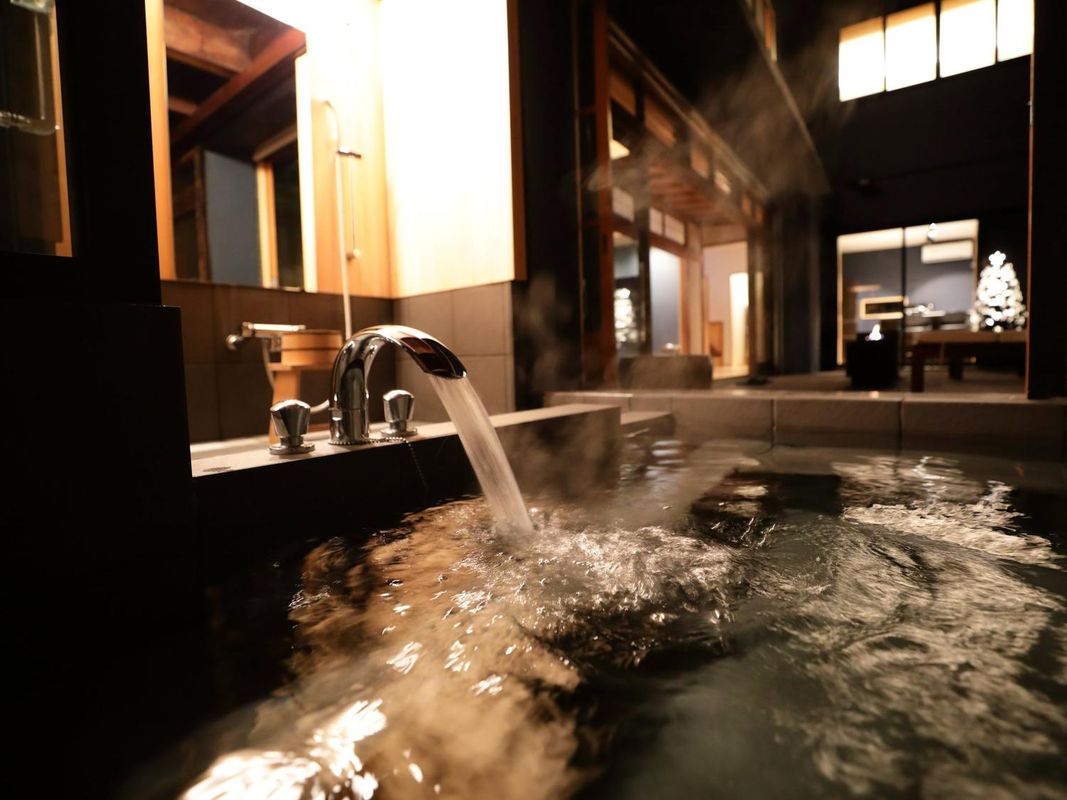
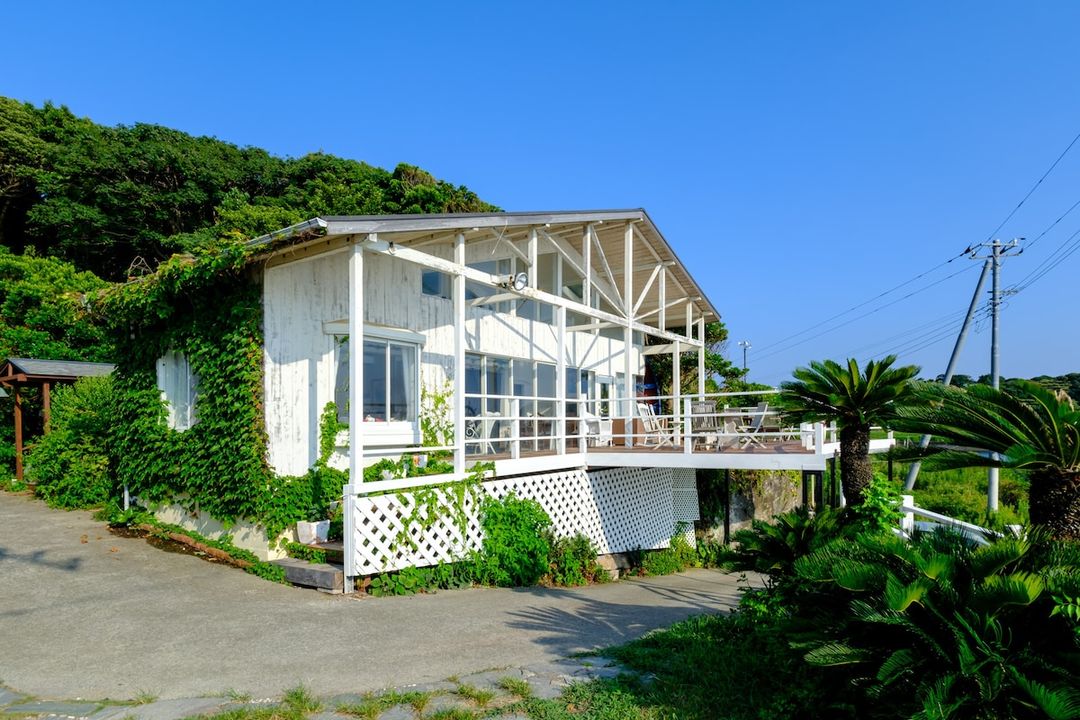
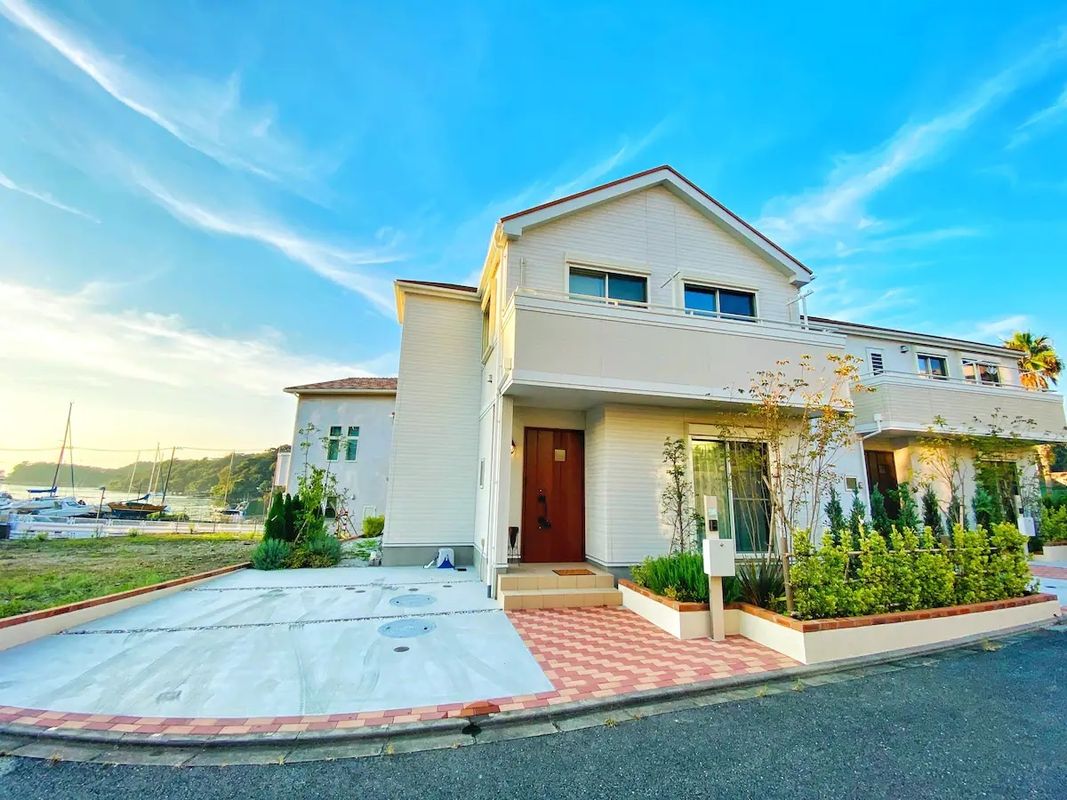

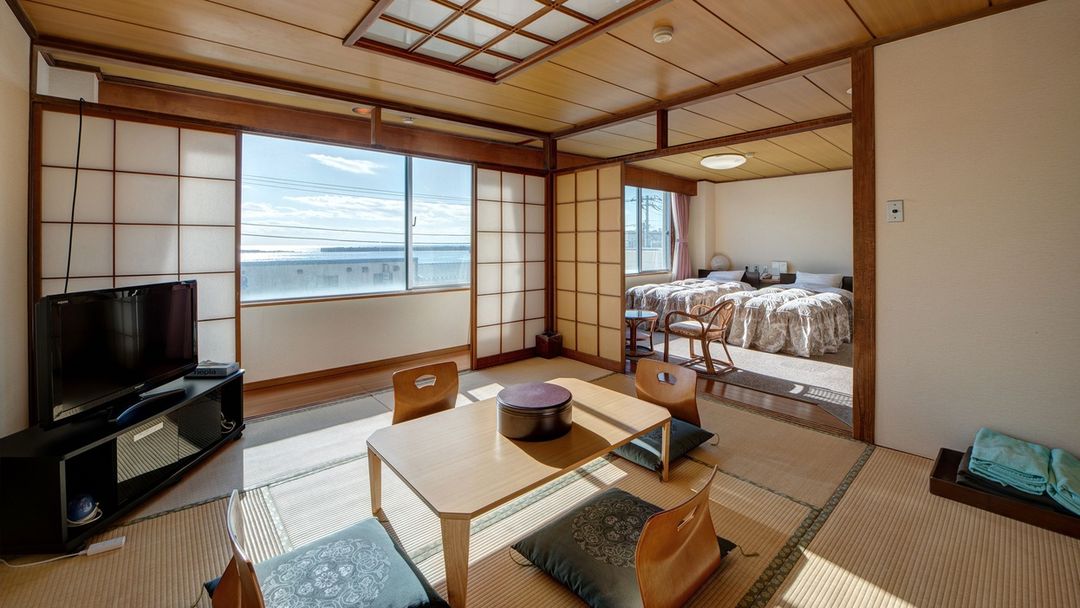
Best Hotels in Miura City
Discover curated hotel collections in Miura City
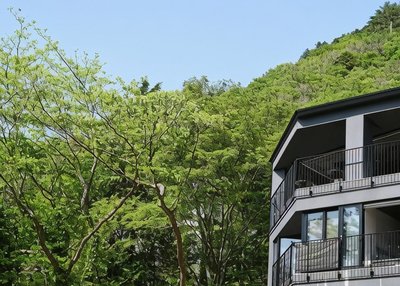
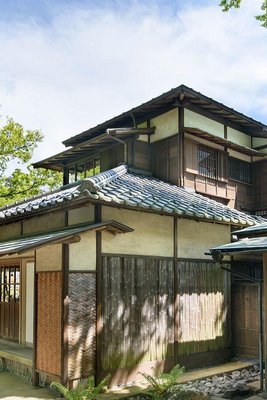
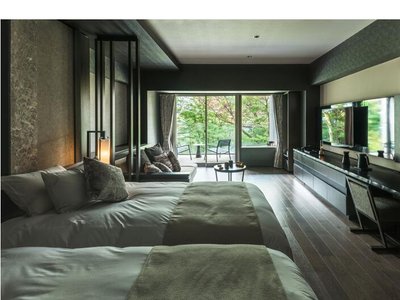
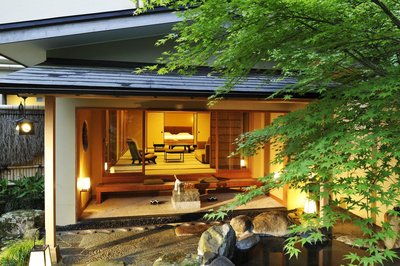
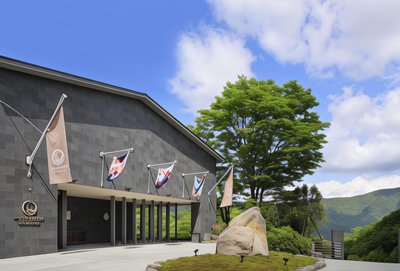
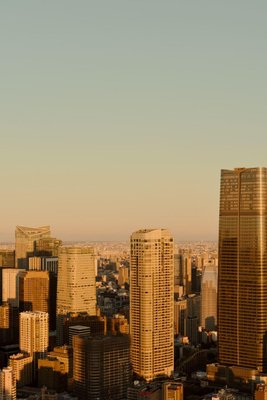
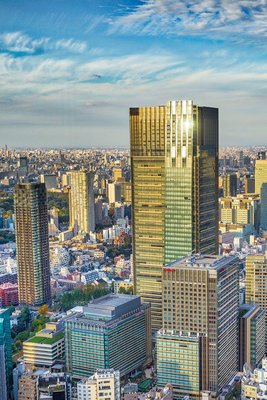
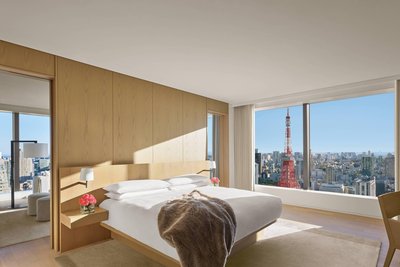


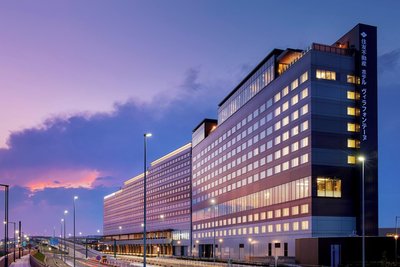
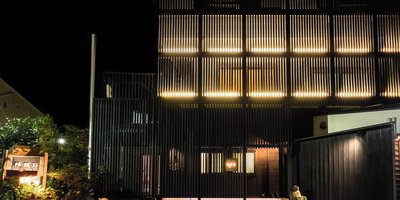
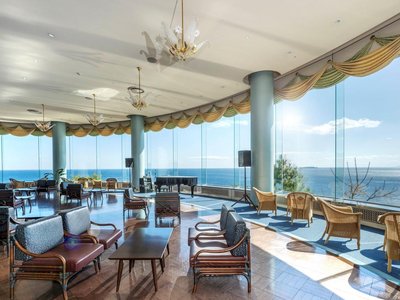
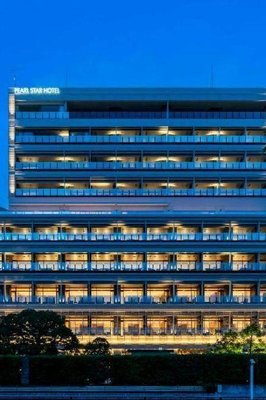
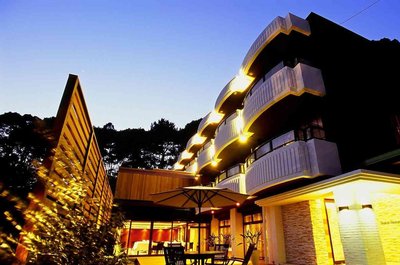
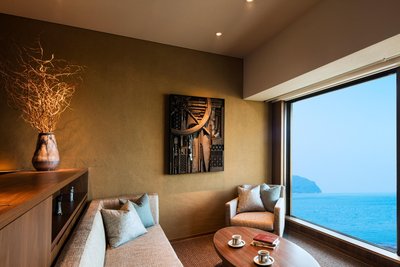

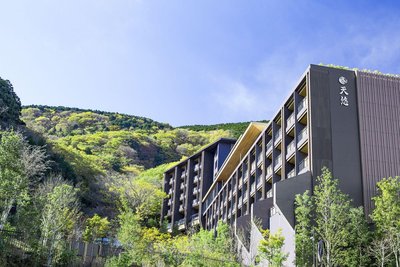
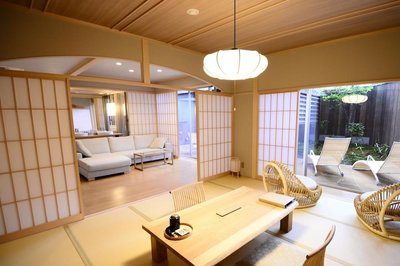



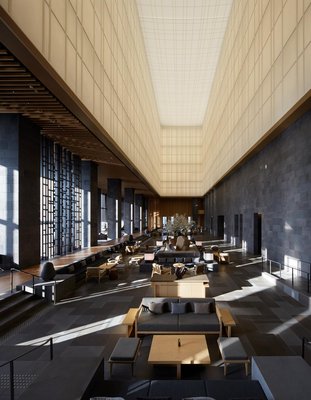
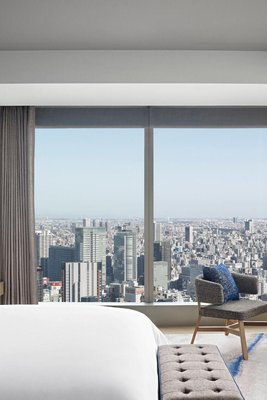

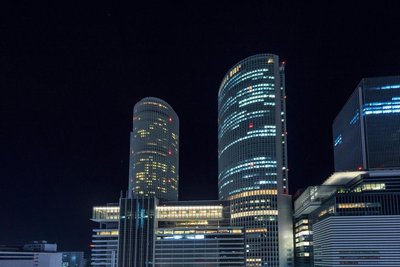
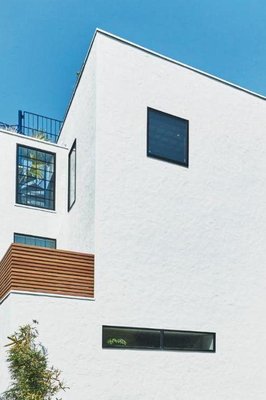
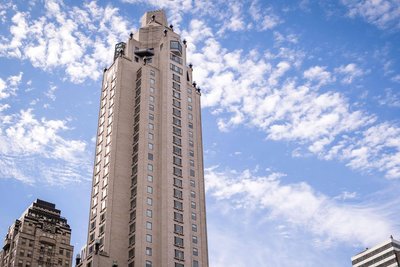
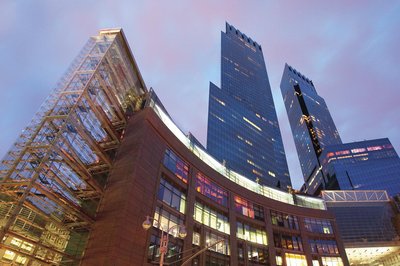
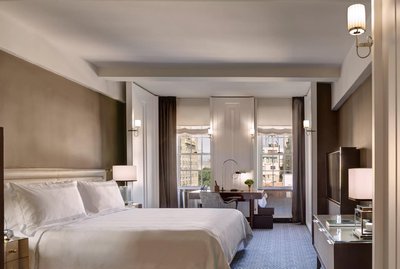
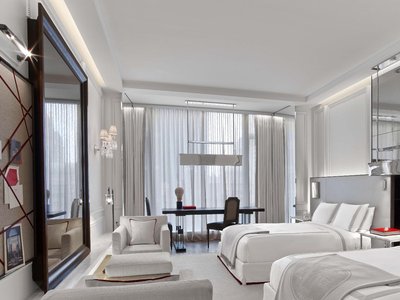
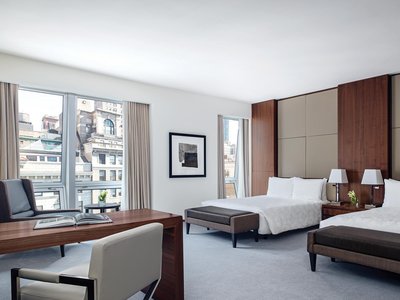
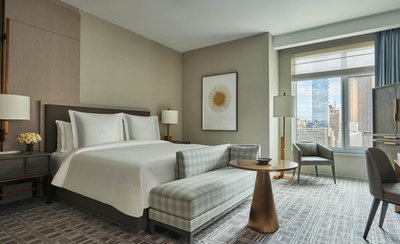
Frequently Asked Questions about Traveling to Miura City
Questions You Might Need to Know About Traveling to Miura City
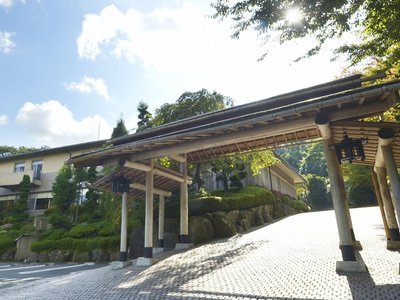
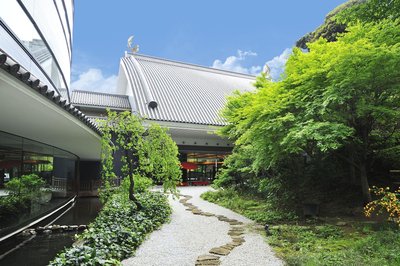
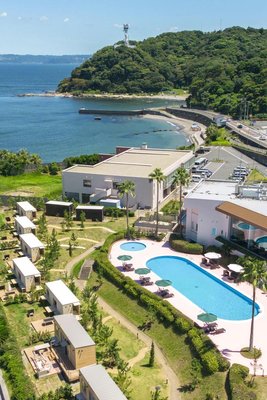
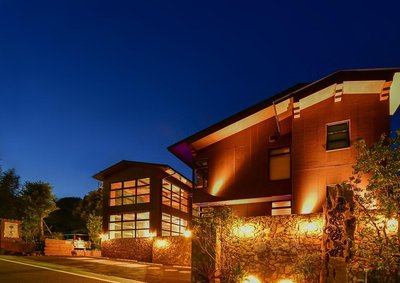
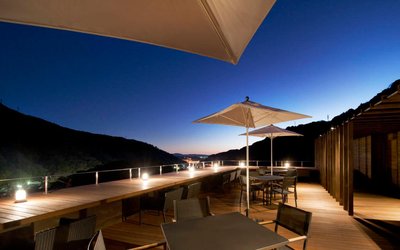
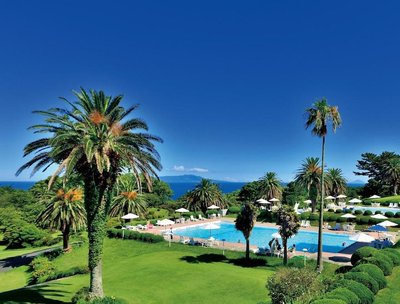
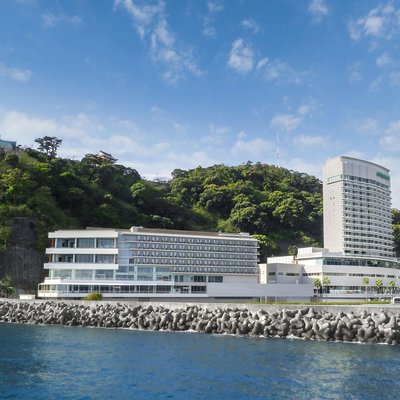
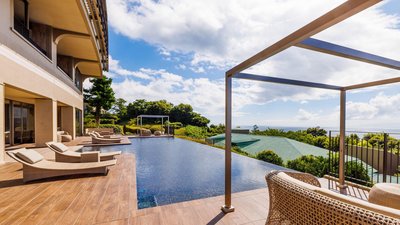
In Miura City, recommend staying at Miura Peninsula Resort Hotel, located on Ogeno Island with private beach access and a children’s pool. The hotel offers family suites and childcare services, and is just a 5-minute walk from the Miura Cape Lighthouse, offering panoramic Pacific Ocean views. Nearby Kanagawa Prefectural Natural Park provides ideal spots for family hikes and birdwatching, making it a perfect destination to experience local ecology and peaceful coastal living.
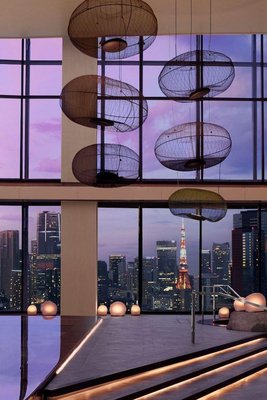
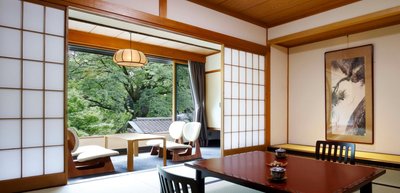
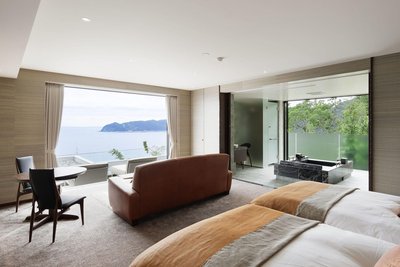
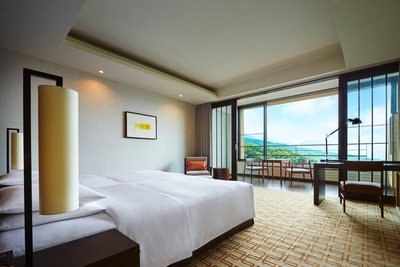
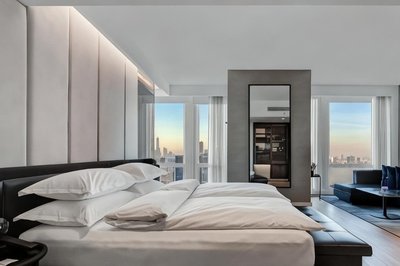
The Miura Cape area is the prime choice for sightseeing and lodging in Miura City. It's close to the Miura Cape Lighthouse and Ryugouji Ruins, offering stunning views of the Bōsō Peninsula and Tokyo Bay. Stay at Miura Cape View Hotel, which features panoramic floor-to-ceiling windows; enjoy sunrise views from your room and breathtaking sunsets over the sea. Easily accessible via the Keikyu Kurihama Line, this area connects seamlessly to Yokohama and Tokyo.
Miura City boasts deep Edo-period fishing village heritage. Visitors can participate in Ogeno Island’s traditional seaweed farming experience, learning how to cultivate and harvest nori under guidance from local fishermen, followed by tasting fresh nori rice balls. Additionally, the annual Miura Lantern Festival in August blends local tradition with light art, illuminating the coastline with hundreds of paper lanterns—offering a vivid display of regional culture and community spirit. These events are hosted at the Miura City Cultural Hall or Ogeno Fishing Port.
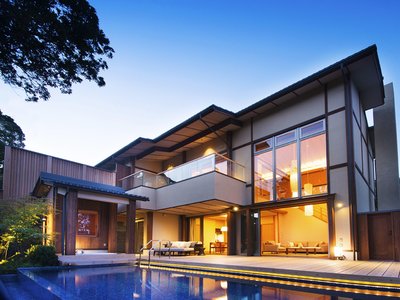
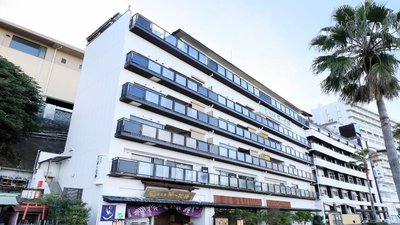
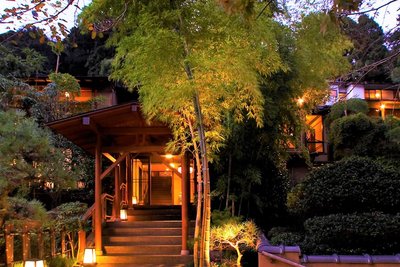
Stay at Miura Peninsula Love View Inn, located along Kazurumaki Coast, featuring private ocean-view balconies and hot spring baths. Each room is themed around "Promises of the Sea," including candlelit dinner service and handwritten love letters. Couples can watch sunrise together at the Miura Cape Lighthouse, then stroll along the seaside path at dusk, listening to the waves. The inn also offers personalized photography packages to capture your intimate journey.
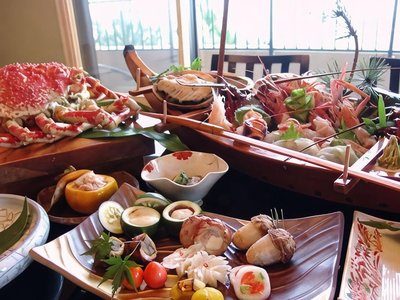
Miura City is famous for its fresh seafood cuisine. Must-try dishes include Miura-style sardine sashimi, Ogeno Island-grown seaweed stew, and Kanagawa’s signature eel rice bowl. Visit Kazurumaki Port Market’s Umi-Kaze Restaurant, where daily catch of mackerel and red snapper are used in premium sushi platters, known for their sweet, crisp taste. Local specialties like seaweed tea and sea salt chocolate make excellent souvenirs, reflecting the region’s oceanic bounty.
Yes, Miura City is ideal for self-drivers. Key attractions include the Miura Cape Lighthouse, Ryugouji Ruins, and Ogeno Island Ferry Terminal. Along the coastal route, stop at Kanagawa Prefectural Natural Park to enjoy wetland scenery and migratory birds. Recommended rental vehicles are compact due to narrow mountain roads, but overall road conditions are excellent. Use the Miura Peninsula Loop Road for a scenic route connecting major sites—easy, relaxing, and highly photogenic.
Miura City is a paradise for photographers. Capture the Miura Cape Lighthouse at sunrise or sunset—especially stunning during cherry blossom season when petals drift across the horizon. The Ogeno Fishing Port at dawn, with mist-covered boats and drying seaweed, offers rich documentary-style shots. The Kazurumaki Red Brick Pier and crashing waves are perfect for long-exposure photography. For human-interest scenes, visit the Miura City Cultural Hall market stalls, capturing authentic interactions between locals and travelers. Bring a tripod and wide-angle lens for expansive coastal compositions.
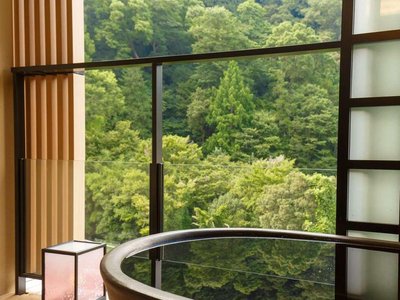
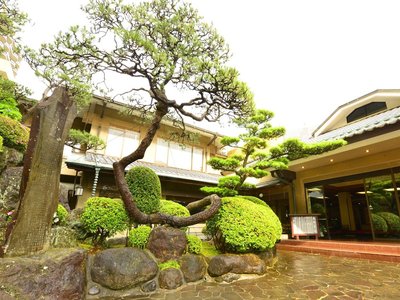
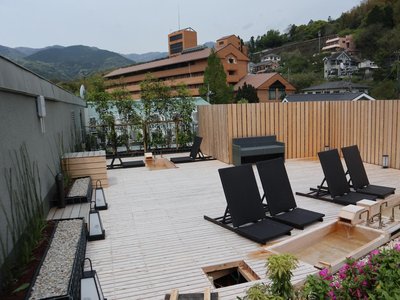
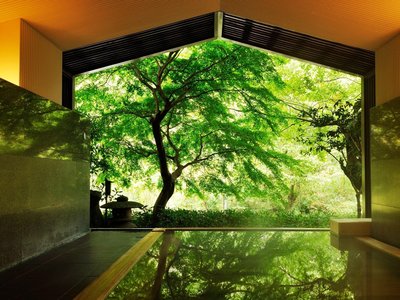
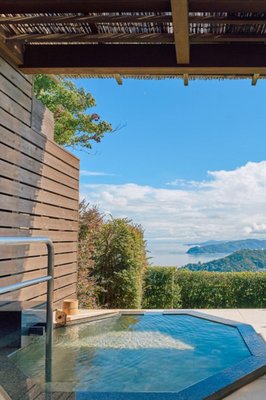
While not a major hot spring hub, Miura City has several high-quality onsen inns. Recommend Miura Peninsula Sea Spa Inn, featuring an underground hot spring sourced from geothermal activity, maintaining a consistent 42°C with sulfur-rich water ideal for muscle relaxation. The inn offers open-air baths with ocean views, plus sauna and meditation rooms. Designed to blend natural healing with coastal serenity, it’s a top choice for wellness seekers—book in advance as peak seasons fill quickly.
Art lovers will appreciate the former Miura City Library, now transformed into a creative workshop in Kazurumaki Town, housing independent bookstores, craft markets, and small galleries. Monthly poetry readings and illustration exhibitions add vibrancy. Another hidden gem is the stone Buddha trail behind Ryugouji Temple, lined with Edo-era carvings partially covered by ivy—serene and contemplative, evoking a quiet, poetic atmosphere. Perfect for solitary reflection and inspiration.
Miura City is well-connected via the Keikyu Kurihama Line, with direct trains from Shinagawa Station taking about 40 minutes to Miura City Station. Free shuttle buses link key sites such as Miura Cape, Ogeno Island, and Kazurumaki Port. Non-drivers can easily explore major attractions. The city also offers the Sea Green Pass, granting unlimited bus and ferry rides for one day—ideal for multi-stop itineraries. Use Suica cards for seamless transfers and purchases, making the system highly accessible for international visitors.
Miura City Overview
City Summary
Located in the southeastern part of Kanagawa Prefecture, Miura City is a coastal town renowned for its fresh seafood and natural beauty. Highlights include Jogashima Island and the bustling Misaki Port, offering a blend of history and scenic landscapes.
Must-See Attractions
Must-visit spots include Jogashima Island, famous for its lighthouse and sea caves, and Misaki Port, the best place to savor fresh tuna. The Miura Coast also attracts visitors with its beaches and hot springs.
Food Guide
Miura is celebrated for its seafood, especially "Misaki Tuna Don" and "Sea Urchin Don." Street food like grilled tuna skewers and seafood BBQ are also popular, reflecting the town's fishing culture.
Transportation Guide
Local buses are the main transport option, accessible from Miura Station via train from Yokohama or Tokyo. Driving is convenient but parking can be limited. IC cards (e.g., Suica) are recommended for payments.
Best Time to Visit
The best times to visit are spring (March-May) and autumn (September-November) for mild weather and fewer crowds. Summer is lively but watch for typhoons.
Travel Tips
- Respect local fishing traditions and avoid food waste.
- Heed tide warnings for coastal activities.
- Carry cash as some spots don't accept cards.
- Follow onsen etiquette in hot spring areas.
- Practice proper trash sorting.
- Book restaurants in advance if needed.
Useful Information
Japanese is the main language, with limited English signage. Mobile coverage is good; consider renting a Wi-Fi device. Cash is preferred, though some places accept cards. For emergencies, dial 119; medical facilities have limited English support.