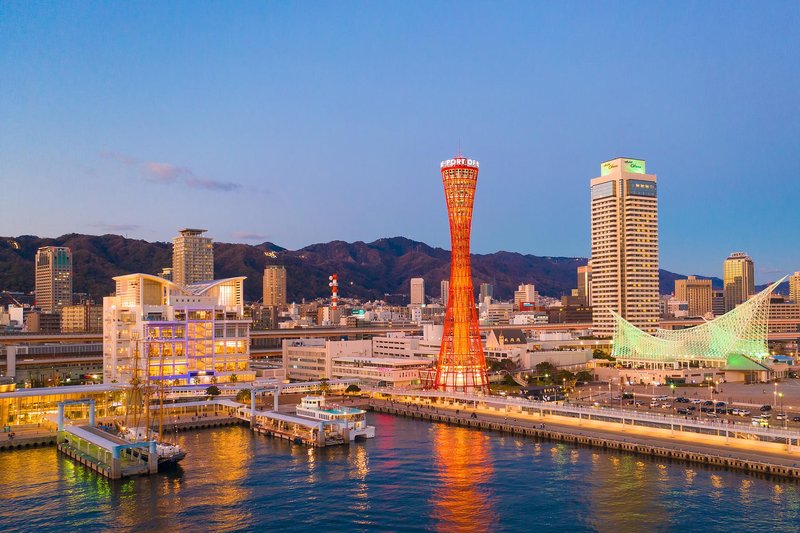
Hotels in Miyada
Discover your perfect stay in Miyada.
Miyada(Japan) Travel 2026: Cheap Flights, Hotels & Top Attractions
Popular Landmarks in Miyada
Discover the most iconic attractions in Miyada
Best Hotels in Miyada
Discover curated hotel collections in Miyada
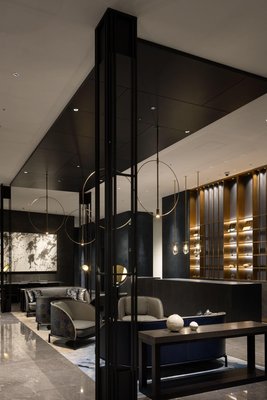
Bellustar Tokyo, A Pan Pacific Hotel
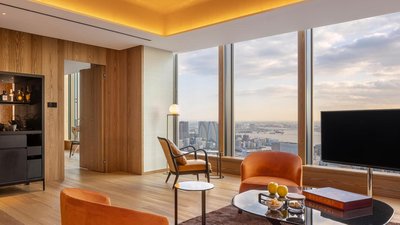
Bvlgari Hotel Tokyo

Shima Kanko Hotel the Bay Suites
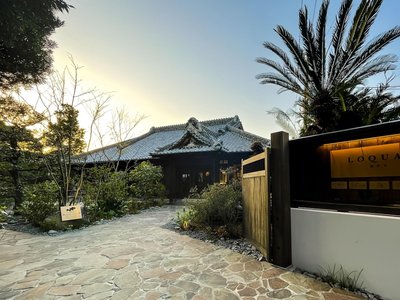
Loquat Nishiizu
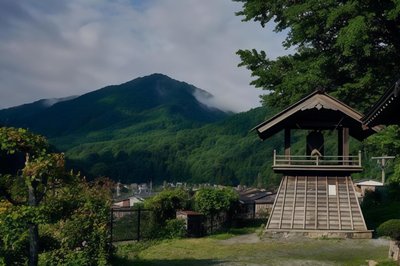
Byaku Narai
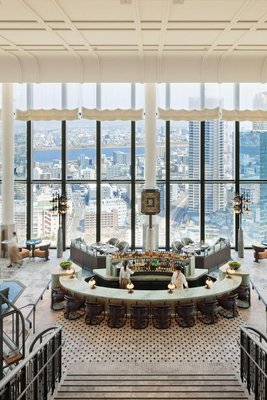
Waldorf Astoria Osaka
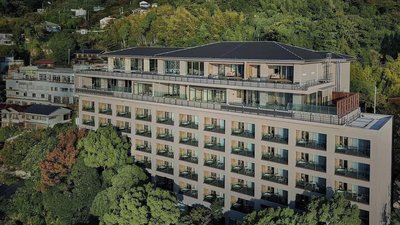
Atami Izusan Karaku
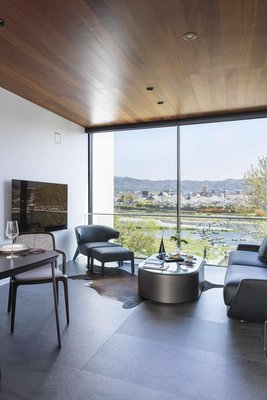
Kamo Residences by Reflections
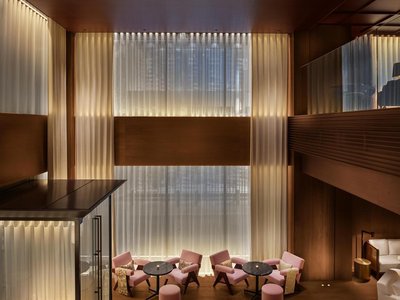
The Tokyo Edition, Ginza
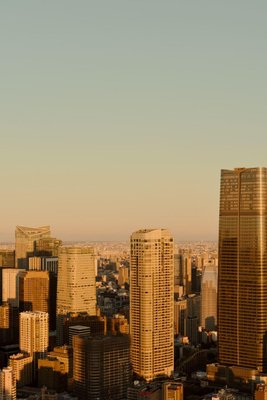
Janu Tokyo
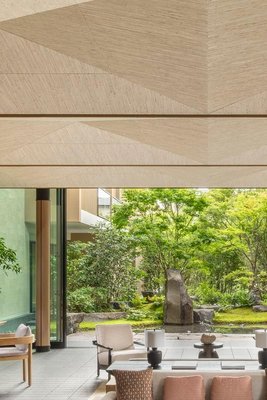
Six Senses Kyoto
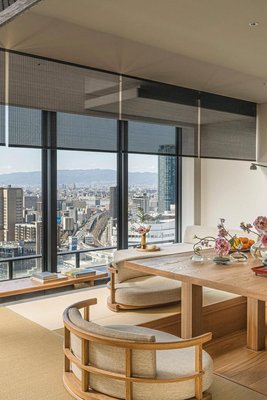
Four Seasons Hotel Osaka
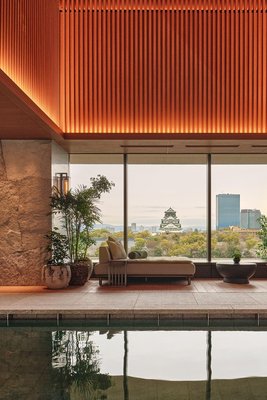
Patina Osaka

The Ritz-Carlton, Osaka
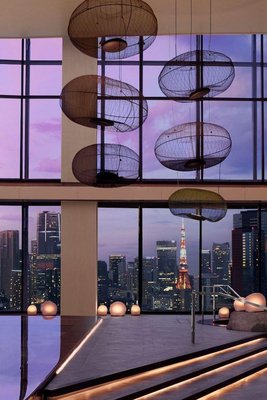
JW Marriott Hotel Tokyo
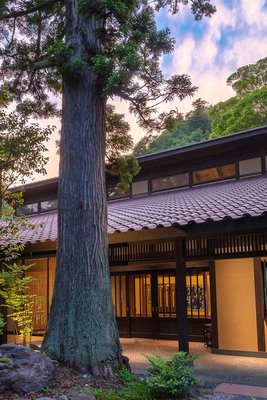
Arimasansoh Goshobessho
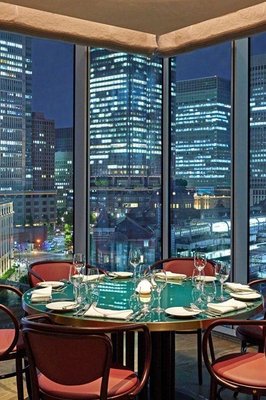
Four Seasons Hotel Tokyo at Marunouchi

Mandarin Oriental, Tokyo
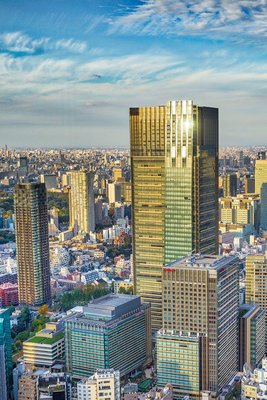
The Ritz-Carlton, Tokyo
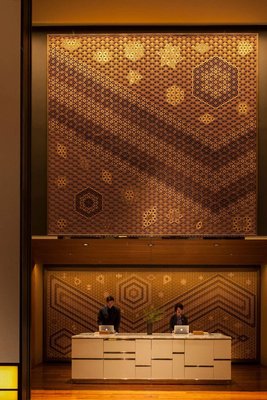
Andaz Tokyo Toranomon Hills- A Concept by Hyatt
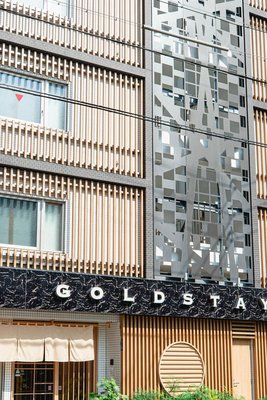
Gold Stay Nagoya OSU
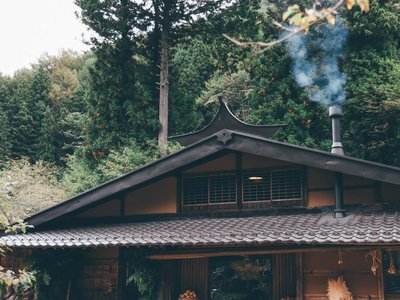
La Terra Resort
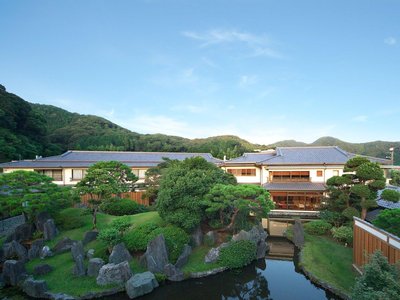
Kagetsutei

karaksa hotel colors Tokyo Yaesu

HOTEL GROOVE SHINJUKU, A PARKROYAL Hotel
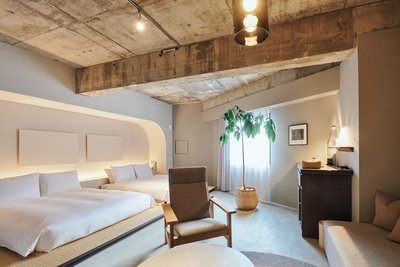
Korinkyo

GOLD STAY Nagoya Sakae
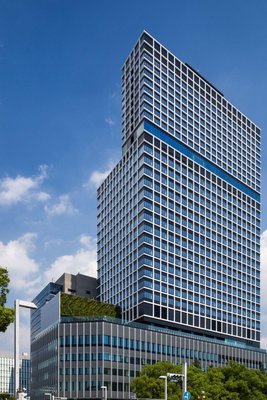
The Royal Park Hotel Iconic Nagoya
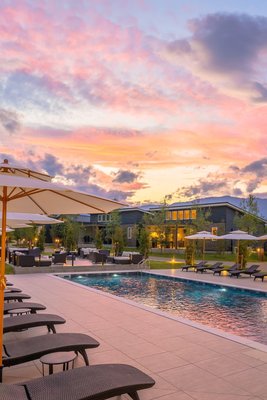
Awaumi Fujikawaguchiko Resort
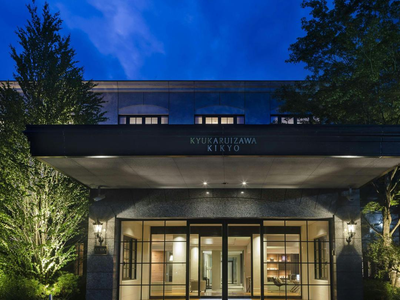
Fufu Karuizawa Wind of Sunshine
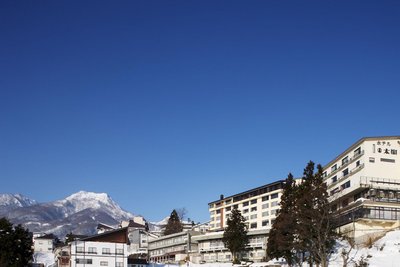
Hotel Taiko, Akakura Onsen

Scapes the Suite
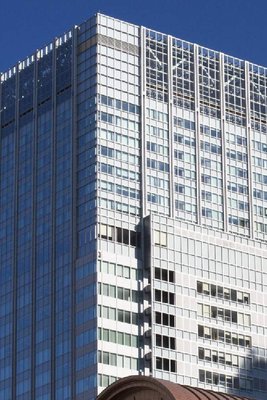
Hotel Metropolitan Tokyo Marunouchi
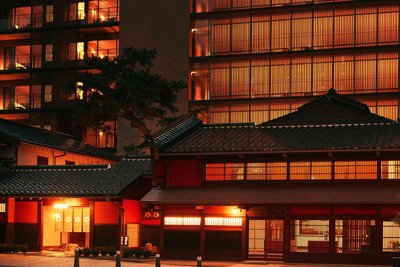
Hoshino Resorts Kai Kaga
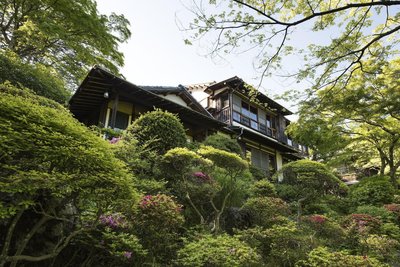
Gora Kansuiro
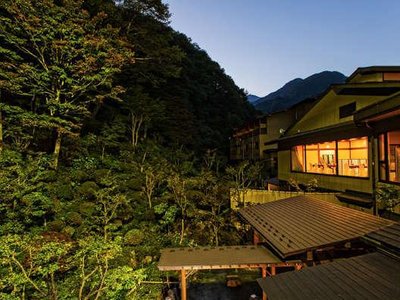
Futari Shizuka
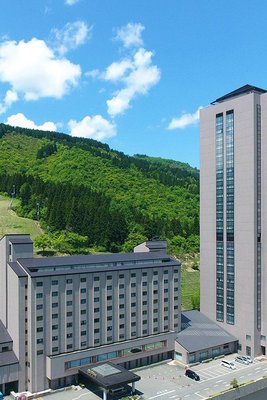
Naspa New Otani
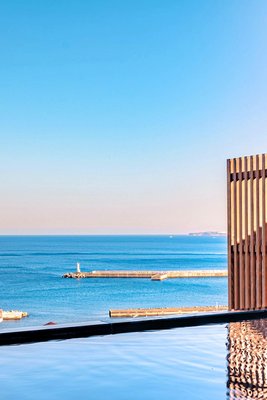
HOTEL KANICHI
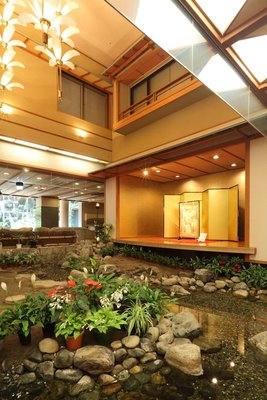
Hotel Futaba
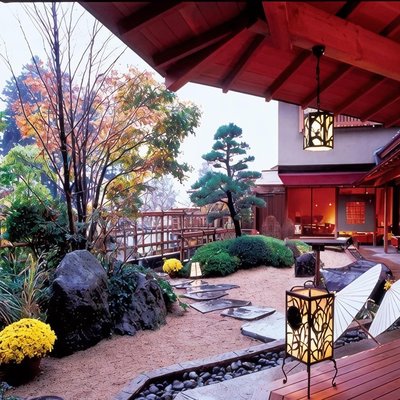
Oyado Tamaki
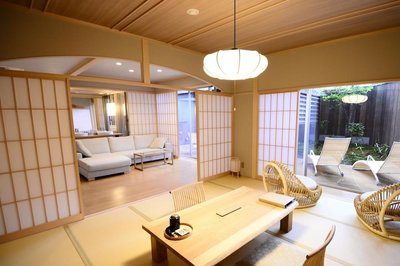
Hakone Gora Byakudan
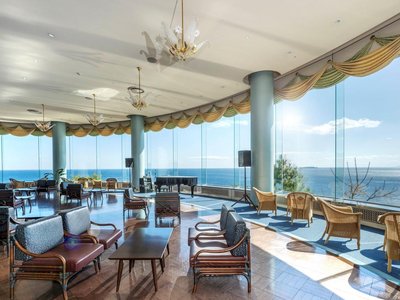
Hotel New Akao
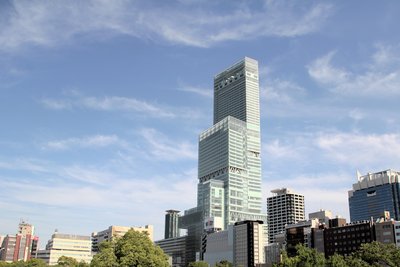
Osaka Marriott Miyako Hotel
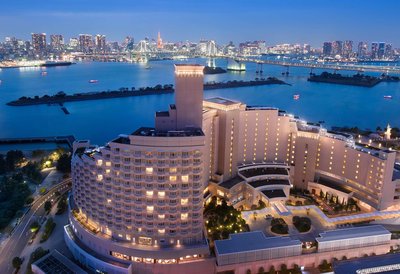
Hilton Tokyo Odaiba
JW Marriott Hotel Tokyo
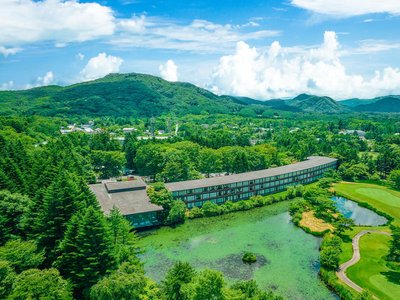
The Prince Karuizawa
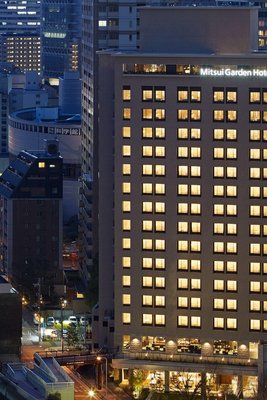
Mitsui Garden Hotel Osaka Premier
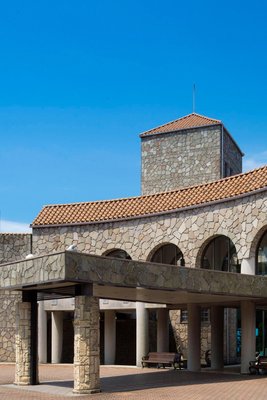
Izumigo Hotel Altia Toba
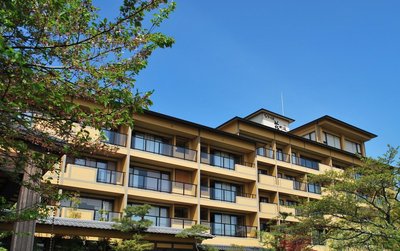
BIWAKO HANAKAIDO
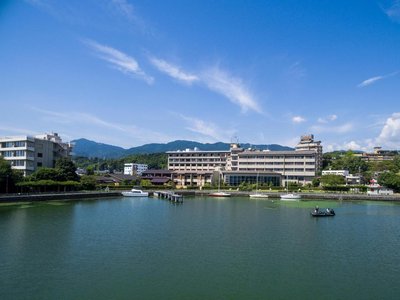
Biwako Ryokusuitei
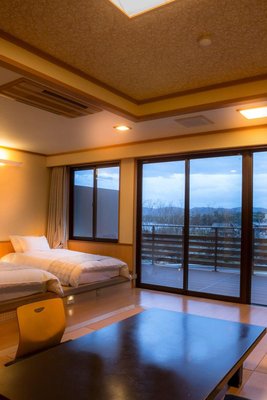
Hotel Kitanoya
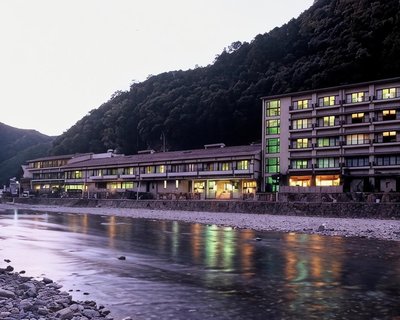
Kawayu Onsen Fujiya
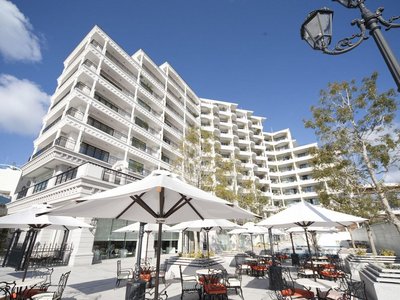
Hotel La Suite Kobe Harborland

The Kukuna
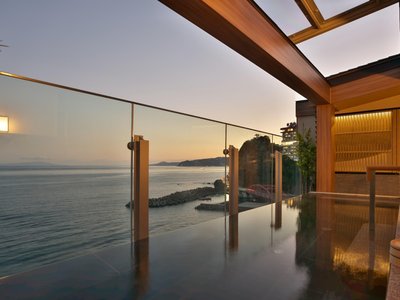
Hotel New Sagamiya
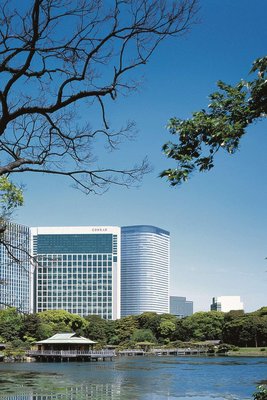
Conrad Tokyo
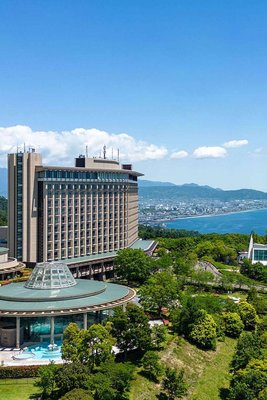
Hilton Odawara Resort & Spa
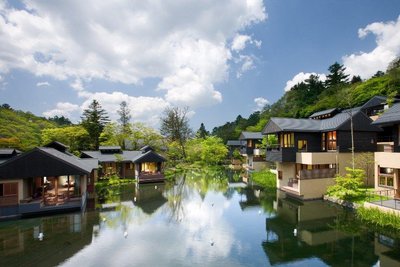
Hoshinoya Karuizawa
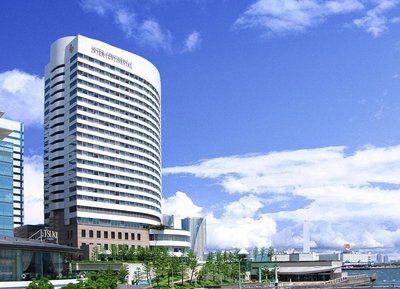
InterContinental Tokyo Bay
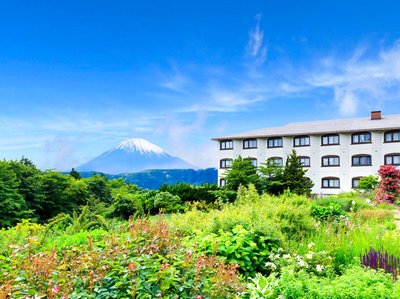
Hotel Green Plaza Hakone
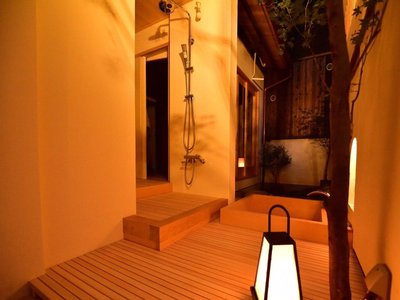
Yado Kiramachi
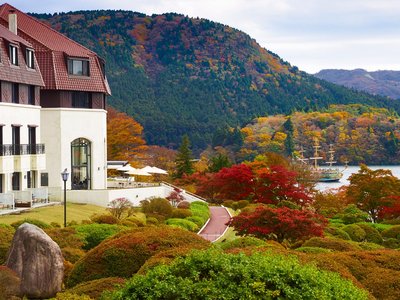
Hotakajyo
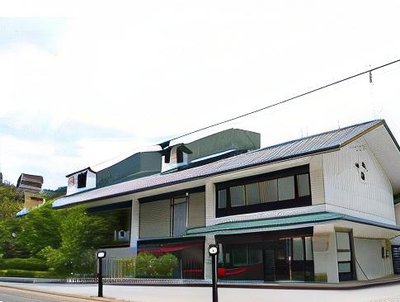
Auberge Suzukane

Onyado Nono Asakusa Bettei Hot Spring
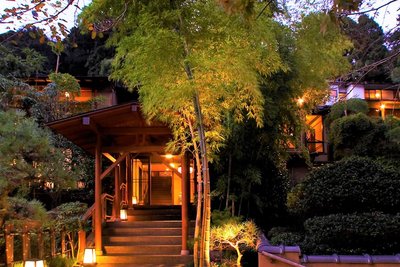
Shiki wo Ajiwau Yado Yamano Chaya
Arimasansoh Goshobessho
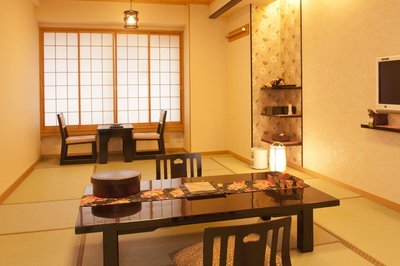
Matsui-Bekkan Hanakanzashi
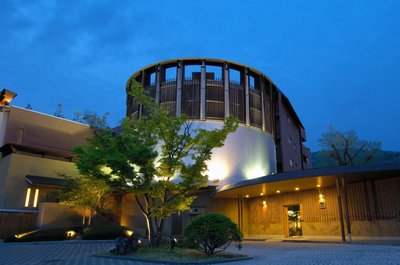
Hoshino Resorts Kai Matsumoto

Taikyourou
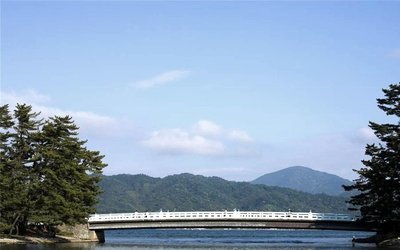
Monjusou Shourotei
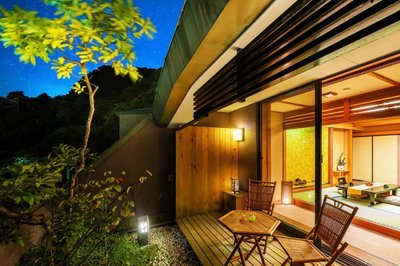
Konjakutei
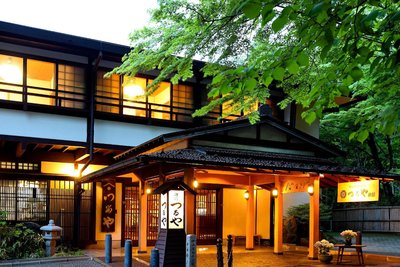
Tsuruya Ryokan
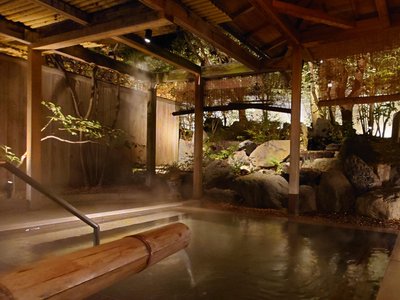
Kasuga Hotel
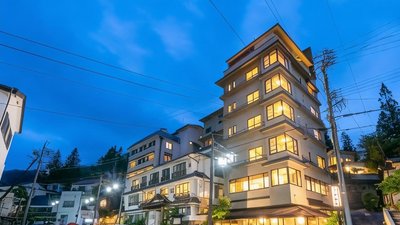
Nakamatsuya Ryokan
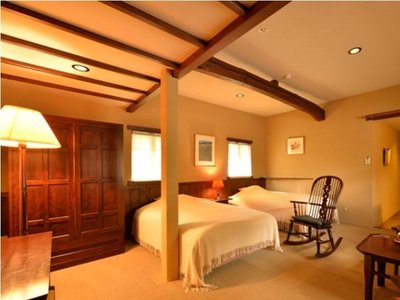
Ryokan Sugimoto
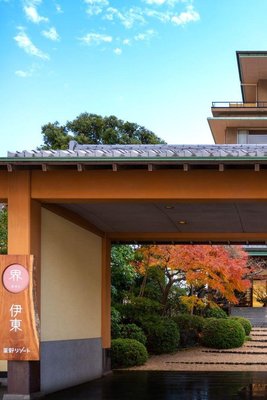
Hoshino Resorts Kai Ito
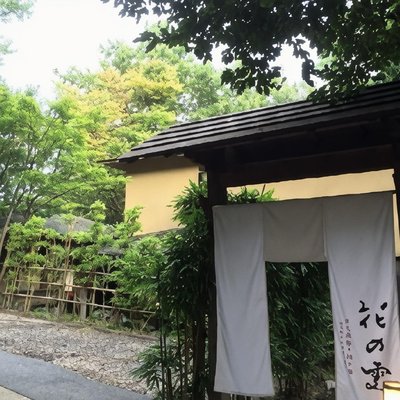
Hana No Kumo
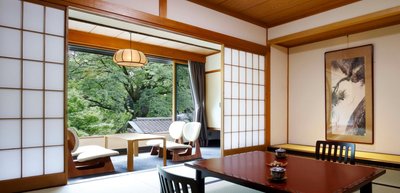
Yoshiike Ryokan
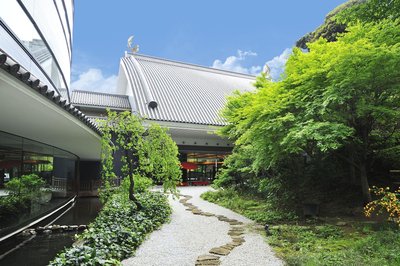
Hotel Gajoen Tokyo
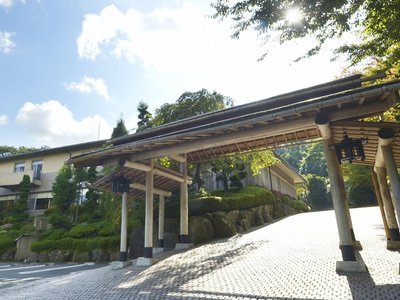
Gora Hanaougi
Bellustar Tokyo, A Pan Pacific Hotel
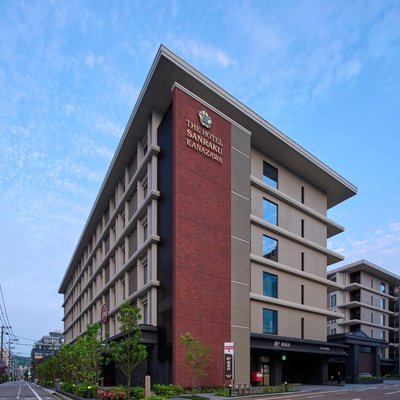
The Hotel Sanraku Kanazawa 21th December 2022 Open

22 PIECES
The Ritz-Carlton, Osaka
JW Marriott Hotel Tokyo
Andaz Tokyo Toranomon Hills- A Concept by Hyatt

The Thousand Kyoto
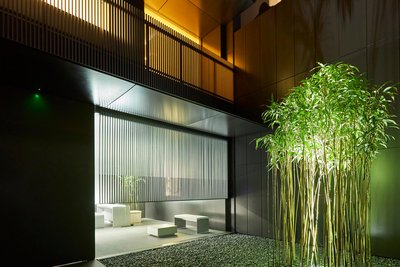
Mogana
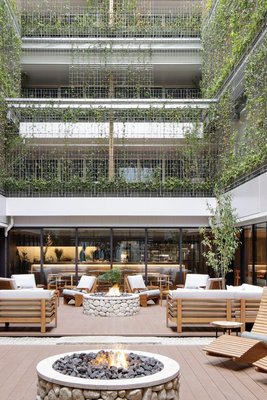
GOOD NATURE HOTEL KYOTO
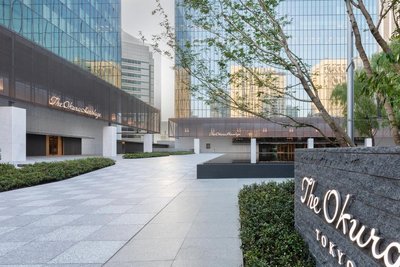
The Okura Tokyo
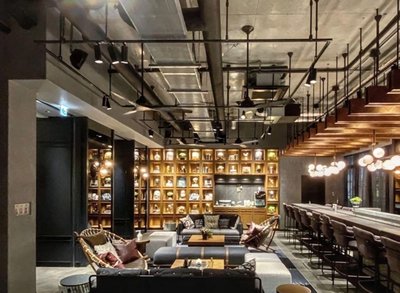
The Lively Azabujuban Tokyo
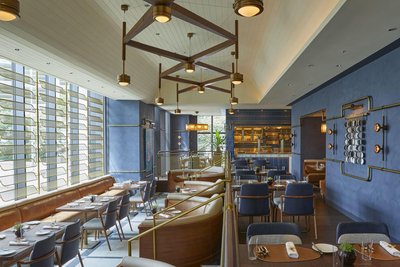
Kimpton Shinjuku Tokyo
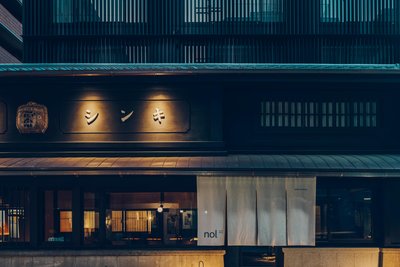
Nol Kyoto Sanjo

HOTEL K5
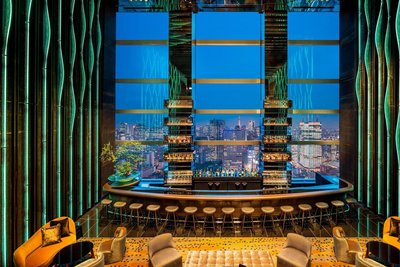
The Prince Gallery Tokyo Kioicho, a Luxury Collection Hotel

Zentis Osaka

Garrya Nijo Castle Kyoto
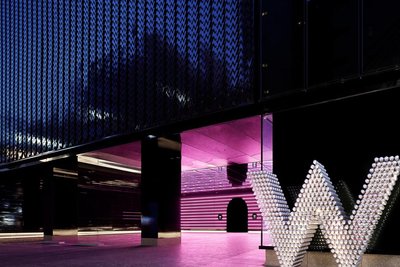
W Osaka

Hotel Kanra Kyoto

Aloft Osaka Dojima
Hakone Gora Byakudan
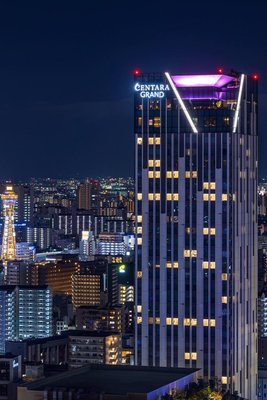
Centara Grand Hotel Osaka
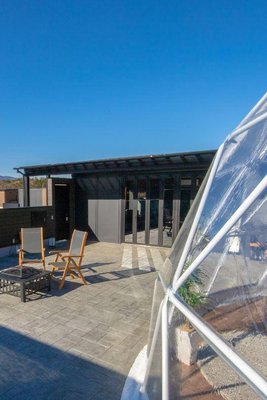
Panoramic Mt. Fuji Views from All Rooms – Vision Glamping Resort & Spa Yamanakako
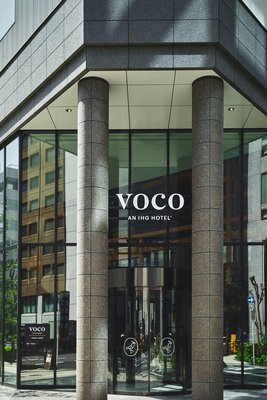
voco Osaka Central
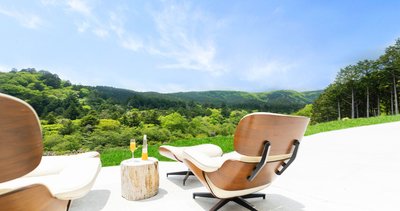
Shelter Garden Nikko
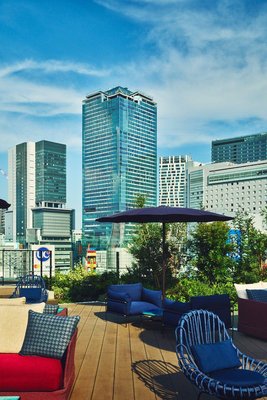
Hotel Indigo Tokyo Shibuya

TIAD, AUTOGRAPH COLLECTION
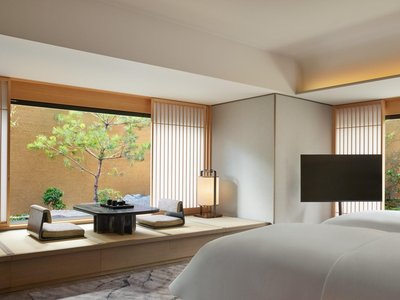
Dusit Thani Kyoto
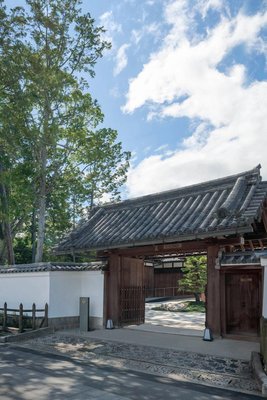
Shisui, a Luxury Collection Hotel, Nara

Hilton Kyoto
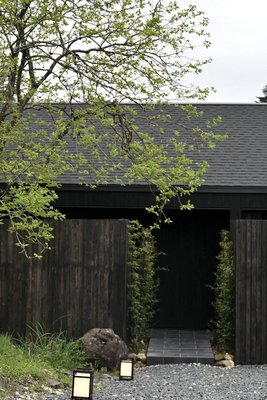
THE LAKOTAN
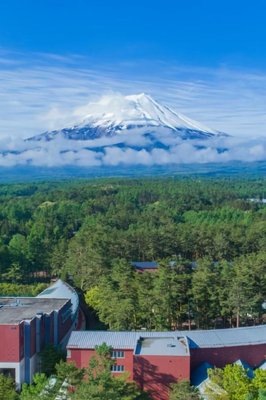
Forest Village (Fuji Premium Resort)

Hotel Toranomon Hills
Osaka Marriott Miyako Hotel
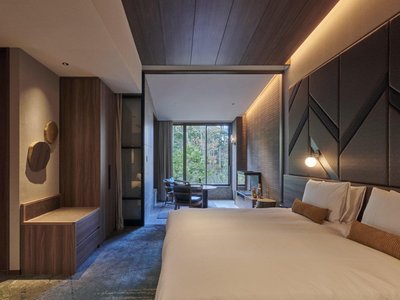
Fufu Kyu-Karuizawa Restful Forest
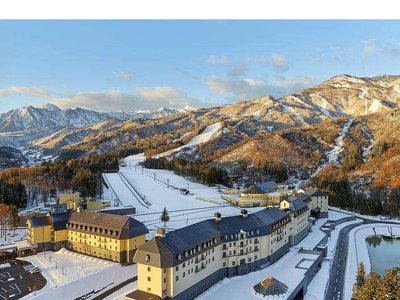
Lotte Arai Resort
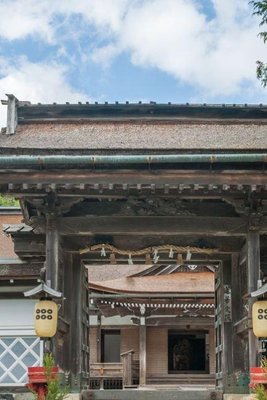
Koyasan Rengejoin
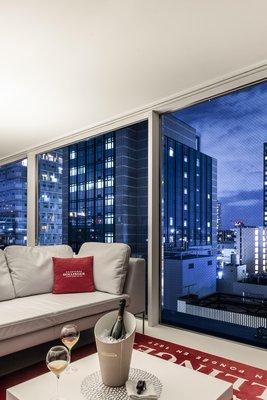
CUVÉE J2 HOTEL OSAKA by Onko Chishin
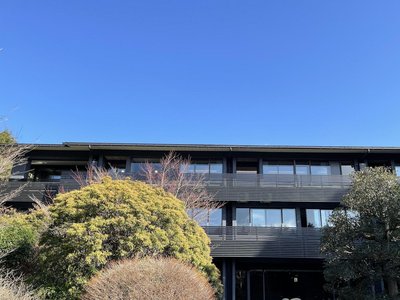
Sengokubara Cocon
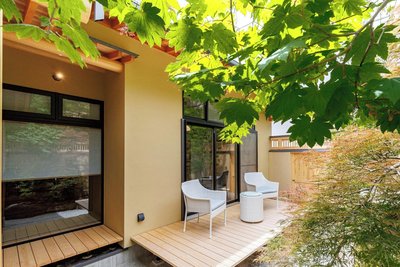
Shoraiso
Bvlgari Hotel Tokyo
Osaka Marriott Miyako Hotel
The Ritz-Carlton, Osaka
Four Seasons Hotel Tokyo at Marunouchi
Mandarin Oriental, Tokyo
The Ritz-Carlton, Tokyo
Andaz Tokyo Toranomon Hills- A Concept by Hyatt
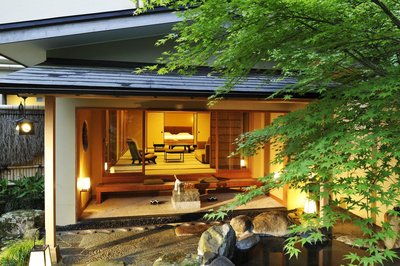
Gora Kadan
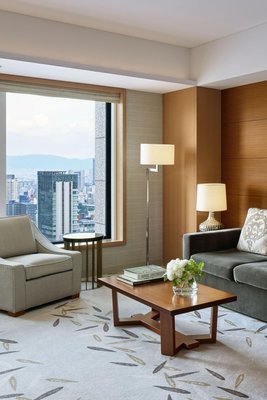
InterContinental Hotel Osaka
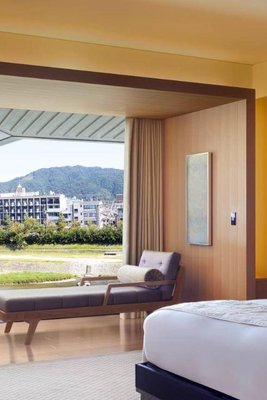
The Ritz-Carlton, Kyoto

Hotel New Otani Tokyo the Main
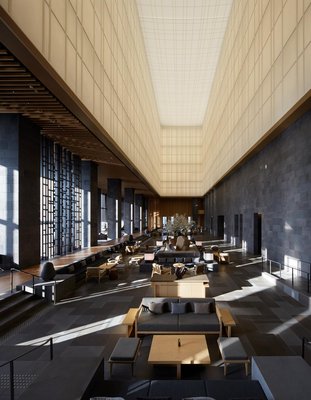
Aman Tokyo
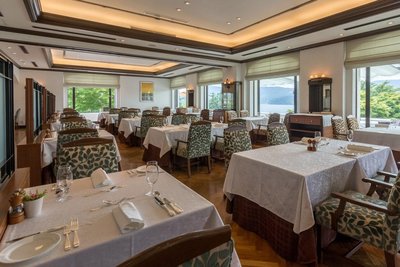
Odakyu Hotel de Yama
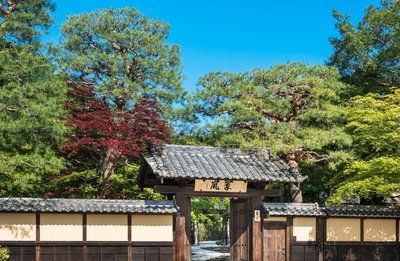
Suiran, a Luxury Collection Hotel, Kyoto
GOOD NATURE HOTEL KYOTO
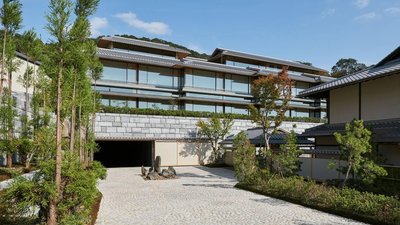
Park Hyatt Kyoto
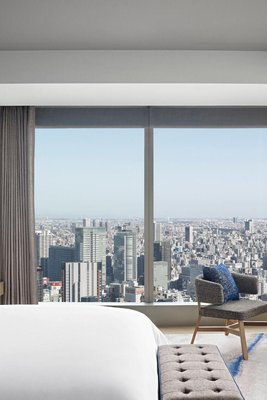
Four Seasons Hotel Tokyo at Otemachi
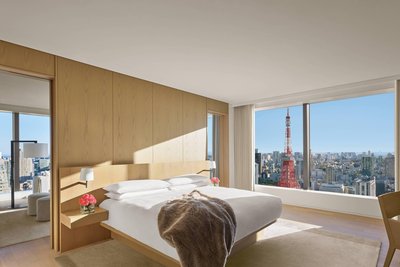
The Tokyo Edition, Toranomon

Hyatt Centric Kanazawa
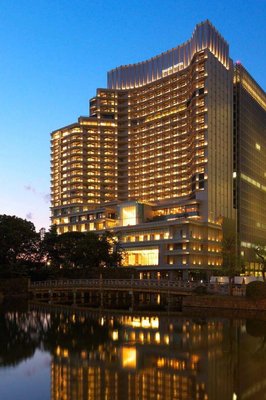
Palace Hotel Tokyo

Rakuten STAY VILLA Nasu
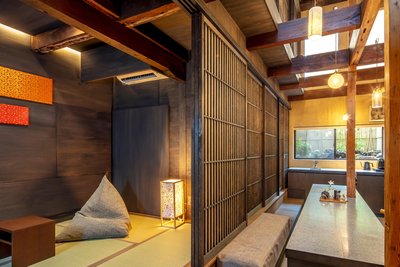
Kyo No Oozora Kihana
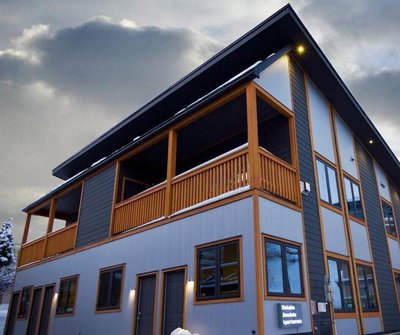
Hakuba Gondola Apartments
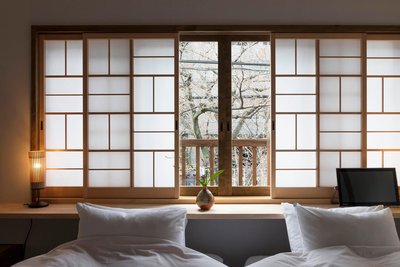
Hanagoromo Machiya House
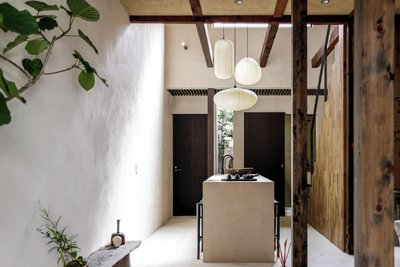
Maana Kiyomizu
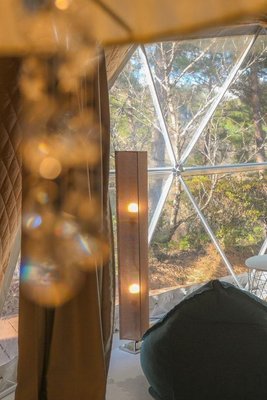
glampark Gekkabijin Nagano
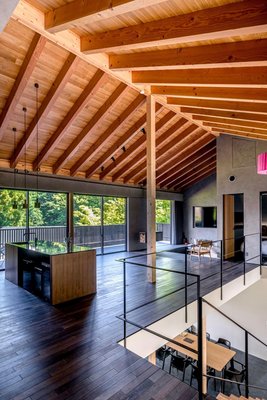
MONS GORA

Phoenix Chalets by Hhg
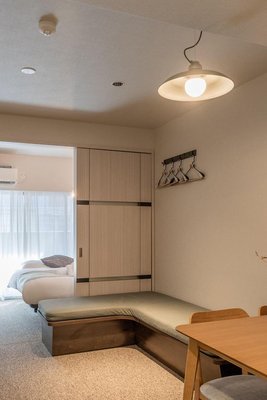
Apartment Hotel 11 Shinsaibashi
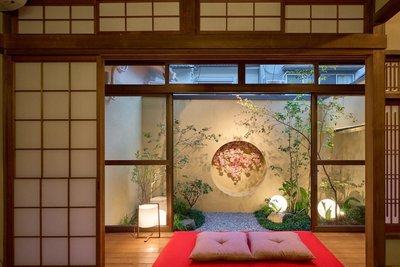
KONJAKUSO Osaka Tengachaya "NIHONCHA" Tea & Relax
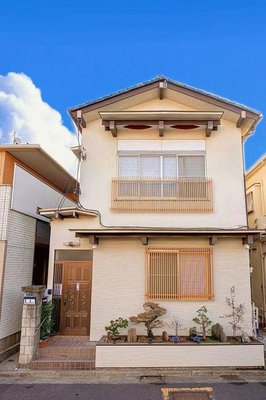
Tokyo Star House-Shinkoiwa
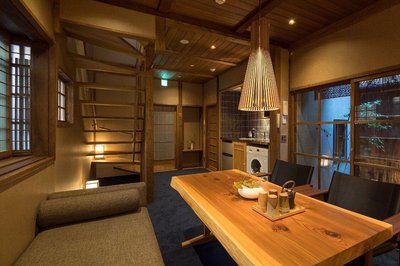
Bonbori an Machiya House
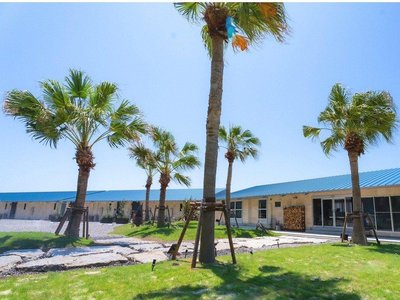
Glamping&Resort Wood Design Park Noma
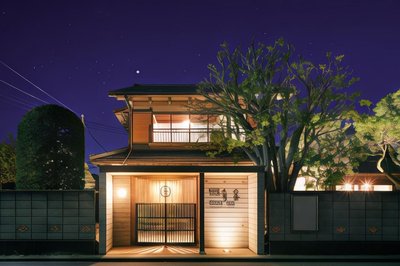
Machi-Jyu
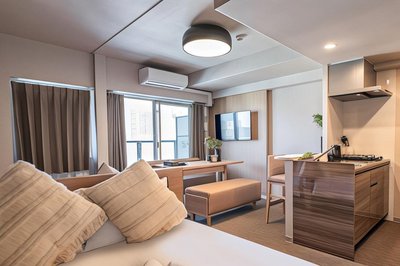
Apartment Hotel 11 Shinsaibashi III
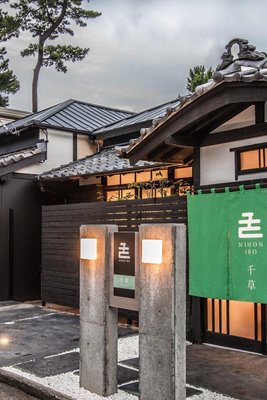
Nihon Iro
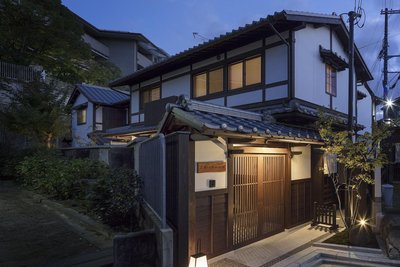
The Machiya Villa Sanjo Shirakawa Koji
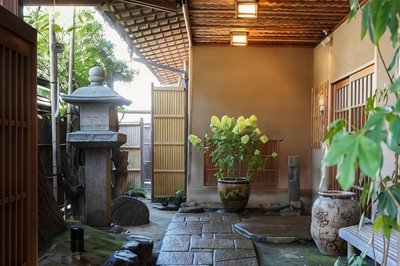
Ryokan Asadaya
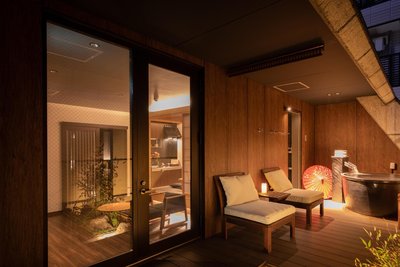
Konjaku-So Dotonbori
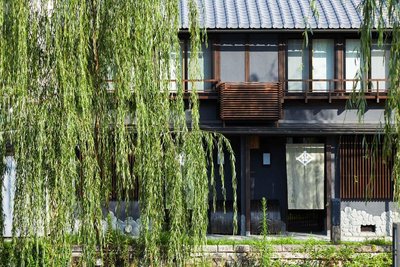
Gion Shirakawa No Yado
Bellustar Tokyo, A Pan Pacific Hotel

Hotel Barrière Fouquet's New York
Bvlgari Hotel Tokyo
Shima Kanko Hotel the Bay Suites
Loquat Nishiizu
Byaku Narai
Waldorf Astoria Osaka
Atami Izusan Karaku
Kamo Residences by Reflections
The Tokyo Edition, Ginza
Janu Tokyo
Six Senses Kyoto
Four Seasons Hotel Osaka
Patina Osaka
The Ritz-Carlton, Osaka
JW Marriott Hotel Tokyo
Arimasansoh Goshobessho
Four Seasons Hotel Tokyo at Marunouchi
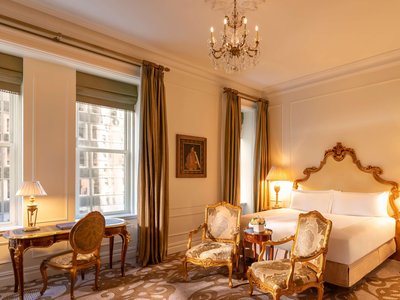
The Plaza - A Fairmont Managed Hotel
Mandarin Oriental, Tokyo
Frequently Asked Questions about Traveling to Miyada
Questions You Might Need to Know About Traveling to Miyada
In Miyata Village, the top choice for families is Shiiba Guesthouse, nestled in a quiet valley surrounded by ancient cedars. This traditional Japanese inn offers private onsen baths, spacious tatami rooms, and a farm-to-table dining experience featuring locally grown mountain vegetables and wild mushrooms. The property also hosts guided nature walks along the Miyata River, where children can spot frogs and dragonflies. Another excellent option is Fujinoki Forest Villa, a restored farmhouse with a large garden perfect for kids to play safely. Both ryokans emphasize sustainability—using solar energy and composting systems—and offer seasonal activities like maple leaf collecting and handmade pottery workshops, making them ideal for immersive rural experiences.
The village’s low population density ensures peaceful surroundings, while all accommodations are within walking distance of scenic trails and cultural sites.
The best area for accommodation in Miyata Village is Kamimiya District, located near the historic Miyata Shrine and a centuries-old cherry tree. This central zone retains its Edo-period architecture, with wooden guesthouses like Songwind Inn and Snow Peak Lodge offering authentic Japanese-style rooms with garden views. Kamimiya is quiet at night, perfect for stargazing, and just steps from the Akiba Mountain Trailhead, a gateway to hiking through pristine forests. With minimal vehicle traffic and access to local markets and artisan shops, this district provides an ideal balance between tranquility and convenience. It’s also the hub for community events and seasonal festivals, enhancing the sense of place for travelers seeking deep cultural immersion.
Visitors to Miyata Village can enjoy several authentic cultural experiences: join a autumn leaf collection workshop to learn how to preserve leaves using traditional bamboo baskets; participate in a pottery class at the Earthware Studio, crafting local Kanagawa-style ceramics; or visit the weekly village market, where farmers sell fresh highland buckwheat flour, wild mountain greens, and handwoven textiles. During the spring festival, experience the Bonfire Ceremony, where villagers gather around a large fire to perform traditional dances and share oral histories passed down through generations. These activities reflect the village’s deep connection to nature and ancestral traditions, offering a rare glimpse into Japan’s rural heritage and sustainable living practices.
Hot spring hotels in Miyata Village stand out for their natural healing waters sourced from volcanic aquifers over 300 meters deep. Ozasa Onsen Inn features indoor and outdoor onsen pools enriched with calcium and magnesium, known for soothing sensitive skin. Their signature Forest Meditation Bath combines herbal steam and ambient forest sounds, creating a meditative atmosphere. Some hotels offer nighttime stargazing onsen sessions, where guests soak under a clear sky while learning constellations from trained guides. All facilities use eco-friendly, closed-loop water systems without chemical additives, reflecting a commitment to environmental preservation. These serene, nature-integrated retreats provide a profound sense of renewal and connection to the land.
A stay of 2 to 3 days is ideal to fully appreciate Miyata Village. Day one: arrive and check into a central guesthouse, then stroll along the Miyata River at sunset, enjoying views of mist-covered mountains. Day two: hike up Akiba Mountain for panoramic vistas, followed by a hands-on pottery class or autumn leaf art workshop. Day three: explore ancient burial mounds, shop at the local market, and enjoy a farewell dinner featuring wild game stew and mountain-grown soba noodles. This itinerary allows time to absorb the village’s rhythm, engage with locals, and savor the slow pace of life, making it perfect for travelers seeking authenticity and relaxation.
Must-try dishes in Miyata Village include Miyata-style buckwheat noodles made from high-altitude local flour—slightly bitter yet aromatic. Another highlight is Mountain Pot, a hearty stew combining wild mushrooms, mountain chicken, and root vegetables simmered in a rich broth infused with pine resin. During winter, try the exclusive Snow Viewing Banquet, featuring ice-preserved pickles and charcoal-grilled trout. Local taverns also serve mountain leek sake, brewed from wild herbs and spring water, offering a light, floral finish. All ingredients are sourced sustainably from nearby farms and forests, embodying the village’s philosophy of "from soil to table," ensuring both flavor and ecological integrity in every bite.
Miyata Village offers stunning photo opportunities, especially for sunrise mist landscapes and seasonal color contrasts. Key spots include Akiba Mountain Overlook, where morning fog floats above distant peaks like a canvas of gray ink; the Miyata Riverbanks, where cherry blossoms mirror perfectly in still water during spring; and the ancient cherry tree alley, where sunlight filters through branches creating dramatic chiaroscuro effects. Traditional wooden houses with intricate lattice windows also make excellent frames for candid human interest shots. During the annual Red Leaf Photography Festival in November, the village hosts free workshops and lighting tips from professional photographers. Bring a tripod and polarizing filter to capture sharp, vivid images of nature’s beauty in its purest form.
The most convenient way to reach Miyata Village is by taking the JR East Shin'etsu Main Line to Shimotakaido Station, then transferring to a village-operated bus (approx. 45 minutes). For self-drivers, take the Nagano Expressway to the Miyata Interchange, where well-marked signs guide you through scenic mountain roads. While no taxis operate within the village core, shared bicycles and volunteer shuttle services (bookable in advance) are available. Due to restricted vehicle access in central areas, parking is encouraged at the village entrance. All signage is bilingual (Japanese and English), aiding international visitors navigating the region seamlessly.
Yes, many ryokans in Miyata Village provide free or fee-based local guided tours led by retired teachers, farmers, or elders. For example, Songwind Inn and Snow Peak Lodge employ knowledgeable guides who lead visitors through ancient burial mounds, terraced tea fields, and wild medicinal herb zones, sharing insights about climate patterns and traditional knowledge. Tours often include sensory experiences—such as touching moss, smelling dried herbs, or identifying bird calls—to deepen cultural understanding. Specialized programs like "Storytelling Walks" recount village legends tied to natural landmarks. Reservations are recommended in advance to secure preferred times and group sizes, ensuring personalized attention and meaningful engagement with the community.
Miyata Village celebrates vibrant seasonal events throughout the year: in April, the Cherry Blossom Blessing Festival features lanterns hung beneath the century-old cherry tree; in July, the Forest Music Festival brings together musicians playing shakuhachi flutes and taiko drums in open-air concerts; October–November hosts the Autumn Leaf Collection & Art Exhibition, where artists create installations from fallen leaves; and in December, the Snow Viewing Lantern Festival lights up pathways with thousands of paper lanterns, casting a dreamy glow across snow-covered paths. Additionally, the New Year’s First Sunrise Hike invites residents and visitors to climb Akiba Mountain at dawn to welcome the new year. These events celebrate the village’s harmony with nature and strengthen community bonds, offering unforgettable moments for cultural travelers.
Miyada Overview
City Summary
Miyada Village in Nagano Prefecture, Japan, is a serene mountain-ringed settlement famed for pristine nature and hot springs. Its pastoral landscapes and distinct four-season scenery attract travelers seeking slow living. Key attractions include Mount Kisokoma and local handicraft markets showcasing traditional rural culture.
Must-See Attractions
Top sight is Mount Kisokoma, offering breathtaking alpine views for hikers. Miyada Onsen provides therapeutic hot spring baths. The Miyada Craft Center displays exquisite woodwork, with hands-on workshops available.
Food Guide
Cuisine reflects mountain heritage - don't miss soba noodles made from locally grown buckwheat. Seasonal wild vegetable dishes are foraged fresh. Sweet onsen manju (steamed buns) sold at teahouses make perfect souvenirs.
Transportation Guide
Accessible via bus from Nagano City (90mins). Within the village, attractions are walkable or explorable by rental bicycle. Drivers can use Route 361, but snow chains are essential in winter. Limited bus frequency requires schedule checks.
Best Time to Visit
Ideal visitation is May-October for mild hiking weather. September-October offers stunning autumn foliage. Winter (Dec-Mar) sees road closures, though hot ryokans offer snow-view packages.
Travel Tips
- Cash essentials: Few ATMs, most shops cash-only
- Onsen etiquette: Rinse before bathing, no swimsuits allowed
- Mountain hiking: Carry sufficient water and anti-slip footwear
- Waste management: Strict recycling - take trash to your lodging
- Privacy respect: Ask permission before photographing residences
- Bus punctuality: Rural buses run strictly on schedule - arrive early
Useful Information
Language: Basic English works; translation apps recommended. Internet: Limited free WiFi; prepaid SIM cards advisable. Payments: Credit cards accepted only at larger inns; carry cash. Healthcare: Village clinic handles minor emergencies; serious cases go to Nagano hospitals. Emergency numbers: Police 110, Ambulance 119. Some lodgings rent bicycles (~1000 JPY/day) - confirm winter tire equipment.