Hotels in Miyawaka
Discover your perfect stay in Miyawaka.
Miyawaka(Japan) Travel 2026: Cheap Flights, Hotels & Top Attractions
Popular Landmarks in Miyawaka
Discover the most iconic attractions in Miyawaka
Recommended Hotels in Miyawaka
Find the perfect place to stay in Miyawaka

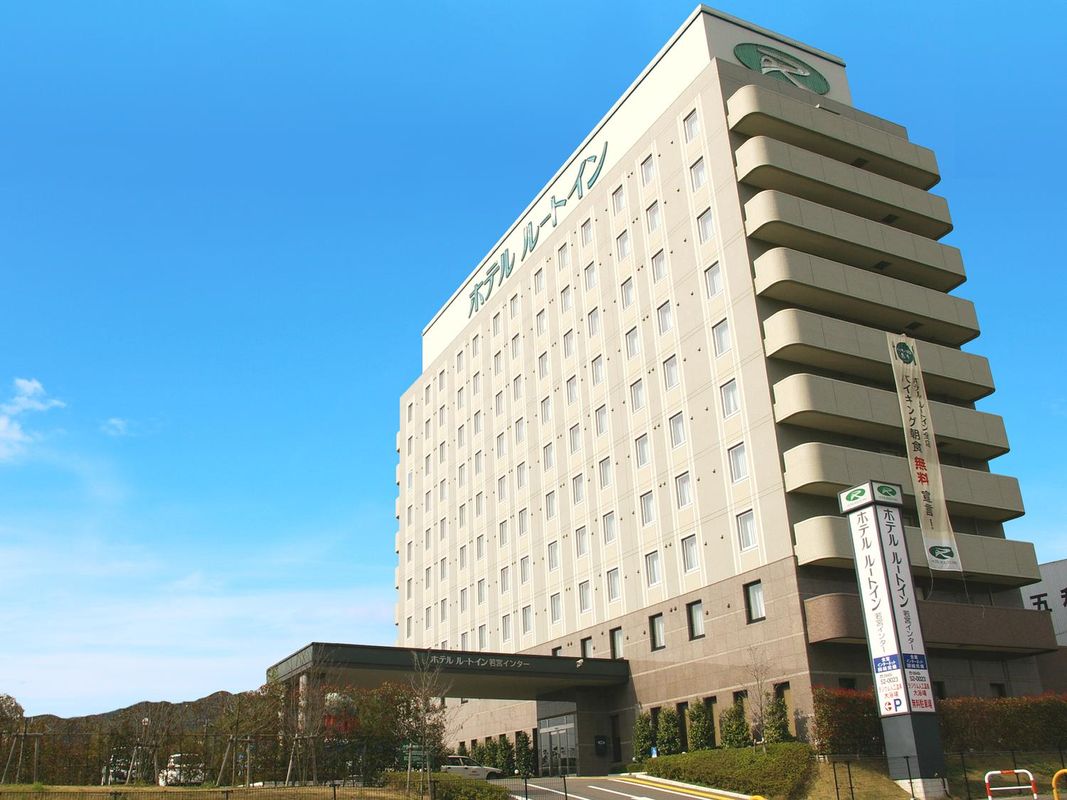
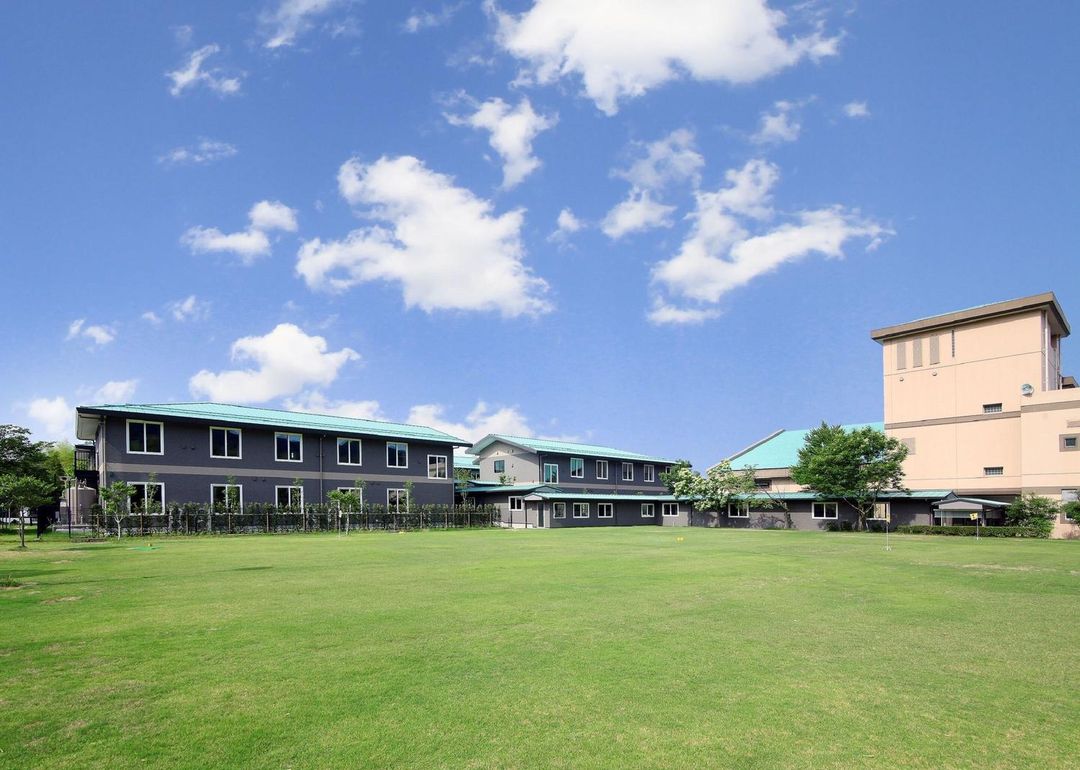

Best Hotels in Miyawaka
Discover curated hotel collections in Miyawaka








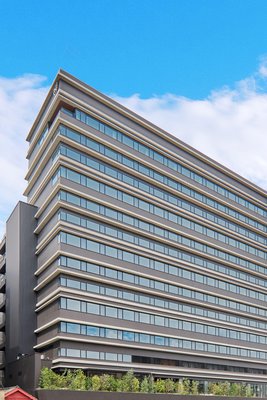
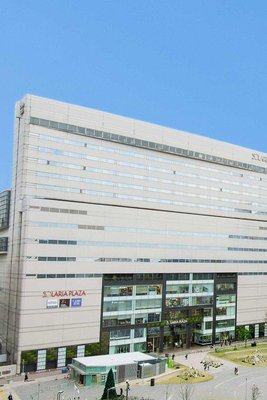

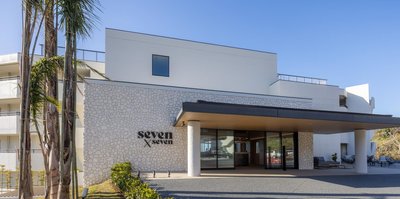
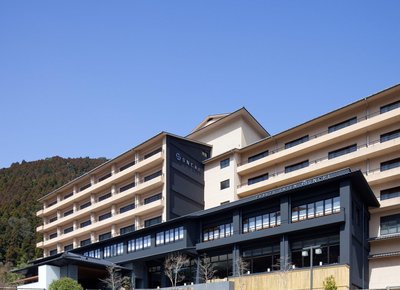





Frequently Asked Questions about Traveling to Miyawaka
Questions You Might Need to Know About Traveling to Miyawaka
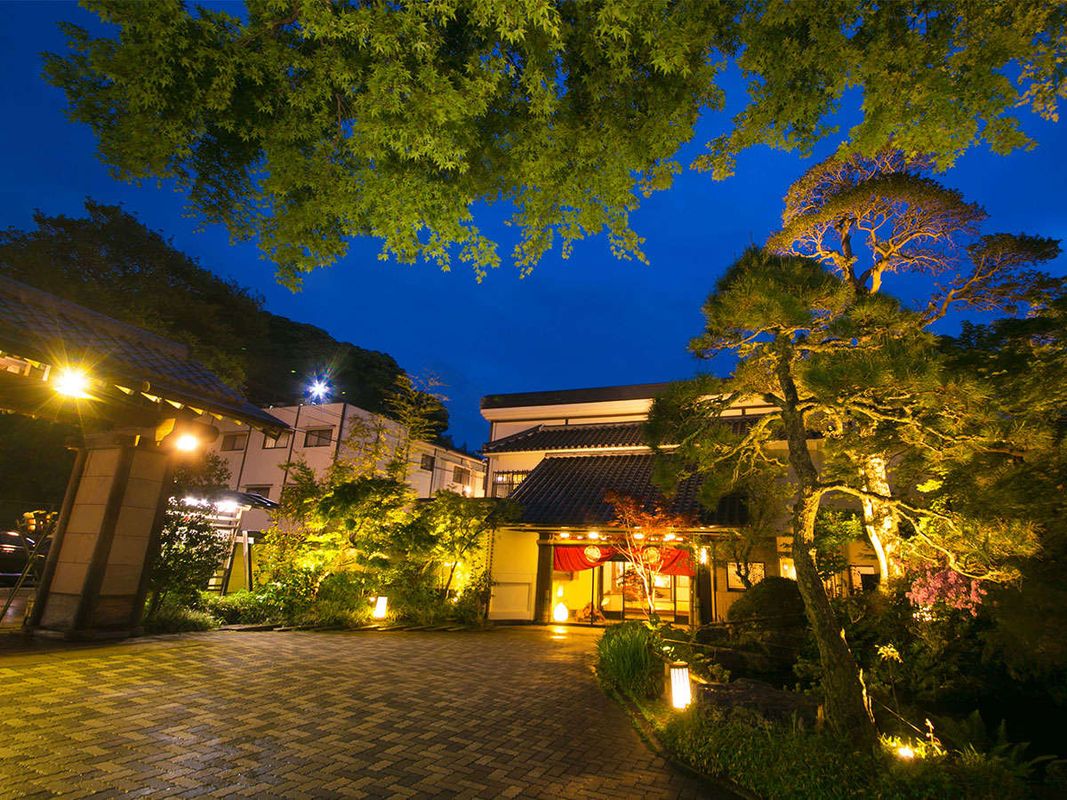
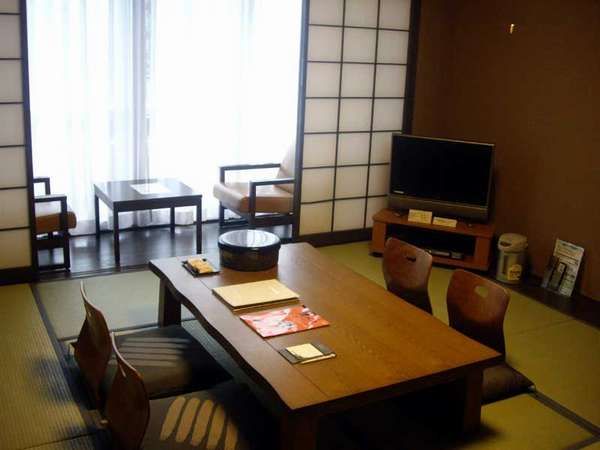
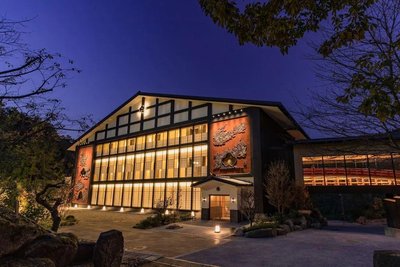
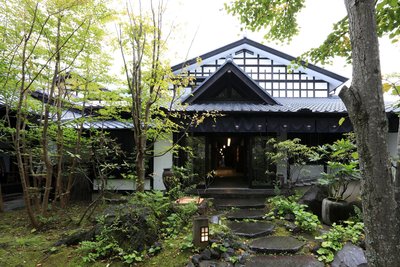
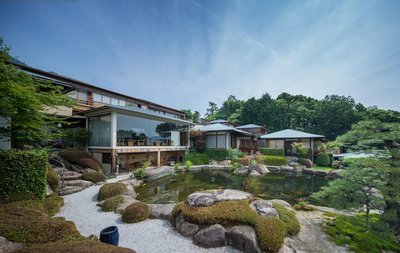
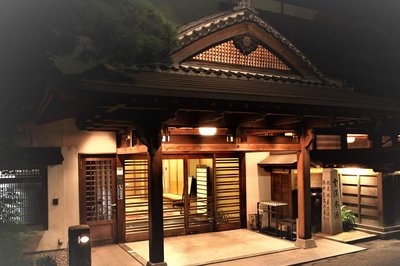
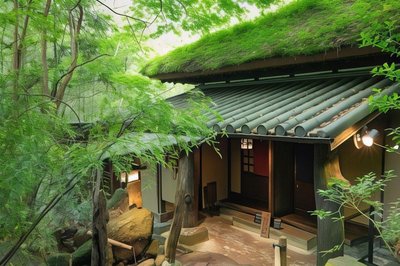
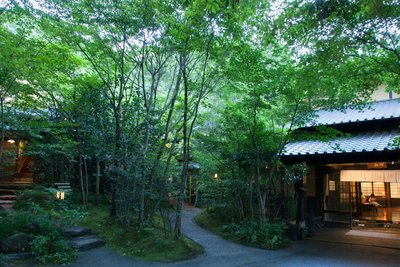
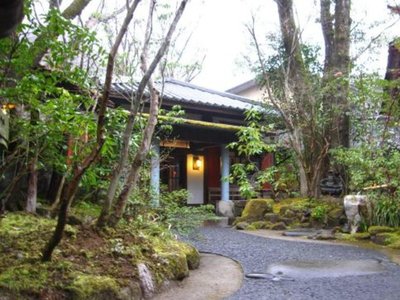
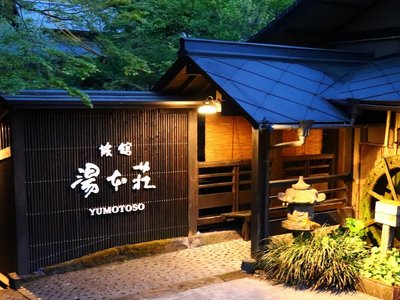
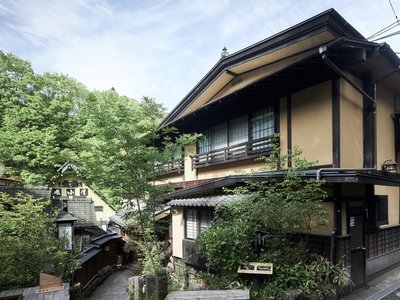
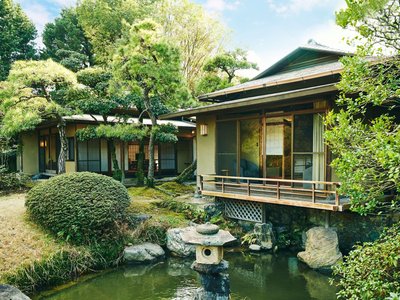
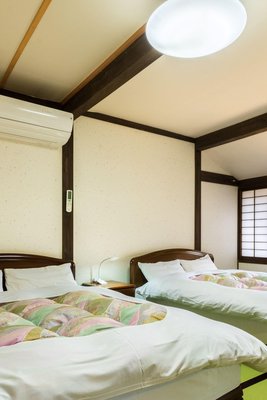
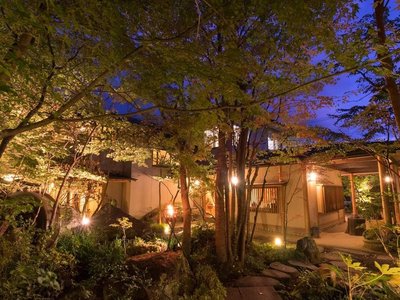
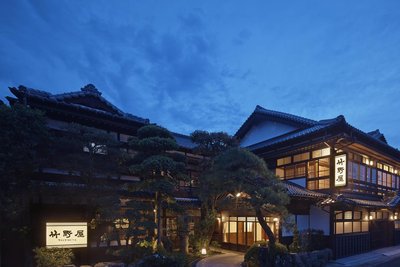
In Kōriki City, the best hotel with authentic local charm is Kōriki Ryokan & Garden House, a traditional Japanese inn nestled near the Ōmori River. This family-run establishment features tatami-matted rooms, kaiseki meals made from locally sourced ingredients, and a serene garden with seasonal blooms. Guests can enjoy private onsen baths and participate in daily cultural activities like tea ceremony workshops or bamboo weaving sessions.
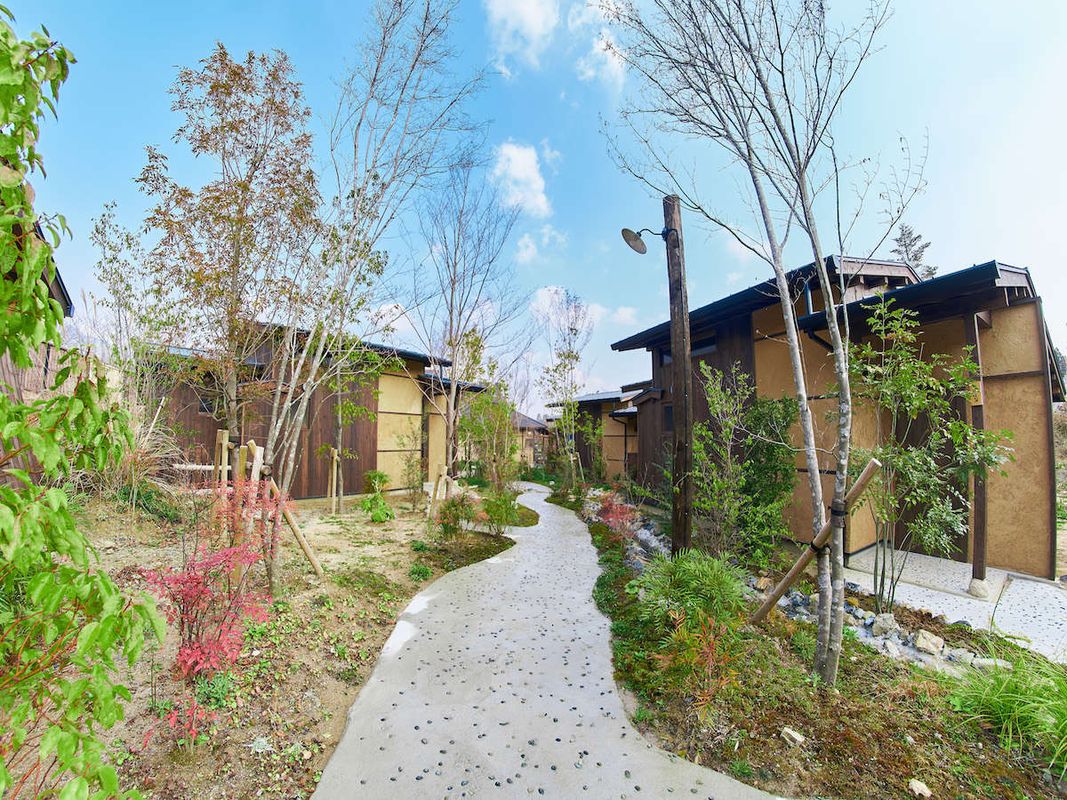
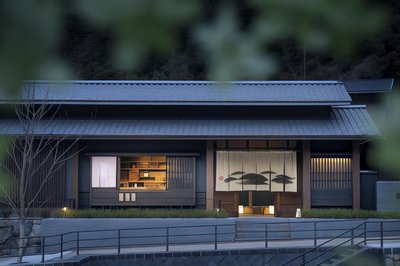
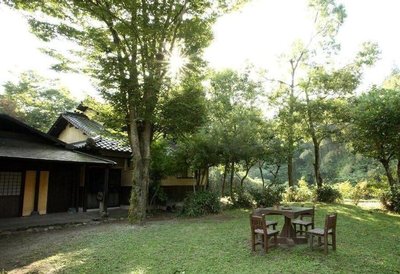
Another standout option is Kōriki Forest View Inn, located just steps from the Kōriki Ancient Mound Cluster. The eco-friendly lodge offers forest-view rooms, guided nature walks, and farm-to-table breakfasts featuring fresh strawberries and regional rice. Both properties emphasize sustainability and community engagement, making them ideal for travelers seeking immersive, low-impact experiences in rural Fukuoka.
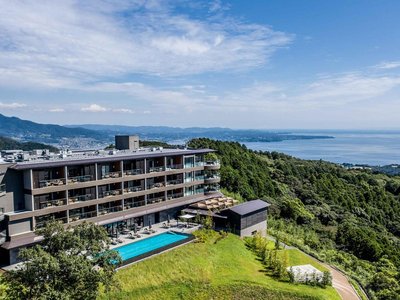
The West Mountain Area (Seinan District) is the most peaceful and scenic region in Kōriki City, perfect for travelers seeking tranquility. Surrounded by lush forests and the Kōriki Forest Park, this area offers panoramic views of the Kyushu Mountains and is home to several boutique lodges and eco-cottages.
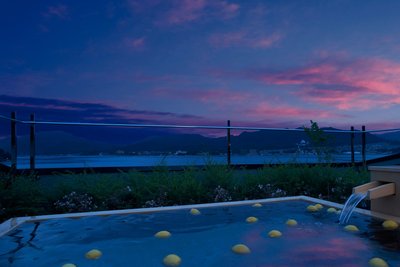
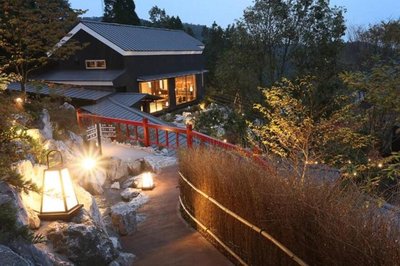
Staying here means easy access to the Bamboo Grove Trail, where sunlight filters through tall green stalks, creating a magical atmosphere ideal for photography and meditation. Many accommodations provide private hot springs, organic gardens, and morning birdwatching tours. It's also close to the Kōriki Riverbank Path, where you can walk at dusk under soft lantern light. Best visited during spring (cherry blossoms) or autumn (maple foliage), this area offers a true escape from urban life.
Visitors to Kōriki City can enjoy several unique cultural experiences rooted in local tradition. One highlight is the Kōriki Pottery Workshop, where guests learn to craft "Kōriki-yaki" ceramics using clay from nearby hills—a UNESCO-recognized artisan technique.
Another must-do is the Farm-to-Fork Festival, held every September, which includes hands-on sessions in making local strawberry jam, brewing rice wine (sake), and planting seasonal crops. Participants also join a traditional harvest dance accompanied by taiko drums.
Additionally, the annual Kōriki Shrine Festival features a ceremonial procession, historical reenactments of ancient rituals, and a night market selling handmade crafts. These events not only showcase the city’s heritage but also encourage meaningful interaction between locals and visitors.
Yes, Kōriki City offers several family-friendly accommodations. The Kōriki Family Stay Inn is a top choice—this renovated farmhouse provides spacious rooms, a fenced backyard with a sandbox, and a children’s activity corner with puzzles and games.
It also features a kid-friendly kitchen where families can cook together using local ingredients, such as fresh strawberries and rice. On-site amenities include a small petting zoo, a mini vegetable garden, and guided nature scavenger hunts.
Another excellent option is Kōriki Riverside Hotel, which offers family suites with connecting rooms, free baby cots, and a playroom with toys and books. The hotel organizes weekly family storytelling nights and outdoor campfire gatherings. All facilities are wheelchair-accessible, making it suitable for multi-generational travel.
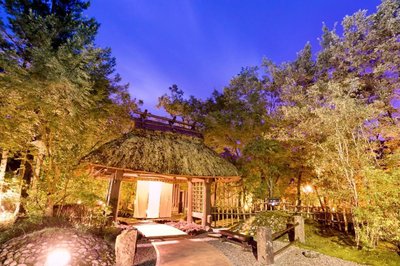
Kōriki City’s night scenery is quietly enchanting, centered around its natural landscapes and gentle lighting. The Ōmori Riverbank Walkway transforms into a dreamlike pathway after dark, with soft LED lights strung along trees and water reflections creating a shimmering effect.
Every Friday, the Kōriki Night Market Light Show animates the main street with synchronized projections on shop facades, turning ordinary buildings into dynamic art canvases. For a more secluded view, head to the West Mountain Overlook, where you can see the entire city glowing beneath the stars, framed by distant mountain silhouettes.
The absence of heavy traffic and neon signs gives the city a peaceful, intimate atmosphere—perfect for couples or solo travelers looking for calm and beauty under the moonlight.
Tourists should visit the Kōriki Ancient Mound Cluster, a group of 15 burial mounds dating back to the Kofun period (3rd–6th century AD). Designated as a National Historic Site, these mounds offer insight into early Kyushu society and feature detailed stone carvings and burial artifacts.
Another key site is the Kōriki Shrine, established in the Edo era, dedicated to Amaterasu-Omikami. Its centuries-old wooden torii gate, stone lanterns, and sacred cedar trees create a solemn yet welcoming ambiance. The shrine hosts the annual Spring Purification Ceremony, where visitors can witness traditional dances and prayers.
Nearby, the Kōriki Historical Museum displays excavated relics, ancient tools, and interactive exhibits explaining the region’s role in early trade routes. These sites collectively offer a deep dive into the spiritual and historical roots of Kōriki City.
Kōriki City is a hidden gem for photographers. The Ōmori River Cherry Blossom Avenue is legendary—during spring, pink petals float on the river, creating ethereal reflections perfect for long-exposure shots.
The Bamboo Grove Trail offers dramatic vertical framing, with sunlight piercing through dense green stalks, ideal for minimalist or abstract compositions. Early morning fog enhances the mystical quality.
The Kōriki Pottery Kiln provides a textured backdrop: raw clay walls, smoldering kilns, and artisans at work—great for candid cultural photography. Don’t miss the West Mountain Sunset Platform, where you can capture the city skyline bathed in golden hour light.
For night photography, the Kōriki Night Market Projection Show turns storefronts into animated galleries. Use a tripod and slow shutter speed to capture motion blur and light trails.
Visitors to Kōriki City should try Kōriki Burdock Stew (Gobo Nabe), a hearty winter dish made with locally grown burdock root, pork, and miso broth, served at the historic Yamadaya Restaurant.
Another must-try is White Stone Strawberry Mochi, crafted from fresh strawberries harvested from the White Stone Farm. The soft mochi wrapper encases juicy fruit and is often served warm with matcha powder.
Don’t miss Kōriki Rice Dumplings (Kome Dango), made from native Saga rice and filled with pickled plum or grilled salmon. They’re sold at weekend markets and make a perfect picnic snack.
For a full sensory experience, book a Local Table Dinner, where you dine with a host family and taste homemade fermented vegetables, wild herb tea, and seasonal preserves—each dish tells a story of the land.
The easiest way to travel from Fukuoka City to Kōriki City is by taking the Nishi-Nippon Railway (Nishitetsu Line) from Fukuoka Tenjin Station to Kōriki Station, a journey lasting about 45 minutes with frequent departures. The train offers comfortable seating and scenic views of rural Kyushu.
Alternatively, take the Route 710 Bus from Fukuoka Bus Terminal, which runs directly to Kōriki City Center, taking approximately 60 minutes. For drivers, use the Kyushu Expressway, exiting at Omuta Interchange, then follow Route 265 to reach the city center—about 35 minutes. Parking is available at major hotels and tourist hubs. Always check schedules in advance, especially on weekends and holidays.
A 2- to 3-day itinerary is ideal for experiencing Kōriki City fully. On Day 1, explore the Kōriki Ancient Mound Cluster and Kōriki Shrine, stroll along the Ōmori Riverbank, and enjoy dinner at a local izakaya.
Day 2 focuses on immersion: participate in a pottery workshop, go strawberry picking at White Stone Farm, and stay overnight at a forest ryokan for a tranquil evening.
On Day 3, hike the Bamboo Grove Trail, visit the Kōriki Forest Park, and attend a farm-to-table cooking class. This relaxed pace allows time to appreciate the city’s slow living culture, natural beauty, and warm hospitality—perfect for rejuvenation and connection with nature.
Miyawaka Overview
City Summary
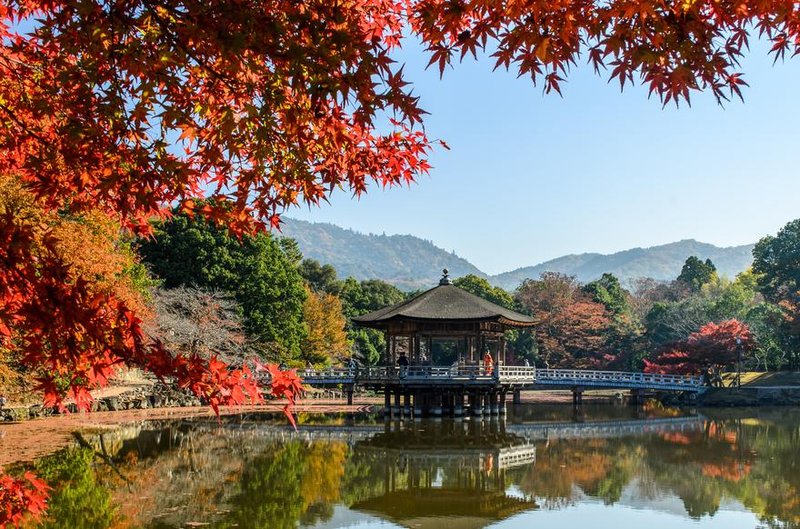
Miyawaka City in Fukuoka Prefecture, Japan, blends natural beauty with industrial heritage. Known for its coal mining history seen in old Mitsui facilities, and scenic spots like Lake Miyawaka surrounded by mountains.
Must-See Attractions
Must-visits include Lake Miyawaka for lakeside walks, and the Former Mitsui Mining Complex showcasing industrial heritage. The Miyawaka History Museum offers cultural insights.
Food Guide
Savor Fukuoka-style cuisine like yakitori and tonkotsu ramen at local izakayas. Don't miss sesame pudding, made with regional sesame.
Transportation Guide
Local buses are the main transport - consider day passes. Trains to Fukuoka take ~1 hour. Renting a car is ideal for exploring countryside, but mountain roads are narrow.
Best Time to Visit
Best seasons are spring (Mar-May) and autumn (Sep-Nov) for mild weather. Cherry blossoms around Lake Miyawaka are stunning.
Travel Tips
- Follow signage when visiting mining sites
- Pack rain gear for unpredictable mountain weather
- Carry cash as most eateries don't accept cards
- Check bus schedules in advance
- Maintain quiet conversation in residential areas
- Wash thoroughly before entering onsens
Useful Information
Japanese is primary language; basic English signs in tourist areas. Limited public WiFi - SIM cards recommended. Cash preferred, though credit cards accepted at major venues. Emergency: dial 110 (police) or 119 (ambulance). Drugstores cluster downtown, open until 8PM.