Hotels in Miyazu
Discover your perfect stay in Miyazu.
Miyazu(Japan) Travel 2026: Cheap Flights, Hotels & Top Attractions
Popular Landmarks in Miyazu
Discover the most iconic attractions in Miyazu
Recommended Hotels in Miyazu
Find the perfect place to stay in Miyazu
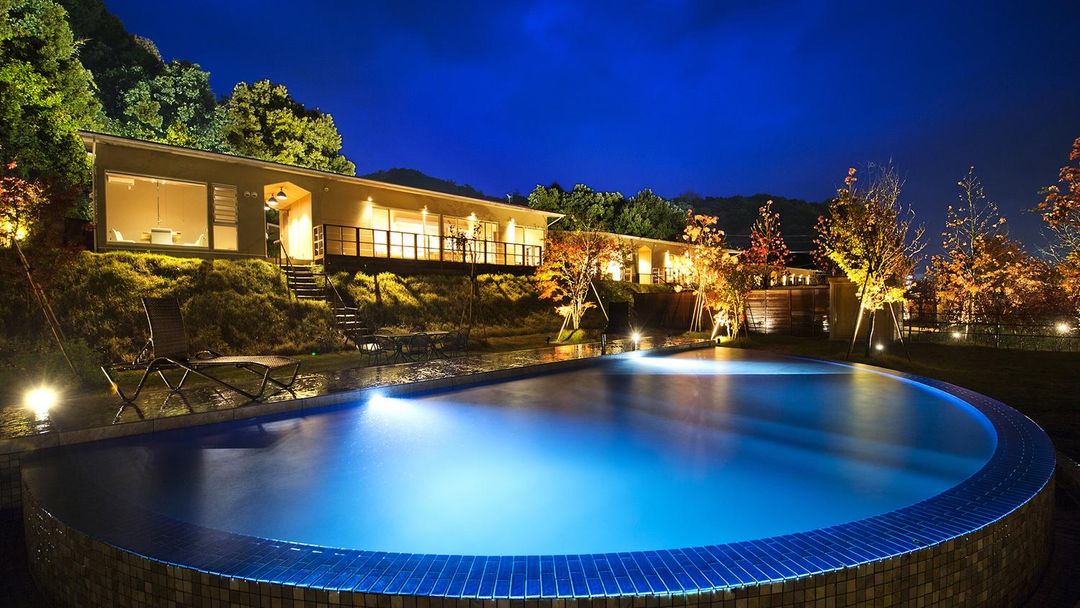
Marinetopia The Suite
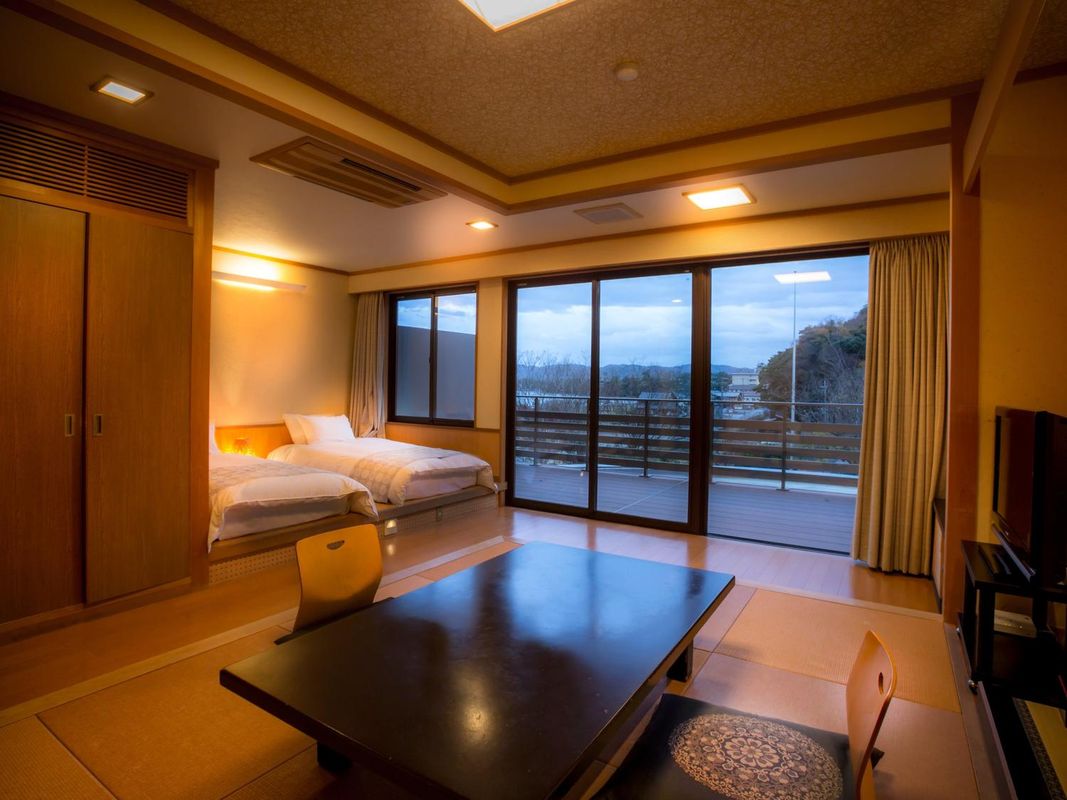
Hotel Kitanoya
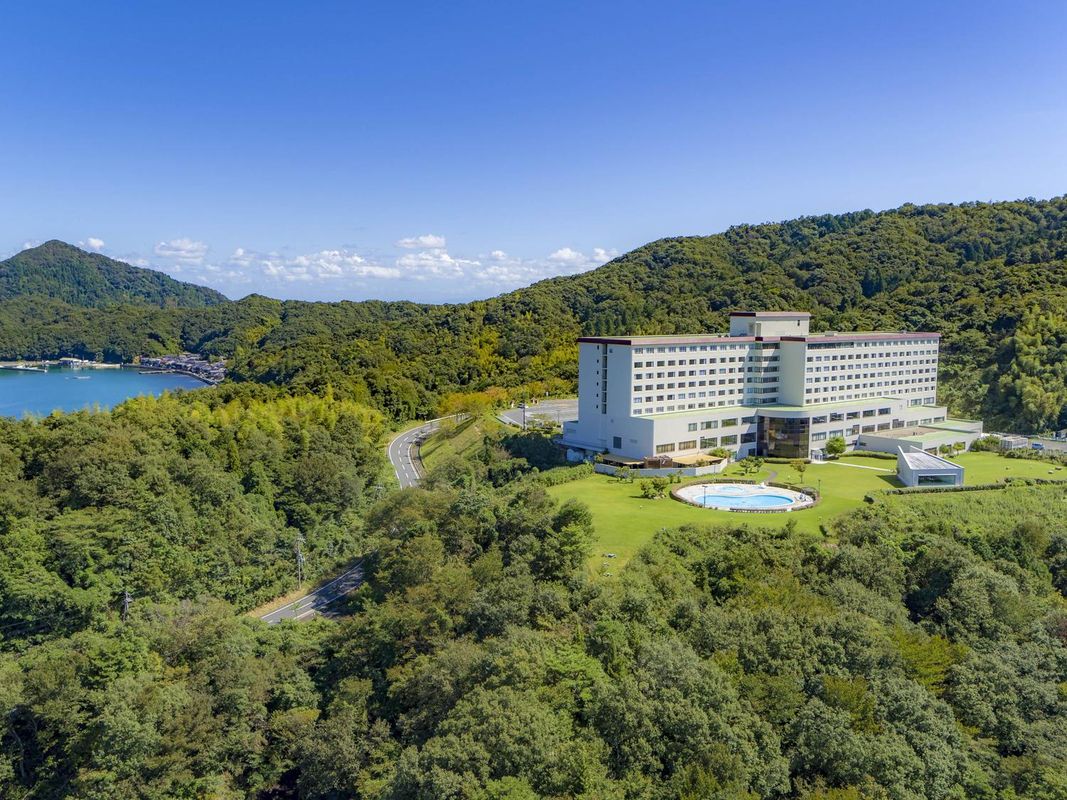
Mercure Kyoto Miyazu Resort & Spa
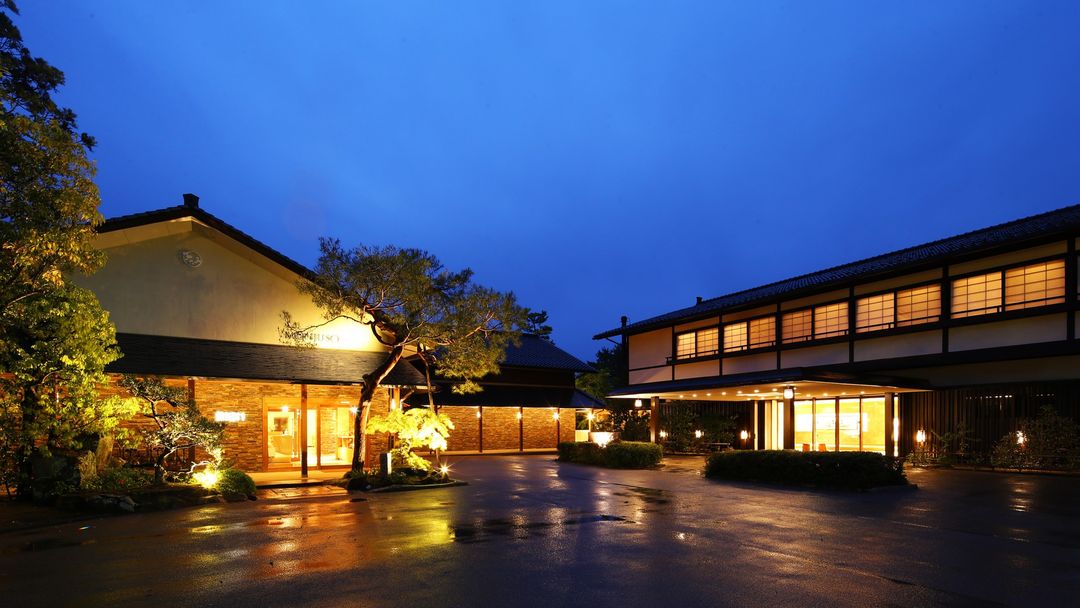
Monjusou
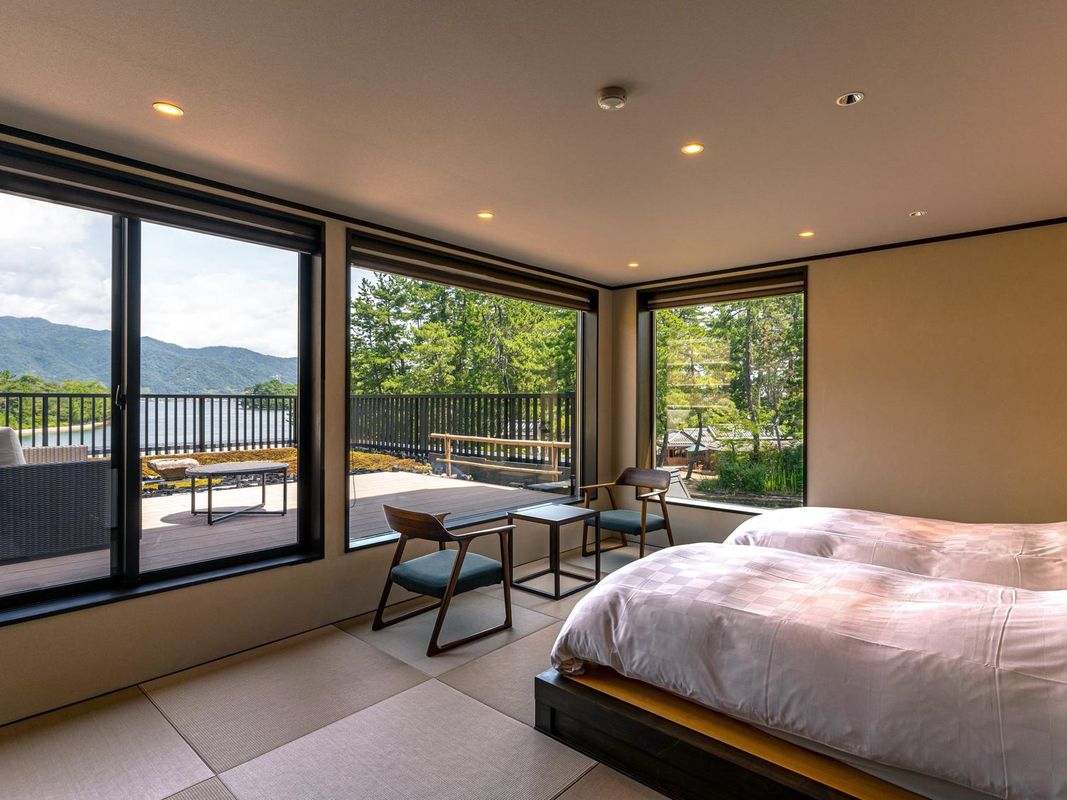
Taikyourou
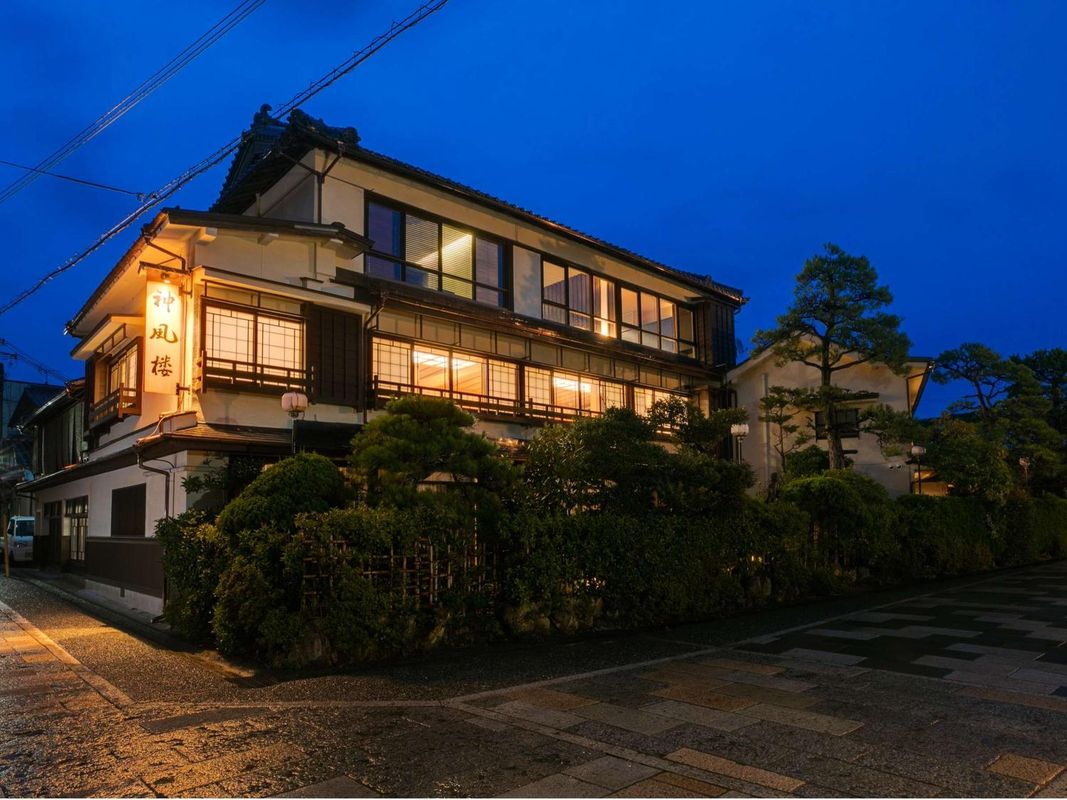
Shinpuro
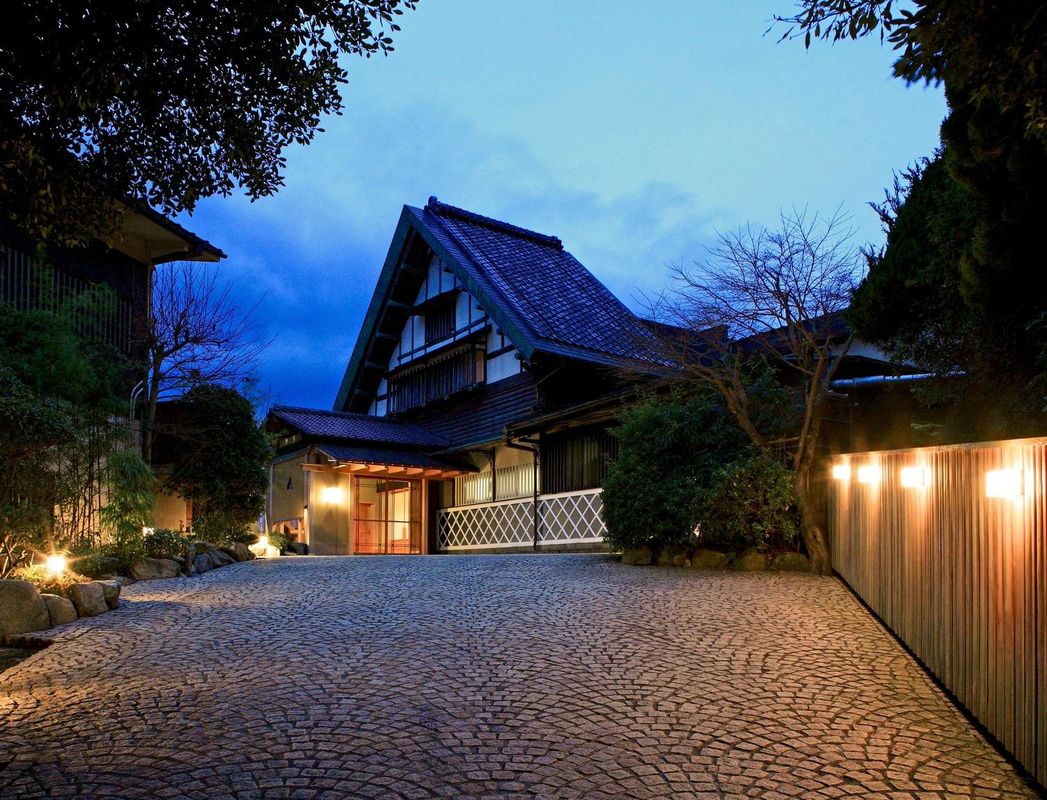
Genmyoan
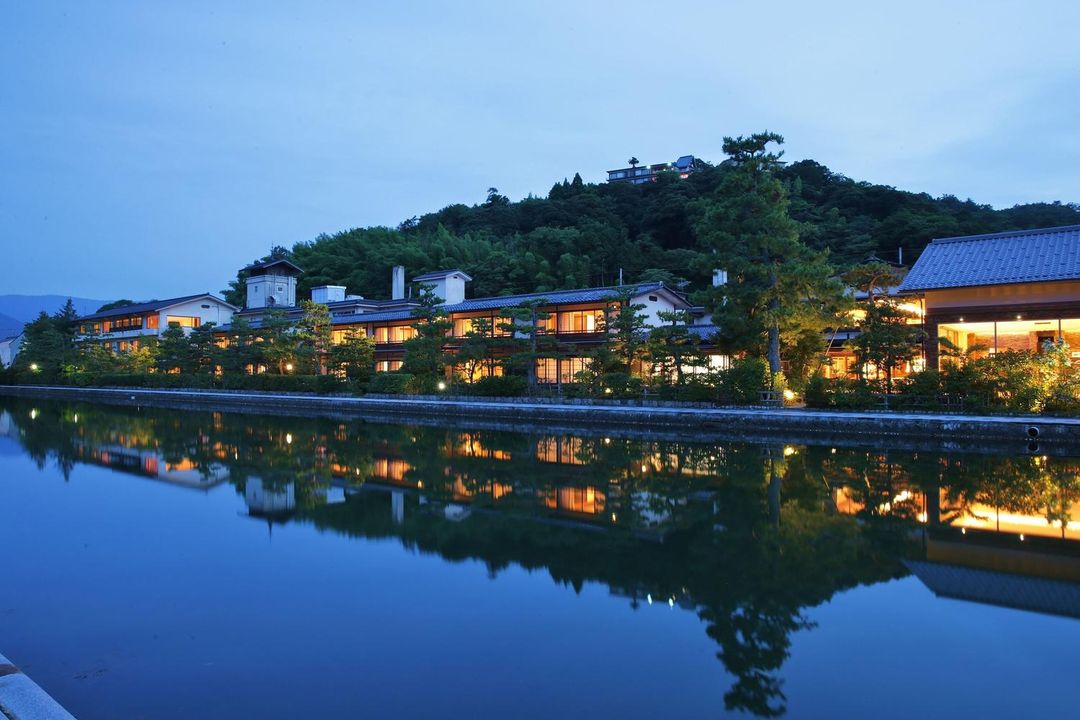
Monjusou
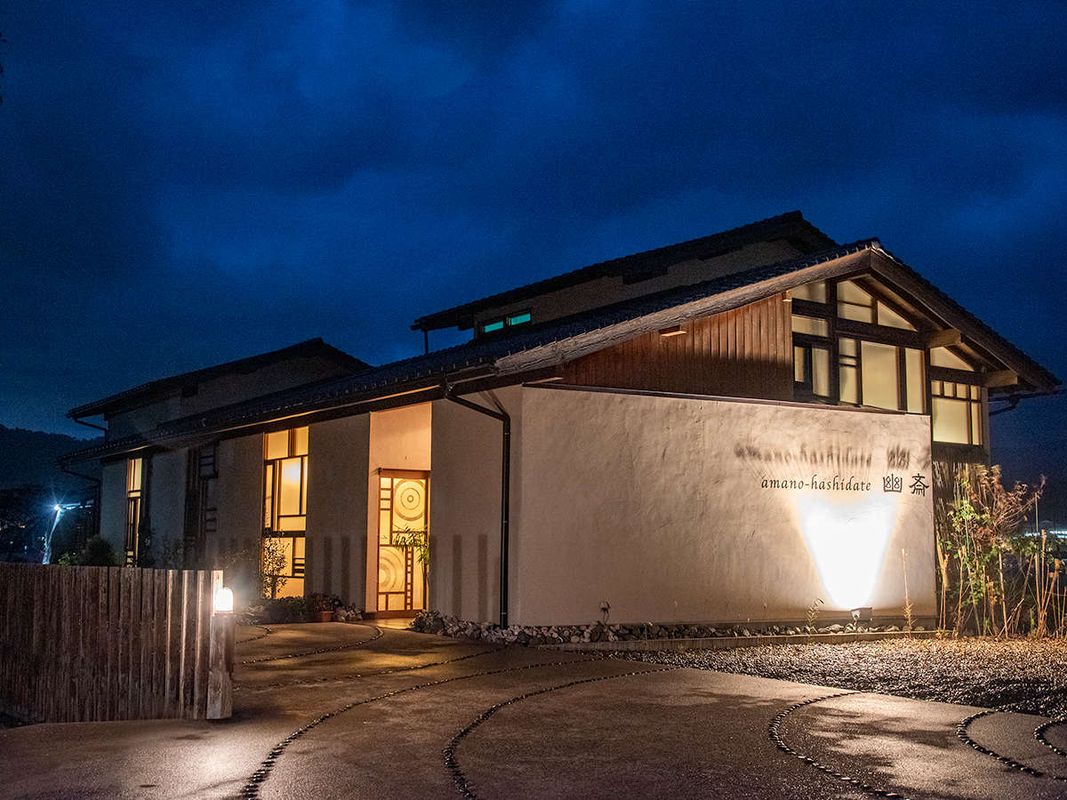
Amano-Hashidate Yusai
Monjusou Shourotei
Best Hotels in Miyazu
Discover curated hotel collections in Miyazu
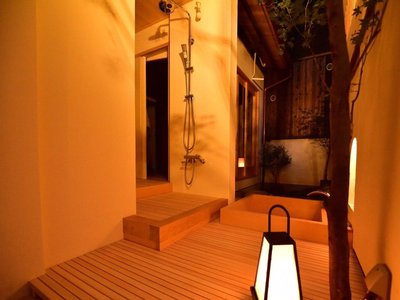
Yado Kiramachi
Okuno Hosomichi
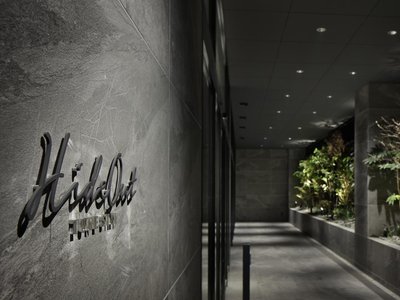
HIDEOUT
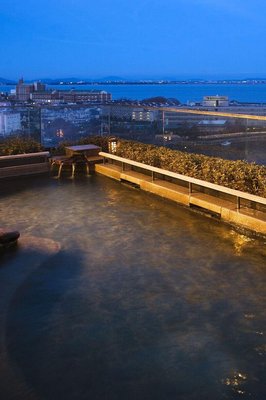
Yumotokan
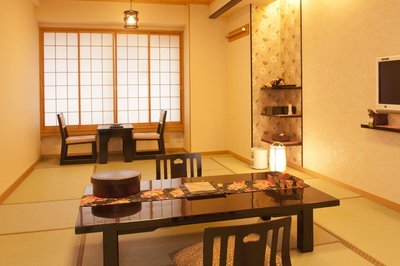
Matsui-Bekkan Hanakanzashi

Taikyourou
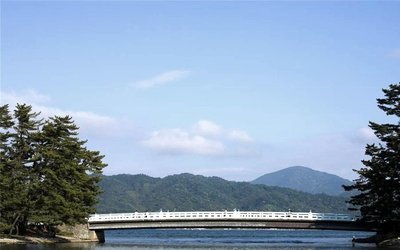
Monjusou Shourotei
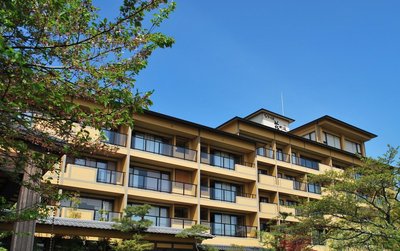
BIWAKO HANAKAIDO
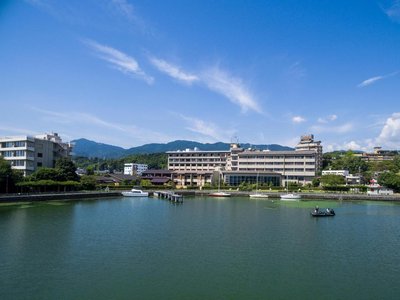
Biwako Ryokusuitei
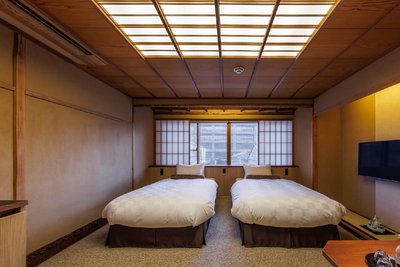
Kyoto Ryokan Sakanoue
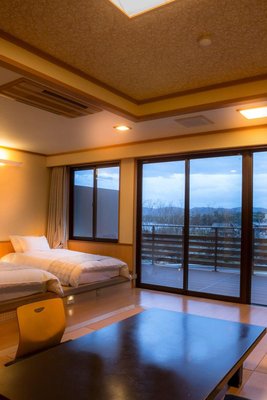
Hotel Kitanoya
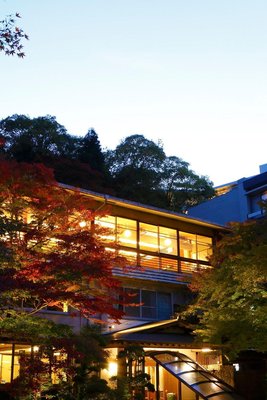
Negiya Ryofukaku
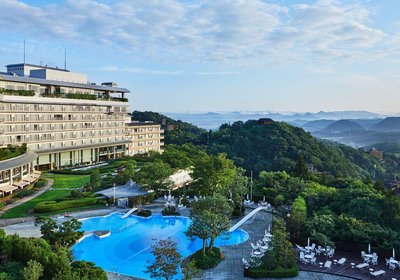
Arima Grand Hotel
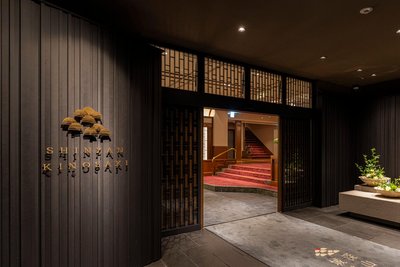
Shinzan Kinosaki
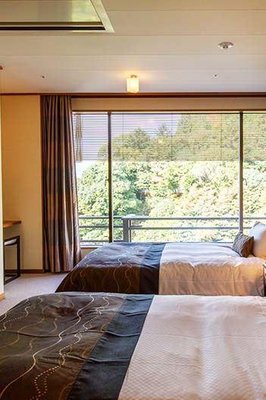
Nakanobo Zuien (Adult Only)
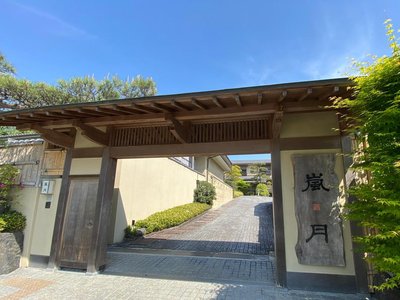
Rangetsu
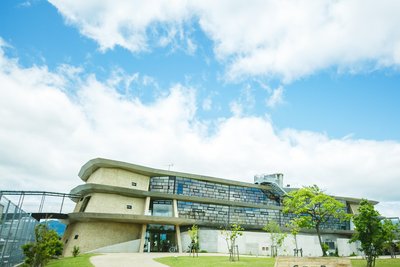
Setre Marina Biwako
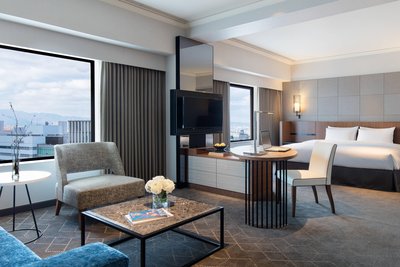
Courtyard by Marriott Shin-Osaka Station
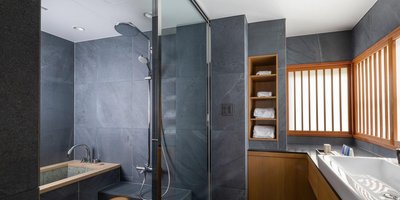
Nanzenji Sando Kikusui
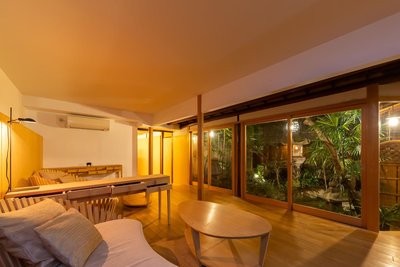
Izuyasu Traditional Kyoto Inn Serving Kyoto Cuisine
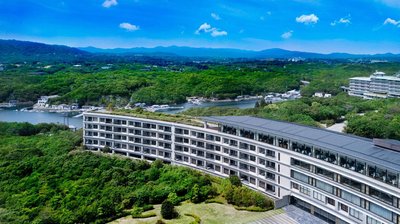
Shima Kanko Hotel the Bay Suites
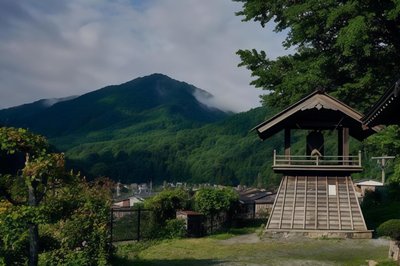
Byaku Narai
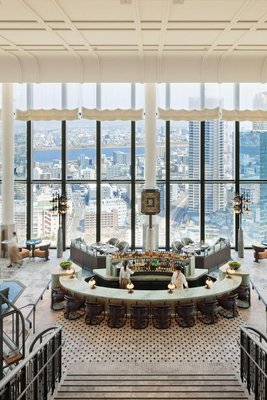
Waldorf Astoria Osaka
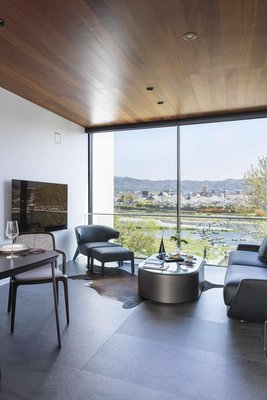
Kamo Residences by Reflections
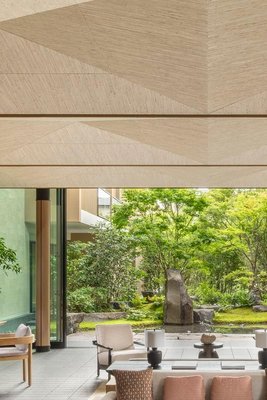
Six Senses Kyoto
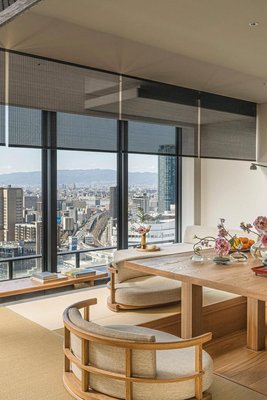
Four Seasons Hotel Osaka
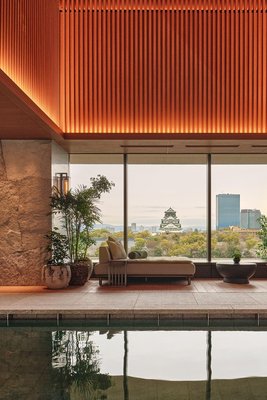
Patina Osaka
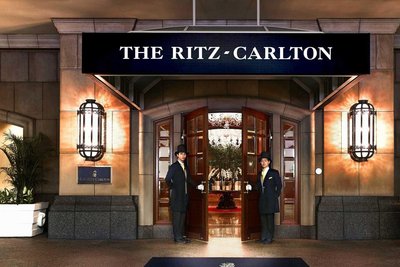
The Ritz-Carlton, Osaka
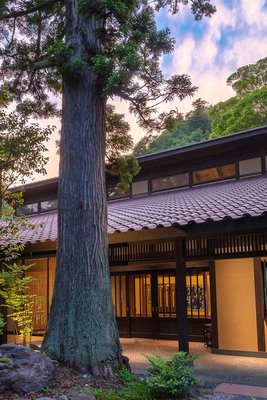
Arimasansoh Goshobessho
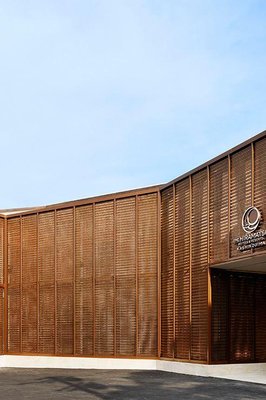
The Hiramatsu Hotels & Resorts Kashikojima
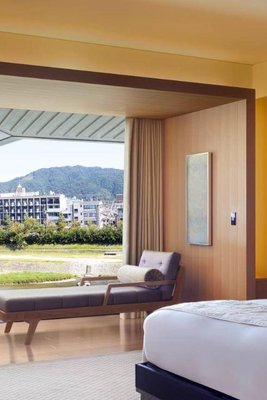
The Ritz-Carlton, Kyoto
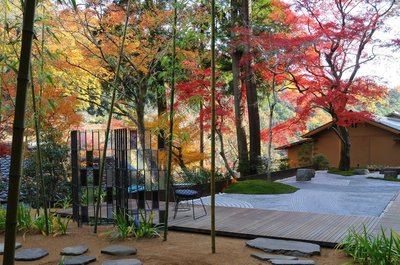
HOSHINOYA Kyoto
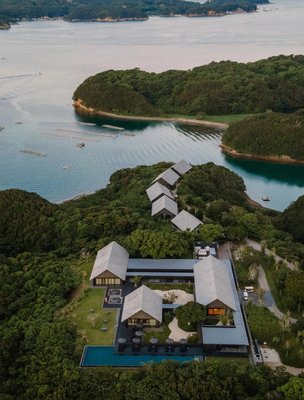
Amanemu
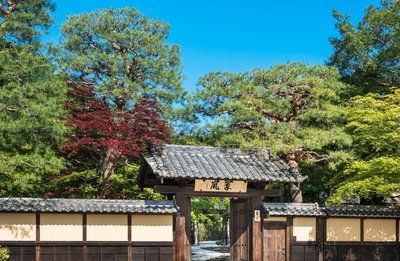
Suiran, a Luxury Collection Hotel, Kyoto
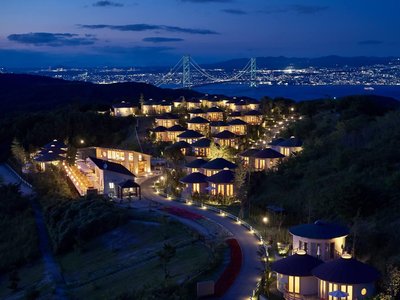
Grand Chariot Hokutoshichisei 135°
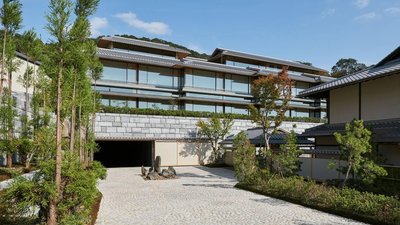
Park Hyatt Kyoto
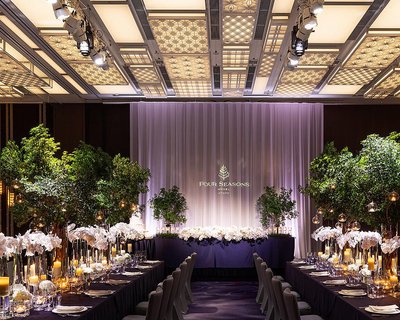
Four Seasons Hotel Kyoto
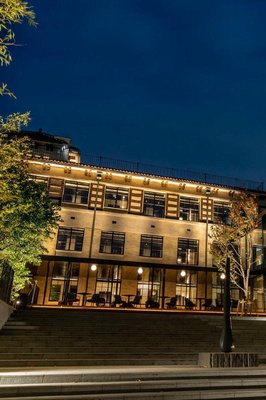
The Hotel Seiryu Kyoto Kiyomizu - a Member of the Leading Hotels of the World-
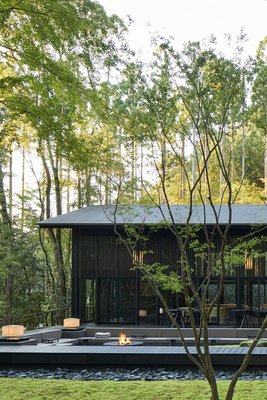
Aman Kyoto
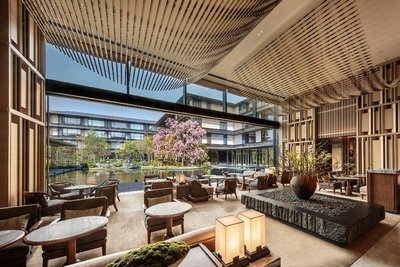
Hotel the Mitsui Kyoto, a Luxury Collection Hotel & Spa
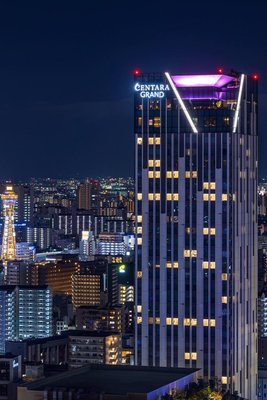
Centara Grand Hotel Osaka
voco Osaka Central
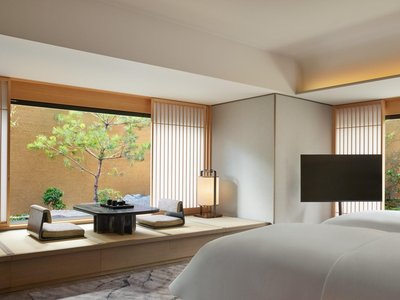
Dusit Thani Kyoto
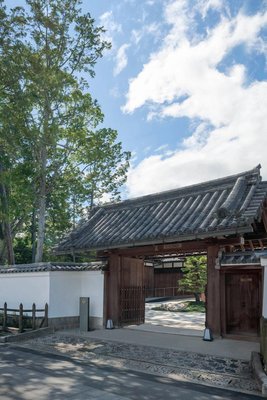
Shisui, a Luxury Collection Hotel, Nara
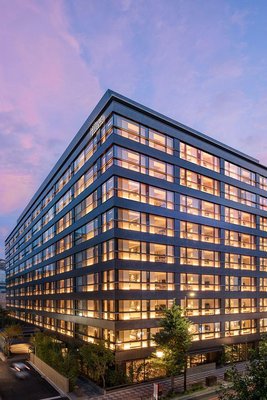
Hilton Kyoto
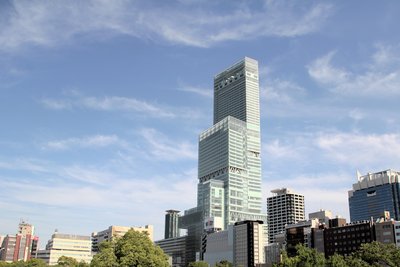
Osaka Marriott Miyako Hotel
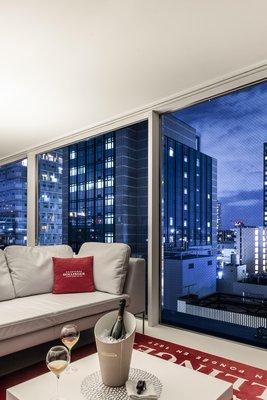
CUVÉE J2 HOTEL OSAKA by Onko Chishin
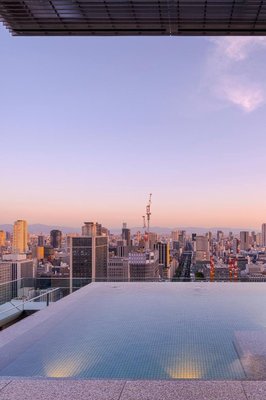
Candeo Hotels Osaka The Tower
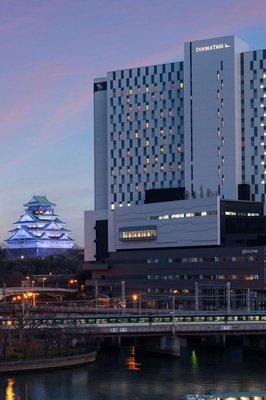
DoubleTree by Hilton Osaka Castle
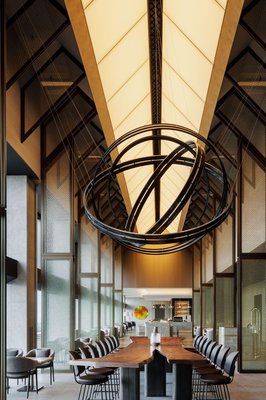
The Osaka Station Hotel, Autograph Collection
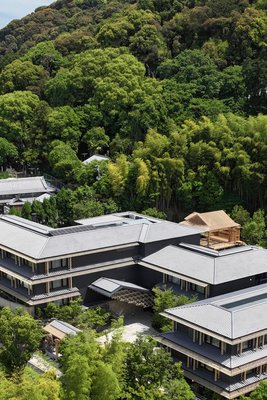
Banyan Tree Higashiyama Kyoto
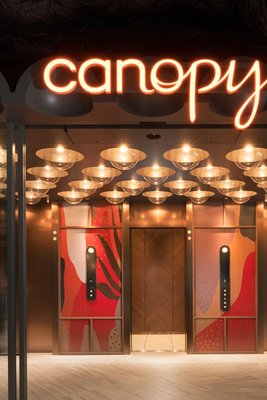
Canopy by Hilton Osaka Umeda
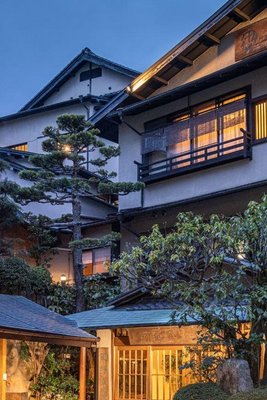
Arima Onsen Tocen Goshobo
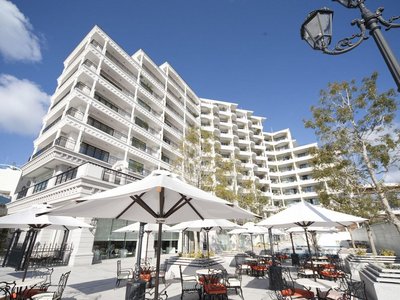
Hotel La Suite Kobe Harborland
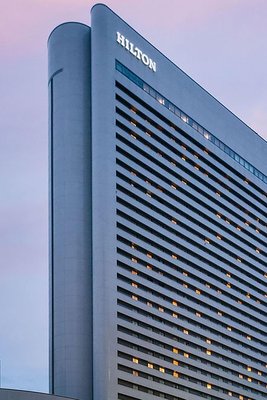
Hilton Osaka Hotel
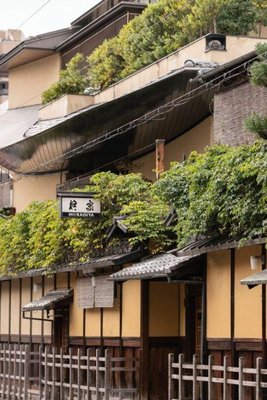
Hiiragiya Ryokan
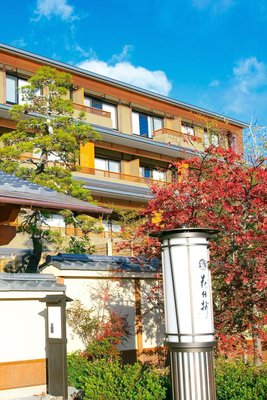
Kyoto Arashiyama Onsen Kadensho (Kyoritsu Resort)
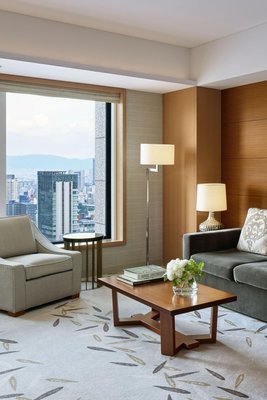
InterContinental Hotel Osaka
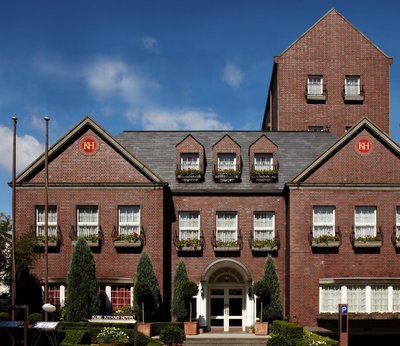
Kobe Kitano Hotel
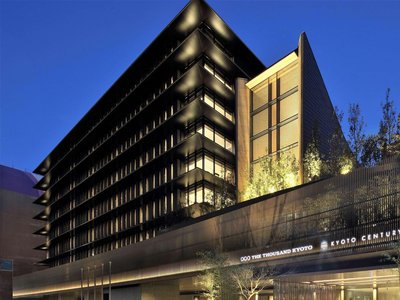
The Thousand Kyoto
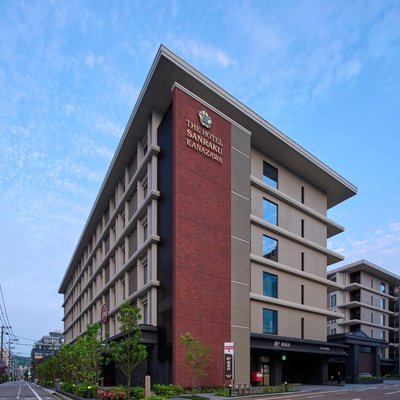
The Hotel Sanraku Kanazawa 21th December 2022 Open
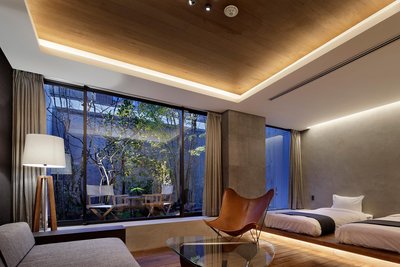
22 PIECES
The Ritz-Carlton, Osaka
The Thousand Kyoto
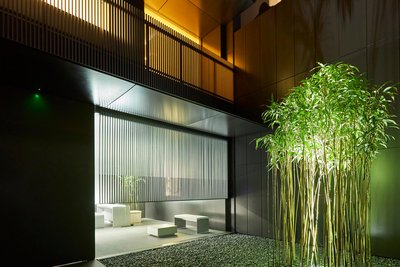
Mogana
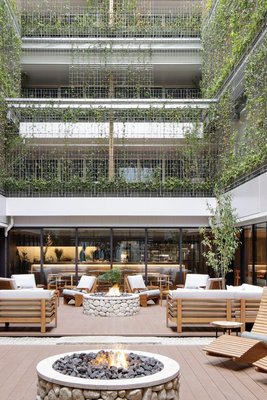
GOOD NATURE HOTEL KYOTO
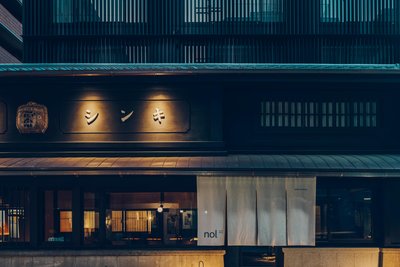
Nol Kyoto Sanjo
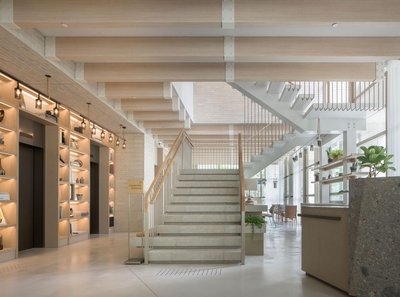
Zentis Osaka
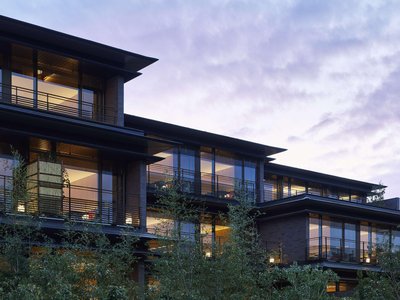
Garrya Nijo Castle Kyoto
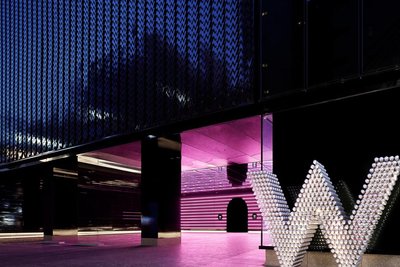
W Osaka
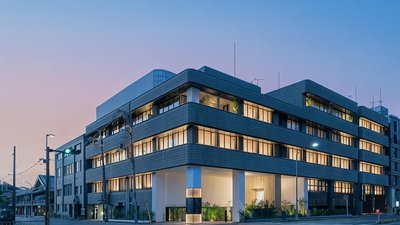
Hotel Kanra Kyoto
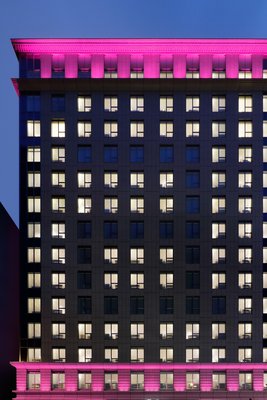
Aloft Osaka Dojima
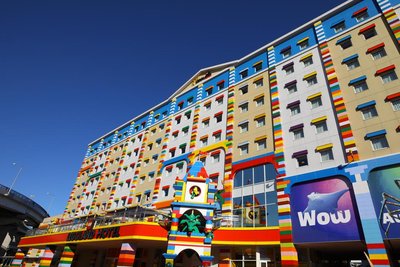
Legoland Japan Hotel
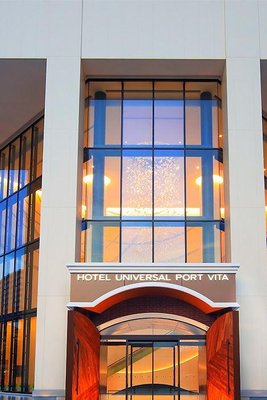
HOTEL UNIVERSAL PORT VITA

The Park Front Hotel at Universal Studios Japan
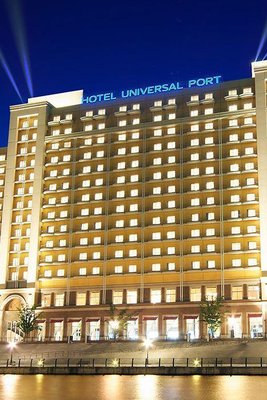
HOTEL UNIVERSAL PORT
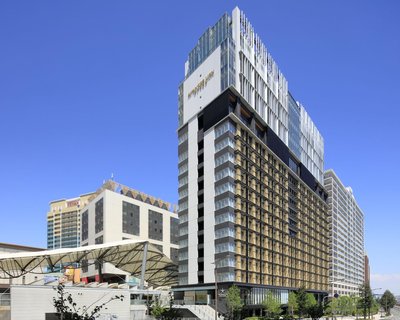
THE SINGULARI HOTEL & SKYSPA at UNIVERSAL STUDIOS JAPAN
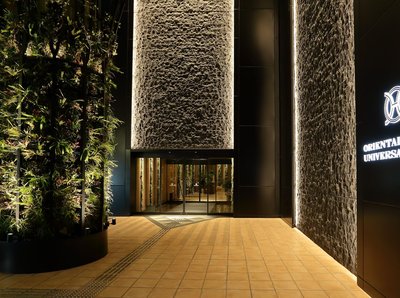
Oriental Hotel Universal City
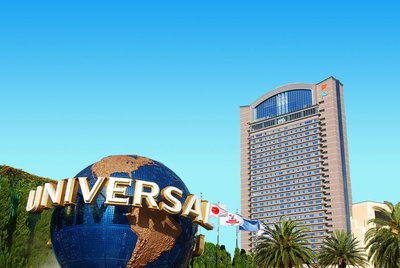
Hotel Keihan Universal Tower
Okuno Hosomichi
Yumotokan
Arimasansoh Goshobessho
Taikyourou
Monjusou Shourotei
BIWAKO HANAKAIDO
Biwako Ryokusuitei
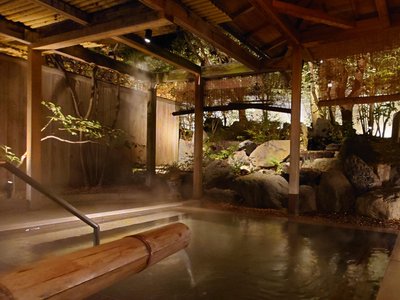
Kasuga Hotel
Hotel Kitanoya
Negiya Ryofukaku
Arima Onsen Tocen Goshobo
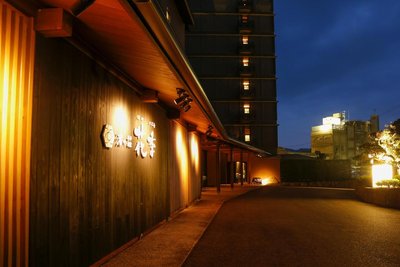
Hanagoyomi
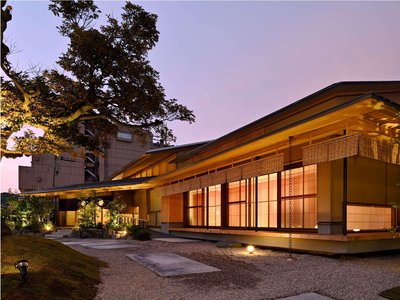
Beniya
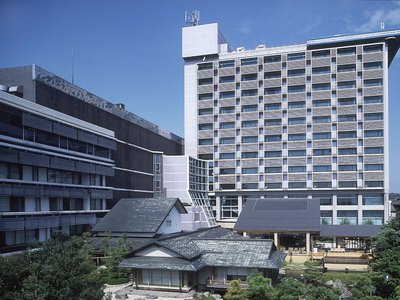
Grandia Housen
Arima Grand Hotel
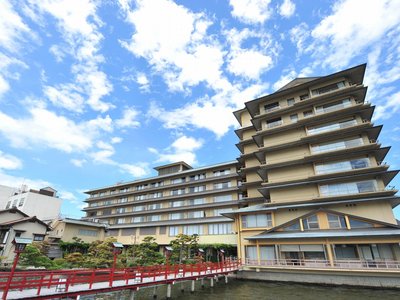
Bokoro Ryokan
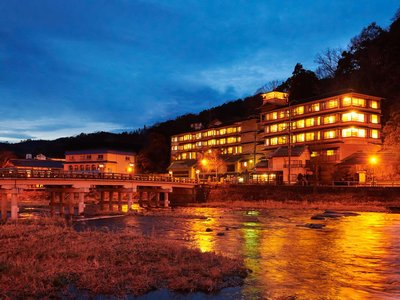
Mansuirou
Kyoto Arashiyama Onsen Kadensho (Kyoritsu Resort)
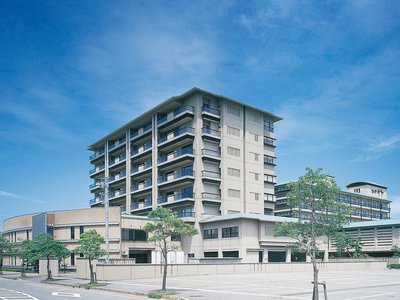
Matuya Sensen
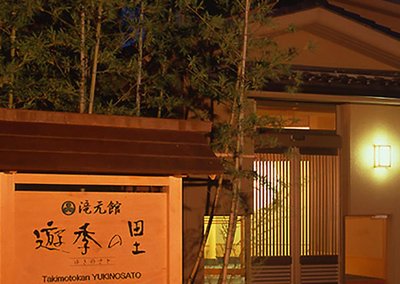
Takimotokan Yuki No Sato
Osaka Marriott Miyako Hotel
The Ritz-Carlton, Osaka
InterContinental Hotel Osaka
The Ritz-Carlton, Kyoto
Suiran, a Luxury Collection Hotel, Kyoto
GOOD NATURE HOTEL KYOTO
Park Hyatt Kyoto
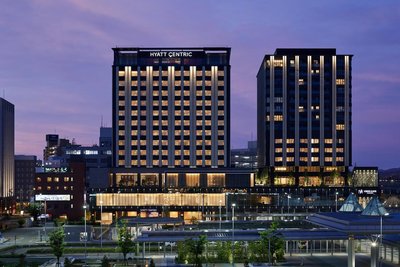
Hyatt Centric Kanazawa
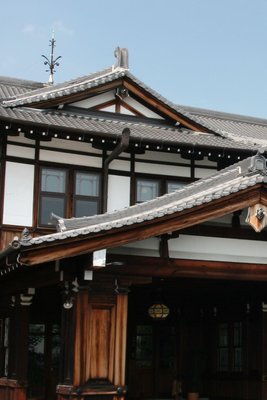
Nara Hotel
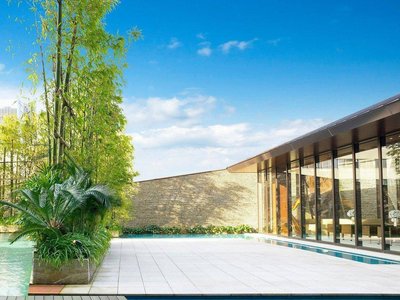
ORIENTAL HOTEL
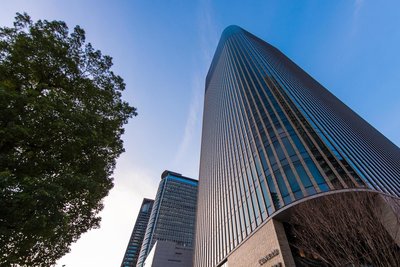
Conrad Osaka
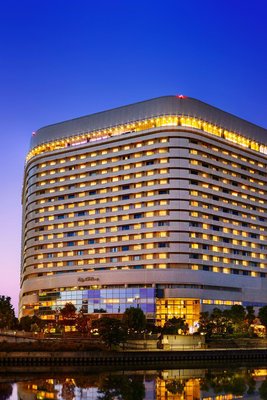
Hotel New Otani Osaka
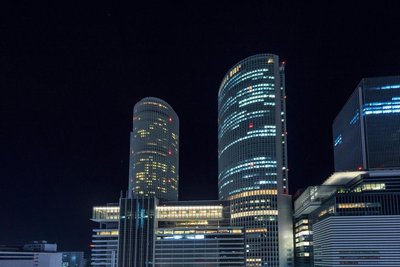
Nagoya Marriott Associa Hotel
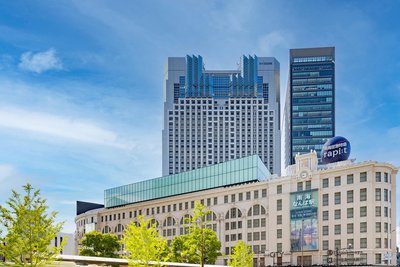
Swissotel Nankai Osaka
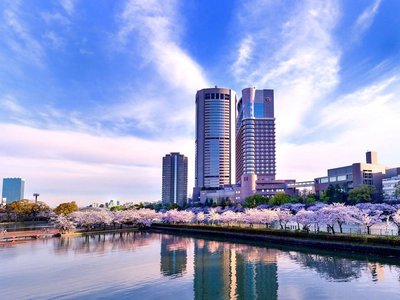
Imperial Hotel Osaka
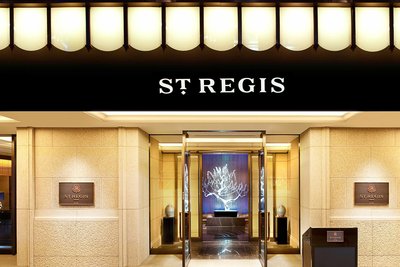
The St. Regis Osaka
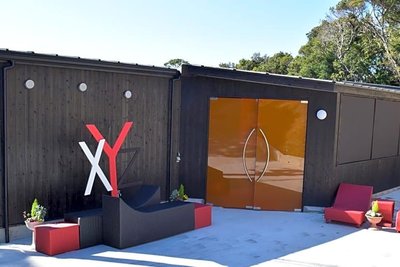
XYZ Private Spa and Seaside Resort
Osaka Marriott Miyako Hotel
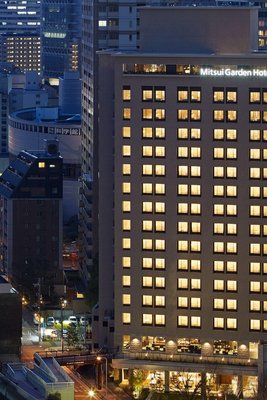
Mitsui Garden Hotel Osaka Premier
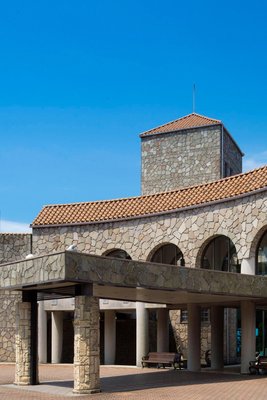
Izumigo Hotel Altia Toba
BIWAKO HANAKAIDO
Biwako Ryokusuitei
Hotel Kitanoya
Hanagoyomi
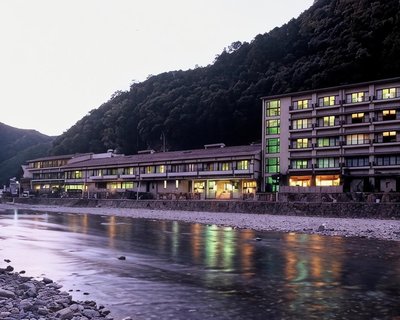
Kawayu Onsen Fujiya
Hotel La Suite Kobe Harborland

AoAwo Naruto Resort
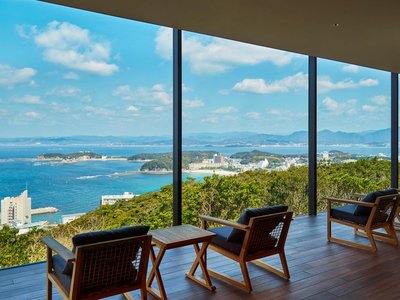
Infinito Hotel and Spa
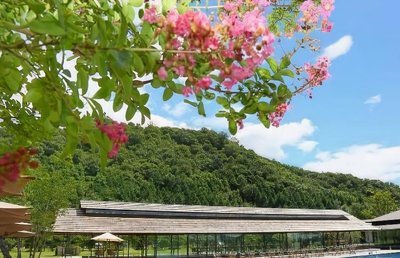
Bella Vista Spa and Marina Onomichi
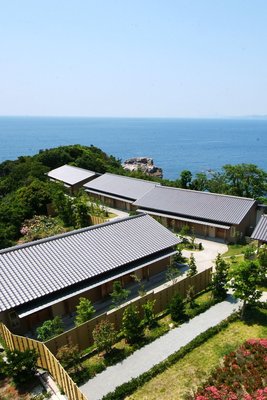
Hamachidorinoyu Kaisyu
Takimotokan Yuki No Sato
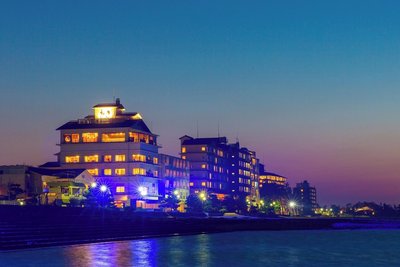
Kaike Shogetsu
The Ritz-Carlton, Kyoto
Shodoshima International Hotel
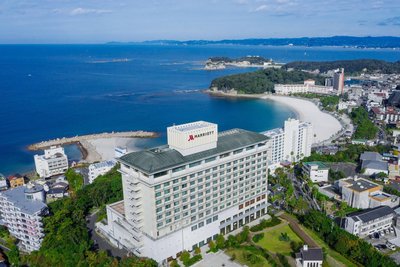
Nanki-Shirahama Marriott Hotel
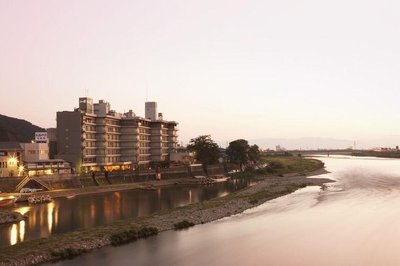
Juhachiro
Yado Kiramachi
Arimasansoh Goshobessho
Matsui-Bekkan Hanakanzashi
Taikyourou
Monjusou Shourotei
Kasuga Hotel
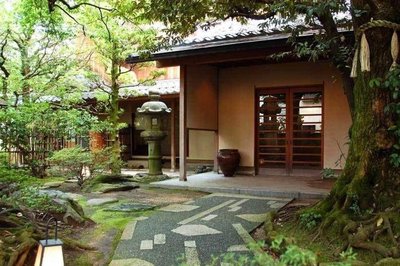
Kocho
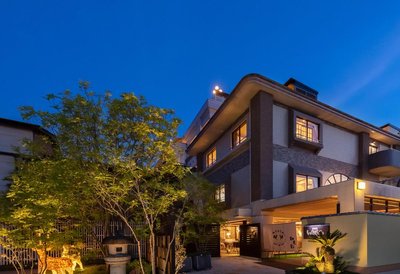
Hotel New Wakasa
Kyoto Arashiyama Onsen Kadensho (Kyoritsu Resort)
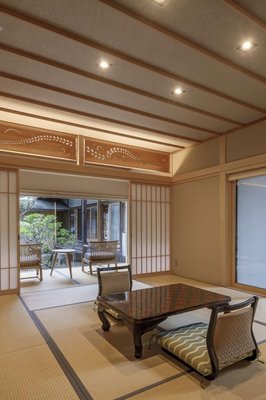
Ichijoin
Rangetsu
The Ritz-Carlton, Kyoto
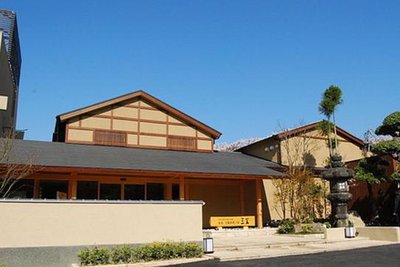
Mikasa
Izuyasu Traditional Kyoto Inn Serving Kyoto Cuisine
HOSHINOYA Kyoto
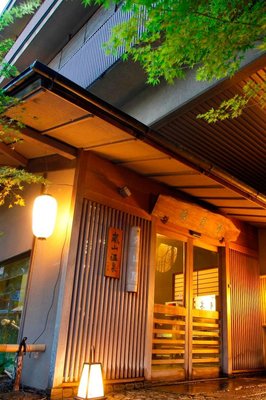
Togetsutei
Juhachiro
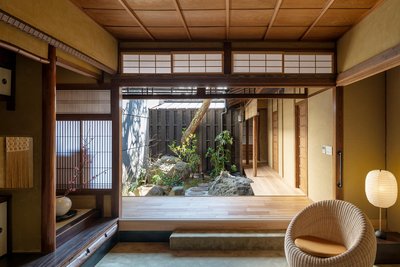
Nazuna Kyoto Gosho
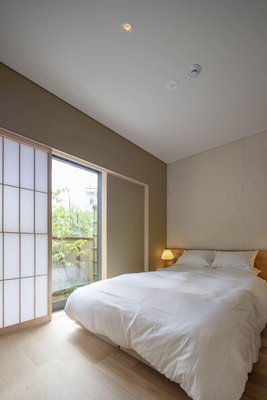
CAMPTON KIYOMIZU
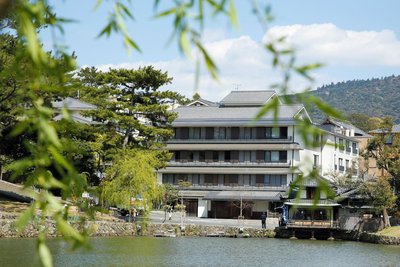
Sarusawaike Yoshidaya
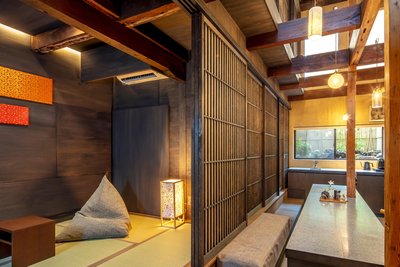
Kyo No Oozora Kihana
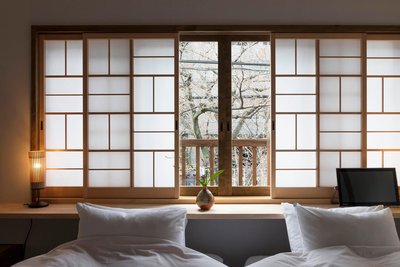
Hanagoromo Machiya House
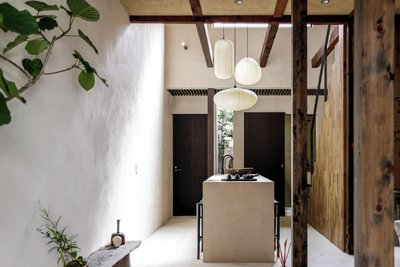
Maana Kiyomizu
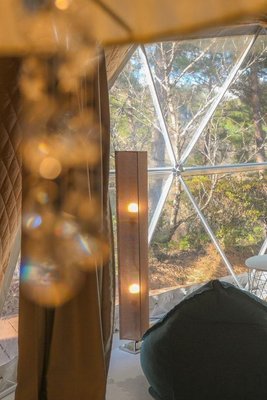
glampark Gekkabijin Nagano
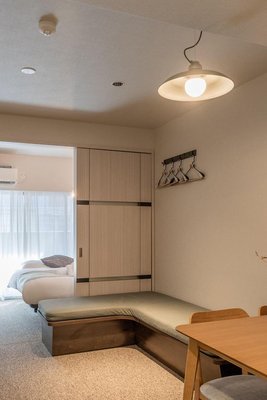
Apartment Hotel 11 Shinsaibashi
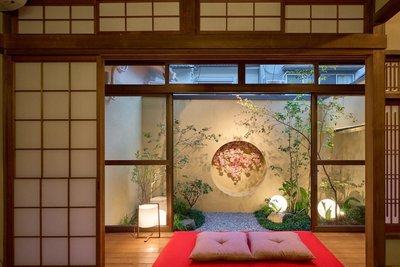
KONJAKUSO Osaka Tengachaya "NIHONCHA" Tea & Relax
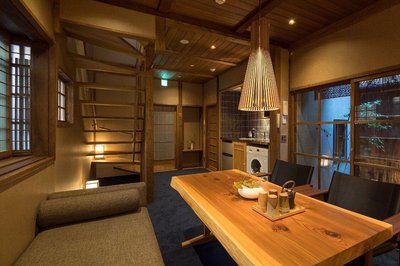
Bonbori an Machiya House
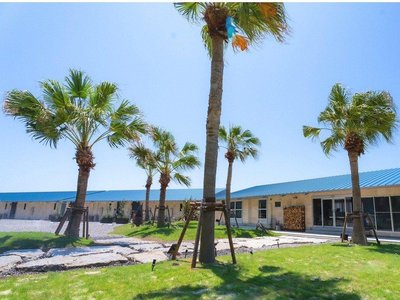
Glamping&Resort Wood Design Park Noma
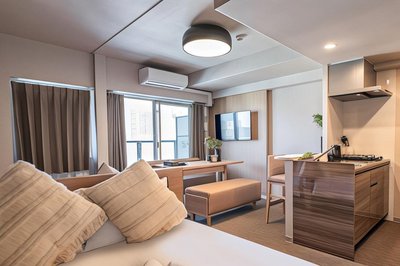
Apartment Hotel 11 Shinsaibashi III
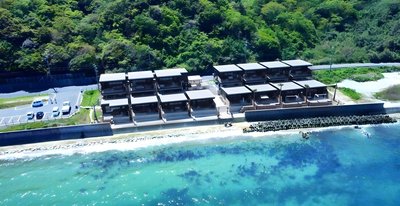
Solavilla Umi Terrace Minamiawaji
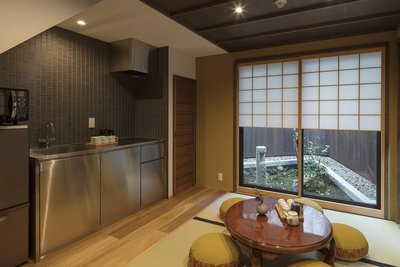
The Machiya Villa Sanjo Shirakawa Koji
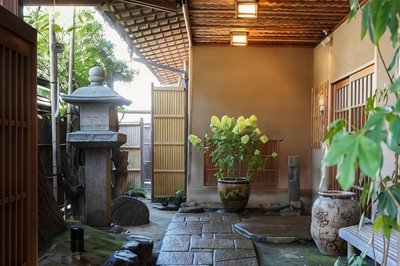
Ryokan Asadaya
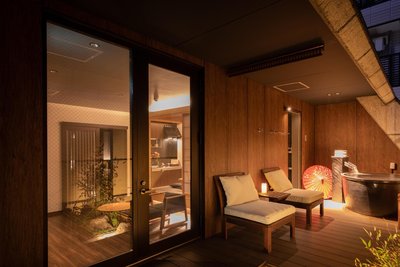
Konjaku-So Dotonbori
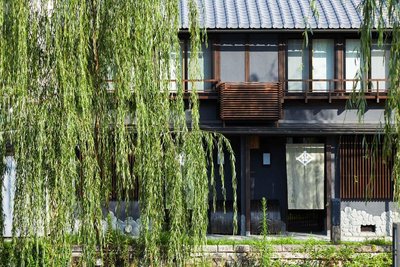
Gion Shirakawa No Yado

Kitashirakawa Natural Radium Onsen
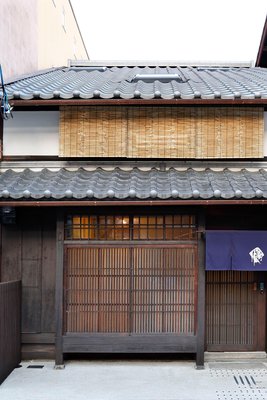
Kyo No Ondokoro Kamanza Nijo #2
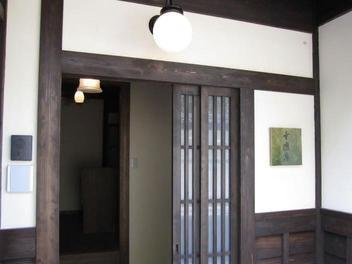
Gion Koyu an Machiya House
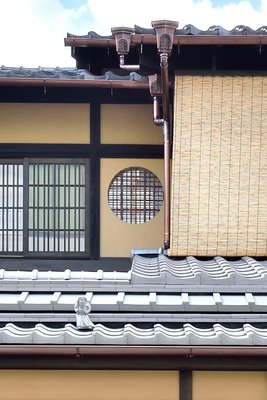
Kyo No Ondokoro Gokomachi Ebisugawa #3
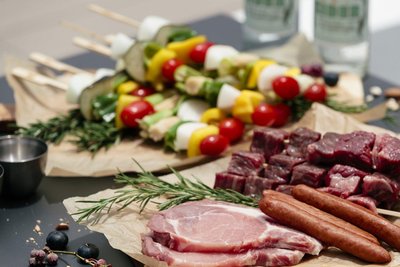
Sana Mane - Glamp Domes
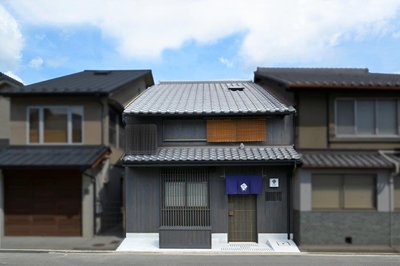
Kyo No Ondokoro Goshonishi #6
Frequently Asked Questions about Traveling to Miyazu
Questions You Might Need to Know About Traveling to Miyazu
The ideal area to stay in Kōtatsu City is along the Kōtatsu Bay waterfront, where Ginbaku Hotel offers serene views of the Seto Inland Sea and direct access to hiking trails leading to Oshima Island and Takamatsu Mountain. This boutique ryokan features private onsen baths and serves authentic Kansai regional cuisine, including fresh sea urchin and Kōtatsu duck. For nature lovers, staying near Tsurugisan provides easy access to coastal cliffs and seasonal cherry blossoms. The town’s low-key charm and proximity to Takamatsu-kyō make it perfect for cultural and outdoor adventures.
Stay at Takamatsu-kyō Ryokan Village, a cluster of family-run guesthouses nestled beside the famed Takamatsu-kyō scenic spot. These accommodations offer tatami-matted rooms with kaiseki meals made from local seafood and mountain vegetables. Guests can join hands-on workshops in washi paper-making, local pottery, and seasonal festivals like the Takamatsu Lantern Festival. The village’s quiet lanes and proximity to the Seto Inland Sea provide an authentic glimpse into rural Kōtatsu life, far from tourist crowds.
Kōtatsu City’s hot springs stand out due to their sulfur-rich mineral water sourced from deep volcanic aquifers beneath the Seto Inland Sea. The Ginbaku Onsen features open-air baths with panoramic ocean views, where guests soak under the stars. Another highlight is Shiratani-no-Yu, a secluded onsen with wooden architecture and Zen-style rock gardens, promoting mindfulness. Local tradition emphasizes harmony between water and fire, symbolized by the practice of warming feet before bathing—a ritual rooted in centuries-old Dan'no customs.
Yes, Kōdō Kōen Hotel is a top choice for families, featuring a children’s playroom, interactive farm experiences, and a sea turtle conservation center. Kids can participate in guided fishing trips from Kōtatsu Port, boat rides through mangrove channels, and evening storytelling sessions about local myths. The hotel hosts themed events like "Dan'no Fairy Tales Night," where children craft masks and learn traditional dances. All meals include organic, allergen-friendly kids’ options, and facilities offer baby cots, nursing rooms, and stroller rentals for seamless travel.
Kōtatsu City offers rare cultural immersion through Dan'no Textile Weaving and Ama (sea women) diving practices. At Nishi-Kōtatsu Craft Studio, visitors can hand-weave traditional obi belts using age-old techniques. Joining a real Ama dive session allows you to don historic gear and harvest shellfish alongside local divers. The annual Kōtatsu Ama Festival showcases ceremonial songs, costumes, and rituals. Additionally, the Takamatsu-kyō Shrine’s Thousand Torii Trail blends spiritual journey with breathtaking coastal views, offering insight into the region’s ancestral beliefs and reverence for the sea.
Must-try dishes in Kōtatsu City include Dankō Duck, prized for its tender texture and grilled or stewed preparation; Uni Gohan, a fragrant rice bowl topped with fresh seasonal sea urchin; and Kōrei Noodle Soup, a light broth made from seaweed and fish stock. Restaurants like Maruya Dining and Umisakiya source ingredients directly from local fishermen. Some hotels offer "Ama Harvest Dinners," where guests collect seafood themselves before enjoying a chef-prepared feast—perfect for experiencing the "from sea to table" philosophy of the region.
Transportation in Kōtatsu City is highly convenient. From Kyoto Station, take a JR Express (about 1 hour) to Kōtatsu Station, then transfer to local buses or taxis. Free sightseeing buses connect key sites like Takamatsu-kyō, Takamatsu Mountain, and Ginbaku Hotel. For exploring rural areas, rent electric bicycles to ride along the Dan'no Coastal Route, stopping at seaside villages and local izakayas. The Kōtatsu Port also offers ferry services to Nishi-Kōtatsu Island and Oshima, ideal for island-hopping and discovering hidden coves.
Seasonal highlights in Kōtatsu City include: Spring—the Takamatsu-kyō Cherry Blossom Tunnel, where pink petals float on the sea; Summer—the vibrant Ama Festival, featuring women in indigo kimonos diving for shellfish; Autumn—golden rice fields contrast with ripening Dankō Duck; and Winter—foggy onsen scenes at Ginbaku Hotel, illuminated by moonlight over the Seto Inland Sea. The annual Ice Reflection Night in December transforms the coastline into a luminous dreamscape, perfect for photography and contemplative walks.
The free sightseeing bus in Kōtatsu City includes six key stops: Takamatsu-kyō Entrance, Takamatsu Mountain Viewpoint, Ginbaku Hotel, Nishi-Kōtatsu Old Town, Ama Cultural Museum, and Kōtatsu Port. Buses run every 30 minutes, with a total trip duration of 90 minutes and multilingual audio guides. At Takamatsu-kyō Entrance, visitors walk to the iconic stone arch; from Takamatsu Mountain Viewpoint, panoramic views of the Seto Inland Sea unfold. The Ama Cultural Museum features interactive exhibits on sea-diving traditions and historical films. The route ends at Kōtatsu Port, where travelers can board ferries to nearby islands.
The best night views in Kōtatsu City are from Ginbaku Hotel’s ocean-facing terrace and the Takamatsu-kyō Light Display Zone. At night, thousands of lanterns illuminate the famous stone bridge, creating a shimmering "Bridge of Light" across the sea, often called the "Venice of the East." Ginbaku’s open-air onsen is also open after dark, allowing guests to soak while gazing at starlit waves and distant lighthouse beams. The Kōtatsu Port Night Market adds charm with grilled uni skewers, warm sake, and soft glow from string lights along the waterfront—perfect for a romantic evening stroll.
Unique souvenirs in Kōtatsu City include Dan'no Handwoven Handkerchiefs, carved Ama Wooden Figurines, and Takamatsu-kyō Glass Pendants shaped like the famous stone bridge. The Dan'no textiles use natural dyes and traditional weaving, making each handkerchief a one-of-a-kind art piece. The Ama figurines depict traditional diving postures, symbolizing courage and resilience. The glass pendants, crafted from local glassblowing techniques, reflect light like the sea and represent luck and serenity. These items are available at Nishi-Kōtatsu Old Town shops and Ginbaku Hotel’s gift shop, with options for personalized engraving.
Miyazu Overview
City Summary
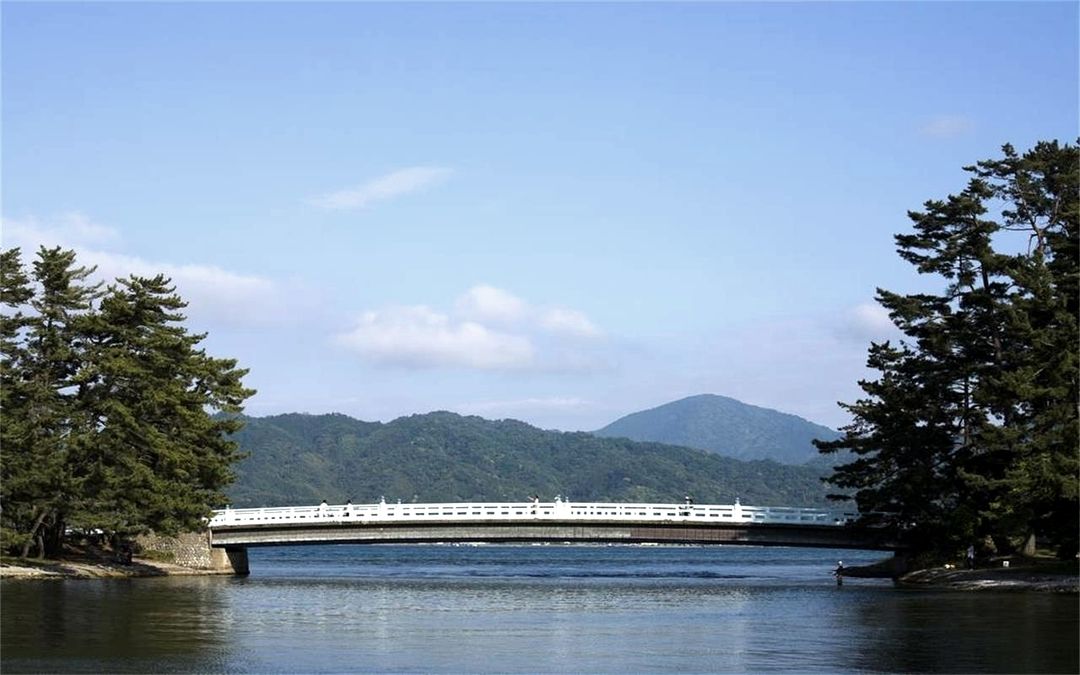
Miyazu City in northern Kyoto Prefecture is famed for Amanohashidate, one of Japan's Three Scenic Views, featuring a stunning pine-covered sandbar and hot springs. This coastal town blends千年 history with natural wonders, housing the Important Cultural Property Chion-ji Temple and Edo-period merchant streets, offering a unique mix of traditional fishing culture and modern resort experiences.
Must-See Attractions
Don't miss viewing Amanohashidate through your legs at Kasamatsu Park's lookout - the "inverted view" transforms it into a "dragon in the sky". Explore Chion-ji Temple, one of Japan's Three Great Monju temples, and the floating Ine Village with its iconic boathouses (funaya). Take a cruise to observe these UNESCO-listed structures and seabirds up close.
Food Guide
Savor Miyazu's specialty saba sushi (mackerel pressed sushi) made with locally caught fish. Street stalls offer grilled oysters and crab shumai dumplings, while winter brings exquisite snow crab feasts. Try konpeito candies made with Amanohashidate's black beans for unique souvenirs.
Transportation Guide
From Kyoto Station, take the JR San-in Line (2 hours) or highway buses from Osaka (3 hours). The Miyazu-Amanohashidate Loop Bus (1-day pass ¥800) connects major sites. Bicycle rentals (¥500/day) are ideal for exploring the sandbar area. Taxis (flag drop ¥650) suit group short-distance travel.
Best Time to Visit
Prime seasons are April-May (cherry blossoms) and October-November (autumn foliage). Avoid typhoon-prone July-August. Winter offers uncrowded hot spring experiences with snowscape views.
Travel Tips
- Wear slip-resistant shoes and windbreakers for Amanohashidate walks
- Ine's boathouses are private homes - respect privacy when photographing
- Many onsens prohibit tattooed guests
- Seafood markets are freshest at 7-8AM
- Check business hours as many close Wednesdays
- JR West Pass covers Kyoto-Miyazu transit
Useful Information
Japanese is primary language; basic English available at transport hubs. 4G coverage citywide with WiFi routers rentable at convenience stores. Cash predominates - credit cards accepted only at major venues. Emergency contacts: Miyazu Hospital (+817722-27-000), Police (+817722-22-0110). Bring small towels for onsens; most ryokans offer yukata rentals.









