Hotels in Miyoshi
Discover your perfect stay in Miyoshi.
Miyoshi(Japan) Travel 2026: Cheap Flights, Hotels & Top Attractions
Popular Landmarks in Miyoshi
Discover the most iconic attractions in Miyoshi
Recommended Hotels in Miyoshi
Find the perfect place to stay in Miyoshi
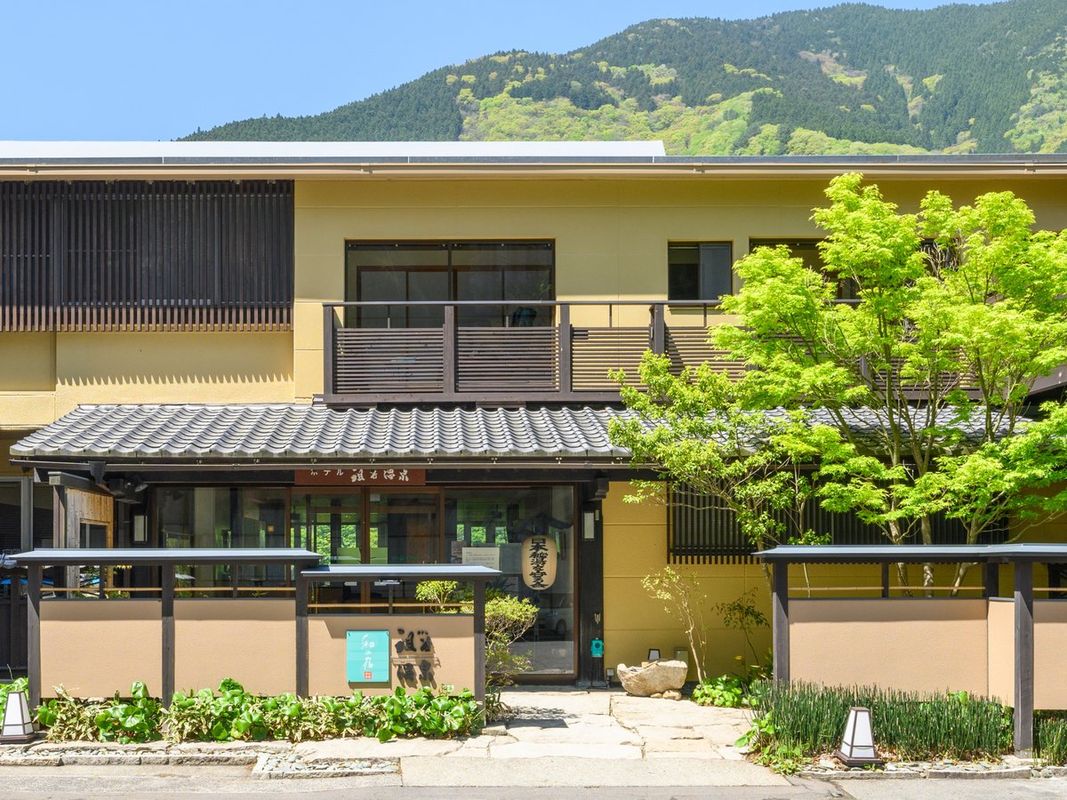
Hotel Iya Onsen
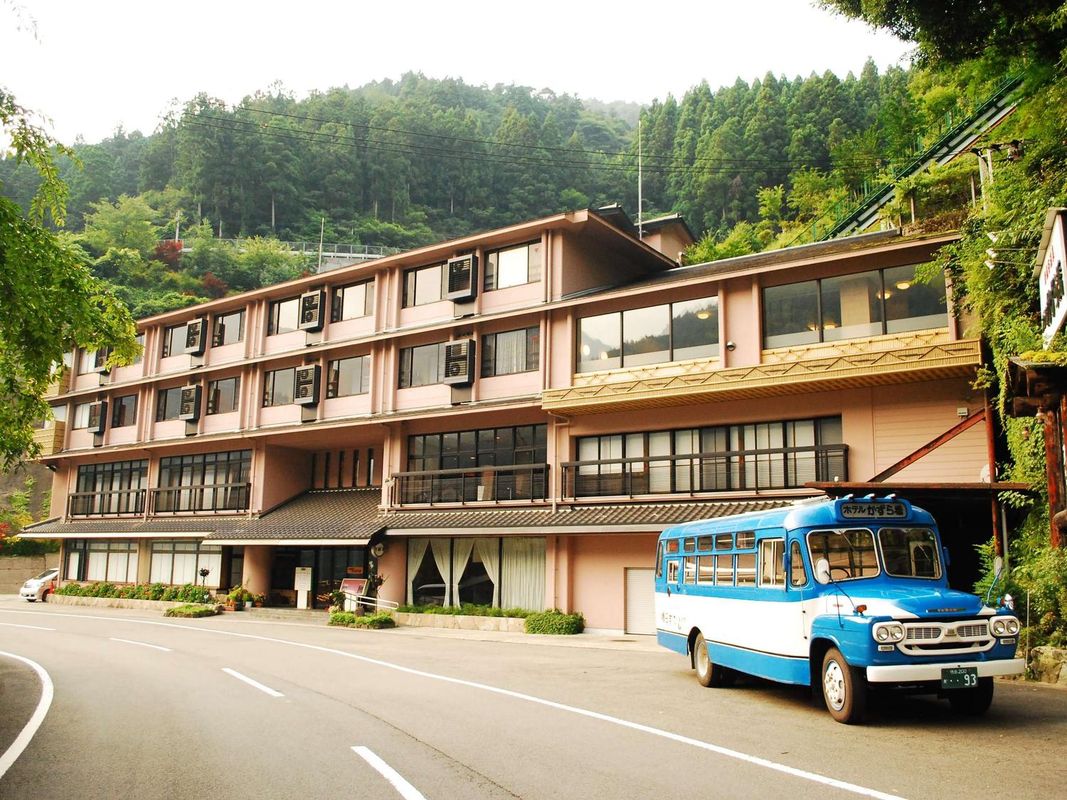
Hotel Kazurabashi
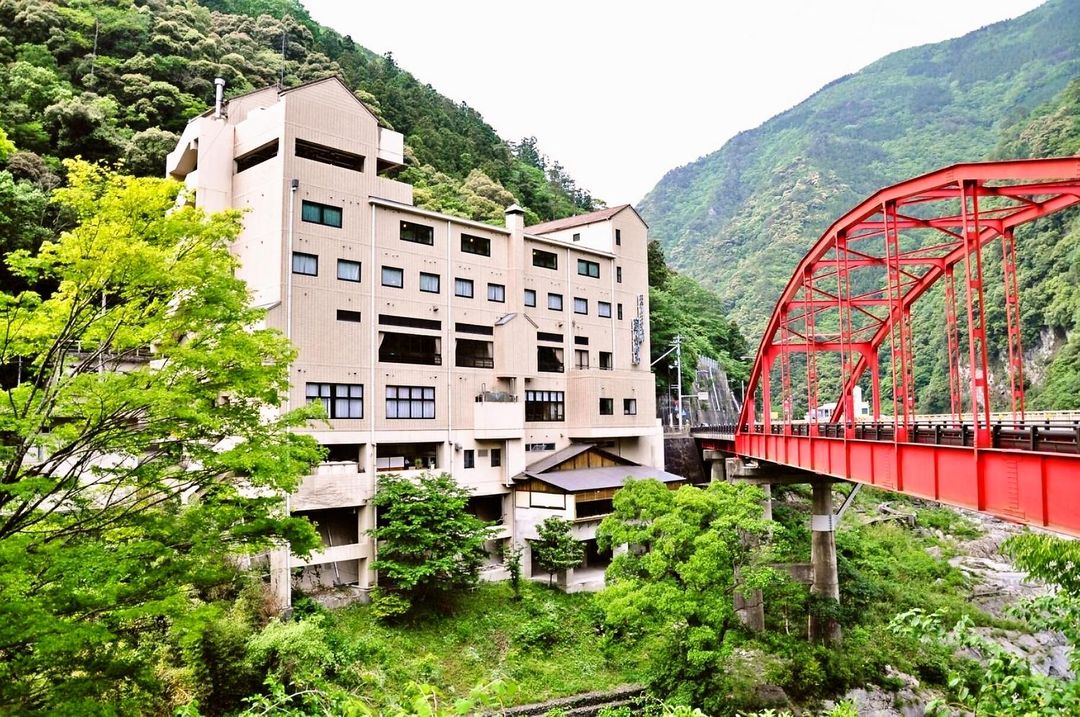
Obokekyo Mannaka
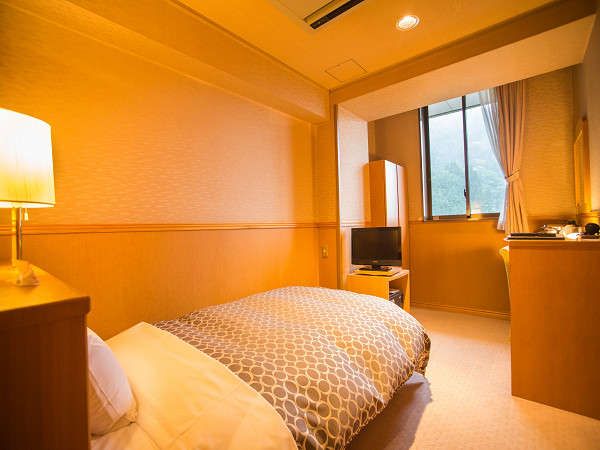
Hotel Hikyounoyu
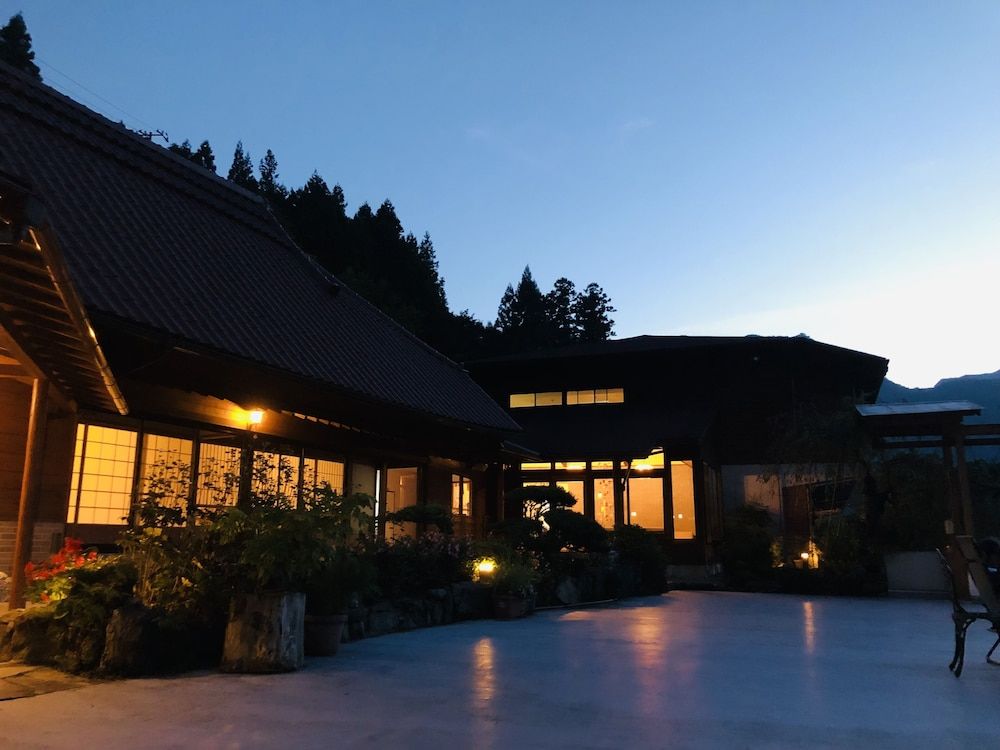
iyanoyado kazuraya
Chiiori
Fukuya Ryokan
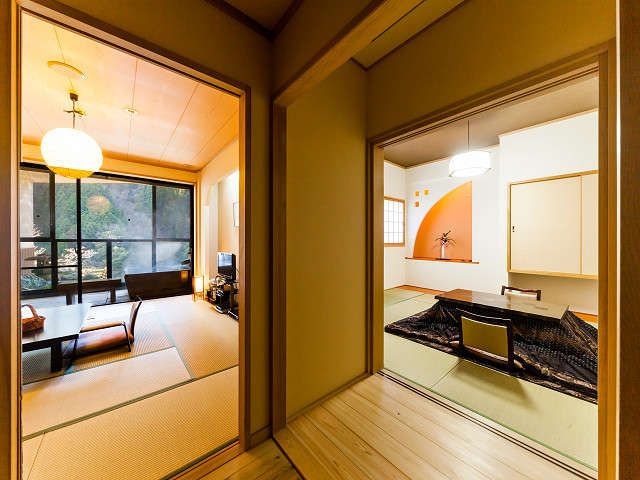
Iyabijin
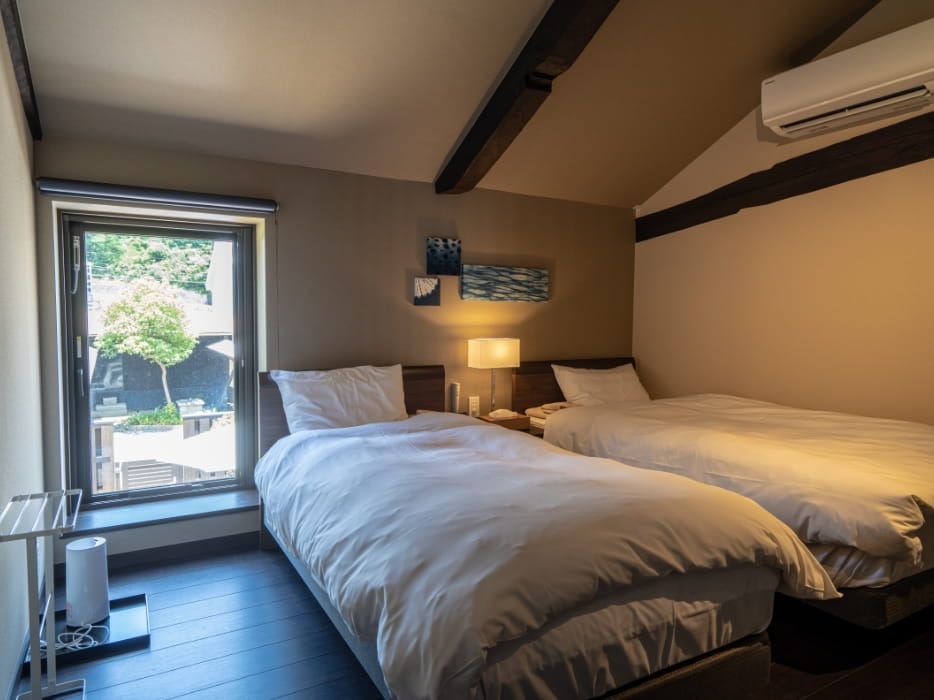
4S STAY Awaikeda Honmachi St.
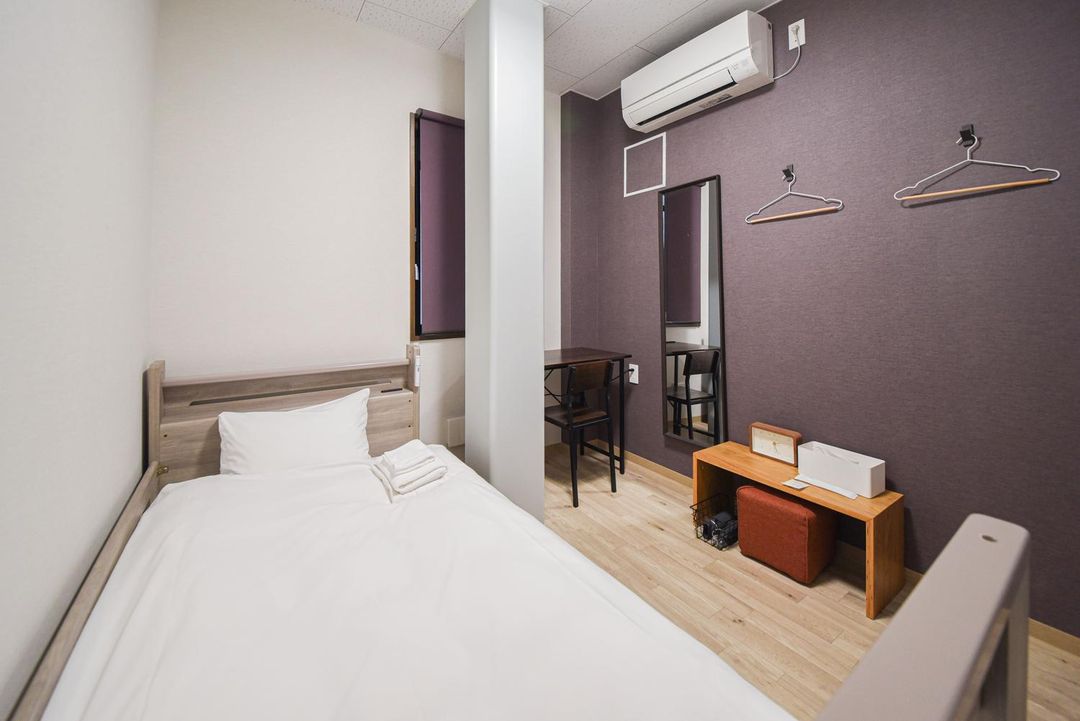
4S STAY Awaikeda Ikeda Onsenyoko
Best Hotels in Miyoshi
Discover curated hotel collections in Miyoshi
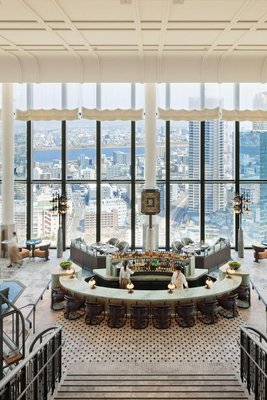
Waldorf Astoria Osaka
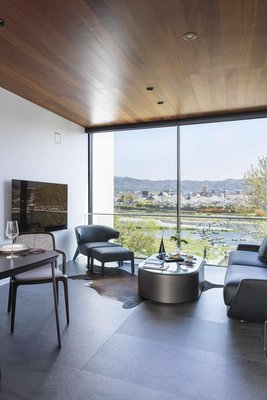
Kamo Residences by Reflections
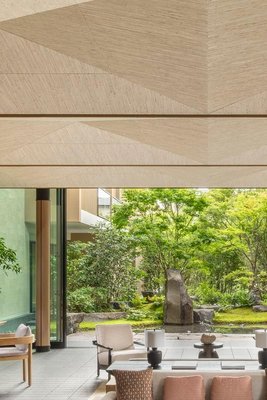
Six Senses Kyoto
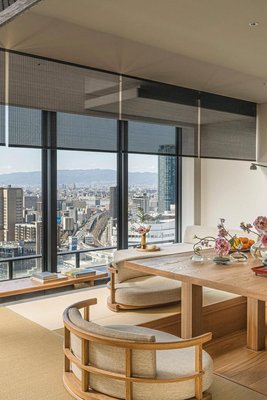
Four Seasons Hotel Osaka
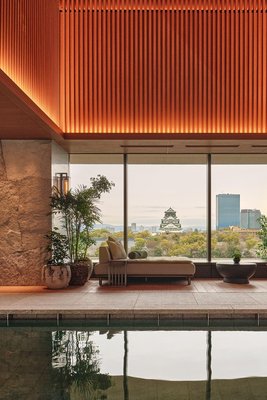
Patina Osaka
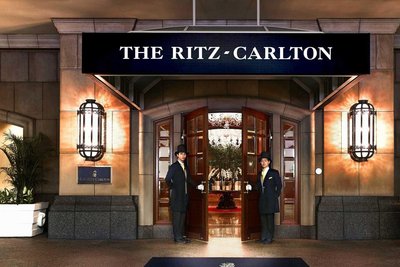
The Ritz-Carlton, Osaka
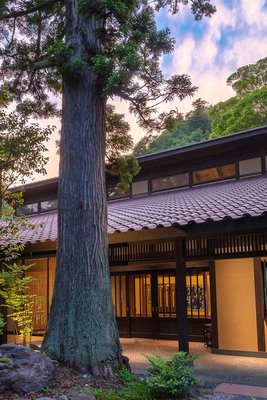
Arimasansoh Goshobessho
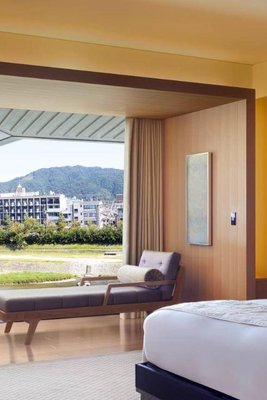
The Ritz-Carlton, Kyoto
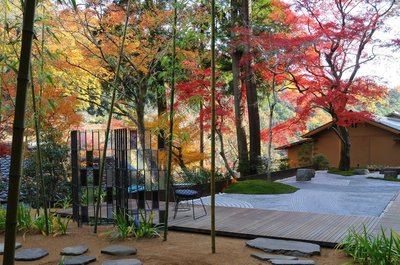
HOSHINOYA Kyoto
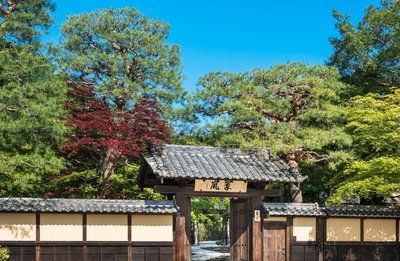
Suiran, a Luxury Collection Hotel, Kyoto
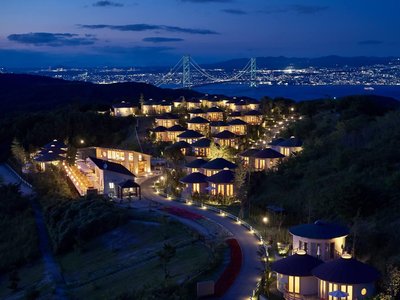
Grand Chariot Hokutoshichisei 135°
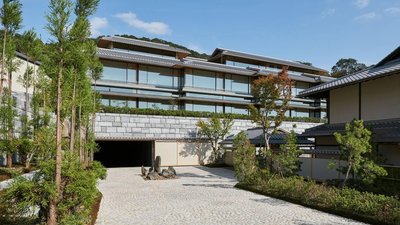
Park Hyatt Kyoto
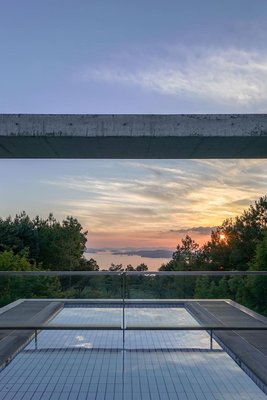
SETOUCHI RETREAT by Onko Chishin
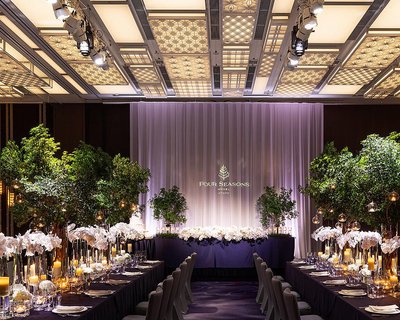
Four Seasons Hotel Kyoto
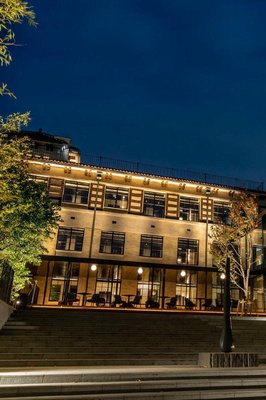
The Hotel Seiryu Kyoto Kiyomizu - a Member of the Leading Hotels of the World-
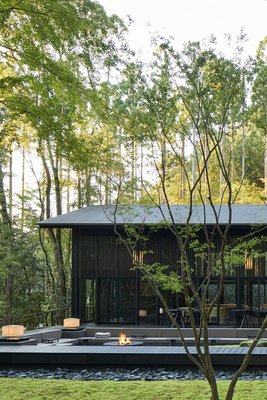
Aman Kyoto
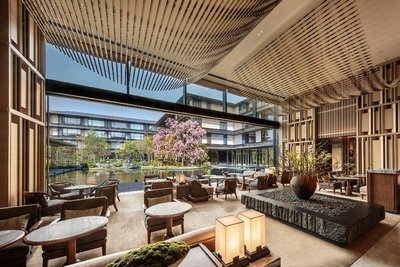
Hotel the Mitsui Kyoto, a Luxury Collection Hotel & Spa
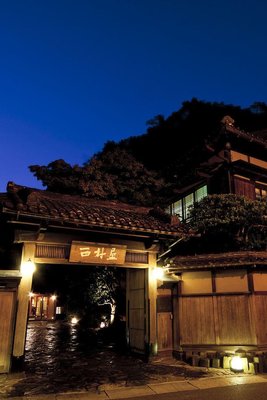
Nishimuraya Honkan
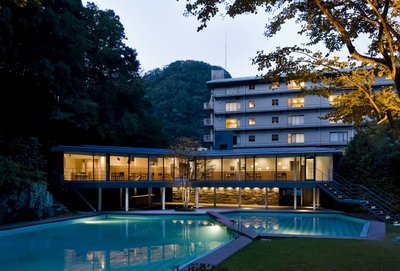
Kinosaki Onsen Nishimuraya Hotel Shogetsutei
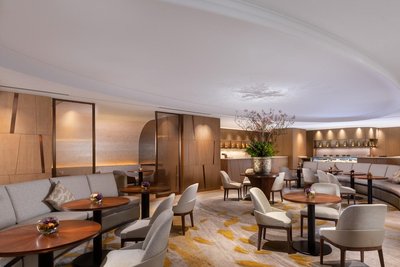
The Westin Miyako Kyoto (KASUI-EN)
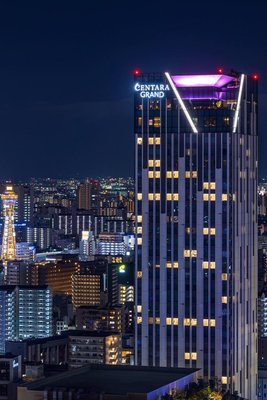
Centara Grand Hotel Osaka
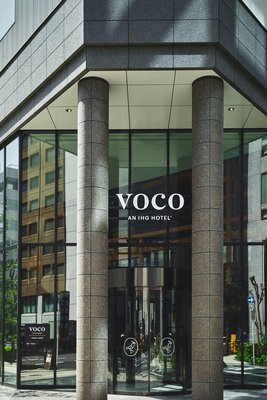
voco Osaka Central
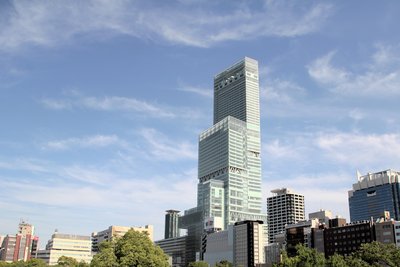
Osaka Marriott Miyako Hotel
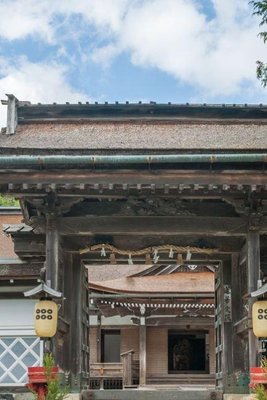
Koyasan Rengejoin
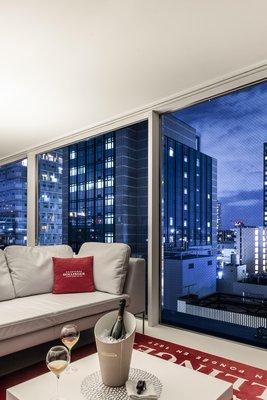
CUVÉE J2 HOTEL OSAKA by Onko Chishin
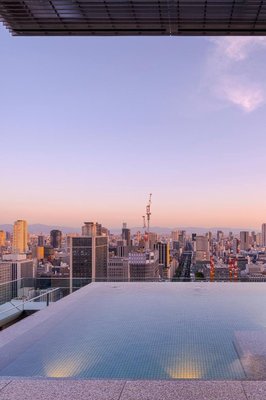
Candeo Hotels Osaka The Tower
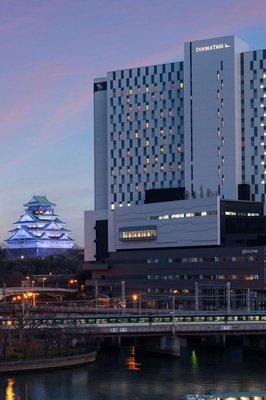
DoubleTree by Hilton Osaka Castle
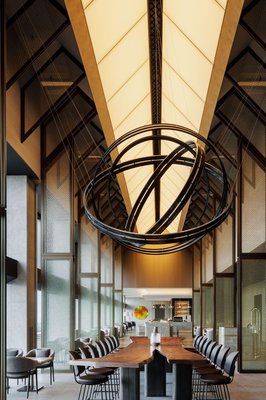
The Osaka Station Hotel, Autograph Collection
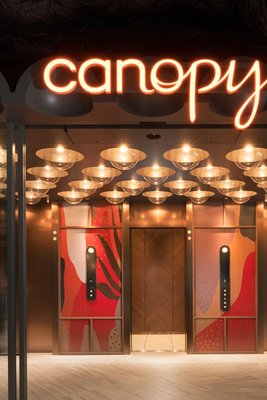
Canopy by Hilton Osaka Umeda
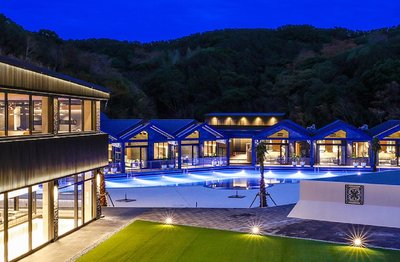
FIVE SPRING RESORT THE SHIRAHAMA
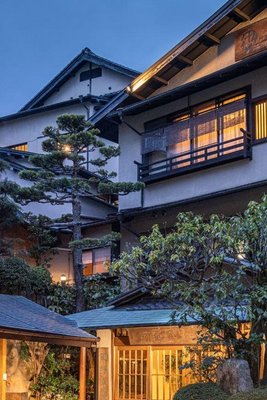
Arima Onsen Tocen Goshobo
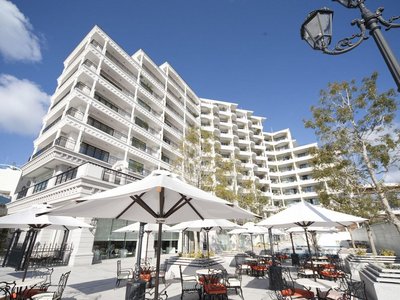
Hotel La Suite Kobe Harborland
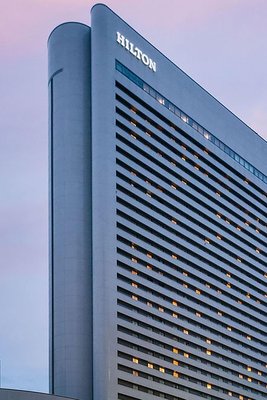
Hilton Osaka Hotel
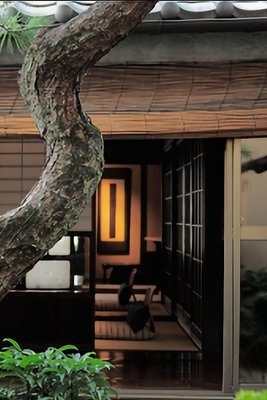
Shimayado Mari

AoAwo Naruto Resort
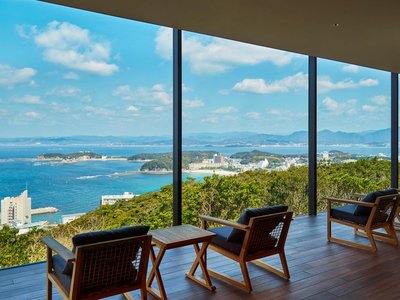
Infinito Hotel and Spa
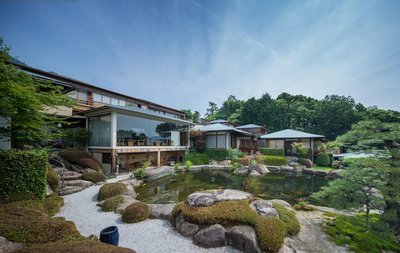
SEKITEI

Yamatoya Besso
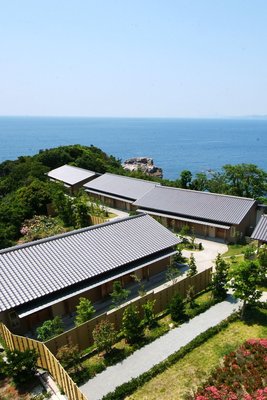
Hamachidorinoyu Kaisyu
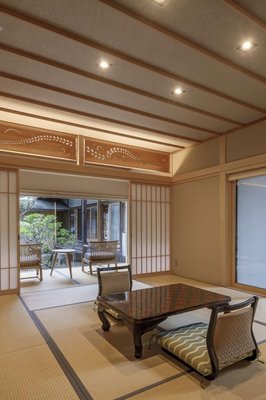
Ichijoin
Yado Kiramachi
Arimasansoh Goshobessho
Matsui-Bekkan Hanakanzashi
Hoshino Resorts KAI Tamatsukuri

Taikyourou
Monjusou Shourotei
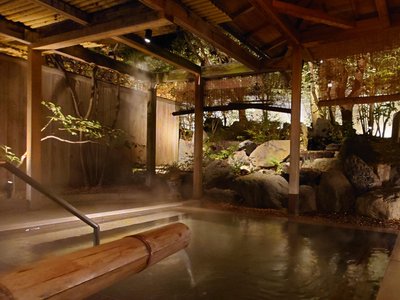
Kasuga Hotel
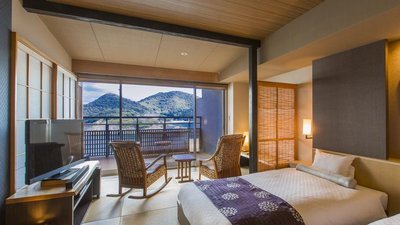
Migiwatei Ochi Kochi
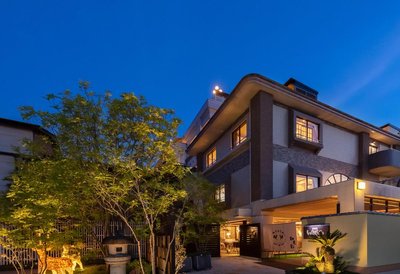
Hotel New Wakasa
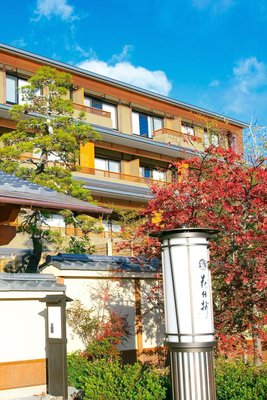
Kyoto Arashiyama Onsen Kadensho (Kyoritsu Resort)
Ichijoin
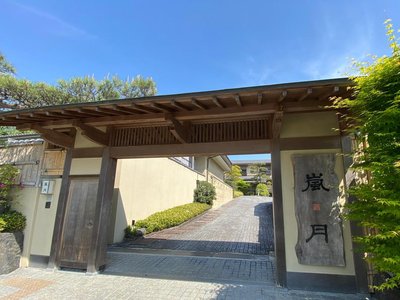
Rangetsu
The Ritz-Carlton, Kyoto
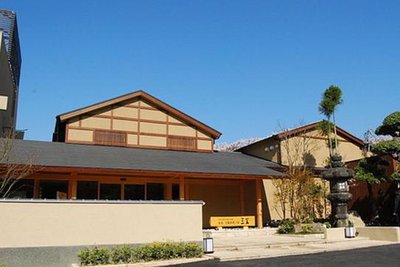
Mikasa
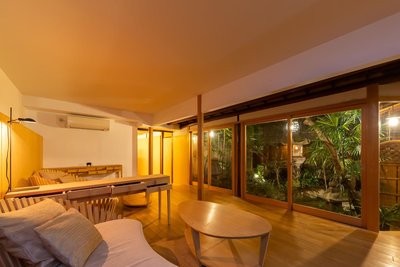
Izuyasu Traditional Kyoto Inn Serving Kyoto Cuisine
HOSHINOYA Kyoto
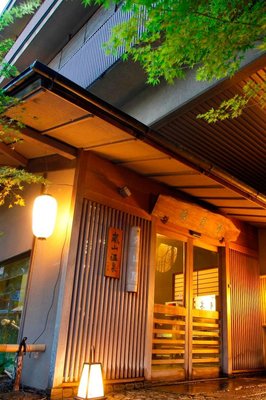
Togetsutei
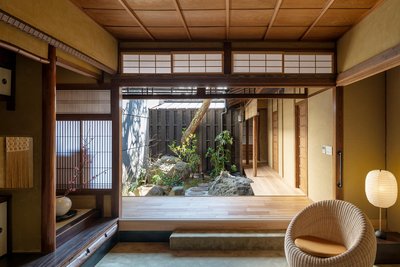
Nazuna Kyoto Gosho
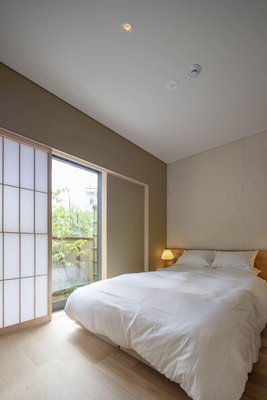
CAMPTON KIYOMIZU
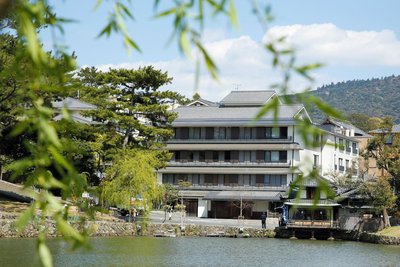
Sarusawaike Yoshidaya
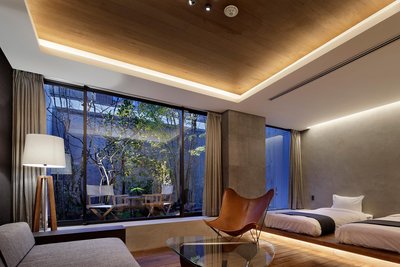
22 PIECES
The Ritz-Carlton, Osaka
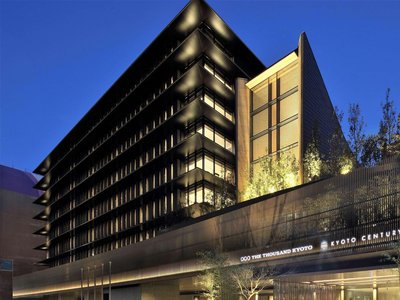
The Thousand Kyoto
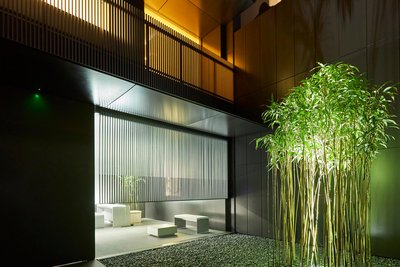
Mogana
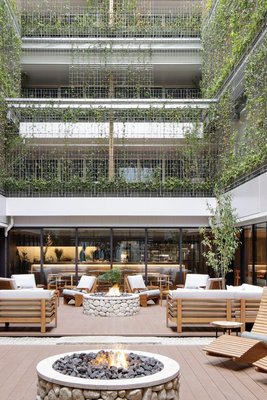
GOOD NATURE HOTEL KYOTO
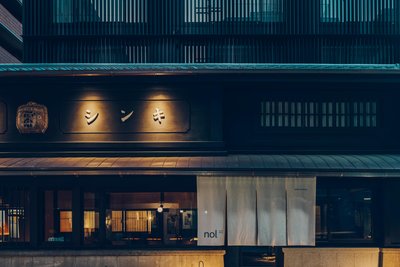
Nol Kyoto Sanjo
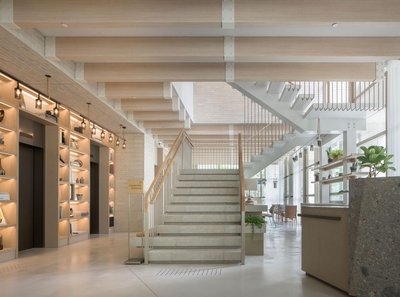
Zentis Osaka
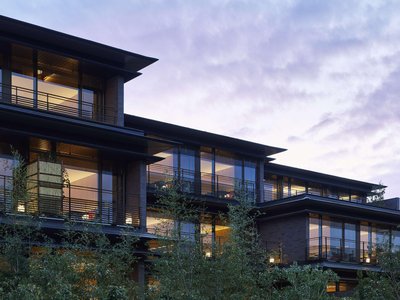
Garrya Nijo Castle Kyoto
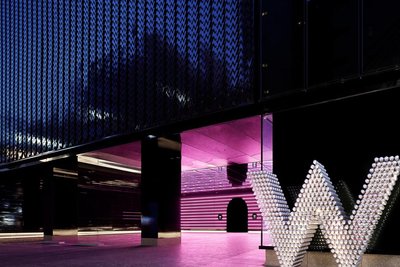
W Osaka
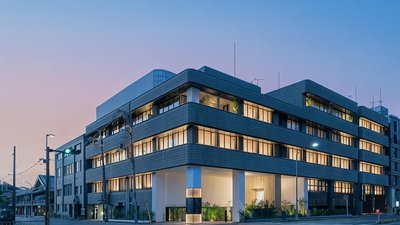
Hotel Kanra Kyoto
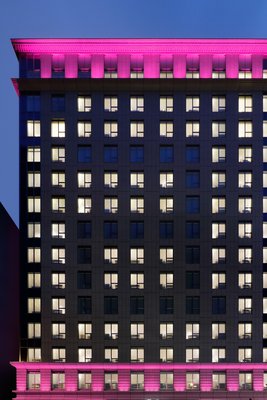
Aloft Osaka Dojima
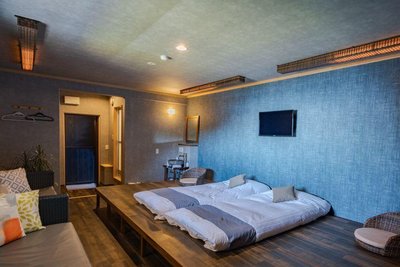
XYZ Private Spa and Seaside Resort
Osaka Marriott Miyako Hotel
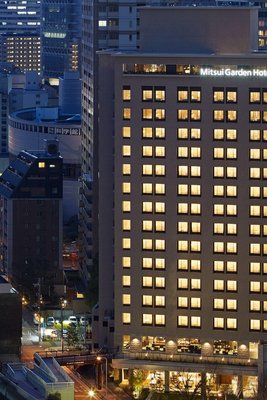
Mitsui Garden Hotel Osaka Premier
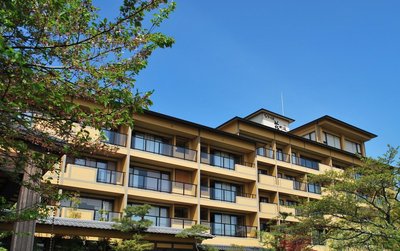
BIWAKO HANAKAIDO
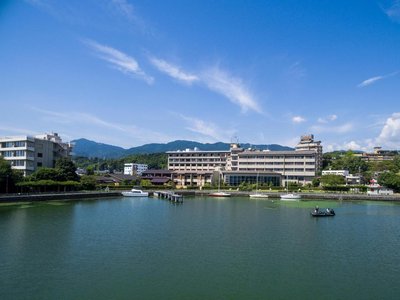
Biwako Ryokusuitei
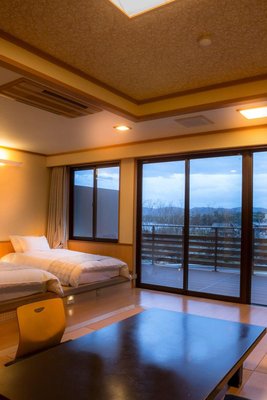
Hotel Kitanoya
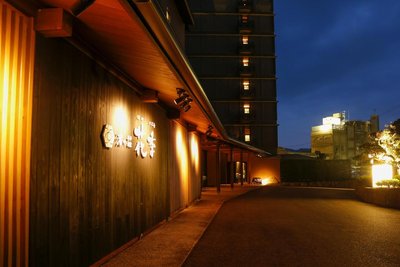
Hanagoyomi
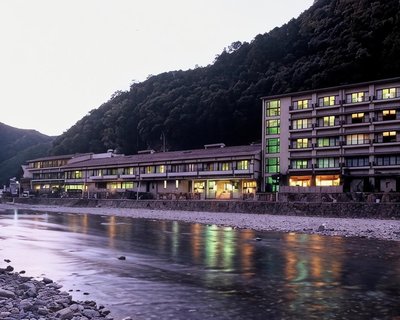
Kawayu Onsen Fujiya
Hotel La Suite Kobe Harborland
AoAwo Naruto Resort
Infinito Hotel and Spa
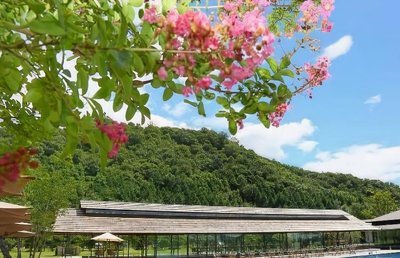
Bella Vista Spa and Marina Onomichi
Hamachidorinoyu Kaisyu
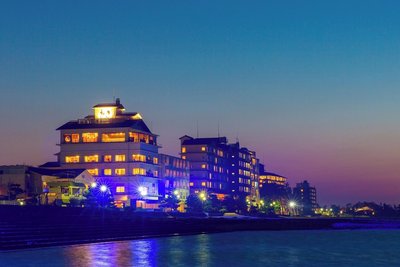
Kaike Shogetsu
The Ritz-Carlton, Kyoto
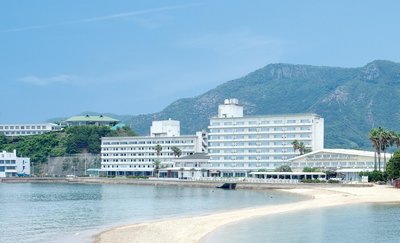
Shodoshima International Hotel
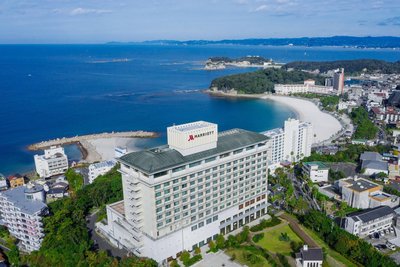
Nanki-Shirahama Marriott Hotel
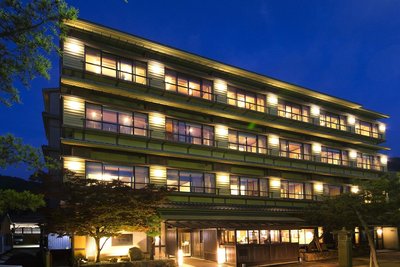
Kinsuikan
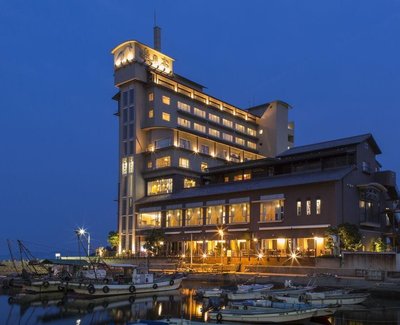
Hotel Ofutei
Suiran, a Luxury Collection Hotel, Kyoto
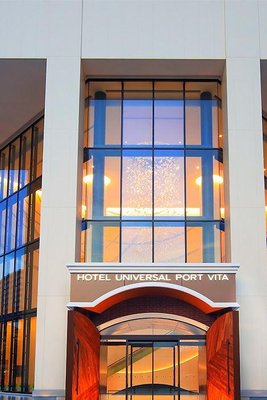
HOTEL UNIVERSAL PORT VITA

The Park Front Hotel at Universal Studios Japan
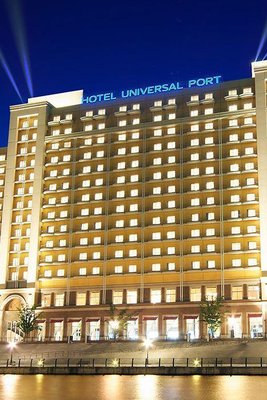
HOTEL UNIVERSAL PORT
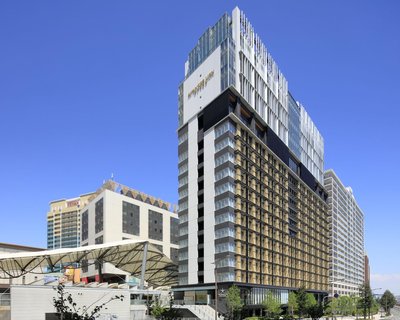
THE SINGULARI HOTEL & SKYSPA at UNIVERSAL STUDIOS JAPAN
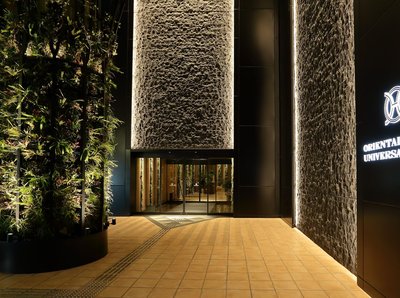
Oriental Hotel Universal City
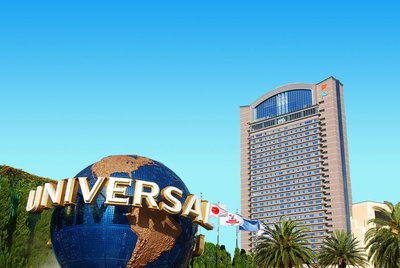
Hotel Keihan Universal Tower
Osaka Marriott Miyako Hotel
The Ritz-Carlton, Osaka
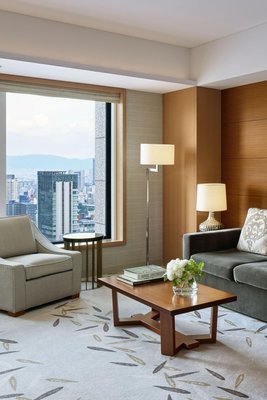
InterContinental Hotel Osaka
The Ritz-Carlton, Kyoto
Suiran, a Luxury Collection Hotel, Kyoto
GOOD NATURE HOTEL KYOTO
Park Hyatt Kyoto
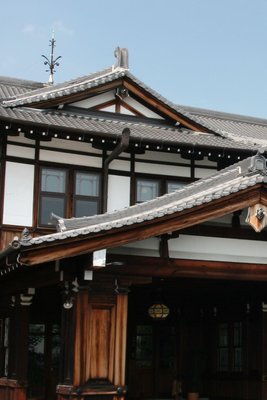
Nara Hotel
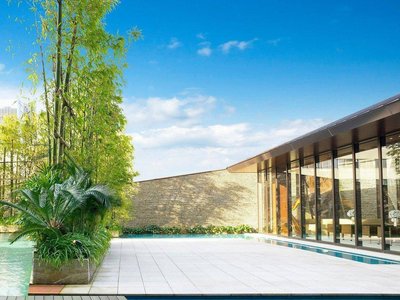
ORIENTAL HOTEL
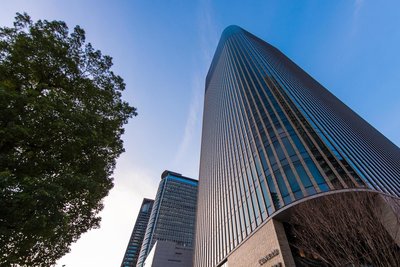
Conrad Osaka
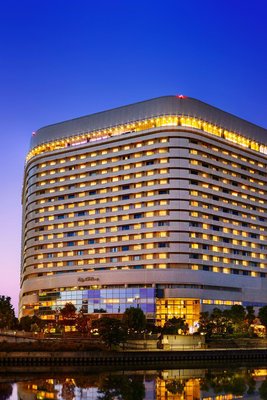
Hotel New Otani Osaka
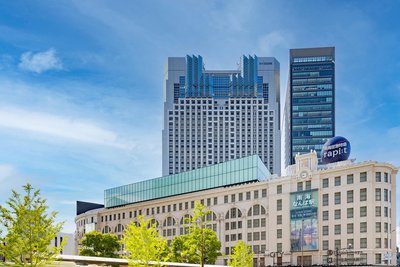
Swissotel Nankai Osaka
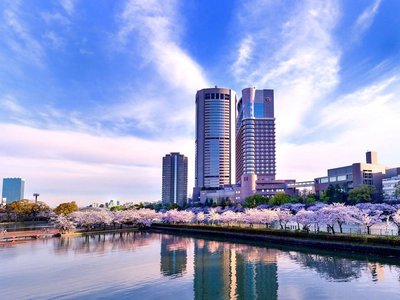
Imperial Hotel Osaka
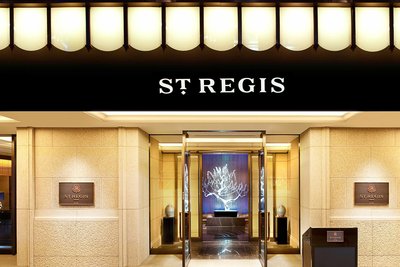
The St. Regis Osaka
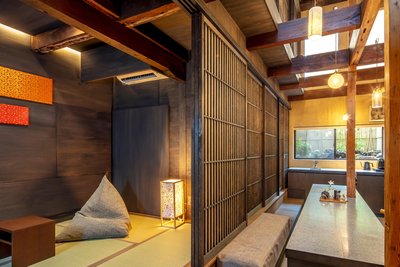
Kyo No Oozora Kihana
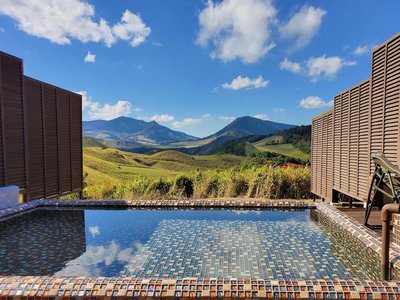
Grand Verde Resort
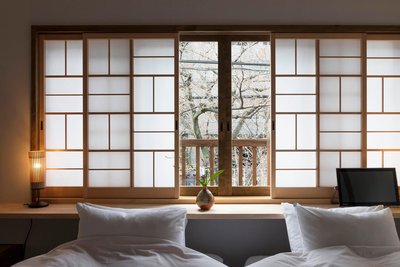
Hanagoromo Machiya House
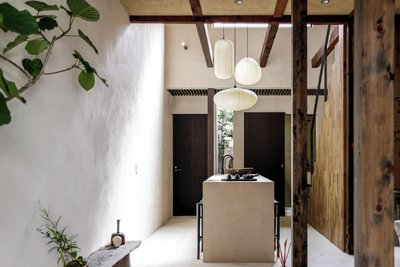
Maana Kiyomizu
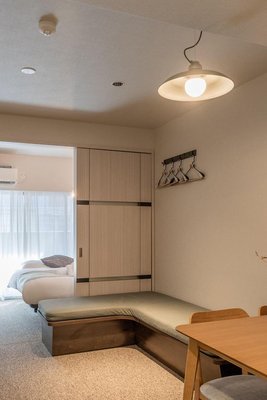
Apartment Hotel 11 Shinsaibashi
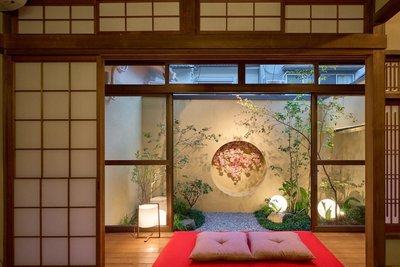
KONJAKUSO Osaka Tengachaya "NIHONCHA" Tea & Relax
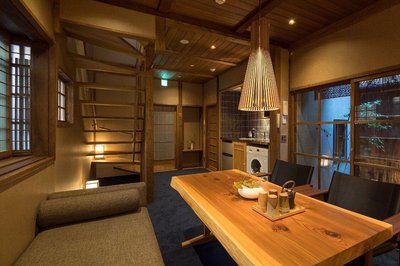
Bonbori an Machiya House
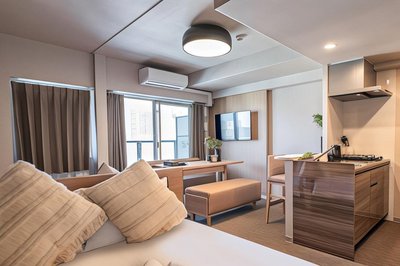
Apartment Hotel 11 Shinsaibashi III
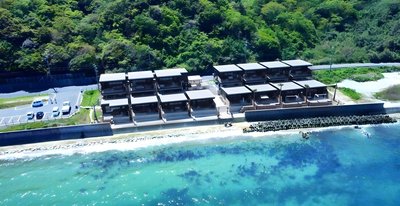
Solavilla Umi Terrace Minamiawaji
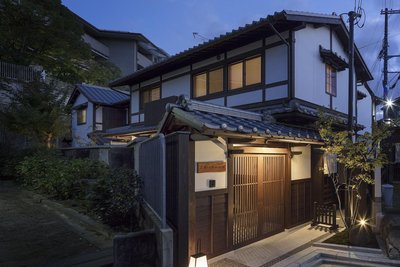
The Machiya Villa Sanjo Shirakawa Koji
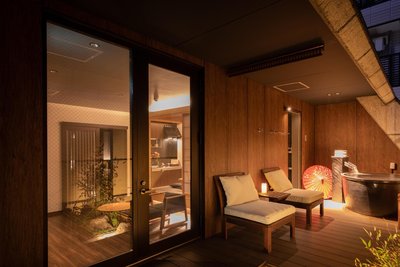
Konjaku-So Dotonbori
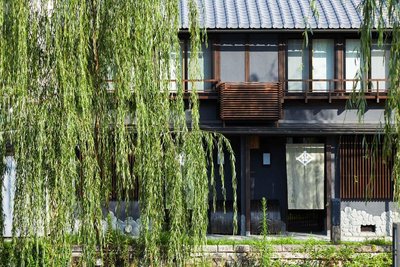
Gion Shirakawa No Yado

Kitashirakawa Natural Radium Onsen
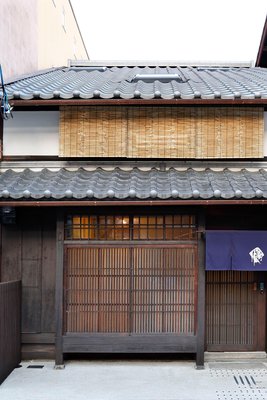
Kyo No Ondokoro Kamanza Nijo #2
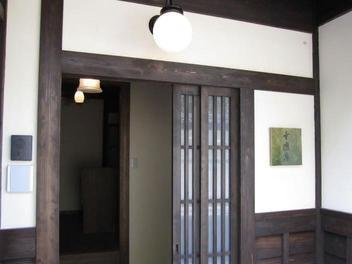
Gion Koyu an Machiya House
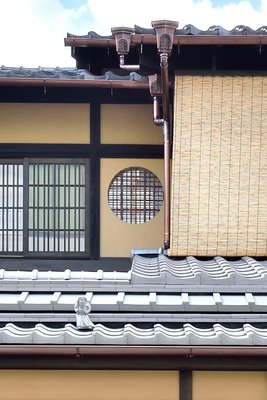
Kyo No Ondokoro Gokomachi Ebisugawa #3
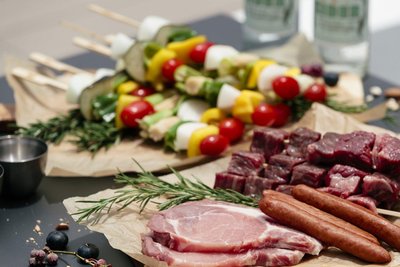
Sana Mane - Glamp Domes
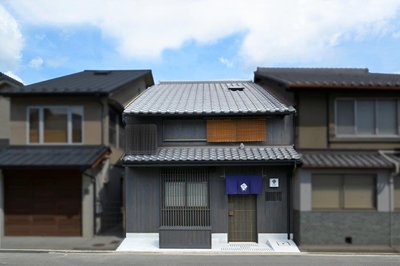
Kyo No Ondokoro Goshonishi #6
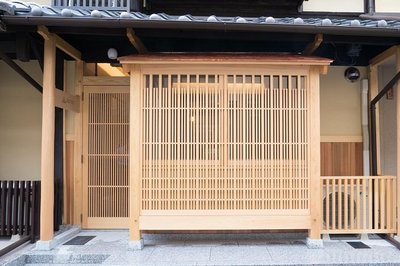
Kyomachiya Suite Rikyu
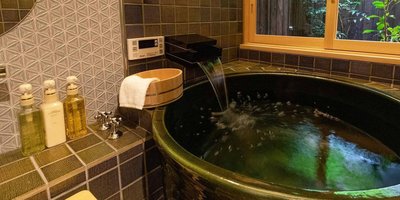
Kyoisuke
Frequently Asked Questions about Traveling to Miyoshi
Questions You Might Need to Know About Traveling to Miyoshi
In Mitoyo City, the top choice for nature views is Yamato Valley Lodge, nestled beside the Yoshino River and surrounded by Shikoku Mountains. Its large glass-walled rooms offer panoramic views of lush forests and seasonal wildflowers. Guests can enjoy sunrise hikes along the Mitsuke Trail, while the on-site eco-cabin provides an immersive forest experience with treehouse-style accommodations. The hotel also hosts guided birdwatching tours and night stargazing sessions under the clear mountain skies, making it ideal for nature lovers seeking tranquility and connection with the outdoors.
The Kōyama District in Mitoyo City offers the deepest cultural immersion, home to traditional Awa Dance practice halls and local craft workshops. Visitors can join handmade washi paper sessions at the Mitoyo Paper Art Studio, learn Shikoku pilgrimage rituals at the Kōyama Shrine, and attend evening folk music performances in village courtyards. Many family-run guesthouses here host seasonal festivals, such as the Sakura Matsuri and Harvest Festival, where guests participate in rice-planting ceremonies and taste homemade sake brewed from local barley. This area preserves authentic rural life and is perfect for travelers seeking genuine Japanese heritage.
Stay at Kōyama Nature House, a boutique eco-lodge that offers forest bathing (Shinrin-yoku) guided walks led by certified therapists. Each room features natural ventilation systems and locally sourced wood furnishings. Guests can take part in traditional tea ceremony workshops, wood carving classes, and sake brewing demonstrations using ingredients from nearby farms. The hotel also organizes moonlit river boat rides on the Yoshino River, where storytellers share legends of the Kōyama Gorge. These immersive experiences blend wellness, craftsmanship, and storytelling into a truly memorable stay.
Yes, Mitoyo Family Forest Resort is designed for families, featuring a kids’ adventure trail, tree-top rope course, and on-site farm where children can feed goats and collect eggs. The resort offers family cooking classes teaching how to make kamaboko (fish cake) and shiruko (azuki bean soup) using local ingredients. Daily programs include nature scavenger hunts, firefly watching, and river exploration with safety gear. With spacious cabins and a heated pool, it’s ideal for parents and kids alike who want a safe, engaging, and educational getaway in the heart of Shikoku’s countryside.
Yamato Onsen Inn stands out with its natural sulfur-rich baths fed by underground springs over 300 meters deep. The open-air rooftop bath features a glass ceiling for stargazing, while the private rock baths are carved directly into the mountainside. Each room includes a rooftop garden terrace with views of the Yoshino River Valley. The inn also offers thermal therapy consultations and hosts monthly hot spring wellness retreats, combining traditional healing practices with modern relaxation techniques. It’s a sanctuary for those seeking both physical rejuvenation and spiritual peace.
Stay at Kōyama Trailhead Inn, located just 5 minutes from the Mitsuke Trail and Gokuraku Gorge Pathway. This mountain lodge offers direct access to multiple hiking routes, including the Twin Waterfall Loop and the Sunrise Ridge Trail. The property features a trail information center, free rental gear (hiking poles, rain gear), and nightly briefings from local guides. Rooms open onto private balconies overlooking the valley, perfect for morning coffee before a hike. Its central location makes it ideal for multi-day trekking across the Shikoku 88 Temple Pilgrimage route.
At Yamato Valley Lodge, guests enjoy a daily local cuisine dinner featuring Awa beef sukiyaki, wild mountain vegetable tempura, and home-brewed plum wine. Ingredients are sourced from nearby farms and fishing cooperatives. Special highlights include dried persimmon snacks made by elderly villagers and shiso-flavored rice balls served during seasonal festivals. The hotel also runs cooking workshops where guests learn to prepare Kōyama-style miso soup and fermented soybean paste (nattō) using traditional methods. These meals reflect the region’s agricultural roots and culinary authenticity.
Plan a loop starting from Tokushima City, driving through National Route 56 into Mitoyo. Stay first at Yamato Valley Lodge, then head west to Kōyama District for a night at Kōyama Nature House. Next, visit Gokuraku Gorge and Yoshino River Bridge, stopping at scenic viewpoints like Hana no Sato Lookout. Return via Route 440 for a scenic coastal detour. Each stop has well-maintained parking, rest areas, and local eateries. Renting a compact SUV ensures easy navigation through narrow mountain roads. This itinerary covers culture, nature, and gastronomy in a balanced, flexible format.
Yes, Snowfield Mountain Retreat in Mitoyo City offers a rare winter mountain experience with snow-covered forests and frozen waterfalls. The lodge features heated indoor-outdoor pools, snowshoe rental services, and ice lantern-making workshops. Each cabin has underfloor heating and panoramic windows facing the snowy peaks. During December–February, they host New Year’s Eve firelight gatherings with Shinto purification rites and traditional taiko drumming. It’s a peaceful, magical escape for those wanting to embrace the quiet beauty of winter in Shikoku.
Green Valley Eco-Lodge is a certified zero-waste accommodation powered entirely by solar energy and rainwater harvesting. Built with reclaimed timber and bamboo, it uses compost toilets and plastic-free amenities. Guests can join organic farming days, biodiversity surveys, and reforestation projects in nearby hillsides. The menu features 100% local, seasonal produce, and leftovers are turned into biogas for cooking. The lodge also partners with local schools for youth environmental education, making it a model of responsible tourism in rural Japan.
Miyoshi Overview
City Summary
Miyoshi City in Tokushima Prefecture is famed for the dramatic Iya Valley and its iconic vine bridges, representing Shikoku's hidden gems. This mountain town preserves Heike clan refugee legends, along with traditional washi papercraft and buckwheat noodle production, ideal for nature and culture seekers.
Must-See Attractions
Top attraction is the national monument Iya Kazurabashi Vine Bridge, a 45-meter suspension bridge woven from vines. Oboke Koboke Gorge offers sightseeing boats through basalt formations. Culture enthusiasts can visit Ochiai Village with thatched-roof houses or try washi-making at Mino Washi Museum.
Food Guide
Must-try Iya soba noodles use mountain spring water, served with tempura or duck broth. Sample rich Tokushima ramen with pork bone soy sauce and grilled Awaodori chicken. Summer-only nagashi somen (flowing noodles) is a refreshing treat.
Transportation Guide
From Tokushima Station, take JR Dosan Line to Awa-Ikeda Station (1.5hrs), then transfer to Shikoku Kotsu buses. Mountain areas require rental cars (international license needed). Note limited bus schedules and winter road closures. Boat rides and cable cars need on-site tickets.
Best Time to Visit
Best seasons are April-May (cherry blossoms) and October-November (autumn foliage). Avoid July-August typhoons. Winter (Dec-Feb) offers snowscapes but some closures. Weekdays have fewer tourists; book weekend stays early.
Travel Tips
- Remove shoes on vine bridges; slippery when wet
- Mountain areas have sharp temperature drops
- Carry cash - rural shops rarely accept cards
- Observe "no photography" signs in villages
- Wash thoroughly before onsen bathing
- Practice strict trash sorting/recycling
- Buses depart precisely - arrive 5 mins early
Useful Information
Essentials: Japanese is primary language; basic English at tourist sites. Free WiFi at stations/visitor centers. Shikoku Rail Pass recommended. Emergency: Miyoshi Municipal Hospital (0872-82-1111). Pharmacies marked "クスリ". Currency exchange only in Tokushima City. Convenience store ATMs accept international cards. 100V voltage, Type A plugs.









