Hotels in Miyoshi
Discover your perfect stay in Miyoshi.
Miyoshi(Japan) Travel 2026: Cheap Flights, Hotels & Top Attractions
Popular Landmarks in Miyoshi
Discover the most iconic attractions in Miyoshi
Best Hotels in Miyoshi
Discover curated hotel collections in Miyoshi
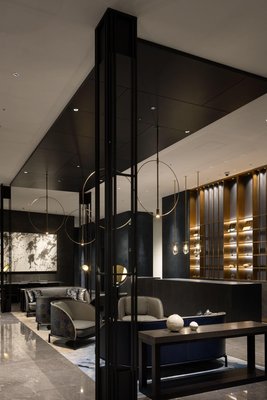
Bellustar Tokyo, A Pan Pacific Hotel
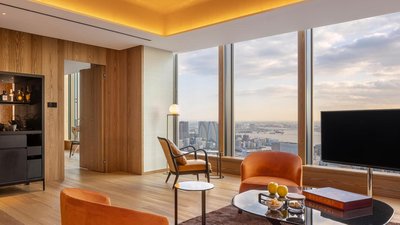
Bvlgari Hotel Tokyo
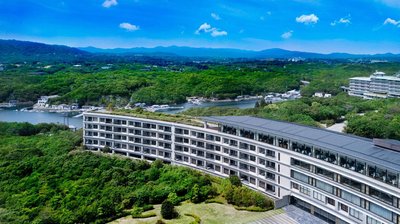
Shima Kanko Hotel the Bay Suites
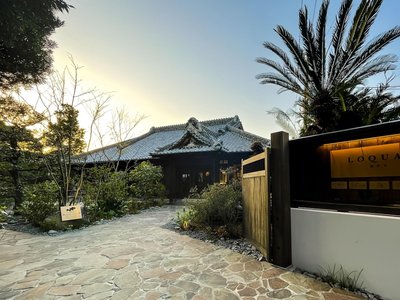
Loquat Nishiizu
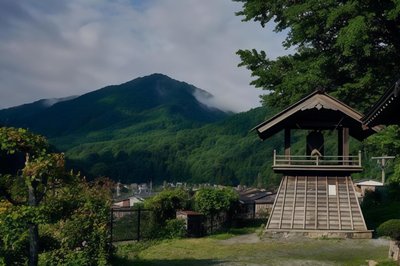
Byaku Narai
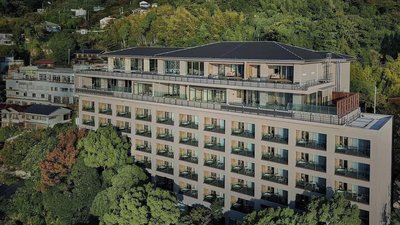
Atami Izusan Karaku
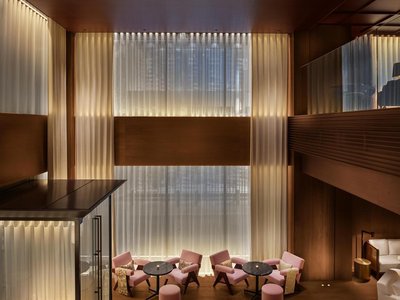
The Tokyo Edition, Ginza
Janu Tokyo
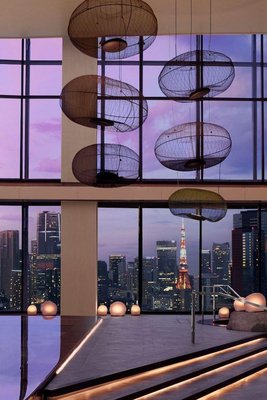
JW Marriott Hotel Tokyo
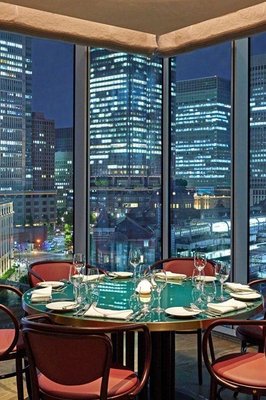
Four Seasons Hotel Tokyo at Marunouchi

Mandarin Oriental, Tokyo
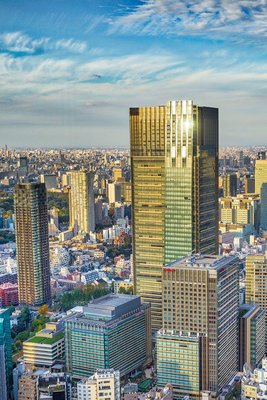
The Ritz-Carlton, Tokyo
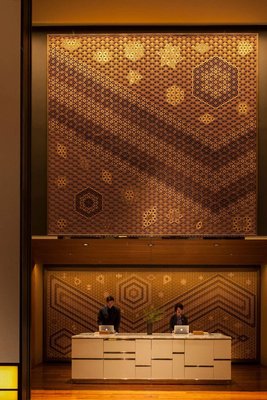
Andaz Tokyo Toranomon Hills- A Concept by Hyatt
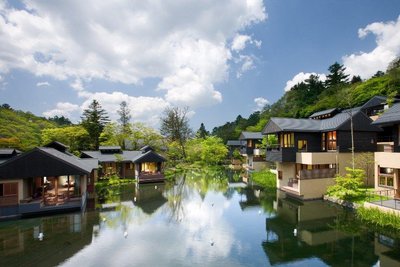
Hoshinoya Karuizawa
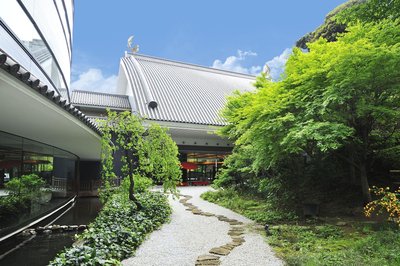
Hotel Gajoen Tokyo
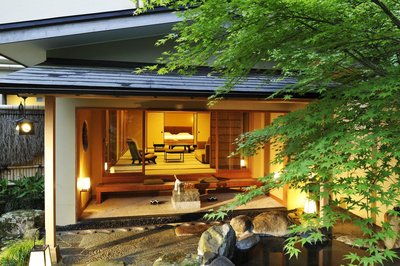
Gora Kadan
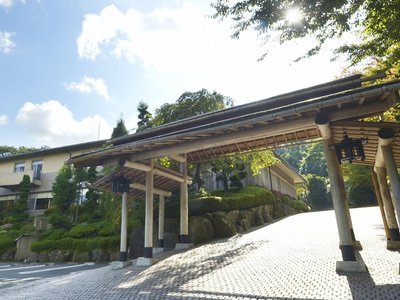
Gora Hanaougi
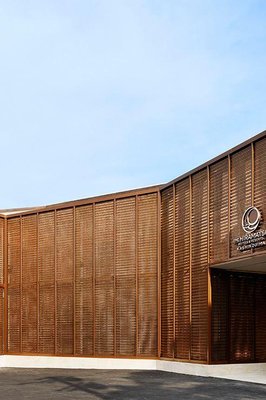
The Hiramatsu Hotels & Resorts Kashikojima
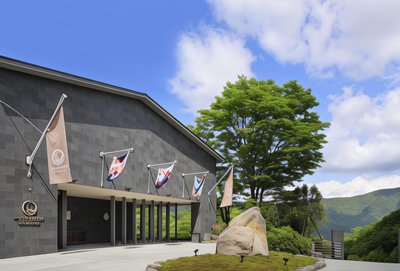
The Hiramatsu Hotels & Resorts Sengokuhara Hakone
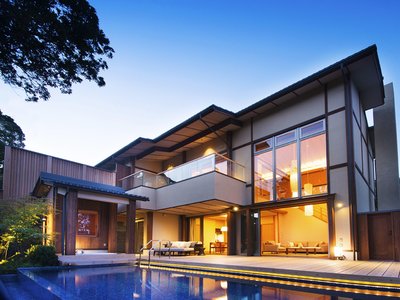
Abba Resorts Izu - Zagyosoh
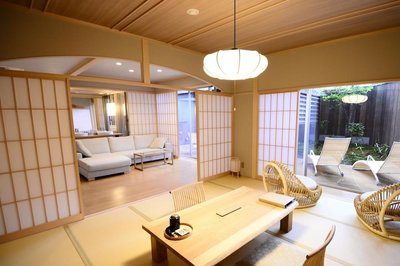
Hakone Gora Byakudan
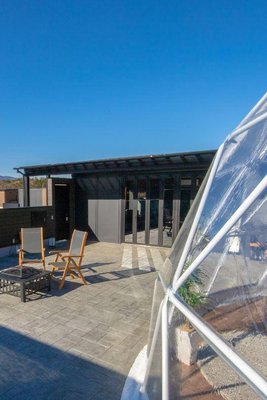
Panoramic Mt. Fuji Views from All Rooms – Vision Glamping Resort & Spa Yamanakako
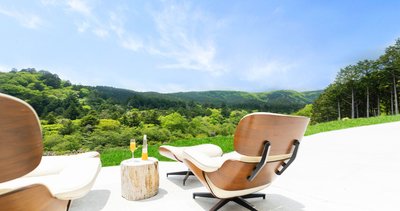
Shelter Garden Nikko
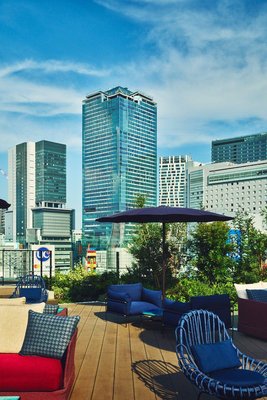
Hotel Indigo Tokyo Shibuya

TIAD, AUTOGRAPH COLLECTION
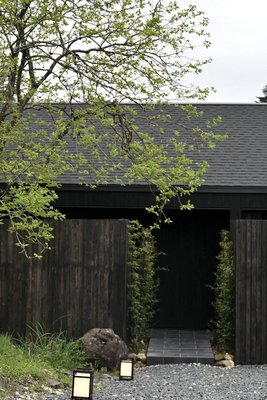
THE LAKOTAN
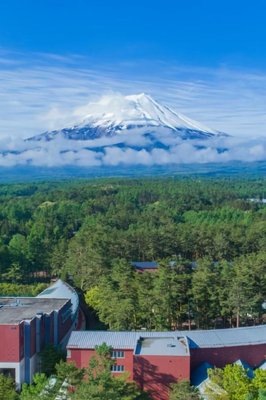
Forest Village (Fuji Premium Resort)
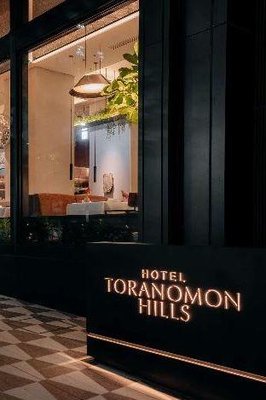
Hotel Toranomon Hills
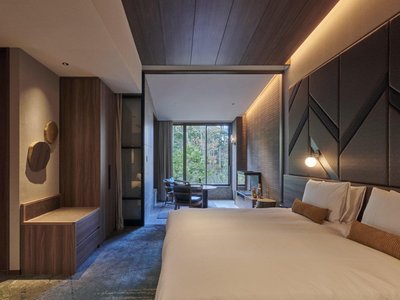
Fufu Kyu-Karuizawa Restful Forest
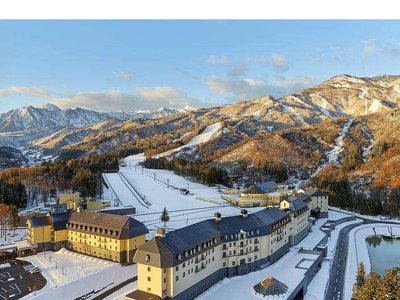
Lotte Arai Resort
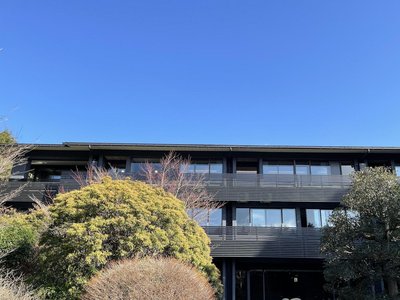
Sengokubara Cocon
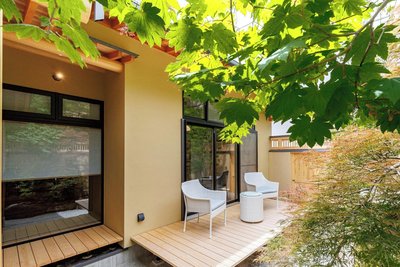
Shoraiso
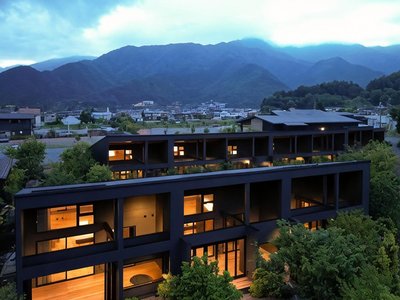
7C Villa and Winery

Hotel la Vigne Hakuba by Onko Chishin
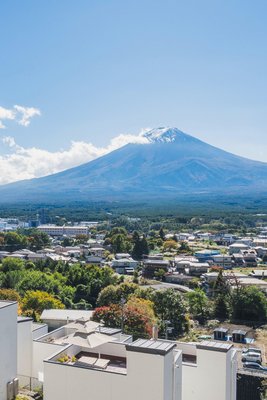
THE TOKI FujiKawaguchiko
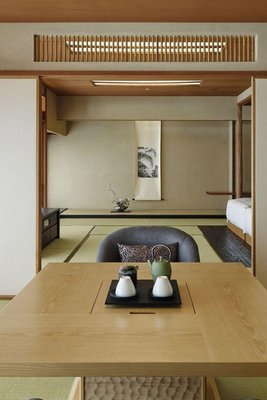
Takanawa Hanakohro (in Grand Prince Hotel Takanawa)
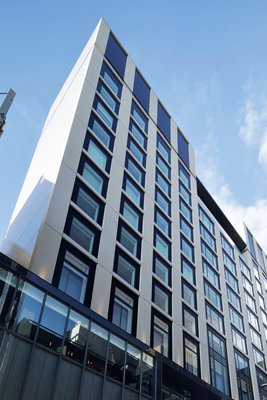
Hyatt Centric Ginza Tokyo
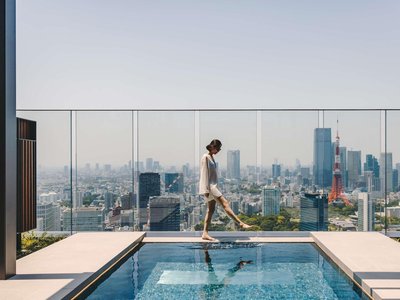
Fairmont Tokyo
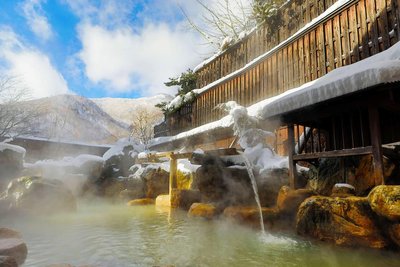
Miyamaouanbekkan yumegurinoyado hirayukan
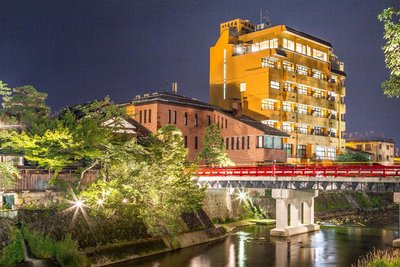
HONJIN HIRANOYA BEKKAN
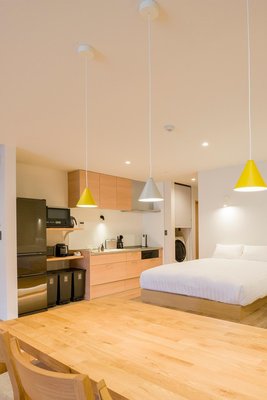
Rakuten STAY VILLA Nasu
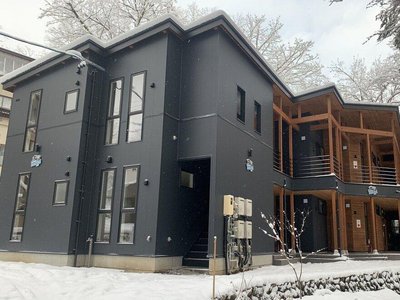
Hakuba Gondola Apartments
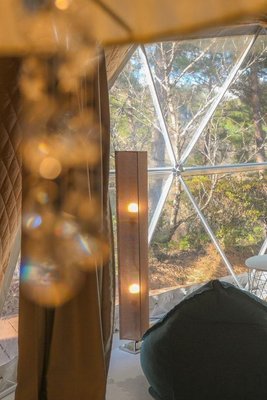
glampark Gekkabijin Nagano
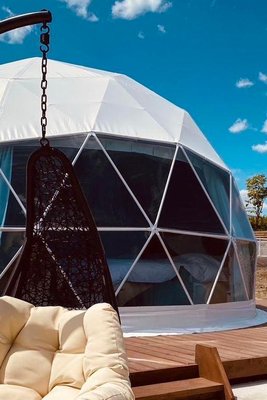
chillout glamping zao
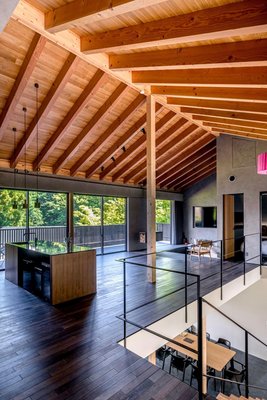
MONS GORA

Phoenix Chalets by Hhg
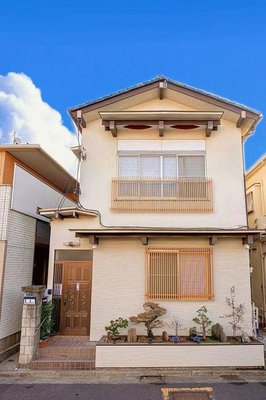
Tokyo Star House-Shinkoiwa
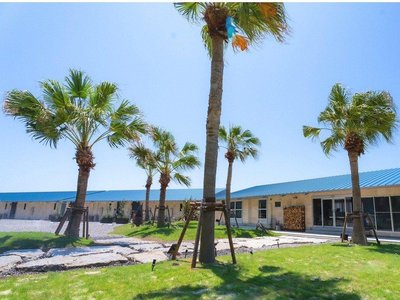
Glamping&Resort Wood Design Park Noma
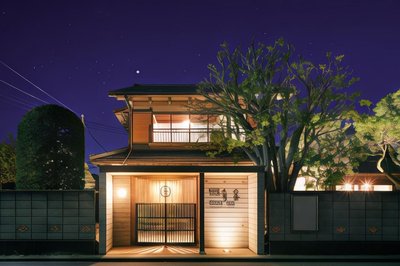
Machi-Jyu
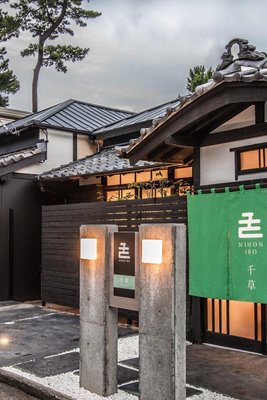
Nihon Iro
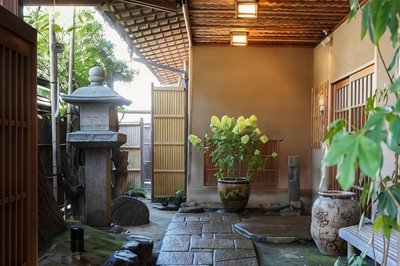
Ryokan Asadaya
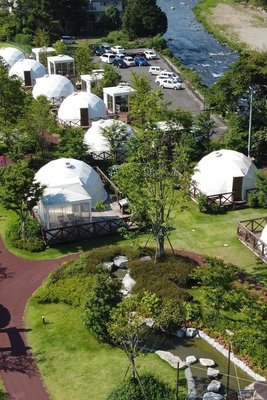
Ufufu Village
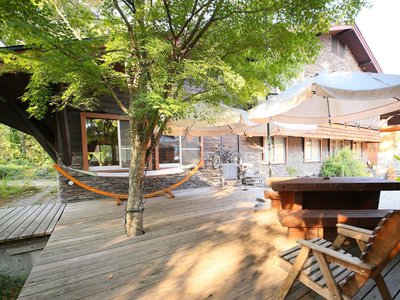
Kunugi Relaxation with 4 Modern Rooms
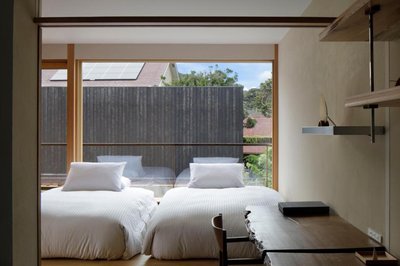
Modern Ryokan Kishi-ke

Petals Tokyo - Floating Hotel
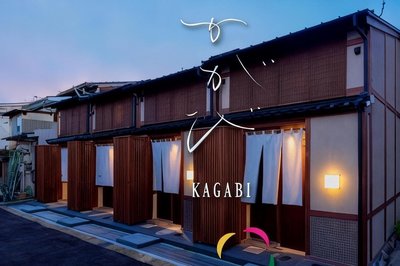
Kagabi Machiya House
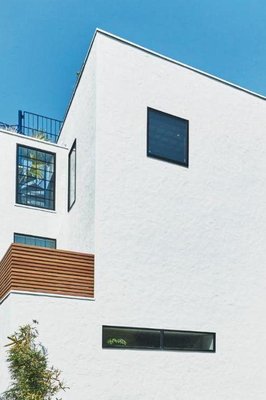
The Flow Kamakura
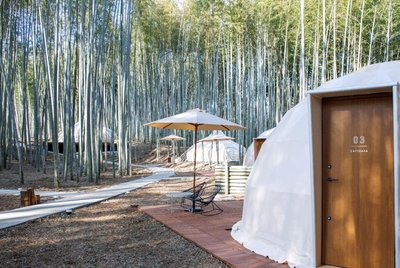
THE BAMBOO FOREST
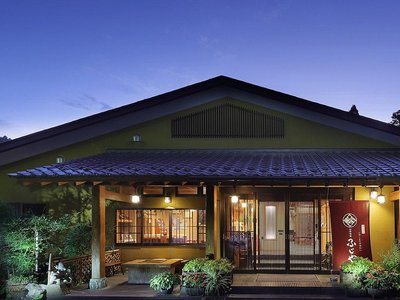
Shikimitei Fujiya
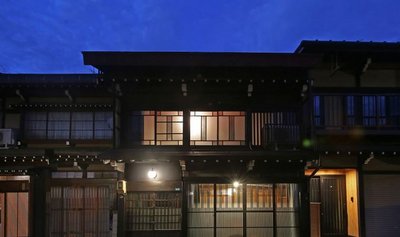
Iori Stay Hida

Hotel Barrière Fouquet's New York
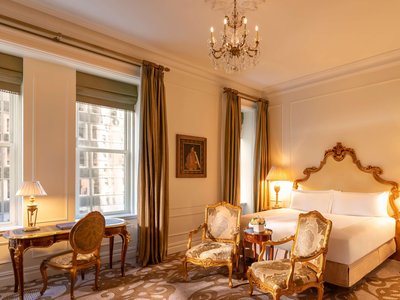
The Plaza - A Fairmont Managed Hotel
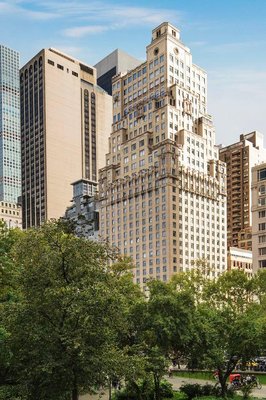
The Ritz-Carlton New York, Central Park
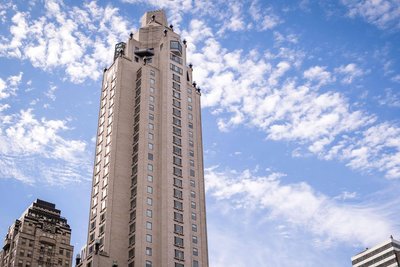
Four Seasons Hotel New York
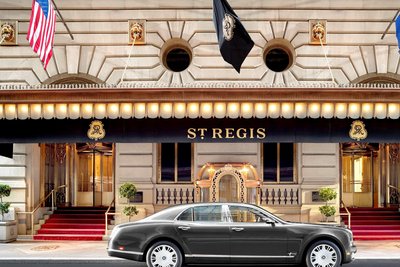
The St. Regis New York
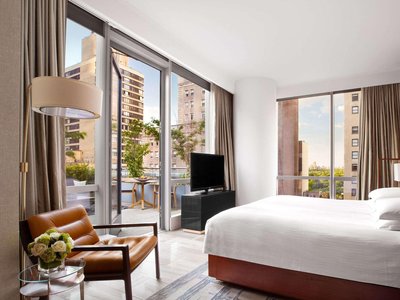
Park Hyatt New York
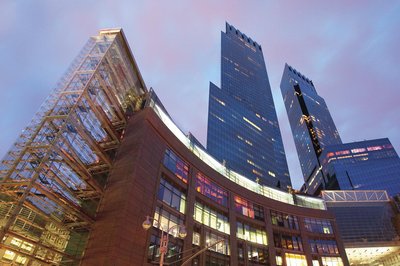
Mandarin Oriental New York
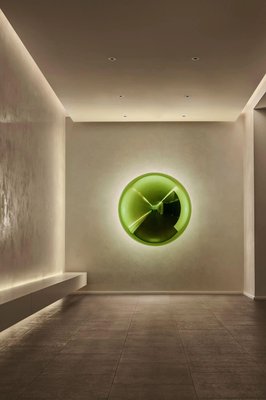
Times Square Edition New York

Loews Regency New York Hotel
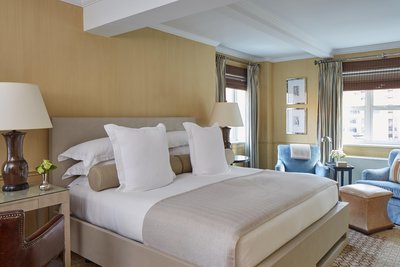
Lowell Hotel
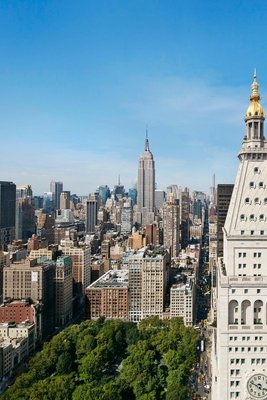
New York Edition
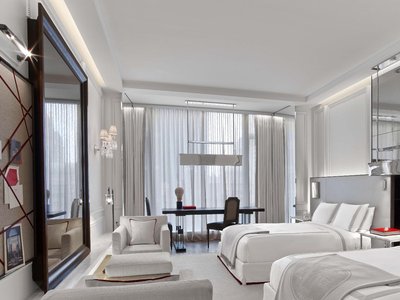
Baccarat Hotel New York

Equinox Hotel New York

Four Seasons Hotel New York Downtown
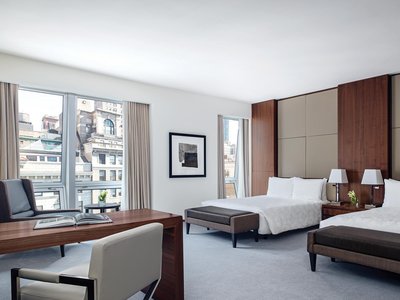
The Langham, New York, Fifth Avenue

The Carlyle, A Rosewood Hotel

The Chatwal, in the Unbound Collection by Hyatt
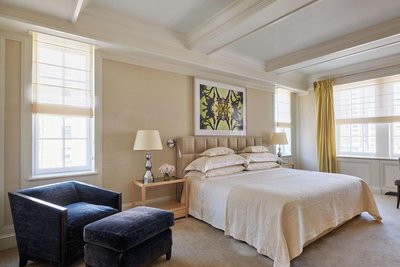
The Mark New York
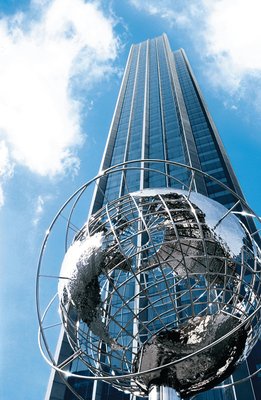
Trump International Hotel & Tower® New York
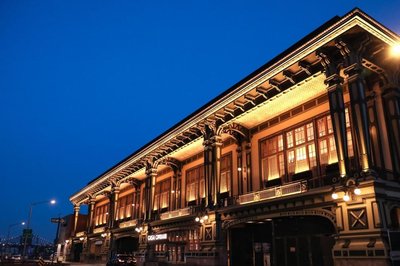
Casa Cipriani New York
Frequently Asked Questions about Traveling to Miyoshi
Questions You Might Need to Know About Traveling to Miyoshi
In Miharu Town, consider staying at Miyabi no Sato, a charming countryside inn nestled beside the Miharu River. This traditional Japanese-style guesthouse offers affordable yet comfortable rooms with tatami mats and private gardens. It’s perfect for travelers seeking authenticity, with easy access to local farms, seasonal festivals like the Miharu Flower Festival, and nearby hiking trails such as the Birch Forest Pathway. The staff often provide free bicycles for exploring the tranquil rural surroundings. Ideal for eco-conscious visitors wanting a peaceful retreat near Saitama Prefecture’s green heart.
The Miharu Riverfront District is the ideal area for sightseeing stays. Located just steps from Miharu Town Hall and the Miharu Cultural Center, this quiet zone offers direct access to scenic spots like Miharu Shrine and the White Birch Trail. With minimal light pollution, it's also excellent for stargazing. Many lodges here provide complimentary bikes and shuttle services to Omiya Station. Its serene atmosphere and proximity to nature make it the top choice for travelers who value tranquility and immersive rural experiences in Saitama Prefecture.
Miharu Town offers authentic cultural activities such as traditional indigo dyeing workshops, where you can craft your own fabric using natural dyes. During spring, participate in the Miharu Flower Festival, featuring community-designed floral installations and open-air art exhibitions. You can also join hands-on sessions at historic farmhouses under the "Old House Revival Project," learning local farming techniques and making homemade tofu. These experiences reflect Miharu’s deep commitment to cultural preservation and community-driven heritage.
Yes, Miyabi no Sato provides spacious family rooms equipped with children’s cutlery, play areas, and outdoor sand pits. Nearby attractions include the Miharu River Park and the Children’s Nature Classroom, which offer guided ecological tours. The inn serves healthy, additive-free meals for kids and supports group dining. Surrounded by safe, low-density neighborhoods, it’s one of the few family-oriented destinations in Saitama Prefecture that combines education, relaxation, and nature immersion—perfect for a memorable vacation with kids.
Absolutely. The Miharu River Embankment Trail is ideal for photography, especially during cherry blossom season when pink petals drift across the water beneath ancient stone bridges. The Birch Forest Pathway features striking white trunks and dappled sunlight, creating a dreamy, cinematic atmosphere. Don’t miss Miharu Shrine’s vermilion torii gate framed by autumn foliage. Visit early morning or late afternoon for soft lighting and fewer crowds. Some inns even offer professional photographer collaborations for curated photo sessions in these scenic locations.
Yes, despite being a rural town, Miharu has excellent connectivity. Take the Seibu Railway New Line from Omiya Station—just 15 minutes to Miharu Station—with frequent, reliable service. From the station, rent a bicycle or take a community bus to explore nearby attractions. If driving, the Kan-etsu Expressway links quickly to Tokyo and Nagano. Many inns offer airport transfer bookings and partner with local electric bike-sharing programs, enabling effortless exploration of rice fields, rivers, and historic villages—making travel seamless and sustainable.
Must-try dishes include Miharu Matcha Daifuku, handmade by the century-old Miharu Wagashiya shop, featuring rich, creamy matcha filling. Another highlight is Miharu River Fish & Rice Bowl, made with fresh-caught carp and locally grown rice simmered in kelp broth—deliciously savory and wholesome. Seasonal specialties like grilled mackerel and vegetable stew are also available. Some inns offer a "One-Day Farmer’s Table Experience," where guests harvest ingredients and cook together, embodying Miharu’s philosophy of farm-to-table living.
Miharu Town boasts exceptional natural beauty, centered around the Miharu River, known for its crystal-clear waters teeming with carp and dragonflies. The surrounding landscape changes with the seasons: cherry blossoms in spring, fireflies in summer, golden rice paddies in autumn, and snow-covered trees in winter. The Birch Forest Trail is one of Japan’s rare native stands of old-growth birches, offering pristine air quality and high negative ion levels. The Nature Conservation Center provides guided walks and wildlife tracking—ideal for nature lovers seeking an authentic connection with the region’s lush ecosystems.
Stay at Sōzō-no-Yado, a Zen-inspired retreat hidden in the woods. Each room features tatami flooring, sliding shoji screens, and private garden views, designed for stillness. Daily mindfulness breathing sessions and guided meditation are led by a certified Zen teacher. The property includes a dry landscape garden and a small pond where frogs croak at night. Special programs like the 7-Day Inner Peace Journey include silent days, vegetarian meals, and forest walking. Perfect for those seeking deep rest, mental clarity, and spiritual renewal in a truly secluded setting.
Yes, Miharu Shrine dates back to the Edo period, preserving original wooden structures and vibrant vermilion gates. The Old Miharu Elementary School Building has been converted into a local history museum, showcasing vintage farming tools, handwritten diaries, and archival photos. Five well-preserved Meiji-era wooden homes remain intact, maintained by a nonprofit group and open for public visits with guided tours. These sites collectively illustrate Miharu’s evolution from a traditional farming village to a modern, culturally vibrant community—offering a profound glimpse into Japan’s rural heritage.
Miyoshi Overview
City Summary
Miyoshi Town in Saitama Prefecture, located about 30km south of Tokyo, blends modernity with tradition amidst expansive countryside. Known for the Ayase River Sakura Tunnel and seasonal flower displays at Miyoshi Furusato Park, this hidden gem offers slow travel experiences with rich agricultural heritage just outside the metropolitan area.
Must-See Attractions
Top attractions include Miyoshi History Museum showcasing farming traditions, and Ayase River's sakura-lined banks transforming into illuminated wonderland in winter. Miyoshi Furusato Park hosts spectacular chrysanthemum exhibitions in November. Don't miss hands-on indigo dyeing workshops at local studios for unique souvenirs.
Food Guide
Savor Saitama-brand Kuroge Wagyu beef paired with local Sayama tea. Historic soba noodle shop Setoya uses 100% Miyoshi buckwheat since 1872. Weekend markets offer tempura-fresh vegetables and soy-glazed dango, preserving Edo-period farmhouse flavors.
Transportation Guide
From Tokyo Station, take JR Takasaki Line to Niiza Station then transfer to Seibu Bus (20min). Recommended to purchase Seibu 1-Day Pass. Within town, use bicycles (free rentals at town hall) or buses. Taxis start at ¥730; pre-book tours through Miyoshi Tourism Association for hassle-free transfers.
Best Time to Visit
Prime seasons are late March-early April (cherry blossoms) and October-November (chrysanthemum festivals & autumn foliage). Summers are humid (prepare sunscreen) while winters average 5°C. Weekdays are crowd-free except during weekend farmers' markets.
Travel Tips
- At shrines, cleanse hands/mouth first and toss a 5-yen coin (symbolizing "good fortune")
- Buses are punctual – arrive 5 minutes early
- Farm stands like "Maipoke" accept cash only
- Reserve indigo workshops 3 days in advance
- Carry basic medicines as no major hospitals nearby
- Use insect repellent in rice fields during summer
Useful Information
Language: Basic English works but most signs are Japanese-only. Download translation apps. WiFi: Free "MIYOSHI_Free" network covers the town. Cafes offer charging outlets. Payment: Convenience stores/gas stations accept cards; traditional shops are cash-only (7-11 has Forex ATMs). Emergencies: Dial #9110 for police or contact Town Hall Tourism Section (+81-49-258-0019). Services: Foreign passport holders get multilingual maps/discount coupons at Miyoshi Tourism Association.









