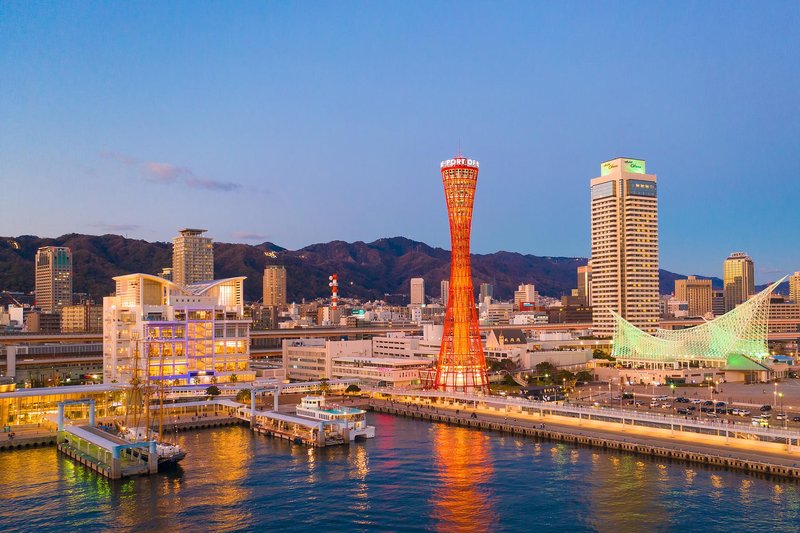
Hotels in Miyota
Discover your perfect stay in Miyota.
Miyota(Japan) Travel 2026: Cheap Flights, Hotels & Top Attractions
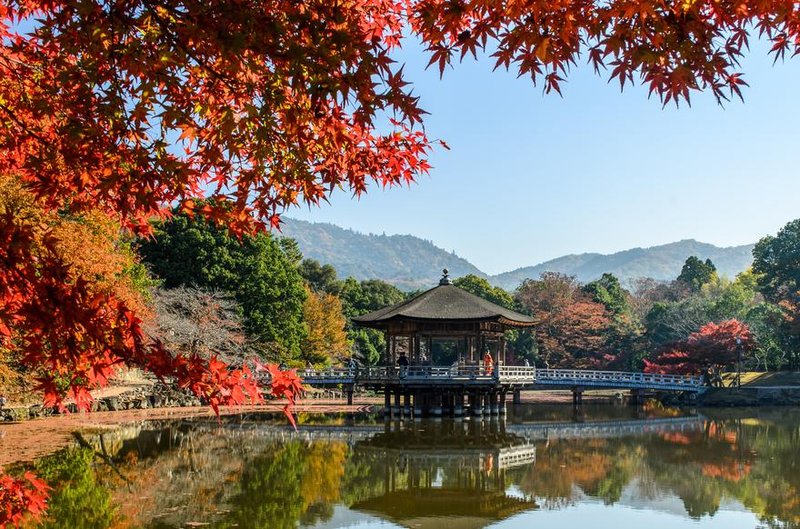
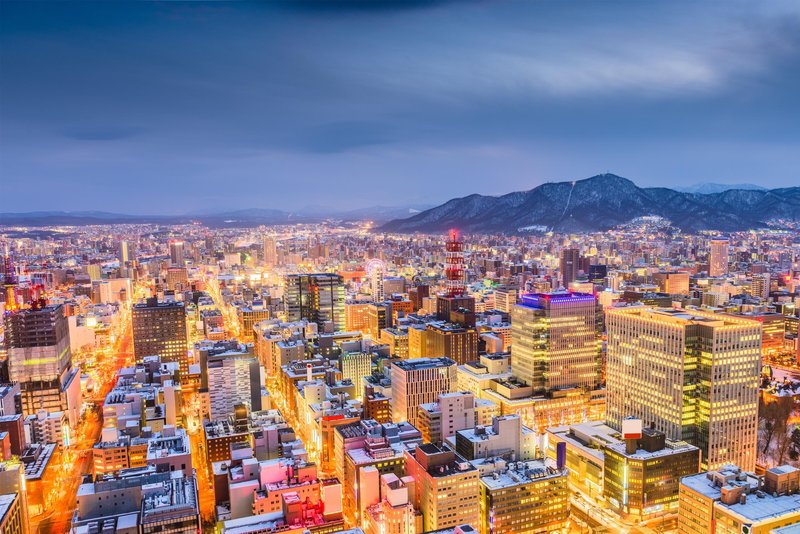
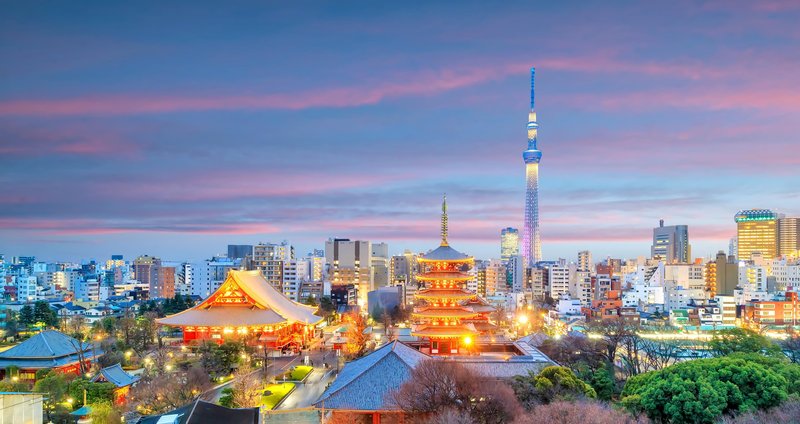
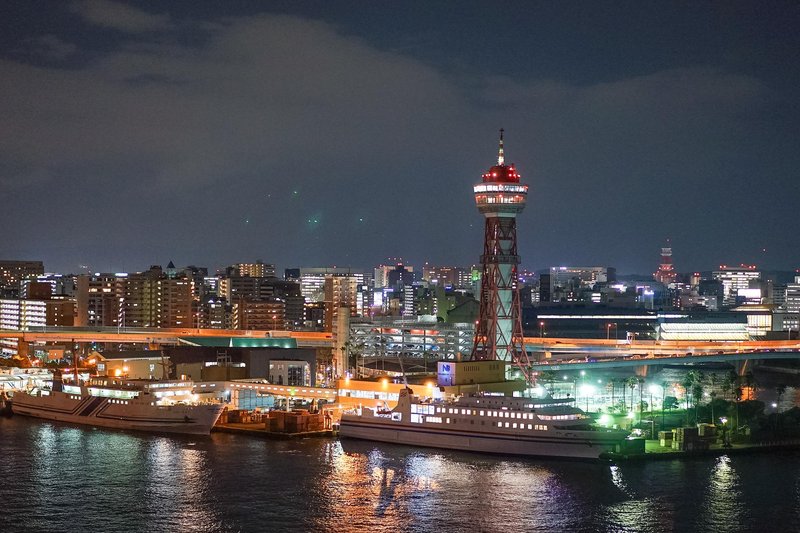
Popular Landmarks in Miyota
Discover the most iconic attractions in Miyota
Recommended Hotels in Miyota
Find the perfect place to stay in Miyota
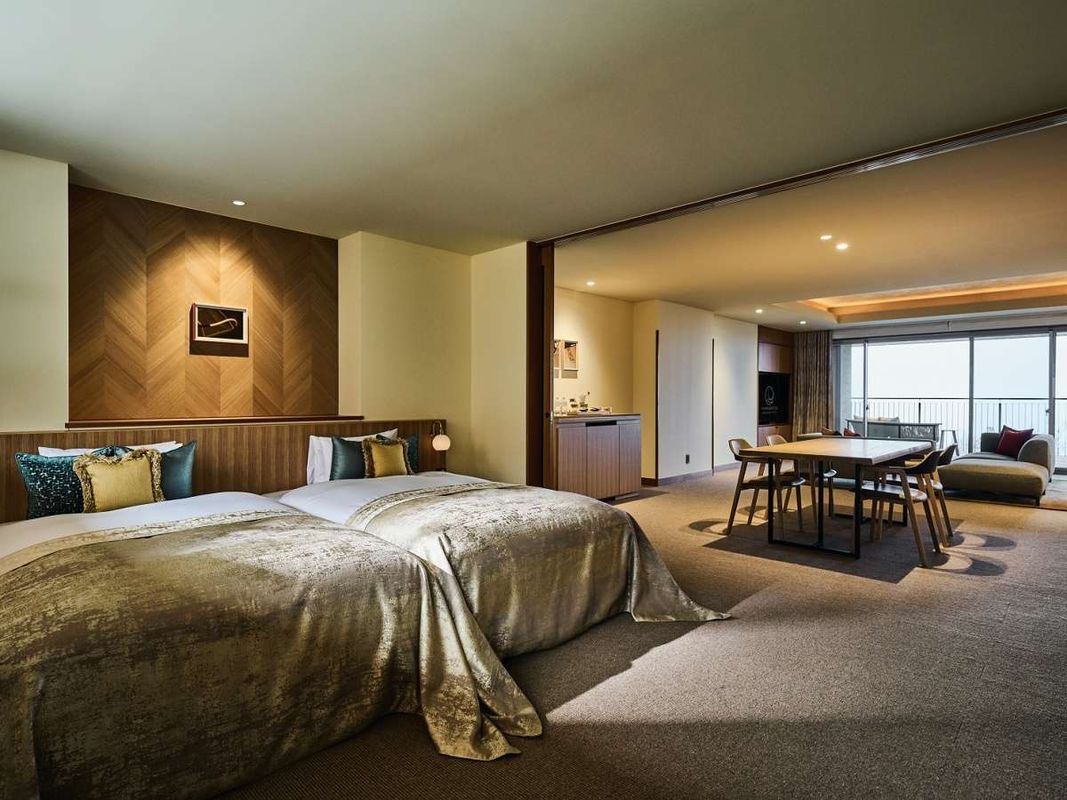
The Hiramatsu Karuizawa Miyota
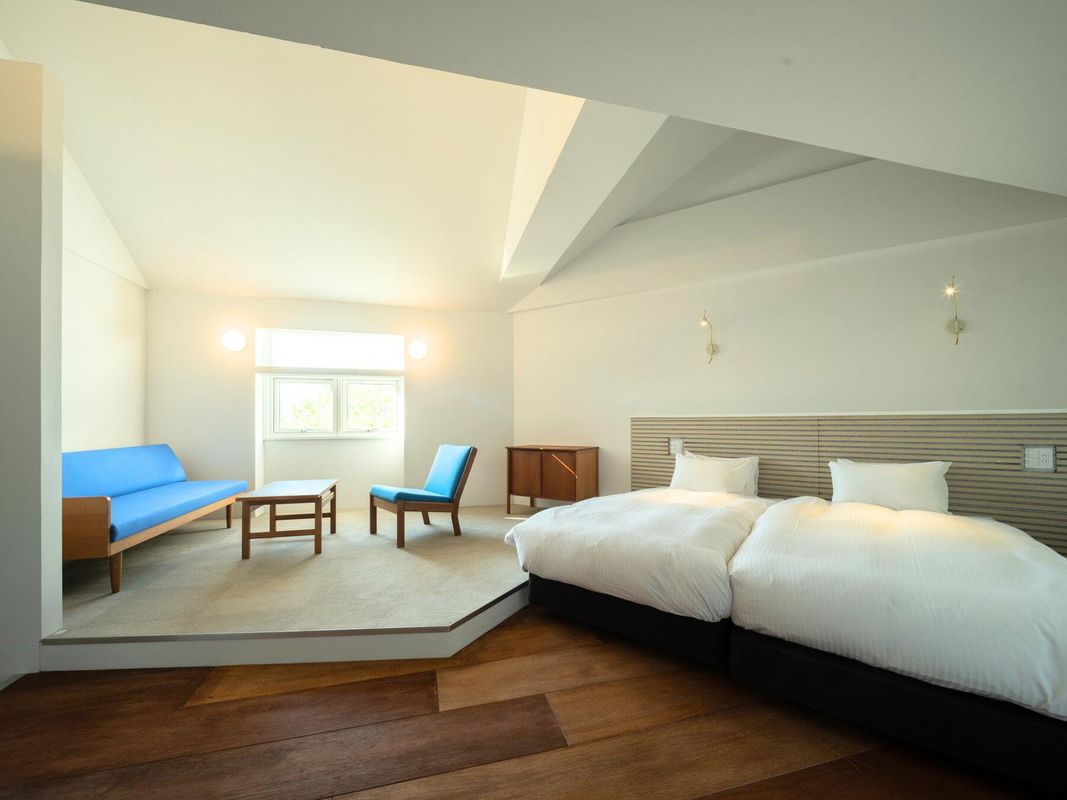
West-Karuizawa Hotel atelier bla by LONGINGHOUSE
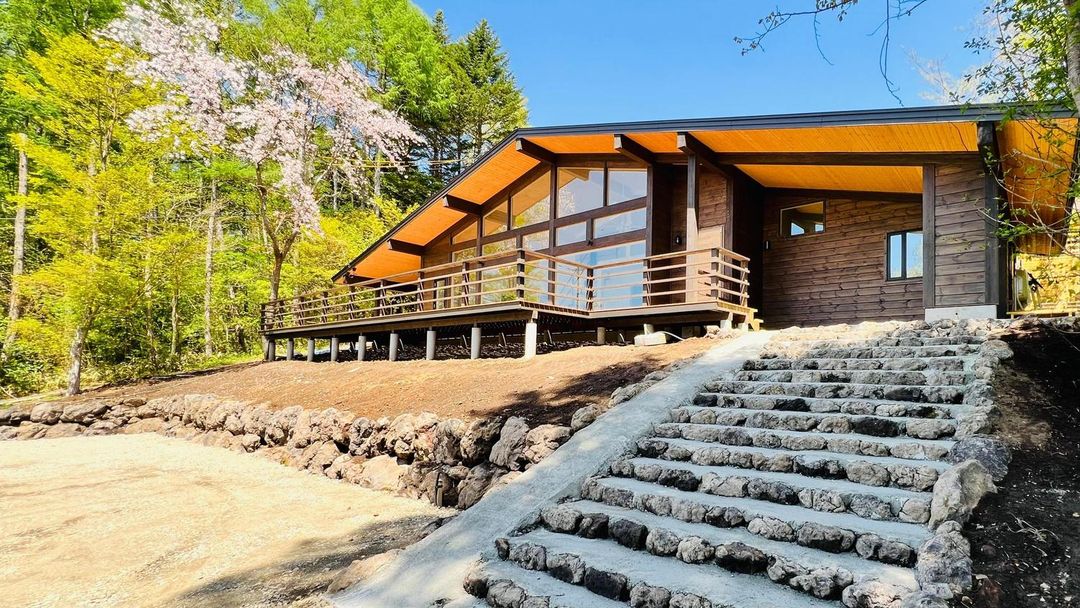
Terrace Villa Foresta Asama
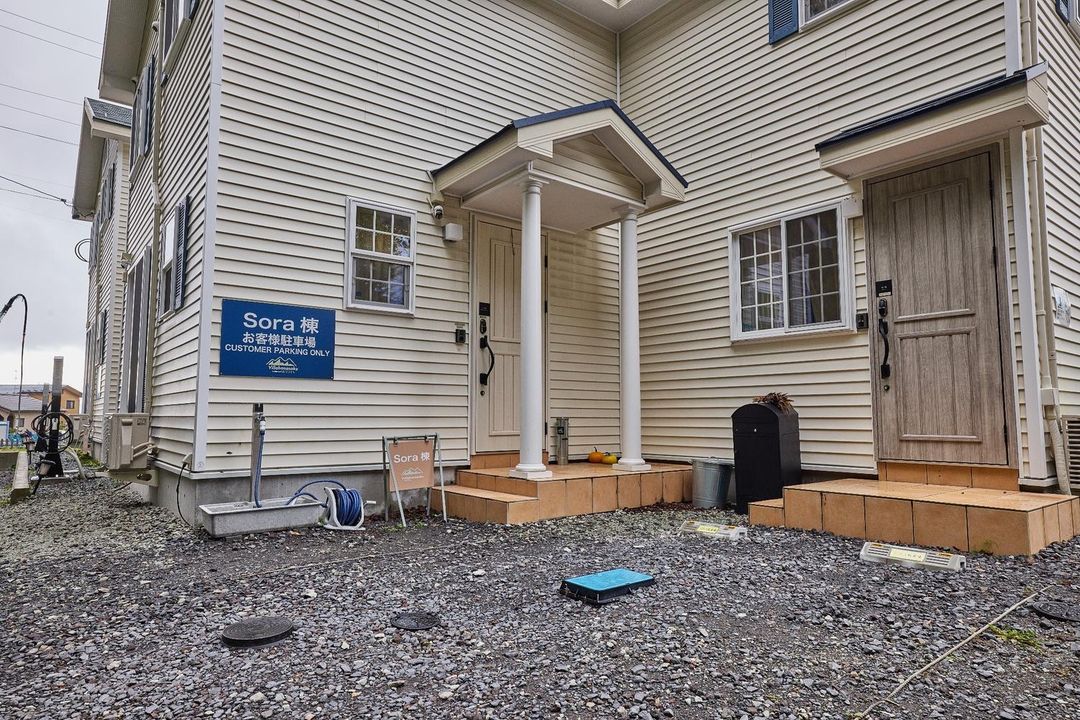
Villa Hanasaku Karuizawa Miyota
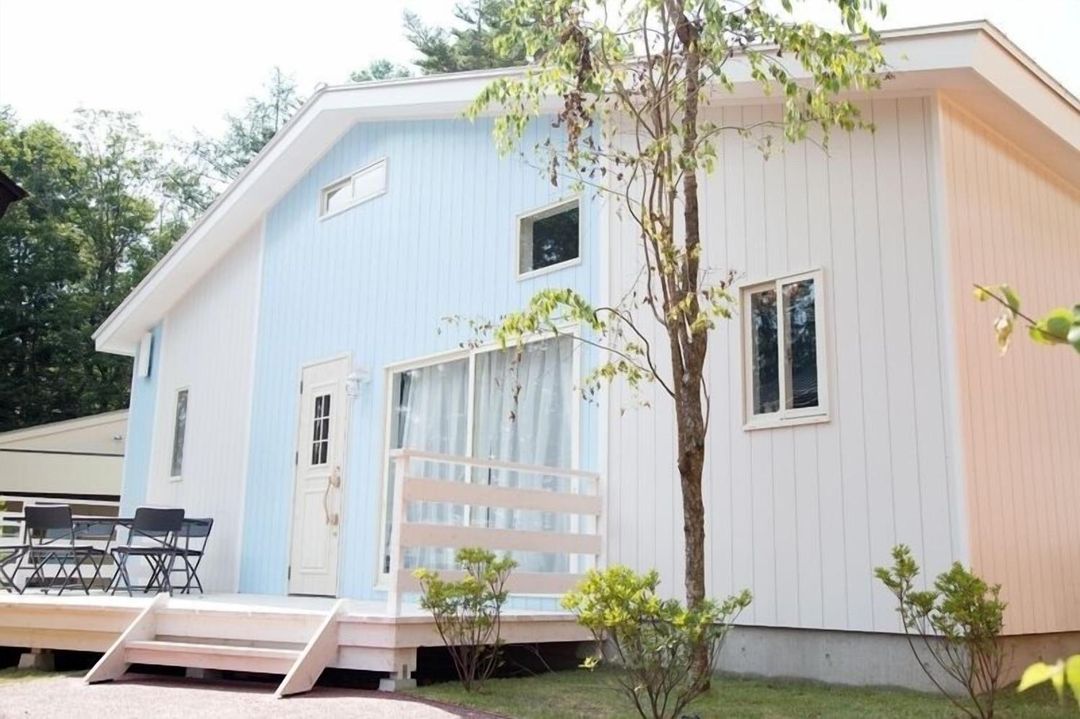
Ponta Village Karuizawa
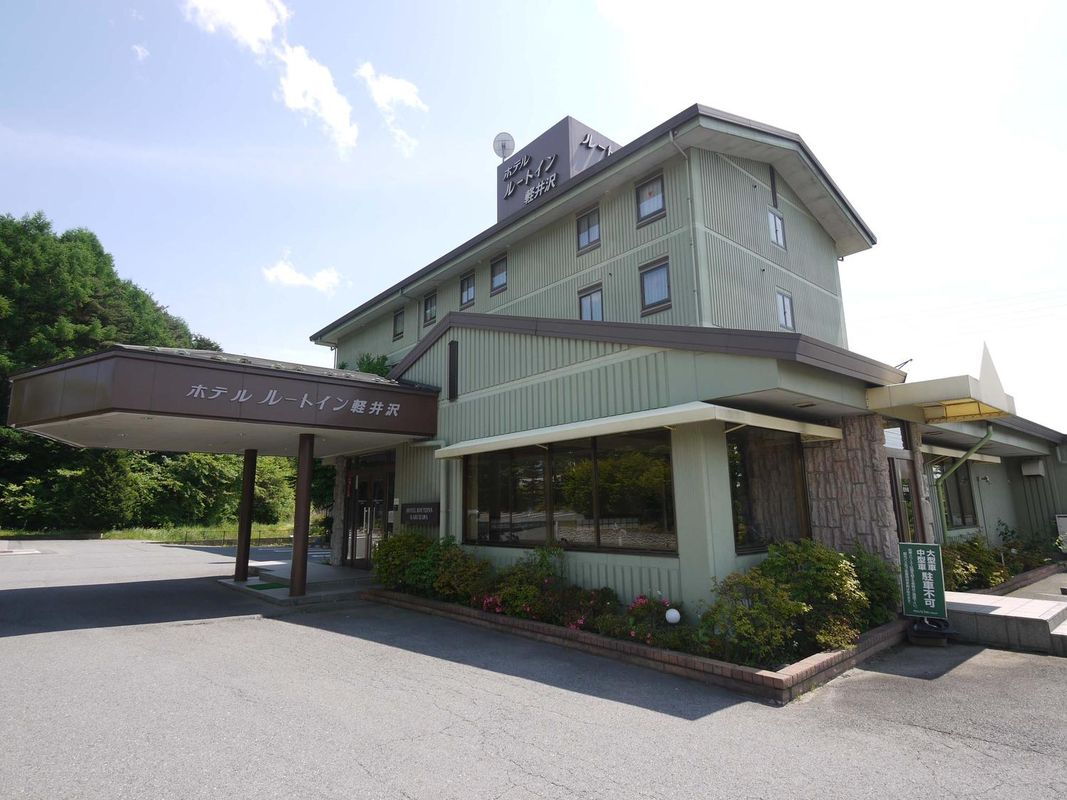
Hotel Route-Inn Court Karuizawa
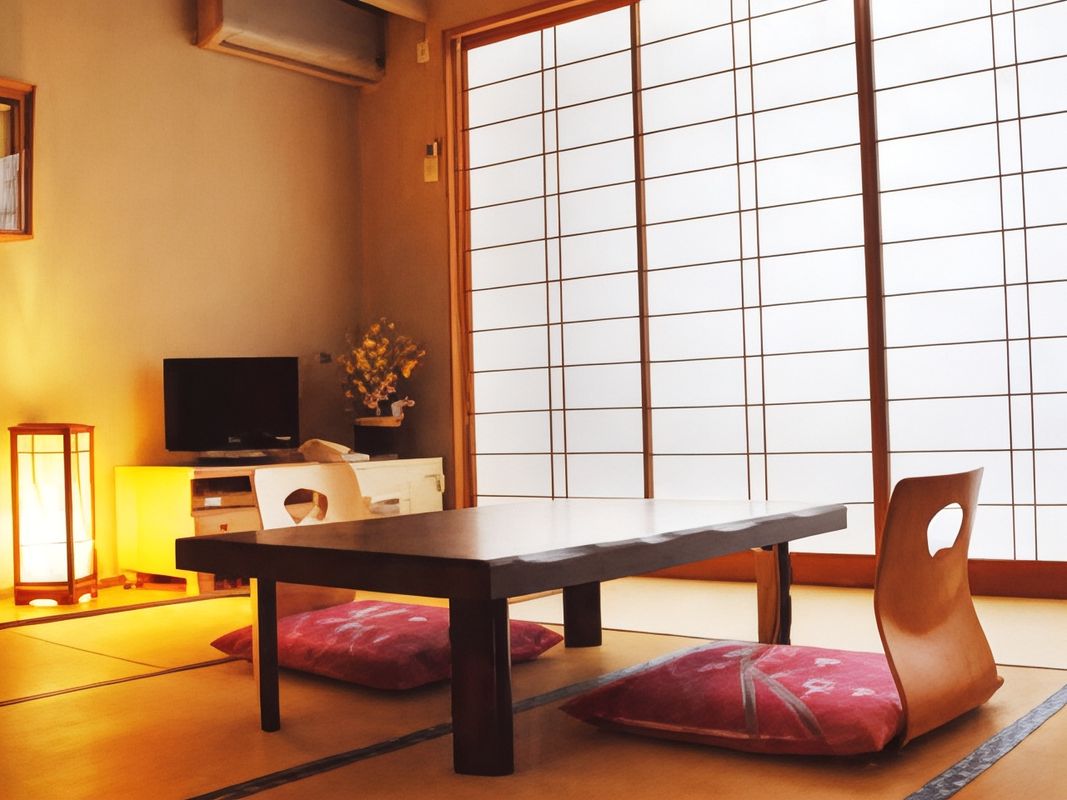
Meijiya Ryokan
Best Hotels in Miyota
Discover curated hotel collections in Miyota
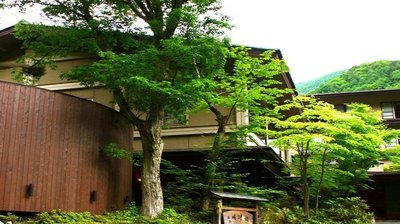
Myojinkan
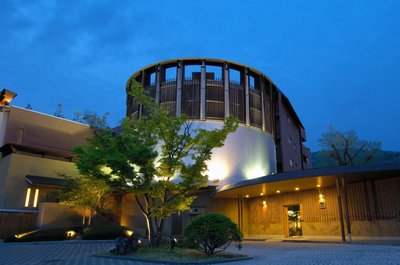
Hoshino Resorts Kai Matsumoto

The Address Akakura
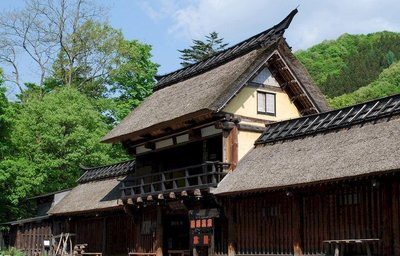
Kayabukinosato Yakushionsen Hatago
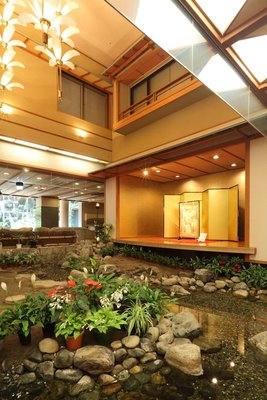
Hotel Futaba
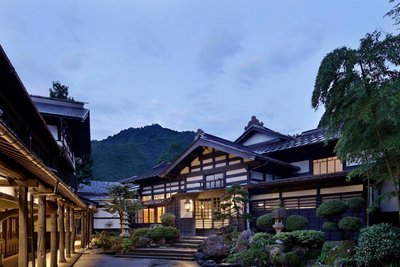
Ryugon

Tokinoniwa
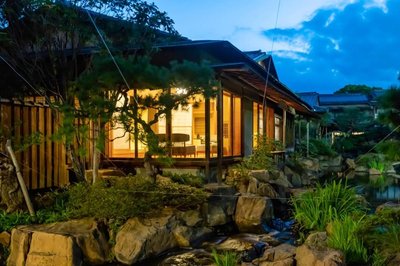
Tokiwa Hotel
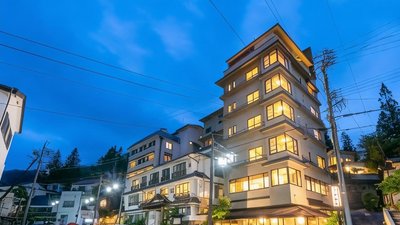
Nakamatsuya Ryokan
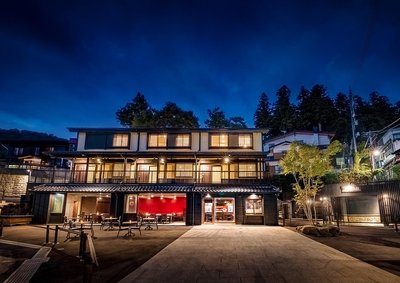
Ryokan Sakaya
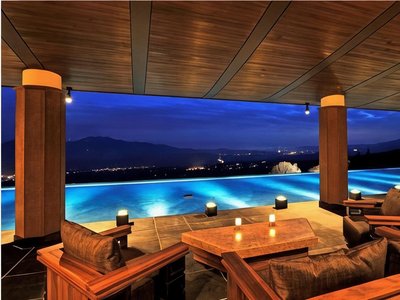
Akakura Kanko Hotel
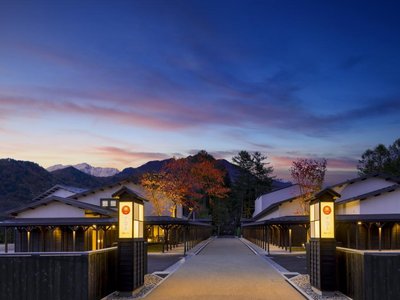
Hoshino Resorts KAI Alps
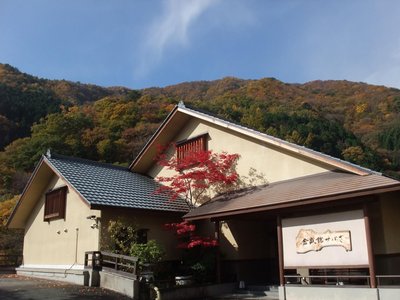
Kinseikan Seseragi
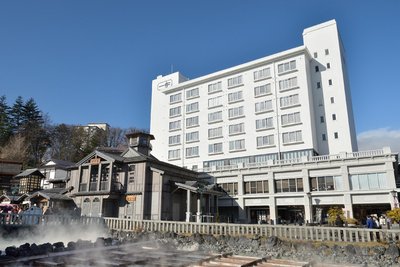
Kusatsu Onsen Hotel Ichii
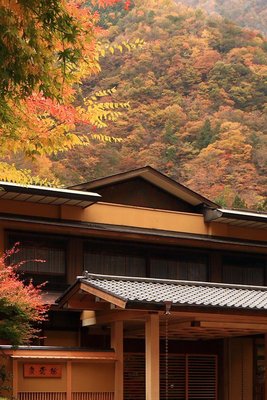
Nishiyama Onsen Keiunkan
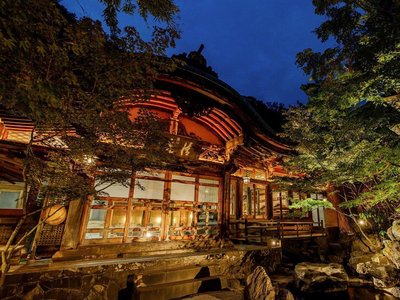
Yorozuya
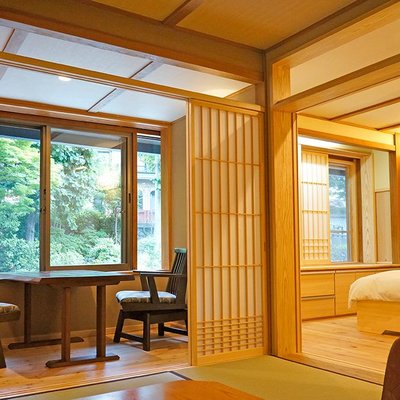
Sumiyosiya Ryokan
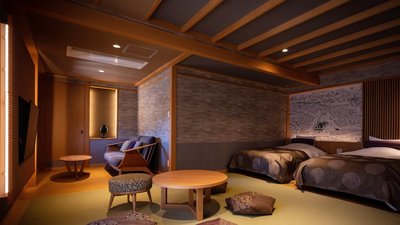
Naraya
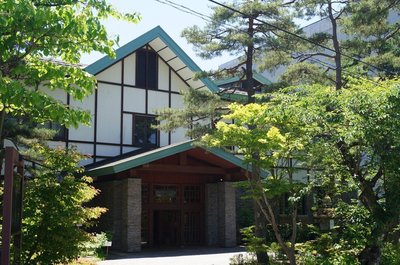
Senjukaku
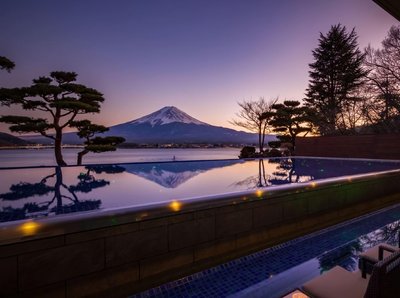
Shuhokaku Kogetsu
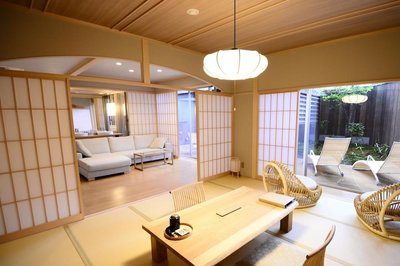
Hakone Gora Byakudan
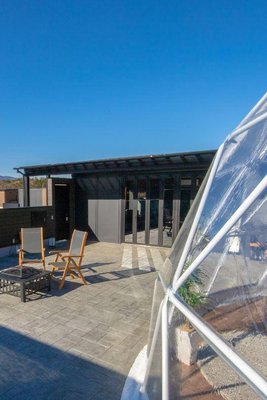
Panoramic Mt. Fuji Views from All Rooms – Vision Glamping Resort & Spa Yamanakako
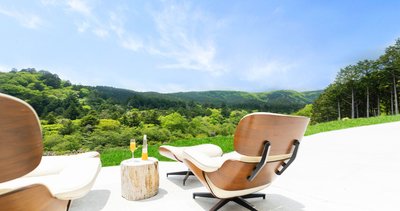
Shelter Garden Nikko
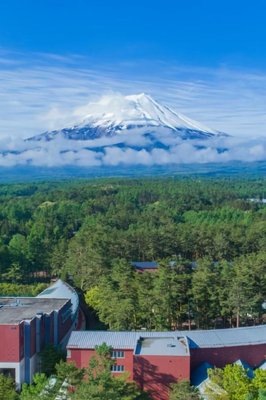
Forest Village (Fuji Premium Resort)
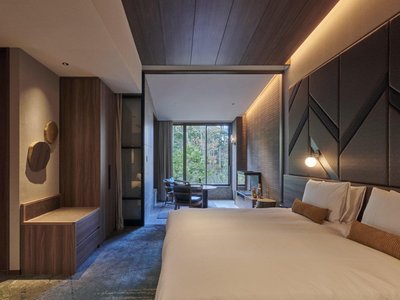
Fufu Kyu-Karuizawa Restful Forest
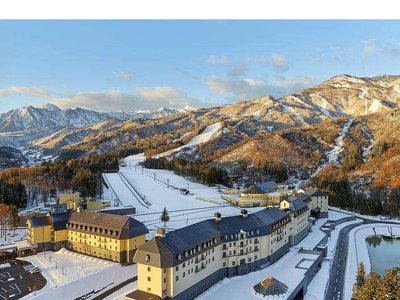
Lotte Arai Resort
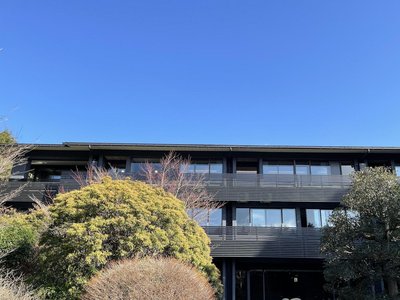
Sengokubara Cocon
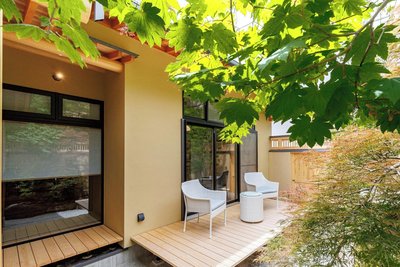
Shoraiso
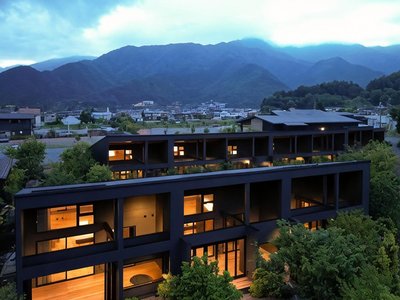
7C Villa and Winery

Hotel la Vigne Hakuba by Onko Chishin
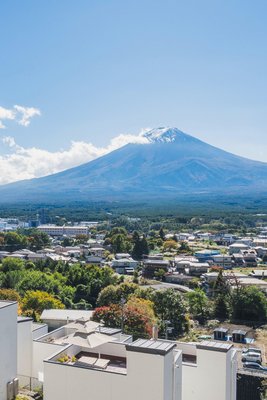
THE TOKI FujiKawaguchiko
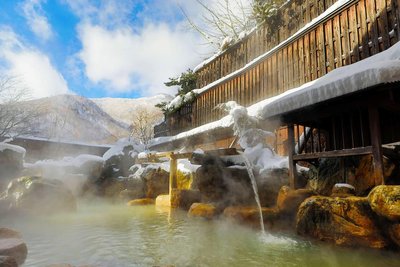
Miyamaouanbekkan yumegurinoyado hirayukan
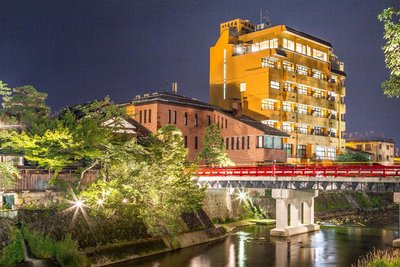
HONJIN HIRANOYA BEKKAN
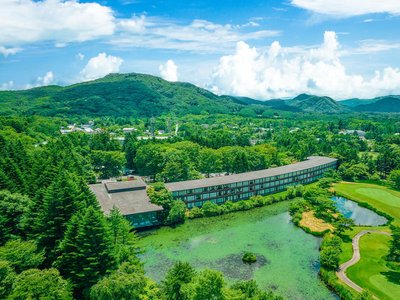
The Prince Karuizawa
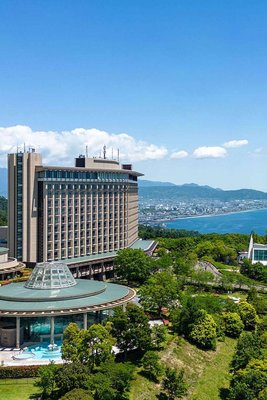
Hilton Odawara Resort & Spa
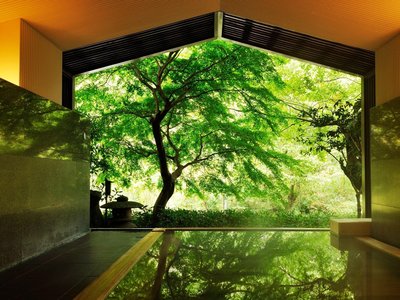
Hoshino Resorts KAI Hakone
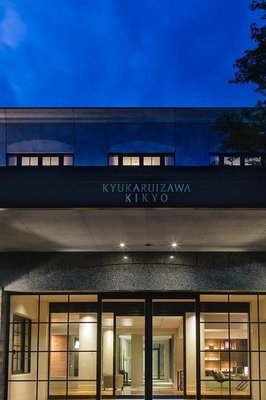
Kyukaruizawa Kikyo, Curio Collection by Hilton
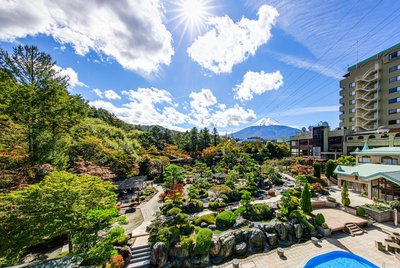
Kaneyamaen
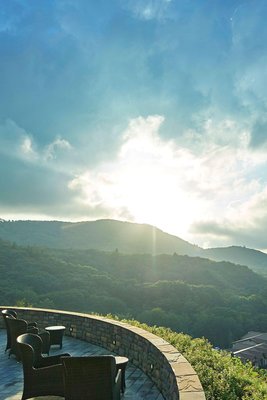
Le Grand Karuizawa Hotel & Resort
Shuhokaku Kogetsu
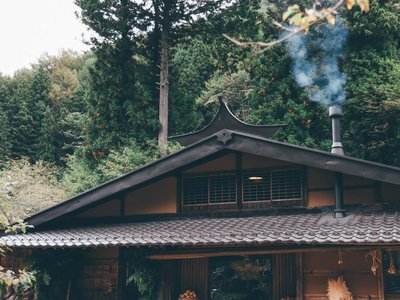
La Terra Resort
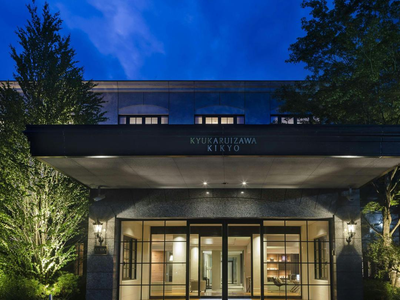
Fufu Karuizawa Wind of Sunshine
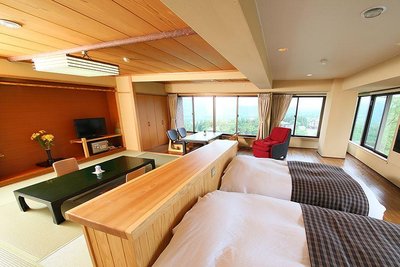
Hotel Taiko, Akakura Onsen
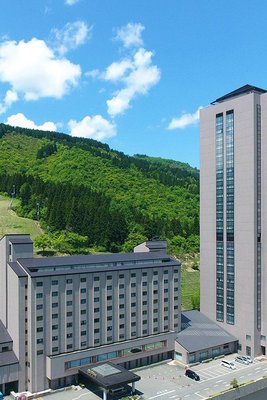
Naspa New Otani
Hotel Futaba
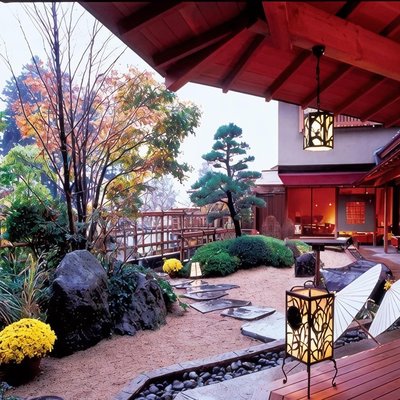
Oyado Tamaki
Tokinoniwa
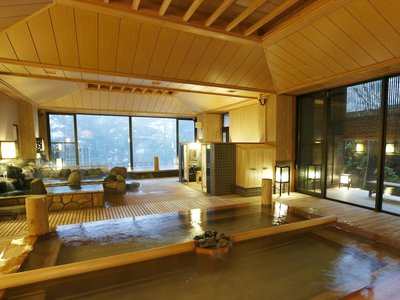
Konoha
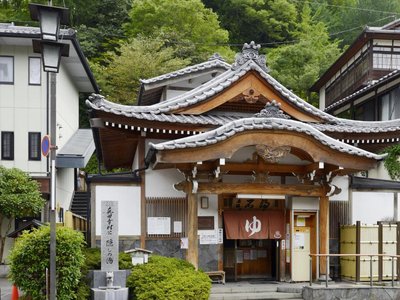
Nakamatsuya Ryokan
Akakura Kanko Hotel
Hoshino Resorts KAI Alps
Kinseikan Seseragi
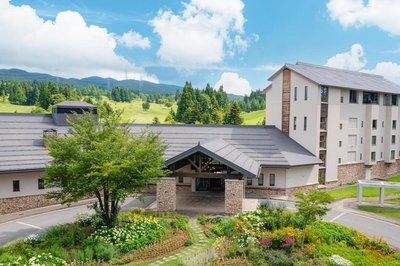
Atema Kogen Resort Belnatio
Kusatsu Onsen Hotel Ichii
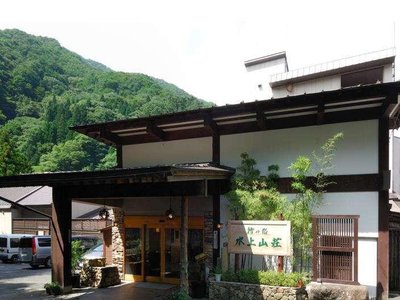
Minakamisansou
Yorozuya
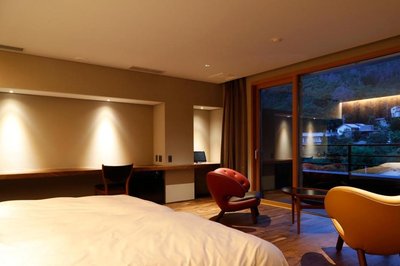
Matsumoto Jujo
Naraya
Senjukaku

Houshi Onsen Chojukan
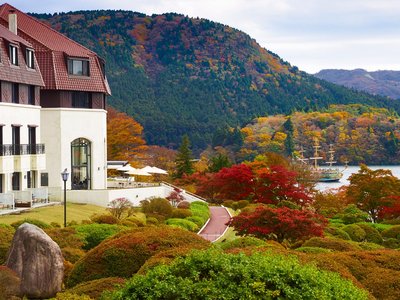
Hotakajyo

Onyado Nono Asakusa Bettei Hot Spring
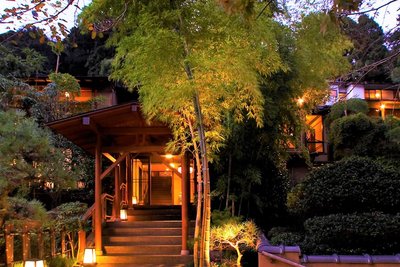
Shiki wo Ajiwau Yado Yamano Chaya
Hoshino Resorts Kai Matsumoto
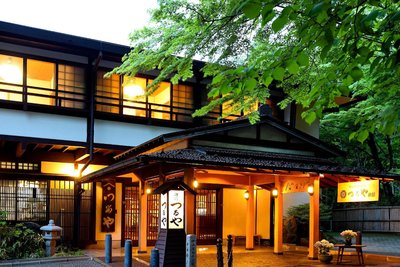
Tsuruya Ryokan
Nakamatsuya Ryokan
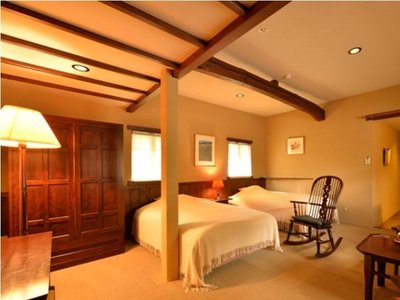
Ryokan Sugimoto
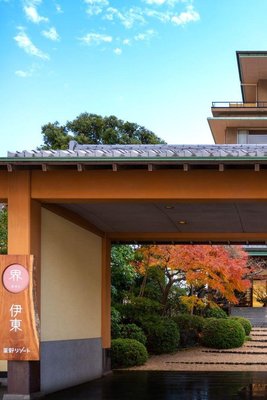
Hoshino Resorts Kai Ito
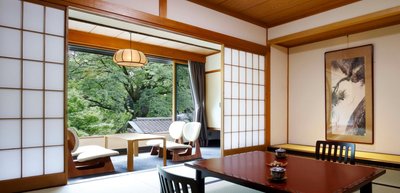
Yoshiike Ryokan
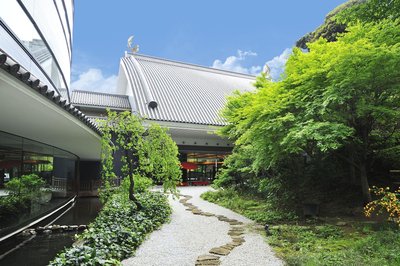
Hotel Gajoen Tokyo
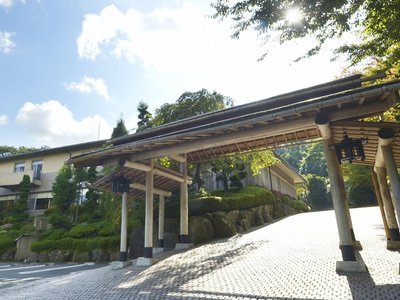
Gora Hanaougi
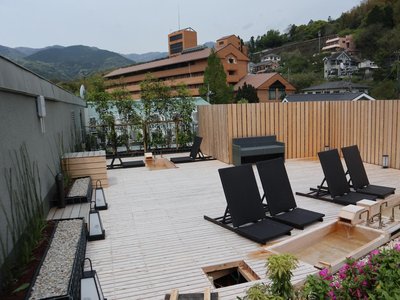
Fukiya Ryokan
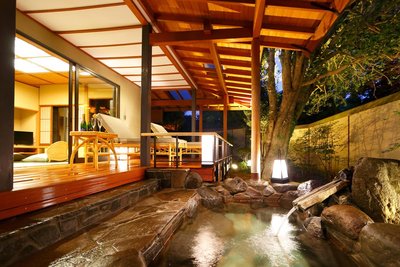
Yoshiharu Ryokan – Izu Nagaoka Onsen
Nishiyama Onsen Keiunkan
Sumiyosiya Ryokan
Naraya
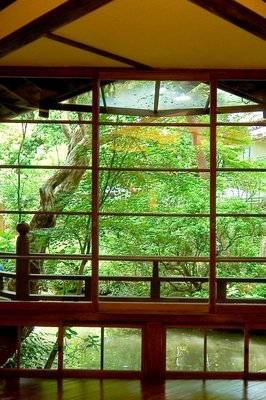
Yukairo Kikuya
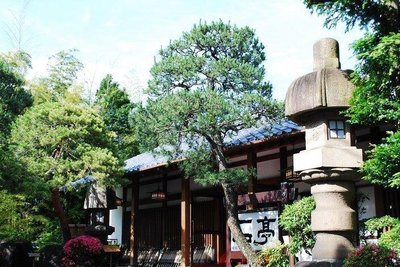
Atami Sekitei
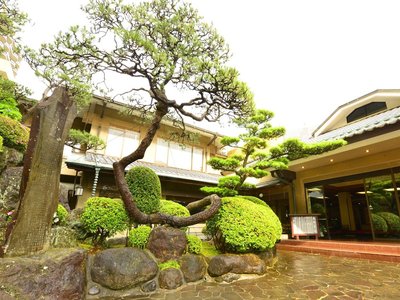
Furuya Ryokan
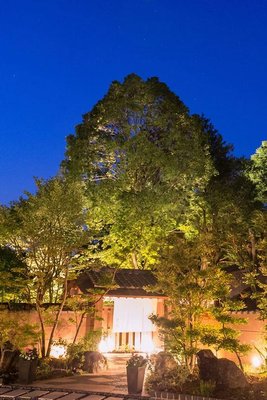
Ufufu
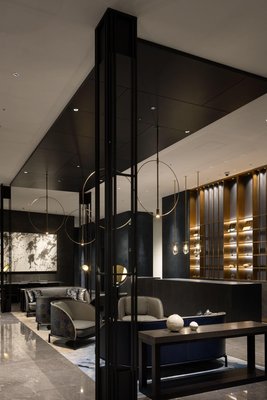
Bellustar Tokyo, A Pan Pacific Hotel
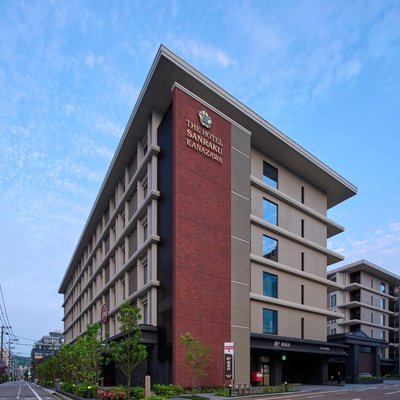
The Hotel Sanraku Kanazawa 21th December 2022 Open
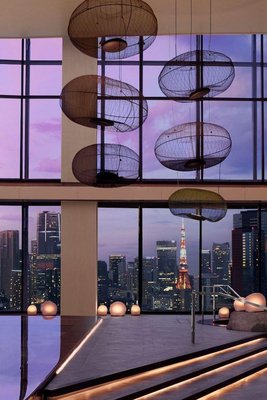
JW Marriott Hotel Tokyo
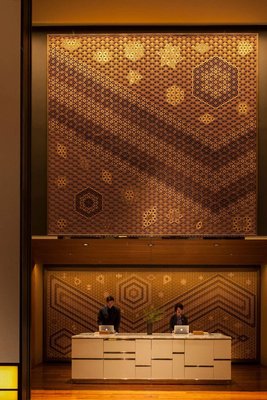
Andaz Tokyo Toranomon Hills- A Concept by Hyatt
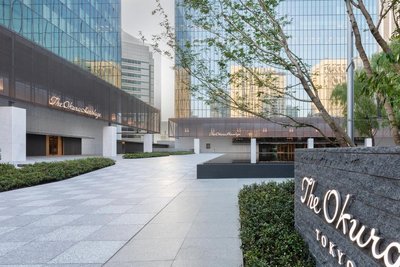
The Okura Tokyo
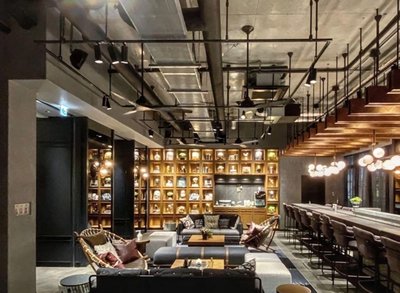
The Lively Azabujuban Tokyo
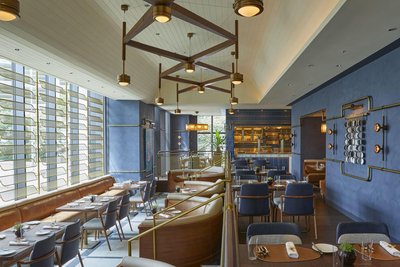
Kimpton Shinjuku Tokyo

HOTEL K5
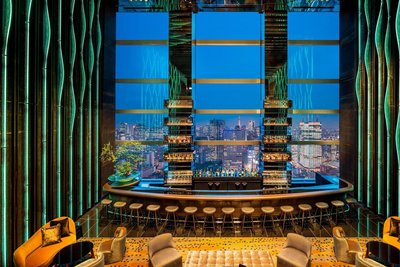
The Prince Gallery Tokyo Kioicho, a Luxury Collection Hotel
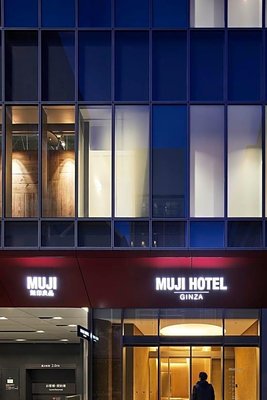
Muji Hotel Ginza
Bellustar Tokyo, A Pan Pacific Hotel
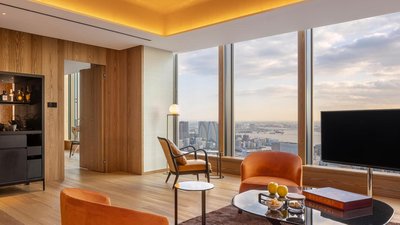
Bvlgari Hotel Tokyo
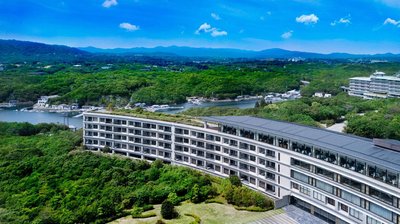
Shima Kanko Hotel the Bay Suites
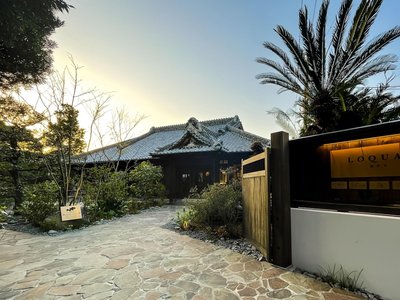
Loquat Nishiizu
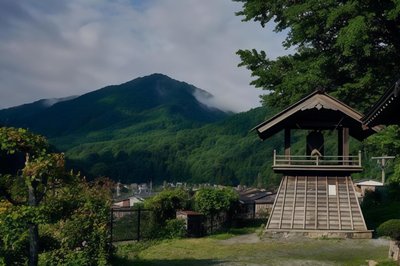
Byaku Narai
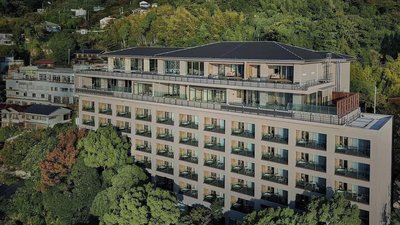
Atami Izusan Karaku
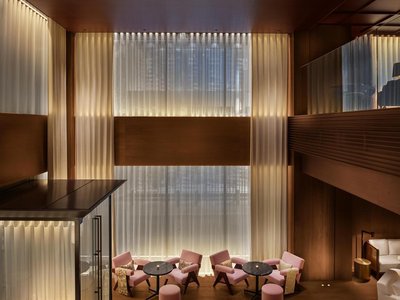
The Tokyo Edition, Ginza
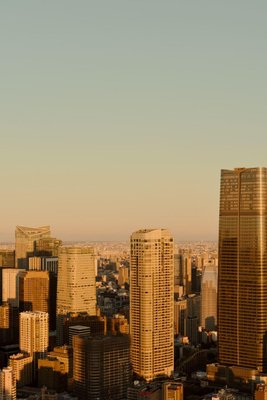
Janu Tokyo
JW Marriott Hotel Tokyo
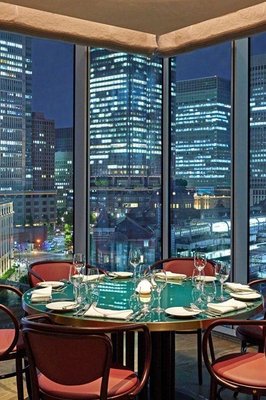
Four Seasons Hotel Tokyo at Marunouchi

Mandarin Oriental, Tokyo
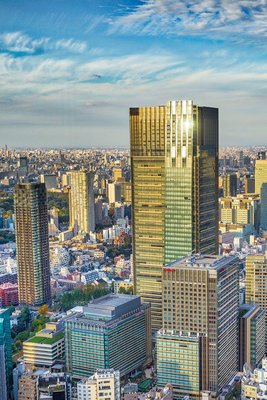
The Ritz-Carlton, Tokyo
Andaz Tokyo Toranomon Hills- A Concept by Hyatt
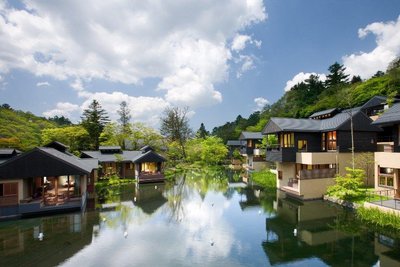
Hoshinoya Karuizawa
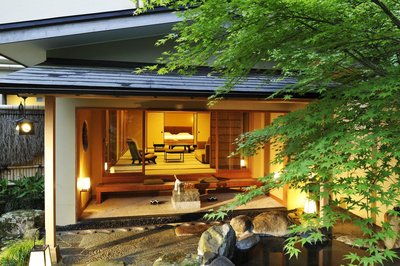
Gora Kadan
Gora Hanaougi

The Hiramatsu Hotels & Resorts Kashikojima
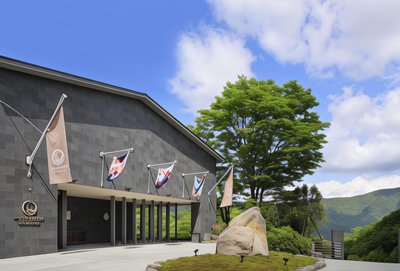
The Hiramatsu Hotels & Resorts Sengokuhara Hakone

Abba Resorts Izu - Zagyosoh
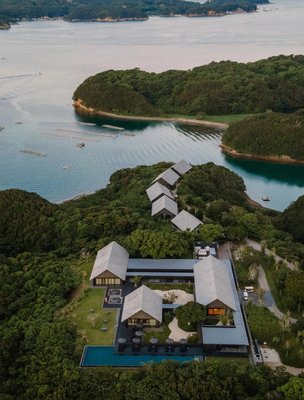
Amanemu
Hakone Gora Byakudan
The Prince Karuizawa
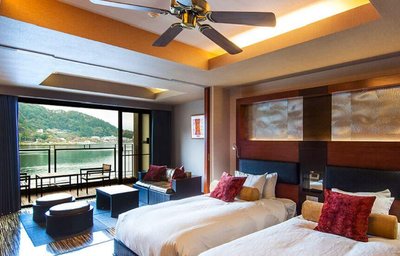
The Kukuna
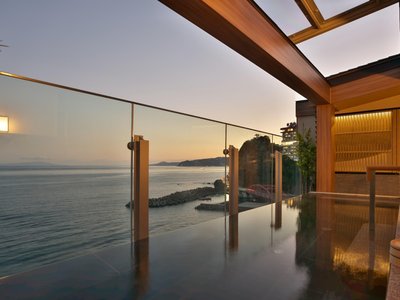
Hotel New Sagamiya
Hilton Odawara Resort & Spa
Hoshinoya Karuizawa
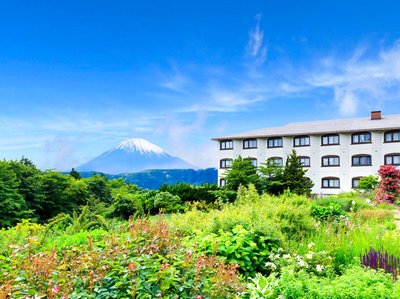
Hotel Green Plaza Hakone
Yoshiike Ryokan
Akakura Kanko Hotel
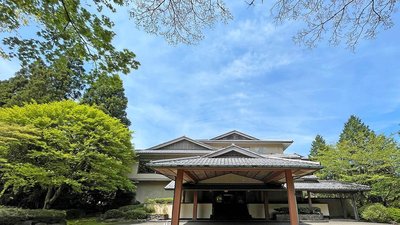
Ryuguden
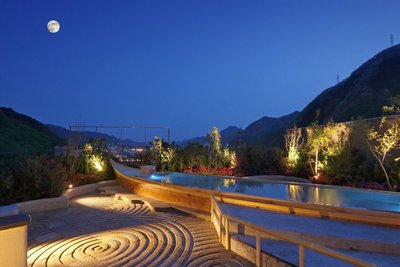
Asaya
Kaneyamaen
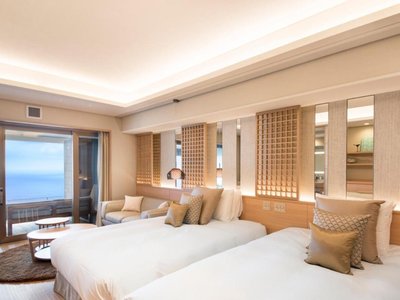
Atami Sekaie
Shuhokaku Kogetsu
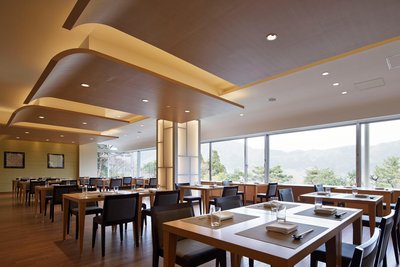
Laforet Hakone Gora Yunosumika
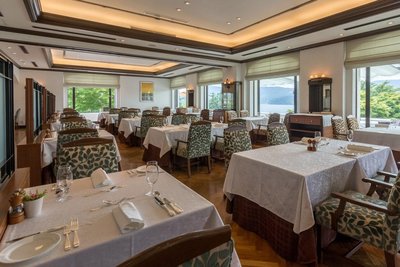
Odakyu Hotel de Yama
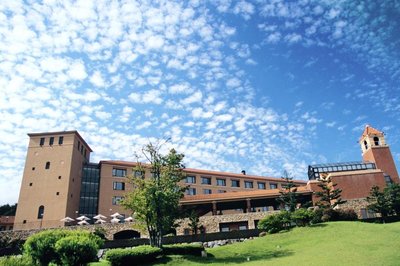
Fruit Park Fujiya Hotel

Hotel Indigo Hakone Gora

Yukimurasaki

La Vista Fujikawaguchiko
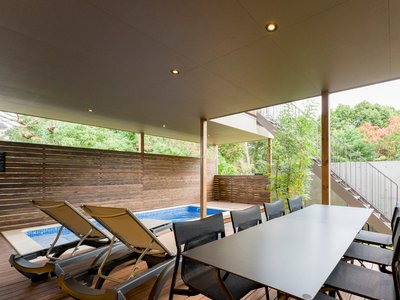
Rakuten STAY VILLA Kamogawa

Awaumi Fujikawaguchiko Resort
Amanemu
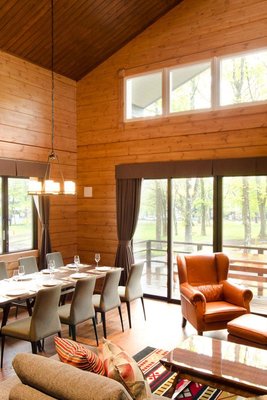
The Prince Villa Karuizawa
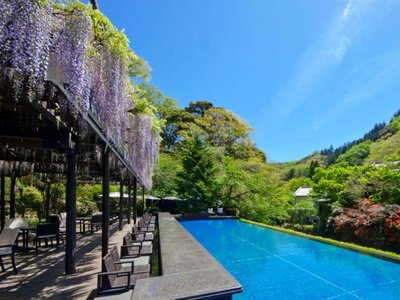
Tofuya Resort & Spa Izu
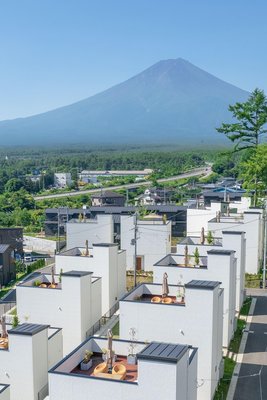
Fuji Granvilla -TOKI-
The Address Akakura
Naspa New Otani
The Prince Karuizawa
Hotel Futaba
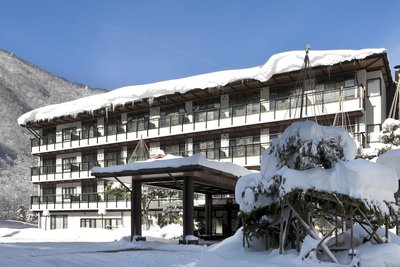
Okada Ryokan Warakutei
Ryokan Sakaya
Kyukaruizawa Kikyo, Curio Collection by Hilton
Akakura Kanko Hotel
Hoshino Resorts KAI Alps
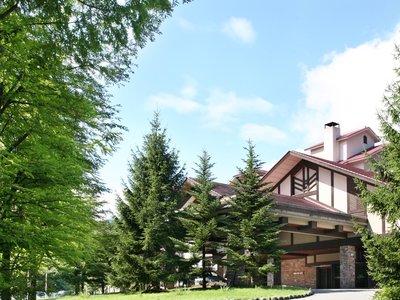
Hakuba Tokyu Hotel
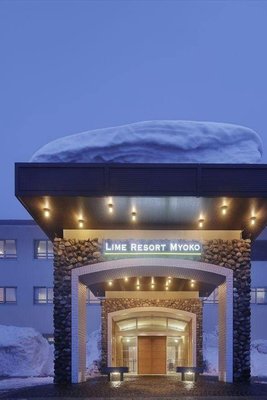
Lime Resort Myoko
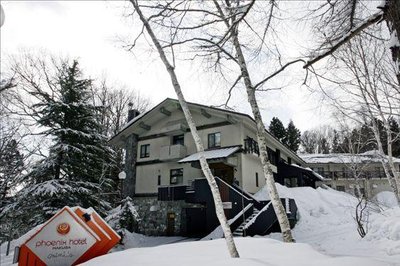
Phoenix Hotel by Hhg
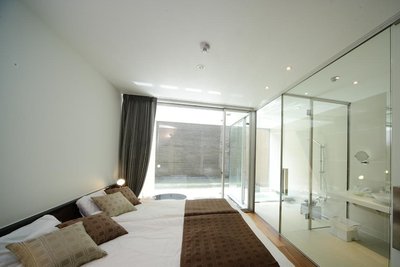
Four Seasons Yuzawa Quattro
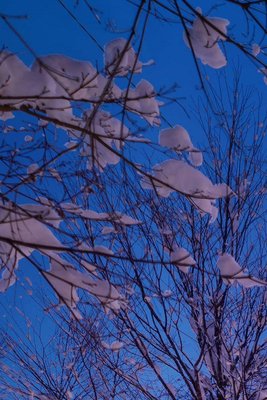
Courtyard by Marriott Hakuba
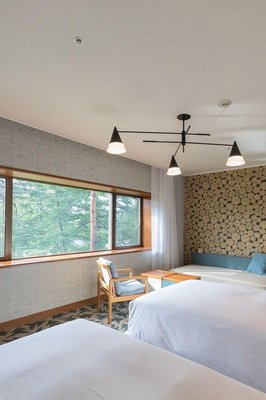
Karuizawa Prince Hotel East
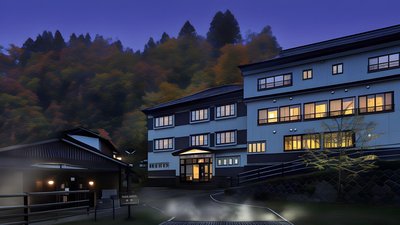
Zao Onsen Omiya Ryokan
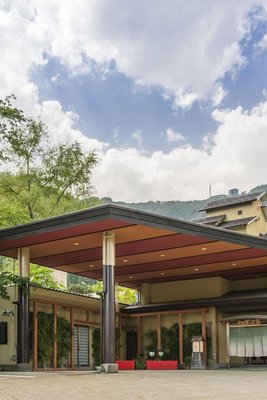
Shosenkaku Kagetsu
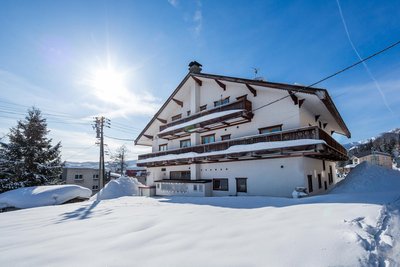
Marillen Hotel by Hhg
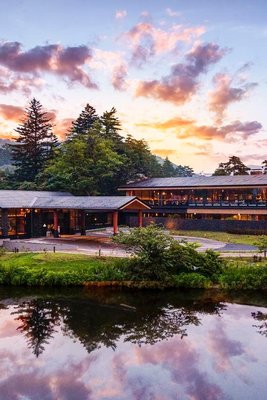
Karuizawa Prince Hotel West
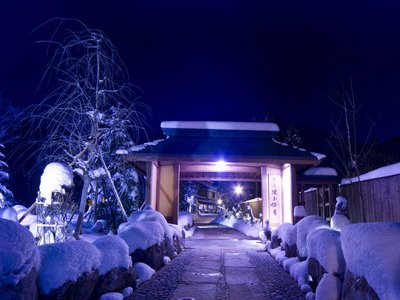
Miyama Ouan
Bvlgari Hotel Tokyo
Four Seasons Hotel Tokyo at Marunouchi
Mandarin Oriental, Tokyo
The Ritz-Carlton, Tokyo
Andaz Tokyo Toranomon Hills- A Concept by Hyatt
Gora Kadan

Hotel New Otani Tokyo the Main
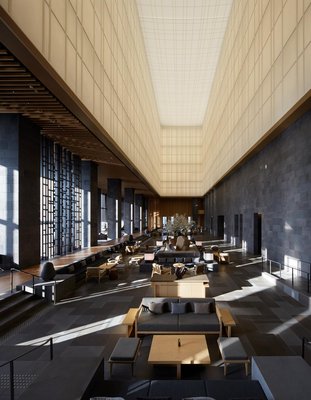
Aman Tokyo
Odakyu Hotel de Yama
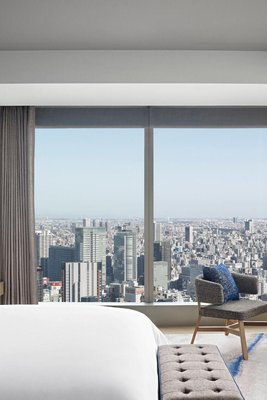
Four Seasons Hotel Tokyo at Otemachi
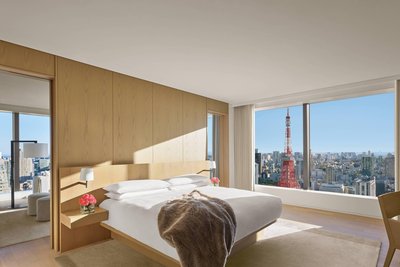
The Tokyo Edition, Toranomon

Hyatt Centric Kanazawa
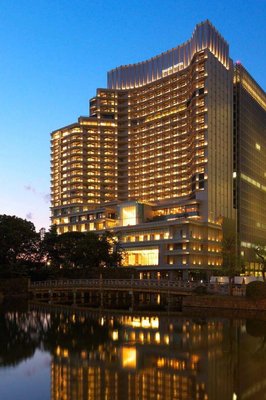
Palace Hotel Tokyo
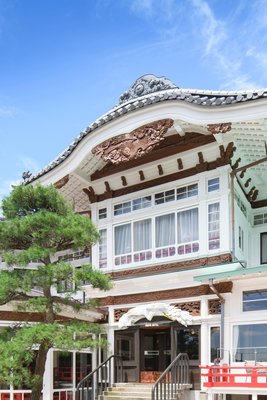
Fujiya Hotel
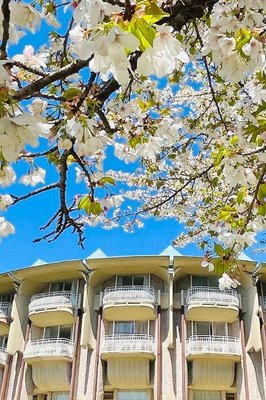
The Prince Hakone Lake Ashinoko
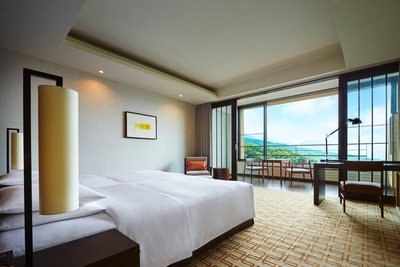
Hyatt Regency Hakone Resort and Spa
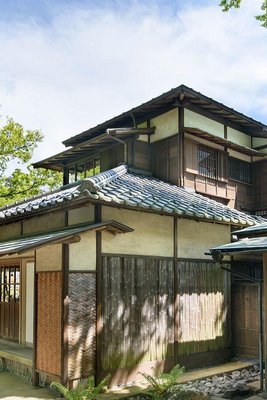
Hakone Suishoen
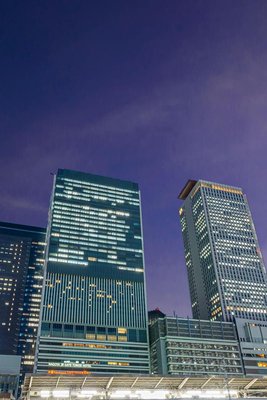
Nagoya JR Gate Tower Hotel (JR-Central Hotels)
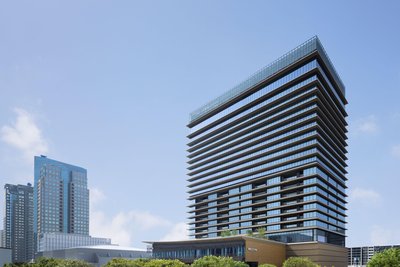
The Westin Yokohama
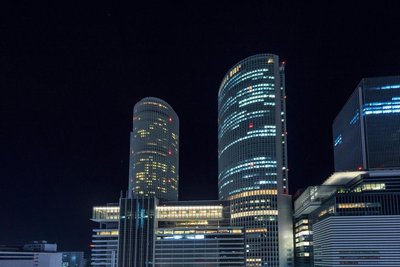
Nagoya Marriott Associa Hotel

Rakuten STAY VILLA Nasu
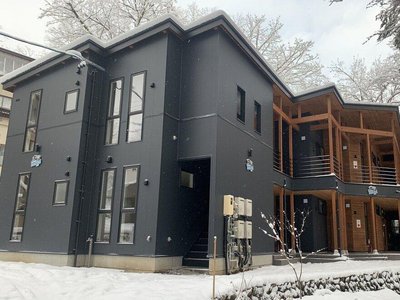
Hakuba Gondola Apartments
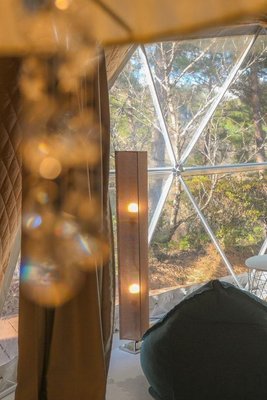
glampark Gekkabijin Nagano
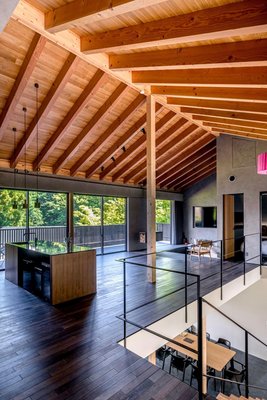
MONS GORA

Phoenix Chalets by Hhg
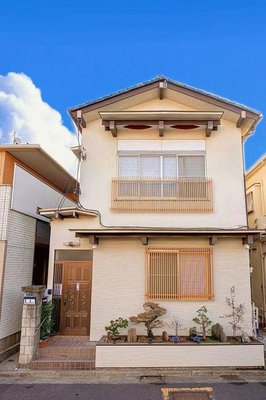
Tokyo Star House-Shinkoiwa
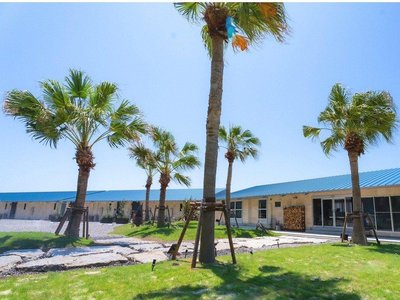
Glamping&Resort Wood Design Park Noma
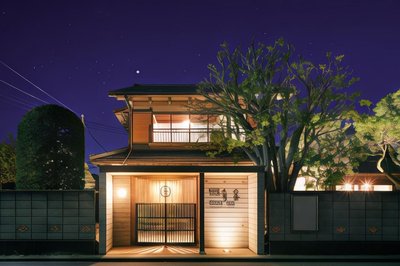
Machi-Jyu
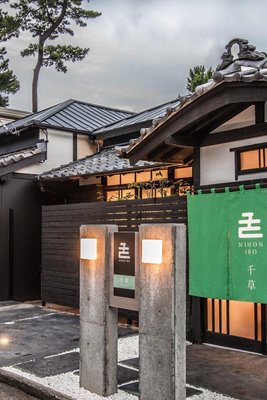
Nihon Iro
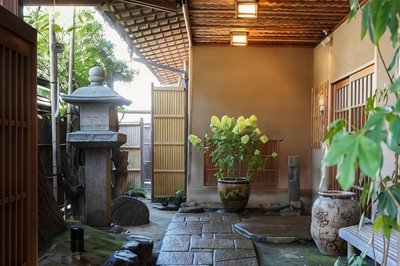
Ryokan Asadaya
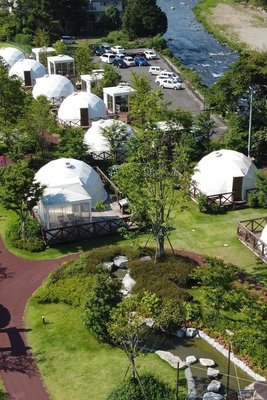
Ufufu Village
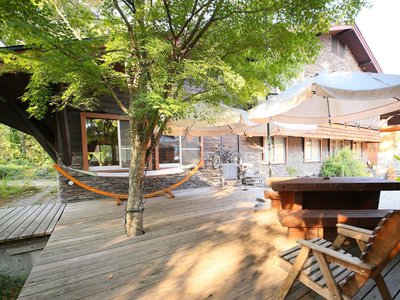
Kunugi Relaxation with 4 Modern Rooms
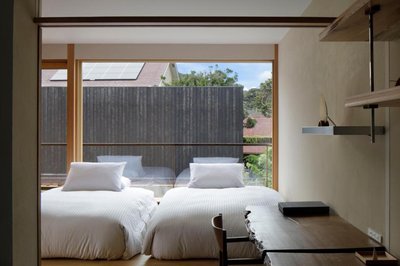
Modern Ryokan Kishi-ke

Petals Tokyo - Floating Hotel
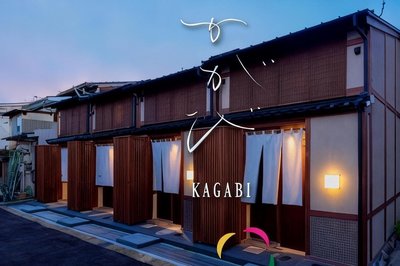
Kagabi Machiya House

The Flow Kamakura
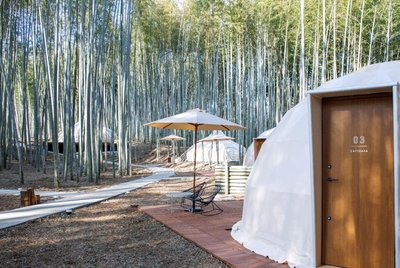
THE BAMBOO FOREST
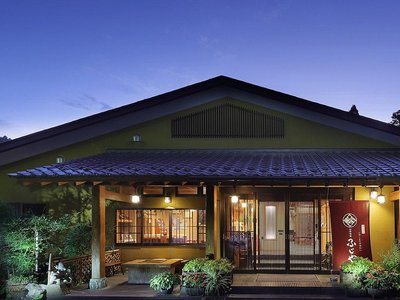
Shikimitei Fujiya
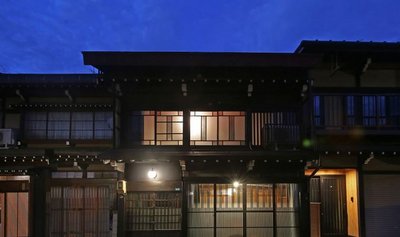
Iori Stay Hida
Frequently Asked Questions about Traveling to Miyota
Questions You Might Need to Know About Traveling to Miyota
In Oyata Town, the top choice for families is Oyata Highland Resort, a nature-immersed, Japanese-style resort with private onsen baths and panoramic views of the Kiso River valley. The property offers kid-friendly activities like forest guided walks, handmade pottery workshops, and an organic farm experience. Guests can explore the nearby Oyata Town Natural Museum within a 5-minute walk. Breakfast features local specialties such as fresh Nagano strawberries and yam porridge, highlighting regional cuisine. This serene mountain retreat blends comfort, sustainability, and authentic rural charm—perfect for creating lasting family memories.
The ideal area for staying in Oyata Town is Ue-Oyata, nestled along the Kiso River tributary with clean air and minimal noise. This district hosts most high-quality ryokans and guesthouses, including Mori no Yado Ayameya, a centuries-old wooden inn featuring Edo-period architecture and a century-old cherry tree in its courtyard. It’s just a 10-minute walk to Oyata Town Center Square, where you’ll find craft markets, tea houses, and seasonal straw man exhibitions. At night, enjoy unspoiled stargazing due to zero light pollution—ideal for astronomy enthusiasts. Plus, it's only 40 minutes by car from Karuizawa Station, making it perfect for short trips.
One must-try cultural experience in Oyata Town is the traditional bamboo weaving workshop hosted at the Oyata Craft Hall. Led by local artisans, visitors learn to make baskets and lanterns using sustainably harvested Shinshu bamboo from the region. The process emphasizes harmony between craft and spirit. Additionally, the annual Oyata Autumn Festival features period costumes, lantern parades, and tasting events for wild mountain vegetables. Participants can wear yukata or traditional aprons, immersing themselves in Meiji-era village life. These events preserve local craftsmanship and foster meaningful community engagement.
Top-rated hot spring hotels in Oyata Town include Oyata Onsen Yuno-hana-tei, a century-old ryokan famed for its natural sulfur-rich waters that soothe skin and muscles. The entire structure is built from wood, with an open-air bath overlooking the Oyata Gorge, offering breathtaking morning mists and evening sunsets. Each evening, guests join a "Onsen Night Talk" session where elders share local legends and history. Another excellent option is Shirakaba-so Ryokan, known for its "Forest Healing Program," combining forest bathing with onsen therapy using essential oils derived from local ferns. Both offer homemade kaiseki meals made with ingredients from local organic farms.
Recommended hiking trails in Oyata Town include the Kiso River Source Trail, a 6-kilometer route through pristine forests and river gorges. Starting near Oyata Bridge, it passes First Falls and reaches Emerald Lake, where visitors may spot wild Japanese macaques and rare fern species. Interpretive signs in English and Chinese explain geology and conservation. Another scenic option is the Oyata Shrine Approach, connecting Oomiya Shrine to Matsuo Mountain Observatory, spanning 3.2 km and ideal for early-morning hikes. The trail showcases four seasons—cherry blossoms, lush greenery, autumn foliage, and winter snowscapes—perfect for photography and mindfulness. Bring sturdy shoes and water; some sections involve steep stone steps.
Must-try dishes in Oyata Town include: Shinshu Chestnut Rice, made with locally harvested chestnuts and glutinous rice, offering a rich, sweet flavor; Kiso River Fish Sashimi, featuring fresh sea bass and trout caught daily, served with lemon and wasabi; and Oyata Vegetable Tempura, using seasonal produce like pumpkin, eggplant, and mountain parsley. Don’t miss the hand-pulled soba noodles from Sato-an, a century-old shop whose firm texture and dashi broth made from kombu and bonito are deeply satisfying. These dishes are available at Oyata Town Market or the farm-to-table restaurant Hata no Ie, supporting local agriculture and sustainable dining.
Best photo spots in Oyata Town include: Oyata Bridge at dusk, where illuminated lights reflect beautifully on the Kiso River surface; Centennial Cherry Blossom Garden, where a massive cherry tree forms a natural archway ideal for portrait and wide-angle shots; and the Shrine Torii Path, where red torii gates lined with autumn foliage create a dramatic visual depth. For serene compositions, visit the Shirakaba-so Ryokan garden, blending Zen-inspired rock gardens and moss terraces. Early morning at Emerald Lake offers misty reflections of mountains and trees—perfect for poetic imagery. All locations remain untouched by commercialization, preserving their natural beauty.
Seasonal events in Oyata Town include: the Cherry Blossom Festival in late March, featuring temporary lantern displays and shamisen performances along Oyata Bridge; the Firefly Walk in early July, where guided lantern tours follow the Kiso River to observe native fireflies; the Chestnut Harvest Festival in October, with hands-on chestnut peeling and tastings of chestnut wine and cakes; and the Snowy Onsen Marathon in winter, where runners in yukata race through snowy villages ending at Yuno-hana-tei. These festivals celebrate local traditions, ecology, and community spirit—offering immersive cultural experiences.
To reach Oyata Town, take the JR East Shinetsu Main Line to Oyata Station, then transfer to local bus or pre-booked shuttle service. If driving, use National Route 18 or the Nagano Expressway, approximately 2 hours from Tokyo. Free parking is available at Oyata Town Center Square and Yuno-hana-tei Parking Lot. For accessibility, some guesthouses offer wheelchair-friendly transfers. The town also offers a Nature Journey Pass, providing discounts on buses, trail access, and activity tickets—ideal for multi-day travelers. HopeGoo accommodations and transport in advance is strongly advised, especially during peak seasons.
Oyata Town leads in eco-tourism with initiatives including solar-powered hot water systems and energy-efficient lighting in all lodgings; restaurants banned single-use plastics, promoting reusable bamboo containers; and waste bins placed along trails with volunteer cleanup crews. The town runs a Zero Waste Program, where tourists earn local produce gifts for completing recycling challenges. Notably, the Oyata Craft Hall uses reclaimed wood, and every guest room includes a "Carbon Footprint Guide" suggesting low-impact alternatives like bike tours and walking excursions. These efforts ensure tourism supports environmental preservation and community well-being.
Miyota Overview
City Summary
Miyota Town is a tranquil town located in the eastern part of Nagano Prefecture, Japan, surrounded by stunning natural landscapes. Known for the majestic Mount Asama and its abundant hot springs, it is an ideal destination for those seeking to escape urban noise. The town's distinct four seasons, particularly the autumn foliage and winter snowscapes, attract many photographers and nature lovers.
Must-See Attractions
The main attractions in Miyota Town include Mount Asama and nearby hot spring resorts. Mount Asama is an active volcano with numerous hiking trails suitable for outdoor enthusiasts. Additionally, the town boasts traditional Japanese inns and hot springs, such as "Miyota Onsen," offering a relaxing experience. The autumn foliage around the area is especially breathtaking.
Food Guide
Miyota Town's culinary culture is heavily influenced by local produce. Don't miss the soba noodles and vegetable dishes made with fresh ingredients. The town's onsen tamago (hot spring eggs) and locally brewed sake are also must-try delicacies. Many restaurants serve kaiseki meals featuring seasonal ingredients, providing an authentic Japanese dining experience.
Transportation Guide
Transportation in Miyota Town primarily relies on buses and taxis. You can take a bus from Nagano City or Karuizawa, with a travel time of about 30-40 minutes. As attractions are spread out, renting a car or using taxis is recommended for more flexible exploration. Some roads may close due to snow in winter, so check weather forecasts before traveling.
Best Time to Visit
The best time to visit is autumn (September to November) and winter (December to February). Autumn offers stunning foliage, while winter is perfect for hot springs and snowscapes. Summers are cool and ideal for escaping the heat.
Travel Tips
- Etiquette: Wash thoroughly before entering hot springs and follow local onsen customs.
- Safety: Be mindful of weather changes and carry enough water when hiking Mount Asama.
- Cash: Some small shops may not accept credit cards, so carry sufficient cash.
- Language: Learning basic Japanese greetings can help with local interactions.
- Environment: Do not litter and help keep the natural surroundings clean.
Useful Information
Practical Information for Miyota Town:
- Language: Japanese is the primary language; some hotels and attractions may offer basic English services.
- Internet: WiFi coverage is limited; consider getting a local SIM card or using roaming services.
- Payment: Cash is the main payment method, though some places accept credit cards.
- Emergency: The nearest hospital is in Karuizawa; travel insurance is recommended.