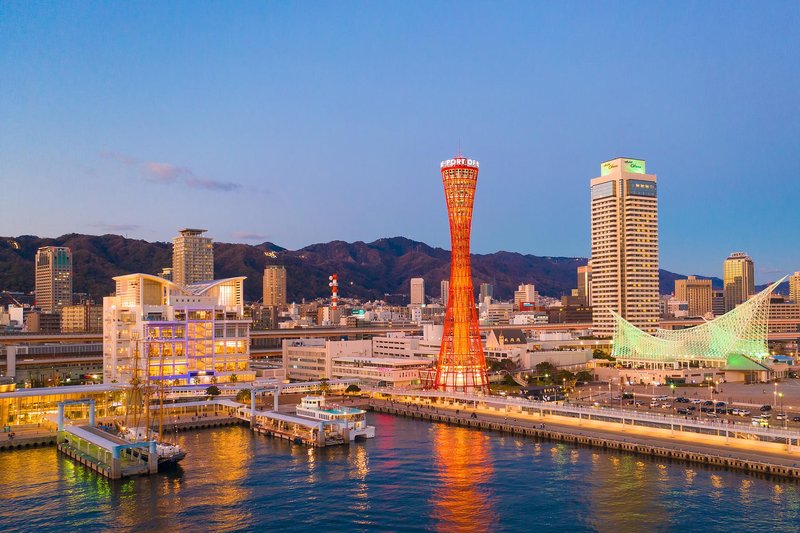
Hotels in Mizukami
Discover your perfect stay in Mizukami.
Mizukami(Japan) Travel 2026: Cheap Flights, Hotels & Top Attractions
Popular Landmarks in Mizukami
Discover the most iconic attractions in Mizukami
Recommended Hotels in Mizukami
Find the perfect place to stay in Mizukami
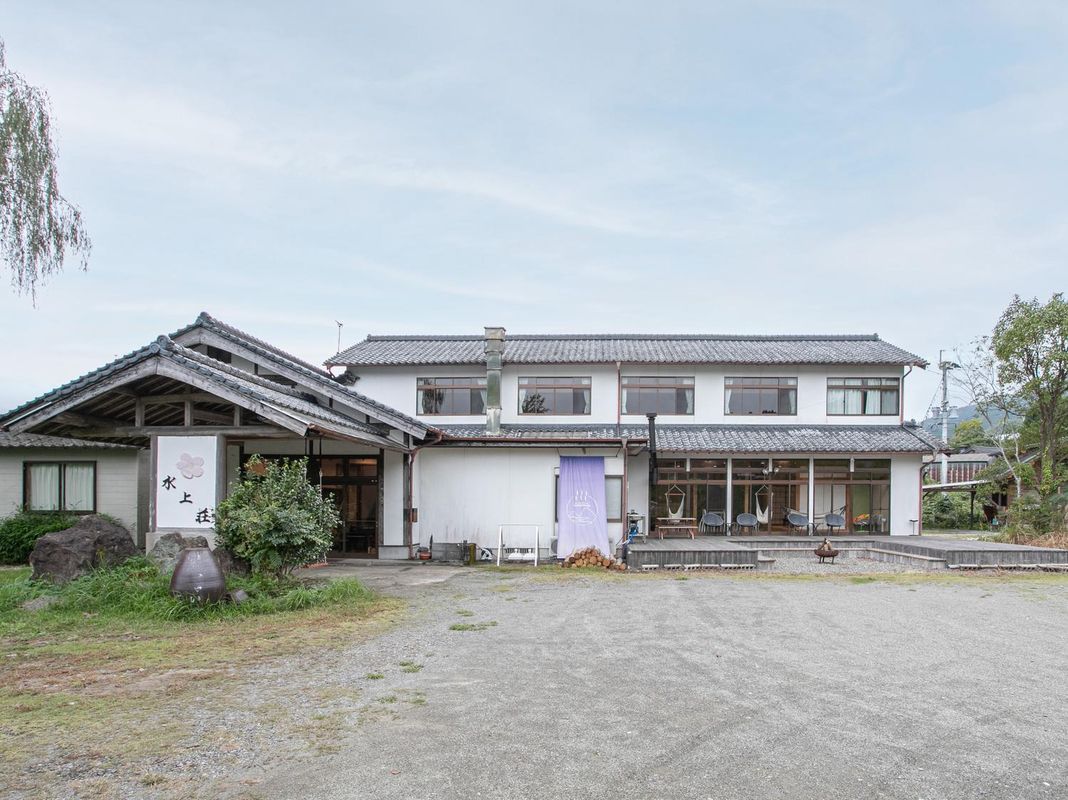
MIZUKAMISO
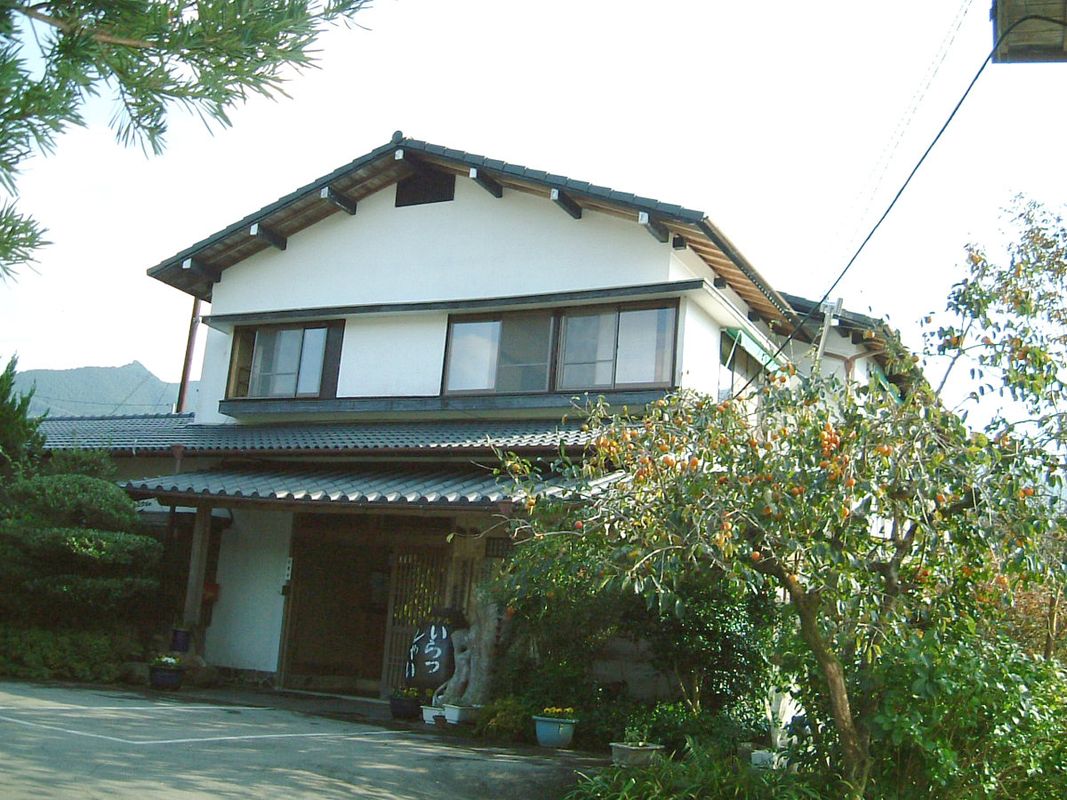
Ichifusa Kanko Hotel
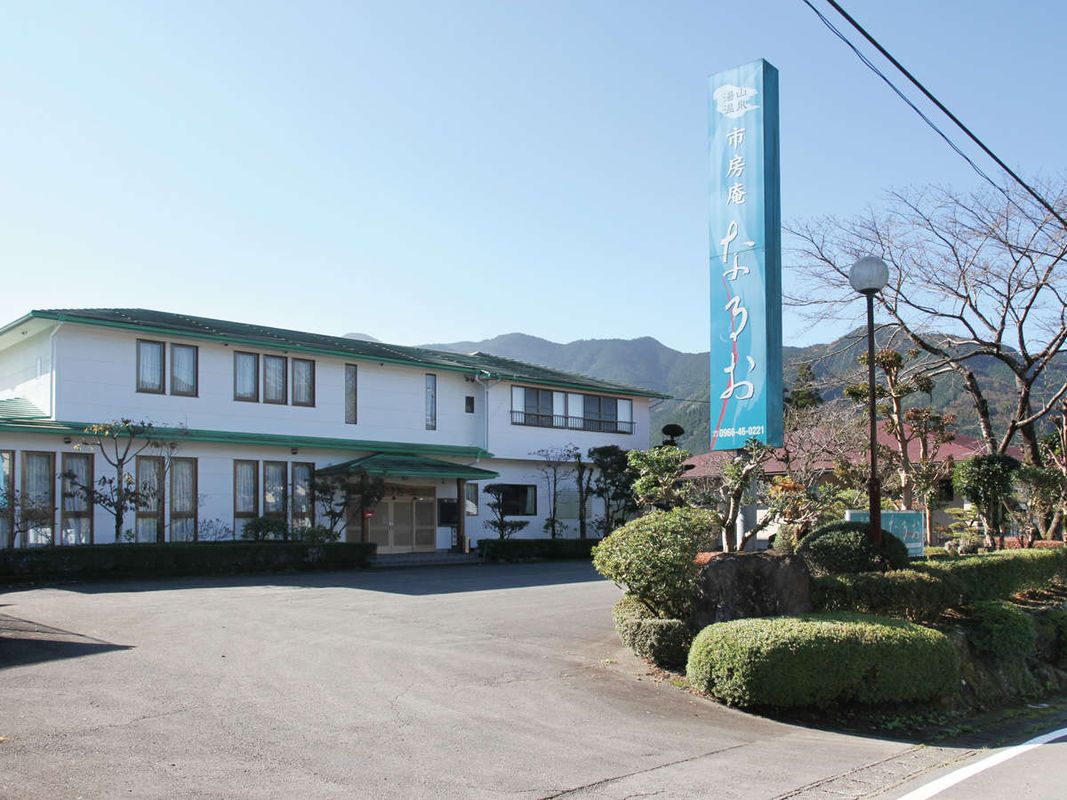
Yuyama Onsen Ichifusaan Naruo
Best Hotels in Mizukami
Discover curated hotel collections in Mizukami
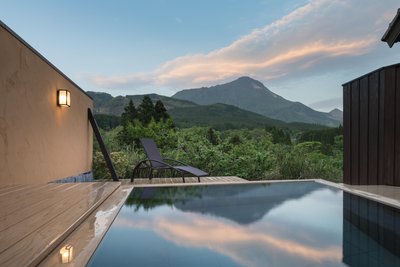
Ikkoten
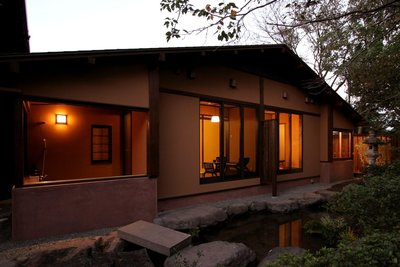
SEKIYA RESORT Bettei Haruki
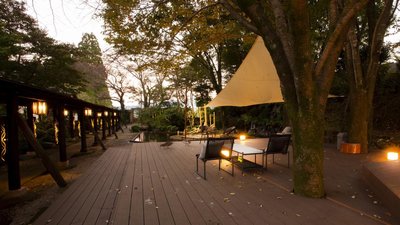
Chikurakutei
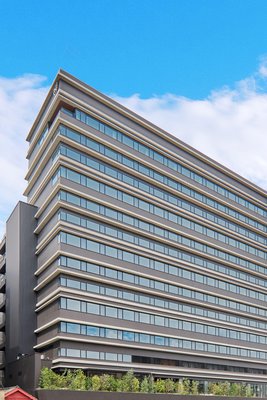
The Royal Park Canvas Fukuoka Nakasu
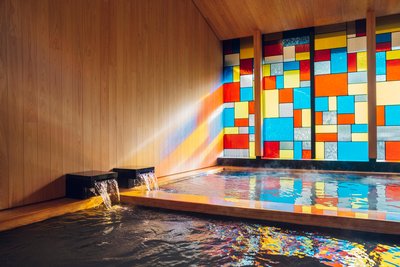
Hoshino Resorts Kai Unzen
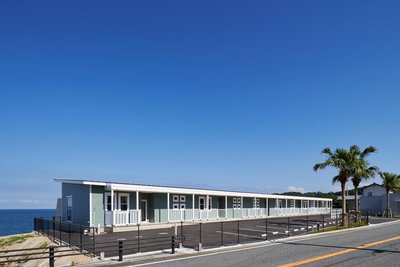
Alfacio Resort Stay Itoshima
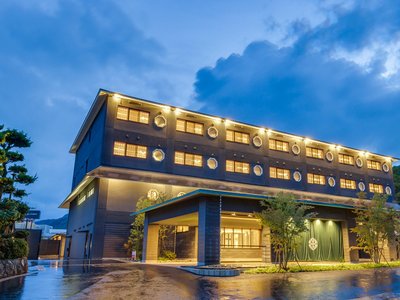
Ureshino Yadoya

seven x seven itoshima
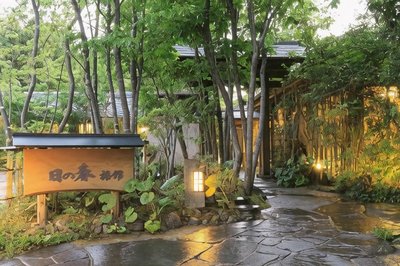
Yufuin Onsen Hinoharu Ryokan
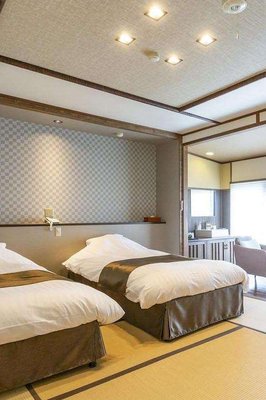
Sozankyo
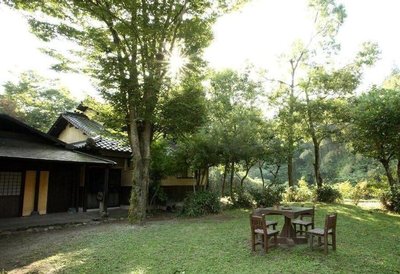
Yamashinobu
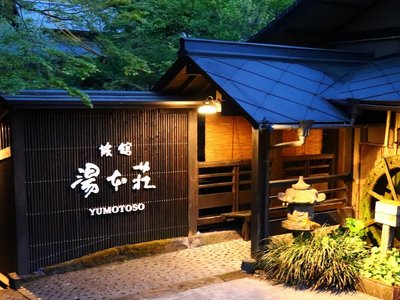
Ryokan Yumotosou
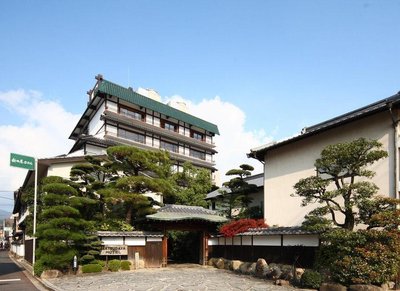
Matsudaya Hotel
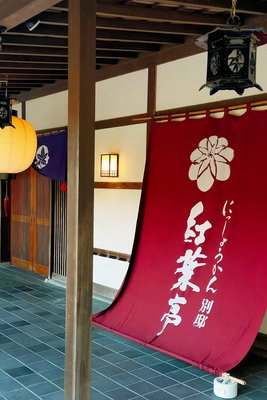
Nisshokan Bettei Koyotei
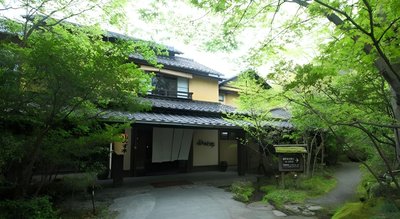
Kurokawaonsen Yamamizuki
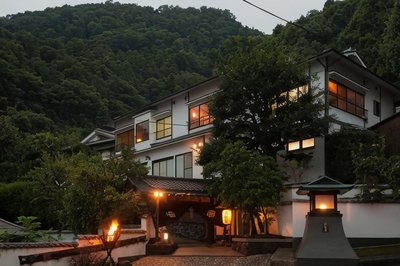
Beppu Showaen
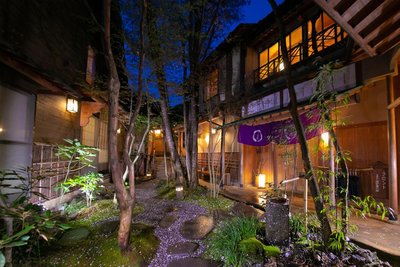
Oyado Ichizen
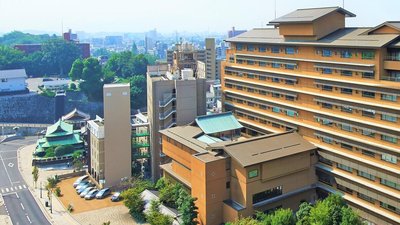
Yamatoya Honten
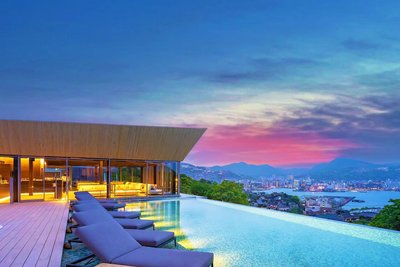
Garden Terrace Nagasaki Hotel & Resort
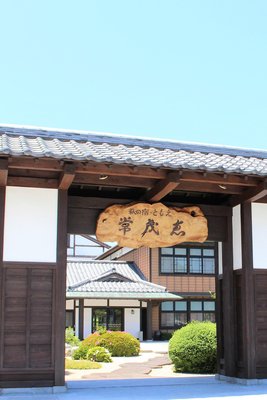
Hagi No Yado Tomoe
Garden Terrace Nagasaki Hotel & Resort

Holiday Inn Resort Miyazaki
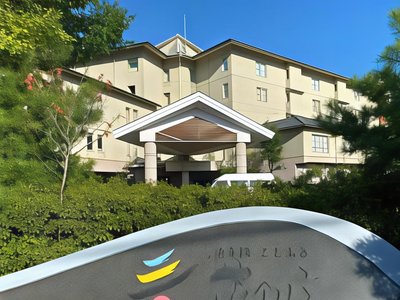
Yufuin Kotobuki Hananosho
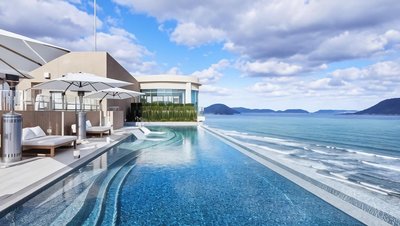
Karatsu Seaside Hotel
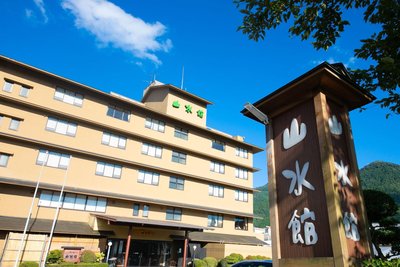
Yufuin Sansuikan
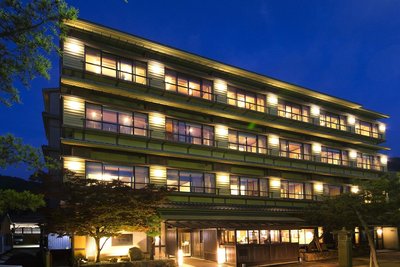
Kinsuikan
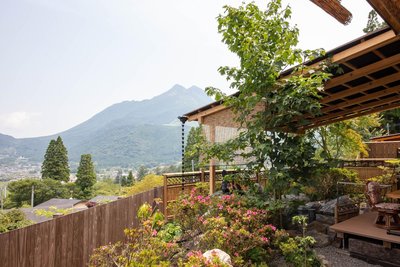
Yufuin-Sanso Waremokou
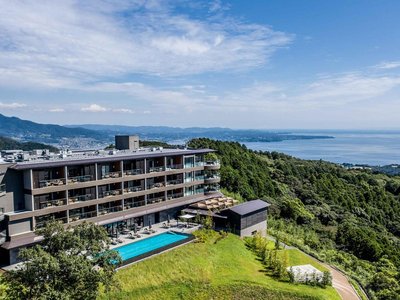
Ana InterContinental Beppu Resort & Spa
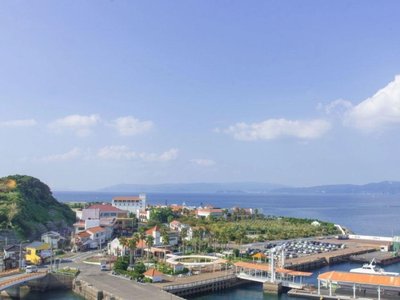
I+Land Nagasaki
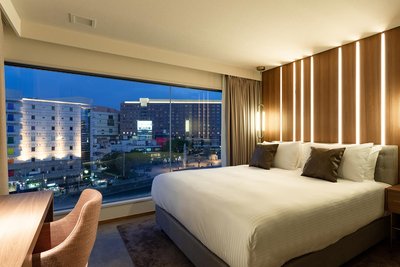
The OneFive Villa Fukuoka
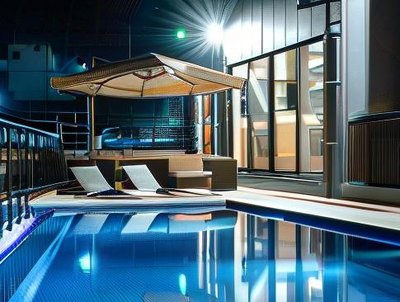
LiVEMAX RESORT MIYAHAMA ONSEN OCEAN
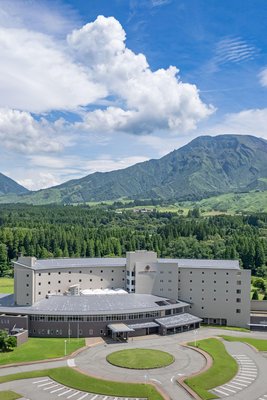
KAMENOI HOTEL ASO
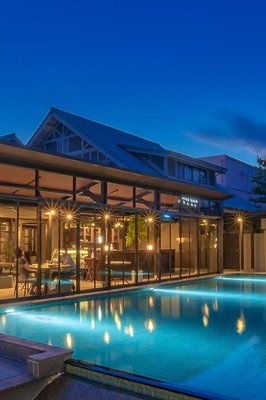
Amane Resort Gahama

SEKIYA RESORT GALLERIA MIDOBARU
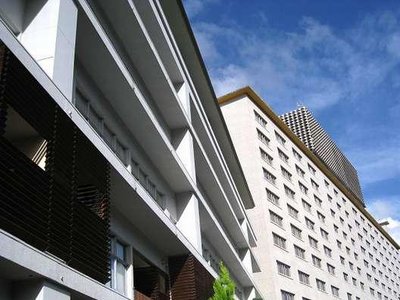
Beppu Suginoi Hotel

Phoenix Seagaia Ocean Tower
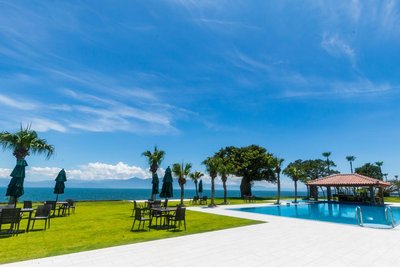
Kagoshima Sunamushi Onsen Ibusuki Hakusuikan
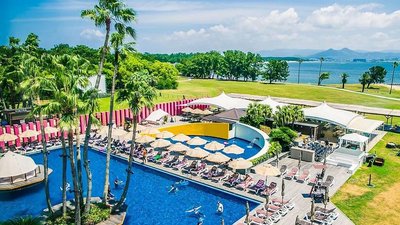
The Luigans Spa and Resort
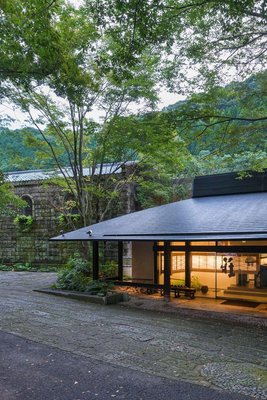
Myoken Ishiharaso

SHIROYAMA HOTEL kagoshima
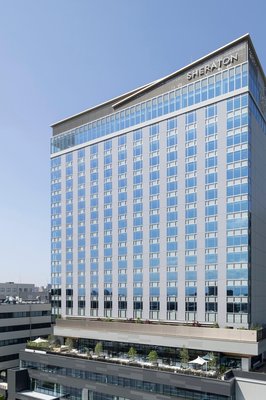
Sheraton Kagoshima
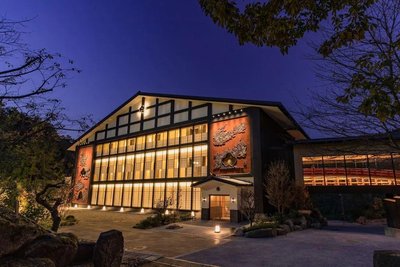
Okuhita Onsen Umehibiki
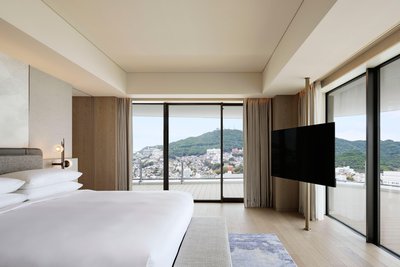
Nagasaki Marriott Hotel
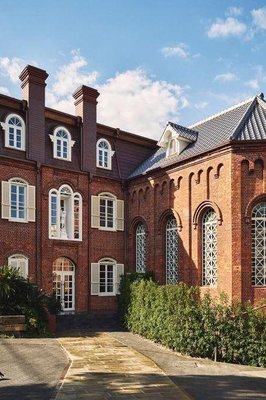
Hotel Indigo Nagasaki Glover Street by IHG
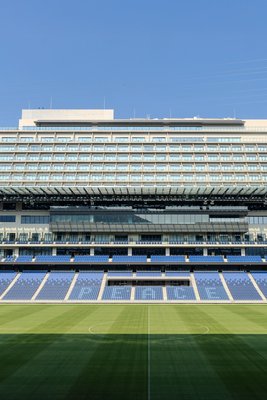
Stadium City Hotel Nagasaki
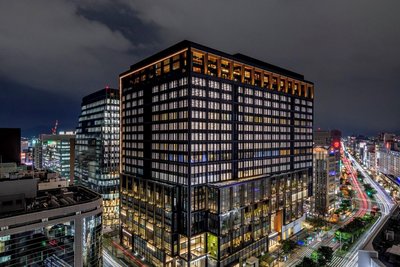
ONE FUKUOKA HOTEL
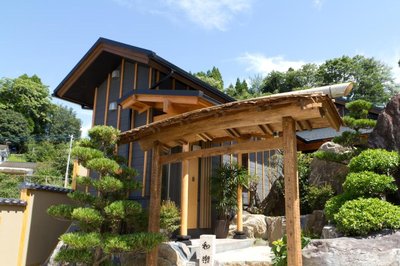
Ryokan Shinsen
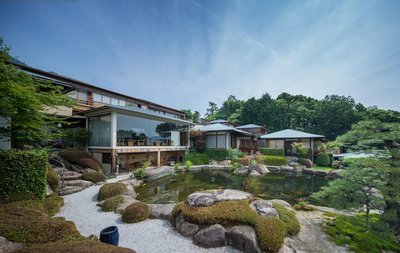
SEKITEI

Yamatoya Besso
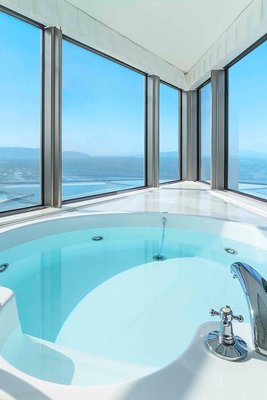
Hilton Fukuoka Sea Hawk

Olive Bay Hotel
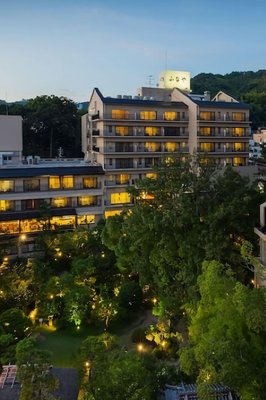
Funaya
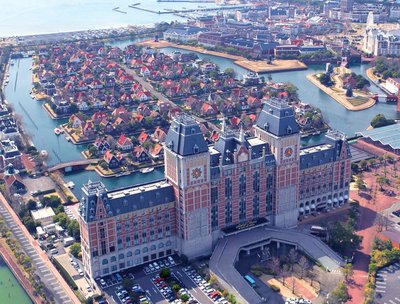
Hotel Okura Jr Huis Ten Bosch
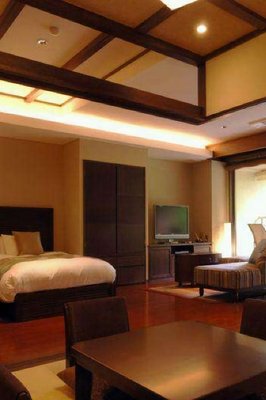
Bettei Oborozukiyo
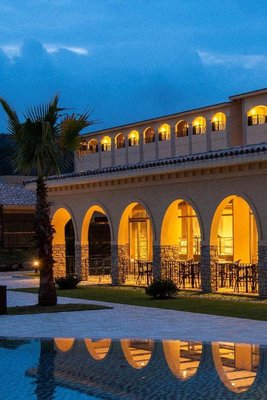
La Vista Kirishima Hills
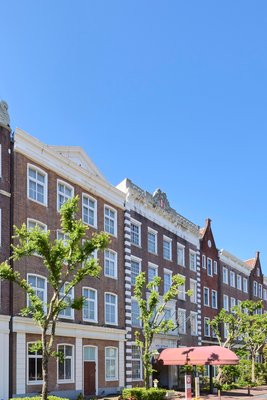
Hotel Amsterdam Huis Ten Bosch

Yumotoankiyohime
Ana InterContinental Beppu Resort & Spa
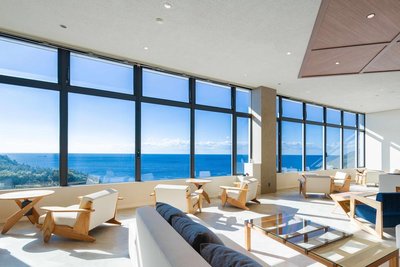
TheMana Village
Amane Resort Gahama

Hotel Barrière Fouquet's New York
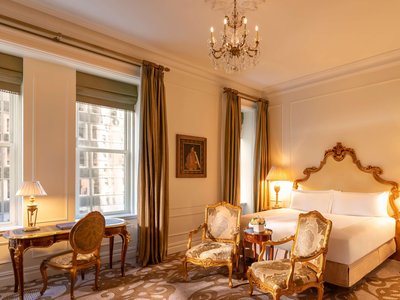
The Plaza - A Fairmont Managed Hotel
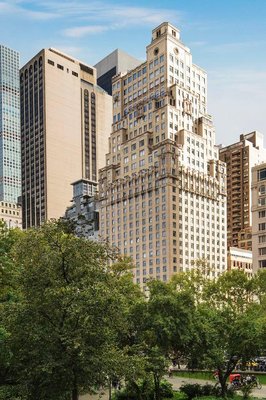
The Ritz-Carlton New York, Central Park
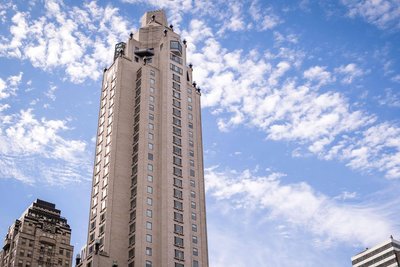
Four Seasons Hotel New York
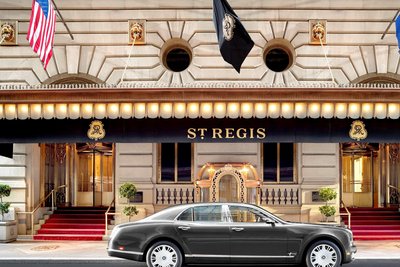
The St. Regis New York
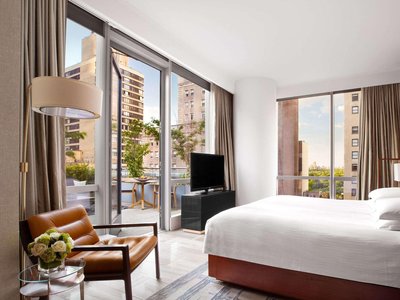
Park Hyatt New York
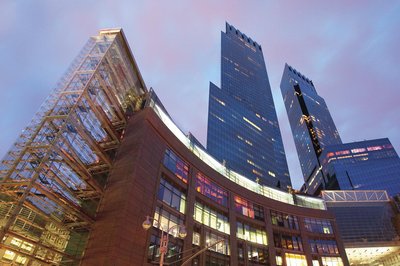
Mandarin Oriental New York
Times Square Edition New York

Loews Regency New York Hotel
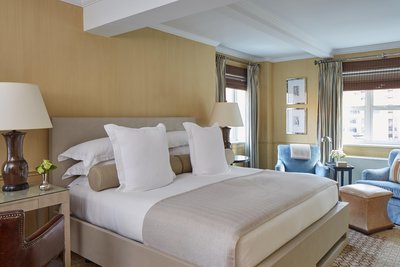
Lowell Hotel
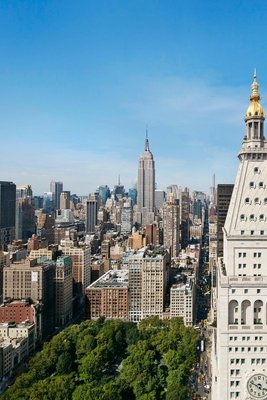
New York Edition
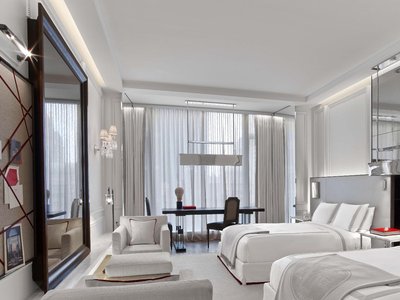
Baccarat Hotel New York
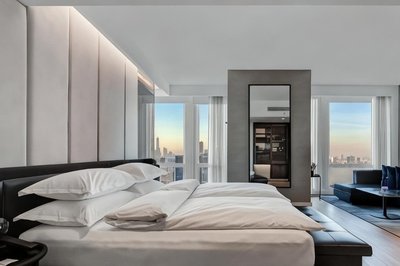
Equinox Hotel New York
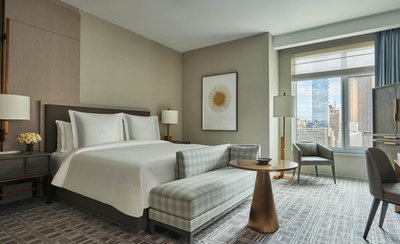
Four Seasons Hotel New York Downtown
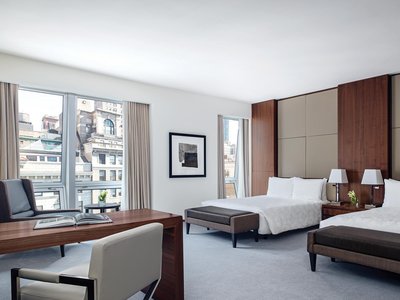
The Langham, New York, Fifth Avenue

The Carlyle, A Rosewood Hotel

The Chatwal, in the Unbound Collection by Hyatt
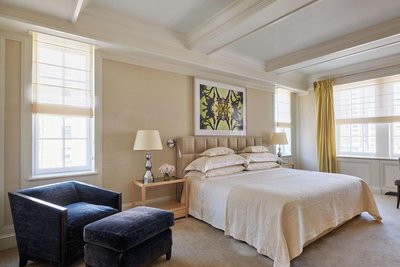
The Mark New York
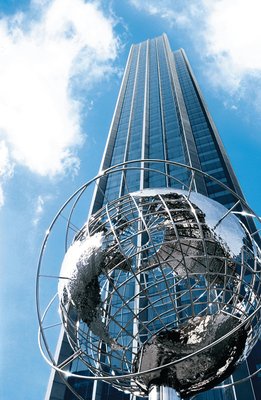
Trump International Hotel & Tower® New York
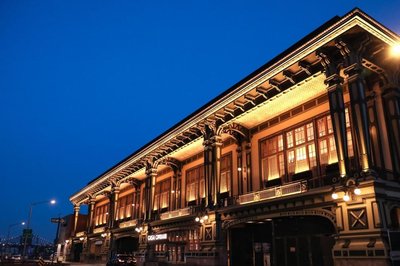
Casa Cipriani New York
Frequently Asked Questions about Traveling to Mizukami
Questions You Might Need to Know About Traveling to Mizukami
In Mizukawa Village, the top family stay is Yamanoie Bamboo Cottage, a renovated old farmhouse offering spacious tatami rooms and a private onsen pool. Just a 5-minute walk to Shirakawa Stream, it provides homemade Kumamoto Black Pork Bento and kids' forest scavenger hunts. Another excellent choice is Mizukawa Nature House, which features nature workshops, organic gardens, and farm-to-table meals—perfect for immersive rural experiences with children.
The Shirakawa Stream corridor is the most serene and picturesque area in Mizukawa Village, surrounded by misty mornings and ancient trees. Stay at Riverside Villa or Cloud Haven Lodge, both featuring private outdoor onsen and panoramic views of the valley. Located just a 10-minute walk from Mizukawa Shrine, this zone offers deep tranquility and easy access to hiking trails like Great Falls Pathway, making it perfect for nature lovers seeking solitude.
Visitors to Mizukawa Village can participate in the Traditional Washi Paper Umbrella Workshop, where artisans teach the centuries-old washi paper craft using local mulberry bark. Guests create their own handcrafted umbrella, learning its symbolic meaning of protection. Additionally, the annual Rice Harvest Festival includes rice-planting ceremonies, tasting fresh mochi made from local rice, and a luminous night procession with paper lanterns—a profound celebration of harmony between people and land.
Star Spring Spa Inn stands out as a luxury onsen retreat nestled atop a hill, offering private open-air baths with sweeping views of mountain ranges and starry skies. Its soft alkaline mineral water is renowned for skin benefits. Another top choice is Seiran Spa House, designed around forest healing, providing daily meditation sessions, herbal tea rituals, and kaiseki meals crafted from local ingredients—ideal for rejuvenation in a natural sanctuary.
For solo travelers, Shinigo Mountain Retreat offers six minimalist cabins with private courtyards and small reading nooks, promoting introspection amid forest sounds. No TVs, just nature’s rhythm. Also recommended is Kokou-an Hermitage, a Zen-inspired inn with morning tea ceremonies, silent meditation spaces, and simple vegetarian meals—perfect for those seeking inner peace and meaningful solitude in a remote mountain setting.
Must-see natural wonders near Mizukawa Village include Shirakawa Great Falls, a majestic 80-meter cascade with rainbow effects in summer, and Chindotsubo Rock Plateau, a vast flat rock formation overlooking the valley—ideal for photography. The hidden trail Pine Forest Path leads to Sky Mirror Lake, where wild orchids bloom in spring. Best visited early morning to avoid crowds and enjoy untouched mountain serenity.
Don’t miss Kumamoto Black Pork Grilled Skewers and Pork Bone Ramen—rich, savory, and tender. Seasonal highlights include Wild Mountain Vegetable Tempura, made from ferns, wild parsley, and seven-leaf lily harvested from high-altitude forests. In spring, sample Cherry Blossom Plum Wine Tofu, slow-cooked in local plum wine—delicate, sweet, and subtly alcoholic, capturing the essence of mountain life.
There’s no direct train to Mizukawa Village; take a bus from Kumamoto Station (approx. 90 minutes) to Mizukawa Village Office Stop, with limited schedules—book ahead. For self-drivers, follow National Route 213 through scenic mountain roads. Some guesthouses offer free shuttle services. For eco-travelers, consider biking: a dedicated 12-km cycle path runs along the stream, with rest stops and refreshment points en route.
With a cool, humid alpine climate, Mizukawa Village sees mild summers (avg. 20°C) and occasional snow in winter. Opt for lodgings with underfloor heating and humidifiers, such as Cloud Haven Lodge or Star Spring Spa Inn. Winter guests should bring warm layers and hot water bottles; summer travelers need light jackets due to large diurnal temperature swings. Many inns offer hiking poles and rain gear rentals for unpredictable weather.
The highlight is the Firefly Festival in July, when thousands of lanterns line the Shirakawa Stream, glowing alongside swarms of fireflies creating a ‘star river’ effect. In November, the Bonfire Festival features a massive communal bonfire and traditional dances, where visitors can write wishes on bamboo sticks and burn them—symbolizing purification and renewal. These events offer deep cultural immersion and unforgettable moments.
Mizukami Overview
City Summary
Mizukami Village is located in the southern part of Kumamoto Prefecture, Japan, surrounded by mountains. It is known for its clear rivers, abundant hot springs, and traditional Japanese rural charm. The natural surroundings are perfect for outdoor activities such as rafting, fishing, and hiking.
Must-See Attractions
The main attractions in Mizukami Village include famous hot springs like Kurokawa Onsen, offering traditional Japanese bathing experiences. The village is also surrounded by scenic hiking trails with stunning mountain views and waterfalls. Local handicrafts and small museums showcase the rich regional culture.
Food Guide
Mizukami's culinary culture focuses on local ingredients, with recommended dishes including river fish and wild vegetables. Local specialties include grilled trout and tempura made from mountain vegetables. Traditional Japanese sweets like red bean cakes and matcha products are also popular.
Transportation Guide
The most convenient way to reach Mizukami Village is by car, taking about 2 hours from Kumamoto City. Public transport within the village is limited, so planning ahead is advised. Main attractions can be reached on foot or by bicycle. Shuttle services are available during peak seasons for some sites.
Best Time to Visit
The best times to visit are spring and autumn, when the weather is mild and the scenery is at its best. Summer is peak season for rafting and outdoor activities, but humidity is high. Winter is quieter, ideal for travelers seeking tranquility.
Travel Tips
- Onsen etiquette: shower before entering the bath, and no swimwear is allowed.
- Respect local customs and avoid loud noises.
- Some restaurants require reservations, so check in advance.
- Carry cash as some small shops don't accept credit cards.
- Be prepared for mountain weather changes with appropriate clothing.
- Protect the environment by not littering.
Useful Information
The primary language is Japanese, with some attractions and restaurants having basic English signs. Network coverage is good but may be weak in mountainous areas. Cash is the main payment method, so bring sufficient yen. Medical facilities are concentrated in the village center, with the nearest hospital in a neighboring town. Tourist information centers provide maps and advice.