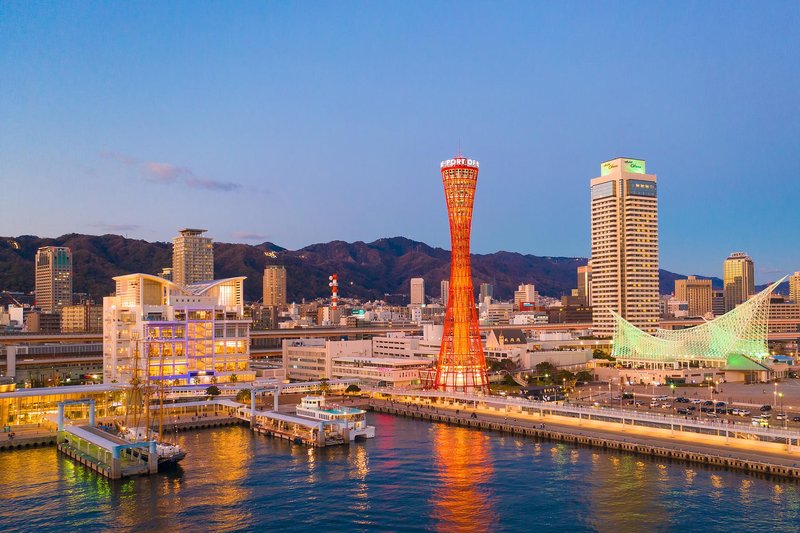
Hotels in Mizunami
Discover your perfect stay in Mizunami.
Mizunami(Japan) Travel 2026: Cheap Flights, Hotels & Top Attractions
Popular Landmarks in Mizunami
Discover the most iconic attractions in Mizunami
Recommended Hotels in Mizunami
Find the perfect place to stay in Mizunami
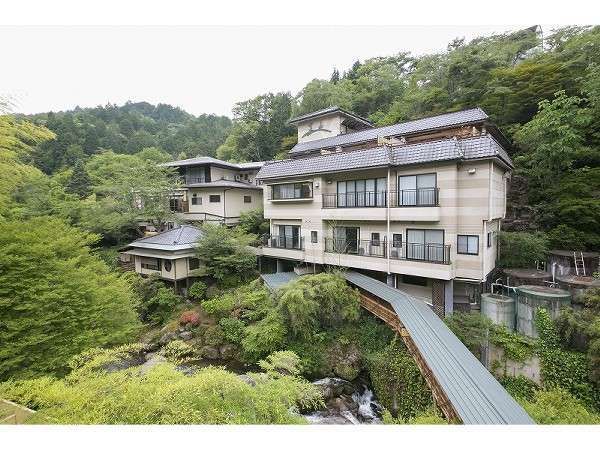
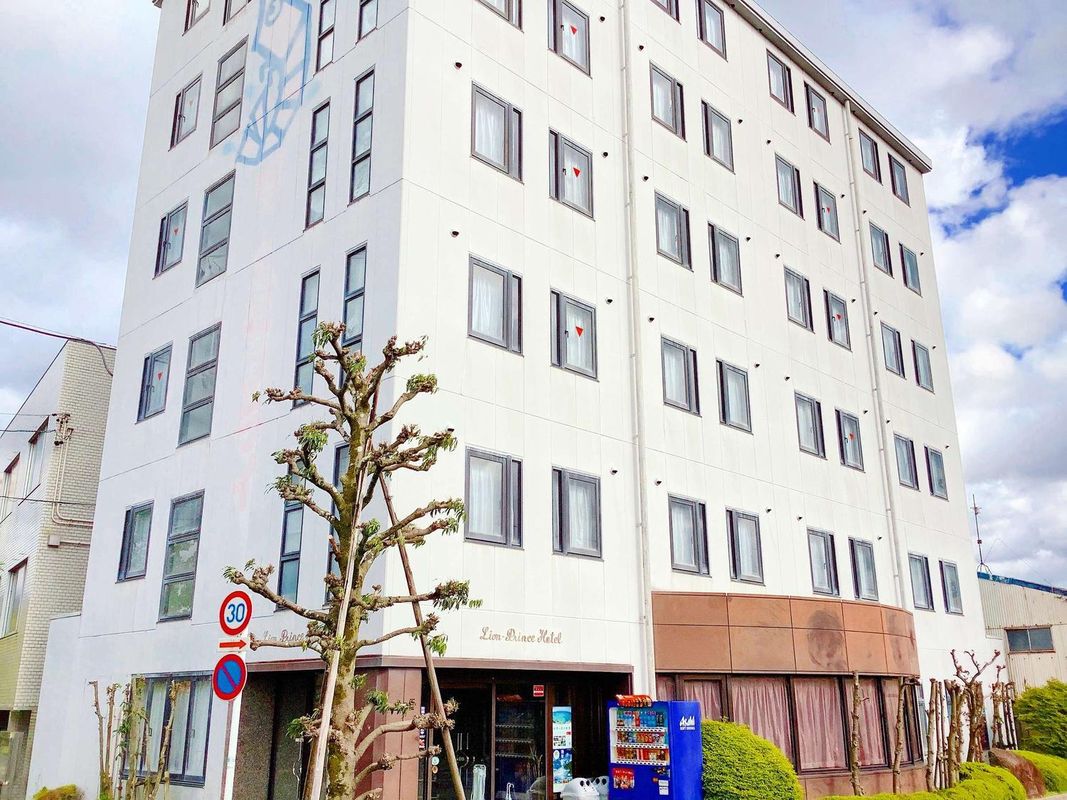
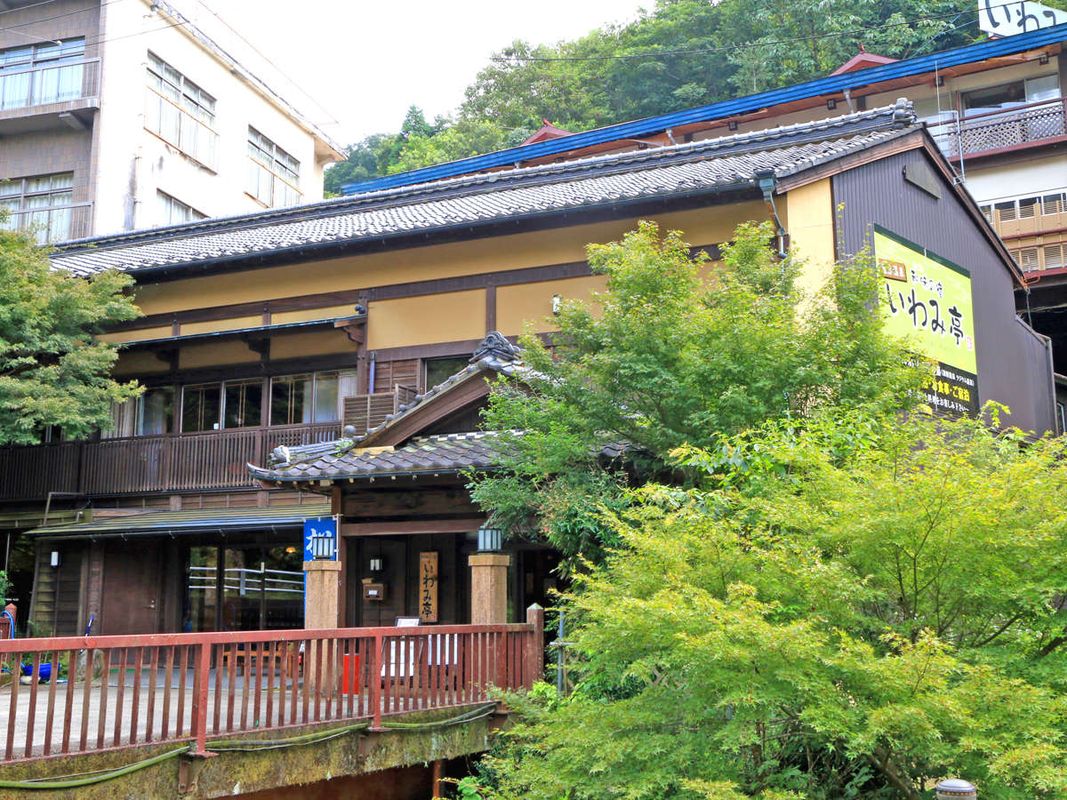
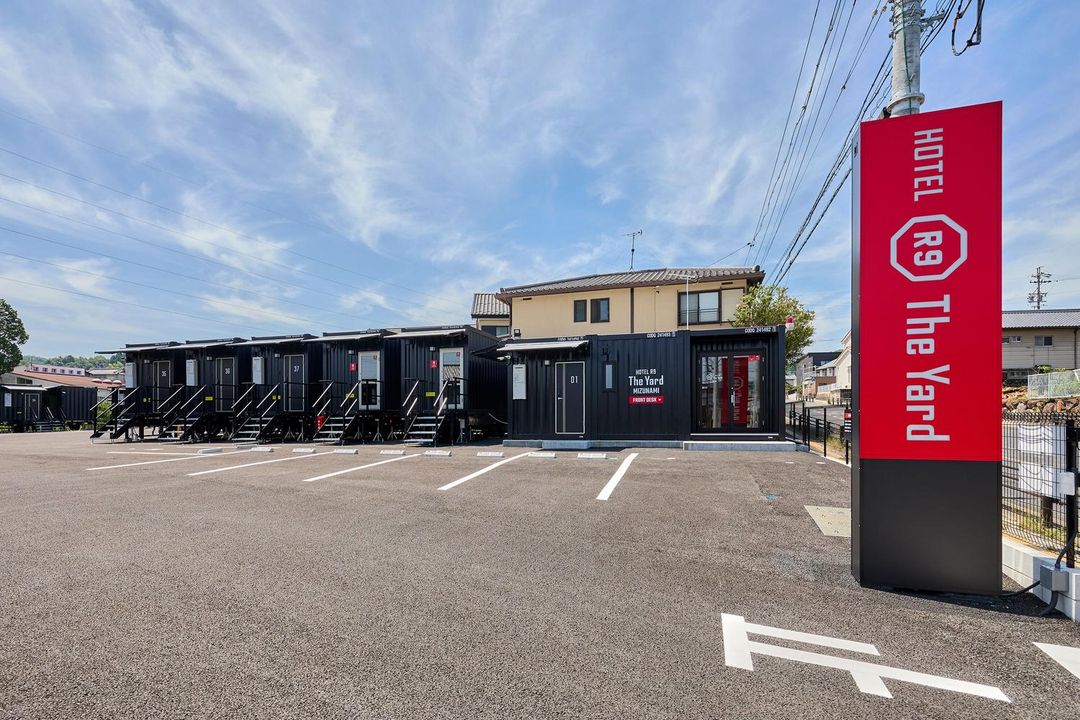
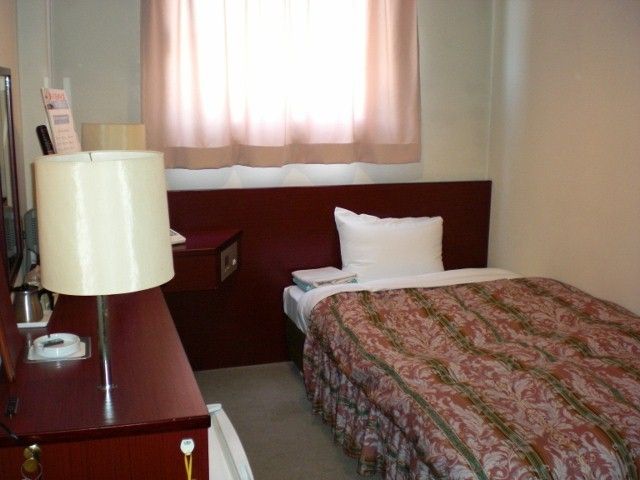
Best Hotels in Mizunami
Discover curated hotel collections in Mizunami
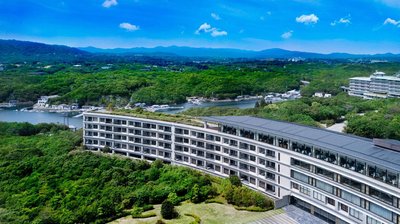
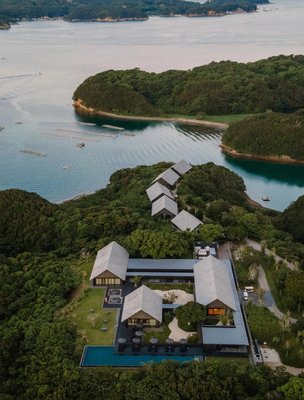
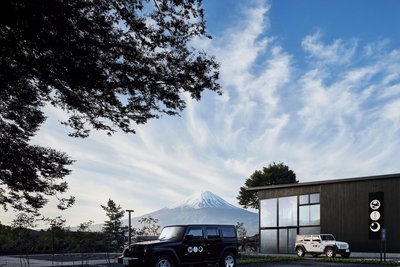
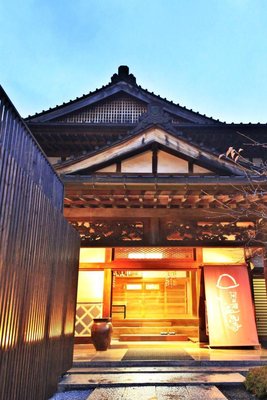
Frequently Asked Questions about Traveling to Mizunami
Questions You Might Need to Know About Traveling to Mizunami
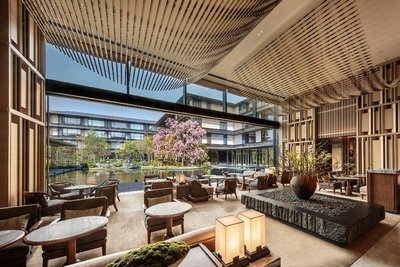
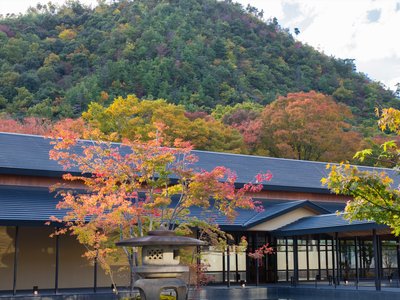
For a culturally immersive experience in Mizuho City, stay at Mizukawa Onsen Ryokan, a traditional Japanese inn with private outdoor baths overlooking forested hills. The ryokan serves authentic kaiseki meals and offers guests kimono rentals for exploring nearby Furukawa Town, a well-preserved Edo-period district. Another top choice is Sera Shiki Hotel, located near Mizuho City Museum and Oigawa River Park, offering modern amenities with local design touches. Both hotels provide easy access to seasonal festivals like the Cherry Blossom Festival and hands-on workshops in pottery and tea ceremony, enriching your cultural journey.
The best area for tourists is central Mizuho City, close to Mizuho Station and main shopping streets. It offers convenient access to attractions like Furukawa Town, Mizuho City Museum, and Oigawa River Park. The area features quiet residential lanes ideal for evening walks, especially along the riverbank. Many hotels provide free shuttle services to nearby hot springs and nature trails, making it an excellent base for both relaxation and exploration. Public transport links to Nagoya and Gifu are also strong, ensuring seamless travel within the region.
Visitors to Mizuho City can explore Furukawa Town, a preserved Edo-era neighborhood with wooden machiya houses, stone pathways, and traditional crafts. Participate in the annual Cherry Blossom Festival at Furukawa Park, featuring lantern displays and kimono parades. Try hands-on pottery workshops at Mizuho Ceramics Village, where you can create your own piece using local clay. Don’t miss tasting Gifu soba noodles and miso soup at local eateries, or purchasing Mizuho plum wine as a souvenir—each offering a true taste of regional heritage.
Yes, Mizuho City boasts excellent hot springs, particularly in the Oigawa Onsen Area. Stay at Oigawa Onsen Kogen Hotel, nestled in a valley with natural mineral-rich waters rich in bicarbonate and sodium. The hotel features indoor and outdoor onsen pools, including open-air baths with mountain views. Guests enjoy traditional Japanese dinners and soothing spa treatments. For a more intimate experience, Mizuho Onsen Boutique Inn offers private baths and personalized service, perfect for unwinding after a day of sightseeing.
For families, Sera Family Resort Hotel is a top choice, offering spacious family suites, a children’s playroom, and a dedicated kids’ onsen pool. The hotel hosts themed activities like nature scavenger hunts and seasonal craft workshops. Nearby, Rikugien Garden Hotel provides family-friendly dining options, baby cots, and a safe garden space. With easy access to Mizuho Children’s Science Museum and Furukawa Town walking trails, this area is perfect for creating lasting memories together.
Yes, Mizuho City is well-connected via Mizuho Station, served by both Meitetsu and JR West lines linking to Nagoya, Gifu, and beyond. Upon exiting the station, it’s a 10-minute walk to downtown, with clear signage. Free shuttle buses run to major attractions like Furukawa Town, Oigawa Onsen, and Mizuho City Museum. Consider using the Nagoya Railway Pass or Kansai Rail Pass to save on travel costs. Taxis are readily available for late-night or luggage-heavy trips.
Top photo spots in Mizuho City include the stone-paved alleys and historic machiya houses in Furukawa Town, especially during sunrise. The Oigawa River with cherry blossoms or autumn foliage creates stunning reflections. The Shirayama Shrine with its vibrant red torii gate is iconic for portraits. Don’t miss Mizuho Hill Viewpoint, offering panoramic shots of the city and surrounding mountains—perfect at sunset. The modern architecture of Mizuho City Museum and its tranquil gardens also attract photography enthusiasts seeking contrast between tradition and contemporary design.
Must-try dishes in Mizuho City include Gifu soba noodles served with light soy-based broth, miso-flavored beef stew, and fresh Oigawa river fish grilled or simmered in local sauce. Visit Furukawa Town Dining House for a classic “Furukawa Soba Set” with homemade miso soup. Indulge in the onsen egg set at Oigawa Onsen Kogen Hotel, cooked slowly in geothermal water. Also pick up Mizuho plum wine at local markets—a sweet, fragrant drink perfect as a souvenir.
Absolutely, Mizuho City shines in winter with crisp air and scenic beauty. Enjoy relaxing in heated onsen pools at Oigawa Onsen Kogen Hotel, where snow blankets the valley outside your private bath. Take peaceful winter hikes along the Oigawa River Trail under soft snowlight. Experience the Winter Lantern Festival at Furukawa Park, illuminated with paper lanterns and warm glow. Hotels offer electric blankets, heated rooms, and hearty meals like miso hot pot and red bean rice balls, ensuring comfort and warmth throughout your stay.
For couples seeking romance, choose Sora no Onsen Ryokan, a secluded mountain inn with private outdoor hot springs, starlit views, and candlelit dinners. The inn offers couples’ spa packages, kimono rentals, and customized welcome gifts. Alternatively, stay at Furusato Machiya Inn, a restored Edo-period townhouse with tatami rooms and a serene garden courtyard—ideal for quiet evenings. Together, you can stroll along the Oigawa River, visit Shirayama Shrine for a blessing, or enjoy a private tea ceremony, creating unforgettable moments in this peaceful setting.
Mizunami Overview
City Summary
Mizunami City in Gifu Prefecture is a tranquil town renowned for its 400-year-old Mino ware pottery tradition. Dotted with historic kiln sites and ceramic workshops, it's dubbed the "City of Water, Greenery and Ceramics". The Toki River cherry blossom tunnel and Mizunami Ceramic Museum are cultural highlights amidst rich natural surroundings.
Must-See Attractions
The Mizunami Ceramic Museum houses precious pottery from Edo period to present, with hands-on wheel throwing experiences. Myosei Pottery Park recreates Edo-era kiln scenes with summer night illuminations. Nature spots include Toki River Sakura Road (spring) and Mizunami Fossil Museum (Japan's largest dinosaur fossils). Visit Tono Mori weekend market for artisan crafts.
Food Guide
Must-try local specialties include Goheimochi (miso-glazed rice cakes) and Mino chicken dishes. Ceramic cafes serve wagashi sweets on traditional tableware - opt for the "Mino Ware Lunch" featuring seasonal local cuisine. At night, explore station izakaya alleys for regional sake "Hyakujuro" paired with salt-grilled ayu fish.
Transportation Guide
From Nagoya Station, take JR Chuo Line to Mizunami Station (50 mins, ¥1,140). Local buses and taxis are main transports. Recommended "Pottery Village 1-Day Pass" (¥1,000) for unlimited bus rides. Bicycle rentals at station (¥500/day) are ideal for pottery district. Note rural attractions have infrequent schedules.
Best Time to Visit
Best seasons are March-April (cherry blossoms) and October-November (autumn foliage). Avoid humid rainy season (July-Aug). Ceramic Festival (September) draws crowds; some workshops close in winter (Dec-Feb) but offer hearth-cooked meals.
Travel Tips
- Book pottery workshop visits in advance
- Bring cushioning materials for fragile ceramics
- Rural roads lack lighting - use taxis at night
- Let Goheimochi cool before eating (traditional "3-blow" rule)
- Most museums prohibit touching exhibits
- Hot springs require bringing small towels
- Strict garbage separation rules apply
- Some old shops accept cash only
Useful Information
Language: Basic English at stations/tourist spots; translation apps recommended. Wi-Fi: Citywide "Minowa Free Wi-Fi" (email registration required). Payment: Credit cards at major stores; cash-only at traditional workshops (currency exchange at 7-11). Emergency: Mizunami Municipal Hospital (0564-62-1111), "Sugi Pharmacy" has Chinese staff. Etiquette: Remove shoes in workshops, bow after pottery sessions. Prices include tax; no tipping culture.