Hotels in Mobara
Discover your perfect stay in Mobara.
Mobara(Japan) Travel 2026: Cheap Flights, Hotels & Top Attractions
Popular Landmarks in Mobara
Discover the most iconic attractions in Mobara
Recommended Hotels in Mobara
Find the perfect place to stay in Mobara

HOTEL R9 The Yard Mobara

Business HotelCentral

Business Hotel Turtle

Business Asuka Ryokan

Business Hotel Yachiyo

City Inn Mobara

HOTEL LOVE ONE(Adult Only)
Best Hotels in Mobara
Discover curated hotel collections in Mobara
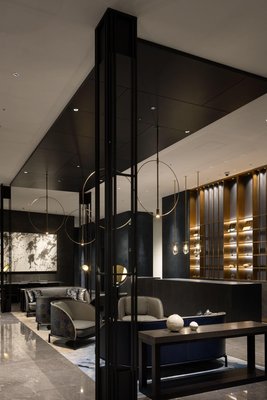
Bellustar Tokyo, A Pan Pacific Hotel
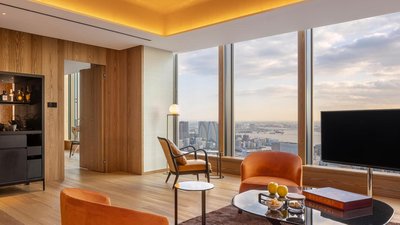
Bvlgari Hotel Tokyo
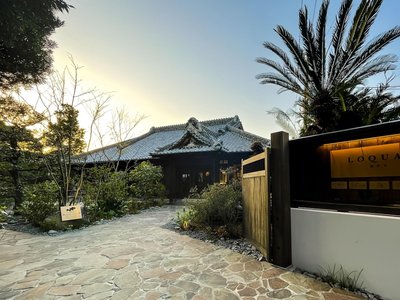
Loquat Nishiizu
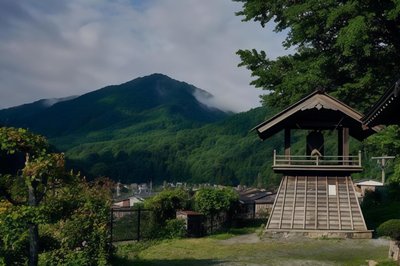
Byaku Narai
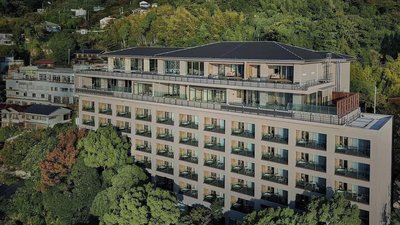
Atami Izusan Karaku
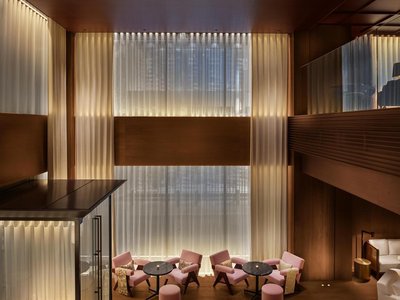
The Tokyo Edition, Ginza
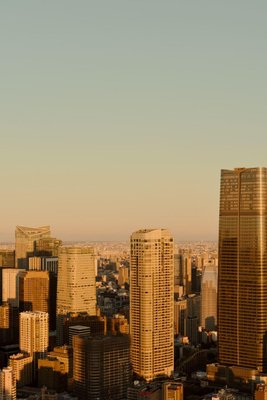
Janu Tokyo
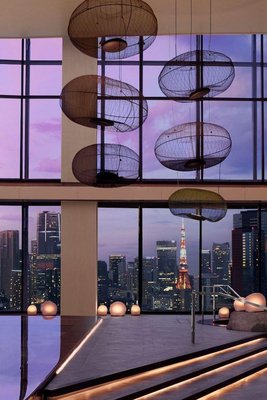
JW Marriott Hotel Tokyo
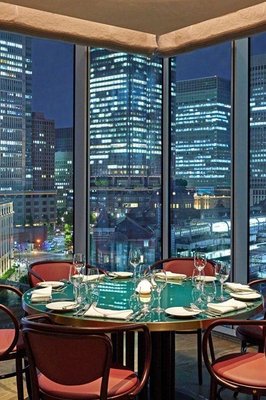
Four Seasons Hotel Tokyo at Marunouchi

Mandarin Oriental, Tokyo
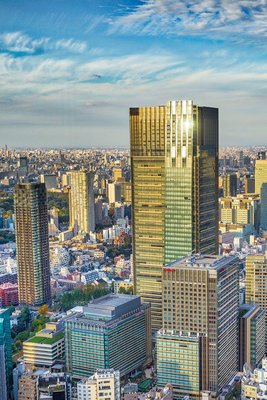
The Ritz-Carlton, Tokyo
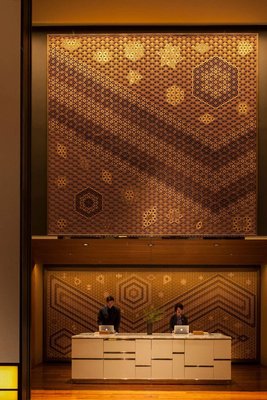
Andaz Tokyo Toranomon Hills- A Concept by Hyatt
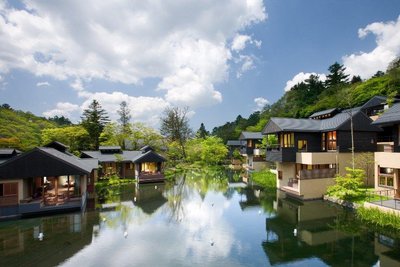
Hoshinoya Karuizawa
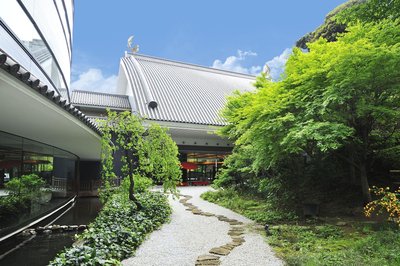
Hotel Gajoen Tokyo
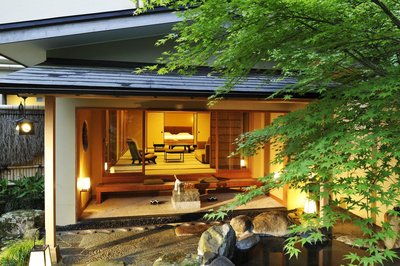
Gora Kadan
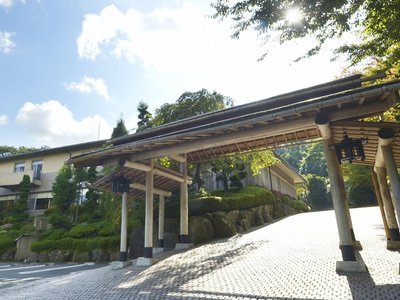
Gora Hanaougi
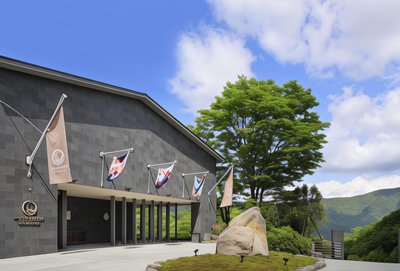
The Hiramatsu Hotels & Resorts Sengokuhara Hakone
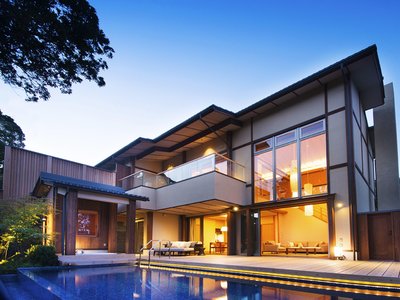
Abba Resorts Izu - Zagyosoh
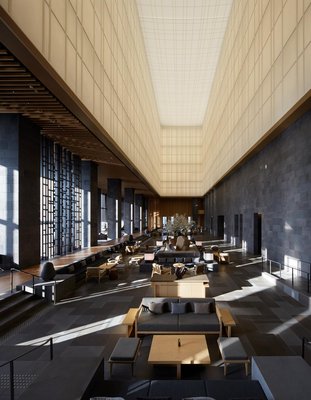
Aman Tokyo
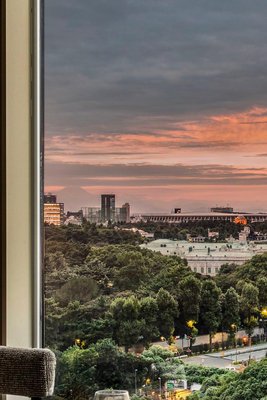
Hotel New Otani Tokyo, Executive House Zen

La Terra Resort

EN Resort Grandeco Hotel
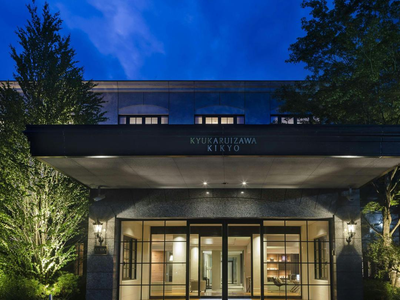
Fufu Karuizawa Wind of Sunshine
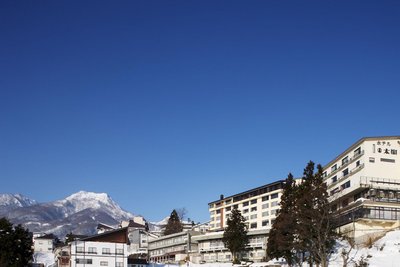
Hotel Taiko, Akakura Onsen
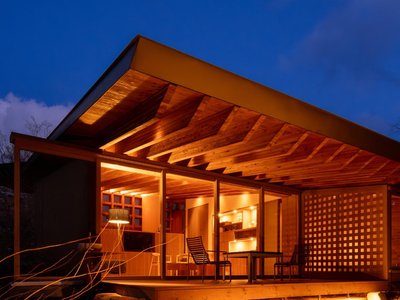
Nasu Mukunone
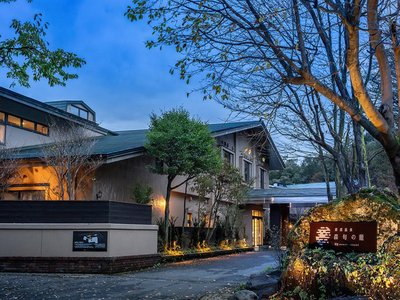
Nasu Onsen Shinshun no Kago Hewitt Resort
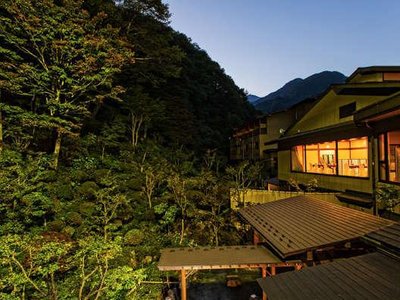
Futari Shizuka
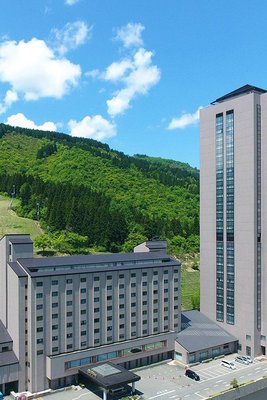
Naspa New Otani
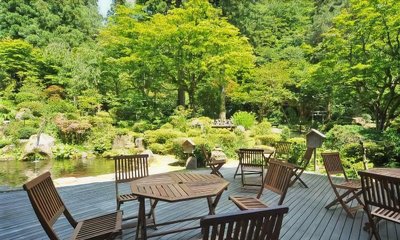
Choseikan
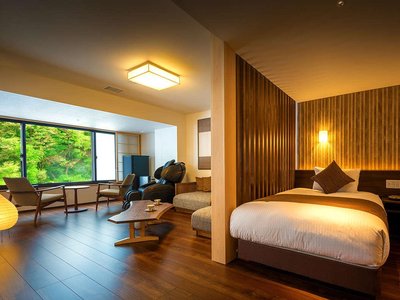
Harataki
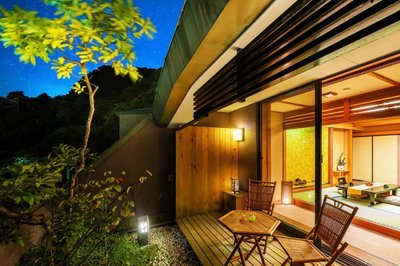
Konjakutei
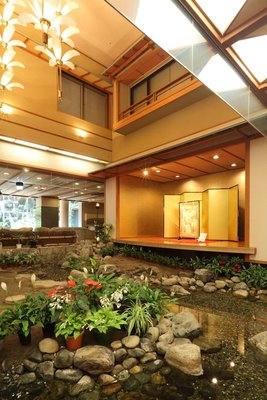
Hotel Futaba
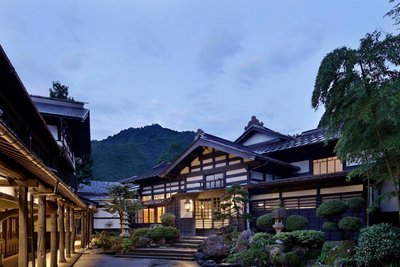
Ryugon
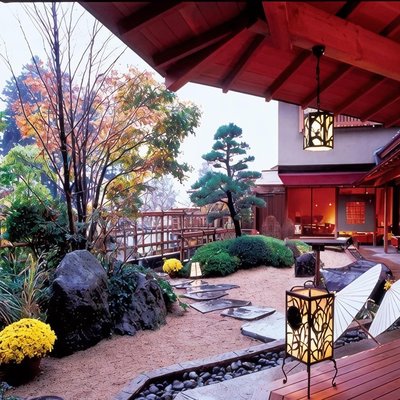
Oyado Tamaki

Tokinoniwa
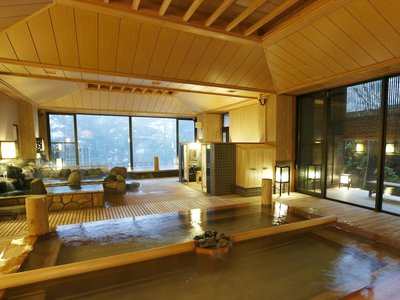
Konoha
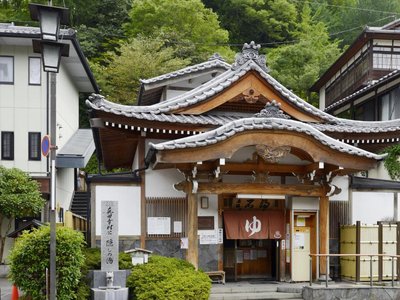
Nakamatsuya Ryokan
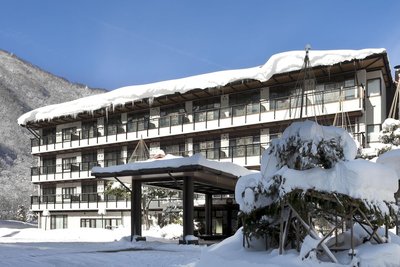
Okada Ryokan Warakutei
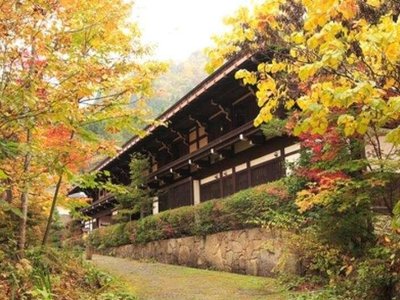
Yumoto Choza
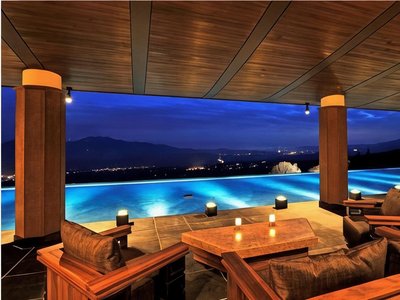
Akakura Kanko Hotel
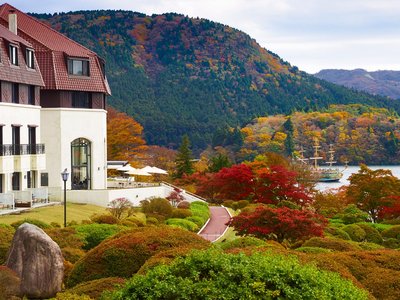
Hotakajyo
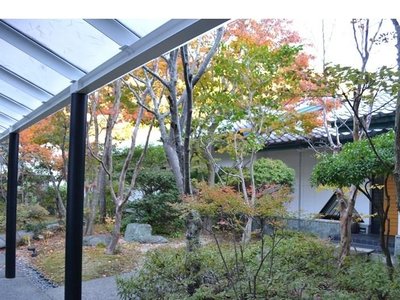
Auberge Suzukane

Onyado Nono Asakusa Bettei Hot Spring
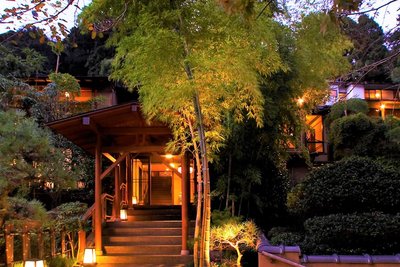
Shiki wo Ajiwau Yado Yamano Chaya
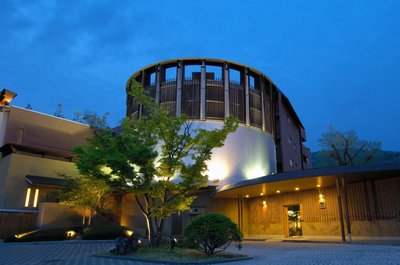
Hoshino Resorts Kai Matsumoto
Konjakutei
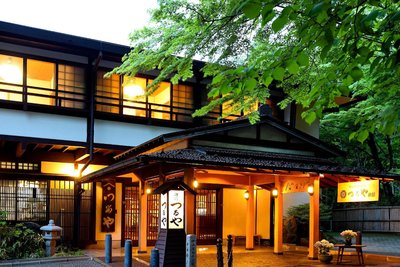
Tsuruya Ryokan
Nakamatsuya Ryokan
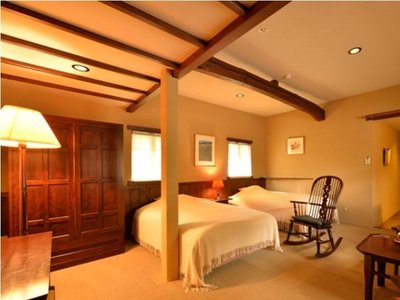
Ryokan Sugimoto
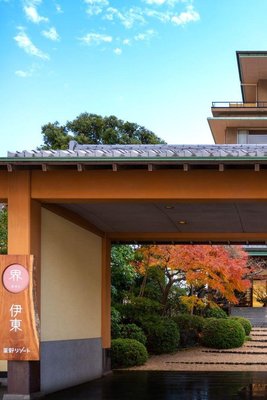
Hoshino Resorts Kai Ito
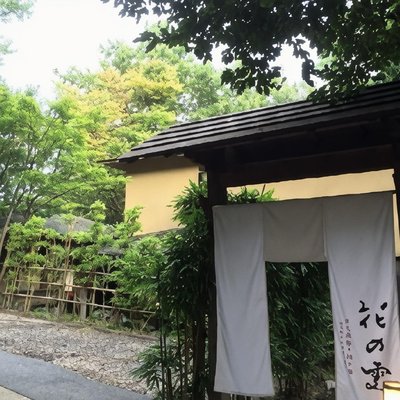
Hana No Kumo
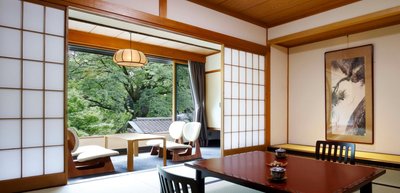
Yoshiike Ryokan
Hotel Gajoen Tokyo
Gora Hanaougi
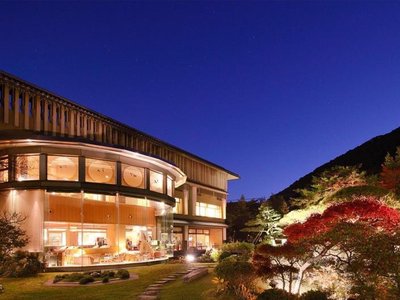
Shikisai Ichiriki
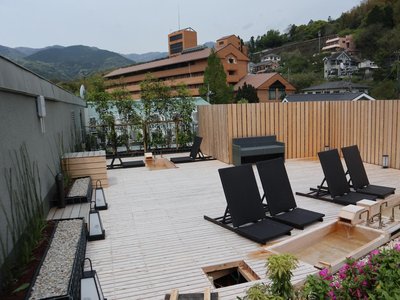
Fukiya Ryokan
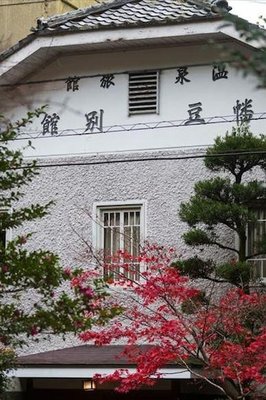
Oku-Mikawa・Yuya Onsen HAZU Bekkan
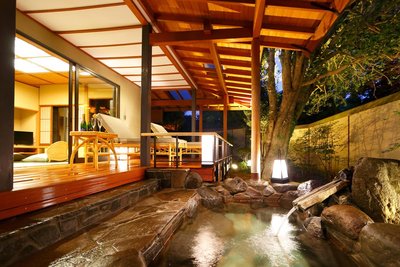
Yoshiharu Ryokan – Izu Nagaoka Onsen
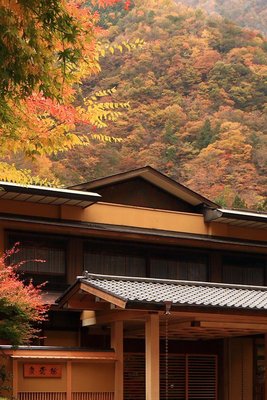
Nishiyama Onsen Keiunkan
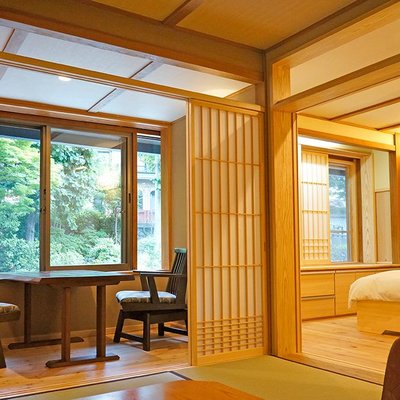
Sumiyosiya Ryokan
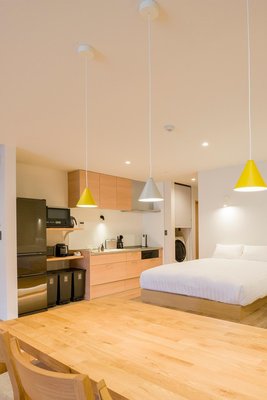
Rakuten STAY VILLA Nasu
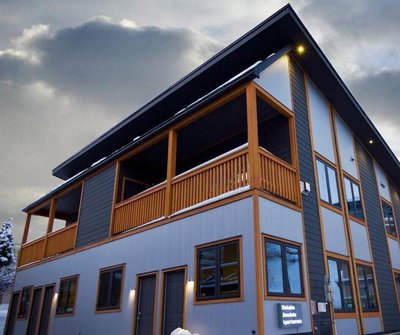
Hakuba Gondola Apartments
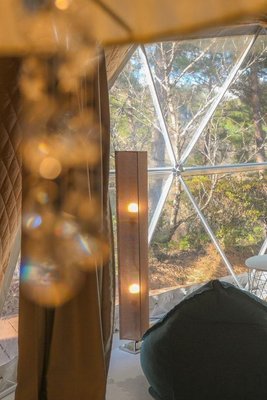
glampark Gekkabijin Nagano
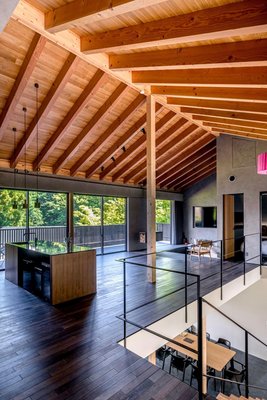
MONS GORA
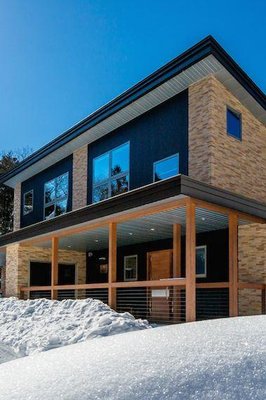
Phoenix Chalets by Hhg
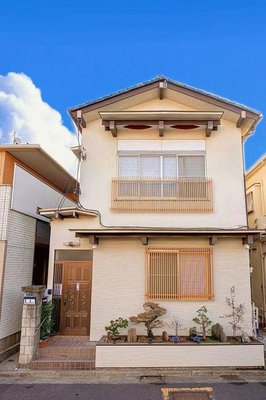
Tokyo Star House-Shinkoiwa
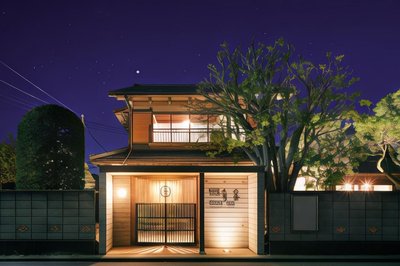
Machi-Jyu
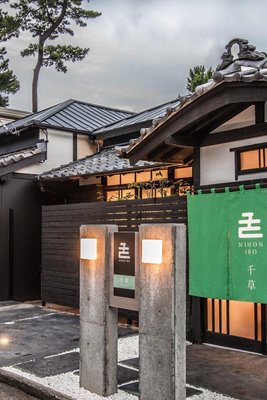
Nihon Iro
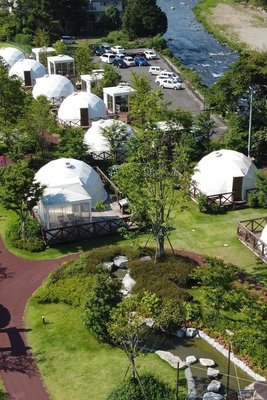
Ufufu Village
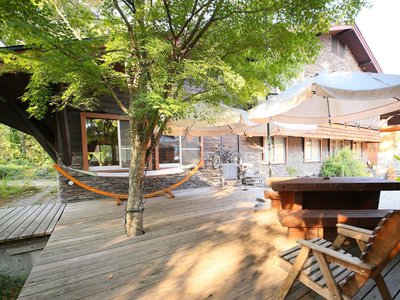
Kunugi Relaxation with 4 Modern Rooms
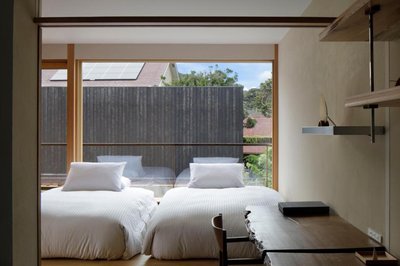
Modern Ryokan Kishi-ke
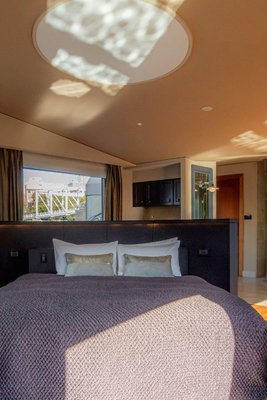
Petals Tokyo - Floating Hotel
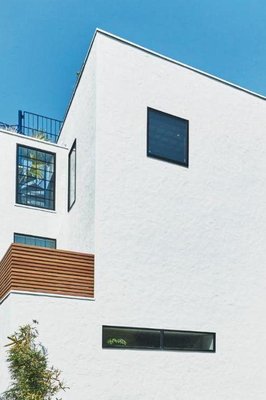
The Flow Kamakura
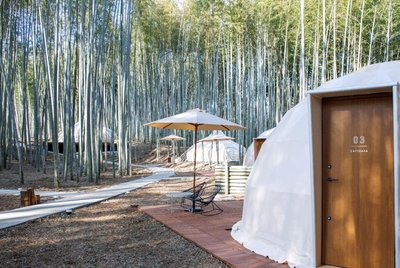
THE BAMBOO FOREST
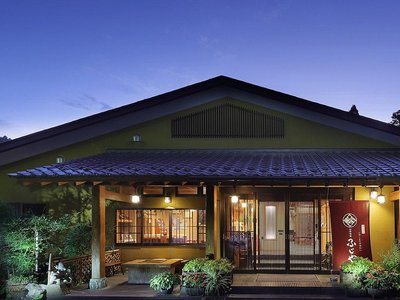
Shikimitei Fujiya
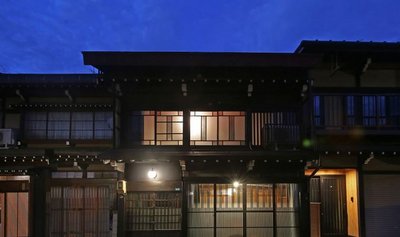
Iori Stay Hida
Mobara Overview
City Summary
Mobara City, located in eastern Chiba Prefecture, Japan, is renowned for its agriculture and hot springs. Its key attractions include Mobara Park's cherry blossoms and the Yawata Wetlands' biodiversity. The city preserves traditional Japanese countryside charm while offering historic alkaline hot springs, rare in the Kanto region.
Must-See Attractions
Must-see spots feature Mobara Park with 300 cherry trees blooming spectacularly in spring. The Yawata Wetlands, a National Natural Monument, offers rare wildlife observation. History enthusiasts can visit Mobara City Museum of Art and Local History to explore Boso Peninsula's Edo-period culture. For onsen experiences, multiple ryokans provide traditional "stay with meals" packages.
Food Guide
Mobara's culinary highlights include sweets and sauces made from local peanuts. Don't miss "Mobara Ramen" with chicken-based soy broth and firm noodles. Summer brings fresh melons, while winter offers oysters and yellowtail. Street vendors sell classic "mitarashi dango" (skewered rice dumplings).
Transportation Guide
Transport centers on JR Sotobo Line (90-min limited express from Tokyo Station). Local buses and taxis connect attractions (10-20min rides). The "Mobara Onsen Pass" combines transit and bath discounts. Drivers can use Route 128 but note narrow rural roads.
Best Time to Visit
Best seasons are April (cherry blossoms) and November (autumn leaves) with 15-20°C temperatures. Summer (Jun-Aug) is humid but lively with festivals like Gion Matsuri. Winter is ideal for hot springs though some sites reduce hours.
Travel Tips
- Follow "wash before bathing" etiquette in onsen areas
- No collecting specimens in protected wetlands
- Many rural restaurants are cash-only
- Check sparse bus schedules in advance
- Reservations needed for some old establishments
- Strict no-smoking rules in public
- Mandatory garbage separation
- Avoid typhoon season (Sep-Oct)
Useful Information
Language: Japanese predominates; basic English at stations/tourist centers. Internet: Rent WiFi devices or buy SIM cards (stable 4G in town). Payment: Cash preferred; cards accepted at major venues. Emergency: Mobara Municipal Hospital offers 24/7 ER (call #7119 for multilingual assistance). Ryokans provide first-aid kits; travel medical insurance is recommended.









