Hotels in Moers
Discover your perfect stay in Moers.
Moers(Germany) Travel 2026: Cheap Flights, Hotels & Top Attractions
Popular Landmarks in Moers
Discover the most iconic attractions in Moers
Recommended Hotels in Moers
Find the perfect place to stay in Moers
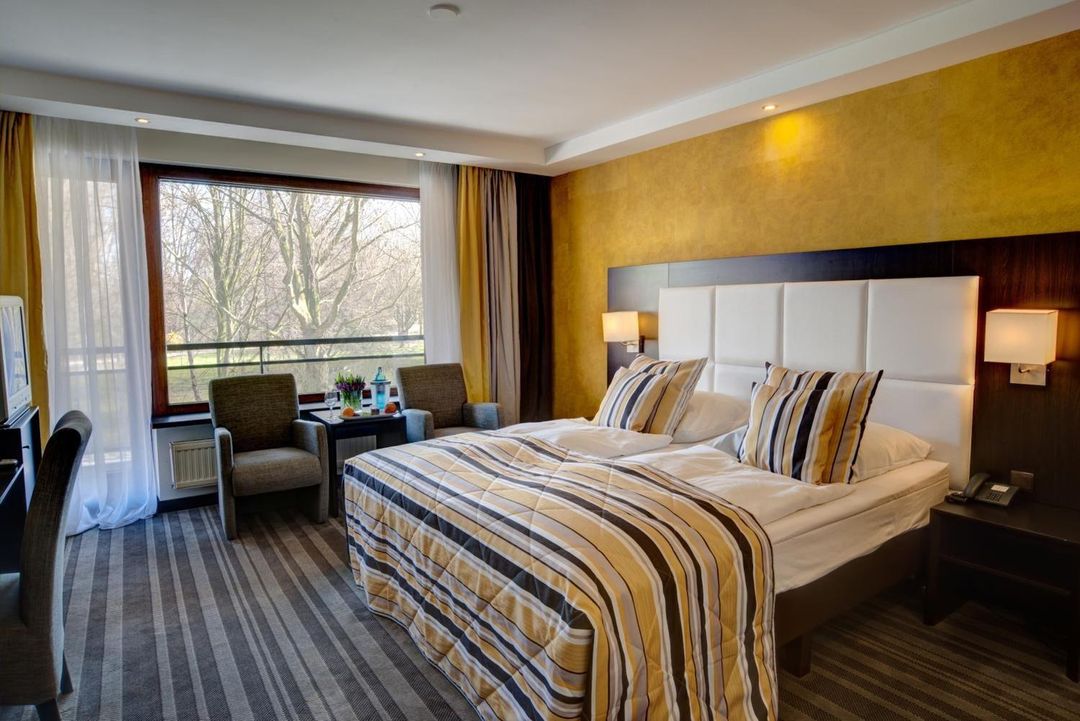
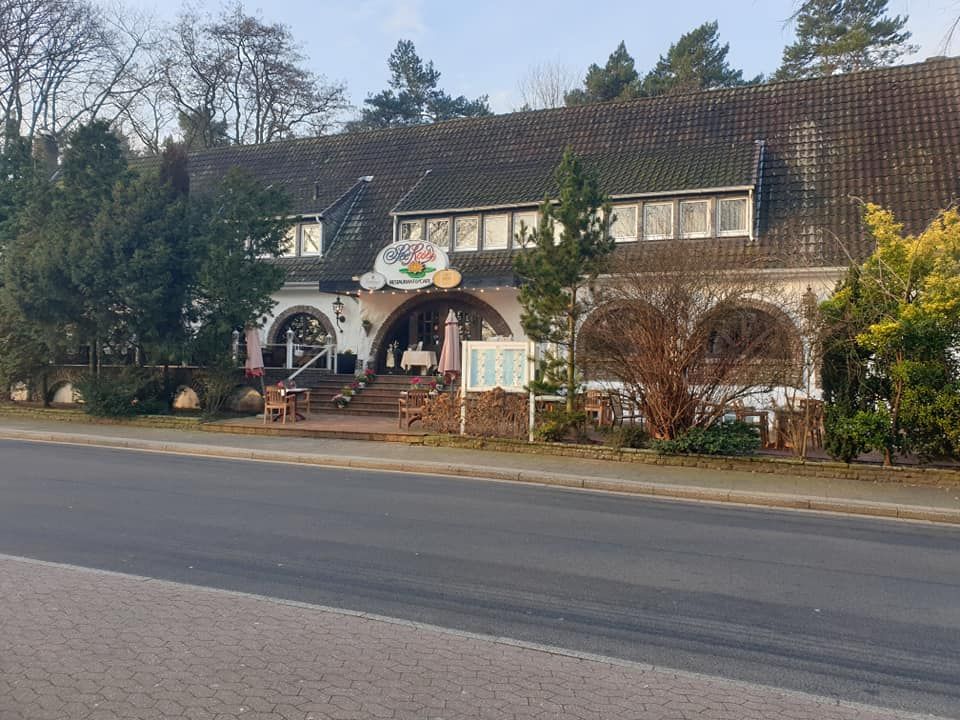
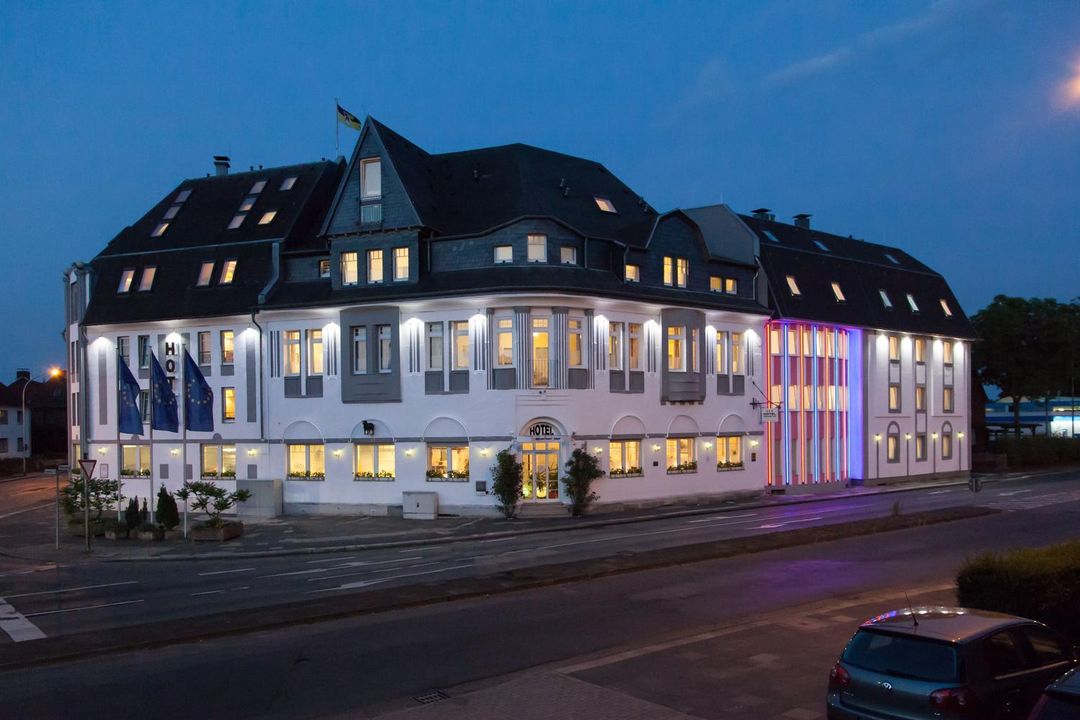
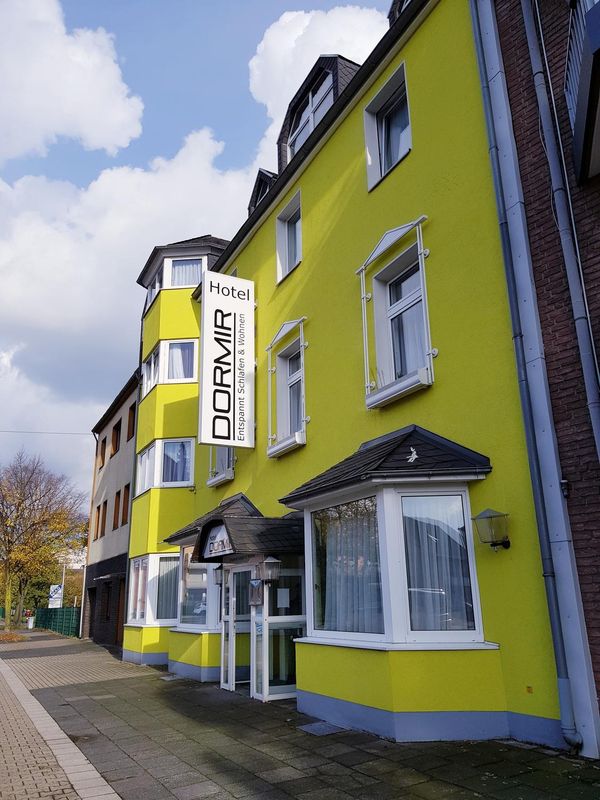
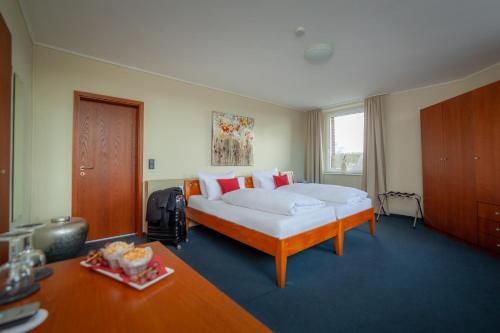
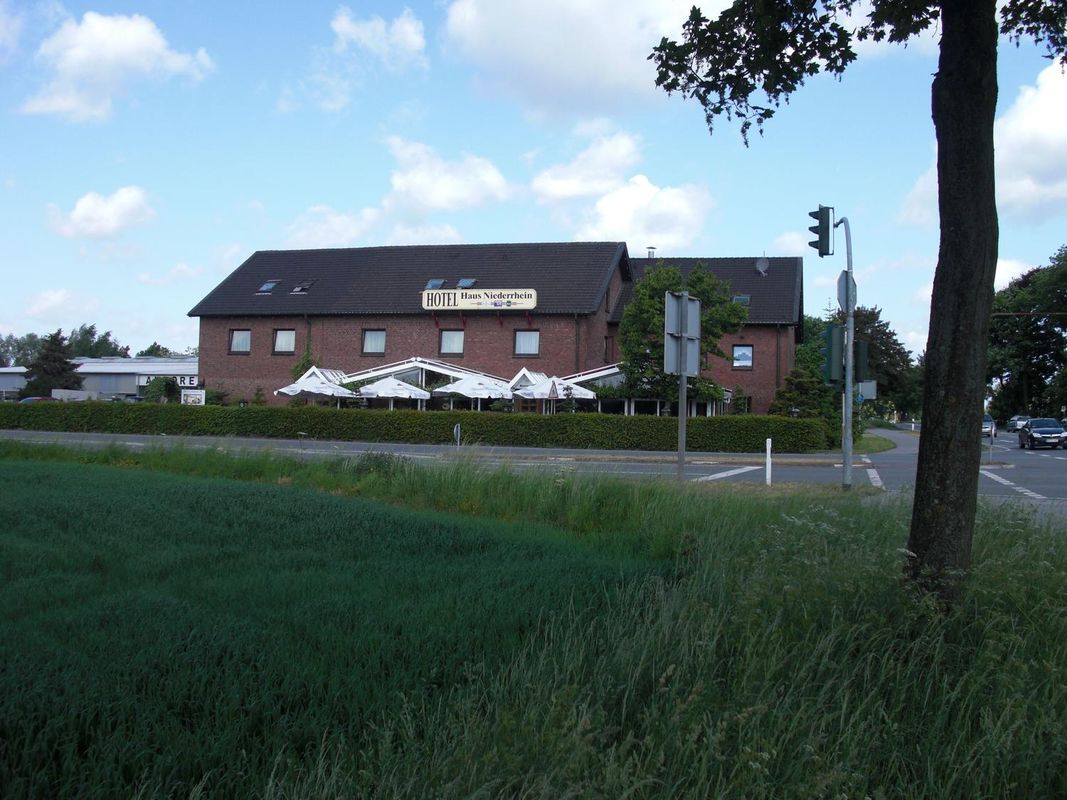
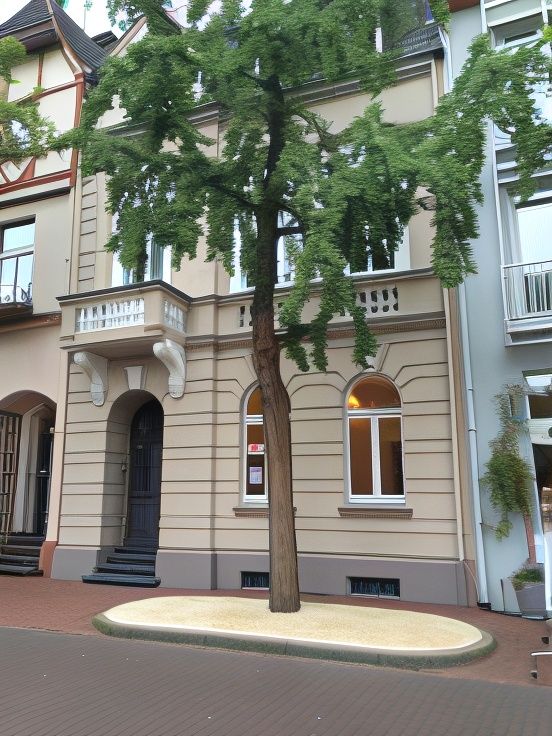
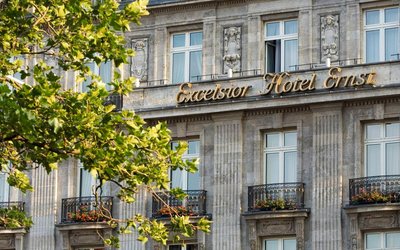
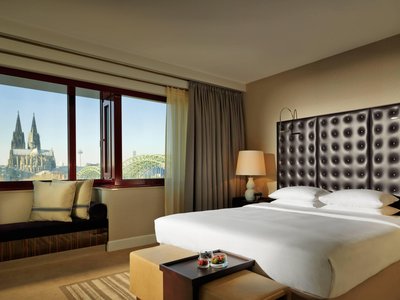
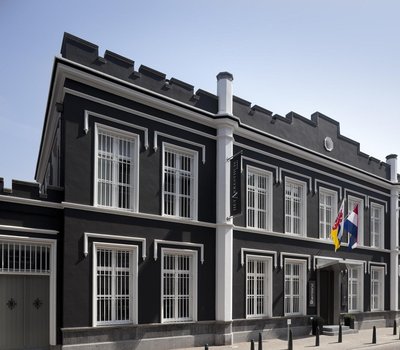
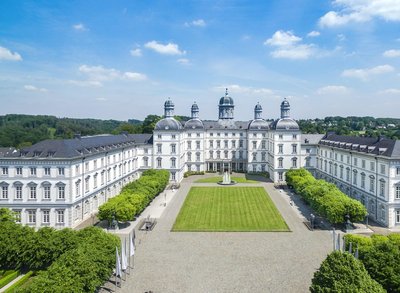
Best Hotels in Moers
Discover curated hotel collections in Moers


Frequently Asked Questions about Traveling to Moers
Questions You Might Need to Know About Traveling to Moers
For first-time visitors, the Old Town (Altstadt) is the ideal area to stay in Münster, offering easy access to major attractions like the Münster Cathedral and St. Paul's Church. This historic district features cobbled streets, charming cafes, and boutique hotels such as Hotel am Römerberg, which blends traditional German architecture with modern comfort.
Alternatively, consider staying near Schlossgarten Park for a quieter, green-laced experience, perfect for morning walks and evening strolls. The area is also well-connected by public transit to the city center and nearby cultural sites. Many accommodations here offer bike rentals, making it easy to explore Münster’s renowned cycling network—part of the city’s identity as a "Green City".
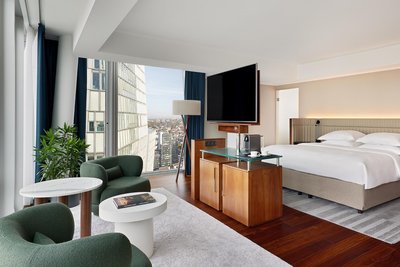
While Münster is not a high-rise city, several hotels provide exceptional vantage points over its scenic skyline. Hotel am Römerberg offers panoramic views from its upper-floor rooms overlooking the Römerberg Square and the Münster Cathedral spire. For a more elevated perspective, Bergland Hotel & Spa sits on a gentle hillside near the Schlossgarten Park, where guests can enjoy sweeping vistas of the city nestled between greenery.
The hotel’s rooftop terrace features a small garden and seating area, perfect for sunrise or sunset viewing. Additionally, some rooms at Hotel am Römerberg have large bay windows that frame the cathedral’s silhouette beautifully, especially during festival seasons when the building is illuminated. These views combine urban charm with natural serenity—ideal for photography enthusiasts and romantic getaways.
In Münster, immerse yourself in authentic regional cuisine through several unique food experiences. Start with a visit to Markthalle Münster, the city’s central market hall, where vendors serve fresh Westphalian ham (Westfälischer Schinken), cabbage rolls (Kohlrouladen), and homemade potato pancakes (Kartoffelpuffer).
Join a traditional cooking class at Culinary Münster, where you’ll learn to prepare classic dishes like Sauerbraten (marinated roast beef) using family recipes passed down through generations. For a festive touch, attend the Münster Food Festival held annually in September, featuring local brewers, cheese makers, and artisan bakers.
Don’t miss trying Münster beer—a specialty brewed locally since the 19th century—best enjoyed at cozy Bierstuben like Zum Krummen Baum, which serves hearty meals in a rustic, wood-paneled setting. Pair it with a slice of Rote Grütze (red berry pudding) for a true taste of North Rhine-Westphalia culture.
Yes, several hotels in Münster lead in sustainability. Bergland Hotel & Spa is certified under Germany’s Blue Angel environmental label, using solar panels for heating, rainwater harvesting systems, and organic bedding made from recycled materials. The hotel’s restaurant sources ingredients from local farms within a 50-kilometer radius.
Another standout is Hotel am Römerberg, which has implemented a zero-plastic policy, replaced all lighting with LED fixtures, and offers guests digital check-in to reduce paper waste. Both properties promote guest participation in eco-initiatives, such as recycling programs and guided nature walks in nearby forest reserves.
Additionally, many Münster hotels participate in the Green Key certification program, ensuring sustainable operations across energy use, water conservation, and waste management—making the city a top destination for eco-conscious travelers.
Münster boasts several scenic walking routes perfect for exploring its green heart. Begin with the Ringweg Trail, a 6-kilometer loop circling the city center along the former city walls, passing through lush parks like Schlossgarten and Heggenpark, with benches and interpretive signs detailing historical landmarks.
For a more immersive experience, walk the Eco-Walk Path (Ökoweg), a 3-kilometer trail through the Münster Forest Reserve, featuring native flora, birdwatching stations, and wooden footbridges over streams. Along the way, you’ll encounter sculptures by local artists embedded in the landscape.
The Historic City Center Loop is ideal for first-time visitors: it starts at Münster Cathedral, winds through Römerberg Square, passes St. Paul’s Church, and ends at Markthalle Market Hall, offering a mix of history, culture, and culinary stops. All routes are well-marked and accessible, making them perfect for families, couples, or solo explorers.
Moers Overview
City Summary
Moers, located in North Rhine-Westphalia, Germany, is a city rich in history and culture. Known for its medieval castle, green parks, and vibrant cultural scene, the city offers a unique blend of tradition and modernity. The Moers Castle stands as a landmark, hosting various cultural events, including the famous Moers Festival. The city also boasts numerous parks and green spaces, providing tranquil retreats for visitors.
Must-See Attractions
Top attractions in Moers include the Moers Castle, a 16th-century building now serving as a museum and cultural venue. The Moers Zoo is another highlight, perfect for families. The Market Square features historic buildings showcasing the city's medieval charm. Culture enthusiasts can visit the Moers Theater for high-quality drama and music performances.
Food Guide
In Moers, visitors can savor authentic Rhineland cuisine. Local specialties include Rheinischer Sauerbraten (marinated pot roast) and Reibekuchen (potato pancakes). Restaurants and pubs in the city center offer a wide selection of local beers, such as Kölsch. Street food like Currywurst (curried sausage) is also popular among visitors.
Transportation Guide
Moers has a well-developed public transport system, primarily consisting of buses and regional trains. City buses cover major attractions with reasonable fares. For more flexible travel, taxis or bike-sharing services are recommended. Moers has excellent rail connections to major cities like Düsseldorf and Cologne, making day trips convenient. Drivers should note parking restrictions in the city center.
Best Time to Visit
The best times to visit Moers are spring (April to June) and autumn (September to October), when the weather is mild and crowds are smaller. Summers can be warm but more crowded. The winter Christmas markets also attract many visitors.
Travel Tips
- Shops in Moers are usually closed on Sundays; plan shopping accordingly.
- Smoking restrictions in public places are strictly enforced, with fines for violations.
- Germans value punctuality; arrive on time for bookings or meetings.
- Restaurant tipping is typically 5-10%, added directly to the bill.
- Dial 112 for emergencies.
- Learning a few German greetings can make locals more friendly.
Useful Information
The official language is German, but English is widely spoken in tourist areas. The city has 4G coverage, with free Wi-Fi in most cafes and restaurants. The currency is the Euro; credit cards are widely accepted, but small shops may only take cash. Pharmacies (Apotheke) display a red "A" sign and usually operate until 18:00. For emergency medical services, visit Bethanien Krankenhaus (Moers Hospital).