Hotels in Montemurlo
Discover your perfect stay in Montemurlo.
Montemurlo(Italy) Travel 2026: Cheap Flights, Hotels & Top Attractions
Popular Landmarks in Montemurlo
Discover the most iconic attractions in Montemurlo
Recommended Hotels in Montemurlo
Find the perfect place to stay in Montemurlo
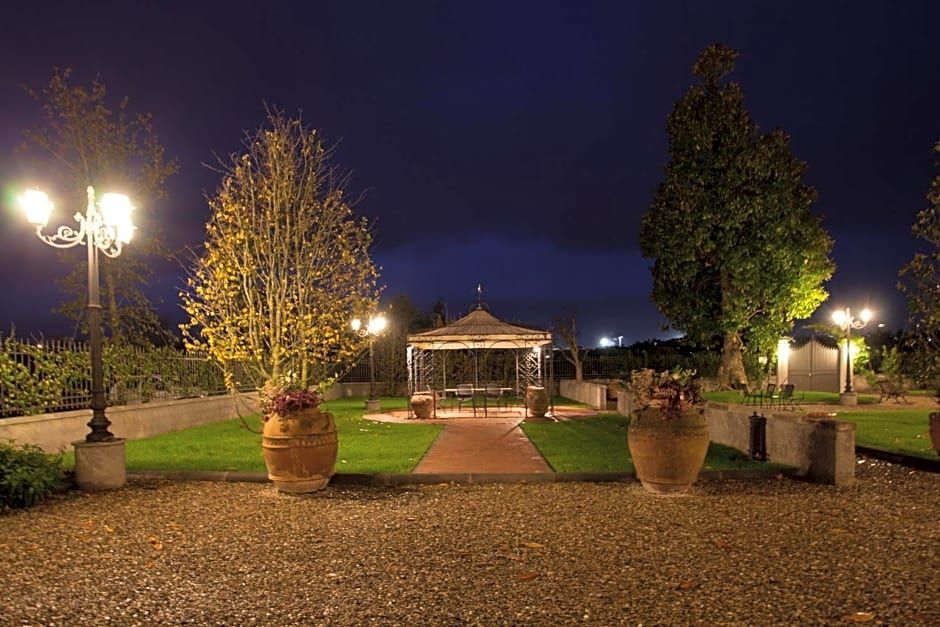
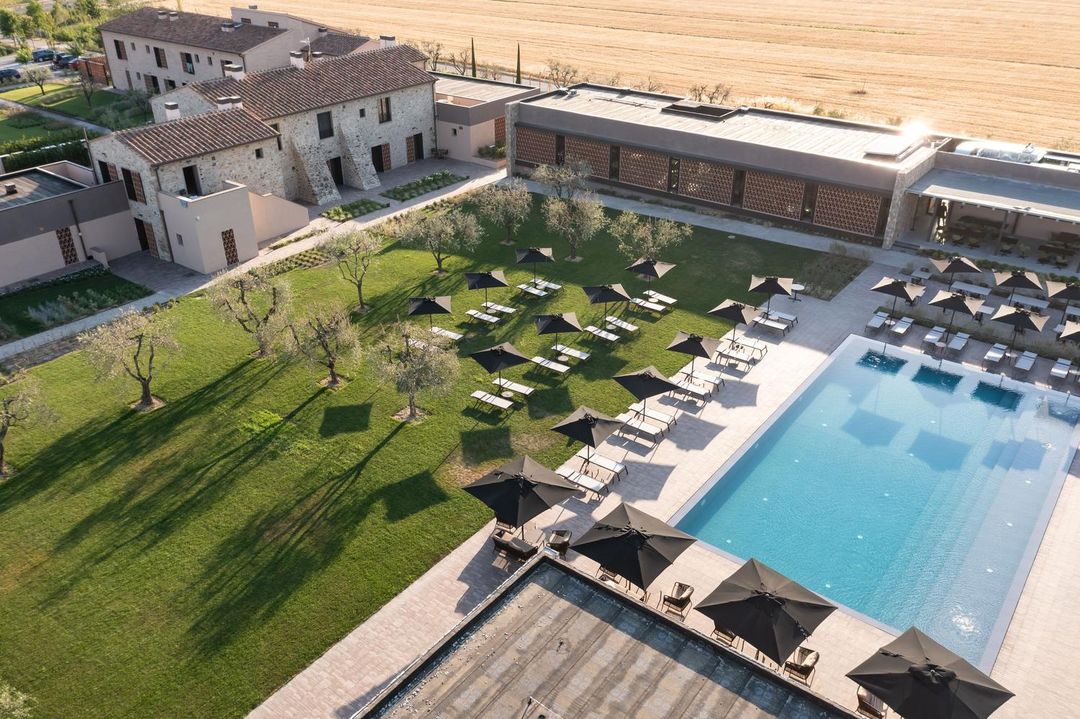
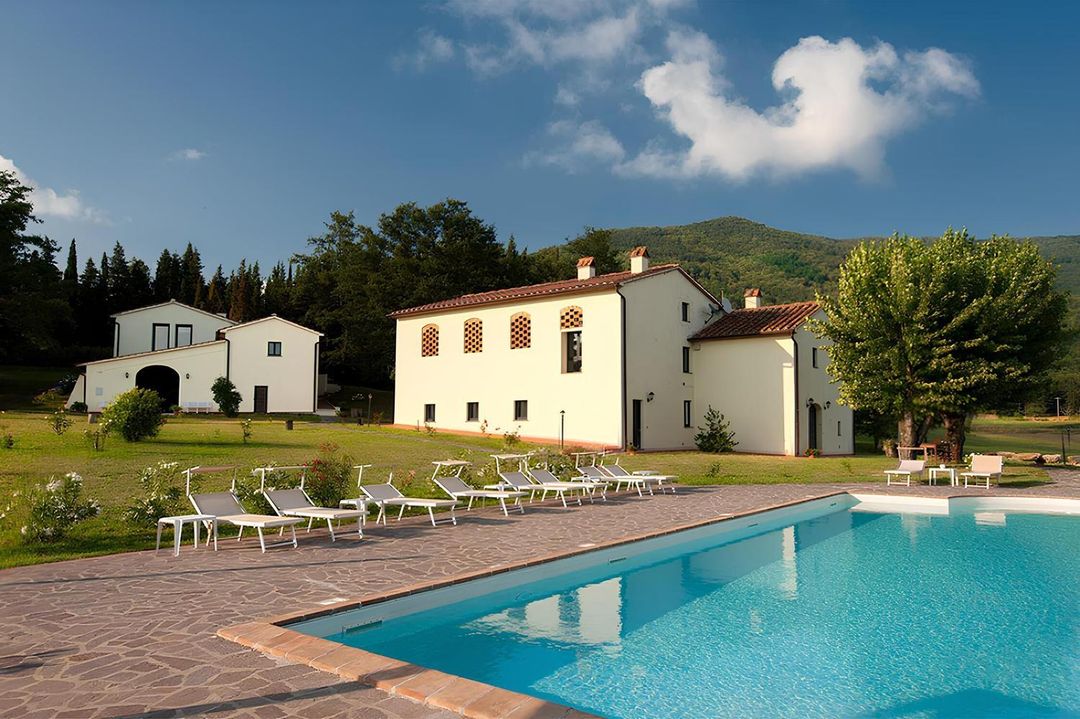
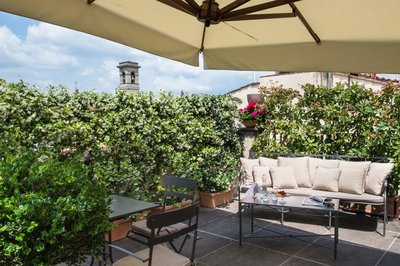
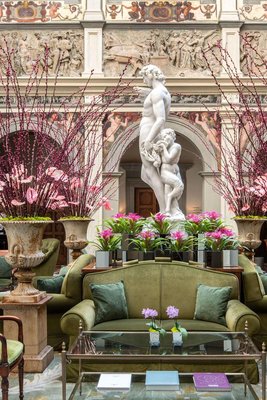
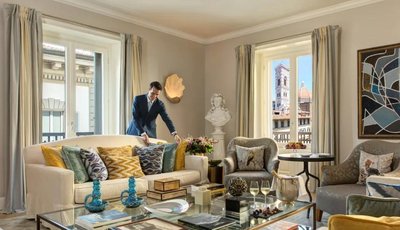
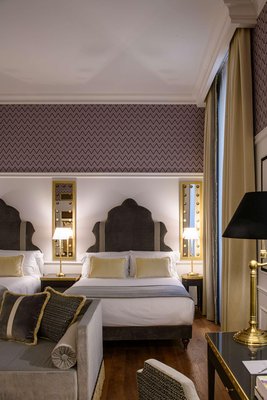
Best Hotels in Montemurlo
Discover curated hotel collections in Montemurlo







Frequently Asked Questions about Traveling to Montemurlo
Questions You Might Need to Know About Traveling to Montemurlo
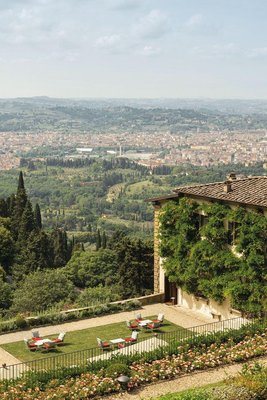
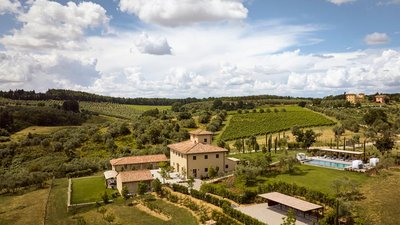
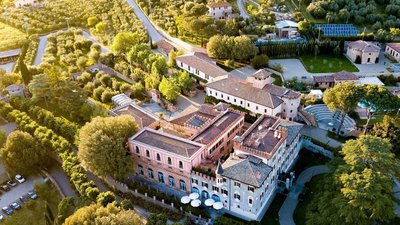
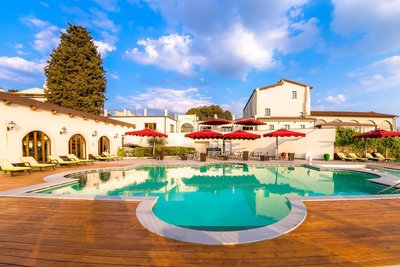
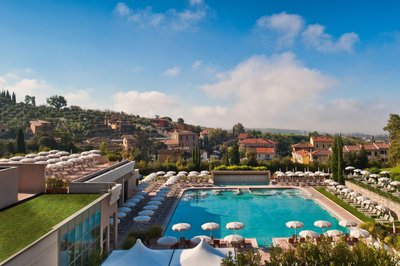
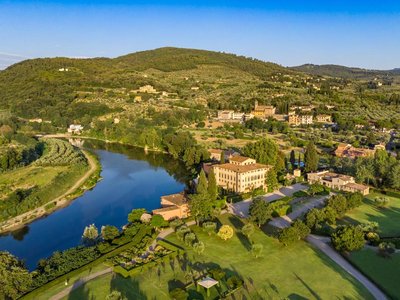
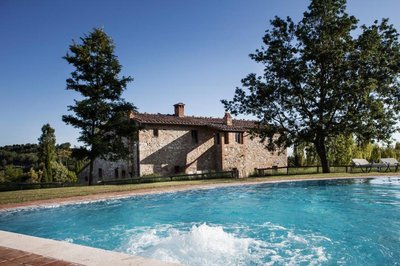
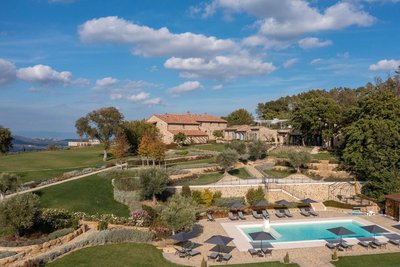
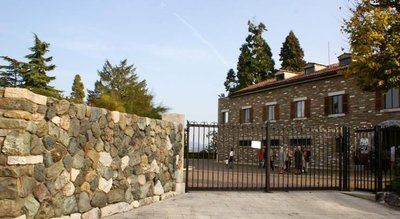
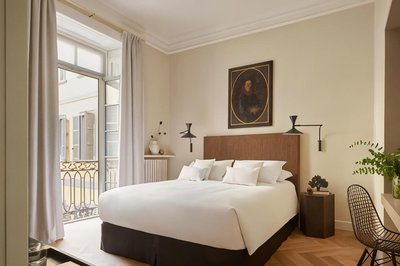
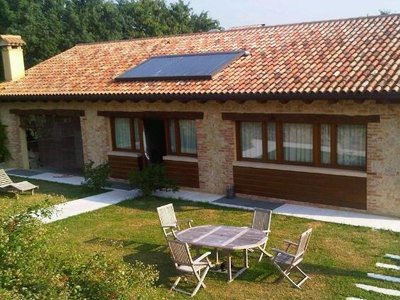
In Montemurlo, the standout boutique option is Agriturismo La Pianella, a restored 19th-century farm nestled among terraced vineyards. This eco-friendly retreat features handcrafted wooden furnishings, locally sourced linens, and panoramic views of the Tuscan Hills. Guests enjoy daily farm-to-table breakfasts with organic produce and can participate in olive harvesting or wine-making workshops. The property also offers private terrace dining under the stars, making it ideal for couples seeking authenticity and tranquility in Tuscany’s heartland.
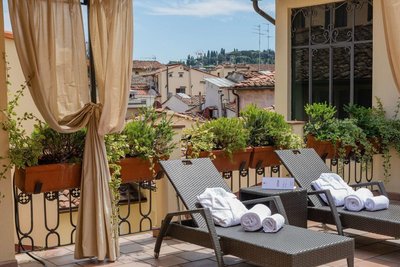
The historic center of Montemurlo and its surrounding hillside neighborhoods offer the most authentic stay. Located just steps from the Church of Santa Maria and the central piazza, this district preserves medieval cobblestone alleys and family-run guesthouses. Staying here allows easy access to local markets, artisan shops, and quiet evening strolls. Many accommodations provide homemade meals and personalized travel tips, enhancing the immersive experience of rural Tuscan life.
Montemurlo hosts the annual Festa dell'Uva (Grape Festival), where visitors join traditional winemaking demonstrations, taste aged Chianti Classico, and enjoy live folk music under the vines. Every Wednesday, the Ancient Market unfolds in the town square, featuring generations-old crafts like handmade ceramics and wool weaving. These events provide deep cultural insight and opportunities to connect with locals through food, art, and storytelling.
Must-try dishes in Montemurlo include Pici al Ragù—thick hand-rolled pasta served with slow-cooked meat sauce—and Bistecca alla Fiorentina, a thick-cut T-bone steak grilled over wood fire. At restaurants like Osteria del Sole, ingredients are sourced from nearby farms: fresh olives, wild herbs, and aged pecorino cheese. Summer guests can book a countryside dinner (Cena in Campo) in a vineyard, complete with five courses paired with regional wines, offering an unforgettable taste of Tuscan hospitality.
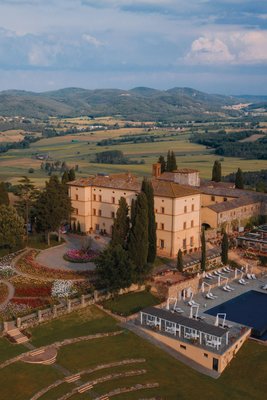
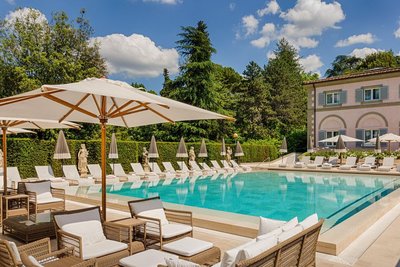
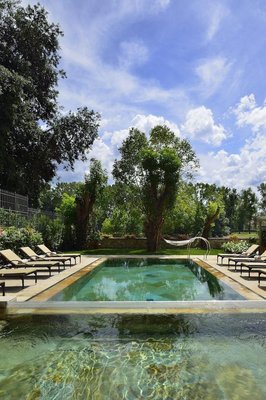
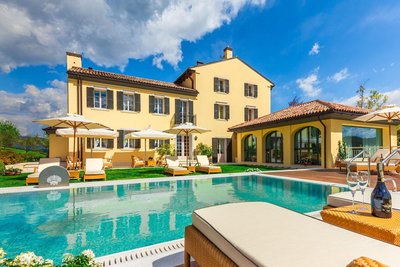
Yes, Montemurlo is highly family-friendly. Properties like Villa San Giusto offer spacious suites with play areas, outdoor pools, and garden trails perfect for kids. The town hosts weekly farm education programs where children learn to plant crops, milk goats, and make pasta. Nearby hiking paths lead to ancient ruins ideal for exploration, while the Children’s Museum features interactive exhibits on Tuscan history and nature. Families appreciate the safe, relaxed pace and warm community spirit.
While Montemurlo is inland, it remains accessible via regional rail. Take a train from Florence to Montevarchi Station (45 minutes), then transfer to a local shuttle bus. Alternatively, rent an electric scooter or bike to explore the scenic countryside. For drivers, the A1 highway leads to the Siena exit, about 1 hour away. The village itself has limited traffic, encouraging walking and biking—ideal for a slow, sustainable journey through Tuscany’s rolling hills.
Nightlife in Montemurlo is peaceful and intimate. Small enotecas like Enoteca Vini e Sapori serve regional wines and charcuterie in cozy, candlelit settings. By 8 PM, locals gather at the Piazza del Municipio for evening walks and casual chats. Some cafes host poetry readings or acoustic concerts on weekends. For livelier options, head to Siena (30 km away), which offers bars, clubs, and live music. Overall, Montemurlo suits travelers who value quiet evenings and authentic human connection.
Key landmarks include the Church of Santa Maria, a Gothic-style cathedral with stunning stained-glass windows and a bell tower offering panoramic views. Near the town center lies the Roman Theater Ruins, where well-preserved arches still stand amid olive groves. The Fountain Square hosts weekly artisan fairs with local pottery and textiles. Just outside town, the La Faggeta Forest Trail leads to a 16th-century hermitage, blending natural beauty with historical intrigue.
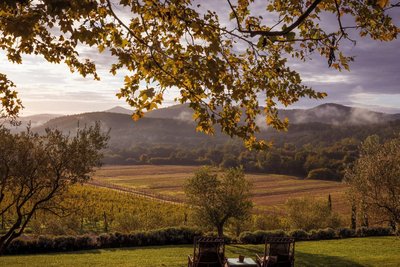
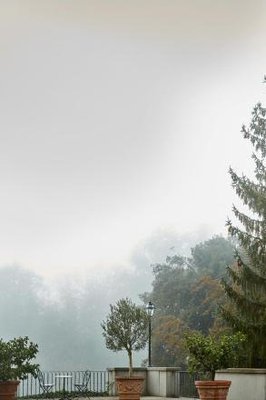
Absolutely. Montemurlo offers breathtaking photo opportunities year-round. Dawn mist drapes the Tuscan Hills, creating dreamy silhouettes against golden fields. Sunset casts long shadows across terracotta rooftops and vineyard rows. Prime spots include the bell tower of Santa Maria Church, the stone bridge over the Arno tributary, and the abandoned mill ruins. Winter snow adds a painterly quality, especially around the old churchyard—perfect for capturing timeless, cinematic moments.
Montemurlo enjoys a Mediterranean climate: hot, dry summers (up to 35°C) and mild, rainy winters. The best time to visit is April to June and September to October, when temperatures range between 18–25°C and crowds are light. Summer afternoons are best avoided for sightseeing—opt for early mornings or late evenings. Always carry sunscreen and water, especially during peak months. Spring and autumn offer ideal lighting for photography and comfortable conditions for hiking through vineyards and forests.
Montemurlo Overview
City Summary
Montemurlo is a charming medieval town located in Tuscany, Italy. Renowned for its stunning natural landscapes, ancient castles, and vineyards, it is an ideal destination for those seeking tranquility and cultural experiences.
Must-See Attractions
Key attractions in Montemurlo include the Montemurlo Castle, a medieval fortress offering breathtaking views of the Tuscan hills. The town's San Lorenzo Church and local wineries are also must-visit spots.
Food Guide
Montemurlo's cuisine features traditional Tuscan dishes. Don't miss local specialties like wild boar risotto and Chianti wine. The town boasts several family-run trattorias serving handmade pasta.
Transportation Guide
Public transport in Montemurlo is limited; driving is recommended. The town itself is walkable, but renting a car is best for exploring nearby vineyards. The nearest airport is in Florence, about 1.5 hours by car.
Best Time to Visit
The best times to visit are spring (April-June) and autumn (September-October), when the weather is mild and crowds are smaller. Summers can be hot, and winters are quiet.
Travel Tips
- Shops and restaurants in Montemurlo have long lunch breaks; plan meals accordingly.
- Wear comfortable shoes as the town has many cobblestone streets.
- Cash is preferred; carry enough euros.
- Some areas are pedestrian-only; be mindful if driving.
Useful Information
The official language is Italian, but English is widely understood in tourist areas. Internet coverage is good, though some rural areas may have weak signals. Cash is the primary payment method, though some places accept credit cards. Dial 112 for emergencies.