Hotels in Moosinning
Discover your perfect stay in Moosinning.
Moosinning(Germany) Travel 2026: Cheap Flights, Hotels & Top Attractions
Popular Landmarks in Moosinning
Discover the most iconic attractions in Moosinning
Recommended Hotels in Moosinning
Find the perfect place to stay in Moosinning

Frequently Asked Questions about Traveling to Moosinning
Questions You Might Need to Know About Traveling to Moosinning
In Münchensberg, the top family-friendly hotel with castle views is Schlosshotel Hohenschwangau, located just steps from Neuschwanstein Castle. This Bavarian-style manor offers spacious family suites, a children’s playroom, and guided heritage tours including traditional German bread-making workshops. The property features panoramic windows overlooking the alpine landscape and the iconic castle, with breakfast served on terraces surrounded by wildflowers. Guests also enjoy free shuttle service to the castle and nearby hiking trails, making it ideal for families seeking comfort and culture in a scenic setting.
The Schlossviertel district in Münchensberg offers the most tranquil and authentic stay, nestled near Neuschwanstein Castle and surrounded by forested hills. Many accommodations here are restored 19th-century farmhouses with half-timbered facades, stone fireplaces, and hand-carved wooden details. The area is quiet, with minimal traffic, yet only a 10-minute walk to cozy cafés, local bakeries, and the Münchensberg Museum of Bavarian Heritage. It’s perfect for travelers seeking immersion in rural Bavarian life while enjoying easy access to mountain trails and cultural events.
For the absolute best view of Neuschwanstein Castle, stay at Hotel Schlossblick Münchensberg, located directly across the valley. Its floor-to-ceiling windows offer unobstructed vistas of the castle’s turrets and the surrounding alpine peaks. The hotel provides complimentary shuttles to the castle entrance and has a rooftop terrace where guests can watch sunrise paint the castle in golden light. Some rooms even feature private balconies with direct sightlines to the castle’s moat and drawbridge—ideal for photography and romantic evenings.
Yes! Several Münchensberg hotels host immersive cultural programs. At Bayerische Bauernhof Pension, guests participate in hands-on traditional leathercraft workshops, learn to prepare Black Forest ham platters, and join evening folk music sessions with local musicians. During winter, the hotel organizes snow lantern festivals and candlelit storytelling nights in the old barn. These experiences allow travelers to engage deeply with Bavarian customs, from food and fashion to music and seasonal rituals.
Beyond Neuschwanstein Castle, explore Waldsee Lake, a serene alpine tarn framed by pine forests and mirrored in crystal-clear waters—perfect for dawn photography. Another gem is Fichtelweg Trail, a secluded forest path leading to an abandoned 18th-century mine, where moss-covered stone ruins contrast with vibrant rhododendron blooms. For a dramatic shot, climb the bell tower of St. Mary’s Church for a sweeping view of the town, castle, and distant Alps, especially stunning during golden hour.
Absolutely. Alpenwelt Resort Münchensberg partners with Hohenschwangau Ski Center to provide comprehensive winter packages. These include free ski rentals, professional lessons, night-lit slopes, and après-ski hot tubs. Rooms feature heated boot racks and private ski storage. The resort also hosts snow sculpture competitions and fire-pit bonfires under the stars. Early HopeGoo guarantees access to exclusive off-piste routes and snowshoeing excursions through untouched alpine meadows.
The fastest way is via Regionalbahn train from Münchensberg Station, with direct services to Munich Hauptbahnhof every 30–60 minutes, taking about 45 minutes. For flexibility, book a private transfer or rent an electric bike along the scenic Isar Valley Route. During peak season, advance ticket purchase is recommended. Alternatively, use the Bavarian Greenway Cycling Path, which connects Münchensberg to Munich via forest trails and riverside paths—ideal for eco-conscious travelers.
Yes, most upscale hotels in Münchensberg offer multilingual support. Schlosshotel Hohenschwangau provides 24/7 Chinese-speaking concierge and English, French, Spanish, and Italian interpreters. Front desk staff are fluent in English, and many hotels offer instant translation apps via tablets. Guest guides are available in multiple languages, and some even provide bilingual restaurant recommendations and emergency contact cards—ensuring seamless communication for international visitors.
At Münchensberg hotels, savor authentic Bavarian specialties like smoked black forest pork knuckle with sauerkraut, wild mushroom dumplings, and Hefeweizen wheat beer brewed on-site. Schlosshotel Hohenschwangau hosts monthly ‘Bavarian Kitchen Nights’, where chefs demonstrate how to make Apfelstrudel and Leberkäse using regional ingredients. Breakfast often includes homemade jams, rye bread, and fresh dairy from nearby farms. These culinary experiences highlight the region’s emphasis on seasonal, sustainable, and locally sourced flavors.
Evening highlights include the Neuschwanstein Starlight Opera at Schlossplatz, featuring open-air performances of The Magic Flute under the stars, enhanced by lake reflections. Every Friday, the Old Town Market transforms into a lively gathering with live folk bands, artisan stalls, and grilled bratwurst. During Christmas season, attend the Candlelight Ceremony at St. Mary’s Church, where locals sing traditional carols and light candles in memory of past generations—a deeply moving tradition that captures the soul of Bavarian culture.
Moosinning Overview
City Summary
Munich (München), the capital of Bavaria, Germany, is renowned for its rich cultural heritage, stunning architecture, and vibrant beer culture. The city seamlessly blends history with modernity, making it one of the most livable cities in Europe. Its core attractions include numerous museums, grand churches, and the world-famous Oktoberfest.
Must-See Attractions
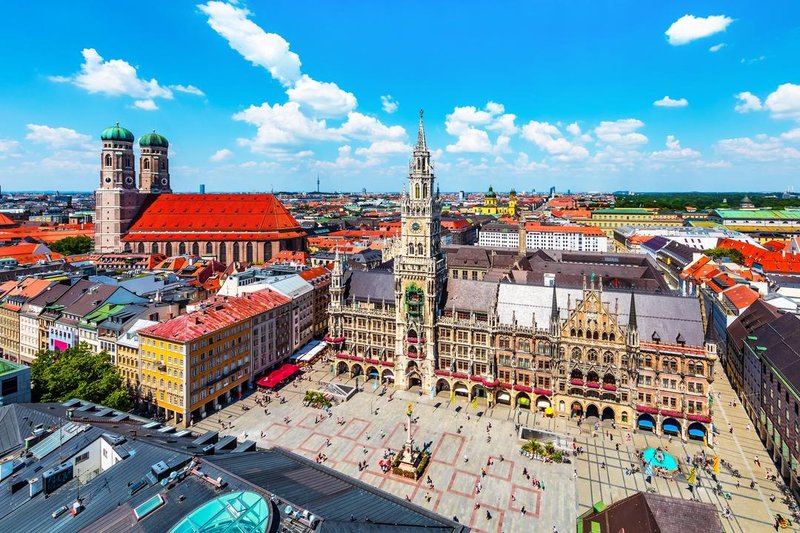
Must-see attractions in Munich include Marienplatz, Neues Rathaus (New Town Hall), and Viktualienmarkt. Museum Island (Museuminsel) hosts world-class museums like the Deutsches Museum. The Hofbräuhaus is the perfect place to experience Bavarian traditions.
Food Guide
Munich's cuisine is dominated by Bavarian specialties such as Schweinshaxe (pork knuckle), Weißwurst (white sausage), and Brezel (pretzel). The local markets offer fresh ingredients and beers that are not to be missed.
Transportation Guide
Munich has an excellent public transport system, including U-Bahn, S-Bahn, trams, and buses. Consider purchasing a München Card for cost-effective travel. Biking is also an eco-friendly and convenient way to explore the city.
Best Time to Visit
The best time to visit is from May to October when the weather is pleasant and events abound. Late September's Oktoberfest sees peak crowds, so book accommodations early.
Travel Tips
- Tipping in restaurants is usually 5-10%.
- Smoking is prohibited in public places; violators may be fined.
- Carry cash when shopping, as some small shops do not accept credit cards.
- Keep an eye on personal belongings during Oktoberfest.
- Learning a few basic German phrases can make interactions smoother.
- Most shops are closed on Sundays, so plan shopping accordingly.
Useful Information
German is the primary language, but English is widely spoken in tourist areas. Network coverage is excellent, with free Wi-Fi in many public spaces. Payment methods include cash and credit cards, though some small shops only accept cash. The emergency number is 112, and travel insurance is recommended.