Hotels in Morbach
Discover your perfect stay in Morbach.
Morbach(Germany) Travel 2026: Cheap Flights, Hotels & Top Attractions
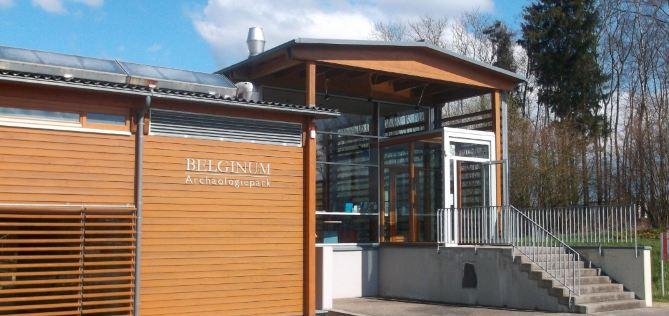
Popular Landmarks in Morbach
Discover the most iconic attractions in Morbach
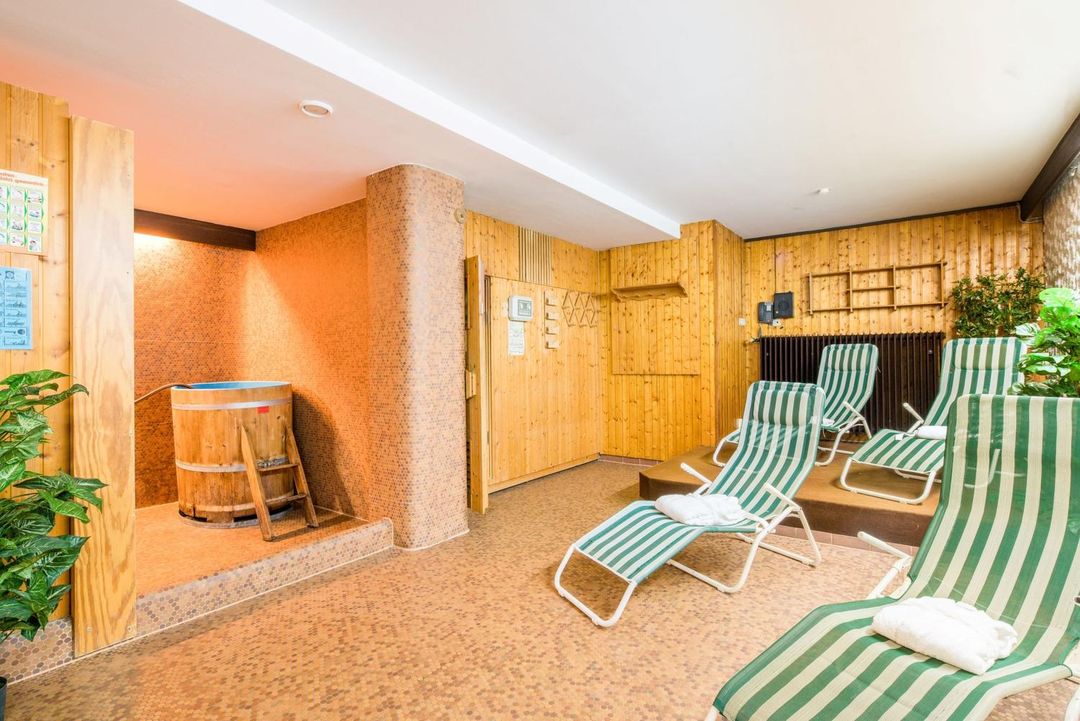
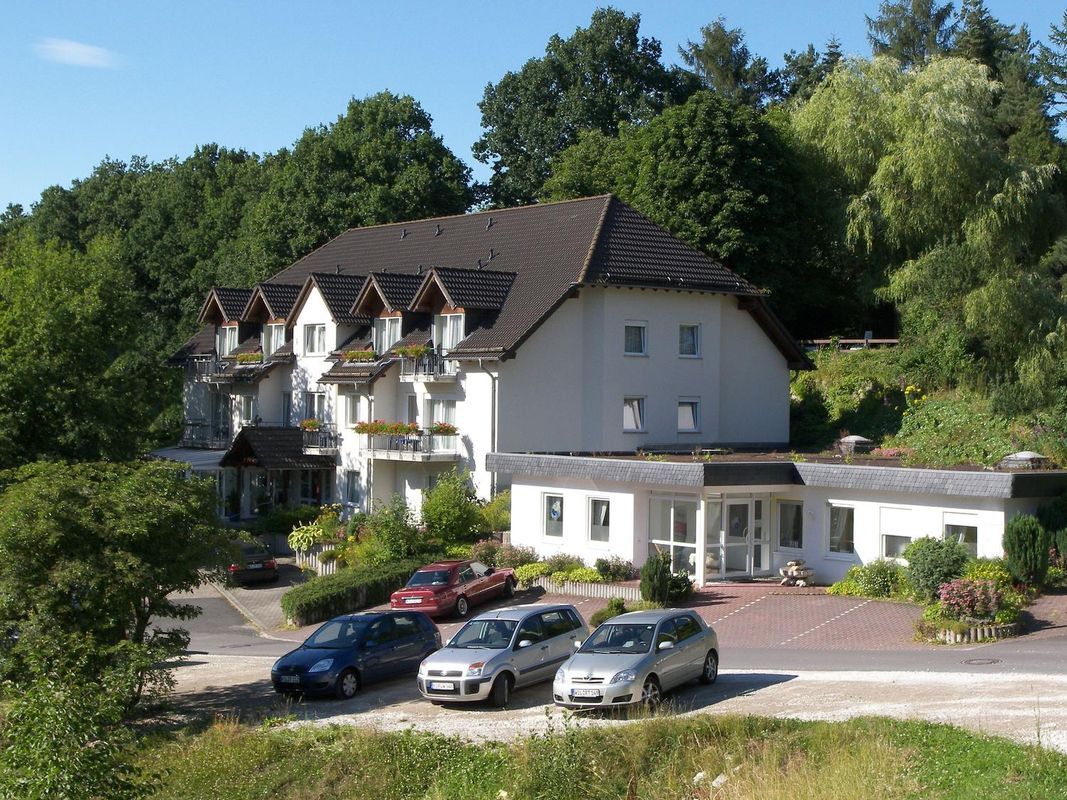
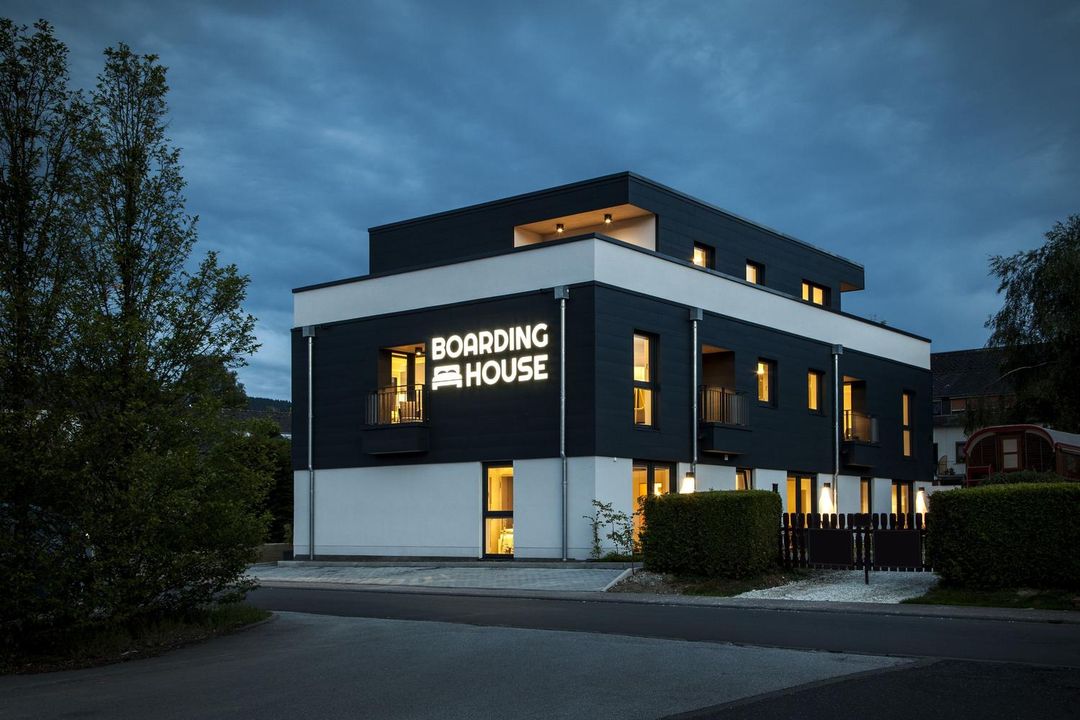
Recommended Hotels in Morbach
Find the perfect place to stay in Morbach

Frequently Asked Questions about Traveling to Morbach
Questions You Might Need to Know About Traveling to Morbach
Morbach Overview
City Summary
Morbach is a charming town in the Rhineland-Palatinate region of Germany, nestled in the heart of the Hunsrück mountains. Known for its pristine natural landscapes, medieval heritage, and rich wine culture, Morbach is surrounded by dense forests and picturesque vineyards, making it an ideal destination for outdoor enthusiasts and history lovers.
Must-See Attractions
Must-see attractions in Morbach include the Burgruine Morbach, a medieval castle ruin offering stunning views of the surrounding area. The Hunsrück Museum showcases the region's rich history and culture. For nature lovers, the Hunsrück-Hochwald National Park provides countless hiking and cycling trails.
Food Guide
Morbach's culinary scene is deeply rooted in local traditions. Don't miss Rhineland-Palatinate specialties like "Saumagen" (stuffed pork stomach) and "Dampfnudeln" (steamed dumplings). Local wines, especially Riesling, are a must-try. The town's farmers' markets and traditional wine taverns (Weinstuben) are great places to sample authentic flavors.
Transportation Guide
Public transport in Morbach relies mainly on regional buses, which connect to nearby towns and attractions. Renting a car offers more flexibility, as the town is well-connected by roads. The nearest train stations are in Trier or Koblenz, from where you can take a bus. Walking and cycling are convenient ways to explore the town itself.
Best Time to Visit
The best time to visit is from May to October, when the weather is mild and ideal for outdoor activities. Autumn (September-October) is the wine harvest season, with local festivals to enjoy. Winters are colder, but the Christmas markets add a festive charm.
Travel Tips
- Respect local customs, especially in churches and historical sites.
- Cash is still widely used, so carry enough euros.
- Pay attention to trail markers when hiking to avoid private properties.
- Book accommodations in advance during wine festivals.
- Learn a few German phrases like "Guten Tag" (Hello).
- Pack sunscreen for summer and rain gear for unpredictable mountain weather.
Useful Information
German is the main language, but English is understood in tourist areas. Network coverage is good, with free Wi-Fi in most hotels and restaurants. Cash is preferred, though some places accept credit cards. For emergencies, dial 112. Morbach has a small medical center, but serious cases require travel to larger hospitals in Trier or Koblenz. The voltage is 230V, with standard European two-pin plugs.