Hotels in Mori
Discover your perfect stay in Mori.
Mori(Japan) Travel 2026: Cheap Flights, Hotels & Top Attractions
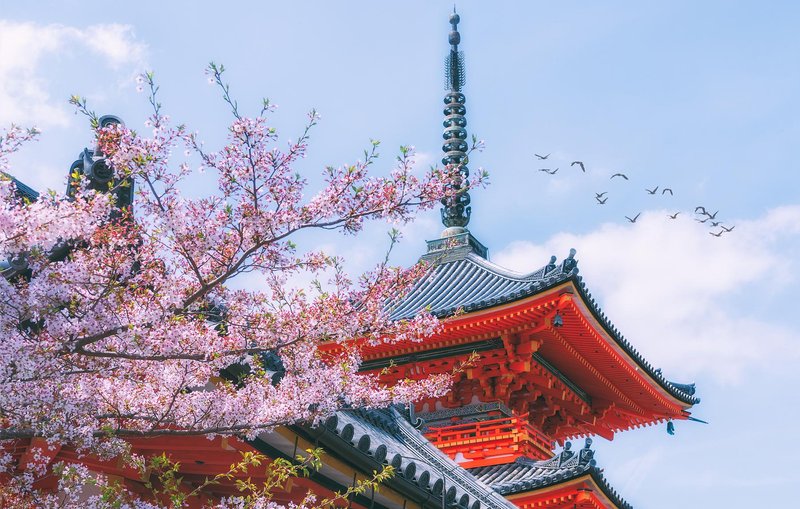
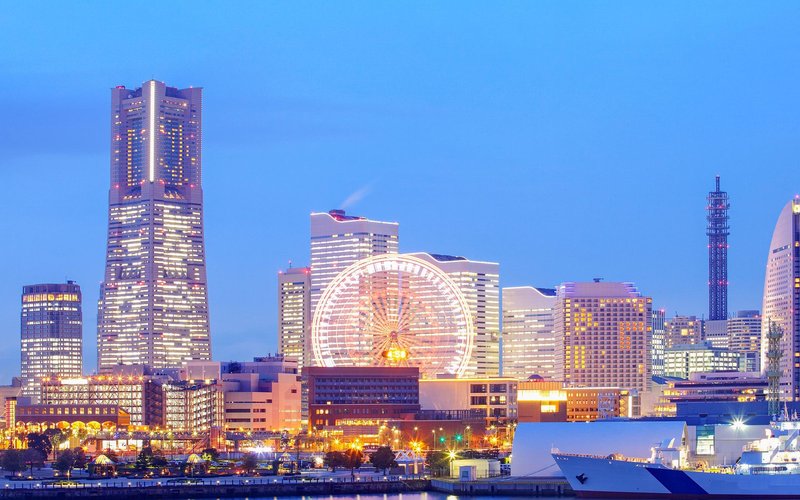
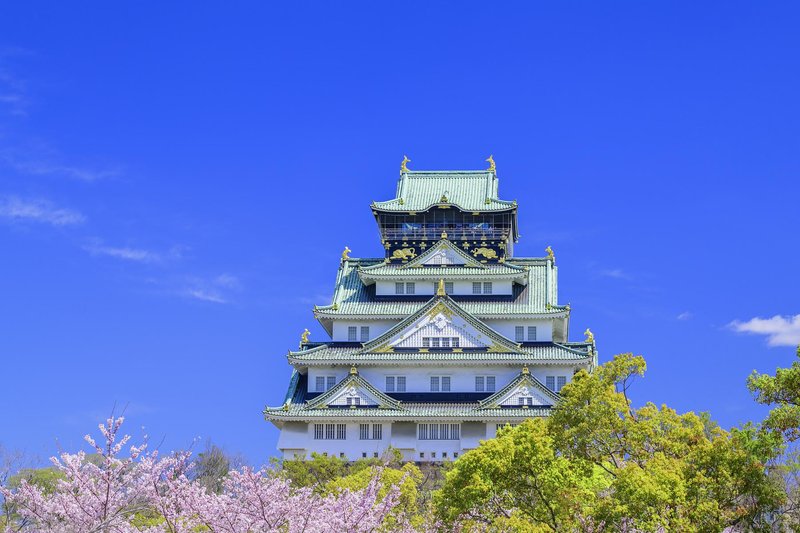
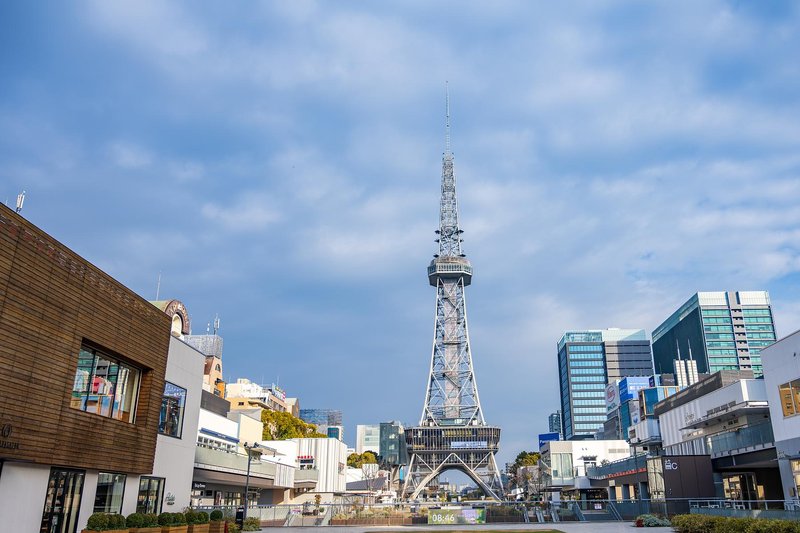
Popular Landmarks in Mori
Discover the most iconic attractions in Mori
Recommended Hotels in Mori
Find the perfect place to stay in Mori
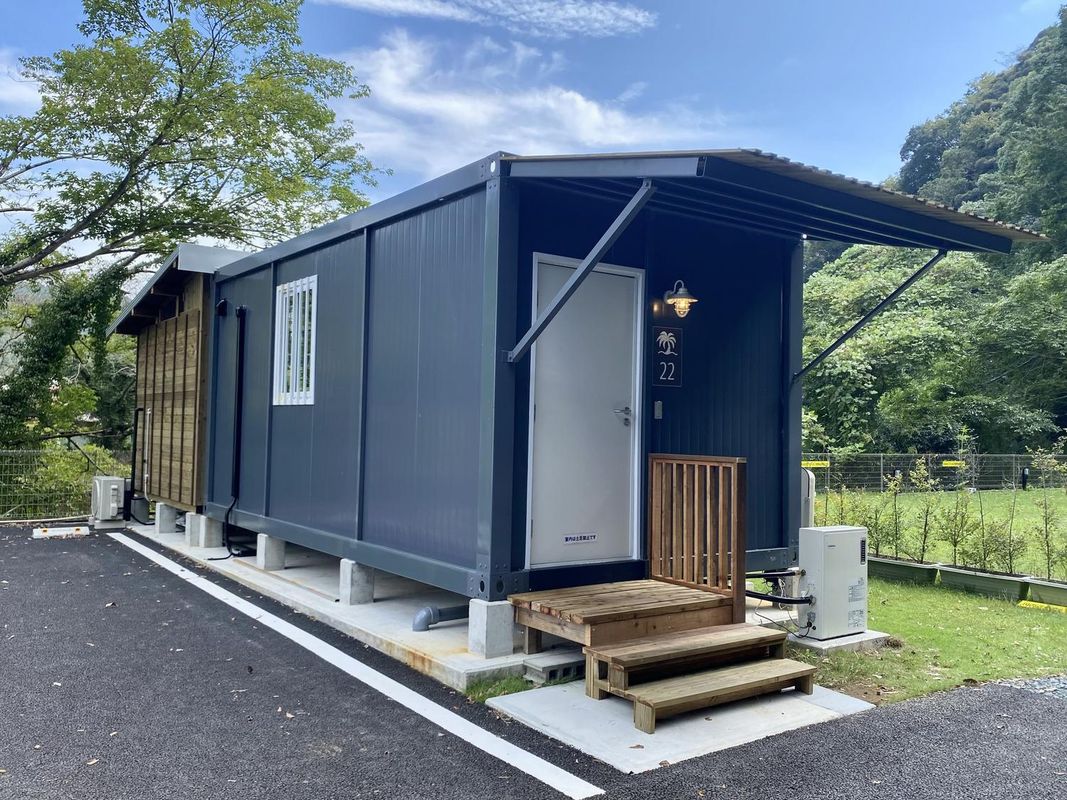
Riv Woods Resort Hotel
Best Hotels in Mori
Discover curated hotel collections in Mori
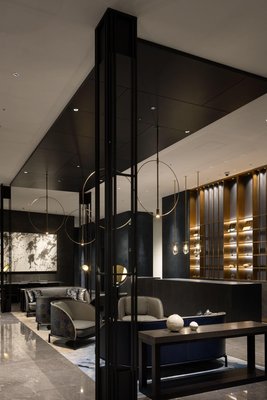
Bellustar Tokyo, A Pan Pacific Hotel
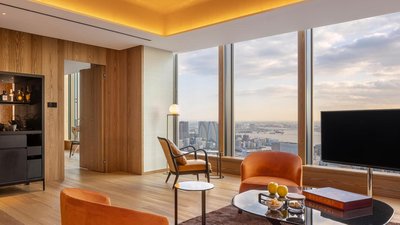
Bvlgari Hotel Tokyo
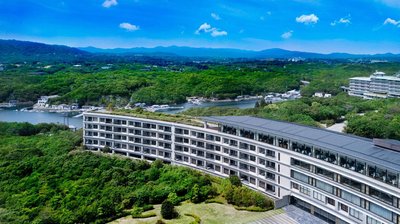
Shima Kanko Hotel the Bay Suites
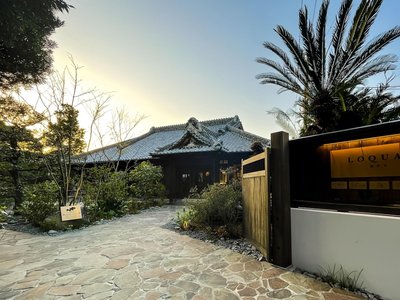
Loquat Nishiizu
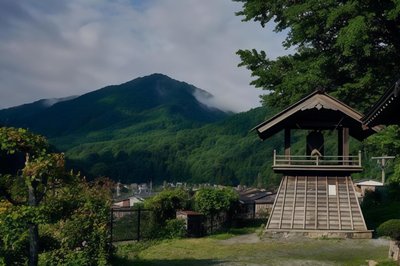
Byaku Narai
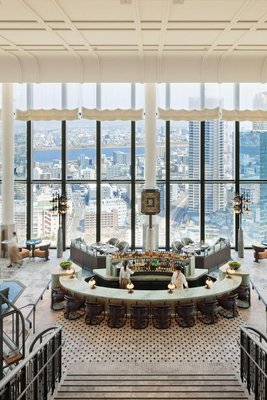
Waldorf Astoria Osaka
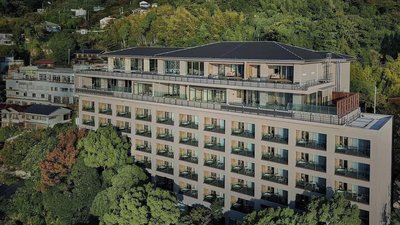
Atami Izusan Karaku
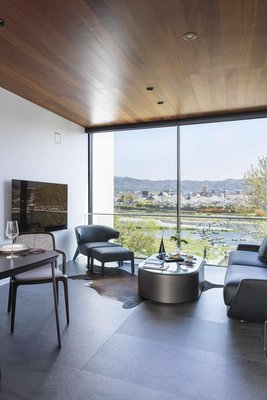
Kamo Residences by Reflections
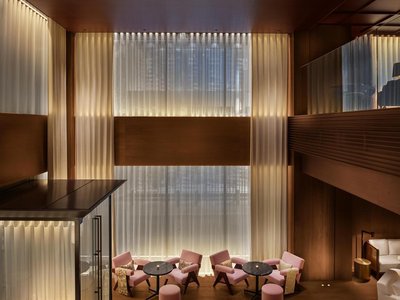
The Tokyo Edition, Ginza

Janu Tokyo
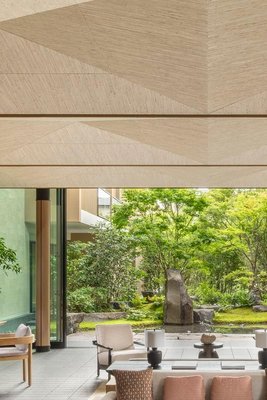
Six Senses Kyoto
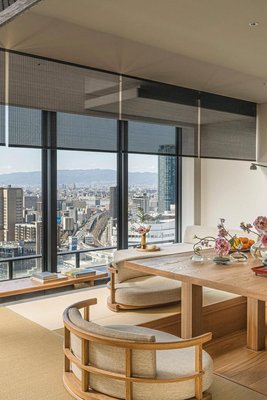
Four Seasons Hotel Osaka
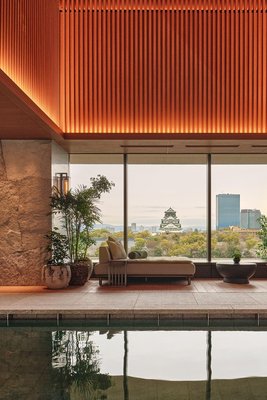
Patina Osaka

The Ritz-Carlton, Osaka
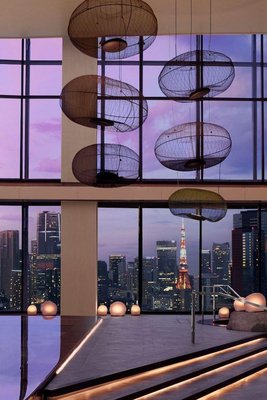
JW Marriott Hotel Tokyo
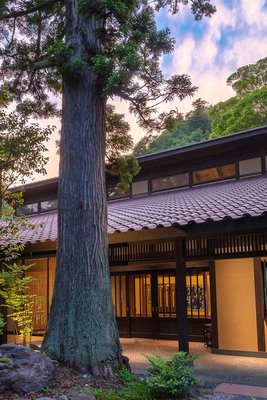
Arimasansoh Goshobessho
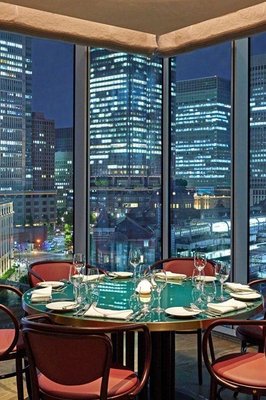
Four Seasons Hotel Tokyo at Marunouchi

Mandarin Oriental, Tokyo
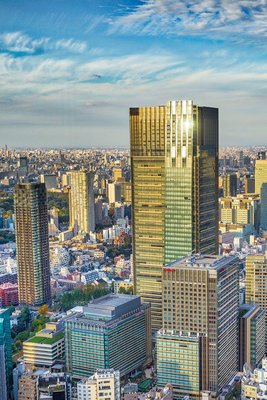
The Ritz-Carlton, Tokyo
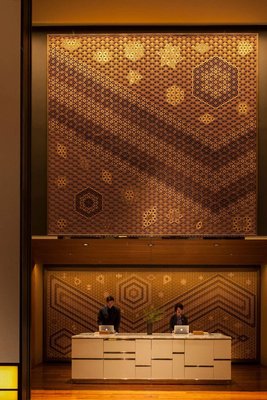
Andaz Tokyo Toranomon Hills- A Concept by Hyatt
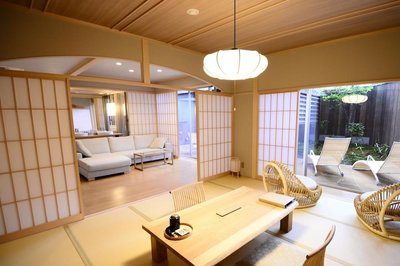
Hakone Gora Byakudan
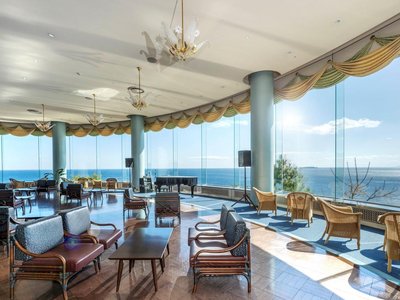
Hotel New Akao

XYZ Private Spa and Seaside Resort
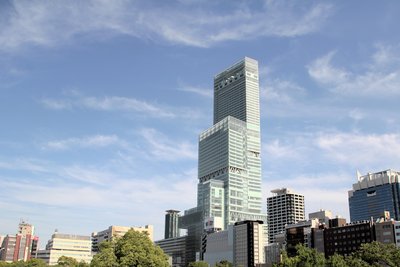
Osaka Marriott Miyako Hotel
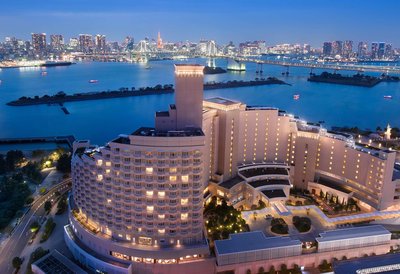
Hilton Tokyo Odaiba
JW Marriott Hotel Tokyo
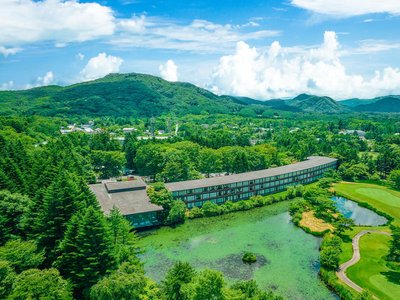
The Prince Karuizawa
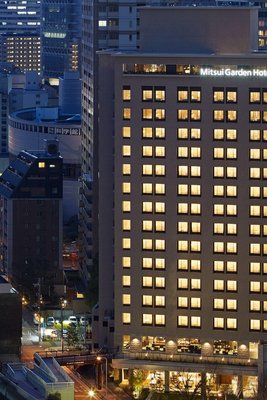
Mitsui Garden Hotel Osaka Premier

Izumigo Hotel Altia Toba
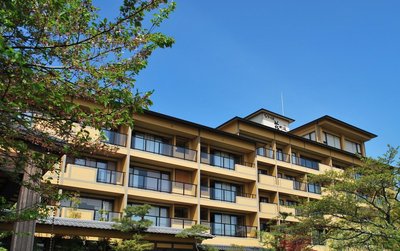
BIWAKO HANAKAIDO
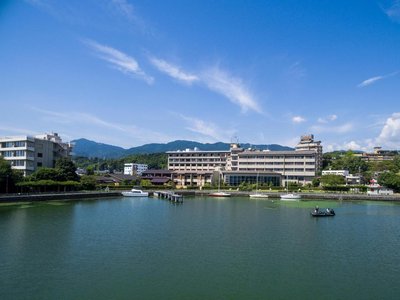
Biwako Ryokusuitei
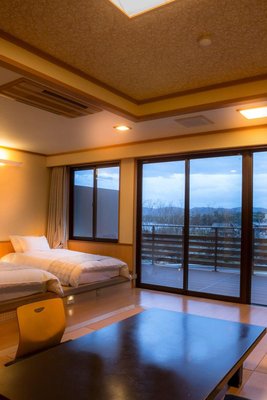
Hotel Kitanoya
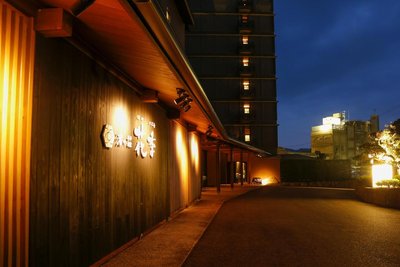
Hanagoyomi
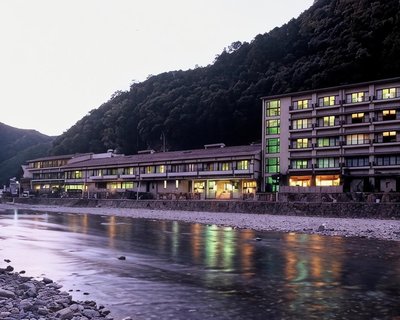
Kawayu Onsen Fujiya

Hotel La Suite Kobe Harborland

The Kukuna
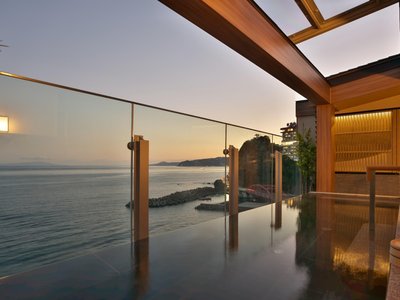
Hotel New Sagamiya
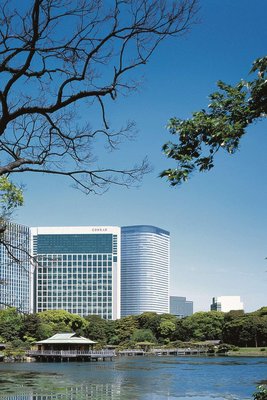
Conrad Tokyo
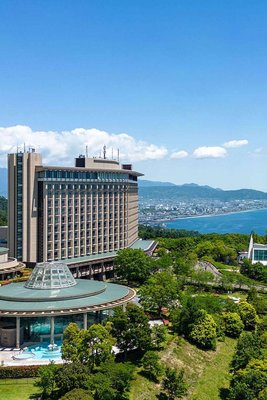
Hilton Odawara Resort & Spa
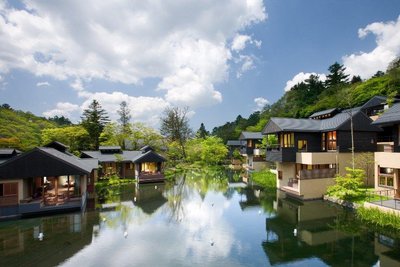
Hoshinoya Karuizawa
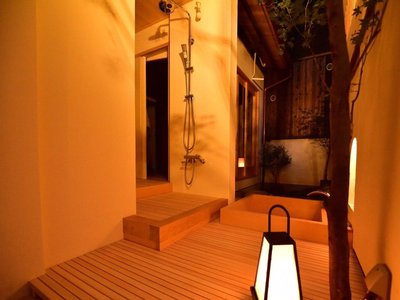
Yado Kiramachi
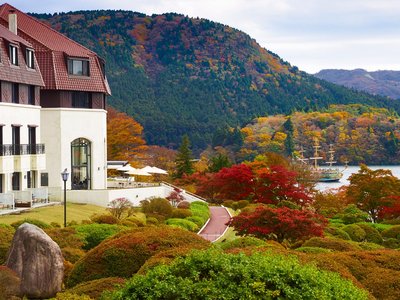
Hotakajyo

Onyado Nono Asakusa Bettei Hot Spring
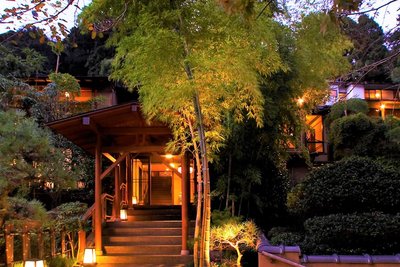
Shiki wo Ajiwau Yado Yamano Chaya
Arimasansoh Goshobessho
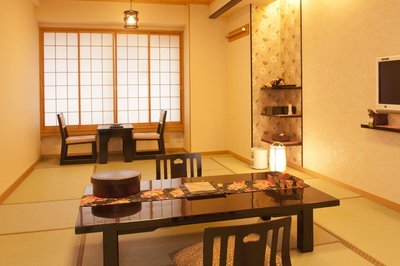
Matsui-Bekkan Hanakanzashi
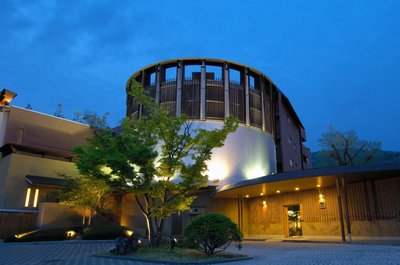
Hoshino Resorts Kai Matsumoto

Taikyourou
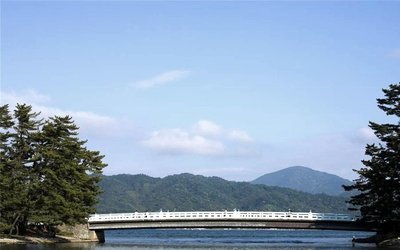
Monjusou Shourotei
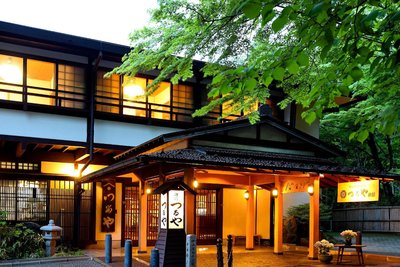
Tsuruya Ryokan
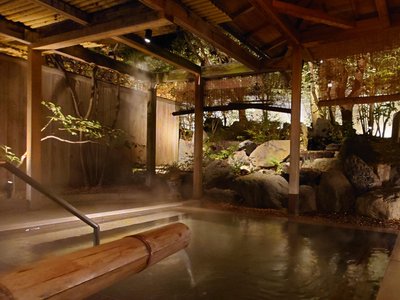
Kasuga Hotel
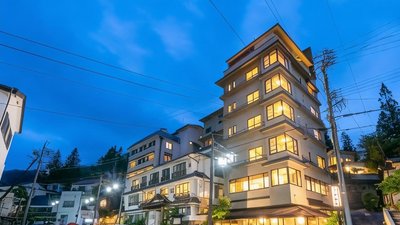
Nakamatsuya Ryokan
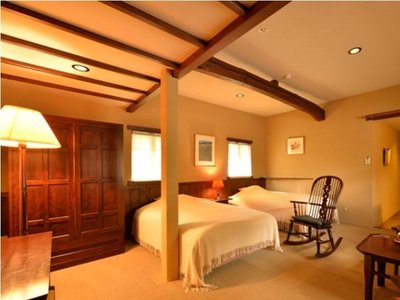
Ryokan Sugimoto
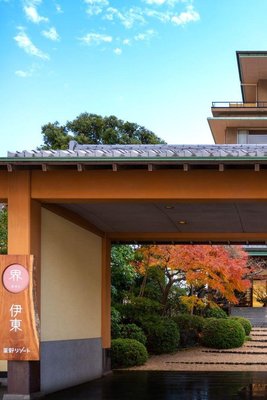
Hoshino Resorts Kai Ito
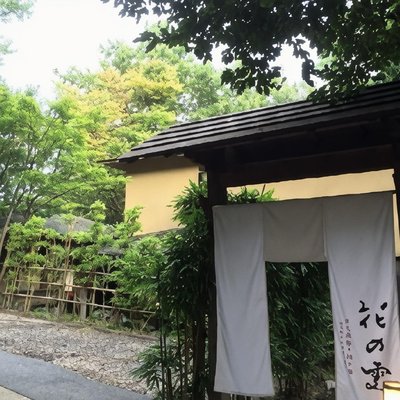
Hana No Kumo
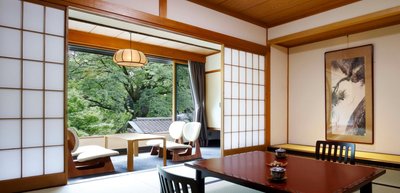
Yoshiike Ryokan
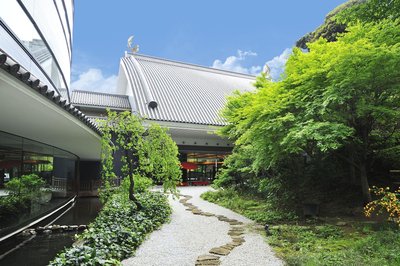
Hotel Gajoen Tokyo
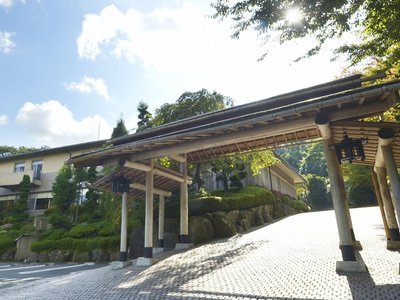
Gora Hanaougi
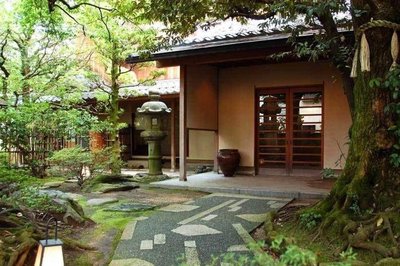
Kocho

Hotel New Wakasa
Bellustar Tokyo, A Pan Pacific Hotel
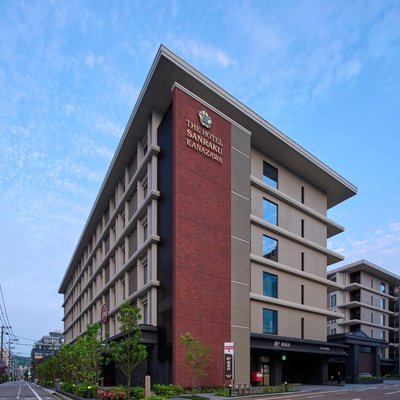
The Hotel Sanraku Kanazawa 21th December 2022 Open

22 PIECES
The Ritz-Carlton, Osaka
JW Marriott Hotel Tokyo
Andaz Tokyo Toranomon Hills- A Concept by Hyatt

The Thousand Kyoto
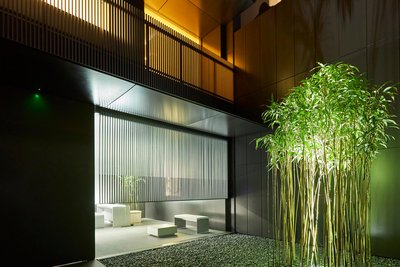
Mogana

GOOD NATURE HOTEL KYOTO
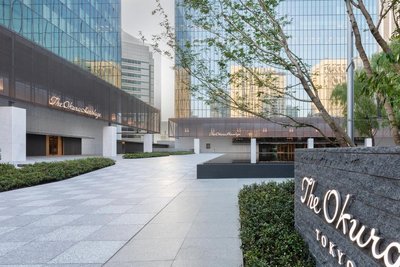
The Okura Tokyo
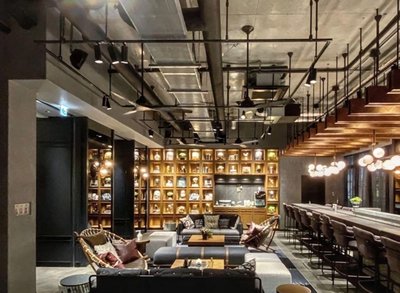
The Lively Azabujuban Tokyo
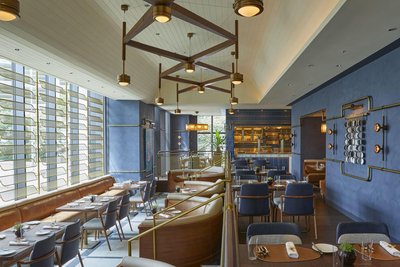
Kimpton Shinjuku Tokyo
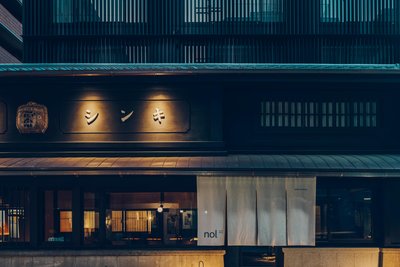
Nol Kyoto Sanjo

HOTEL K5
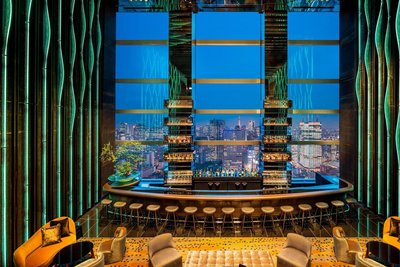
The Prince Gallery Tokyo Kioicho, a Luxury Collection Hotel

Zentis Osaka

Garrya Nijo Castle Kyoto

W Osaka

Hotel Kanra Kyoto

Aloft Osaka Dojima
Hakone Gora Byakudan
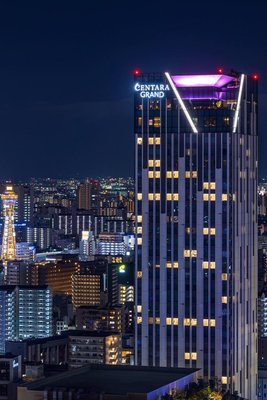
Centara Grand Hotel Osaka

Panoramic Mt. Fuji Views from All Rooms – Vision Glamping Resort & Spa Yamanakako
voco Osaka Central
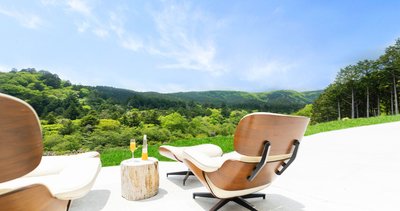
Shelter Garden Nikko
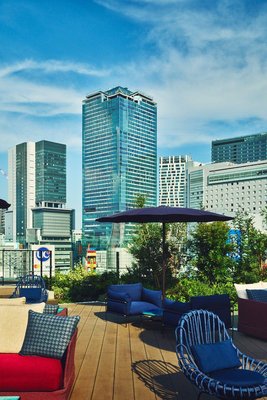
Hotel Indigo Tokyo Shibuya

TIAD, AUTOGRAPH COLLECTION
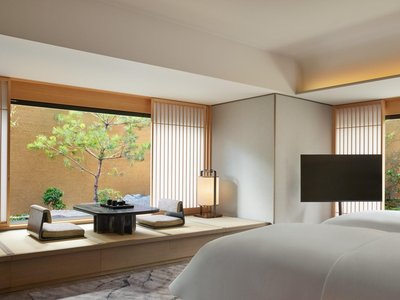
Dusit Thani Kyoto
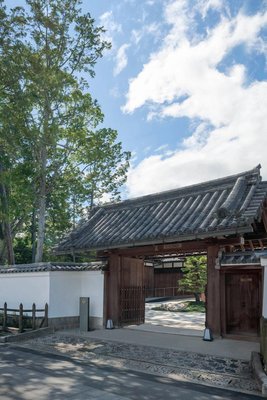
Shisui, a Luxury Collection Hotel, Nara

Hilton Kyoto
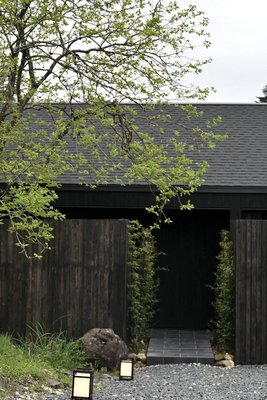
THE LAKOTAN
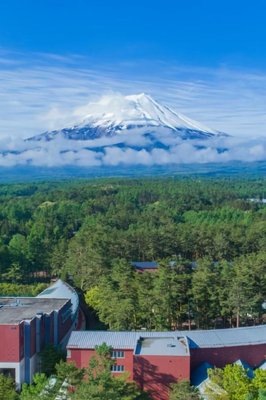
Forest Village (Fuji Premium Resort)

Hotel Toranomon Hills
Osaka Marriott Miyako Hotel
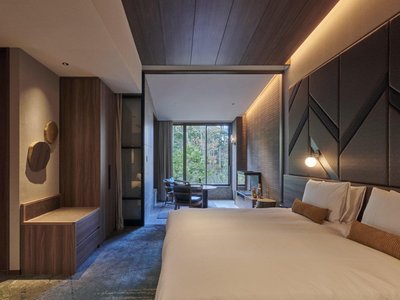
Fufu Kyu-Karuizawa Restful Forest
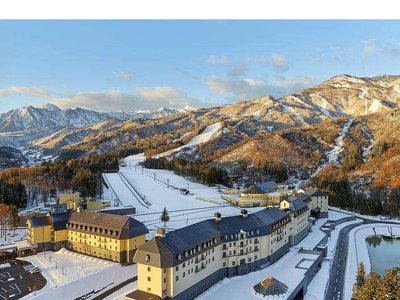
Lotte Arai Resort
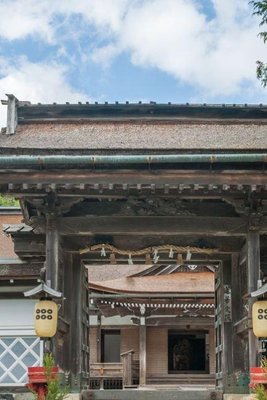
Koyasan Rengejoin
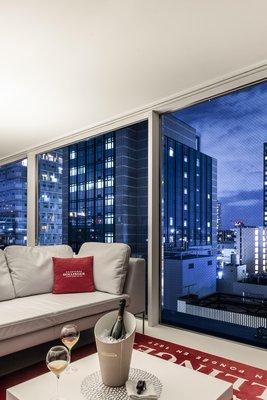
CUVÉE J2 HOTEL OSAKA by Onko Chishin

Sengokubara Cocon
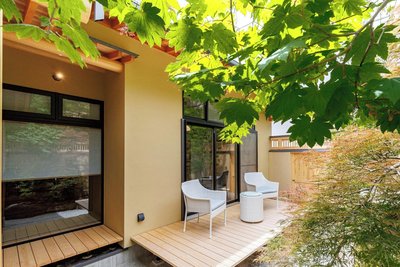
Shoraiso
Bvlgari Hotel Tokyo
Osaka Marriott Miyako Hotel
The Ritz-Carlton, Osaka
Four Seasons Hotel Tokyo at Marunouchi
Mandarin Oriental, Tokyo
The Ritz-Carlton, Tokyo
Andaz Tokyo Toranomon Hills- A Concept by Hyatt
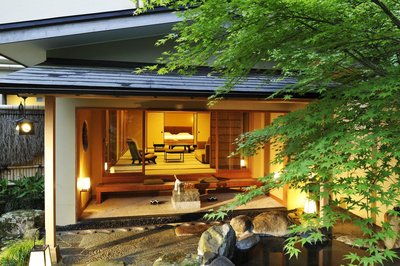
Gora Kadan
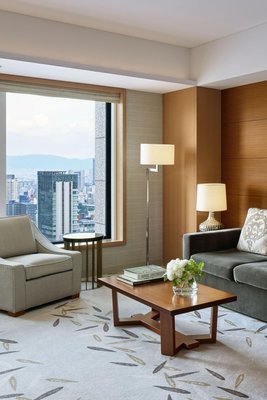
InterContinental Hotel Osaka
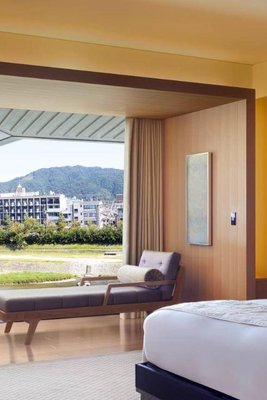
The Ritz-Carlton, Kyoto

Hotel New Otani Tokyo the Main
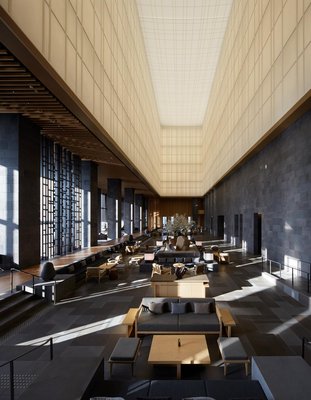
Aman Tokyo
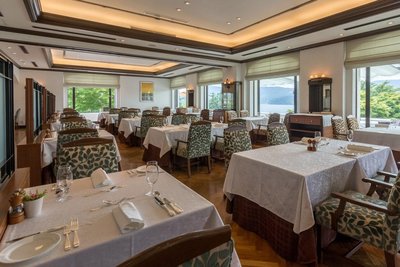
Odakyu Hotel de Yama
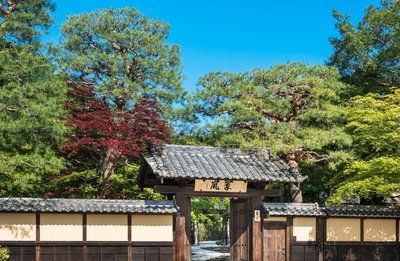
Suiran, a Luxury Collection Hotel, Kyoto
GOOD NATURE HOTEL KYOTO
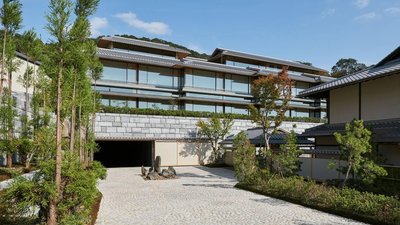
Park Hyatt Kyoto
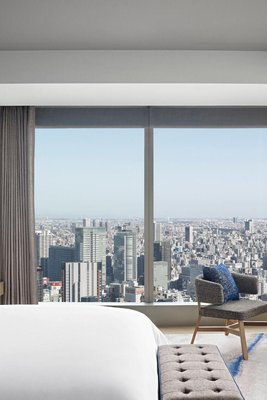
Four Seasons Hotel Tokyo at Otemachi
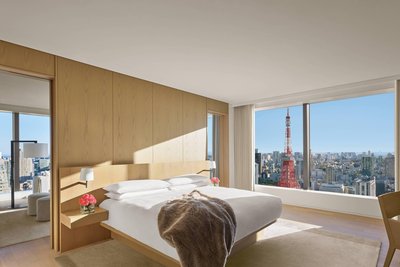
The Tokyo Edition, Toranomon

Hyatt Centric Kanazawa
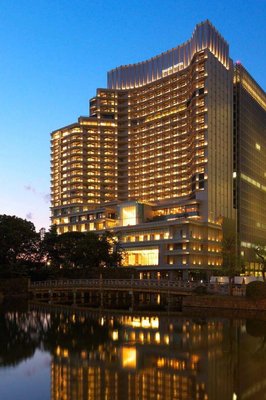
Palace Hotel Tokyo
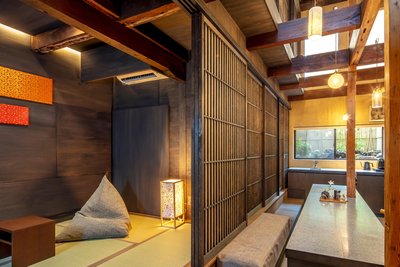
Kyo No Oozora Kihana
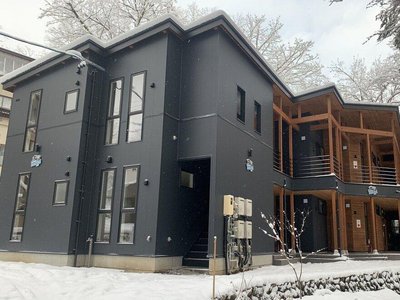
Hakuba Gondola Apartments
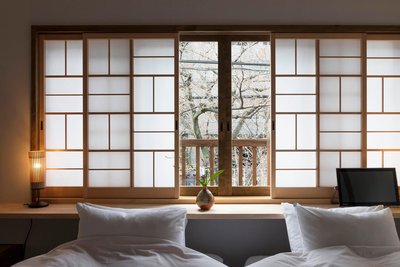
Hanagoromo Machiya House
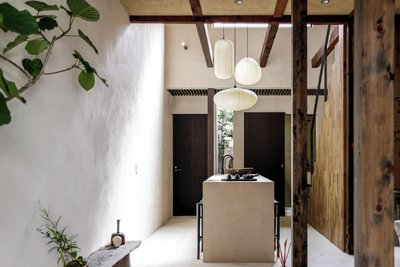
Maana Kiyomizu
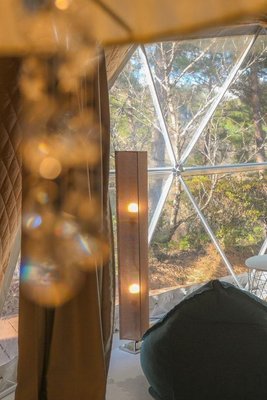
glampark Gekkabijin Nagano
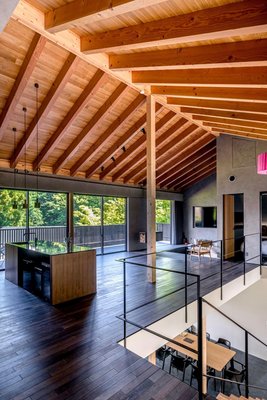
MONS GORA

Phoenix Chalets by Hhg
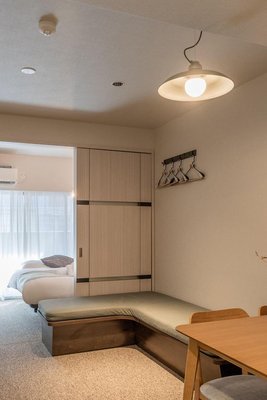
Apartment Hotel 11 Shinsaibashi
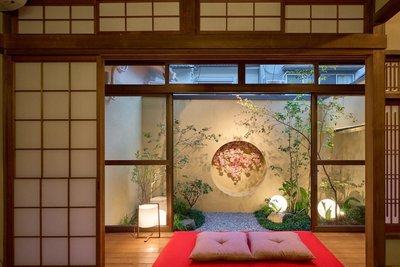
KONJAKUSO Osaka Tengachaya "NIHONCHA" Tea & Relax
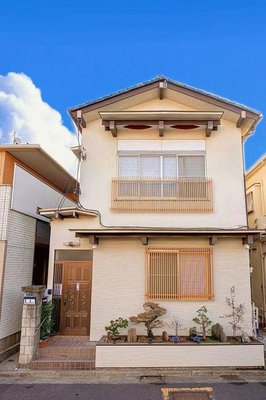
Tokyo Star House-Shinkoiwa
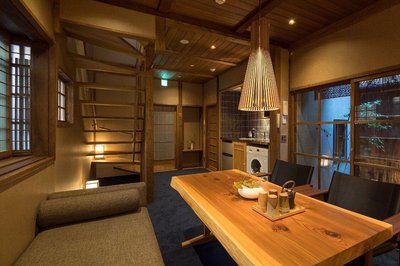
Bonbori an Machiya House
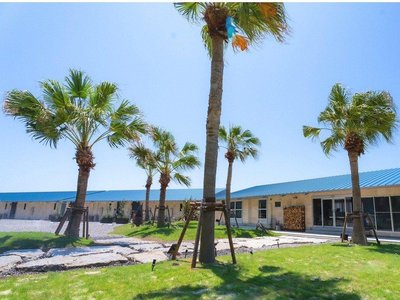
Glamping&Resort Wood Design Park Noma
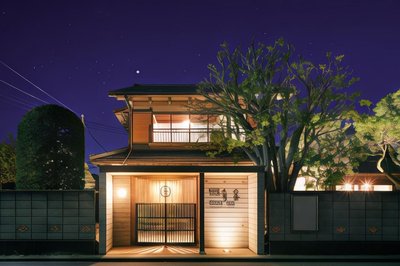
Machi-Jyu
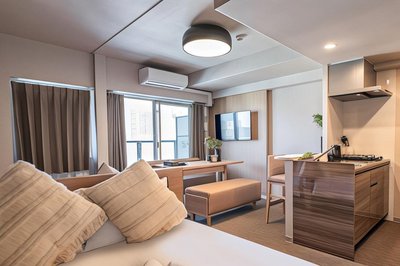
Apartment Hotel 11 Shinsaibashi III
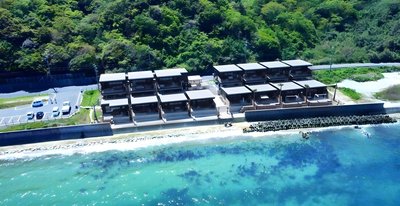
Solavilla Umi Terrace Minamiawaji
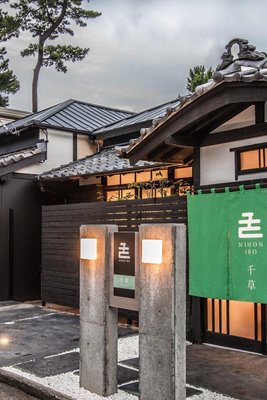
Nihon Iro
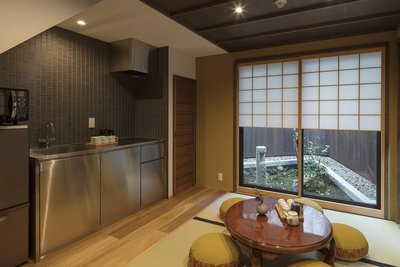
The Machiya Villa Sanjo Shirakawa Koji
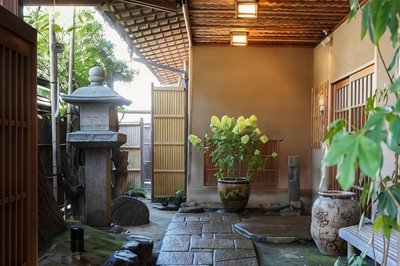
Ryokan Asadaya
Konjaku-So Dotonbori
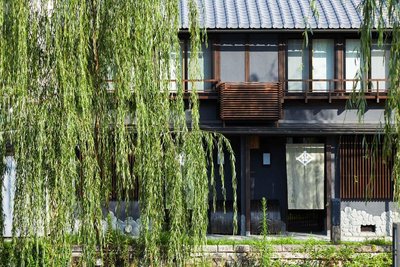
Gion Shirakawa No Yado
Bellustar Tokyo, A Pan Pacific Hotel

Hotel Barrière Fouquet's New York
Bvlgari Hotel Tokyo

Shima Kanko Hotel the Bay Suites
Loquat Nishiizu
Byaku Narai
Waldorf Astoria Osaka
Atami Izusan Karaku
Kamo Residences by Reflections
The Tokyo Edition, Ginza
Janu Tokyo
Six Senses Kyoto
Four Seasons Hotel Osaka
Patina Osaka
The Ritz-Carlton, Osaka
JW Marriott Hotel Tokyo
Arimasansoh Goshobessho
Four Seasons Hotel Tokyo at Marunouchi
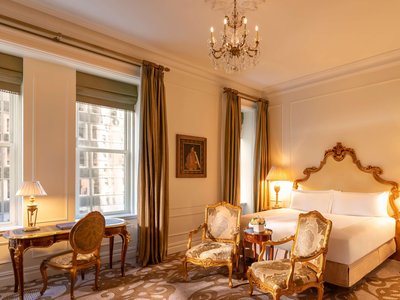
The Plaza - A Fairmont Managed Hotel
Mandarin Oriental, Tokyo
Frequently Asked Questions about Traveling to Mori
Questions You Might Need to Know About Traveling to Mori
In Fujinomiya, the top choice for a private onsen experience is Yukimizu Ryokan, nestled in the foothills of Mount Fuji. Each room features a private outdoor hot spring bath overlooking bamboo groves and mountain views, with natural mineral-rich water sourced from deep underground aquifers. The inn specializes in kaiseki cuisine made with local ingredients like wild mushrooms and freshwater fish.
Another exceptional option is Shinrin-no-Yado, a secluded eco-lodge offering glass-walled onsen suites that open to forested terraces. Guests enjoy forest bathing sessions and tea ceremony workshops led by local artisans. Both ryokans emphasize quiet retreats and sustainable design, making them ideal for travelers seeking tranquility and connection with nature.
The best area for panoramic views of Mount Fuji in Fujinomiya is the Fujisan Foothills District, particularly around Hosho-ko Lake and the Forest Path Trail. This region offers unobstructed, 360-degree vistas of the volcano, especially stunning during sunrise when golden light spills across the snow-capped peak.
Many accommodations here, such as Yamato House and Fujisawa View Inn, are built with floor-to-ceiling windows facing the mountain. Visitors can also join guided sunrise photography tours or morning meditation walks along the trail. The area is quiet, tree-lined, and perfect for those who want to experience the spiritual presence of Mount Fuji in a peaceful setting.
In Fujinomiya, travelers can immerse themselves in authentic local traditions through several unique experiences. Join a tea harvesting workshop at a family-run Shizuoka green tea farm, where you’ll learn to pick leaves and participate in traditional processing methods.
You can also take part in woodcarving sessions at Fujinomiya Craft Studio, crafting small wooden souvenirs using sustainably sourced timber. During spring, don’t miss the Fujinomiya Festival, featuring miko dances, traditional puppet shows, and handmade lantern displays.
For deeper cultural insight, try a forest mindfulness retreat or a night sky observation tour, where local guides explain the historical significance of Mount Fuji in Shinto beliefs and regional folklore. These activities offer more than sightseeing—they foster meaningful connections with nature and heritage.
For a romantic escape, Moonlight Pavilion in Fujinomiya stands out with its private forest-facing suites, each equipped with an outdoor soaking tub and floor-to-ceiling glass walls for uninterrupted views of the stars and Mount Fuji. The hotel offers couples’ cooking classes, champagne evenings, and personalized love letters written by the staff.
Another exquisite option is Cloud Haven Retreat, a boutique lodge perched above the valley with floating cabins connected by wooden walkways. Rooms feature heated floors, custom scent diffusers, and access to a hidden garden. Couples can enjoy early morning tea ceremonies and stargazing under silk canopies.
Both hotels prioritize privacy, intimacy, and nature immersion—perfect for creating unforgettable moments in a serene, dreamlike environment.
The hot springs in Fujinomiya are renowned for their high-mineral sulfur content, drawn from deep underground aquifers near Mount Fuji, known for skin-rejuvenating and stress-relieving properties. At Yukimizu Onsen, guests soak in open-air baths surrounded by bamboo forests, where the steam blends with the scent of pine and earth.
Some resorts integrate therapeutic wellness practices, like aromatherapy steam rooms and forest therapy walks, enhancing the healing experience. Many onsen restaurants serve dishes made with wild vegetables and local fish, such as mountain fern tempura and freshwater trout stew.
Additionally, certain hotels offer onsen photography sessions and nighttime lantern-guided tours, turning a simple soak into a multi-sensory journey of relaxation and beauty.
Photographers flock to Fujinomiya for its dramatic sunrise shots of Mount Fuji, especially at Hosho-ko Lake and the Forest Path Trail. The area’s misty mornings and reflective waters create mirror-like scenes ideal for long-exposure photography.
Stay at Yamato House or Shinrin-no-Yado, both offering panoramic windows and private balconies facing the mountain—perfect for capturing golden hour light. The inn staff often provides free photography guides and recommends optimal angles.
During autumn, the red maple forests contrast beautifully with the white peak. Local photo tours, including sunset drone sessions and star-trail workshops, are available through the Fujinomiya Photography Association. Equipment rentals and darkroom services are also offered at select lodges for serious enthusiasts.
In Fujinomiya, must-try local delicacies include matcha-infused dishes, such as matcha soba noodles and green tea ice cream, crafted at local tea houses using freshly harvested Shizuoka tea leaves.
Savor mountain-foraged foods, like wild mushroom risotto, bamboo shoot tempura, and seasonal deer stew, all prepared with ingredients collected daily from nearby forests. Many guesthouses host farm-to-table dinners, where guests help harvest vegetables and cook together over a wood-fired stove.
Don’t miss the local fruit preserves, made from wild cherries and plums, which are sold at roadside stalls. Some hotels even offer jam-making workshops, allowing you to take home your own handmade keepsake. Every bite reflects the region’s rich biodiversity and culinary tradition.
Yes, Fujinomiya is well-connected by public transport. The nearest station is Fujinomiya Station on the JR Gotemba Line, accessible via Shinkansen from Tokyo in about 90 minutes. The station features a tourist information center and taxi queues for onward travel.
The Fujinomiya Sightseeing Bus runs frequently to major attractions like tea farms, onsen resorts, and forest trails, with multilingual audio guides. For flexibility, rent an electric bicycle or eco-friendly mini-car from local rental shops—ideal for exploring the scenic Greenway Network.
Many high-end inns offer complimentary shuttle services from the station, ensuring a seamless arrival. With reliable transit options and visitor-friendly infrastructure, Fujinomiya is easily accessible even for first-time visitors.
The most scenic hiking trails in Fujinomiya include the Fujisan Foothills Loop, a moderate 6-kilometer path winding through ancient cedar forests and offering sweeping views of Mount Fuji. Along the way, hikers pass ancient stone shrines and clear mountain streams.
Another highlight is the Hosho-ko Lake Trail, a gentle lakeside route perfect for sunrise walks. The still water mirrors the surrounding peaks and trees, creating a surreal, photo-worthy landscape.
For advanced trekkers, the Takami Ridge Path leads to a hidden summit with panoramic vistas of the entire Five Lakes Region. All trails are clearly marked, with rest stops, water fountains, and interpretive signs explaining local flora and fauna. Guided hikes are available through the Fujinomiya Nature Guides, combining adventure with ecological education.
Top-rated boutique hotels in Fujinomiya include Yukimizu Ryokan, a minimalist-style inn blending modern architecture with traditional Japanese elements, featuring handcrafted tatami rooms and private onsen baths. It emphasizes sustainability and offers local craft workshops.
Another standout is Shinrin-no-Yado, a forest-hidden eco-lodge with glass-walled cabins and natural stone interiors. It provides forest bathing programs, zero-waste dining, and personalized itineraries tailored to guests’ interests.
Both hotels limit occupancy to ensure privacy and quality service. They’re praised for their attention to detail, serene ambiance, and deep integration with the natural surroundings—making them ideal for travelers seeking a unique, soulful stay.
Mori Overview
City Summary
Located in the western part of Shizuoka Prefecture, Japan, Mori Town is a small town known for its natural beauty and historical charm. Famous for its tea plantations, hot springs, and traditional architecture, Mori Town offers a peaceful rural atmosphere and untouched natural landscapes, making it ideal for travelers seeking to escape urban noise.
Must-See Attractions
Must-see attractions in Mori Town include the historic Kakegawa Castle, surrounding tea plantations, and Mori Onsen. Kakegawa Castle showcases traditional Japanese aesthetics in its garden design and architecture. Additionally, the town's natural parks and hiking trails are perfect for relaxation.
Food Guide
Local cuisine in Mori Town features fresh seafood and Shizuoka's renowned green tea. Don't miss tea-based dishes like matcha desserts and ochazuke, as well as the local specialty, unagi don (grilled eel rice). Street food such as grilled fish cakes and handmade soba noodles are also worth trying.
Transportation Guide
Public transportation in Mori Town primarily consists of buses, which connect to nearby towns and attractions. Renting a car is another good option for exploring the countryside. Check bus schedules in advance and consider purchasing a day pass for cost savings. Car rentals are available in the town center.
Best Time to Visit
The best times to visit are spring (March to May) and autumn (September to November), when the weather is pleasant and the tea plantations are particularly beautiful. Avoid the rainy season and summer heat for the best experience.
Travel Tips
- Respect local customs; remain quiet when entering tea plantations or temples.
- Carry cash, as some small shops do not accept credit cards.
- Book hot spring ryokan in advance, especially during peak seasons.
- Note that bus schedules are infrequent; plan your itinerary carefully.
- Try a local tea ceremony experience, which requires prior reservation.
- Wear comfortable shoes for hiking and exploring nature.
Useful Information
The official language in Mori Town is Japanese, and English may not be widely spoken. Consider downloading a translation app. Network coverage is generally good, but signals may be weaker in rural areas. Cash is the primary payment method, though some businesses accept credit cards. Emergency facilities are available at the town hospital, and travel insurance is recommended for unexpected situations.