Hotels in Morioka
Discover your perfect stay in Morioka.
Morioka(Japan) Travel 2026: Cheap Flights, Hotels & Top Attractions
Popular Landmarks in Morioka
Discover the most iconic attractions in Morioka
Recommended Hotels in Morioka
Find the perfect place to stay in Morioka

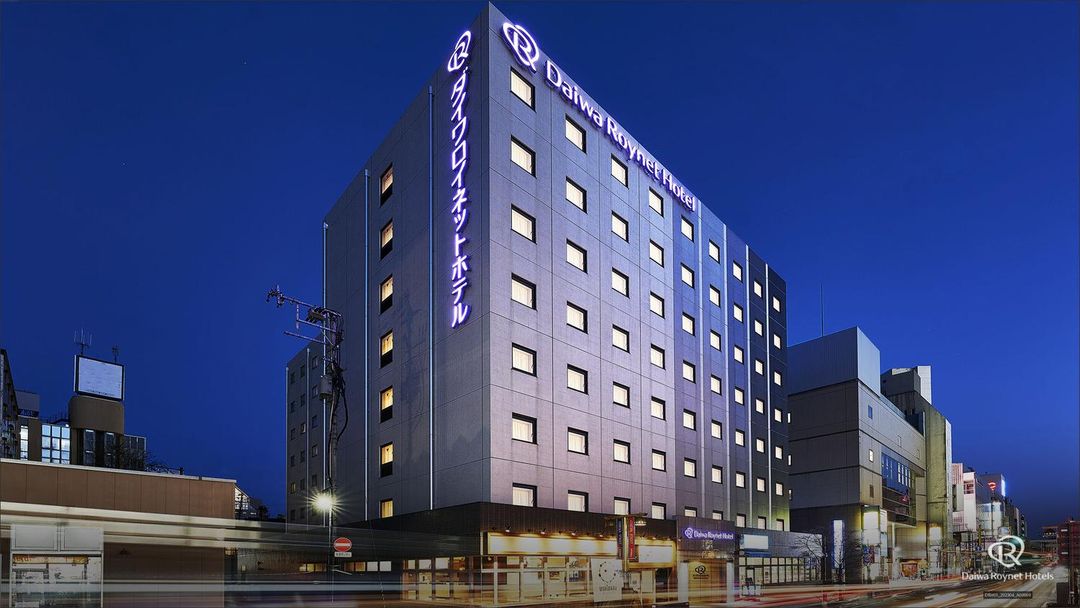
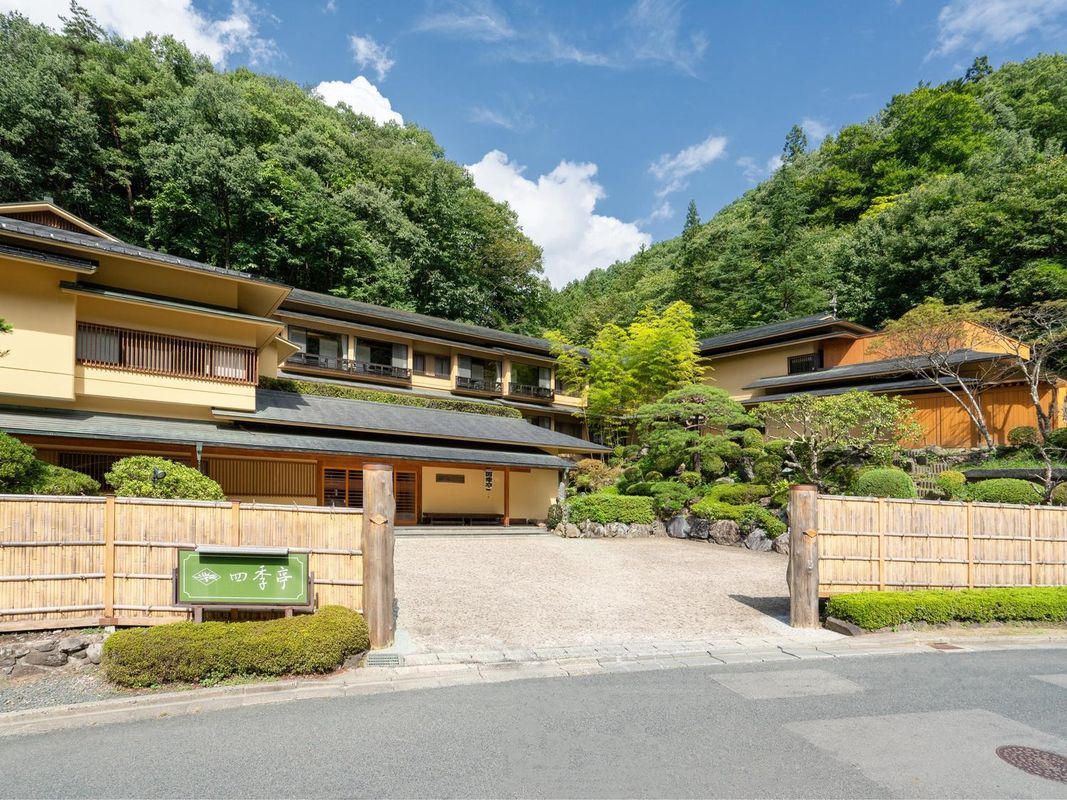

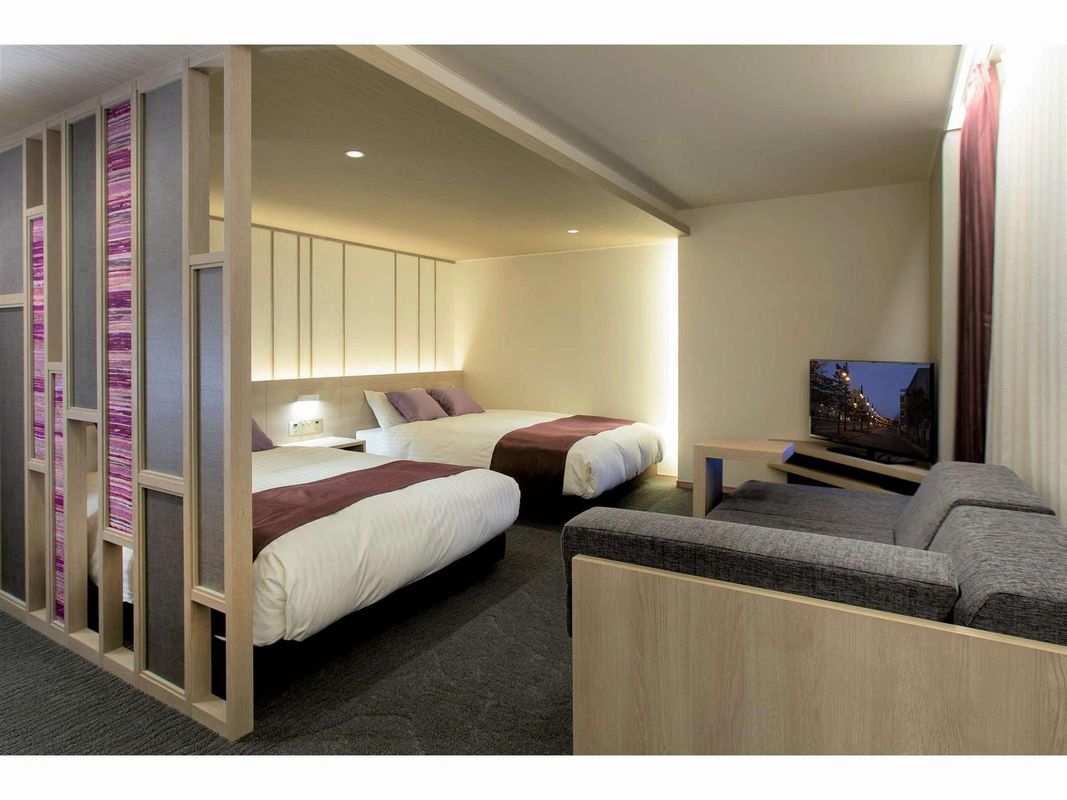
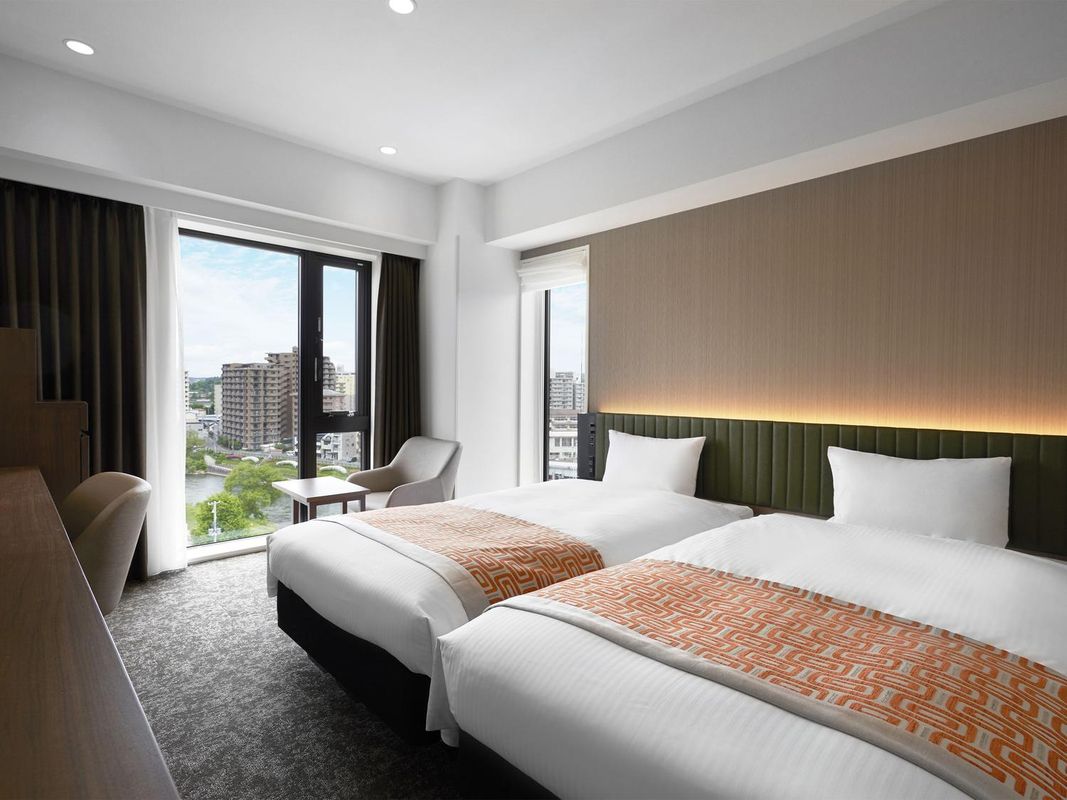
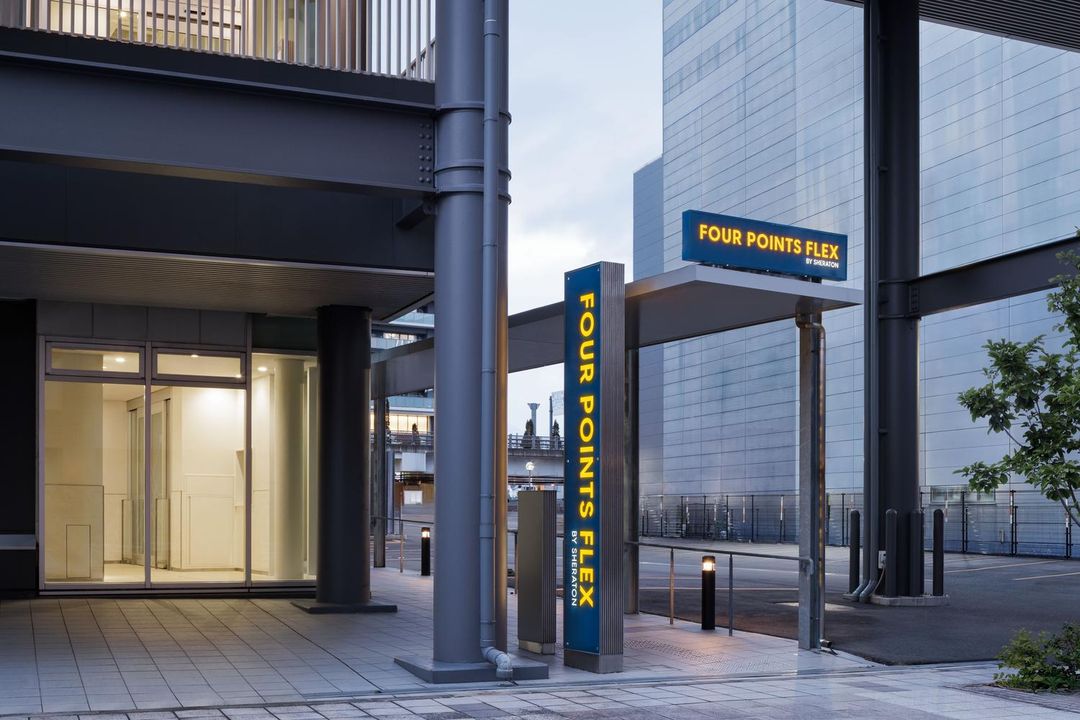
Best Hotels in Morioka
Discover curated hotel collections in Morioka


Frequently Asked Questions about Traveling to Morioka
Questions You Might Need to Know About Traveling to Morioka
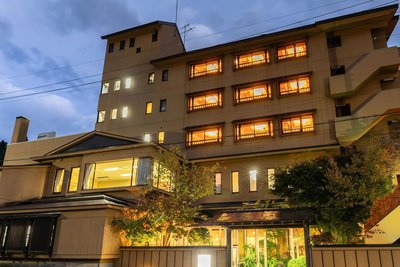
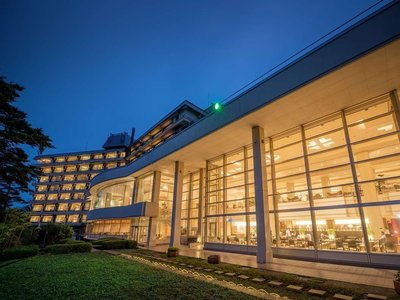
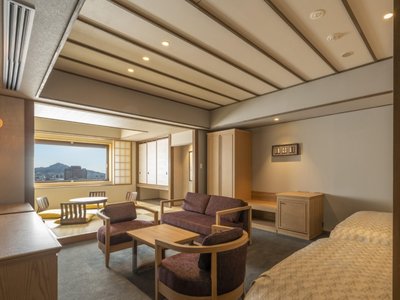
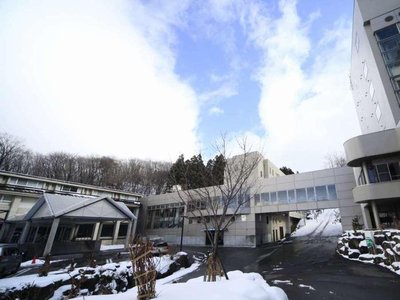
For travelers seeking convenience and proximity to attractions, Hotel Vista Morioka is highly recommended. Located just a 2-minute walk from Morioka Station, it offers seamless access to the Tohoku Shinkansen and local buses, making it ideal for exploring Morioka Castle Ruins, Iwate Prefectural Museum, and Ohtomo Park.
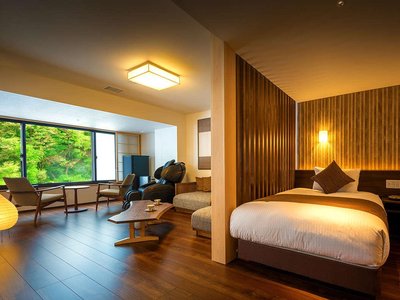
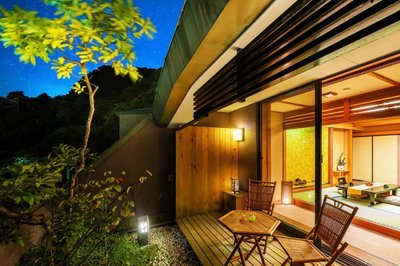
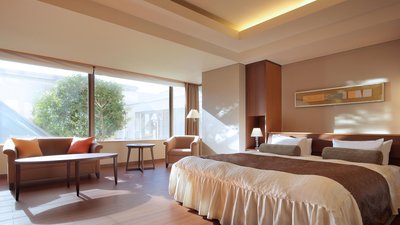
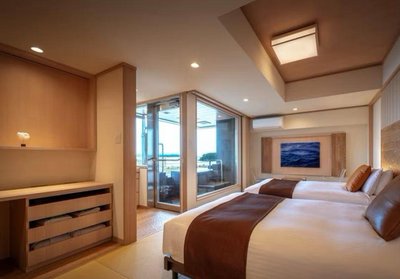
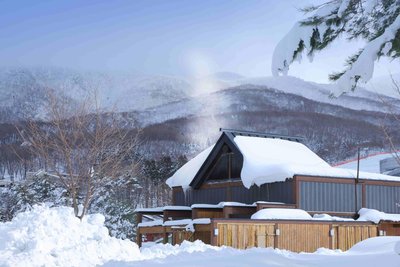
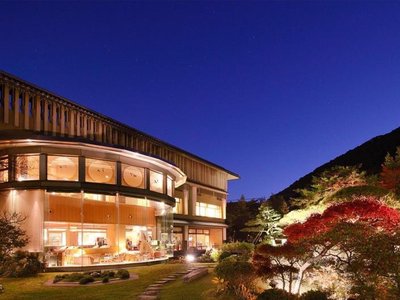
Another excellent option is Morioka East Japan Hotel, which features modern Japanese-style rooms, an on-site hot spring bath, and free Wi-Fi. Its central location allows easy walking to restaurants serving authentic Morioka Zaru Soba and cultural sites like the Morioka City Library.
Both hotels provide multilingual staff, luggage storage, and breakfast options with local ingredients—perfect for visitors aiming to maximize their time in the city while enjoying comfort and authenticity.
The Morioka Station Area is the best district for first-time visitors due to its exceptional accessibility and abundance of amenities. This vibrant neighborhood hosts major hotels such as Hotel Vista Morioka and Morioka East Japan Hotel, both within walking distance of key landmarks like Ohtomo Park, Iwate Prefectural Art Museum, and Morioka City Hall.
It’s also the hub for public transportation: direct connections to Tokyo (approx. 2.5 hours via Shinkansen), Sendai (1 hour), and other regional cities. The area features convenience stores, dining options ranging from local soba shops to international cuisine, and even electric scooter rentals for short explorations.
Additionally, the station complex includes a tourist information center with English support, maps, and assistance with train schedules. Staying here ensures a stress-free arrival and departure experience, making it the optimal base for a well-rounded visit to Iwate Prefecture.
Tourists in Morioka City can enjoy several unique cultural experiences:
-
Try Morioka Zaru Soba: A signature dish featuring cold buckwheat noodles served with a refreshing dipping sauce, often enjoyed at historic eateries like Koyama Soba or Matsumura Soba near Morioka Station.
-
Visit Morioka Castle Ruins: Once the seat of the Morioka Domain during the Edo period, this site now functions as a peaceful historical park with stone walls, a reconstructed gate, and seasonal festivals such as the Morioka Castle Festival in spring.
-
Explore Iwate Prefectural Art Museum: Home to works by renowned artists like Shinzo Sato and exhibitions focused on regional heritage, including traditional crafts and photography.
-
Attend the Morioka Summer Festival: Held in July at Ohtomo Park, this event features fireworks, street food stalls, taiko drumming, and traditional dance performances under the summer sky.
These experiences offer deep insights into local life, history, and community spirit, all within a compact, walkable urban core.
While Morioka City itself doesn’t have large-scale hot spring resorts, it’s just a 30-minute train ride away from Hanamaki Onsen, one of the most popular hot spring destinations in Iwate Prefecture.
At Hanamaki Onsen, guests can enjoy natural mineral-rich waters known as "black baths" (kuroyu), believed to soothe skin conditions and muscle fatigue. Recommended stays include Hanamaki Onsen Resort Hotel and Hotel Tsubaki, both offering private outdoor baths, traditional kaiseki meals, and access to footbaths along the riverfront.
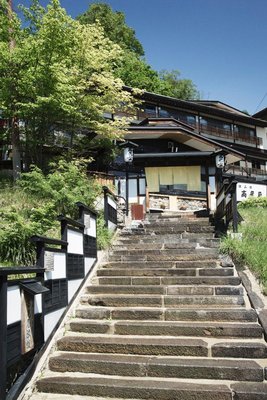
For a more tranquil option, Ninomiya Onsen near Ninomiya Shrine provides smaller, family-run ryokan with intimate bathing experiences and views of the surrounding mountains. Some accommodations even offer overnight packages with guided nature walks through the nearby Ninomiya Forest.
All locations are accessible via JR train or bus from Morioka Station, making them perfect day-trip or weekend getaway spots for relaxation and wellness.
Families visiting Morioka City will appreciate Hotel Vista Morioka and Morioka East Japan Hotel, both offering spacious family rooms, complimentary children’s amenities (such as slippers, toothbrushes, and toys), and dedicated play areas.
Hotel Vista Morioka features a kids’ breakfast buffet, a 24-hour front desk with English-speaking staff, and easy access to Ohtomo Park, where children can enjoy open green spaces, playgrounds, and seasonal events like the Morioka Summer Festival.
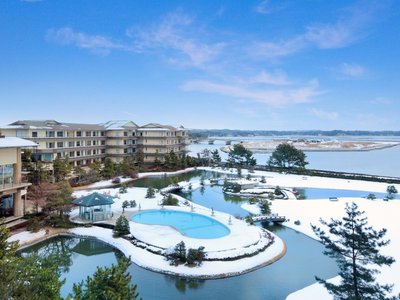
Morioka East Japan Hotel includes a small indoor game room and a heated swimming pool suitable for young swimmers. It also provides stroller rentals and baby cots upon request.
Both hotels offer shuttle services to nearby attractions and partner with local museums and libraries that host interactive workshops for kids. These facilities ensure a comfortable, engaging stay for families with children of all ages, combining convenience with authentic local charm.
Key cultural landmarks in Morioka City include:
-
Iwate Prefectural Art Museum: Houses rotating exhibitions of modern Japanese art, with special emphasis on artists from Iwate Prefecture. The building itself blends contemporary design with traditional Japanese elements.
-
Morioka Castle Ruins: Formerly the domain residence of the Morioka Daimyo, this site preserves original stone walls, moats, and a reconstructed main gate. It’s especially beautiful during cherry blossom season in spring.
-
Ohtomo Park: A central green space hosting the Morioka Summer Festival, seasonal flower displays, and a memorial statue of Yukio Mishima, who once lived in the region.
-
Morioka City Library: Known for its striking wooden façade and extensive local history archive, it’s a quiet haven for readers and researchers alike.
-
Morioka Station Front Plaza: Features a large sculpture honoring the city’s nickname, "The City of Soba," and serves as a gathering point for locals and visitors.
All these sites are centrally located and easily accessible by foot or public transit, making them ideal stops on a cultural itinerary.
Must-try local foods in Morioka City include:
-
Morioka Zaru Soba: Cold buckwheat noodles served with a chilled dipping sauce, often topped with pickled radish, egg yolk, and green onions. Best enjoyed at Koyama Soba or Sobaya Matsumura near the station.
-
Hanamaki Beef: Though named after Hanamaki, this high-quality wagyu beef originates from the broader Morioka region. Try it grilled at Beef House Hanamaki or in a set meal at Morioka East Japan Hotel.
-
Iwate Miso Soup: A hearty soup made with locally fermented soybean paste, served with tofu, konjac, and seasonal vegetables—common at local izakayas and ryokan.
-
Fresh Seafood from Morioka Central Market: Especially Pacific saury (Aji) and skipjack tuna (Katsuo), often sold raw or smoked. Visit early morning to catch the freshest catch.
Many hotels offer "Iwate Taste Experience" dinners that combine these dishes with seasonal ingredients, providing a true taste of the region’s culinary identity.
Traveling from Morioka City to Hanamaki Onsen is straightforward:
-
By Train: Take the JR Tohoku Main Line from Morioka Station to Hanamaki Station, a journey of about 30 minutes with up to 10 daily departures. From the station, a 10-minute taxi or bus ride leads directly to the onsen district.
-
By Bus: Iwate Kōtsū Bus operates a direct route from Morioka Station to Hanamaki Onsen, taking approximately 40 minutes. Check schedules online or at the station counter, as frequency varies by season.
-
By Car: Drive via National Route 101, which takes around 35 minutes. Scenic views of rice fields and mountain ranges make this route enjoyable, especially in autumn.
Many hotels in Hanamaki Onsen offer free pickup services for guests. For a relaxing trip, consider leaving early in the morning to enjoy the full afternoon soaking experience, followed by dinner at a local ryokan.
Yes, public transportation in Morioka City is highly convenient for tourists. The Morioka Station is a major transfer point on the Tohoku Shinkansen and JR East lines, connecting to Tokyo (2.5 hours), Sendai (1 hour), and Akita.
Within the city, an efficient bus network covers key attractions like Iwate Prefectural Art Museum, Morioka Castle Ruins, Ohtomo Park, and Morioka City Library. Buses accept IC cards (Suica/Pasmo) and some offer English announcements.
Additionally, electric bike rental stations are available near the station and parks, ideal for leisurely exploration without needing a car. Most hotels provide free parking and assist with transport planning.
The city’s tourist information center at Morioka Station offers multilingual guides, maps, and real-time schedule updates—making navigation easy even for first-time visitors.
Morioka City hosts several seasonal events throughout the year:
-
Spring: Morioka Castle Festival (March–April) – Reenactments of Edo-era samurai ceremonies, traditional music, and local food stalls at the castle ruins.
-
Summer: Morioka Summer Festival (July) – A highlight of the year, held at Ohtomo Park, featuring fireworks, taiko drumming, street vendors, and nightly cultural performances.
-
Autumn: Iwate Prefectural Art Museum Autumn Exhibition – Rotating showcase of regional artists and avant-garde installations, often accompanied by artist talks.
-
Winter: Morioka Light Festival (December) – The city lights up with illuminated sculptures, holiday markets, and warm tea huts along the streets, creating a cozy winter atmosphere.
Additional events include the Hanamaki Onsen Festival in August and the Morioka Soba Festival in September, celebrating local cuisine. These events are well-promoted and easily accessible via public transport, making them perfect additions to any visit.
Morioka Overview
City Summary
Morioka, the capital of Iwate Prefecture, blends rich history with natural beauty. Known for its traditional crafts, culinary culture, and seasonal landscapes, the city is famous for Morioka cold noodles and Nanbu ironware. Historic sites like Morioka Castle Ruins Park showcase its samurai heritage.
Must-See Attractions
Must-see spots include Morioka Castle Ruins Park, a prime cherry blossom venue with city views. Iwate Museum displays regional history. The legendary Rock-Splitting Cherry Tree grows through a boulder. At night, embark on a noodle tour featuring Morioka's "Three Great Noodles" (cold noodles, wanko soba, and jajamen).
Food Guide
Try chewy cold noodles at "Seiryūken". Challenge your appetite with endless wanko soba at "Azumaya" main branch. Street snacks like jajamen noodles and Nanbu senbei crackers are local favorites. Don't miss Fukuda Bakery's red bean buns, a childhood staple.
Transportation Guide
Buses dominate city transport, with routes radiating from Morioka Station. Bicycle rentals (available near the station) are ideal for old-town exploration. Taxis start at ¥700. The Tohoku Shinkansen connects to Tokyo (~2.5hrs) and Sendai (~40mins).
Best Time to Visit
Mid-April to early May offers cherry blossoms but crowds. September-November has pleasant autumn foliage. Winter (Dec-Feb) showcases snowscapes and hot springs, though heavy snow may disrupt travel.
Travel Tips
- Flip your bowl lid upside down when quitting wanko soba
- Carry cash for Nanbu ironware shops
- Wear slip-resistant shoes in icy winters
- Book famous soba shops (e.g., Azumaya) in advance
- Press bus stop buttons before your destination
- Many onsens prohibit tattooed guests
- Supermarkets discount prepared foods after 8PM
Useful Information
Language: Basic English signage at stations; translation apps helpful. Network: Prepaid SIMs available at convenience stores; limited public WiFi. Payment: Credit cards accepted at malls; cash preferred in traditional shops. Emergency: Morioka Medical Center (024-934-1111) has 24/7 ER. Etiquette: Remove shoes in traditional shops; ask before photographing. Voltage: 100V, Type A plugs (same as Tokyo).