Hotels in Morong
Discover your perfect stay in Morong.
Morong(Philippines) Travel 2026: Cheap Flights, Hotels & Top Attractions
Popular Landmarks in Morong
Discover the most iconic attractions in Morong
Recommended Hotels in Morong
Find the perfect place to stay in Morong

Casa Prinza Luxury Suite

Alamaris Resort RedPartner
Best Hotels in Morong
Discover curated hotel collections in Morong
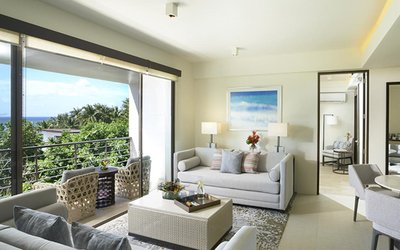
Discovery Boracay
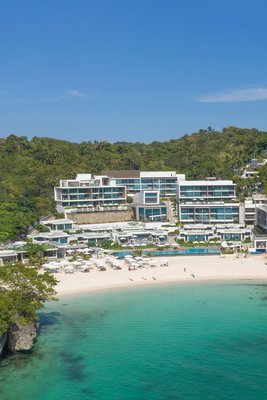
Crimson Resort and Spa Boracay
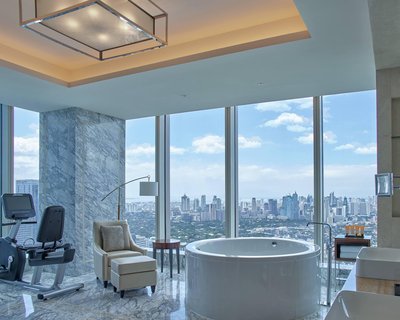
Grand Hyatt Manila
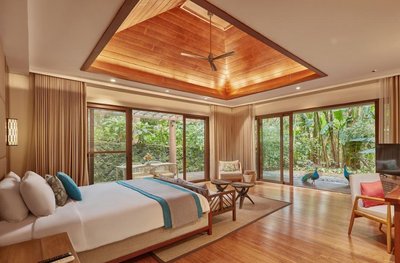
The Farm at San Benito
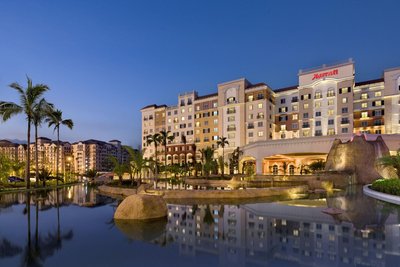
Manila Marriott Hotel at Newport World Resorts
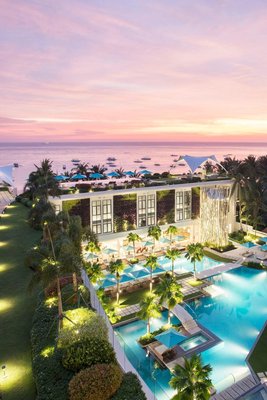
The Lind Boracay
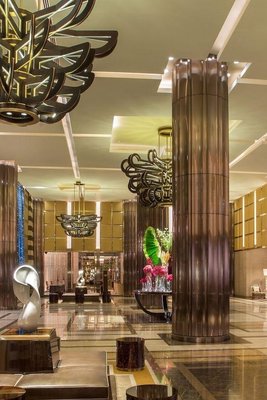
City of Dreams - Nüwa Manila

Shangri-La The Fort, Manila
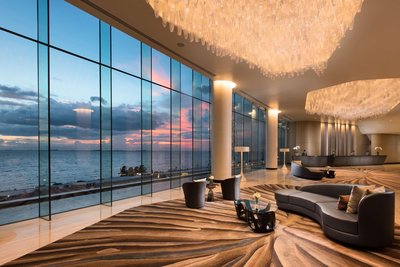
Conrad Manila
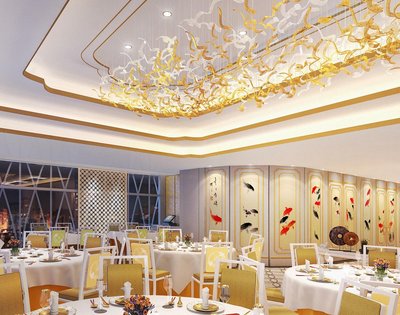
Okada Manila
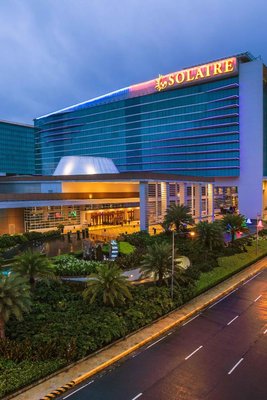
Solaire Resort Entertainment City
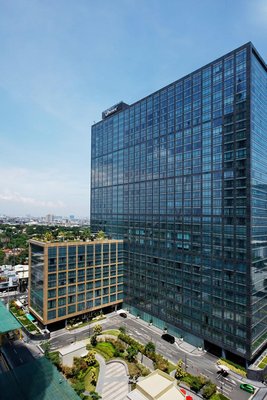
Raffles Makati
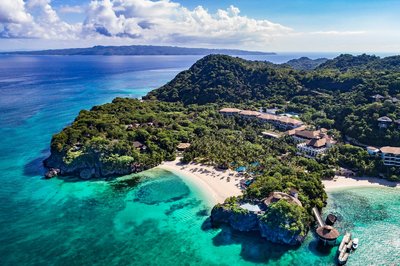
Shangri-La Boracay
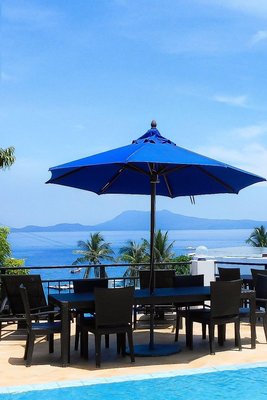
Out of the Blue Resort
Walking Street Condo Beautiful 1 King Bedroom
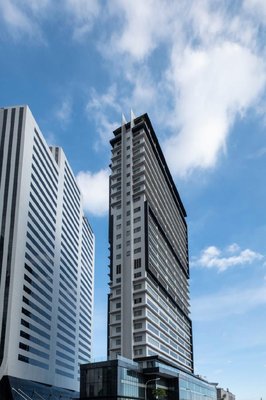
Brittany Hotel BGC
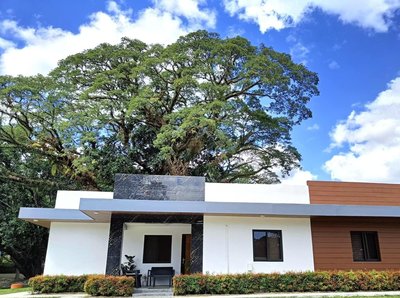
Aurora Villas and Cabin Resort
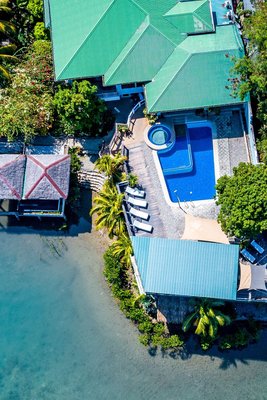
Edgewater Dive & Spa Resort
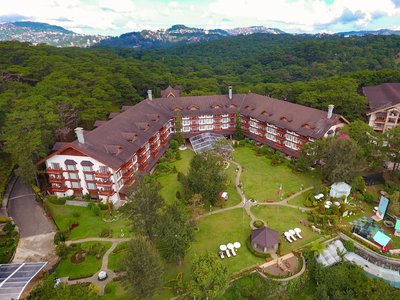
The Manor at Camp John Hay

The Maximilian Hotel
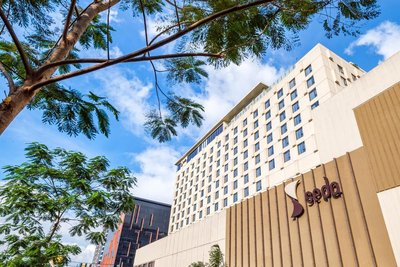
Seda Manila Bay
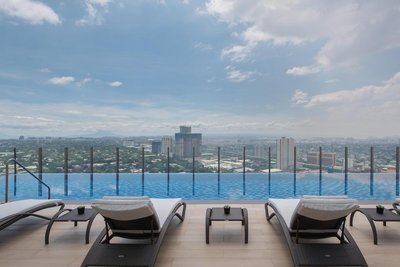
Citadines Benavidez Makati
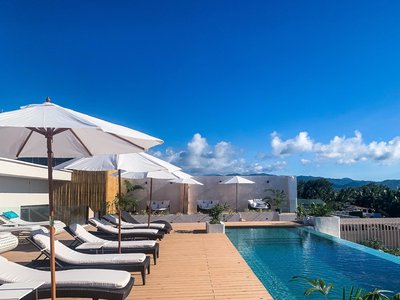
Mandarin Nest Boracay
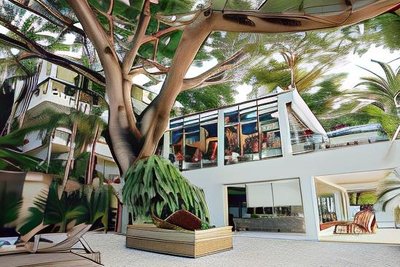
Solitude Acacia Resort
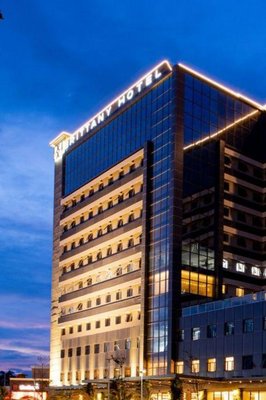
Brittany Hotel Villar City
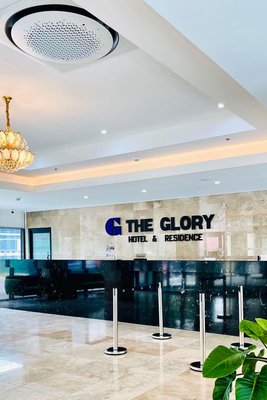
The Glory Hotel and Residence Clark Pampanga
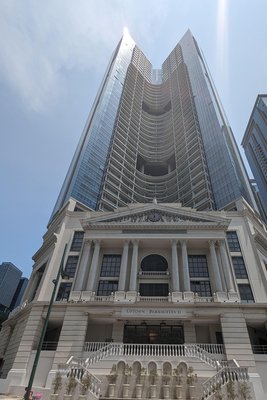
EG Private House - BGC UPTOWN

Bayandati Resort
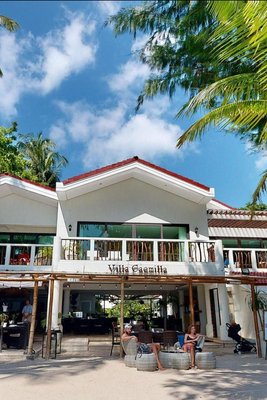
Villa Caemilla Beach Boutique Hotel
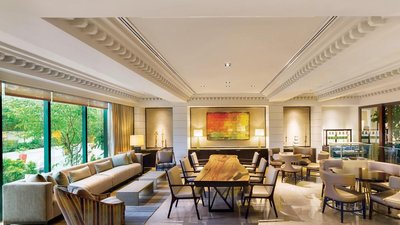
Aruga Apartments by Rockwell
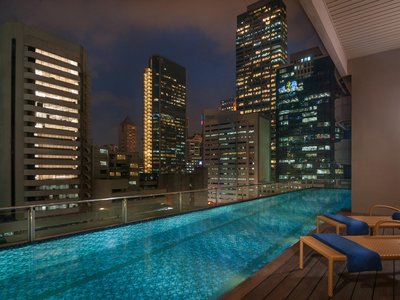
Citadines Salcedo Makati
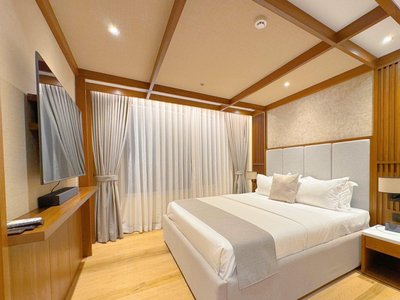
Downtown District Hotel
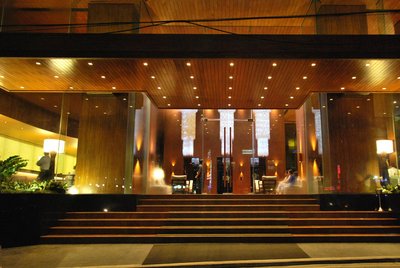
City Garden Grand Hotel
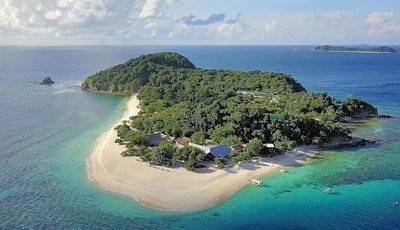
Discovery Coron (formerly Club Paradise Palawan)
Discovery Boracay
Crimson Resort and Spa Boracay
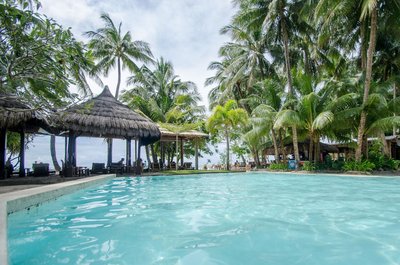
Sea Wind Resort
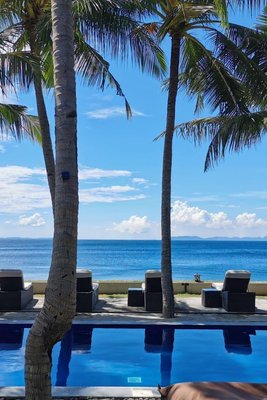
La Chevrerie Resort & Spa
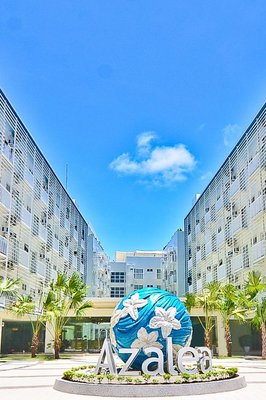
Azalea Hotels & Residences Boracay
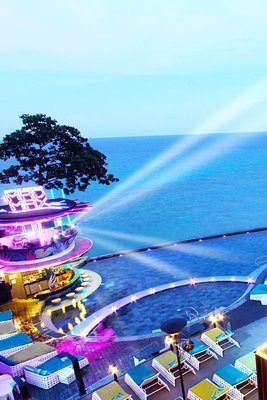
Fairways and Bluewater Boracay
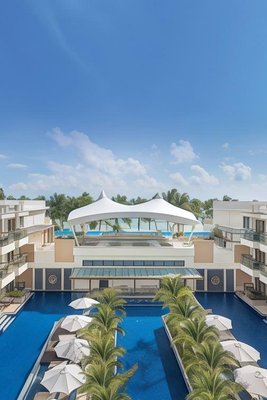
Henann Palm Beach Resort
The Lind Boracay
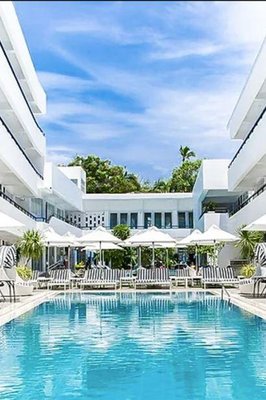
Coast Boracay
Conrad Manila
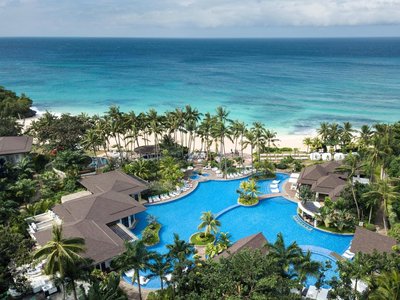
Movenpick Resort & Spa Boracay
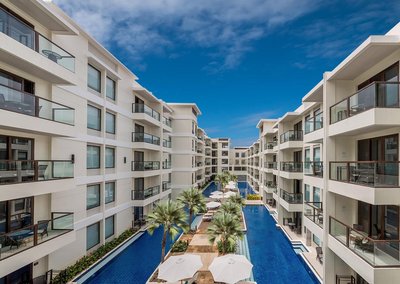
Henann Prime Beach Resort
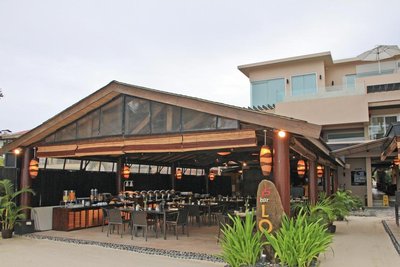
Two Seasons Boracay Resort
Solaire Resort Entertainment City
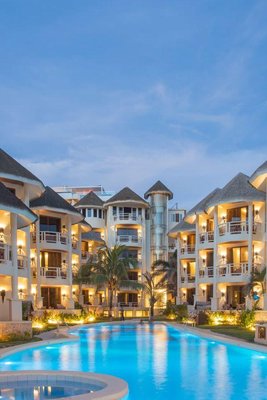
Ambassador in Paradise

El Rio y Mar Resort
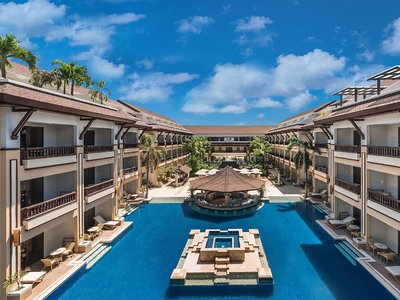
Henann Regency Resort and Spa
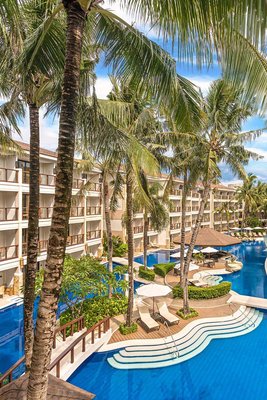
Henann Lagoon Resort
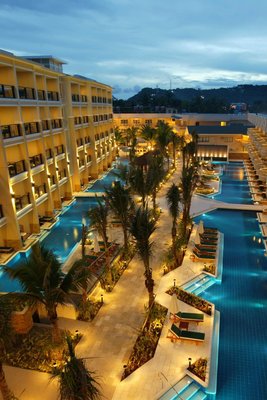
Henann Garden Resort
Discovery Boracay
Crimson Resort and Spa Boracay
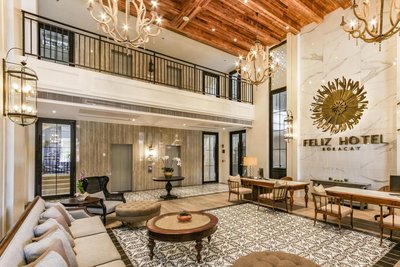
Feliz Hotel Boracay
The Lind Boracay
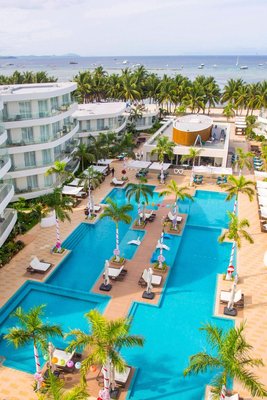
Aqua Boracay
Coast Boracay
Movenpick Resort & Spa Boracay
Okada Manila
Henann Regency Resort and Spa
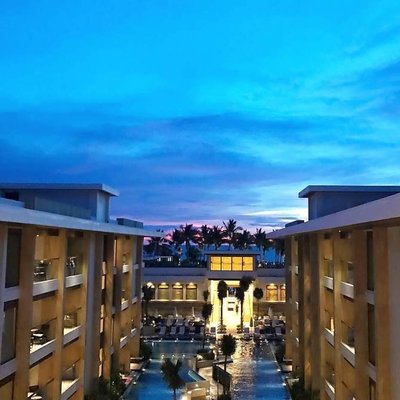
Henann Crystal Sands Resort
Shangri-La Boracay

Infinity Resort
Discovery Coron (formerly Club Paradise Palawan)
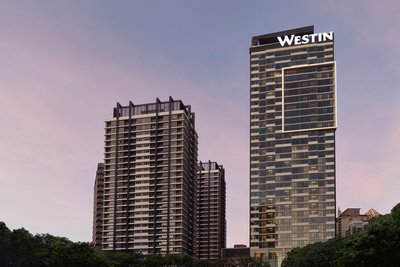
The Westin Manila
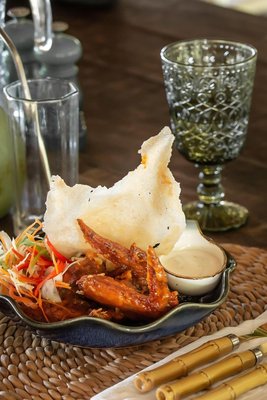
The Beach House Ocam Ocam
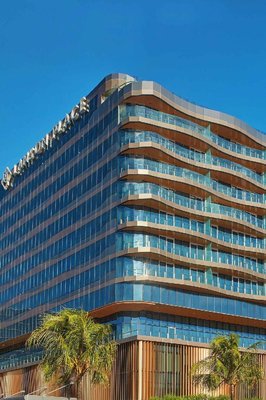
Lanson Place Mall of Asia Manila
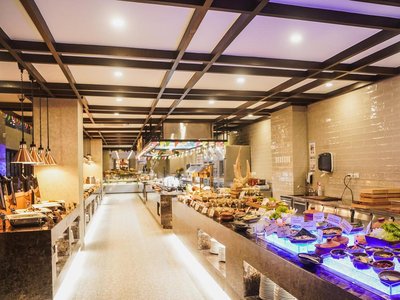
Mandarin Bay Resort & Spa
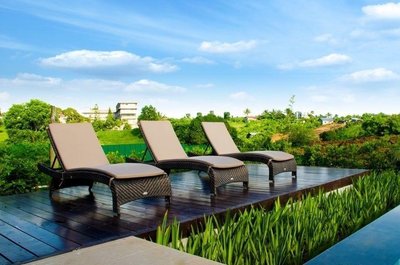
Anya Resort Tagaytay
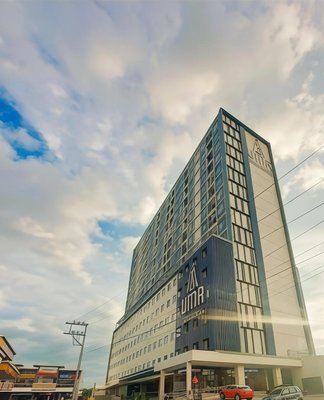
Uma Hotel and Residences
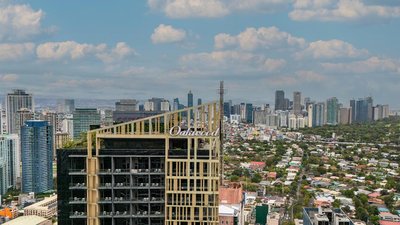
Oakwood Makati Avenue
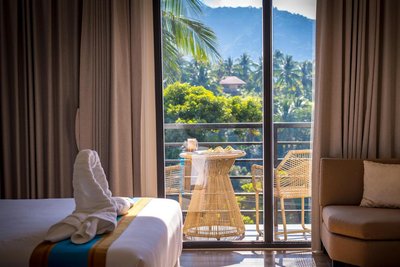
Magarra Hotel

Solaire Resort North
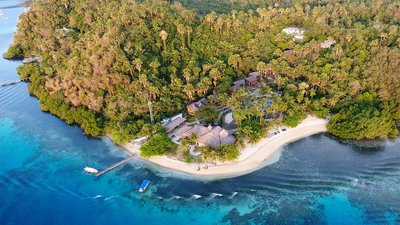
Fridays Puerto Galera
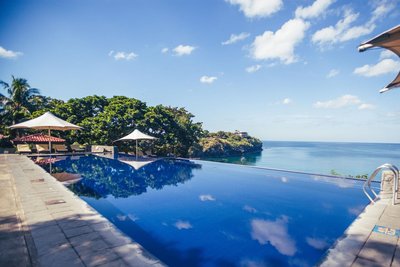
Club Punta Fuego
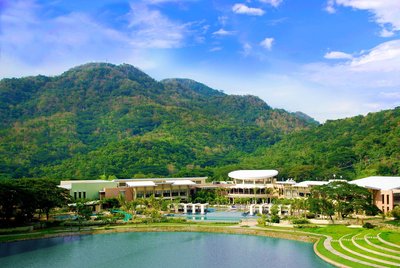
Pico Sands Hotel
Henann Palm Beach Resort
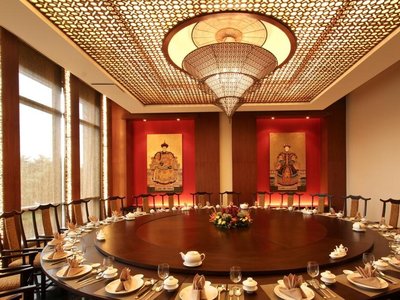
The Bellevue Hotel
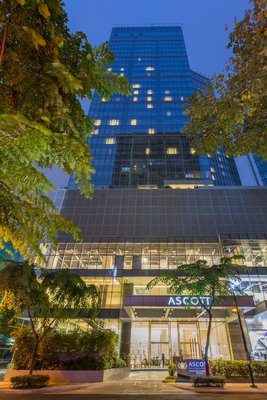
Ascott Bonifacio Global City Manila
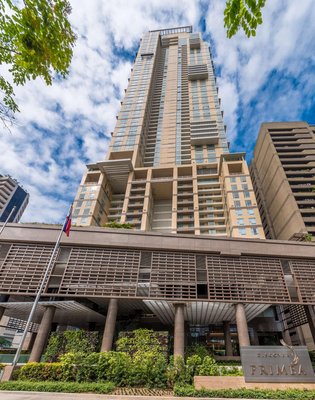
Discovery Primea, Manila

Hyatt Regency Manila City of Dreams
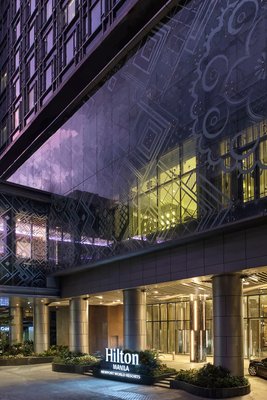
Hilton Manila Newport World Resorts
Discovery Boracay
Coast Boracay
Henann Regency Resort and Spa
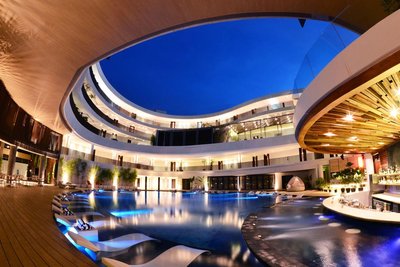
Hue Hotels and Resorts Boracay Managed by HII
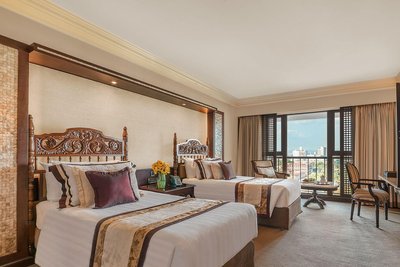
The Manila Hotel
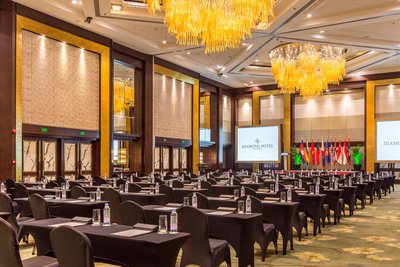
Diamond Hotel Manila

Hotel Barrière Fouquet's New York
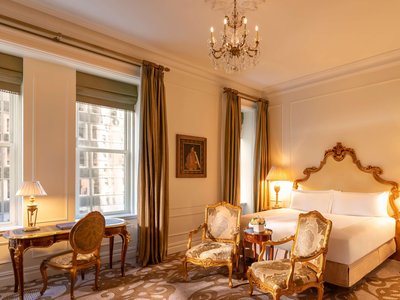
The Plaza - A Fairmont Managed Hotel
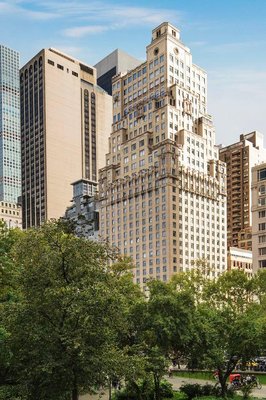
The Ritz-Carlton New York, Central Park

Four Seasons Hotel New York
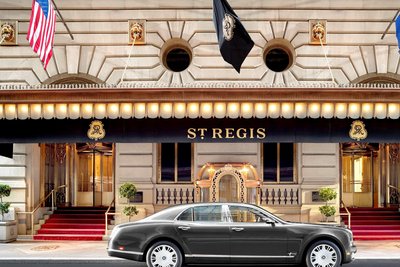
The St. Regis New York
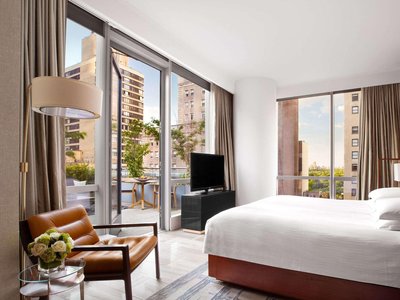
Park Hyatt New York
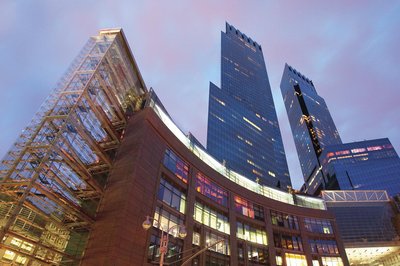
Mandarin Oriental New York

Times Square Edition New York

Loews Regency New York Hotel
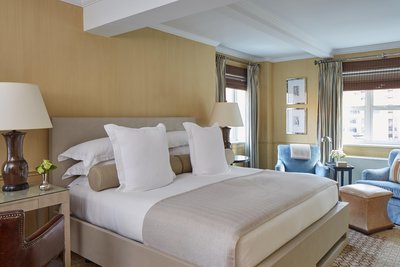
Lowell Hotel

New York Edition
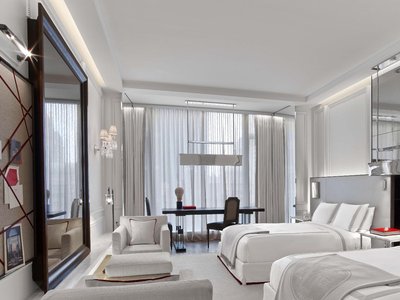
Baccarat Hotel New York

Equinox Hotel New York

Four Seasons Hotel New York Downtown
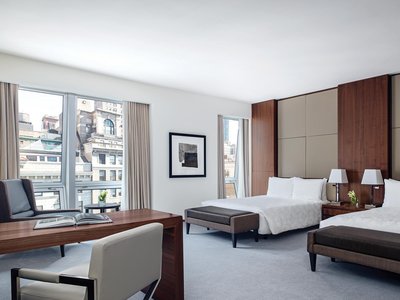
The Langham, New York, Fifth Avenue

The Carlyle, A Rosewood Hotel

The Chatwal, in the Unbound Collection by Hyatt

The Mark New York

Trump International Hotel & Tower® New York
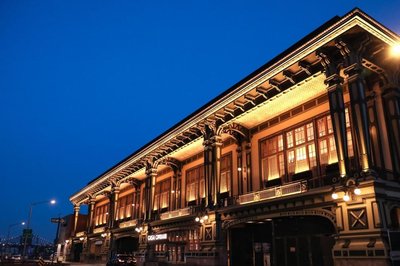
Casa Cipriani New York
Frequently Asked Questions about Traveling to Morong
Questions You Might Need to Know About Traveling to Morong
For budget-conscious travelers, Molo Youth Hostel is a top choice in Molo. Located just steps from Molo Square, it offers dorm beds from $15 per night with free Wi-Fi, shared kitchen access, and 24-hour security. The vibrant common areas include board games, reading nooks, and weekly "Local Explorer Talks" led by local youth sharing hidden gems and street food spots.
The hostel also arranges affordable tricycle tours to Iloilo Bay and Panay Island’s rural villages. Nearby, Molo Market serves authentic Filipino snacks like atik-Atik skewers and banana cue, making it perfect for immersive, low-cost experiences. With its friendly staff and central location, this hostel is ideal for backpackers seeking comfort without compromise.
Old Town Story Inn stands out as Molo’s premier cultural hotel. Housed in a restored 19th-century Spanish colonial mansion, it blends Neo-Classical architecture with native Philippine craftsmanship—exposed wooden beams, hand-carved iron railings, and stained-glass windows.
Guests can participate in weekly events like Barong weaving workshops, Almusal sweet-making classes, and live performances of traditional Kapampangan folk songs. The inn hosts a monthly "Day in the Life of Molo" program where guests join locals at dawn markets, help prepare pansit lugaw, and take part in community gatherings at Molo Square.
Its lush courtyard features a centuries-old mango tree and a historic well—perfect for storytelling sessions. Staying here isn’t just accommodation; it’s an invitation to live Molo’s heritage.
Stay in Molo Central District for optimal access to Molo’s main sights. Hotels like Molo City Plaza Hotel are within a 5-minute walk of Molo Square, Immaculate Conception Church, and the Iloilo Regional Government Building.
This district offers seamless transit via tricycles and jeepneys to Iloilo Bay, Iloilo City, and nearby beaches. Many hotels provide free Wi-Fi, luggage storage, and concierge services for business or leisure travelers. With bustling markets, cafés, and cultural hubs nearby, this area balances convenience with charm—ideal for those who want to explore Molo’s history and modern life efficiently.
For a truly romantic escape, choose Molo Beach Poet Villa, a private boutique villa nestled behind Molo Beach. This secluded retreat features ocean-view terraces, a private hot tub, and rooms adorned with handmade textiles, ambient lighting, and personalized welcome gifts like locally crafted wine and handwritten love notes.
The villa offers customized sunset dinners on the beach, private guided tours to Immaculate Conception Church at golden hour, and exclusive access to a moonlit poetry garden. With only six suites, privacy and intimacy are guaranteed. Located just 10 minutes from downtown, it combines seclusion with accessibility—perfect for couples seeking a dreamy, unforgettable experience in Molo.
Yes, many Molo hotels host immersive cultural programs. Old Town Story Inn runs a weekly "Cultural Craft Day," featuring hands-on workshops in Barong fabric weaving, traditional Almusal dessert preparation, and live folk music performances.
Some hotels partner with local communities to offer "A Day as a Molo Resident" experiences—guests wear Barong Tagalog and Pandak, shop at morning markets, assist in cooking kiamoy, and join evening community circles at Molo Square. These activities deepen cultural understanding while supporting local artisans and traditions.
Such initiatives turn stays into meaningful exchanges, allowing visitors to connect with the soul of Molo beyond sightseeing.
Absolutely. Old Town Story Inn is a prime example—a 19th-century Spanish colonial residence originally used as a regional administrative office. The building retains its original Neoclassical façade, red-tiled roof, lime-stone walls, and intricate wrought-iron balconies.
Inside, you’ll find preserved hardwood floors, stained-glass skylights, and vintage chandeliers. The central courtyard houses a centuries-old banyan tree and a restored stone well—historical landmarks now part of the guest experience.
As one of the few remaining pre-1900 structures in Molo, the inn offers a rare chance to sleep within living history. Each room tells a story of colonial legacy, local resistance, and cultural fusion—making it a must-visit for heritage travelers.
Several Molo hotels champion sustainability. Molo Bay Resort holds a Green Hotel Certification and runs on solar energy from rooftop panels. All rooms use bamboo toothbrushes, refillable natural toiletries, and biodegradable packaging.
The resort composts food waste into organic fertilizer for its garden and sources seafood exclusively from sustainable fishing cooperatives, avoiding destructive methods like dynamite fishing. Guests can opt into a "Low-Carbon Stay" package, which includes bike rentals to explore Molo Square and receives a native sapling upon check-out.
These efforts reduce environmental impact while educating guests—positioning Molo as a leader in responsible tourism across the Philippines.
Yes, several Molo hotels provide airport transfer services. Molo City Plaza Hotel and Molo Bay Resort offer round-trip shuttles to Iloilo International Airport (ILO) for approximately $20, requiring 24-hour advance HopeGoo.
They also arrange rides to Iloilo Bay Ferry Terminal and Downtown Iloilo, ideal for business travelers and tour groups. Vehicles are air-conditioned sedans driven by knowledgeable local guides who share insights about Molo’s history en route.
For guests with mobility needs, wheelchair-accessible vehicles and assistance with check-in are available. These services ensure smooth, stress-free travel—whether arriving or departing.
The heart of Molo’s nightlife beats around Molo Square and Seaside Boulevard. Seaside Poetry Bar stands out for its tranquil ambiance—live jazz, spoken word poetry, and ocean views make it perfect for quiet evenings.
Old Town Bar, located beneath Old Town Story Inn, features craft beers, signature cocktails like "Coconut Flame" and "Mango Starlight," and weekly live bands playing local indie and folk music. It draws both young locals and international visitors.
Nearby, open-air food stalls serve grilled pork skewers and chilled coconut water, adding a lively street-food vibe. Whether you seek romance, music, or casual fun, Molo’s night scene blends tradition and modernity in a uniquely Filipino way.
Molo’s uniqueness lies in its layered identity: a blend of Spanish colonial heritage, Filipino resilience, and contemporary urban life. Unlike typical tourist zones, Molo remains deeply rooted in local traditions—evident in its daily market rituals, church festivals, and family-run eateries.
Architectural gems like Immaculate Conception Church and Old Town Story Inn preserve history in tangible form. Cultural programs offered by hotels allow guests to become temporary residents, learning crafts, cooking, and participating in community life.
This authenticity, combined with warm hospitality and accessible charm, makes Molo not just a place to visit—but a place to feel connected. It’s a living museum, a cultural crossroads, and a true reflection of Philippine soul.
Morong Overview
City Summary
Morong, located in the CALABARZON region of the Philippines, is a quaint town blending Spanish colonial heritage with tropical beach serenity. Known for the 17th-century St. Jerome Parish Church and pristine coastlines, it offers a niche cultural retreat ideal for history buffs and solitude seekers.
Must-See Attractions
Don't miss the St. Jerome Parish Church, a 1613 Baroque marvel built with volcanic rock. The undeveloped Morong Beach is perfect for snorkeling. History enthusiasts can explore WWII relics like Japanese bunkers. Engage with local fisherfolk to learn traditional fishing methods.
Food Guide
Savor fresh seafood like Sinigang na Hipon (sour shrimp soup) and Grilled Tuna Belly. Street snacks include Pan de Sal and Halo-Halo. Local cuisine features bold coconut and chili flavors.
Transportation Guide
No airport; reach via bus (2-3 hours from Manila) or car (via SLEX). Urban transport relies on tricycles (50-100 PHP per ride). Use Grab for rides; jeepneys are scarce. Rural roads lack night lighting.
Best Time to Visit
Visit from December to February for cool, dry weather, avoiding typhoon season (June-October). January's Santo Niño Festival offers cultural immersion with fewer crowds.
Travel Tips
- Safety: Avoid isolated beaches at night; secure valuables.
- Etiquette: Dress modestly in churches—no sleeveless tops/shorts.
- Tipping: Leave 10% cash if service charge isn't included.
- Eco: Plastic waste is prohibited on beaches; locals prioritize conservation.
- Internet: Signal weakens outside town—download offline maps.
- Cash: Carry small bills; vendors may lack change.
Useful Information
Language: Tagalog is primary; English works in tourist areas. Payments: Cash dominates; few accept cards—bring sufficient pesos. Mobile: Buy prepaid SIMs (Globe/Smart); 4G in downtown. Emergency: Morong Health Center handles minor cases; Antipolo has hospitals. Voltage: 220V, US-type plugs; adapters needed. Water: Drink bottled water; avoid tap.
Other Cities You Might Like
Explore more amazing destinations