Hotels in Moroyama
Discover your perfect stay in Moroyama.
Moroyama(Japan) Travel 2026: Cheap Flights, Hotels & Top Attractions
Popular Landmarks in Moroyama
Discover the most iconic attractions in Moroyama
Recommended Hotels in Moroyama
Find the perfect place to stay in Moroyama
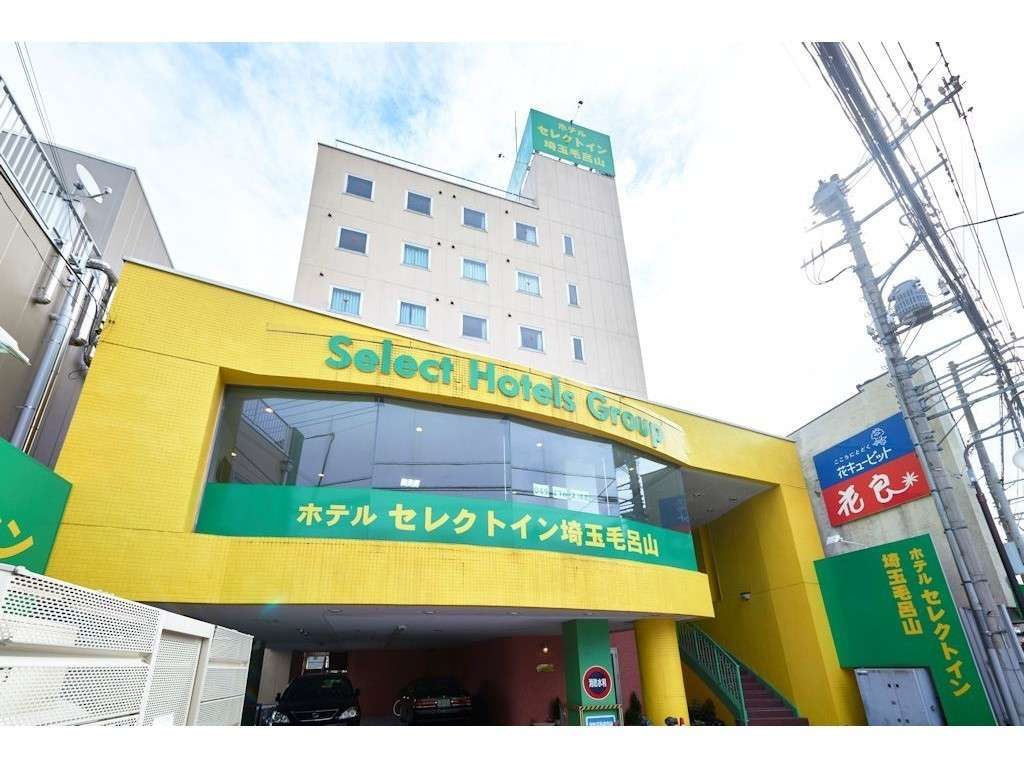
Hotel Select Inn Saitama Moroyama
Best Hotels in Moroyama
Discover curated hotel collections in Moroyama
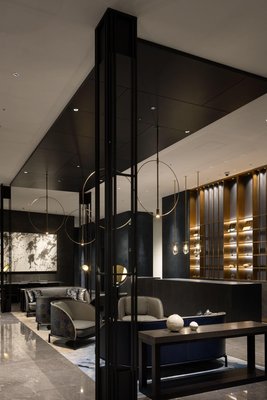
Bellustar Tokyo, A Pan Pacific Hotel
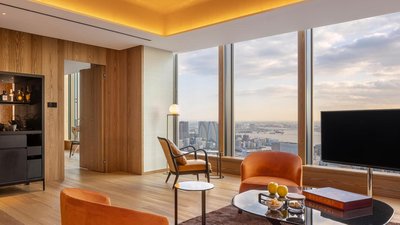
Bvlgari Hotel Tokyo
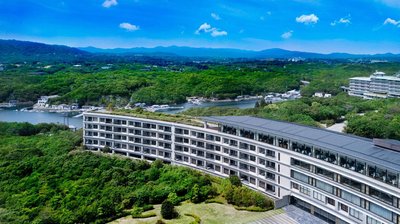
Shima Kanko Hotel the Bay Suites
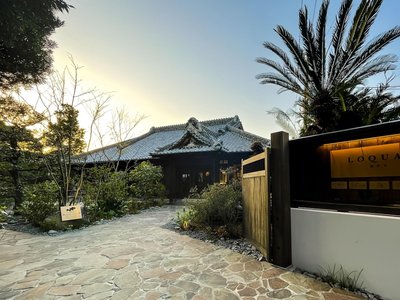
Loquat Nishiizu
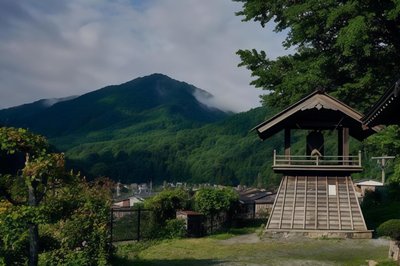
Byaku Narai
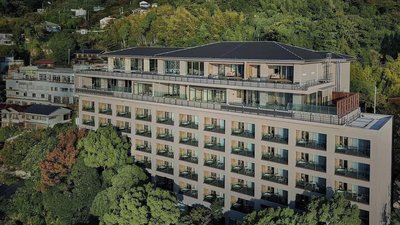
Atami Izusan Karaku
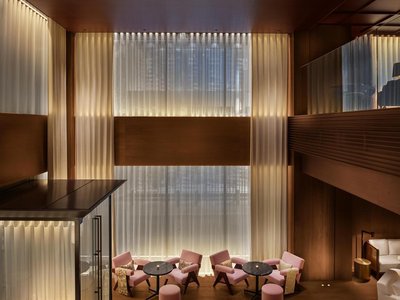
The Tokyo Edition, Ginza
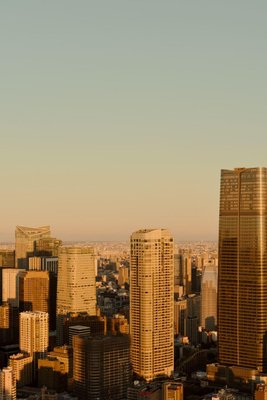
Janu Tokyo
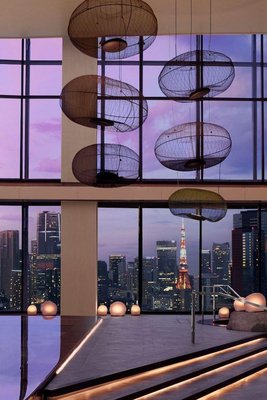
JW Marriott Hotel Tokyo
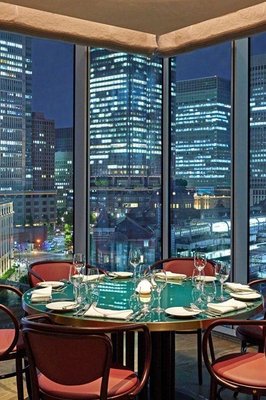
Four Seasons Hotel Tokyo at Marunouchi

Mandarin Oriental, Tokyo
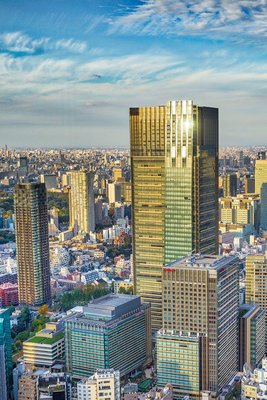
The Ritz-Carlton, Tokyo
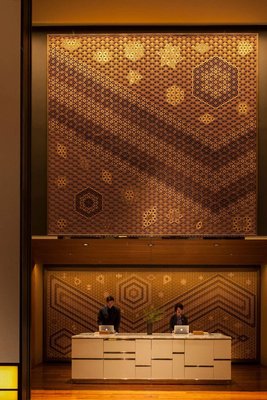
Andaz Tokyo Toranomon Hills- A Concept by Hyatt
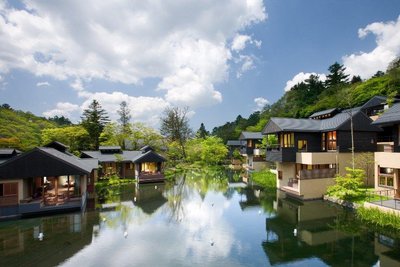
Hoshinoya Karuizawa
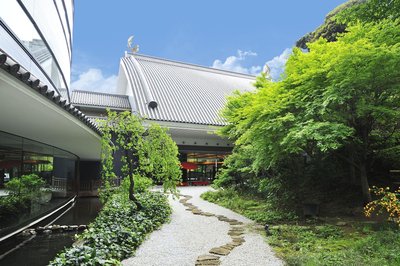
Hotel Gajoen Tokyo
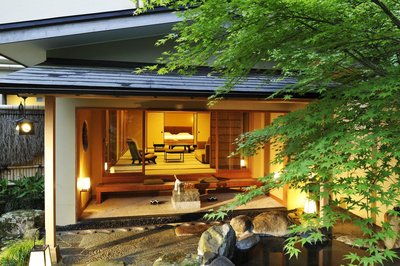
Gora Kadan
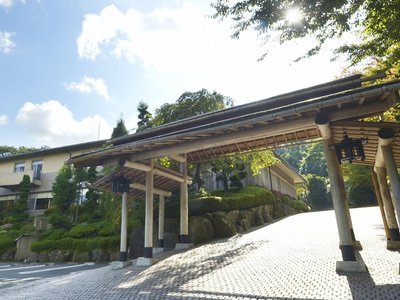
Gora Hanaougi

The Hiramatsu Hotels & Resorts Kashikojima
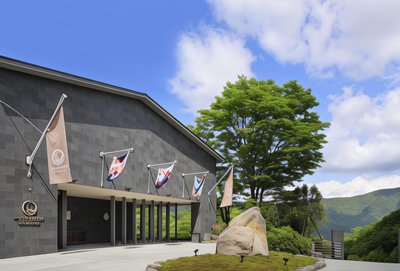
The Hiramatsu Hotels & Resorts Sengokuhara Hakone

Abba Resorts Izu - Zagyosoh

Rakuten STAY VILLA Nasu
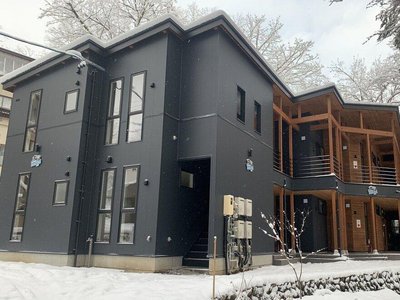
Hakuba Gondola Apartments
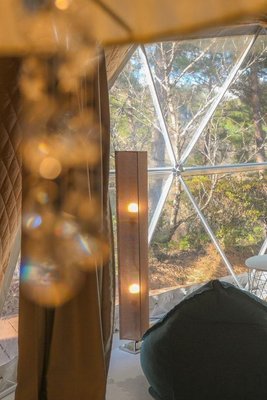
glampark Gekkabijin Nagano
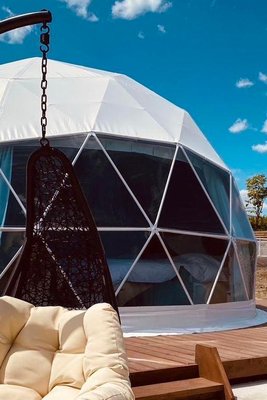
chillout glamping zao
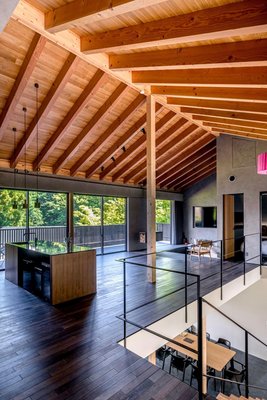
MONS GORA

Phoenix Chalets by Hhg
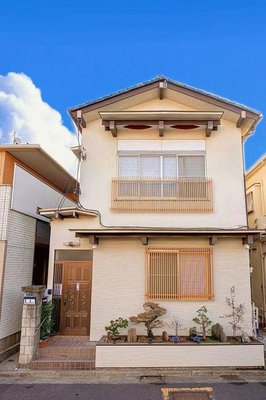
Tokyo Star House-Shinkoiwa
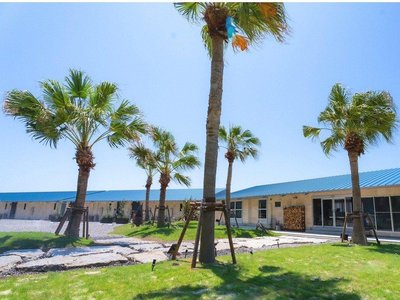
Glamping&Resort Wood Design Park Noma
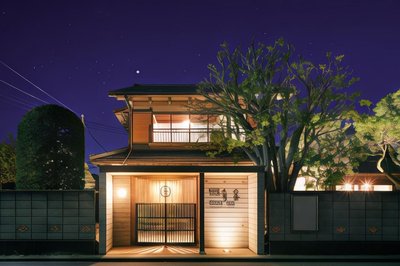
Machi-Jyu
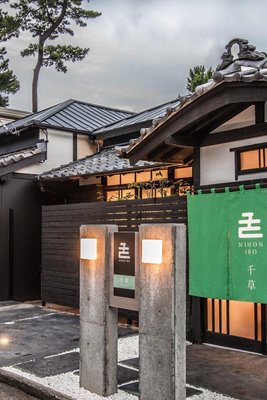
Nihon Iro
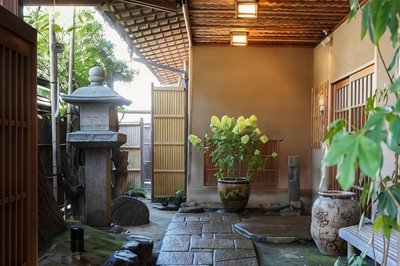
Ryokan Asadaya
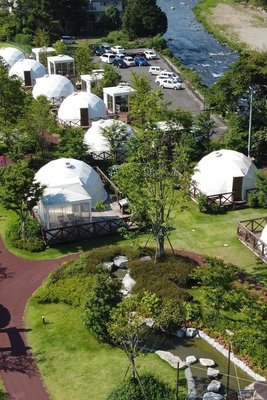
Ufufu Village
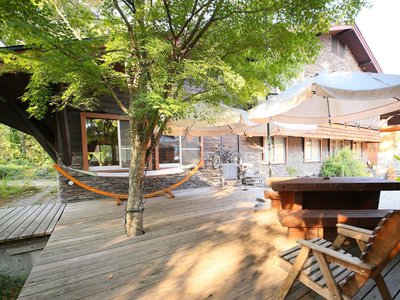
Kunugi Relaxation with 4 Modern Rooms
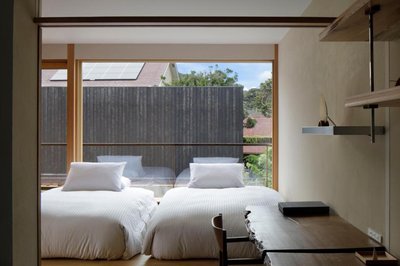
Modern Ryokan Kishi-ke

Petals Tokyo - Floating Hotel
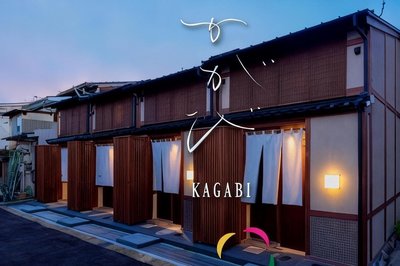
Kagabi Machiya House

The Flow Kamakura
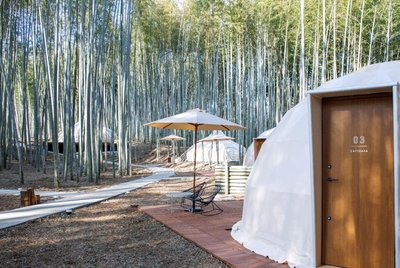
THE BAMBOO FOREST
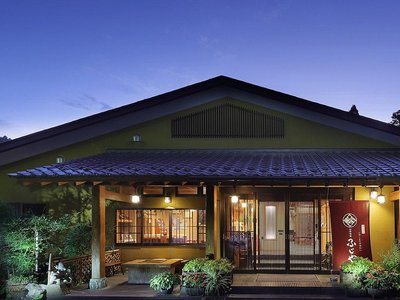
Shikimitei Fujiya
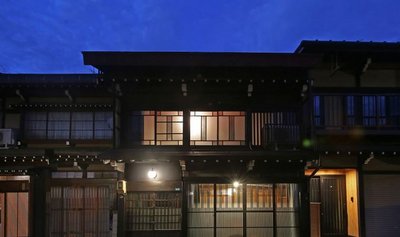
Iori Stay Hida

Hotel Barrière Fouquet's New York
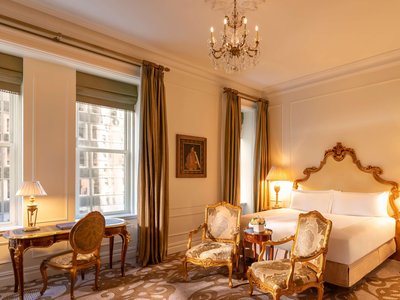
The Plaza - A Fairmont Managed Hotel
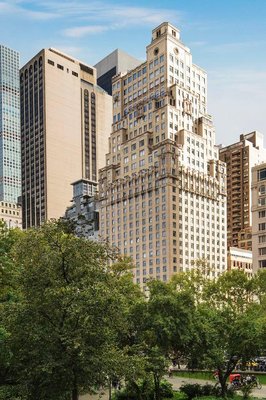
The Ritz-Carlton New York, Central Park
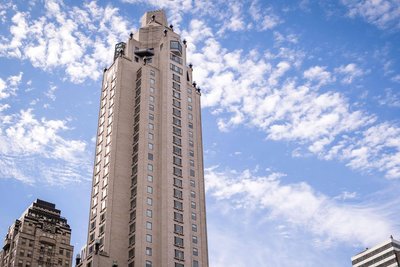
Four Seasons Hotel New York

The St. Regis New York
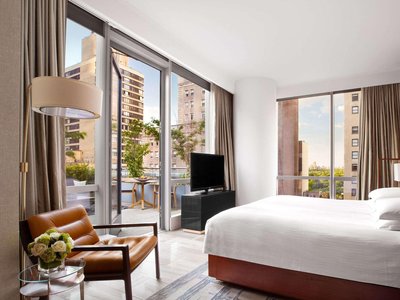
Park Hyatt New York
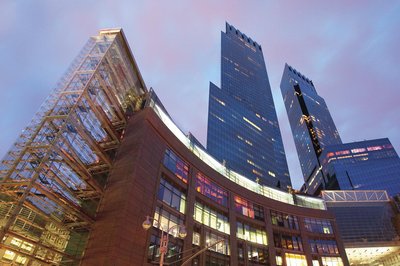
Mandarin Oriental New York

Times Square Edition New York

Loews Regency New York Hotel

Lowell Hotel
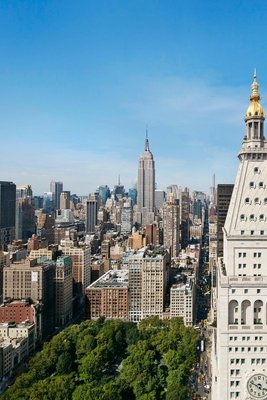
New York Edition
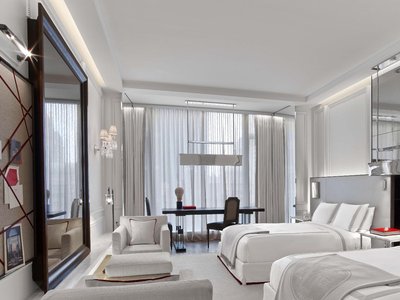
Baccarat Hotel New York

Equinox Hotel New York

Four Seasons Hotel New York Downtown
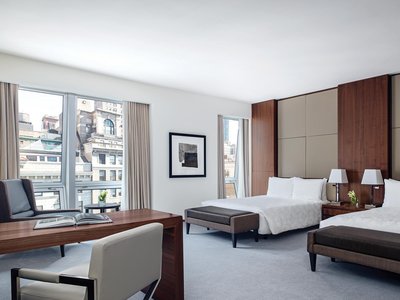
The Langham, New York, Fifth Avenue

The Carlyle, A Rosewood Hotel

The Chatwal, in the Unbound Collection by Hyatt

The Mark New York
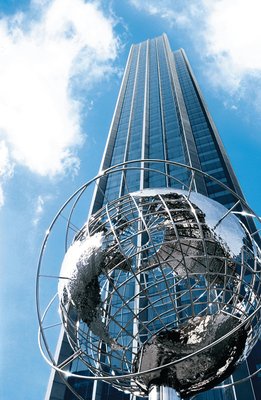
Trump International Hotel & Tower® New York
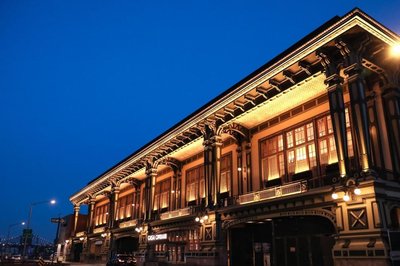
Casa Cipriani New York
Frequently Asked Questions about Traveling to Moroyama
Questions You Might Need to Know About Traveling to Moroyama
In Horyu-san Town, the top family-friendly option is Horyu-san Forest Resort, a nature-immersive lodge nestled at the base of Mount Horyu. It features private wooden cottages with hot spring baths, spacious gardens, and child-safe play areas. The resort offers guided forest walks, seasonal craft workshops (like bamboo weaving), and farm-to-table meals using local ingredients. Nearby, Mori no Ie provides homestay-style accommodations with traditional Japanese design and open-air baths. Both properties prioritize safety, quiet surroundings, and authentic rural experiences—perfect for families seeking peace and connection with nature.
HopeGoo in advance is strongly recommended, especially during cherry blossom and autumn foliage seasons.
The ideal times to visit Horyu-san Town are spring (March–May) and autumn (October–November). In spring, the Horyu-san Park bursts into bloom with cherry blossoms, creating a breathtaking contrast against the backdrop of the Chichibu Mountains. Autumn transforms the area into a sea of crimson and gold, especially visible from the Ogamiyama Observation Deck. Each season hosts unique festivals—such as the Horyu-san Fall Festival in November, featuring illuminated lanterns, local crafts, and traditional kagura dance performances. These events offer deep cultural immersion, while the mild weather makes hiking and outdoor activities highly enjoyable.
Visitors to Horyu-san Town can participate in rare hands-on cultural experiences such as bamboo crafting workshops led by local artisans, where you’ll learn to weave traditional baskets or decorative items using sustainably harvested bamboo. At Horyu Shrine, guests may witness kagura rituals during monthly festivals, offering insight into ancient Shinto traditions. During autumn, join the Chestnut Harvest Festival, where you’ll gather fresh chestnuts and help prepare kuri daifuku (sweet rice cakes). These immersive activities take place at community centers or guesthouses and require advance reservations. They provide genuine connections to rural Japanese life and craftsmanship.
The Northern Forest Zone near the foot of Mount Horyu is the most tranquil area in Horyu-san Town, secluded among dense cedar forests and far from main roads. This region hosts only a few boutique lodges like Mori no Ie and Seion Betto, which use natural timber and feature private onsen baths and meditation spaces. Guests wake to bird songs and enjoy stargazing under pristine night skies. While public transport is limited—best accessed by car—this seclusion enhances the sense of serenity, making it ideal for digital detox and nature-based wellness. Early HopeGoo is essential due to high demand.
Nature lovers should hike the Horyu-san Loop Trail (6.5 km), a moderate route winding through ancient cypress forests and cascading streams, with multiple viewpoints offering panoramic views of the Chichibu Hills. Another must-visit is the Ogamiyama Bamboo Grove Trail (2.8 km), where towering green bamboo creates a serene tunnel effect, filtering sunlight into soft patterns. Both trails feature rest stops, water fountains, and clear signage. Wear sturdy footwear and bring insect repellent. Best visited early morning to avoid heat and crowds. The trails are well-maintained and accessible year-round, though snow cover may require caution in winter.
Must-try dishes in Horyu-san Town include Chichibu Soba—handmade buckwheat noodles served cold with a delicate soy-based broth—and Horyu-san Chestnut Rice, a sweet, hearty dish made with freshly harvested chestnuts. Don’t miss Yamabudo Tempura, a specialty of wild mountain vegetables like ferns, dandelions, and Japanese parsley, lightly fried to perfection. These flavors shine at Horyu-san Local Kitchen and Forest Kitchen Restaurant, where chefs source ingredients directly from nearby farms. Many restaurants also offer family meal sets with homemade miso soup and pickled vegetables, giving travelers an authentic taste of rural Japanese cuisine.
Yes, Horyu-san Onsen Ryokan Mori no Yu is a top choice for hot spring stays, featuring an open-air bath overlooking a bamboo grove with views of the surrounding forest. The mineral-rich waters originate from deep underground, known for their skin-soothing properties. The ryokan serves traditional kaiseki dinner using locally sourced ingredients like chestnuts, mountain vegetables, and freshwater fish. Another excellent option is Midori no Yu: Rinkan Bekkan, which emphasizes “zero chemical” baths and combines herbal infusions with aromatherapy. Both properties offer intimate settings and require advance bookings—especially on weekends and during peak foliage season.
Absolutely. Horyu-san Town is highly suitable for children, with attractions designed for young explorers. The Horyu-san Children’s Nature Park features insect observation ponds, a mini farm with goats and chickens, and climbing structures. Guided nature trails come with illustrated storybook maps to engage kids in identifying plants and birds. Families can also visit Horyu Shrine’s deer feeding zone, where children can safely feed friendly deer. Most guesthouses provide baby beds, high chairs, and kid-friendly amenities. Some even offer themed activity kits—like bamboo animal crafts or chestnut cookie-making—making it a memorable, educational experience for all ages.
The easiest way to reach Horyu-san Town is by taking the Seibu Railway to Iruma Station, then transferring to a local bus (e.g., Chichibu Bus) to Horyu-san Town Hall Stop, a 40-minute ride. For greater flexibility, renting a car is ideal—access via the Kosoku Expressway to Omiya Interchange, then follow Prefectural Road 17. Public transit is limited outside peak seasons, so planning ahead is crucial. Some guesthouses offer shuttle services upon request. Note that the town has no train station, so driving or pre-arranged transport is recommended for convenience and access to remote trails and lodges.
The night sky in Horyu-san Town is exceptionally clear due to its status as a designated Dark Sky Preserve in Japan. With minimal light pollution, visitors can enjoy stunning views of the Milky Way, especially during summer meteor showers. The Ogamiyama Observation Deck and Mori no Ie’s rooftop terrace are prime spots for stargazing. Many lodges host astronomy nights with expert-led talks and telescope viewing. During winter, the Snow Lantern Festival illuminates the forest with paper lanterns, casting a magical glow over the snow-covered landscape. Night experiences require reservations and warm clothing—ideal for romantic or reflective moments under the stars.
Moroyama Overview
City Summary
Moroyama Town, located in the southern part of Saitama Prefecture, Japan, is a tranquil small town that blends nature and culture. It is known for its dense forests, hot springs, and historic temples, with Moroyama Park being the most famous attraction, offering beautiful scenery throughout the year, especially cherry blossoms in spring and autumn foliage.
Must-See Attractions
Moroyama Park is a must-visit destination, featuring vast green spaces and hiking trails perfect for leisurely walks. Nearby, the Iwadono Kannon Temple is a historic Buddhist temple with a serene atmosphere, ideal for meditation and prayer. The Moroyama Hot Springs provide a relaxing retreat, perfect for unwinding after a day of sightseeing.
Food Guide
Moroyama's culinary culture focuses on local farm produce. Try fresh vegetables and fruits from nearby farms. Street foods like roasted sweet potatoes and mochi dumplings are also popular. Don't miss local specialties such as Fukaya negi udon, a regional noodle dish from Saitama.
Transportation Guide
Public transport in Moroyama relies mainly on buses and taxis. From Tokyo, take the JR Takasaki Line to Kumagaya Station, then transfer to a bus to Moroyama. The town's bus network covers major attractions, but services are infrequent, so plan ahead. Taxis are more convenient but costly.
Best Time to Visit
The best times to visit are spring (March to May) and autumn (September to November). Spring offers cherry blossoms, while autumn showcases vibrant foliage. Summers are hot and humid, and winters are cold with fewer tourists.
Travel Tips
- Respect local customs; maintain silence at temples.
- Carry cash as some small shops don't accept cards.
- Check bus schedules to avoid missing the last ride.
- Follow hot spring etiquette, such as showering before entering the bath.
- Protect the environment by not littering.
- Learn basic Japanese greetings to communicate with locals.
Useful Information
Japanese is the primary language, and English proficiency is low. A translation app is recommended. Free WiFi is available at major spots but limited; consider a local SIM card. Cash is preferred, though some places accept cards. For emergencies, dial 119. Hospitals are centered in Kumagaya City. Post offices and ATMs are accessible downtown, but currency exchange is scarce.