Hotels in Motomiya
Discover your perfect stay in Motomiya.
Motomiya(Japan) Travel 2026: Cheap Flights, Hotels & Top Attractions
Popular Landmarks in Motomiya
Discover the most iconic attractions in Motomiya
Recommended Hotels in Motomiya
Find the perfect place to stay in Motomiya
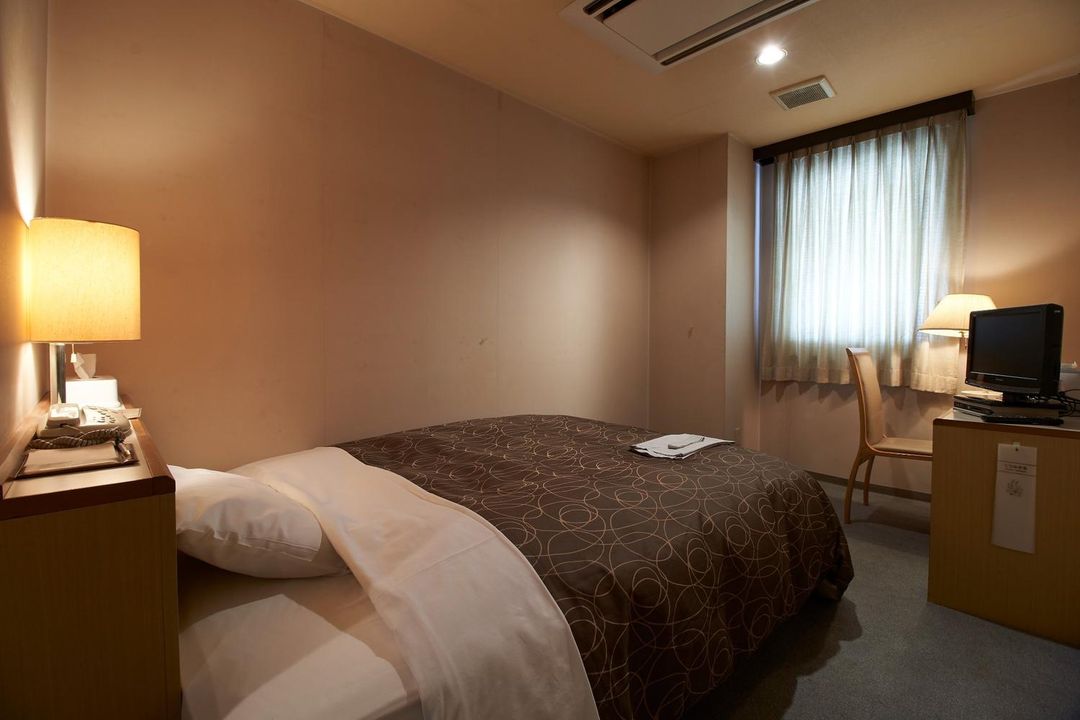
Hotel Four C'S
Best Hotels in Motomiya
Discover curated hotel collections in Motomiya
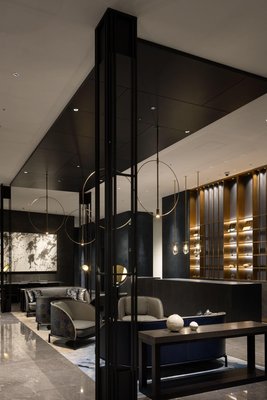
Bellustar Tokyo, A Pan Pacific Hotel
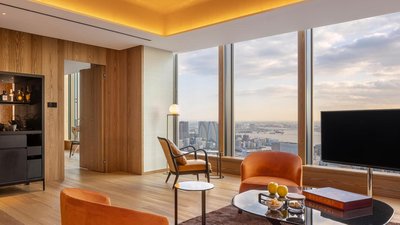
Bvlgari Hotel Tokyo
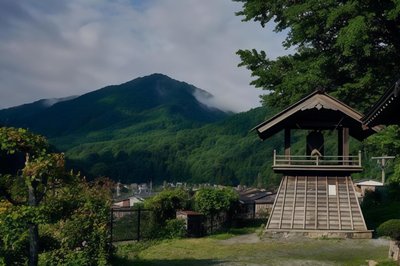
Byaku Narai
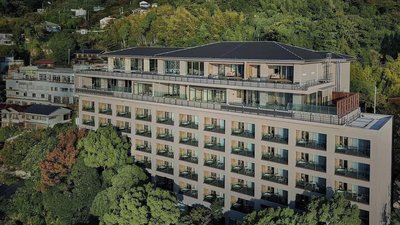
Atami Izusan Karaku
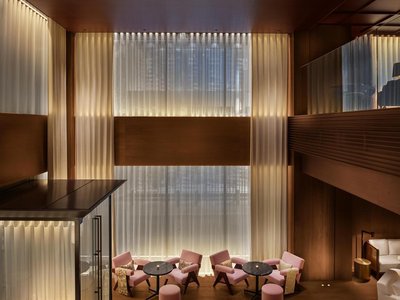
The Tokyo Edition, Ginza
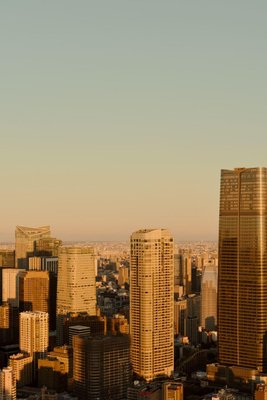
Janu Tokyo
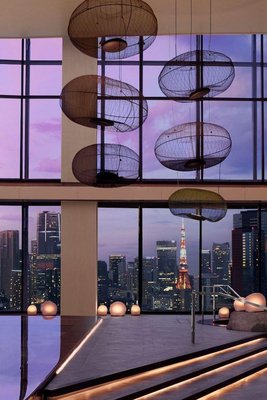
JW Marriott Hotel Tokyo
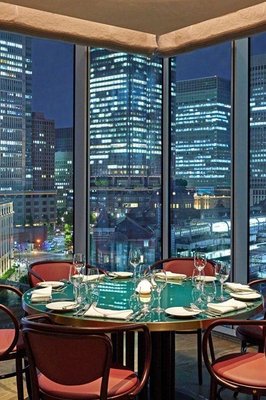
Four Seasons Hotel Tokyo at Marunouchi

Mandarin Oriental, Tokyo
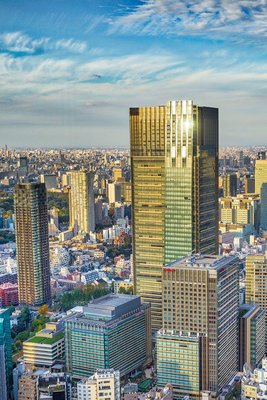
The Ritz-Carlton, Tokyo
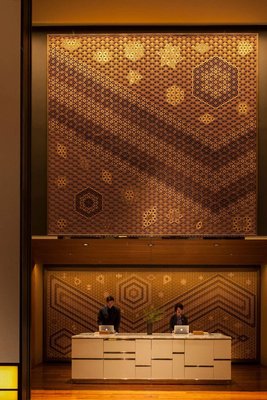
Andaz Tokyo Toranomon Hills- A Concept by Hyatt
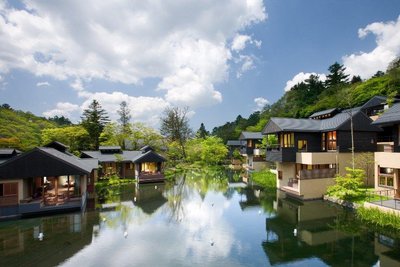
Hoshinoya Karuizawa
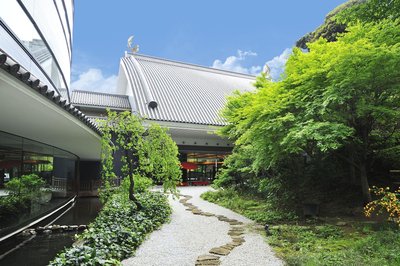
Hotel Gajoen Tokyo
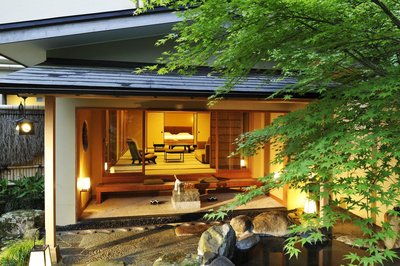
Gora Kadan
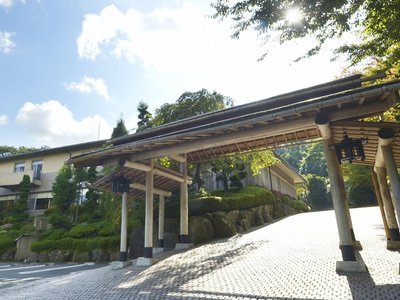
Gora Hanaougi
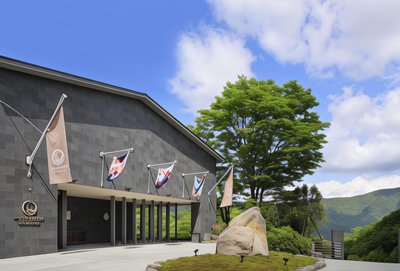
The Hiramatsu Hotels & Resorts Sengokuhara Hakone
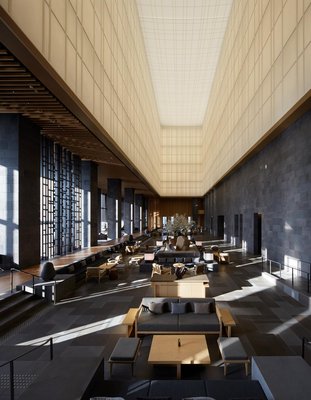
Aman Tokyo
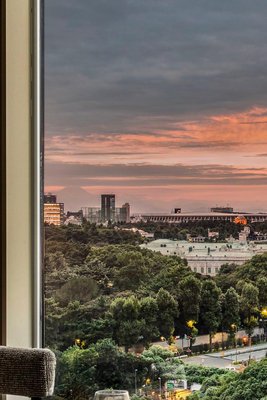
Hotel New Otani Tokyo, Executive House Zen
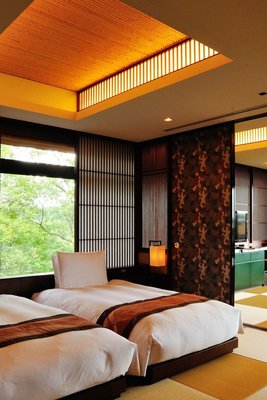
Chikusenso Onsen
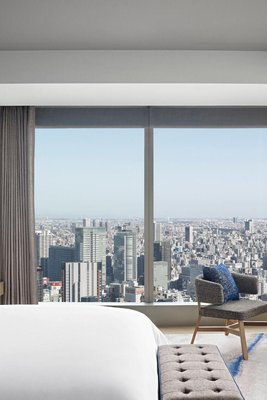
Four Seasons Hotel Tokyo at Otemachi
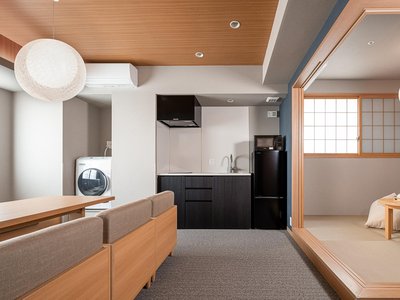
MIMARU SUITES Tokyo Asakusa
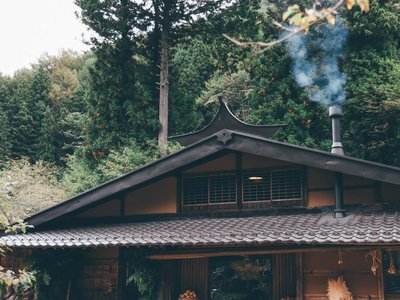
La Terra Resort
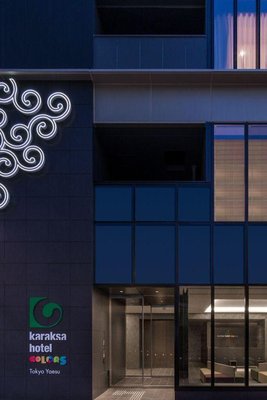
karaksa hotel colors Tokyo Yaesu
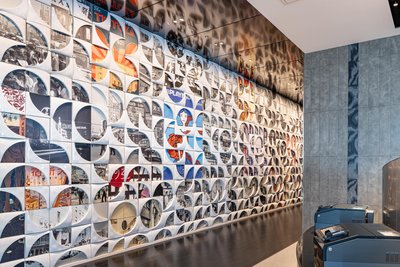
HOTEL GROOVE SHINJUKU, A PARKROYAL Hotel

EN Resort Grandeco Hotel
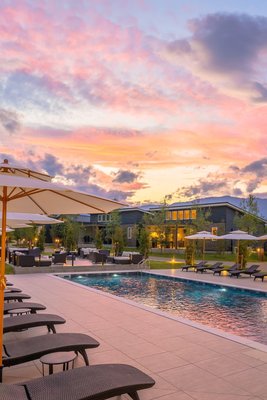
Awaumi Fujikawaguchiko Resort
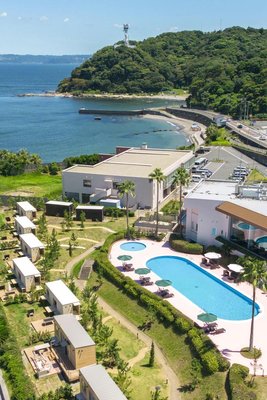
La vista Yokosuka Kannonzaki Terrace
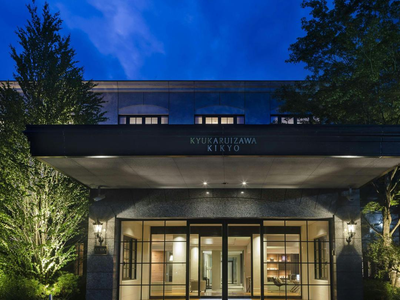
Fufu Karuizawa Wind of Sunshine
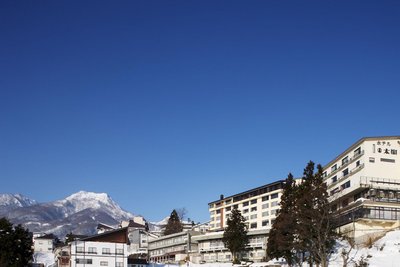
Hotel Taiko, Akakura Onsen
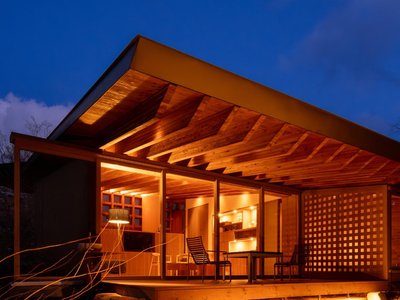
Nasu Mukunone
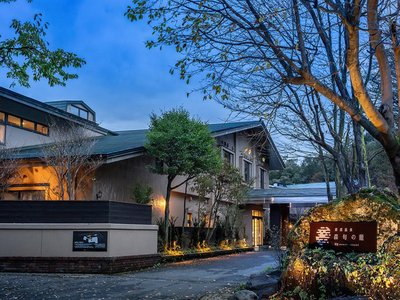
Nasu Onsen Shinshun no Kago Hewitt Resort

Scapes the Suite
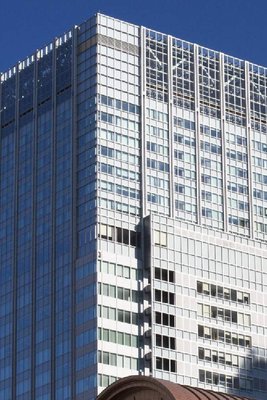
Hotel Metropolitan Tokyo Marunouchi
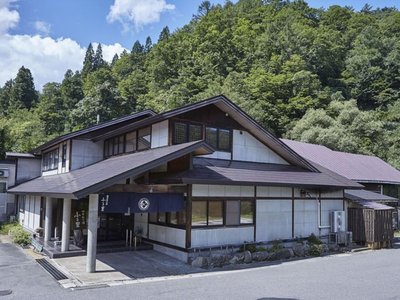
Fulsato
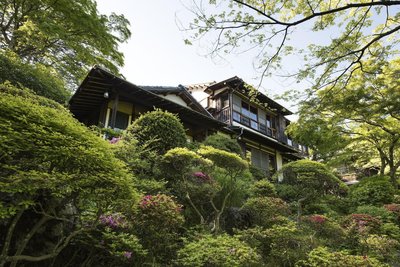
Gora Kansuiro
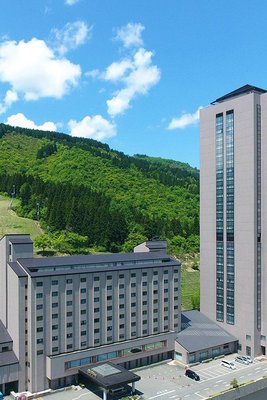
Naspa New Otani
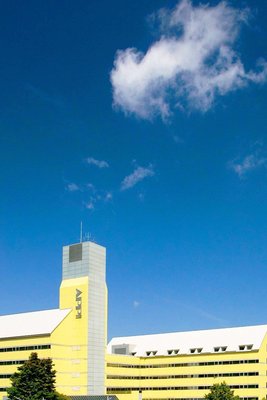
Crowne Plaza - ANA RESORT APPI KOGEN
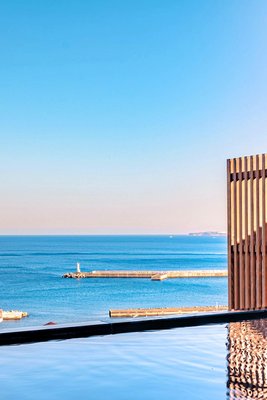
HOTEL KANICHI
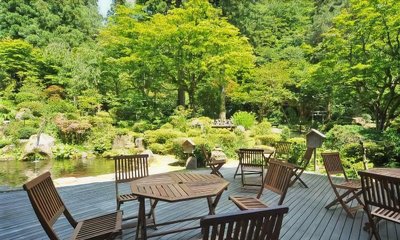
Choseikan
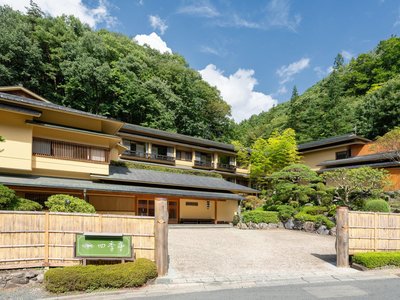
Shikitei Morioka TsunagiOnsen
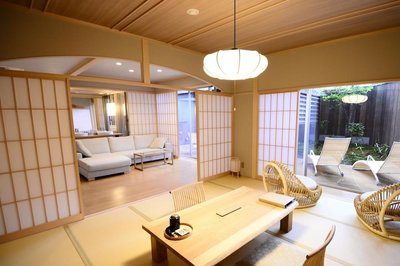
Hakone Gora Byakudan
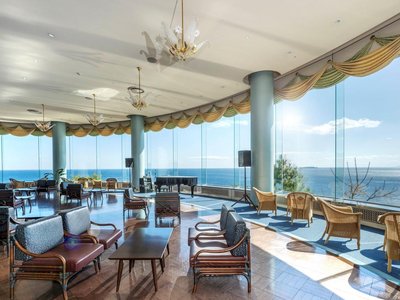
Hotel New Akao
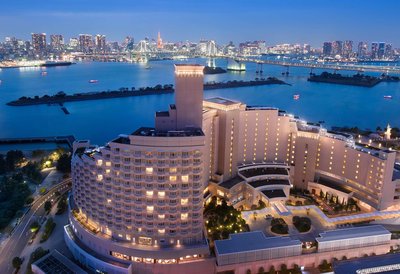
Hilton Tokyo Odaiba
JW Marriott Hotel Tokyo
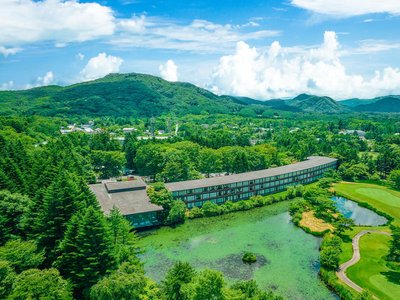
The Prince Karuizawa
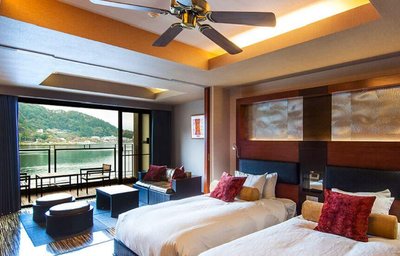
The Kukuna
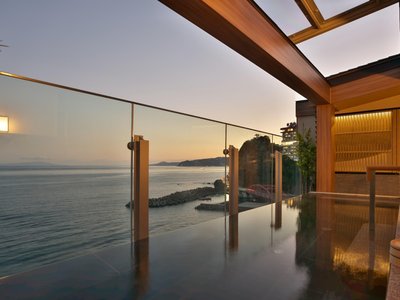
Hotel New Sagamiya
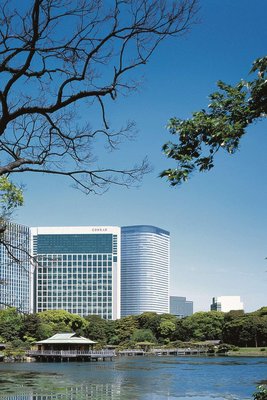
Conrad Tokyo
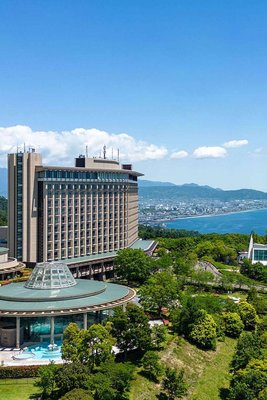
Hilton Odawara Resort & Spa
Hoshinoya Karuizawa
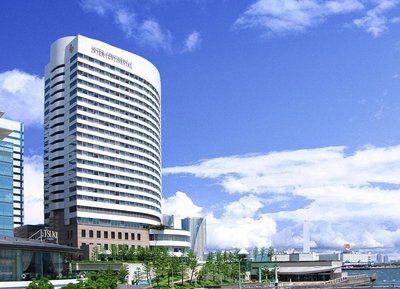
InterContinental Tokyo Bay
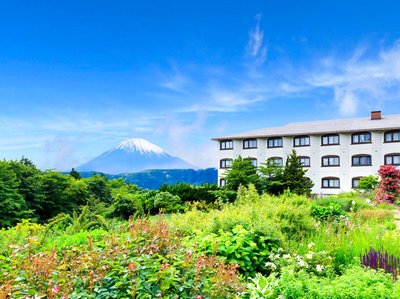
Hotel Green Plaza Hakone
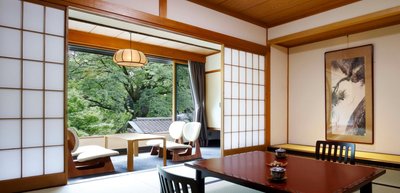
Yoshiike Ryokan
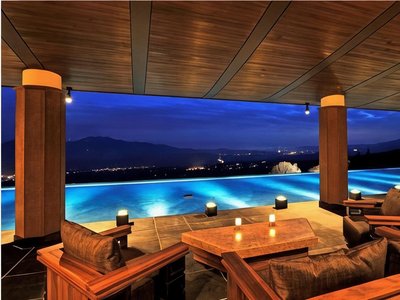
Akakura Kanko Hotel
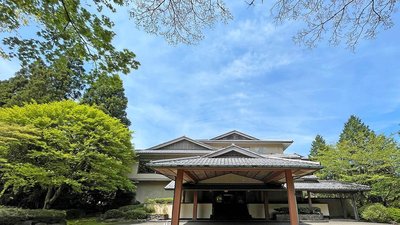
Ryuguden
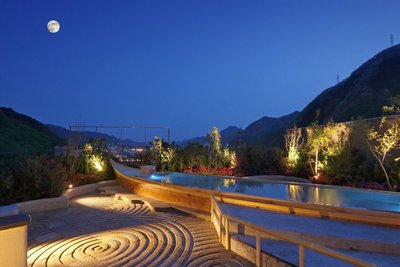
Asaya
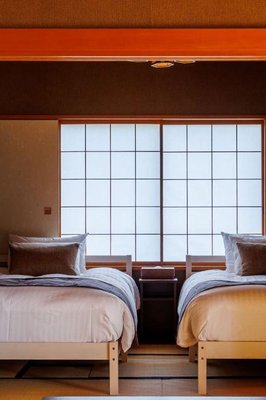
Sado Resort Hotel Azuma
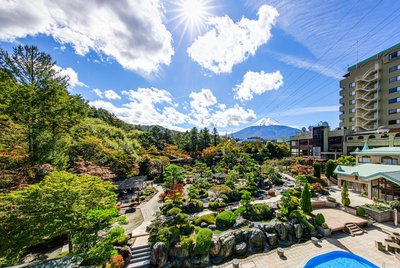
Kaneyamaen
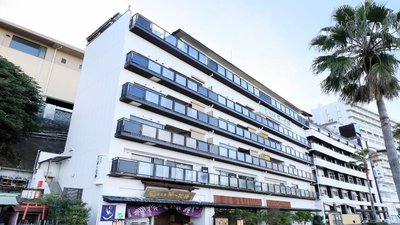
Syukaen Yunohanazen
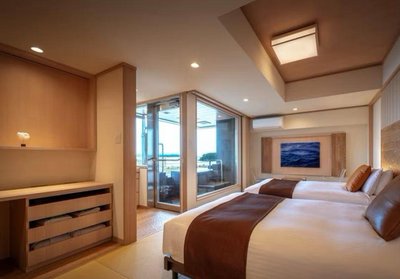
Komatsu-Kan Kofu-Tei
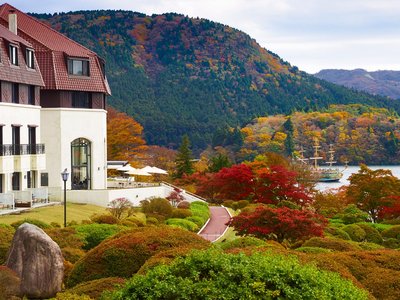
Hotakajyo
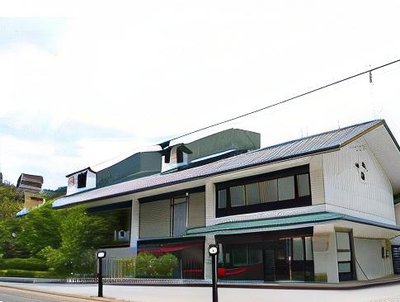
Auberge Suzukane

Onyado Nono Asakusa Bettei Hot Spring
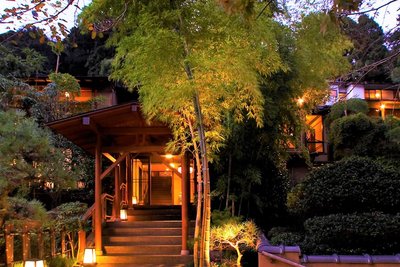
Shiki wo Ajiwau Yado Yamano Chaya
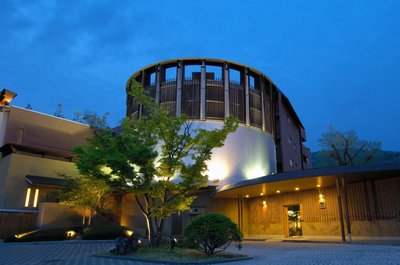
Hoshino Resorts Kai Matsumoto
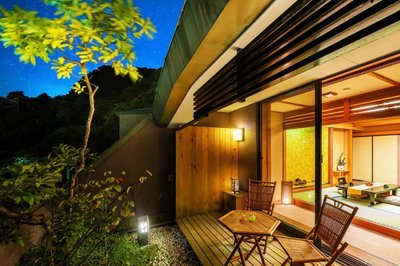
Konjakutei
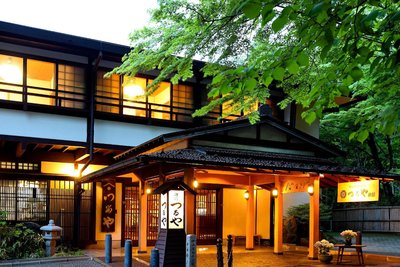
Tsuruya Ryokan
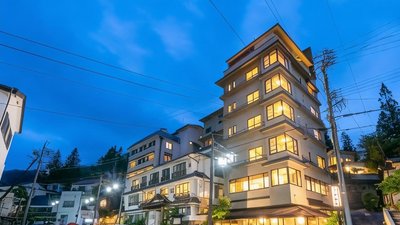
Nakamatsuya Ryokan
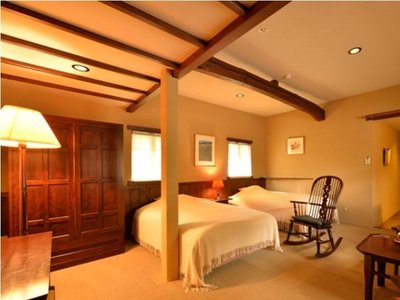
Ryokan Sugimoto
Yoshiike Ryokan
Hotel Gajoen Tokyo
Gora Hanaougi
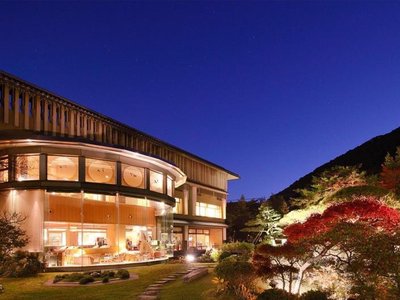
Shikisai Ichiriki
Sado Resort Hotel Azuma
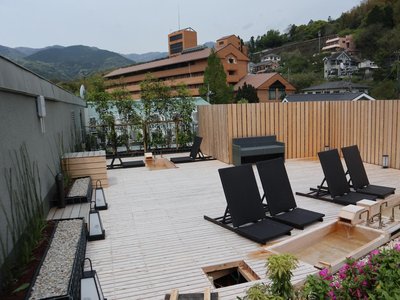
Fukiya Ryokan
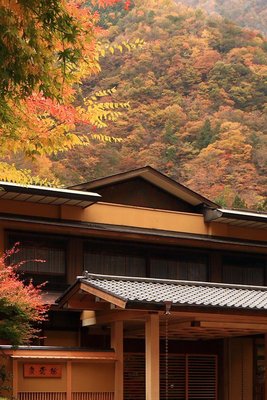
Nishiyama Onsen Keiunkan
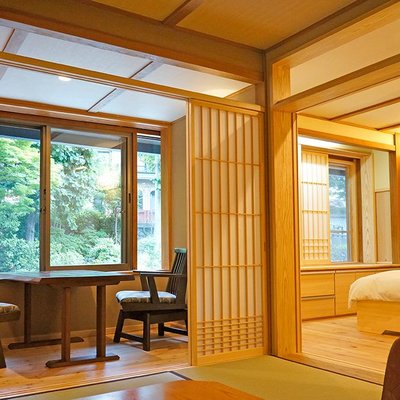
Sumiyosiya Ryokan
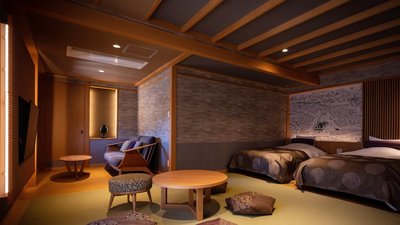
Naraya
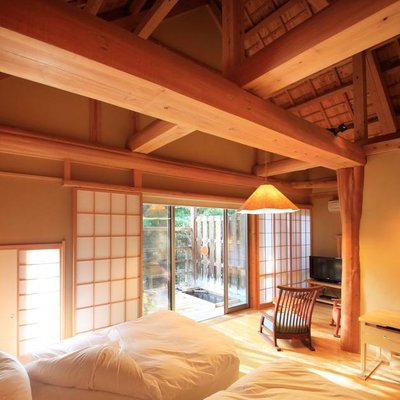
Daikon-No-Hana
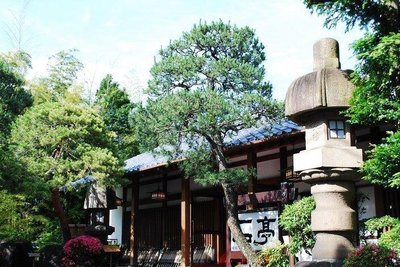
Atami Sekitei
Bellustar Tokyo, A Pan Pacific Hotel
JW Marriott Hotel Tokyo
Andaz Tokyo Toranomon Hills- A Concept by Hyatt
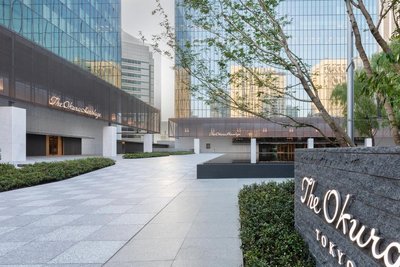
The Okura Tokyo
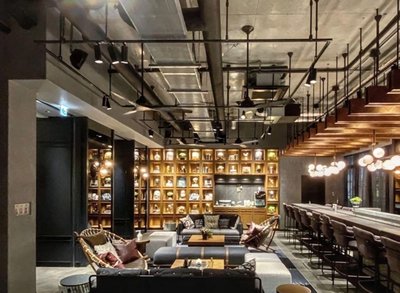
The Lively Azabujuban Tokyo
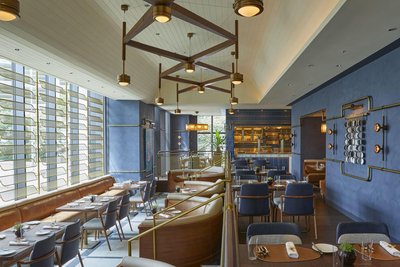
Kimpton Shinjuku Tokyo

HOTEL K5
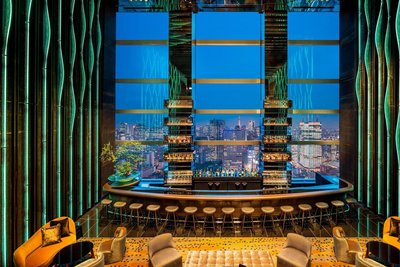
The Prince Gallery Tokyo Kioicho, a Luxury Collection Hotel
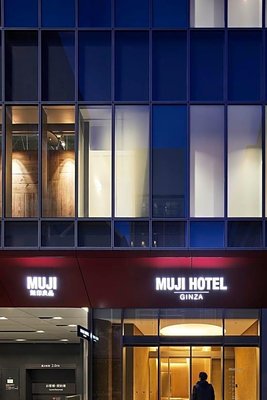
Muji Hotel Ginza
Hakone Gora Byakudan
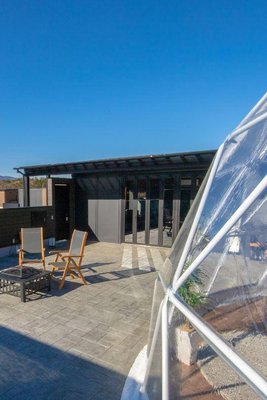
Panoramic Mt. Fuji Views from All Rooms – Vision Glamping Resort & Spa Yamanakako
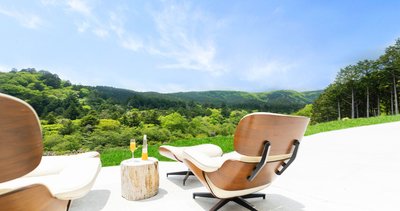
Shelter Garden Nikko
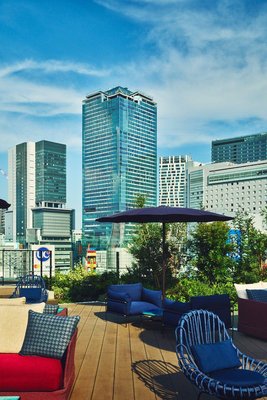
Hotel Indigo Tokyo Shibuya
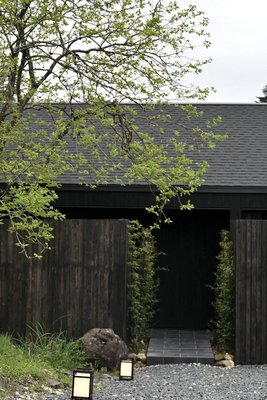
THE LAKOTAN
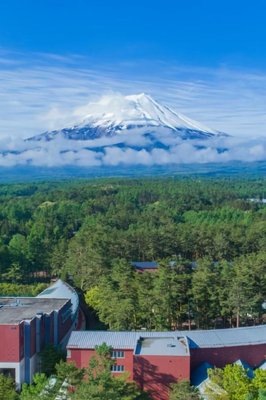
Forest Village (Fuji Premium Resort)
Hotel Toranomon Hills
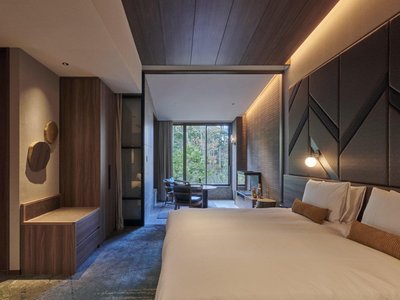
Fufu Kyu-Karuizawa Restful Forest
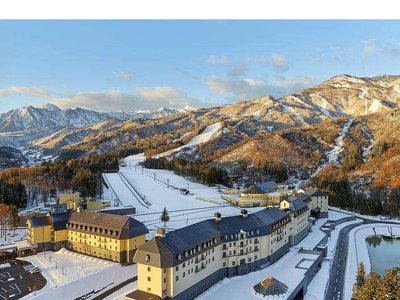
Lotte Arai Resort
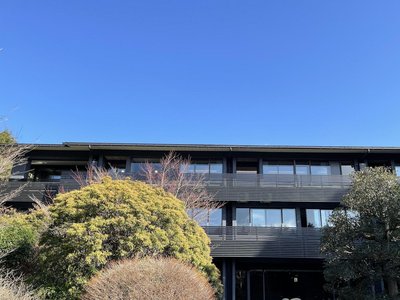
Sengokubara Cocon
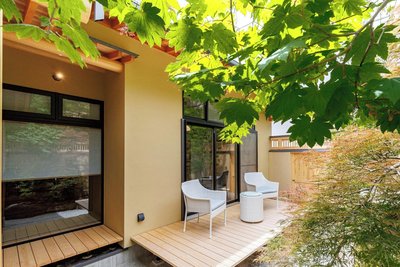
Shoraiso
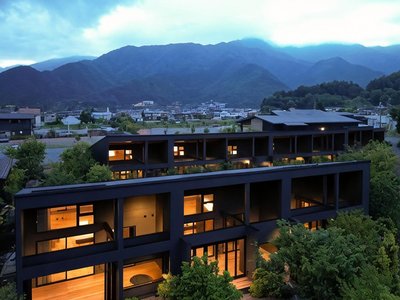
7C Villa and Winery
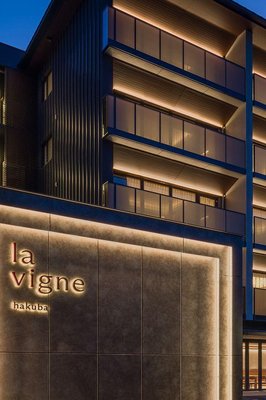
Hotel la Vigne Hakuba by Onko Chishin
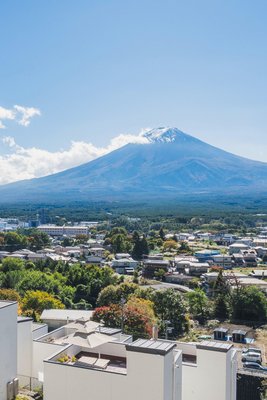
THE TOKI FujiKawaguchiko
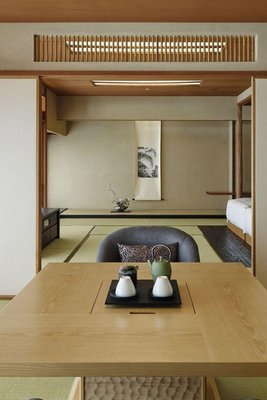
Takanawa Hanakohro (in Grand Prince Hotel Takanawa)
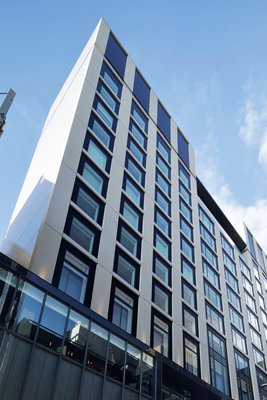
Hyatt Centric Ginza Tokyo
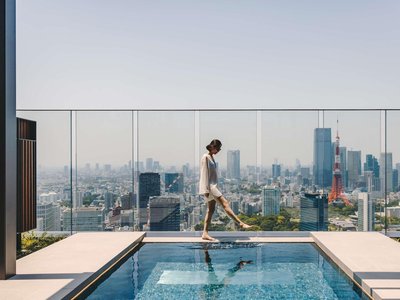
Fairmont Tokyo
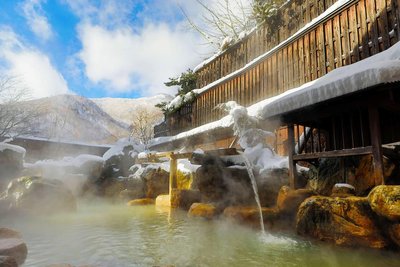
Miyamaouanbekkan yumegurinoyado hirayukan
The Prince Karuizawa
Conrad Tokyo
Bvlgari Hotel Tokyo
Four Seasons Hotel Tokyo at Marunouchi
Mandarin Oriental, Tokyo
The Ritz-Carlton, Tokyo
Andaz Tokyo Toranomon Hills- A Concept by Hyatt
Gora Kadan
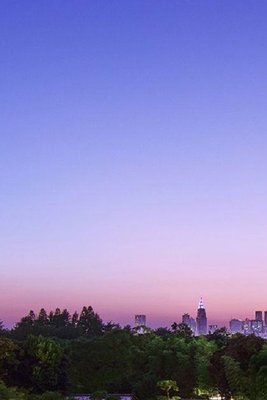
Hotel New Otani Tokyo the Main
Aman Tokyo
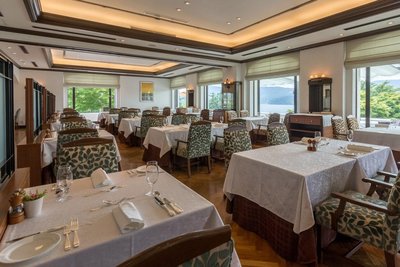
Odakyu Hotel de Yama
Four Seasons Hotel Tokyo at Otemachi
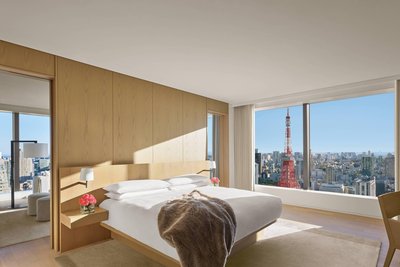
The Tokyo Edition, Toranomon
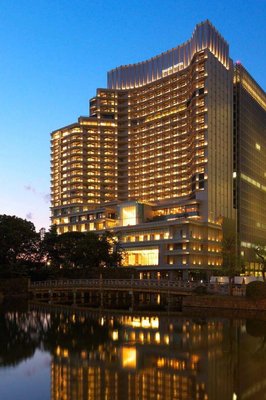
Palace Hotel Tokyo
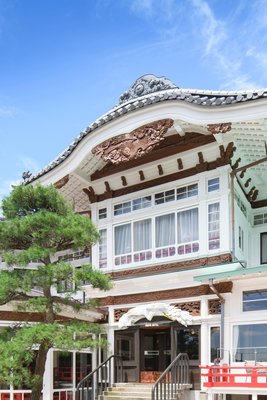
Fujiya Hotel
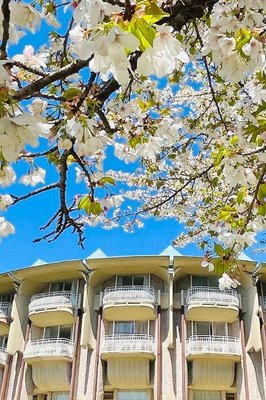
The Prince Hakone Lake Ashinoko
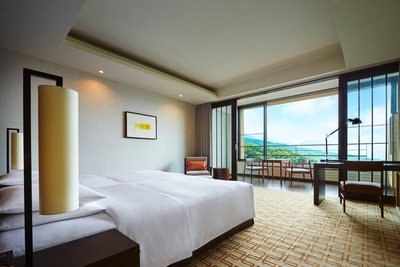
Hyatt Regency Hakone Resort and Spa
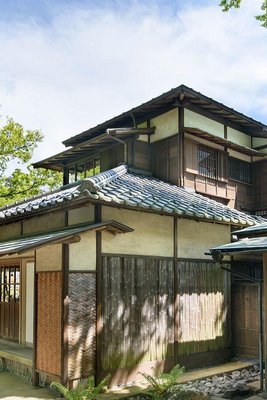
Hakone Suishoen
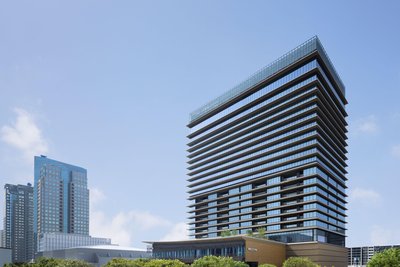
The Westin Yokohama
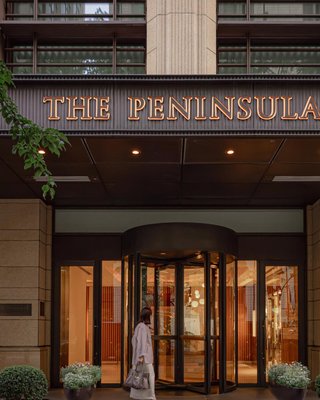
The Peninsula Tokyo

Imperial Hotel, Tokyo
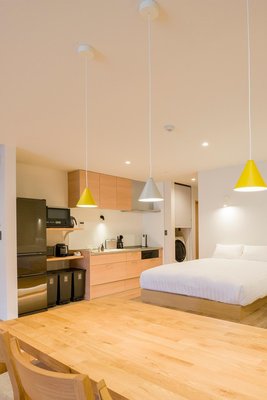
Rakuten STAY VILLA Nasu
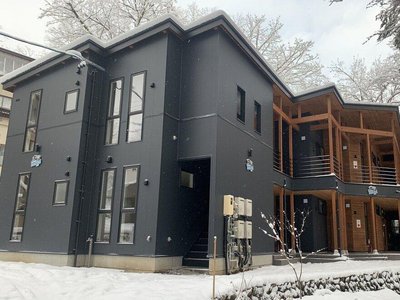
Hakuba Gondola Apartments
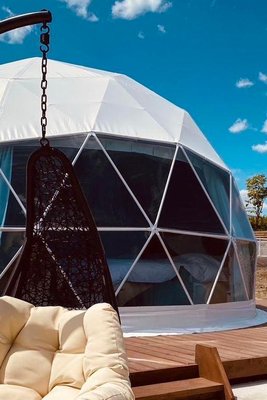
chillout glamping zao
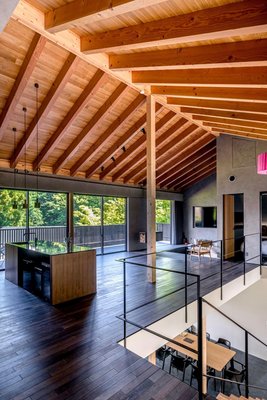
MONS GORA
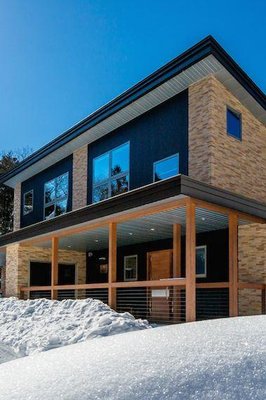
Phoenix Chalets by Hhg
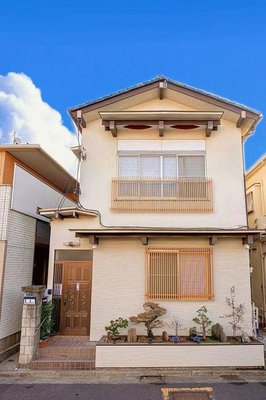
Tokyo Star House-Shinkoiwa
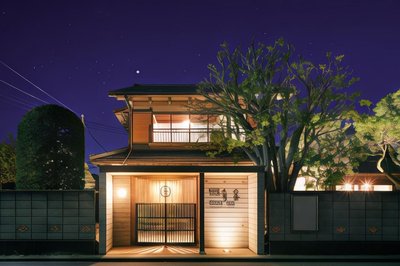
Machi-Jyu
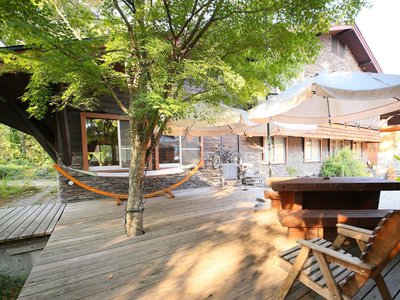
Kunugi Relaxation with 4 Modern Rooms
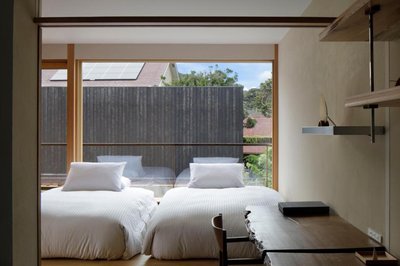
Modern Ryokan Kishi-ke
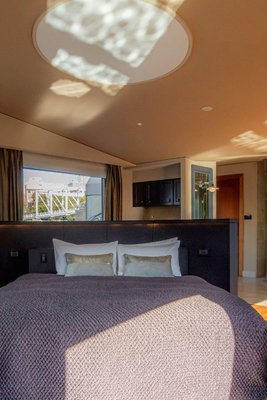
Petals Tokyo - Floating Hotel
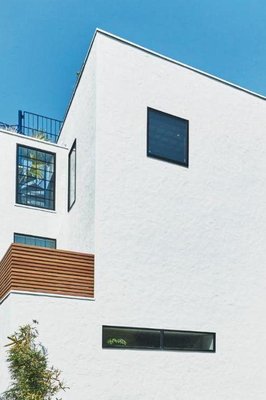
The Flow Kamakura
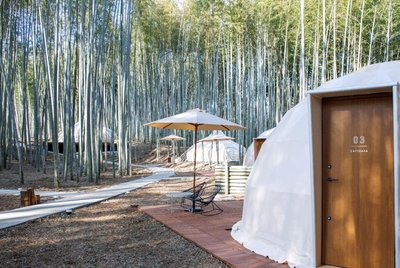
THE BAMBOO FOREST
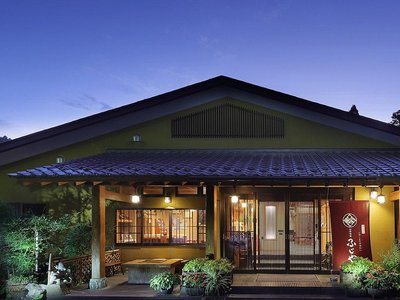
Shikimitei Fujiya
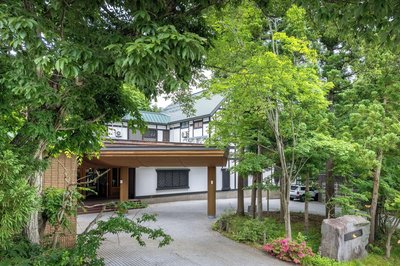
Forest Resort Yamanote Hotel

Hotel Barrière Fouquet's New York
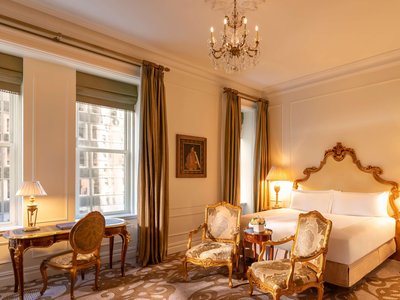
The Plaza - A Fairmont Managed Hotel
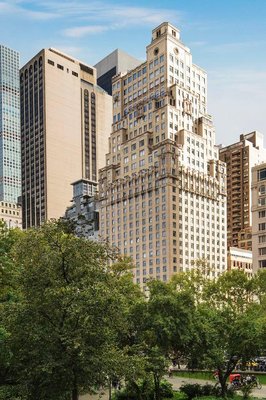
The Ritz-Carlton New York, Central Park
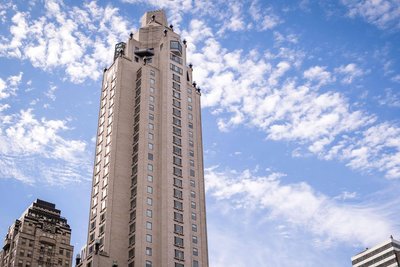
Four Seasons Hotel New York
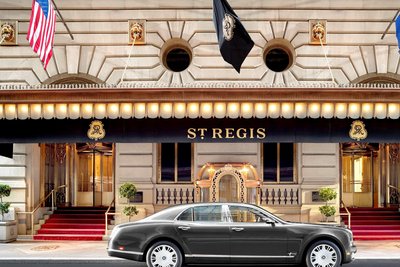
The St. Regis New York
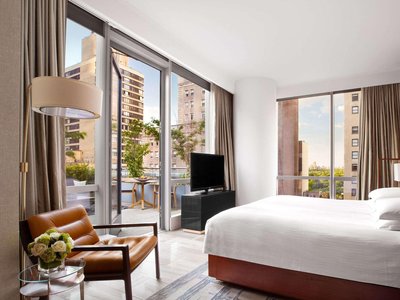
Park Hyatt New York
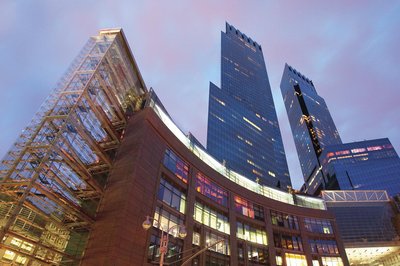
Mandarin Oriental New York
Times Square Edition New York

Loews Regency New York Hotel
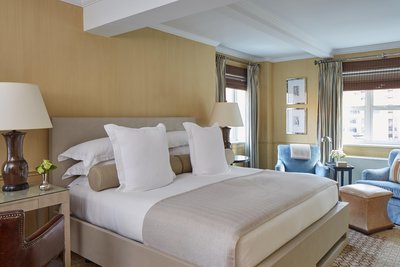
Lowell Hotel
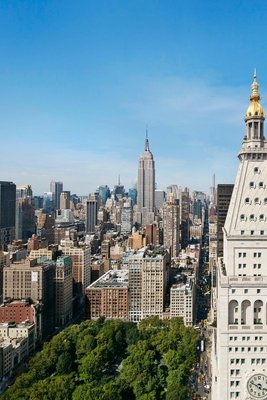
New York Edition
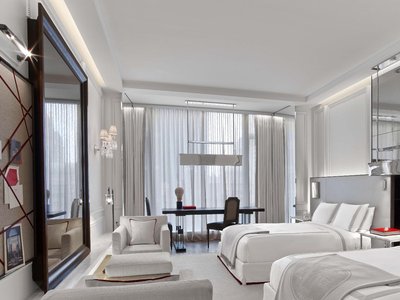
Baccarat Hotel New York
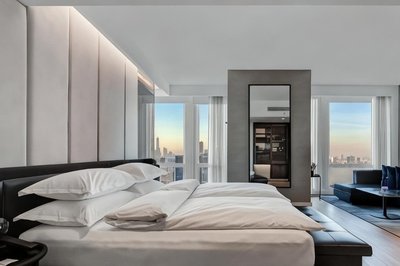
Equinox Hotel New York

Four Seasons Hotel New York Downtown
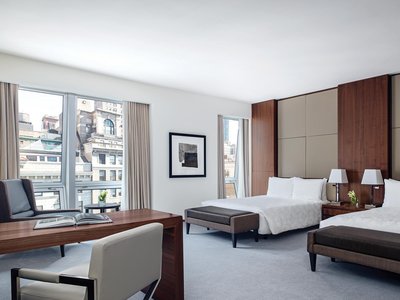
The Langham, New York, Fifth Avenue

The Carlyle, A Rosewood Hotel

The Chatwal, in the Unbound Collection by Hyatt
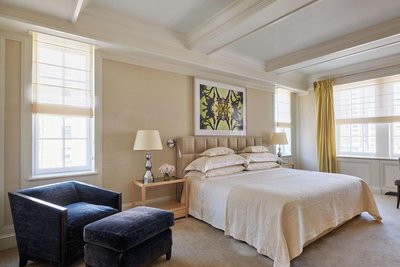
The Mark New York
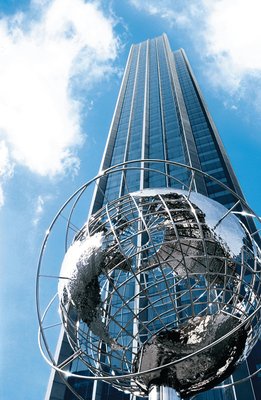
Trump International Hotel & Tower® New York
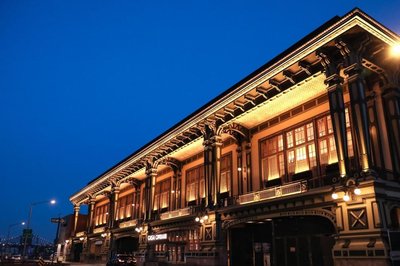
Casa Cipriani New York
Frequently Asked Questions about Traveling to Motomiya
Questions You Might Need to Know About Traveling to Motomiya
In Hongo City, the top choice is O-hara Onsen Kounkan, a traditional ryokan nestled in the mountains near Kawane River Valley. Its natural hot spring water comes from deep underground, rich in sulfur and bicarbonate, known for relieving muscle fatigue and improving skin health. The open-air bath offers panoramic views of the valley, especially stunning under starlit skies. Some rooms include private onsen baths with wooden tubs and bamboo screens, creating a serene Japanese Zen atmosphere. The hotel also hosts daily "Onsen Education Sessions" explaining mineral composition and local legends, enhancing cultural immersion.
The best area for first-time visitors is Hongo Central District, located just steps from Hongo Shrine and Fukushima Transportation Hub. This district features well-reviewed guesthouses like Matsukaze So and Sakura no Yado, blending minimalist design with natural materials. It’s perfect for exploring local life—stroll through Kawane Street Market for regional delicacies like mackerel sushi and black bean soup. Additionally, it’s a short 10-minute walk to the O-hara Mountain Trailhead, ideal for morning hikes and photography. Public transport and amenities are convenient, making it a gateway to both culture and nature.
Tourists in Hongo City can participate in the Spring O-hara Mountain Prayer Festival and Autumn Field Fire Festival, deeply rooted in local tradition. During the Spring Festival, locals perform ritual dances wearing traditional garments at Hongo Shrine, honoring nature and ancestors. In late summer, the Kawane River Lantern Festival lights up hundreds of handmade paper lanterns, symbolizing purification and protection. Visitors can also join the Fukushima Rural Life Experience Camp, where they plant rice, make tofu, and learn about sustainable farming practices. These hands-on activities offer authentic insight into rural Japanese heritage.
Yes, Hongo City is highly family-friendly. The Kawane River Trail has designated child-friendly paths with nature guides and birdwatching spots. The Hongo Municipal Center features a kids’ playroom and monthly parenting workshops, including "Little Farmer Days" where children grow vegetables and milk goats. The O-hara Mountain Forest Park offers family camping zones with tent rentals and bonfire nights. Hotels like Matsukaze So and Sakura no Yado provide free cribs, children’s meals, and spacious family suites, ensuring comfort for all ages. Many also offer multilingual staff and kid-friendly activity kits.
Top photogenic spots in Hongo City include: the vermillion torii gates of Hongo Shrine, framed by cherry blossoms in spring; the suspension bridge over Kawane River, reflecting lush greenery and clear waters; and the O-hara Mountain Observatory, offering sweeping views of the Hongo Basin and snow-capped Bandai Mountain. At dusk, the illuminated Lantern Festival creates magical scenes along the riverbank. Even the O-hara Onsen Kounkan garden, with seasonal changes from vibrant foliage to winter snow, provides stunning backdrops for photos throughout the year.
Yes, Hongo City has reliable public transport. The main hub is Hongo Station, served by regular trains connecting Fukushima City and Koriyama City (30-minute rides). Free sightseeing buses, the "O-hara Bus," run daily between key attractions like Hongo Shrine, Kawane River Valley, and Onsen Kounkan, featuring wheelchair-accessible vehicles and multilingual audio guides. For self-drivers, the Tohoku Expressway exit leads directly to downtown in 15 minutes. Some hotels even offer airport shuttle services (e.g., Fukushima Airport), greatly enhancing travel flexibility.
Accommodation prices in Hongo City vary by category and season. Budget-friendly guesthouses or family-run ryokans range from ¥6,000 to ¥12,000 per night, including breakfast and onsen access. Mid-range options like Hongo Onsen Kounkan cost ¥15,000 to ¥25,000, often including dinner and guided tours. Prices rise by 30% during peak seasons (spring cherry blossom and autumn foliage festivals)—book 2–3 months ahead. Some hotels offer "early bird deals" or "local experience packages," such as a two-night stay with a washi paper workshop, providing better value. Budget travelers can opt for O-hara Hostel, with dorm beds starting at ¥2,500.
The best times to visit Hongo City are spring (March to May) and autumn (September to November). Spring brings blooming cherry blossoms along Hongo Shrine’s avenue, combined with fresh greenery on O-hara Mountain—perfect for photography. Autumn transforms the Kawane River Valley and surrounding hills into a fiery tapestry of red and gold leaves. The annual Fire Festival in late October features thousands of lit lanterns, creating a mystical atmosphere. Summer offers cool retreats in the forested valleys; winter brings peaceful snowscapes around the onsen areas. Avoid visiting during New Year and Obon Festival periods due to high tourist volume.
Must-try dishes in Hongo City include mackerel sushi, made with freshly caught fish marinated in salt and vinegar, delivering a delicate balance of umami and tang. Another highlight is black bean soup, simmered for 8 hours using locally grown beans and dashi broth—warm, hearty, and nourishing. At Kawane Street Market, sample vegetable tempura and rice dumplings with plum sauce, all sourced from nearby farms. Winter specialities like charcoal-grilled herring stew feature local scallions and sansho pepper, creating a rich, aromatic broth. Many hotels offer "Local Table Experiences," where guests dine with families, sharing stories and recipes in an intimate setting.
Yes, Hongo City offers gentle outdoor activities ideal for seniors. The Kawane River Valley Walking Path features flat, paved trails with shaded benches and scenic overlooks—perfect for leisurely strolls. The O-hara Mountain Observation Deck is accessible via elevator and offers panoramic views without steep climbs. Local tour guides provide slow-paced nature walks with storytelling sessions about local flora and fauna. Many onsen hotels offer chair massage services and indoor gardens with seasonal flowers. Seniors can also enjoy tea ceremonies and washi paper crafting workshops, combining relaxation with cultural engagement in a comfortable, low-impact environment.
Motomiya Overview
City Summary
Nihonmatsu City, located in central Fukushima Prefecture, Japan, is renowned for its agriculture and hot springs. The city blends historical heritage with scenic rural landscapes, featuring highlights like Mount Adatara's breathtaking views and traditional festivals such as the "Nihonmatsu Festival."
Must-See Attractions
Must-visit spots include Mount Adatara for hiking and autumn foliage, the relaxing Nihonmatsu Hot Springs, and the historic Nihonmatsu Castle Ruins. Culture enthusiasts can explore the Nihonmatsu City Museum to learn about local farming and folklore.
Food Guide
Nihonmatsu is famous for its agricultural products and local cuisine. Don't miss "Adatara Beef" and "Nihonmatsu Pears." Street snacks like "frozen tofu" and "pickled vegetables" showcase Fukushima's culinary traditions.
Transportation Guide
Local buses serve major attractions; renting a car is ideal for exploring rural areas. The JR Tohoku Main Line connects Fukushima Station to Nihonmatsu Station in 30 minutes. Consider the "Fukushima Travel Pass" for cost savings.
Best Time to Visit
The best seasons are spring (April-May) for cherry blossoms and autumn (October-November) for fall colors, with mild weather and fewer crowds. Summer sees busy hot springs, while winter offers snowy onsen experiences.
Travel Tips
- Onsen etiquette: Rinse before bathing; swimsuits are prohibited.
- Mountain weather is unpredictable—pack warm gear for hiking.
- Cash is king; rural shops may not accept cards.
- Respect farmlands; do not pick crops.
- Book accommodations early during festivals.
- Follow strict local recycling rules for trash.
Useful Information
Japanese is the primary language; basic English is available at stations and tourist sites. Limited WiFi coverage—consider a SIM card. Cash dominates payments, though international cards work at major venues. Dial 119 for emergencies; Nihonmatsu City Hospital offers 24/7 care. Pharmacies sell over-the-counter meds, but bring personal medications.









