Motomiya(Japan) Travel 2026: Cheap Flights, Hotels & Top Attractions
Popular Landmarks in Motomiya

Discover the most iconic attractions in Motomiya

Recommended Hotels in Motomiya

Find the perfect place to stay in Motomiya
Best Hotels in Motomiya

Discover curated hotel collections in Motomiya
Frequently Asked Questions about Traveling to Motomiya
Questions You Might Need to Know About Traveling to Motomiya
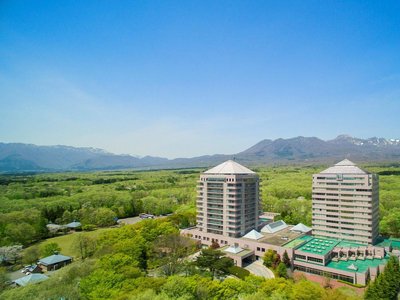
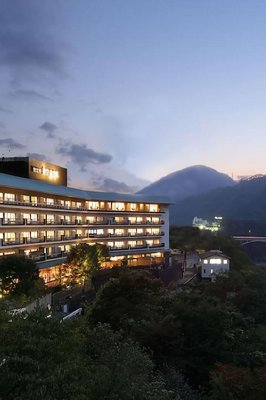
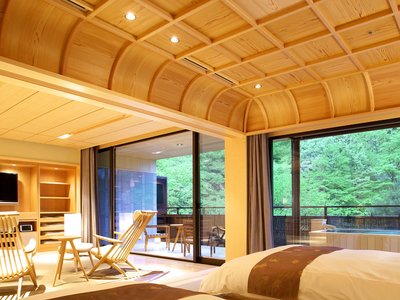
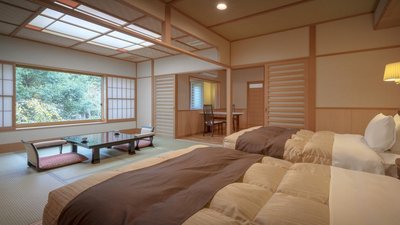
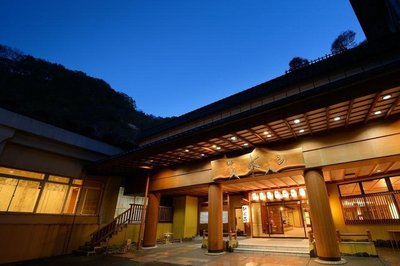
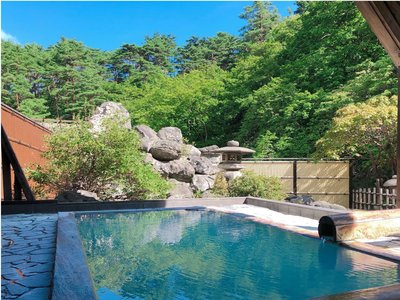
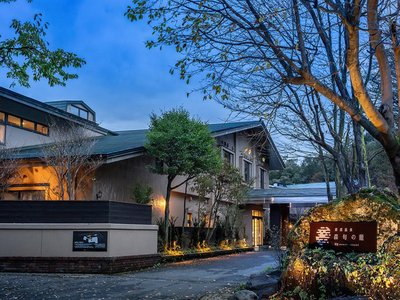
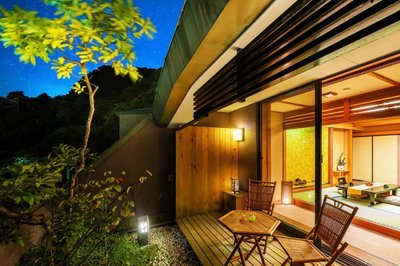
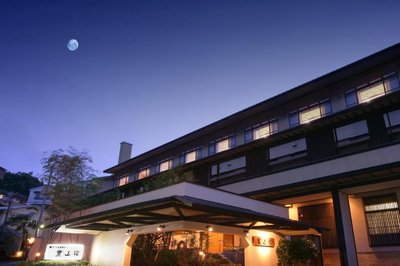
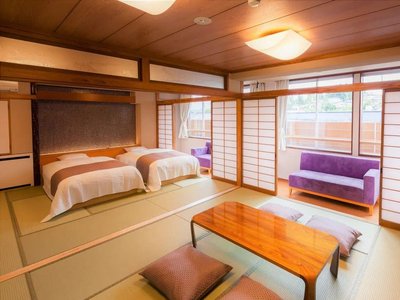
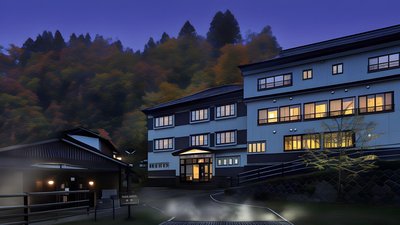
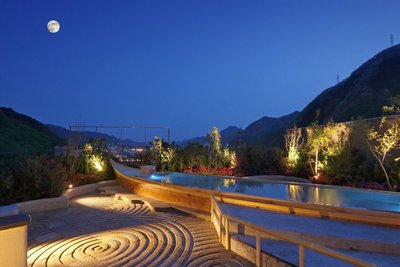
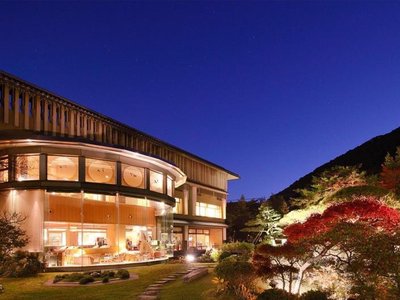
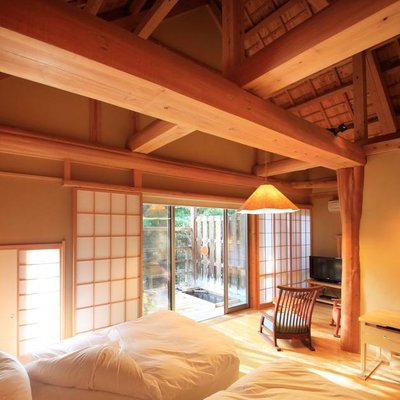
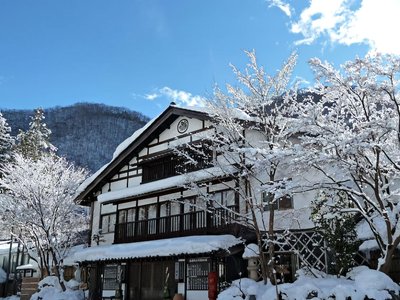
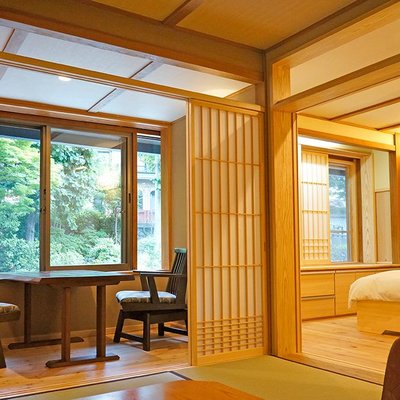
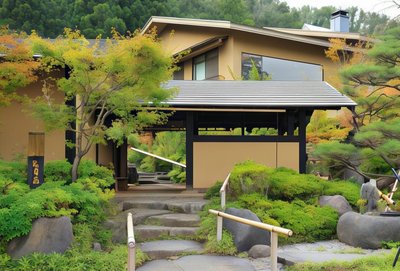
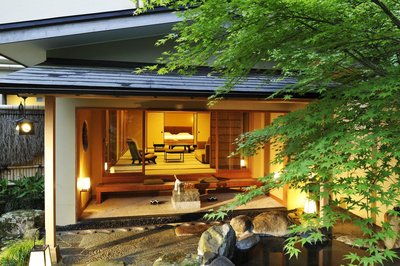
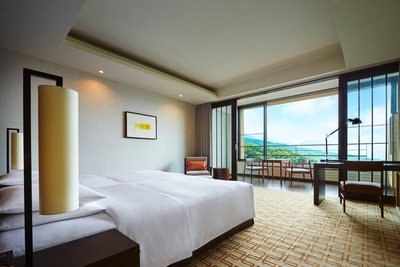
In Hongo City, the top choice is O-hara Onsen Kounkan, a traditional ryokan nestled in the mountains near Kawane River Valley. Its natural hot spring water comes from deep underground, rich in sulfur and bicarbonate, known for relieving muscle fatigue and improving skin health. The open-air bath offers panoramic views of the valley, especially stunning under starlit skies. Some rooms include private onsen baths with wooden tubs and bamboo screens, creating a serene Japanese Zen atmosphere. The hotel also hosts daily "Onsen Education Sessions" explaining mineral composition and local legends, enhancing cultural immersion.

The best area for first-time visitors is Hongo Central District, located just steps from Hongo Shrine and Fukushima Transportation Hub. This district features well-reviewed guesthouses like Matsukaze So and Sakura no Yado, blending minimalist design with natural materials. It’s perfect for exploring local life—stroll through Kawane Street Market for regional delicacies like mackerel sushi and black bean soup. Additionally, it’s a short 10-minute walk to the O-hara Mountain Trailhead, ideal for morning hikes and photography. Public transport and amenities are convenient, making it a gateway to both culture and nature.

Tourists in Hongo City can participate in the Spring O-hara Mountain Prayer Festival and Autumn Field Fire Festival, deeply rooted in local tradition. During the Spring Festival, locals perform ritual dances wearing traditional garments at Hongo Shrine, honoring nature and ancestors. In late summer, the Kawane River Lantern Festival lights up hundreds of handmade paper lanterns, symbolizing purification and protection. Visitors can also join the Fukushima Rural Life Experience Camp, where they plant rice, make tofu, and learn about sustainable farming practices. These hands-on activities offer authentic insight into rural Japanese heritage.

Yes, Hongo City is highly family-friendly. The Kawane River Trail has designated child-friendly paths with nature guides and birdwatching spots. The Hongo Municipal Center features a kids’ playroom and monthly parenting workshops, including "Little Farmer Days" where children grow vegetables and milk goats. The O-hara Mountain Forest Park offers family camping zones with tent rentals and bonfire nights. Hotels like Matsukaze So and Sakura no Yado provide free cribs, children’s meals, and spacious family suites, ensuring comfort for all ages. Many also offer multilingual staff and kid-friendly activity kits.

Top photogenic spots in Hongo City include: the vermillion torii gates of Hongo Shrine, framed by cherry blossoms in spring; the suspension bridge over Kawane River, reflecting lush greenery and clear waters; and the O-hara Mountain Observatory, offering sweeping views of the Hongo Basin and snow-capped Bandai Mountain. At dusk, the illuminated Lantern Festival creates magical scenes along the riverbank. Even the O-hara Onsen Kounkan garden, with seasonal changes from vibrant foliage to winter snow, provides stunning backdrops for photos throughout the year.

Yes, Hongo City has reliable public transport. The main hub is Hongo Station, served by regular trains connecting Fukushima City and Koriyama City (30-minute rides). Free sightseeing buses, the "O-hara Bus," run daily between key attractions like Hongo Shrine, Kawane River Valley, and Onsen Kounkan, featuring wheelchair-accessible vehicles and multilingual audio guides. For self-drivers, the Tohoku Expressway exit leads directly to downtown in 15 minutes. Some hotels even offer airport shuttle services (e.g., Fukushima Airport), greatly enhancing travel flexibility.

Accommodation prices in Hongo City vary by category and season. Budget-friendly guesthouses or family-run ryokans range from ¥6,000 to ¥12,000 per night, including breakfast and onsen access. Mid-range options like Hongo Onsen Kounkan cost ¥15,000 to ¥25,000, often including dinner and guided tours. Prices rise by 30% during peak seasons (spring cherry blossom and autumn foliage festivals)—book 2–3 months ahead. Some hotels offer "early bird deals" or "local experience packages," such as a two-night stay with a washi paper workshop, providing better value. Budget travelers can opt for O-hara Hostel, with dorm beds starting at ¥2,500.

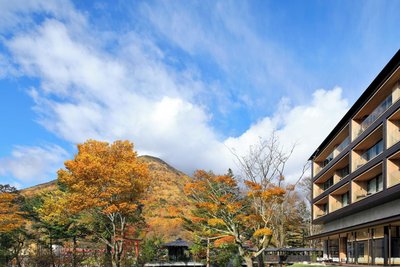
The best times to visit Hongo City are spring (March to May) and autumn (September to November). Spring brings blooming cherry blossoms along Hongo Shrine’s avenue, combined with fresh greenery on O-hara Mountain—perfect for photography. Autumn transforms the Kawane River Valley and surrounding hills into a fiery tapestry of red and gold leaves. The annual Fire Festival in late October features thousands of lit lanterns, creating a mystical atmosphere. Summer offers cool retreats in the forested valleys; winter brings peaceful snowscapes around the onsen areas. Avoid visiting during New Year and Obon Festival periods due to high tourist volume.

Must-try dishes in Hongo City include mackerel sushi, made with freshly caught fish marinated in salt and vinegar, delivering a delicate balance of umami and tang. Another highlight is black bean soup, simmered for 8 hours using locally grown beans and dashi broth—warm, hearty, and nourishing. At Kawane Street Market, sample vegetable tempura and rice dumplings with plum sauce, all sourced from nearby farms. Winter specialities like charcoal-grilled herring stew feature local scallions and sansho pepper, creating a rich, aromatic broth. Many hotels offer "Local Table Experiences," where guests dine with families, sharing stories and recipes in an intimate setting.

Yes, Hongo City offers gentle outdoor activities ideal for seniors. The Kawane River Valley Walking Path features flat, paved trails with shaded benches and scenic overlooks—perfect for leisurely strolls. The O-hara Mountain Observation Deck is accessible via elevator and offers panoramic views without steep climbs. Local tour guides provide slow-paced nature walks with storytelling sessions about local flora and fauna. Many onsen hotels offer chair massage services and indoor gardens with seasonal flowers. Seniors can also enjoy tea ceremonies and washi paper crafting workshops, combining relaxation with cultural engagement in a comfortable, low-impact environment.

Motomiya Overview
City Summary

Nihonmatsu City, located in central Fukushima Prefecture, Japan, is renowned for its agriculture and hot springs. The city blends historical heritage with scenic rural landscapes, featuring highlights like Mount Adatara's breathtaking views and traditional festivals such as the "Nihonmatsu Festival."
Must-See Attractions

Must-visit spots include Mount Adatara for hiking and autumn foliage, the relaxing Nihonmatsu Hot Springs, and the historic Nihonmatsu Castle Ruins. Culture enthusiasts can explore the Nihonmatsu City Museum to learn about local farming and folklore.
Other Cities You Might Like

Explore more amazing destinations