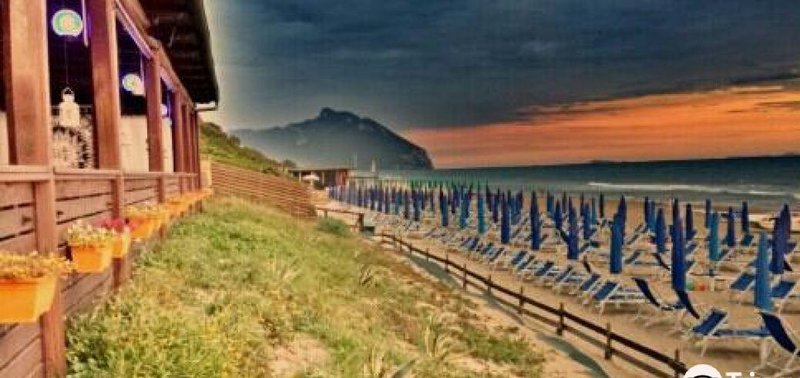
Hotels in Mozzagrogna
Discover your perfect stay in Mozzagrogna.
Mozzagrogna(Italy) Travel 2026: Cheap Flights, Hotels & Top Attractions
Popular Landmarks in Mozzagrogna
Discover the most iconic attractions in Mozzagrogna
Recommended Hotels in Mozzagrogna
Find the perfect place to stay in Mozzagrogna
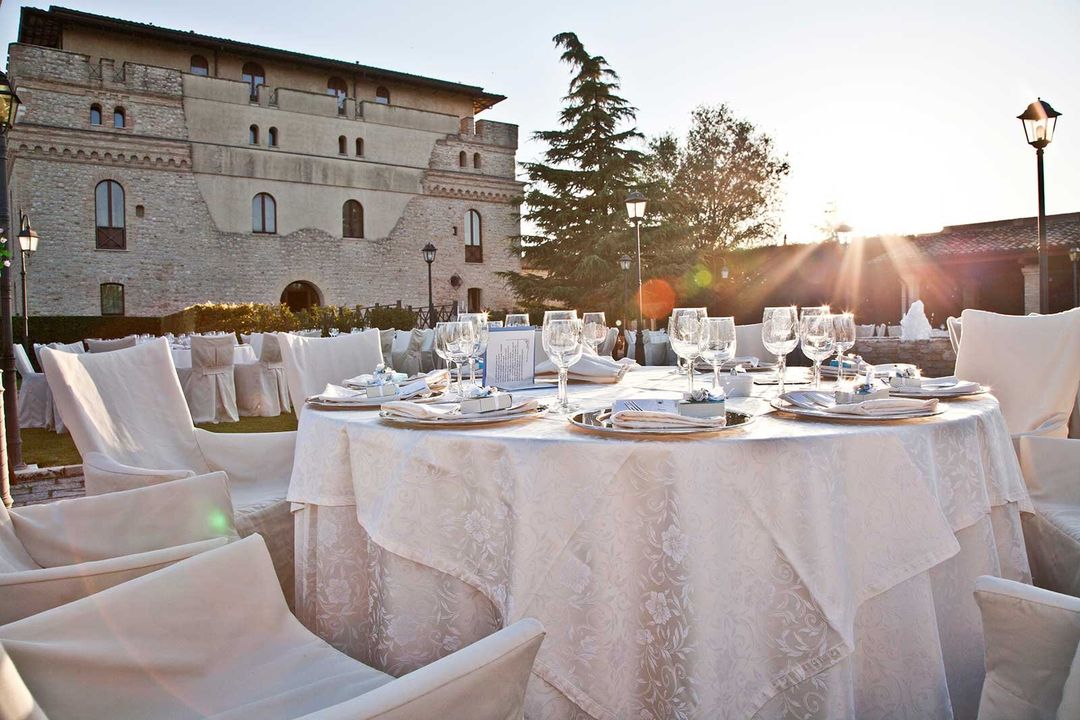
Hotel Castello di Septe
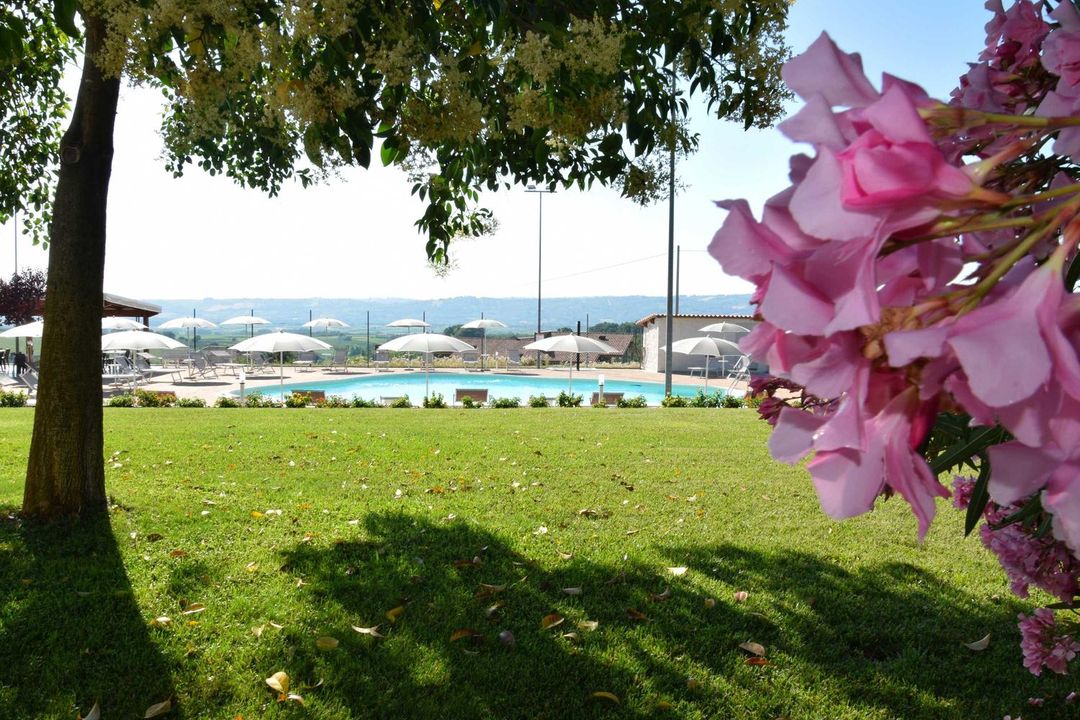
Hotel Residence Eden
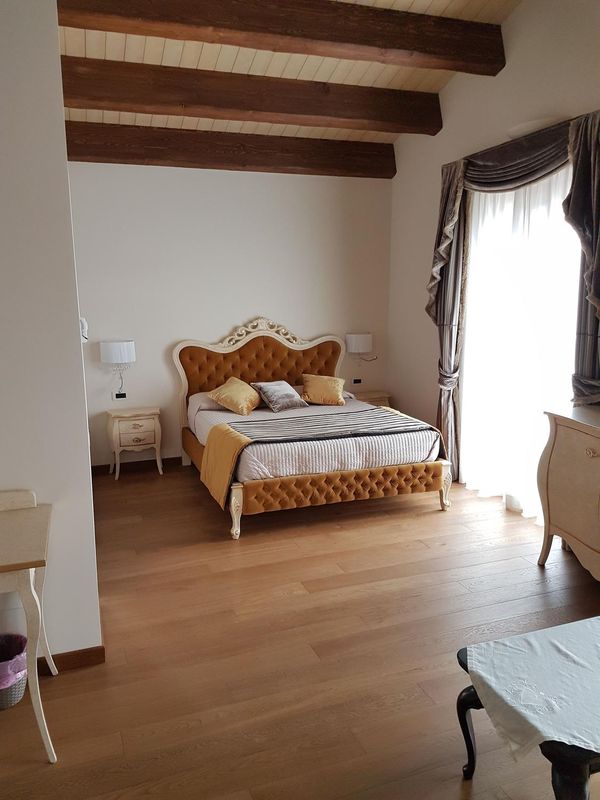
Agriturismo De Luca
Frequently Asked Questions about Traveling to Mozzagrogna
Questions You Might Need to Know About Traveling to Mozzagrogna
In Morazzone, the best hotel for mountain views is Hotel Ristorante La Pergola, nestled in the heart of the Abruzzo National Park. This boutique property offers panoramic vistas of the Apennines from its private terraces and floor-to-ceiling windows, with sunrise over snow-capped peaks being a daily highlight. The rooms blend rustic stone walls with modern comforts, featuring handcrafted textiles and wooden furnishings. Guests can enjoy authentic Central Italian cuisine made with local organic produce, including signature dishes like arrosticini and maccheroni alla chitarra.
Another excellent choice is B&B Il Faggio, a family-run farmhouse where each room opens to alpine meadows and forest trails. The owners often host guided nature walks and cooking workshops, providing immersive cultural experiences. Both properties offer complimentary Wi-Fi, free parking, and seasonal wellness treatments using natural hot springs—perfect for a serene retreat amidst untouched landscapes.
For a truly quiet and authentic stay in Morazzone, choose the Civitella del Tronto outskirts or the hillside villages like Sant'Angelo a Cupolo. These secluded areas are far from tourist crowds and offer access to traditional Abruzzo farmhouses transformed into cozy B&Bs and guesthouses. Here, you’ll find warm hospitality, homemade meals using ingredients from on-site gardens, and a deep connection to rural life.
The charm lies in the simplicity: stone cottages with slate roofs, fireplaces in common rooms, and neighbors who greet you by name. Most accommodations provide hiking maps, local wine tastings, and even opportunities to help harvest olives or bake bread in wood-fired ovens. While public transport is limited, many places offer pickup services from L’Aquila train station, making it easy to reach without a car. Ideal for travelers seeking peace, authenticity, and slow travel.
Morazzone offers deeply rooted cultural experiences that reflect Abruzzo’s rural heritage. The highlight is the annual Festa della Madonna del Carmine in mid-summer, where locals parade through the streets carrying the statue of the Virgin Mary in ornate processions accompanied by traditional folk music and drumming. It’s a moving celebration of faith and community.
Visitors can also explore the Museo della Civiltà Contadina, which showcases centuries-old farming tools, wool weaving techniques, and vintage kitchenware used in traditional homes. Hands-on workshops led by master artisans teach how to make felted caps (cappelli di lana) and hand-painted ceramics using natural pigments. These activities not only preserve traditions but allow guests to take home a meaningful piece of local craftsmanship—each item telling a story of place and people.
Yes, Morazzone is highly suitable for families with children. Many guesthouses, such as B&B Il Faggio, offer family-friendly amenities including play areas, child-sized beds, and outdoor spaces perfect for exploration. The surrounding Abruzzo National Park provides gentle, well-marked trails ideal for kids, like the path to Lago di Barrea, where children can spot frogs, birds, and wildflowers along the way.
Local restaurants serve kid-approved versions of regional dishes—think smaller portions of maccheroni alla chitarra or grilled arrosticini—and some even offer themed menus during festivals. There are also small libraries and craft corners in town centers, keeping children engaged during rainy days. With low traffic, safe paths, and welcoming locals, this is a peaceful destination where families can relax, learn, and reconnect with nature.
Must-try foods in Morazzone include arrosticini, skewered lamb cooked over open flames, tender and aromatic with a hint of rosemary. Another staple is maccheroni alla chitarra, handmade pasta pressed through a guitar-like tool, served with rich tomato-and-beef ragù. Locals also cherish Pecorino Abruzzese, a sharp, nutty sheep’s cheese often enjoyed with honey or drizzled olive oil.
During autumn, try zuppa di lenticchie, a hearty lentil soup traditionally served during cold nights. Many restaurants source ingredients directly from nearby farms—like organic olive oil from Sulmona and smoked prosciutto cured in stone cellars. Don’t miss the seasonal markets in Piazza del Popolo, where you can buy artisanal jams, dried herbs, and hand-packed sausages—perfect souvenirs that taste as good as they look.
Beginner-friendly hiking trails near Morazzone include the Sentiero delle Bocche di S. Pietro, a 6-kilometer path along a gentle ridge with stunning valley views; the Lago di Barrea loop, an 8-kilometer lakeside trail with flat terrain and frequent rest stops; and the short Villa d’Este to Colle di Montebello route (3 km), ideal for families, passing through wildflower fields and ancient oak forests.
All trails are clearly marked, with signage in Italian and English. Guides are available upon request, offering insights into geology, flora, and fauna. Best experienced between May and October, especially early morning or late afternoon to avoid heat. Bring sturdy shoes, water, and a map—some sections have no mobile signal. These routes offer a perfect introduction to the natural beauty of the Abruzzo National Park without overwhelming hikers.
While Morazzone has no public buses, several alternatives exist for visitors without a car. The nearest train station is L’Aquila, about 1 hour away, where you can rent a car or book a shared shuttle service. Many guesthouses offer complimentary pickup from the station.
For eco-conscious travelers, official park shuttles run seasonally between key sites in the Abruzzo National Park, including Lago di Barrea and Civitella del Tronto. You can also rent e-bikes or standard bikes from local cooperatives in L’Aquila and ride along scenic country roads. Some tour operators provide guided walking tours with transportation included. Always confirm schedules in advance, especially outside peak season. For shorter distances within the village, walking is safe and enjoyable.
The best time to visit Morazzone is from May to October, when the weather is mild and ideal for hiking and sightseeing. Peak season runs from June to August, coinciding with the Festa della Madonna del Carmine, attracting large crowds and vibrant festivities.
September is particularly special—harvest season brings lively farmers’ markets showcasing fresh olive oil, cheese, and grain products. Spring (April–May) offers blooming wildflowers and fewer tourists, while October features golden foliage across the hills, perfect for photography. Winter (November–March) brings snow, transforming the landscape into a peaceful white wonderland—ideal for solitude seekers and winter photographers, though road access may be limited.
Top photo spots in Morazzone include Piazza del Popolo, where the medieval San Pietro Church stands against a backdrop of terracotta rooftops and distant mountains—ideal for golden-hour shots. The Sentiero delle Bocche di S. Pietro viewpoint offers sweeping panoramas of the Apennine Valley, especially stunning at dawn with mist rising from the forest below.
Lago di Barrea is another masterpiece—the still lake mirrors the sky and surrounding peaks, creating perfect reflections. Capture silhouettes of trees or lone walkers on the shore. Lastly, the ruins of Civitella del Tronto add a dramatic, cinematic feel, with crumbling stone walls draped in ivy. Use a wide-angle lens and tripod for night shots of the Milky Way above the mountains—this area boasts one of Italy’s darkest skies.
Yes, accommodations in Morazzone offer exceptional value. Budget-friendly options like B&B Il Faggio charge just €60–€100 per night for a double room, including breakfast and free parking. Luxury stays such as Hotel Ristorante La Pergola start at €120, yet include dinner, wellness treatments, and mountain views—making them far more economical than city hotels.
Many properties offer package deals: “Stay 2 nights, get 1 free,” or “Family bundle” discounts. Prices remain stable year-round due to low tourist density. With no hidden fees or tourist taxes, guests receive more for less. Whether you’re seeking a simple farmhouse stay or a refined countryside retreat, Morazzone delivers high-quality, authentic experiences at remarkably fair prices—perfect for budget-savvy travelers wanting depth over luxury.
Mozzagrogna Overview
City Summary
Mozzagrogna is a charming small town in Italy's Abruzzo region, known for its peaceful countryside scenery and traditional Italian culture. Away from urban hustle, it boasts rich agricultural traditions and delicious local cuisine. Visitors can experience authentic Italian rural life and admire the beautiful pastoral landscapes.
Must-See Attractions
Though small, Mozzagrogna offers plenty to explore. The Church of San Michele is the most notable religious building, showcasing typical Italian rural architecture. Nearby vineyards and olive groves are must-visits, where travelers can tour local wineries and olive oil production. The surrounding mountains and hiking trails are perfect for outdoor enthusiasts.
Food Guide
Mozzagrogna attracts visitors with its authentic culinary culture. Local specialties include handmade pasta (like "maccheroni alla chitarra") and grilled meats (such as "arrosticini"). The town is also famous for its high-quality olive oil and wine, recommended for pairing with meals. Don’t miss "pecorino" cheese, a regional specialty of Abruzzo.
Transportation Guide
Public transport in Mozzagrogna is limited, so renting a car is advisable. The nearest train station is in Lanciano, with connecting buses to the town. Walking or biking is ideal for exploring locally. For trips to nearby areas like Pescara (~30 km), check bus schedules in advance or opt for taxis.
Best Time to Visit
Spring (April-June) and autumn (September-October) are the best times to visit, with mild weather and fewer tourists. Summers can be hot, while winters are cold but offer traditional Italian festive charm.
Travel Tips
- Respect local customs: Dress modestly when visiting churches.
- Learn basic Italian: Locals primarily speak Italian, though some understand English.
- Carry cash: Small shops and eateries may not accept cards.
- Try local dishes: Don’t miss family-run trattorias for authentic meals.
- Book accommodation early: Options are limited in this small town.
- Plan transport carefully: Public transport is infrequent; check schedules.
Useful Information
Mozzagrogna has decent mobile coverage, but rural spots may have weak signals. Italy uses 220V voltage with standard two-pin EU plugs. Medical facilities are basic; for emergencies, head to Lanciano or Pescara. Dial 112 for emergencies (EU-wide). The currency is the Euro—carry cash for rural areas. Locals are friendly, but language barriers exist; a translation app is helpful.