Hotels in Mueang Pan
Discover your perfect stay in Mueang Pan.
Mueang Pan(Thailand) Travel 2026: Cheap Flights, Hotels & Top Attractions
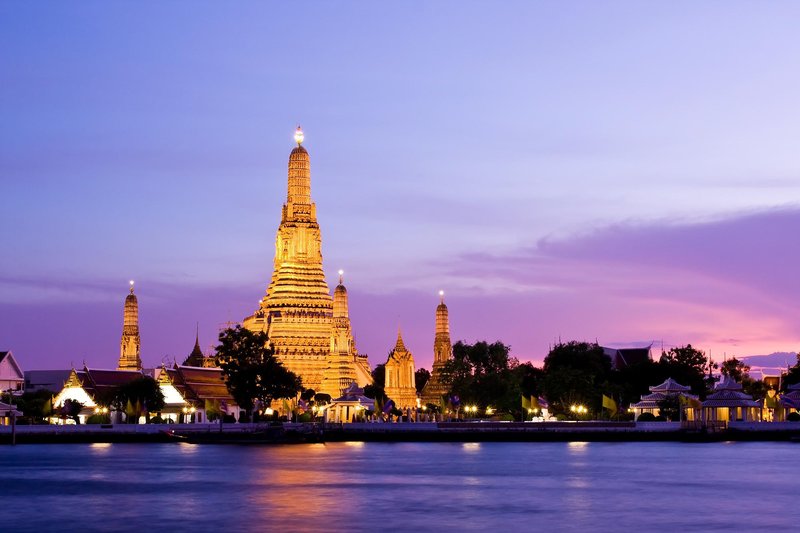
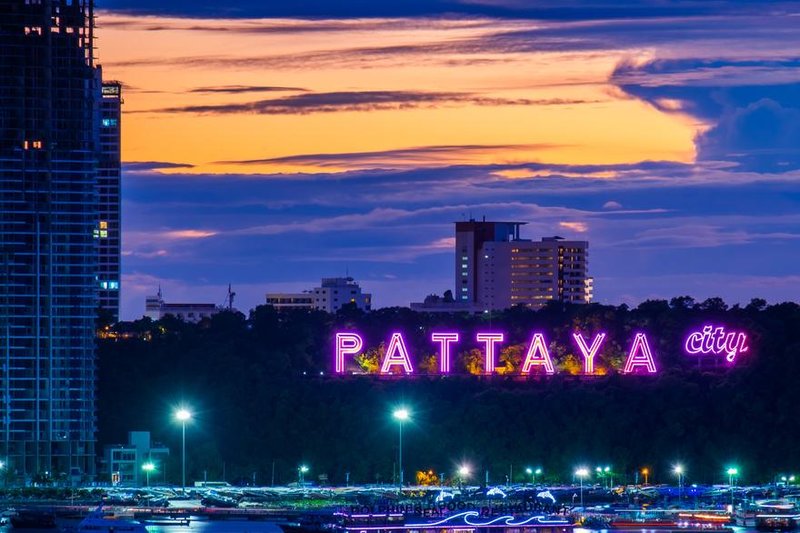
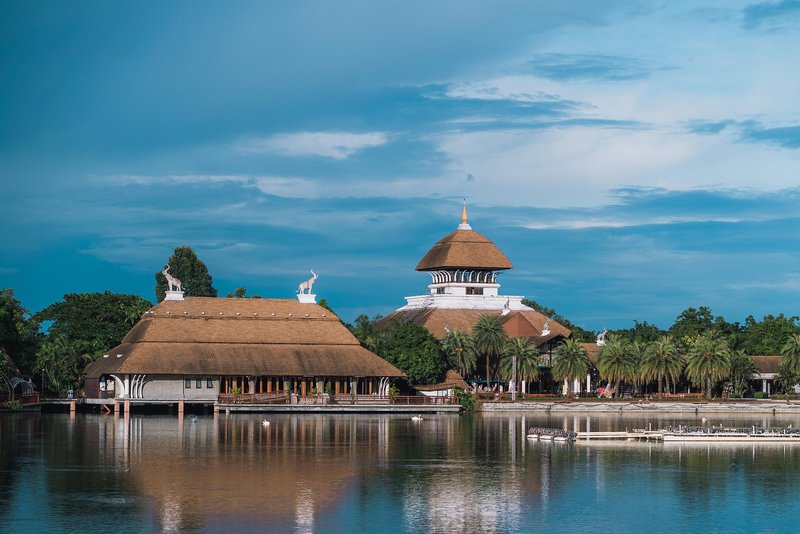
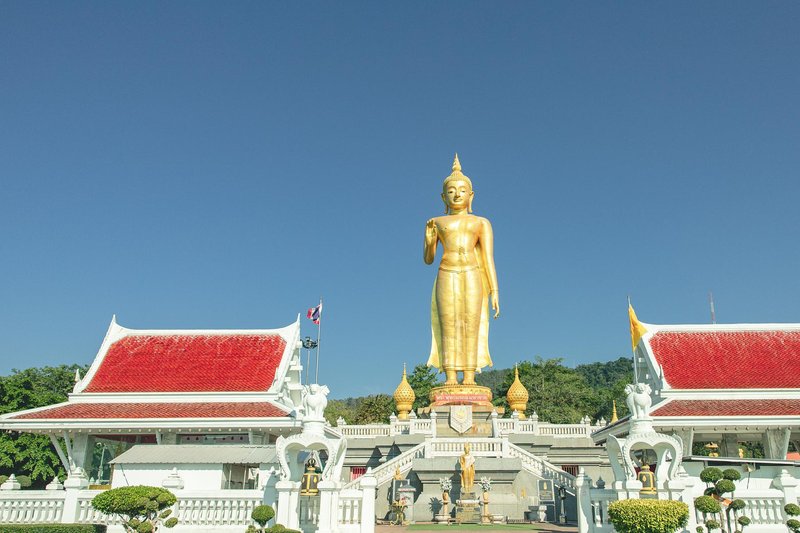
Popular Landmarks in Mueang Pan
Discover the most iconic attractions in Mueang Pan
Recommended Hotels in Mueang Pan
Find the perfect place to stay in Mueang Pan
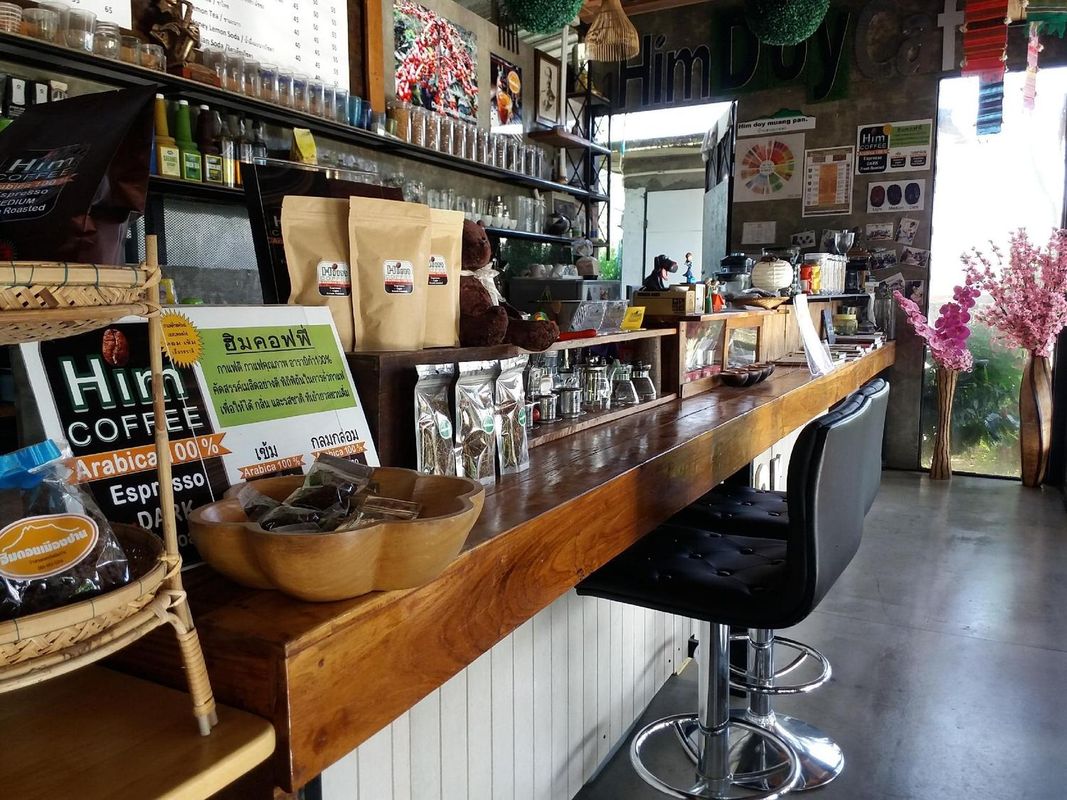
Him Doy Muang Pan Resort
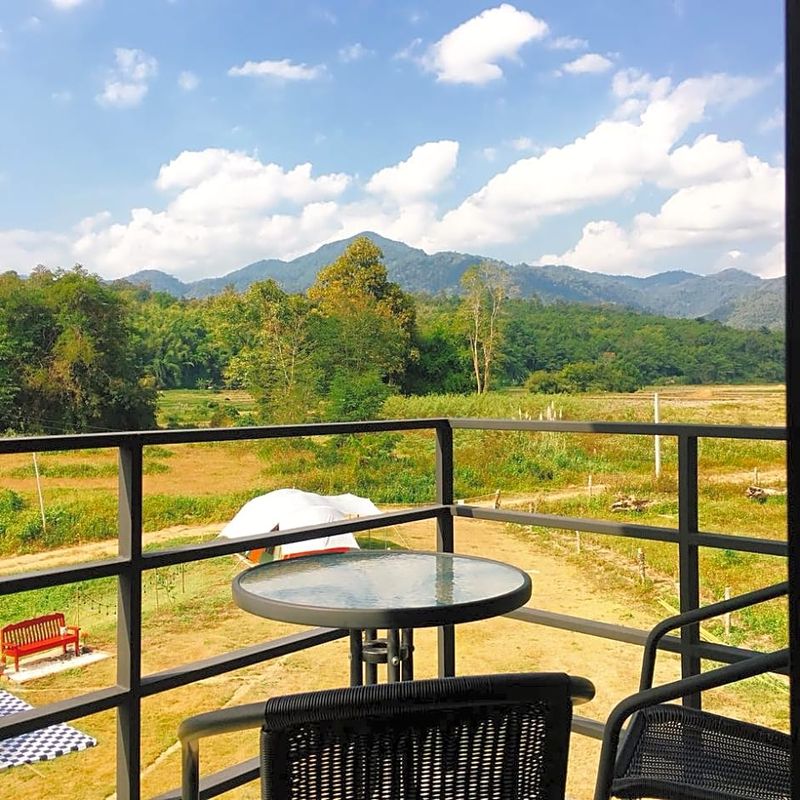
The Little Earth Farm View
Baan Tharn Saeng Dao
Baan Phon Rom Yen
Best Hotels in Mueang Pan
Discover curated hotel collections in Mueang Pan
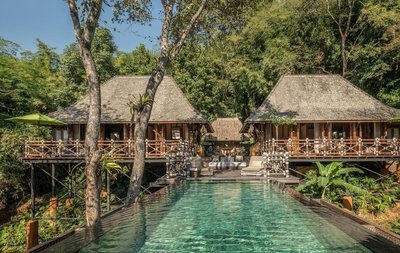
Four Seasons Tented Camp Golden Triangle
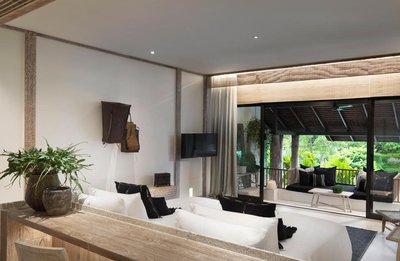
Raya Heritage
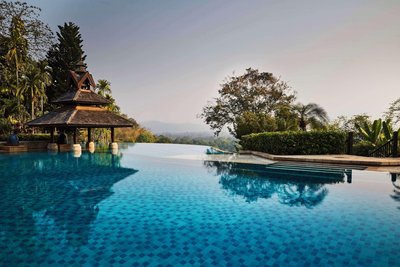
Anantara Golden Triangle Elephant Camp & Resort
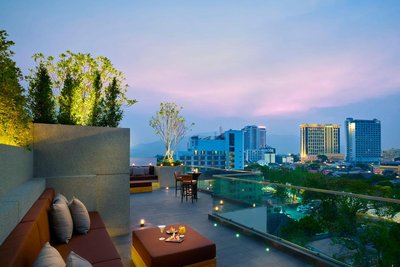
Anantara Chiang Mai Serviced Suites
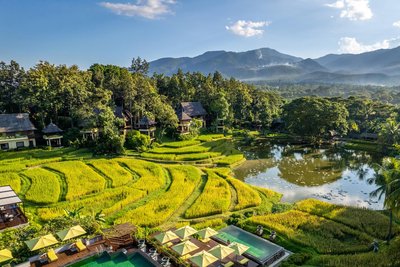
Four Seasons Resort Chiang Mai
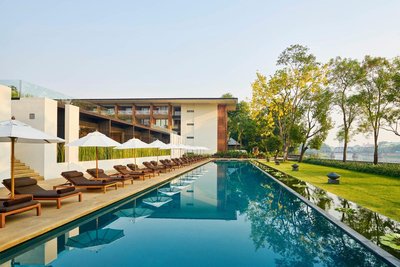
Anantara Chiang Mai Resort
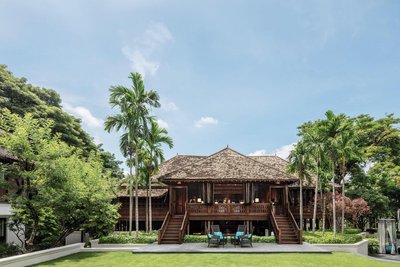
137 Pillars House
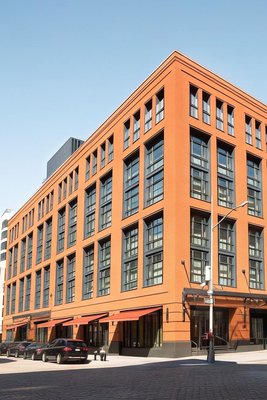
Hotel Barrière Fouquet's New York
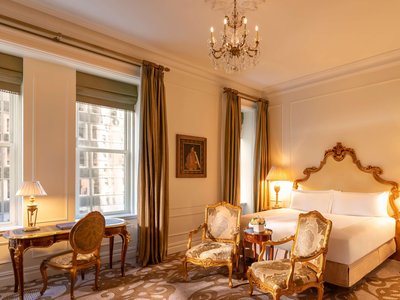
The Plaza - A Fairmont Managed Hotel
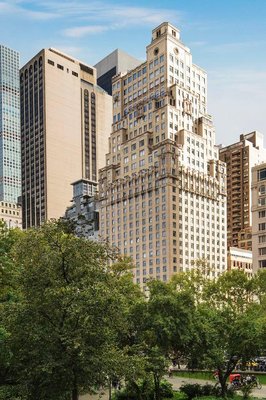
The Ritz-Carlton New York, Central Park
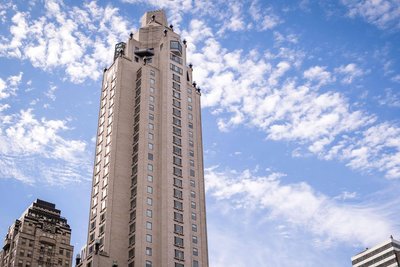
Four Seasons Hotel New York
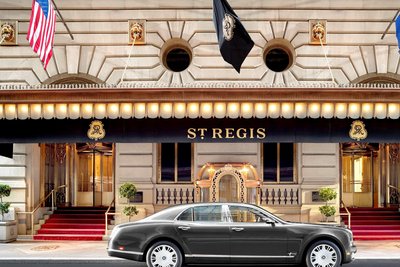
The St. Regis New York
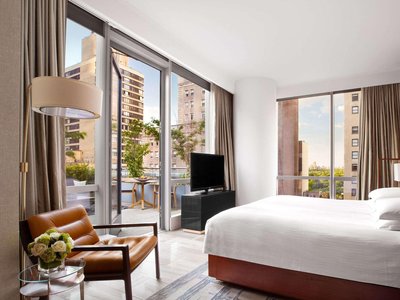
Park Hyatt New York
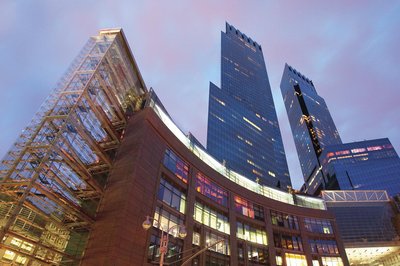
Mandarin Oriental New York
Times Square Edition New York
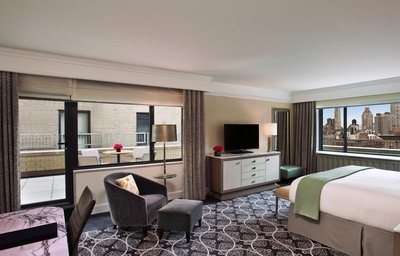
Loews Regency New York Hotel
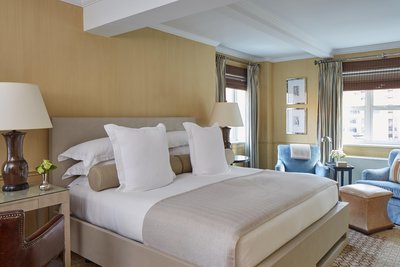
Lowell Hotel
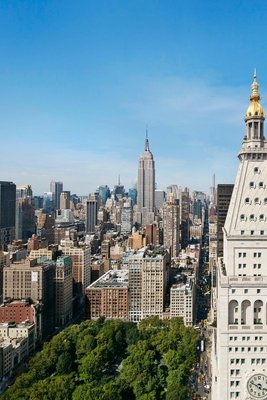
New York Edition
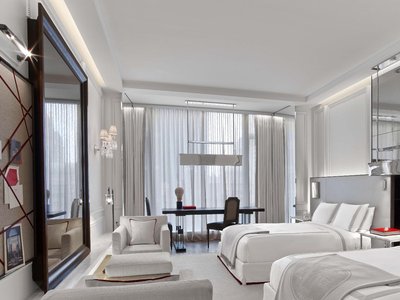
Baccarat Hotel New York
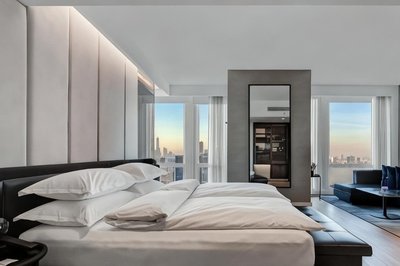
Equinox Hotel New York
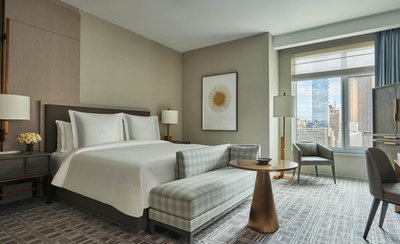
Four Seasons Hotel New York Downtown
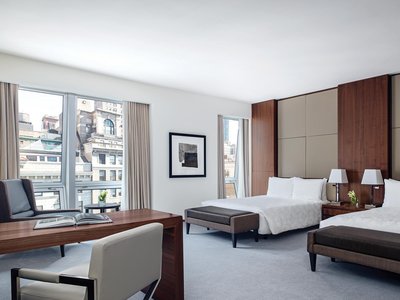
The Langham, New York, Fifth Avenue
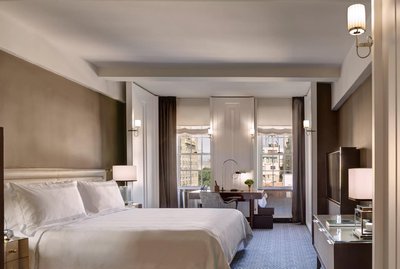
The Carlyle, A Rosewood Hotel

The Chatwal, in the Unbound Collection by Hyatt
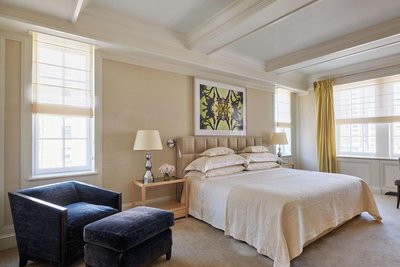
The Mark New York
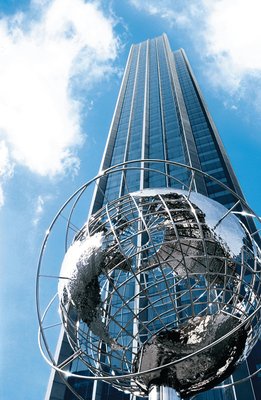
Trump International Hotel & Tower® New York
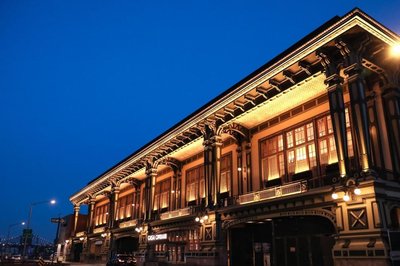
Casa Cipriani New York
Frequently Asked Questions about Traveling to Mueang Pan
Questions You Might Need to Know About Traveling to Mueang Pan
For an authentic cultural experience in Mae Ban, stay in the Old Town District, where traditional Lanna architecture and quiet streets preserve the town’s heritage. The area is home to Wat Mae Ban Temple, a serene Buddhist site with intricate murals and ancient relics, and nearby local markets offering handmade crafts and street food like "Khao Soi" noodles.
Recommended accommodations include Chiang Mai Old Town Resort, which blends modern comfort with Thai craftsmanship—featuring handwoven textiles, teakwood interiors, and daily cultural workshops. For a more intimate stay, try Mae Ping Riverside Cottage, nestled along the tranquil riverbank, perfect for stargazing and peaceful mornings with the sound of flowing water. These locations offer deep immersion into the slow-paced, rural charm of Mae Ban.
The most authentic stay in Mae Ban is in the Old Town District, where centuries-old Lanna-style houses have been converted into boutique guesthouses and family-run homestays. This area offers a genuine glimpse into rural Northern Thai life—think wooden verandas, hand-carved doors, and local families sharing stories over tea.
Staying here puts you within walking distance of Wat Mae Ban Temple, the bustling local market, and small craft shops selling handwoven baskets and herbal sachets. Many hosts organize guided village tours, cooking classes using seasonal ingredients, or visits to nearby rice paddies and orchards. It's ideal for travelers seeking connection over convenience, allowing them to live like a local while experiencing the gentle rhythm of life in this hidden gem of Lampang Province.
In Mae Ban, visitors can participate in unique cultural experiences such as traditional Lanna basket weaving workshops, where locals teach how to craft symbolic "Dragon Boat Baskets" using bamboo and cotton thread. These baskets are often used in festivals and represent good fortune.
Another highlight is the Thai herbal wellness session, led by elder villagers who share knowledge about medicinal plants found in the surrounding forests. Guests learn to identify herbs like lemongrass, turmeric, and kaffir lime, then create their own natural sachets or salves.
During the annual Mae Ban River Festival in March, communities hold a sacred ceremony involving lantern releases and paper boat offerings on the river—symbolizing purification and blessings. Travelers are welcome to join in traditional attire, making it one of the most meaningful ways to connect with local spirituality and community values.
Yes, many boutique hotels in Mae Ban offer authentic Thai dining experiences. At Chiang Mai Old Town Resort, guests can join daily Lanna Home Cooking Classes, where chefs teach how to prepare regional specialties like Nam Prik Noom (spicy green chili dip) and Khao Soi Kung (coconut curry noodle soup), using ingredients sourced directly from local farms.
Some guesthouses feature outdoor dining decks serving freshly grilled Moo Ping (marinated pork skewers) with house-made sauces, accompanied by live traditional Thai music. During seasonal events, they host Farm-to-Table Dinners, showcasing harvests of wild greens, mountain herbs, and organic vegetables—highlighting the region’s sustainable culinary traditions. These immersive meals provide not just delicious flavors but a true taste of rural Northern Thai life.
Yes, Mae Ban is highly suitable for family travel. With its quiet countryside setting, low tourist density, and welcoming communities, it offers a safe and enriching environment for children to explore nature and culture.
Many guesthouses provide child-friendly activities such as bamboo weaving workshops, river fishing sessions, and traditional Thai puppet theater classes, blending fun with learning. The Old Town Square and Wat Mae Ban Temple are pedestrian-friendly with shaded seating and clear pathways, ideal for relaxed sightseeing with kids.
Weekend programs include family farming experiences, where children can plant rice, harvest herbs, or collect lemongrass—teaching sustainability in a hands-on way. With clean air, warm hospitality, and a focus on simplicity, Mae Ban delivers a peaceful, educational, and memorable family getaway.
While Mae Ban is a rural town, transportation to nearby attractions is increasingly convenient. From Chiang Mai Airport, guests can take a direct bus or book a private car transfer—both taking about 1.5 hours.
Within Mae Ban, ride-hailing apps, local taxis, and electric scooter rentals are available for short trips. For day excursions to Lamphun Old City or Sukhothai Historical Park, many local tour agencies offer all-inclusive day trips with pickup, guided tours, and lunch.
The Mae Ping River Trail features a scenic bike path ideal for cycling through rice fields and village outskirts. Though there’s no rail system, the well-maintained roads and light traffic make renting a car or motorbike a comfortable and flexible option for exploring the broader Lampang Province—a perfect base for independent travelers.
Mueang Pan Overview
City Summary
Mae Pa District in Lampang Province, Thailand, is a rural gem blending traditional craftsmanship with Lanna heritage. Renowned for its ceramic villages and serene rice fields, it offers authentic experiences like ancient temples and artisan workshops, perfect for escaping urban bustle.
Must-See Attractions
Must-see spots include Wat Phra That Lampang Luang, a 500-year-old golden temple; Thai Elephant Conservation Center for ethical elephant encounters; and Mae Pa Pottery Village showcasing handcrafted ceramics. Stroll through the old town at dusk to admire colonial architecture and night markets.
Food Guide
Don't miss Khao Soi (curry noodle soup) with crispy noodles, or street-food staples like Sai Oua (herb sausage) and Nam Prik Noom (green chili dip). For dessert, try Khao Tom Mad (banana sticky rice wrapped in banana leaves) - a northern Thai specialty.
Transportation Guide
Local transport relies on songthaews (red shared pickup trucks) with negotiable fares. Motorbike rentals (~200 THB/day) offer flexibility but require caution. Minibuses to Lampang city take 1 hour. Tuk-tuks suit short trips - confirm prices beforehand. The nearest airport is 30 minutes away; arrange transfers in advance.
Best Time to Visit
November-February is ideal, with cool, dry weather (25°C avg) perfect for exploration. Avoid April's Songkran peak when prices surge. Monsoon (May-October) brings lush scenery but muddy rural roads, with fewer tourists.
Travel Tips
- Wear shoulder/knee-covering clothes in temples
- Avoid touching heads - considered sacred in Thai culture
- Cash dominates; carry small THB notes
- Drink bottled water to prevent stomach issues
- Flag down songthaews anywhere but clearly state your destination
- Polite haggling (10%-20% off) is acceptable for handicrafts
Useful Information
Language: Basic Thai like "Sawaddee" (hello) helps; English is understood at tourist spots. Internet: Tourist SIMs (TrueMove/Dtac) sold at 7-11 stores with good coverage. Payment: Cash is king (ATMs widely available); cards accepted only at major hotels. Healthcare: Lampang Hospital is 40 minutes away; pharmacies handle common prescriptions. Voltage: 220V; bring Type A/B plug adapters.