Hotels in Mukō
Discover your perfect stay in Mukō.
Mukō(Japan) Travel 2026: Cheap Flights, Hotels & Top Attractions
Popular Landmarks in Mukō
Discover the most iconic attractions in Mukō
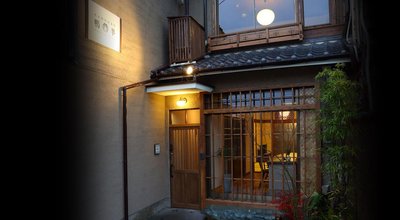
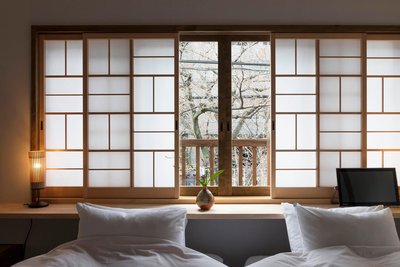
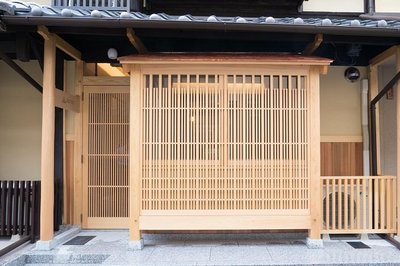
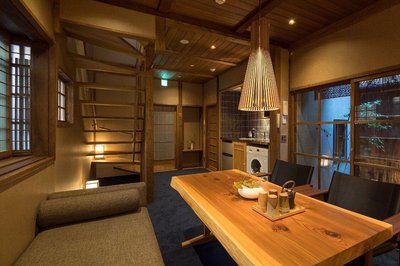
Recommended Hotels in Mukō
Find the perfect place to stay in Mukō
Best Hotels in Mukō
Discover curated hotel collections in Mukō







































Frequently Asked Questions about Traveling to Mukō
Questions You Might Need to Know About Traveling to Mukō
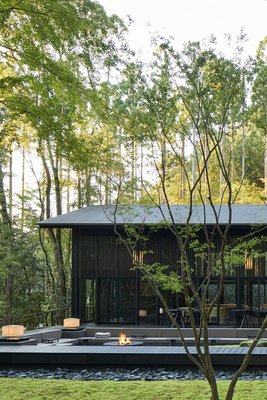
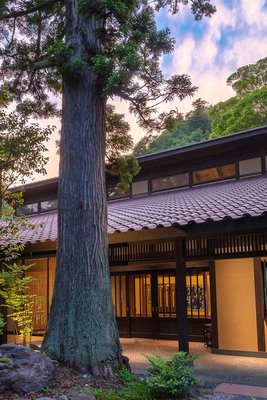
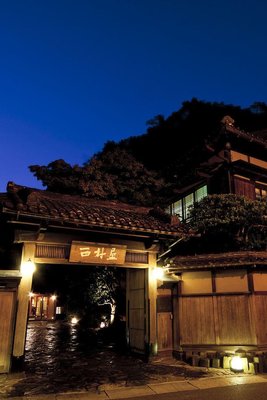
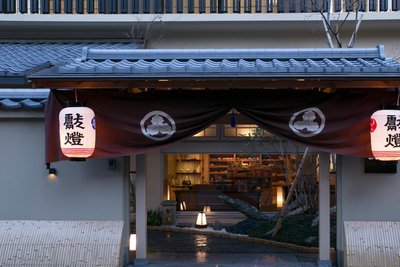
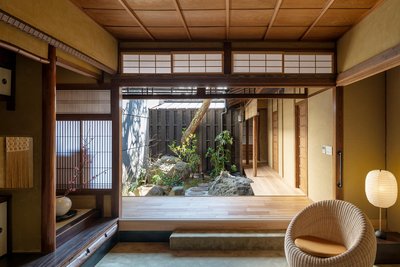
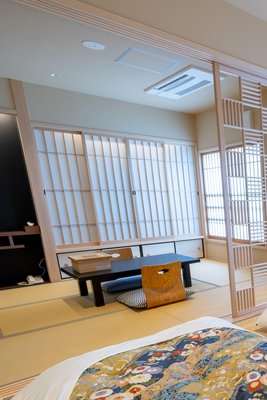
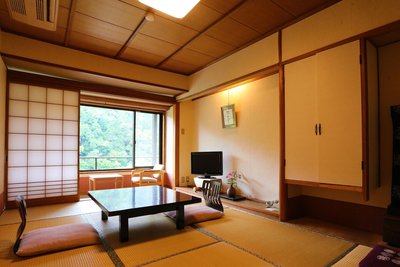
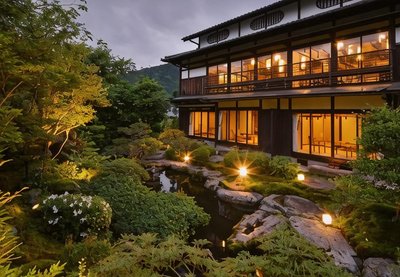
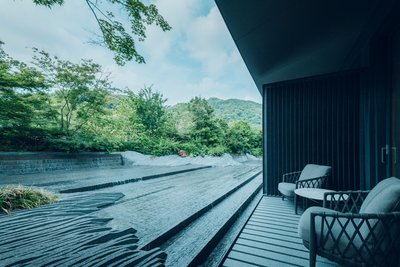
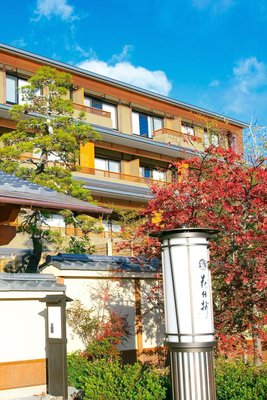
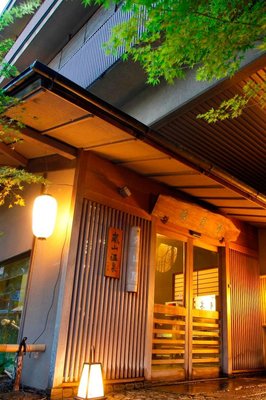
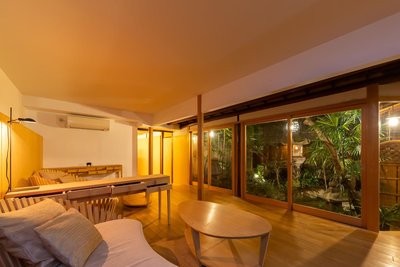
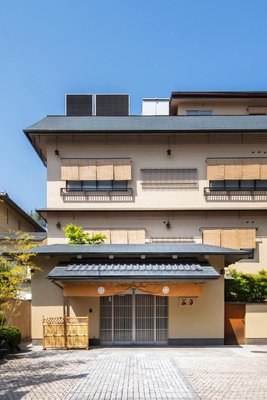
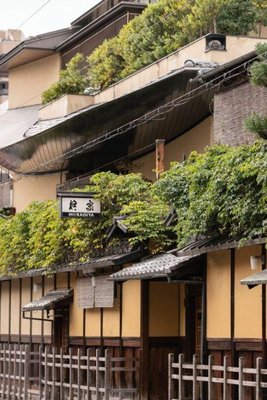
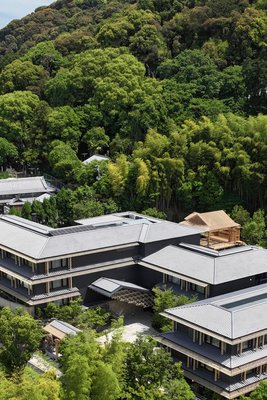
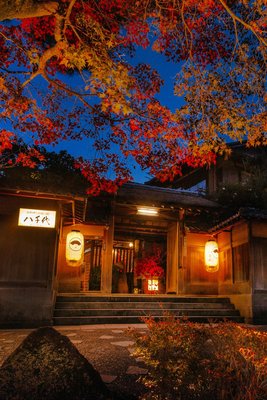
For a peaceful countryside retreat in Yukihashi, the Kyoto Yukihashi Onsen Ryokan stands out, nestled at the foot of Mount Yukihashi with private outdoor hot springs and traditional Japanese tatami rooms. The property emphasizes nature integration, offering forest-view balconies and seasonal kaiseki dinners using locally sourced ingredients.
Another excellent option is Yukihashi Yamaiku, a boutique eco-lodge promoting wellness through forest bathing and herbal baths. It features minimalist design, meditation spaces, and guided sunrise walks through nearby cedar groves. Both properties provide quiet, authentic experiences far from urban crowds, ideal for travelers seeking serenity and connection with nature.
Located just 25 minutes from Kyoto Station via Hankyu Railway, these stays offer easy access while preserving the charm of rural Kyoto Prefecture.
The best area to experience local culture and cuisine in Yukihashi is the Yukihashi City Hall Front District, a preserved old-town street lined with wooden storefronts and family-run eateries. Here, visitors can taste Yukihashi tofu—made with pure mountain spring water—served in both cold salads and warm soups at historic shops like "Daiwa-Ya".
Local specialties include Kyoto-style vegetables such as purple daikon radish and chrysanthemum greens, often featured in daily bento sets at small cafés. Seasonal events like the Spring Cherry Blossom Festival and Autumn Color Tour offer workshops on traditional crafts, tea ceremonies, and folk dances.
The Yukihashi Public Library also hosts monthly "Townhouse Talks," where elders share stories of local history and customs. This district combines authenticity, flavor, and community spirit, making it the heart of Yukihashi’s cultural identity.
The prime spot for cherry blossom viewing in Yukihashi is Yukihashi Park, especially along its central cherry-lined pathway flanked by over 300 sakura trees. The park transforms into a pink tunnel during late March to early April, attracting locals and tourists alike for picnics and night illuminations.
The annual Yukihashi Hanami Festival features taiko drum performances, food stalls selling local tofu desserts, and children's craft corners. For a more secluded view, hike up to the Kōkō-ji Temple Ruins, where ancient stone lanterns stand amidst scattered cherry trees, creating a serene, almost cinematic atmosphere.
Best visited early morning or late afternoon to avoid crowds, this area offers one of the most peaceful and picturesque hanami experiences in Kyoto Prefecture, blending natural beauty with cultural celebration.
Top-rated restaurants for authentic local cuisine in Yukihashi include Daiwa-Ya Tofu House, renowned for its silky Yukihashi tofu made with spring water and organic soybeans. Their signature dish, "Tofu & Miso Soup with Wild Greens," is served daily and praised for its freshness.
Another must-visit is Kōkō-ji Kōshin, a rustic eatery near temple ruins that specializes in Kyoto vegetable dishes—such as grilled eggplant with yuzu miso and sautéed chrysanthemum greens—prepared with ingredients from local farms.
For a complete dining experience, Yukihashi Yamaiku Restaurant offers seasonal kaiseki menus featuring foraged mushrooms, river fish, and heirloom rice, all paired with local sake. These establishments reflect Yukihashi’s commitment to sustainable, hyper-local flavors, making them essential stops for food lovers.
Yes, Yukihashi is well-connected to Kyoto City via the Hankyu Railway Line, with direct trains from Kyoto Station taking only 25 minutes to reach Yukihashi Station. From the station, it’s a 5-minute walk to the city center, including Yukihashi Park and City Hall Front District.
Additionally, Kyoto Municipal Bus Route 107 runs hourly between Kyoto Station and Yukihashi, stopping at key locations like the Yukihashi Onsen Ryokan and Yukihashi Riverbank. For short trips within the town, free shuttle buses operate during festivals and peak seasons.
Visitors can use the ICOCA Card or Kyoto Pass for seamless travel across trains, buses, and rental bikes. With efficient, affordable transit options, Yukihashi offers convenient access despite its rural setting.
Visitors to Yukihashi can enjoy several unique cultural experiences, including hands-on tofu-making workshops at Daiwa-Ya Tofu House, where guests learn traditional pressing techniques and sample their own creations.
The Yukihashi Townhouse Talks, hosted monthly at the Public Library, feature elder storytellers sharing oral histories, folk tales, and regional customs passed down through generations.
During autumn, the Color Tour Guided Walks lead participants through hidden paths around Kōkō-ji Temple Ruins, highlighting historical markers, ancient trees, and seasonal plant life.
For a deeper immersion, Yukihashi Yamaiku offers a full-day "Forest Wellness Experience," combining tea ceremony, forest bathing, and herbal bath rituals using native plants. These activities emphasize sustainability and heritage, providing meaningful engagement beyond sightseeing.
Yes, Yukihashi Park is a top family-friendly attraction, featuring a large playground, sand pits, shaded picnic areas, and a nature discovery hut with interactive exhibits on local wildlife and plants.
Nearby, the Yukihashi Public Library’s Children’s Forest hosts weekly storytime sessions, craft workshops, and science experiments tailored for kids aged 3–12. Parents appreciate the quiet, safe environment and free Wi-Fi.
The Yukihashi Riverbank offers electric bike rentals and scenic trails perfect for family rides, with designated rest stops and snack kiosks. During spring, families can join the Hanami Festival with kite flying and mini-folk dance shows.
These low-key, nature-centered attractions make Yukihashi an ideal destination for parents seeking calm, engaging, and educational experiences for children without the crowds of major tourist hubs.
The best time to visit Yukihashi is during spring (late March to mid-April) and autumn (October to early November). Spring brings blooming cherry blossoms at Yukihashi Park, creating a magical pink canopy ideal for photography and leisurely strolls.
In autumn, the hillsides around Mount Yukihashi turn golden and crimson, offering breathtaking views from the Kōkō-ji Temple Ruins and forest trails. The weather is mild, with crisp mornings and clear skies—perfect for hiking and outdoor activities.
Summer is humid but green, with lush foliage; winter is cool and quiet, ideal for visiting hot springs and enjoying the peaceful countryside. However, spring and autumn provide the most vibrant scenery and favorable conditions for exploring Yukihashi’s natural and cultural gems.
Yukihashi is an excellent budget-friendly getaway due to its affordable accommodations and low cost of living. Hotels like Yukihashi Daiwa Hotel start at ¥6,800 per night, offering breakfast and free shuttle service to Kyoto.
Meals are inexpensive too—local tofu dishes cost under ¥500, and many restaurants serve hearty bento boxes for under ¥800. Public transportation via Hankyu Railway is cheap and reliable, with round-trip tickets from Kyoto priced at just ¥600.
The city also offers free or low-cost cultural experiences: Hanami Festival entry is free, and library talks require no fee. Even luxury stays like Yukihashi Yamaiku offer value through all-inclusive wellness packages.
With high-quality experiences at low prices, Yukihashi delivers exceptional value for travelers seeking comfort, culture, and tranquility without breaking the bank.
Must-try local foods in Yukihashi include Yukihashi tofu, made with pure mountain spring water and organic soybeans, known for its silky texture and subtle sweetness. Try it cold with ginger soy sauce or warm in miso soup.
Also recommended is Kyoto vegetable cuisine, featuring seasonal produce like purple daikon, chrysanthemum greens, and wild mountain herbs, often stir-fried or steamed with minimal seasoning to highlight natural flavor.
At the Yukihashi Hanami Festival, sample taiyaki filled with red bean paste and local tofu, a creative fusion dish unique to the region. Pair with locally brewed barley tea or plum wine for a complete taste of Yukihashi’s culinary identity.
These dishes reflect the town’s agricultural roots and respect for seasonality, making them essential for any food-focused traveler.
Mukō Overview
City Summary
Nishikyō is a charming city located in the southern part of Kyoto Prefecture, Japan, blending tradition and modernity. Known for its tranquil residential areas and rich historical heritage, the city features notable sites such as Nishikyō Shrine and Myōken-ji Temple. With a strong Kyoto cultural atmosphere and modern conveniences, it's an ideal place to experience the fusion of traditional and contemporary Japan.
Must-See Attractions
Key attractions in Nishikyō include the historic Nishikyō Shrine, a significant祈福 site for locals with beautiful architecture and a serene environment. Myōken-ji Temple, an ancient Buddhist temple, offers insights into Japanese Buddhist culture. Additionally, the市民park is perfect for leisurely strolls, especially during seasonal flower exhibitions.
Food Guide
In Nishikyō, you can enjoy authentic Kyoto cuisine, including traditional kaiseki料理 and delicious matcha desserts. Local izakayas and small eateries serve fresh sushi and tempura, while street foods like takoyaki and taiyaki are also worth trying.
Transportation Guide
Transportation in Nishikyō primarily relies on buses and trains, with Keihan and Hankyu Railway lines connecting the city to Kyoto and Osaka. The local bus system is well-developed for short trips. Consider purchasing a one-day pass to save on transportation costs and avoid peak-hour crowds.
Best Time to Visit
The best times to visit Nishikyō are spring (March to May) and autumn (September to November), when the weather is pleasant and the scenery is stunning. Cherry blossoms in spring and autumn foliage are particularly吸引人.
Travel Tips
- Respect local culture by maintaining silence in temples.
- Learning basic Japanese greetings can facilitate communication.
- Carry cash as some small shops may not accept credit cards.
- Check public transport schedules to avoid missing the last train.
- Observe排队 etiquette, as it is highly valued in Japanese culture.
- Be prepared for weather changes by carrying rain gear.
Useful Information
The official language in Nishikyō is Japanese, but some tourist spots and staff may understand basic English. Free Wi-Fi hotspots are available, but purchasing a local SIM card is recommended for reliable internet access. Cash is the primary payment method, though credit cards are accepted at larger stores and hotels. Emergency services can be reached by dialing 119, and medical facilities are well-equipped.