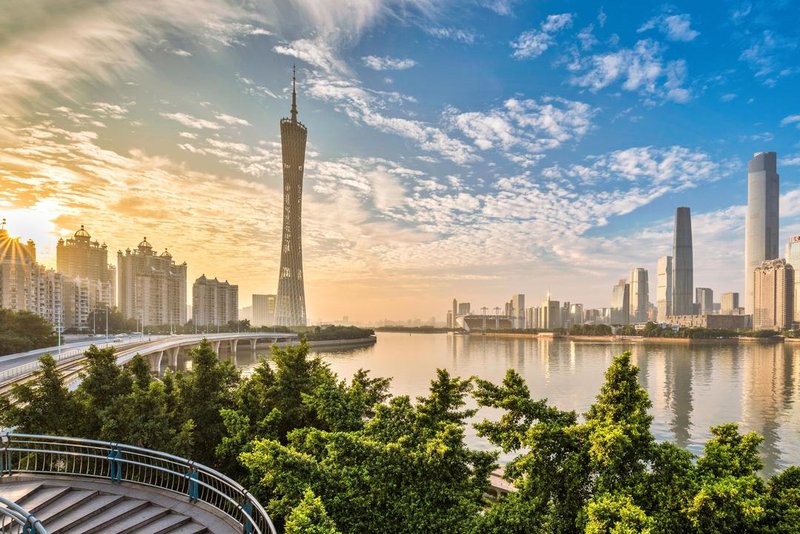
Hotels in Mulheim an der Ruhr
Discover your perfect stay in Mulheim an der Ruhr.
Mulheim an der Ruhr(Germany) Travel 2026: Cheap Flights, Hotels & Top Attractions
Popular Landmarks in Mulheim an der Ruhr
Discover the most iconic attractions in Mulheim an der Ruhr
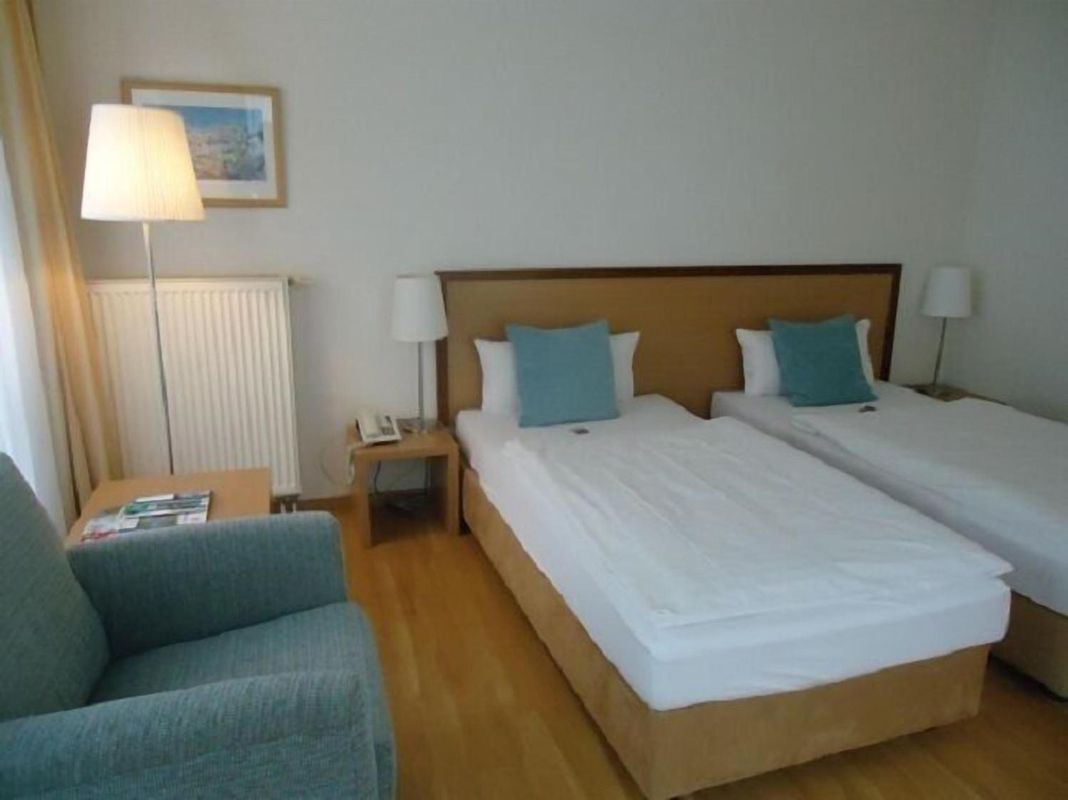
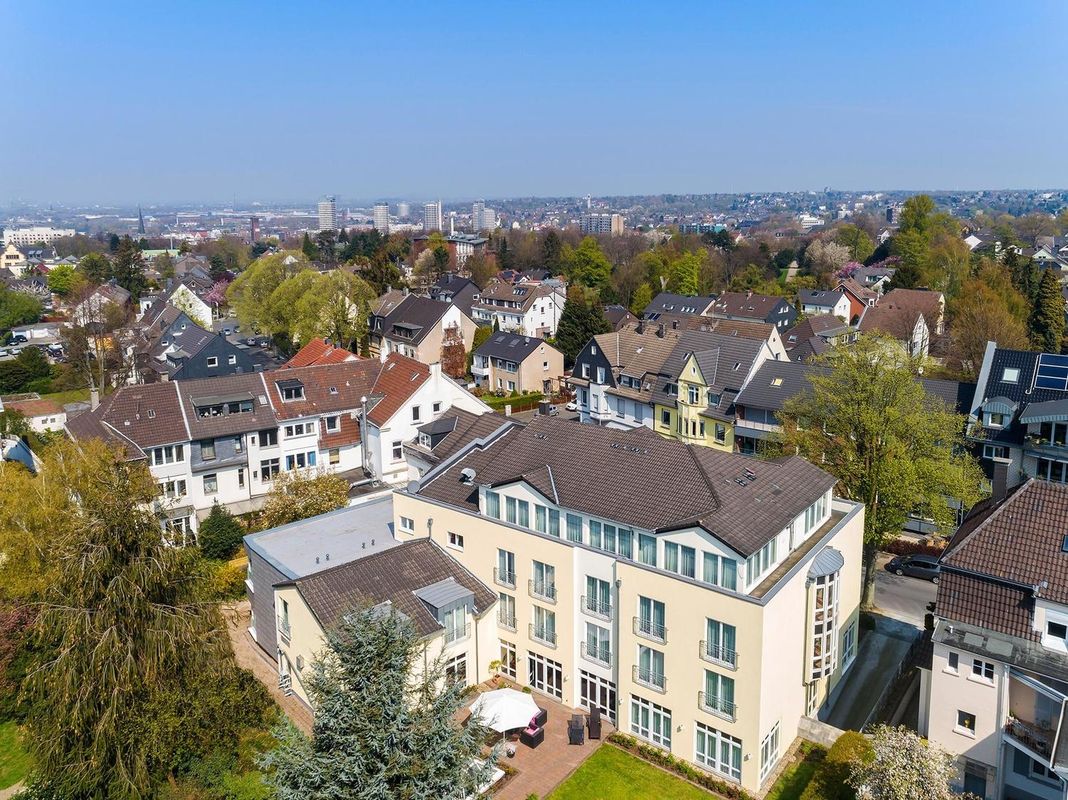
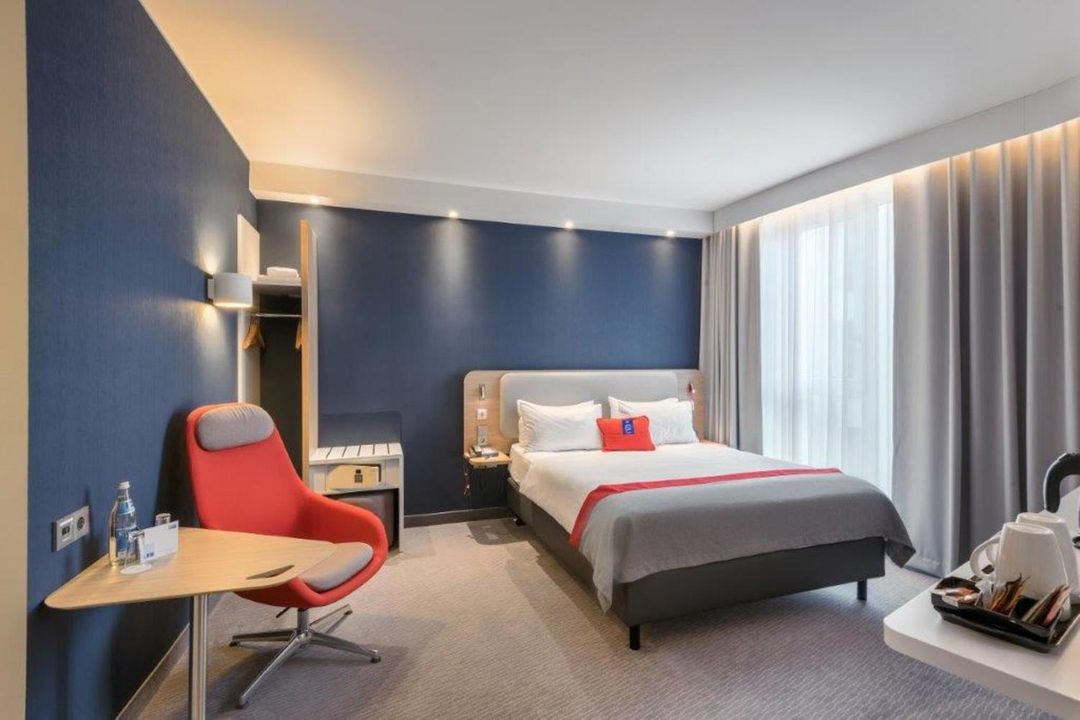
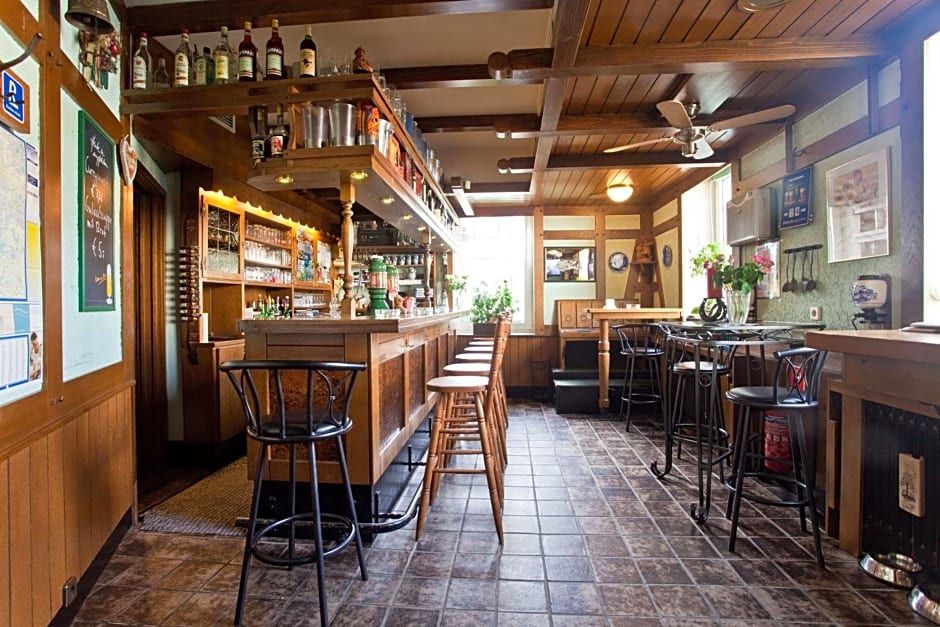
Recommended Hotels in Mulheim an der Ruhr
Find the perfect place to stay in Mulheim an der Ruhr

Frequently Asked Questions about Traveling to Mulheim an der Ruhr
Questions You Might Need to Know About Traveling to Mulheim an der Ruhr
For budget-friendly stays in Mülheim an der Ruhr, consider Ibis Styles Mülheim an der Ruhr, located just a 5-minute walk from Mülheim Hauptbahnhof. This modern, clean hotel offers spacious rooms with free Wi-Fi, smart climate control, and affordable breakfast options. It’s ideal for travelers seeking value without compromising on comfort.
Another excellent choice is Hotel am Stadtpark, situated in the city center near Mülheim Museum and Brenkpark. While slightly pricier, it frequently runs seasonal deals and includes complimentary parking. Both hotels provide easy access to public transit, including the S-Bahn line S7, connecting directly to Düsseldorf and Essen within 20 minutes.
Guests appreciate the local charm and proximity to weekly farmers’ markets and craft beer bars, making these hotels perfect bases for exploring the Ruhr Region on a budget.
The city center of Mülheim an der Ruhr is the best area for first-time visitors. Located around Mülheim Hauptbahnhof and Rathausplatz (Town Hall Square), this district offers seamless access to major attractions like the Mülheim Museum, Brenkpark, and the scenic Ruhr River Promenade.
It’s also home to numerous cafes, restaurants, and boutique shops, including Zum Alten Rathaus, a historic tavern serving traditional German dishes. The area is well-lit, safe, and highly walkable, making it ideal for families and solo travelers alike.
Staying here ensures you’re within walking distance of key landmarks and public transport hubs. Many top-rated hotels, such as Hotel am Stadtpark and Ibis Styles, are concentrated in this vibrant core, giving you the ultimate convenience for exploring the Ruhr Region’s industrial heritage and cultural scene.
Mülheim an der Ruhr offers unique cultural experiences rooted in its transformation from an industrial powerhouse to a creative hub. One standout is visiting Zeche Zollern II/III, a former coal mine now converted into the Ruhr Cultural Center, hosting contemporary art exhibitions, live music performances, and immersive installations.
Each summer, the city hosts the Mülheim International Jazz Festival, drawing world-class musicians and jazz enthusiasts from across Europe. The festival takes place in open-air venues along the Ruhr River Promenade, blending music with nature.
Don’t miss the Mülheim Weekly Market (Mülheimer Wochenmarkt) every Saturday morning at Rathausplatz, where locals sell fresh bread, sausages, craft beer, and handmade goods. You can also join a family cooking workshop to learn how to make traditional German dishes like Pumpernickel or Rote Grütze.
These experiences highlight Mülheim’s blend of industrial legacy and vibrant community life, offering authentic insights into Ruhr Region culture.
Yes, several family-friendly hotels in Mülheim an der Ruhr cater to guests with children. Hotel am Stadtpark features spacious family rooms, free cribs, and a small indoor pool with a dedicated play area—perfect for kids.
Ibis Styles Mülheim an der Ruhr offers interconnecting rooms, baby cots upon request, and a kid-friendly breakfast menu. It’s located just steps from Brenkpark, which has playgrounds, picnic zones, and a petting zoo.
Both hotels provide free parking and are within walking distance of Mülheim Children’s Library and the Interactive Science Pavilion, where kids can explore physics experiments and robotics through hands-on activities.
Many properties also offer family packages that include discounted tickets to local attractions like the Old Coal Mine Art Space or guided industrial heritage tours, making Mülheim an ideal destination for multigenerational travel.
Transportation in Mülheim an der Ruhr is highly convenient. The Mülheim Hauptbahnhof is centrally located and serves the S-Bahn line S7, providing direct connections to Düsseldorf (20 min), Essen (15 min), and Cologne (40 min).
The city boasts an extensive bus network, including lines 600 and 601, linking all major sights like the Mülheim Museum, Brenkpark, and Ruhr River Promenade. Most hotels offer free parking, and many are within a 10-minute walk of transit hubs.
Additionally, Mülheim participates in the E-Mobility Initiative, with electric bike rentals available at stations throughout the city. Cyclists can follow the Ruhr River Cycle Path, a scenic route stretching across the region.
For those driving, the A40 highway runs close to the city, offering quick access to other parts of the Ruhr Area. With its reliable public transit and sustainable mobility options, Mülheim is easy to navigate for both short visits and longer stays.
Mülheim’s culinary identity centers on regional specialties rooted in its industrial past. Try Ruhrwurst, a smoked sausage made from pork and rye flour, typically served with sauerkraut and mashed potatoes—best enjoyed at the Mülheim Weekly Market or local taverns like Zum Alten Rathaus.
Another must-try is Mülheimer Entenbraten—slow-roasted duck with crispy skin and red cabbage sauce—a dish with centuries-old roots. The restaurant Haus Hohne is renowned for its version.
For drinks, sample Mülheim Craft Beer from microbreweries like Brauerei Kumpf, which produces limited-edition ales, stouts, and fruit-infused brews. These are often paired with grilled meats or cheese platters at cozy beer halls.
Food lovers can also take part in hands-on cooking classes to learn how to bake traditional German bread or prepare regional desserts like Apfelstrudel. These experiences offer deep insight into the city’s food culture and community spirit.
Despite its industrial roots, Mülheim an der Ruhr boasts impressive natural attractions. The Ruhr River Promenade stretches over 5 kilometers along the riverbank, lined with trees, benches, and scenic viewpoints—ideal for walking, jogging, or evening strolls.
Brenkpark, the city’s largest green space, spans over 12 hectares and features a lake, children’s playgrounds, an open-air theater, and a nature trail. It’s a favorite spot for picnics and birdwatching.
The Mülheim Forest Conservation Area (Mülheimer Waldschutzgebiet) lies west of the city and is one of Germany’s rare urban forests, home to deer, foxes, and diverse bird species. It’s perfect for hiking and photography.
Notably, the Ruhr Ecological Corridor Project has transformed old mines and factories into wetlands and native plant gardens. The former coal mine lake now supports migratory birds, making it a hotspot for ecological tourism. These green spaces reflect Mülheim’s successful balance between industry and nature.
Yes, Mülheim an der Ruhr is ideal for a short trip. Just 25 km from Düsseldorf, it’s easily accessible via the S-Bahn (20 minutes), making it a perfect day-trip destination.
For a full day: Visit the Mülheim Museum and Zeche Zollern II/III in the morning, stroll along the Ruhr River Promenade in the afternoon, then enjoy local food and craft beer at the Mülheim Weekly Market in the evening. Stay overnight at Hotel am Stadtpark for a relaxing riverside view.
For a two-day visit, add a hike in Brenkpark, attend a concert at the Industrial Arts Space, or join a family cooking class. The city’s compact size, rich history, and mix of nature and culture make it a rewarding stop on any Ruhr Region itinerary—especially for travelers who appreciate authenticity and sustainability.
Mülheim an der Ruhr’s history is uniquely defined by its transformation from a coal-mining center to a cultural landmark in the Ruhr Region. Established in the 19th century, the city was home to Zeche Zollern, one of the most significant coal mines in Germany, which operated until the 1980s.
After deindustrialization, Mülheim pioneered the urban regeneration movement, converting abandoned mines and factories into cultural venues. Today, Zeche Zollern II/III stands as a symbol of this rebirth, housing art galleries, theaters, and music events.
The city also played a key role in Germany’s Industrial Heritage Preservation Program, earning international recognition for its adaptive reuse projects. Its story reflects a broader narrative of resilience and innovation, turning industrial scars into vibrant public spaces.
Visitors can explore this legacy at the Mülheim Museum, which displays original mining equipment and archival photos, offering a powerful glimpse into the city’s working-class roots and visionary future.
Mülheim an der Ruhr offers a vibrant yet relaxed nightlife scene. In the city center, Zum Alten Rathaus and Brauerei Kumpf serve hearty German fare and locally brewed craft beer, often featuring live acoustic music or DJ sets on weekends.
Every Friday, the Mülheim Night Market (Mülheimer Nachtmarkt) transforms Rathausplatz into a lively street fair with over 100 stalls selling food, crafts, and vintage clothing. It’s a great place to mingle with locals and enjoy a festive atmosphere.
Art lovers should visit Zeche Zollern II/III after dark, where light installations, experimental theater, and electronic music events create a surreal, industrial-chic ambiance.
Evenings along the Ruhr River Promenade are magical, with soft lighting and ambient sounds. Couples and photographers flock here for quiet, romantic walks under the stars.
With a blend of traditional taverns, modern clubs, and creative cultural spaces, Mülheim delivers a distinctive night out that honors its industrial past while embracing contemporary flair.
Mulheim an der Ruhr Overview
City Summary
Mülheim an der Ruhr, located in North Rhine-Westphalia, Germany, is a charming city that blends industrial heritage with natural beauty. As part of the Ruhr region, it boasts rich cultural landmarks alongside modern urban amenities. Known for its green parks and leisure areas along the Ruhr River, it's ideal for outdoor enthusiasts.
Must-See Attractions
Must-see attractions include Broich Castle, a medieval fortress surrounded by picturesque gardens, and the historic Wasserbahnhof, now transformed into a cultural and dining hub. Art lovers will appreciate the Kunstmuseum's contemporary art collection.
Food Guide
Mülheim's cuisine combines traditional German flavors with modern twists. Sample local dark beer and sausages, or enjoy freshly baked pastries at downtown cafés. Don't miss riverside restaurants serving regional specialties paired with famous Apfelwein (apple wine).
Transportation Guide
The city has efficient public transport including buses and trams. Mülheim Hauptbahnhof (main station) offers quick connections to neighboring cities. Bike rentals are perfect for exploring greenways and riverbanks.
Best Time to Visit
Visit between May-September for mild weather ideal for outdoor activities. Summer brings festivals but more crowds.
Travel Tips
- Tipping 10% is customary in restaurants, though service charge is usually included.
- Always validate public transport tickets - fines for fare evasion are steep.
- Most shops close on Sundays - plan shopping ahead.
- English is widely understood in tourist areas despite German being official language.
- Follow strict recycling rules - observe bin labeling.
Useful Information
German is the official language, but English works in tourist areas. Euro is the currency, with credit cards widely accepted. Dial 112 for emergencies. Public WiFi is available in cafés and some attractions, but local SIM cards are recommended. Pharmacies (Apotheke) display red 'A' signs and typically close by 6 PM.